A shot-on-video look at three impoverished Black communities in rural Georgia in 1976 - America's bicentennial, interspersing photos with footage and voices of those in their communities.
Social & External
Faceless Things shows two acts of gay sadomasochistic sex—one acted, the other not—with such bare-faced cheek that some viewers will be repelled.
The Fall of the I-Hotel brings to life the battle for housing in San Francisco. The brutal eviction of the International Hotel's tenants culminated a decade of spirited resistance to the razing of Manilatown. The Fall of the I-Hotel works on several levels. It not only documents the struggle to save the I-Hotel, but also gives an overview of Filipino American history.

The story of Severino, a man who tries to escape the misery and the drought prevailing in the rural backcountry of the Northeast of Brazil. He heads for Recife, passing through desert and forest regions, expecting to find a better life.
A woman who had been raped and whose family wiped out by the collaborators of the occupying forces during the bloody "liberation war" of Bangladesh in 1971 now roams the streets, 30 years later, as a mad person.
Peter Watkins' global look at the impact of military use of nuclear technology and people's perception of it, as well as a meditation on the inherent bias of the media, and documentaries themselves.
During the last forty years, the photographer Sebastião Salgado has been travelling through the continents, in the footsteps of an ever-changing humanity. He has witnessed the major events of our recent history: international conflicts, starvations and exodus… He is now embarking on the discovery of pristine territories, of the wild fauna and flora, of grandiose landscapes: a huge photographic project which is a tribute to the planet's beauty. Salgado's life and work are revealed to us by his son, Juliano, who went with him during his last journeys, and by Wim Wenders, a photographer himself.
As police and DEA agents battle sophisticated cartels, rural, economically-disadvantaged users and dealers–whose addiction to ICE and lack of job opportunities have landed them in an endless cycle of poverty and incarceration–are caught in the middle.
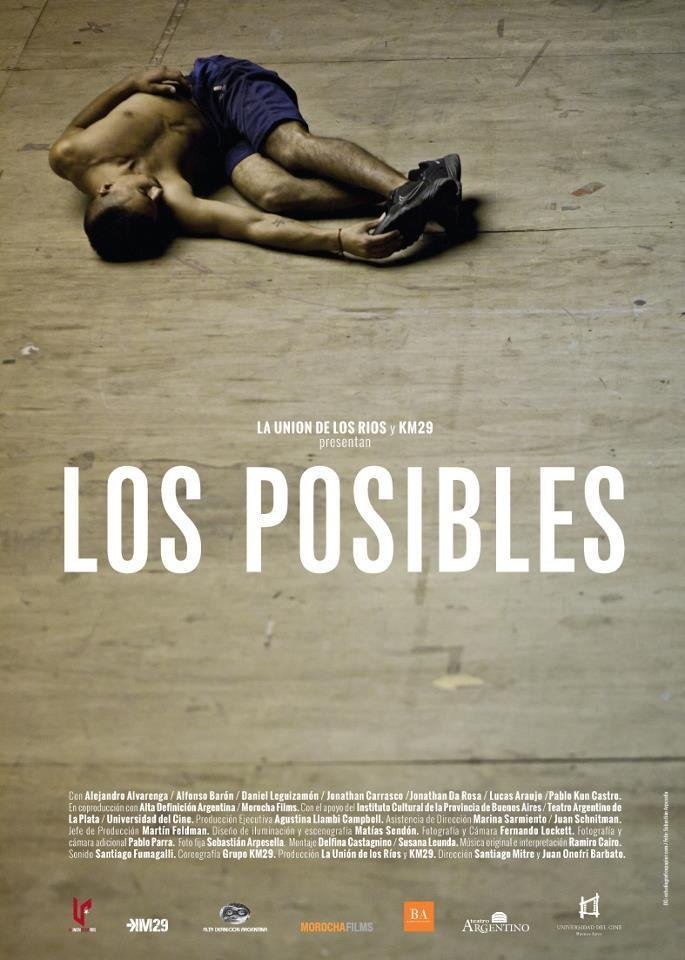
Santiago Mitre co-directs his first movement following The Student together with choreographer Onofri Barbato. Although it would have been more accurate to say “his first film-story-adventure-movie-great movie following The Student”, the word movement fits perfectly in Los posibles, the most overwhelmingly kinetic work Argentine cinema has delivered in many, many years. The film deals with the adaptation of a dance show directed by Onofri together with a group of teenagers who came to Casa La Salle, a center of social integration located in González Catán, trying to find some refuge from hardship. Already entitled Los posibles, the piece opened in the La Plata Tacec and was later staged in the AB Hall of the San Martín Cultural Center. Now, it dazzles audiences out of a film screen, with extraordinary muscles and a huge heart: Los posibles is a rhapsody of roughen bodies and torn emotions. Precise and exciting, it’s our own delayed, necessary, and incandescent West Side Story.
An account of the journey that King Alfonso XIII of Spain made to the impoverished shire of Las Hurdes, in the province of Cáceres, in the region of Extremadura, in 1922.
An examination of the hitherto unexplored relationships between Pan-African culture, science fiction, intergalactic travel, and rapidly progressing computer technology.
This short documentary is the portrait of an 88-year-old woman who lives alone in a log cabin without running water or electricity in the Williams Lake area of British Columbia. The daughter of a Shuswap chief, Augusta lost her Indian status as the result of a marriage to a white man. She recalls past times, but lives very much in the present. Self-sufficient, dedicated to her people, she spreads warmth wherever she moves, with her songs and her harmonica.
An exploration —manipulated and staged— of life in Las Hurdes, in the province of Cáceres, in Extremadura, Spain, as it was in 1932. Insalubrity, misery and lack of opportunities provoke the emigration of young people and the solitude of those who remain in the desolation of one of the poorest and least developed Spanish regions at that time.
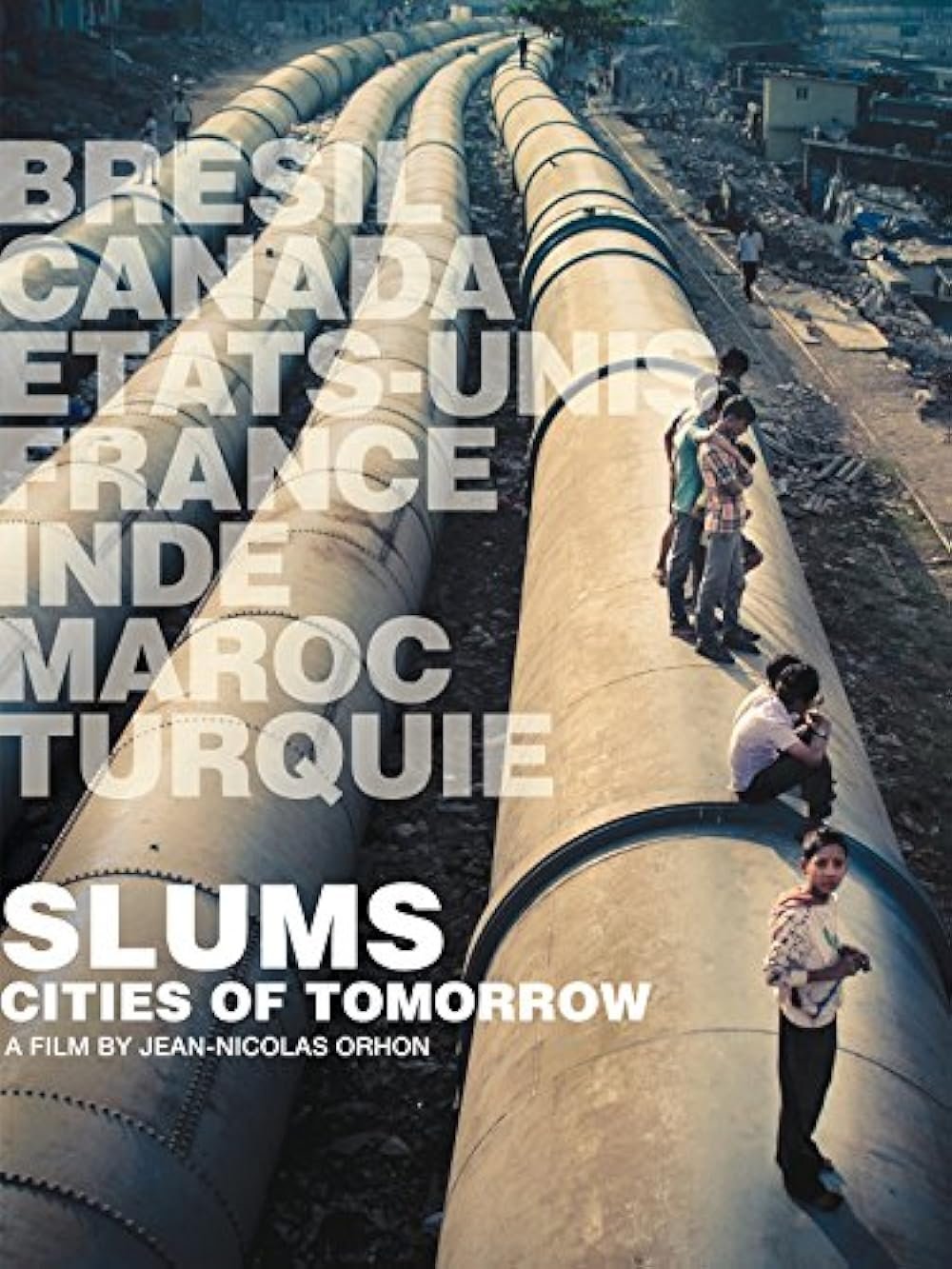
Megacities is a documentary about the slums of five different metropolitan cities.
Filmmakers Alan and Susan Raymond spent three months in 1976 riding along with patrol officers in the 44th Precinct of the South Bronx, which had the highest crime rate in New York City at that time.
This documentary shows how the Berliner workers lived in 1930. The director Slatan Dudow shows through images: a) the workers leaving the factory; b) the raise of the rents; c) the "unpleasant" guest, meaning the justice officer that brings the eviction notice; d) the fight of classes of the houses of capitalists and working classes; e) the parks of the working class; f) the houses of the working class, origin of the tuberculosis and the victims; g) the playground of the working class; h) the swimming pool for the working class, ironically called the "Baltic Sea" of the working class; i) the effects of humidity of basement where a family lives, with one member deaf; j) one working class family having dinner while the capitalist baths his dog; k) the eviction notice received from an unemployed family and their eviction.
A film about poverty in a rich country: father, mother, seven children have made it out of the homeless asylum. The author met the Cologne family B. for the first time in 1976. Living with debts, installments, reminders, living with the certainty that the children will not fare any differently. For more than twenty years, between dreams and fears, the camera recorded two generations' fear of failure and hunger for middle class. A unique film chronicle from the "latest economic miracle" - between 1976 and 1997.
When the 2004 tsunami hit the coast of Sri Lanka, 65-year-old Anton Ambrose's wife and daughter were killed. "In five minutes," he says, "I lost everything." A year later, Anton returns to Sri Lanka. With him is his nephew, award-winning filmmaker Rohan Fernando. A Tamil, Anton moved to California in the 1970s and became a very successful gynecologist. His daughter, Orlantha, made the opposite journey, returning to Sri Lanka where she ran a non-profit group that gave underprivileged children free violin lessons. Blood and Water is the story of one man's search for meaning in the face of overwhelming loss, but it is also filled with improbable characters, unintentional comedy and situational ironies.
Successful model Samira Hashi makes an emotional return to Somalia, one of the most dangerous places in the world and the place she was born. Civil war broke out in 1991, 10 days after Samira's birth, but two years later her family managed to flee the country and she grew up in the UK.Now, as Samira and the war both turn 21, she's going back for the first time to visit the people and places she left behind. The contrast with her safe and glamorous life in London could not be starker as she experiences firsthand the war's effect on a generation of young people growing up in conflict.
This revealing portrait of Cuba follows the lives of Fidel Castro and three Cuban families affected by his policies over the last four decades.
A visual montage portrait of our contemporary world dominated by globalized technology and violence.
A documentary on the expletive's origin, why it offends some people so deeply, and what can be gained from its use.
Alexander McQueen's rags-to-riches story is a modern-day fairy tale, laced with the gothic. Mirroring the savage beauty, boldness and vivacity of his design, this documentary is an intimate revelation of McQueen's own world, both tortured and inspired, which celebrates a radical and mesmerizing genius of profound influence.
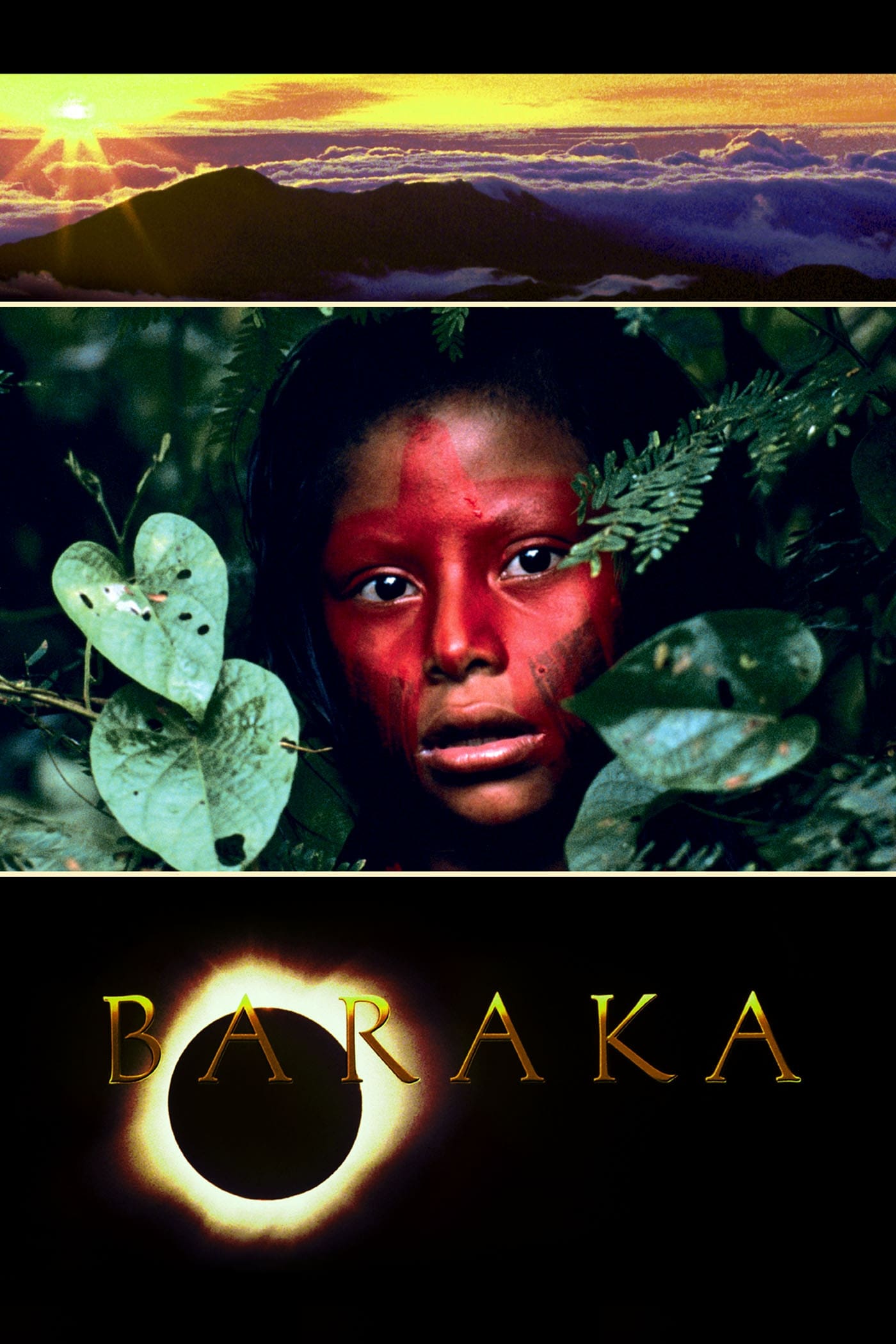
A paralysingly beautiful documentary with a global vision—an odyssey through landscape and time—that attempts to capture the essence of life.
In 1977, a book of photographs captured an awakening - women shedding the cultural restrictions of their childhoods and embracing their full humanity. This documentary revisits those photos, those women and those times and takes aim at our culture today that alarmingly shows the need for continued change.
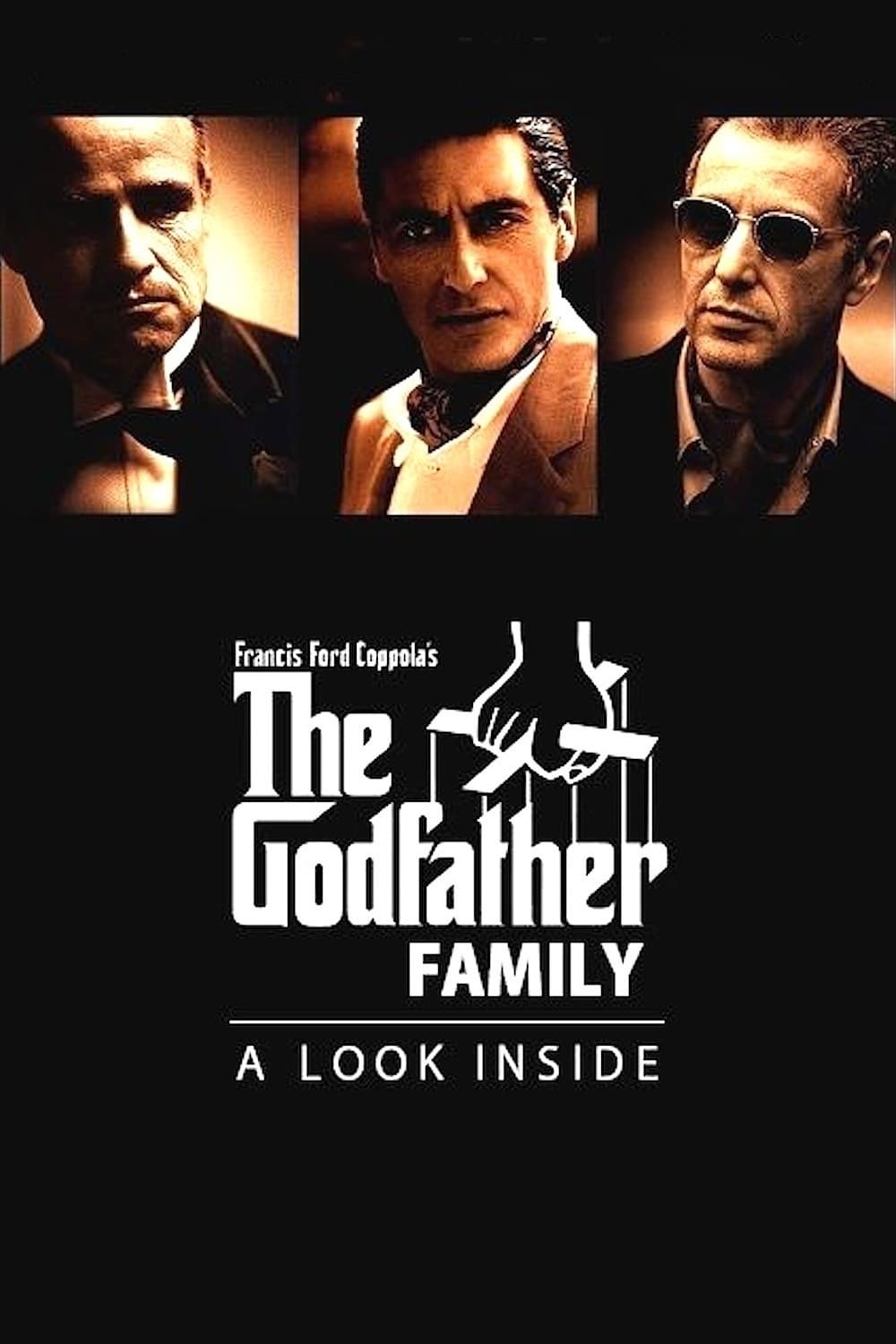
A documentary on the making of the three Godfather films, with interviews and recollections from the film makers and cast. This feature also includes the original screen tests of some of the actors for "The Godfather" film, and some candid moments on the set of "The Godfather: Part III."
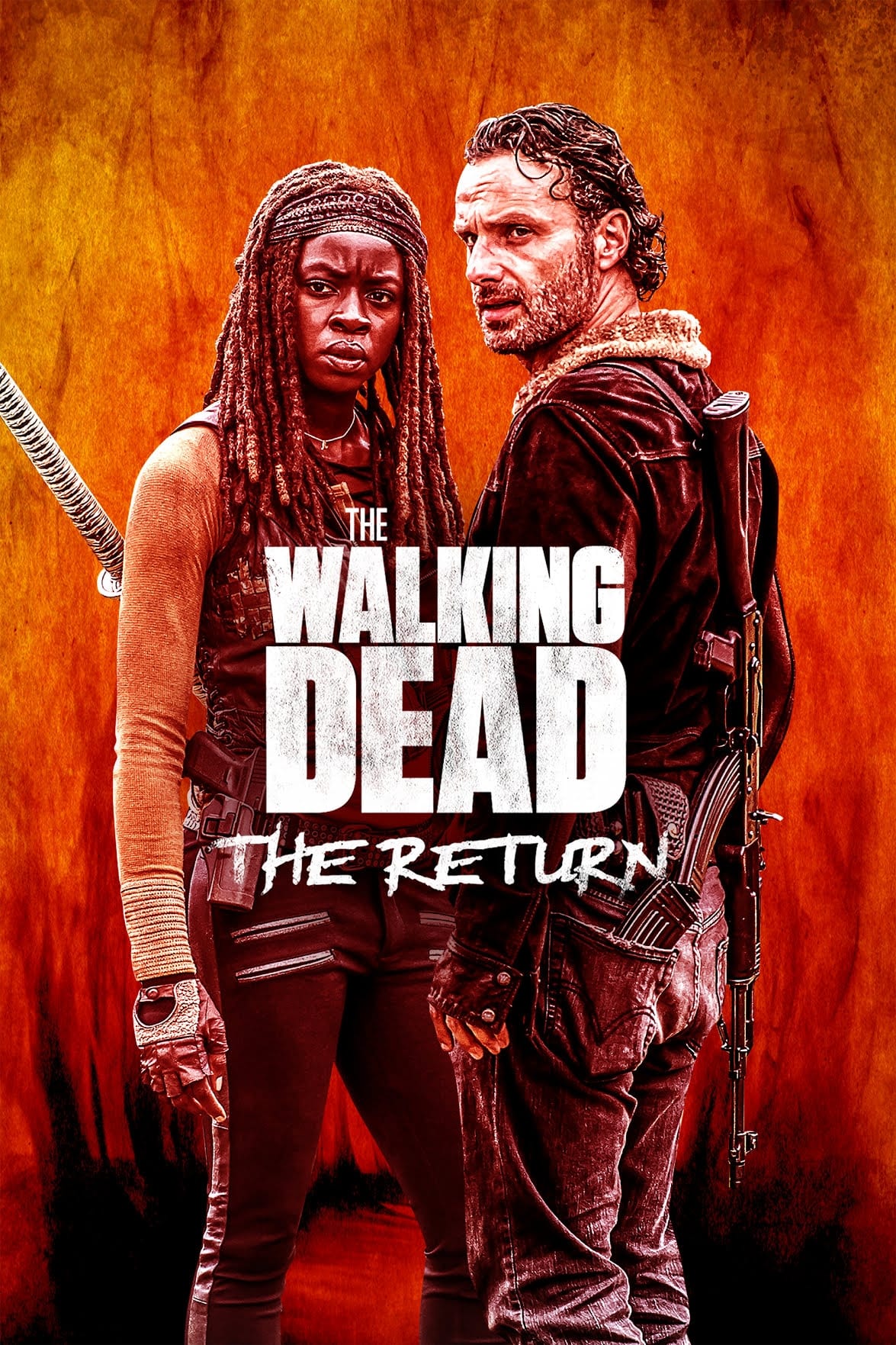
Stars of "The Walking Dead," Andrew Lincoln and Danai Gurira, walk down memory lane and visit iconic locations where pivotal moments between their characters, Rick and Michonne, were filmed.
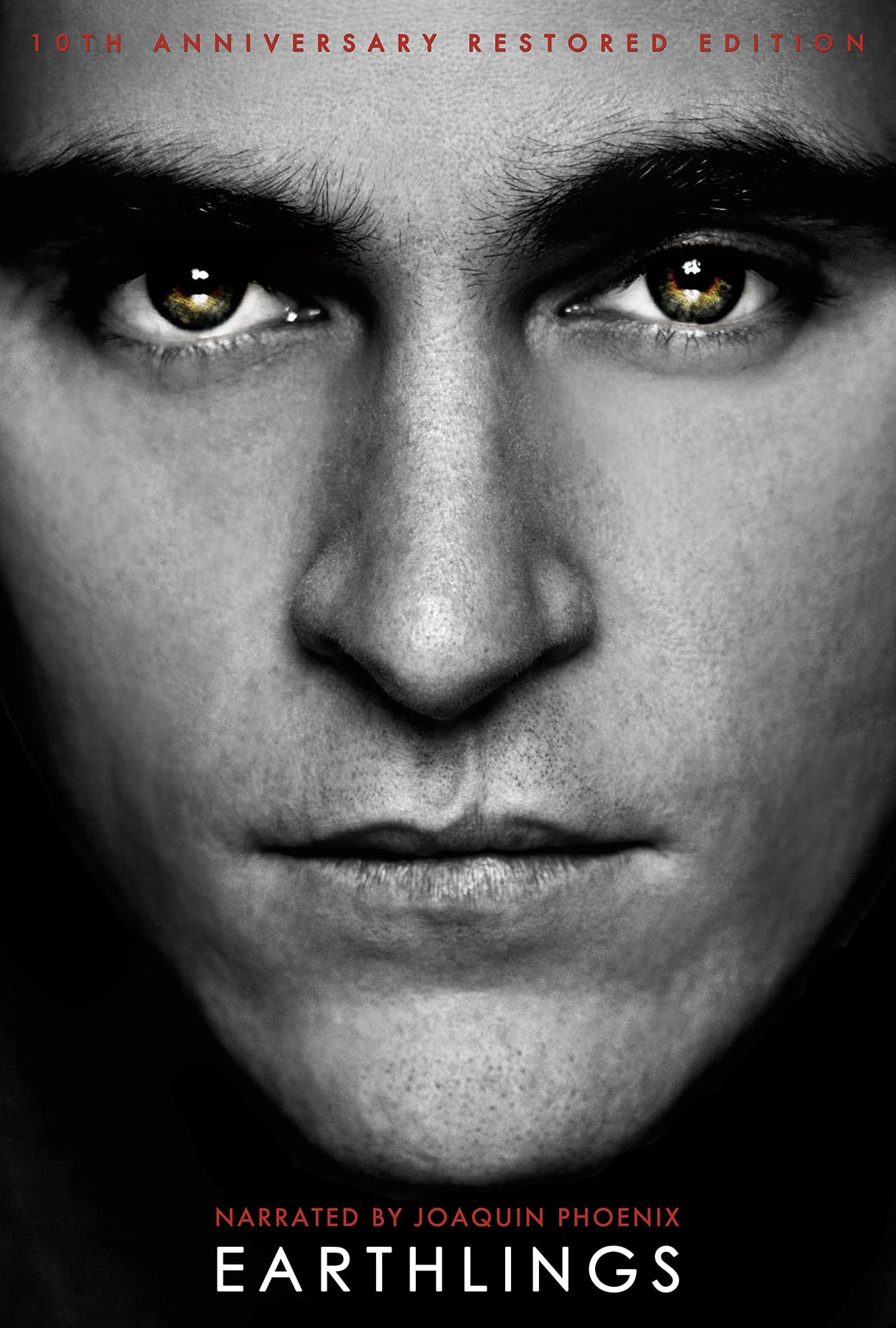
Using hidden cameras and never-before-seen footage, Earthlings chronicles the day-to-day practices of the largest industries in the world, all of which rely entirely on animals for profit.
An exploration of technologically developing nations and the effect the transition to Western-style modernization has had on them.
Takes us to locations all around the US and shows us the heavy toll that modern technology is having on humans and the earth. The visual tone poem contains neither dialogue nor a vocalized narration: its tone is set by the juxtaposition of images and the exceptional music by Philip Glass.
Unravel the case of Utah therapist Jodi Hildebrandt, whose child abuse arrest with parenting YouTuber Ruby Franke exposed a twisted tale of manipulation.
The second "visual album" (a collection of short films) by Beyoncé, this time around she takes a piercing look at racial issues and feminist concepts through a sexualized, satirical, and solemn tone.
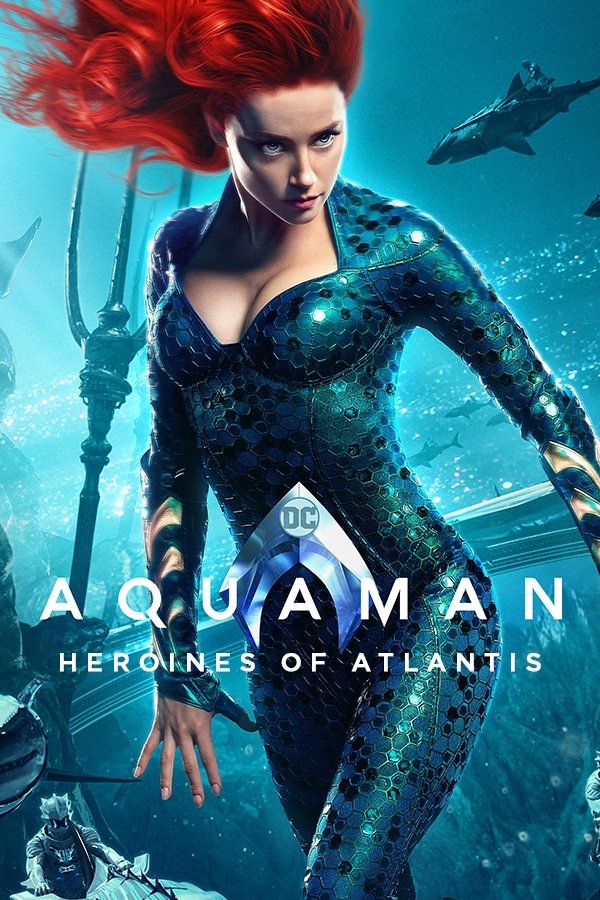
Amber Heard and Nicole Kidman discuss their characters Mera and Atlanna.
While The Rolling Stones rehearse "Sympathy for the Devil" in the studio, an alternating narrative reflects on 1968 society, politics and culture through five different vignettes.
Lyrical and powerfully personal essay film that reflects on the deaths of her husband Lou Reed, her mother, her beloved dog, and such diverse subjects as family memories, surveillance, and Buddhist teachings.
A detailing of the rise to prominence and global sporting superstardom of six supremely talented young Manchester United football players (David Beckham, Nicky Butt, Ryan Giggs, Paul Scholes, Phil and Gary Neville). The film covers the period 1992-1999, culminating in Manchester United's European Cup triumph.
In the Realms of the Unreal is a documentary about the reclusive Chicago-based artist Henry Darger. Henry Darger was so reclusive that when he died his neighbors were surprised to find a 15,145-page manuscript along with hundreds of paintings depicting The Story of the Vivian Girls, in What is Known as the Realms of the Unreal, of the Glodeco-Angelinnian War Storm, Cased by the Child Slave Rebellion.
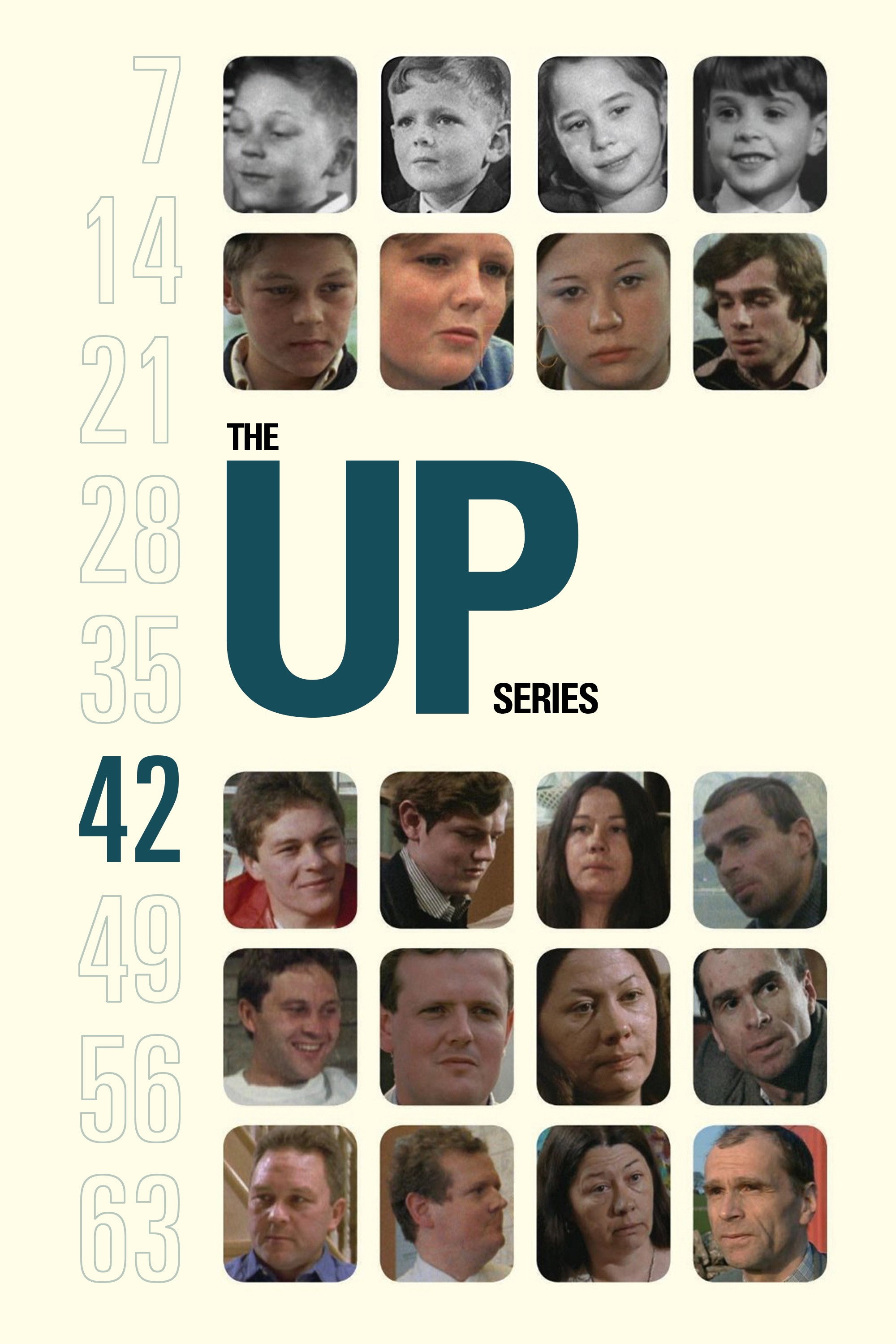
A group of British children aged 7 from widely ranging backgrounds are interviewed about a range of subjects. The filmmakers plan to re-interview them at 7 year intervals to track how their lives and attitudes change as they age.
A documentary about how a dominant cultural and demographic institution both sustains their traditional activities and adapts to the digital revolution.
A love letter from a young mother to her daughter, the film tells the story of Waad al-Kateab’s life through five years of the uprising in Aleppo, Syria as she falls in love, gets married and gives birth to Sama, all while cataclysmic conflict rises around her. Her camera captures incredible stories of loss, laughter and survival as Waad wrestles with an impossible choice– whether or not to flee the city to protect her daughter’s life, when leaving means abandoning the struggle for freedom for which she has already sacrificed so much.