Social & External
The people behind it
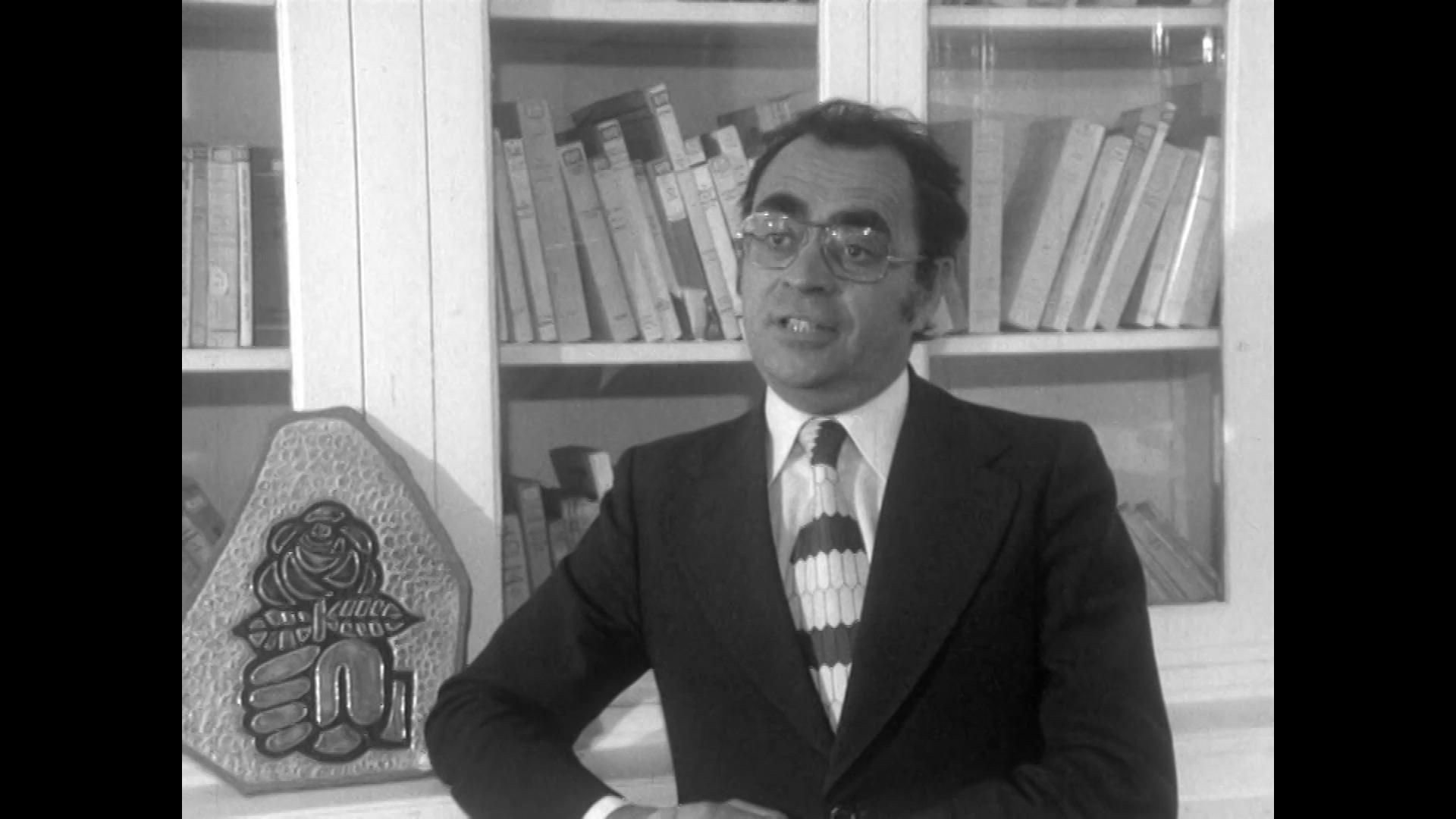
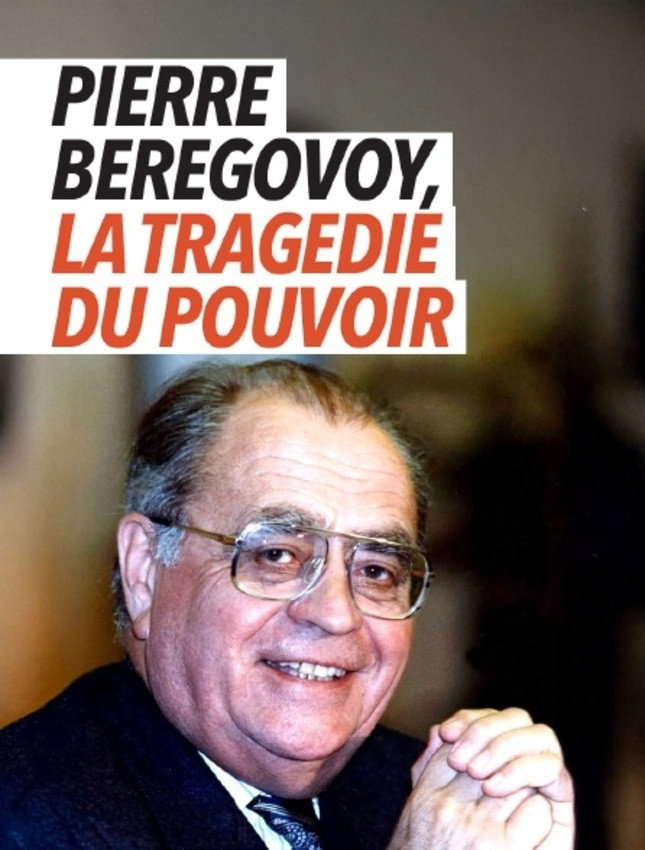
Pierre Bérégovoy
Self (archive footage)
Arlette Chabot
Self
Christophe Barbier
Jean Garrigues
Jean Glavany
Jack Lang
In this debut narrative short film, colonial relationships and land politics are discussed. An investigative piece that peers through ideals of retribution and questions the dynamics of the colonized person and the colonized.
What happens when man's reason is used as a weapon to slice through the accumulated detritus of ignorant and benighted ages and into the glorious new world of Enlightenment? The old is cleared away and the space is created for the new, but at what cost? Does reason itself have sufficient capacity to create a comprehensive world for man to exist as man, or does he become something else?
A second version of Gance's Napoléon, with sound.
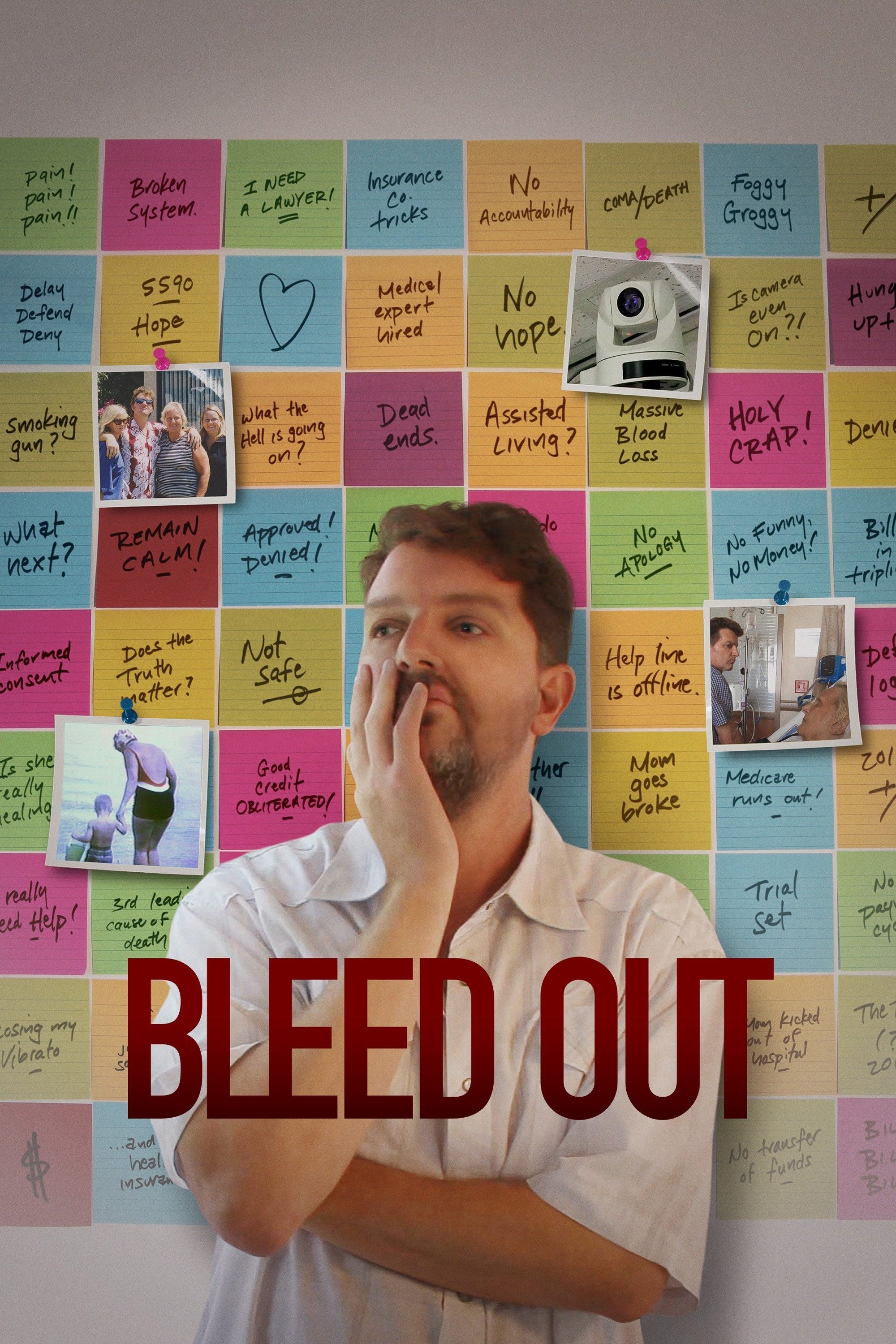
After a routine partial hip replacement operation leaves his mother in a coma with permanent brain damage, what starts as a son's video diary becomes a citizen's investigation into the future of American health care.
Many years after the atomic bombing of Hiroshima, the survivors (called hibakusha in Japanese) are still physically and emotionally devastated by the event. Kuroi Ame ni Utarete tells the interlocking stories of a group of survivors who frequent Stand Akauma, a bar: Takeshi, who lost his entire family; Tomoko, a prostitute horribly burned in the bombing; her younger brother Junji, who scrabbles on the fringes of society; Eiko, a pregnant young woman whom he loves; and Yuri, another prostitute who is determined to secure a brighter future for her blind son.
Trixie charmed audiences and judges as winner of RuPaul's Drag Race All Stars. But the grind of performing and the pressure of the title proves that heavy is the head that wears the tiara.
Based on events from the Balkan Wars. 1991: Amidst the cruel battle of Vukovar, a brave squad of Croatian soldiers fights its way through the besieged country to deliver a truck full of weapons to the Serbian border.
This theatrical production tells the story of a family living through the reigns of four kings, starting from the end of King Chulalongkorn's reign in 1910 to the death of King Ananda Mahidol in 1946. The main character, "Ploy," is a woman from an old noble family who lived within the palace walls and was close to the royal court. After the Siamese revolution of 1932, she marries "Prem" and leaves the palace. Ploy's traditional values are challenged, leading to political conflicts among her three sons. The government later enacts laws to westernize lifestyles. During the war, their home is bombed, forcing them to move back to their ancestral home. Ploy falls gravely ill upon learning of her son's death and eventually passes away with the end of King Rama VIII's reign. This novel is considered influential in creating a positive image of the monarchy.
La Badil (No Other Choice), was filmed undercover in the Moroccan controlled territories of Western Sahara, on the eve of the second anniversary of the 2010 uprisings at Gdeim Izik that heralded the start of the Arab Spring. It sheds new light on the decades long conflict and the Sahrawi people's struggle for self-determination.
A mix of fiction and documentary, "Evita Capitana" takes place in the final of the 1951 Argentina's soccer championship, where Banfield faced the then imposing Racing Club. An important political figure sides with Banfield, representing the humble and needed, but power thinks otherwise.
This film will tell the story of a tour of France undertaken by two children of "controlled origin"—as Mouss and Hakim wryly put it. For us, the reference to the century-old schoolbook Le Tour de la France par deux enfants by Augustine Fouillée is far more than a mere nod; published in the wake of the Franco-Prussian War of 1870, this reader was a fiercely patriotic manual designed to shape the education and morals of young French children. Written under the pseudonym "G. Bruno," the book recounted the journey of two children, André and Julien Volden, who—following the Prussian annexation of Alsace-Lorraine and the death of their father—set out to find their uncle across France’s beautiful provinces. The book was steeped in nationalism and a martial spirit, instilling the values of the Third Republic—equality and citizenship—with a heavy hand, ensuring that no one dared to stand out from the crowd.
"In Algeria, I fought to ensure that girls—like me—would not be forced to wear the veil. In France, I began defending women's right to wear it, should they choose to do so. Does that surprise you? To me, it is the same fight. By revisiting the stereotypes that have clung to Arab women since the colonial era, Madame la France, ma mère et moi examines the way French people view women of Maghrebi origin. This film—for which I retraced the steps of my mother and aunt in Algeria—will, I hope, help people understand my anger, an anger shared by many Arabs in France." (Samia Chala)
Dutch television adaptation of George Bernard Shaw's play "Saint Joan".
In late summer 1939, the French learned that Adolf Hitler had attacked Poland. On September 3, France entered the war, twenty years after the carnage of World War I. Although France was considered the world’s leading military power, with a vast empire and a powerful ally in the United Kingdom, everyone was overcome with a sense of dread. Yet the fighting would not begin until May 1940 and would end with France’s defeat in June. How did the French people experience those few months—among the most decisive and darkest in the country’s history?
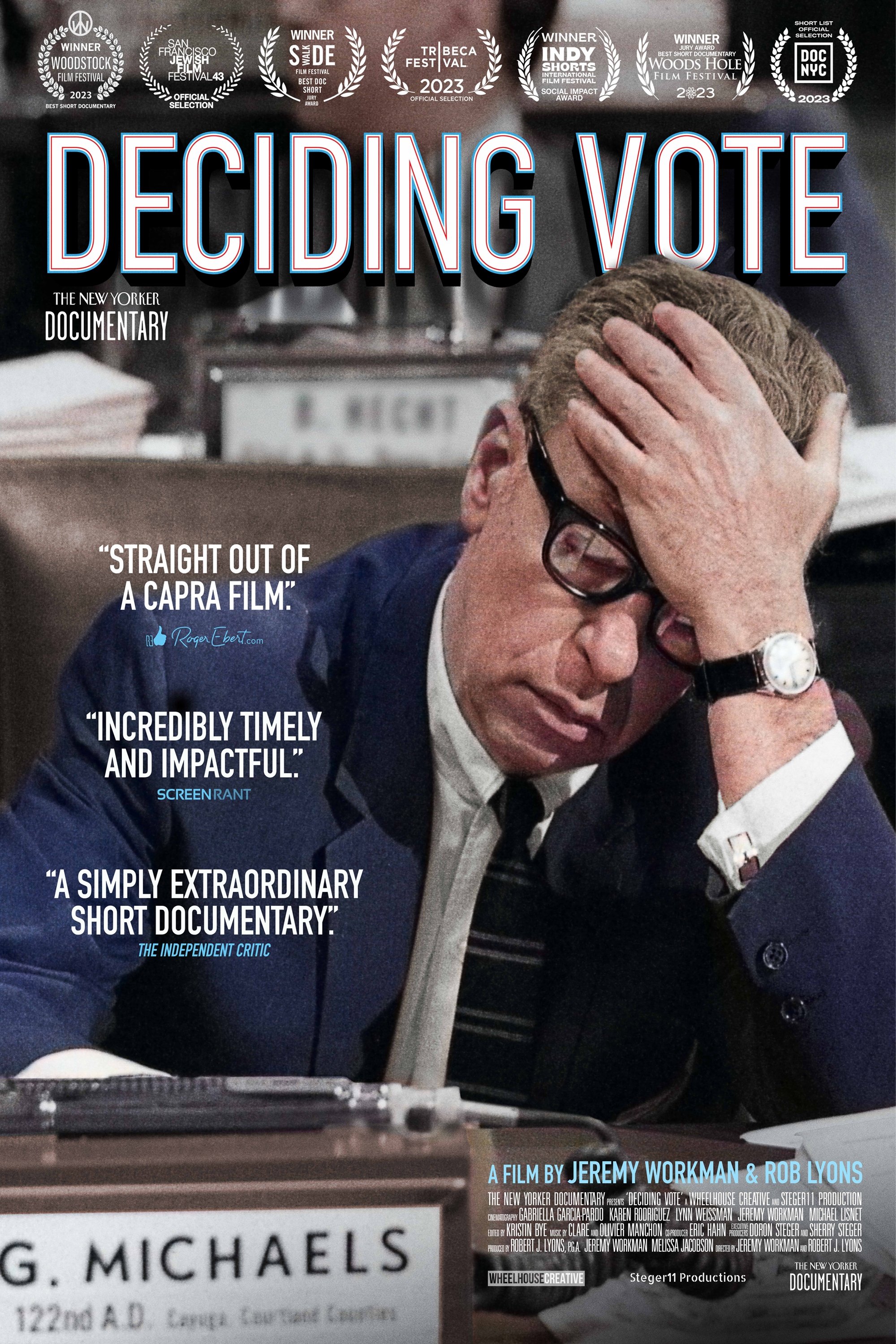
50 years ago, assemblyman George Michaels cast a single vote on New York's abortion bill that changed the course of American history but destroyed his political career in the process.
Arts documentary, first broadcast before Ai Weiwei's arrest by the Chinese authorities in April 2011, and his subsequent release after being detained for 11 weeks. Architect, photographer, curator and blogger, Ai Weiwei is China's most famous and politically outspoken contemporary artist. Alan Yentob explores the story of Ai Weiwei's life and art, and reveals how this most courageous and determined of artists continues to fight for artistic freedom of expression while living under the restrictive shadows of authoritarian rule.
How the Anglo-Irish Treaty between the unrecognised Irish Republic, represented by Michael Collins, and the British government was concluded after high-stakes negotiations in 1921.
In the second film, the author tells about the struggle of blacks for the right to feel equal with all US citizens. Commentary of the mayor of Cairo, one of the cities in the American South, about the suppression of the rebels, about the most brutal methods of fighting African American protesters. Jesse Jackson's speech. Jesse Jackson's commentary on the Black Rights Organization. Comments by female residents of Jackson, the capital of Mississippi, on the degree of mental development of whites and blacks. A story about the Ku Klux Klan, about Robert Shelton - the head of the Ku Klux Klan. Speech by American singer and dramatic actor Paul Robson, his commentary. Shots of the Olympics, victories in the competition of black athletes. About reprisals against Negro organizations. The widow of the American writer Ernest Hemingway Mary and the American scientist Henry Winston speak out about support for African Americans and the fight against racism.
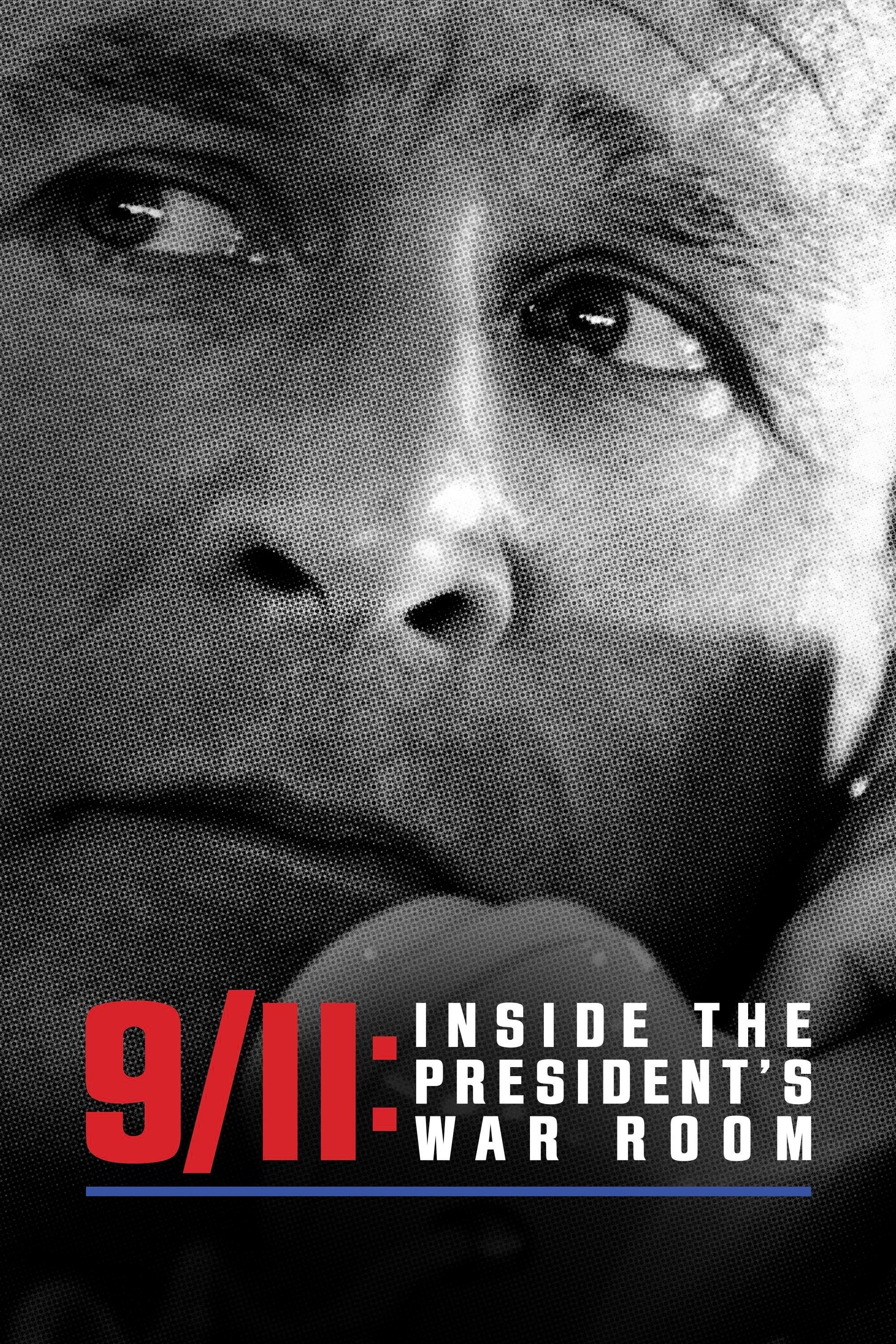
Experience the events of September 11, 2001 through the eyes of President Bush and his closest advisors as they personally detail the crucial hours and key decisions from that historic day.
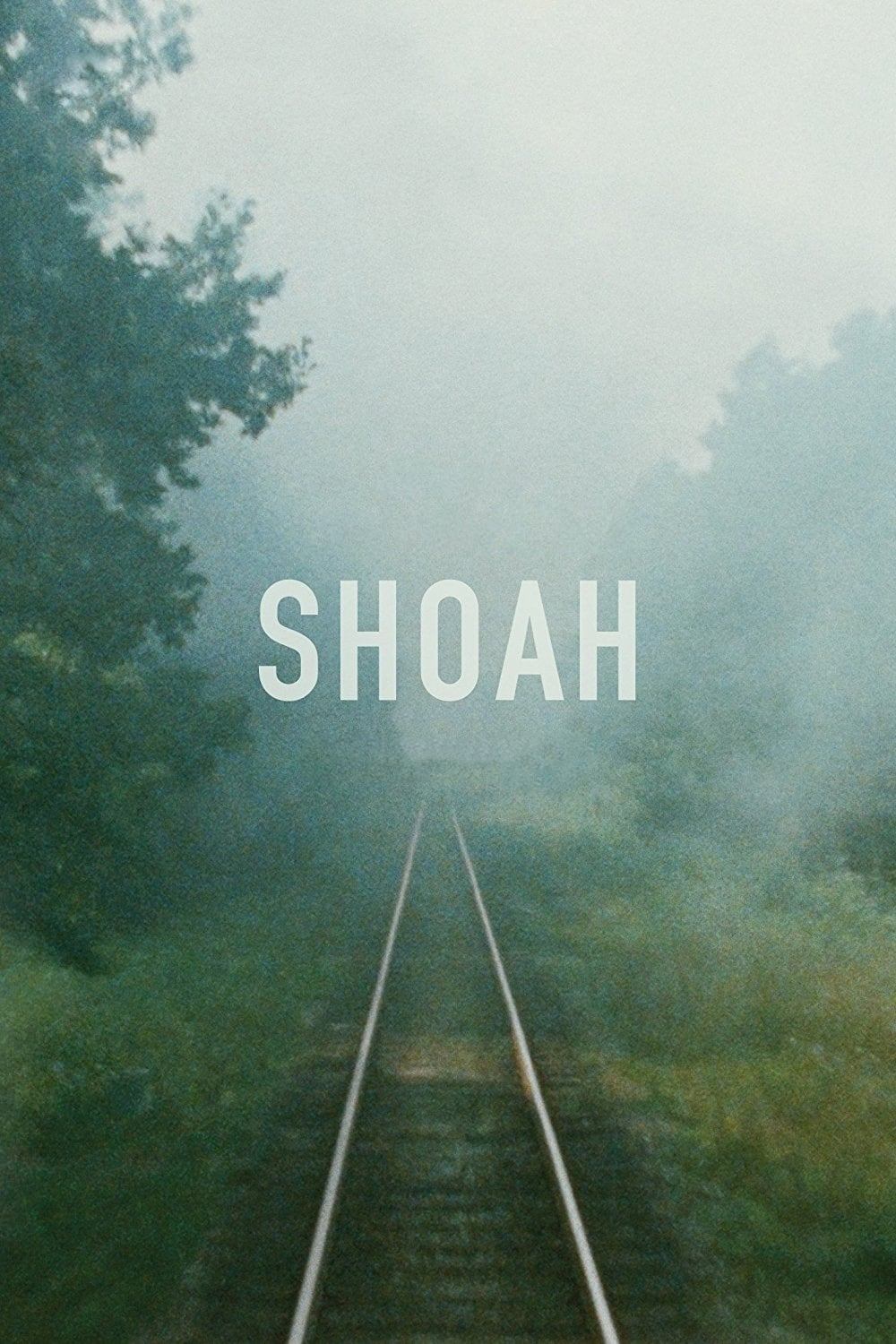
Director Claude Lanzmann spent 11 years on this sprawling documentary about the Holocaust, conducting his own interviews and refusing to use a single frame of archival footage. Dividing Holocaust witnesses into three categories – survivors, bystanders, and perpetrators – Lanzmann presents testimonies from survivors of the Chelmno concentration camp, an Auschwitz escapee, and witnesses of the Warsaw Ghetto Uprising, as well as a chilling report of gas chambers from an SS officer at Treblinka.
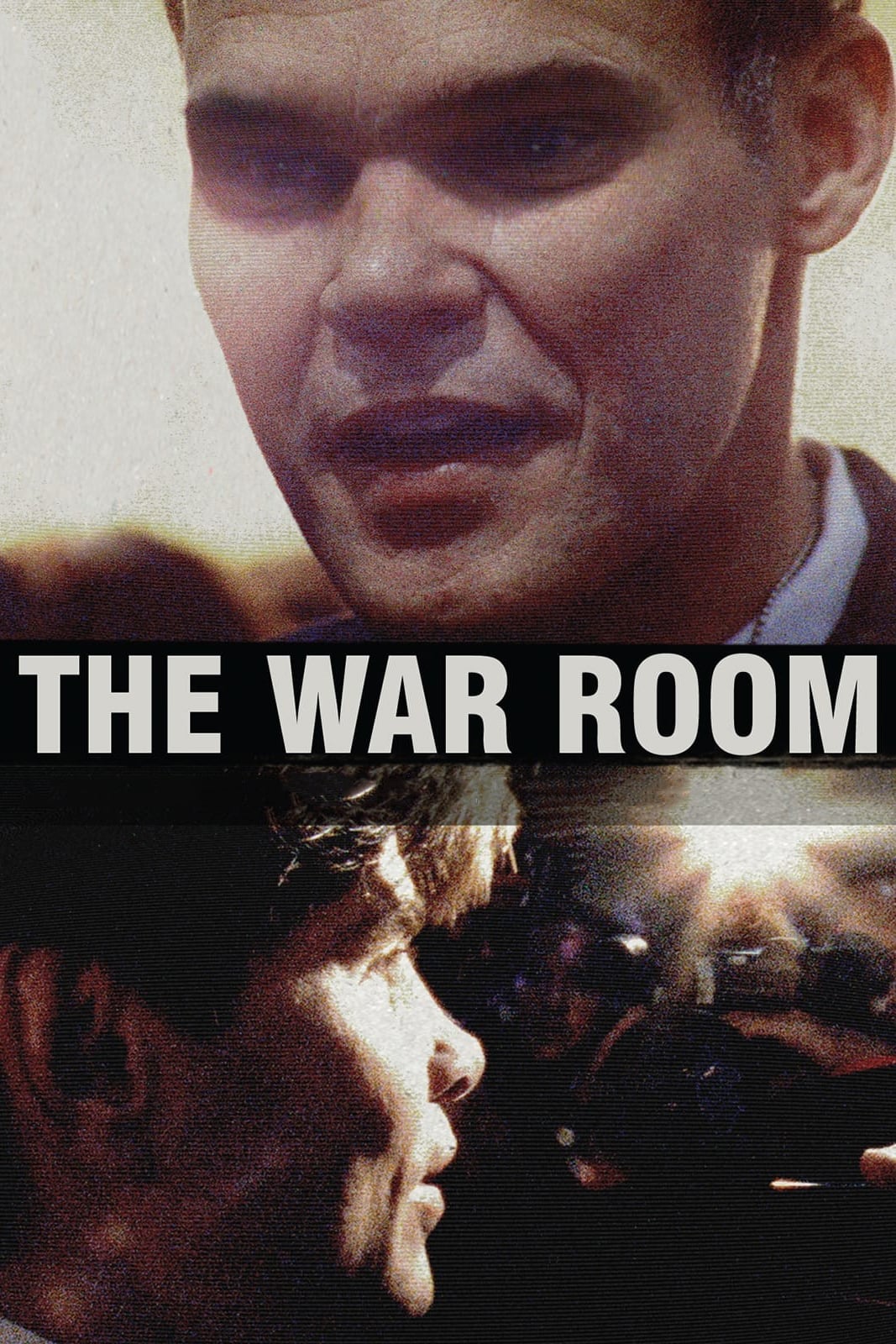
A behind-the-scenes documentary about the Clinton for President campaign, focusing on the adventures of spin doctors James Carville and George Stephanopoulos.
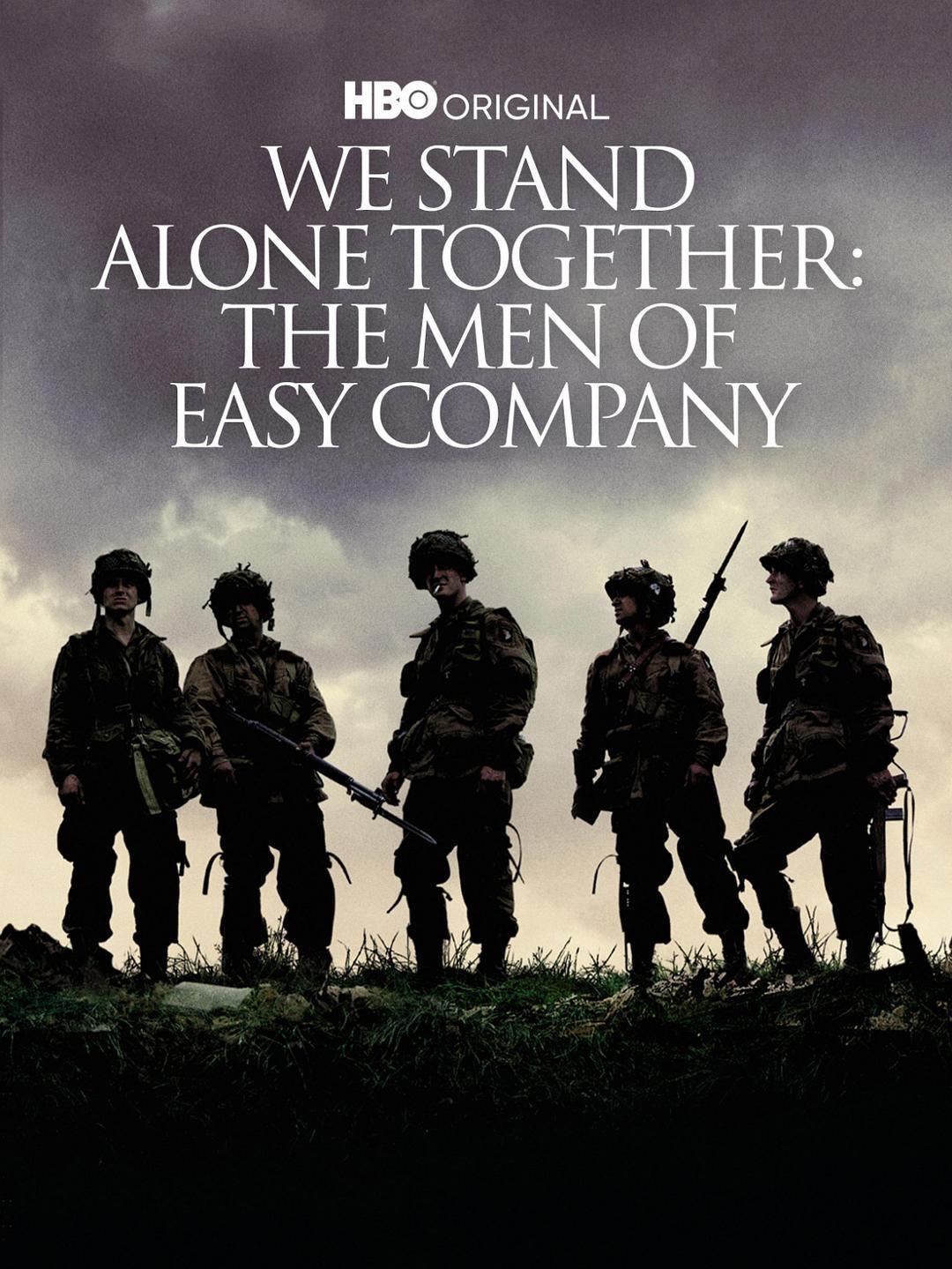
Over a period of two years, Mark Cowen and his crew travelled to thirty U.S. states and ten European cities, to interview the veterans of Easy Company. The stories told by the veterans themselves, create a history of the Second World War from the point of view of this heroic company of men, made famous in the mini-series Band of Brothers.
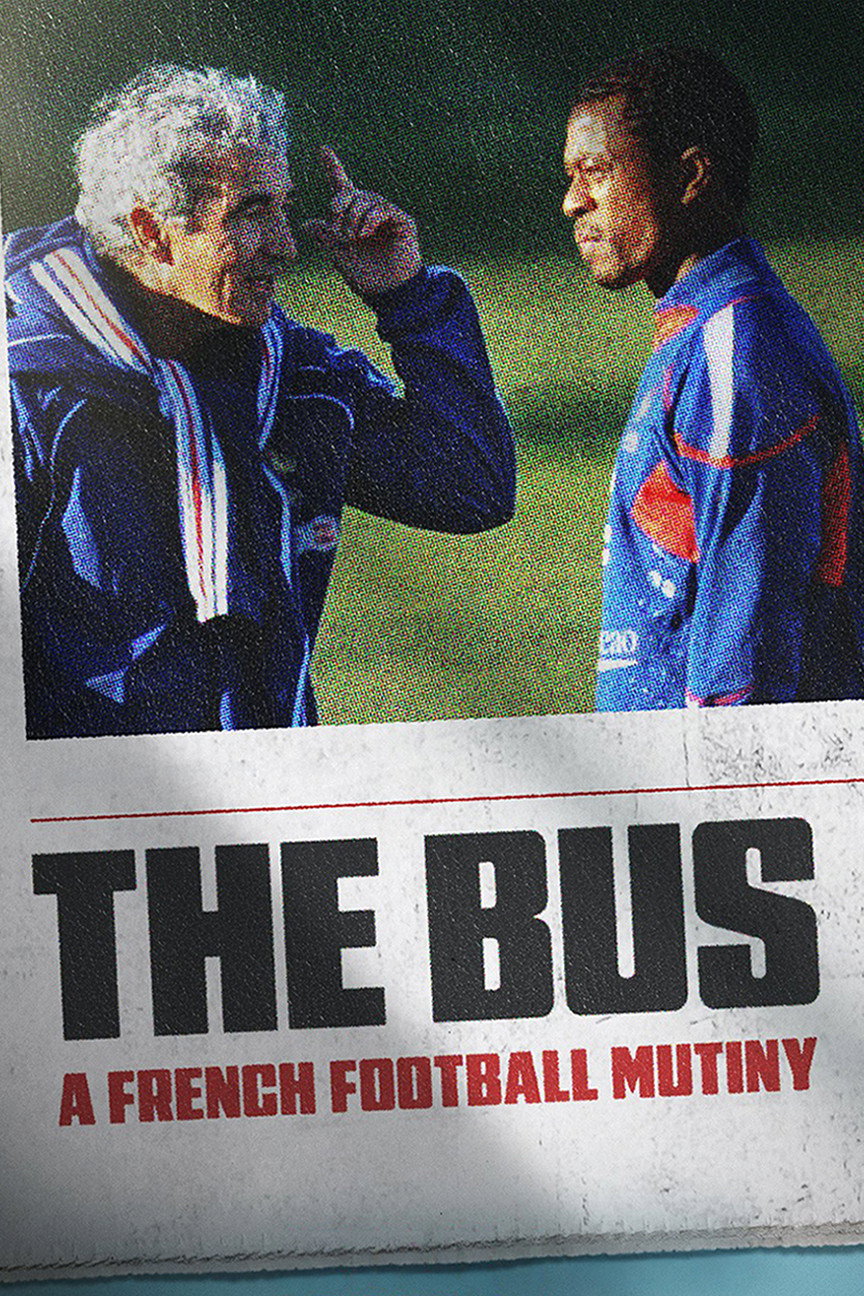
This documentary revisits the French football team's controversial 2010 World Cup and the bus strike that sparked global headlines and national outrage.
A documentary about the legendary series of nationally televised debates in 1968 between two great public intellectuals, the liberal Gore Vidal and the conservative William F. Buckley Jr. Intended as commentary on the issues of their day, these vitriolic and explosive encounters came to define the modern era of public discourse in the media, marking the big bang moment of our contemporary media landscape when spectacle trumped content and argument replaced substance. Best of Enemies delves into the entangled biographies of these two great thinkers, and luxuriates in the language and the theater of their debates, begging the question, "What has television done to the way we discuss politics in our democracy today?"
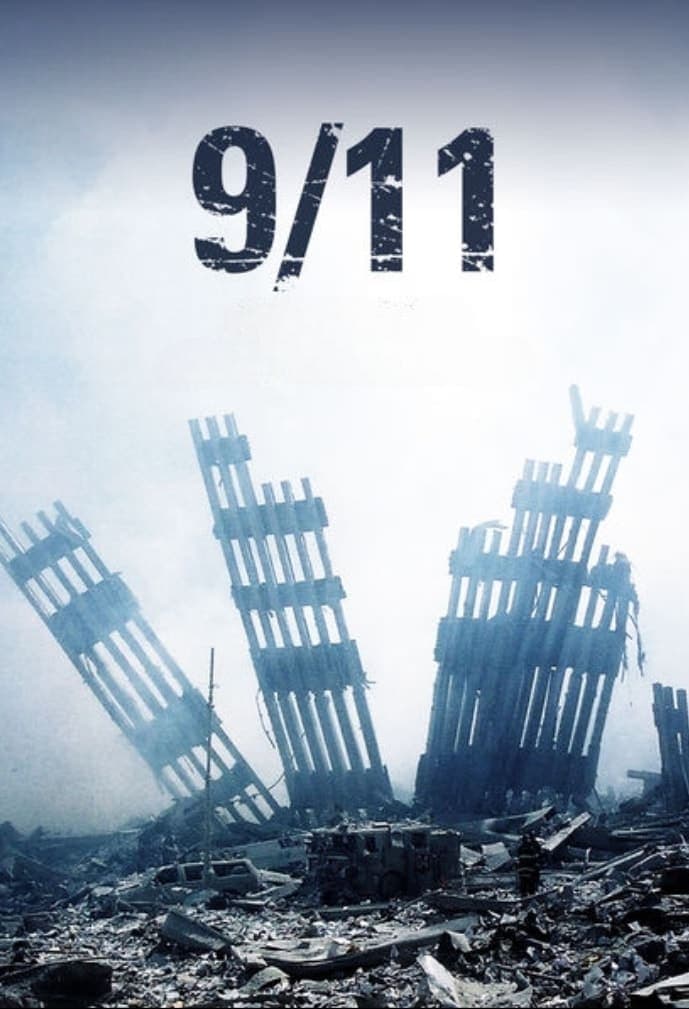
An on-the-scene documentary following the events of September 11, 2001 from an insider's view, through the lens of two French filmmakers who simply set out to make a movie about a rookie NYC fireman and ended up filming the tragic event that changed our lives forever.
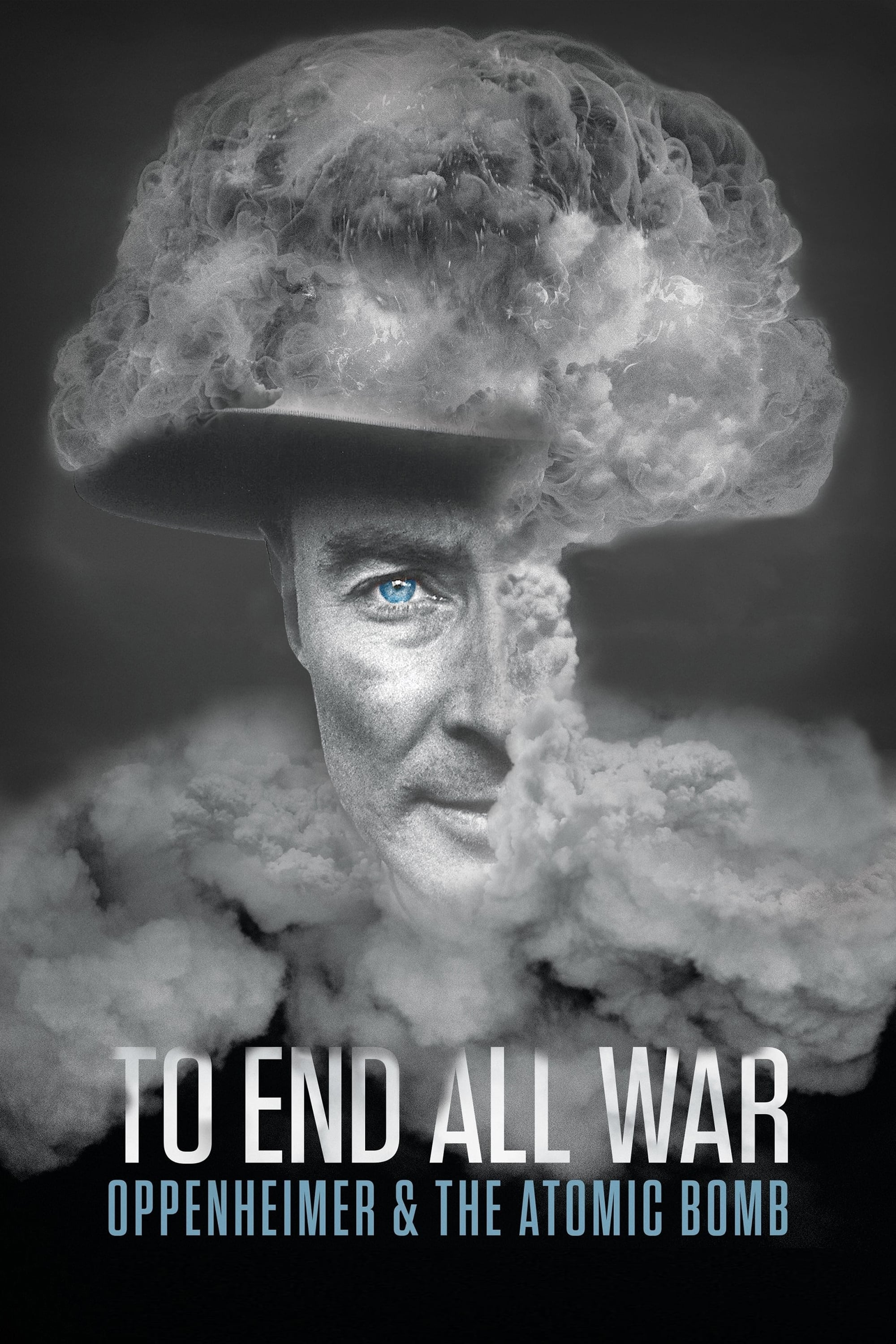
Explore how one man's relentless drive and invention of the atomic bomb changed the nature of war forever, led to the deaths of hundreds of thousands of people and unleashed mass hysteria.
We live in a world where the powerful deceive us. We know they lie. They know we know they lie. They do not care. We say we care, but we do nothing, and nothing ever changes. It is normal. Welcome to the post-truth world. How we got to where we are now…
The history of cinematic sound, told by legendary sound designers and visionary filmmakers.
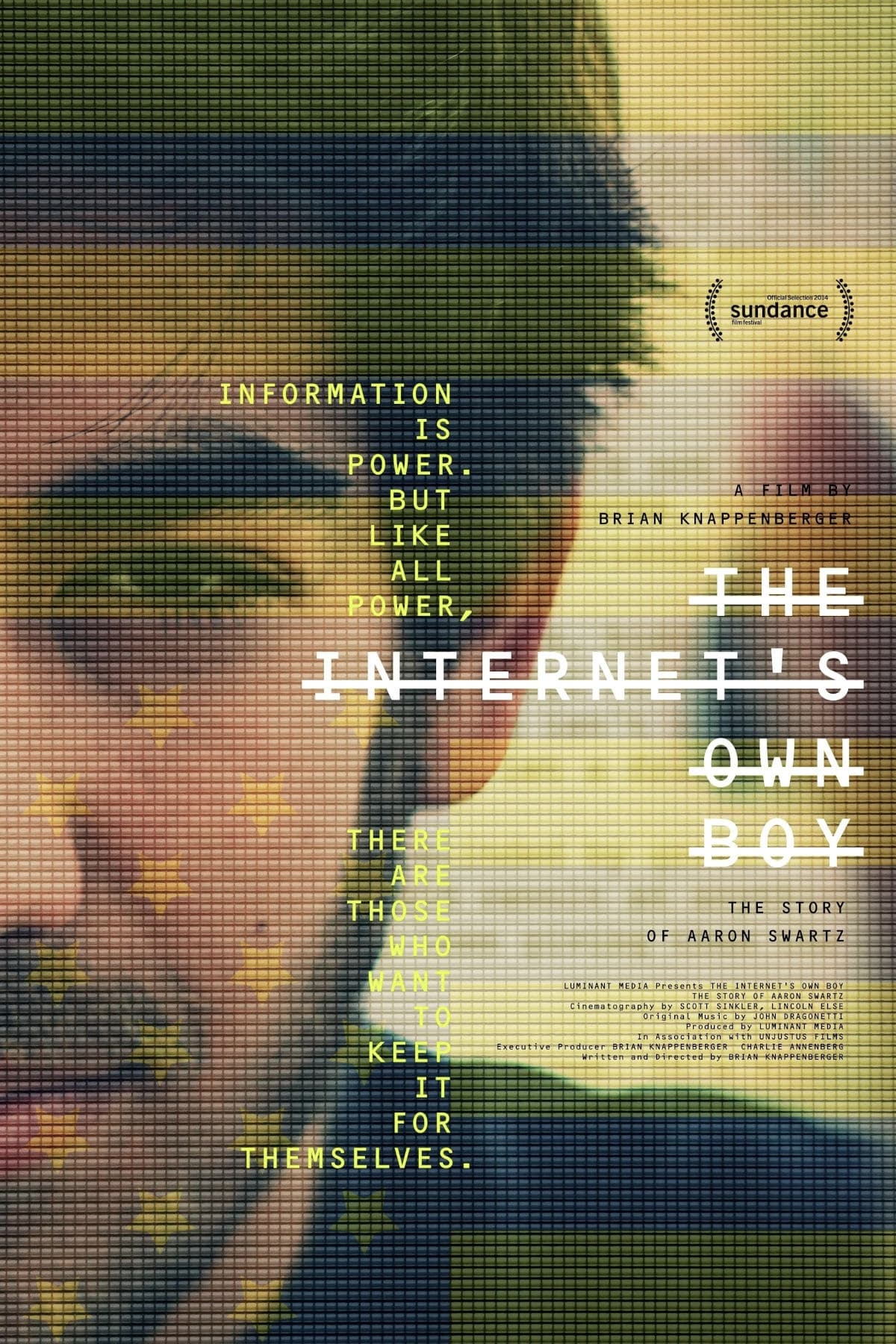
Programming prodigy and information activist Aaron Swartz achieved groundbreaking work in social justice and political organizing. His passion for open access ensnared him in a legal nightmare that ended with the taking of his own life at the age of 26.
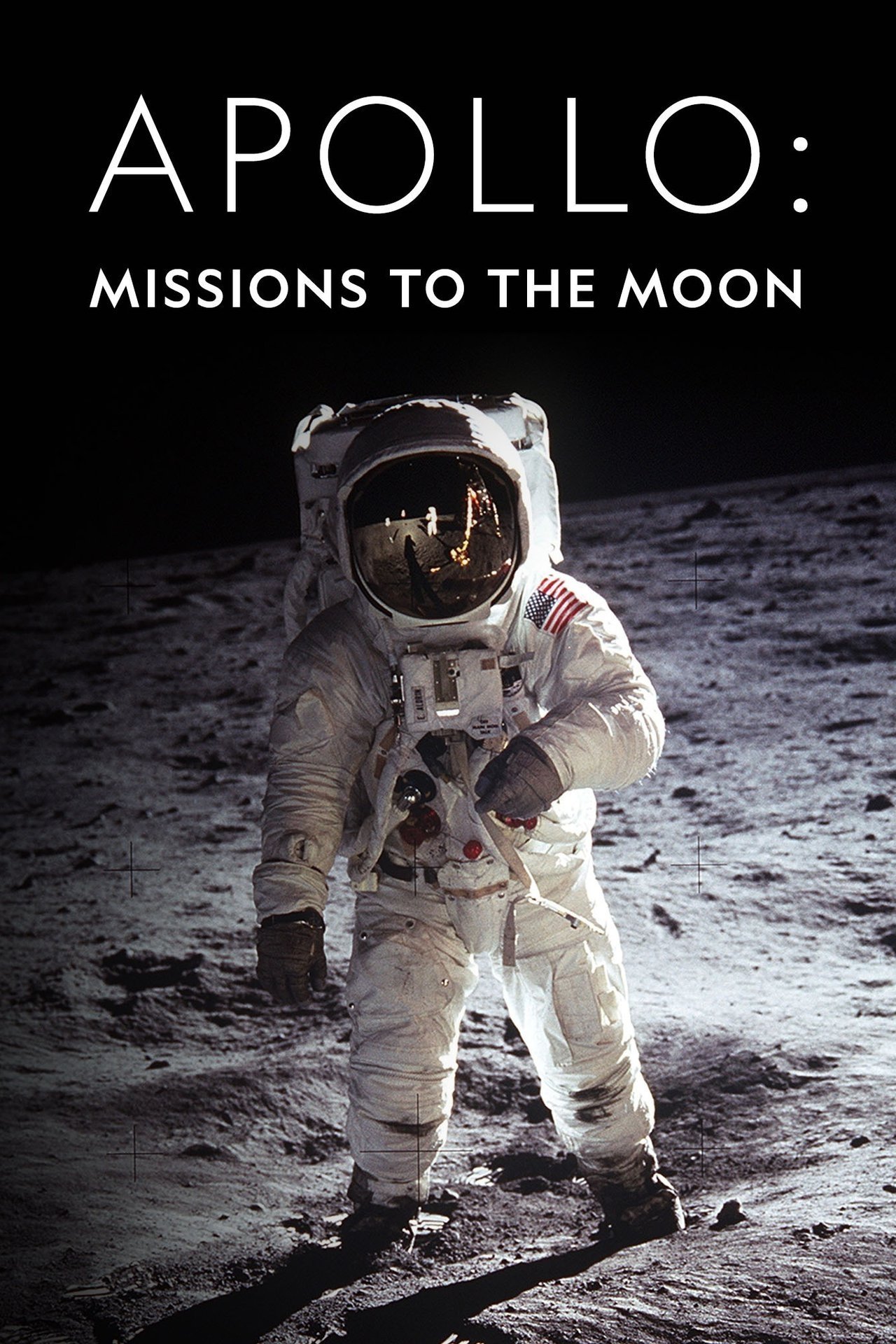
National Geographic's riveting effort recounts all 12 crewed missions using only archival footage, photos and audio.
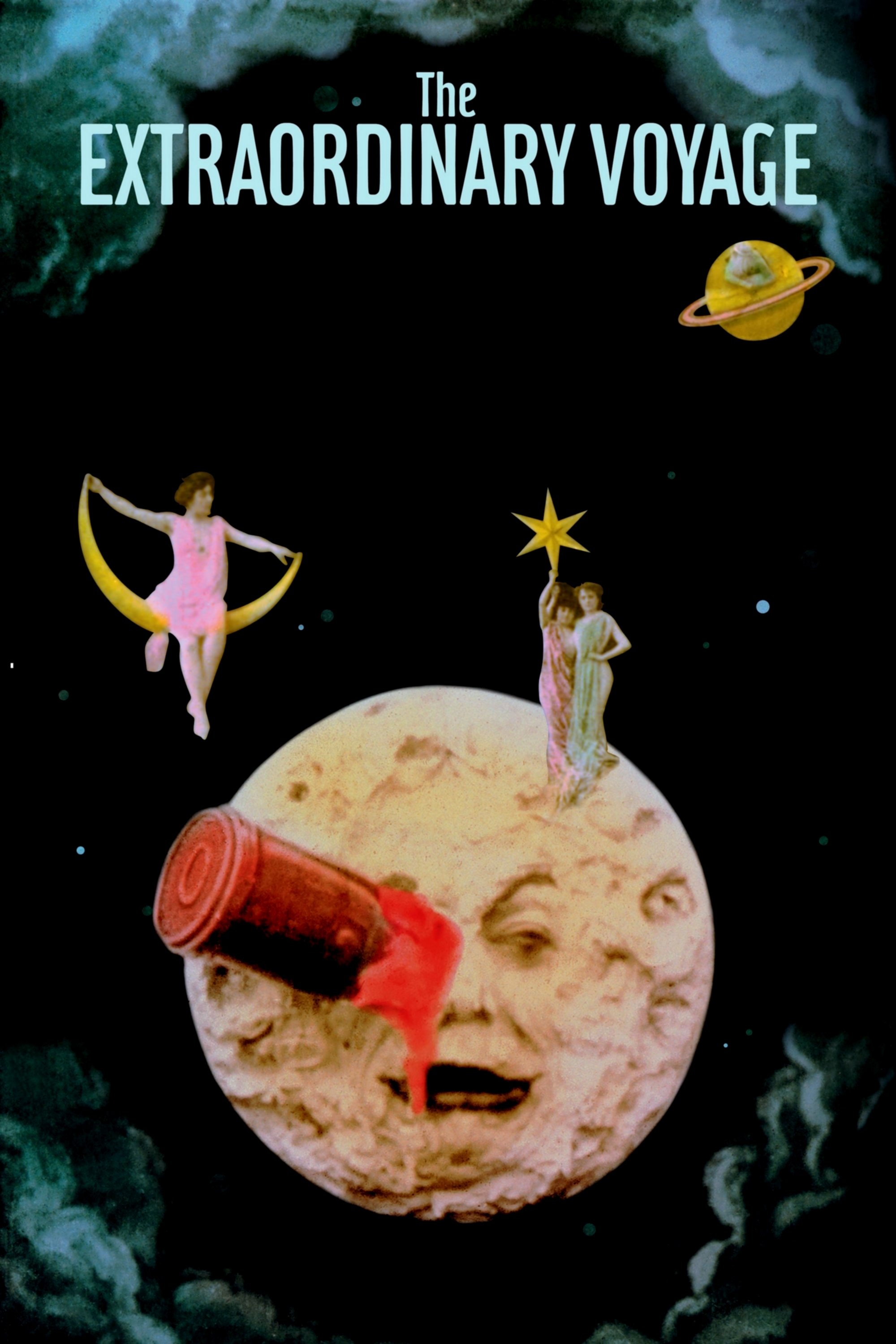
An account of the extraordinary life of film pioneer Georges Méliès (1861-1938) and the amazing story of the copy in color of his masterpiece A Trip to the Moon (1902), unexpectedly found in Spain and restored thanks to the heroic efforts of a group of true cinema lovers.
A raw and emotionally revealing look at one of the most iconic artists of our time during a transformational period in her life as she learns to embrace her role not only as a songwriter and performer, but as a woman harnessing the full power of her voice.
A raw and honest behind-the-scenes look at the iconic superstar's struggle with a life-altering illness. Serving as a love letter to her fans, this inspirational documentary highlights the music that has guided her life while also showcasing the resilience of the human spirit.
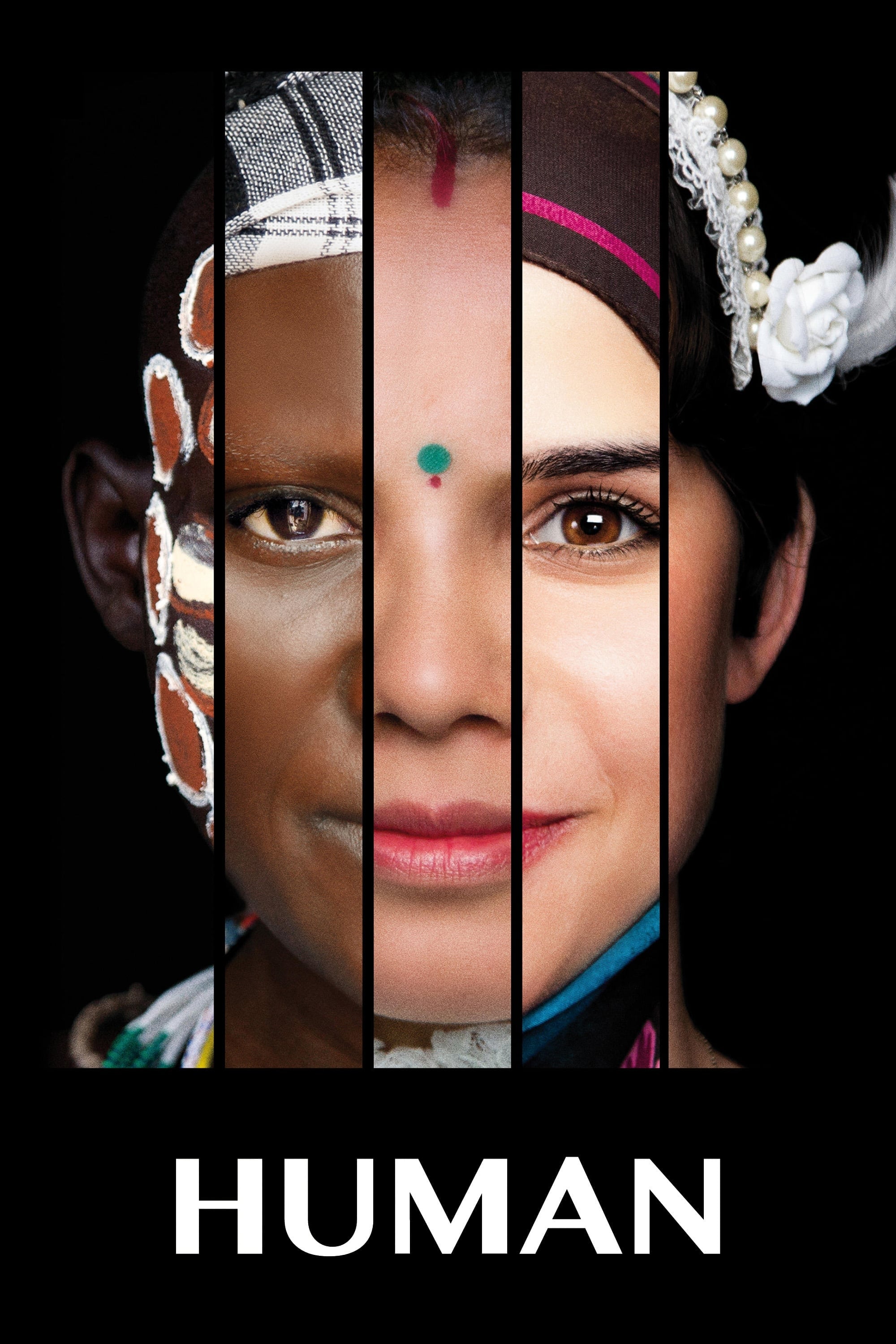
A collection of stories about and images of our world, offering an immersion to the core of what it means to be human. Through these stories full of love and happiness, as well as hatred and violence, it brings us face to face with the Other, making us reflect on our lives. From stories of everyday experiences to accounts of the most unbelievable lives, these poignant encounters share a rare sincerity and underline who we are – our darker side, but also what is most noble in us, and what is universal. Our Earth is shown at its most sublime through never-before-seen aerial images accompanied by soaring music, resulting in an ode to the beauty of the world, providing a moment to draw breath and for introspection. This film is a politically engaged work which allows us to embrace the human condition and to reflect on the meaning of our existence.
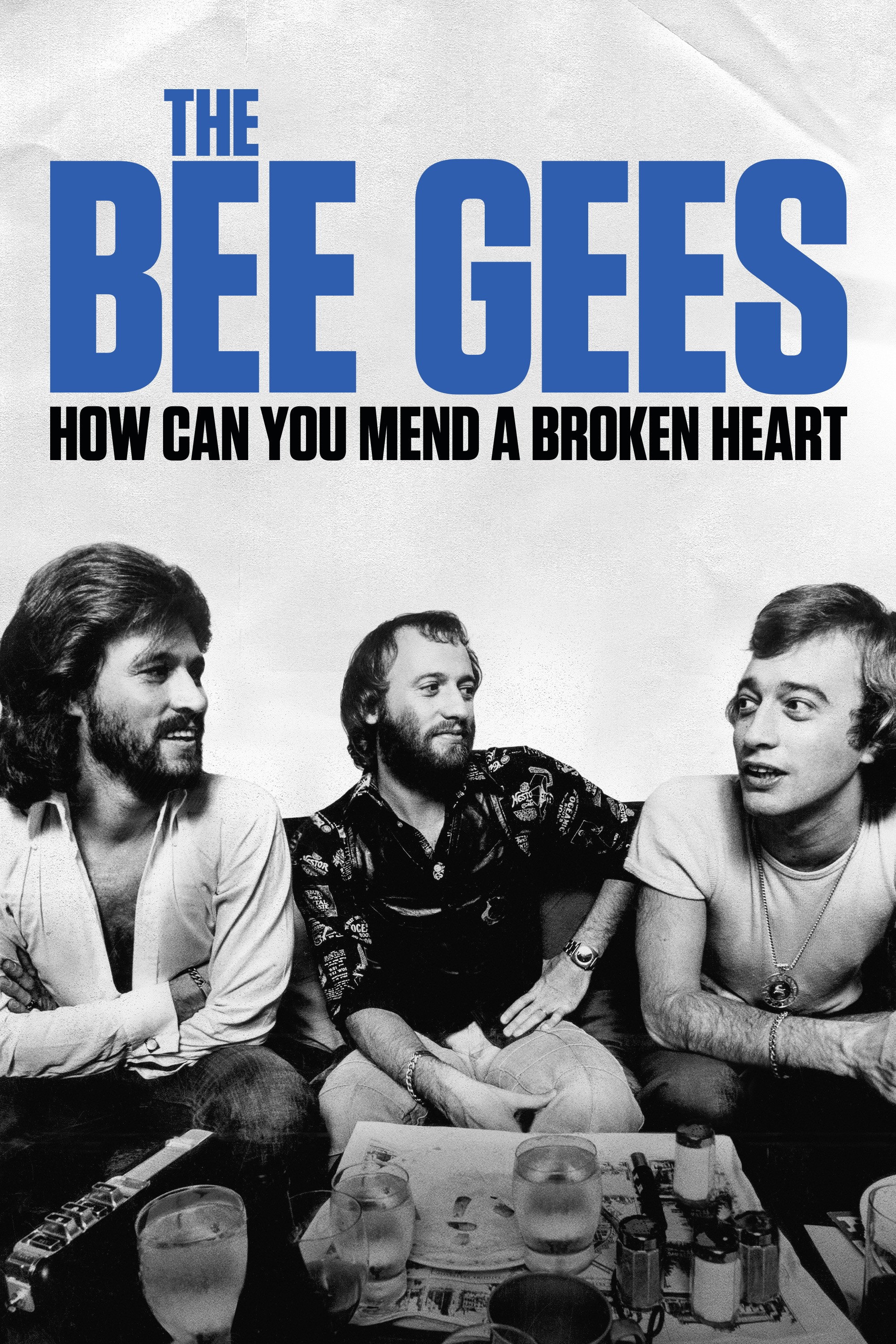
The story of the triumphs and hurdles of brothers Barry, Maurice, and Robin Gibb, otherwise known as the Bee Gees. The iconic trio, who found early fame in the 1960s, went on to write over 1,000 songs and have 20 No. 1 hits throughout their career, transcending more than five decades of changing tastes and styles.
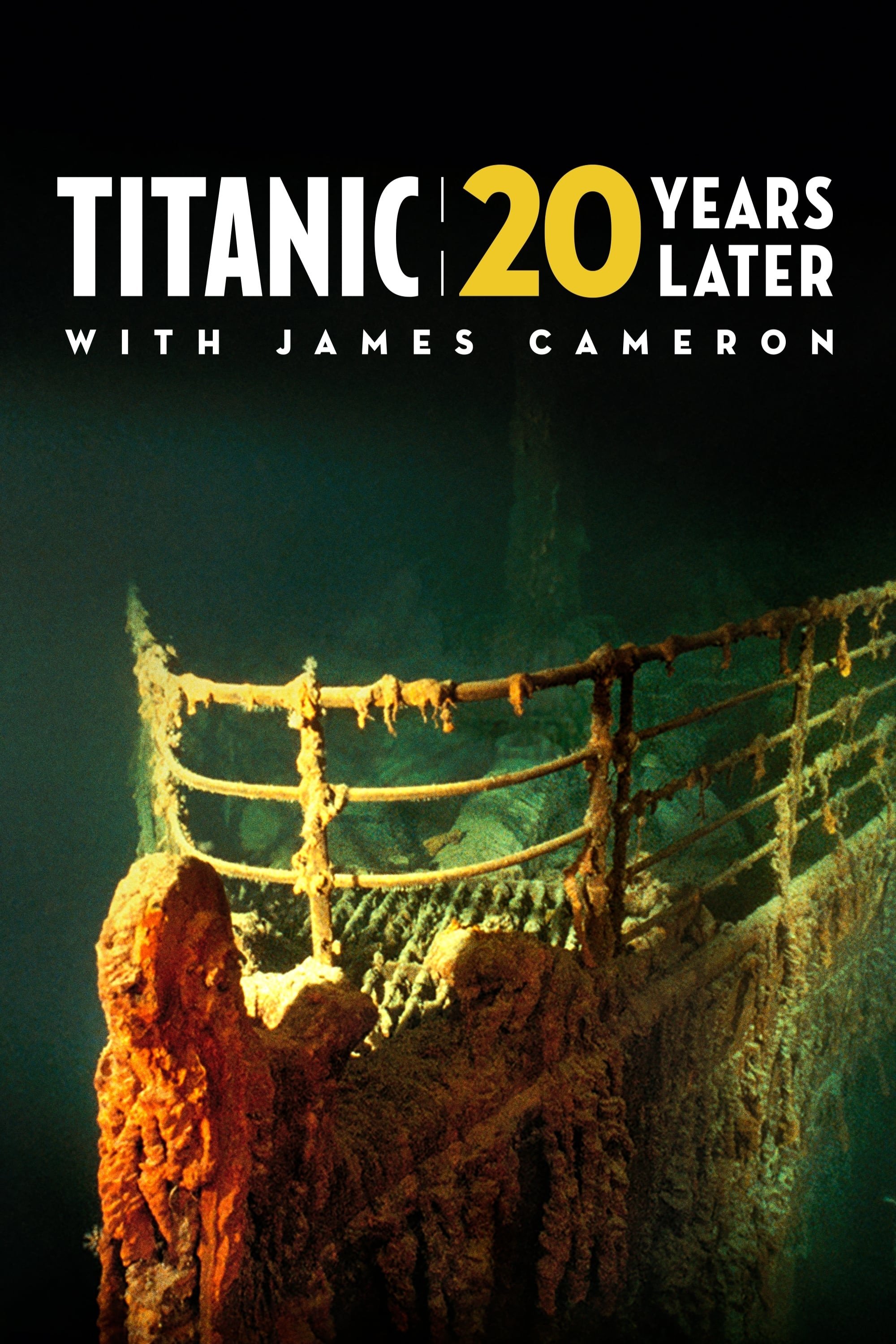
For the 20th anniversary of "Titanic," James Cameron reopens the file on the disaster.
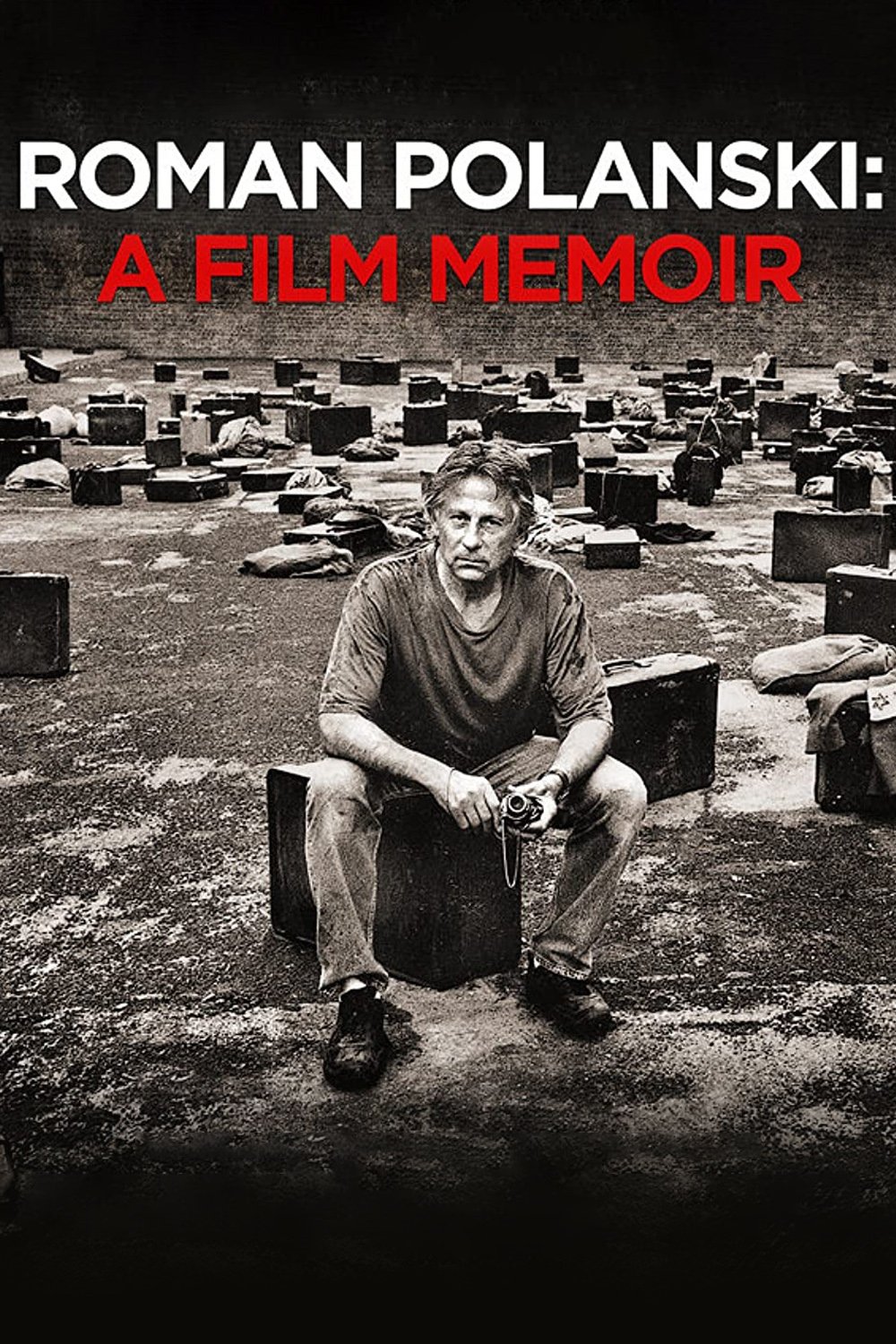
An interview with film director Roman Polanski conducted during his period of house arrest, discussing his life and work.
Captured during Billie Eilish's sold-out world tour, a concert experience from one of the most celebrated and successful artists of her generation, presented in immersive 3D.