Social & External
The people behind it
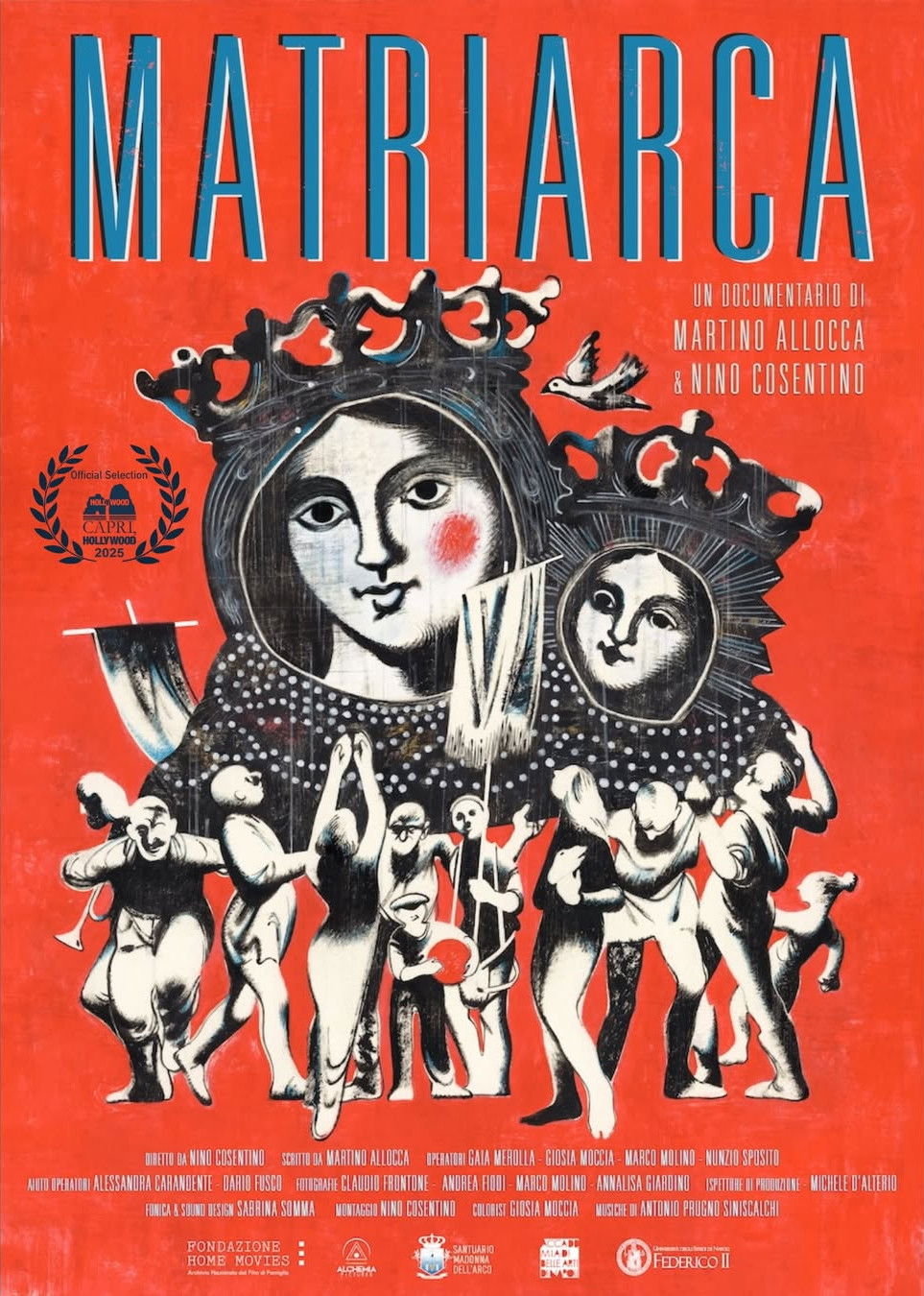
The cult of the Madonna dell'Arco dates back to the 1400s, when a young believer, after losing a game of pallamaglio, threw a ball in anger at a portrait of the Madonna under a Roman arch. The Madonna began to bleed. The crowd wanted to punish the boy for his wicked deed. The Count of Sarno decided to have him hanged from a tree. A few hours later, the tree withered. This is the myth that has always accompanied the oldest Marian cult in Campania (Italy).
Mateo (5), Nadia (9), Mati (4) and Isabella (5), are neighbors of a settlement located in the middle of an open-air garbage dump. These little protagonists appropriate the space they inhabit from the playful reflecting what it means to grow up in La Favela.
This short documentary, with its aim of exposing the festival from the perspective of Andalusian culture and anthropology, delves into the complexities of this celebration. Understanding how difficult it is for outsiders to grasp that a saint could be a member of the UGT (General Union of Workers) during the Civil War and possess a membership card, we gradually decipher the festival while simultaneously revealing features common to many other celebrations deeply rooted in the culture and popular religiosity of the Andalusian people, such as the presence of a communist mayor presiding over the saint's procession and offering cheers.
The powerful true story of Delia Balmer - narrated by Anna Maxwell Martin. Discover how she bravely faced the brutality of serial killer John Sweeney and fought for justice.
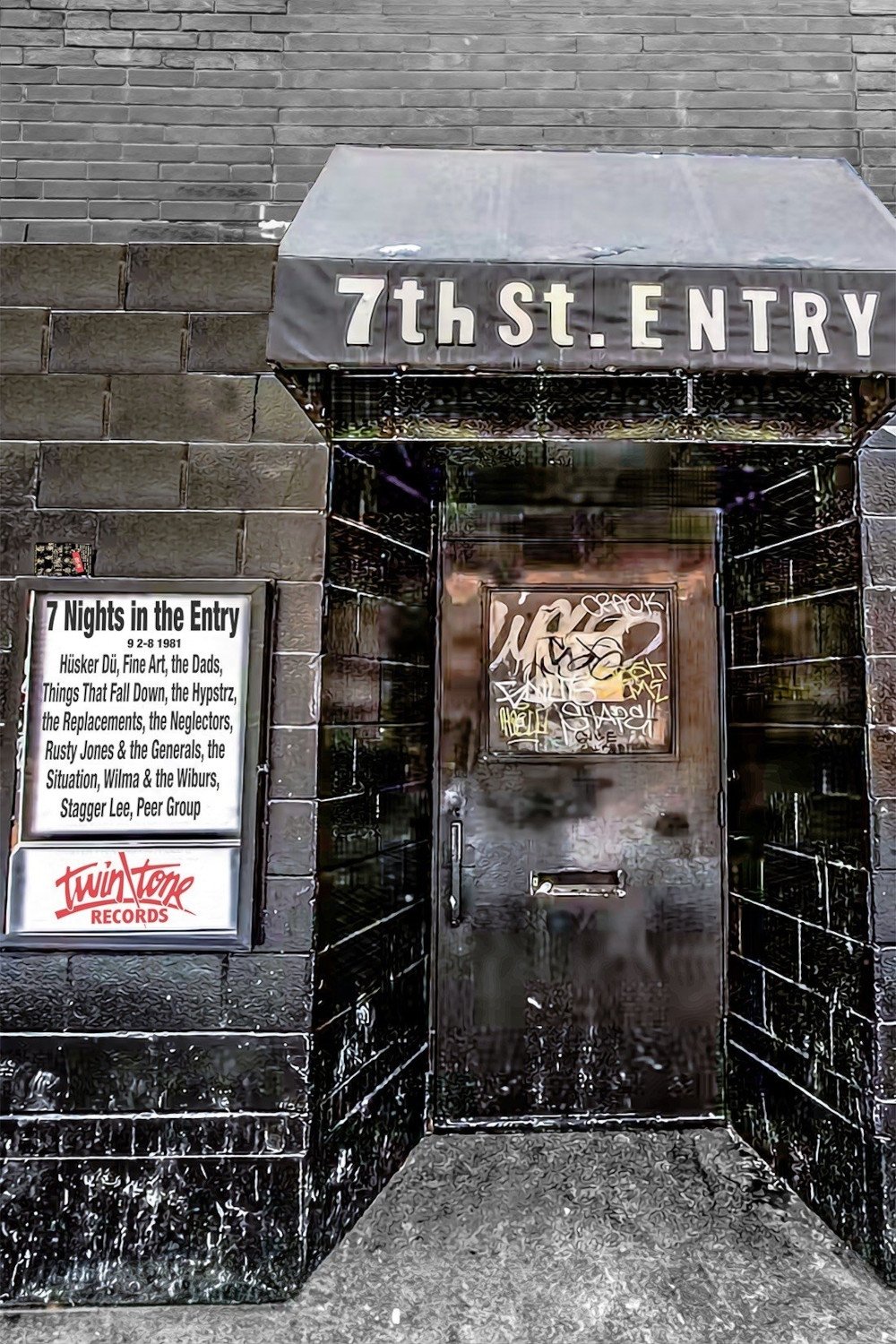
For a week in September 1981, Twin/Tone Records took over this recently started small stage at First Avenue, back before it was legendary, and presented a show that helped launch the legend. The film captures bands like the Replacements and Hüsker Dü in their beginnings. A rare chance to relive being in the room when it was dirty and dangerous. The film also captures groups like Things That Fall Down and the Hypstrz, bands that never found commercial success but had a massive impact on bands that did. M-80 turned on a lot of bands; this is a document of them raw and jagged.
A dialogue between East and West unfurls through the audio letters of an immigrant family in Molenbeek. They bear witness to the pain and yearning of the ones who stayed behind. It's a haunted audiovisual mantra, reflected in the moody black-and-white images of social housing blocks in Brussels.
The story of the unsung heroes who deliver the 'Stars And Stripes' military newspaper to soldiers in Afghanistan. Part of the film shows the paper delivery to Camp Lightning after 90 minutes on a Chinook helicopter, two miles up a mountain, and further travel on Humvees.
A ship sinks off West Africa. Everyone aboard drowns, except the cook. Trapped in a small air pocket with water up to his neck, he faces a slow death as oxygen dwindles. This extraordinary documentary follows untrained diver Nico’s daring mission to save him. After miraculously finding the cook alive after three days, Nico faces his biggest challenge yet: navigating narrow, deadly passages to bring him to safety. Told through authentic footage and audio from divers' helmet cams, this film showcases heroism, hope, and friendship, proving miracles can still happen.
Baptist preachers yell about a gay book.
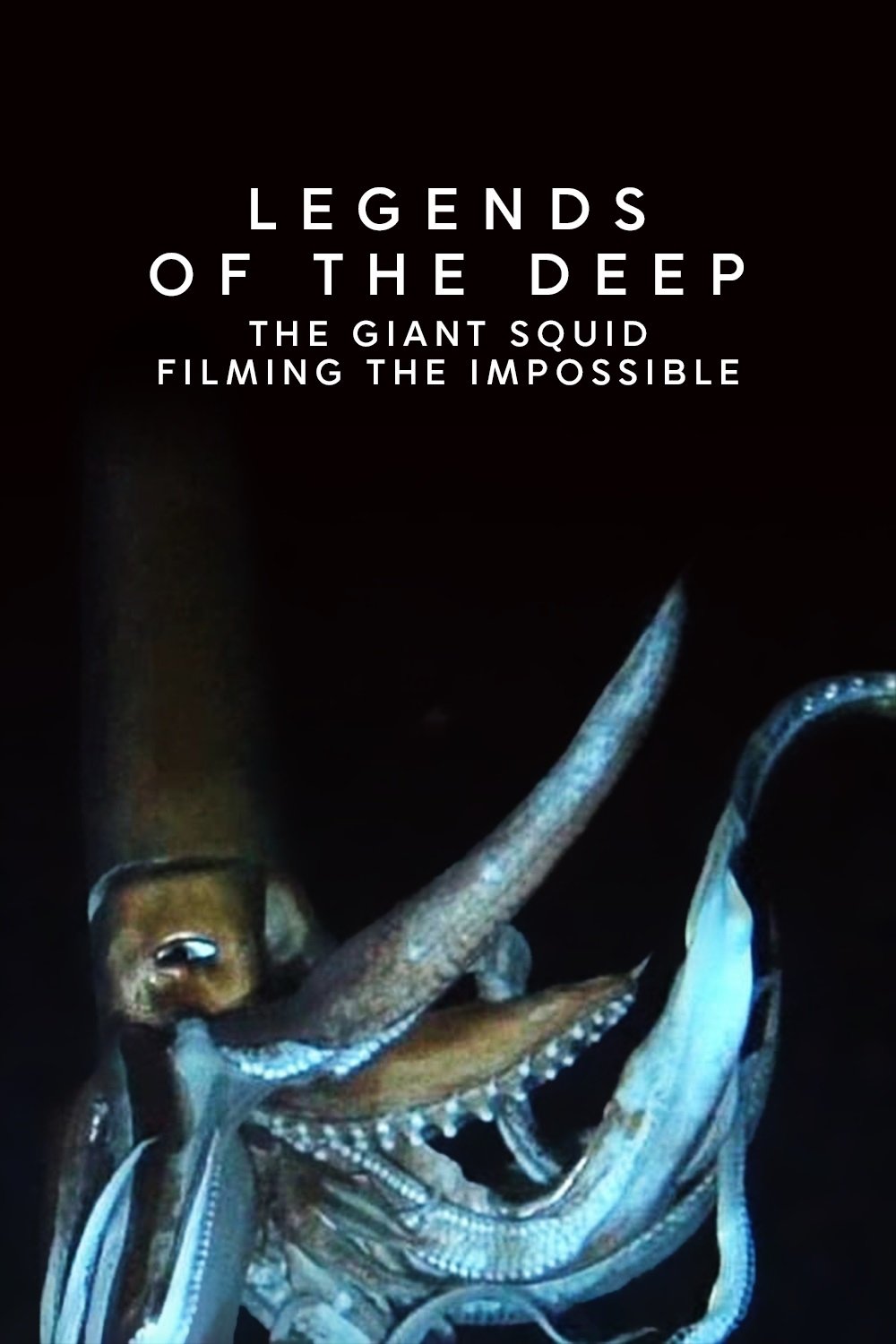
The giant squid is a creature of legend and myth which, even in the 21st century, has never been seen alive. But now, an international team of scientists thinks it has finally found its lair, 1,000 metres down, off the coast of Japan. This is the culmination of decades of research. The team deploys underwater robots and state-of-the-art submersible vessels for a world first - to find and film the impossible.
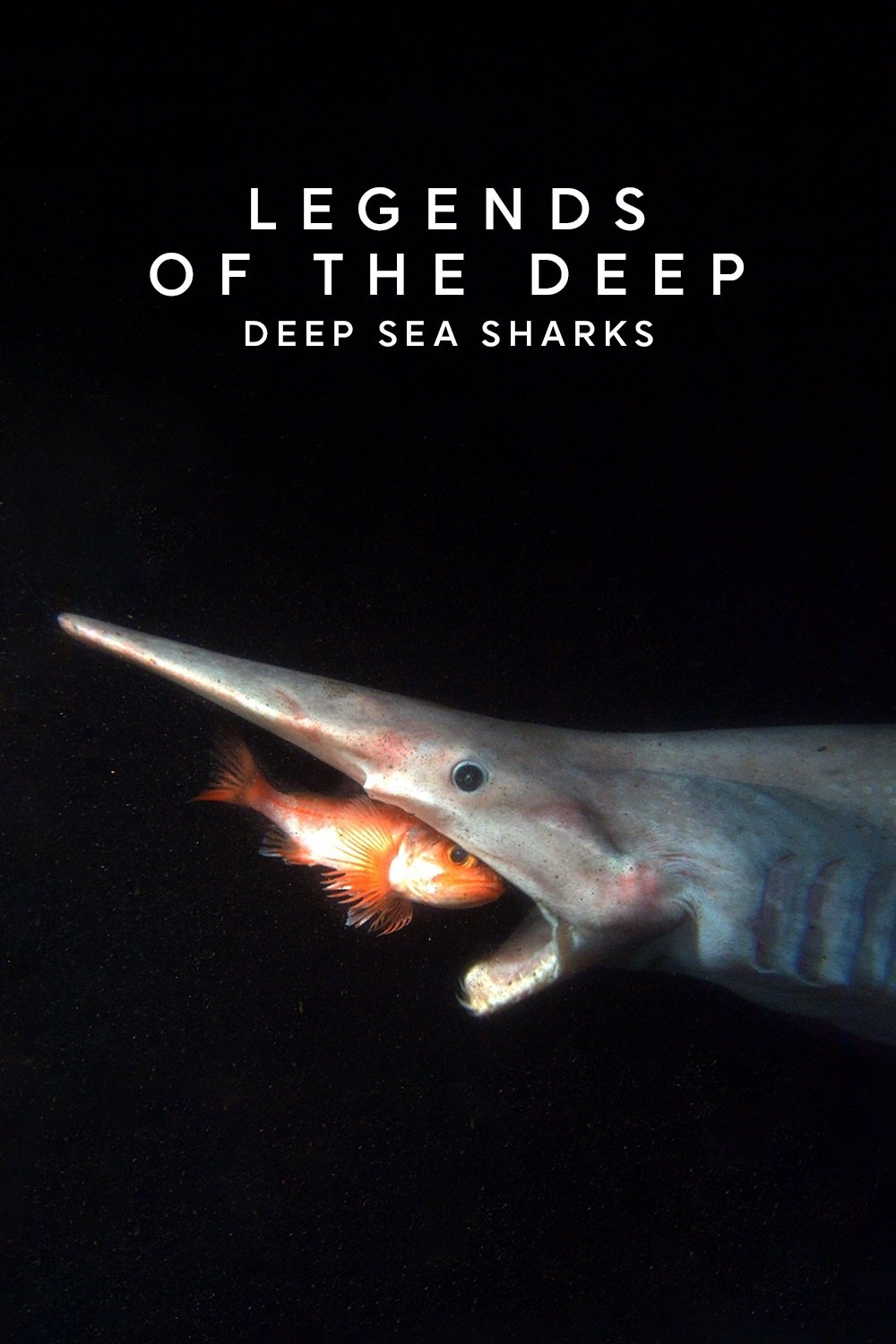
Groundbreaking documentary which follows a Japanese-led team of scientists as they attempt to shed light on the mysterious world of deep sea sharks. Only 50 specimens of the newly discovered 'megamouth' have ever been sighted. Over four years, scientists and film crews voyaged in midget submarines into the depths of Suruga Bay and Sagami Bay to film them. Prehistoric 'living fossil' sharks such as bluntnose sixgill sharks, goblin sharks and frilled sharks also lurk in the depths. As part of the investigation, a sperm whale carcass was placed at the bottom of the sea to attract these sharks, which were then studied and observed from the submersible vessels. Revealing in detail the previously unknown behaviour of deep sea sharks, the film unravels another of the intriguing mysteries of our planet's biodiversity.
A documentary about how a dominant cultural and demographic institution both sustains their traditional activities and adapts to the digital revolution.
An inside look at one of the most anticipated movie sequels ever with James Cameron and cast.
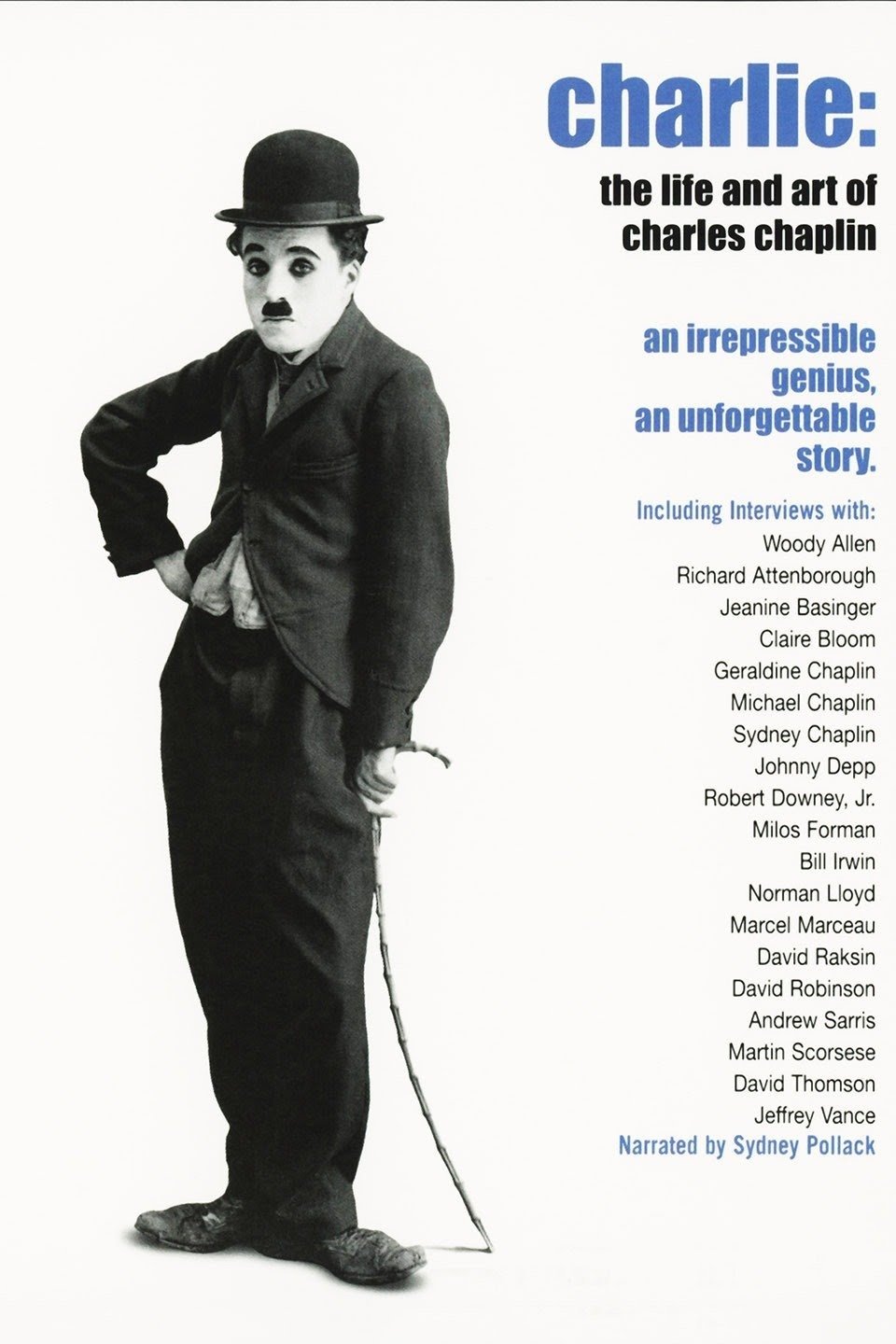
Brilliant, long in-the-works story of the life and art of the world's greatest comedian and the cinema's first genius, Charlie Chaplin. Produced, written and directed by renowned film critic Richard Schickel.
A string of threatening emails escalates into a revenge plot involving a newly married US marshal and his ex-girlfriend.
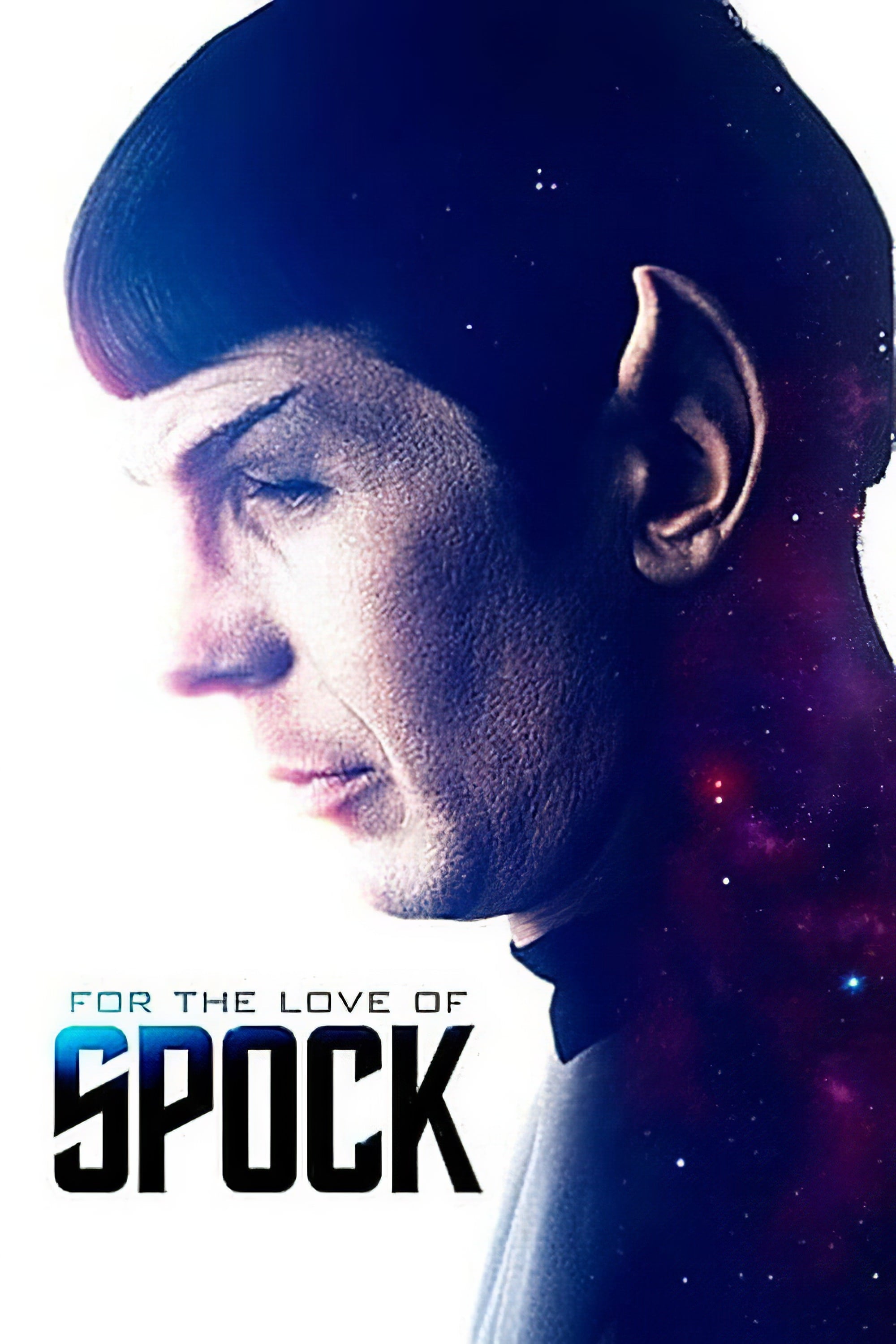
The life of Mr. Spock, as well as that of Leonard Nimoy, the actor who played him for almost fifty years, written and directed by his son: Adam.
The life and career of one of comedy's most inimitable modern voices, Mr. Gilbert Gottfried.
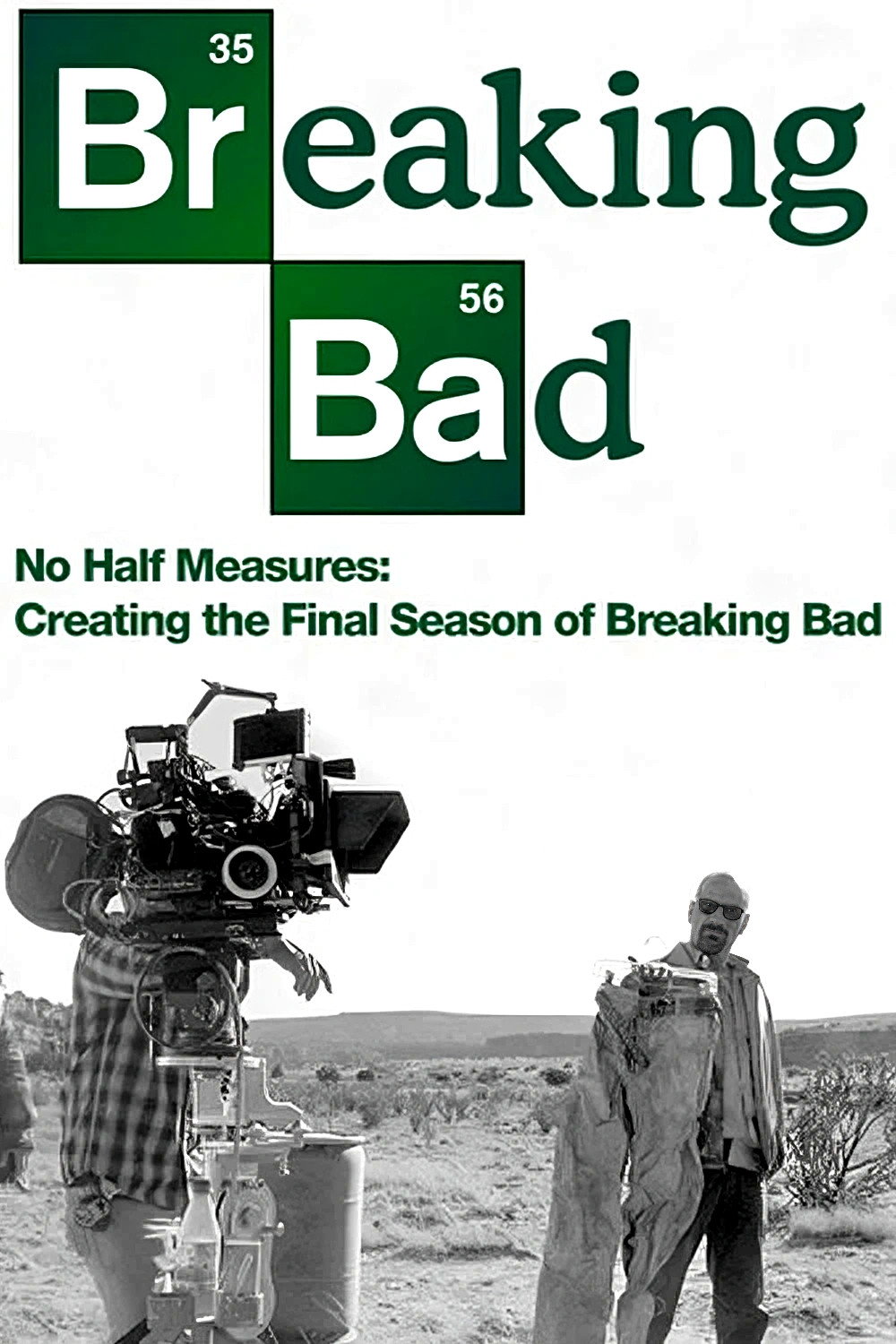
A documentary about the making of season five of the acclaimed AMC series Breaking Bad.
A visual montage portrait of our contemporary world dominated by globalized technology and violence.
The life and career of an actor, artist, and icon. His own journey through his own camera.
This revealing documentary honors the legendary Sidney Poitier—iconic actor, filmmaker, and civil rights activist. Featuring interviews with Denzel Washington, Spike Lee, Halle Berry, and more.
Featuring interviews with filmmakers and industry legends, discover the origins and evolution of The Joker, and learn why The Clown Prince of Crime is universally hailed as the greatest comic-book supervillain of all time.
Through deeply personal interviews with her siblings and an examination of the photographs, letters, and belongings left behind, Mariska assembles a new portrait of her mother Jayne Mansfield, an extraordinary and complex woman.
Daniel Craig candidly reflects on his 15 year adventure as James Bond. Including never-before-seen archival footage from Casino Royale to the upcoming 25th film No Time To Die, Craig shares his personal memories in conversation with 007 producers, Michael G Wilson and Barbara Broccoli.
Al Pacino's deeply-felt rumination on Shakespeare's significance and relevance to the modern world through interviews and an in-depth analysis of "Richard III."
Ranjit, a farmer in India, takes on the fight of his life when he demands justice for his 13-year-old daughter, the victim of a brutal gang rape. His decision to support his daughter is virtually unheard of, and his journey unprecedented.
SEDUCED AND ABANDONED combines acting legend Alec Baldwin with director James Toback as they lead us on a troublesome and often hilarious journey of raising financing for their next feature film. Moving from director to financier to star actor, the two players provide us with a unique look behind the curtain at the world's biggest and most glamourous film festival, shining a light on the bitter-sweet relationship filmmakers have with Cannes and the film business. Featuring insights from directors Martin Scorsese, 'Bernando Bertolucci' and Roman Polanski; actors Ryan Gosling and Jessica Chastain and a host of film distribution luminaries.
A purely observational non-fiction film that takes viewers into the ethically murky world of end-of-life decision making in a public hospital.
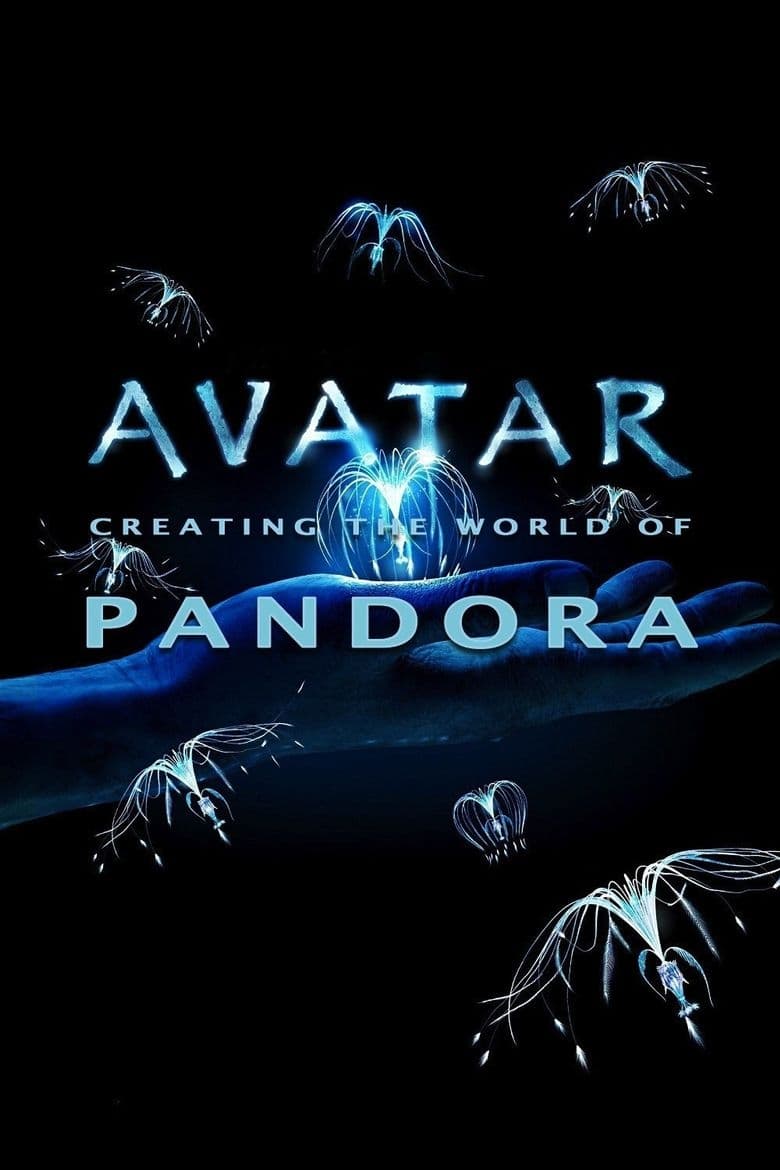
The Making-of James Cameron's Avatar. It shows interesting parts of the work on the set.
A detailing of the rise to prominence and global sporting superstardom of six supremely talented young Manchester United football players (David Beckham, Nicky Butt, Ryan Giggs, Paul Scholes, Phil and Gary Neville). The film covers the period 1992-1999, culminating in Manchester United's European Cup triumph.
Alex Gibney explores the charged issue of pedophilia in the Catholic Church, following a trail from the first known protest against clerical sexual abuse in the United States and all way to the Vatican.