Social & External
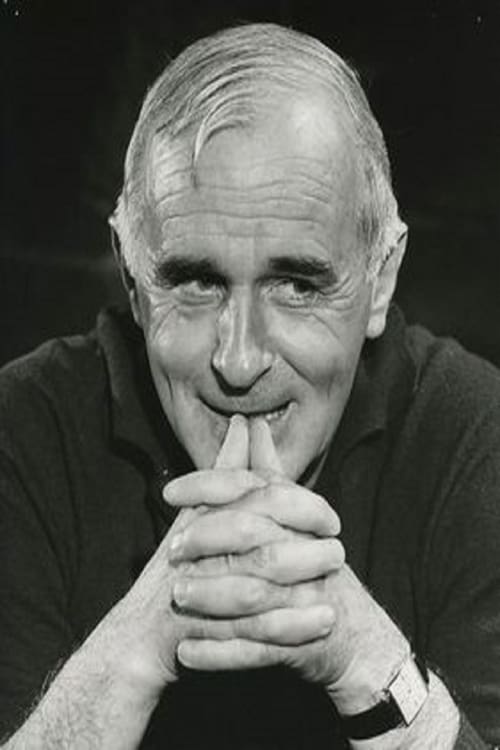
Fortæller (voice)
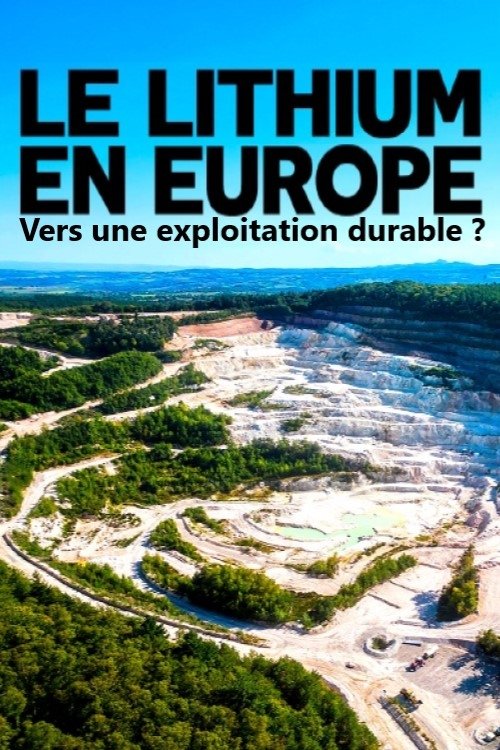
Heavily dependent on imports, Europe is seeking to develop its production of lithium, an element that is essential to the energy transition. Focus on the environmental challenges that accompany this quest for independence.
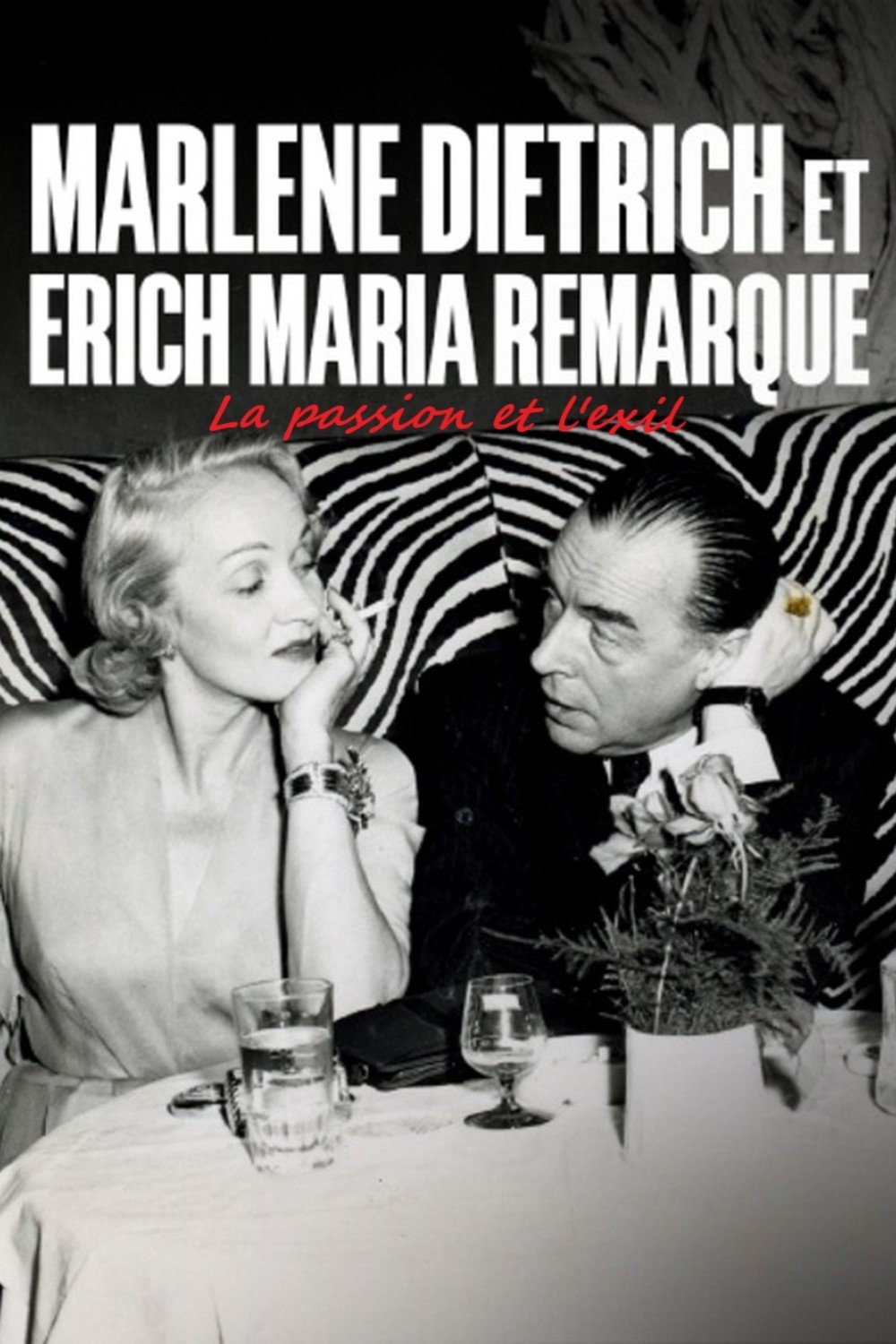
In his second international bestseller, "Arc de Triomphe," author Erich Maria Remarque explores his own experience of exile and his decisive encounter with Marlene Dietrich. From Paris and Antibes to Los Angeles and New York, the documentary traces the moving genesis of this highly autobiographical novel, now considered a major work of European exile literature, and the literary legacy of the long-standing passion between two global stars.
The life and career of the hailed Hollywood movie star and underappreciated genius inventor, Hedy Lamarr.
In 1971 September met four young men in a garden in Gentofte. They wanted to make a band. And they soon found out that they could joke his way to one hit after another. A handful of years later had their playful approach made them Denmark's largest orchestra. But if success came easily to them, it was also their biggest problem. For besides they were hit by alcoholism and stage directing, they faced one overriding dilemma: Should they stick to the happy drengerøvs tone (young men who appear to be young, immature or inexperienced or who behave childishly), they had so much luck, or trying to become adults?
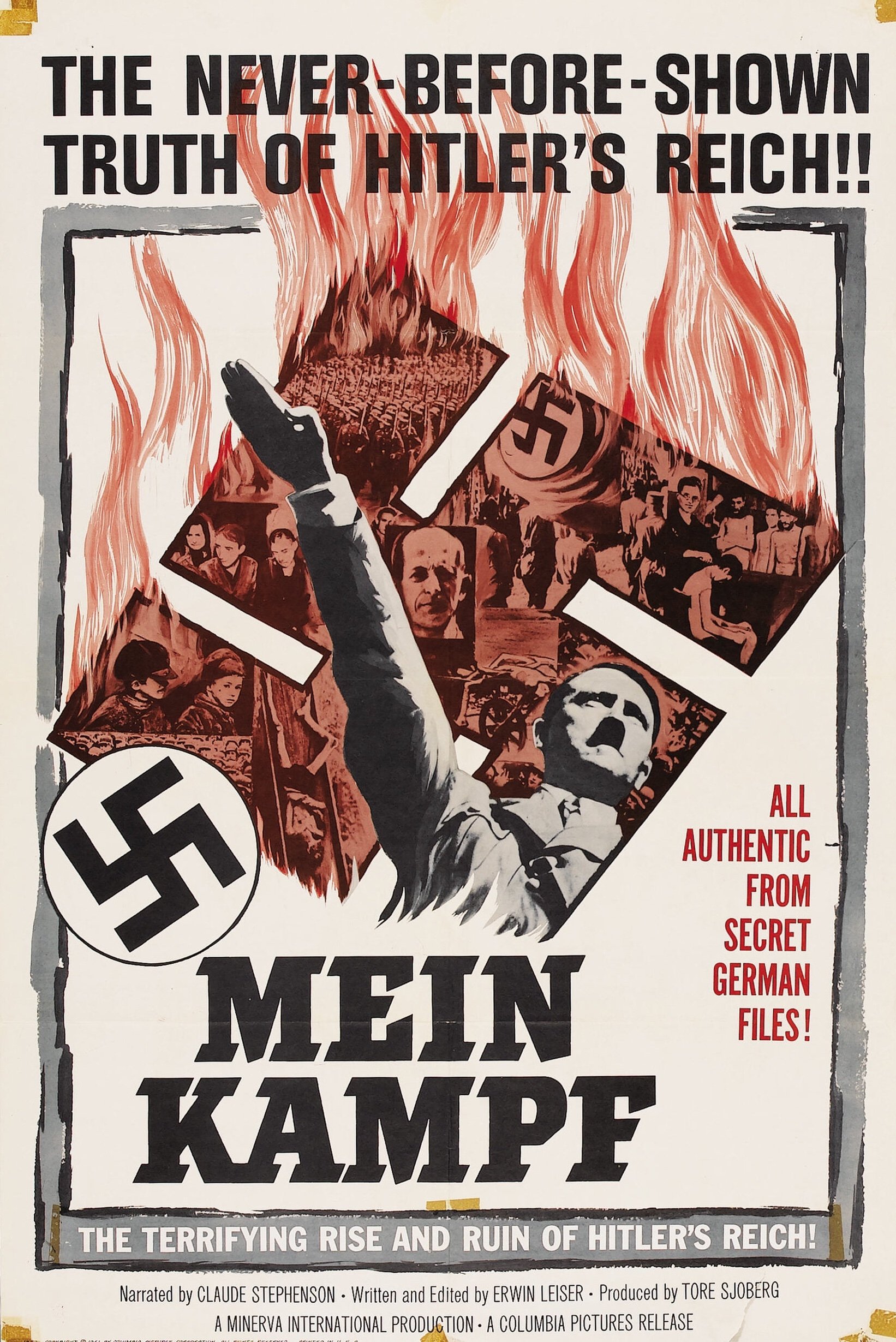
Using exclusively archival footage, Erwin Leiser traces the rise and collapse of the Third Reich, from Adolf Hitler’s early years to the devastation of Europe and his suicide in 1945. The film draws heavily on material produced and preserved by the Nazi propaganda apparatus to confront the mechanisms, imagery, and consequences of totalitarian power.
German war documentary about Yugoslavia from 1941.
The story of black and mixed race people in Nazi Germany who were sterilised, experimented upon, tortured and exterminated in the Nazi concentration camps. It also explores the history of German racism and examines the treatment of Black prisoners-of-war. The film uses interviews with survivors and their families as well as archival material to document the Black German Holocaust experience.
Unconventional portrayal of mining in the Swedish Lapland ore fields, a powerful image and sound symphony that can be experienced both as a documentary and symbolic work.
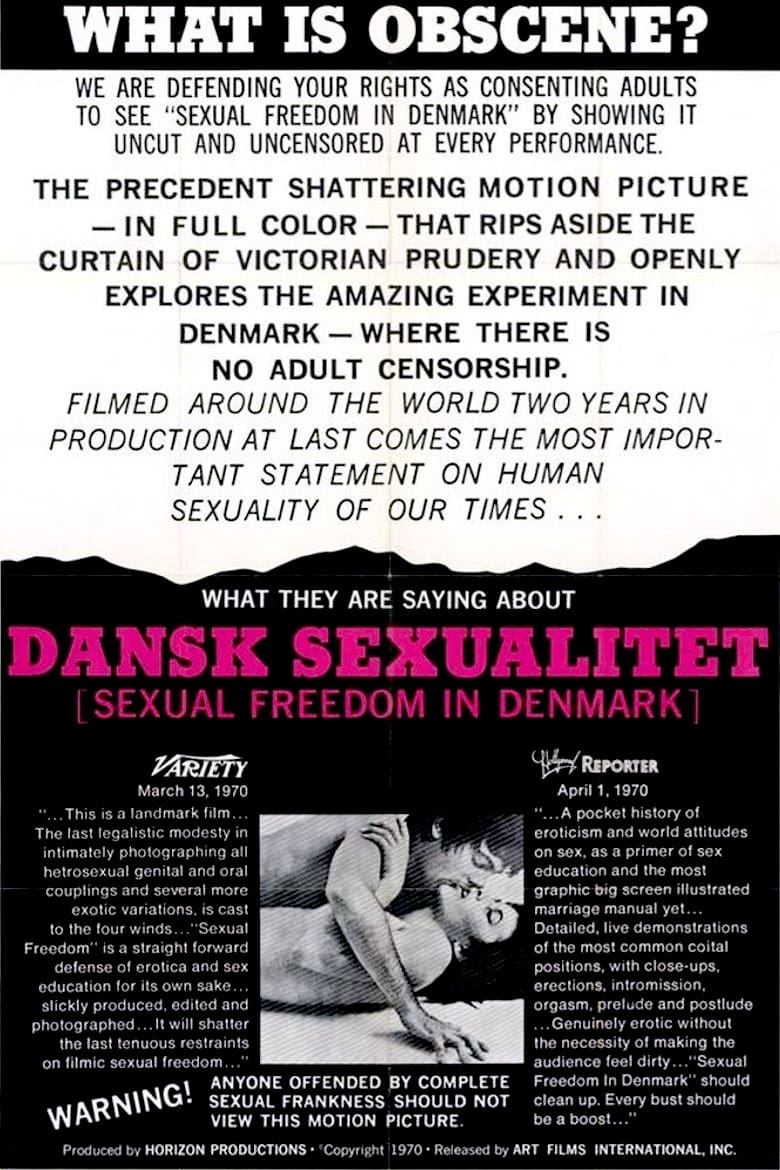
Starting as a documentary on the sexually liberated culture of late-Sixties Denmark, Sexual Freedom in Denmark winds up incorporating major elements of the marriage manual form and even manages to squeeze in a montage of beaver loops and erotic art. All narrated with earnest pronouncements concerning the social and psychological benefits of sexual liberation, the movie, is a kind of mondo film dotted with occasional glimpses of actual sex.
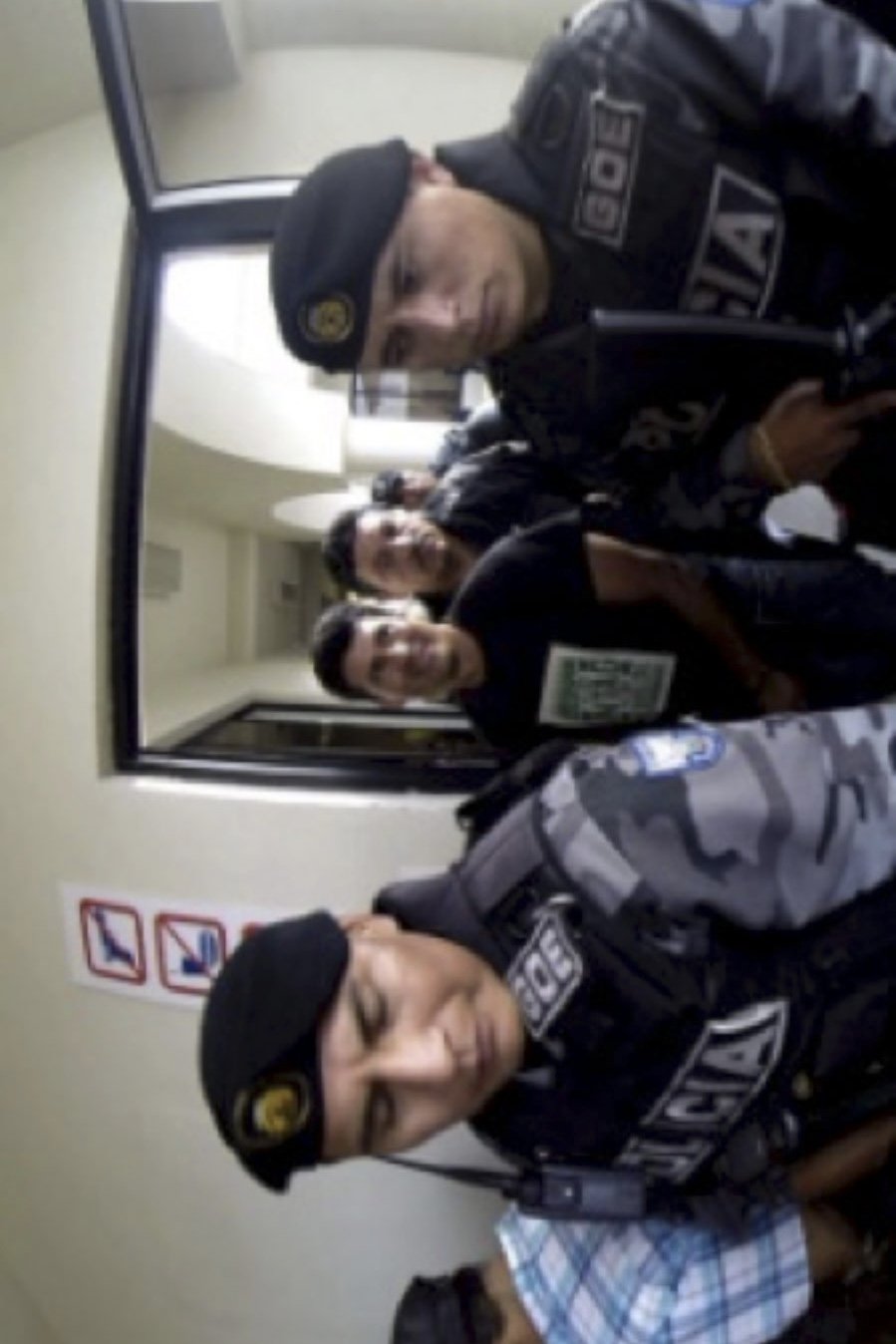
On April 10, 2014, the environmental activist and president of the Junín community, Javier Ramírez, was arrested and sentenced to ten months in prison for the crimes of “rebellion, sabotage and terrorism”. A few days later, the National Mining Company entered the area accompanied by a squad of at least 200 policemen to carry out studies related to the Llurimagua mining project, in the Íntag cloud forest. Javier with I, Íntag collects Javier Ramírez's reflections after his release, his feeling of condemned innocence, the pain of living in a divided, busy and frightened community, with its social fabric destroyed.
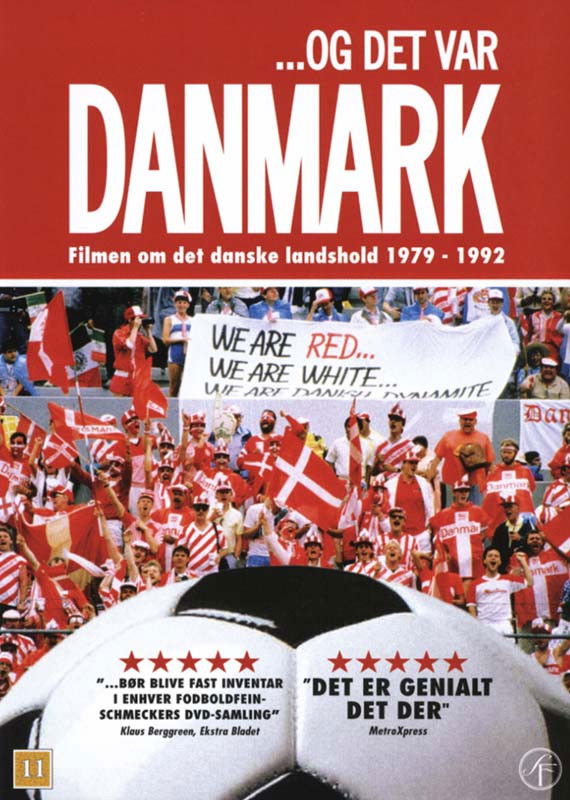
The story about Danish national football (soccer) team, a traditional minnow until the mid-1980s when they improved dramatically and eventually went on to win the European championship in 1992.
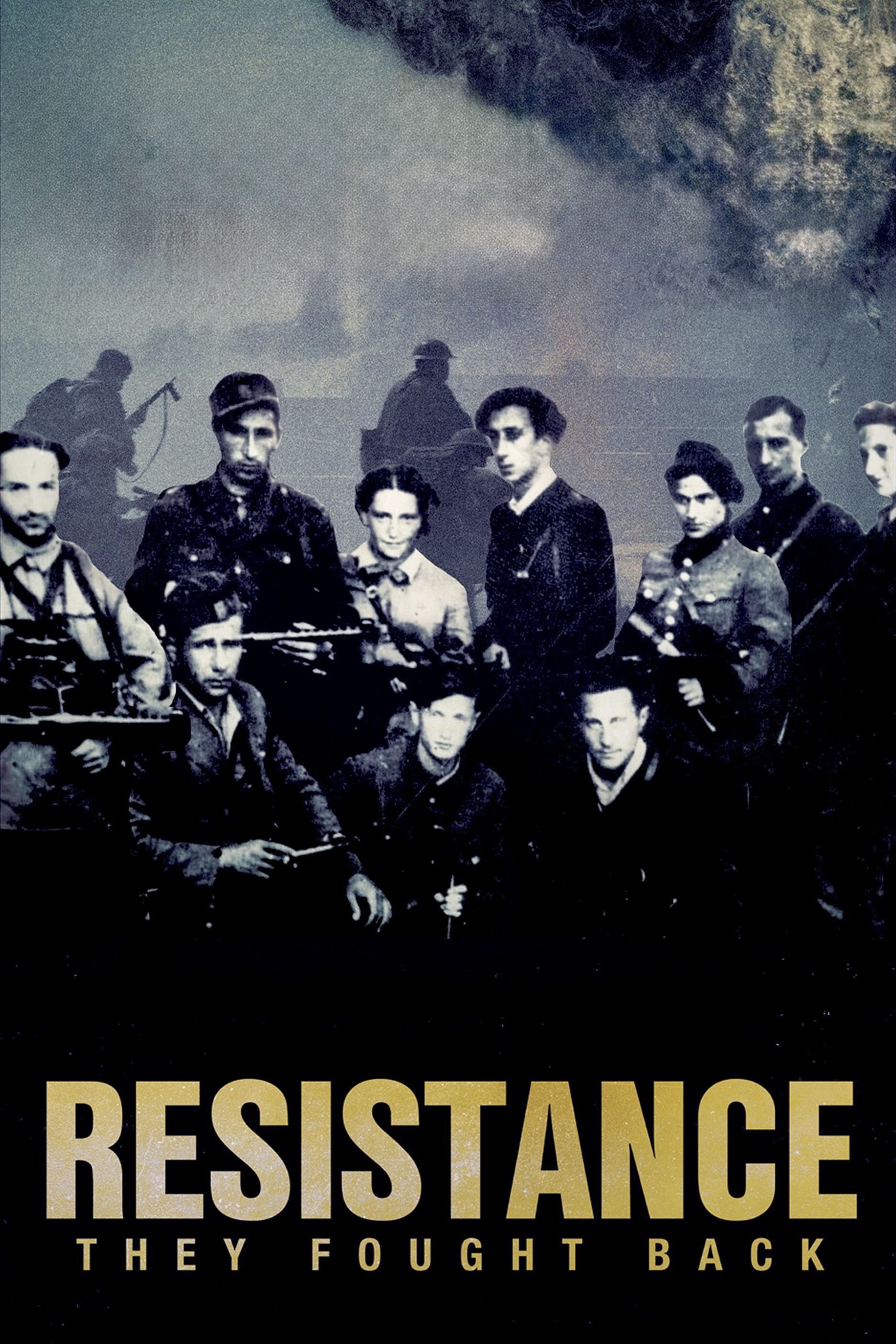
We’ve all heard of the Warsaw Ghetto Uprising, but most people have no idea how widespread and prevalent Jewish resistance to Nazi barbarism was. Instead, it’s widely believed “Jews went to their deaths like sheep to the slaughter.” Filmed in Poland, Lithuania, Latvia, Israel, and the U.S., Resistance – They Fought Back provides a much-needed corrective to this myth of Jewish passivity. There were uprisings in ghettos large and small, rebellions in death camps, and thousands of Jews fought Nazis in the forests. Everywhere in Eastern Europe, Jews waged campaigns of non-violent resistance against the Nazis.
This travelogue begins with the vast agricultural wealth of the country, whose farmers can produce four times the amount required to feed the country's population. As such, the export of these agricultural products is a vital part of the country's economy. This agricultural tradition extends to its food consumption, as Denmark's vast array of open faced sandwiches is world renowned. It also extends to flower production and the Dane's love of flowers, which are sold in public markets. Denmark has a strong social support system, as witnessed by the free and mandatory public schooling, free medical services for expectant mothers and children, the provision of cooperative housing and housing for seniors, and the provision of old age pensions without premiums.
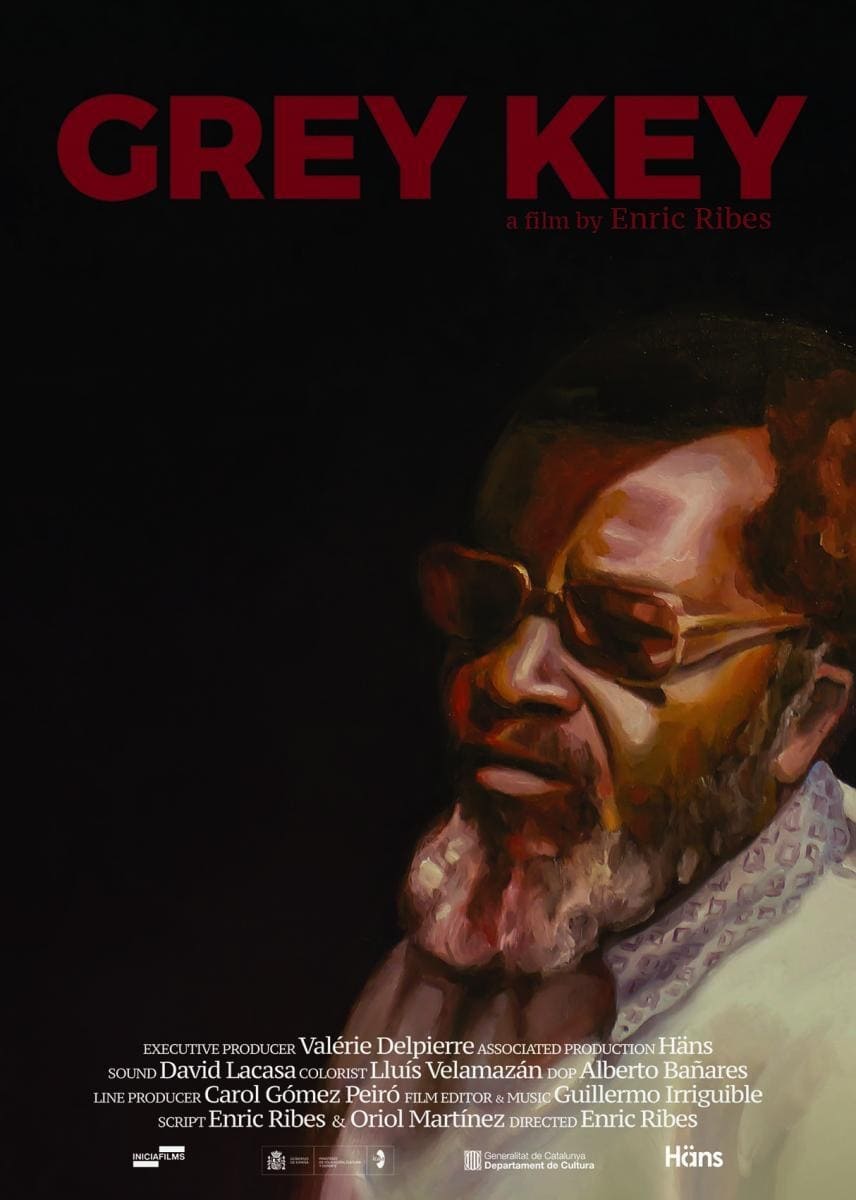
Fear and fascination arise in Muriel Grey when she remembers the figure of her father, who passed away when she was still very young. Thirty years after his death, Muriel will tell us the story of José Carlos Grey, a Black Holocaust survivor, freedom fighter in the Spanish Civil War and the French Resistance, and one of the only Black men known to have been imprisoned at the Mauthausen concentration camp in Austria.
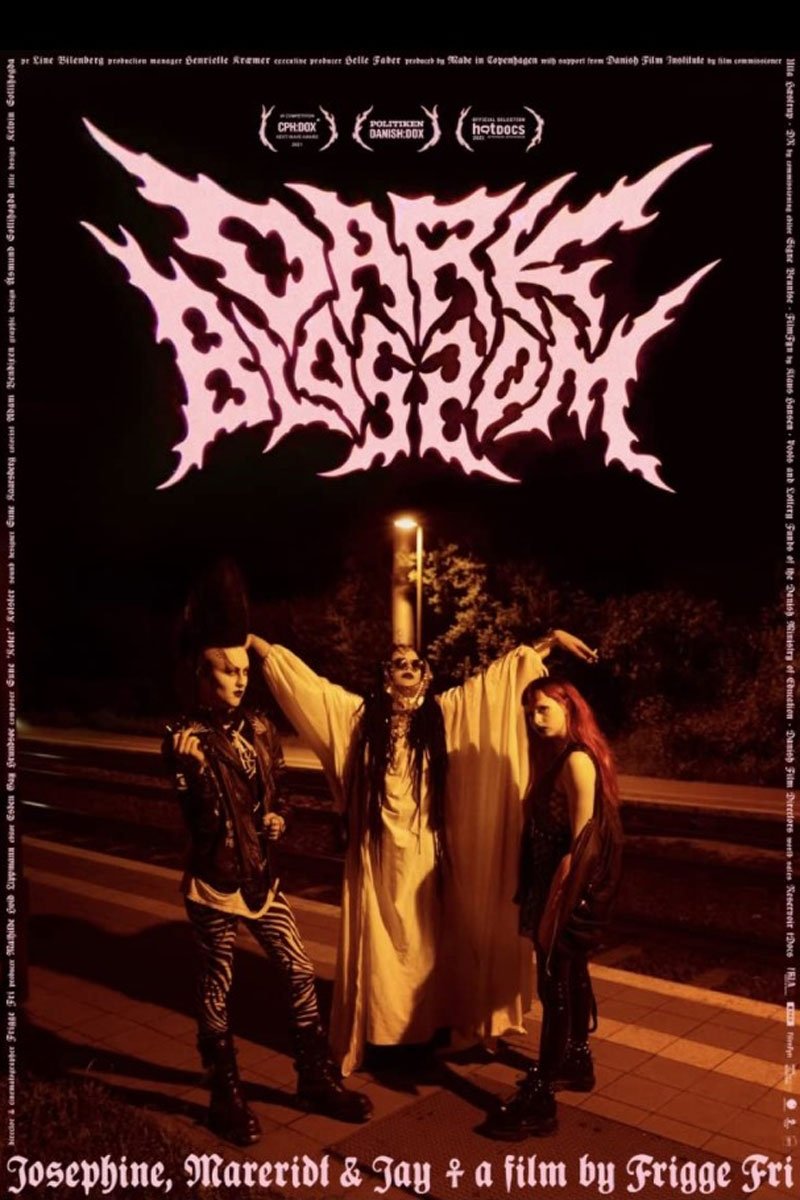
Armed with skulls, black makeup, wild outfits and high mohawks, this gothic trinity fights to gain control of and thus free themselves from their loneliness and inner demons as well as pressure from authorities, which they feel disturbed and controlled by. But one day, Josephine meets the beautiful guy, Jan, on Instagram and falls head over heels in love with him and the precious trio friendship is put to the test.
September 3rd, 1939. Britain and France declare war on Nazi Germany, only two days after the Wehrmacht invades Poland. This day, the sad date when the fate of the world changed forever, the Phoney War began: eight months of uncertainty, preparations, evacuations and skirmishes.
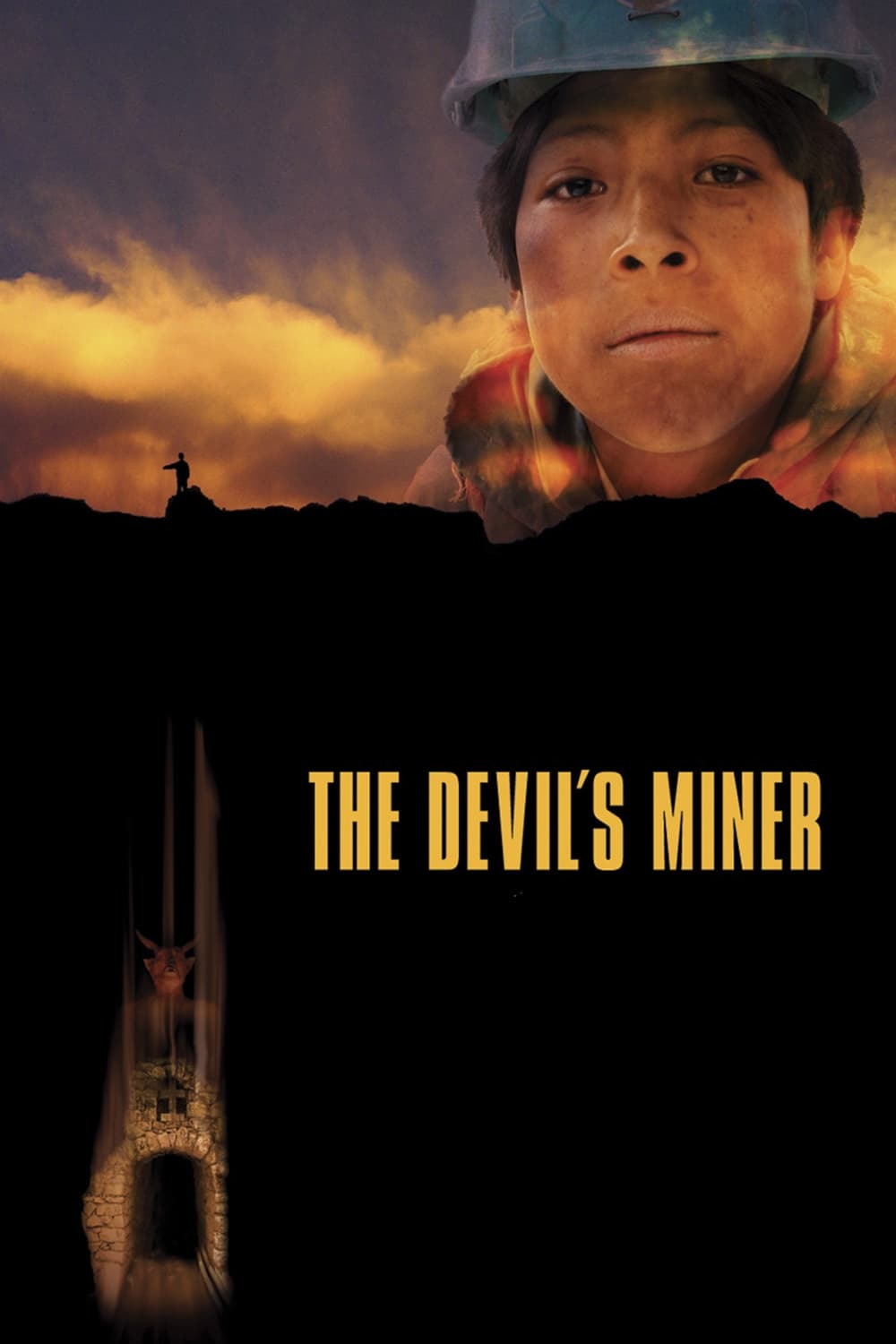
'The Devil's Miner' tells the story of 14-year-old Basilio who worships the devil for protection while working in a Bolivian silver mine to support his family.
Dover made over: this quirky and pointed public information film reveals how the heavily-bombed and shelled Kent town was being replanned after the war. The filmmakers cleverly and entertainintly capture our attention by opening on travelogue cliches that they quickly undercut. It's not white cliffs and rolling hills they want to tell us about. It's present-day Dover - remaking itself in the crisp freshness of a postwar spring.
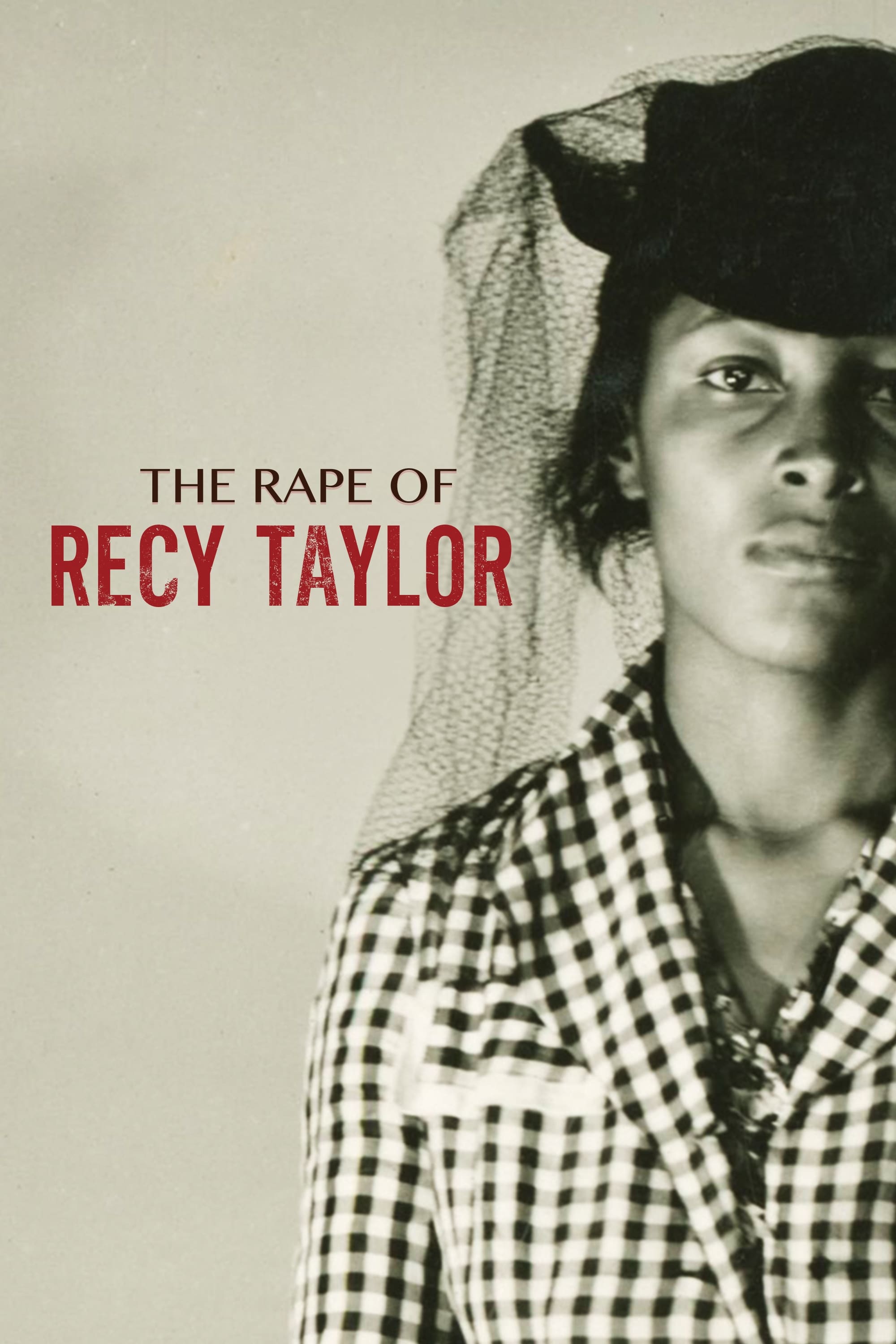
Recy Taylor, a 24-year-old black mother and sharecropper, was gang raped by six white boys in 1944 Alabama. Common in Jim Crow South, few women spoke up in fear for their lives. Not Recy Taylor, who bravely identified her rapists. The NAACP sent its chief rape investigator Rosa Parks, who rallied support and triggered an unprecedented outcry for justice. The film exposes a legacy of physical abuse of black women and reveals Rosa Parks’ intimate role in Recy Taylor’s story.
When Allied forces liberated the Nazi concentration camps in 1944-45, their terrible discoveries were recorded by army and newsreel cameramen, revealing for the first time the full horror of what had happened. Making use of British, Soviet and American footage, the Ministry of Information’s Sidney Bernstein (later founder of Granada Television) aimed to create a documentary that would provide lasting, undeniable evidence of the Nazis’ unspeakable crimes. He commissioned a wealth of British talent, including editor Stewart McAllister, writer and future cabinet minister Richard Crossman – and, as treatment advisor, his friend Alfred Hitchcock. Yet, despite initial support from the British and US Governments, the film was shelved, and only now, 70 years on, has it been restored and completed by Imperial War Museums under its original title "German Concentration Camps Factual Survey".
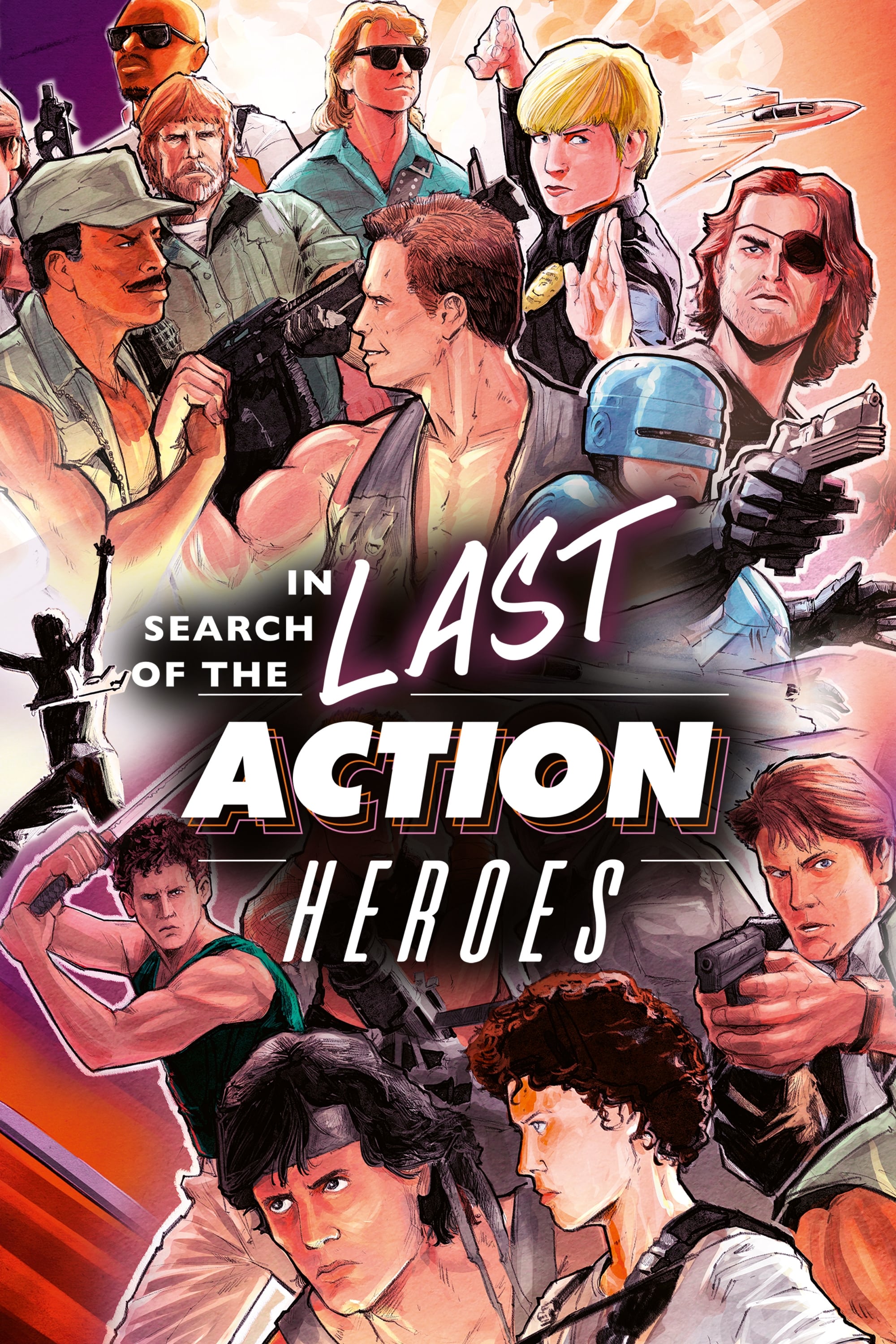
The most comprehensive retrospective of the '80s action film genre ever made.
Director Michael Apted revisits the same group of British-born adults after a 7 year wait. The subjects are interviewed as to the changes that have occurred in their lives during the last seven years.
A documentary focused on plastic pollution in the world's oceans.
This revealing documentary honors the legendary Sidney Poitier—iconic actor, filmmaker, and civil rights activist. Featuring interviews with Denzel Washington, Spike Lee, Halle Berry, and more.
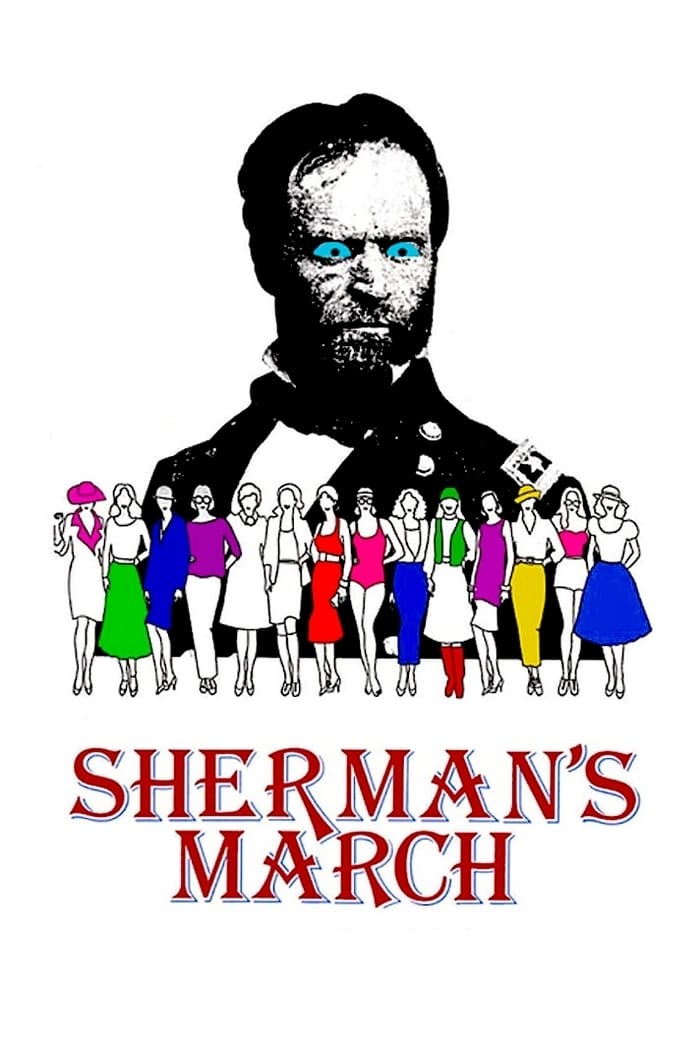
Ross McElwee sets out to make a documentary about the lingering effects of General Sherman's march of destruction through the South during the Civil War, but is continually sidetracked by women who come and go in his life, his recurring dreams of nuclear holocaust, and Burt Reynolds.
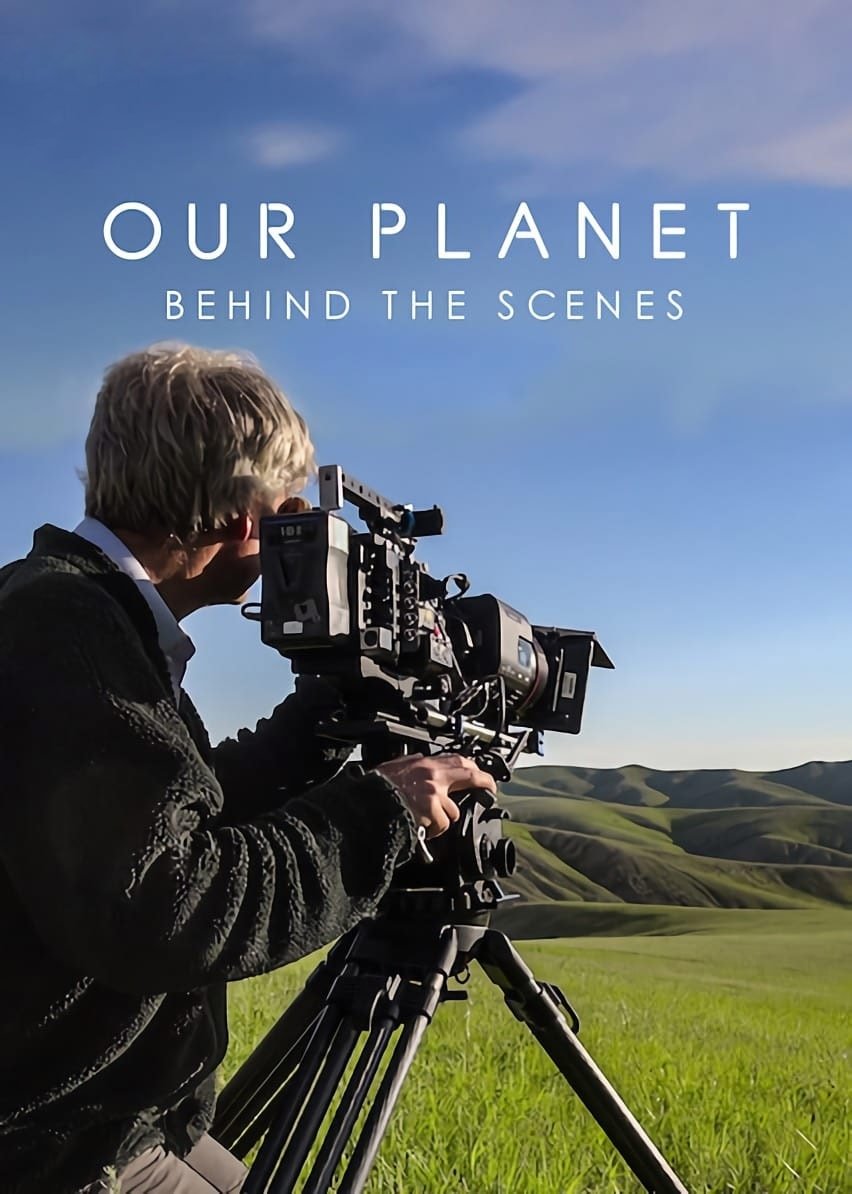
Years spent recording footage of creatures from every corner of the globe is bound to produce a bit of drama. Here's a behind-the-scenes look.
From the heights of her modeling fame to her tragic death, this documentary reveals Anna Nicole Smith through the eyes of the people closest to her.
The history of cinematic sound, told by legendary sound designers and visionary filmmakers.
A documentary that explores the downloading revolution; the kids that created it, the bands and the businesses that were affected by it, and its impact on the world at large.
Lyrical and powerfully personal essay film that reflects on the deaths of her husband Lou Reed, her mother, her beloved dog, and such diverse subjects as family memories, surveillance, and Buddhist teachings.
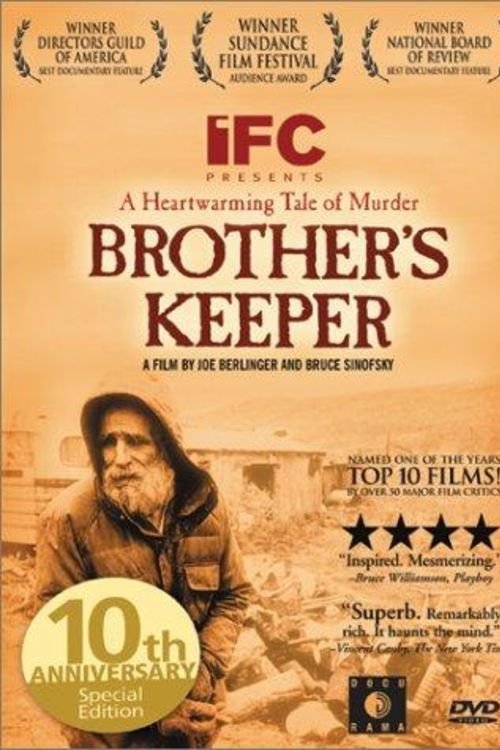
This documentary by Joe Berlinger and Bruce Sinofsky details the murder trial of Delbert Ward. Delbert was a member of a family of four elderly brothers, working as semi-literate farmers and living together in isolation from the rest of society until William's death.
JB Smoove and Martin Starr host a celebration of 20 years of "Spider-Man" movies, from the Sam Raimi trilogy to Marc Webb's movies and the trio from Jon Watts.
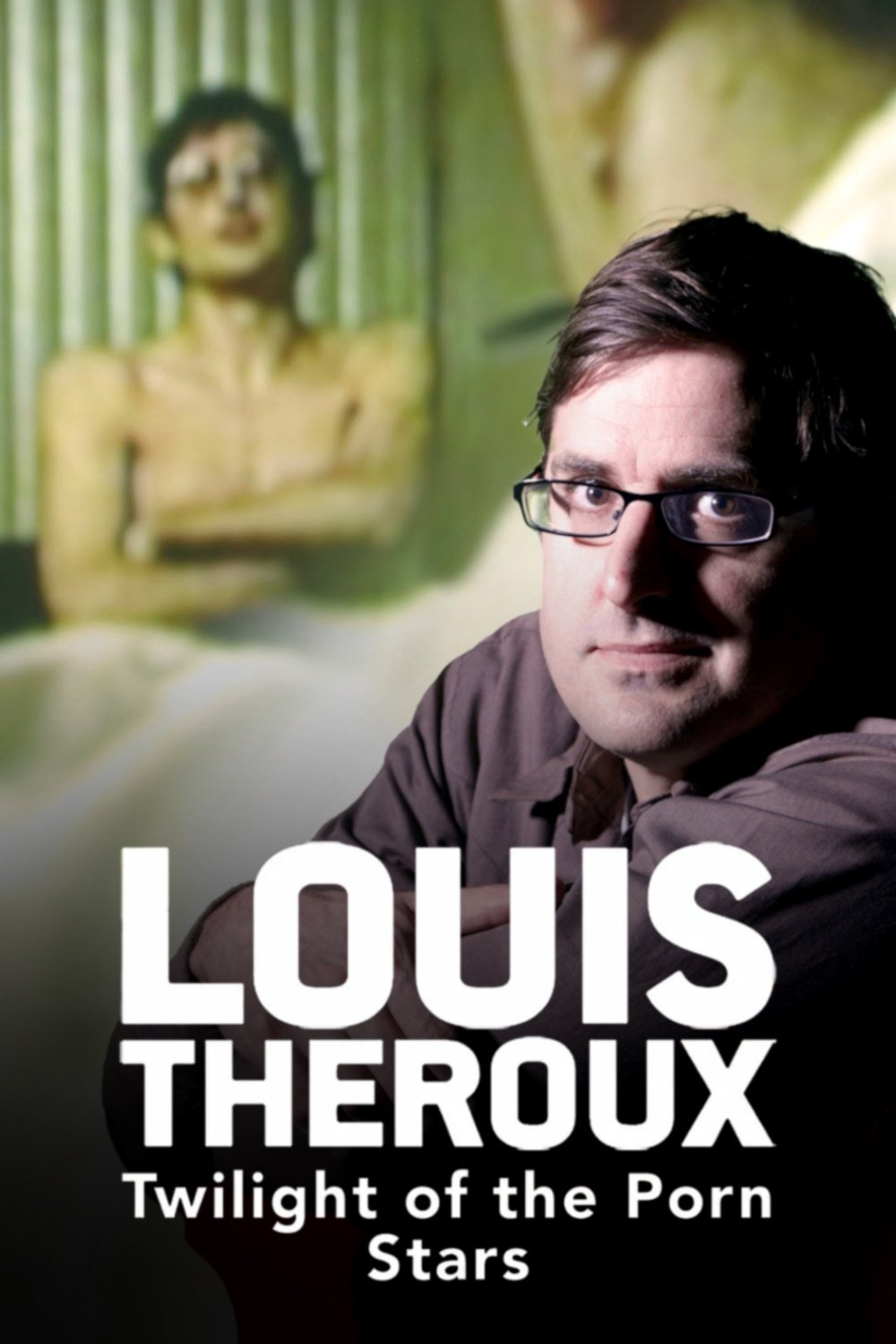
In 1997, Louis Theroux made a documentary about the world of male porn performers in Los Angeles. 15 years later, he returns to find a business struggling with the deluge of free porn on the internet. Louis revisits some of the original programme's contributors as well as meeting the latest crop of porn performers dreaming of porn stardom.
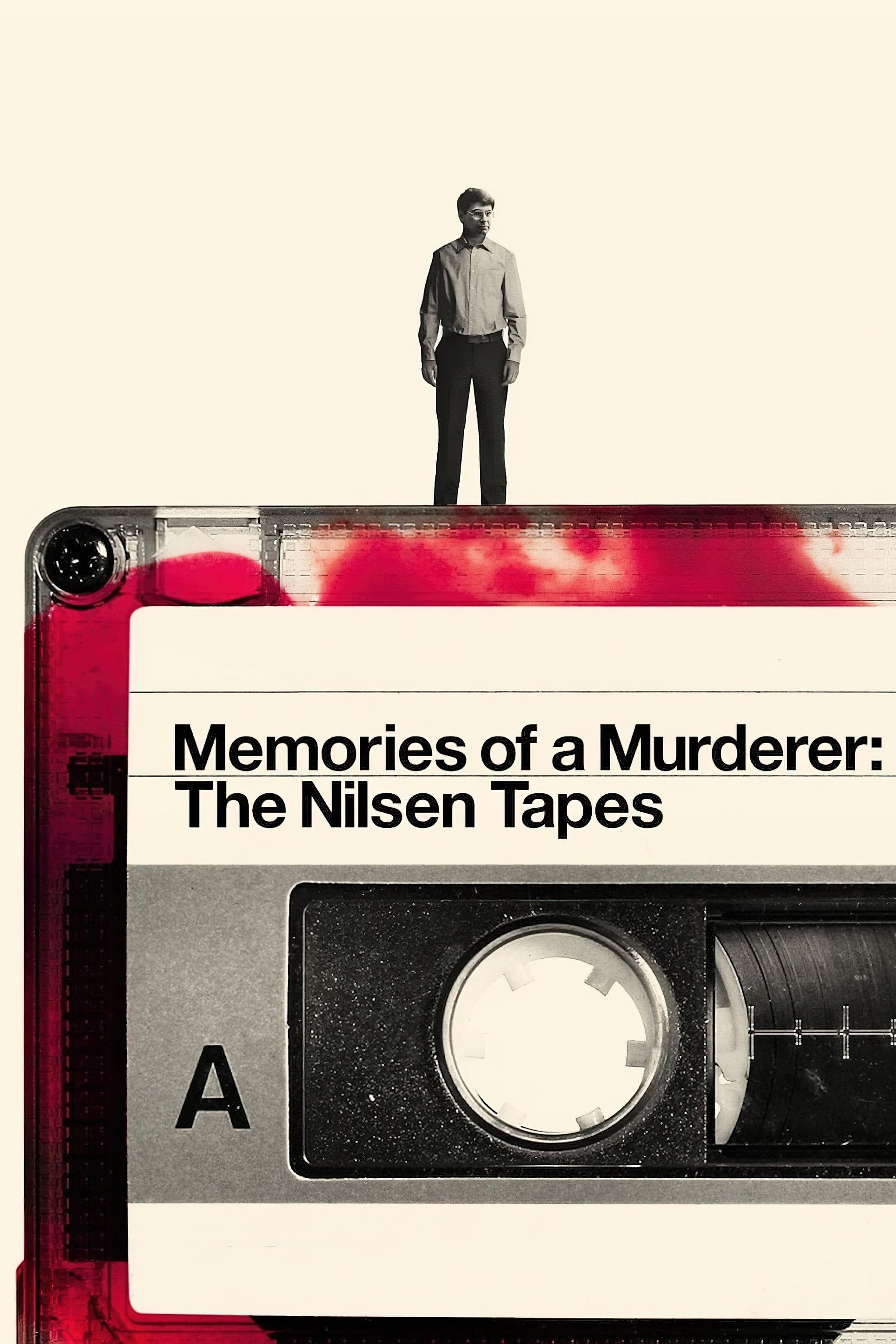
Serial killer Dennis Nilsen narrates his life and horrific crimes via a series of chilling audiotapes recorded from his jail cell.
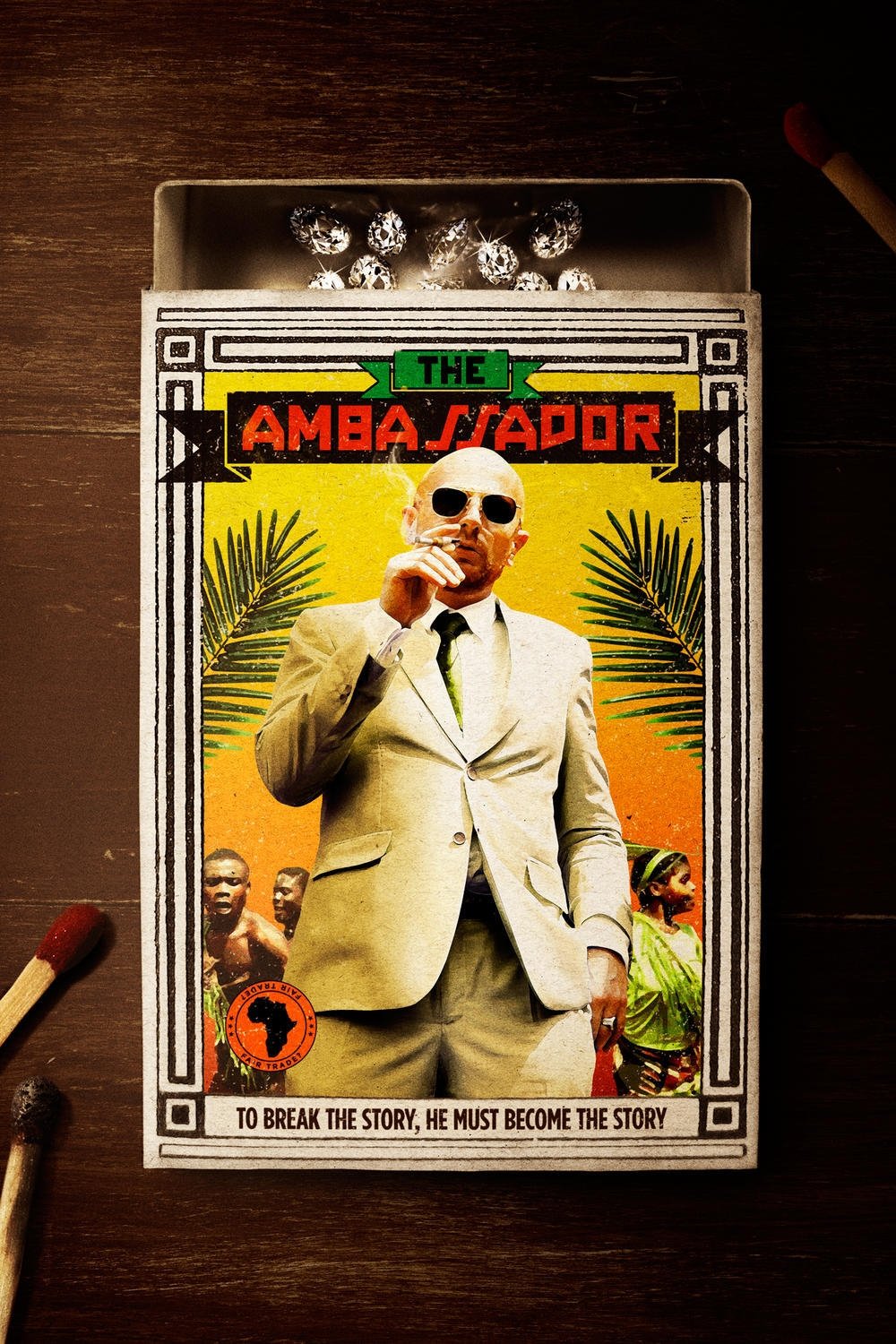
Danish journalist Mads Brügger goes undercover as a Liberian Ambassador to embark on a dangerous yet hysterical journey to uncover the blood diamond trade in Africa.
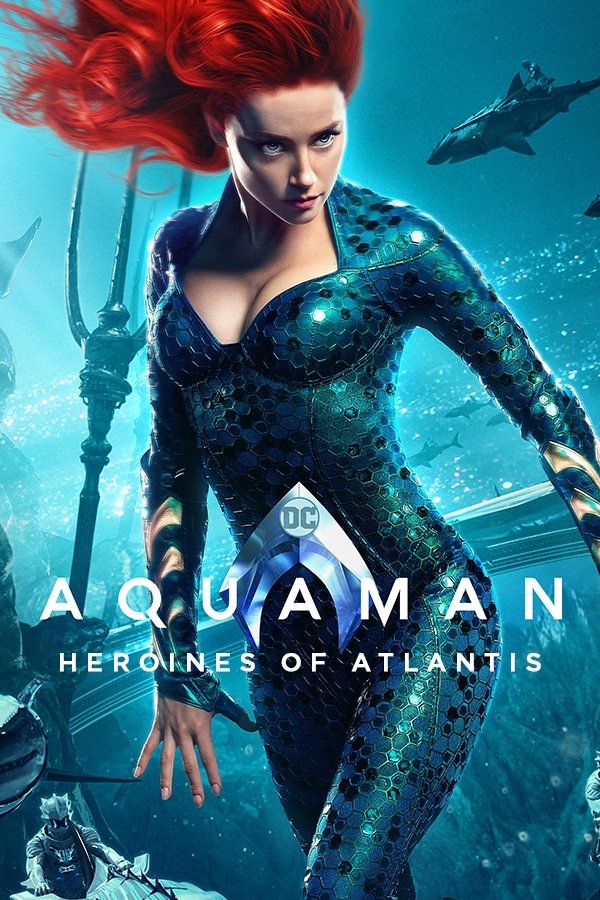
Amber Heard and Nicole Kidman discuss their characters Mera and Atlanna.
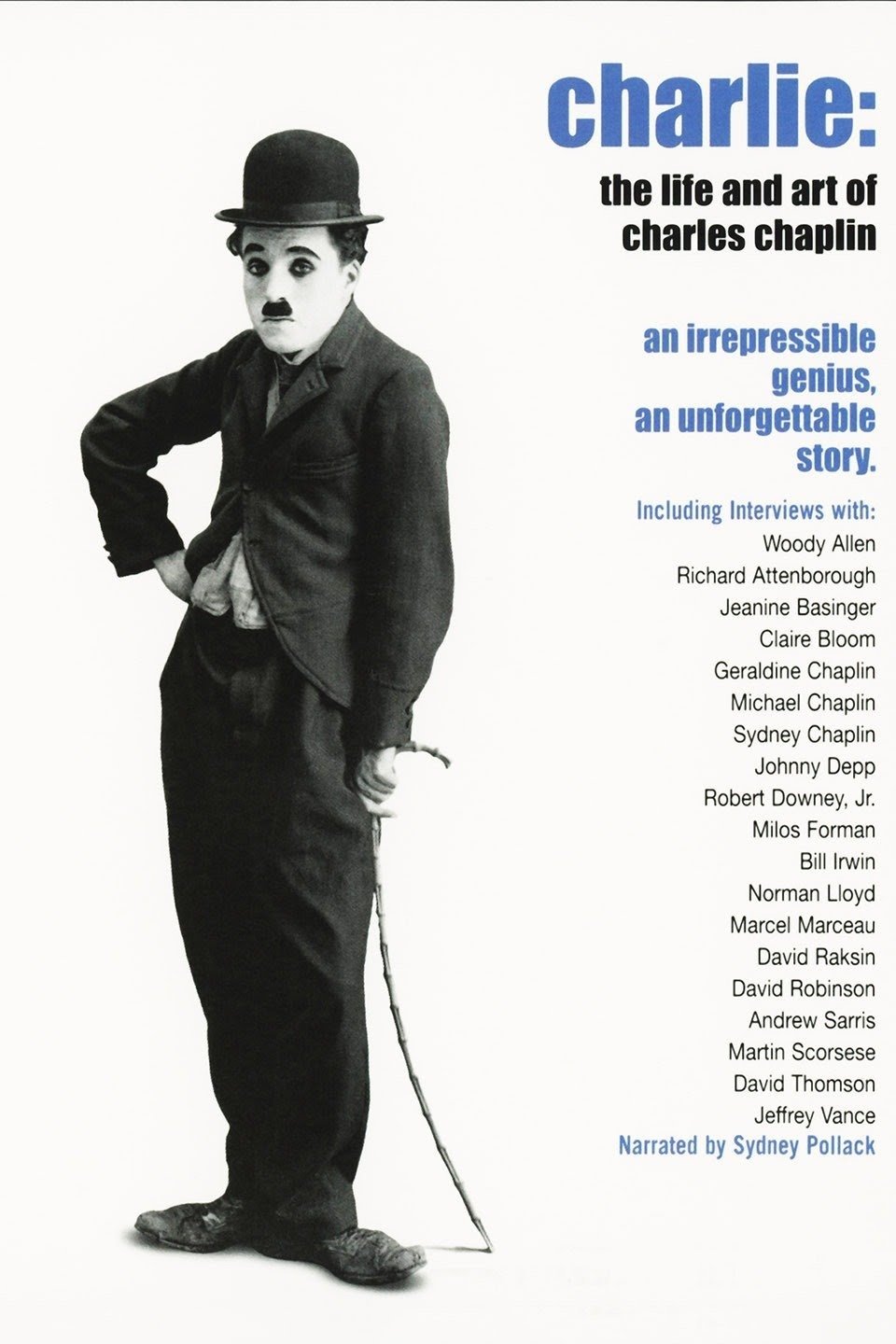
Brilliant, long in-the-works story of the life and art of the world's greatest comedian and the cinema's first genius, Charlie Chaplin. Produced, written and directed by renowned film critic Richard Schickel.
A detailing of the rise to prominence and global sporting superstardom of six supremely talented young Manchester United football players (David Beckham, Nicky Butt, Ryan Giggs, Paul Scholes, Phil and Gary Neville). The film covers the period 1992-1999, culminating in Manchester United's European Cup triumph.
A candid look at rehearsal footage in support of a focus on pre-viz.