Documents the long and arduous journey made by Muslims every year, from North Africa to Mecca. Footage inside the city was filmed by a Muslim crew.
Social & External
Self
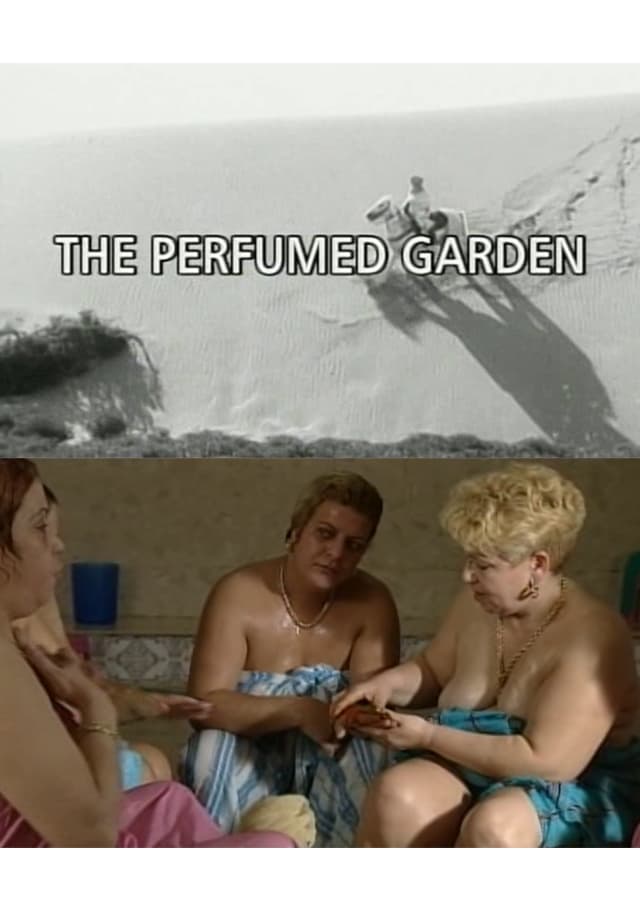
THE PERFUMED GARDEN is an exploration of the myths and realities of sensuality and sexuality in Arab society, a world of taboos and of erotic literature. Through interviews with men and women of all ages, classes, and sexual orientation, the film lifts a corner of the veil that usually shrouds discussion of this subject in the Arab world. Made by an Algerian-French woman director, the film begins by looking at the record of a more permissive history, and ends with the experiences of contemporary lovers from mixed backgrounds. It examines the personal issues raised by the desire for pleasure, amidst societal pressures for chastity and virginity. The film discusses pre-marital sex, courtship and marriage, familial pressures, private vs. public spaces, social taboos (and the desire to break them), and issues of language.
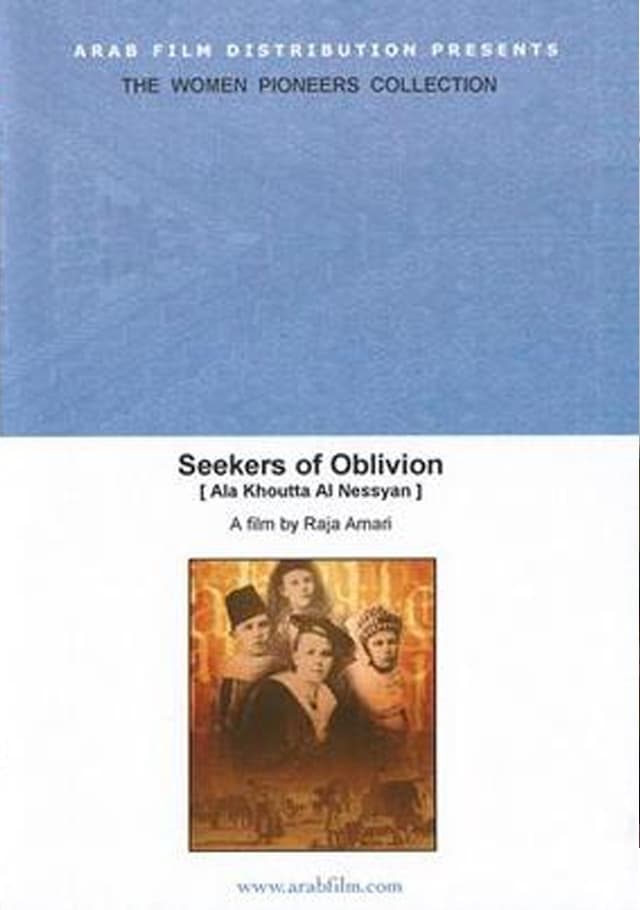
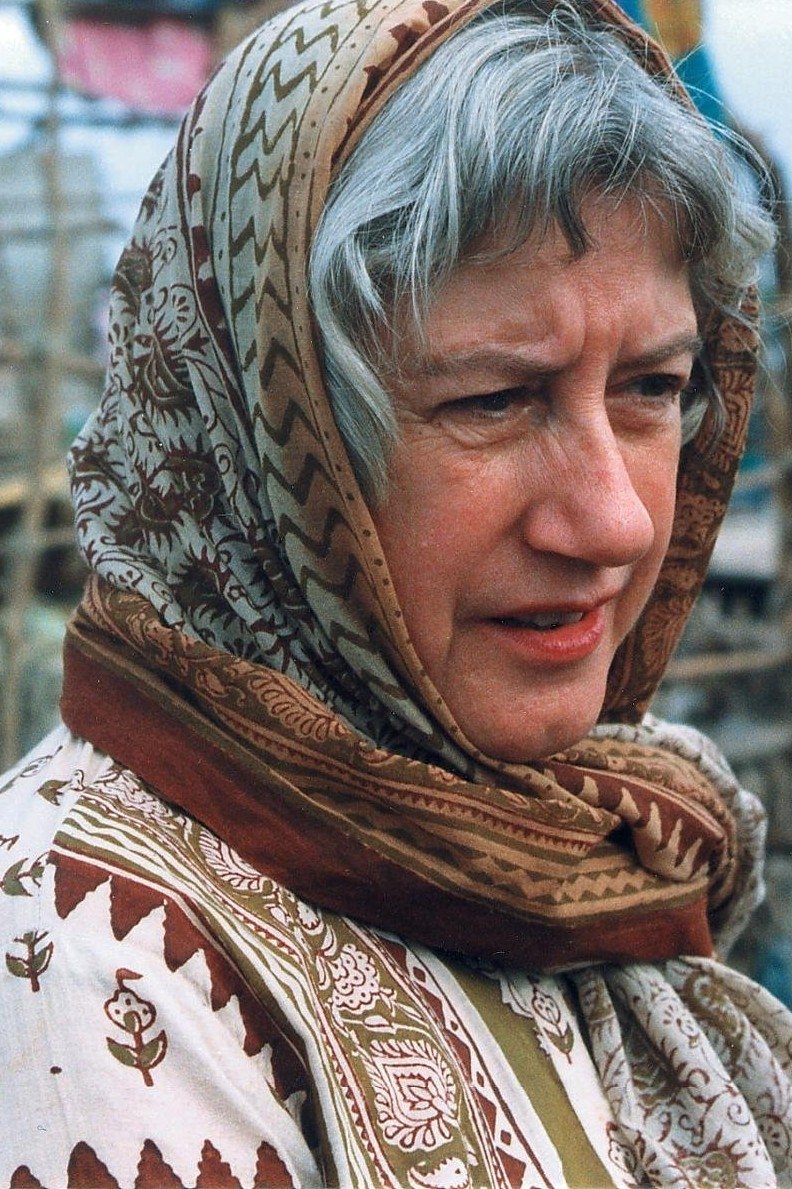
Seekers of Oblivion explores the exciting life and adventures of Isabelle Eberhardt. Born in Geneva, Switzerland in 1877, Isabelle left Europe for North Africa at a young age. While there, she consorted with tramps, prostitutes, soldiers, murderers and thieves, at times masquerading as a man in orde.
I followed the everyday lives of Ali, Kais, Ertan and Alban with my camera for over two years. The time was characterized by disappointments, conflicts and also great successes. It all began with a visit to the "Klingelpütz" youth center in the middle of Cologne. Young migrants have been meeting here for many years.
Explores the lives of seven Black Millennials – Atheist, Buddhist, Christians, Muslim, Ifa, and Spiritualist – and the challenges and discoveries with faith and spirituality.
Dubai - the city of controversies. Six individuals go through personal insecurities, cultural pressures, money issues and the hustle of staying true to who they are. In the world that says otherwise. Is it all really worth it ? The film touches upon Arab identity, female role in the world, family values, Islam.
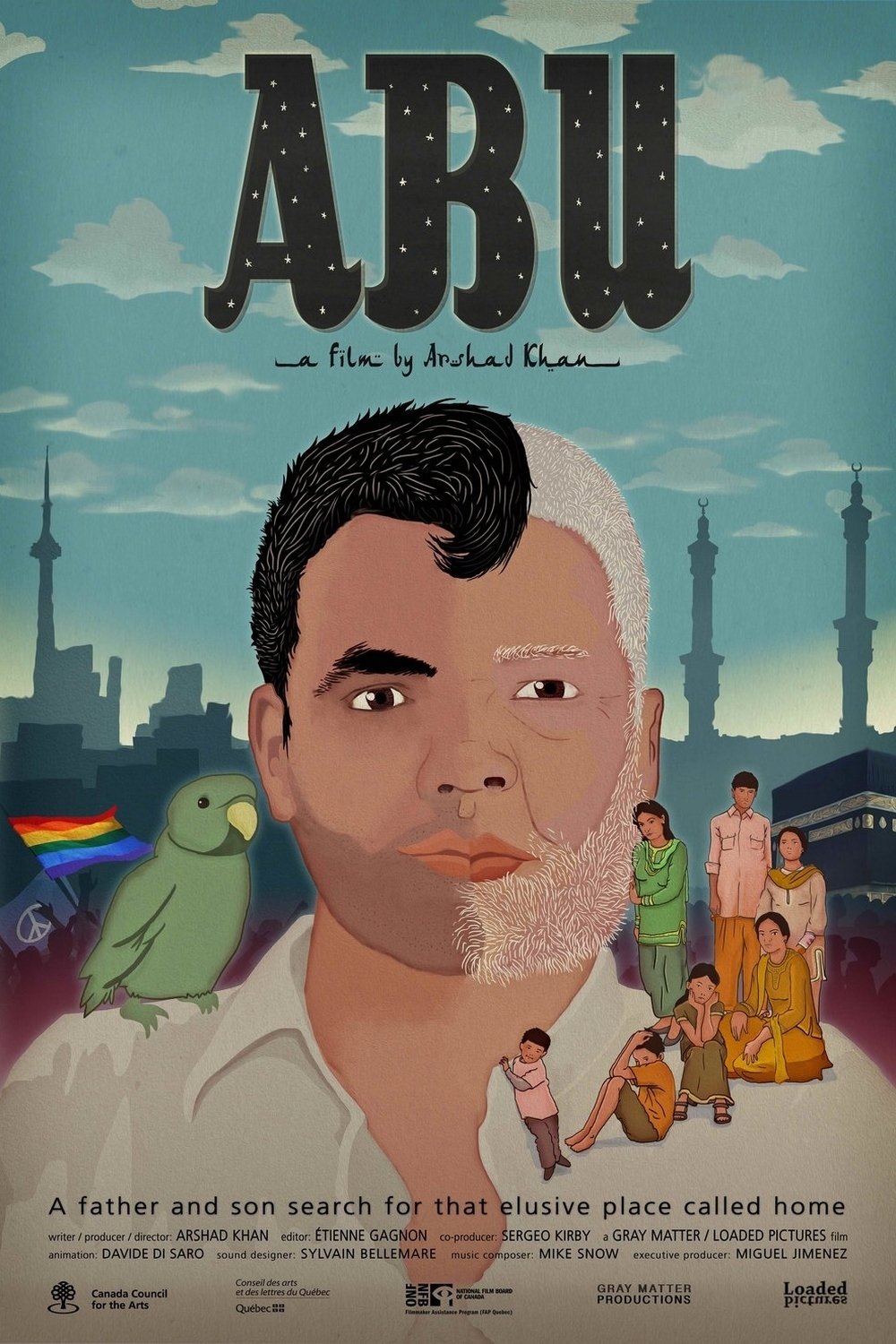
As a gay man, filmmaker Arshad Khan examines his troubled relationship with his devout, Muslim father Abu. Using family archives and movies, Khan explores his struggle with his identity and compares it to his parents attempts to fit into Canada.
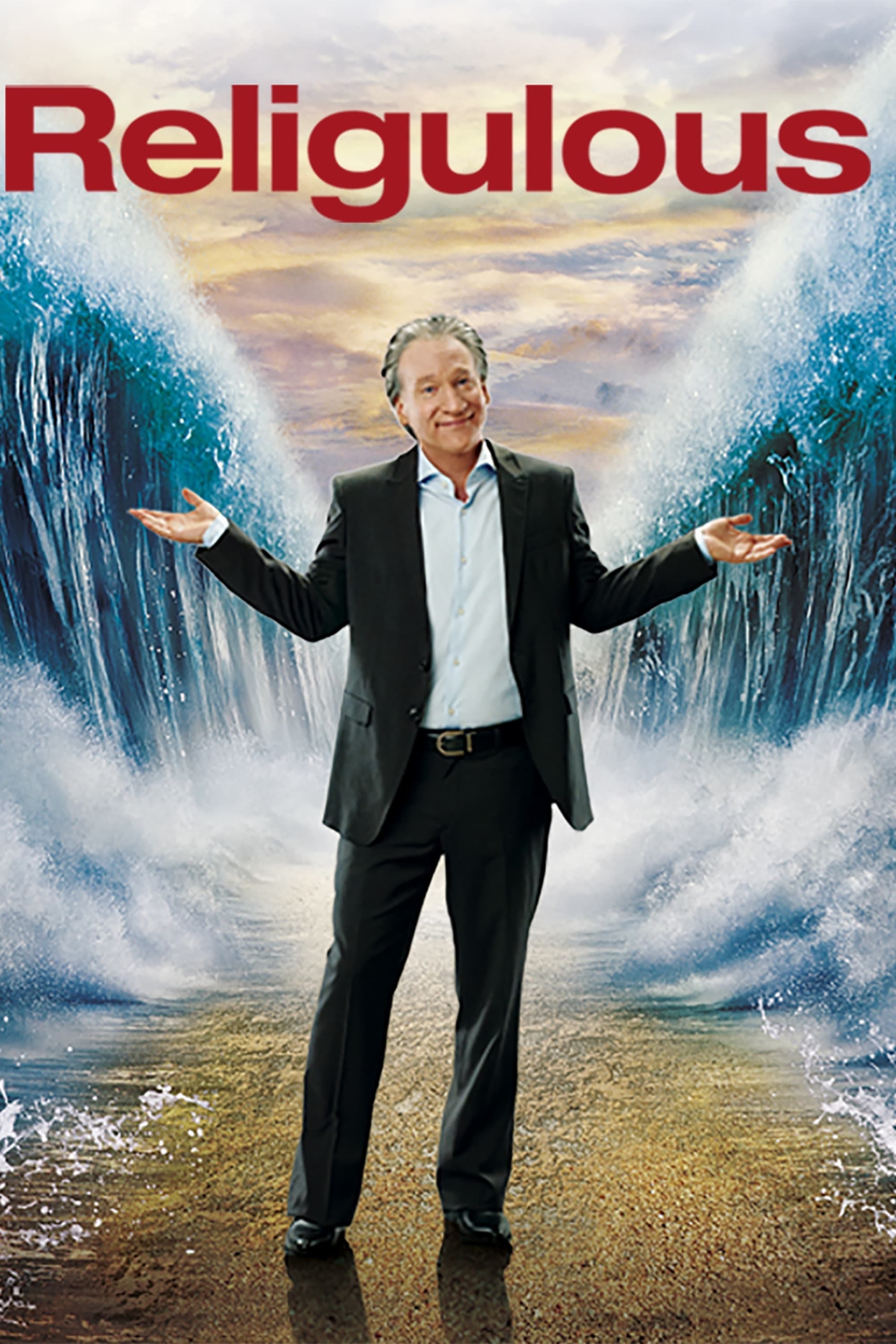
Commentator-comic Bill Maher plays devil's advocate with religion as he talks to believers about their faith. Traveling around the world, Maher examines the tenets of Christianity, Judaism and Islam and raises questions about homosexuality, proof of Christ's existence, Jewish Sabbath laws, violent Muslim extremists.
The Quran is the Holy Book of Islam, a religion shared by more than a billion followers worldwide. For the Muslim tradition, since its revelation to the Prophet Muhammad between the year 610 and 632 of the Christian era in Mecca and Medina, the Koran is immutable, and has remained maintained. However, recent discoveries of Koranic manuscripts analyzed by scientists, dated around the year 680 - the oldest known in the world - revealed that the Koran has a history. During the first century of Islam, and before the canonical version of the Caliph Uthman imposed itself, the holy book of Islam would have known competing versions, a different organization of the suras, variable readings due to a writing, in its beginnings, very rudimentary… It is to this meeting of knowledge, at the crossroads between the Muslim tradition and scientific research, that this journey to the origins of the Koran invites.
While many in the Western world view Islam as socially repressive, in Indonesia, the world's largest Muslim country, exists a community of biological men who live openly as women-- the warias. As four warias strive to find romance, intimacy, and acceptance, they encounter unique obstacles that force them to make extraordinary sacrifices to keep the ones they love.
Muslim boxer, Bianca 'Bam Bam' Elmir, aims to be the first Australian to win a World Amateur Boxing Championship.
Obsession is a film about the threat of Radical Islam to Western civilization. Using unique footage from Arab television, it reveals an 'insider's view' of the hatred the Radicals are teaching, their incitement of global jihad, and their goal of world domination.
The Koran is one of the most important works ever written. For almost one billion people worldwide, it is the Holy Scripture, the word of God and his prophet. For others, it is a historical artifact that has left an indelible imprint on the world. DECODING THE PAST: SECRETS OF THE KORAN probes the heart of the work that many outside Islam find mysterious. This feature-length program examines the history of the verses and their implications for modern times, as well as the striking similarities and differences between the Koran and the Bible. Trace the influence of the Koran from the Golden Age of Islam to the modern rise of jihadism, and hear from top Islamic scholars and holy men as they share their insights into the work that lies at the foundation of one of the world's great religions. THE HISTORY CHANNEL provides the perfect guide to understanding the fundamental work that has shaped the Muslim faith for over 1,400 years, and will long continue to influence modern history.
This exclusive documentary follows the journey of some of the worlds leading Muslim thinkers in a gathering that took place at the heart of an ancient Islamic city It was Habib Umar's first trip to the Maghreb and the film captures his travels and responses as he journeys through a land brimming with spirituality, knowledge and vast history. From the serene courtyards of the University of Qarawiyyin to busling souk streets, from walled city of Fez to the mountainous sanctuary of Moulay Idris, the film shares the spiritual secrets of the places and their stories. The beauty of the great city of Fez, founded by descendants of the Noble Prophet (May Allah swt shower blessings upon him), is shared by a visitor who is himself a direct descendant of that great household. The result is a moving meeting of two traditions that form the very core of great Islamic narrative.

Taken from DVD Volume 9, this documentary features the legendary Ustad Nusrat Fateh Ali Khan live in concert during his 1985 UK tour. Recorded at Wolverhampton’s Wulfrun Civic Hall on October 25, 1983, the film captures his mesmerizing performance. Known as the "Shahenshah of Qawwali," Nusrat revolutionized the Sufi devotional music tradition with his powerful vocals, intricate improvisations, and deep spiritual expression. Originally produced by Oriental Star Agencies Ltd. in 2004.
In times of conflict, a companion can be the final thread linking one to human connection. In Call of Duty: Warzone, communication is fractured, making it even harder to truly know those you play with. Dialogue is just a series of terse exchanges of orders and instructions; everything revolves around the game, everything is subsumed by war. Forming a meaningful connection with an anonymous player seems nearly impossible. In The Zone, the protagonists confront this challenge, pushing beyond the fleeting interactions dictated by random matchmaking. They seek to reclaim their humanity, engaging with pressing themes — religion, terrorism, and representation — subtly embedded in the game’s mechanics and geography.
Oriana Fallaci, the Italian journalist who is noted for her provocative interviews, interviews the leader of the Islamic Revolution, the Ayatollah Ruhollah Khomeini, on Sept 12, 1979. For 10 days Oriana Fallaci waited in the holy city of Qum for her interview with the 79 year old Ayatollah, who is the de facto ruler of Iran. On Sept. 12, she was led into the Faizeyah religious school, where Khomeini holds his audiences. She was accompanied by two Iranians Nyho and Iran prime minster Banisadr who had helped set up the interview and who served as translators. Oriana Fallaci, barefoot, enveloped in a chador, the head to toe veil of the Moslem woman, was seated on a carpet, when the Ayatollah entered, and the recorded interview could begin.
An openly gay filmmaker goes on a conservative religious pilgrimage to Haifa, Israel with his family.
A visually impaired woman in her 50s and an 18-year-old girl walk the Camino de Santiago. The older woman, Jae-han, is a masseuse who can only make out the dim outlines of things. She is accompanied by a girl named Da-hee. Jae-han dreams of presenting her own style of flamenco in front of the Cathedral of Santiago de Compostela after completing the pilgrimage. However, the journey, which began with a vague longing, turns out to be much more difficult than either had expected.
Documentarians Justine Shapiro and B.Z. Goldberg traveled to Israel to interview Palestinian and Israeli kids ages 11 to 13, assembling their views on living in a society afflicted with violence, separatism and religious and political extremism. This 2002 Oscar nominee for Best Feature Documentary culminates in an astonishing day in which two Israeli children meet Palestinian youngsters at a refugee camp.
In a community of a Muslim majority, the first woman pastor in the Middle East leads a parish in one of the poorest city of the Mediterranean, in the heart of Tripoli, North Lebanon.