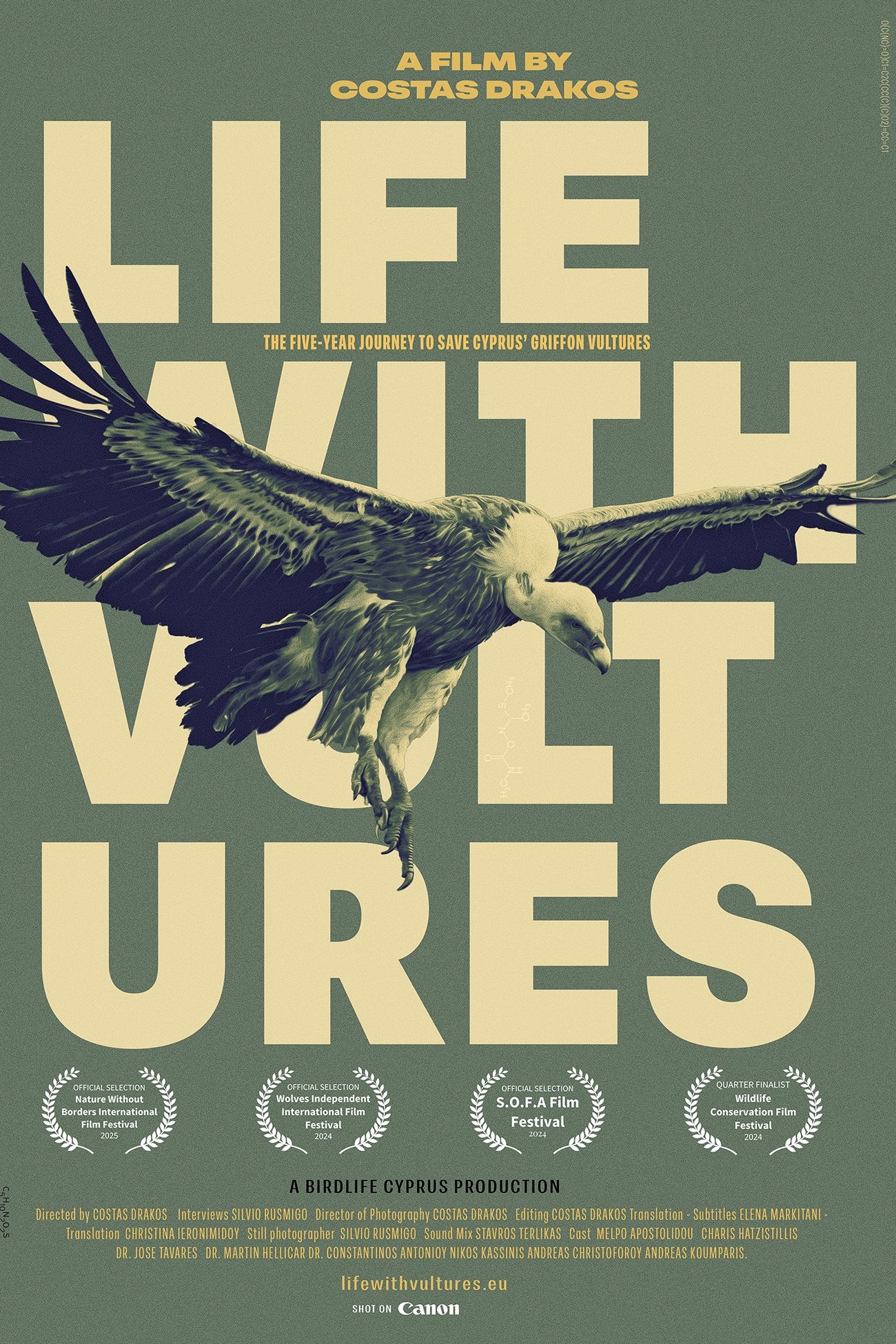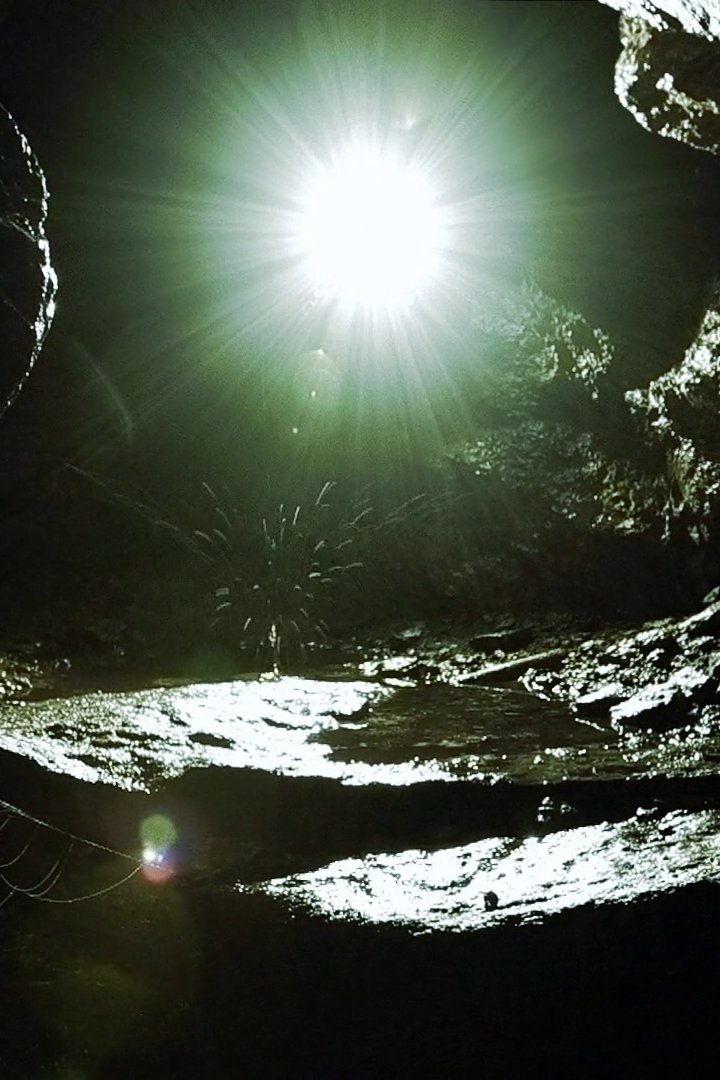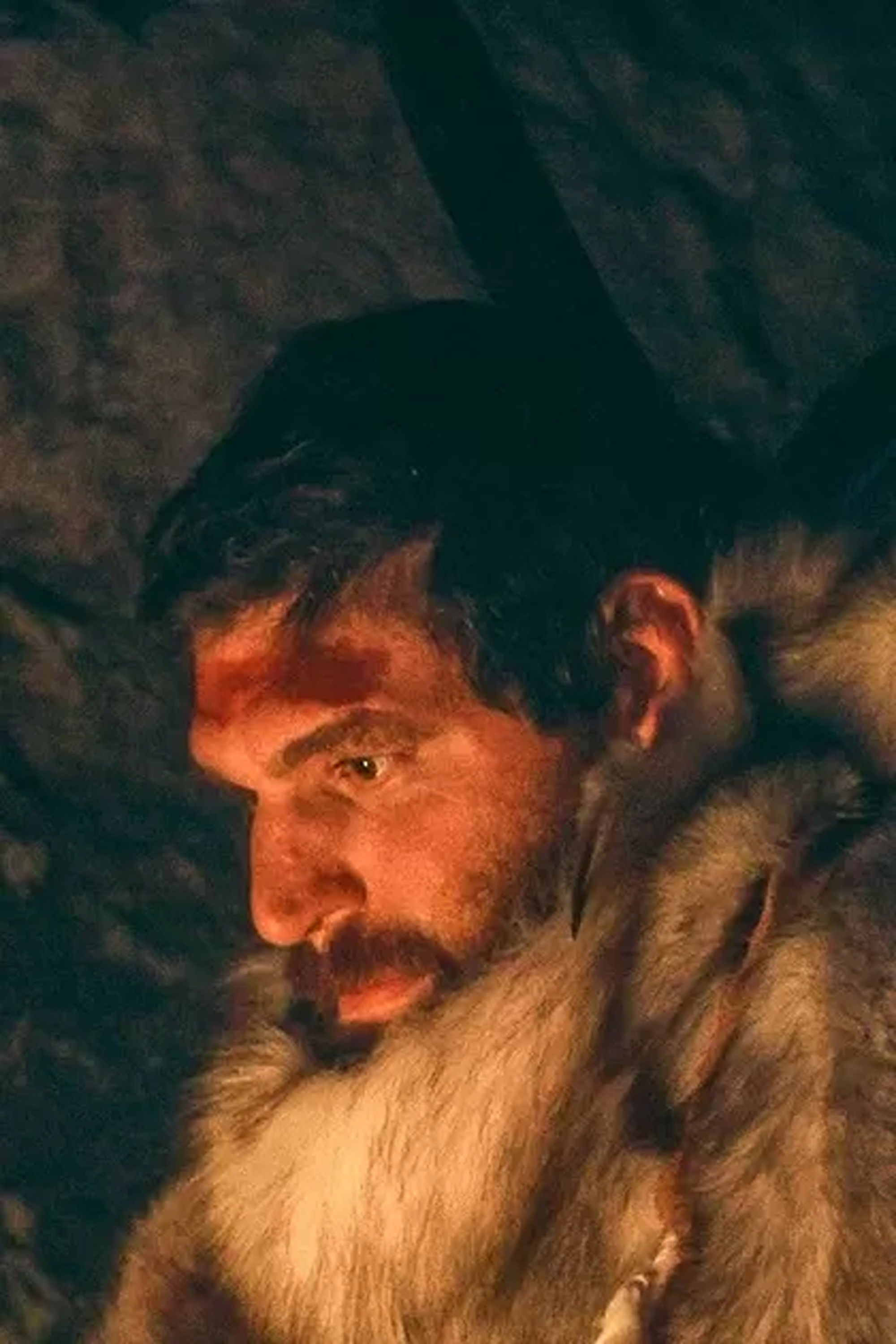
The extraction of flight feathers from birds of prey, as practiced by Neanderthal man, is revived in the Fumane Cave in Lessinia.
Social & External

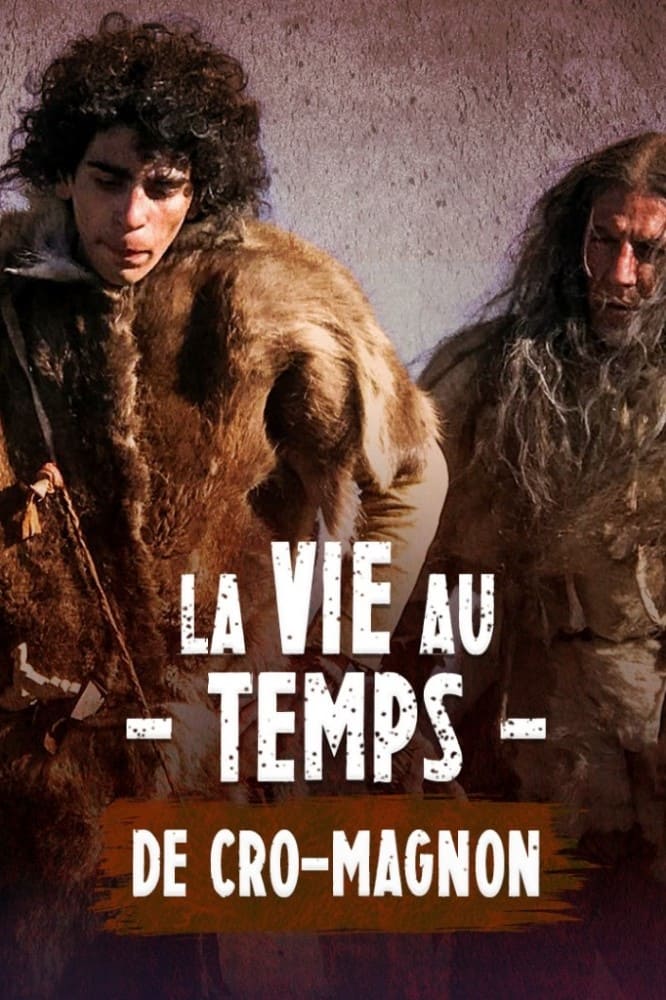
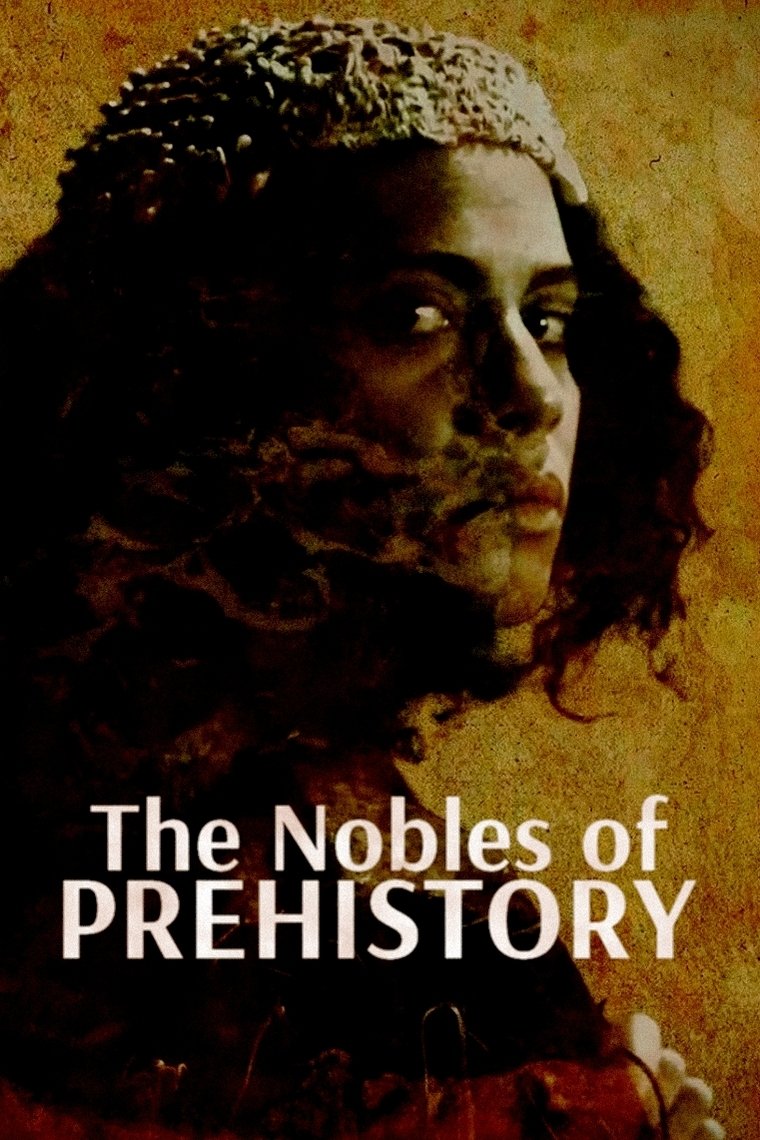
Man’s early ancestors set off to conquer the world, to explore the unknown, to adapt to every environment. And one day, to conquer fire – a discovery that made them invincible. They built shelters. They transformed their environment. But still this did not slake their thirst for more. They sought to fathom Nature’s mysteries. They invented stories to explain the inexplicable. Now, they are Men. Here, for the very first time in television history, is the saga of our origins, told through the story of one single family - an epic journey upon which the latest scientific discoveries shine an exciting new light.
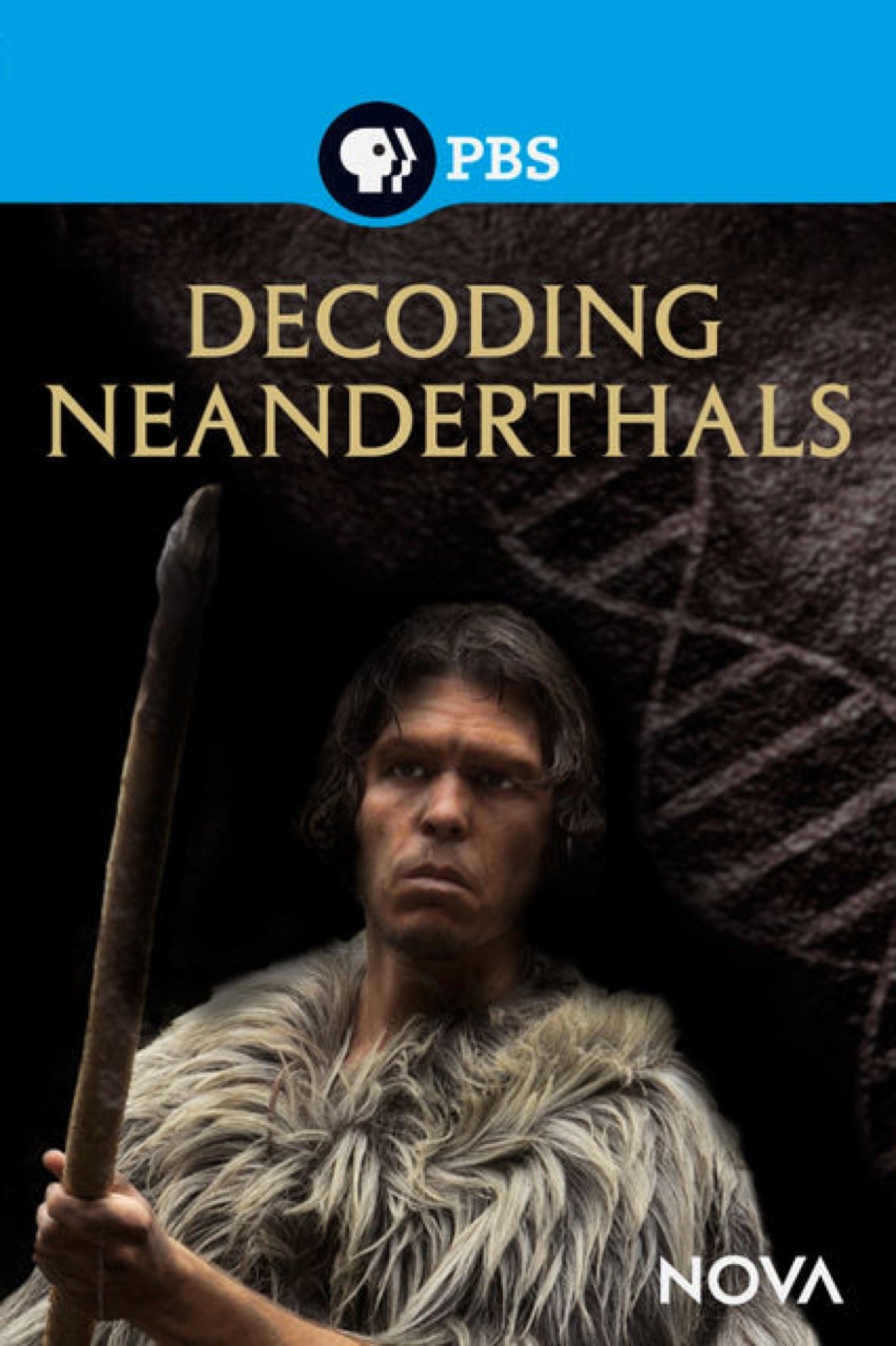
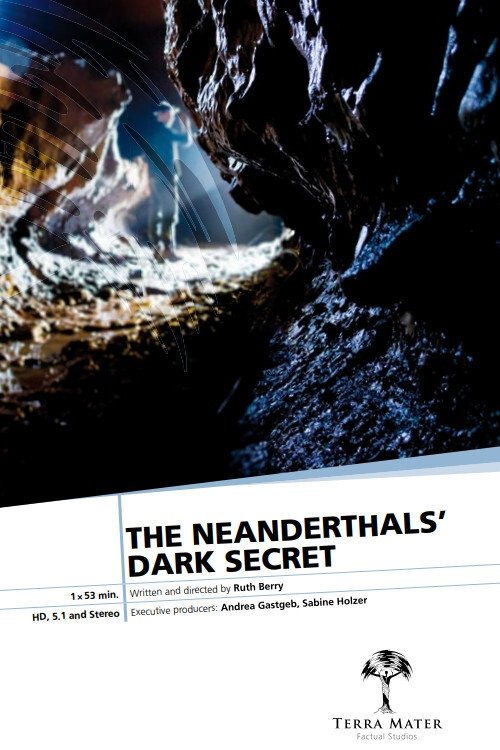
Science, in light of recent archaeological findings, exposes new theories about Neanderthals, the humans who preceded us, which bring us closer to their lifestyle, the differences with our species and the causes of their disappearance 40,000 years ago.
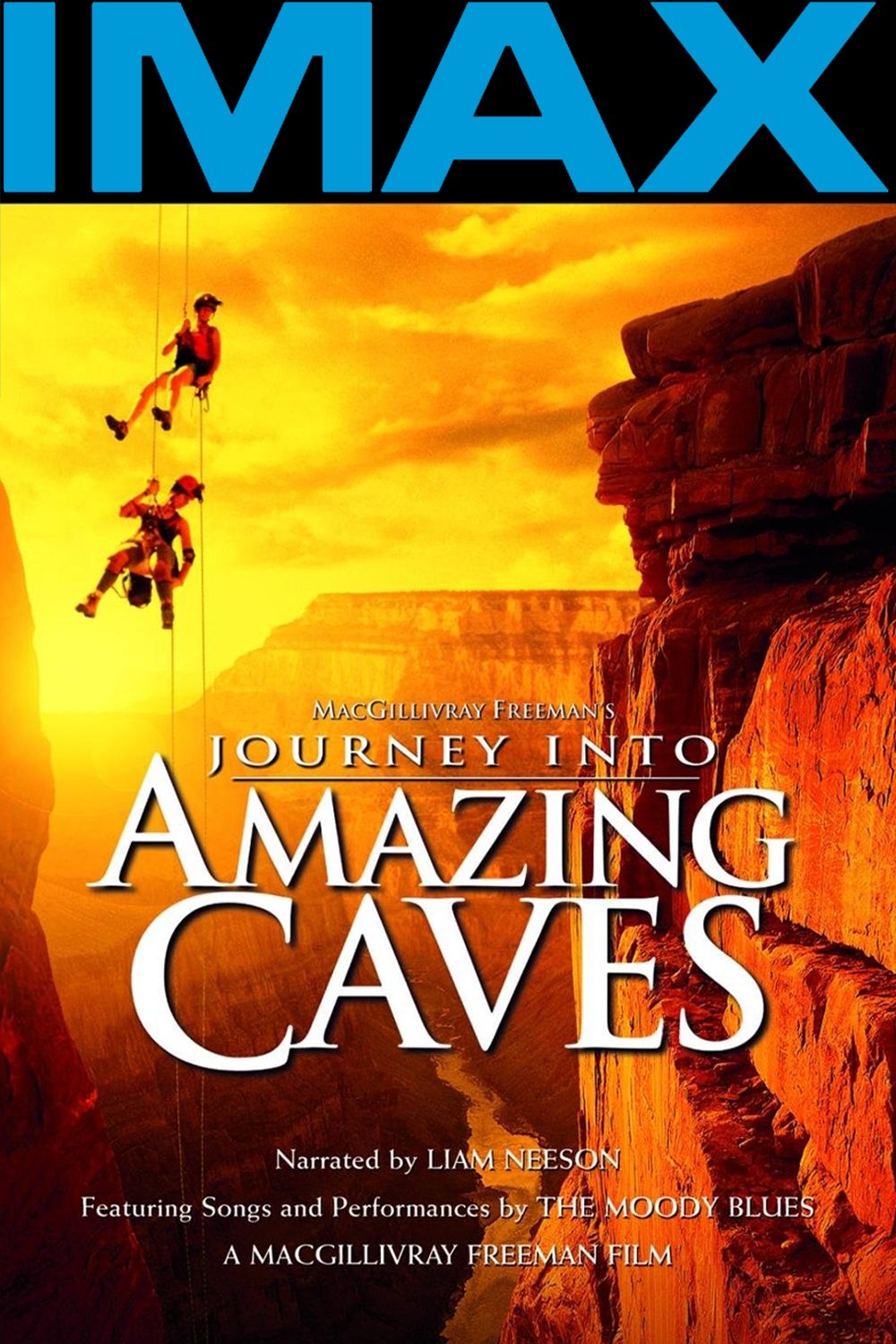
Journey into Amazing Caves is an extraordinary IMAX adventure into the depths of the earth to uncover the secrets to life underground.
"The Last Dragon" is a nature mockumentary about a British scientific team that attempts to understand the unique incredible beasts that have fascinated people for ages. CGI is used to create the dragons.
Over 60,000 years ago, the first modern humans left their African homeland and entered Europe, then a bleak and inhospitable continent in the grip of the Ice Age. But when they arrived, they were not alone: the stocky, powerfully built Neanderthals had already been living there for hundreds of thousands of years. So what happened when the first modern humans encountered the Neanderthals? Did they make love or war?
Ancient Caves brings science and adventure together as it follows paleoclimatologist Dr. Gina Moseley on a mission to unlock the secrets of the Earth’s climate in the most unlikely of places: caves. Moseley and her team of cave explorers travel the world exploring vast underground worlds in search of stalagmite samples – geologic “fingerprints” – that reveal clues about the planet’s climate history. Their quest leads them to some of the world’s most remote caves, both above and below the water, in France, Iceland, the Bahamas, the U.S. and Mexico’s Yucatan Peninsula. Together, they go where very few humans will ever go, revealing the incredible lengths scientists will go to study the unknown.
A short distance from Marseille, at Cape Morgiou, in the depths of the Calanques massif, lies the Cosquer cave, discovered only about thirty years ago by a diver, Henri Cosquer. With its bestiary of hundreds of paintings and engravings - horses, bison, jellyfish, penguins - the only underwater decorated cave in the world allows us to learn a little more about Mediterranean societies 30,000 years ago. Today, threatened by rising water levels accelerated by global warming, this jewel of the Upper Paleolithic is in danger of being swallowed up. To save the cave from disappearing, the Ministry of Culture has chosen to digitize it. From this virtual duplicate, a replica has been made on the surface to offer the public a reconstruction that allows them to admire these masterpieces.
21 September 2001, 10h17. In the AZF factory, in Toulouse, France, a storage of around 300 tons ammonium nitrate exploded, injuring thousands and killing 31 people. 20 years later, never seen before footage and unpublished interviews show the minute by minute of this industrial disaster, the biggest in French history since WWII.
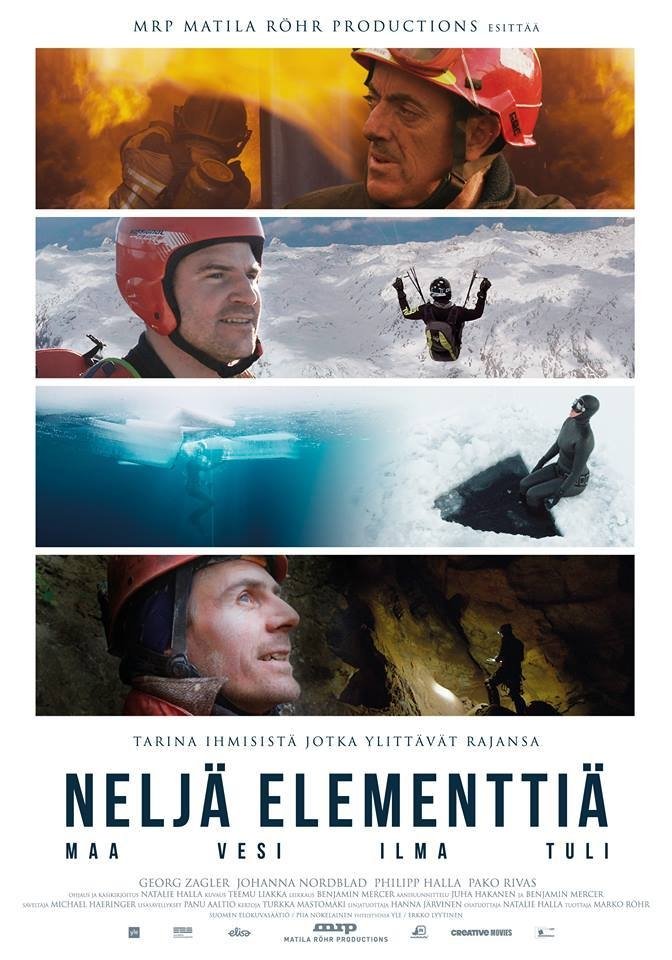
A journey into four classical elements through the four main characters of the film. The main characters in the movie represent each of their own elements.
The Mandrin Cave in southern France has been attracting the attention of archaeologists for 30 years. The cave was regularly occupied in prehistoric times, and a remarkable record of human habitation going back thousands of years has been preserved by its soils. In 2015, the remains of a Neanderthal were uncovered, and the archaeological evidence points to this individual, named Thorin, living in close proximity to newly arrived Homo sapiens. This documentary follows an international team of scientists as they discover and investigate precious relics of the Paleolithic period, resulting in groundbreaking revelations about the human populations of around 50,000 years ago as researchers uncover some of the secrets of the Mandrin Cave.

Werner Herzog gains exclusive access to film inside the Chauvet caves of Southern France, capturing the oldest known pictorial creations of humankind in their astonishing natural setting.

The Mandrin Cave in the Rhône Valley is a fascinating excavation site. Archaeologist Ludovic Slimak discovered fossils and flints here, proving that Neanderthals inhabited the cave for over 80,000 years. The first Neanderthal in France for half a century was also unearthed in the cave: He was given the name Thorin.
What would have happened if the Neanderthals had prevailed over Homo Sapiens? How would our species have evolved? How does art relate to evolution, and why in the world does evolution behave like a bricoleur? Last of all, just what does Marcel Duchamp have to do with all of this? This film is neither a documentary nor a portrait of the artist Pable Echaurren; it’s a kaleidoscopic meditation on our past, present and future.
Discovered in 1990 in the Aveyron Gorges, near the village of Bruniquel, Bruno Kowalczewski discovers a cave which shows evidence of being inhabited by Neanderthals as far back as 47,000 years ago, with stalagmites arranged in circles. What significance do these limestone rings have? From when exactly do they date? For fear of damaging the remains, the excavations were stopped in the late 1990s, leaving these questions unanswered. Beginning in 2014, a new team relaunches research into the cave. Using the current uranium-thorium method, calcite samples are dated to 176,500 years ago, revealing the construction as one of the oldest ever discovered underground. This stone circle is surprisingly complex. How was it built and what was it used for? This is a story of a discovery that brings new elements to the capabilities of the Neanderthals.
The great follow-up to 'Walking with Dinosaurs' and 'Walking with Beasts', presented by Professor Robert Winston, explains the story of human evolution.
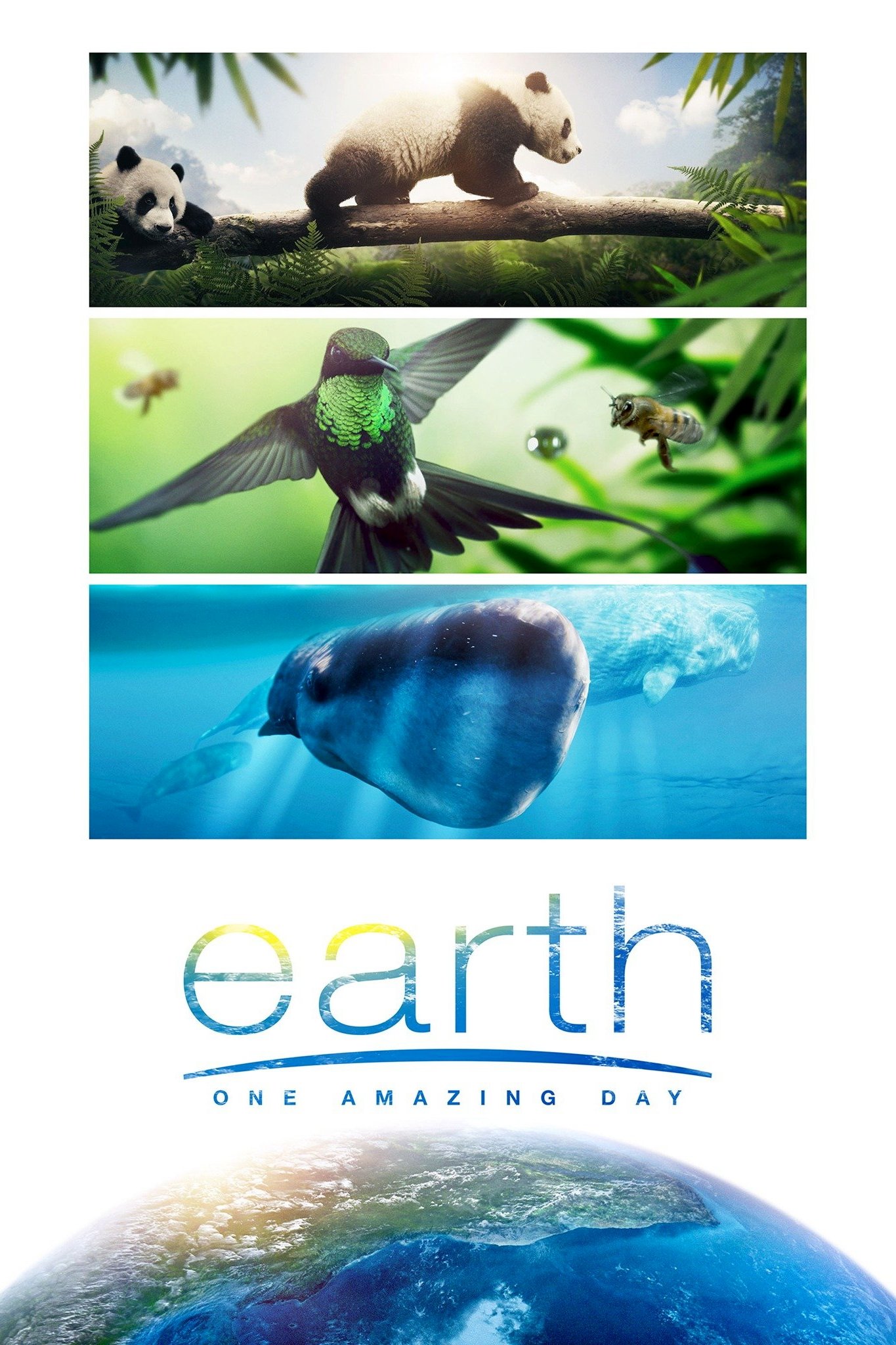
Years spent recording footage of creatures from every corner of the globe is bound to produce a bit of drama. Here's a behind-the-scenes look.
This documentary delves into the mysteries surrounding the Neanderthals and what their fossil record tells us about their lives and disappearance.
JB Smoove and Martin Starr host a celebration of 20 years of "Spider-Man" movies, from the Sam Raimi trilogy to Marc Webb's movies and the trio from Jon Watts.
The life and career of one of comedy's most inimitable modern voices, Mr. Gilbert Gottfried.
In this genre-bending tale, Errol Morris explores the mysterious death of a U.S. scientist entangled in a secret Cold War program known as MK-Ultra.
Jack Rebney is the most famous man you've never heard of - after cursing his way through a Winnebago sales video, Rebney's outrageously funny outtakes became an underground sensation and made him an internet superstar. Filmmaker Ben Steinbauer journeys to the top of a mountain to find the recluse who unwittingly became the "Winnebago Man".
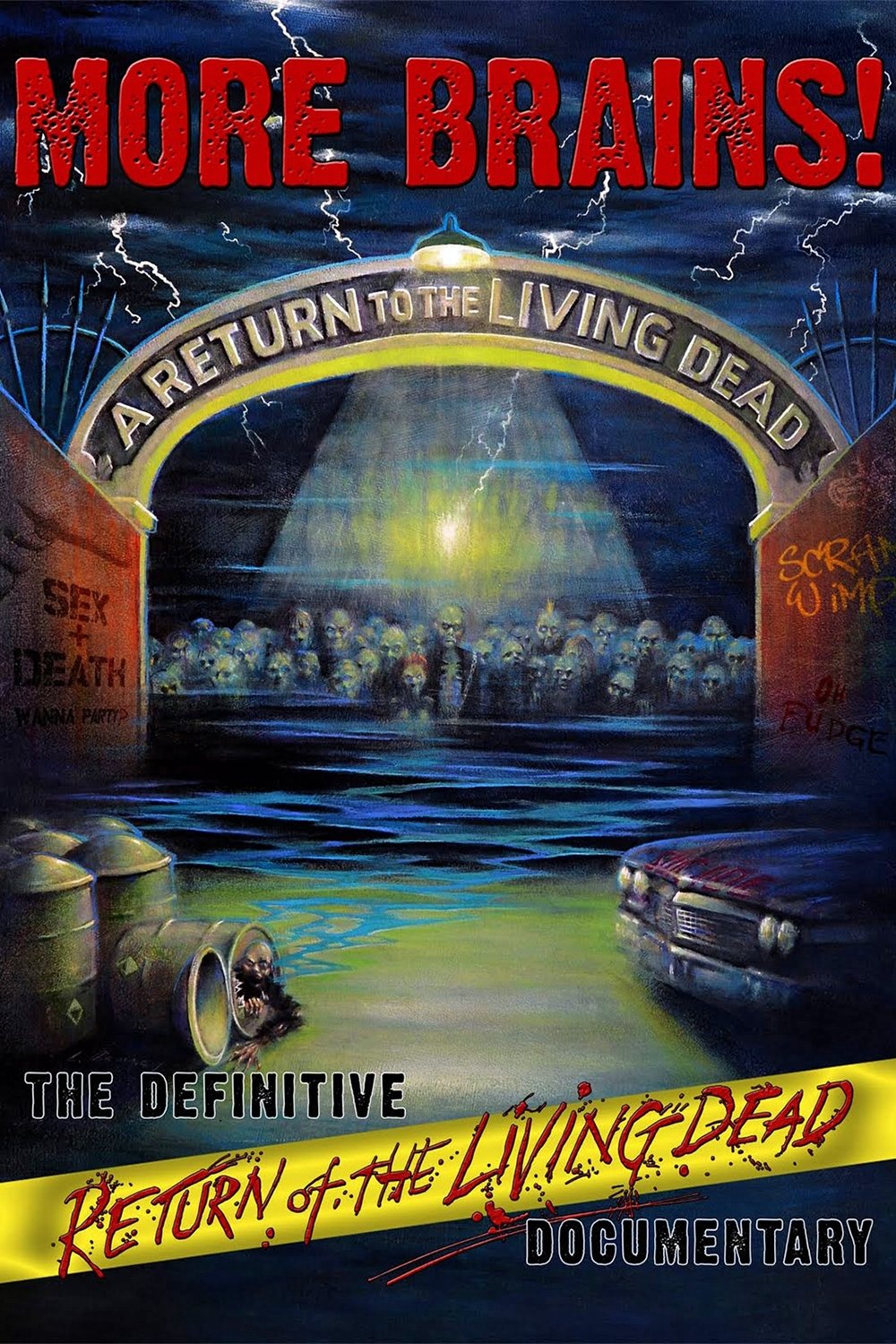
Retrospective documentary about the making of the horror cult classic "The Return of the Living Dead."
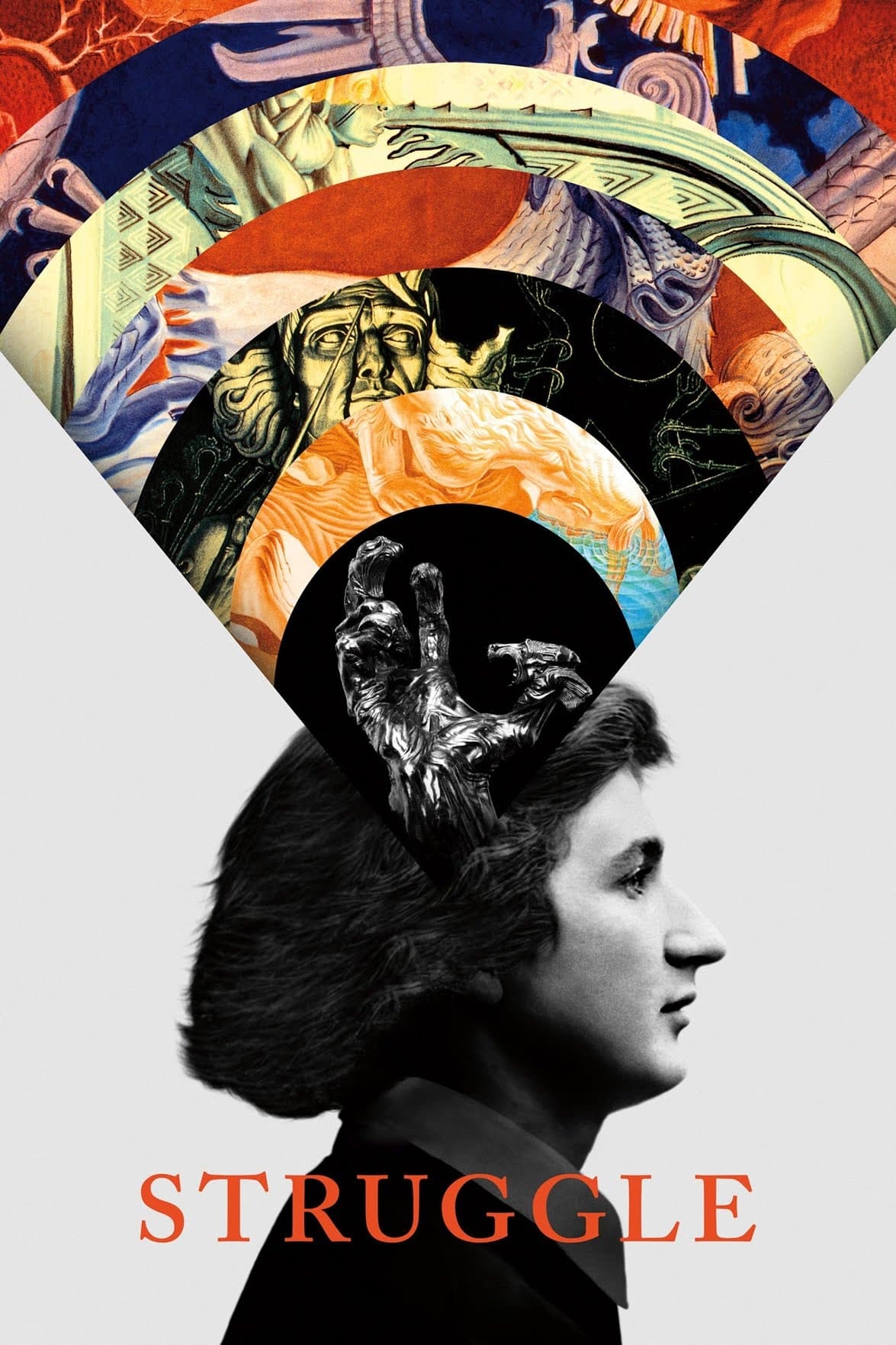
Artists in LA discover the work of forgotten Polish sculptor Stanislav Szukalski, a mad genius whose true story unfolds chapter by astounding chapter.
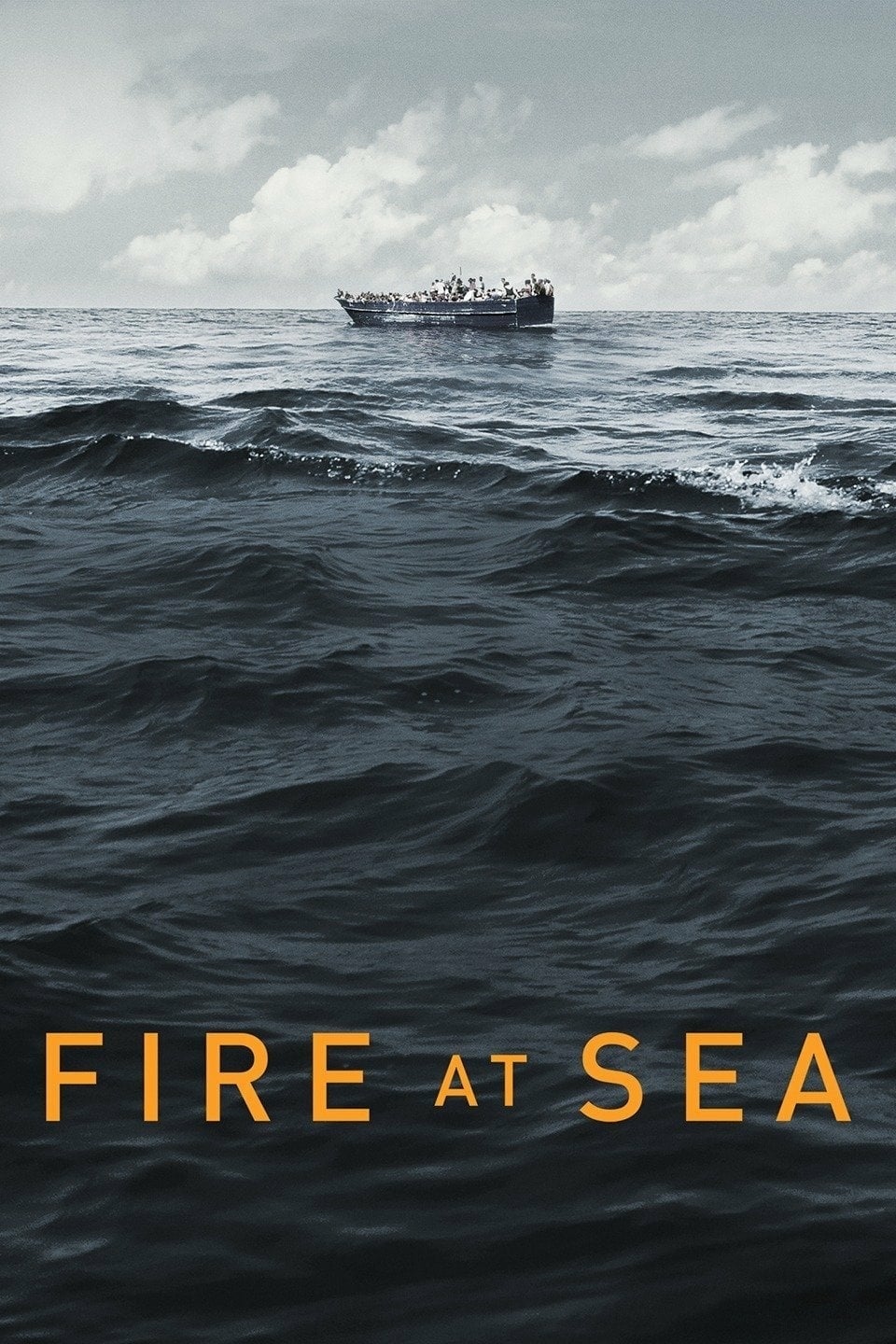
Capturing life on the Italian island of Lampedusa, a frontline in the European migrant crisis.
The life of Mr. Spock, as well as that of Leonard Nimoy, the actor who played him for almost fifty years, written and directed by his son: Adam.
Al Pacino's deeply-felt rumination on Shakespeare's significance and relevance to the modern world through interviews and an in-depth analysis of "Richard III."
When Allied forces liberated the Nazi concentration camps in 1944-45, their terrible discoveries were recorded by army and newsreel cameramen, revealing for the first time the full horror of what had happened. Making use of British, Soviet and American footage, the Ministry of Information’s Sidney Bernstein (later founder of Granada Television) aimed to create a documentary that would provide lasting, undeniable evidence of the Nazis’ unspeakable crimes. He commissioned a wealth of British talent, including editor Stewart McAllister, writer and future cabinet minister Richard Crossman – and, as treatment advisor, his friend Alfred Hitchcock. Yet, despite initial support from the British and US Governments, the film was shelved, and only now, 70 years on, has it been restored and completed by Imperial War Museums under its original title "German Concentration Camps Factual Survey".
Director John Dullaghan’s biographical documentary about infamous poet Charles Bukowski, Bukowski: Born Into This, is as much a touching portrait of the author as it is an exposé of his sordid lifestyle. Interspersed between ample vintage footage of Bukowski’s poetry readings are interviews with the poet’s fans including such legendary figures such as Lawrence Ferlinghetti, Joyce Fante (wife of John), Bono, and Harry Dean Stanton. Filmed in grainy black and white by Bukowski’s friend, Taylor Hackford, due to lack of funding, the old films edited into this movie paint Bukowski’s life of boozing and brawling romantically, securing Bukowski’s legendary status.
Those who knew iconic funnyman John Candy best share his story, in their own words, through never-before-seen archival footage, imagery, and interviews.
The Making-of James Cameron's Avatar. It shows interesting parts of the work on the set.
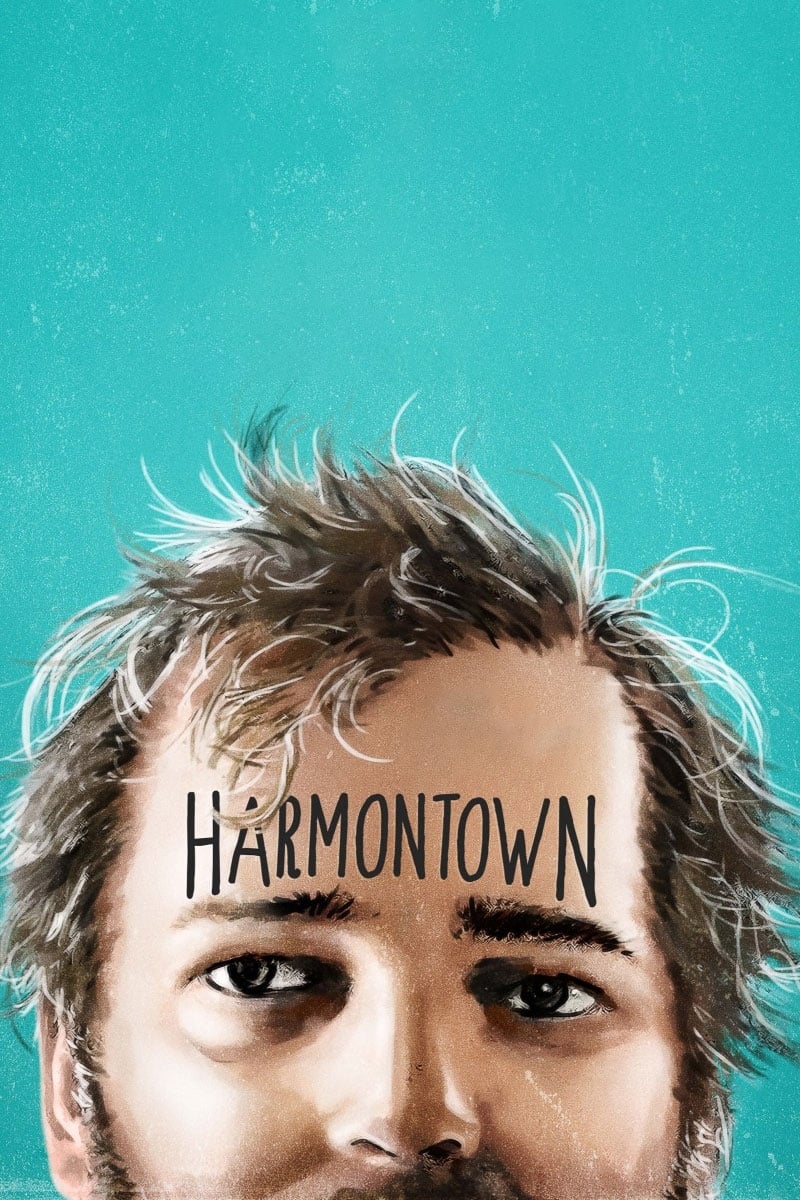
A comedic, brutally honest documentary following self-destructive TV writer Dan Harmon as he takes his live podcast on a national tour.
A tribute to Chadwick Boseman, celebrating his life and legacy.
A documentary chronicling the Beatles' rehearsal sessions in January 1969 for their proposed "back to basics" album, "Get Back," later re-envisioned and released as "Let It Be."
Amber Heard and Nicole Kidman discuss their characters Mera and Atlanna.