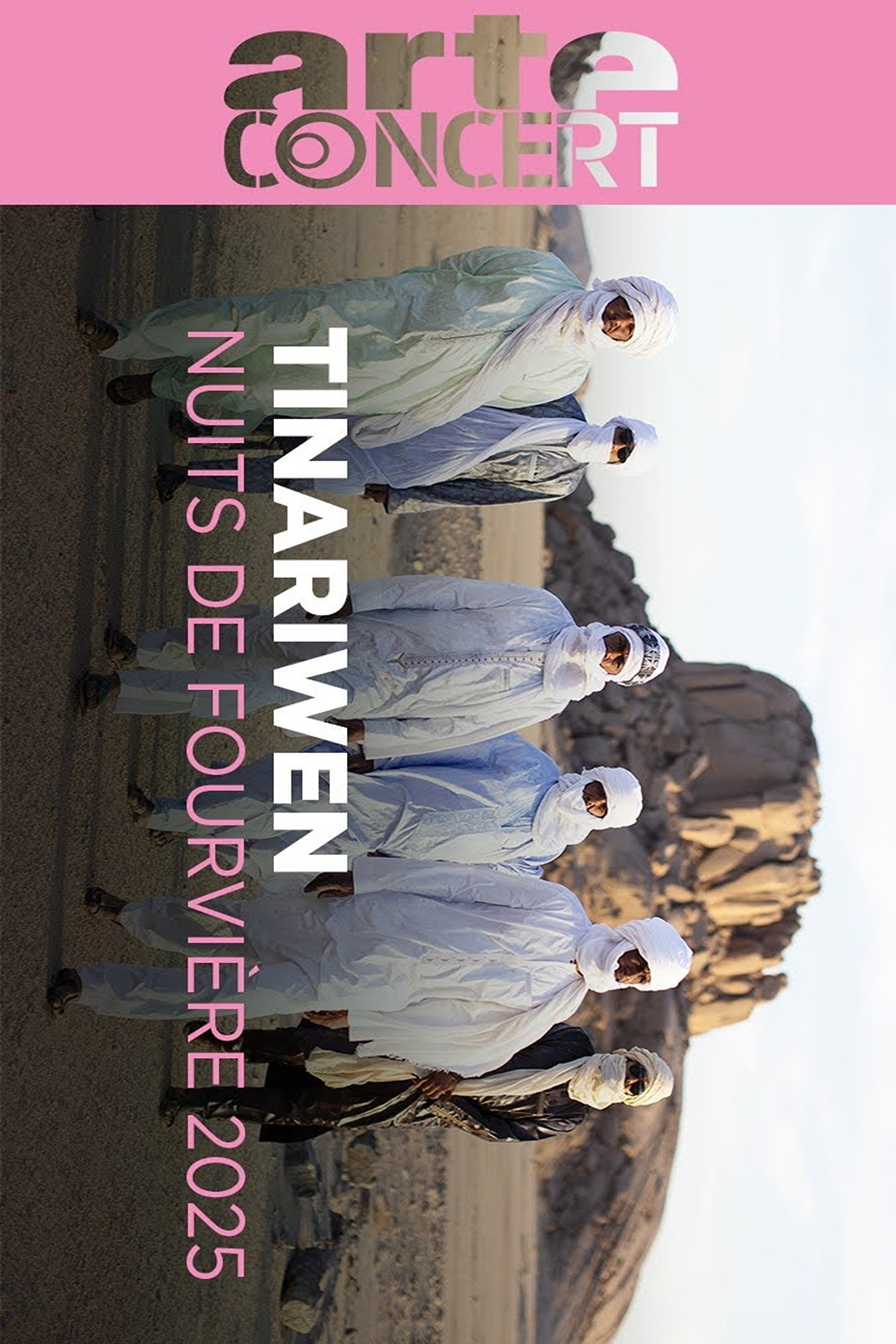
The Tuaregs of Tinariwen are the kings of North African blues. All it takes are a few notes to transport the audience at the Nuits de Fourvière to the heart of the Sahara.
Social & External
Unknown Role
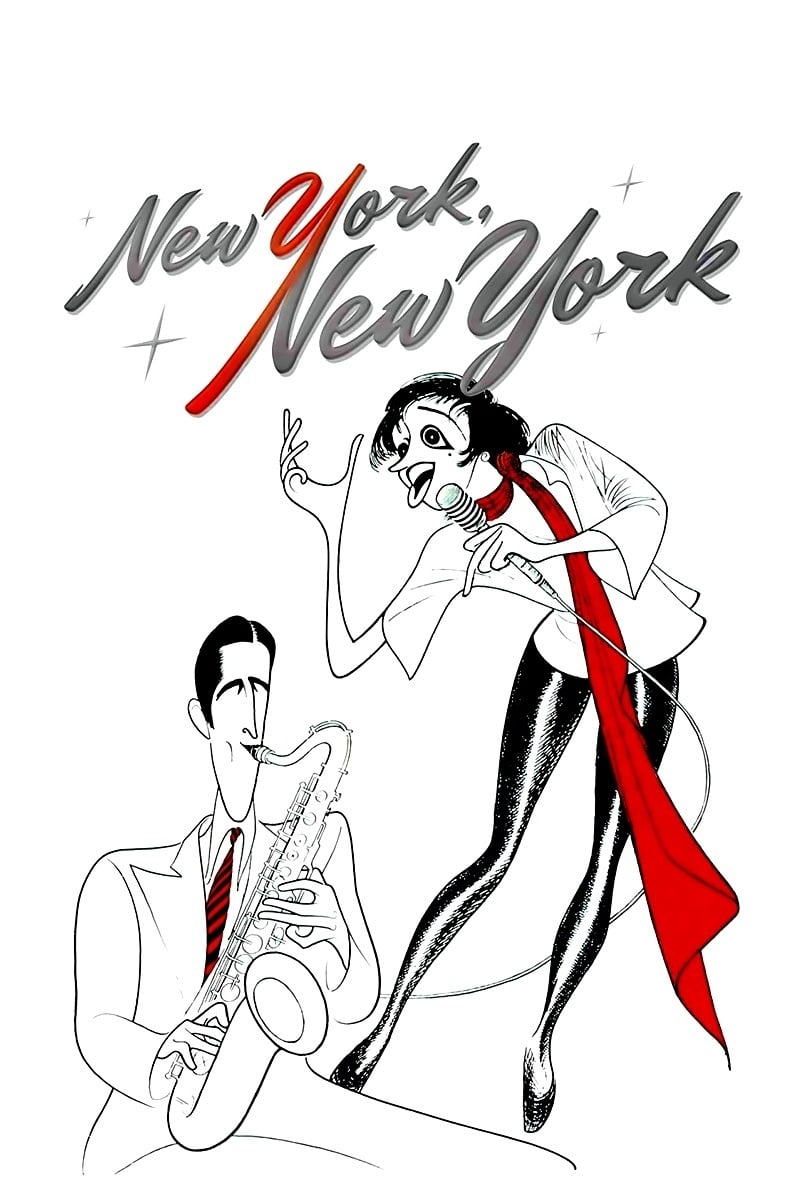
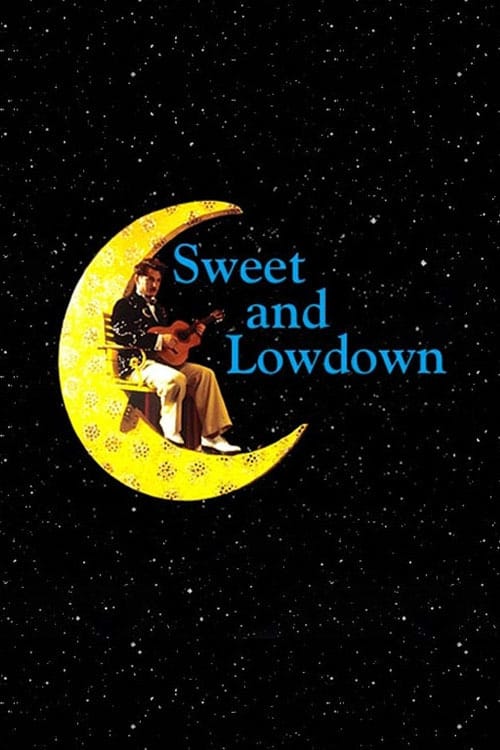
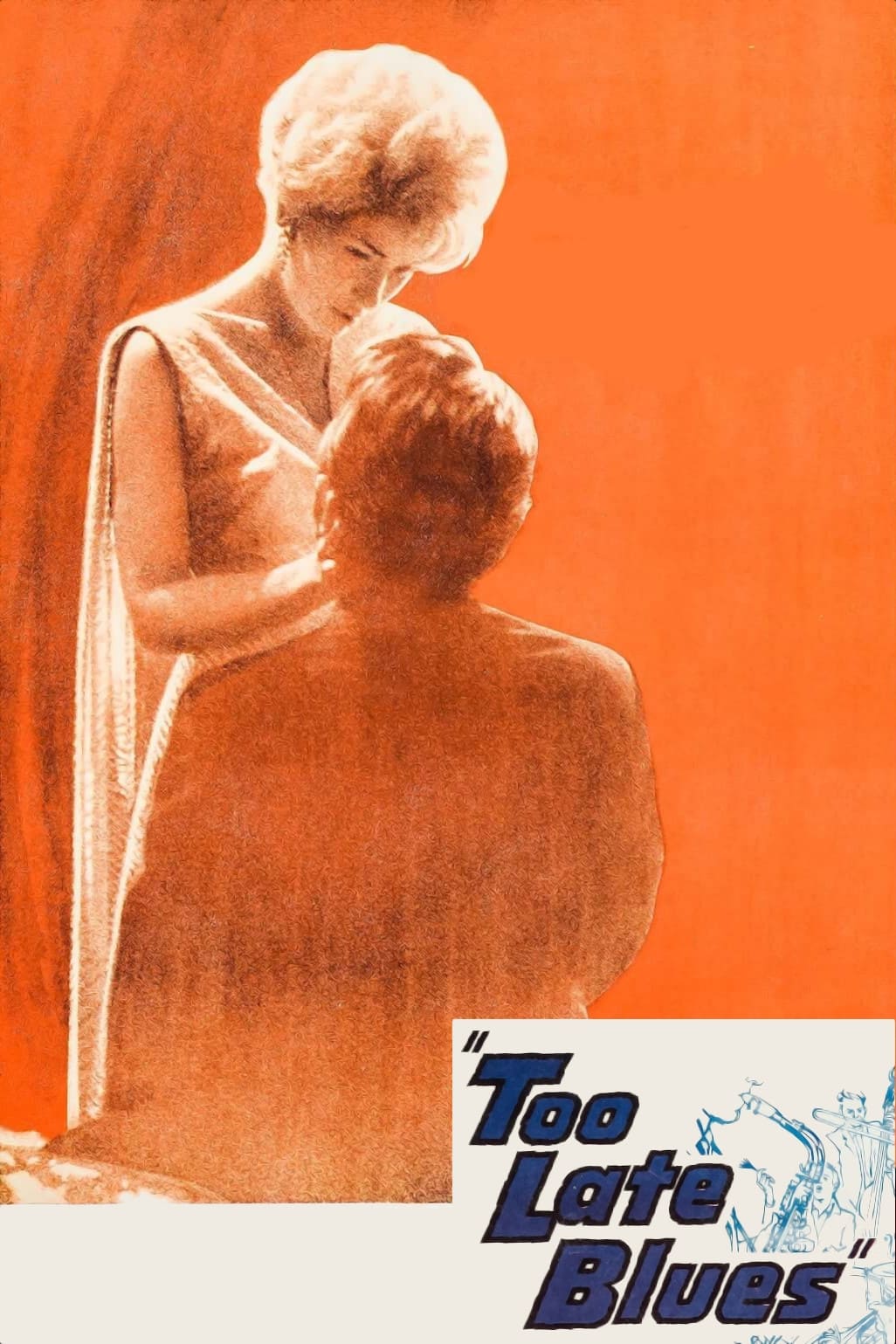
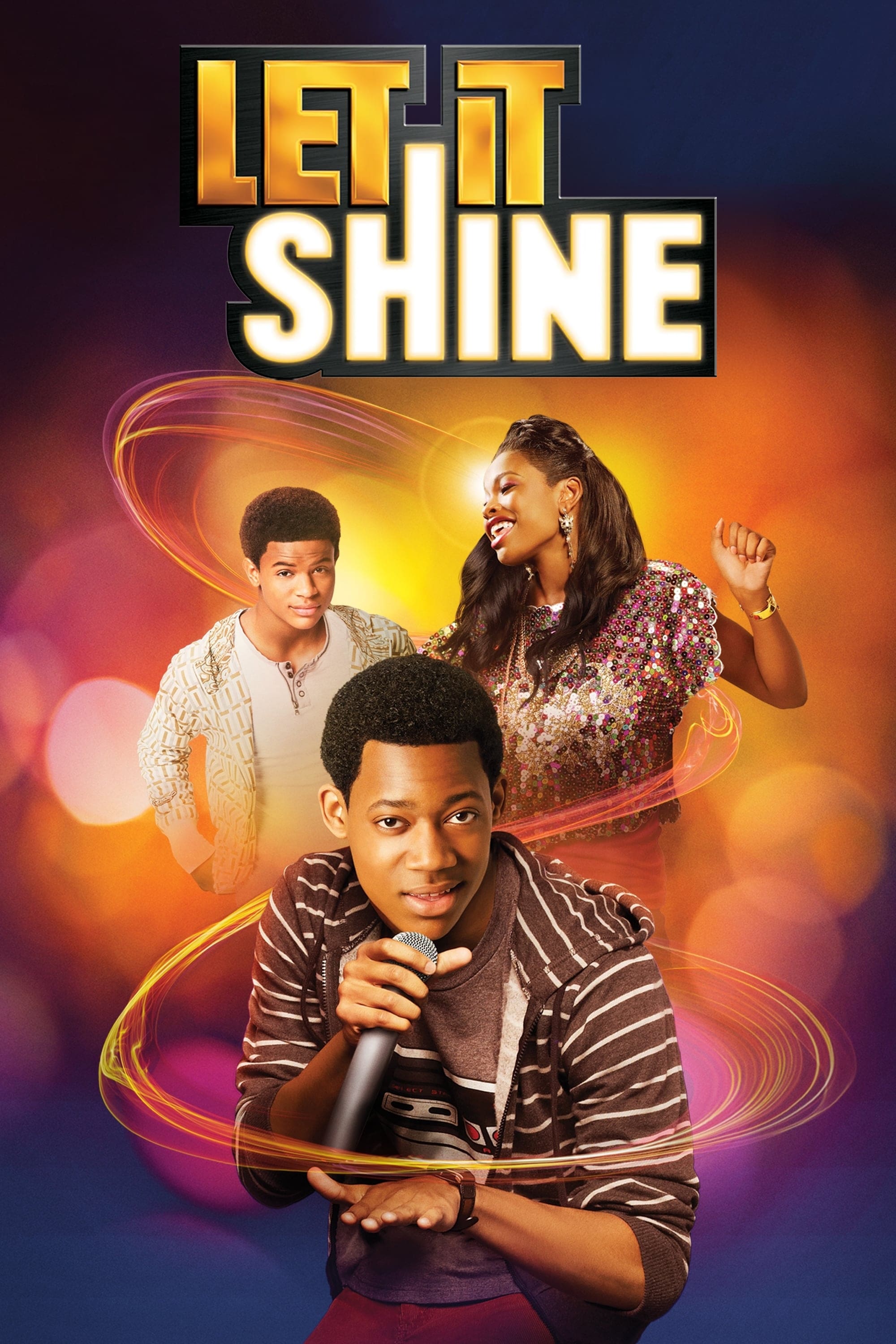
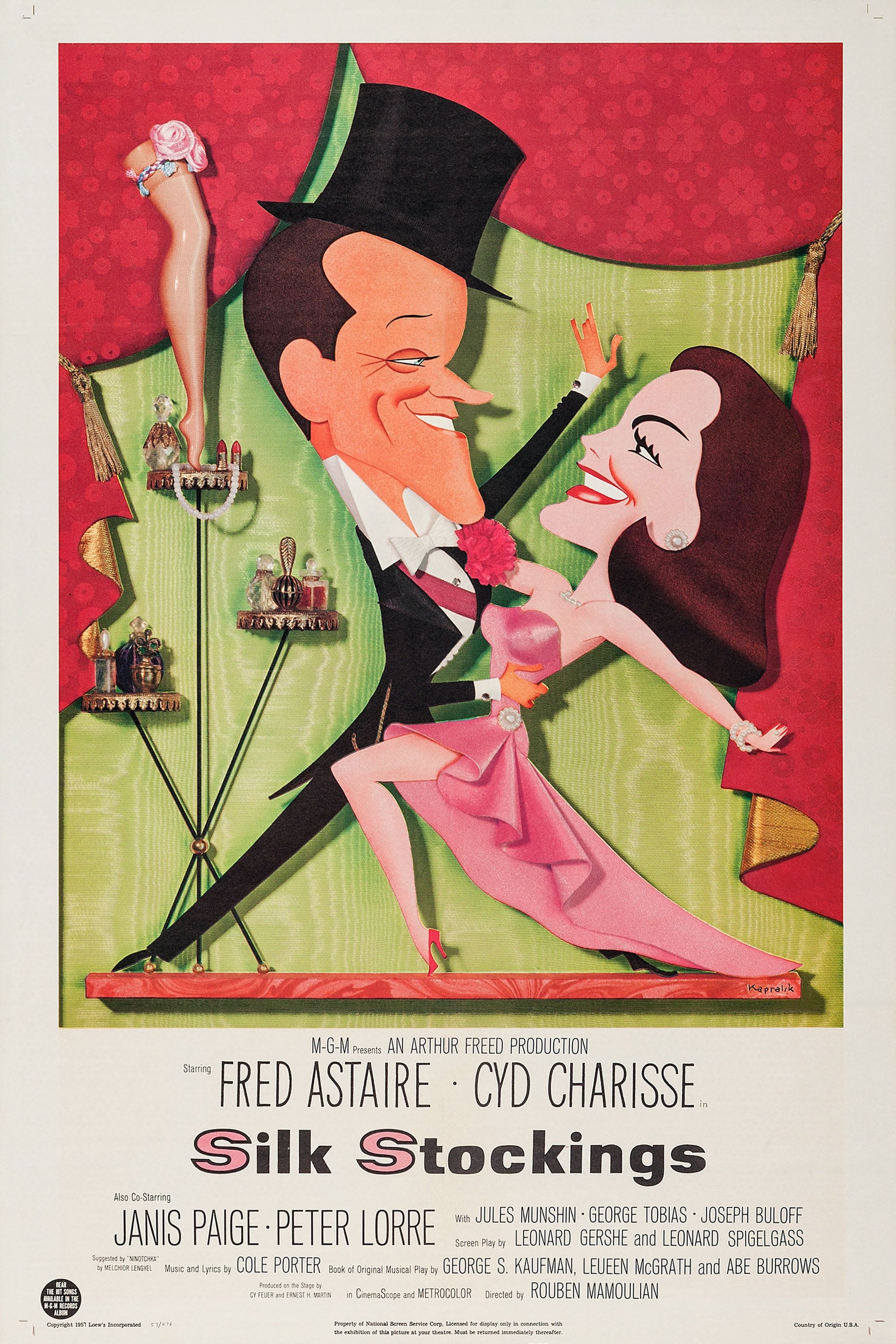
Inada plays Betty Yoshida, a singer and dancer from America who arrives in Japan to go on tour, only to be swindled by scheming managers. Penniless and cast to the streets, Betty is taken in by Oki (Nakagawa), a talented tap dancer who introduces her to a group of struggling musicians living and working together.
Live, intimate, and raw, Sessions For Robert J is the essential audio/video companion to Eric Clapton's 2004 gold, Top 10 Me And Mr. Johnson, tribute to blues legend Robert Johnson. Filmed during tour rehearsals in London and Dallas plus a Los Angeles hotel room and the Dallas warehouse where Johnson made some of his final recordings, Sessions for Robert J finds Clapton performing all Robert Johnson songs with his touring band, acoustically with Doyle Bramhall II and solo-as well as discussing Johnson and his influence. A performance/documentary DVD with 14 tracks (from which the 11 CD selections are taken), Sessions for Robert J is blues heaven.
Kansas City PBS is proud to present a documentary that looks back at the years Charlie “Bird” Parker spent in Kansas City and his lasting legacy on the Kansas City jazz scene. Bird: Not Out of Nowhere features rarely seen archival footage of Parker, interviews with musicians and historians, and live performances from Kansas City’s most talented jazz musicians.

Reissue of Standards Trio concerts; originally released separately as Live at Open Theater East and Trio Concert 1996
Danny 'Sweet Touch' Caputo is a young sax player on the verge of crowning his life's dream, to play in the festival that will send him to the top amongst the jazz greats. With just 50 minutes standing between him and his consecration, as he runs over his last simple question more to pass time than anything else. Danny tries to answer, but instead finds himself projected into another world, one populated by the sensual and very real ghosts of his past...
Ella Fitzgerald visited Australia back in 1960. Gracefully stepping up to the microphone for the celebrated television event 'The BP Super Show', hosted by musician and entertainer Horrie Dargie, Fitzgerald delivered a mellifluous set of legendary songs in an intimate concert setting at The Embers Nightclub in Toorak Road, South Yarra Victoria. This rarely seen B&W television treat is considered to be one of the earliest audio-visual recordings of the 'First Lady of Song', backed by the smooth sounds of the Lou Levy Quartet. Beside Fitzgerald's performance of 14 memorable Jazz and Blues classics, the program also contains original BP musical interludes and jingles from the Horrie Dargie Quartet.
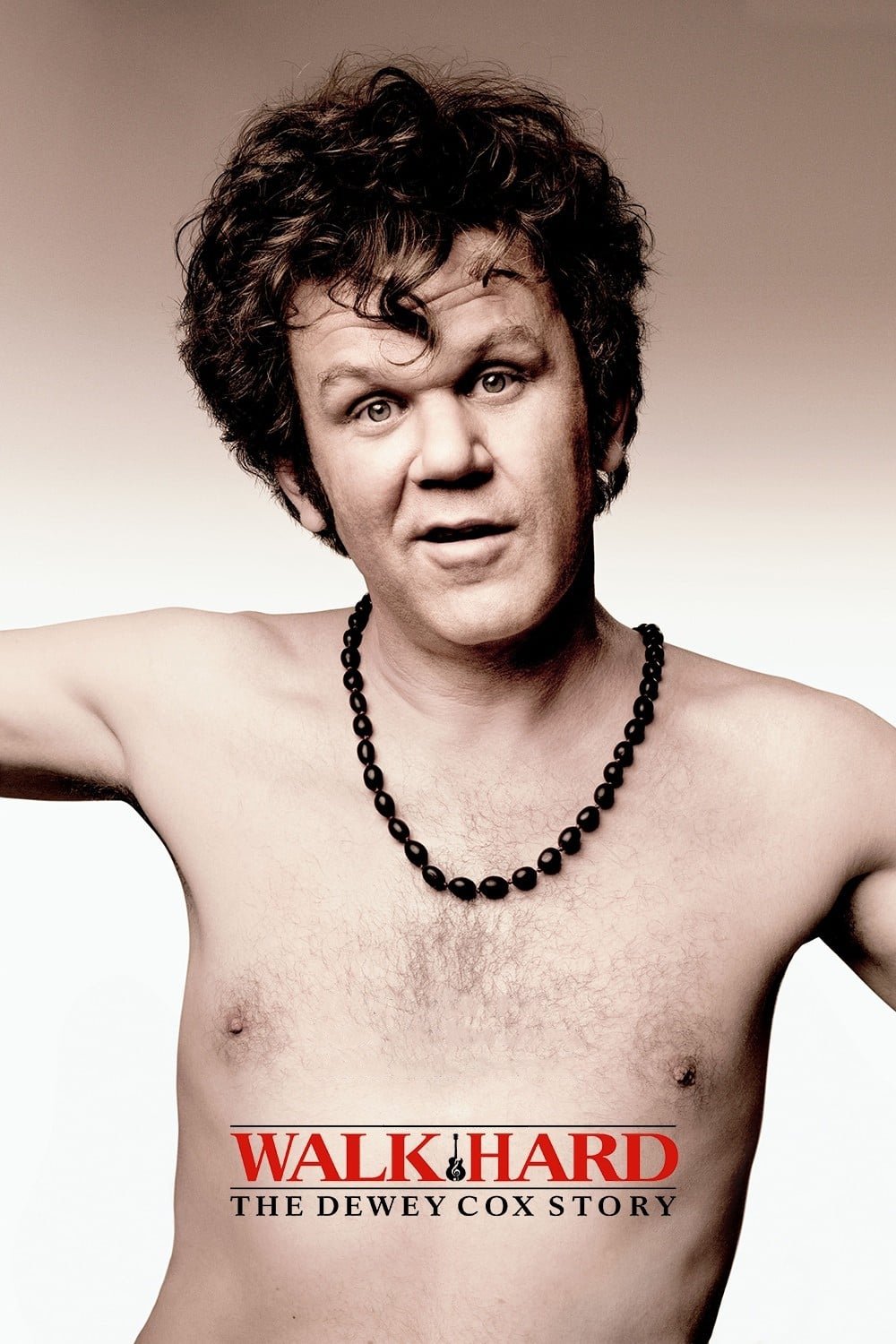
Following a childhood tragedy, Dewey Cox follows a long and winding road to music stardom. Dewey perseveres through changing musical styles, an addiction to nearly every drug known and bouts of uncontrollable rage.
Tenor saxophonist Jimmy McGary was a major presence in the Cincinnati music scene from the 1950s until his death in the early ’90s. With music rooted in Bebop with a progressive slant, the Jazz legend was a session player for King Records and released his first album as a bandleader — The First Time (with a quartet that included pianist Pat Kelly) — in 1979. McGary’s spirit and legacy have lived on well after his passing and well beyond Cincinnati, as evidenced in this new documentary film.
Delve into the musical influences of iconic rockers Led Zeppelin, whose epic brand of arena rock grew out of a deep love of the blues, the skiffle and folk rock. Music historians and authors join producers Joe Boyd and Larry Cohn, as well as performers John Renbourn, Chas McDevitt and Davey Graham, in their analysis of the band's musical roots. An enthralling section also explores Zeppelin's fascination with the occult.
This Emmy-nominated TV special highlights rare performance footage filmed between 1968 and 1969 at various US venues and locations, including the Westbury Music Fair, The Village Gate, and RCA Studios in New York City. Also featured are candid and personal interviews with Nina herself, revealing her unique views on music and life -- all expressed with her trademark intensity.
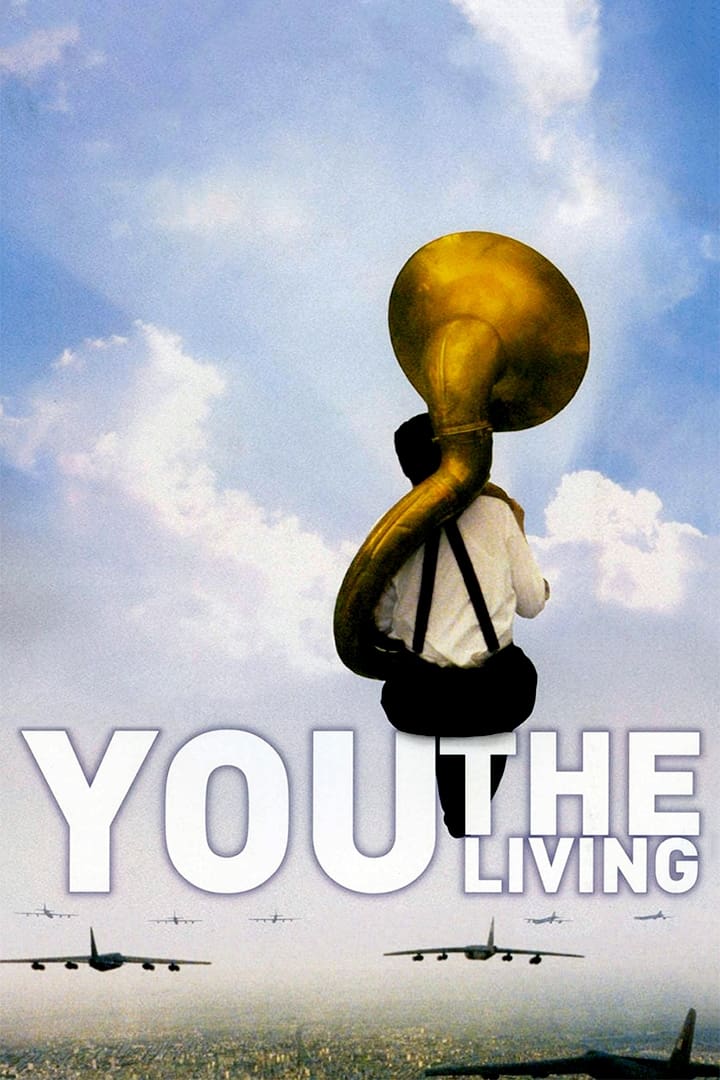
In the Swedish city of Lethe, people from different walks of life take part in a series of short, deadpan vignettes that rush past. Some are just seconds long, none longer than a couple of minutes. A young woman remembers a fantasy honeymoon with a rock guitarist. A man awakes from a dream about bomber planes. A businessman boasts about success while being robbed by a pickpocket, and so on. The absurdist collection is accompanied by Dixieland jazz and similar music.
The 1920s saw a revolution in technology, the advent of the recording industry, that created the first class of African-American women to sing their way to fame and fortune. Blues divas such as Bessie Smith, Ma Rainey, and Alberta Hunter created and promoted a working-class vision of blues life that provided an alternative to the Victorian gentility of middle-class manners. In their lives and music, blues women presented themselves as strong, independent women who lived hard lives and were unapologetic about their unconventional choices in clothes, recreational activities, and bed partners. Blues singers disseminated a Black feminism that celebrated emotional resilience and sexual pleasure, no matter the source.
Zawinul is onstage with the WDR Big Band from Germany and a special international rhythm section. The music is a tribute to the pioneering 1970s fusion collective Weather Report, originally with Wayne Shorter on sax, Zawinul on keys, and later Jaco Pastorius on bass (among other personnel). Zawinul and the WDR play "Brown Street" and "Carnavalito." Arranger Vince Mendoza re-imagines this colorful, small-group music for Europe's longest-lived jazz orchestra. And they can play!
J. B. Lenoir (1929 - 1967) was an American blues guitarist and singer-songwriter, active in the Chicago blues scene in the 1950s and 1960s. In 1965 the Swedish/American couple Rönnog and Steve Seaberg visited J.B. at his home on the South Side of Chicago and recorded 30 minutes of music and conversation. Parts of the film was used in "Soul of a Man" (2003).
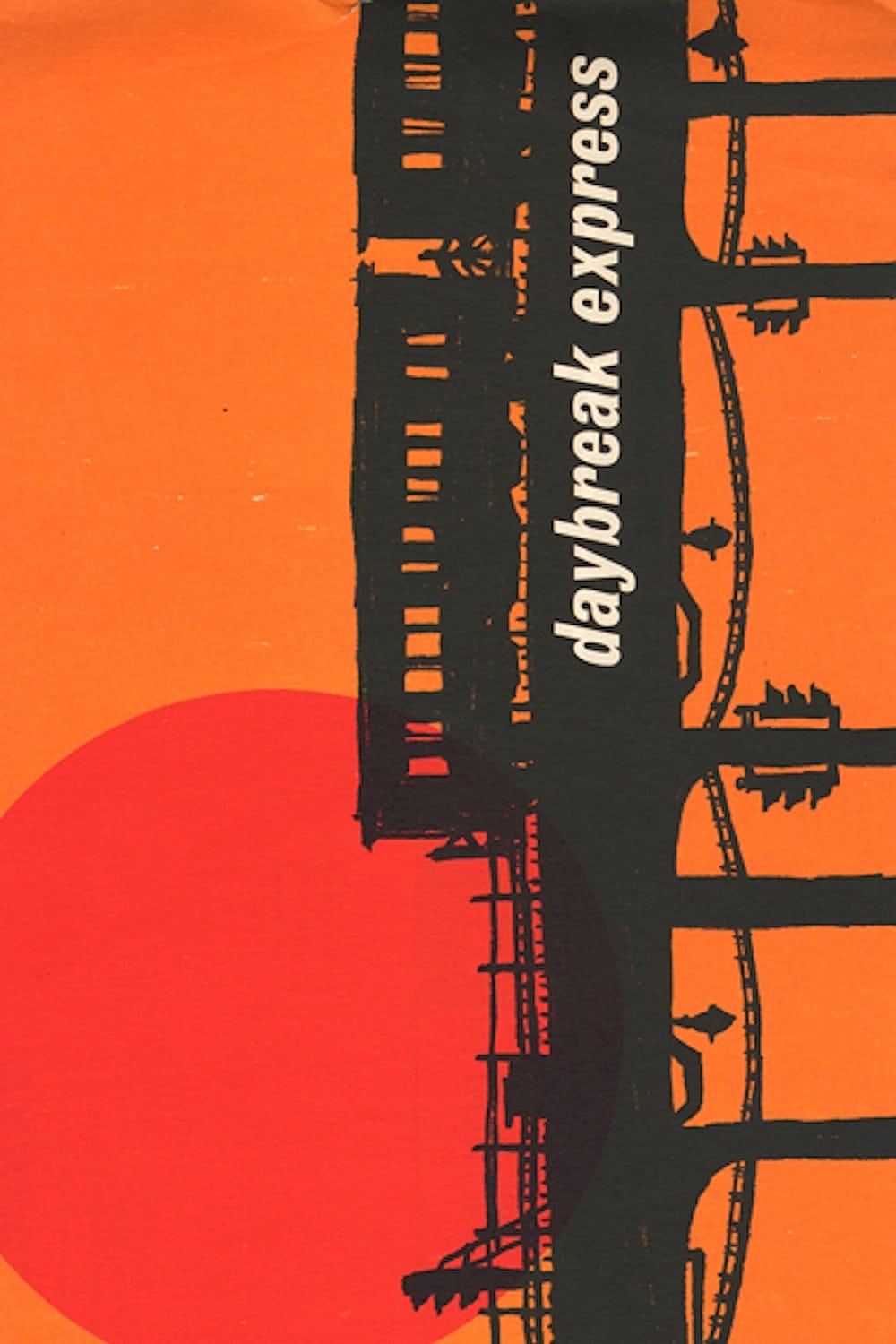
Set to a classic Duke Ellington recording "Daybreak Express", this is a five-minute short of the soon-to-be-demolished Third Avenue elevated subway station in New York City.
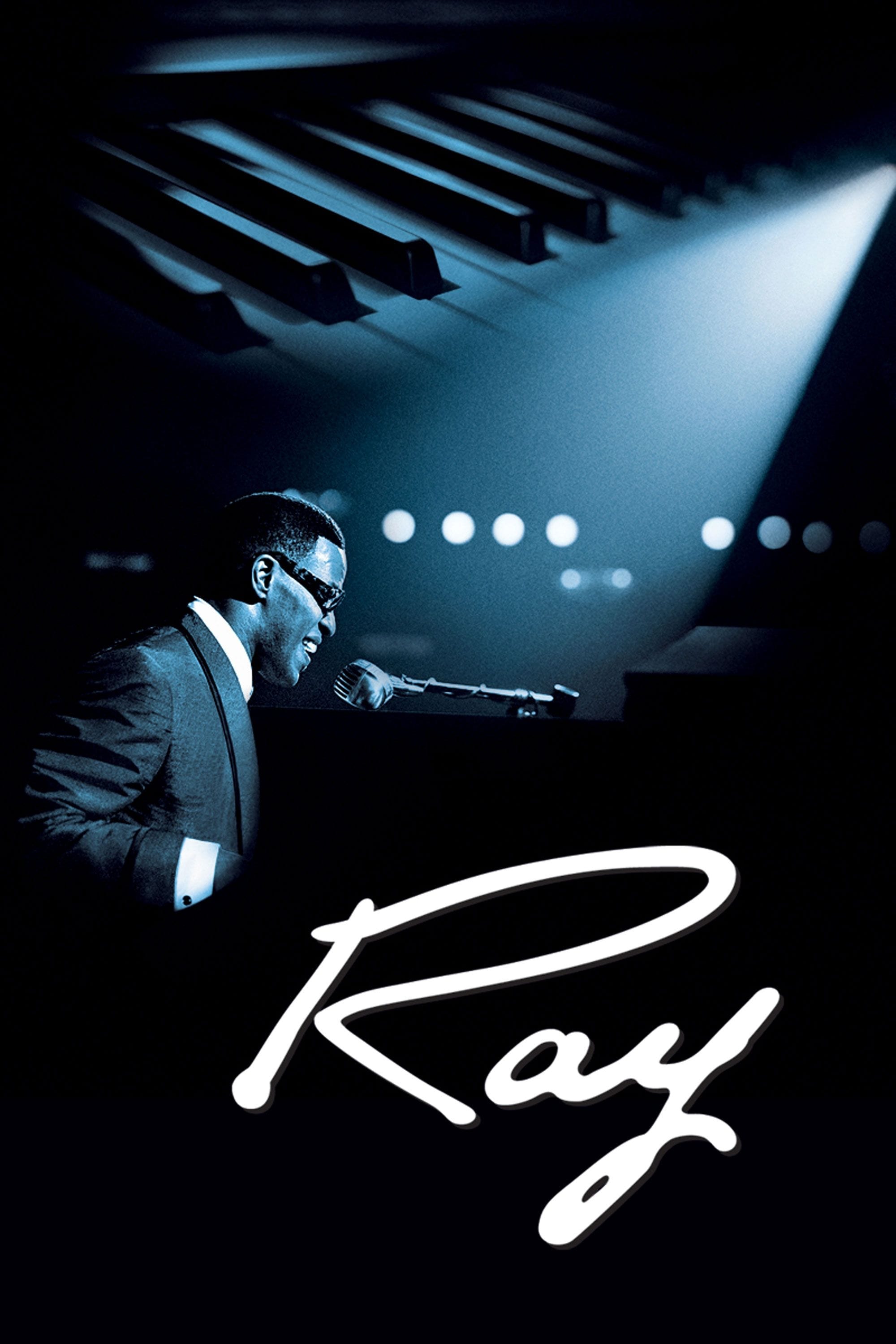
Born on a sharecropping plantation in Northern Florida, Ray Charles went blind at seven. Inspired by a fiercely independent mom who insisted he make his own way, He found his calling and his gift behind a piano keyboard. Touring across the Southern musical circuit, the soulful singer gained a reputation and then exploded with worldwide fame when he pioneered coupling gospel and country together.
A portrait of inspirational jazz drummer and teacher Art Blakey with Dizzy Gillespie, many pupils including Wayne Shorter, the Marsalis brothers, and a surprising new generation of musicians and dancers.
An unprecedented collection by Afrobeat legend Femi Kuti, Live At The Shrine includes both a concert film/DVD documentary and a live concert CD, singularly conveying the beauty and joy of Afrobeat music – a combustible cocktail fusing jazz, funk, and traditional African music – while also communicating it’s fascinating roots and politics which began with Femi’s father Fela Kuti, the creator and godfather of Afrobeat. Live At The Shrine takes place in the Kuti family’s hometown of Lagos at the Africa Shrine, where every Sunday Femi plays to a packed house of revelers. With music as his weapon of choice and the Africa Shrine a temple of protest song, Femi continues his father’s fight, railing against the corrupt Nigerian government and staunchly defending PanAfricanism. Capturing this experience through interviews, street scenes, and the music itself, Live At The Shrine captures the spirit, passion, and hope, of a man and a people who are fighting.
Combining footage unseen since WWI with original scores from the era, this film tells the story of Noble Sissle's incredible journey that spans "The Harlem Hellfighters" of World War I, Broadway Theatre, the Civil Rights movement, and decades of Black cultural development.