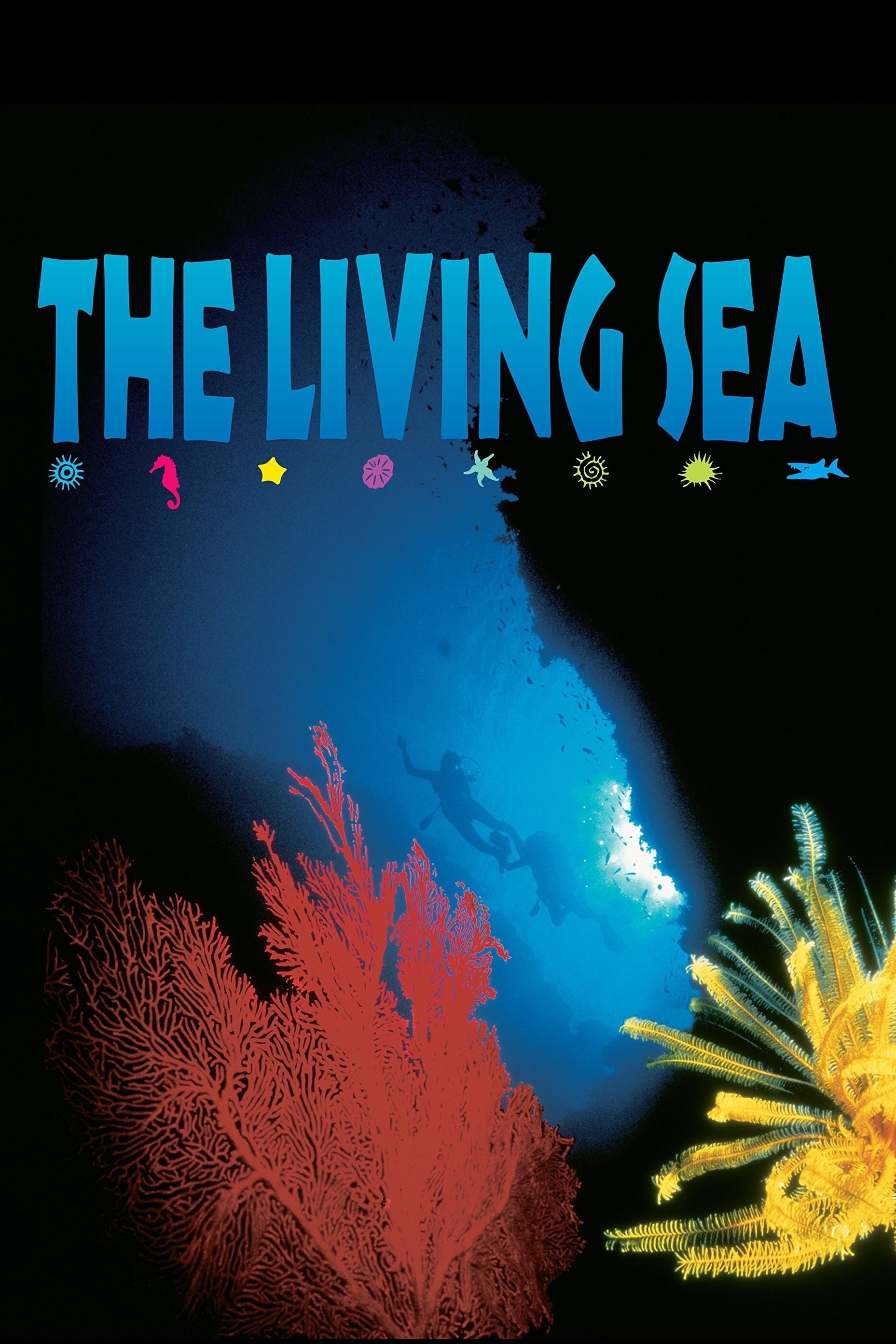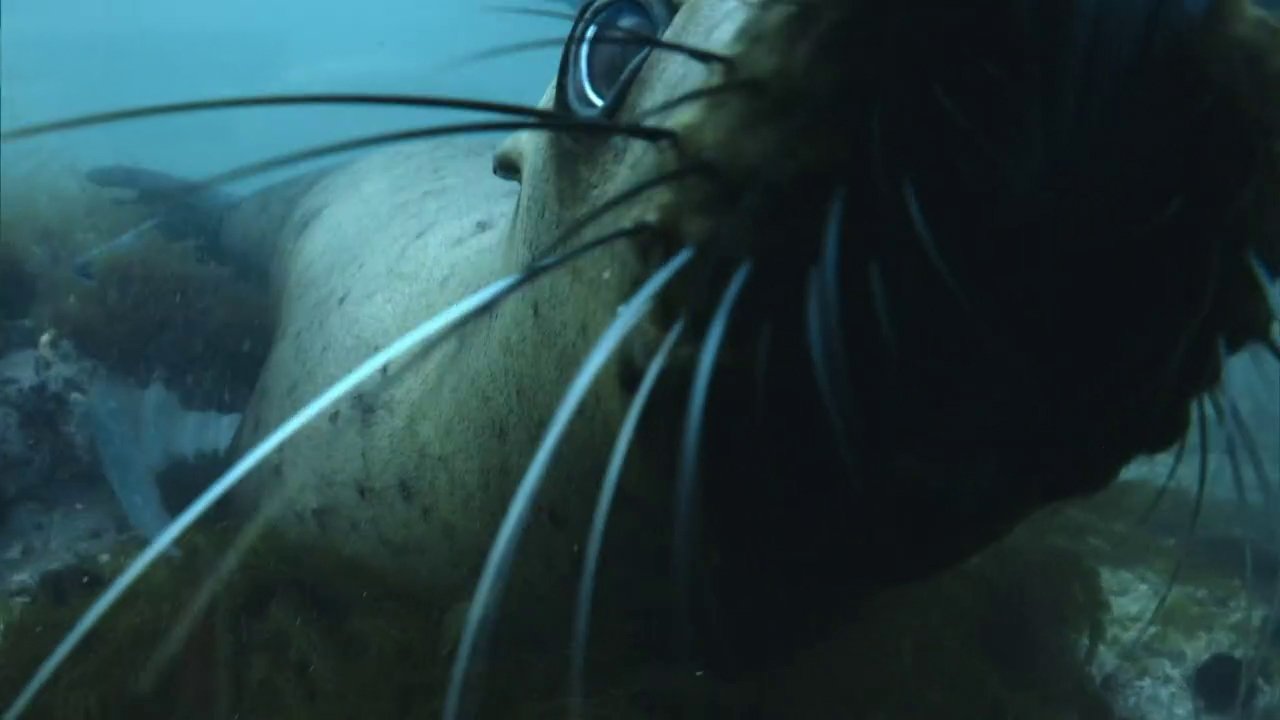
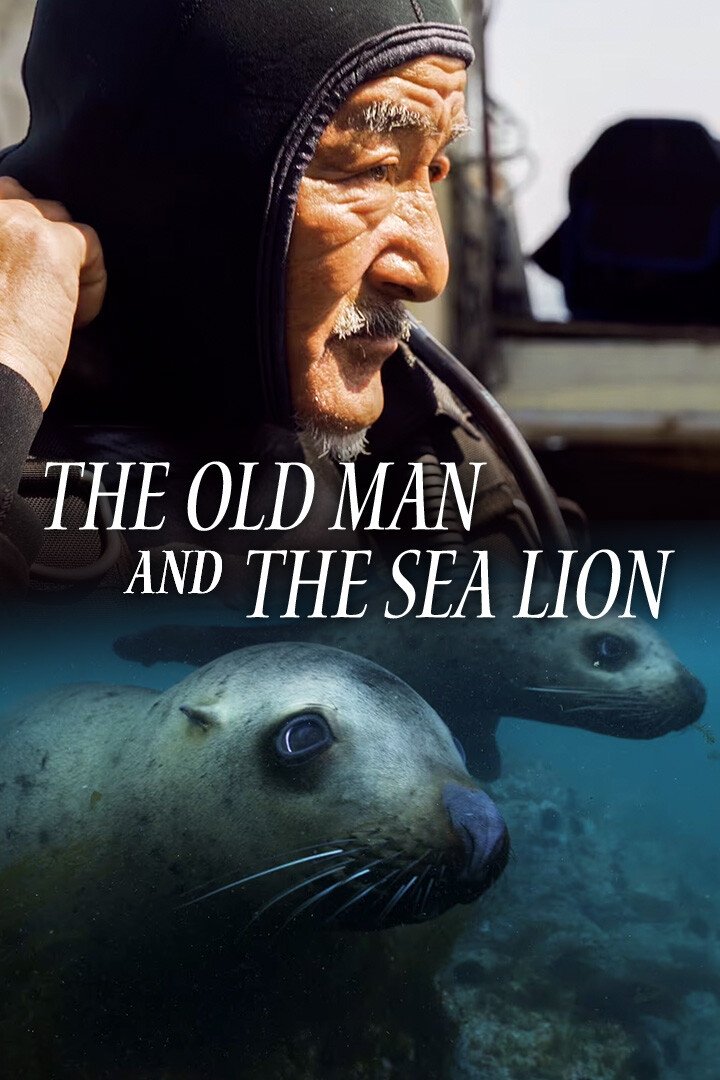

71-year-old diver Fujita Hisao has spent 40 years drawing attention to the beauty of ocean life, particularly the graceful sea lions, which face lethal removal due to their obstruction of fishing nets.
Social & External
Self - Narrator (voice)
Humans hunt for baby apes. But things are not always done properly when chimpanzees and orangutans are acquired for zoos or shows. And even the endangered bonobos are no exception.
In the coldest waters surrounding Newfoundland's rugged Fogo Island, "people of the fish"—traditional fishers—catch cod live by hand, one at a time, by hook and line. After a 20-year moratorium on North Atlantic cod, the stocks are returning. These fishers are leading a revolution in sustainability, taking their premium product directly to the commercial market for the first time. Travel with them from the early morning hours, spend time on the ocean, and witness the intricacies of a 500-year-old tradition that's making a comeback.
A group of conservationists take on the task of revitalizing the Balancán, Tabasco, research station and protect the howler monkey.
Tales of the existence of white lions have been passed through four centuries of African folklore. But today no white lions exist in the Timabavti range where they originated. That is until a team of conservationists brings one special lioness and her three cubs out of captivity and into the natural habit of their origins. Two years into the project, Linda has achieved much of what she set out to do but the hunting policy hasn't changed and the genetic marker hasn't yet been identified - meaning the white lions are still not a protected sub-species. Whilst this challenge still remains, Marah's legacy lives on as her daughter produces the white cubs, and the brothers are ready to breed with the tawny lionesses. Linda continues to fight for the protection of these magical lions and looks forward to the day when it will be safe for her lions - and all white lions - to roam freely in the Greater Timbavati Ecosystem.
The rivers of Africa bring life and abundance to their inhabitants, but they can also be the arena for some of nature's greatest challenges and dramas. Harsh seasonal cycles dictate the course of life - and death - along the rivers. Only the fittest survive crossing the crocodile-infested Mara, the extreme drought of the Luangwa Valley or any of the many other perils harbored by rivers all over the continent. With cunning and opportunistic hunters of all sizes lurking in the waters or prowling the banks, "Rivers of Danger" is a predator's world.
Africa is a land of giants. Its powerful rivers sculpt the earth and form impressive valleys and waterways that are home to many imposing and powerful inhabitants. These are the rivers where massive elephants and hippos live, feed and drink, and where ancient crocodiles hunt and breed. They share the rivers with porcupines, the martial eagle, and the leopard.
Unique in its approach, Inside The Tanks is a documentary that aims to enrich the discussion surrounding marine mammal captivity. Join Presenter and Producer, Jonny Meah, as he blasts the debate wide open, giving BOTH sides of the discussion a chance to have their say. The documentary includes in depth interviews from The Born Free Foundation; Marine Biologist, Ingrid Visser; Ex-Supervisor and ex-trainer, John Hargrove; and in a world exclusive on the topic, an interview with The Zoological Director of Marineland Antibes, Jon Kershaw.
The Southern Sea Otter was historically abundant along the California coastline until intense hunting pressures reduced their numbers to near-extinction levels. But now the otters are coming back, and with them they bring the potential for drastic change to the modern-day economics and ecology of the Santa Barbara Channel.
Sea otters are once again in peril after being brought back from the brink of extinction. An unprecedented number of sea otter deaths have occurred along the California coast in the last three years. Meanwhile, the Fish & Wildlife Services decision to eliminate their No Otter Zone from Southern California waters remains controversial. This fragile species threatened by pollution, infectious diseases, starvation, and competition with fishermen struggles for survival.
This documentary records the journey undertaken by Jacques Cousteau, his 24-member team, and an NFB film crew to explore the Grand Banks of Newfoundland, one of the world's richest fishing areas. They discover shipwrecks, film icebergs and observe beluga whales, humpback whales and harp seals. The film also includes a fascinating sequence showing Calypso divers freeing a calf whale entrapped in a fishing net.
Roam the Wild West frontier land of the Rio Grande’s Big Bend alongside its iconic animals, including black bears, rattlesnakes and scorpions.
The equation of life on the Serengeti is simple: carnivores eat plants, herbivores eat carnivores. Africa: The Serengeti takes you on an extraordinary journey to view a spectacle few humans have ever witnessed. The Great Migration. Journey with more than two million wildebeests, zebras and antelopes in their annual 500 mile trek across the Serengeti plains
Explore the mysterious Amazon through the amazing IMAX experience. Amazon celebrates the beauty, vitality and wonder of the rapidly disappearing rain forest.
A friendly wager on a family fishing trip to Emerald Isle years ago resulted in one boy’s dream come true. That boy, all grown up, turned his dream come true into a career.
70 years after the last wolves roamed the national park, a total of 41 wolves were reintroduced between 1995 and 1997. A globally unique experiment that had many supporters, but also resolute opponents, then as now.
This documentary follows oceanographer Sylvia Earle's campaign to save the world's oceans from threats such as overfishing and toxic waste.
Two hundred years after Charles Darwin set foot on the shores of the Galápagos Islands, David Attenborough travels to this wild and mysterious archipelago. Amongst the flora and fauna of these enchanted volcanic islands, Darwin formulated his groundbreaking theories on evolution. Journey with Attenborough to explore how life on the islands has continued to evolve in biological isolation, and how the ever-changing volcanic landscape has given birth to species and sub-species that exist nowhere else in the world. Encompassing treacherous journeys, life-forms that forge unlikely companionships, and survival against all odds, Galápagos tells the story of an evolutionary melting pot in which anything and everything is possible.
Salango is a small parish south of Manabí. What this land means to Ecuador, however, is huge. Its name is associated with the pre-Columbian legacy of the Manta Wancavilca cultures, the humpback whales that arrive each year to mate, the homonymous island and its coral reefs, the great wealth of marine fauna. It is there, in one of the places with the greatest archeological and environmental heritage of our country, where the Polar fishmeal processor has been operating for 35 years. What does not emerge from the idyllic postcards of the area is the foul smell that pollutes the air, the portrait of people sick from the factory's toxic wastes, the disgusting black smoke that flows into the sea directly from the processor pipeline. That is why it is the struggle of the few members of the community who have not given up and demand that Polar leave.