Social & External
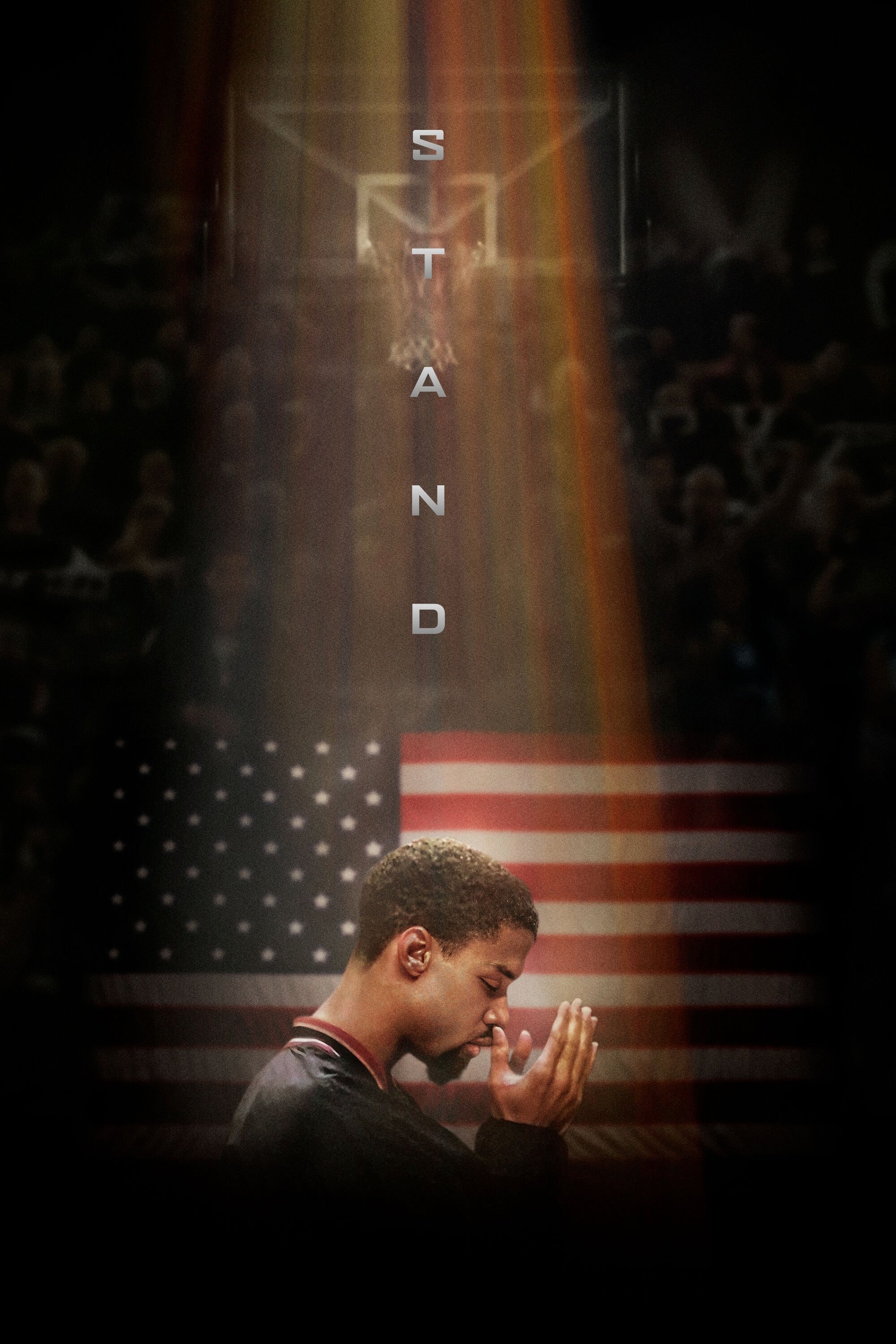
Raw and unflinching examination of the courageous life of basketball star and social justice activist Mahmoud Abdul-Rauf. Born Chris Jackson, he overcame tremendous adversity to reach the NBA and found his true calling when he converted to Islam. His decision not to stand for the national anthem, however, turned him from prodigy to pariah. Told candidly by Abdul-Rauf himself more than 20 years later it’s the remarkable story of one man who kept the faith and paved the way for a social justice movement.
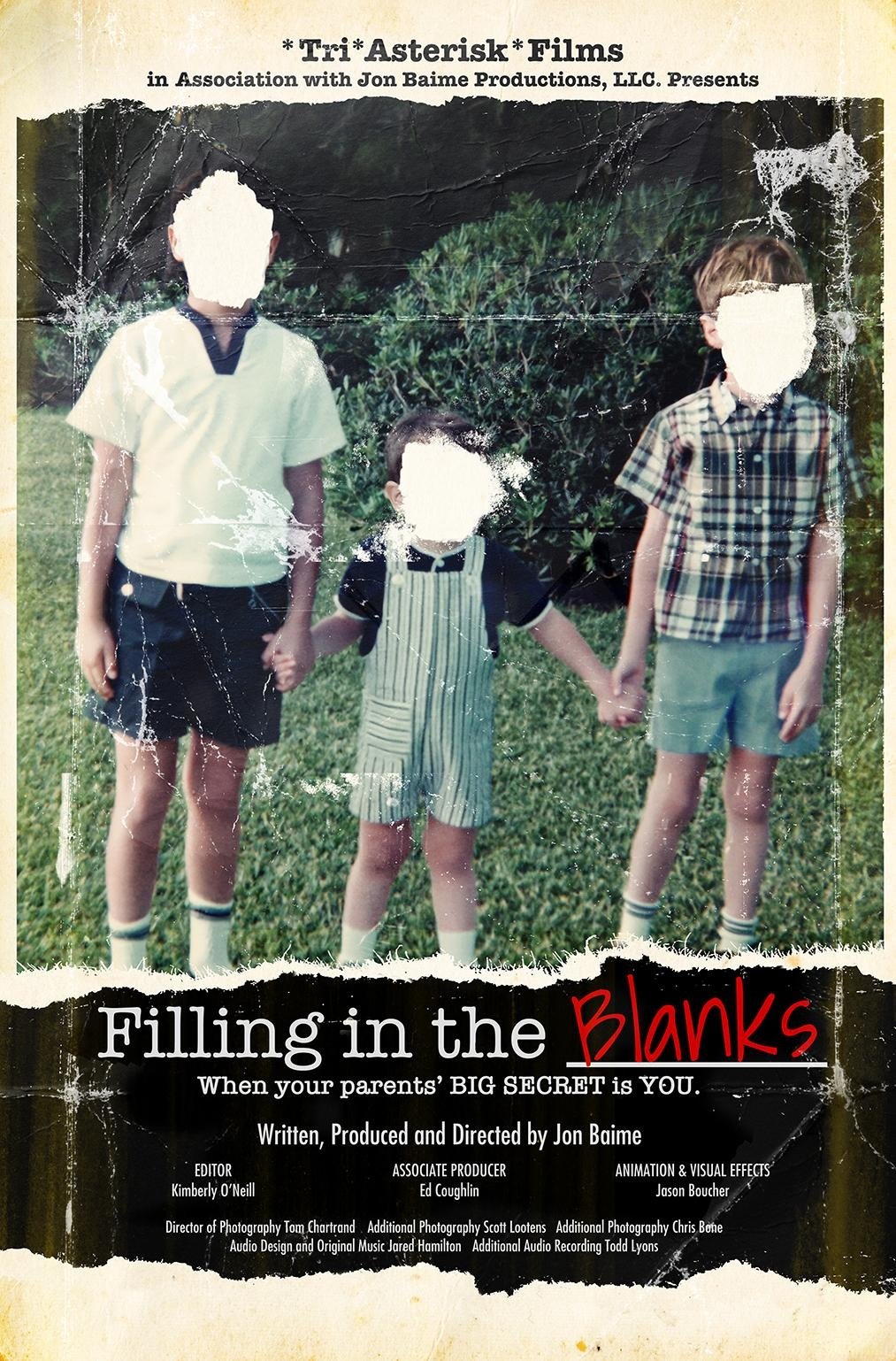
Where do I come from? For some, the question has a simple answer -- for others, the truth can be much more complicated. With the rise in popularity of at-home DNA tests, it's now easier than ever for people to uncover their family history and, sometimes, things their parents wish would stay buried. Interested in learning more about his family heritage, director Jon Baime took an at-home DNA test and uncovered a family secret that has been hidden for half a century. Featuring in-depth interviews with Jon's siblings as well as a treasure trove of family photos and films spanning 70 years, FILLING IN THE BLANKS takes audiences on a journey as Jon explores the meaning behind his discovery and expands on what it means to be family.
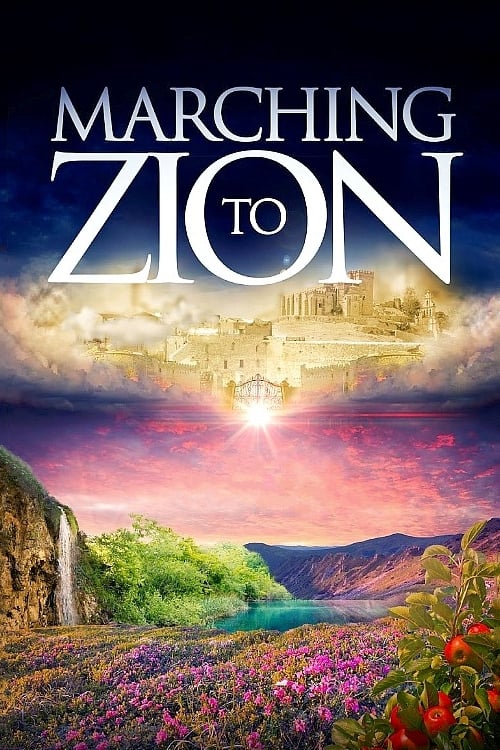
Documentary tracing the history of the Jewish people from the destruction of the temple in AD 70 to the modern-day nation of Israel. Through scriptural and historical evidence, DNA, mathematics, and testimony from rabbis and pastors, it attempts to answer the question, "Who are God's chosen people?".
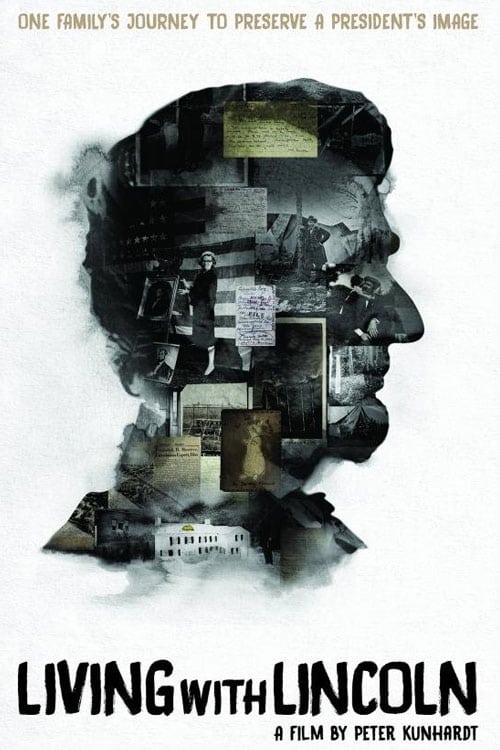
Filmmaker Peter Kunhardt examines how a one-of-a-kind collection of Abraham Lincoln photos and memorabilia have profoundly shaped the lives and sensibilities of five generations of his family.
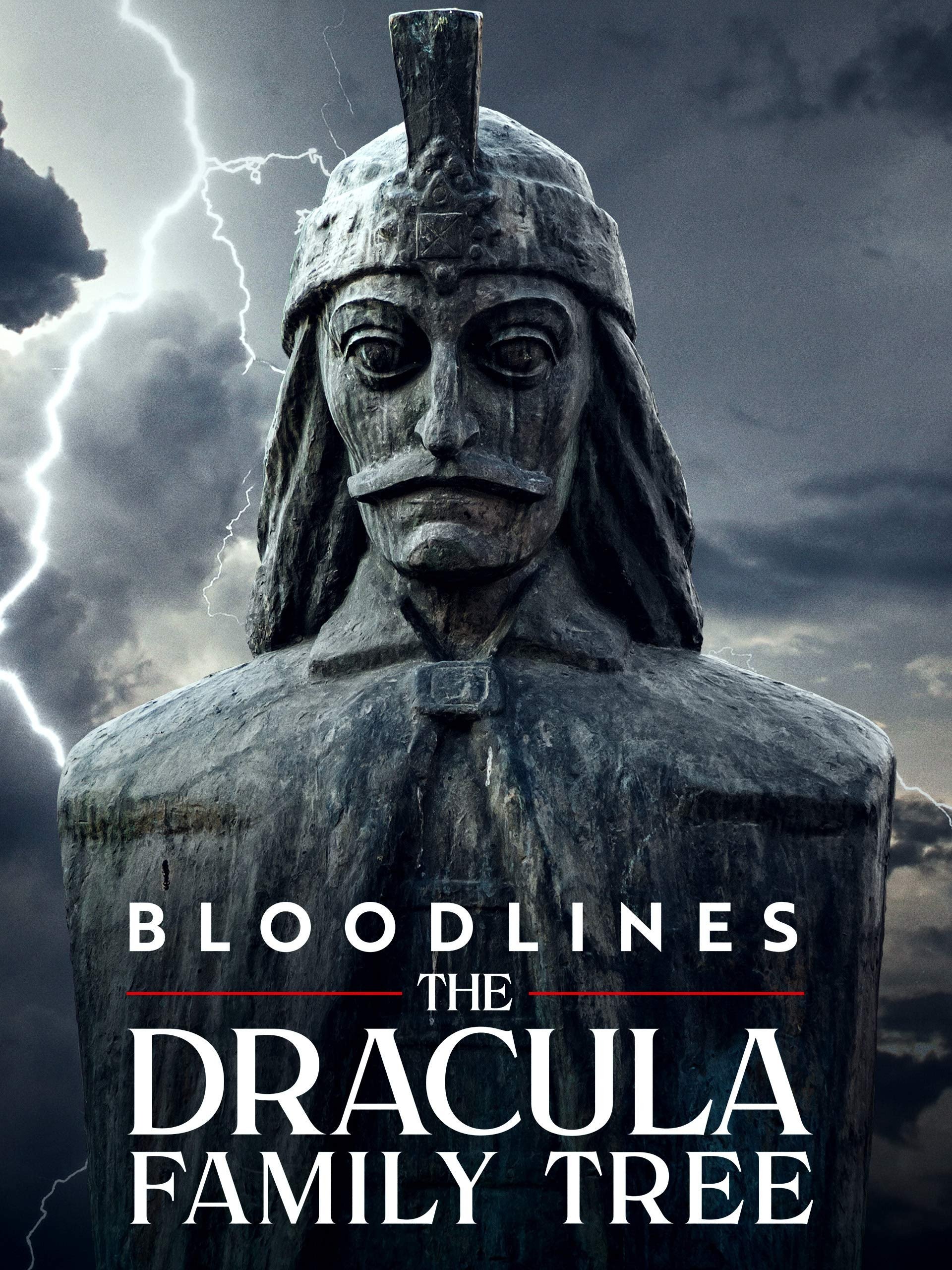
Almost 30 years ago, two scholars from Boston revealed the historical truth behind the legendary vampire known as Dracula. For the first time, their 15-year research demonstrated the link between Bram Stoker's infamous vampire and a 15th century prince named Vlad Tepes, or "Vlad the Impaler."
One who doesn't have roots won't be able to grow wings-a documentary project about a man tracking his origins to the Middle East and establishing a connection with his father, whom he have never met before.
Epigenetics and psychogenealogy through a VERY personal experience.
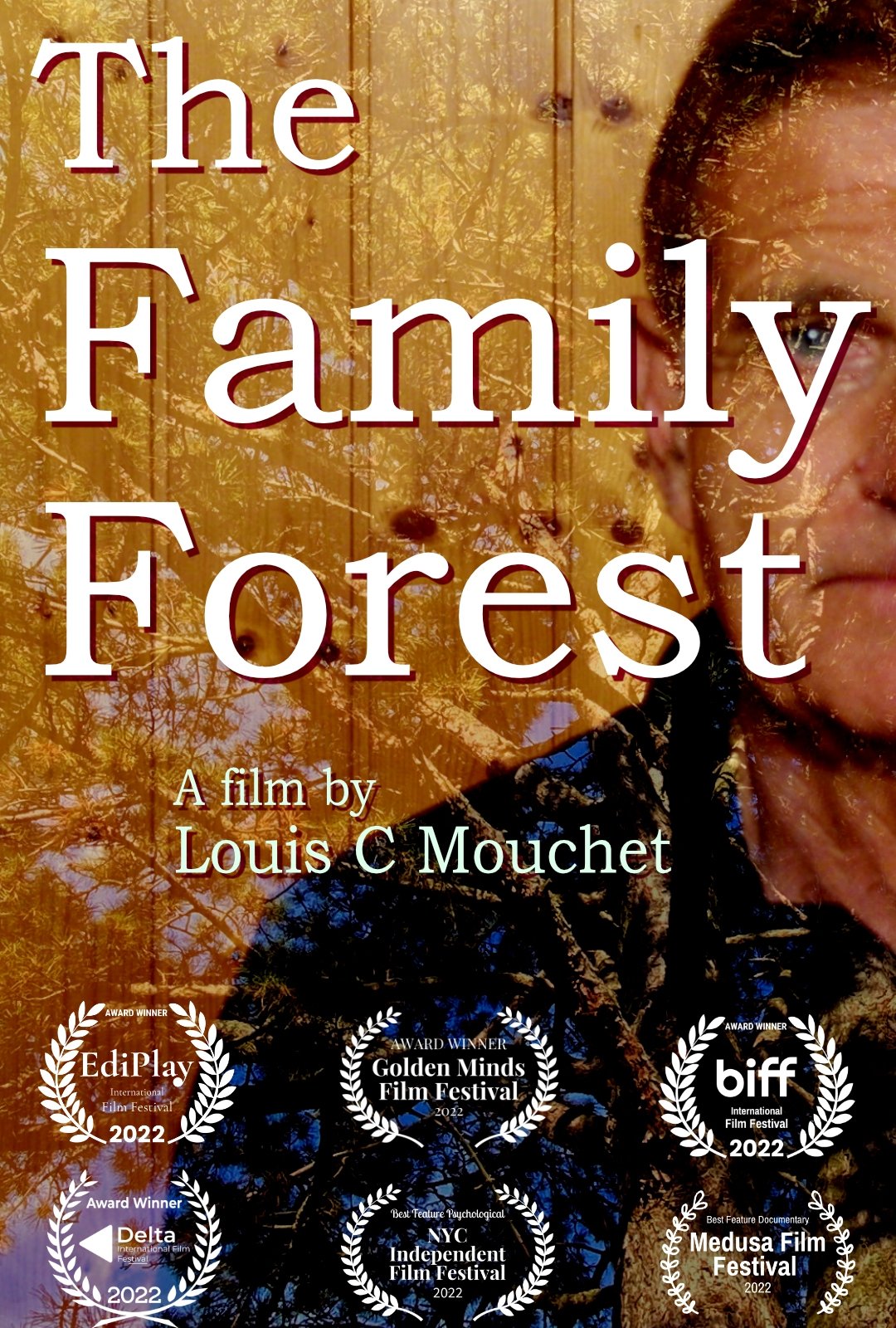
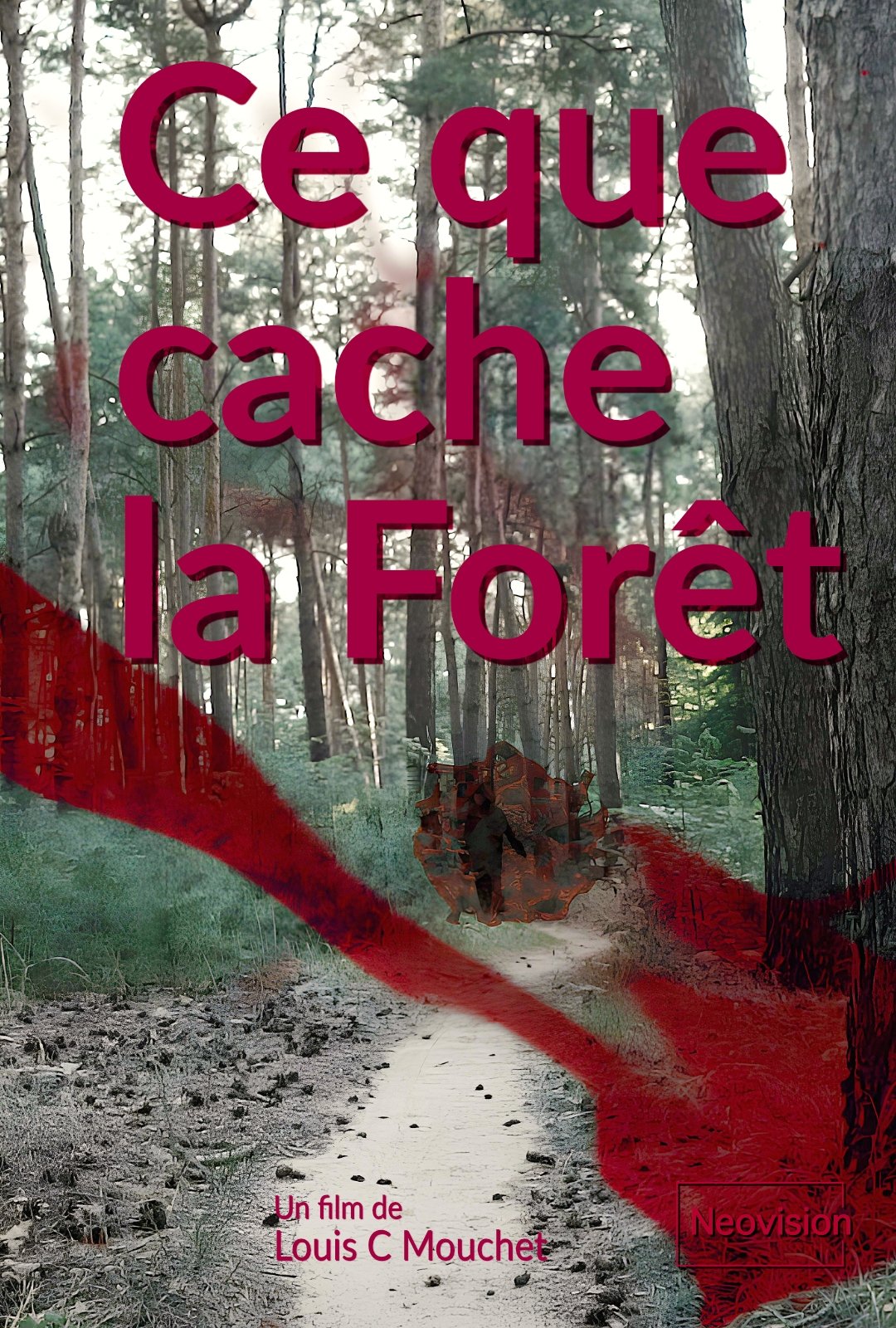
CE QUE CACHE LA FORÊT (What the Forest conceals) explores the invisible inheritance we carry within us: that of the family unconscious passed down from generation to generation. Personalities as varied as psychologist Anne Ancelin Schützenberger, systemic therapist Bert Hellinger and artist Alexandro Jodorowsky have, each in their own way, revealed the existence of these unresolved stories that profoundly influence our lives. Today, epigenetic research confirms that trauma can mark our genome, and be passed on beyond those who experienced it. But how do these memories get inscribed in us? How can they be recognized, overcome and healed? Filmmaker Louis Mouchet shares his own journey through this deeply personal film. This process was nourished by : The making of and follow-up to the film La Constellation Jodorowsky, An introspective dive triggered by the death of his mother and the simultaneous birth of his first child, A powerful session with Romanian therapist Cristina Schmidt.
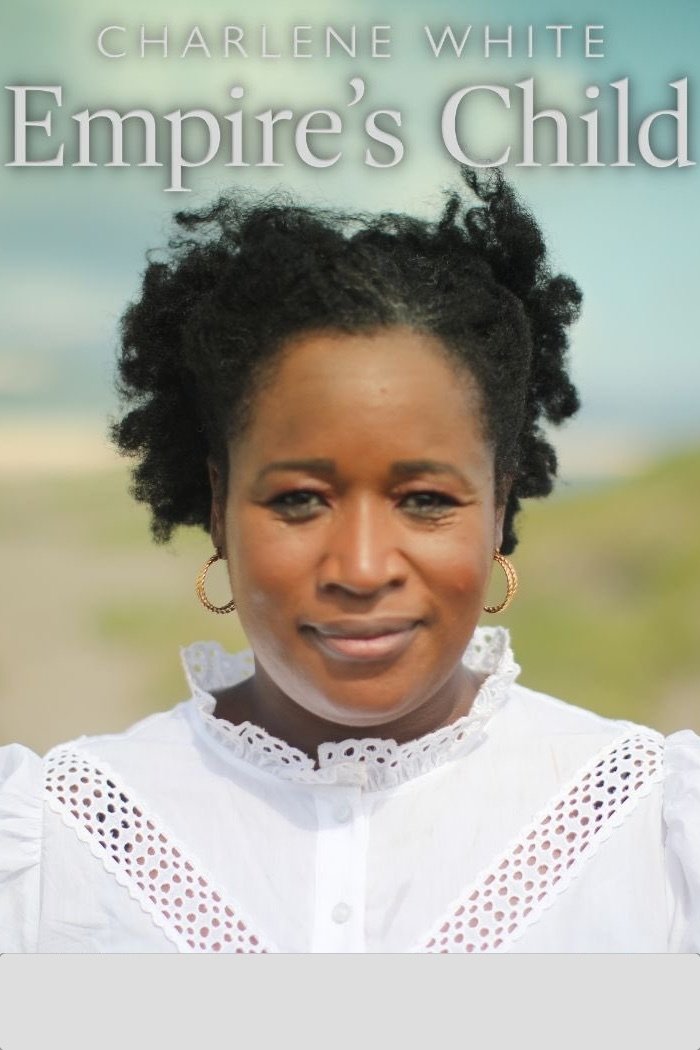
Charlene White embarks on a deeply personal journey to uncover the roots of her connection to the British Empire in a bid to find out if we can ever truly emerge from its shadow. Charlene travels across Britain and Jamaica on a genealogical journey to investigate her own heritage and the relationship between the Empire and her family. By piecing together broken familial records and going back in time to the very start of the British Empire, she makes some surprising discoveries about how the British Empire has shaped her family’s lives and asks what it is to be Black and British.
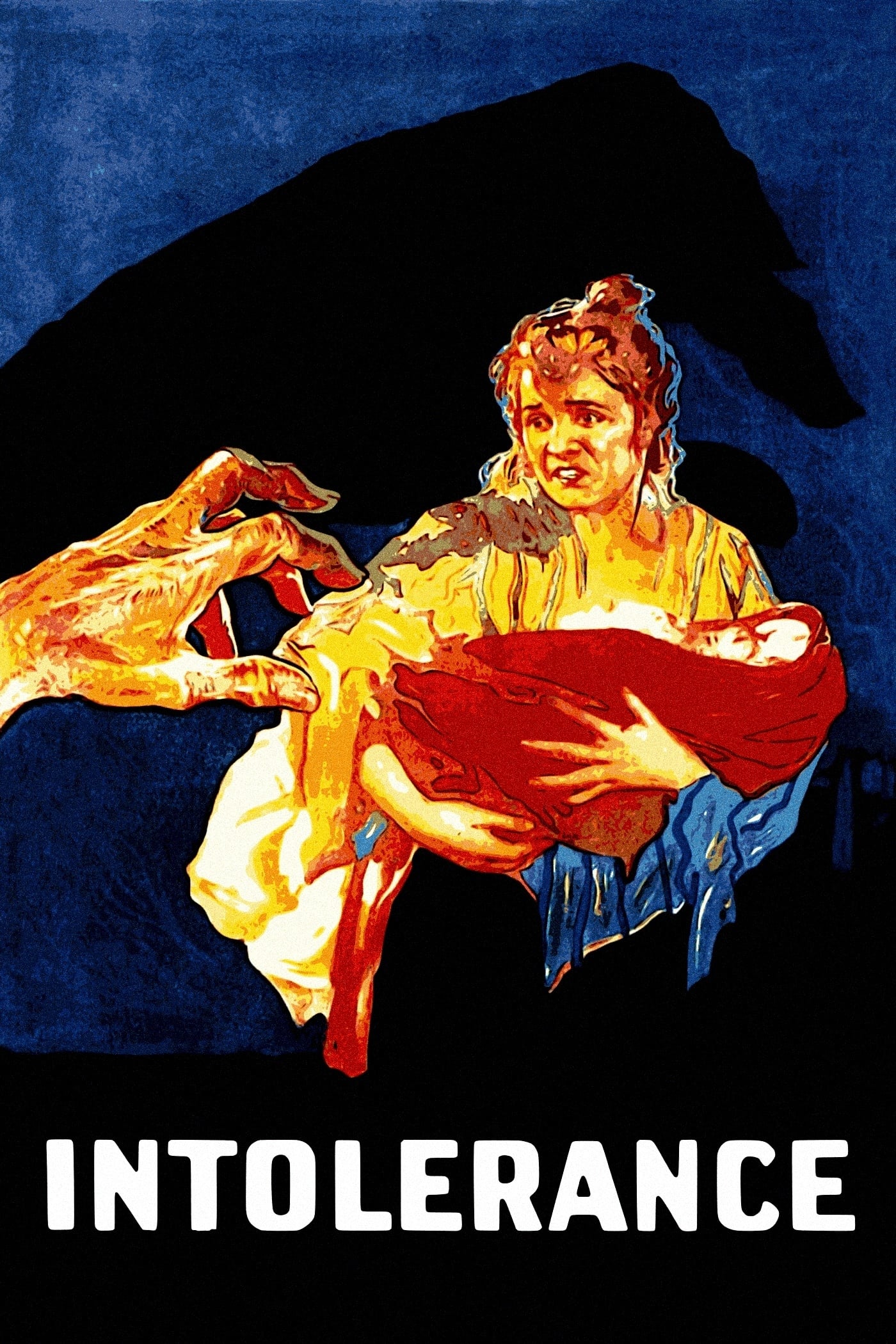
The story of a poor young woman, separated by prejudice from her husband and baby, is interwoven with tales of intolerance from throughout history.
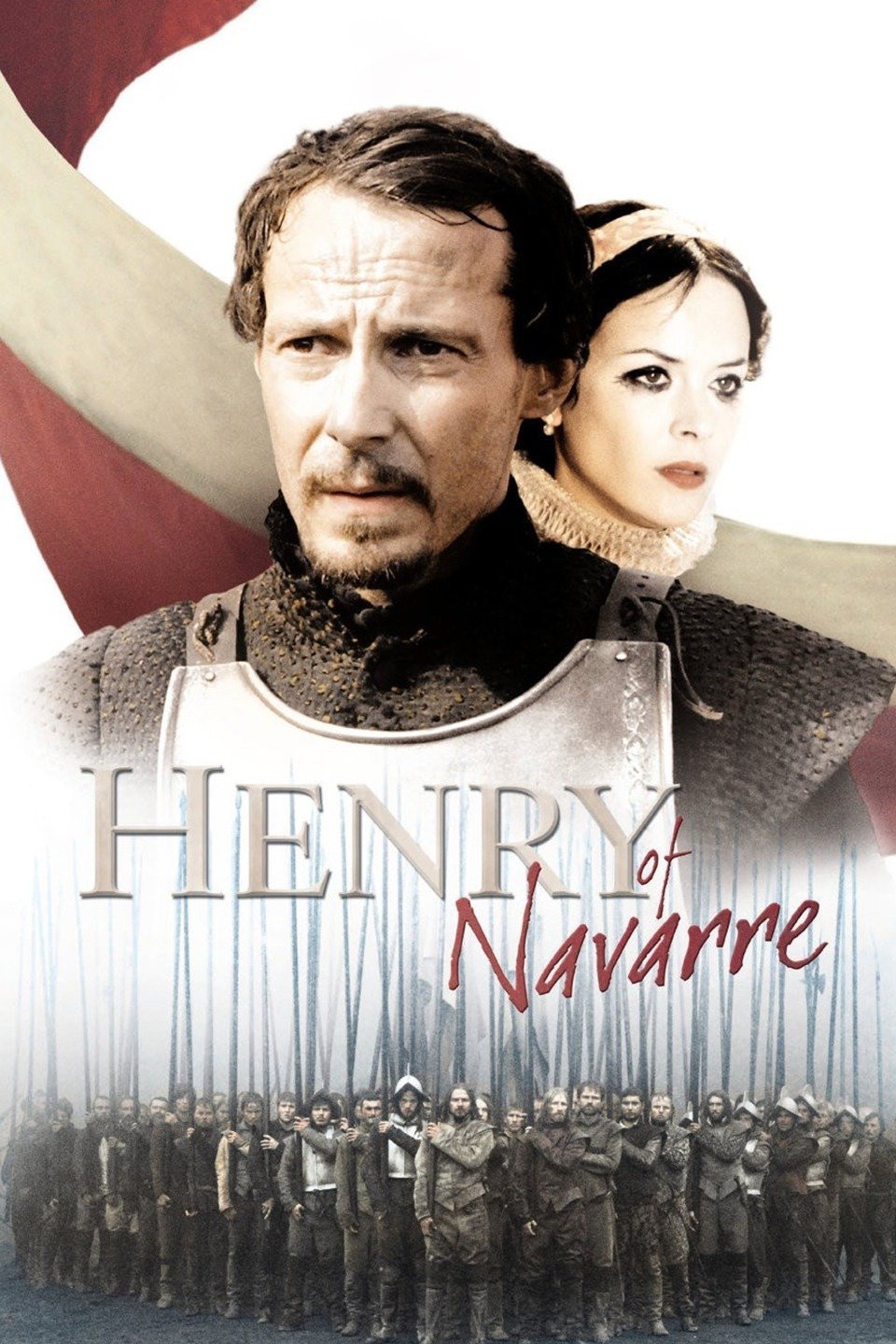
A wide-ranging, energetic period piece tracing the rise of the Protestant Henry of Navarre as he goes from battlefield warrior to France's beloved King Henri IV. Director Jo Baier's epic is a classically entertaining adventure, albeit one with more than a little bloodshed and frequent bawdy sexual interludes. In late 16th-century France, Catholics and Protestant Huguenots were at war. Seemingly seeking peace, the French dowager queen, Catherine de Medici summons Henry to her court to have him marry her daughter, uniting the two warring factions. However, the Catholics slaughter the Protestant wedding guests in what became known as the St. Bartholomew's Day massacre and Henry-now married-must use all his guile to both stay alive and maneuver for the throne. [Written by Palm Springs International Film Festival]
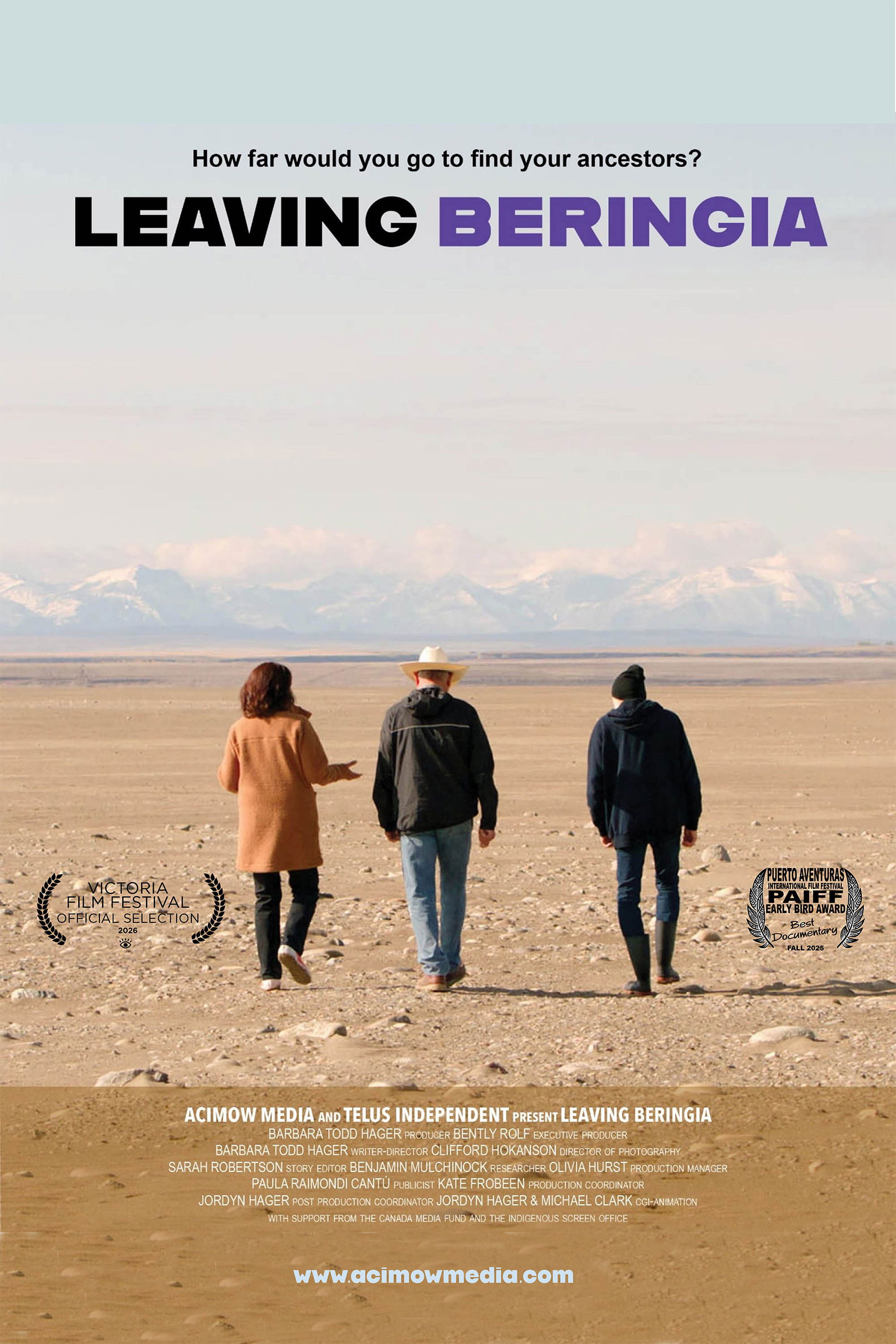
In her search to find the stories of her ancestors' origins, Metis/Cree filmmaker Barbara Todd Hager travels to eight of the oldest Indigenous sites in the Americas to find a connection between origin stories and scientific research.
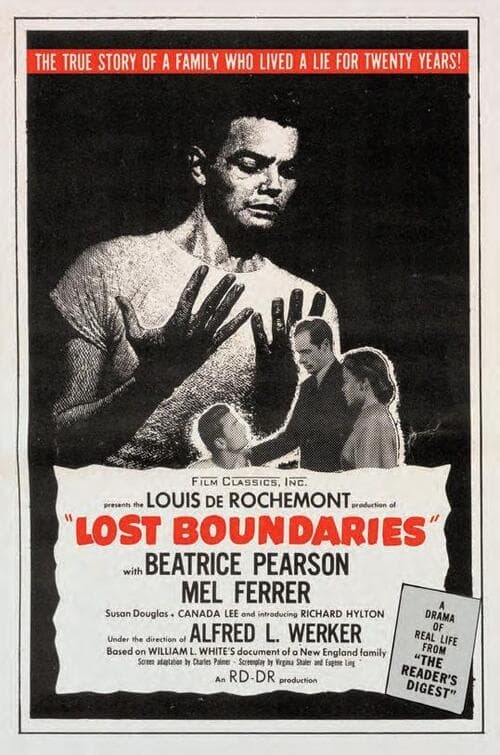
A light-skinned African-American family are "passing" in an all-white New England town. When the truth comes out, the more prejudiced neighbors demand their expulsion from the community.
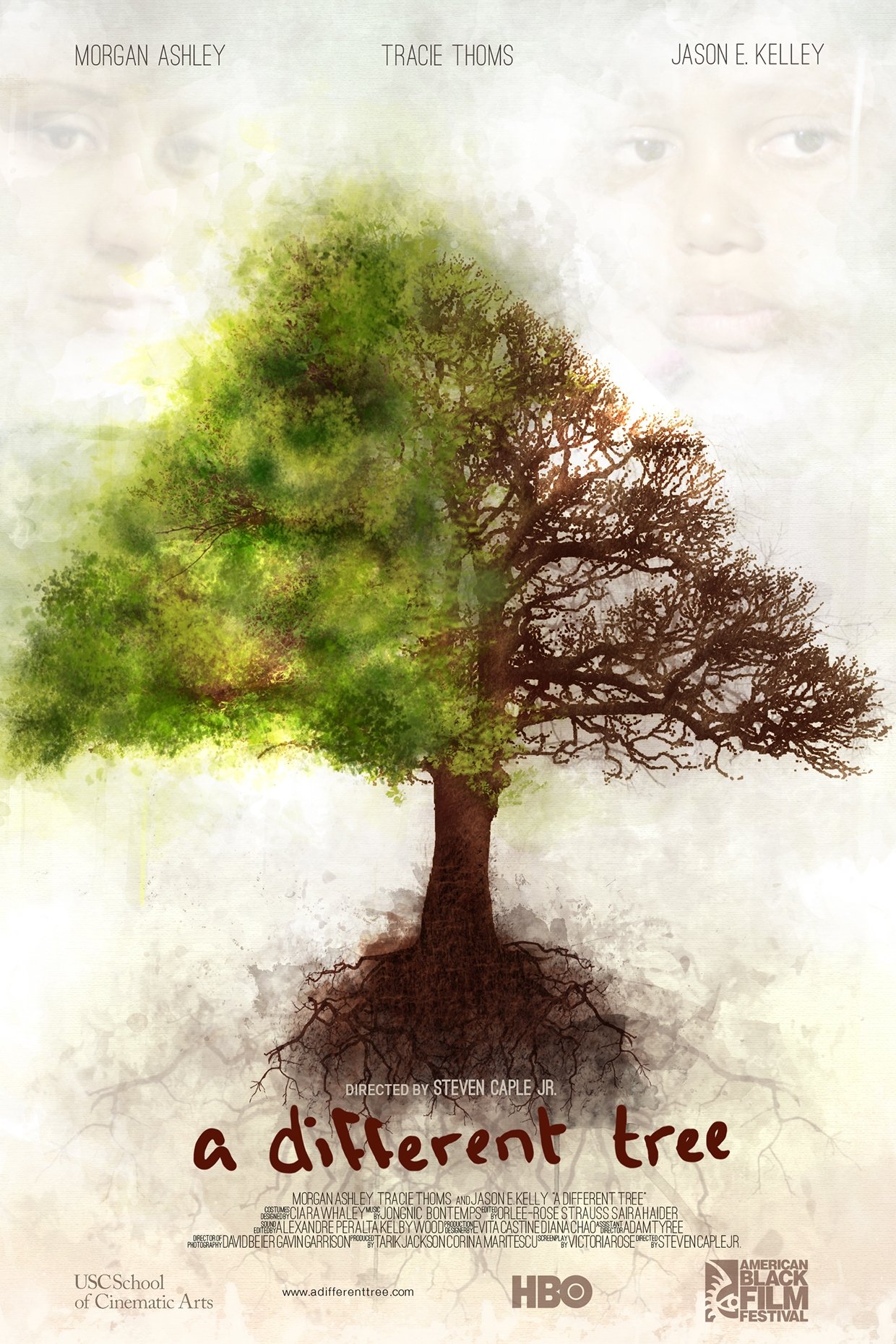
An eight-year-old girl tries to build a relationship with her absent father through a class-assigned family tree.
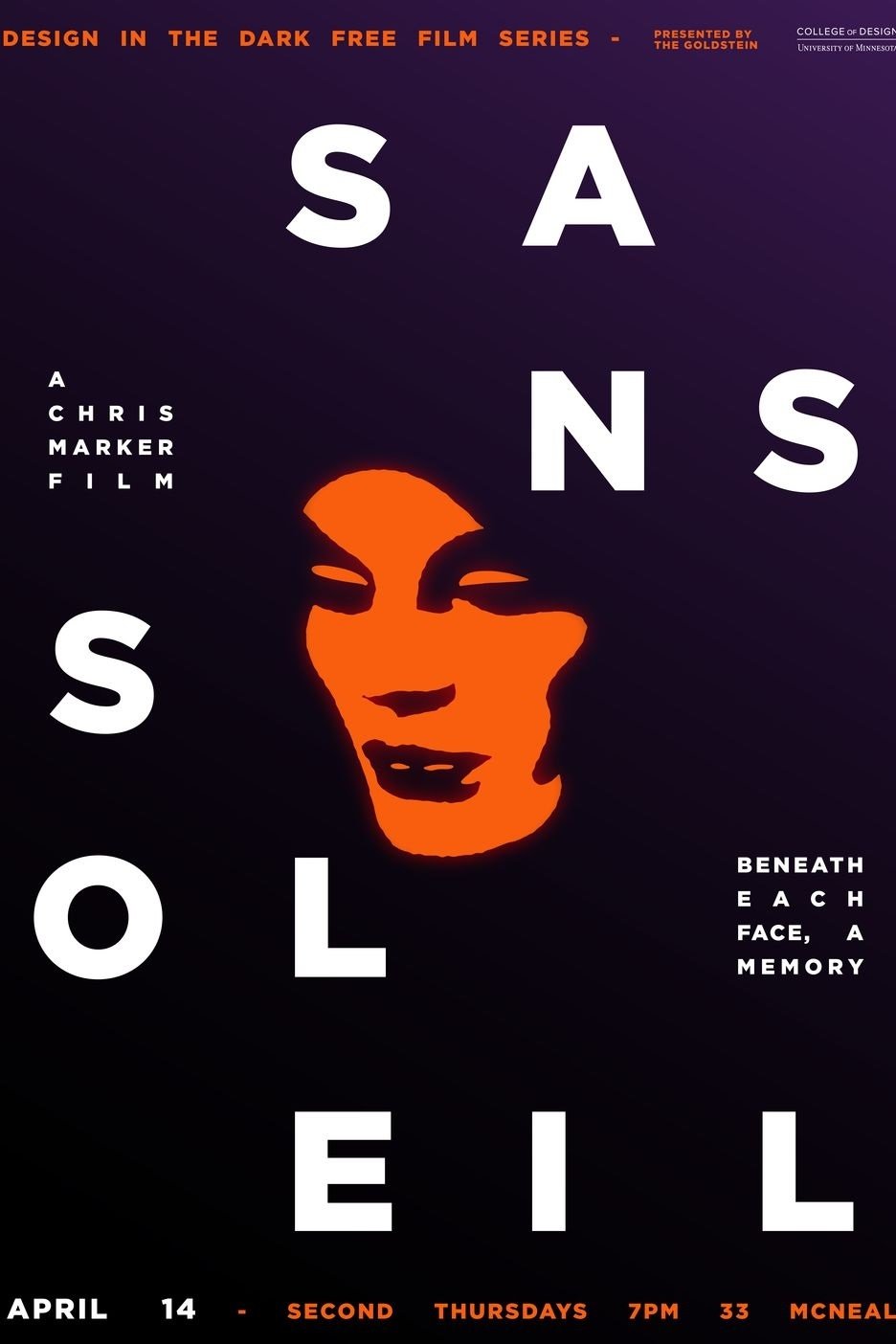
A woman narrates the thoughts of a world traveler, meditations on time and memory expressed in words and images from places as far-flung as Japan, Guinea-Bissau, Iceland, and San Francisco.
Set to a classic Duke Ellington recording "Daybreak Express", this is a five-minute short of the soon-to-be-demolished Third Avenue elevated subway station in New York City.
A young trans man tells his story on a early morning journey to Coney Island.
A portrait of a generation that grew up in the era of the Internet and social networks. “Selfie Generation” are people who do not part with their smartphones and count likes on Instagram every day. Selfies for them are not only a way of life, but also a whole philosophy. The 12 characters in the film reflect on the present and the future. Among them are the famous Internet influencers and bloggers-millionaire "Instagram", representatives of art and show business, as well as promising students and lyceum students.
A detailing of the rise to prominence and global sporting superstardom of six supremely talented young Manchester United football players (David Beckham, Nicky Butt, Ryan Giggs, Paul Scholes, Phil and Gary Neville). The film covers the period 1992-1999, culminating in Manchester United's European Cup triumph.
Through deeply personal interviews with her siblings and an examination of the photographs, letters, and belongings left behind, Mariska assembles a new portrait of her mother Jayne Mansfield, an extraordinary and complex woman.
JB Smoove and Martin Starr host a celebration of 20 years of "Spider-Man" movies, from the Sam Raimi trilogy to Marc Webb's movies and the trio from Jon Watts.
This revealing documentary honors the legendary Sidney Poitier—iconic actor, filmmaker, and civil rights activist. Featuring interviews with Denzel Washington, Spike Lee, Halle Berry, and more.
Canadian actress and filmmaker Sarah Polley investigates certain secrets related to her mother, interviewing a group of family members and friends whose reliability varies depending of their implication in the events, which are remembered in different ways; so a trail of questions remains to be answered, because memory is always changing and the discovery of truth often depends on who is telling the tale.
An inside look at one of the most anticipated movie sequels ever with James Cameron and cast.
Those who knew iconic funnyman John Candy best share his story, in their own words, through never-before-seen archival footage, imagery, and interviews.
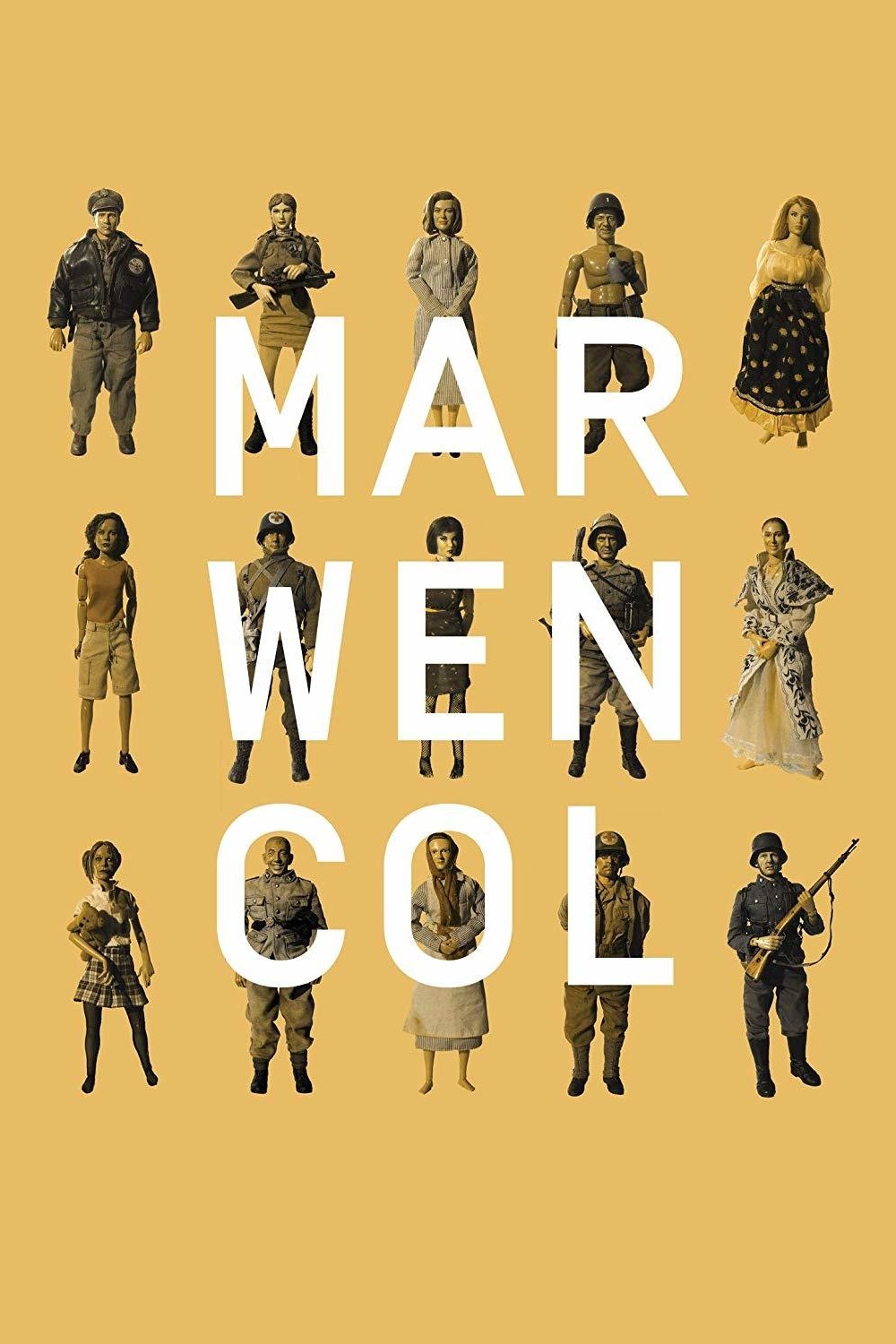
After a vicious attack leaves him brain-damaged and broke, Mark Hogancamp seeks recovery in "Marwencol", a 1/6th scale World War II-era town he creates in his backyard.
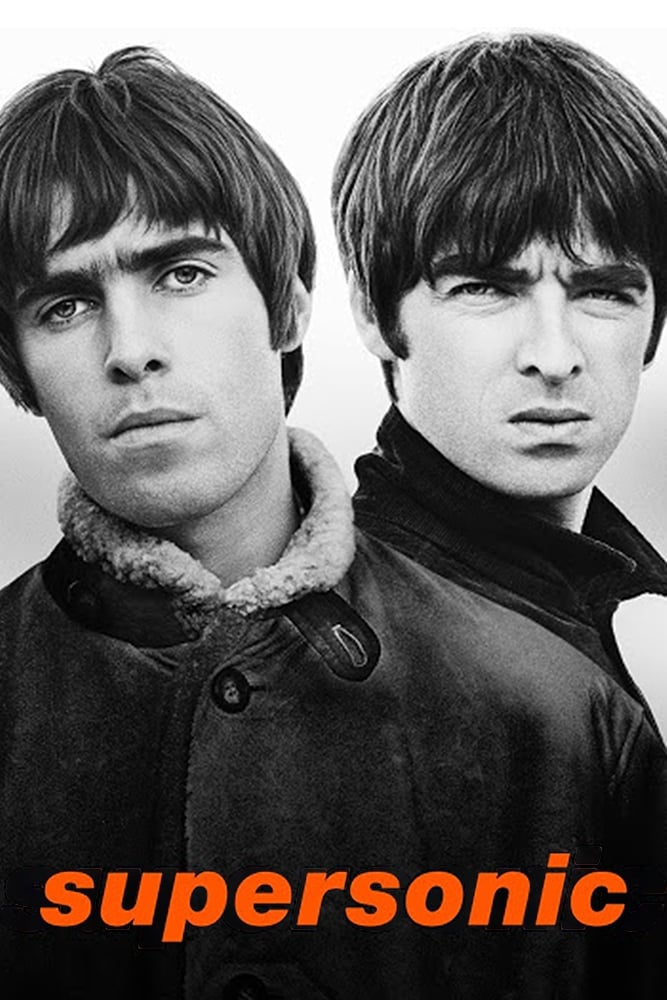
Supersonic charts the meteoric rise of Oasis from the council estates of Manchester to some of the biggest concerts of all time in just three short years. This palpable, raw and moving film shines a light on one of the most genre and generation-defining British bands that has ever existed and features candid new interviews with Noel and Liam Gallagher, their mother, and members of the band and road crew.
A documentary on a former Miss Wyoming who is charged with abducting and imprisoning a young Mormon Missionary.
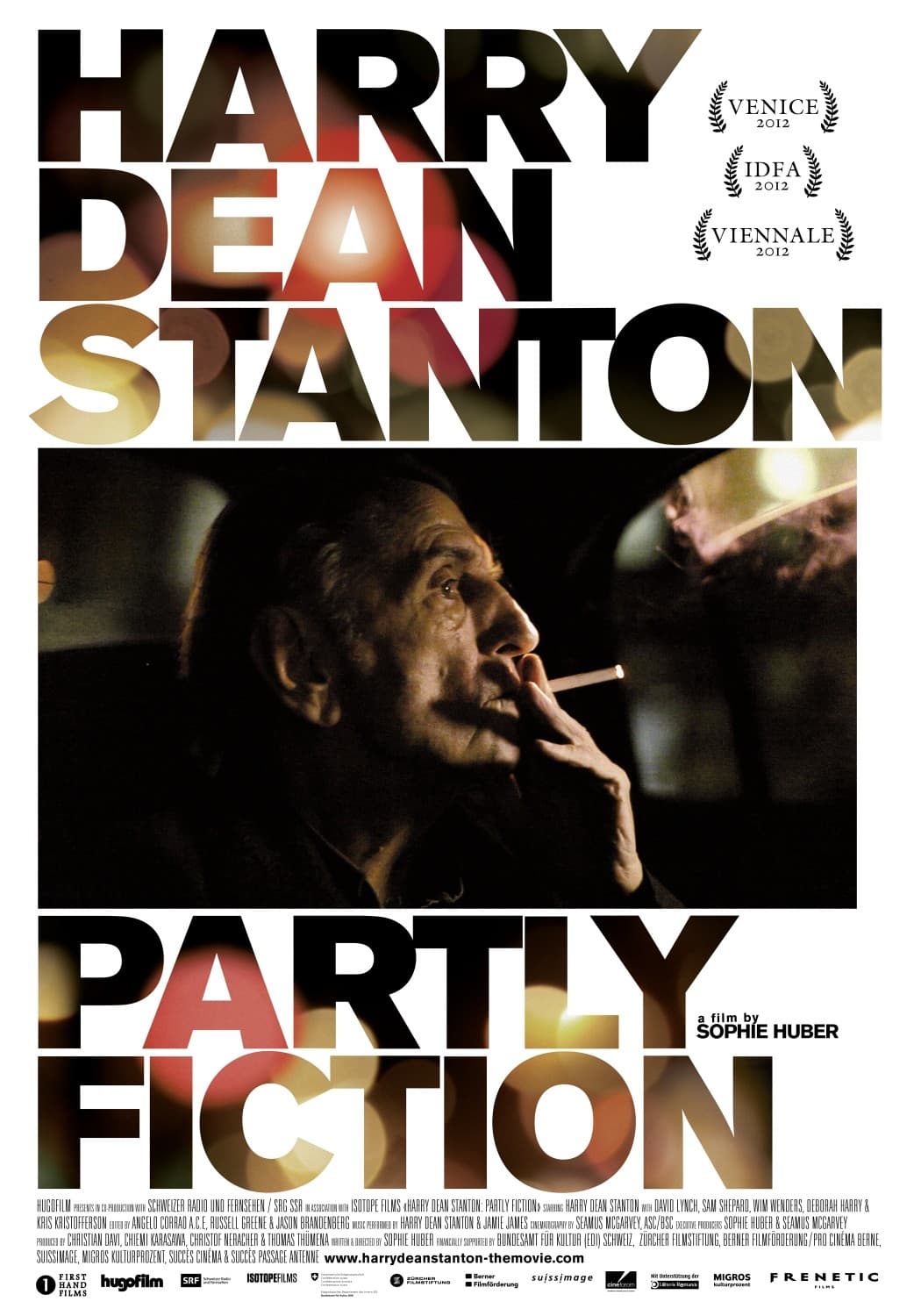
An impressionistic portrait of the iconic actor Harry Dean Stanton comprised of intimate moments, film clips from some of his 250 films and his renditions of American folk songs.
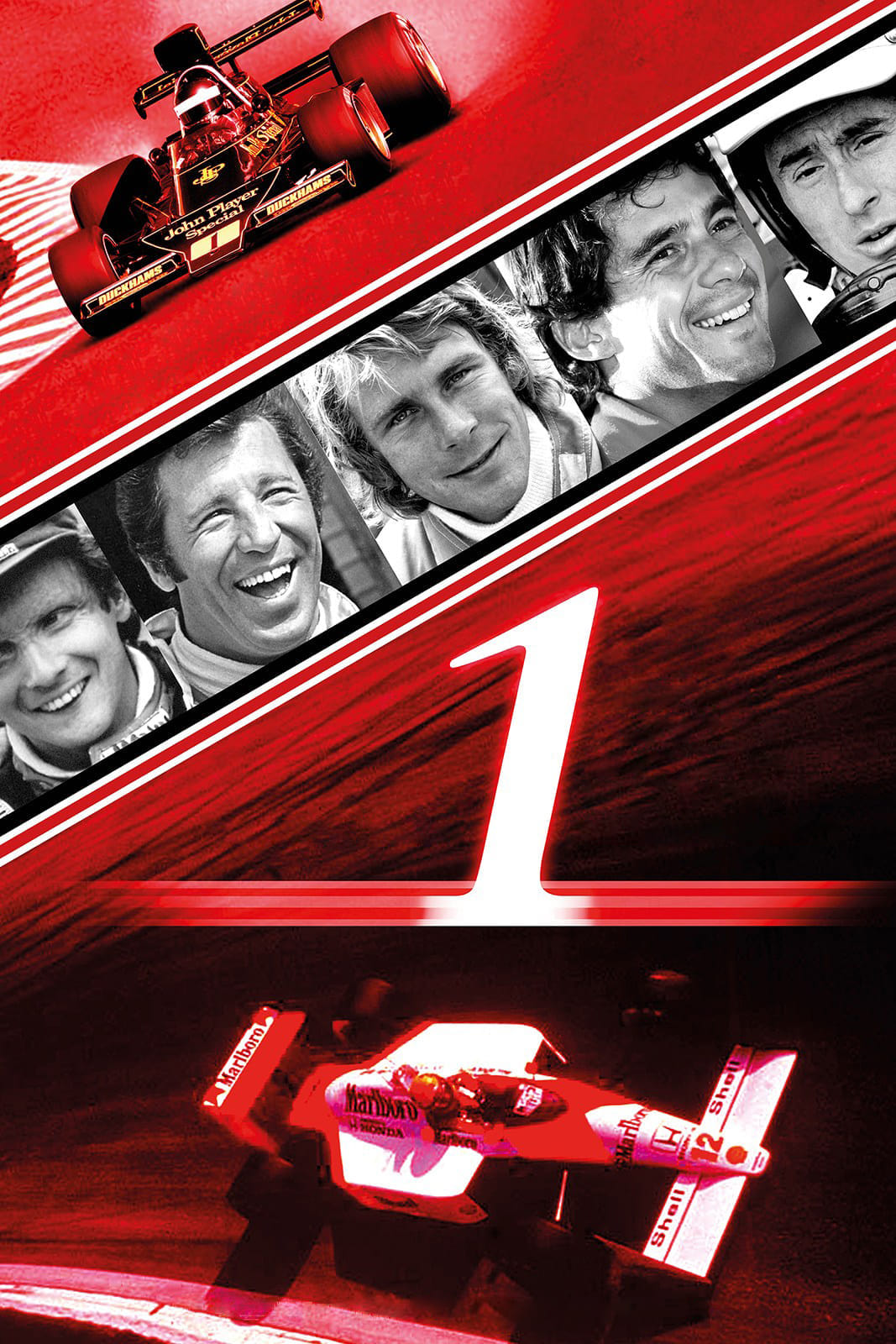
Set in the golden era of Grand Prix Racing '1' tells the story of a generation of charismatic drivers who raced on the edge, risking their lives during Formula 1's deadliest period, and the men who stood up and changed the sport forever.
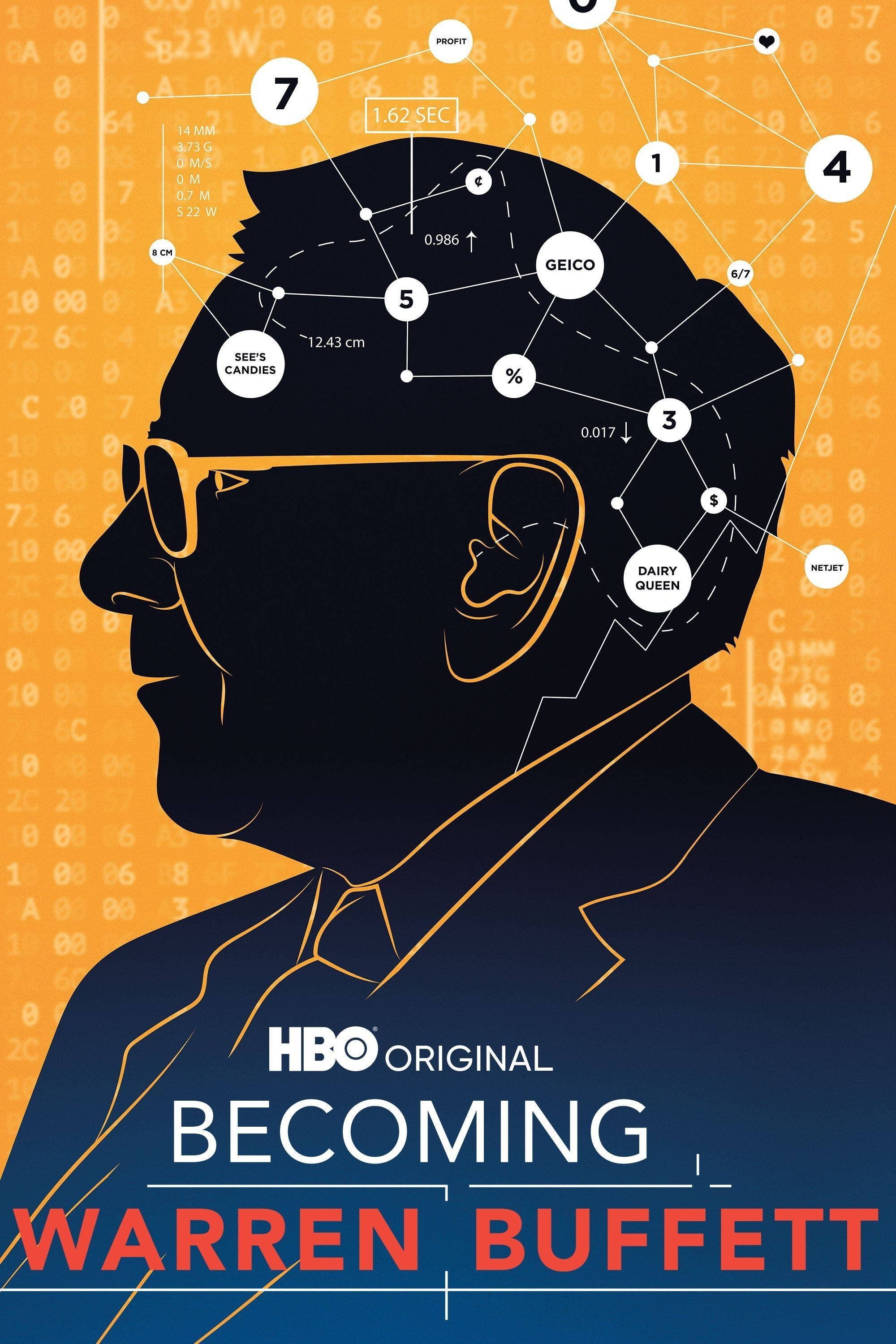
The story of the evolution of a boy from Nebraska who became one of the most respected men in the world, and the heroes who helped guide him along the way. By allowing access to his life and never-before-released home videos, Buffett offers a glimpse into his unique mind to help us understand what is truly important when money no longer has meaning.
Lyrical and powerfully personal essay film that reflects on the deaths of her husband Lou Reed, her mother, her beloved dog, and such diverse subjects as family memories, surveillance, and Buddhist teachings.
Told through performances, TV interviews, home movies, family photographs, private letters and unpublished memoirs, the film reveals the essence of an extraordinary woman who rose from humble beginnings in New York City to become a glamorous international superstar and one of the greatest artists of all time.
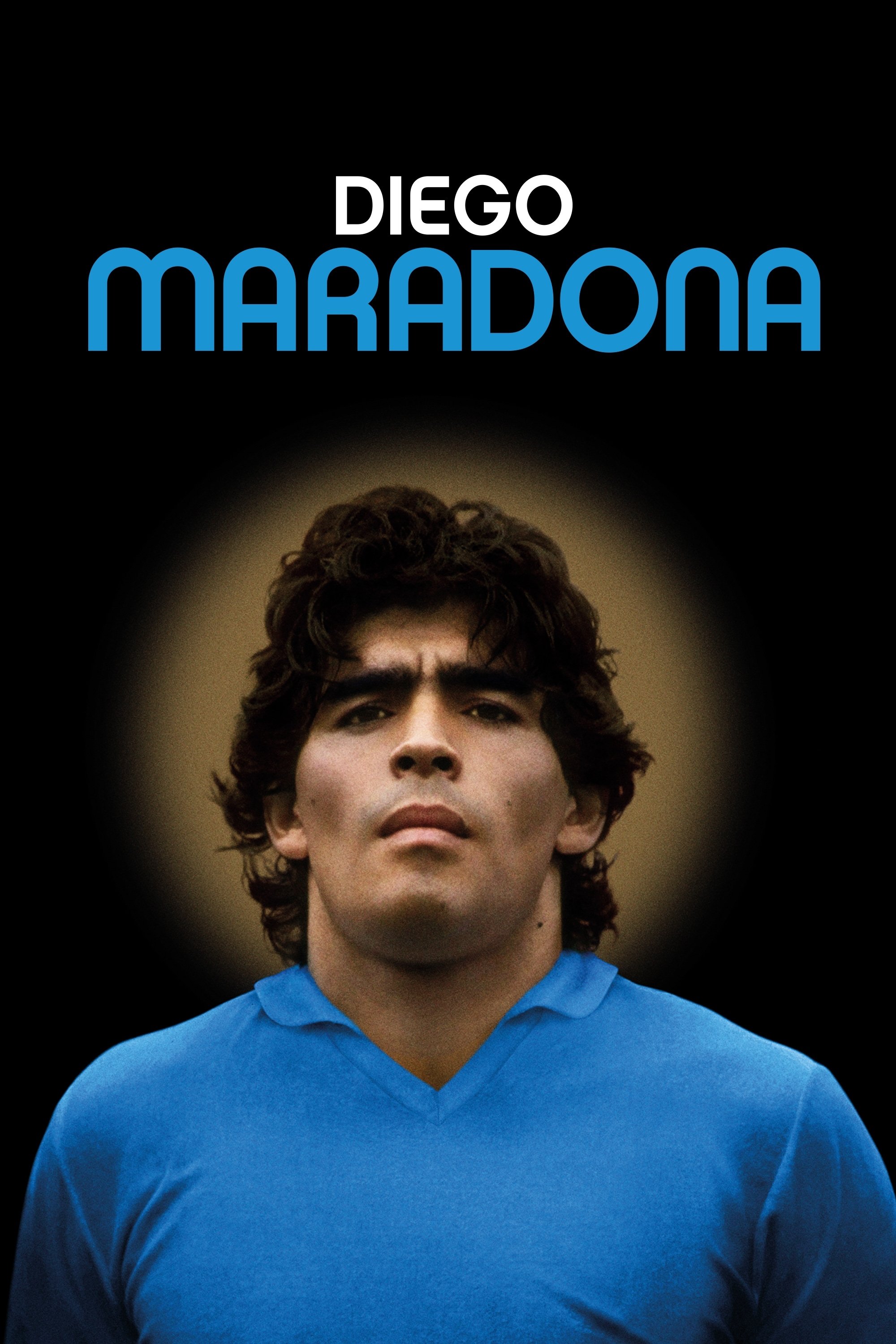
Constructed from over 500 hours of never-before-seen footage, this documentary centers on the personal life and career of the controversial football player Diego Maradona who played for SSC Napoli and Argentina in the 1980s.
Daniel Craig candidly reflects on his 15 year adventure as James Bond. Including never-before-seen archival footage from Casino Royale to the upcoming 25th film No Time To Die, Craig shares his personal memories in conversation with 007 producers, Michael G Wilson and Barbara Broccoli.
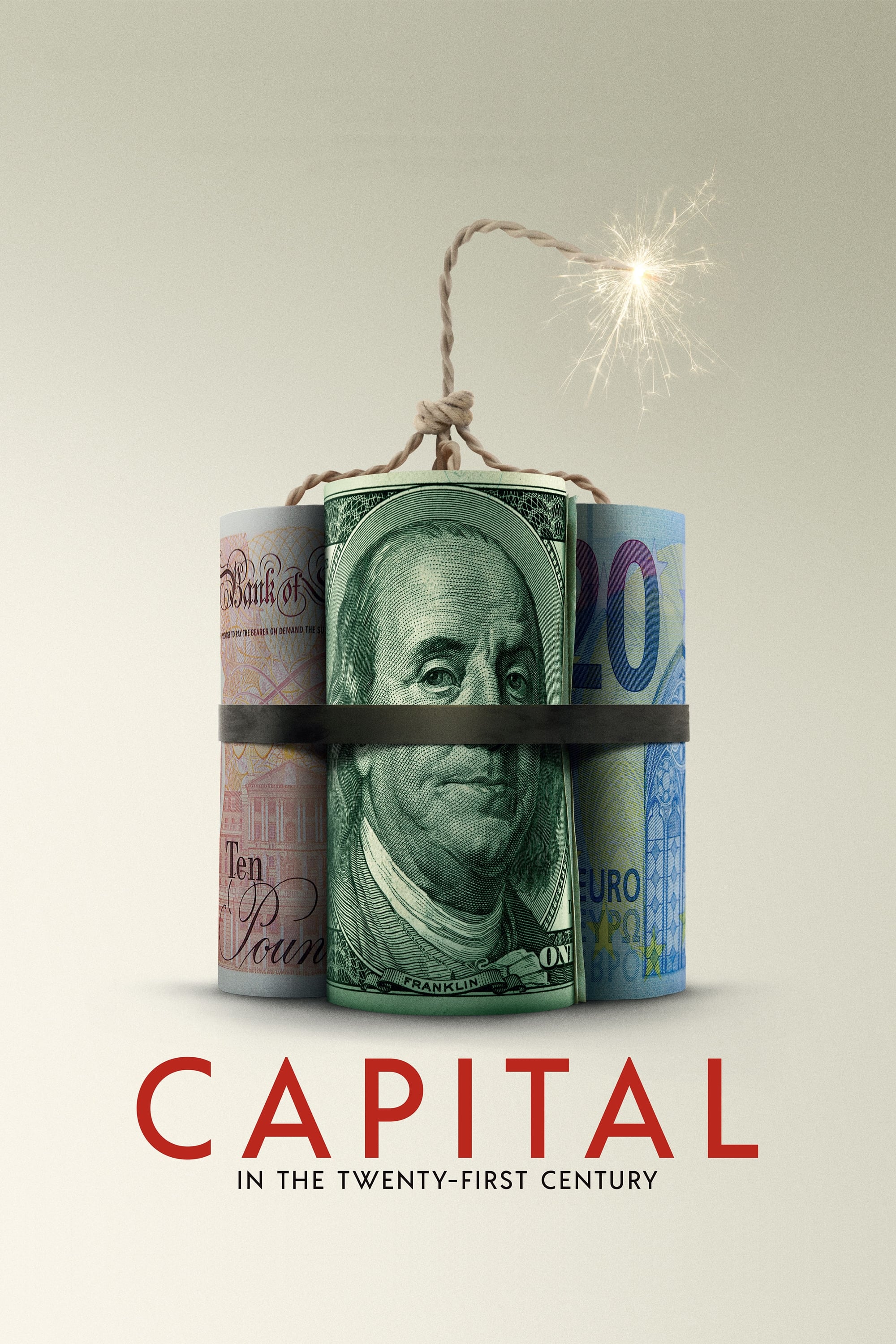
Film adaptation of French economist Thomas Piketty's ground-breaking global bestseller of the same name: an eye-opening journey through wealth and power.
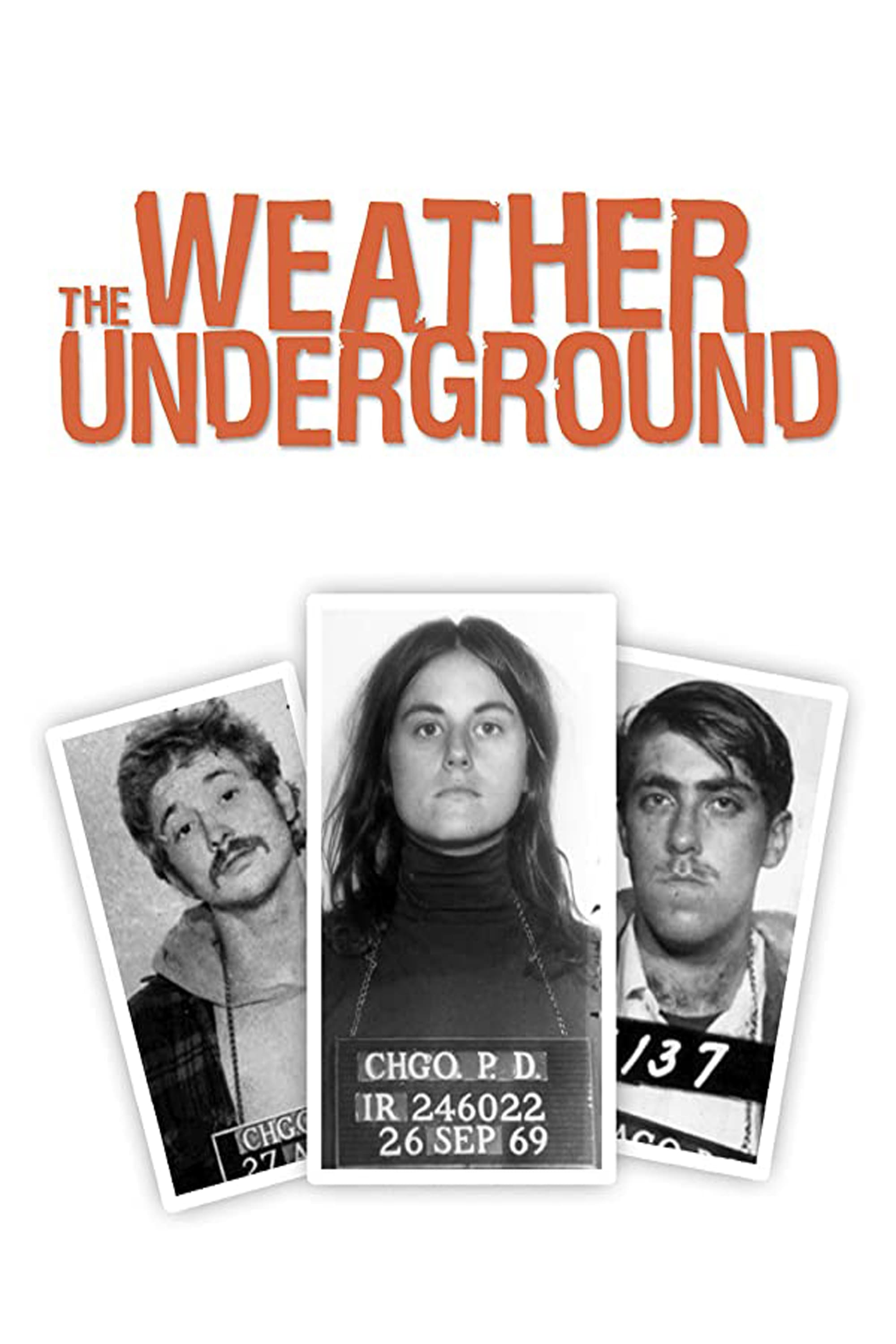
The remarkable story of The Weather Underground, radical activists of the 1970s, and of radical politics at its best and most disastrous.
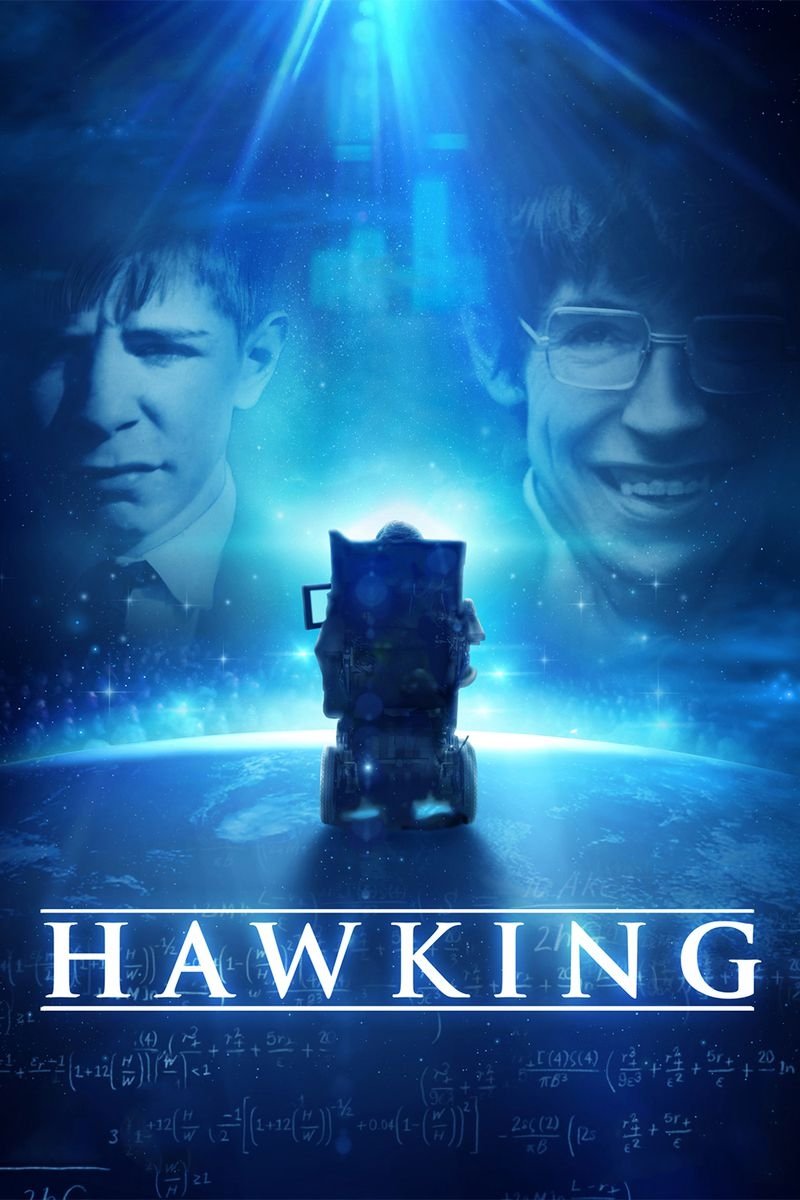
The extraordinary story of the planet’s most famous contemporary scientist, told in his own words and by those closest to him. Made with unique access to Hawking’s private life, this is an intimate and moving journey into Stephen's world, both past and present.