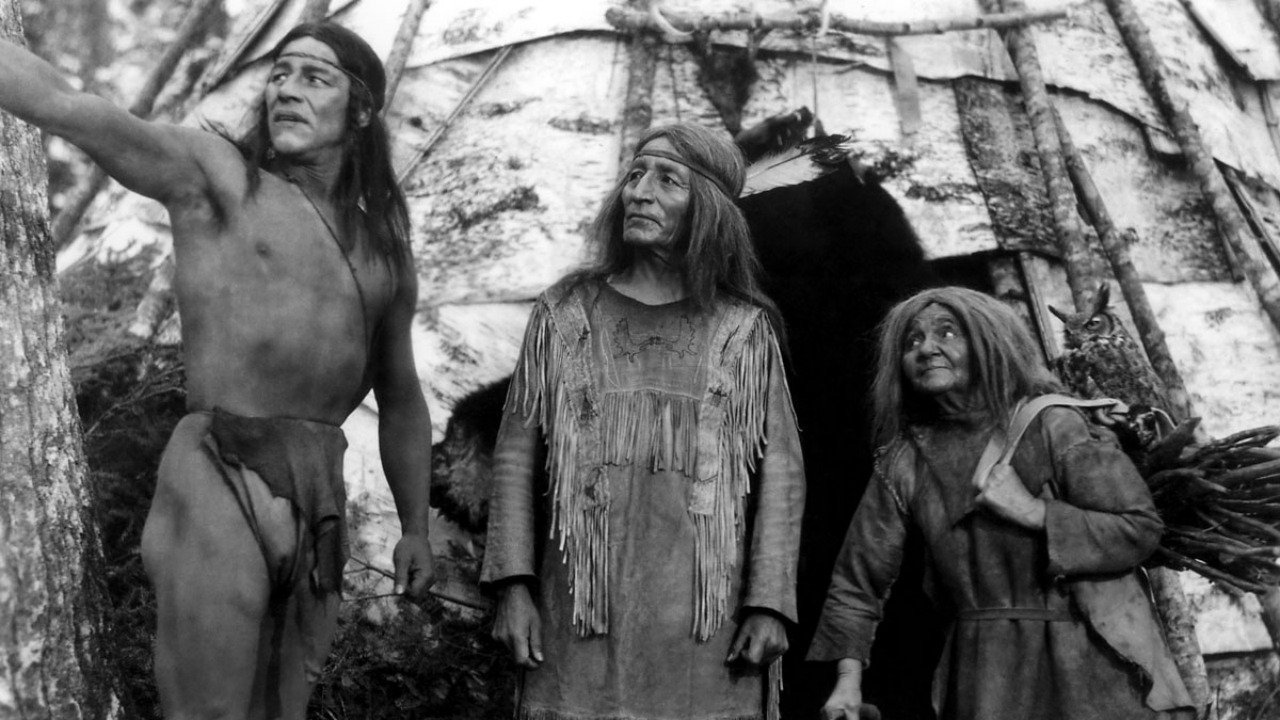
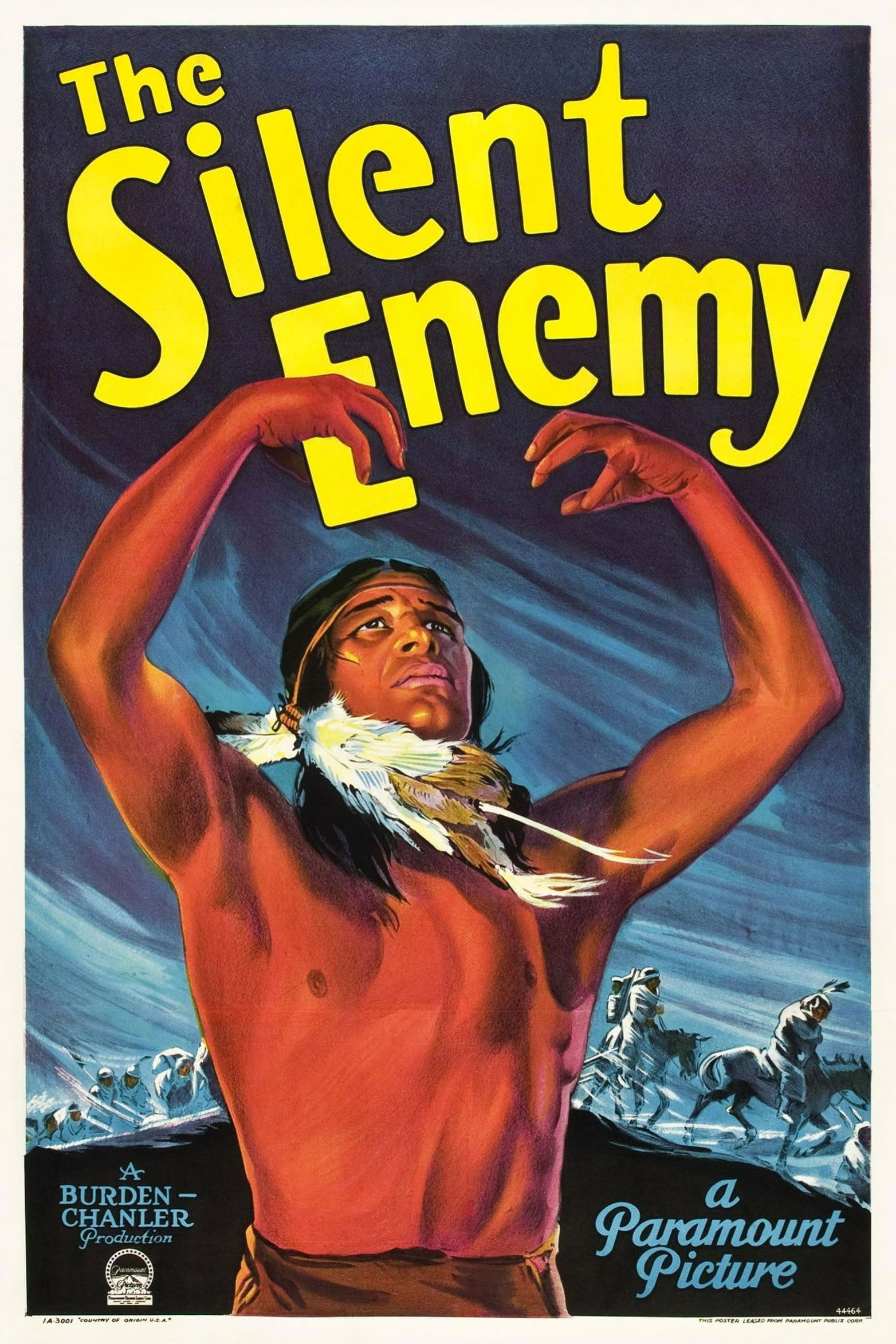
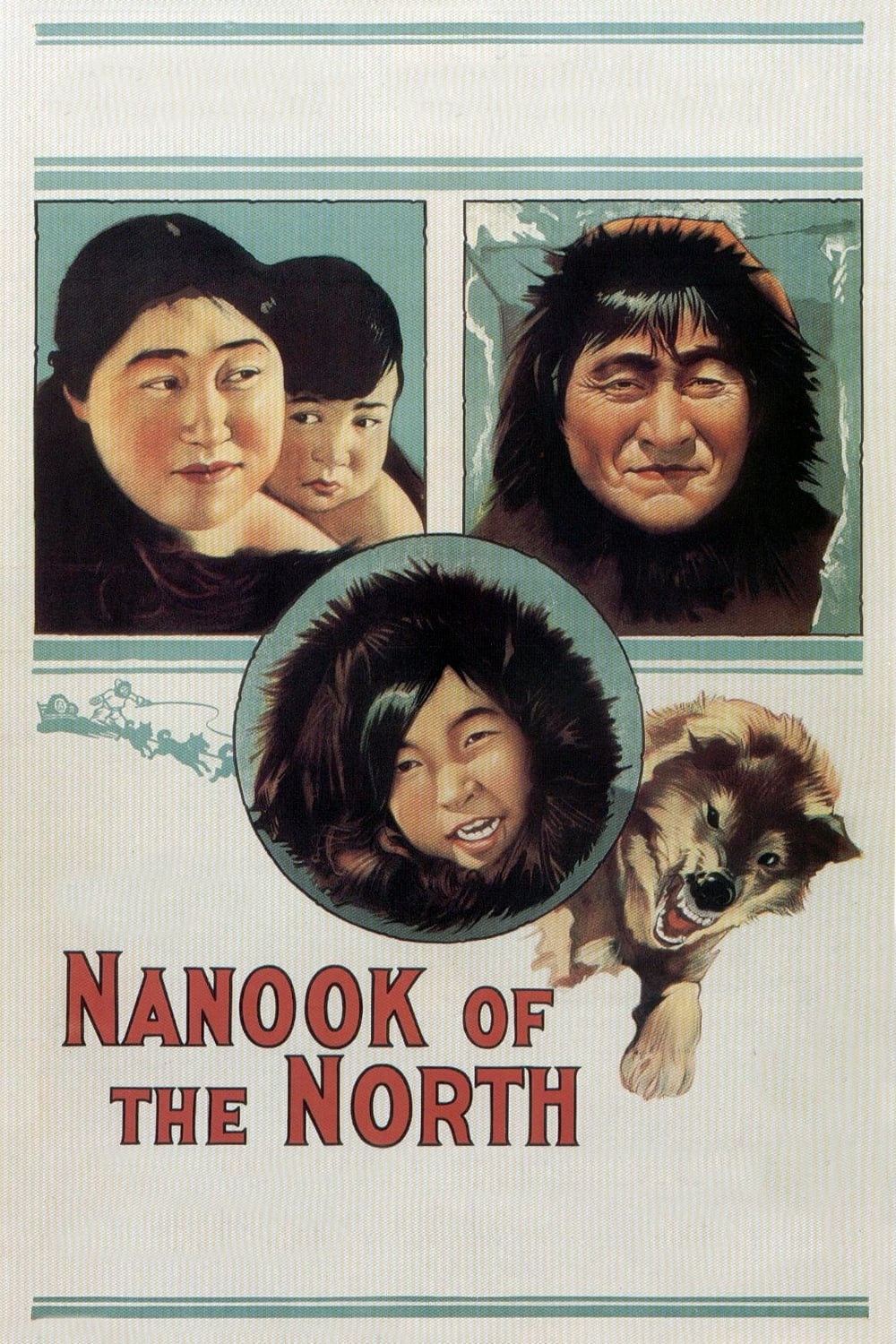
"The epic of the American Indian made in the North Ontario Wilds."
In the Canadian Northwest, the Chippewa tribe struggles to find food before the onset of winter.
Social & External
The people behind it
Chief Yellow Robe
Chetoga, tribe leader
Chief Buffalo Child Long Lance
Baluk, mighty hunter
Chief Akawanush
Dagwan, medicine man
Molly Spotted Elk
Neewa, Chetoga's daughter
Cheeka
Cheeka, Chetoga's son
Mali Spotted Elk
The daughter of a Chinese mandarin is sentenced to death for her secret marriage to an American. Their child, raised in the mandarin's palace, grows up and escapes to seek her father, now a high-ranking official in the Philippines.
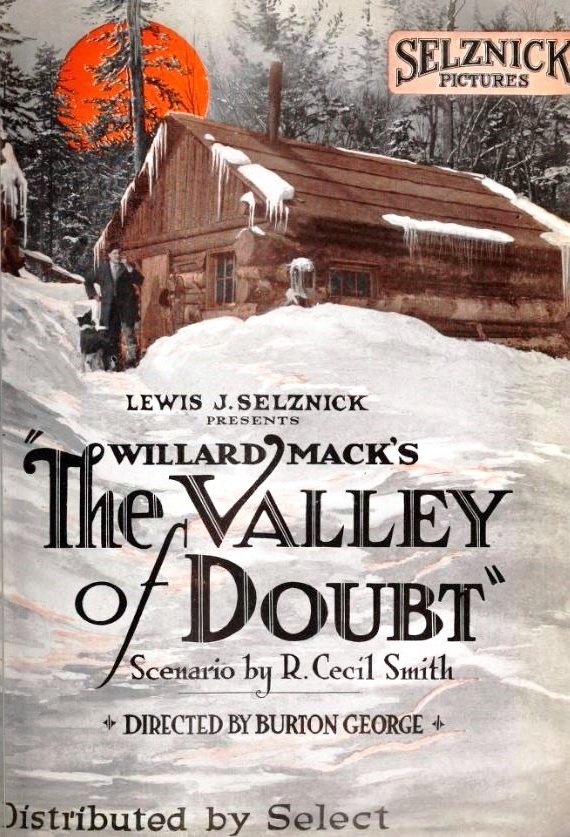
Dissipated youth Tommy Hilgrade is sent to the lumber lands in the Northwest by his father who hopes that hard living will reform his son. Accompanying Tommy is his sister Marion. Upon their arrival in Canada, lumber foreman Jack Macy is attracted to Marion but, unknown to her, he contributes to Tommy's addiction to drink and gambling. When Marion falls in love with French Canadian Jules Bonnivet after he rescues her from a fall through the ice, Macy schemes to destroy their romance by fabricating the story that Jules is responsible for Tommy's downfall.
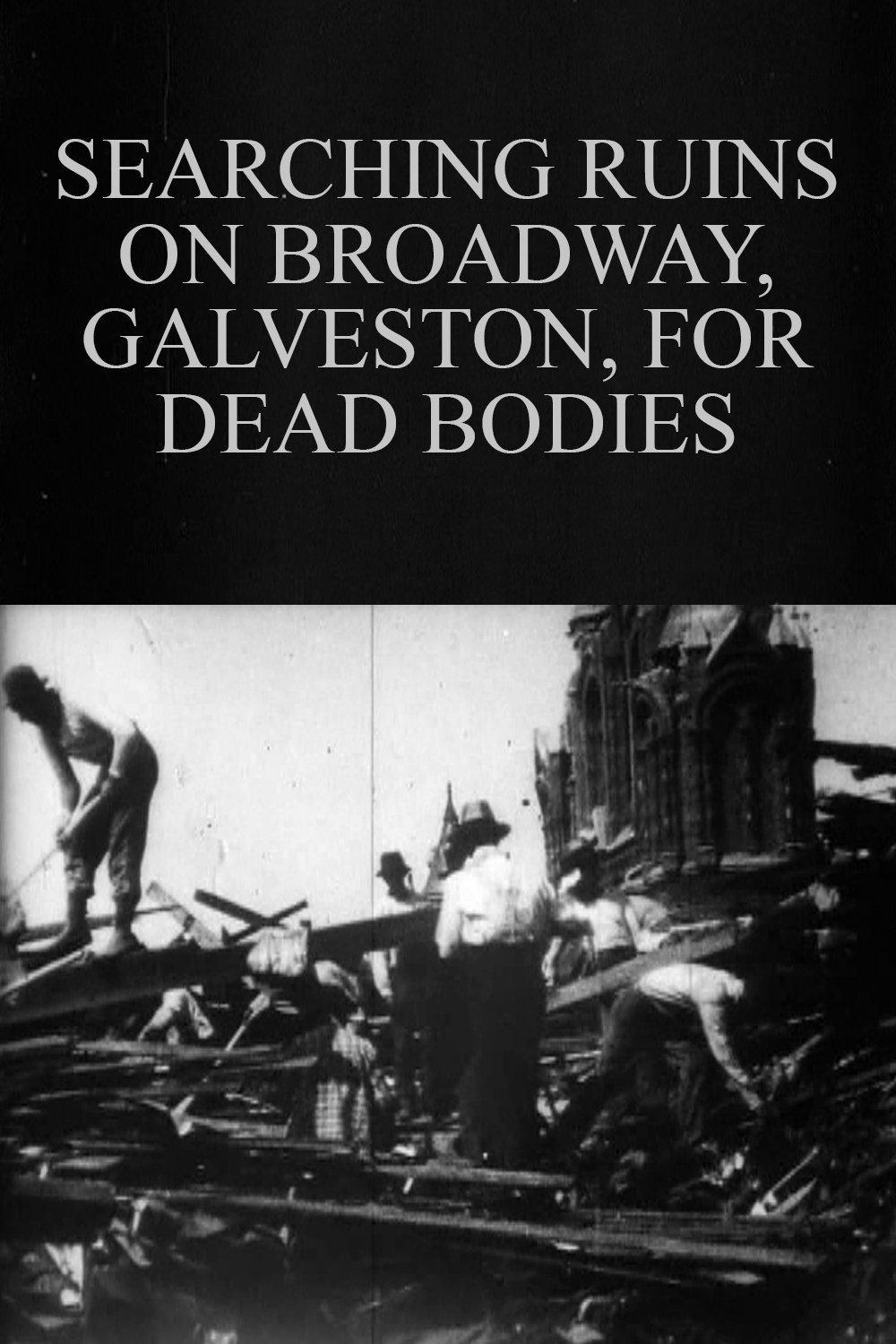
This shows the heart of one of the tremendous drifts in the east end of Galveston. Hundreds of dead bodies are concealed in these immense masses, and at the time the picture was taken the odor given out could be detected for miles. The subject shows a gang of laborers clearing away the debris in the search for corpses, one of which was discovered while the picture was being taken. (Edison film catalog)
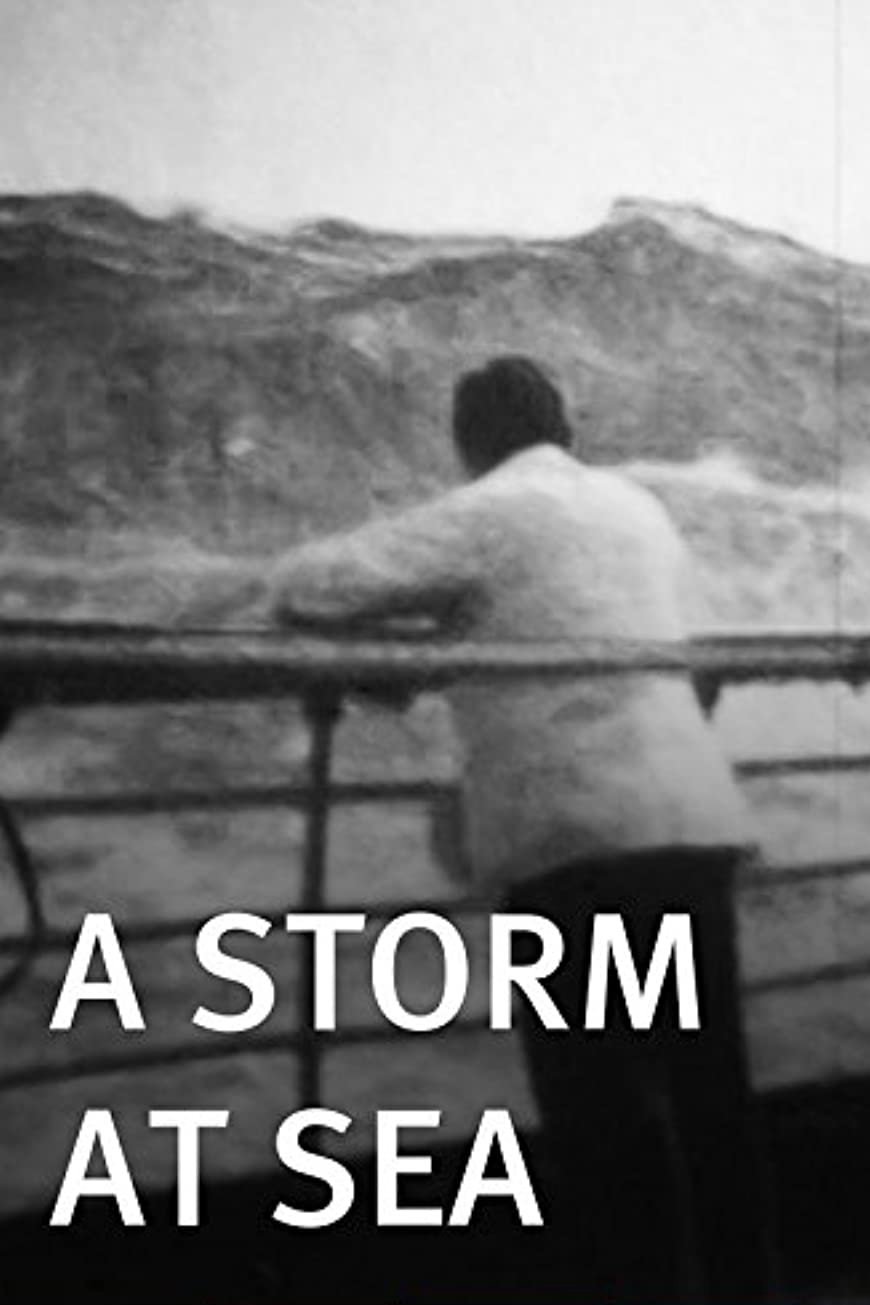
While our photographers were crossing the Atlantic Ocean a most wonderful and sensational picture was secured, showing a storm at sea. The picture was secured by lashing the camera to the after bridge of the Kaiserine Maria Theresa, of the North German Lloyd Line, during one of its roughest voyages. The most wonderful storm picture ever photographed. Taken at great risk. (Edison Films, 1901)
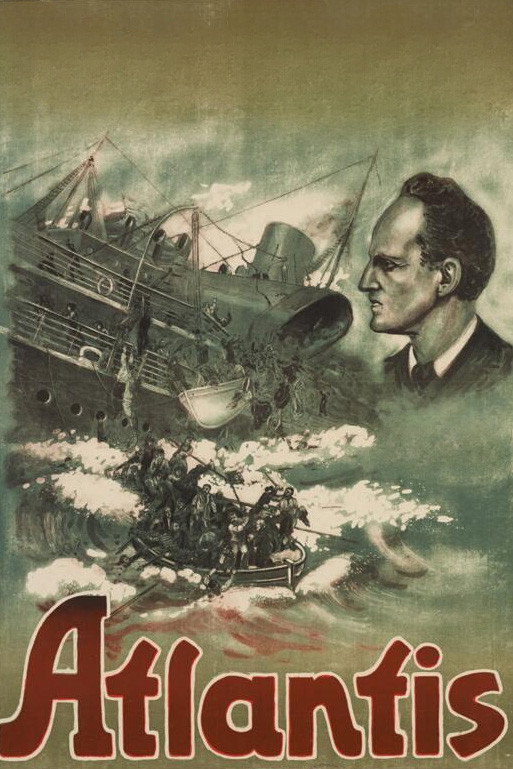
Overwhelmed by personal and professional problems, biologist Friedrich von Kammacher decides to travel abroad in order to regain the joy of living. During his adventurous journey he will meet two very different women, one of whom will be the key to his fate.
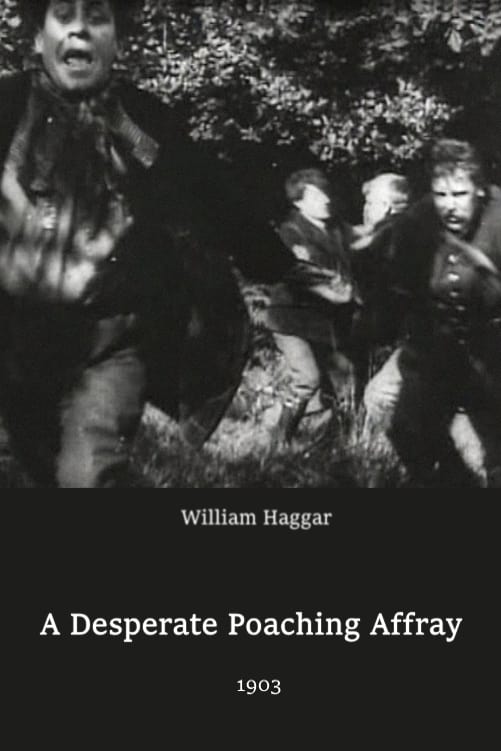
Three hunters surprise two poachers in the act. The hunters take umbrage and give chase over fences and through fields. The hunters fire away, but the poachers have guns as well, and a fight ensues with casualties for the hunters. Two cops appear and so do dogs as the chase continues. Will the poachers escape, or will they, like the game they were after, be trapped?
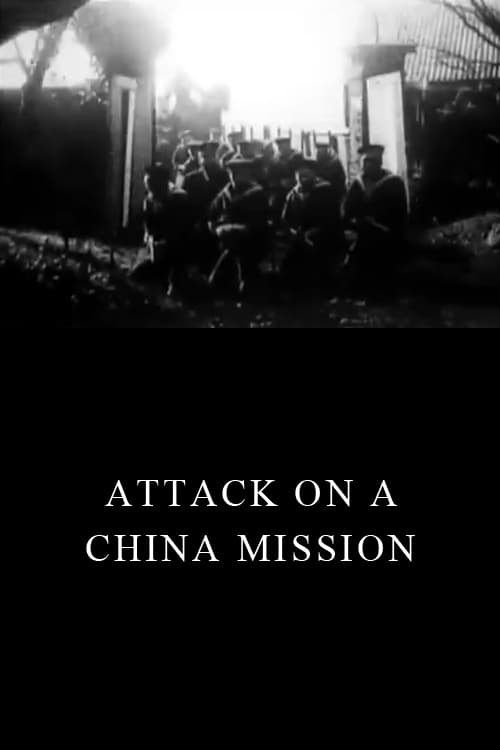
The titles tell us this film is based on an incident in the Boxer Rebellion. A man tries to defend a woman and a large house against Chinese attackers. They attack with swords, guns, and paddles. He's over-matched. What will become of the mission, its defenders, and its occupants?
At the urging of his sweetheart, Rosemary Smith, a man (William Fairbanks) leaves his soft job in the east and goes west to settle a dispute over oil lands owned by Rosemary's father. This man evicts the wrong party and later must return west in order to set things right, protecting the honor of a girl from the advances of the crooked foreman.
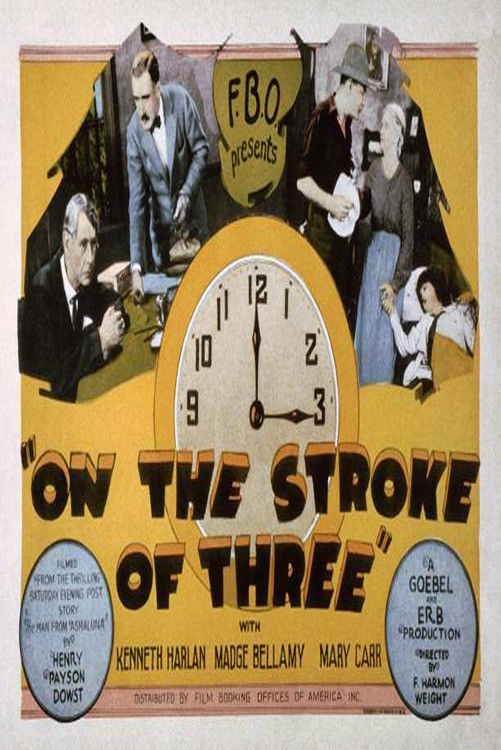
Lafayette Jordan (Davis), financier, plans to inundate Caribou Canyon and turn it into a reservoir, but the villagers will not sell him their land. Among the resentful villagers is Judson Forrest (Harlan), who wants to be an inventor. Mary Jordan (Bellamy), daughter of the financier, is hurt and spends a night at his home. Learning of his attitude toward her father, she poses as a domestic at the Jordan home. Later, in New York, Judson looks her up. He is trying to sell his invention and, to get funds, he mortgages his home. The village banker, in league with Jordan, sells the financier the mortgage, and a foreclosure threatens when Jordan's business agent Henry Mogridge (Miljan) double-crosses Judson. The youth thinks Mary working against him. Friends come to Judson's aid and he pays off the mortgage in the nick of time. He learns that Jordan knew nothing of the methods employed by his agent and that Mary loves him.
Joe Ryan, a veteran train engineer, is demoted to a flagman position after a disastrous crash-- one caused by his cowardly and opportunistic partner. Though Ryan's failing eyesight is named as the cause of the crash, he's undeterred as he designs an automatic braking invention.
A film by Louis Aimé Augustin Le Prince, shot in late October 1888, showing pedestrians and carriages crossing Leeds Bridge.
The timid youngest son of the most important family in town must use his wits to win the respect of his strong father and the love of a beautiful new woman in town.
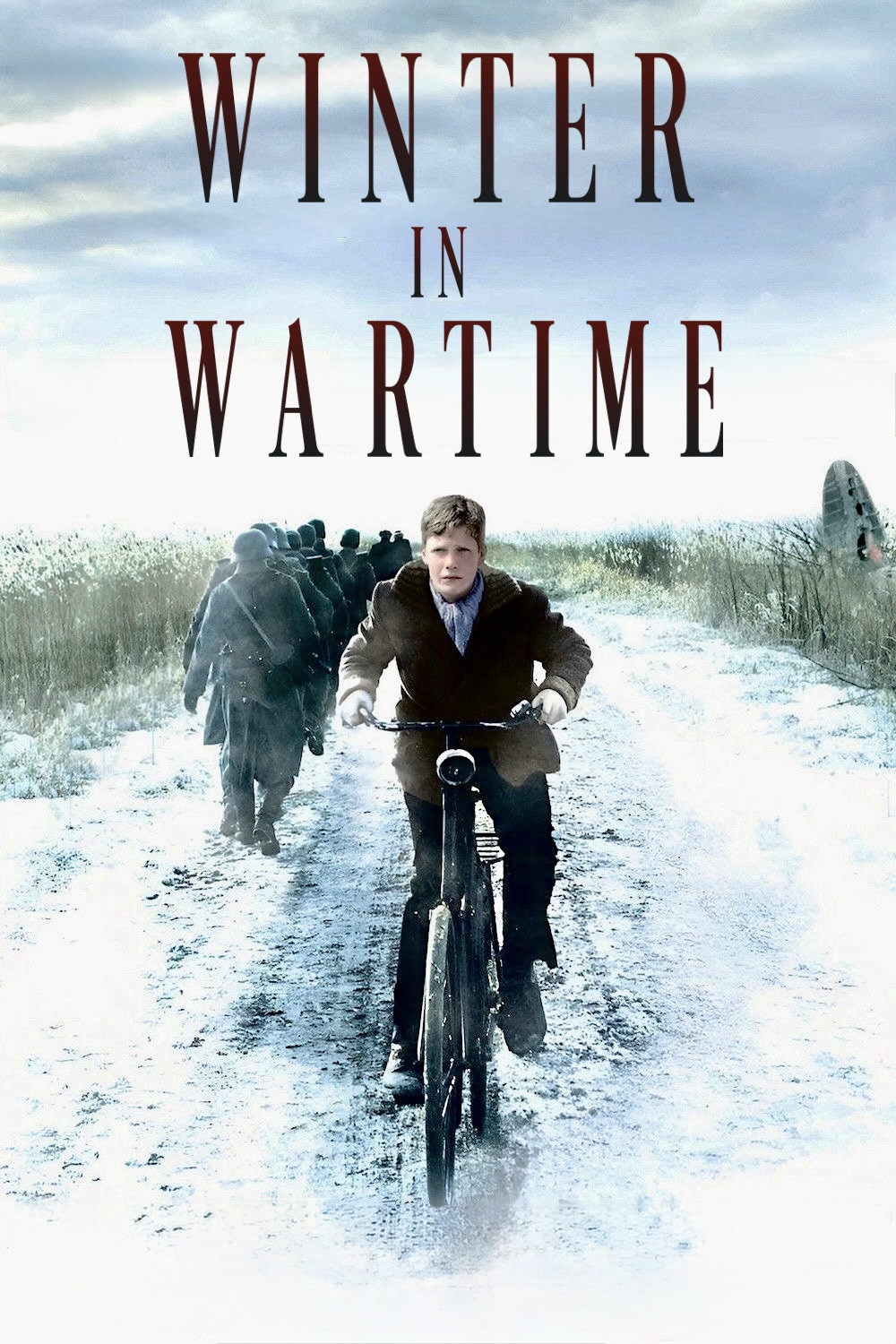
During World War II in the freezing winter of 1944-45 the western Netherlands are in the grip of a famine. Many people move east to provide for their families. Fourteen year old Michiel can't wait to join the Dutch resistance, to the dismay of his father, who, as mayor, works to prevent escalations in the village.
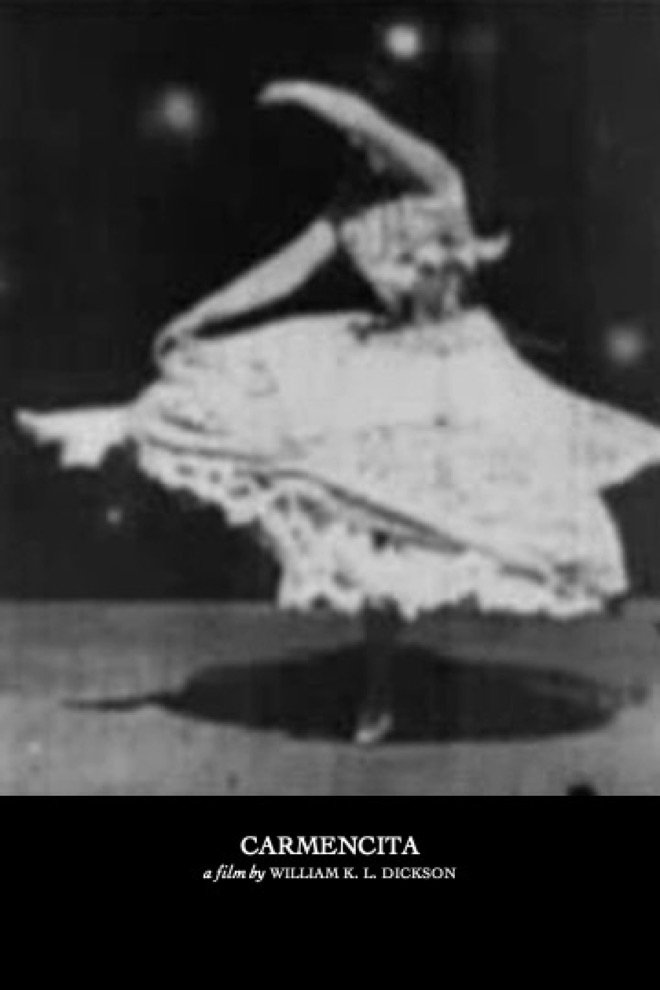
The first woman to appear in front of an Edison motion picture camera and possibly the first woman to appear in a motion picture within the United States. In the film, Carmencita is recorded going through a routine she had been performing at Koster & Bial's in New York since February 1890.
An upper class melodrama.
Due to an unfortunate mistake with laboratory samples, a young husband is diagnosed as suffering from the terrible disease of leprosy. In his distress he decides to leave home.
Surfing at Waikiki Beach, Hawaii, on the island of Oahu. Most surfers are human, one is a dog. The educational documentary is part of the Bruce Scenic Novelties series.
This pioneering documentary film depicts the lives of the indigenous Inuit people of Canada's northern Quebec region. Although the production contains some fictional elements, it vividly shows how its resourceful subjects survive in such a harsh climate, revealing how they construct their igloo homes and find food by hunting and fishing. The film also captures the beautiful, if unforgiving, frozen landscape of the Great White North, far removed from conventional civilization.
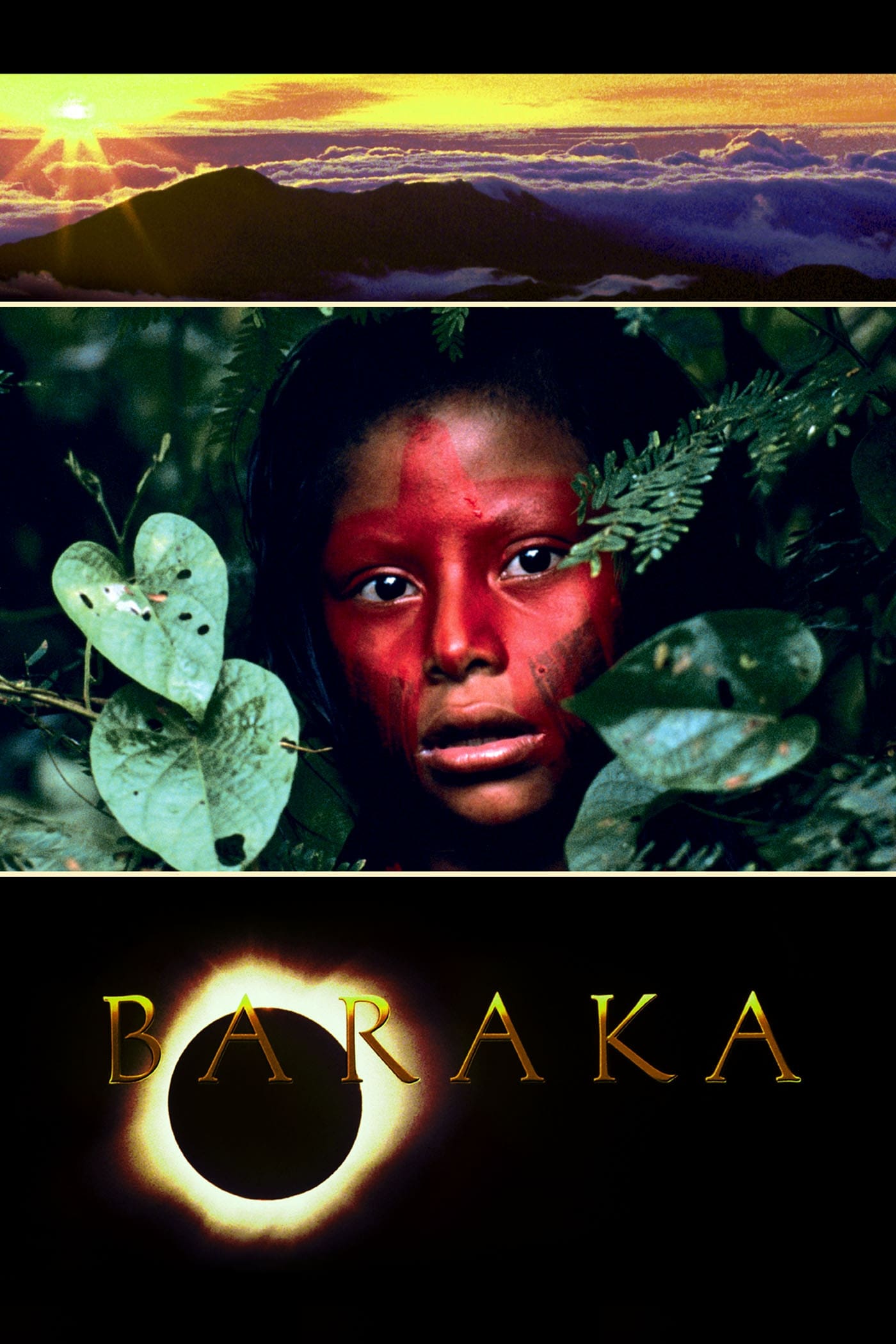
A paralysingly beautiful documentary with a global vision—an odyssey through landscape and time—that attempts to capture the essence of life.
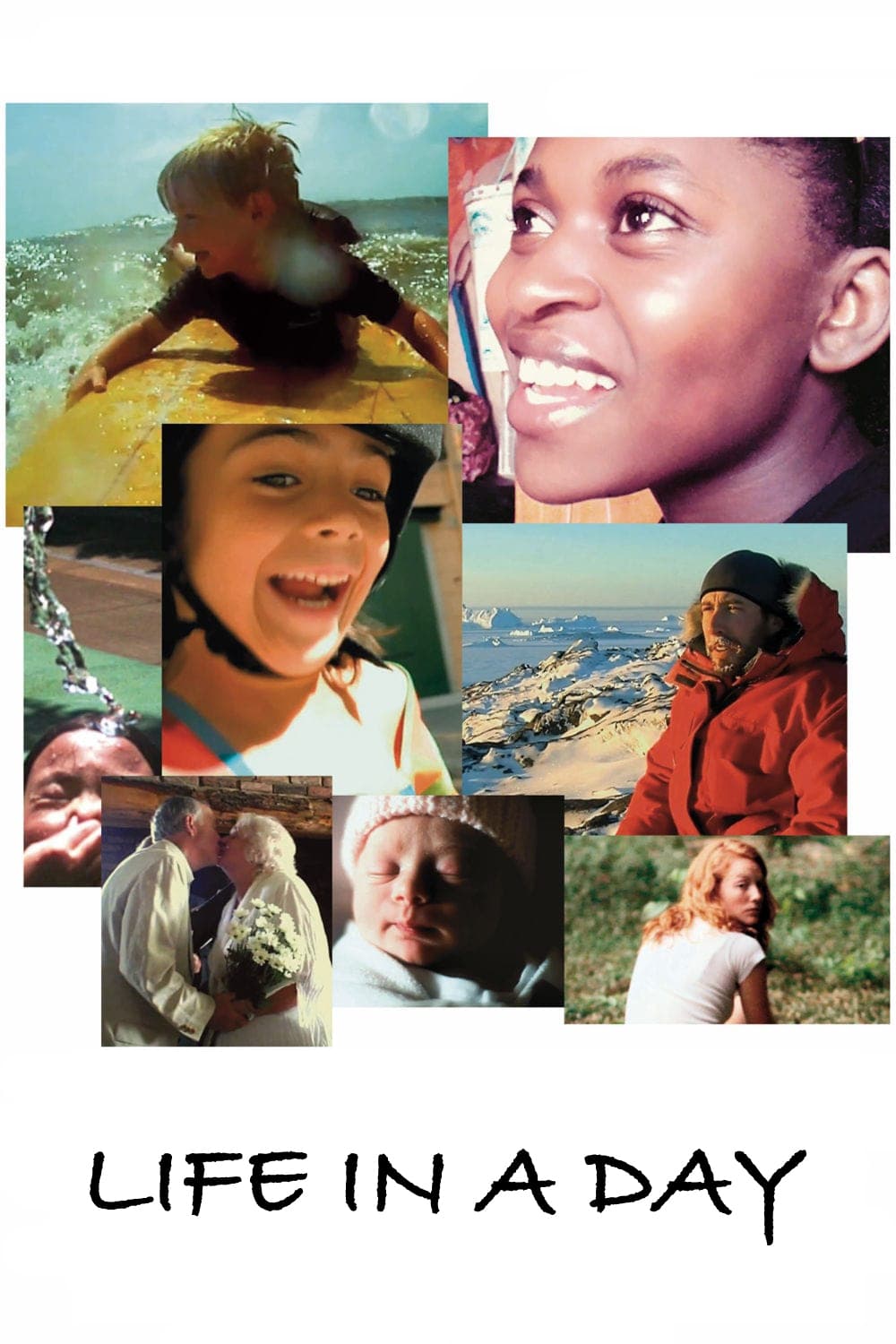
A documentary shot by filmmakers all over the world that serves as a time capsule to show future generations what it was like to be alive on the 24th of July, 2010.
Grammy® winner singer-songwriter Olivia Rodrigo takes a familiar road trip from Salt Lake City, where she began writing her debut album “SOUR,” to Los Angeles. Along the way, Rodrigo recounts the memories of writing and creating her record-breaking debut album and shares her feelings as a young woman navigating a specific time in her life. Through new live arrangements of her songs, intimate interviews and never-before-seen footage from the making of the album, audiences will follow Olivia along on a cinematic journey exploring the story of “SOUR.”
A new mother’s memories of her own youth prepare her to navigate motherhood in the increasingly challenging world that polar bears face today.
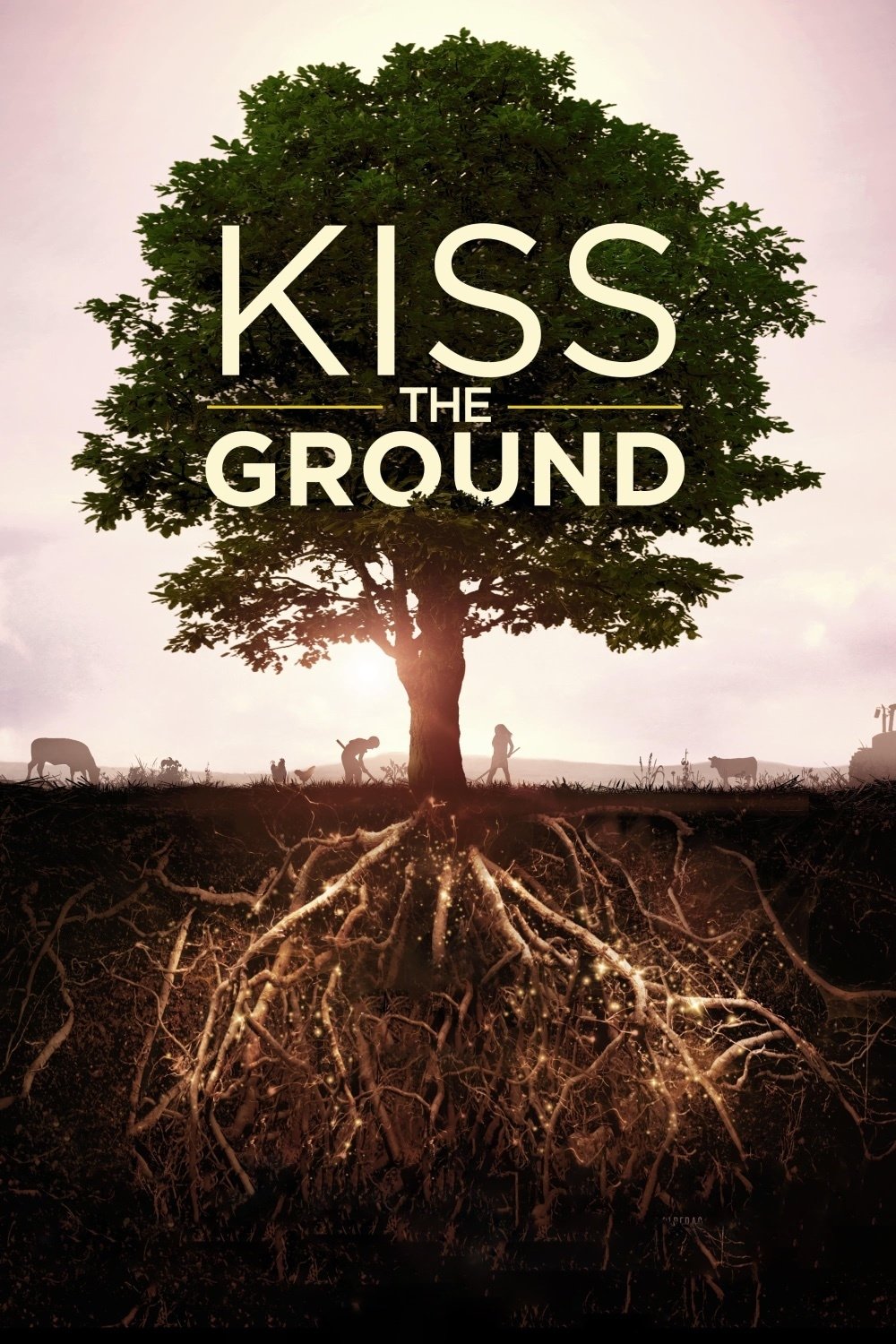
Sheds light on an alternative approach to farming called “regenerative agriculture” that could balance our climate, replenish our vast water supplies, and feed the world.
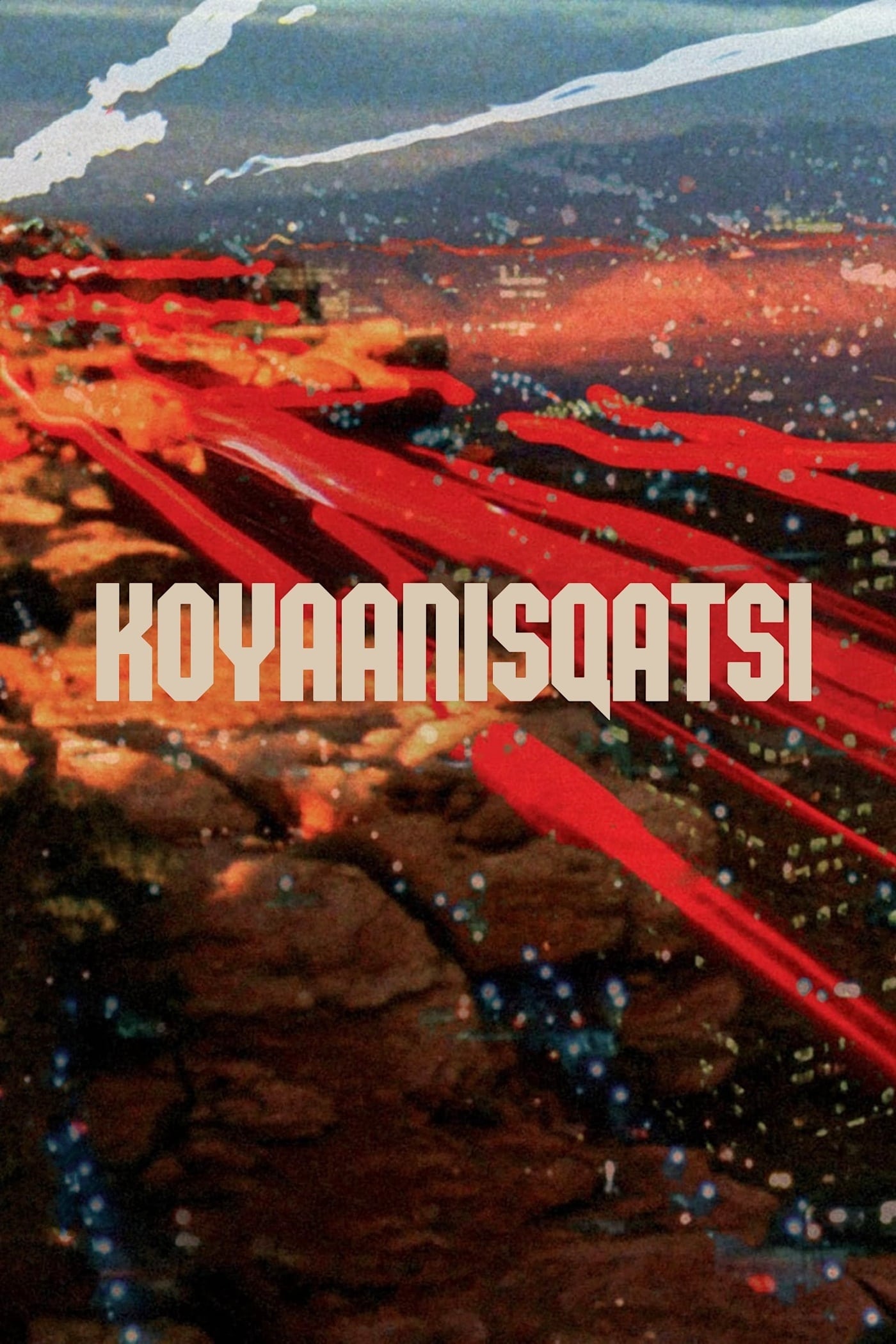
Takes us to locations all around the US and shows us the heavy toll that modern technology is having on humans and the earth. The visual tone poem contains neither dialogue nor a vocalized narration: its tone is set by the juxtaposition of images and the exceptional music by Philip Glass.
Captured during Billie Eilish's sold-out world tour, a concert experience from one of the most celebrated and successful artists of her generation, presented in immersive 3D.
A visual montage portrait of our contemporary world dominated by globalized technology and violence.
Ten Minutes Older is a 2002 film project consisting of two compilation feature films entitled The Trumpet and The Cello. The project was conceived by the producer Nicolas McClintock as a reflection on the theme of time at the turn of the Millennium. Fifteen celebrated film-makers were invited to create their own vision of what time means in ten minutes of film.
Filmed at the end of the tour in Vancouver, B.C., with the entire Tortured Poets Department set.
The Captains is a feature-length documentary film written and directed by William Shatner. The film follows Shatner as he interviews the other actors who have portrayed starship captains in the Star Trek franchise.
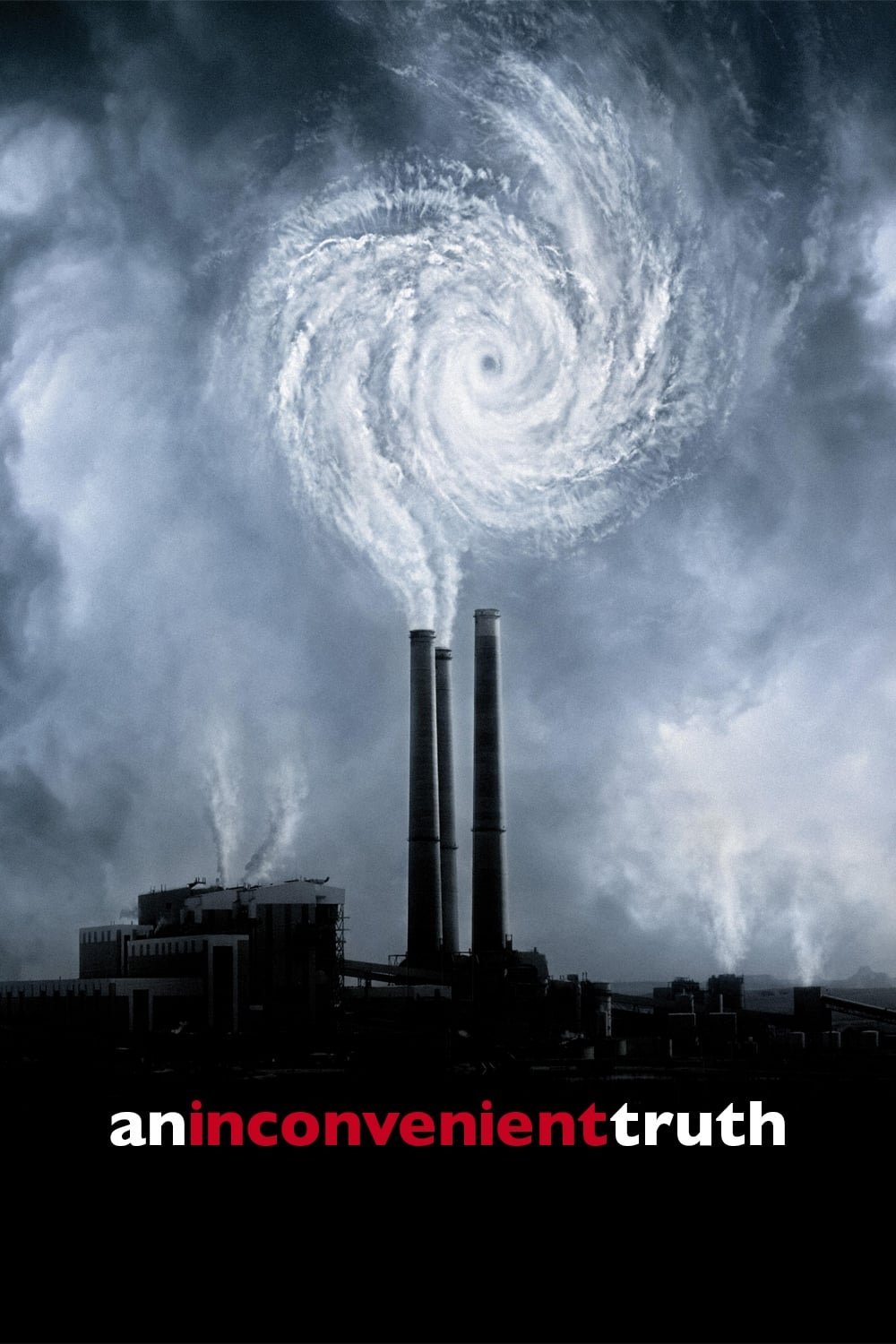
A documentary on Al Gore's campaign to make the issue of global warming a recognized problem worldwide.
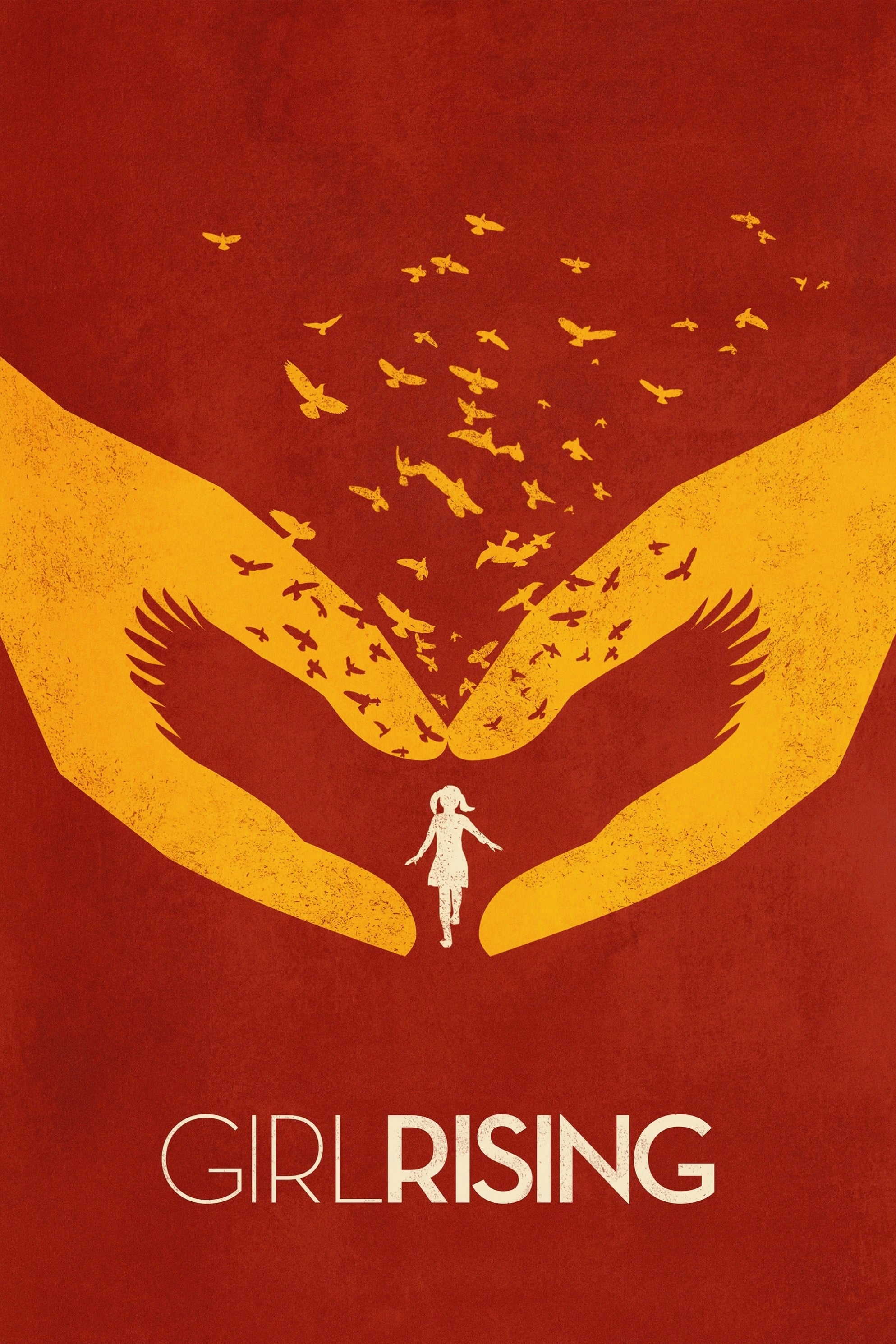
Nine filmmakers each profile a young girl from a different part of the world to weave a global tapestry of youth in the 21st century.
The successes and failures of a couple determined to live in harmony with nature on a farm outside of Los Angeles are lovingly chronicled by filmmaking farmer John Chester, in this inspiring documentary.
A documentary about how a dominant cultural and demographic institution both sustains their traditional activities and adapts to the digital revolution.
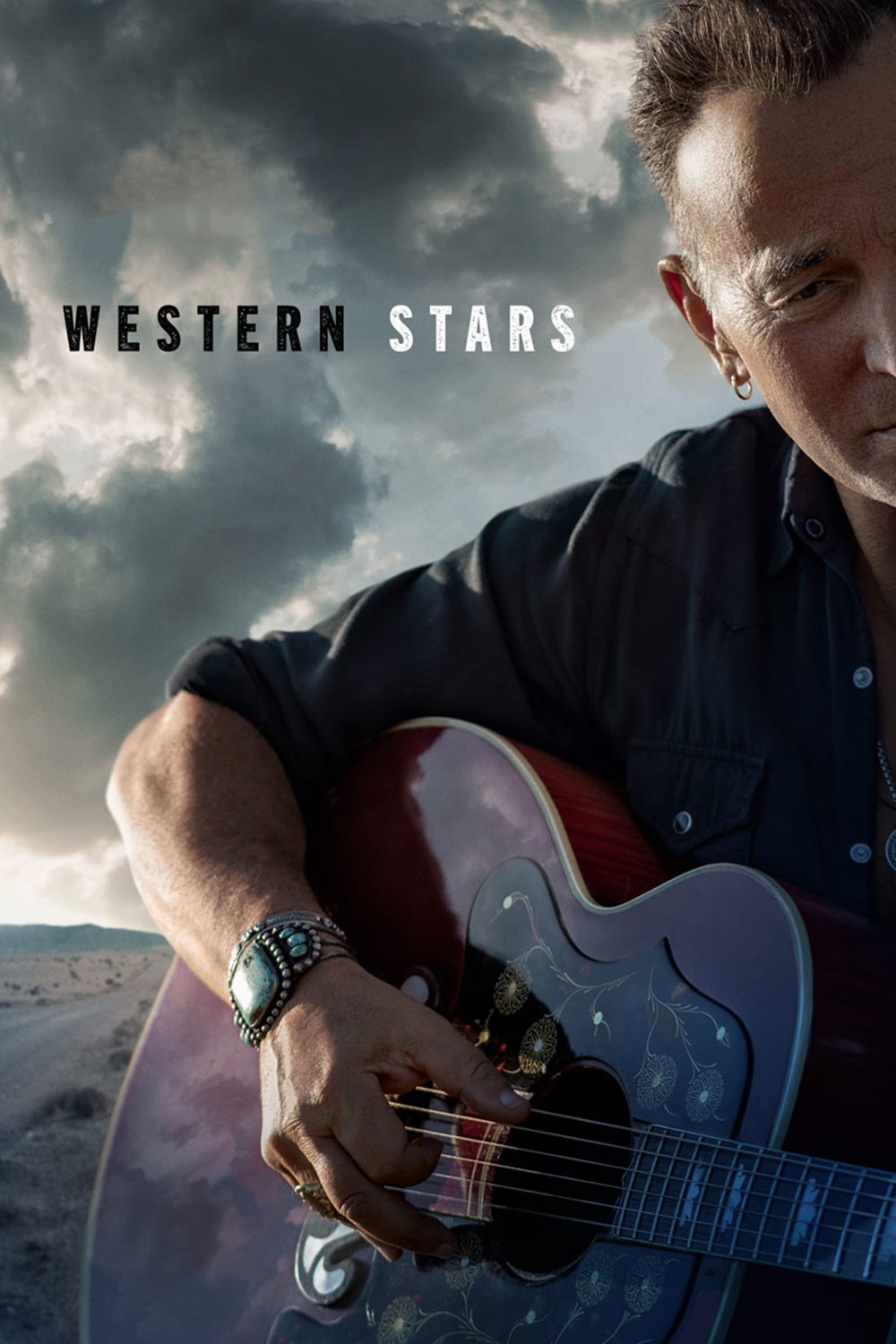
The incomparable Bruce Springsteen performs his critically acclaimed latest album and muses on life, rock, and the American dream, in this intimate and personal concert film co-directed by Thom Zimny and Springsteen himself.
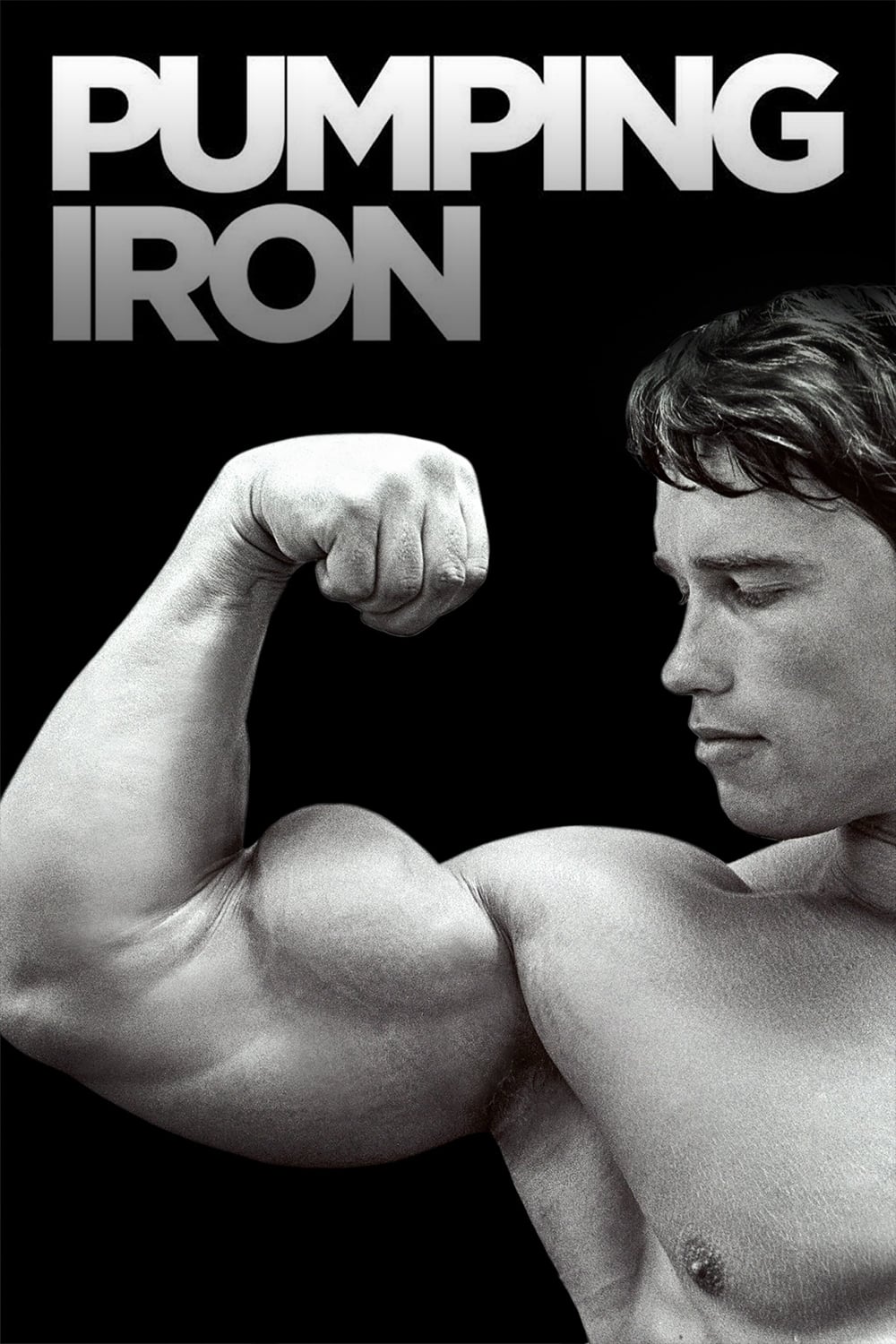
Amateur and professional bodybuilders prepare for the 1975 Mr. Olympia and Mr. Universe contests as five-time champion Arnold Schwarzenegger defends his Mr. Olympia title against Serge Nubret and the shy young Lou Ferrigno.
Lyrical and powerfully personal essay film that reflects on the deaths of her husband Lou Reed, her mother, her beloved dog, and such diverse subjects as family memories, surveillance, and Buddhist teachings.
A behind-the-scenes documentary about the recording of Aretha Franklin's best-selling album finally sees the light of day more than four decades after the original footage was shot.