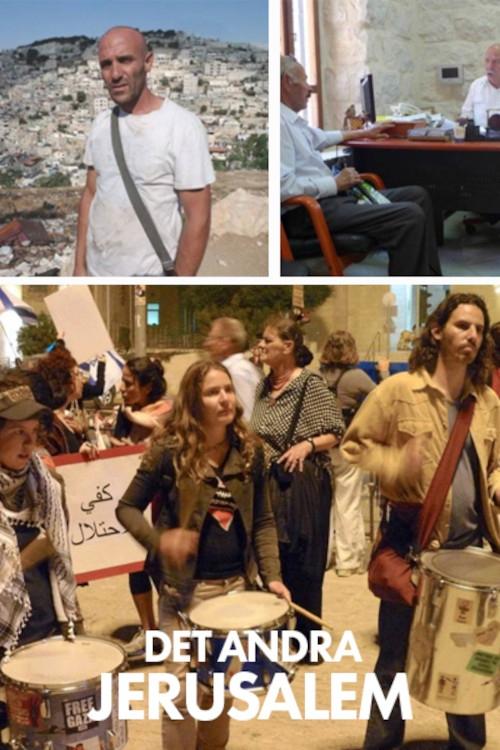
A look at the Neturei Karta organisation in Jerusalem and their use of pashkavils.
Social & External
Self
Examines the implications of Christian Nationalism, how it distorts not only our constitutional republic, but Christianity itself, and asks the question: What happens when a faith built on love, sacrifice, and forgiveness grows political tentacles, conflating power, money, and belief into hyper-nationalism?
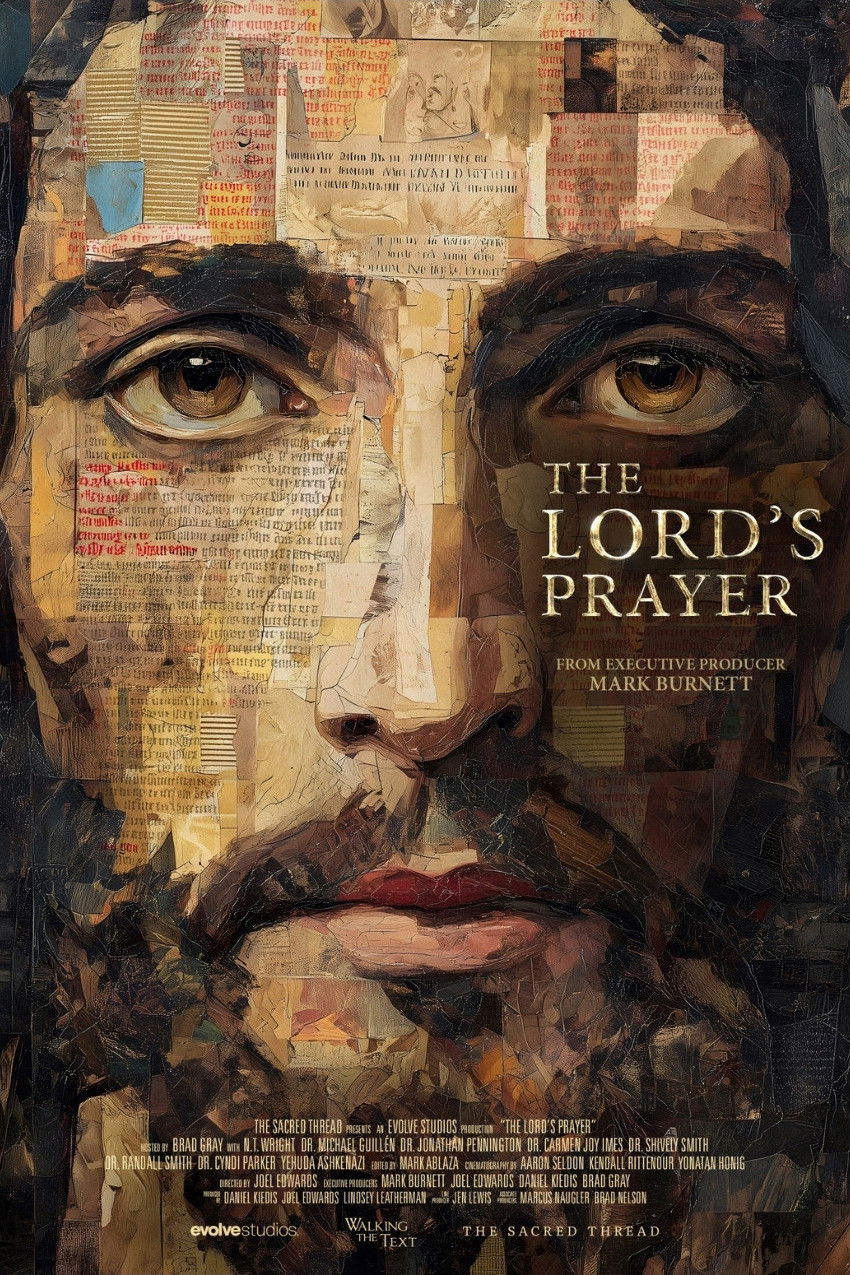
More than a familiar recitation, the Lord’s Prayer is revealed as the very heartbeat of the Gospel: a bold, revolutionary call to live God’s Kingdom here and now. Each line opens a doorway into the world of Scripture, unveiling the cultural, historical, and spiritual depth behind Jesus’s teaching. Through captivating visuals, exceptional scholarship, and powerful storytelling, viewers will rediscover the prayer’s transformative power. It challenges us not merely to say the words, but to embody them—to shape our lives around trust, surrender, forgiveness, and the pursuit of God’s justice and peace.
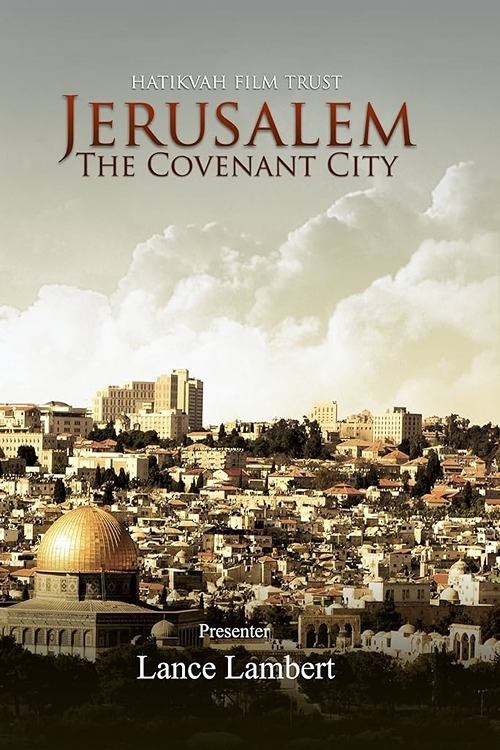
In this superbly produced, two-part documentary, you'll trace the holy city's prophetic history and explore what the Bible professes regarding Jerusalem's fate.
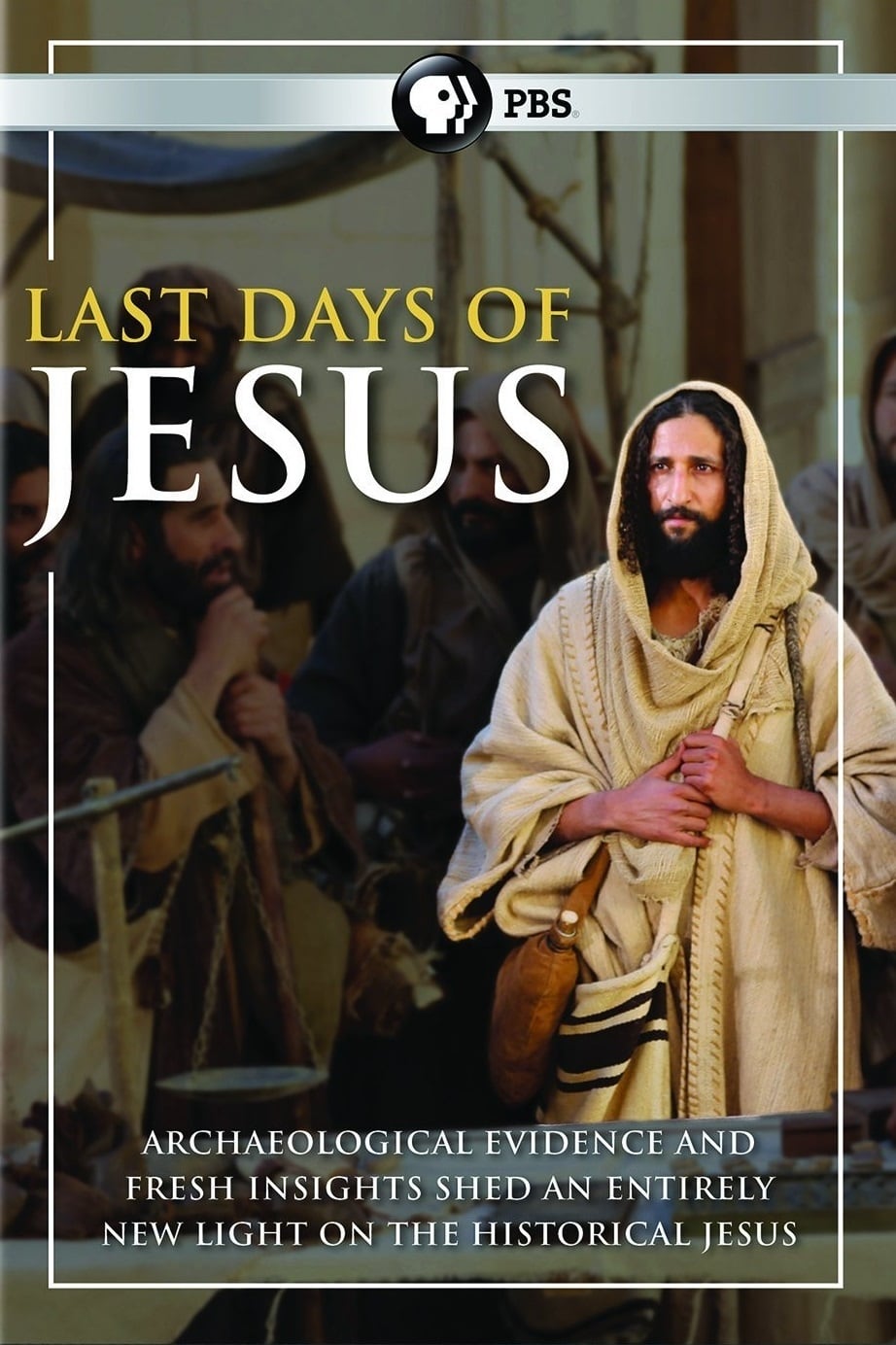
For almost two thousand years, the story of Jesus’ final days has been celebrated by Christians the world over. From Jesus’ triumphant entry into Jerusalem, through to his eventual crucifixion six days later, the key moments have been immortalized in countless films, pieces of music, and works of art. But in recent years, some historians have begun to question inconsistencies in the Gospels’ version of events. They believe that the Gospels could hide a very different story; one that casts the historical Jesus in an entirely new light. Based on a new interpretation of contemporary historical events in Rome, "Last Days of Jesus" peels back thousands of years of tradition, to explore a new political context to the events in Jerusalem. "Last Days of Jesus" explores how dramatic political events in Rome could have played a crucial role in shaping Jesus’ destiny, and examines an extraordinary political alliance that altered the course of history.
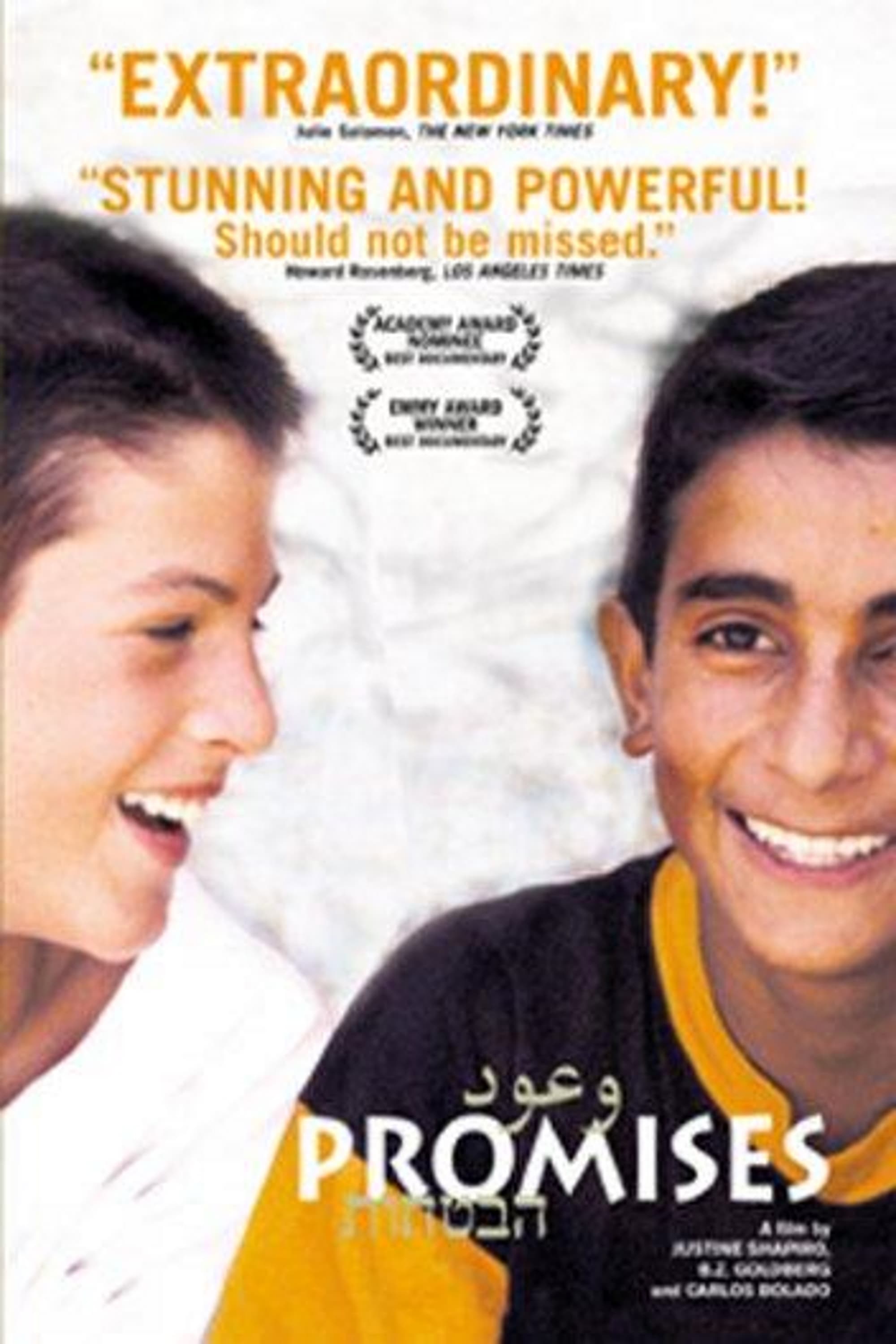
Documentarians Justine Shapiro and B.Z. Goldberg traveled to Israel to interview Palestinian and Israeli kids ages 11 to 13, assembling their views on living in a society afflicted with violence, separatism and religious and political extremism. This 2002 Oscar nominee for Best Feature Documentary culminates in an astonishing day in which two Israeli children meet Palestinian youngsters at a refugee camp.
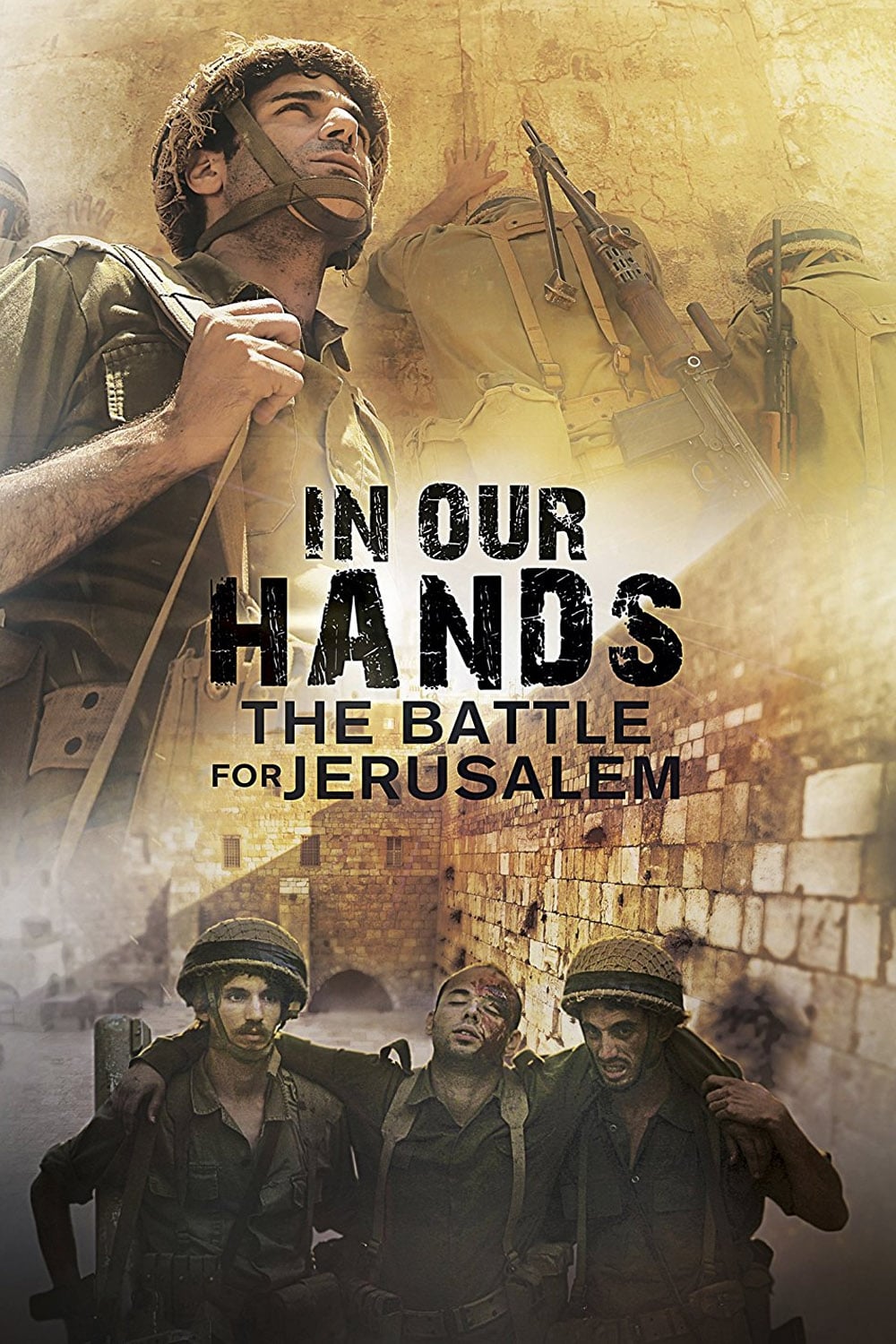
Produced by CBN Documentaries and Biblical Productions, "In Our Hands" tells the story of the Battle of Jerusalem in the Six-Day War through the eyes of the IDF's 55th Paratrooper Brigade
Archaeological gardens and tunnels are built. Khaled and other Palestinians lose their homes. Lawyer Ziad gets angry new clients every day. Arieh and other Israeli settlers move in. PeÅ Holmqvist and Suzanne Khardalian follow a turbulent Jerusalem, 50 years after Israel took full control.
Journalist Laurence Haïm, a 25-year U.S. correspondent, explores the complexities of this powerful nation. Following the presidential race between Kamala Harris and Donald Trump, she documents Trump’s campaign, the devotion of his supporters, and his appeal to the most religious and conservative wing of the American right.
Since the renewed Intifada began in 2000, there have been over 75 Palestinian suicide bombings. This is the story of 0ne-the bombing of bus 32 in Jerusalem in June 2002. The film connects the stories of a group of ordinary Israelis-Jews and Arabs. Each of them holds a clue to someone who died that day.
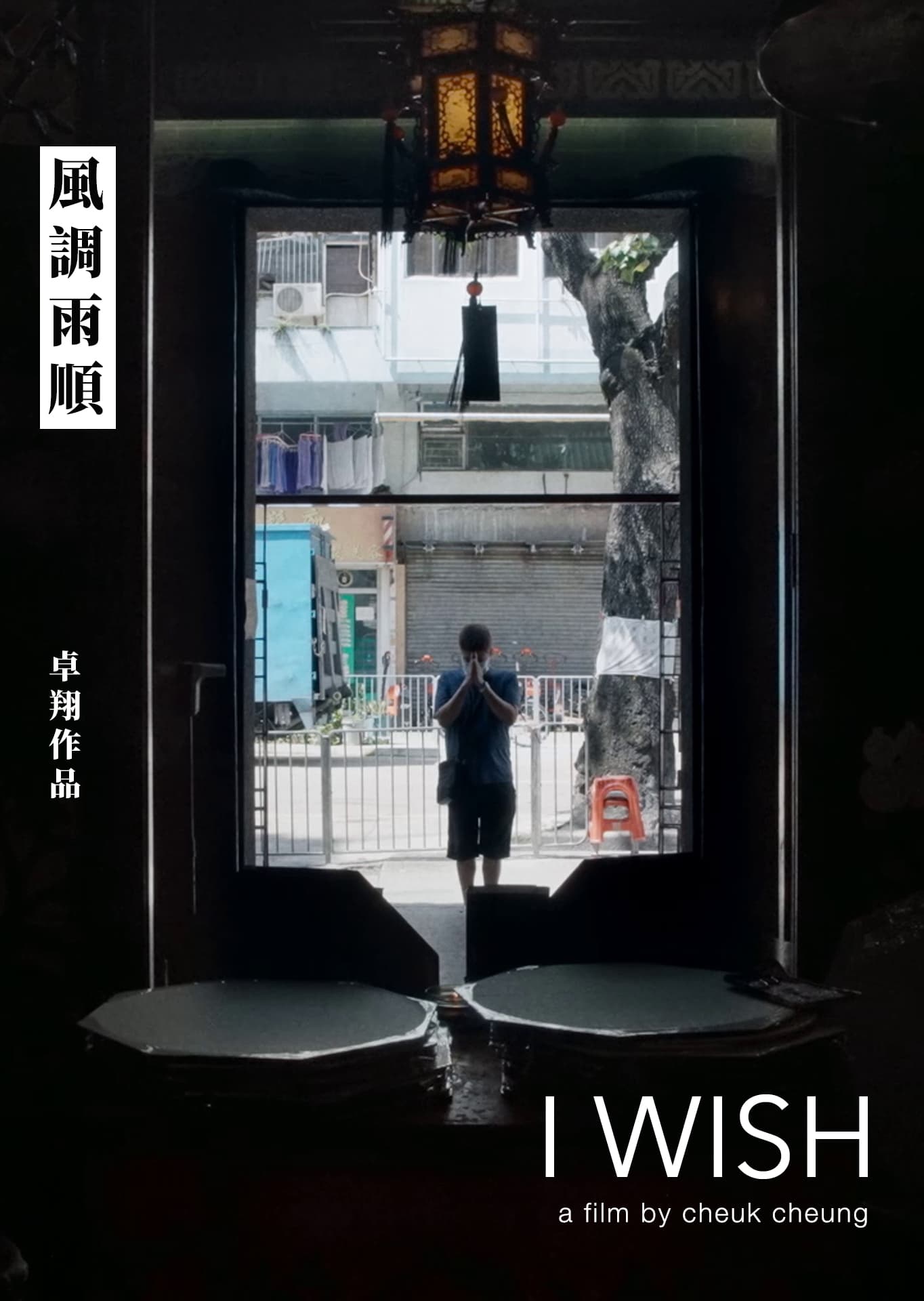
Hong Kong started and flourished as a fishing port in the past, and its people have long been committed to worshipping ancient deities for their blessings. With over a hundred Tin Hau temples (Goddess of Sea) in Hong Kong, there are three on Lamma Island alone, located respectively in Sok Kwu Wan, Luk Chau and Yung Shue Wan. The film documents the states of Tin Hau temples on the island and beyond, as an attempt to contextualise the everyday practice of the fishing community, islanders and city dwellers visiting the temples.
A behind-the-scenes look at the rise of the American rock band, Kings of Leon.
The documentary explores the curative knowledge and resistance by african-rooted religion leaders in the Amazon, highlighting the connection between humans, nature, and spirituality. In Manaus, forested areas become spaces of healing, while the film fosters a dialogue between traditional knowledge and the need to rethink our relationship with the environment.
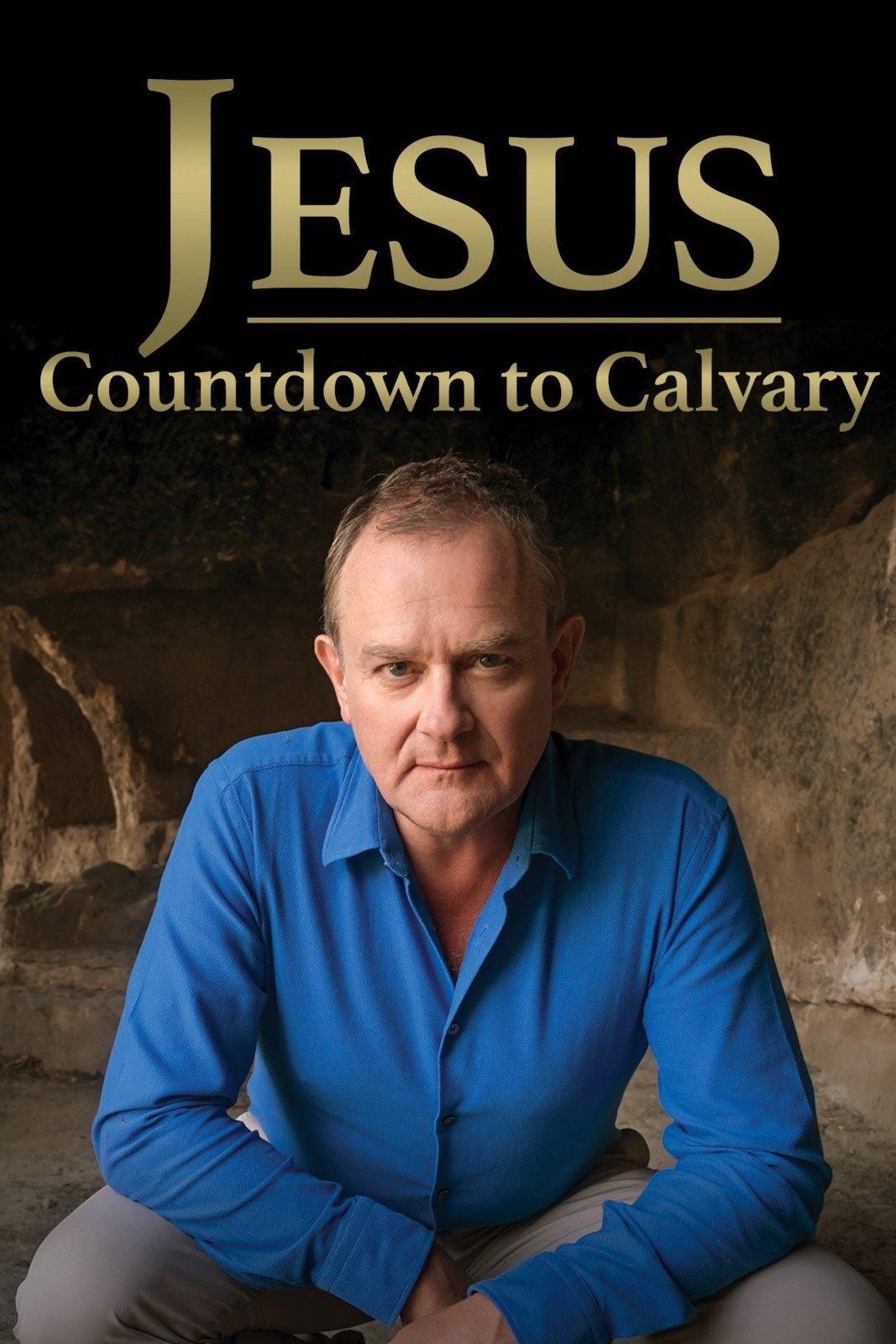
Hugh Bonneville reveals how a perfect storm of political intrigue, power struggles and clashing religious passions combined, in a single week, to cause the event that changed the world: the killing of Jesus.
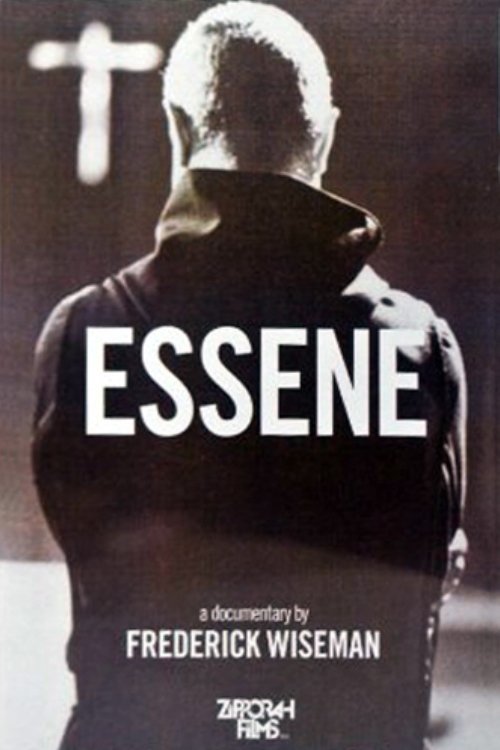
Essene is about daily life in a Benedictine monastery and the resolution of conflict between personal needs and the institutional and organizational priorities of the community. In the Order, where the focus of life is the relationship of individual work and worship to the community as a whole, the brethren must cope with the same issues that arise in any community: rules, work, worship, values, love, and play.
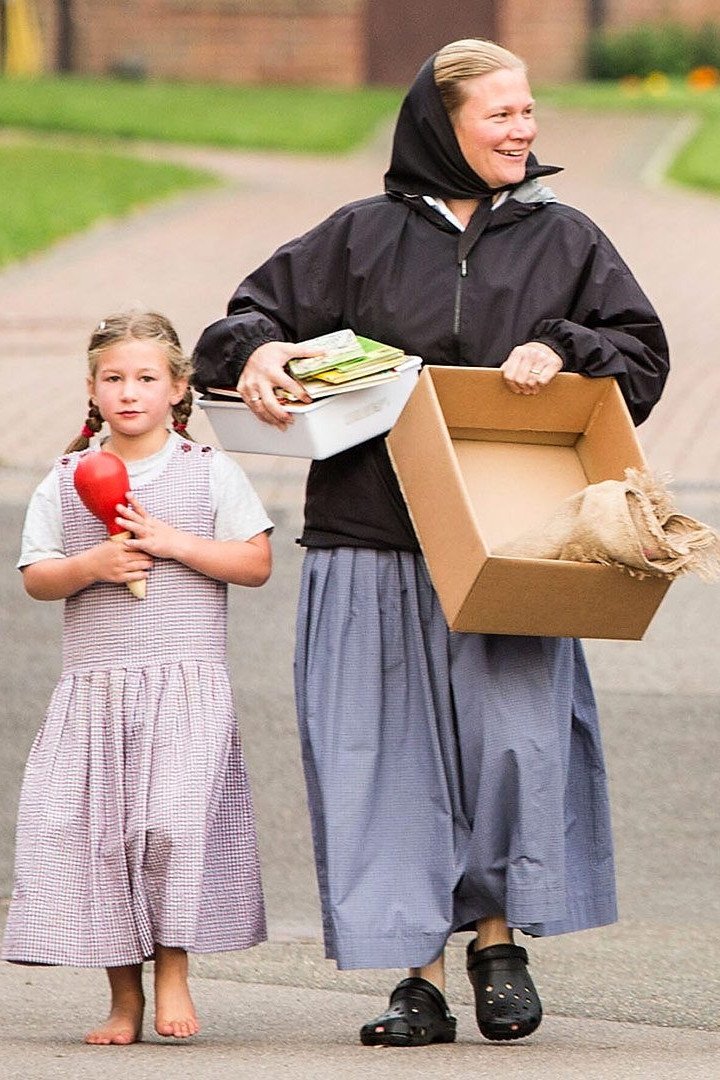
In one picturesque village in Sussex, life is very different. There’s no crime, debt or homelessness, everyone has a job but no-one earns a wage, and none of the children watch television, use social media, play video games or have a mobile phone.
Streets of Jerusalem, shot over a period of five years, centers around the lives of ten Jerusalem residents.
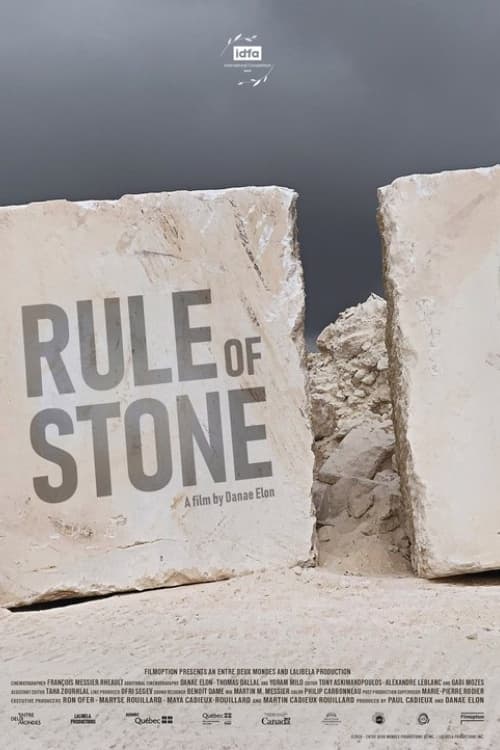
Rule of Stone is a documentary film that exposes the power of architecture and the role it has played – aesthetically, ideologically and strategically – in the creation of modern Jerusalem after the 1967 war.
A sexual wellness company gains fame and followers, then members come forward with shocking allegations.
Using the book 'Fragments', which collects Marilyn Monroe's poems, notes and letters, and with participation from the Arthur Miller and Truman Capote estates who have contributed more material, each of the actresses will embody the legend at various stages in her life.
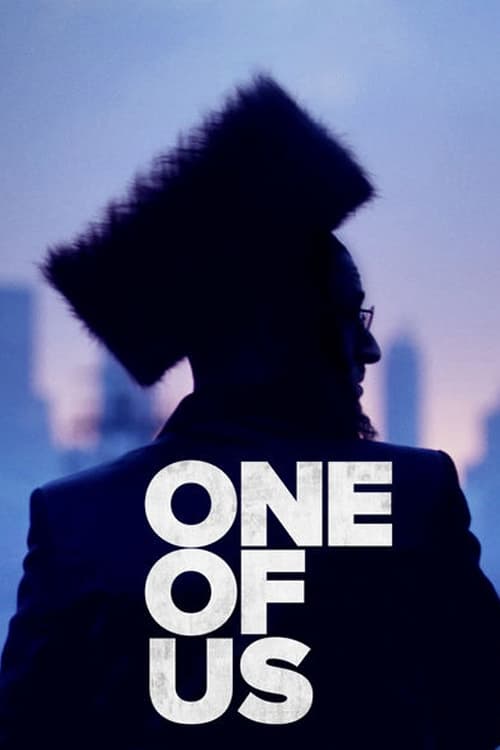
Penetrating the insular world of New York's Hasidic community, focusing on three individuals driven to break away despite threats of retaliation.
A documentary about how a dominant cultural and demographic institution both sustains their traditional activities and adapts to the digital revolution.
Through deeply personal interviews with her siblings and an examination of the photographs, letters, and belongings left behind, Mariska assembles a new portrait of her mother Jayne Mansfield, an extraordinary and complex woman.
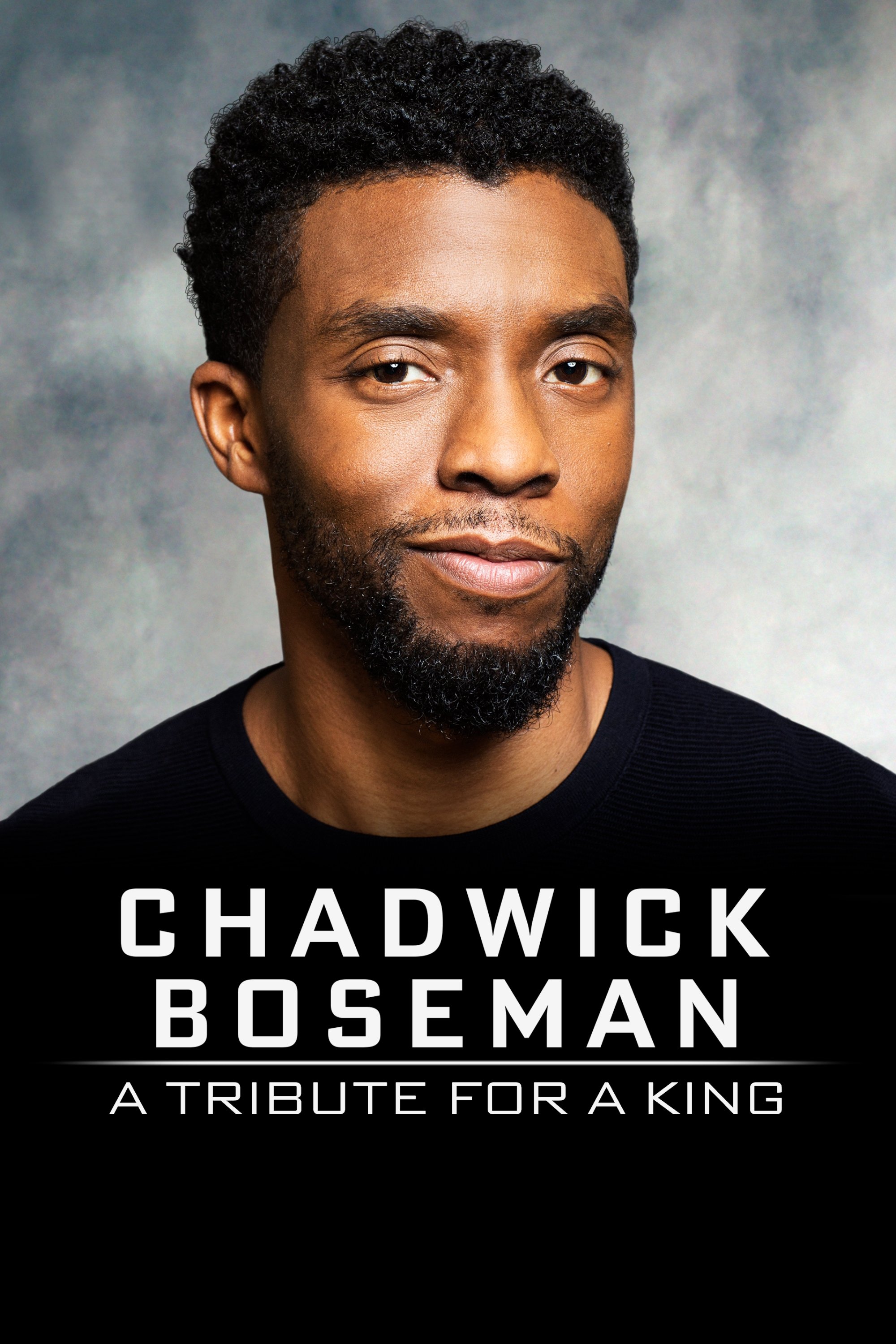
A tribute to Chadwick Boseman, celebrating his life and legacy.
Al Pacino's deeply-felt rumination on Shakespeare's significance and relevance to the modern world through interviews and an in-depth analysis of "Richard III."
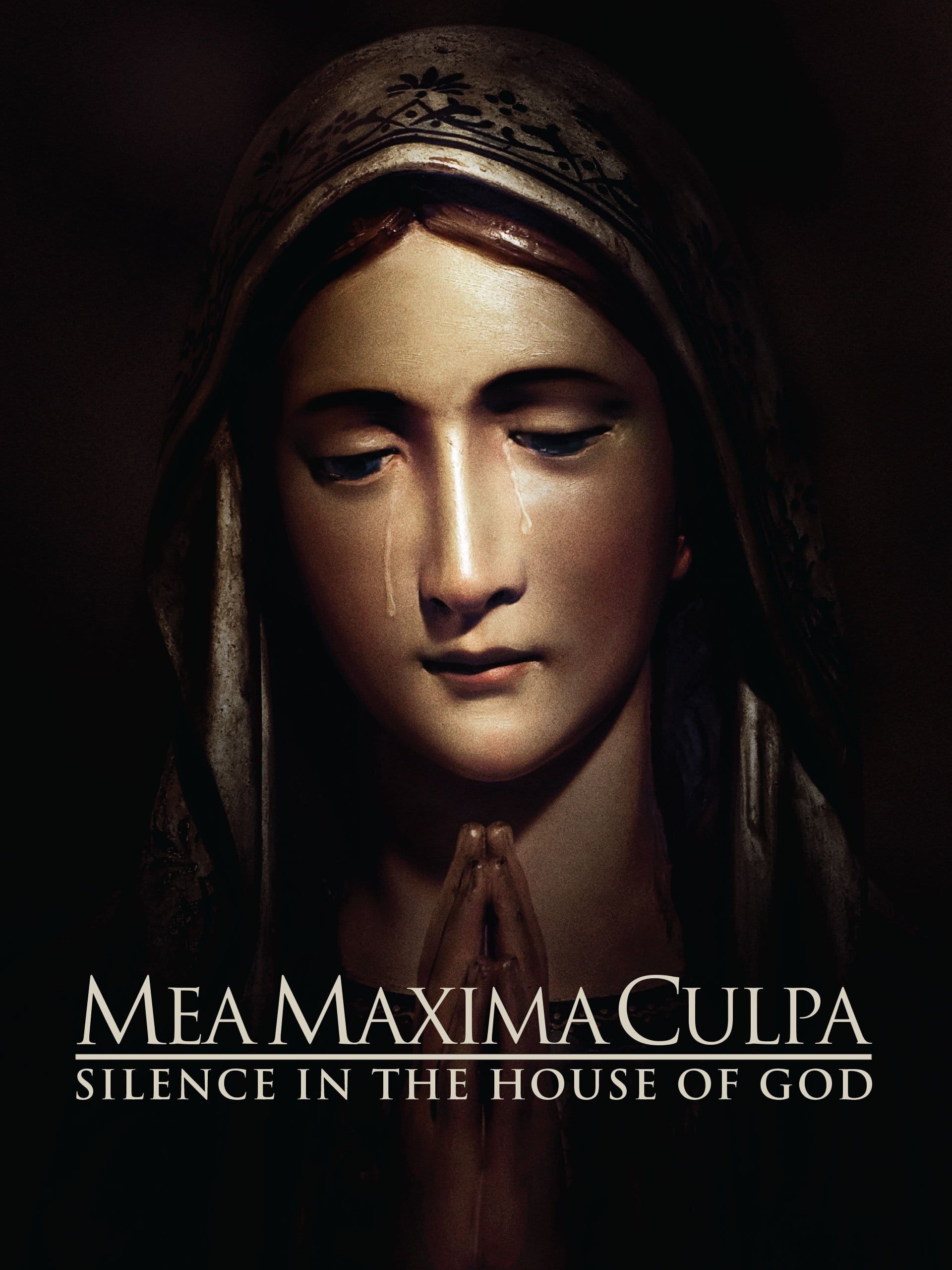
Alex Gibney explores the charged issue of pedophilia in the Catholic Church, following a trail from the first known protest against clerical sexual abuse in the United States and all way to the Vatican.
A documentary that explores the downloading revolution; the kids that created it, the bands and the businesses that were affected by it, and its impact on the world at large.
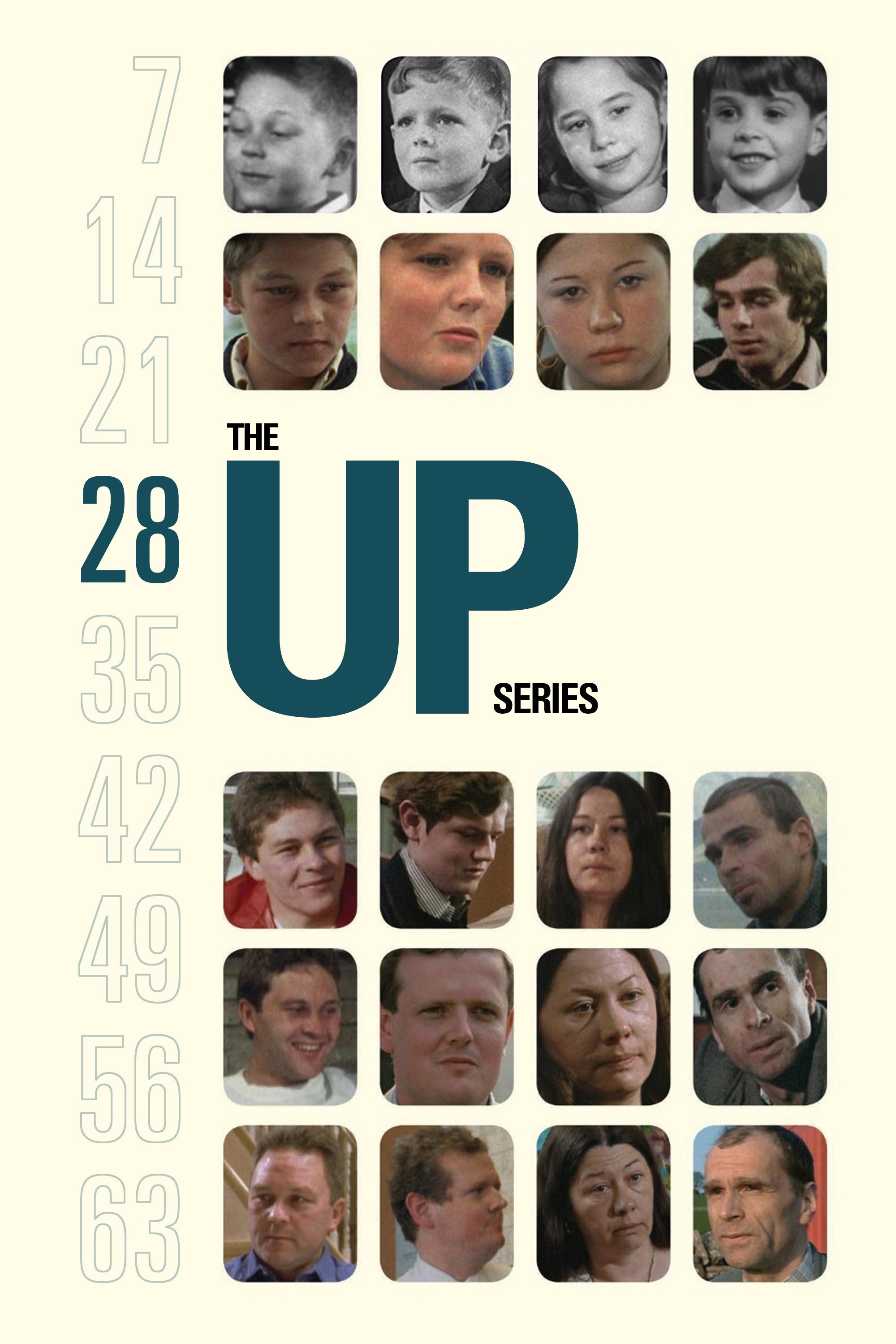
Just two years away from turning 30, participants in Michael Apted's documentary series are facing serious questions of identity and purpose, wondering whether they've found their place in the world.
A documentary on the expletive's origin, why it offends some people so deeply, and what can be gained from its use.
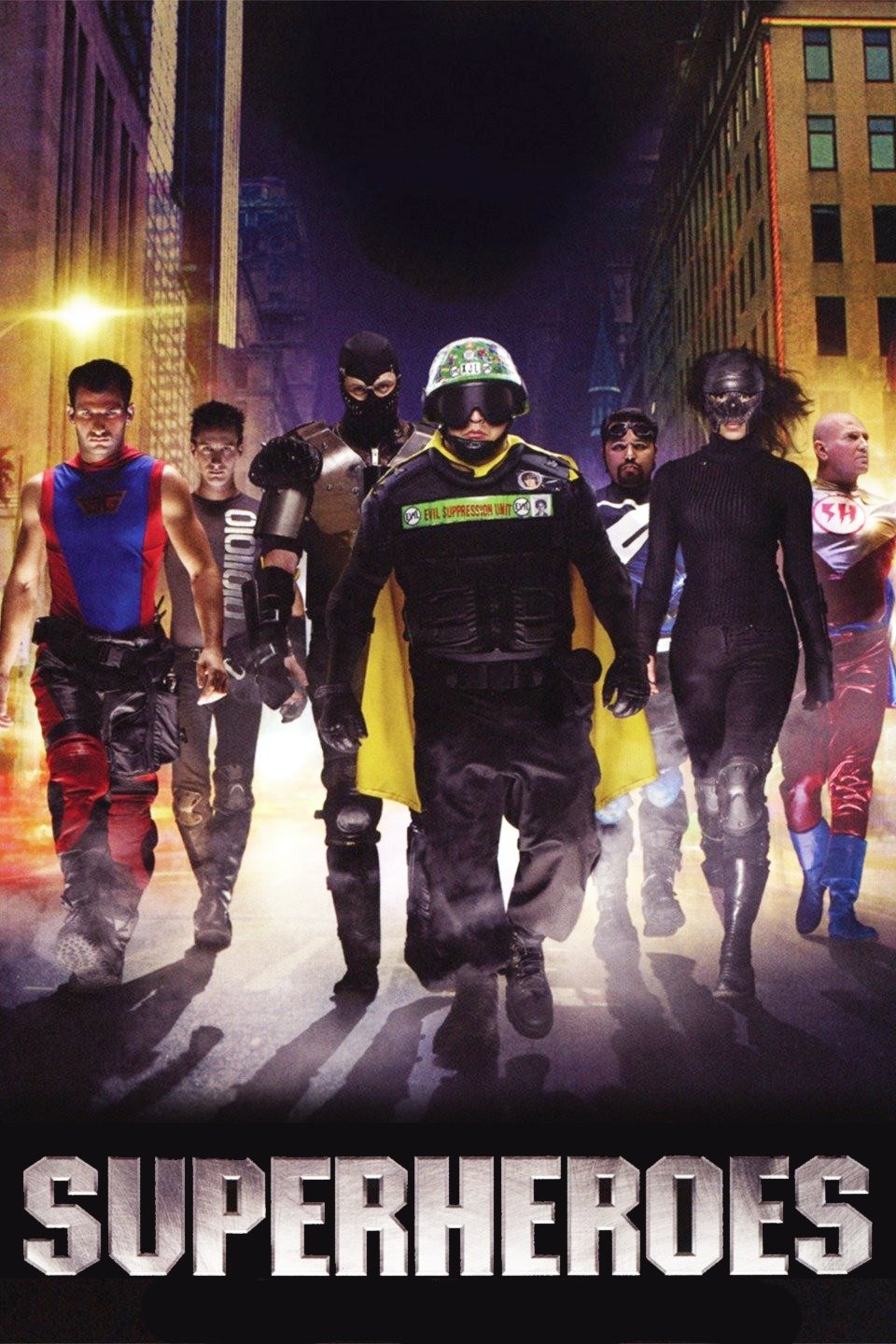
A journey inside the world of real life caped crusaders. From all over America, these self-proclaimed crime fighters, don masks, homemade costumes and elaborate utility belts in an attempt to bring justice to evildoers everywhere.
A look at the origins, history and conspiracies behind the "Majestic 12", a clandestine group of military and corporate figureheads charged with reverse-engineering extraterrestrial technology.
This character-driven film considers the evolving sex trafficking landscape as seen by the main players: the exploited, the pimps, the johns that fuel the business, and the cops who fight to stop it.
An inside look at one of the most anticipated movie sequels ever with James Cameron and cast.
Ross McElwee sets out to make a documentary about the lingering effects of General Sherman's march of destruction through the South during the Civil War, but is continually sidetracked by women who come and go in his life, his recurring dreams of nuclear holocaust, and Burt Reynolds.
A portrait of the day-to-day operations of the National Gallery of London, that reveals the role of the employees and the experiences of the Gallery's visitors. The film portrays the role of the curators and conservators; the education, scientific, and conservation departments; and the audience of all kinds of people who come to experience it.
A documentary on a former Miss Wyoming who is charged with abducting and imprisoning a young Mormon Missionary.
JB Smoove and Martin Starr host a celebration of 20 years of "Spider-Man" movies, from the Sam Raimi trilogy to Marc Webb's movies and the trio from Jon Watts.
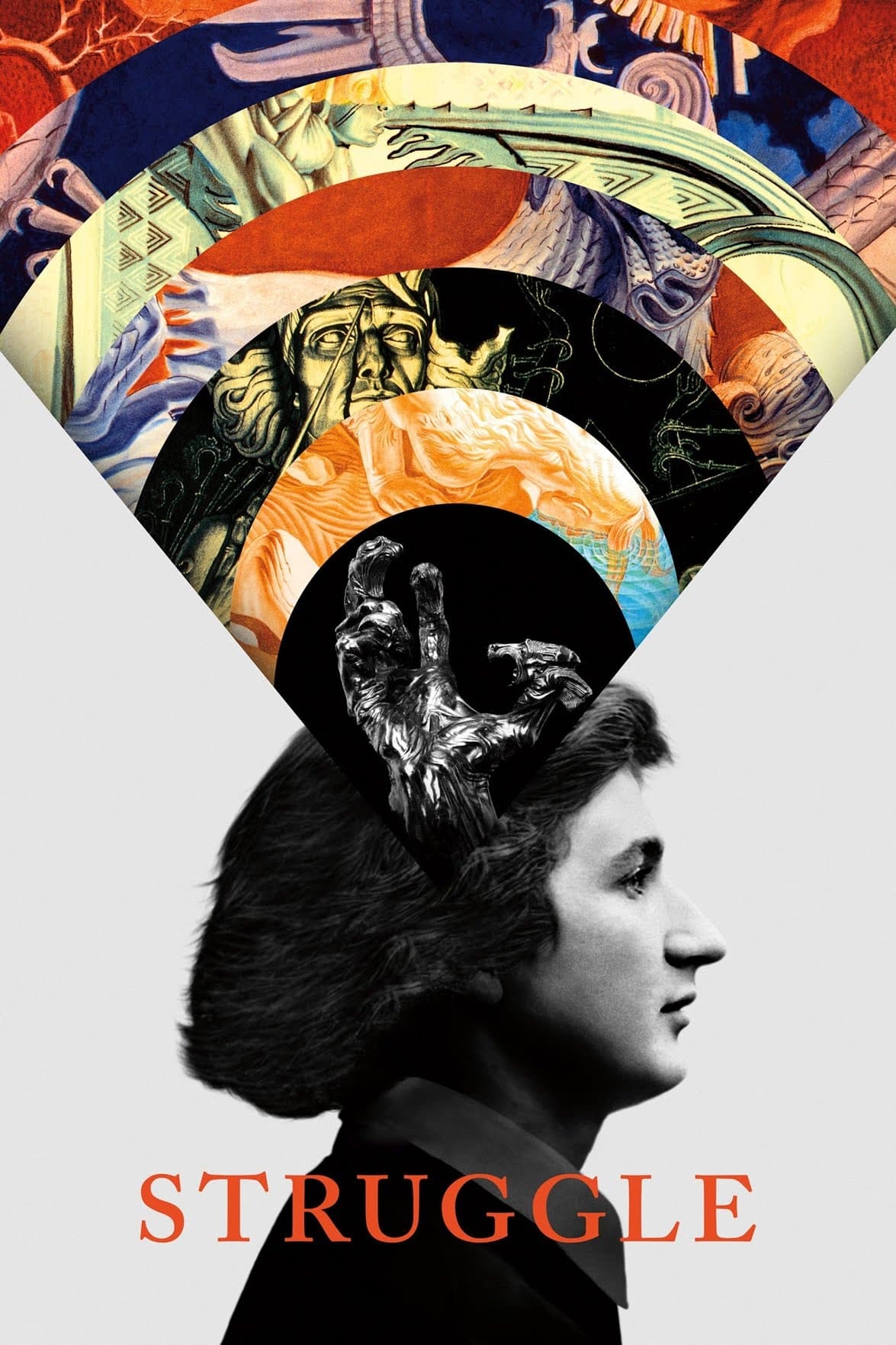
Artists in LA discover the work of forgotten Polish sculptor Stanislav Szukalski, a mad genius whose true story unfolds chapter by astounding chapter.