Social & External
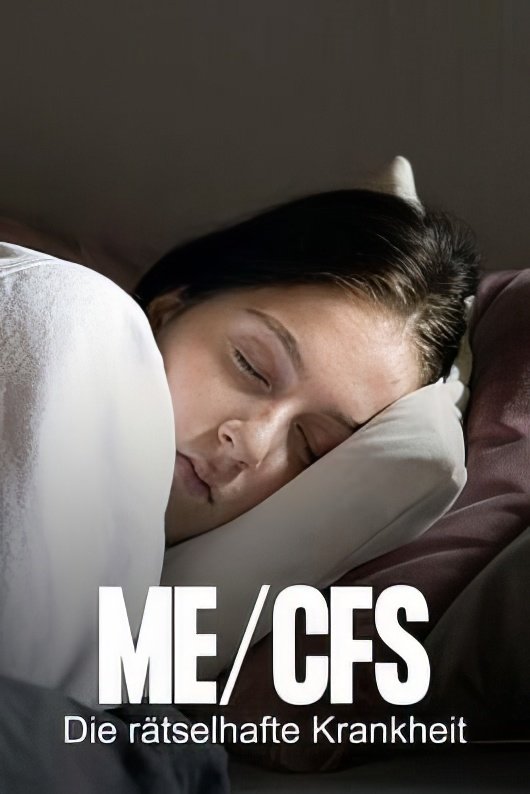
ME/CFS is a devastating disease that affects around 300,000 people in Germany alone. There has been little help for sufferers to date. Many doctors are not familiar with the clinical picture and treat it incorrectly. However, something has been happening recently, partly due to the coronavirus pandemic: because the late effects of Covid-19 correspond to the typical symptoms of ME/CFS...
Connor McDavid: Whatever it Takes follows the most physically and emotionally challenging offseason of Connor McDavid's career. This documentary is the remarkable comeback story of one of the NHL's best players after what could have been a career ending or altering injury. A world-class medical team led by Mark Lindsay, supervised McDavid's gruelling rehabilitation program which combined advanced sport science and imaging techniques with Connor's sheer will to overcome, allowing him to return to the Edmonton Oilers lineup for the 2019-20 home opener. McDavid not only came back, but is faster and stronger than ever and having the best season of his young career. McDavid enters the 2020 All-Star break leading the NHL in scoring, and has his Edmonton Oilers in the hunt for 1st Place in the Pacific Division.
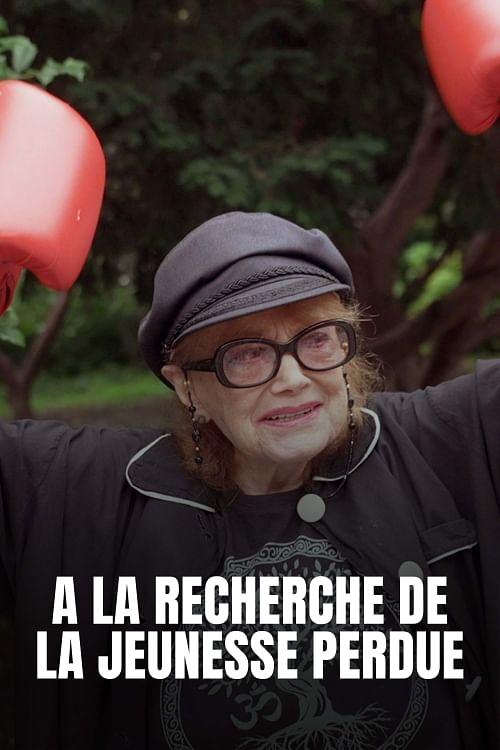
What if science could reverse the aging process? Follow the researchers as they decipher these mechanisms, with the promise of finding the elixir of youth so you can live longer, healthier lives!
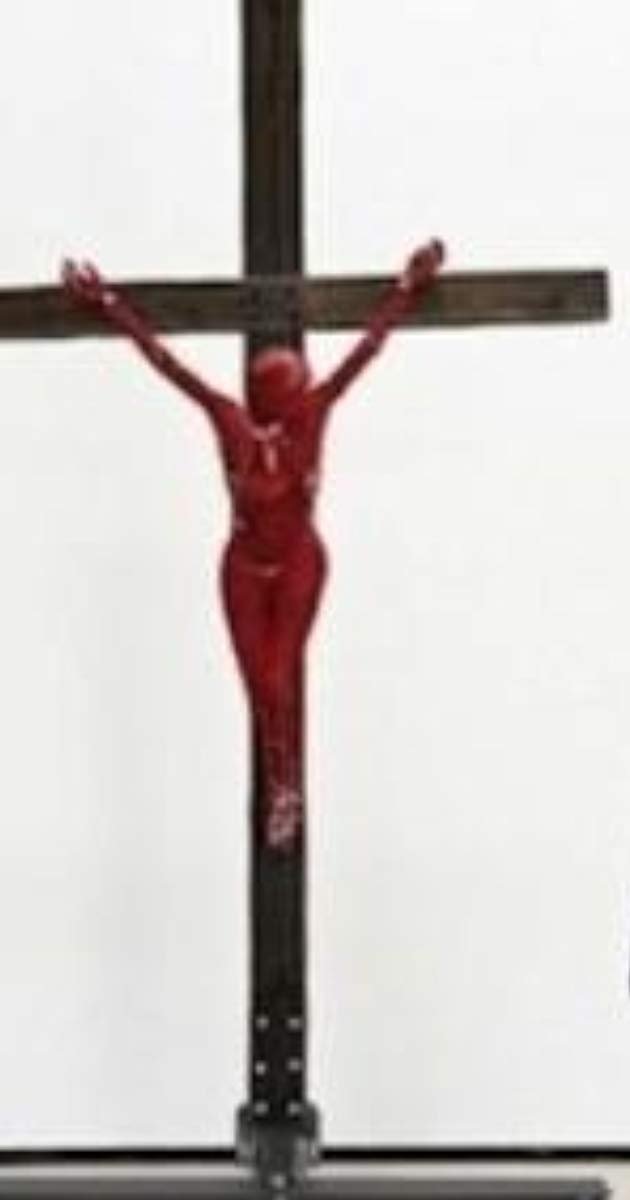
On Easter Sunday 2012 the UK's Channel 4 showed a programme entitled Crucifixion in which Gunther von Hagens created his interpretation of the crucifixion of Jesus. The documentary examined the enduring iconic image of the Crucifix. A number of donors were used for the plastination of blood vessels to create the main structure of the body. At the end of the programme von Hagens announced that he did not expect to see the final work of art due to his ill health.
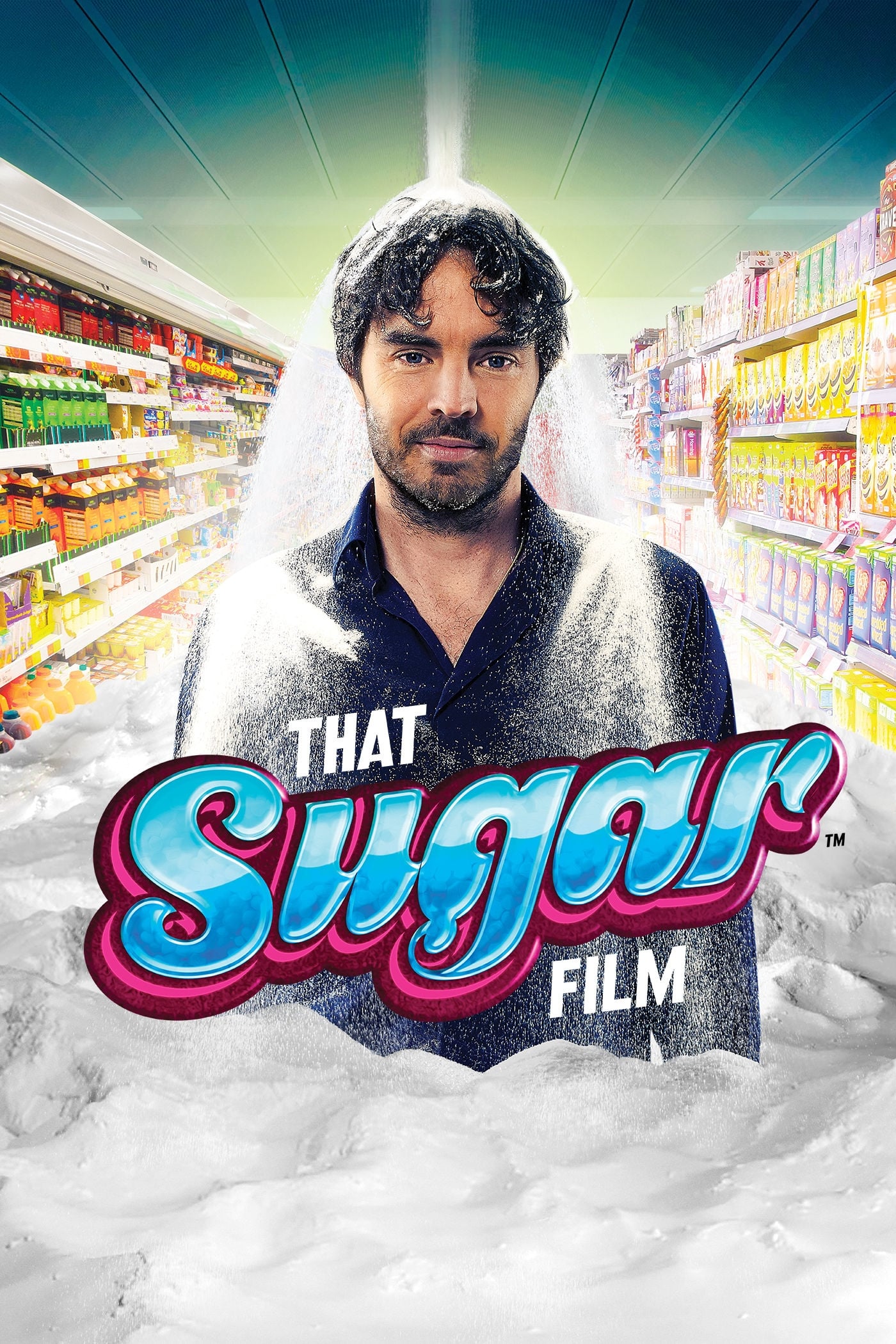
One man's journey to discover the bitter truth about sugar. Damon Gameau embarks on a unique experiment to document the effects of a high sugar diet on a healthy body, consuming only foods that are commonly perceived as 'healthy'. Through this entertaining and informative journey, Damon highlights some of the issues that plague the sugar industry, and where sugar lurks on supermarket shelves.
This documentary features candid studio conversations with people of diverse backgrounds from the Erika Lust community. They share personal experiences with self-pleasure, exploring why they masturbate, how their views have evolved, and what they were taught growing up.
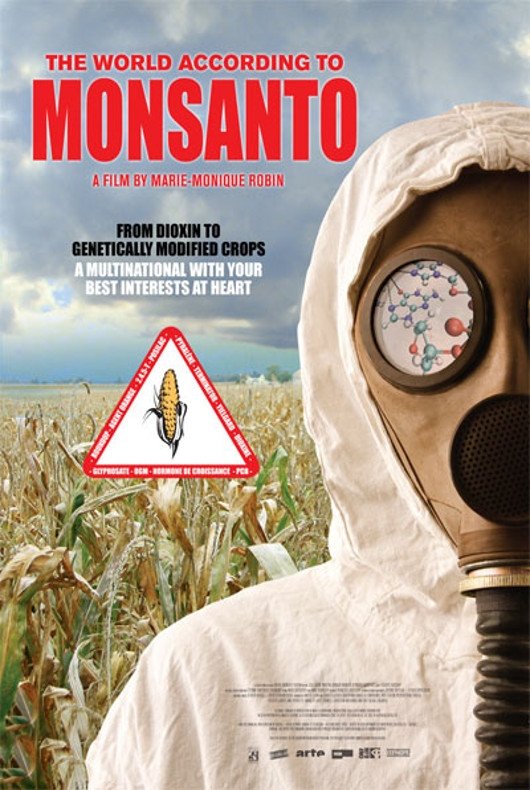
Monsanto is the world leader in genetically modified organisms (GMOs), as well as one of the most controversial corporations in industrial history. This century-old empire has created some of the most toxic products ever sold, including polychlorinated biphenyls (PCBs) and the herbicide Agent Orange. Based on a painstaking investigation, The World According to Monsanto puts together the pieces of the company’s history, calling on hitherto unpublished documents and numerous first-hand accounts.
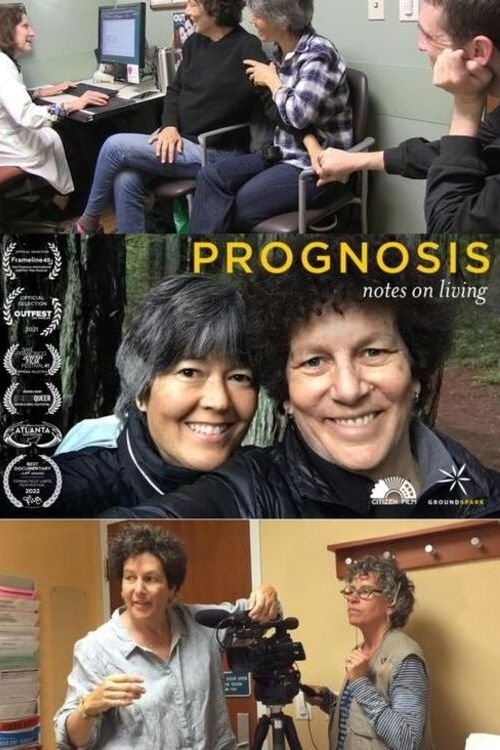
When filmmaker Debra Chasnoff faces stage-4 cancer, she turns her lens on herself and the disease. What emerges is a portrait of her extended LGBTQ family —a story about hanging on while letting go.
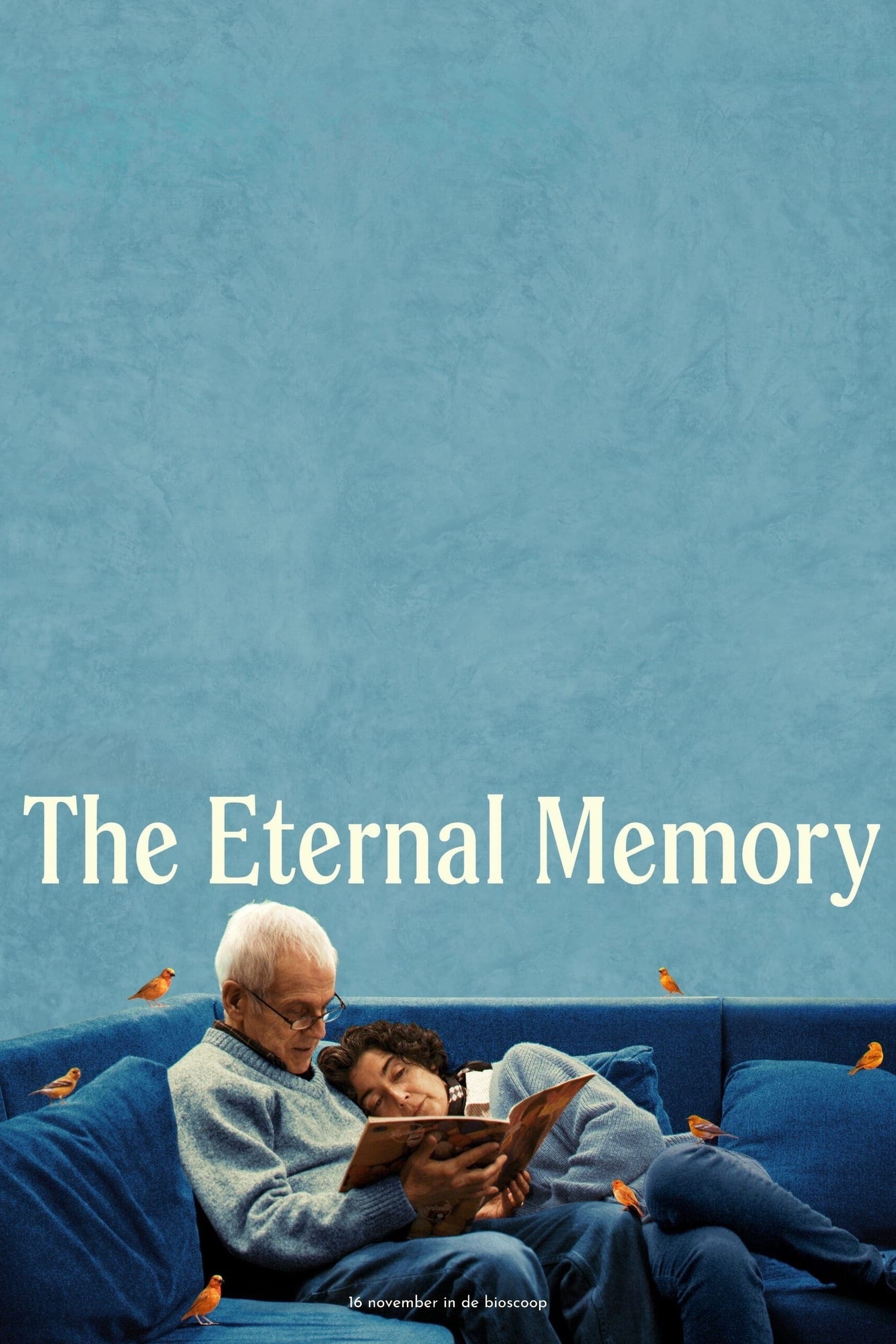
Augusto and Paulina have been together for 25 years. Eight years ago, he was diagnosed with Alzheimer's disease. Both fear the day he no longer recognizes her.
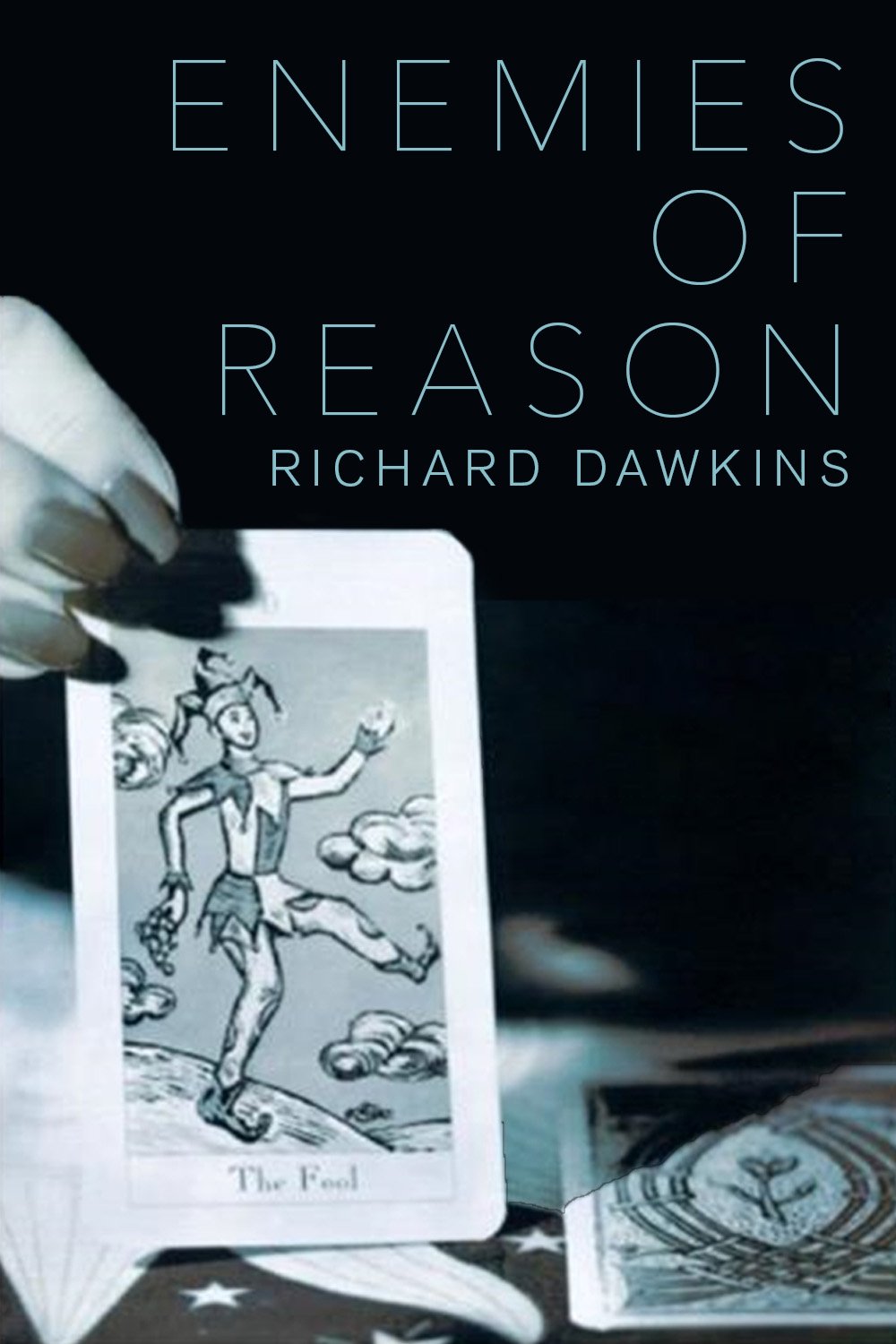
Documentary written and presented by scientist Richard Dawkins, in which he seeks to expose "those areas of belief that exist without scientific proof, yet manage to hold the nation under their spell", including mediumship, psychokinesis, acupuncture, and other forms of alternative medicine.
An explosion in one of the largest chemical plants in Europe, the Petrochemical complex in Tarragona, triggers the labour struggle of a group of workers who demand what is fair for everyone.
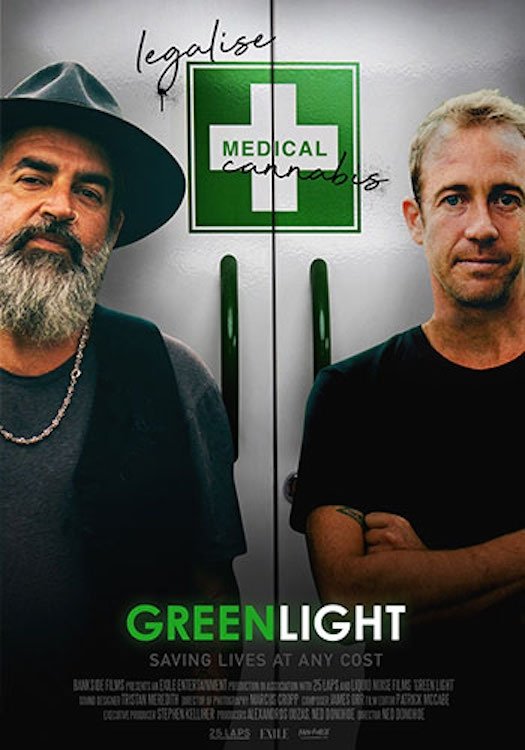
A profile of two men who go to exceptional lengths to improve – and in some cases, save – the lives of those with nowhere else to turn. They risk their freedom by supplying black market medicinal cannabis to thousands suffering from chronic and terminal illnesses.
Cruelty, psychological and sexual violence, humiliations: reality television seems to have gone mad. His debut in the early 2000s inaugurated a new era in the history of the audio-visual. Fifty years of archives trace the evolution of entertainment: how the staging of intimacy during the 80s opened new territories, how the privatization of the biggest channels has changed the relationship with the spectator. With the contribution of specialists, including philosopher Bernard Stiegler, this documentary demonstrates how emotion has made way for the exacerbation of the most destructive impulses.
Juan “Accidentes” Dominguez is on his biggest case ever. On behalf of twelve Nicaraguan banana workers he is tackling Dole Food in a ground-breaking legal battle for their use of a banned pesticide that was known by the company to cause sterility. Can he beat the giant, or will the corporation get away with it?
Diagnosed with multiple sclerosis, documentarian Matt Embry takes viewers on a transnational journey — from Italy to Canada, and from the lab to the home — in order to examine the politics of the condition.
In this documentary, wealthy entrepreneur Bryan Johnson puts his body and fortune on the line to defy aging and extend his life beyond all known limits.
The Hugo's Brain is a French documentary-drama about autism. The documentary crosses authentic autistic stories with a fiction story about the life of an autistic (Hugo), from childhood to adulthood, portraying his difficulties and his handicap.
Suicide is one of the world's leading causes of death, with almost 800,000 people taking their own lives every year, not counting those who go unrecorded. What drives people to take their own lives, and how can they be prevented from doing so? This documentary attempts to provide some answers.
Cancer; The Integrative Perspective takes a deep dive into the fast-expanding paradigm of holistic and integrative wellness approaches for preventing and reversing cancer that treats the disease with conventional tools, while also supporting patients’ strength, stamina and quality of life with evidence-based natural therapies. Nathan Crane, a pioneer in natural healing and cancer prevention, brings together world renowned medical experts and cancer survivors to share evidence-based insights into the power that the mind, body and spirit play in cancer care and prevention. The latest research is presented by Dr. Francisco Contreras, Dr. Leigh Erin Connealy, Dr. Francisco Calvo, Dr. Sunil Pai, and Dr. Thomas Lodi.
The film documents, in an often dramatic and humorous fashion, Gray's investigations into alternative medicine for an eye condition (Macular pucker) he had developed.
Through revealing interviews with experts and victims' families, this gripping documentary examines the problem of deadly foodborne illness in the US.
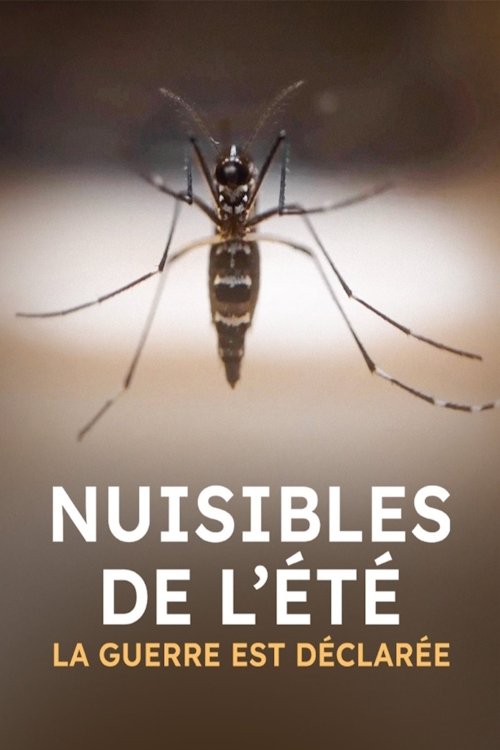
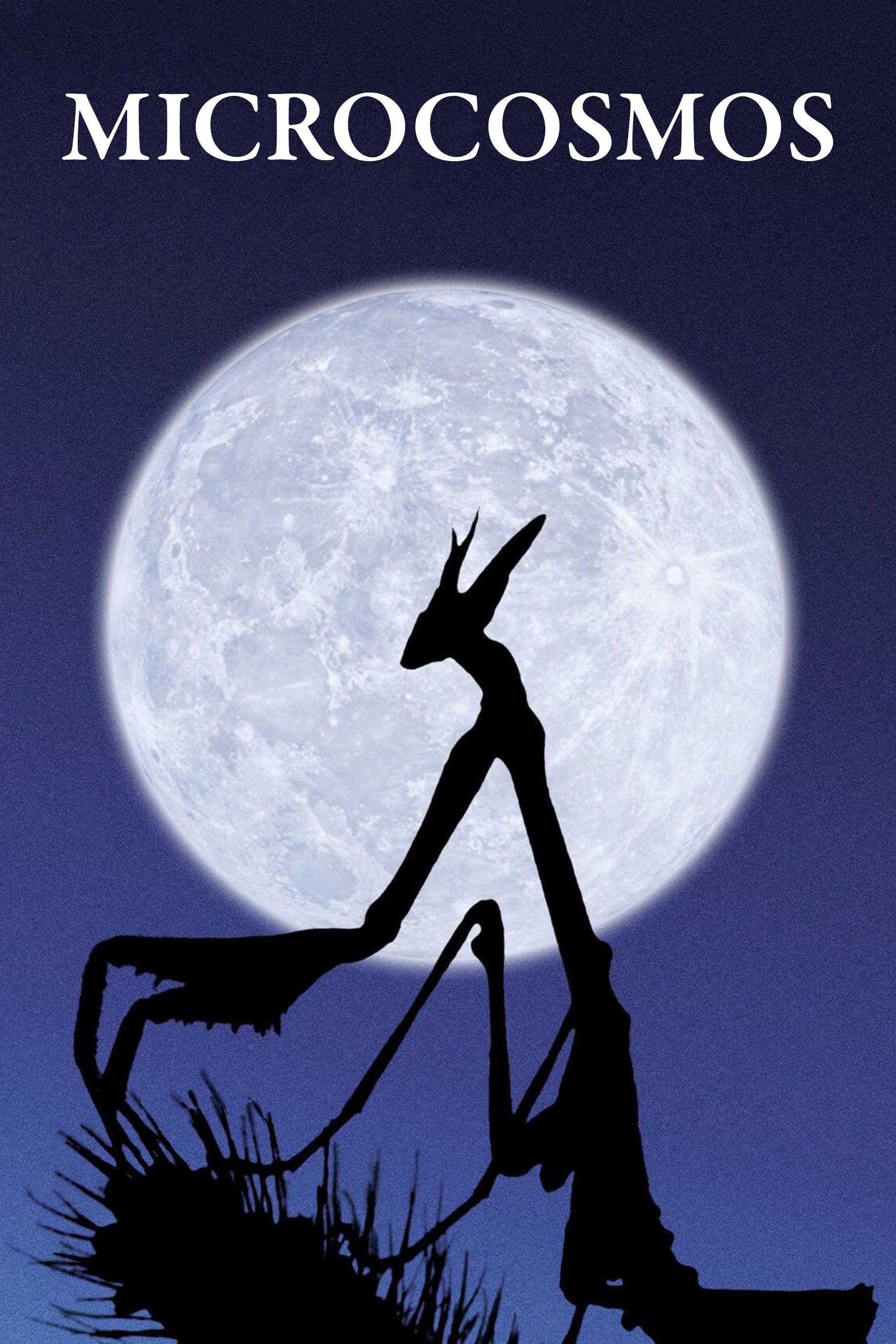
A documentary of insect life in meadows and ponds, using incredible close-ups, slow motion, and time-lapse photography. It includes bees collecting nectar, ladybugs eating mites, snails mating, spiders wrapping their catch, a scarab beetle relentlessly pushing its ball of dung uphill, endless lines of caterpillars, an underwater spider creating an air bubble to live in, and a mosquito hatching.
A string of threatening emails escalates into a revenge plot involving a newly married US marshal and his ex-girlfriend.
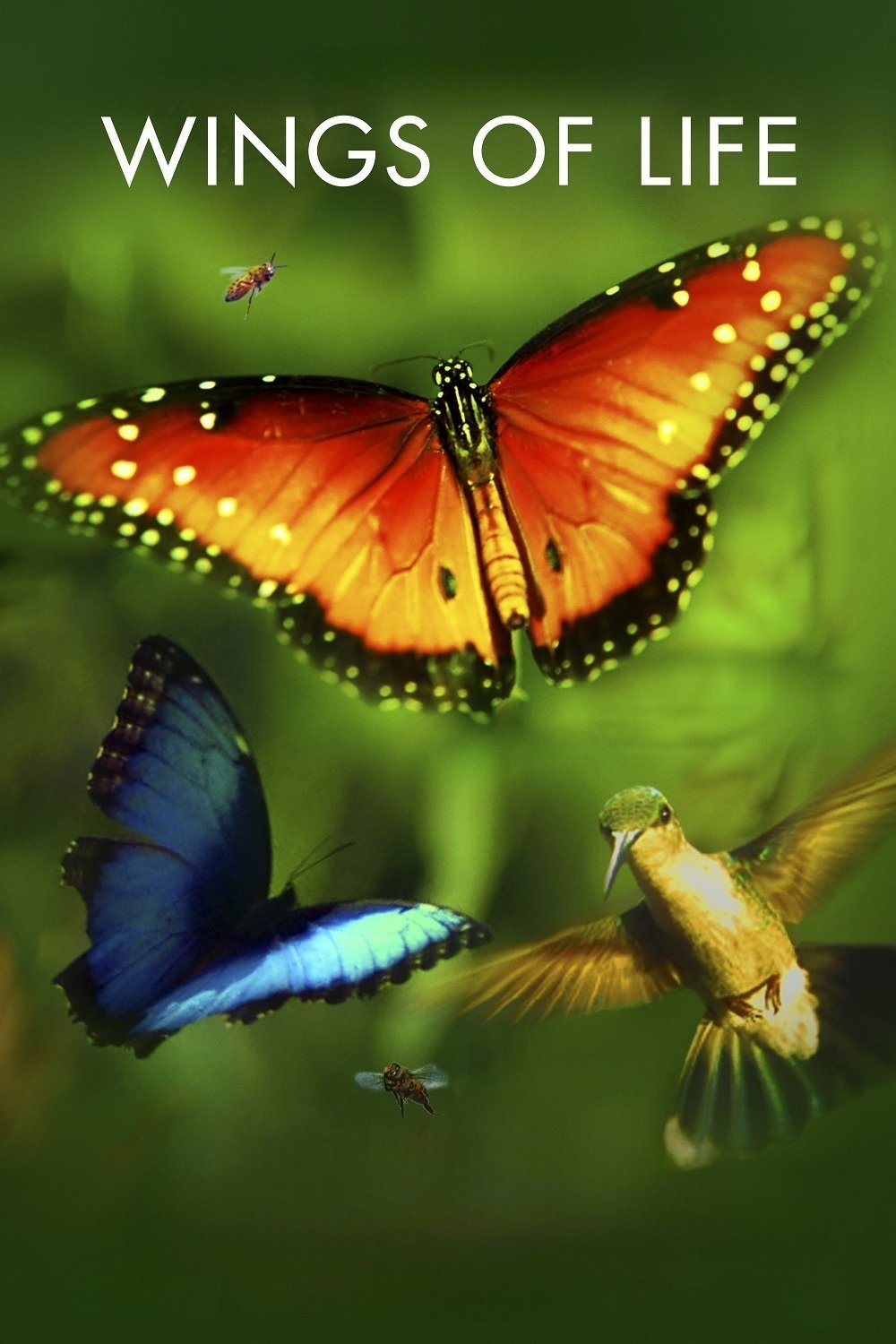
A beautiful love story in danger. Our future depends on an amazing love story between the flowers and fauna consisting of bees, butterflies, birds and bats, which allow these species to reproduce. Delicate and graceful, the flowers are not content to be the ultimate symbol of beauty. On the contrary, their vibrant colors and their exotic flavors are so many wonders that attract pollinators and drunk with desire. All these animals are involved in a complex dance of seduction on which one third of our crops, a dance without which we could survive ... Pollen presents the unsung heroes of the global food chain. Their fantastic worlds are full of stories, drama and beauty. While a fragile and threatened, essential for the balance of the planet, it should now actively protect ...
Takes us to locations all around the US and shows us the heavy toll that modern technology is having on humans and the earth. The visual tone poem contains neither dialogue nor a vocalized narration: its tone is set by the juxtaposition of images and the exceptional music by Philip Glass.
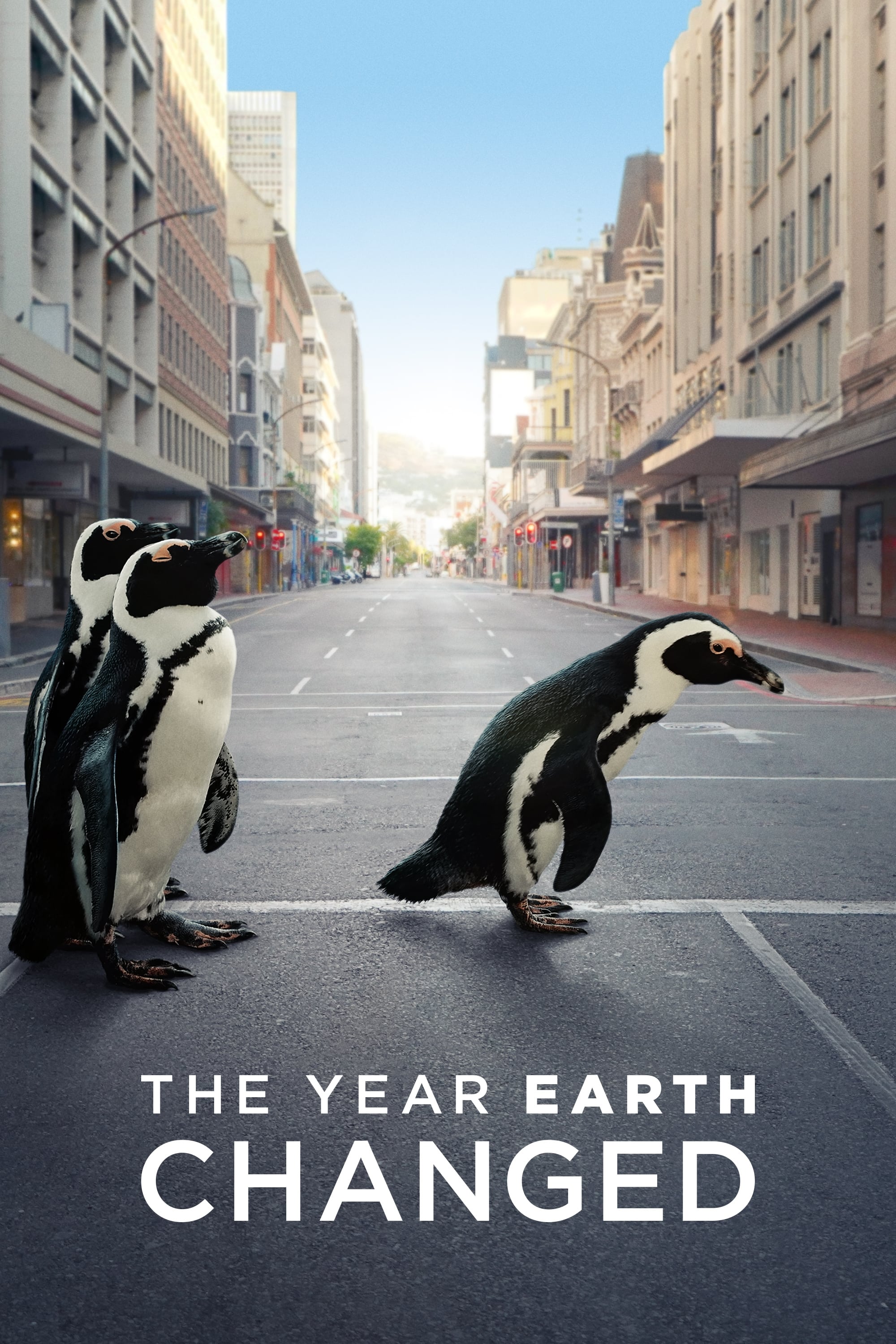
Never-before-seen footage shows how our living in lockdown opened the door for nature to bounce back and thrive. Across the seas, skies, and lands, Earth found its rhythm when we came to a stop.
A documentary on the expletive's origin, why it offends some people so deeply, and what can be gained from its use.
A visual montage portrait of our contemporary world dominated by globalized technology and violence.
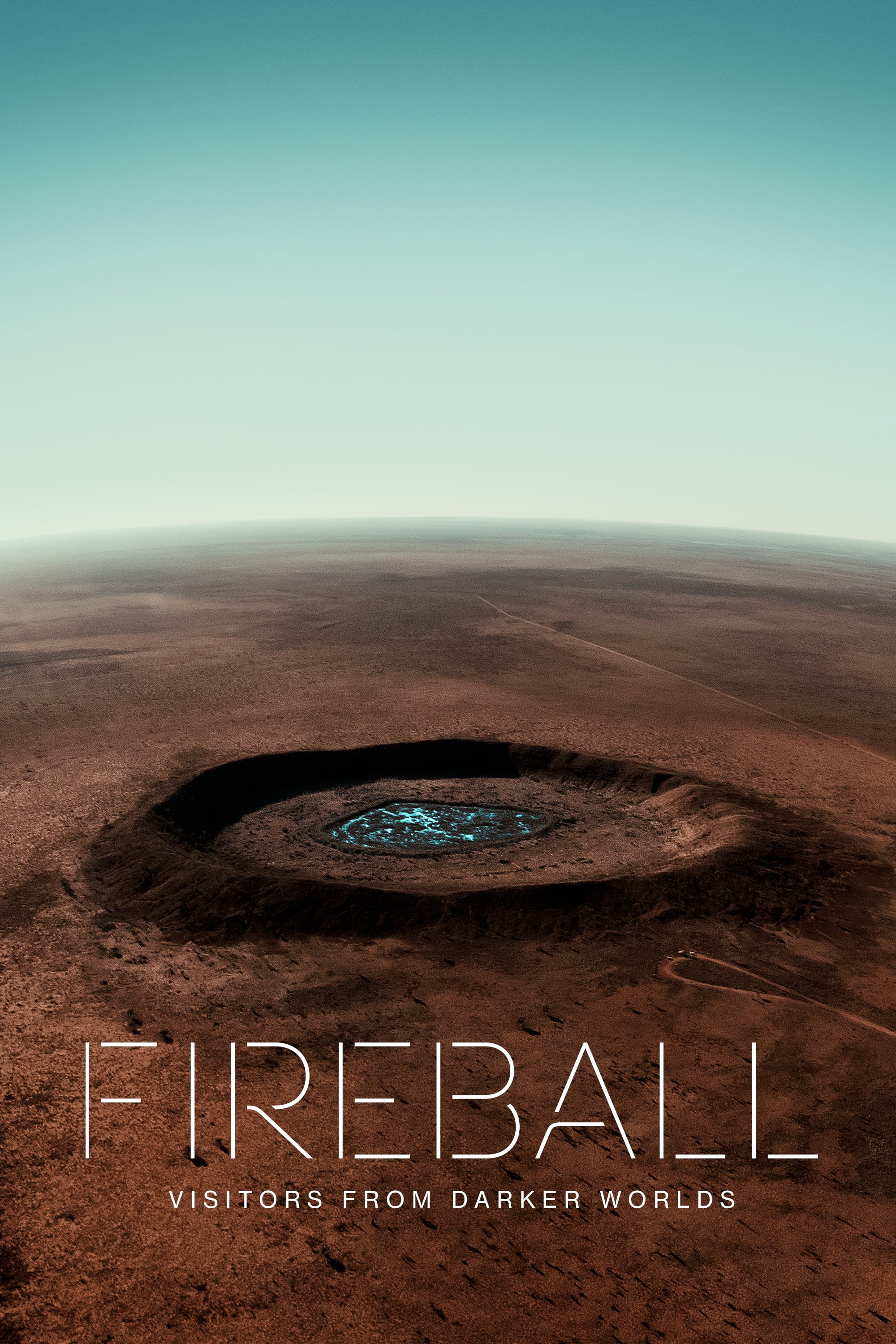
This remarkable journey across our planet and universe explores how meteorites, shooting stars, and deep impacts have awoken our wonder about other realms—and make us rethink our destinies.
The making of Matrix Revolutions, The (2003) is briefly touched on here in this documentary. Interviews with various cast and crew members inform us how they were affected by the deaths of Gloria Foster and Aaliyah, and also delve into the making of the visual effects that takes up a lot of screen time. Written by Rhyl Donnelly
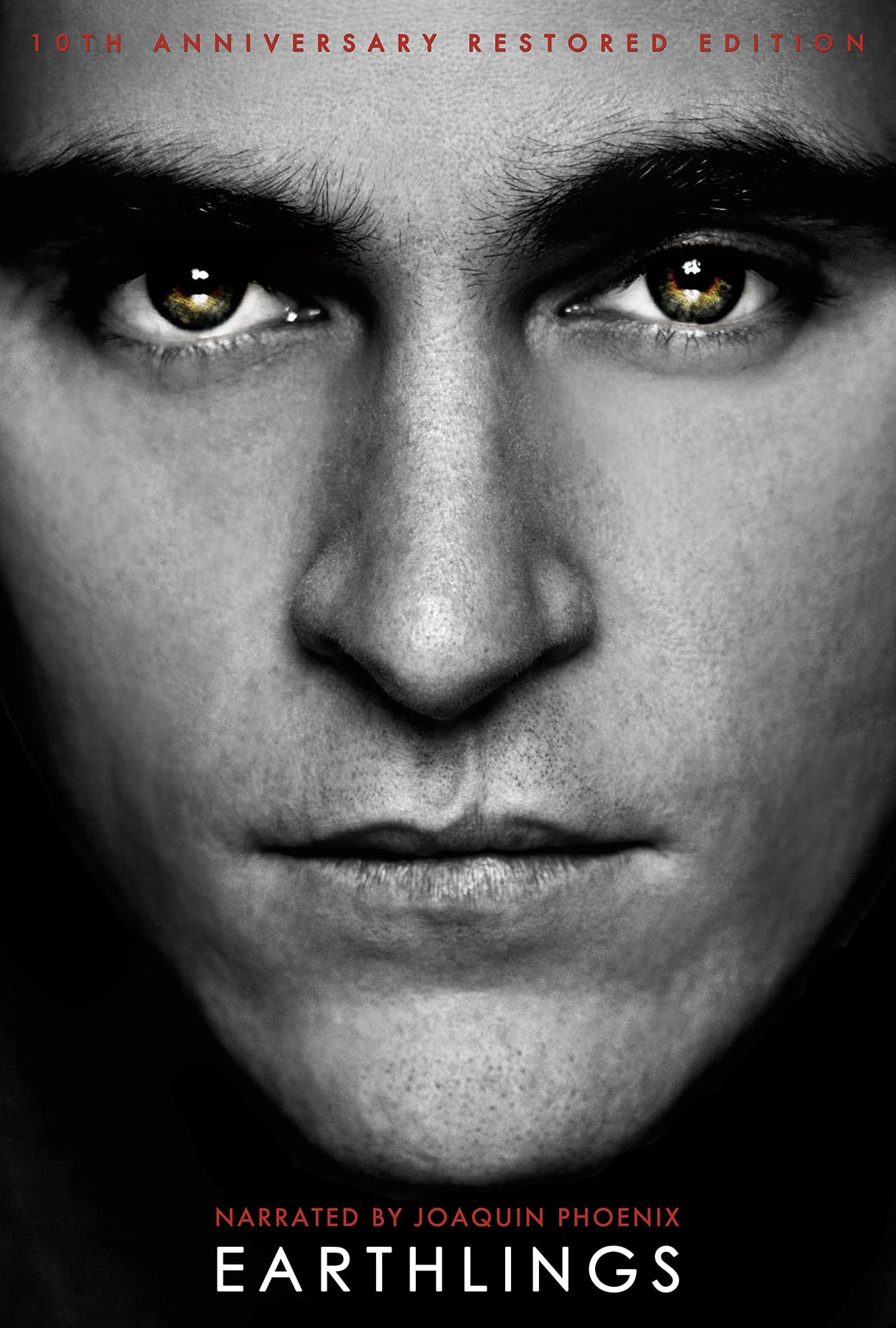
Using hidden cameras and never-before-seen footage, Earthlings chronicles the day-to-day practices of the largest industries in the world, all of which rely entirely on animals for profit.
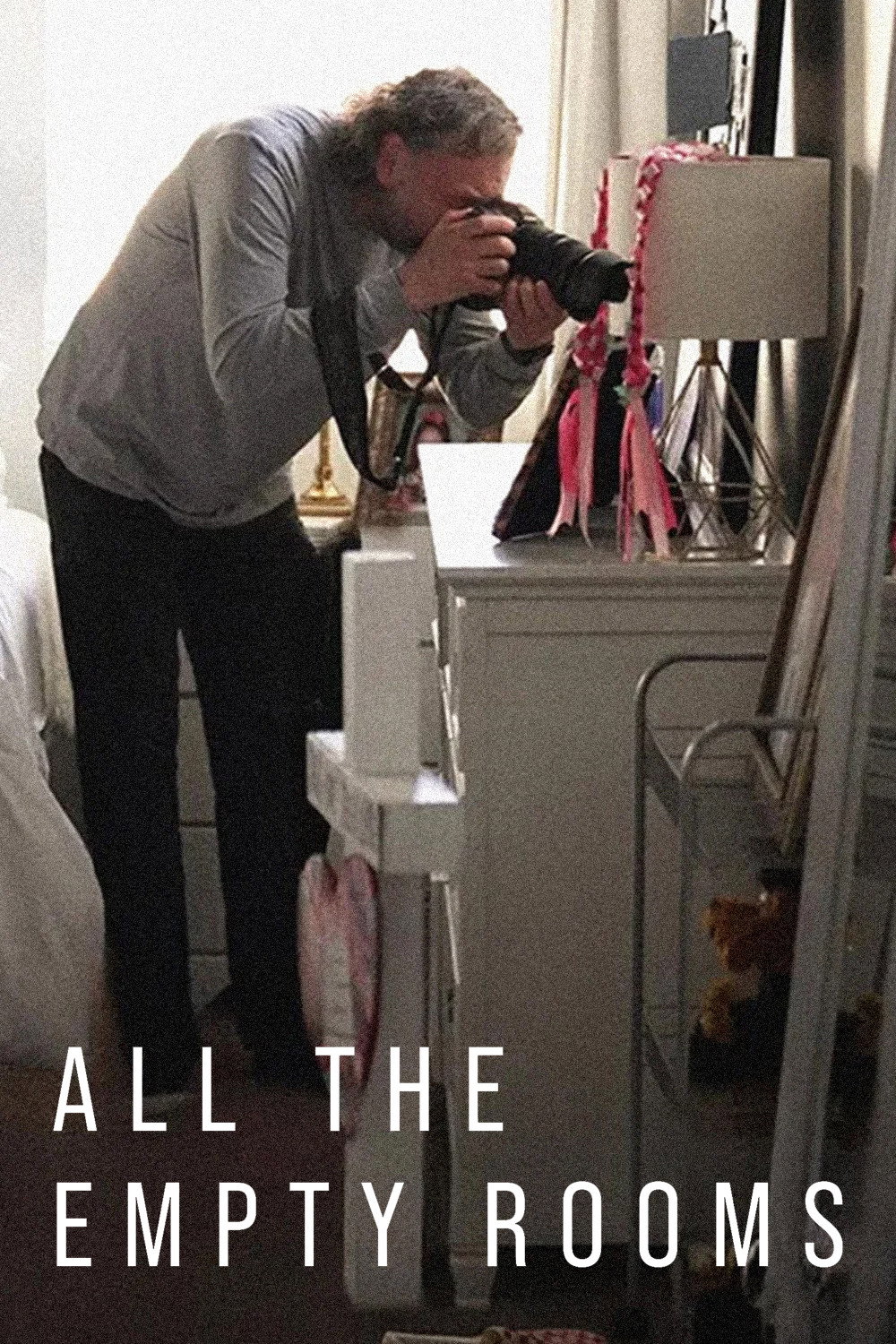
A journalist and a photographer set out to memorialize the bedrooms left behind by children killed in school shootings.
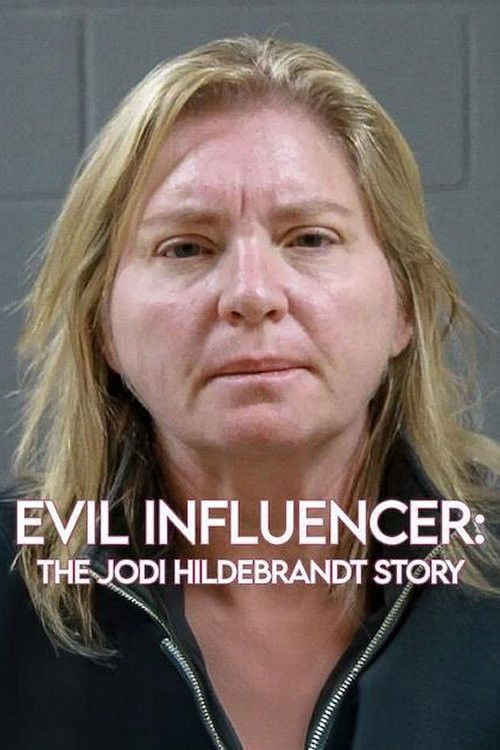
Unravel the case of Utah therapist Jodi Hildebrandt, whose child abuse arrest with parenting YouTuber Ruby Franke exposed a twisted tale of manipulation.
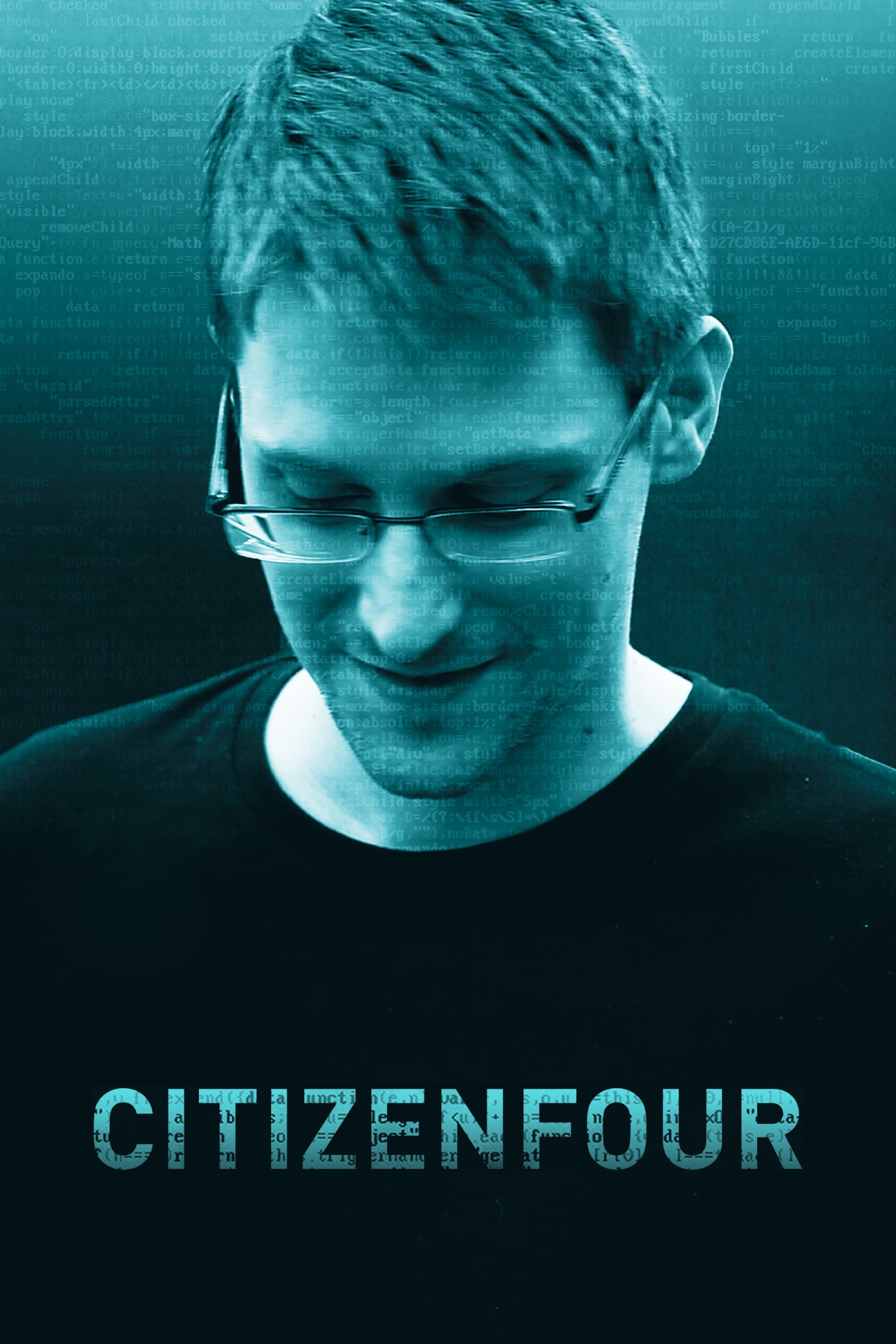
In June 2013, Laura Poitras and reporter Glenn Greenwald flew to Hong Kong for the first of many meetings with Edward Snowden. She brought her camera with her.
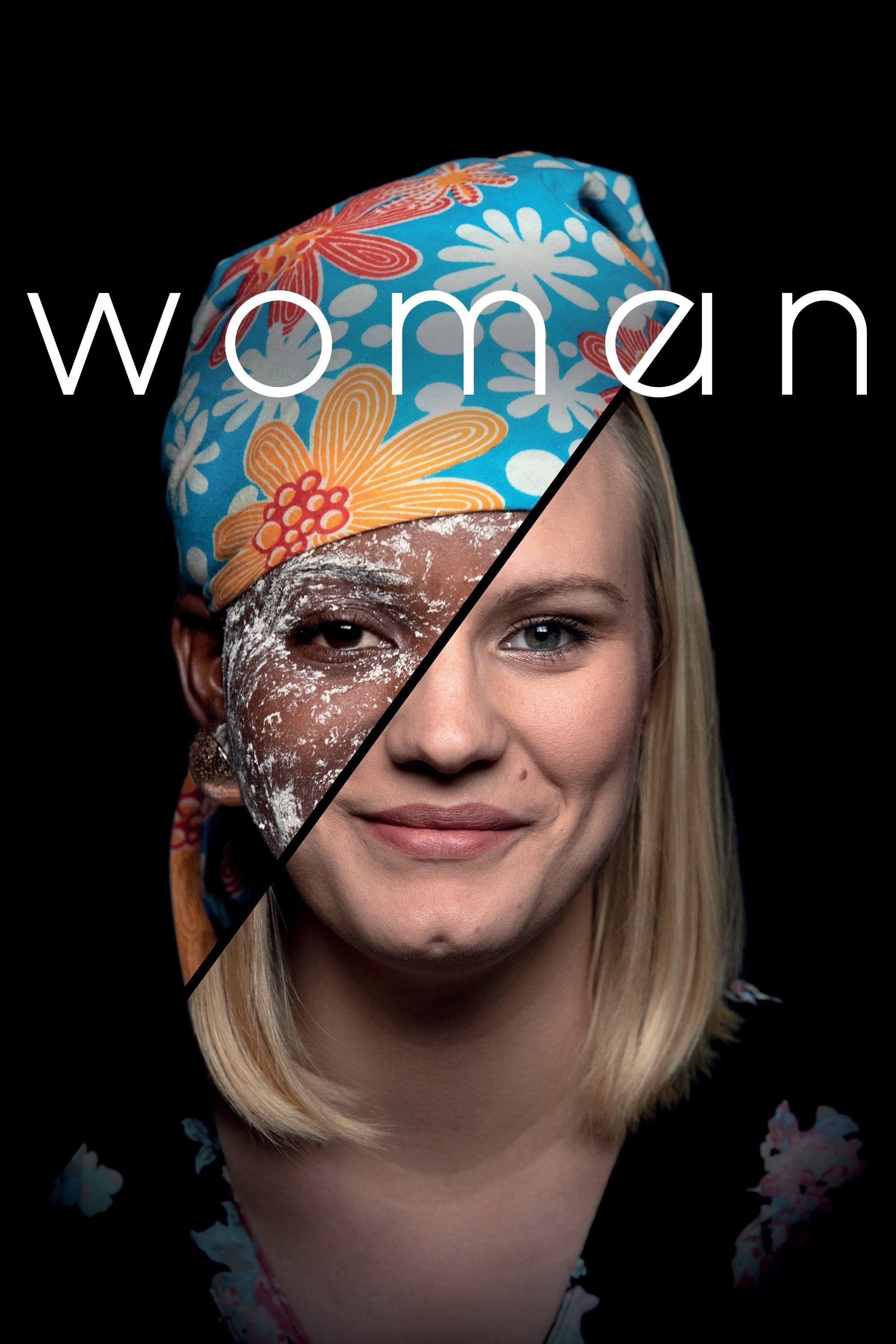
The film is based on interviews with 2,000 women from 50 countries, and covers the status of women all over the world. The topics covered include forced marriages, sexual assault, female genital mutilation, acid attacks, motherhood, sexuality, menstruation, education and the professional success of women.
Over 35 years after Bob Lazar's revelations, this documentary exposes secrets of a facility the government still denies. Featuring Lazar's testimony, recreations, and new evidence, it reopens a case that continues to spark global curiosity
Climate is changing. Instead of showing all the worst that can happen, this documentary focuses on the people suggesting solutions and their actions.
From a prolific career in film and television, Anton Yelchin left an indelible legacy as an actor. Through his journals and other writings, his photography, the original music he wrote, and interviews with his family, friends, and colleagues, this film looks not just at Anton's impressive career, but at a broader portrait of the man.
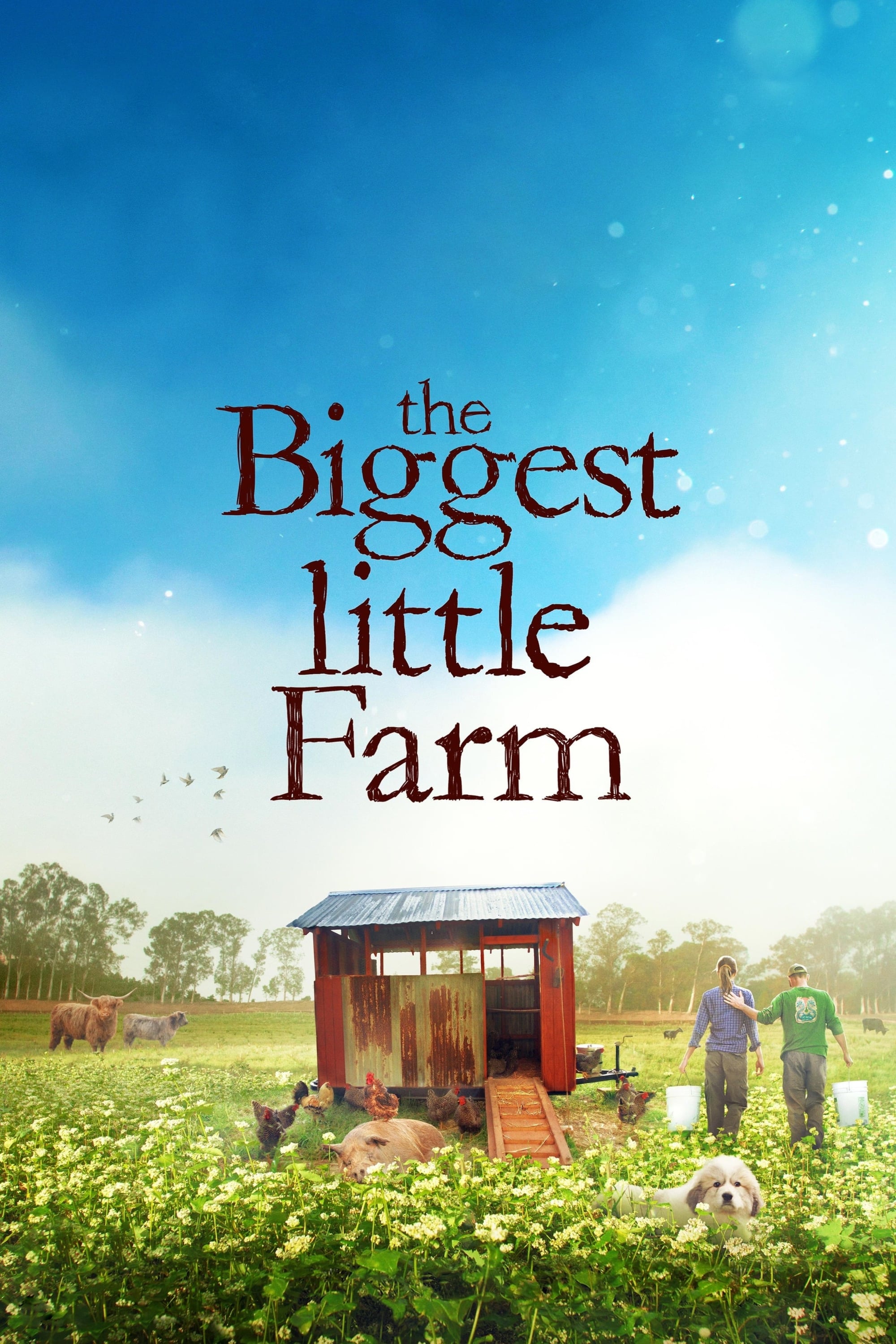
The successes and failures of a couple determined to live in harmony with nature on a farm outside of Los Angeles are lovingly chronicled by filmmaking farmer John Chester, in this inspiring documentary.