"To My Darling Daughter, Im Sorry"
Sound and Image scape by Mateo Berman-Sample.
Social & External
Voice
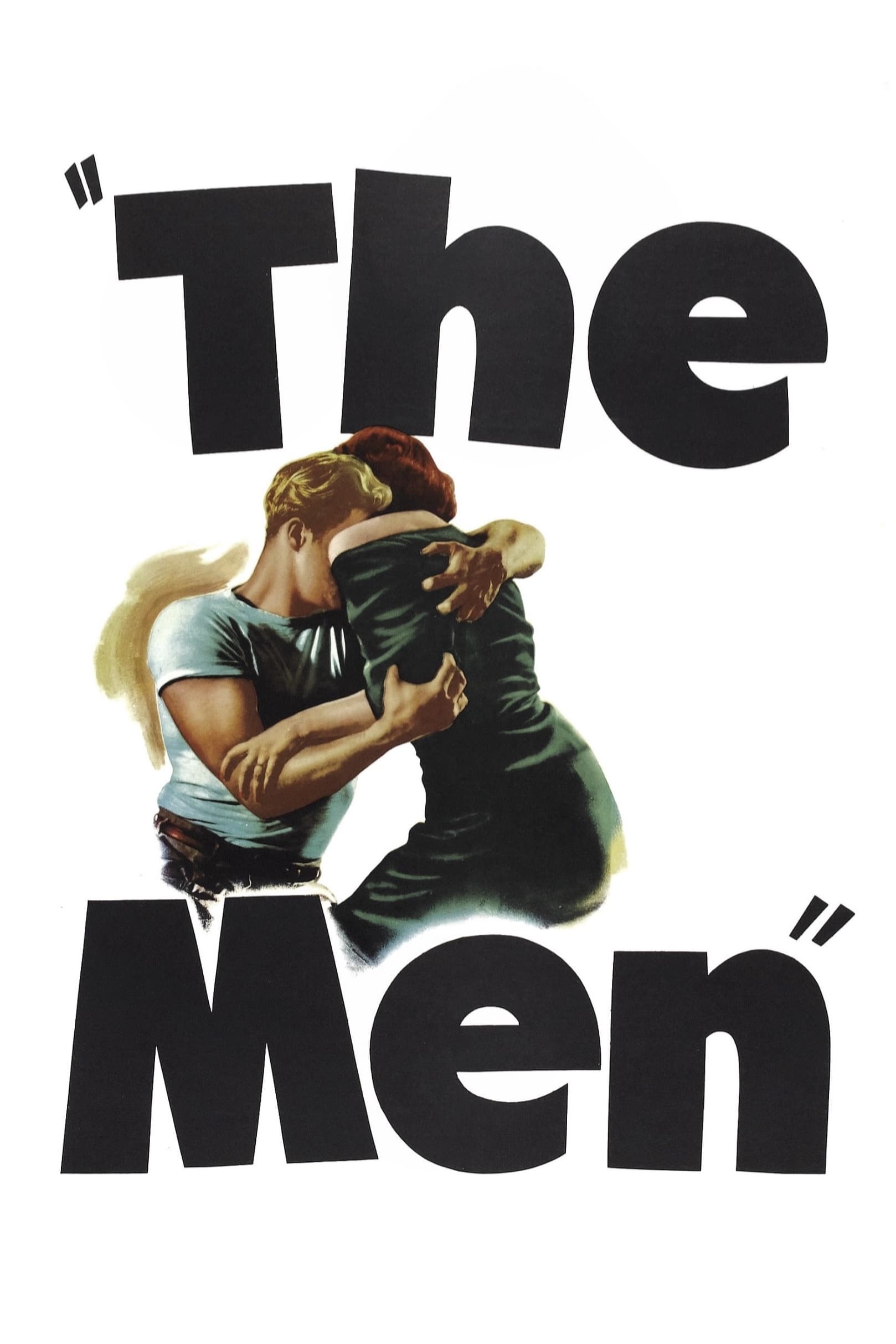
Ken, a WWII GI, returns home after he's paralyzed in battle. Residing in the paraplegic ward of a veteran's hospital and embittered by his condition, he refuses to see his fiancée and sinks into a solitary world of hatred and hostility. Head physician, Dr. Brock cajoles the withdrawn Ken into the life of the ward, where fellow patients Norm, Leo and Angel begin to pull him out of his spiritual dilemma.
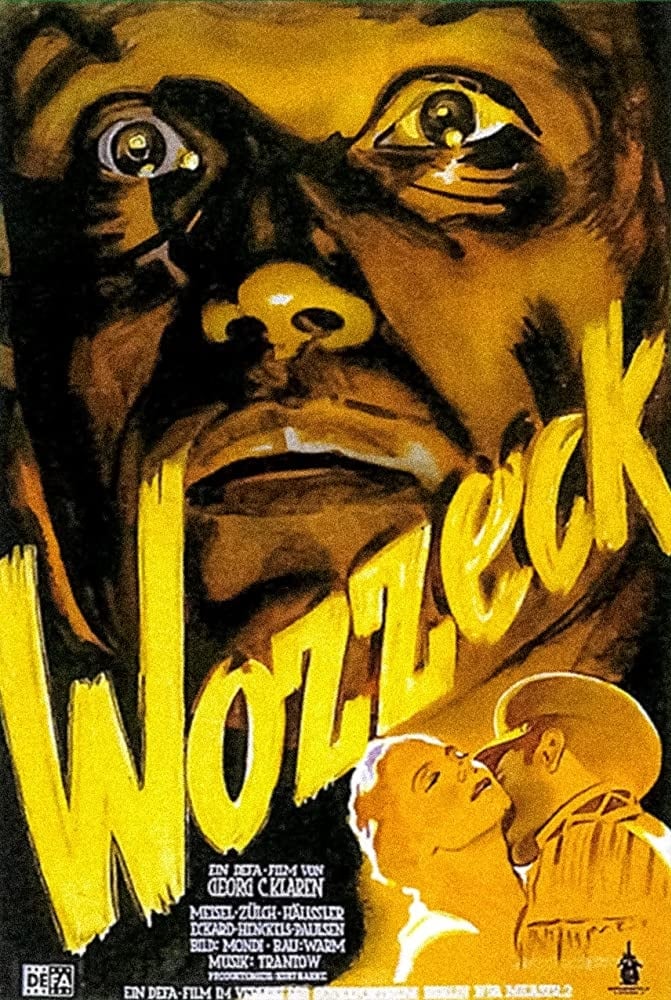
While an anatomy seminar prepares to examine the cadaver of Franz Wozzeck in the name of scientific progress, medical student Büchner excoriates humanity for having allowed Wozzeck’s fate. The tragic story unfolds in flashbacks, as Büchner narrates.
Paralyzed in the Vietnam war, Ron Kovic becomes an anti-war and pro-human rights political activist after feeling betrayed by the country he fought for.
In Depression-era West Virginia, a serial-killing preacher hunts two young children who know the whereabouts of a stash of money.
After the suppression of "Let There Be Light" (a documentary about combat-induced post-traumatic stress disorders which presented many inconvenient and demoralizing truths), the U.S. Army Signal Corp created this dramatized up-beat remake of the film. Only this time, the production excluded the involvement of John Houston, the producer of the original documentary.
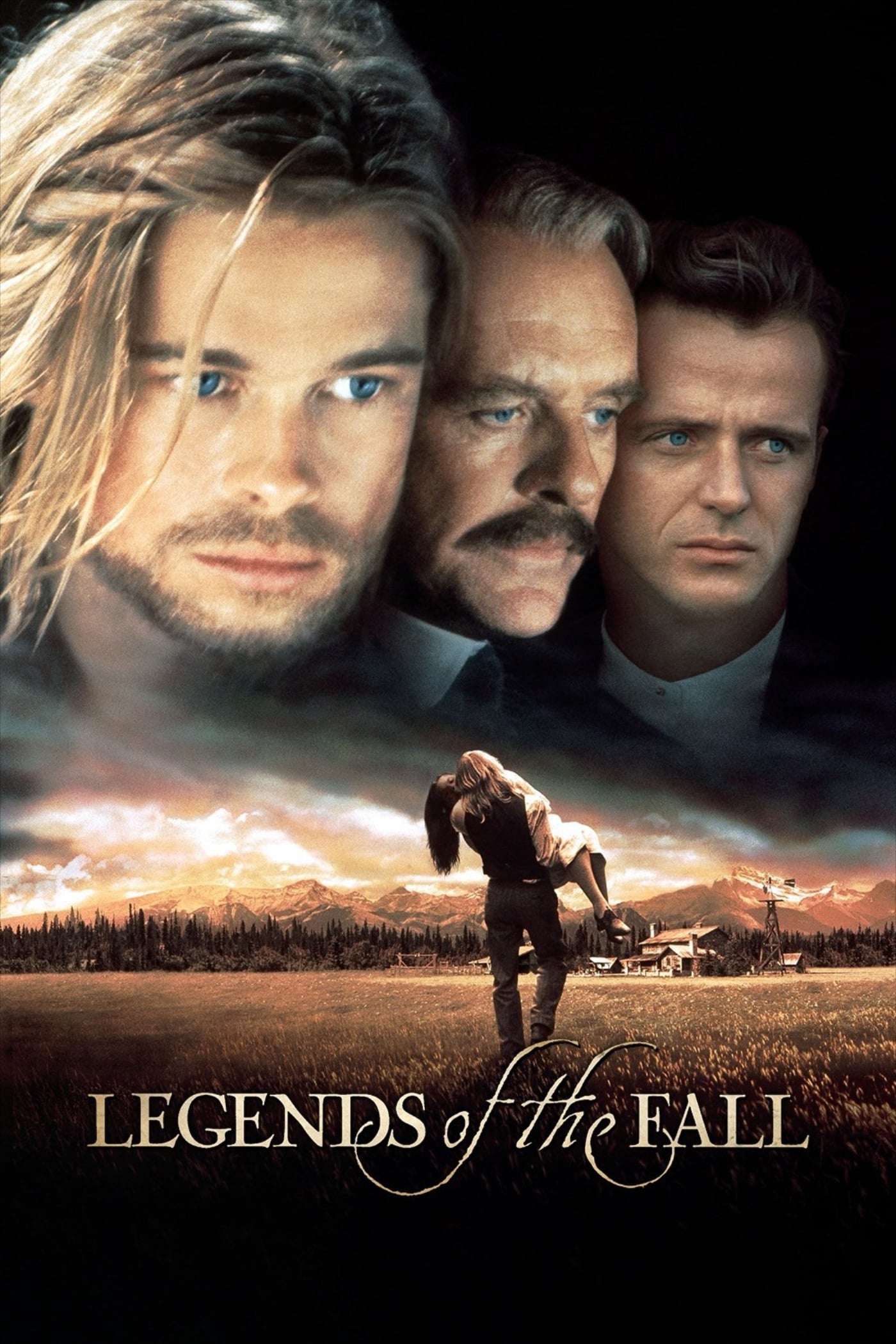
In early 20th-century Montana, Col. William Ludlow lives on a ranch in the wilderness with his sons, Alfred, Tristan, and Samuel. Eventually, the unconventional but close-knit family are bound by loyalty, tested by war, and torn apart by love, as told over the course of several decades in this epic saga.
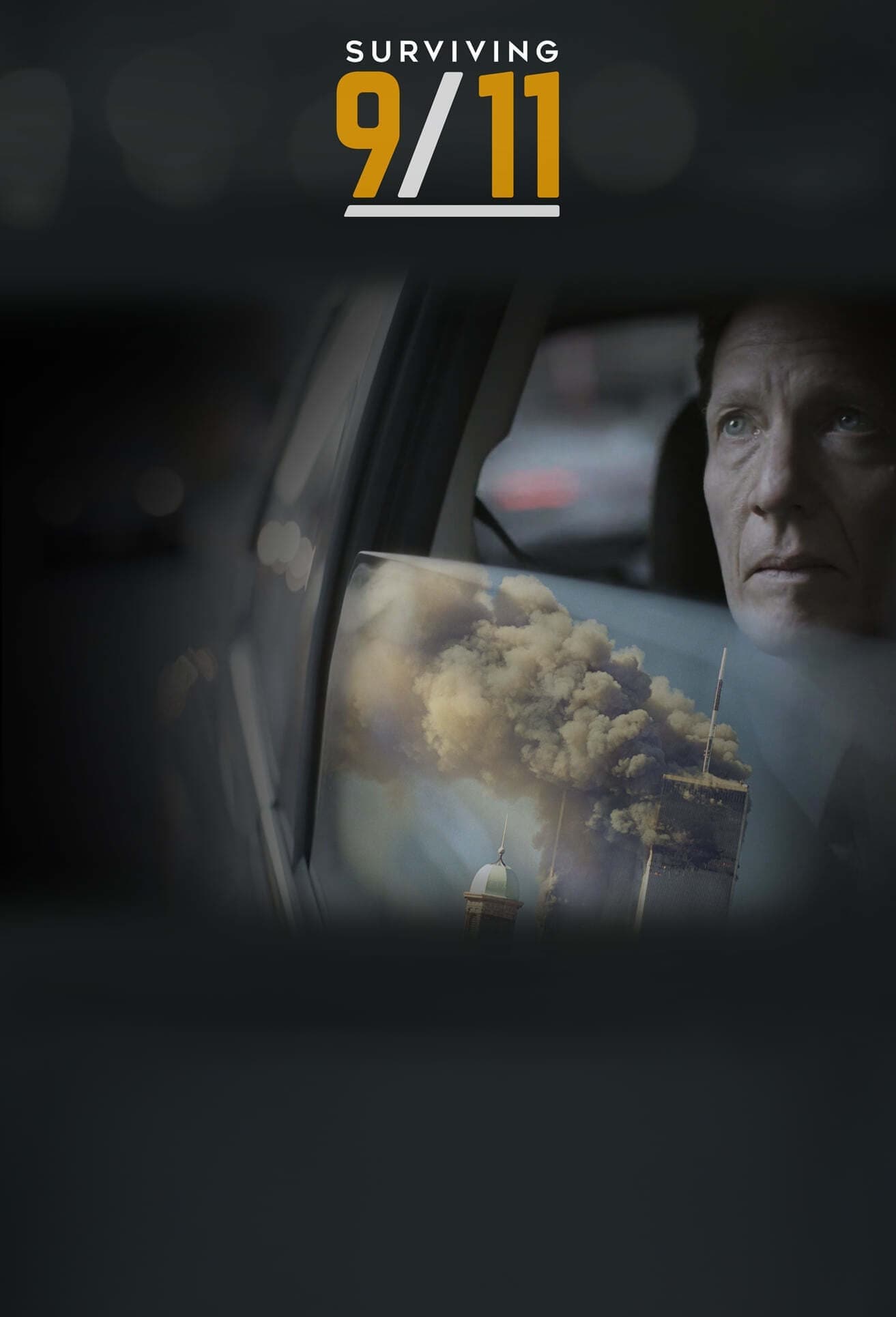
9/11 was perhaps the defining historical event of the postwar era. Broadcast live around the world like horrifying theatre, it was a moment in history imprinted onto people's memories. But what was it like to actually live through, and how easy is it to move on from a day that society wants to go on remembering? Twenty years on, this film brings together 13 ordinary people who were caught in an event they weren't able to fully comprehend at the time and which they are still working through.
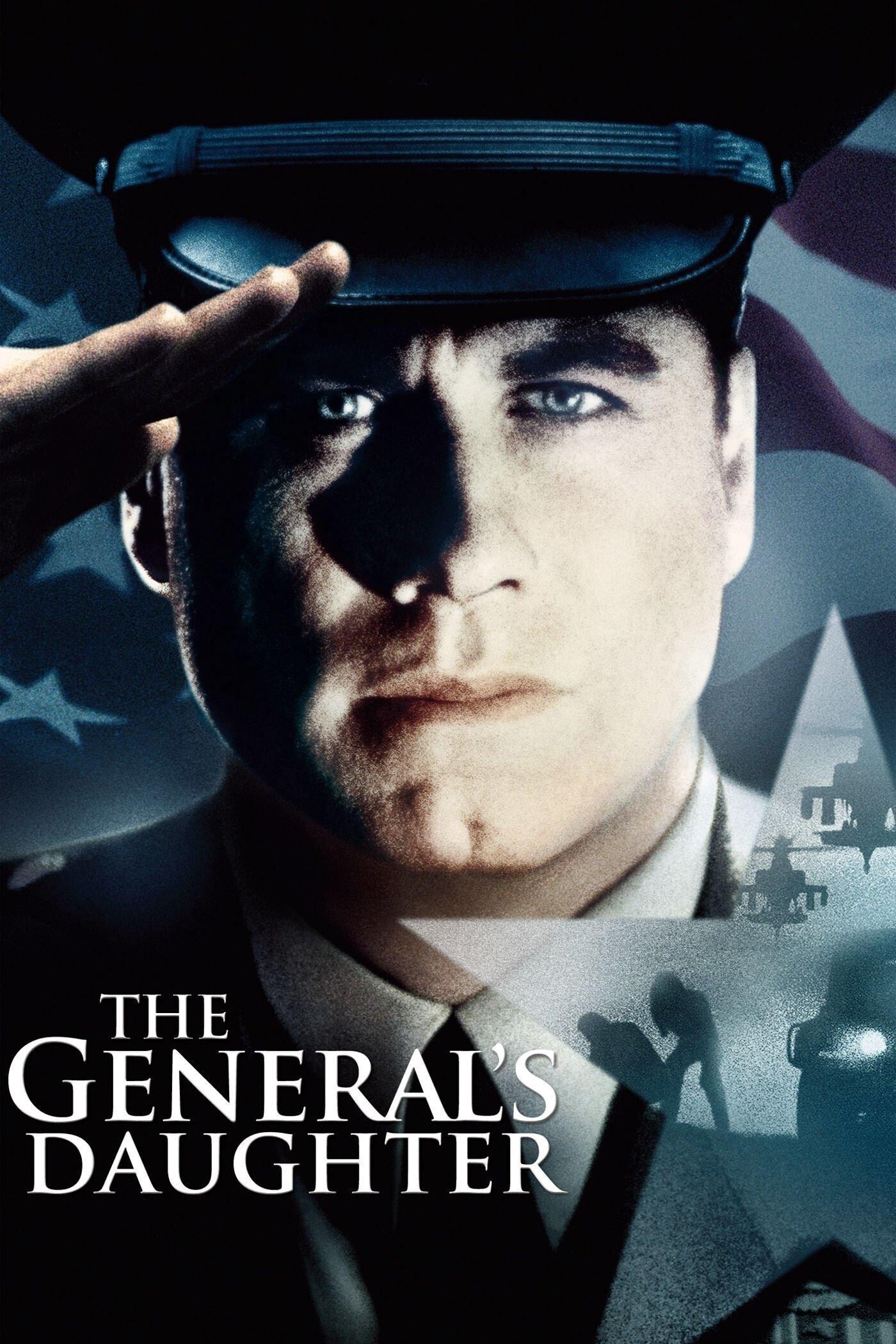
When the body of Army Capt. Elisabeth Campbell is found on a Georgia military base, two investigators, Warrant Officers Paul Brenner and Sara Sunhill, are ordered to solve her murder. What they uncover is anything but clear-cut. Unseemly details emerge about Campbell's life, leading to allegations of a possible military coverup of her death and the involvement of her father, Lt. Gen. Joseph Campbell.
After returning home from the Vietnam War, veteran Jacob Singer struggles to maintain his sanity. Plagued by hallucinations and flashbacks, Singer rapidly falls apart as the world and people around him morph and twist into disturbing images. His girlfriend, Jezzie, and ex-wife, Sarah, try to help, but to little avail. Even Singer's chiropractor friend, Louis, fails to reach him as he descends into madness.
Hanns Heinz Ewers' grim science-fiction novel Alraune has already been filmed twice when this version was assembled in 1928. In another of his "mad doctor" roles, Paul Wegener plays Professor Brinken, sociopathic scientist who combines the genes of an executed murderer with those of a prostitute. The result is a beautiful young woman named Alraune (Brigitte Helm), who is incapable of feeling any real emotions -- least of all guilt or regret. Upon attaining adulthood, Alraune sets about to seduce and destroy every male who crosses her path. Ultimately, Professor Brinken is hoist on his own petard when he falls hopelessly in love with Alraune himself. Alraune was remade in 1930, with Brigitte Helm repeating her role, and again in 1951, with Hildegarde Knef as the "heroine" and Erich von Stroheim as her misguided mentor.
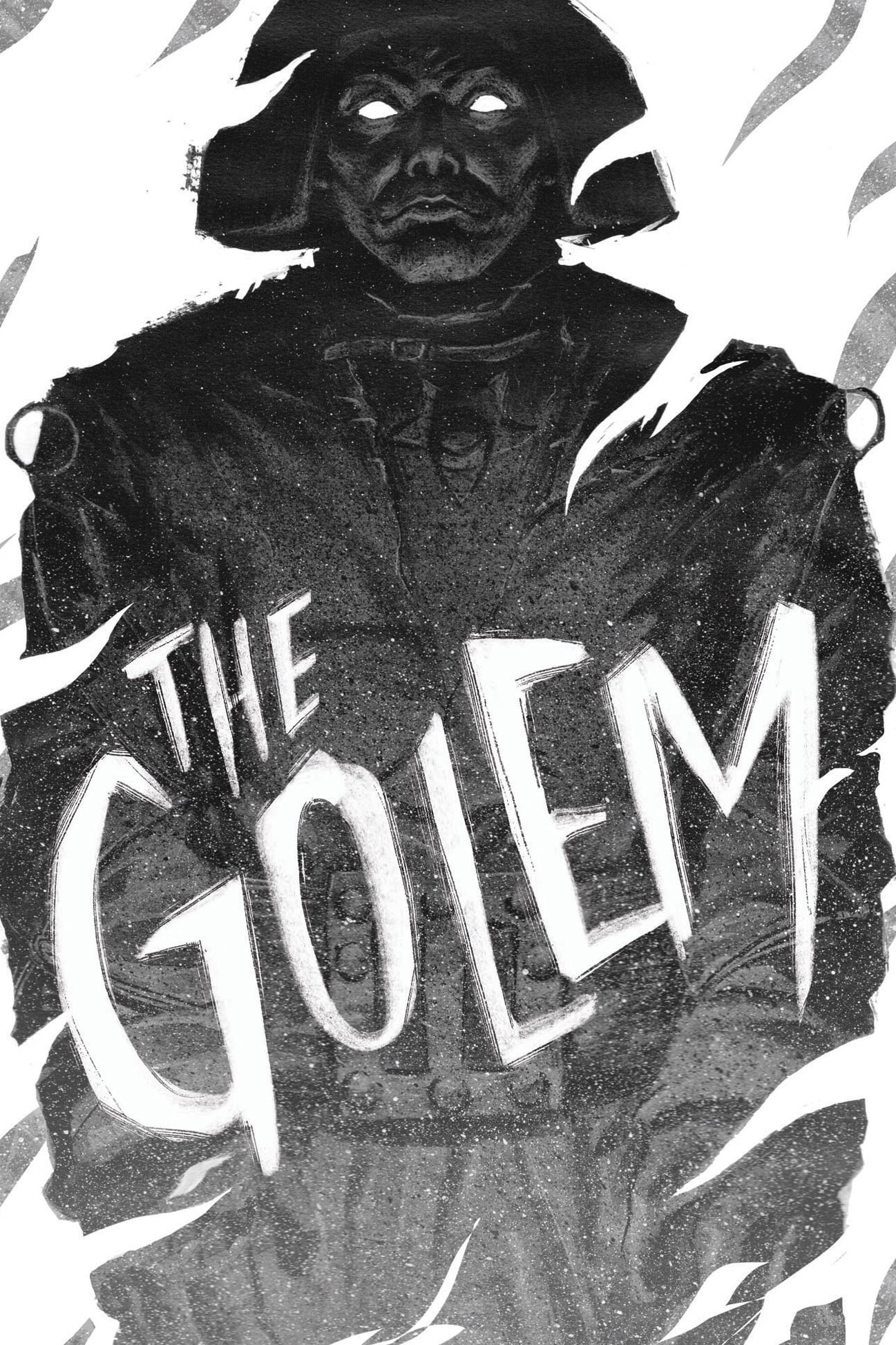
In 16th-century Prague, a rabbi creates the Golem - a giant creature made of clay. Using sorcery, he brings the creature to life in order to protect the Jews of Prague from persecution.
Some time ago, Mima had a car accident and a man died. She has almost managed to forget about it when someone starts sending her birthday cards perfumed with a man's fragrance.
In the future, an Ex-Soldier is placed in virtual exercises to cure his Post Traumatic Stress Disorder. In the simulations, he sees glimpses of a mysterious girl, presumably someone from his past. When a Stranger appears in his facility offering answers, the Soldier finds himself once again asked to kill, this time for her...
A teenage boy is home alone for the weekend but when nocturnal creatures living in his attic escape, he must survive.
Between psychosis, delusions of persecution and trauma, A finds himself at an interface between past and present after a stay in hospital. What is still reality and what is a fearful manifestation of traumatic encounters? By confronting herself with old diary entries, she tries to come to terms with the emotional maelstrom. The breaches of trust from her youth keep pushing their way to the surface in her current relationships and make it difficult to grasp happiness.
A field surgeon suffering from PTSD after combat in the Middle East creates a living human out of body parts in his Brooklyn lab.
The tragic story of a young orphan girl who is befriended by an innocent but emotionally disabled veteran of the French Indochina War.
UN DÍA DE MAYO (Becoming Mayo ) explores the emotional journey of Mayo, a young man burdened by unresolved trauma, who must confront his painful past to reclaim his passion for painting and embrace love. The film delves into the healing process, showing how creativity and vulnerability can break the barriers of fear and guilt.
THE SCIENCE OF TAPPING is a collection of videos about the practice of Emotional Freedom Techniques (or "tapping"). Tapping techniques are interventions that apply principles of Chinese medicine for self-regulation — especially for the relief of chronic stress, anxiety, or pain. Interviewees discuss the evidence basis for the benefits of manually percussing some associated acupuncture points.
The first World War is in its third year and aerial combat above the Western Front is consuming the nation's favored children at an appalling rate. By early 1917, the average life-span of a British pilot is less than a fortnight. Such losses place a fearsome strain on Gresham, commanding officer of the squadron. Aces High recreates the early days of the Royal Flying Corps with some magnificently staged aerial battles, and sensitive direction presents a moving portrayal of the futilities of war.