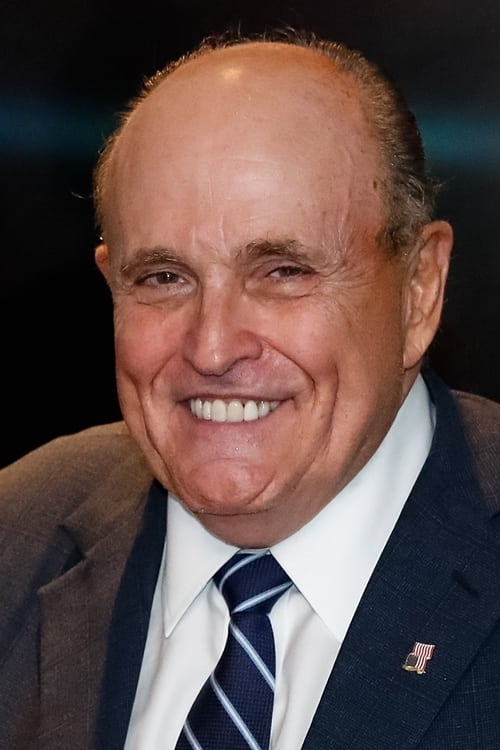
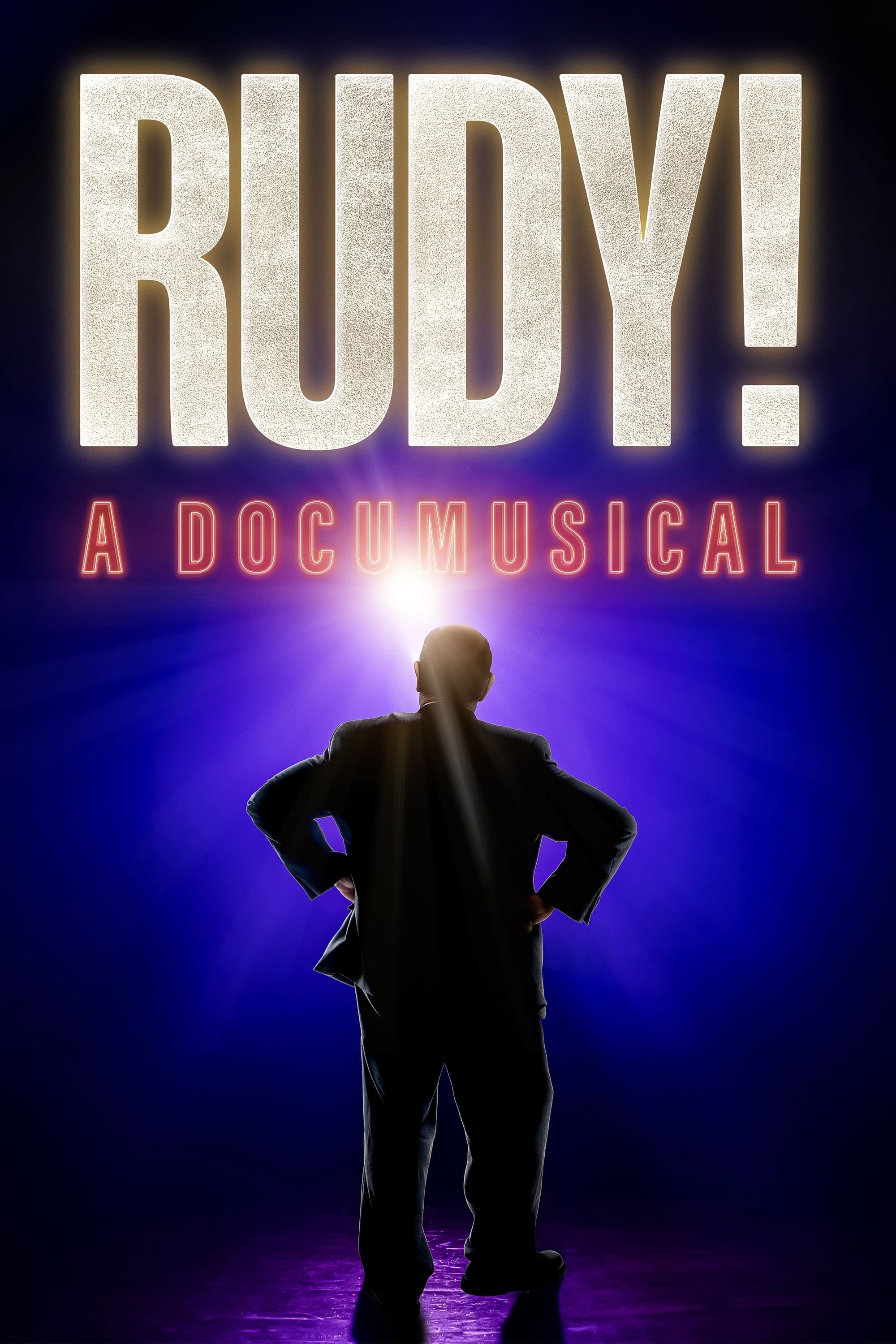
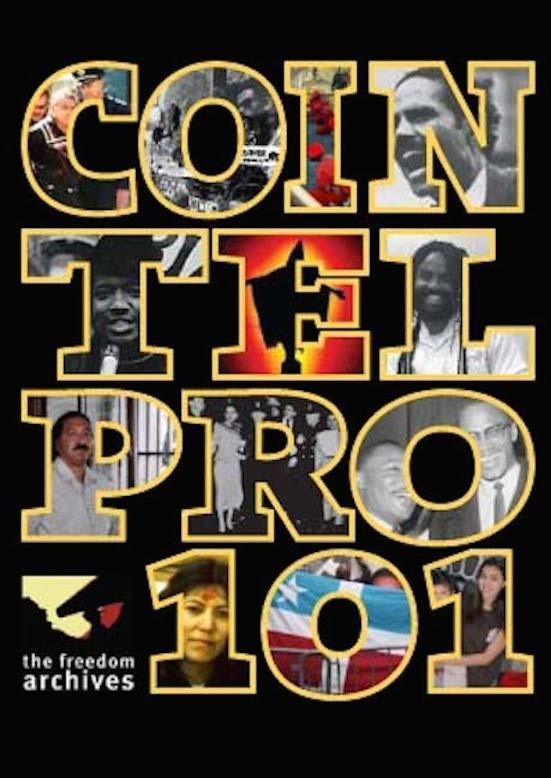
A look at Donald Trump's run-in's with the FBI since the nineteen-seventies.
Social & External
Self
Self (archive footage)
"The End of the Line - Rochester's Subway" tells the little-known story of the rail line that operated in a former section of the Erie Canal from 1927 until its abandonment in 1956. Produced in 1994 by filmmakers Fredrick Armstrong and James P. Harte, the forty-five minute documentary recounts the tale of an American city's bumpy ride through the Twentieth Century, from the perspective of a little engine that could, but didn't. The film has since been rereleased (2005) and now contains the main feature with special portions that were added as part of the rereleased version. These include a look at the only surviving subway car from the lines and a Phantom tun through the tunnels in their abandoned state, among others, for a total of 90 minutes of unique and well preserved historical information.
Tony Silver and Henry Chalfant's PBS documentary tracks the rise and fall of subway graffiti in New York in the late 1970s and early 1980s.
after mourning the passing of his late wife, Bill finds the courage to travel to New York City and reconnect with his favorite mistress.
On October 1, 2013, the elusive street artist Banksy launched a month-long residency in New York, an art show he called Better Out Than In. As one new work of art was presented each day in a secret location, a group of fans, called “Banksy Hunters,” took to the streets and blew up social media.
Observations at Manhattan's Grand Central Terminal, which is one of the most fascinating stations for insiders. The documentary takes the completed renovation of the building as an occasion to bring the magnificent architecture to life; at the same time, it focuses on the countless momentary encounters when the paths of commuters and flâneurs cross.
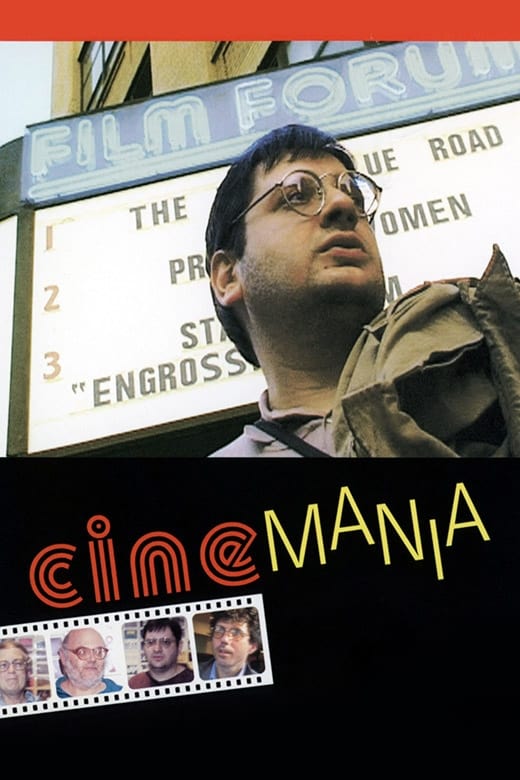
Since 1987, and for almost three decades, New York cinephiles had access to a vast treasure trove of rare films thanks to Kim's Video, a small empire run by Yongman Kim, an enigmatic character who amassed more than fifty thousand VHS tapes.
Four Black transgender sex workers in Atlanta and New York City break down the walls of their profession.
The history of New York’s Meatpacking District, told from the perspective of transgender sex workers who lived and worked there. Filmmaker Kristen Lovell, who walked “The Stroll” for a decade, reunites her community to recount the violence, policing, homelessness, and gentrification they overcame to build a movement for transgender rights.
Report on vandalism
Max Gimblett: Original Mind documents the life and process of eccentric, creative genius Max Gimblett. One of New Zealand’s most successful and internationally prominent living painters, Gimblett has been working in America since 1962. The filmmakers spent a week in Gimblett’s Soho loft where he and his devoted studio assistants generously revealed the techniques and philosophy behind his beautiful art.
A collaboration between filmmaker Ayoka Chenzira and performance artist Thomas Pinnock, who performs his "immigrant folktales" using traditional lore of his native Jamaica to dramatize his migration to New York in the 60's.
A documentary about Pat the Cat and other roller disco skaters who want to make it big doing what they do.
Central Park: The People’s Place is a loving portrait of New York’s collective backyard. It is a biography of a living place that continues to evolve as the city changes. The documentary explores its historic creation as the first truly public park, its psychological and sociological significance, artistic design, and role as an urban oasis as the world becomes increasingly aware of the importance of green spaces. The film celebrates nature’s seasonal changes with beautiful photography and original music that capture the “good vibes” of a park filled with New Yorkers at play. Home to birdwatchers, sunbathers, kids playing in the snow, musicians giving impromptu concerts and big events like Shakespeare in the Park and the New York City Marathon, Central Park is central to the life of the city. Central Park: The People’s Place examines both the collective and individual experiences of Central Park, rejoicing in the diversity and splendor of an American experiment in social democracy.
This documentary offers an intimate look at the life and legacy of American abstract expressionist Franz Kline. Through personal memories and reflections from those who knew him—such as fellow artist Willem de Kooning, de Kooning’s wife Elaine, and other contemporaries—the film paints a vivid portrait of Kline’s personality, artistic spirit, and lasting influence. Known for his powerful black and white compositions and bold brushwork, Kline is remembered not only for his art, but also for his wit, warmth, and passionate approach to painting. The episode explores both his creative process and the deep friendships that shaped his career.
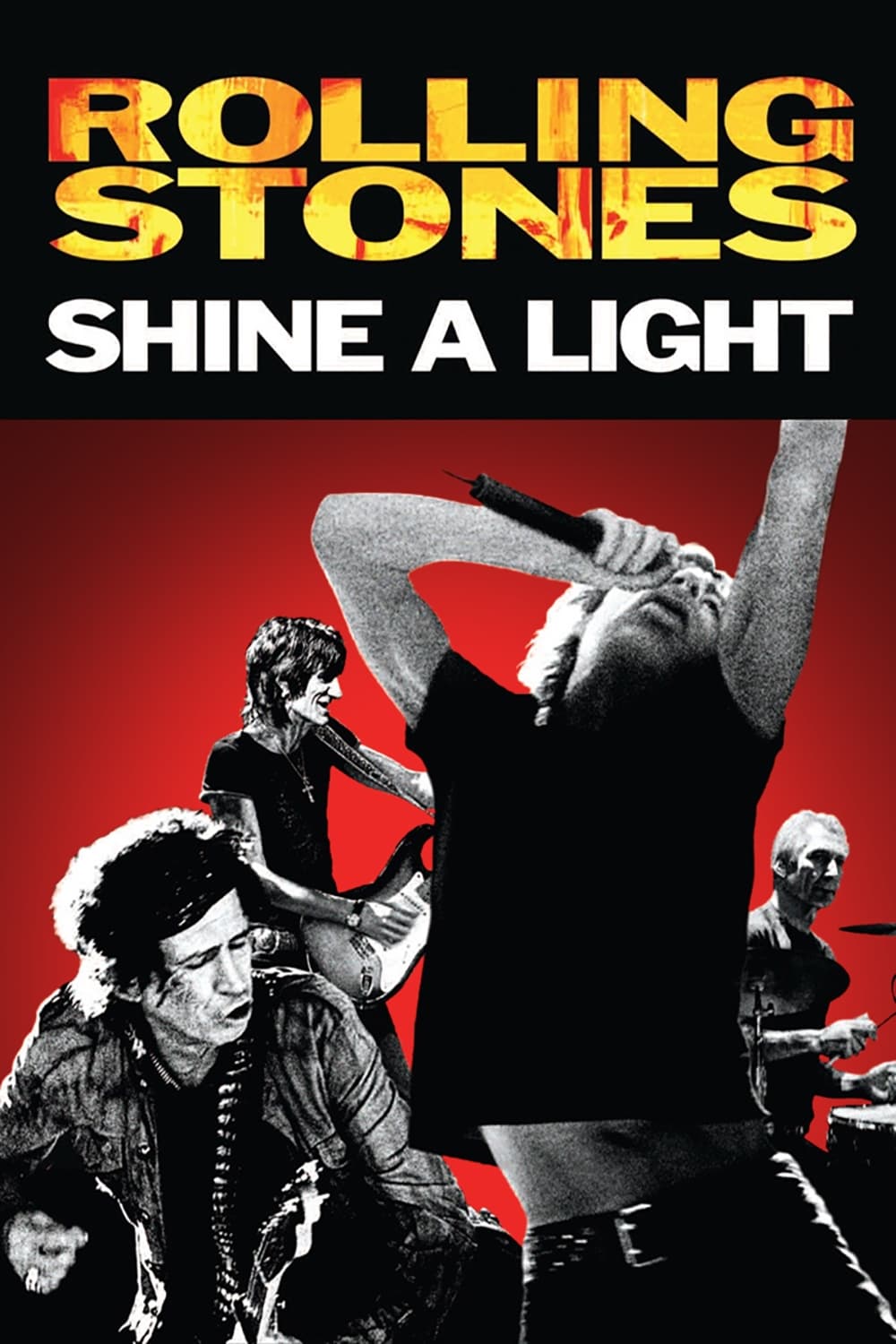
Martin Scorsese’s electrifying concert documentary captures The Rolling Stones live at New York’s Beacon Theatre during their A Bigger Bang tour. Filmed over two nights in 2006 with an all-star team of cinematographers, the film combines dynamic performances with archival footage and rare glimpses behind the scenes, offering a vibrant portrait of the band’s enduring energy and legacy.
Kristina, a self-named Hungarian female lion tamer, arrives in New York to become a dance choreographer. Kristina, now a middle-class NYC artist concerned about the environment, has a sailor lover named Raoul. The film, a collage work, an essay film, a fictional narrative and a documentary all rolled into one, is one of the most important independent American feminists films made during the 1970's.
Empire Skate chronicles the colorful rise and enduring influence of New York skateboarding culture in the 1990s, through the global phenomenon of Supreme and intimate portraits of the skaters who breathed life into that world. From the highs of breakout film success and the creation of a brand and movement to the lows of fractured families and the loss of close friends, it is a style-and-substance trip through a unique moment when multiple trends converged on one city to create something timeless.
A cinematic portrait of the homeless population who live permanently in the underground tunnels of New York City.
Eleven-year-old New York City public school kids journey into the world of ballroom dancing and reveal pieces of themselves and their world along the way. Told from their candid, sometimes humorous perspectives, these kids are transformed, from reluctant participants to determined competitors, from typical urban kids to "ladies and gentlemen," on their way to try to compete in the final citywide competition.