"5"
The two-year National Inquiry into Missing and Murdered Indigenous Women and Girls, established by Ottawa, heard from 1,484 survivors of violence and their loved ones, as well as numerous experts. What will come next?
Social & External
Rematriation explores scientific, cultural, economic and sociopolitical perspectives, as citizens fight to protect the last big trees in British Columbia from being felled. The lessons we take away permeate the fabric of Canadian identity.
Filmmaker and educator Janine Windolph ventures from Saskatchewan to Quebec with her two teens and younger sister, tracing their familial origins to the Cree First Nation of Waswanipi. Against the scenic backdrop of these Traditional Lands, Elders offer newfound interdependence and hands-on learning, transforming this humble visit into a sensory-filled expression of reclamation and resilience. Our Maternal Home lovingly establishes a heart-centred form of resistance to confront and heal from the generational impacts of cultural disconnection, making space for what comes next.


Red Fever is a witty and entertaining feature documentary about the profound -- yet hidden -- Indigenous influence on Western culture and identity. The film follows Cree co-director Neil Diamond as he asks, “Why do they love us so much?!” and sets out on a journey to find out why the world is so fascinated with the stereotypical imagery of Native people that is all over pop culture. Why have Indigenous cultures been revered, romanticized, and appropriated for so long, and to this day? Red Fever uncovers the surprising truths behind the imagery -- so buried in history that even most Native people don't know about them.
Some 20 years ago, two sex workers were murdered in an upper-class Brussels neighborhood. Celebrated Belgian magistrate Anne Gurwez decides to revisit this cold case, pouring over the evidence with the use of new technologies and tracking down then-suspects.
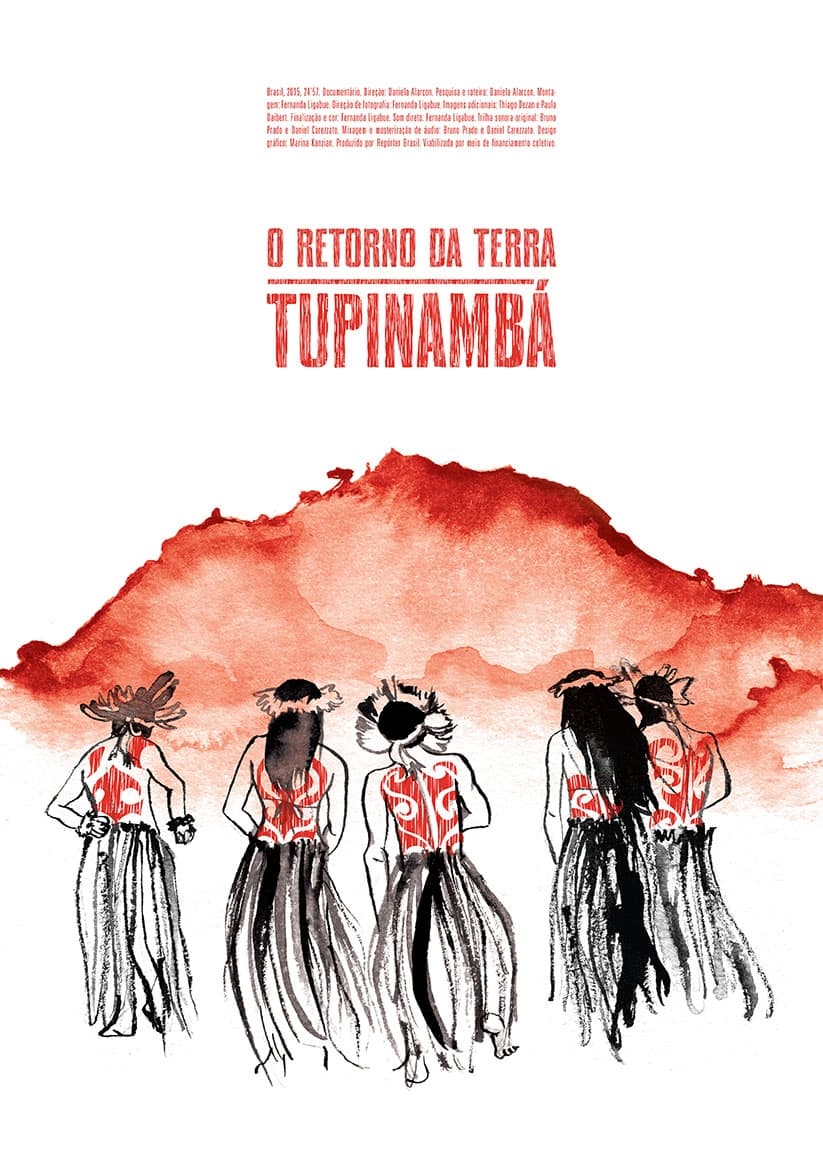
In Southern Bahia, seven indigenous women invite to reflection, sharing their mythology, ancestry and paths to living well.
A paralysingly beautiful documentary with a global vision—an odyssey through landscape and time—that attempts to capture the essence of life.
This unique documentary dramatically re-enacts the crime scene and investigation of a police officer's murder in Dallas.
Three Alaska Native women work to save their endangered language, Kodiak Alutiiq, and ensure the future of their culture while confronting their personal demons. With just 41 fluent Native speakers remaining, mostly Elders, some estimate their language could die out within ten years. The small community travels to a remote Island, where a language immersion experiment unfolds with the remaining fluent Elders. Young camper Sadie, an at-risk 13 year old learner and budding Alutiiq dancer, is inspired and gains strength through her work with the teachers. Yet PTSD and politics loom large as the elders, teachers, and students try to continue the difficult task of language revitalization over the next five years.
Joyce Jonathan Crone—Mohawk matriarch, retired teacher, activist, humanitarian—reaches forward into her community of Huntsville, Ontario, opening hearts and bridging gaps for Indigenous education.
Legendary Canadian documentarian Alanis Obomsawin digs into the tangled history of Treaty 9 — the infamous 1905 agreement wherein First Nations communities relinquished sovereignty over their traditional territories — to reveal the deceptions and distortions which the document has been subjected to by successive governments seeking to deprive Canada’s First Peoples of their lands.
50 years on, the Aboriginal Tent Embassy is the oldest continuing protest occupation site in the world. Taking a fresh lens this is a bold dive into a year of protest and revolutionary change for First Nations people.
Two friends, both Indigenous fishermen, are driven to desperation by a dying sea. Their friendship begins to fracture as they take very different paths to provide for their struggling families.
Documents the cultural and ecological impacts of coal stripmining, uranium mining, and oil shale development in Utah, Colorado, New Mexico, and Arizona – homeland of the Hopi and Navajo.
A documentary account by award-winning filmmaker John Ferry of the events that led up to the 1969 Native American occupation of Alcatraz Island as told by principal organizer, Adam Fortunate Eagle. The story unfolds through Fortunate Eagle's remembrances, archival newsreel footage and photographs.
Using the camera as a weapon to defend their ancestral land in Brazil, three women of the Daje Kapap Eypi audiovisual collective lovingly record their Munduruku traditions and their mythology of humans transforming into forest plants and animals.
From the remote Australian desert to the opulence of Buckingham Palace - Namatjira Project is the iconic story of the Namatjira family, tracing their quest for justice.
In this evocative meditation, a disturbing link is made between the resource extraction industries’ exploitation of the land and violence inflicted on Indigenous women and girls. Or, as one young woman testifies, “Just as the land is being used, these women are being used.”
VICE's Matt Shea takes viewers inside Andrew Tate’s secret society and compound in Romania and gives a voice to women who were allegedly abused by him.
The Le Mans race in 1955 made history through tragedy when more than 80 spectators were killed. Uncover the story of the crash that took the lives of so many and, to this day, looms over the world of motorsports.
In northern Peru, the unprecedented archaeological discovery of the largest known mass child sacrifice in the world opens the doors to the kingdom of Chimor. This international archaeological investigation carried out like a criminal investigation reveals the mysteries of the last civilization of the Andes before the arrival of the Incas.