Social & External
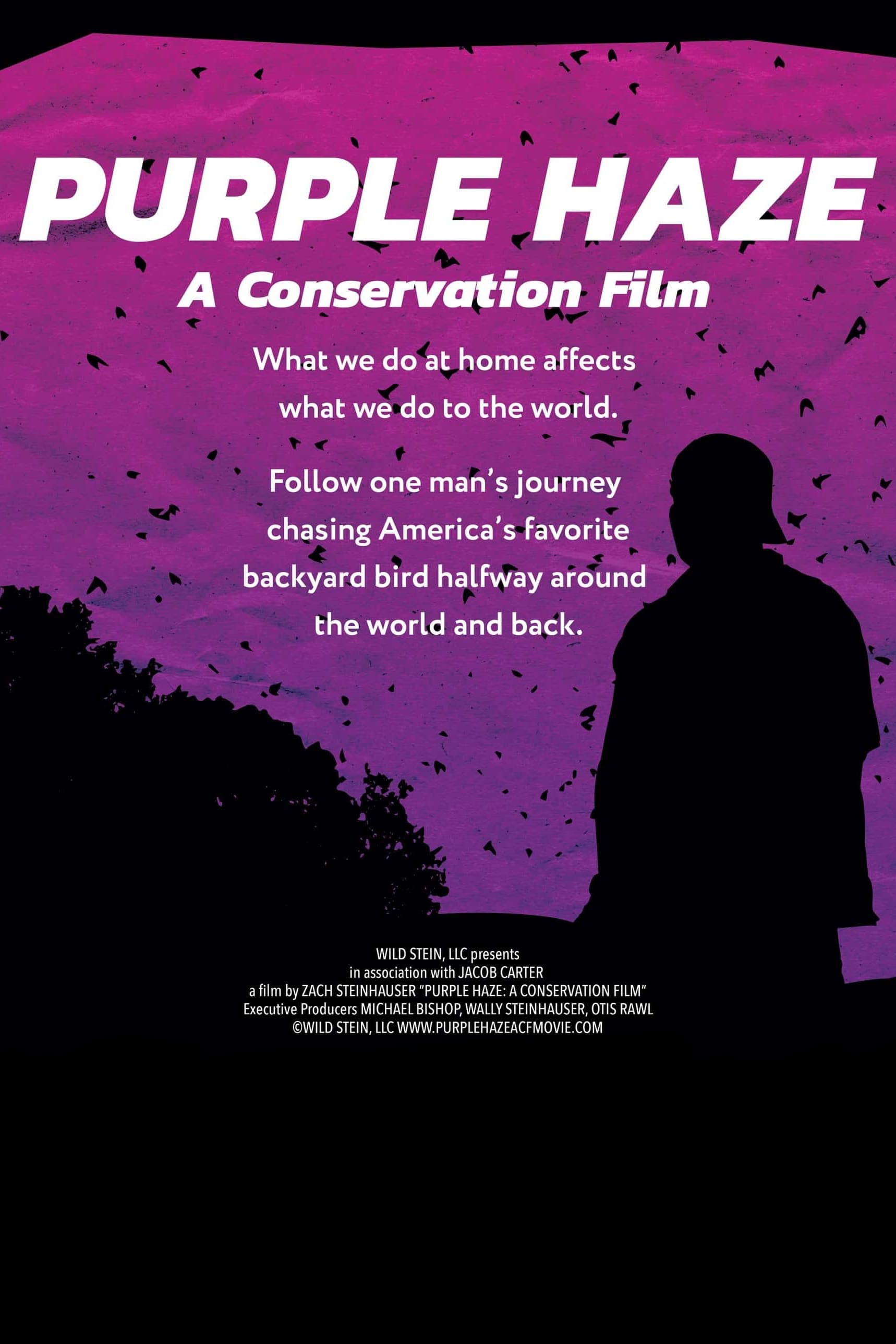
Follow one man’s journey chasing America’s favorite backyard bird halfway around the world and back.
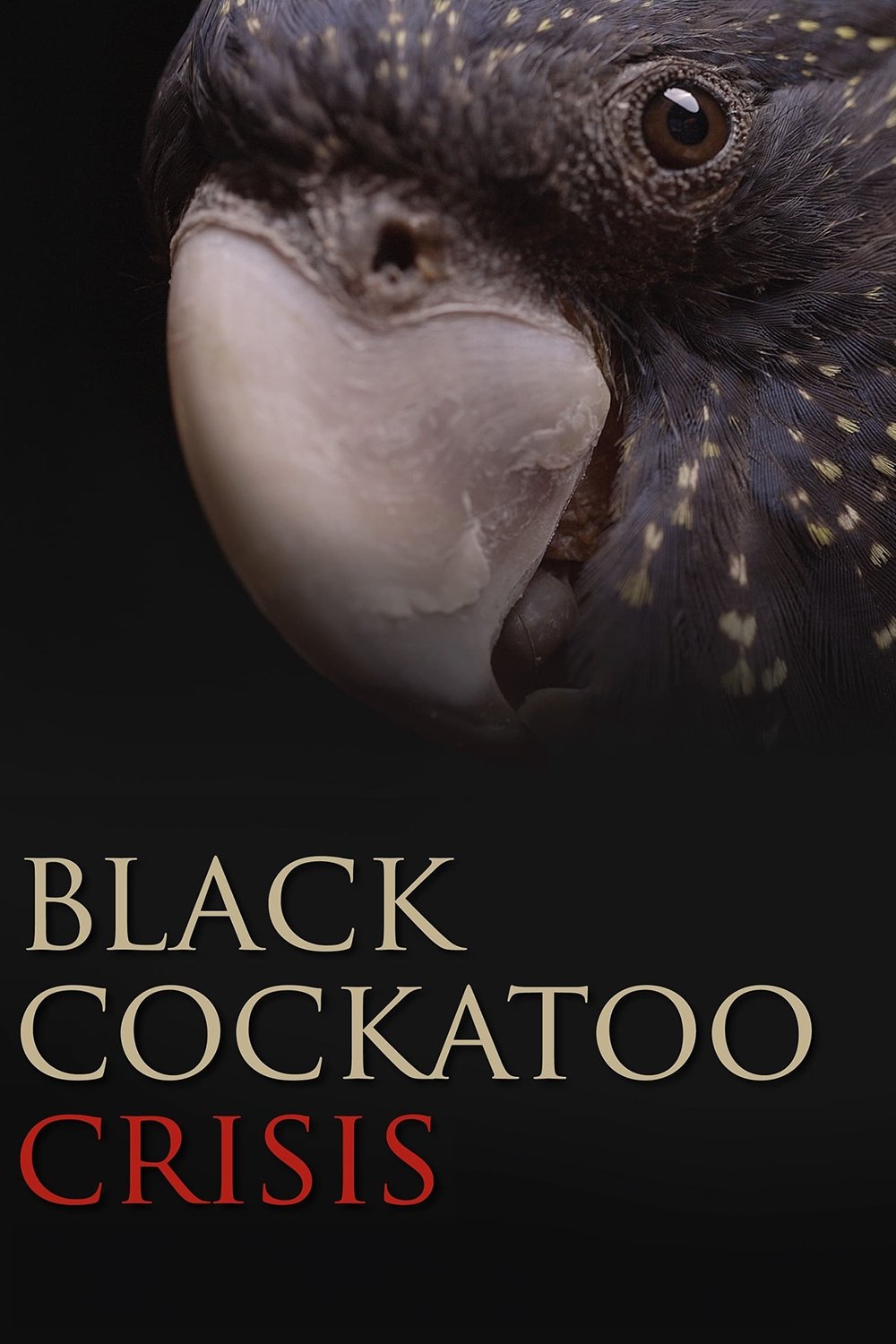
Western Australia's iconic black cockatoos are in crisis. Their numbers have fallen dramatically over the past few decades and all three species in the south west of WA could become extinct in just 20 years unless something is done to protect their habitats. With the loss of the banksia woodlands on the Swan Coastal Plain to housing, Carnaby's Black Cockatoos have come to depend on the once vast exotic pine plantations on Perth's northern fringe.
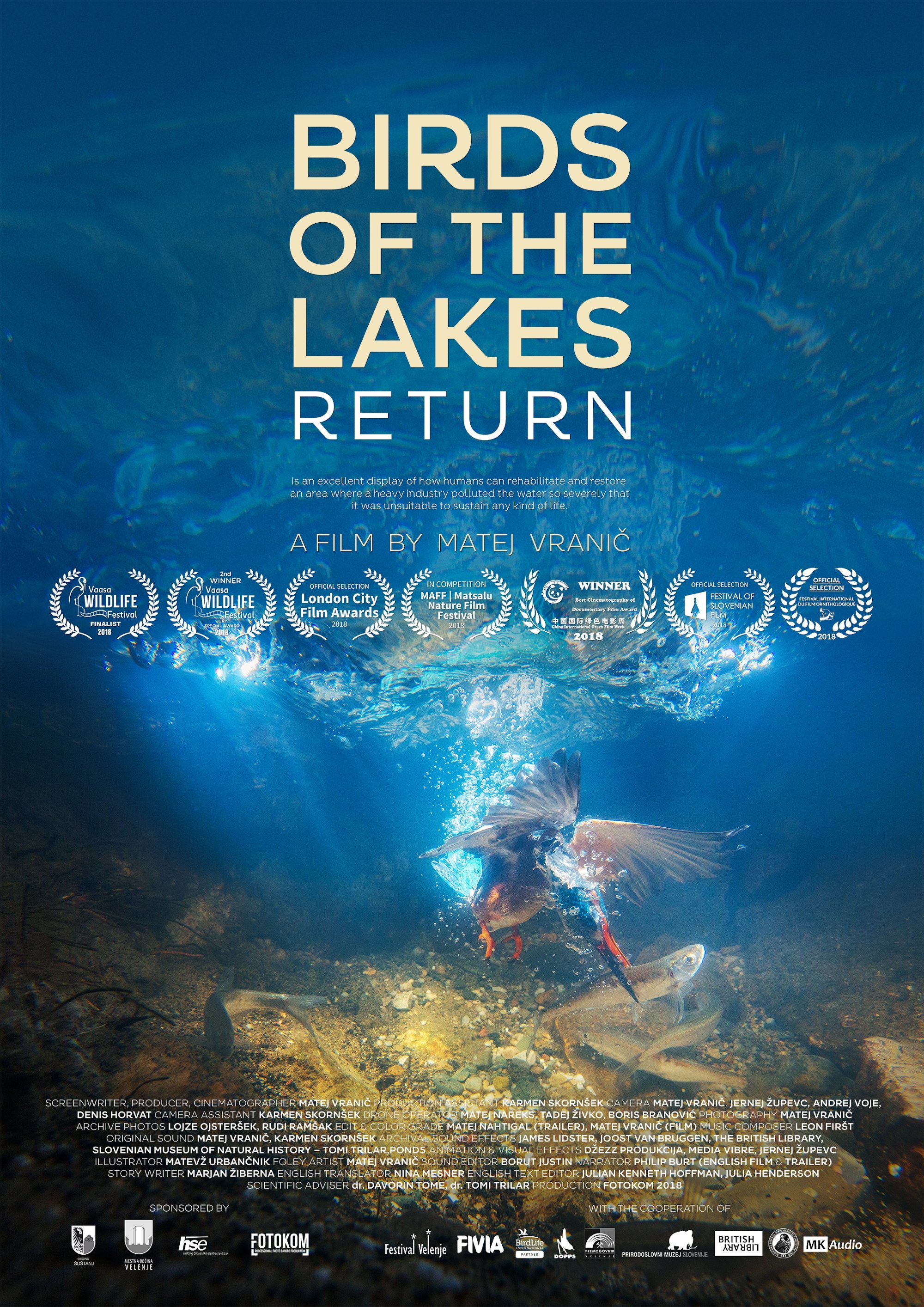
An excellent display of how humans can rehabilitate and restore an area where a heavy industry polluted the water so severely that it was unsuitable to sustain any kind of life. A a film showing how birds returned to an environment once devastated by industry. The lakes around the northern Slovenian town of Velenje, placed in the Central Europe, are geographic center of the film. They emerged as the land above the lignite mines subsided and the depressions were filled with water. The mines started operating at the end of the 19th century. In the mid 20th century a power plant was built that caused a severe pollution of the lake waters to the extent of the lakes not being fit for any kind of life. As a consequence many birds moved from these parts. After a long ecological restoration that started in the mid 1980s, life returned to the water. Gradually the birds returned as well, including some there were previously never observed in this area.
Etienne-Jules Marey, a French inventor who turned a gun into a camera. A hand-drawn hunter whose weapon, instead of firing ammunition, shoots photographs. Carlos, a Mexican wildlife photographer who used to be a real life hunter until he chose to get rid of all his guns. All come together in this poetic yet approachable animated documentary short film.
This short film focuses on how conservationists endeavor to protect wildlife.
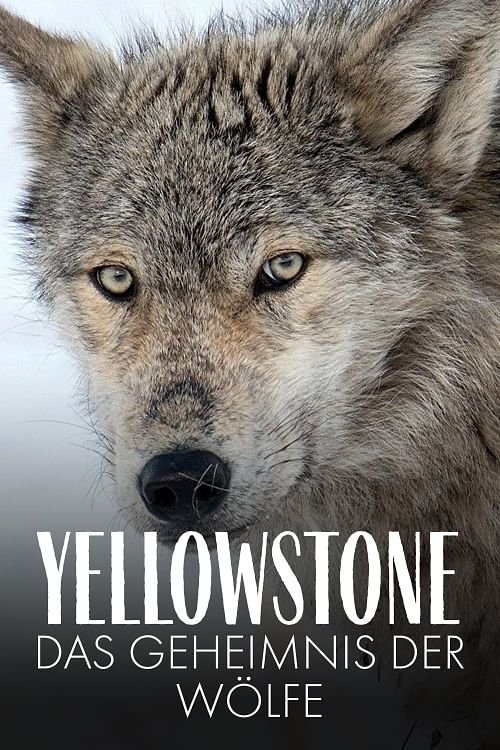
70 years after the last wolves roamed the national park, a total of 41 wolves were reintroduced between 1995 and 1997. A globally unique experiment that had many supporters, but also resolute opponents, then as now.
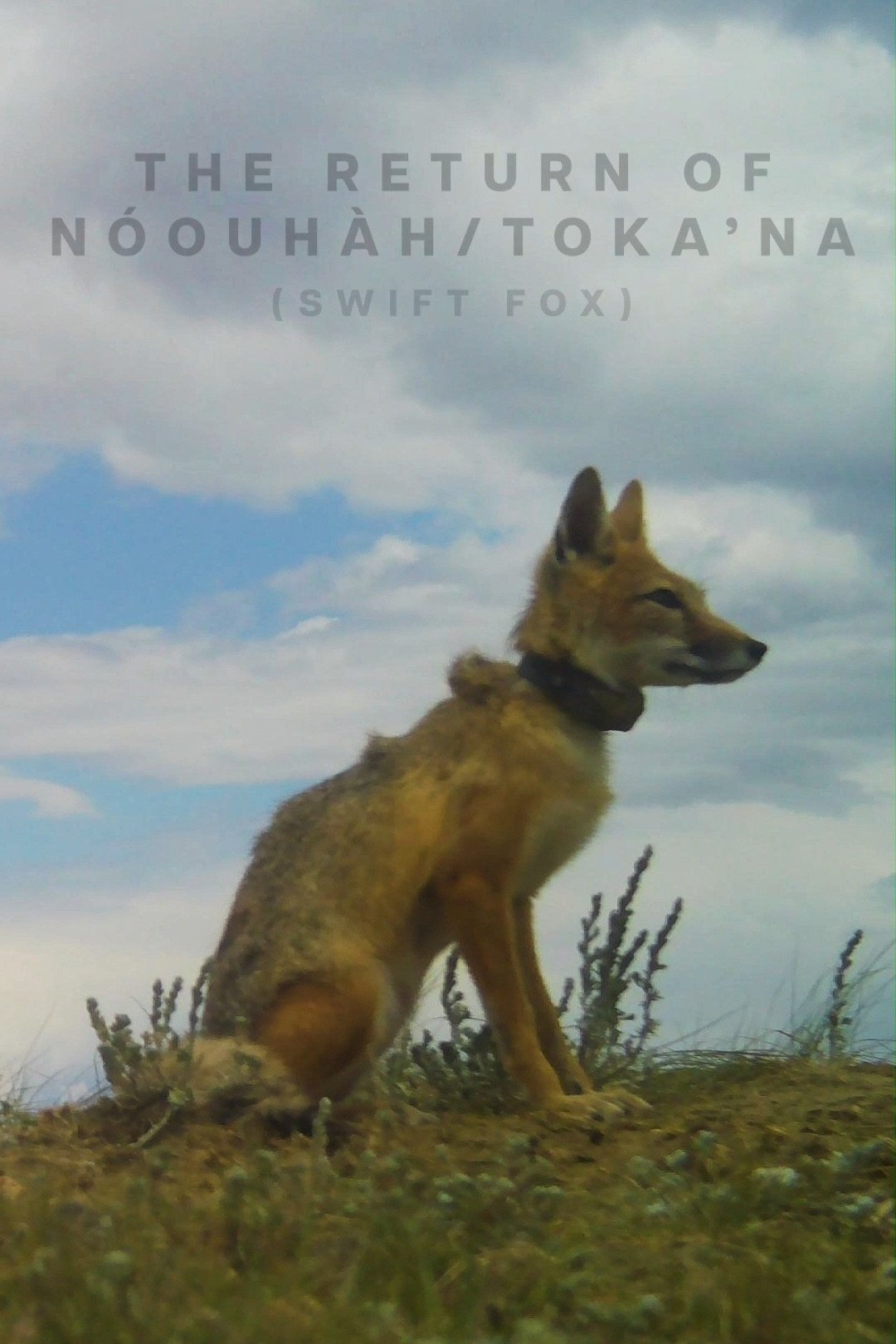
Nóouhàh-Toka’na, known as swift fox in English, once roamed the North American Great Plains from Canada to Texas. Like bison, pronghorn and other plains animals, Nóouhàh-Toka’na held cultural significance for the Native Americans who lived alongside them. But predator control programs in the mid-1900s reduced the foxes to just 10 percent of their native range. At the Fort Belknap Indian Community in Montana, members of the Aaniiih and Nakoda tribes are working with the Smithsonian’s National Zoo and Conservation Biology Institute and other conservation partners to restore biodiversity and return Nóouhàh-Toka’na to the land.
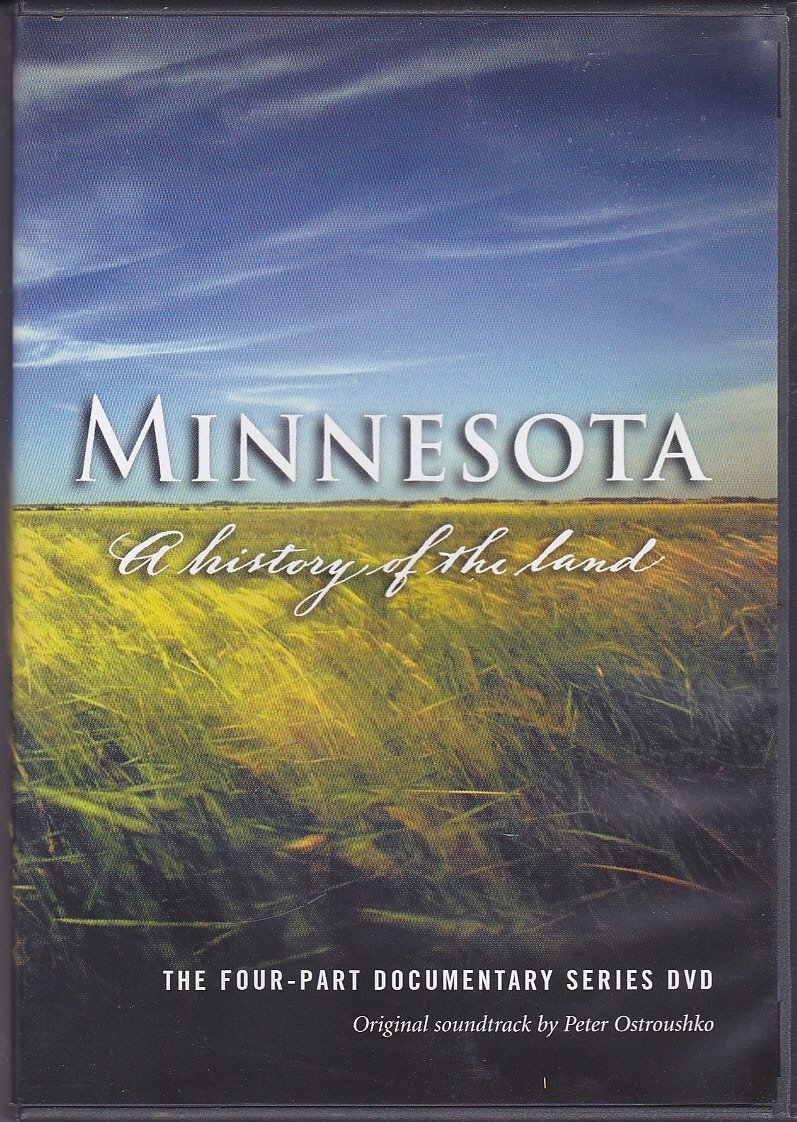
Minnesota: A History of the Land vividly brings to life the epic story of the people and landscapes of Minnesota. From the retreat of the last ice sheets to the growth of today’s suburbs – the series seeks to entertain as it enriches our understanding of Minnesota’s past, present, and future. A visually stunning and groundbreaking 4-part documentary series featuring nature videography from across the state, never before seen historic images, state-of-the-art animations and historic recreations. Original soundtrack by award-winning composer, Peter Ostroushko.
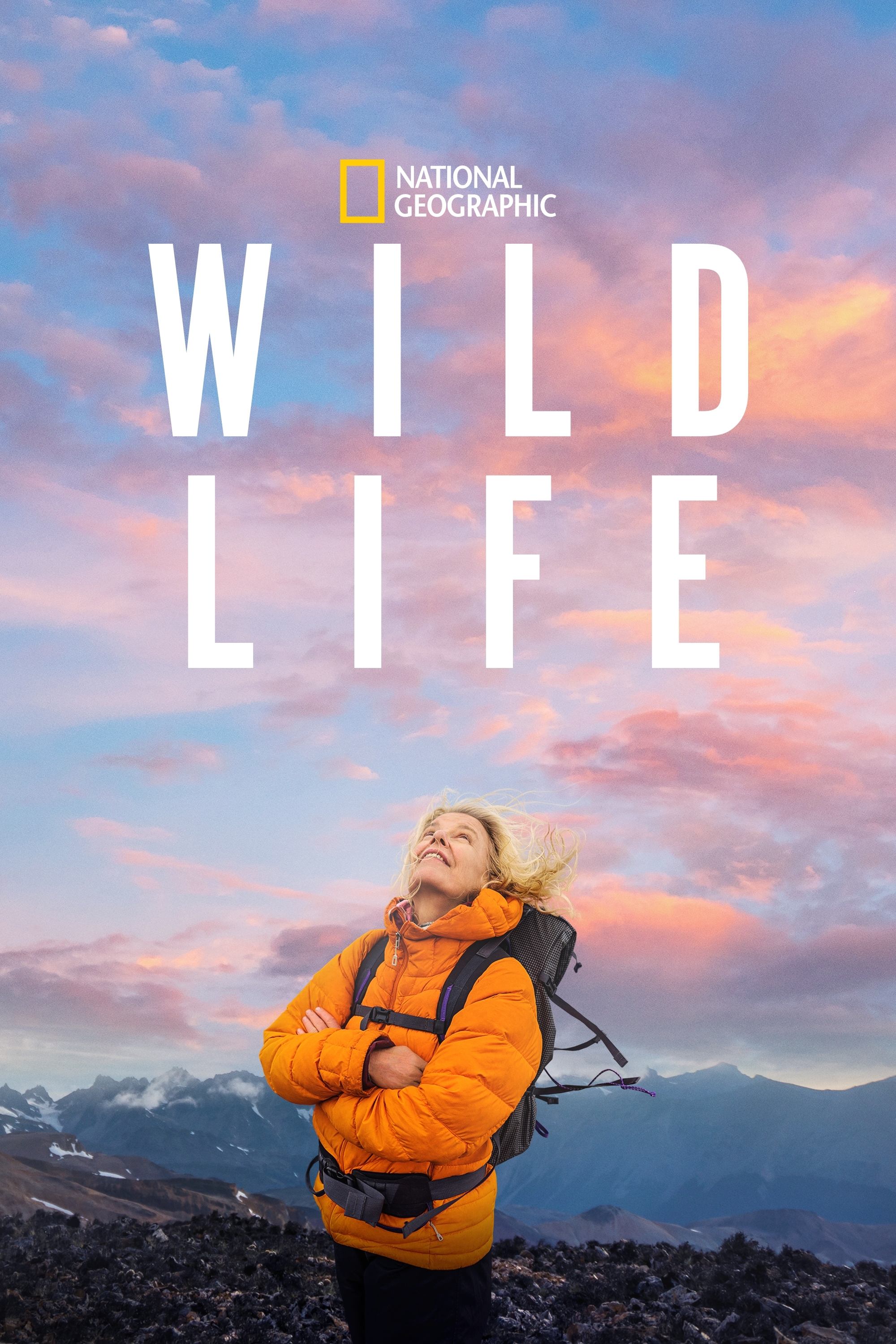
From Oscar-winning filmmakers Chai Vasarhelyi and Jimmy Chin, "Wild Life" follows conservationist Kris Tompkins on an epic, decades-spanning love story as wild as the landscapes she dedicated her life to protecting. After falling in love in mid-life, Kris and the outdoorsman and entrepreneur Doug Tompkins left behind the world of the massively successful outdoor brands they'd helped pioneer like Patagonia, The North Face, and Esprit, and turned their attention to a visionary effort to create National Parks throughout Chile and Argentina. "Wild Life" chronicles the highs and lows of their journey to effect the largest private land donation in history.
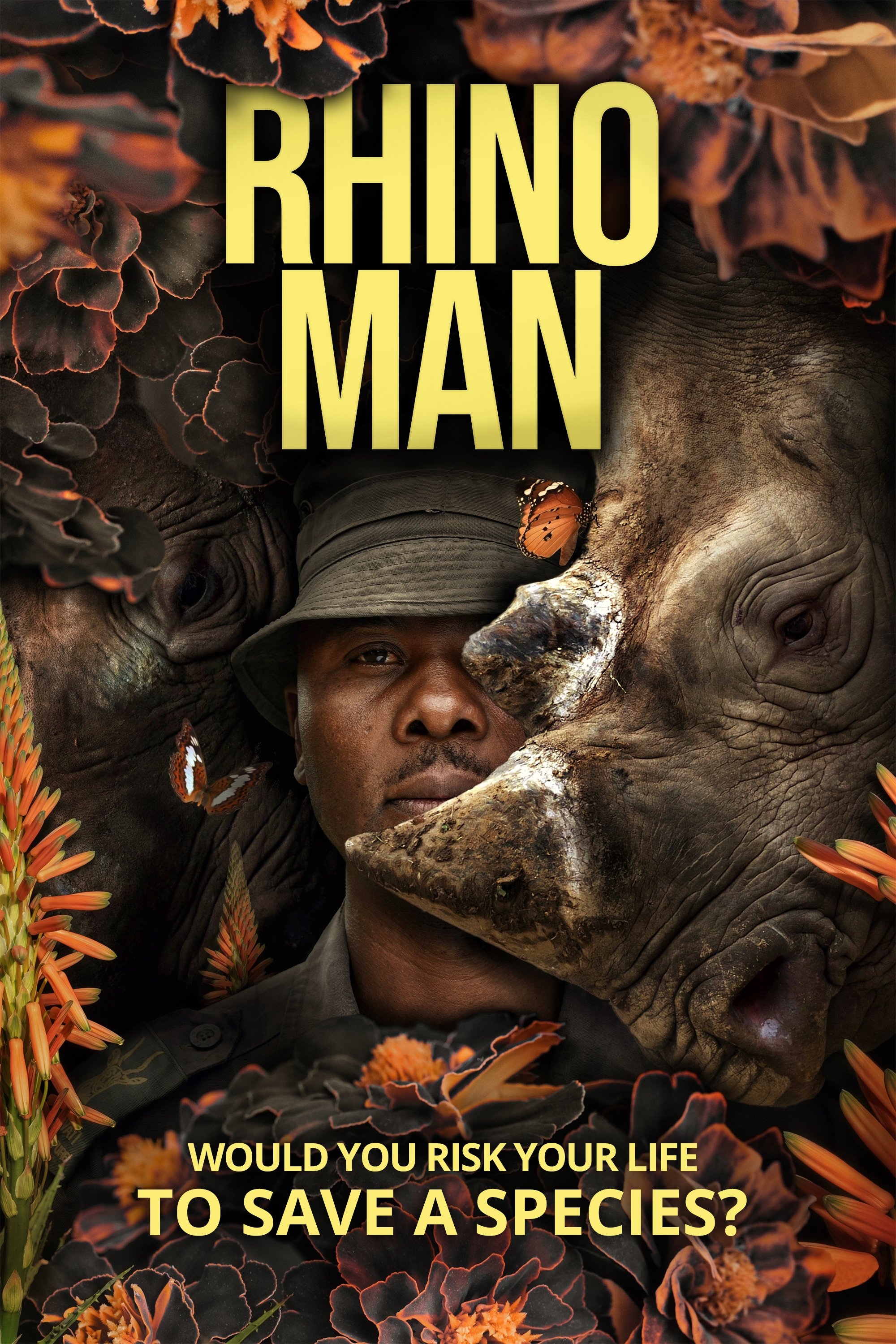
RHINO MAN follows the courageous field rangers who risk their lives every day to protect South Africa's rhinos from being poached to extinction.
A doctor's efforts to live a green life near the Appalachian Mountains lead to the development of a radical idea to use green burials to conserve one million acres of land and to create wildlife reserves.
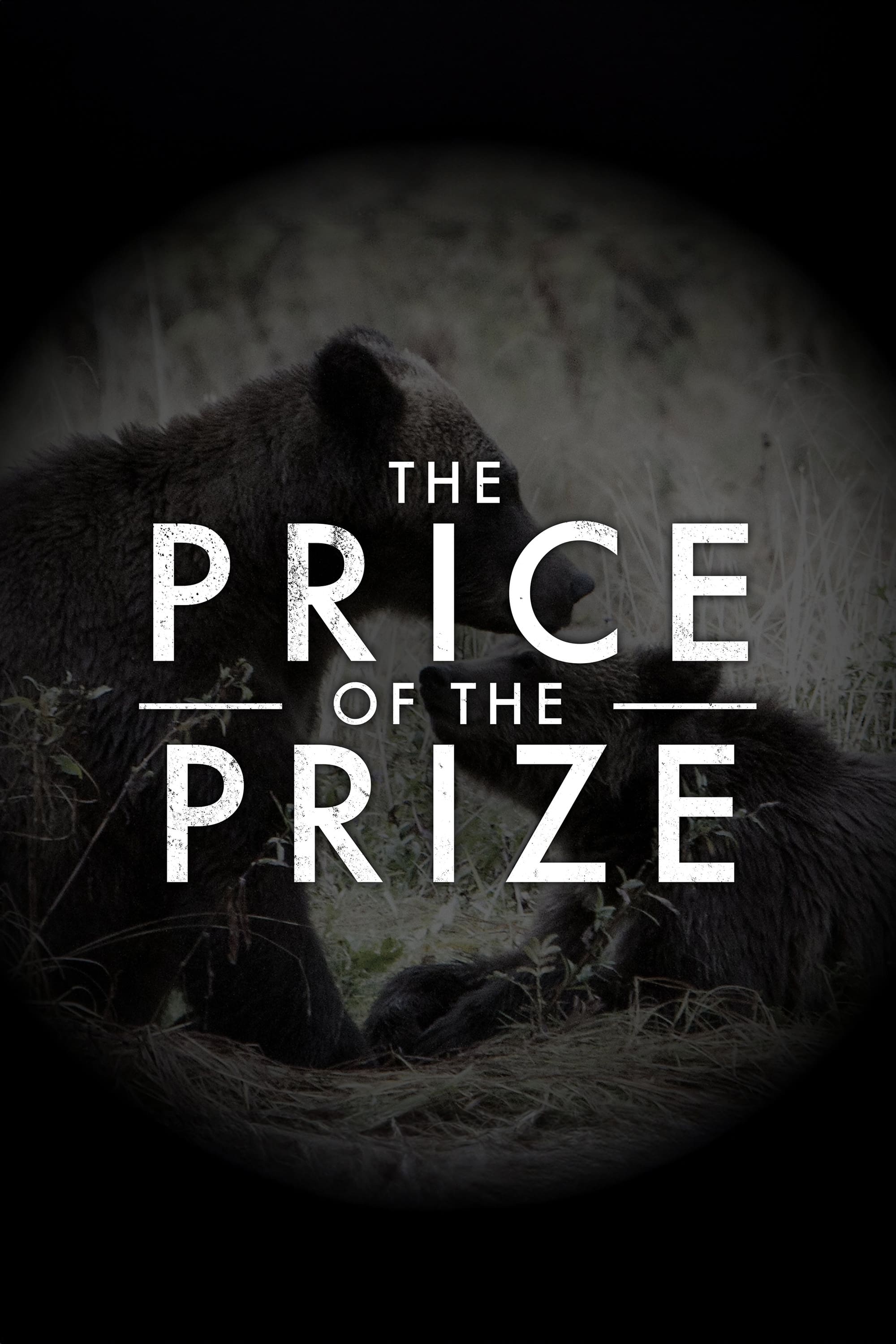
First Nations fight to end grizzly bear trophy hunting in the Great Bear Rainforest in British Columbia. The Heiltsuk, Kitasoo Xai'xais and Gitga'at First Nations enforce a ban by using Coastal Guardian Watchmen, while the Raincoast Conservation Foundation purchases trophy hunting licenses in the area to prevent a hunt from taking place. The film offers unique access to Canada's First Nations and a breathtaking view of the majestic animals inhabiting the Great Bear Rainforest, including the elusive Spirit Bear.
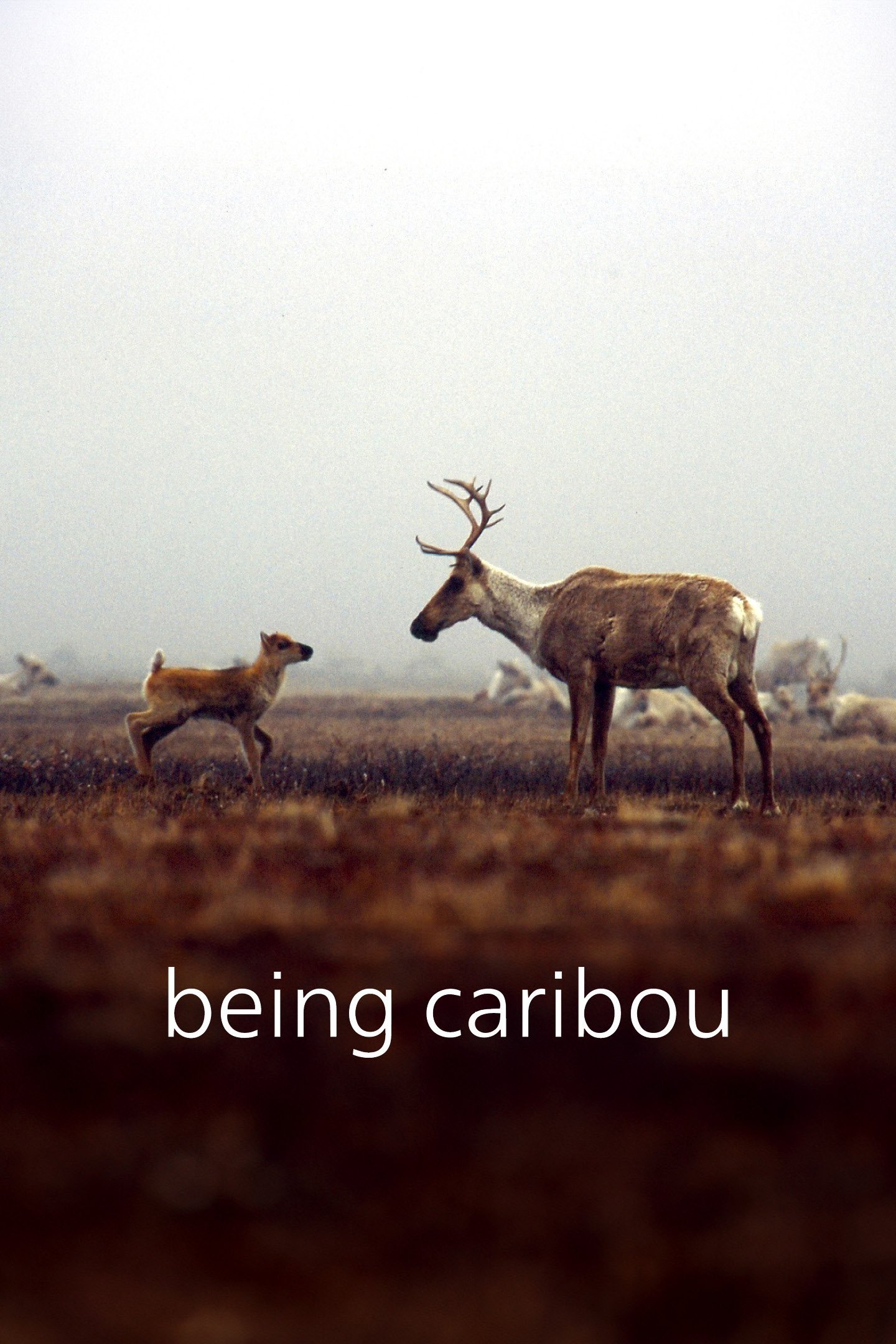
Wildlife biologist Karsten Heuer and his wife, environmentalist Leanne Allison follow a herd of 120,000 caribou on foot across 1500 km of Arctic tundra, hoping to raise awareness of the threats to the caribou's survival. Along this journey, they brave torrid conditions, dangerous wildlife and treacherous terrain all in the hopes of learning the truth about this epic migration.
A short documentary where we learn about the endangered lemurs, owls and otters from the Knockhatch Conservation staff.
We follow a team of scientists on a gruelling expedition into a remote rainforest in Mozambique. They're hoping to prove that Mount Mabu's animals and insects are unique and in need of official protection.
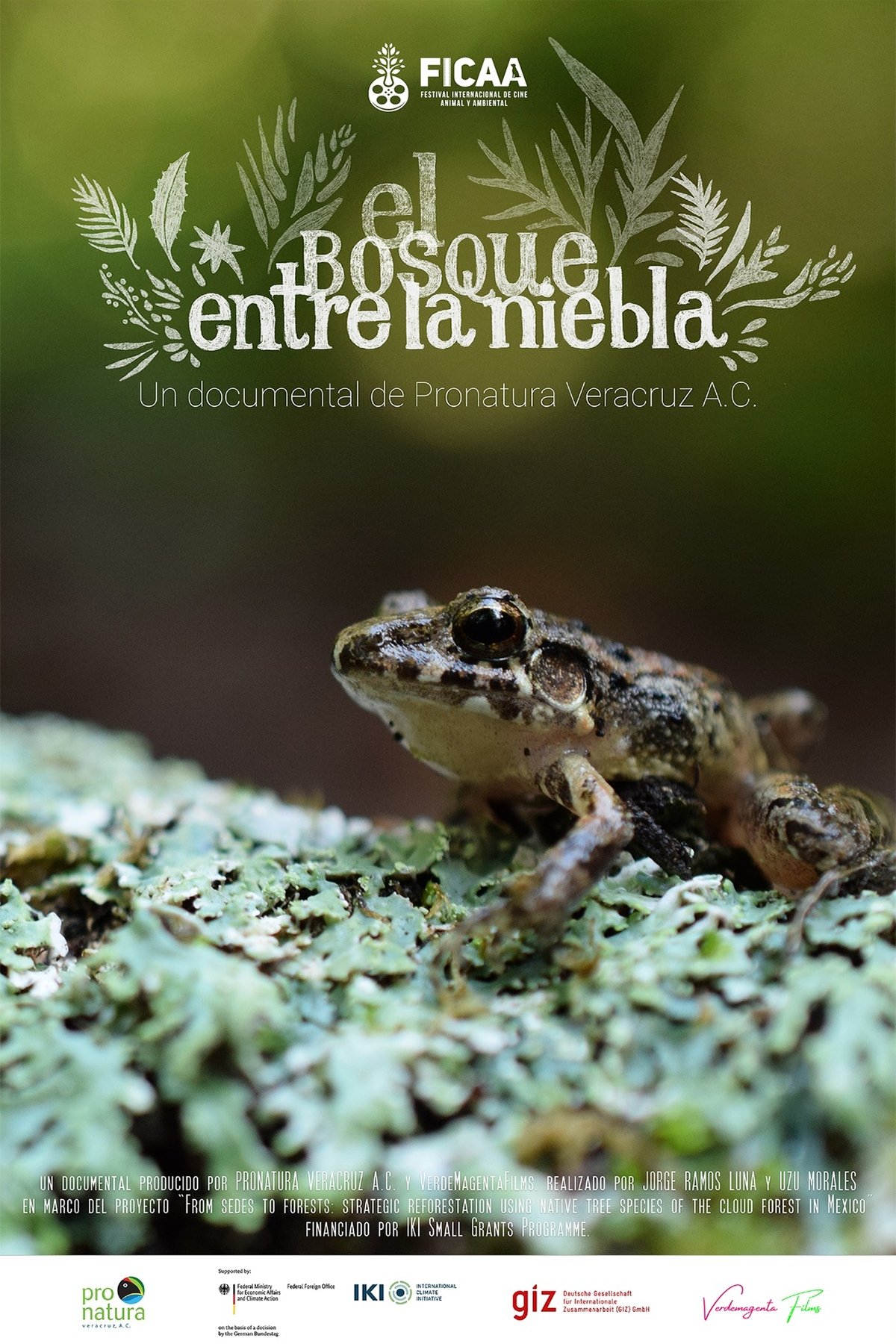
The life of a tree is long, and in the cloud forests of central Veracruz, these ancient creatures coexist with hundreds of other plants, helping to capture water from rain, air, and fog. And every day, the branches, trunks, and roots of the trees are visited by various species of insects, birds, mammals, reptiles, and amphibians. This documentary is an invitation to observe the forests that surround us and their biodiversity in all its magnitude.