Social & External
The people behind it
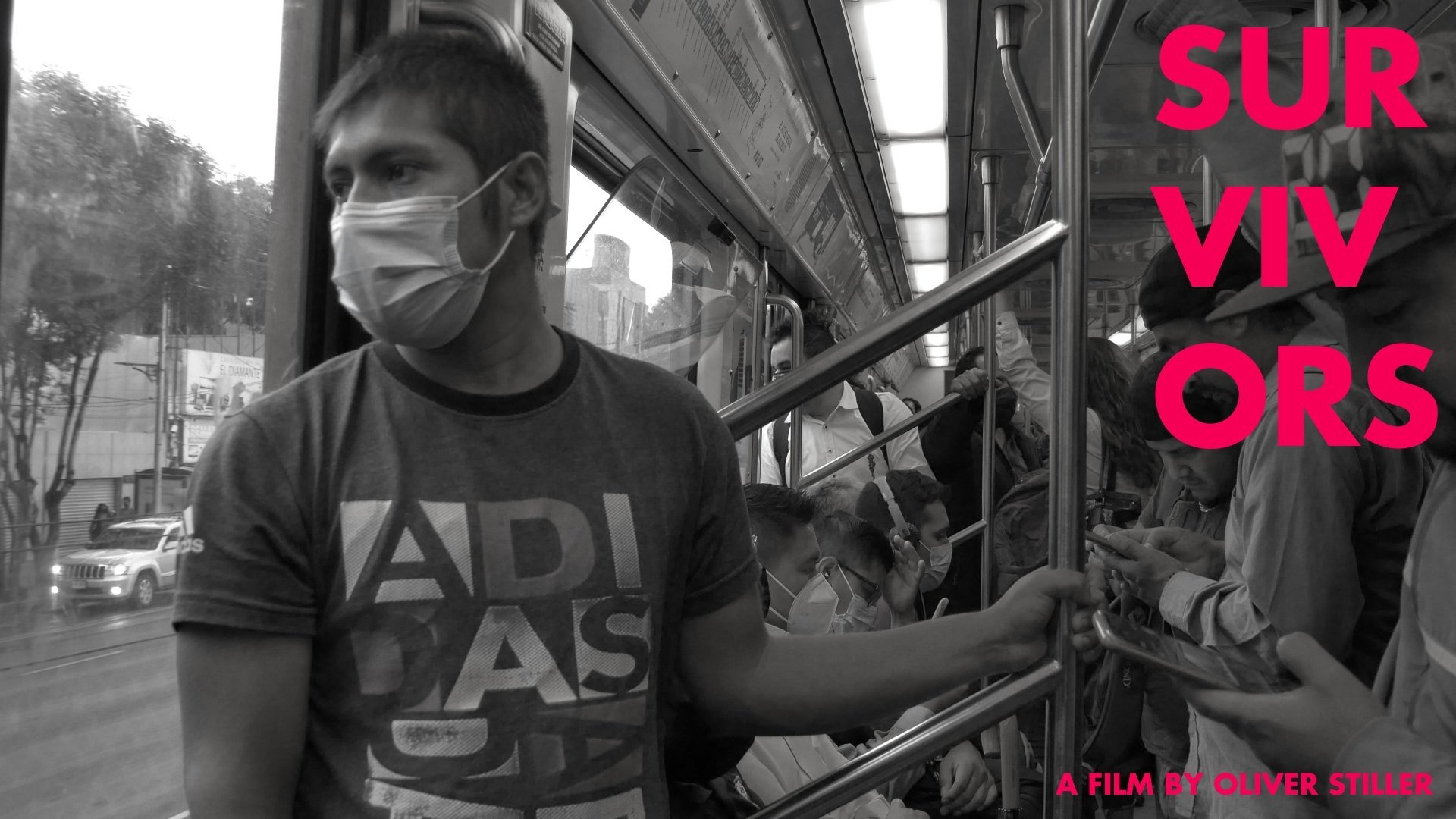
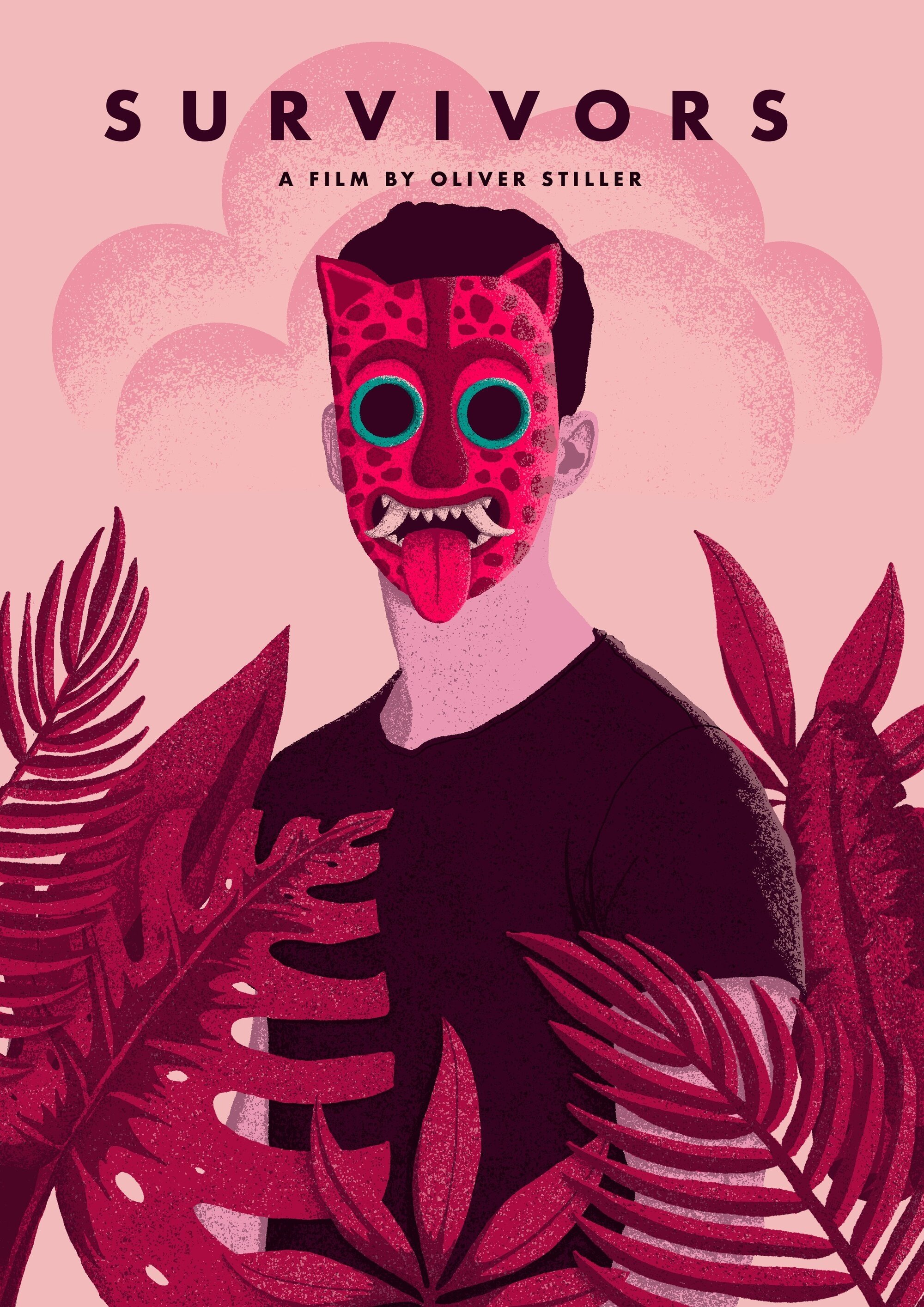
Oliver Stiller
Dr. Edgardo Buscaglia
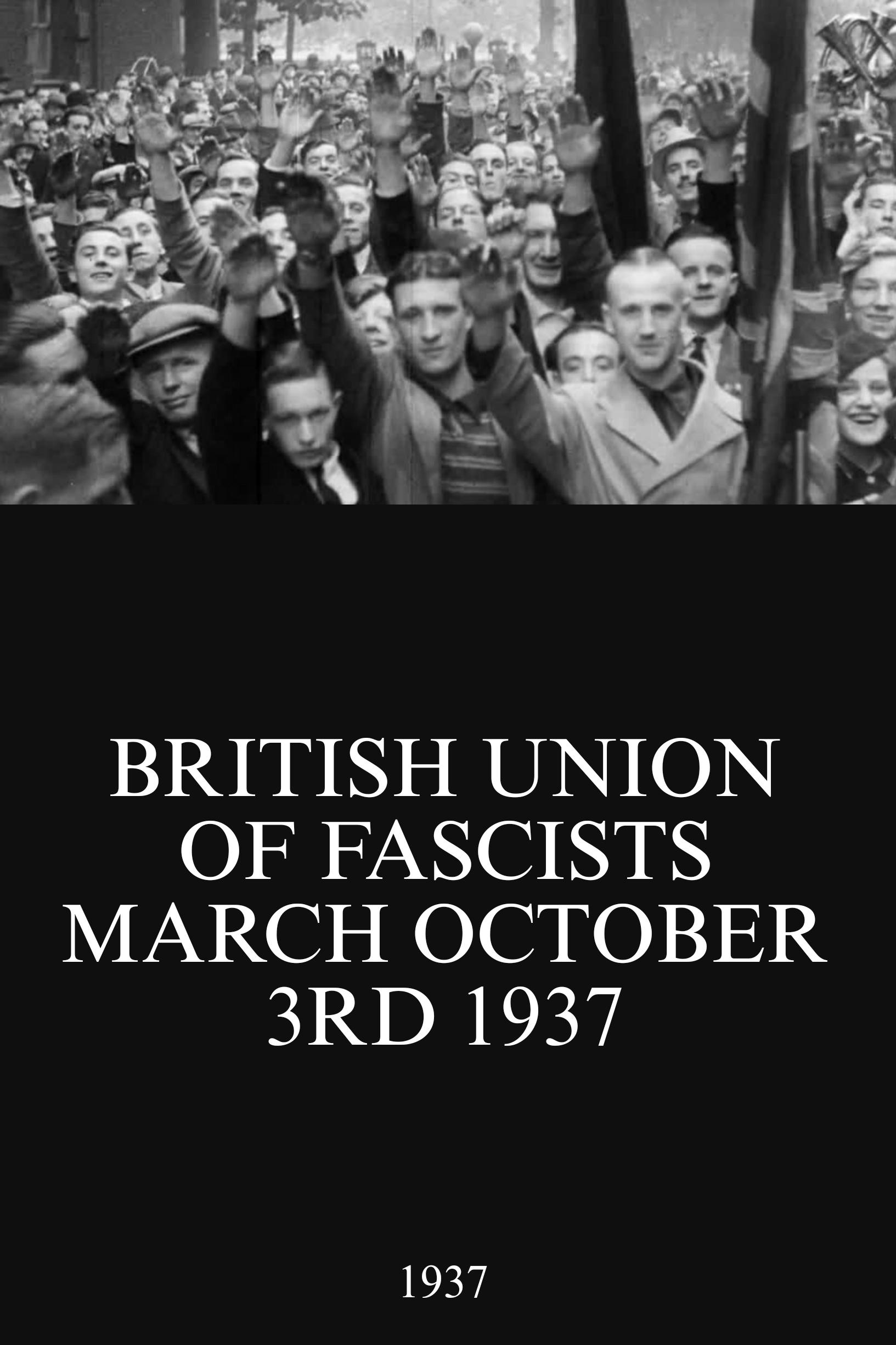
Led by Oswald Mosley, Britain’s Fascists march through south London.
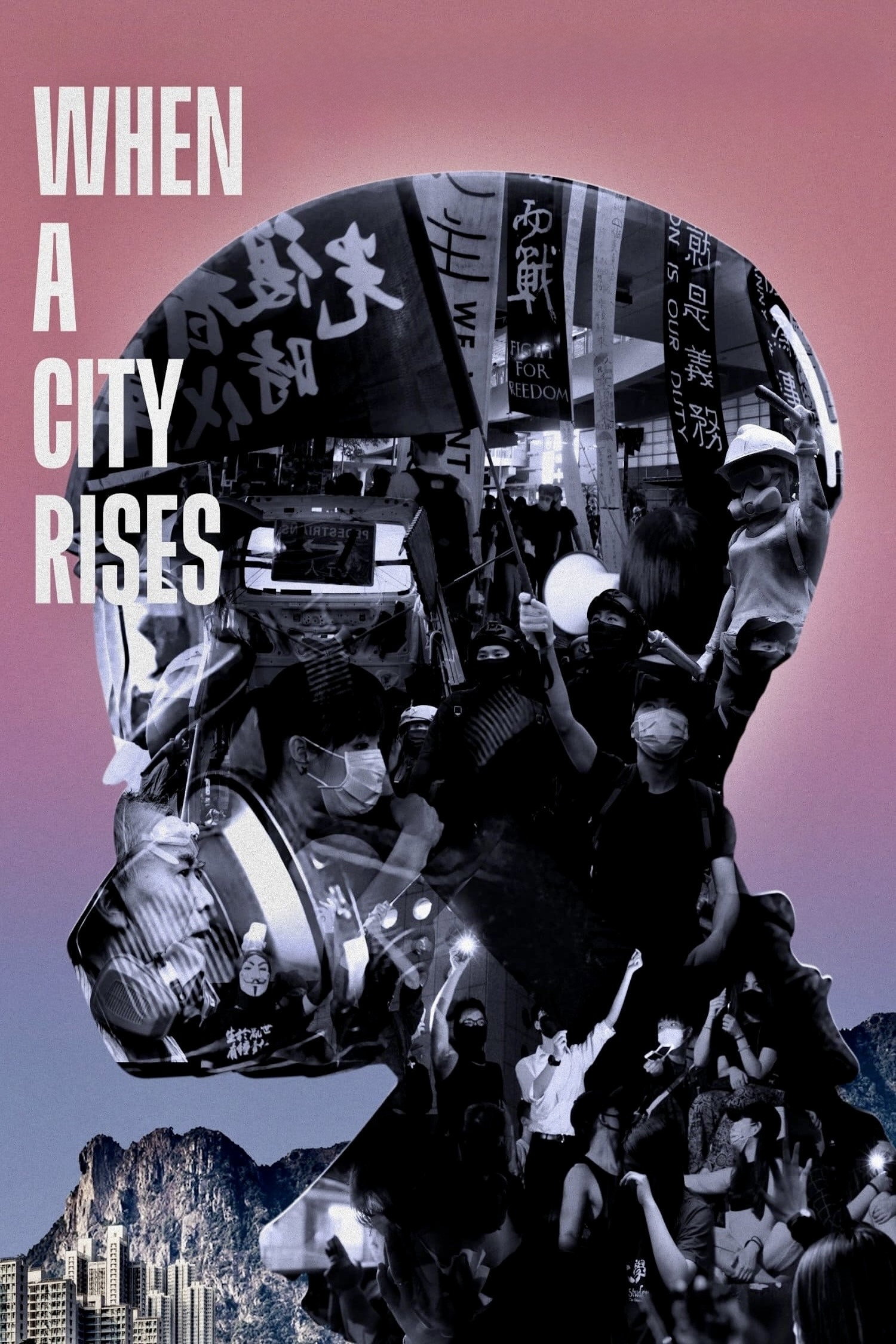
Behind the gas masks of Hong Kong’s democracy movement, the often very young activists are just as diverse as the youths of the rest of the world. But they share a demand for democracy and freedom. They have the will and the courage to fight – and they can see that things are going in the wrong direction in the small island city, which officially has autonomy under China but is now tightening its grip and demanding that ‘troublemakers’ be put away or silenced. Amid the violent protests, we meet a 21-year-old student, a teenage couple and a new father.
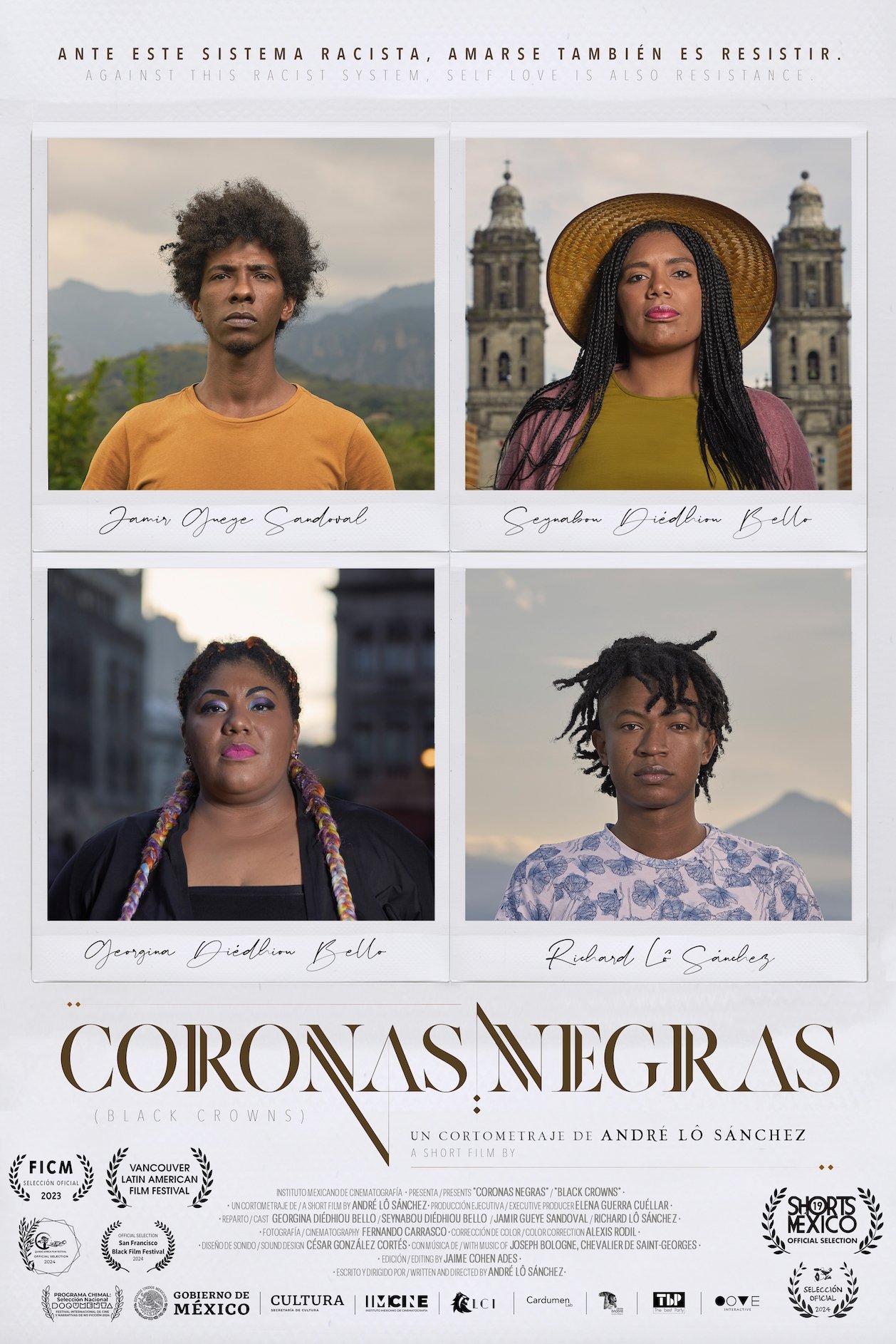
The hairstyles of four Afro-descendant people from Mexican - Senegalese families, represent the starting point to reflect, through memories that emerge from their past and present, what it is like to live in México wearing a Black Crown and the consequences that implies.
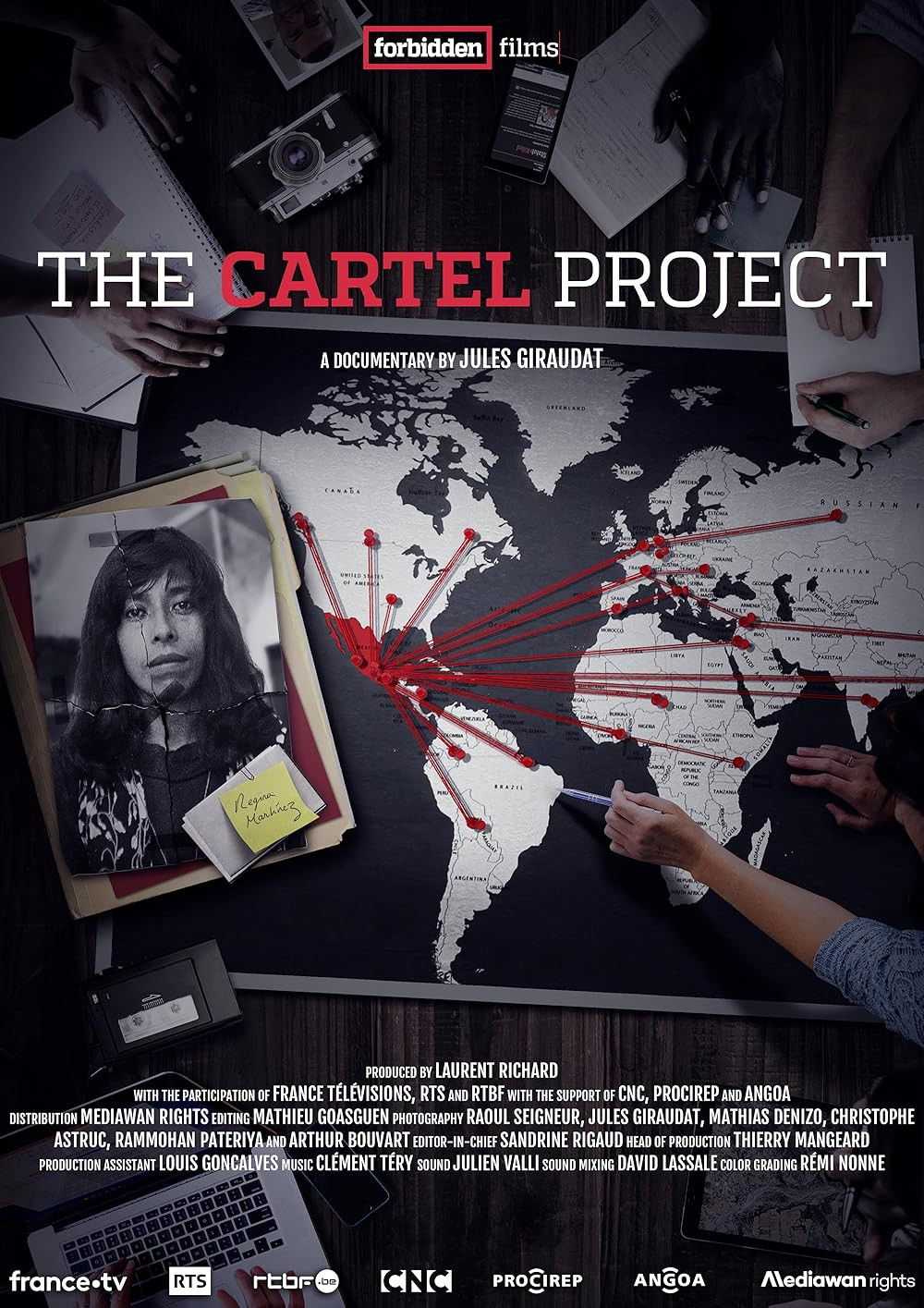
A documentary thriller recording a deadly dangerous investigation by international reporters to expose the impunity of drug lords and the complicity of political leaders in their crimes.
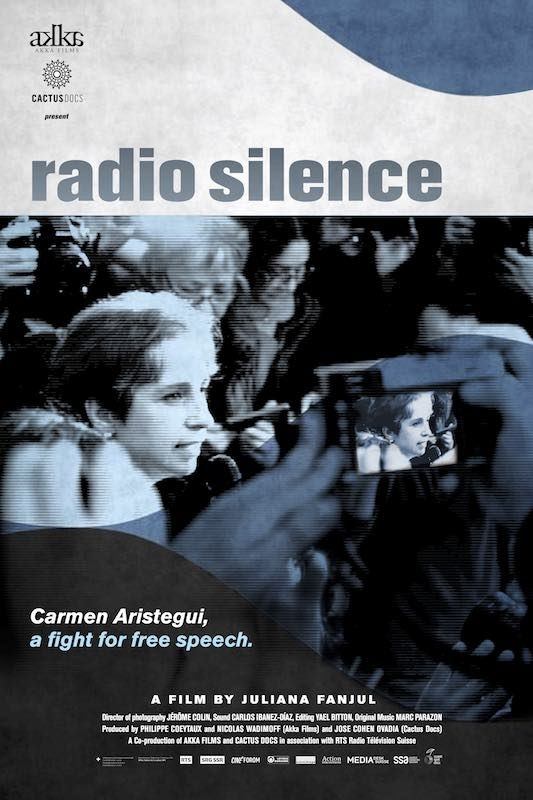
Mexico, March 2015. Carmen Aristegui, incorruptible journalist, has been fired from the radio station where she has worked for years. Supported by more than 18 million listeners, Carmen continues her fight. Her goal: raising awareness and fighting against misinformation. The film tells the story of this quest: difficult and dangerous, but essential to the health of democracy. A story in which resistance becomes a form of survival.
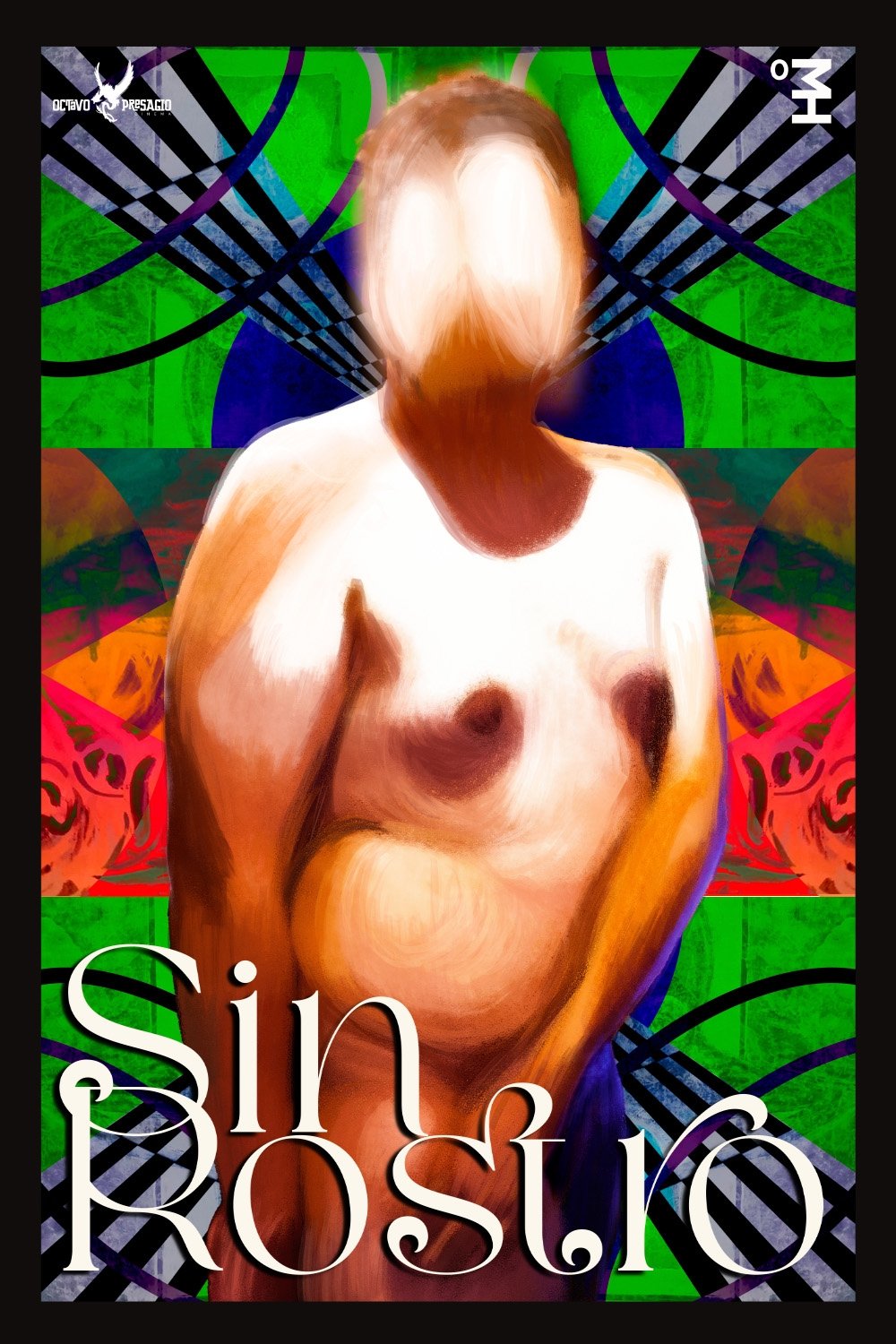
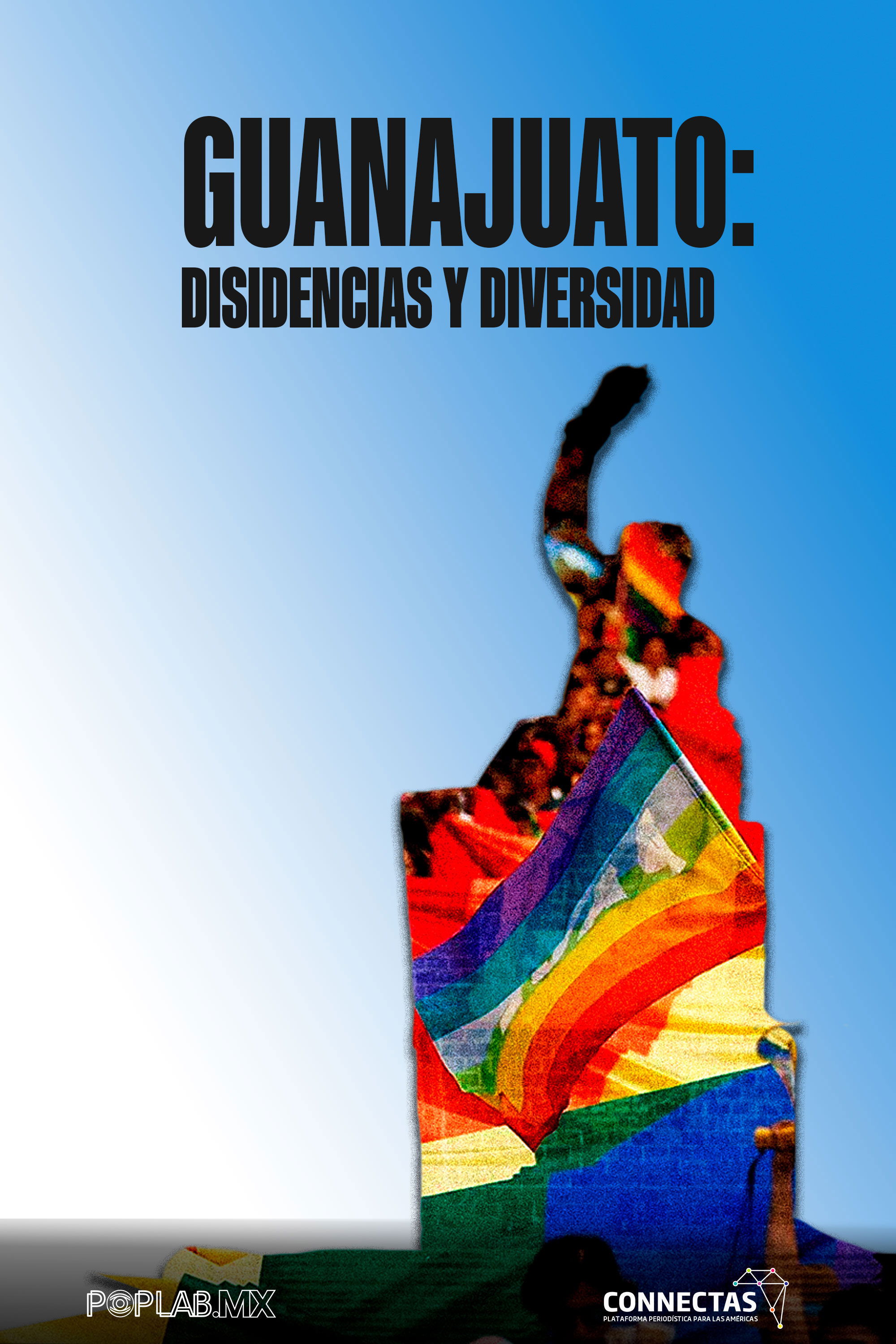
In Guanajuato, Mexico, sexual and gender diversity activists, who have been fighting for two decades for rights such as marriage equality and the recognition of trans identities, face their greatest obstacle in a conservative society and a political party that has ruled for over 30 years, keeping the LGBTIQ+ community invisible.
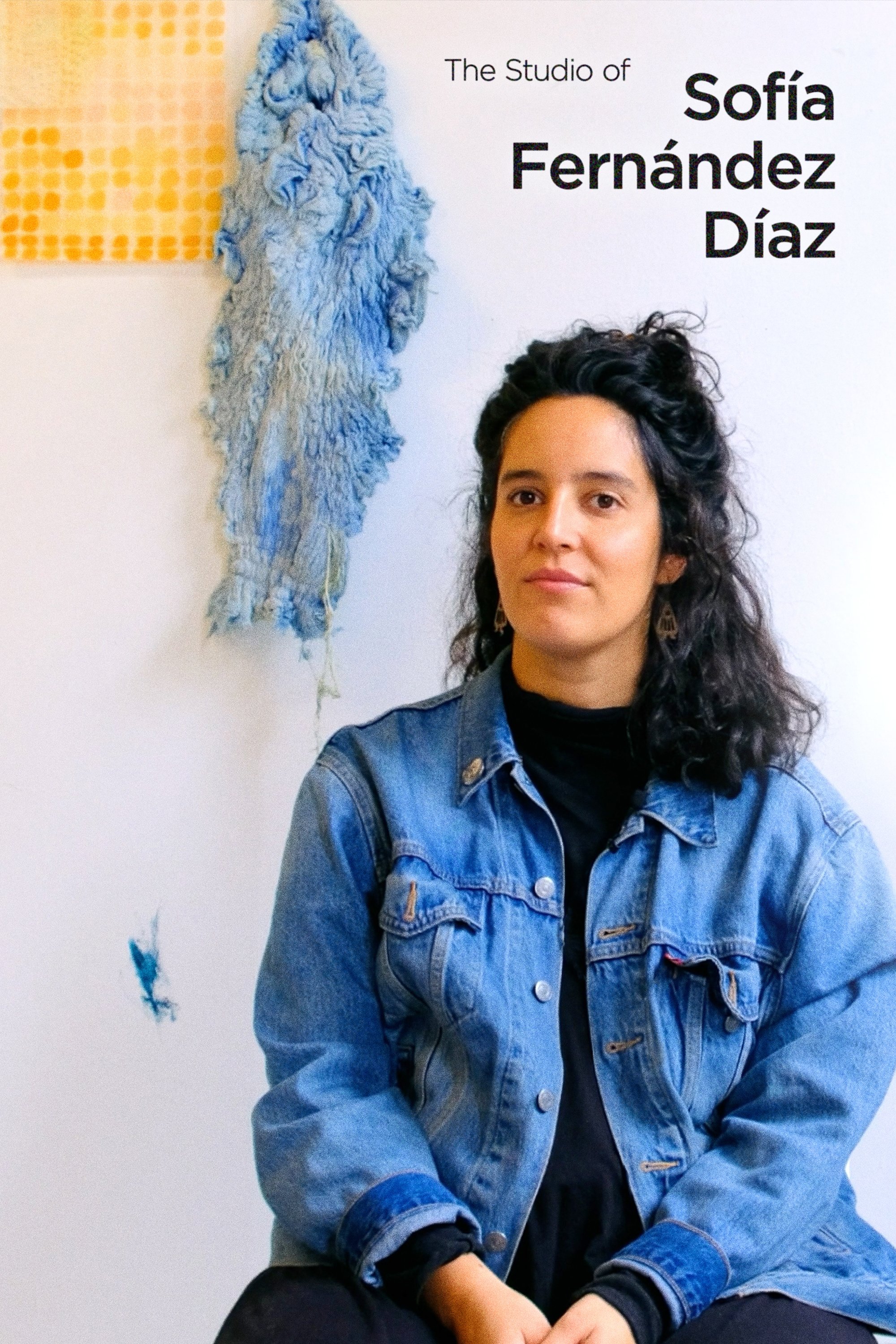
México-raised and currently Chicago-based artist Sofía Fernández Díaz details her process of adorning found objects and handmade textiles with beads, dyes, and melted wax to imbue them with new meaning, and to give them patitas.
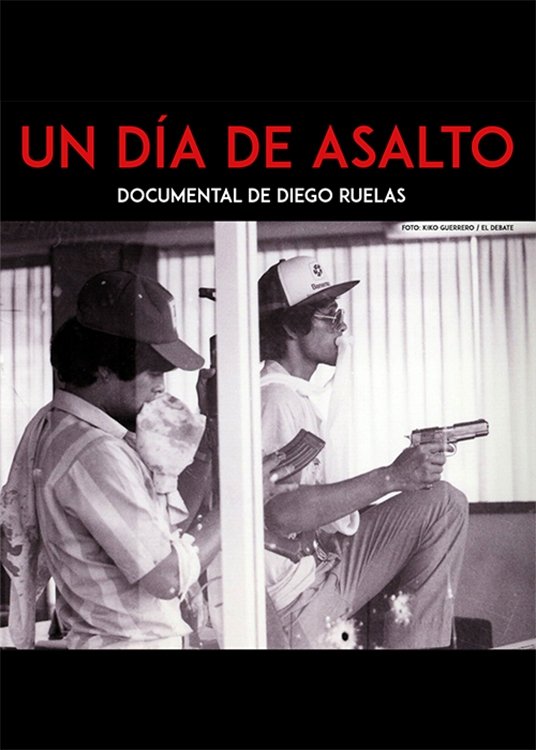
On April 20 of 1988, six young people stormed the central Banamex branch in Los Mochis and held hostage the people inside the location. 30 years after this incident, the survivors recount what happened.
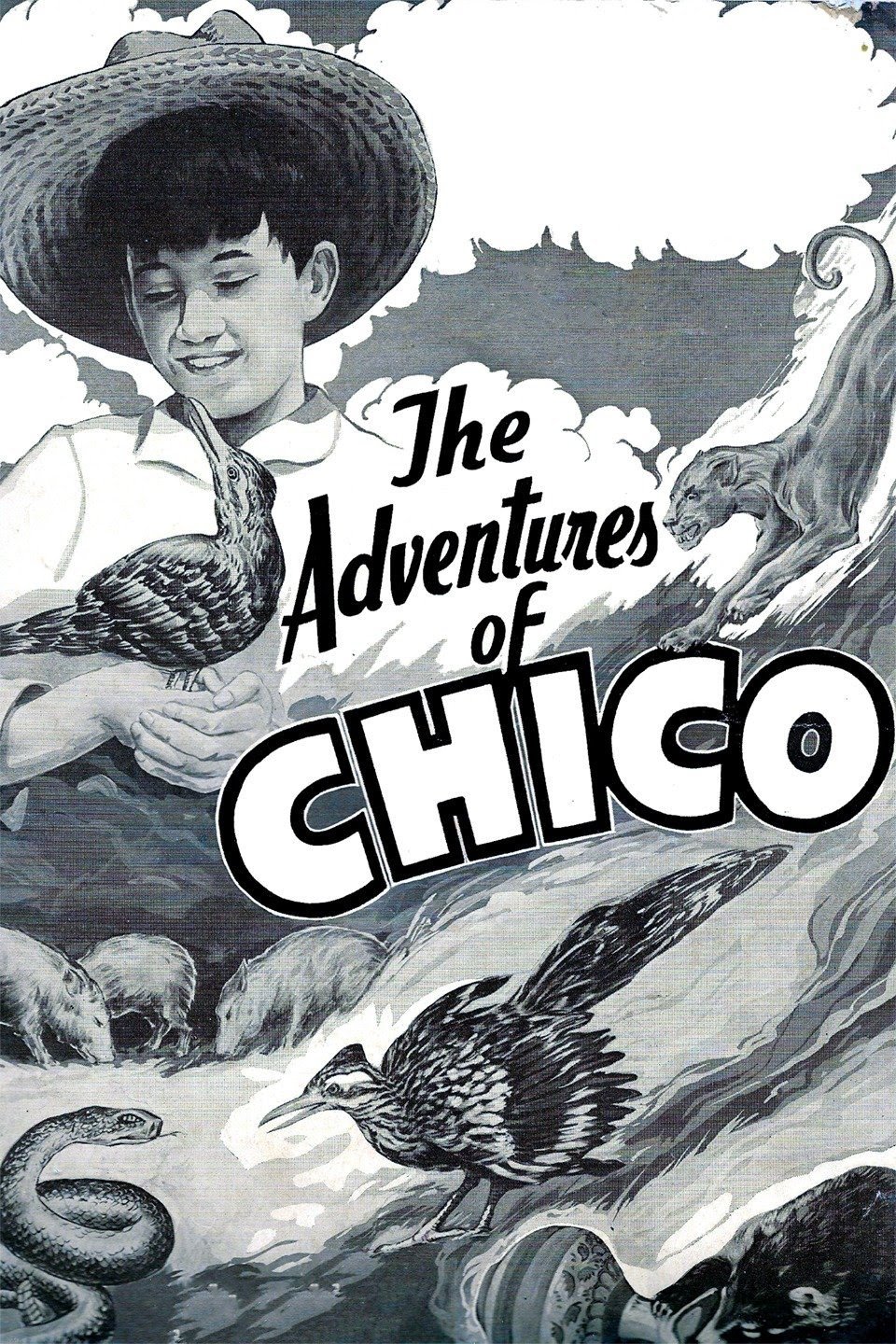
A Mexican boy without young neighbors to play with, befriends a diverse group of desert animals.
A look at the influence of Mexican cartels in Southern California.
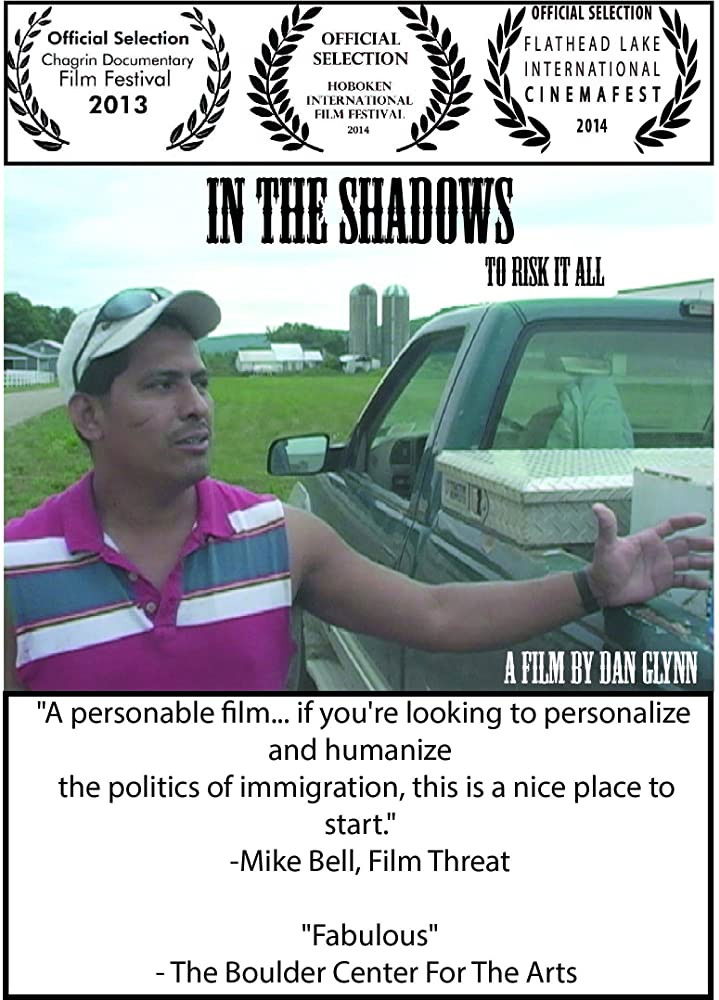
This documentary by Dan Glynn follows the personal story of Jairo, a hard-working Mexican who immigrates to the US in order to find work to support his family back in Mexico. The film looks at current immigration issues in the United States. The story takes a dramatic turn, when Jairo's cousin is arrested by local police putting the entire family in danger of deportation. In the movie we meet numerous people who want to stem the tide of immigration from Mexico as well as people who help those who make the long, arduous journey to new employment in the United States.
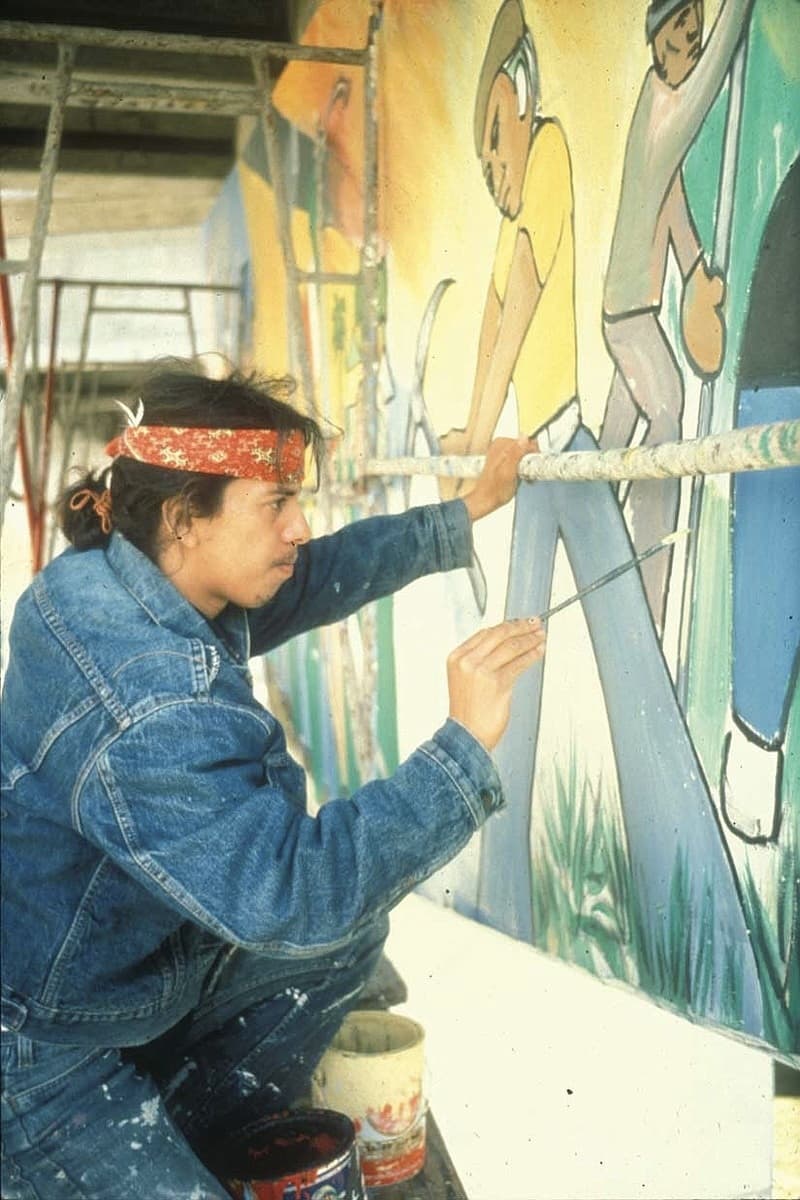
Cultural & Artistic history of Chicano Park in San Diego
Documenting the Kapu Aloha movement, as they take a stand to defend Mauna Kea in the wake of the Thirty Meter Telescope protests.
The gripping YouTube video delves into the intense pursuit of America's deadliest hitman. Filled with suspense and investigative depth, it explores the challenges faced by law enforcement in tracking down this elusive figure. The video provides a chilling glimpse into the criminal underworld and the tireless efforts to bring a dangerous individual to justice.
“Looks at the impact key movements throughout U.S. history have had in shaping our society, laws and culture. From the labor movement of the 1880s, women's suffrage and civil rights, to the LGBTQ+ and Black Lives Matter movements, protest is in the American DNA and this documentary gives an unfiltered look at the ways it has evolved the world in which we live.”
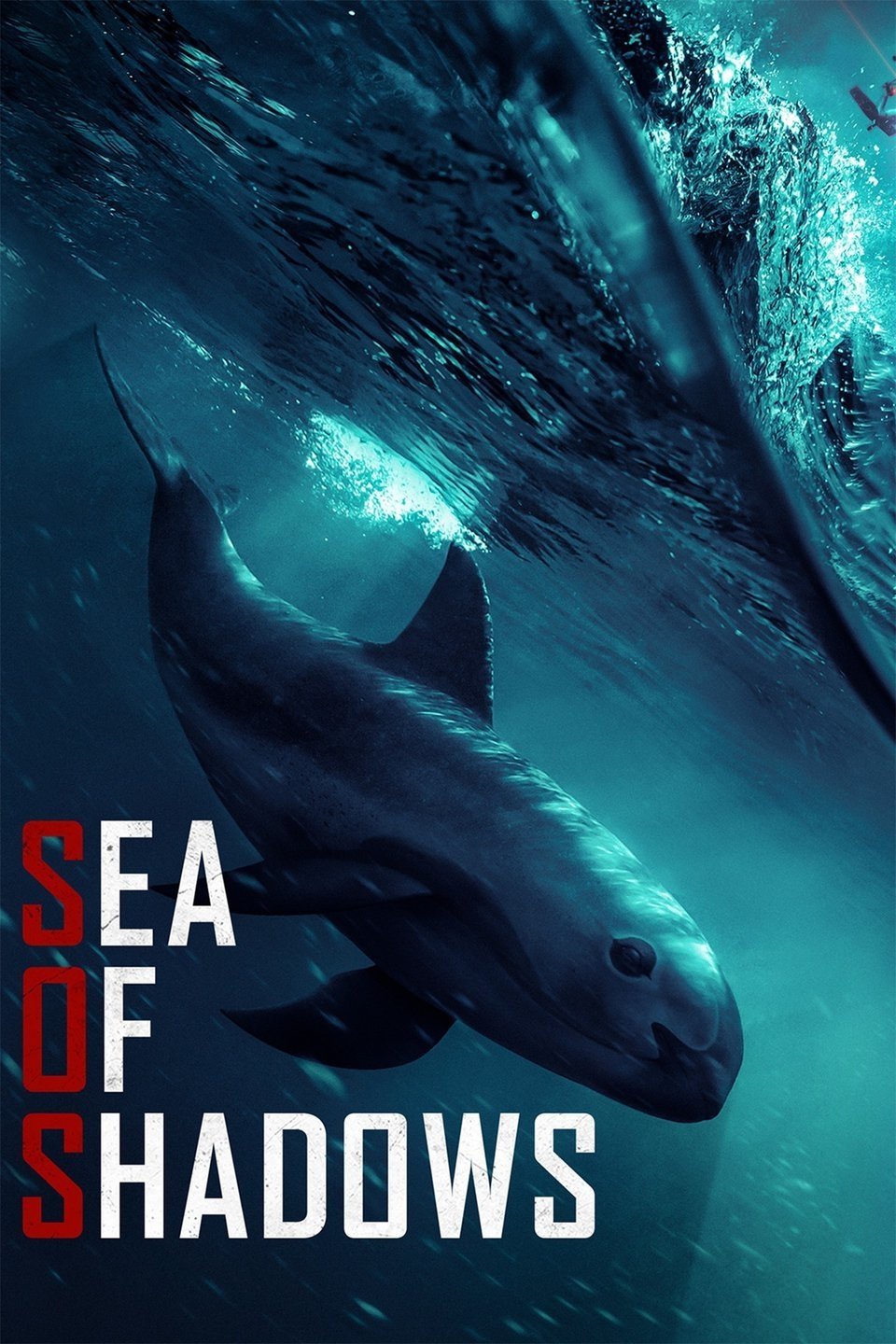
The vaquita, the world’s smallest whale, is nearing extinction as its habitat is destroyed by Mexican cartels and the Chinese Mafia, who harvest the totoaba fish, the “cocaine of the sea.” Environmental activists, the Mexican navy, and undercover investigators are fighting back against this illegal multimillion-dollar business.
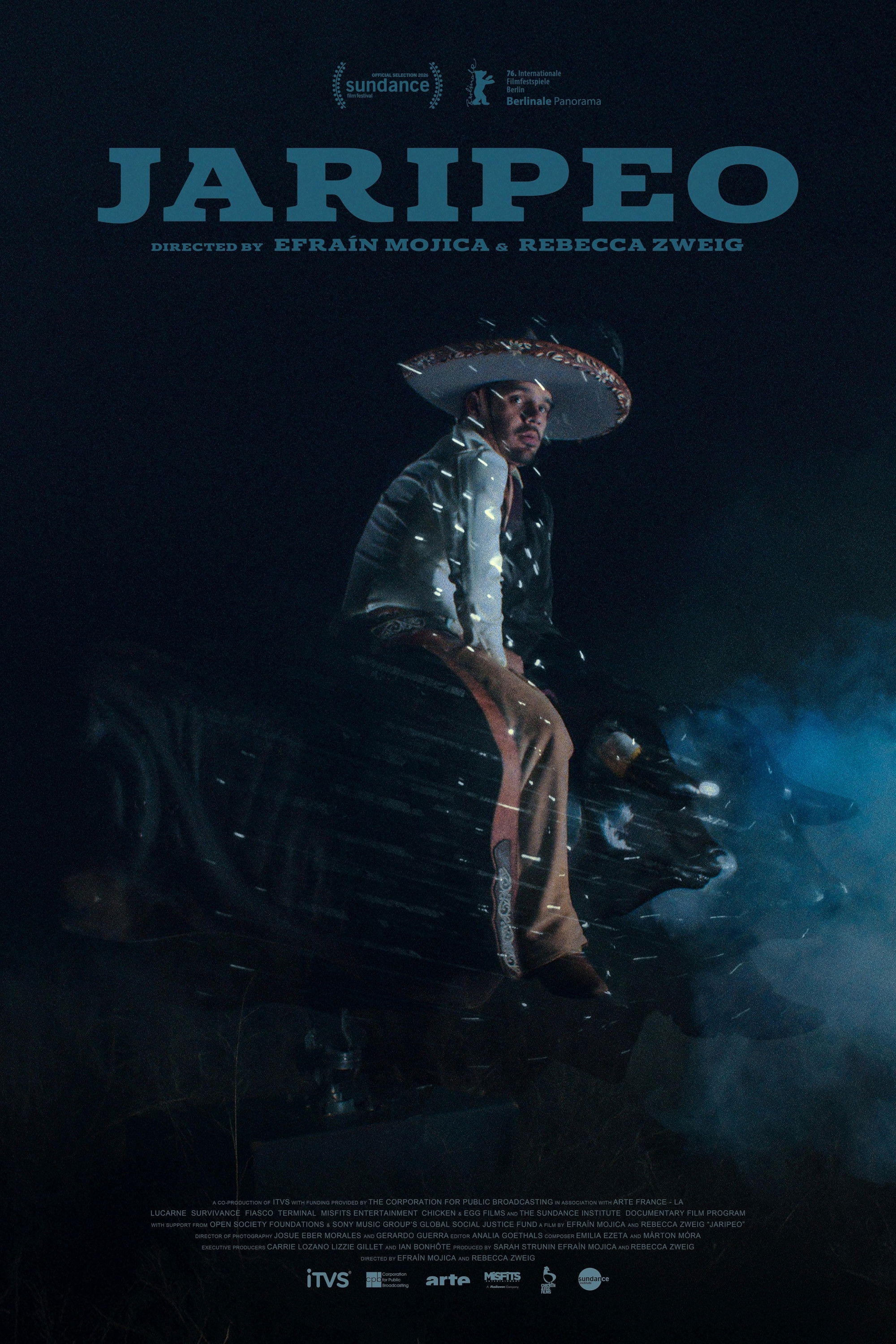
Set against the vibrant spectacle of the jaripeo, a symbol of Mexican cowboy tradition and machismo, this story unveils a hidden world of queer desire and quiet rebellion. As glances and gestures disrupt the rigid norms of masculinity, the rodeo becomes a stage for our protagonists to navigate identity, community, and the search for belonging in an oppressively traditional space.
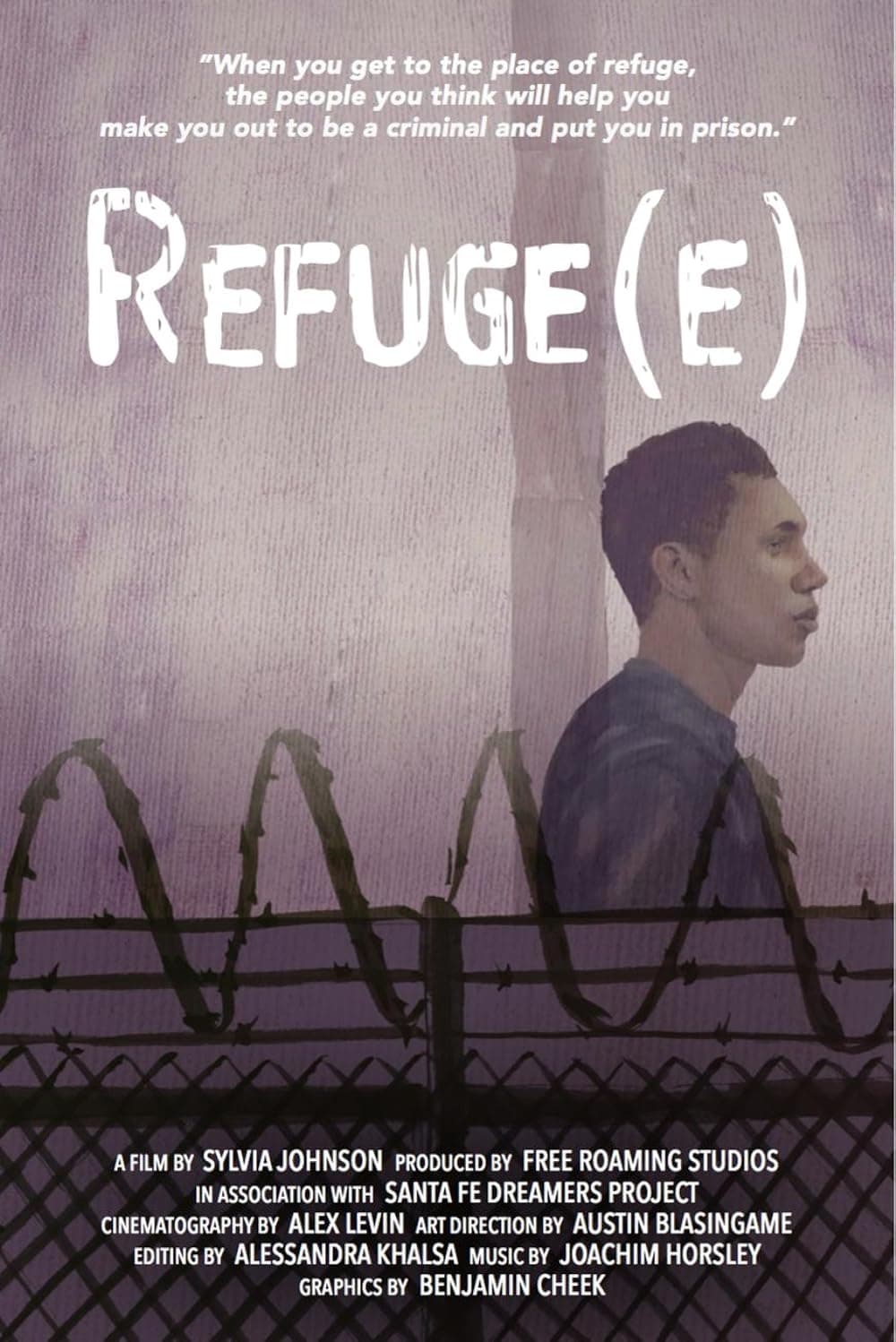
Refuge(e) traces the incredible journey of two refugees, Alpha and Zeferino. Each fled violent threats to their lives in their home countries and presented themselves at the US border asking for political asylum, only to be incarcerated in a for-profit prison for months on end without having committed any crime. Thousands more like them can't tell their stories.
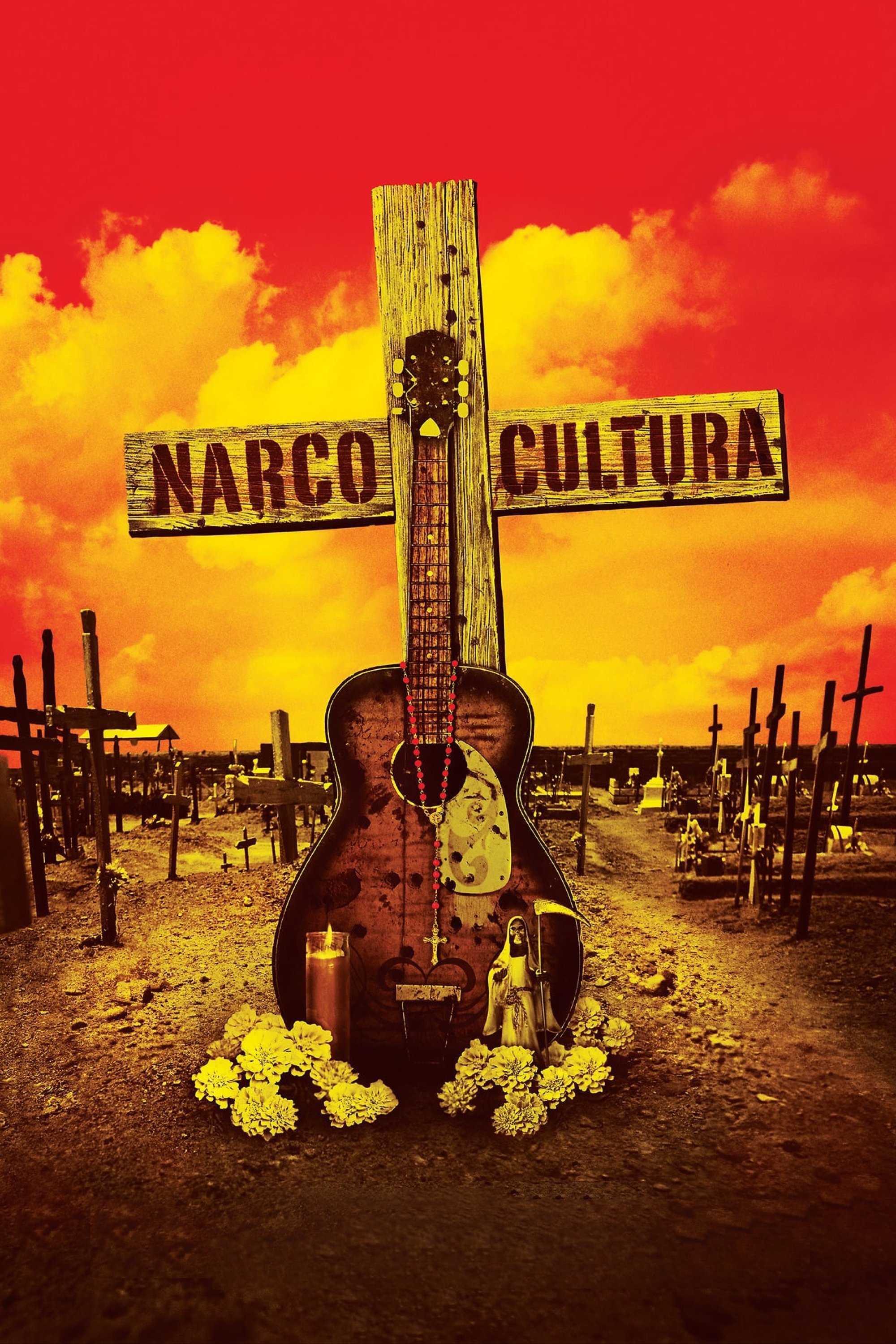
To a growing number of Mexicans and Latinos in the Americas, narco-traffickers have become iconic outlaws and the new models of fame and success. They represent a pathway out of the ghetto, nurturing a new American dream fueled by the war on drugs. Narco Cultura looks at this explosive phenomenon from within, exposing cycles of addiction to money, drugs, and violence that are rapidly gaining strength on both sides of the U.S.-Mexico border
A string of threatening emails escalates into a revenge plot involving a newly married US marshal and his ex-girlfriend.
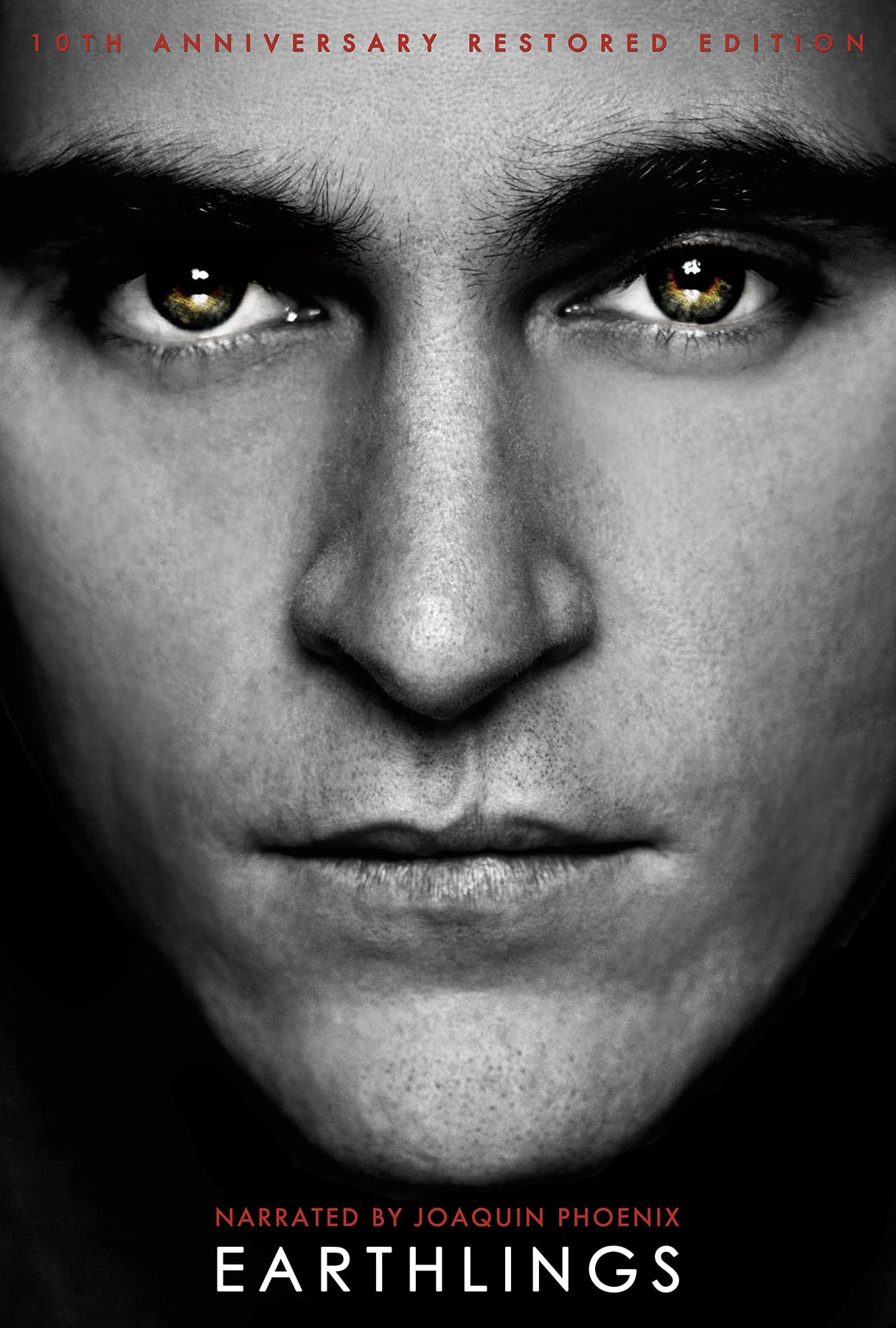
Using hidden cameras and never-before-seen footage, Earthlings chronicles the day-to-day practices of the largest industries in the world, all of which rely entirely on animals for profit.
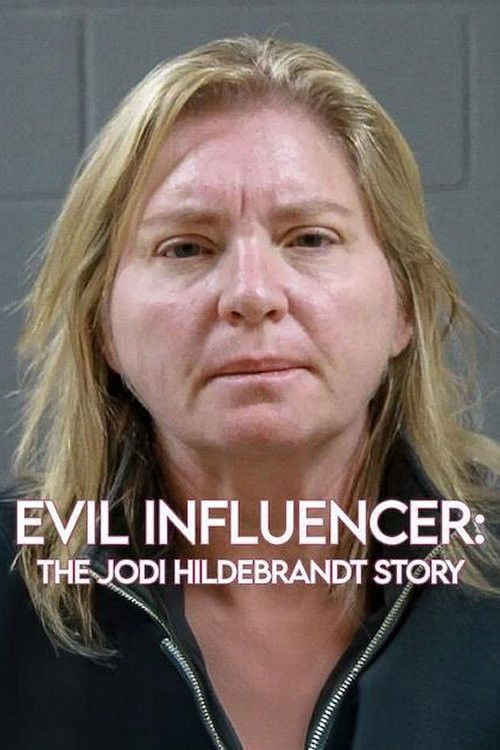
Unravel the case of Utah therapist Jodi Hildebrandt, whose child abuse arrest with parenting YouTuber Ruby Franke exposed a twisted tale of manipulation.
Police pull over a woman who claims she just gave birth. But the baby — and the blood — aren't hers. Twisted lies unravel in this true-crime documentary.
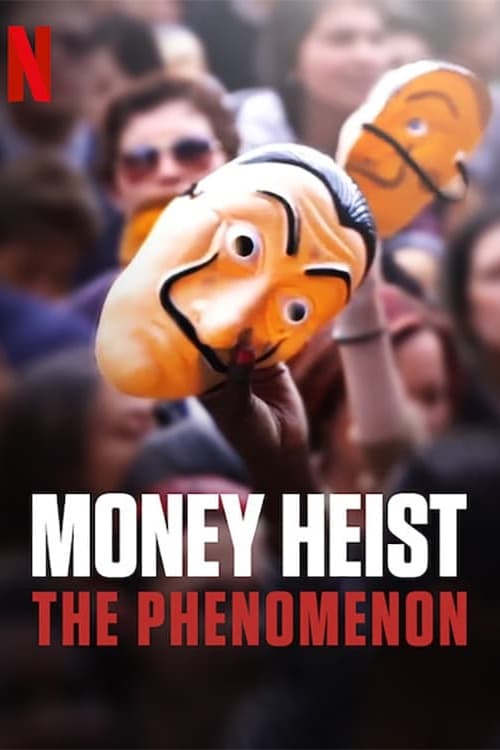
A documentary on why 'Money Heist' sparked a wave of enthusiasm around the world for a lovable group of thieves and their professor.
Alexander McQueen's rags-to-riches story is a modern-day fairy tale, laced with the gothic. Mirroring the savage beauty, boldness and vivacity of his design, this documentary is an intimate revelation of McQueen's own world, both tortured and inspired, which celebrates a radical and mesmerizing genius of profound influence.
From a prolific career in film and television, Anton Yelchin left an indelible legacy as an actor. Through his journals and other writings, his photography, the original music he wrote, and interviews with his family, friends, and colleagues, this film looks not just at Anton's impressive career, but at a broader portrait of the man.
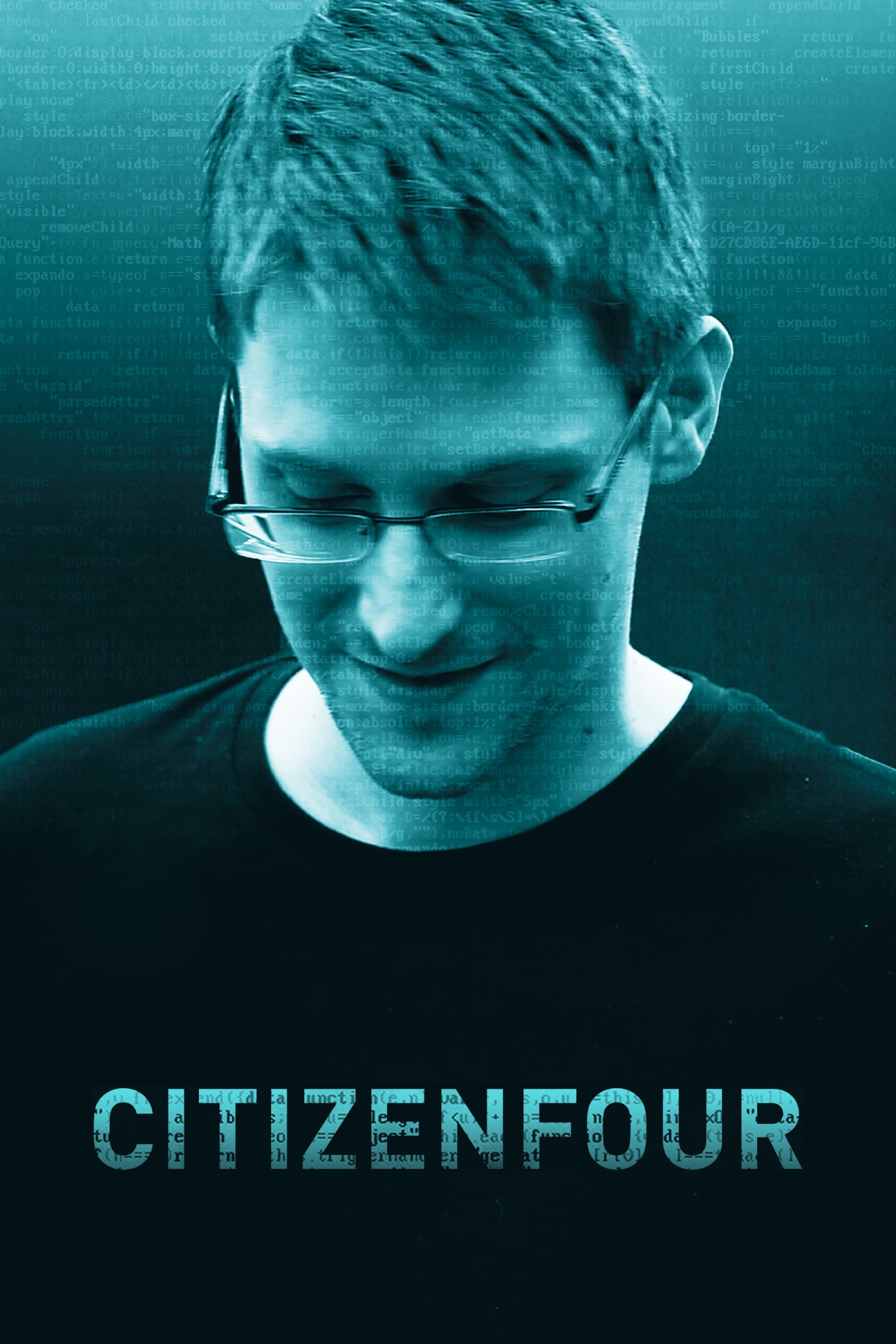
In June 2013, Laura Poitras and reporter Glenn Greenwald flew to Hong Kong for the first of many meetings with Edward Snowden. She brought her camera with her.
Ranjit, a farmer in India, takes on the fight of his life when he demands justice for his 13-year-old daughter, the victim of a brutal gang rape. His decision to support his daughter is virtually unheard of, and his journey unprecedented.
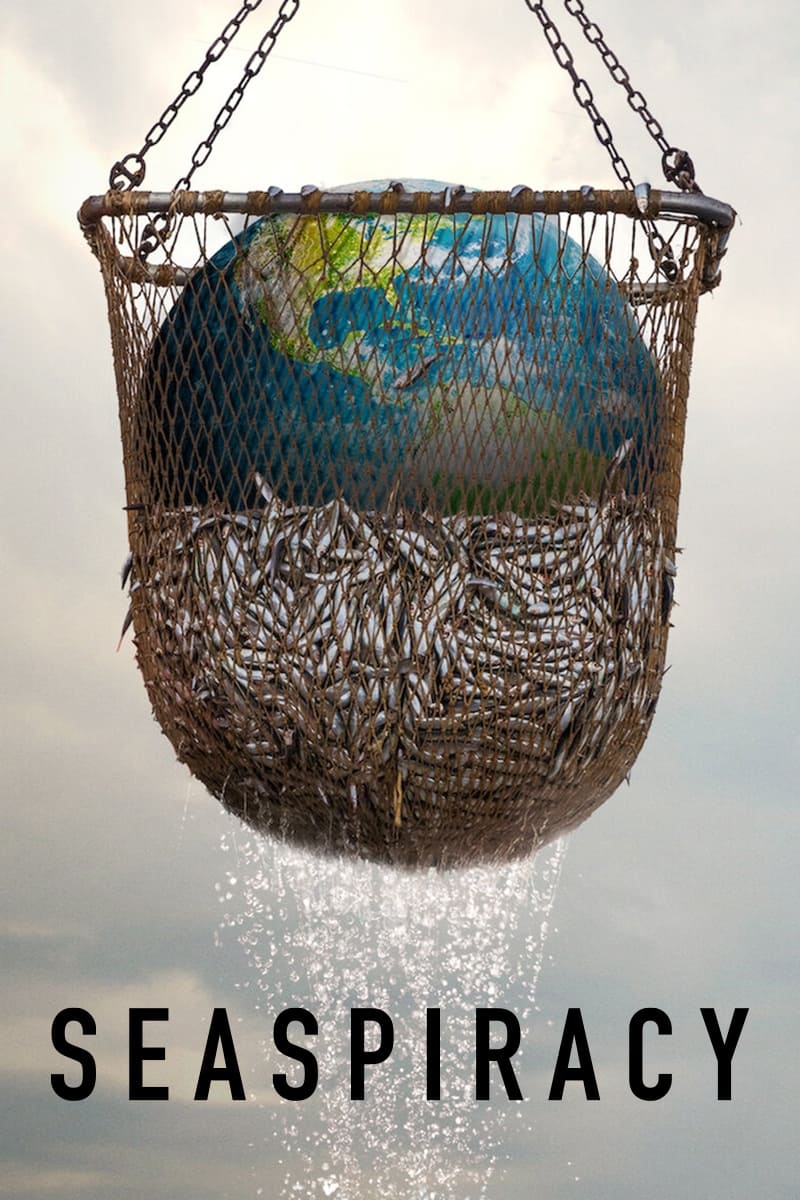
Passionate about ocean life, a filmmaker sets out to document the harm that humans do to marine species — and uncovers an alarming global conspiracy.
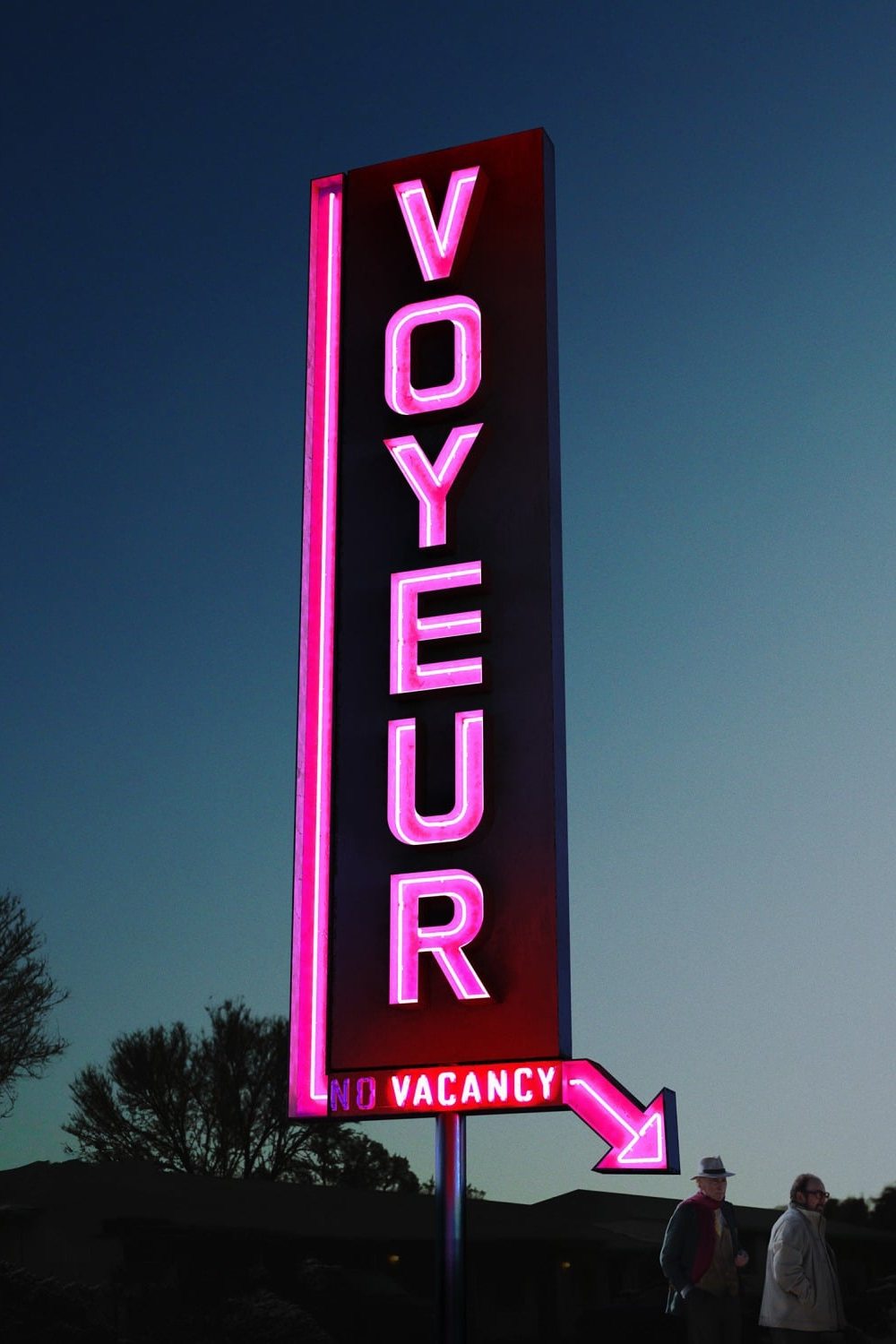
Legendary journalist Gay Talese unmasks a motel owner who spied on his guests for decades. But his bombshell story soon becomes a scandal of its own.
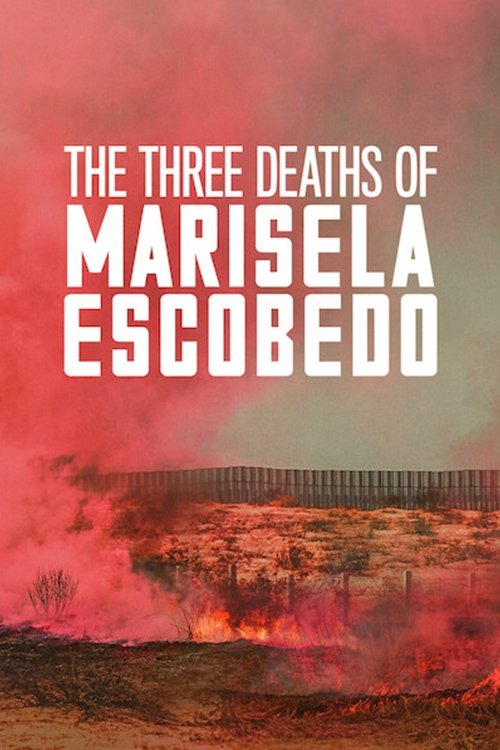
After the death of her daughter at the hand of her boyfriend, Marisela Escobedo began to fight for justice not only against the murderer but also against the corrupt Mexican judicial system.
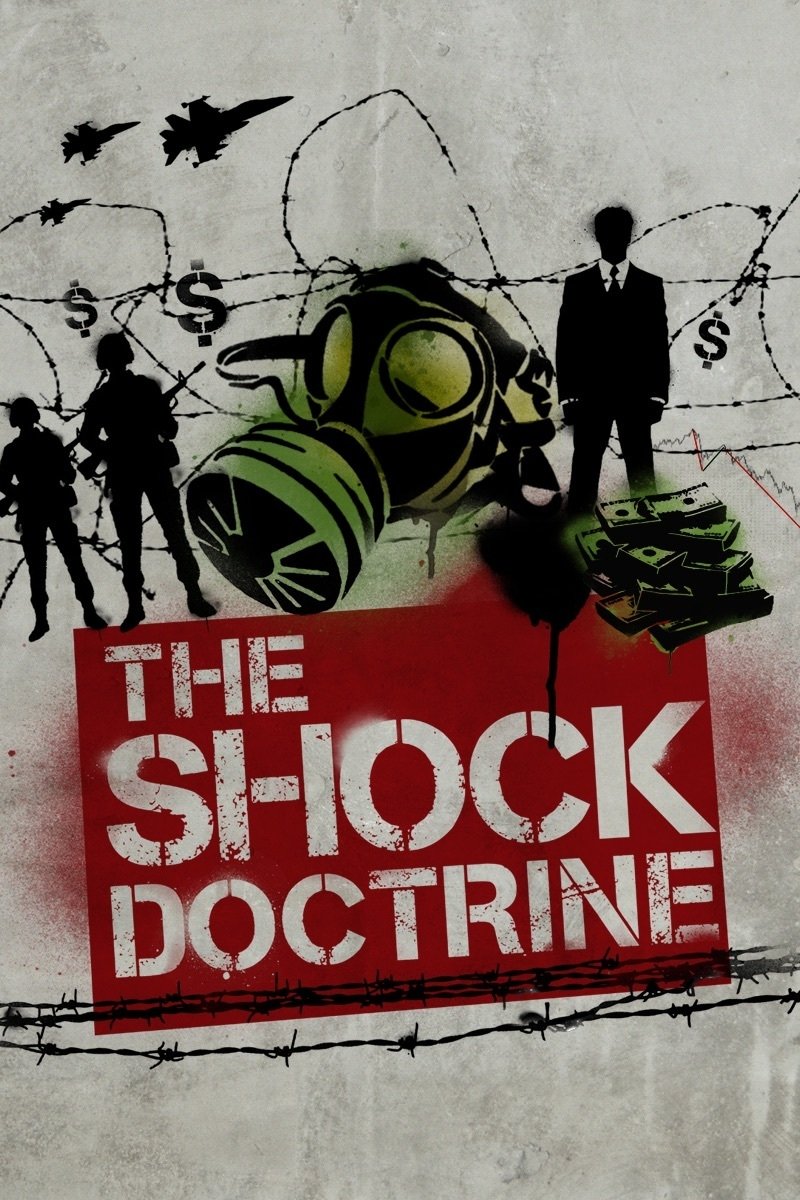
An investigation of "disaster capitalism", based on Naomi Klein's proposition that neo-liberal capitalism feeds on natural disasters, war and terror to establish its dominance.
In her own words, through personal video and diaries, Pamela Anderson shares the story of her rise to fame, rocky romances and infamous sex tape scandal.
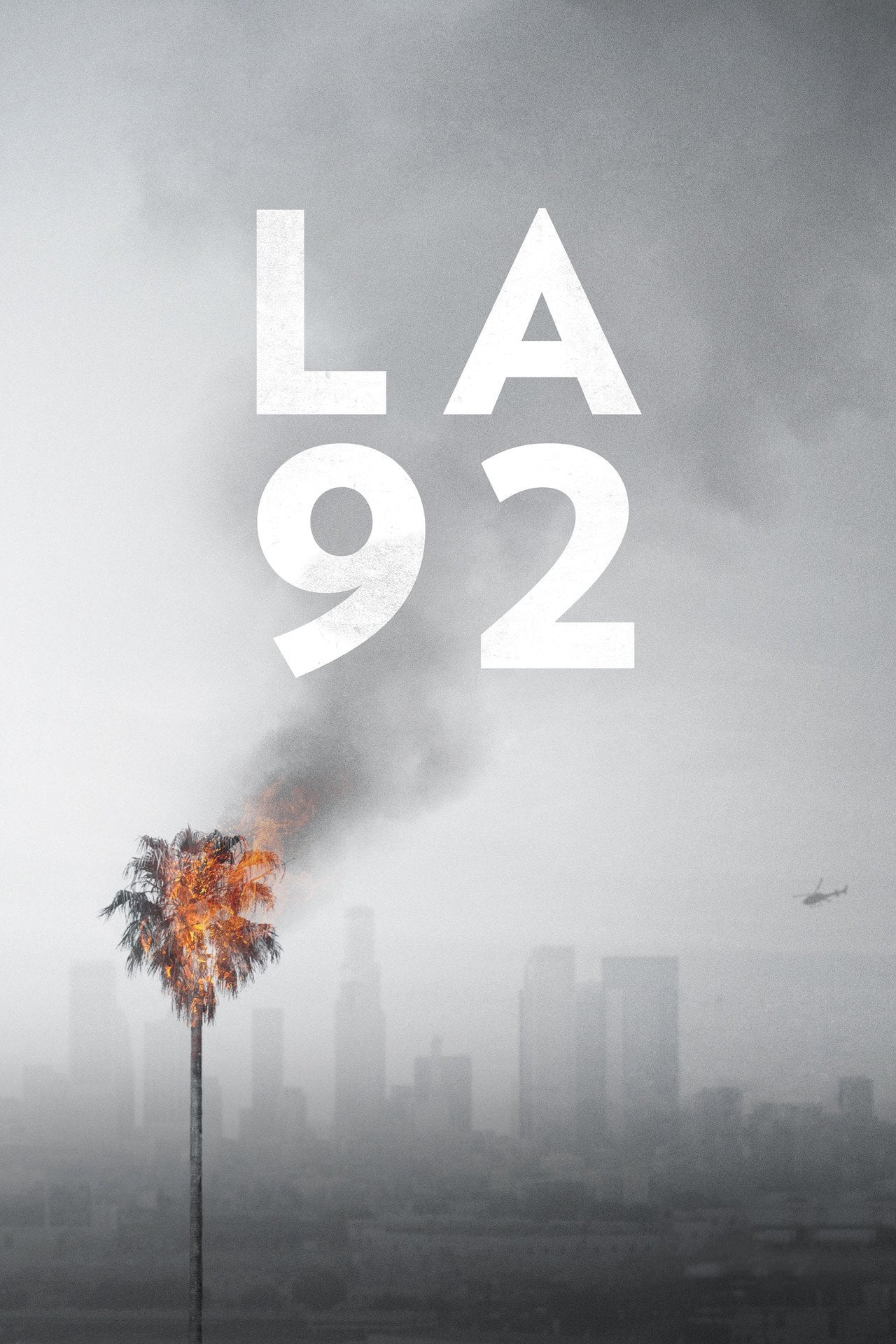
Twenty-five years after the verdict in the Rodney King trial sparked several days of protests, violence and looting in Los Angeles, LA 92 immerses viewers in that tumultuous period through stunning and rarely seen archival footage.
Through deeply personal interviews with her siblings and an examination of the photographs, letters, and belongings left behind, Mariska assembles a new portrait of her mother Jayne Mansfield, an extraordinary and complex woman.
Journey into the extraordinary world of "The Witcher" — from casting the roles to Jaskier's catchy song — in this behind-the-scenes look at the series.
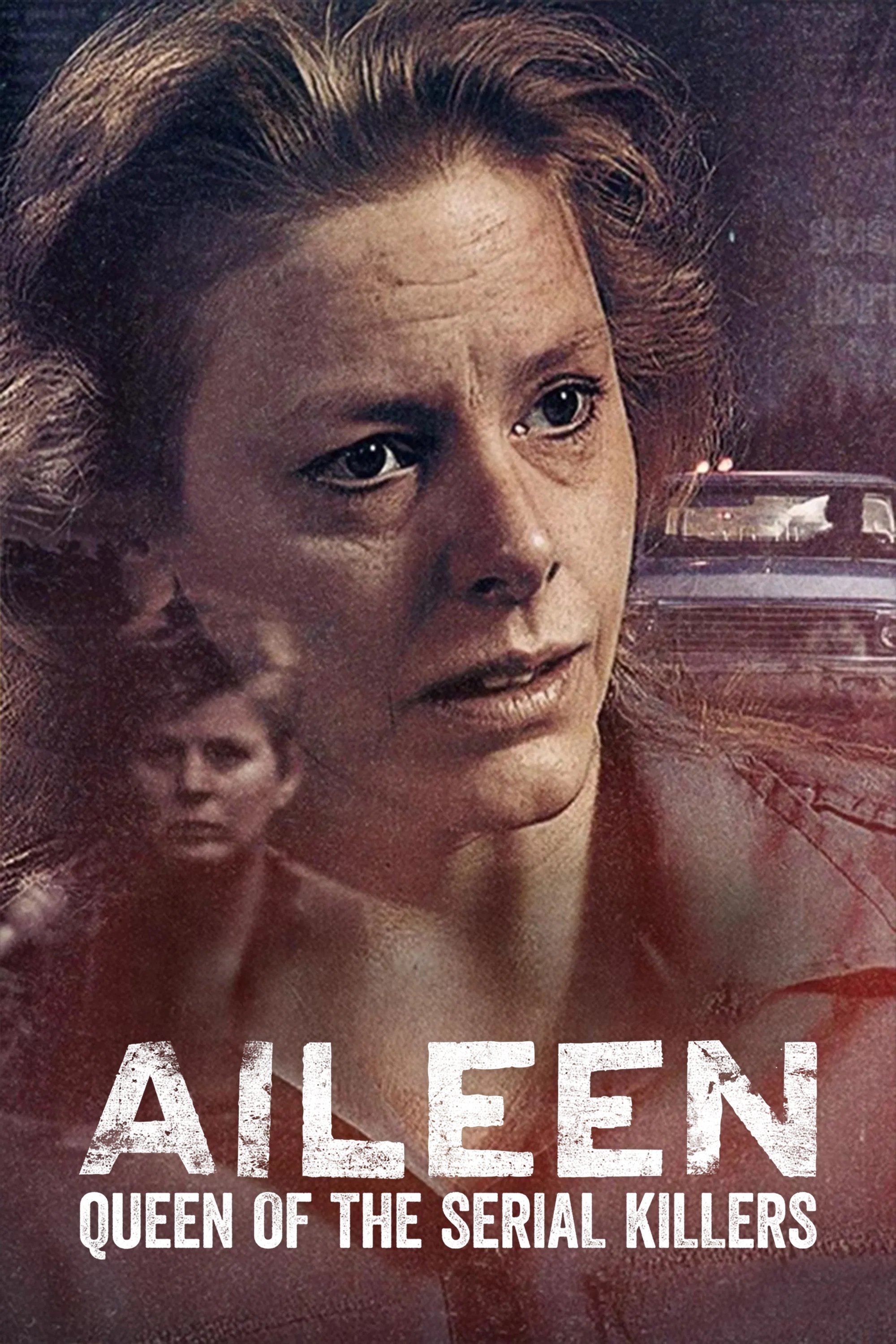
Aileen Wuornos remains a rarity: a female serial killer. From childhood abuse to death-row revelations, this documentary revisits her life and crimes.
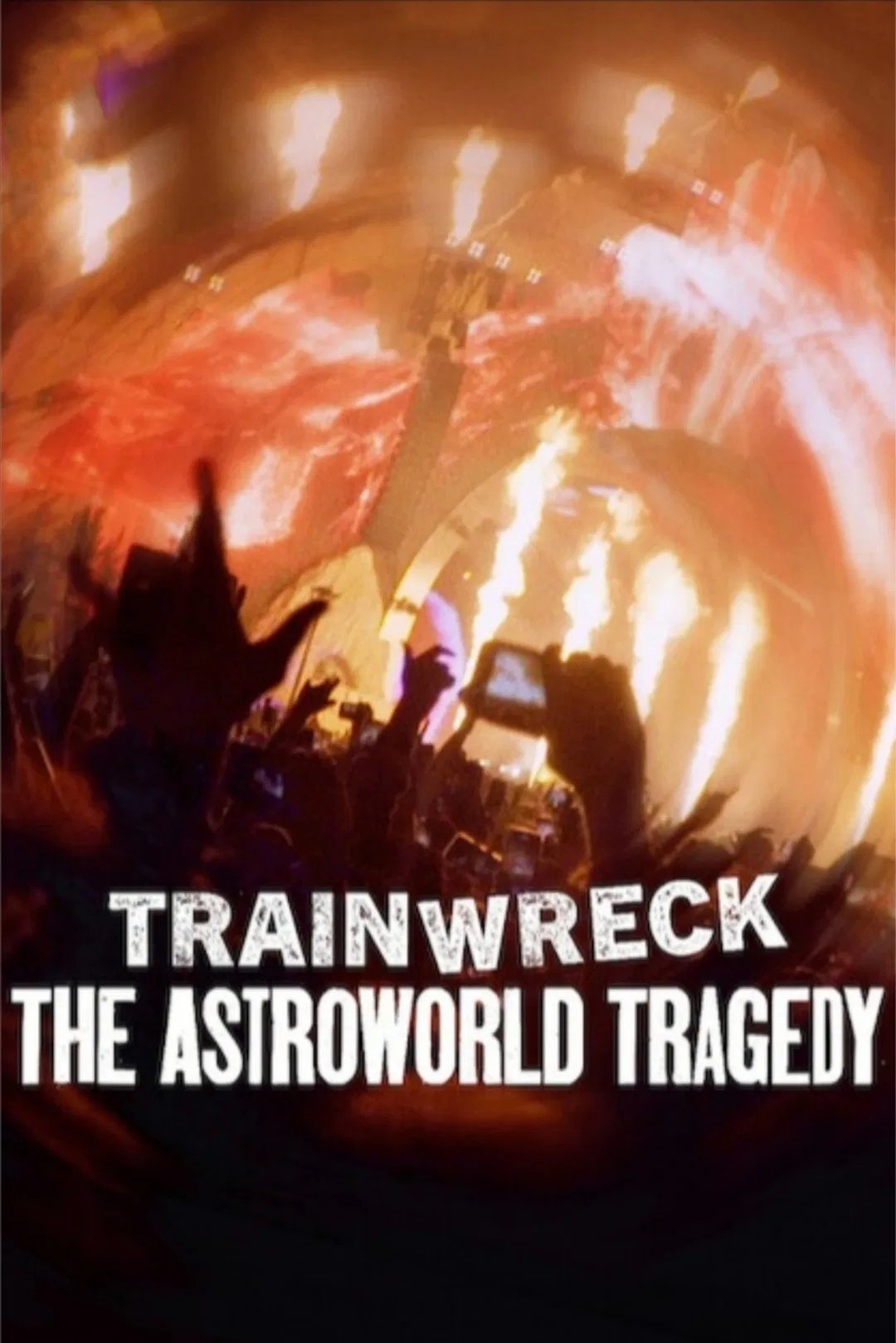
Featuring exclusive interviews with survivors, paramedics and festival staff, this documentary examines the 2021 Astroworld tragedy and its aftermath.