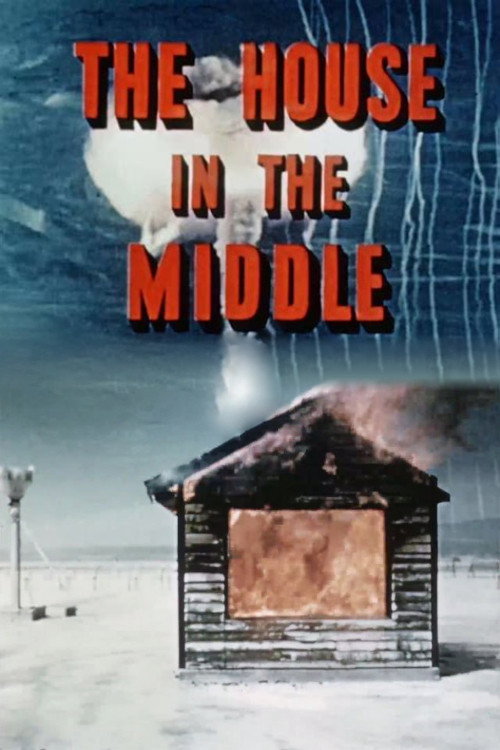
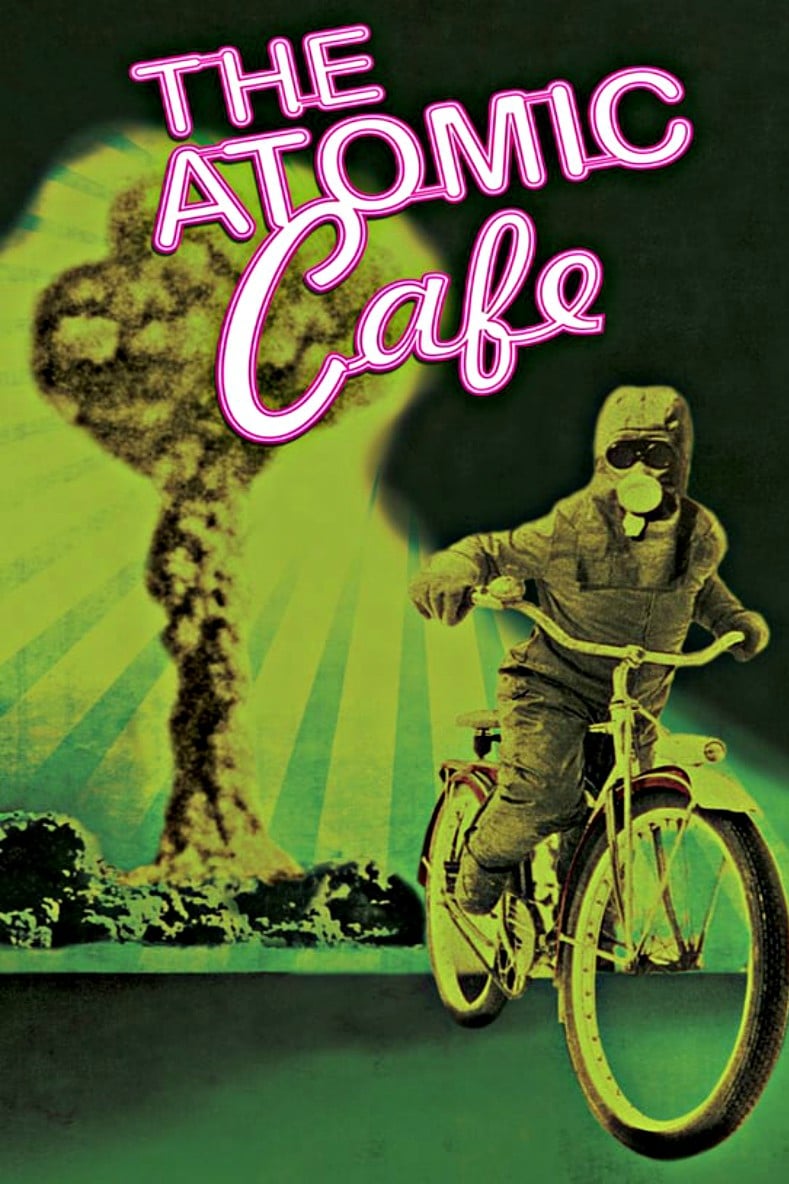
Short film that emphasizes the importance of keeping a tidy home when facing an atomic bomb.
Social & External
An exploration —manipulated and staged— of life in Las Hurdes, in the province of Cáceres, in Extremadura, Spain, as it was in 1932. Insalubrity, misery and lack of opportunities provoke the emigration of young people and the solitude of those who remain in the desolation of one of the poorest and least developed Spanish regions at that time.
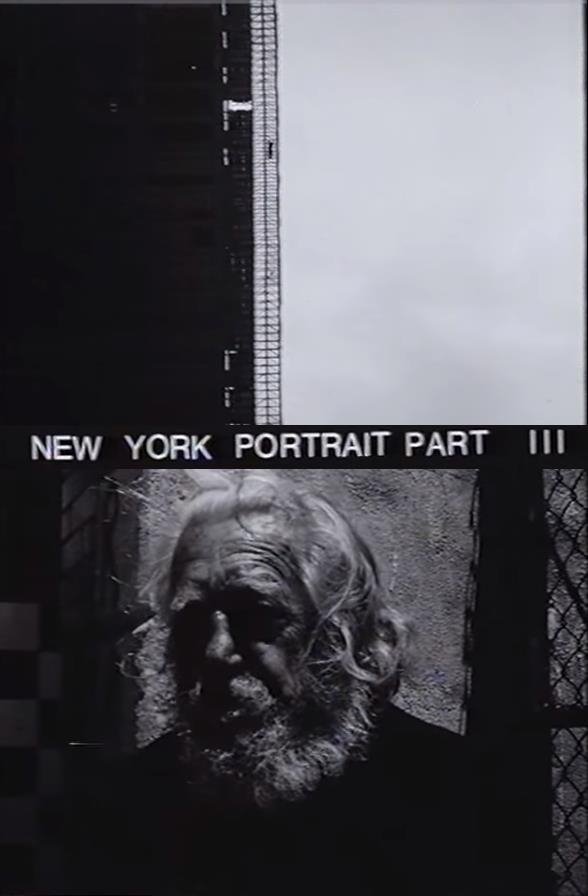
"[Hutton’s] latest urban film, New York Portrait, Chapter III, takes on a unique tone in relation to Hutton’s ongoing exploration of rural landscape. The very fact that Hutton is dealing with older footage, with archives of memory more than immediacy, gives it a different texture than his earlier New York films. Hutton always found the presence of nature in the city, not only in his many shots of sky and vegetation, but also in the geometry and texture of the city itself, which seemed to project an independence from the human." (Tom Gunning)
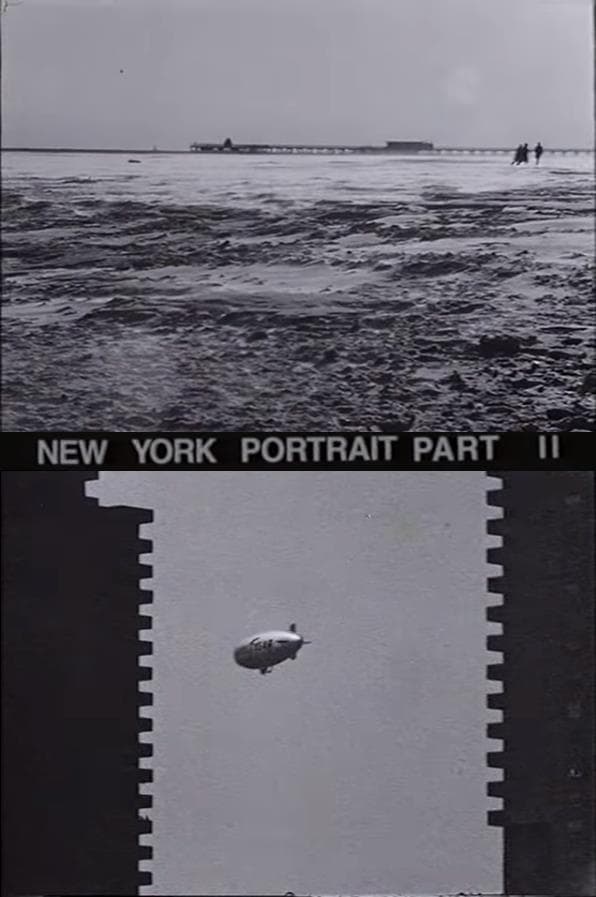
Chapter Two represents a continuation of daily observations from the environment of Manhattan compiled over a period from 1980-1981. This is the second part of an extended life's portrait of New York.
Warsaw's Central Railway Station. 'Someone has fallen asleep, someone's waiting for somebody else. Maybe they'll come, maybe they won't. The film is about people looking for something.
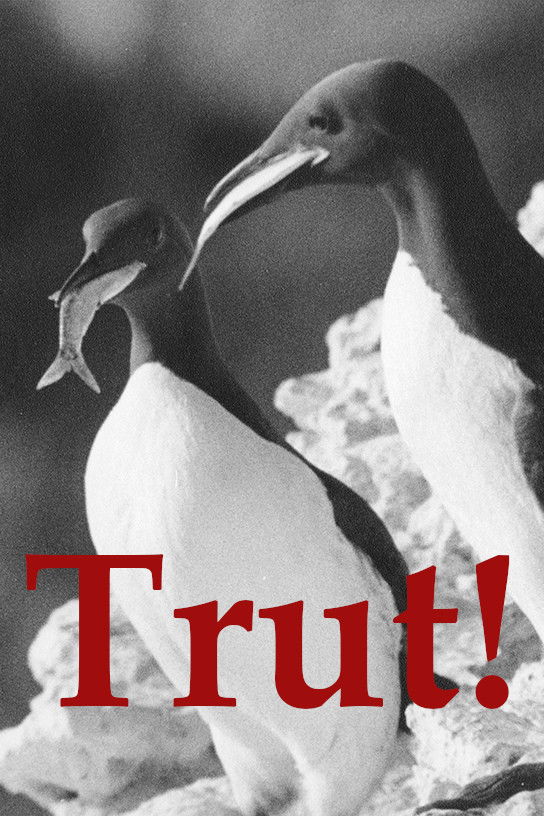
Arne Sucksdorff’s short documentary observes gulls raiding nests and stealing eggs with ruthless persistence. Though presented as pure nature study, the film was widely read as an allegory of Nazism—a symbolic parable of predation and violence during wartime. Sucksdorff himself denied such intent, but remarked that “a film that is not open to interpretation is a dead film.”
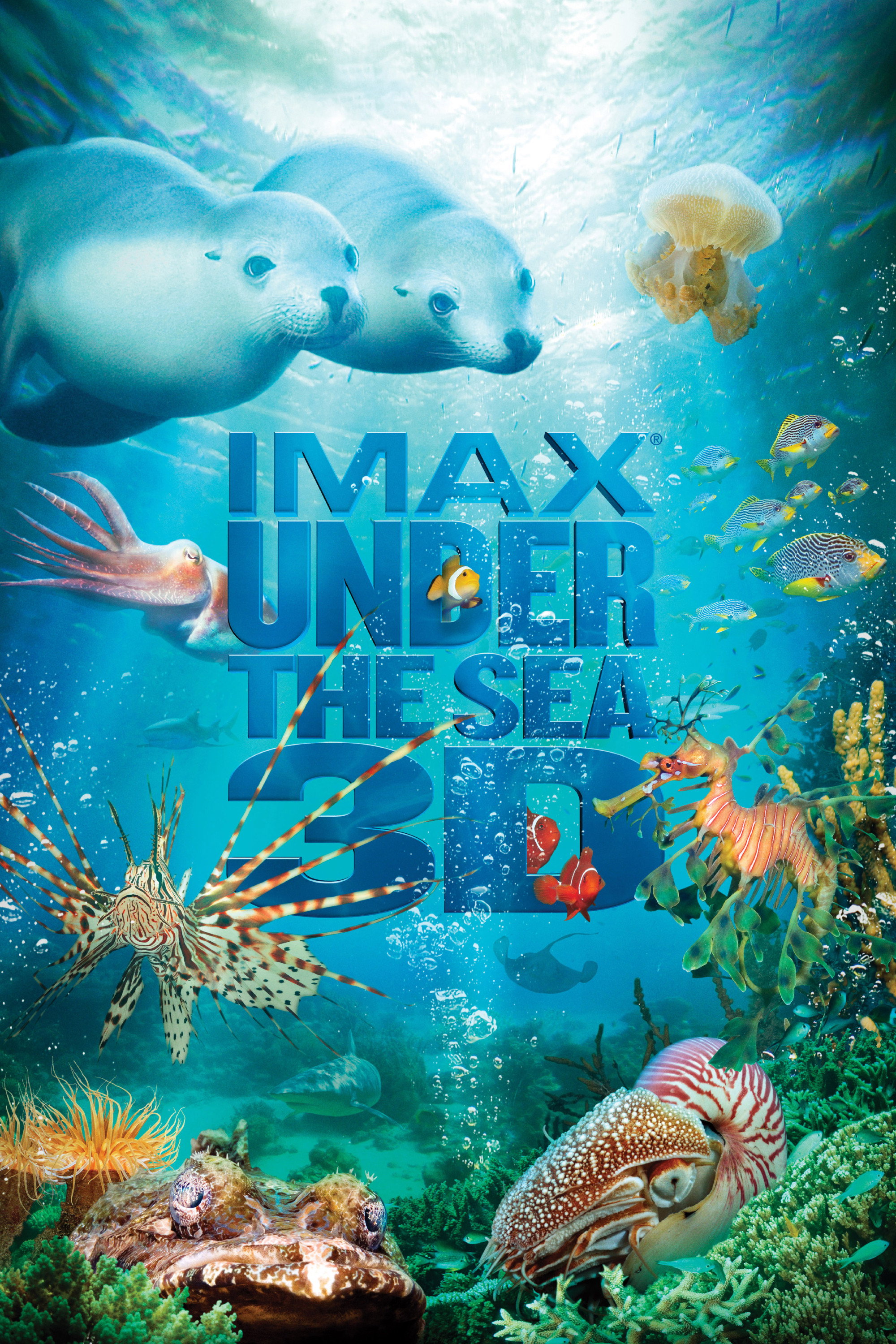
Imagine a world of incredible color and beauty. Of crabs wearing jellyfish for hats. Of fish disguised as frogs, stones and shag carpets. Of a kaleidoscope of life dancing and weaving, floating and darting in an underwater wonderland. Now, go explore it! Howard Hall and his filmmaking team, who brought you Deep Sea and Into the Deep, take you into tropical waters alive with adventure: the Great Barrier Reef and other South Pacific realms. Narrated by Jim Carrey and featuring astonishing camerawork, this amazing film brings you face to fin with Nature's marvels, from the terrible grandeur (and terrible teeth) of a Great White to the comic antics of a lovestruck cuttlefish. Excitement and fun run deep Under the Sea!
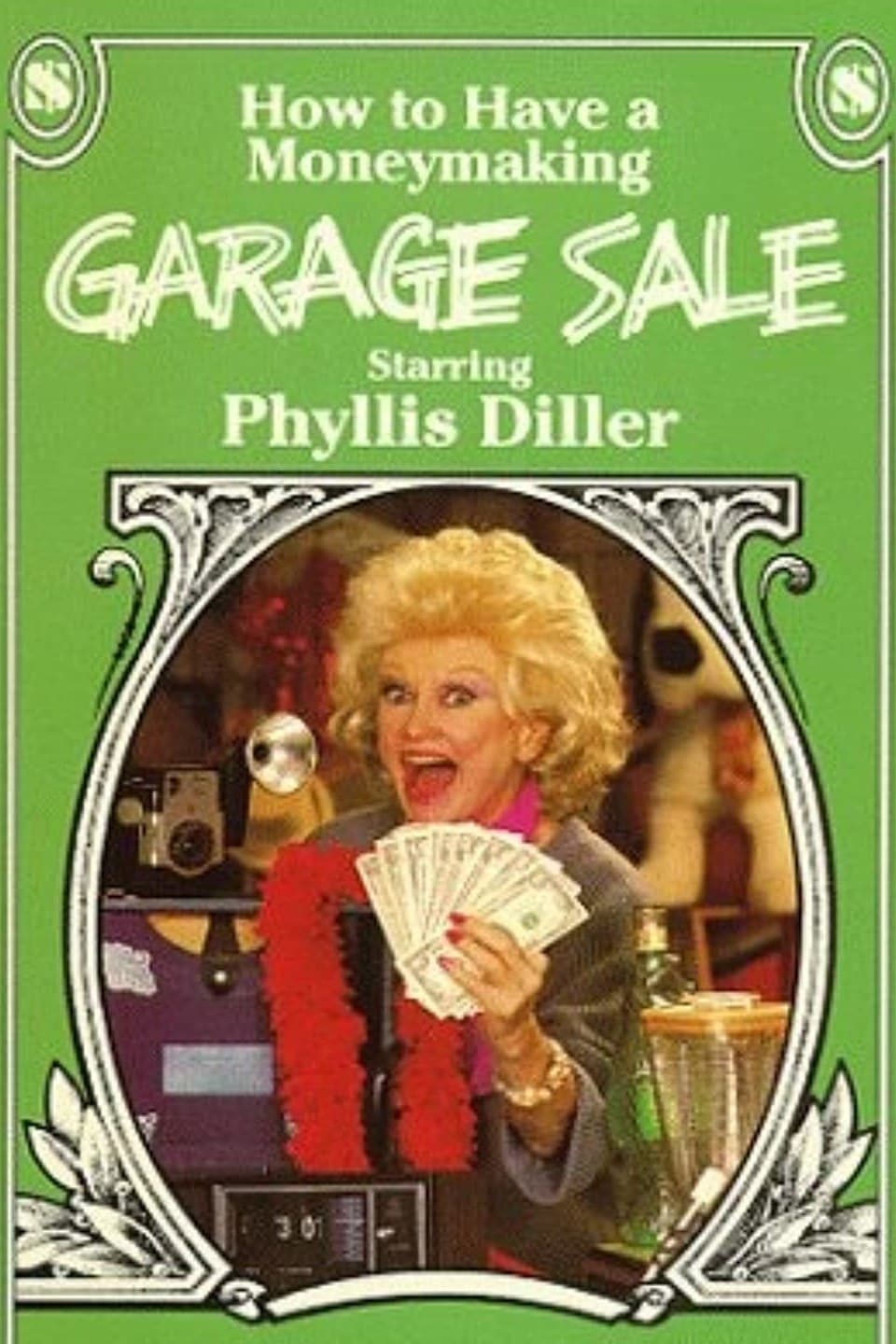
Learn today's simple, step-by-step way to make more money with less effort...and have fun! Phyllis Diller shares her "garage sale secrets" with you, digging into closets, plowing through old boxes and clearing out the attic as she organizes an attractive, moneymaking garage sale.
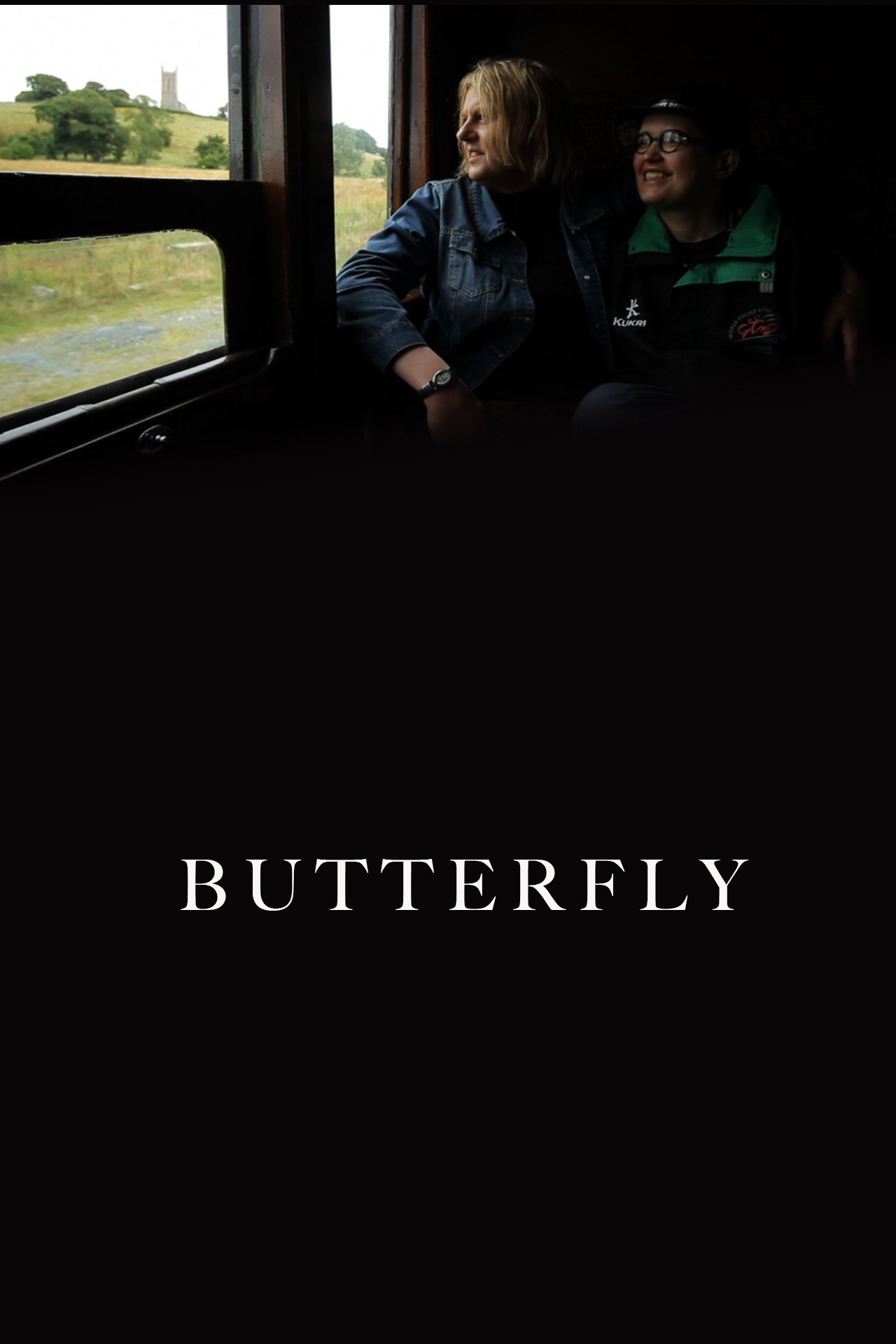
Adrianne and Karl, a transgender couple, both diagnosed with Asperger Syndrome, tell the story of their relationship and how it has changed their lives.
Public information film regarding female safety and how to safeguard against rape
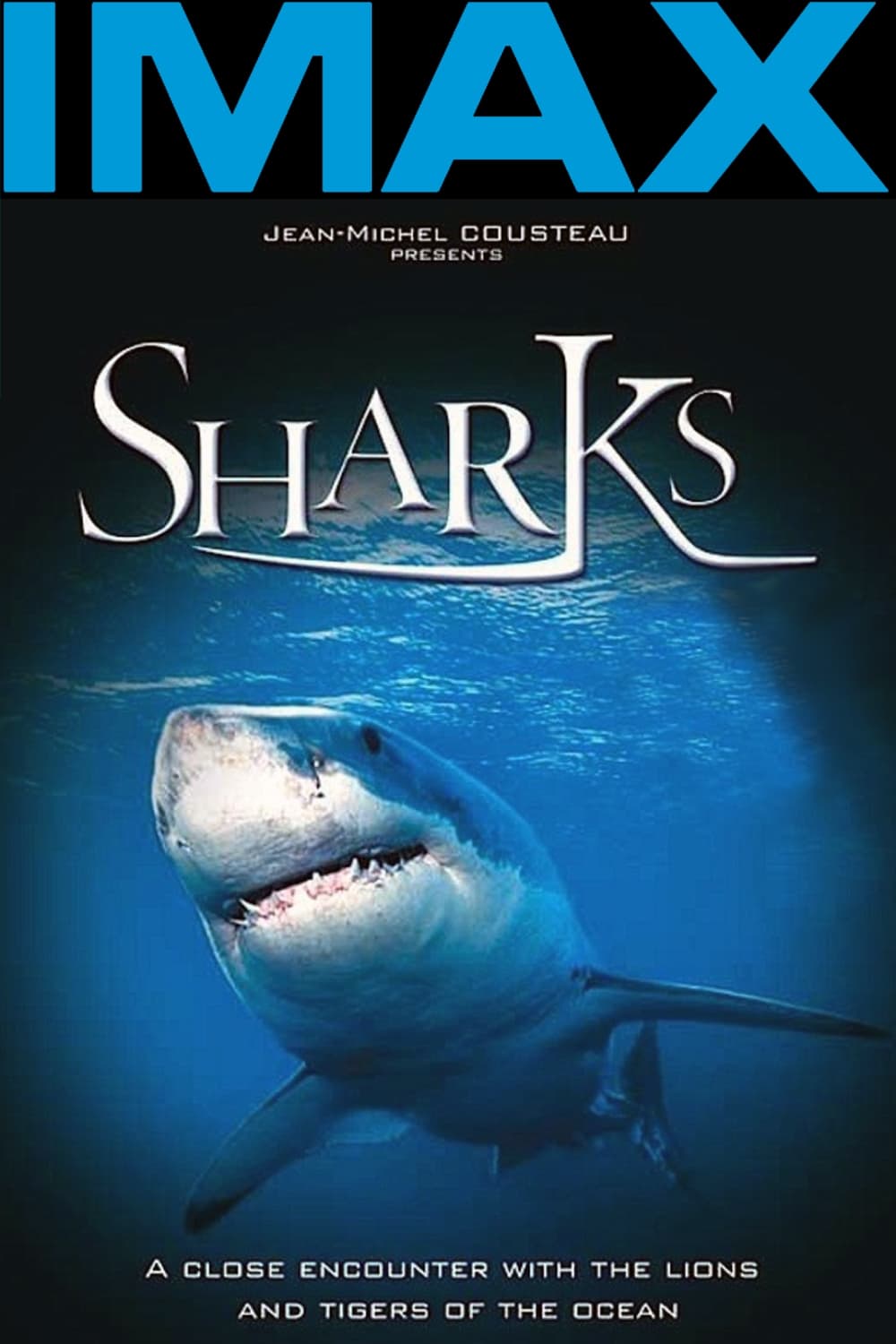
Jean-Michel Cousteau invites you to embark on a breathtaking underwater voyage to discover the ultimate predator: the shark. Experience an astonishing up-close encounter in 3D with the lions and tigers of the ocean.
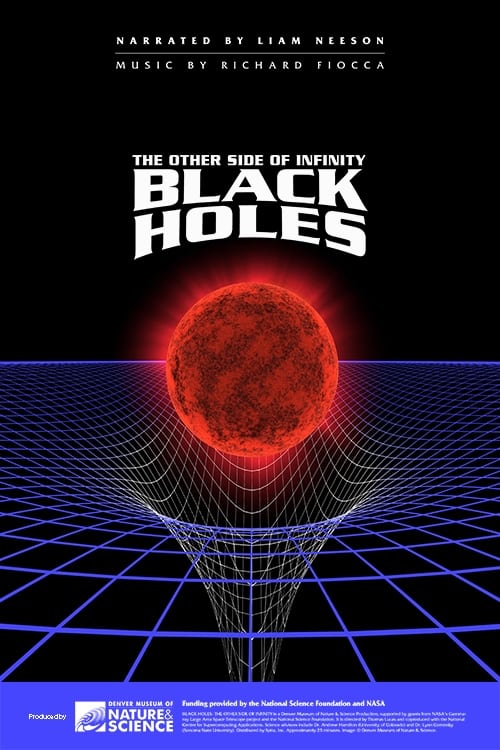
A presentation of the facts and theory surrounding the astronomical phenomenon of "black holes", using the latest in computer-generated imagery. Theories regarding their origin are presented, along with speculation about what lies with and beyond them.
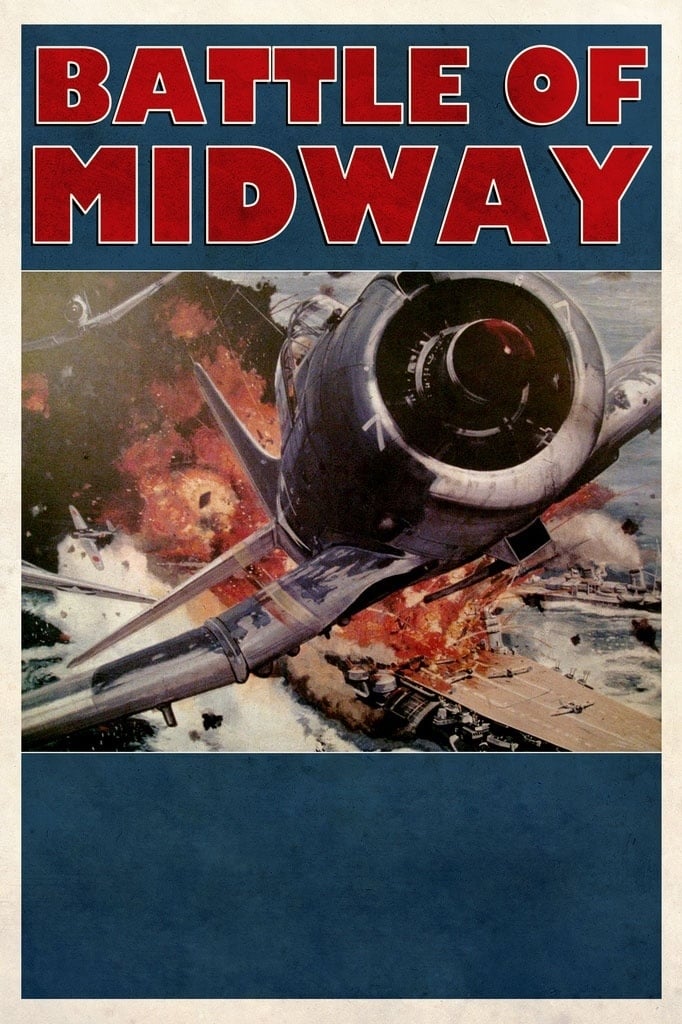
The Japanese attack on Midway in June 1942, filmed as it happened. Preserved by the Academy Film Archive, in partnership with Twentieth Century Fox Film Corporation, in 2006.
A short documentary made from archival footage that explores the various dynamics of Japan and the U.S.A. during ww2
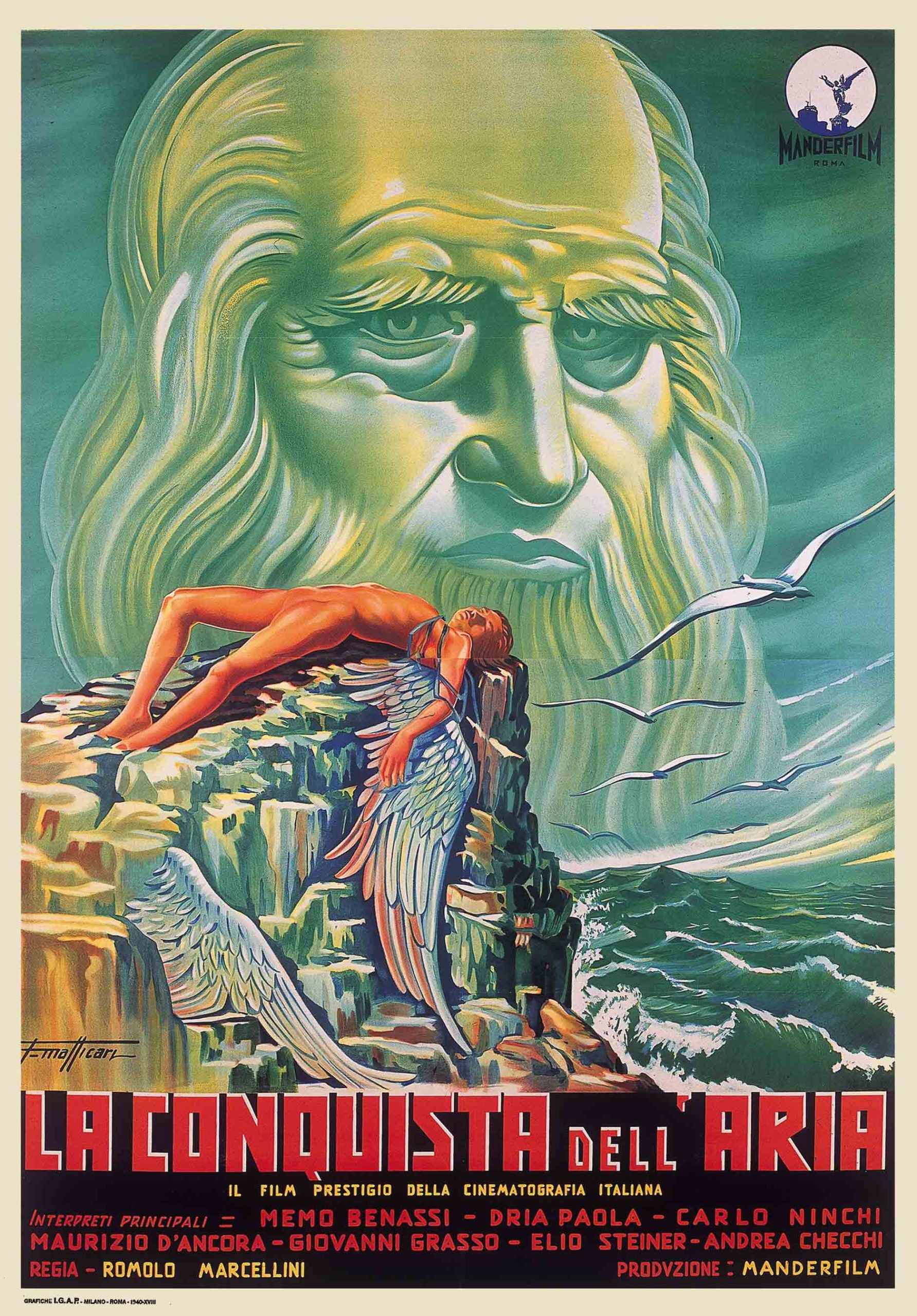
A sweeping, cinematic pseudo-documentary history of human flight, starting with the failed attempt of Icarus, and ending with the aviation triumphs of the fascist regime.
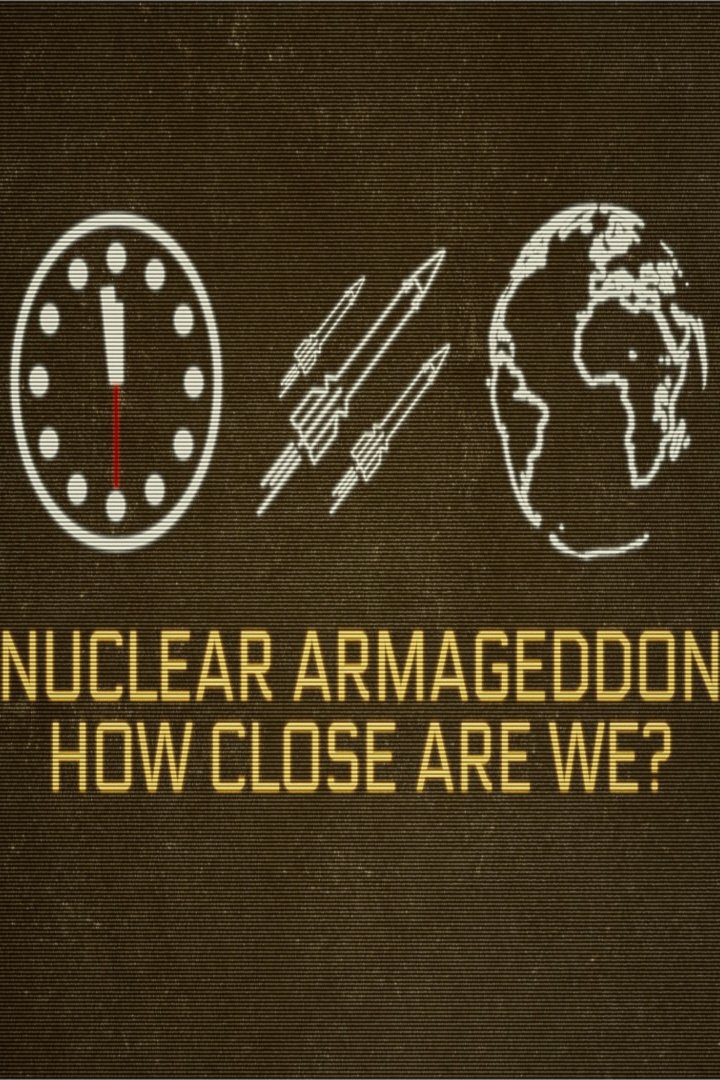
With the Doomsday Clock the closest it's ever been to midnight, Jane Corbin investigates the proliferation of nuclear weapons across the globe. She visits Los Alamos, home to the United States’ nuclear weapons development facility and the historic home of Oppenheimer’s Manhattan Project. In Scotland, she reveals the strategy behind Britain’s nuclear deterrent, and speaks to campaigners in Suffolk fighting against US weapons they fear will be based on UK soil. Jane also discovers how many of the global agreements and safeguards that have constrained the spread of nuclear weapons since the 1970s are breaking down. This is a story told by the scientists, investigators and diplomats who set the clock and have fought to ensure that the ultimate deterrent has not been used in over 70 years.
Co-produced by the U.S. Holocaust Memorial Museum Research Institute, this Academy Award-winning documentary relates the harrowing story of Gerda Weissmann Klein and her journey of survival and remembering both before and after the war.
An overview on safety precautions that protect forklift operators on the job.
The subject is a group of women bathing in a public swimming pool. The camera was placed on the edge of the pool and the full extent of the film shows the women in the pool. Only the heads and shoulders of most of the women are visible but it is possible to see they are wearing rented bathing attire.
This short cautionary training film examines dangers associated with earthmoving equipment operation, showing many simulated accidents on construction sites.
Filmed in IMAX, a team of explorers led by Pasquale Scaturro and Gordon Brown face seemingly insurmountable challenges as they make their way along all 3,260 miles of the world's longest and deadliest river to become the first in history to complete a full descent of the Blue Nile from source to sea.
A homemade flying saucer lifts off, and a 6-year-old boy might be inside. National panic ensues — but what truly happened? This documentary investigates.
A disturbing collection of 1940s and 1950s United States government-issued propaganda films designed to reassure Americans that the atomic bomb was not a threat to their safety.
Interviews with leading authors, philosophers and scientists, with an in-depth discussion of the Law of Attraction. The audience is shown how they can learn and use 'The Secret' in their everyday lives.
In the Realms of the Unreal is a documentary about the reclusive Chicago-based artist Henry Darger. Henry Darger was so reclusive that when he died his neighbors were surprised to find a 15,145-page manuscript along with hundreds of paintings depicting The Story of the Vivian Girls, in What is Known as the Realms of the Unreal, of the Glodeco-Angelinnian War Storm, Cased by the Child Slave Rebellion.
A string of threatening emails escalates into a revenge plot involving a newly married US marshal and his ex-girlfriend.
Daniel Craig candidly reflects on his 15 year adventure as James Bond. Including never-before-seen archival footage from Casino Royale to the upcoming 25th film No Time To Die, Craig shares his personal memories in conversation with 007 producers, Michael G Wilson and Barbara Broccoli.
A documentary about the life and films of director John Ford.
Over 35 years after Bob Lazar's revelations, this documentary exposes secrets of a facility the government still denies. Featuring Lazar's testimony, recreations, and new evidence, it reopens a case that continues to spark global curiosity
A purely observational non-fiction film that takes viewers into the ethically murky world of end-of-life decision making in a public hospital.
Police pull over a woman who claims she just gave birth. But the baby — and the blood — aren't hers. Twisted lies unravel in this true-crime documentary.
A look behind the lens of Christopher Nolan's space epic.
Amber Heard and Nicole Kidman discuss their characters Mera and Atlanna.
In this concert film, 'Hannah Montana' star Miley Cyrus performs a slew of hit songs, including 'Just Like You' and 'Life's What You Make It.'
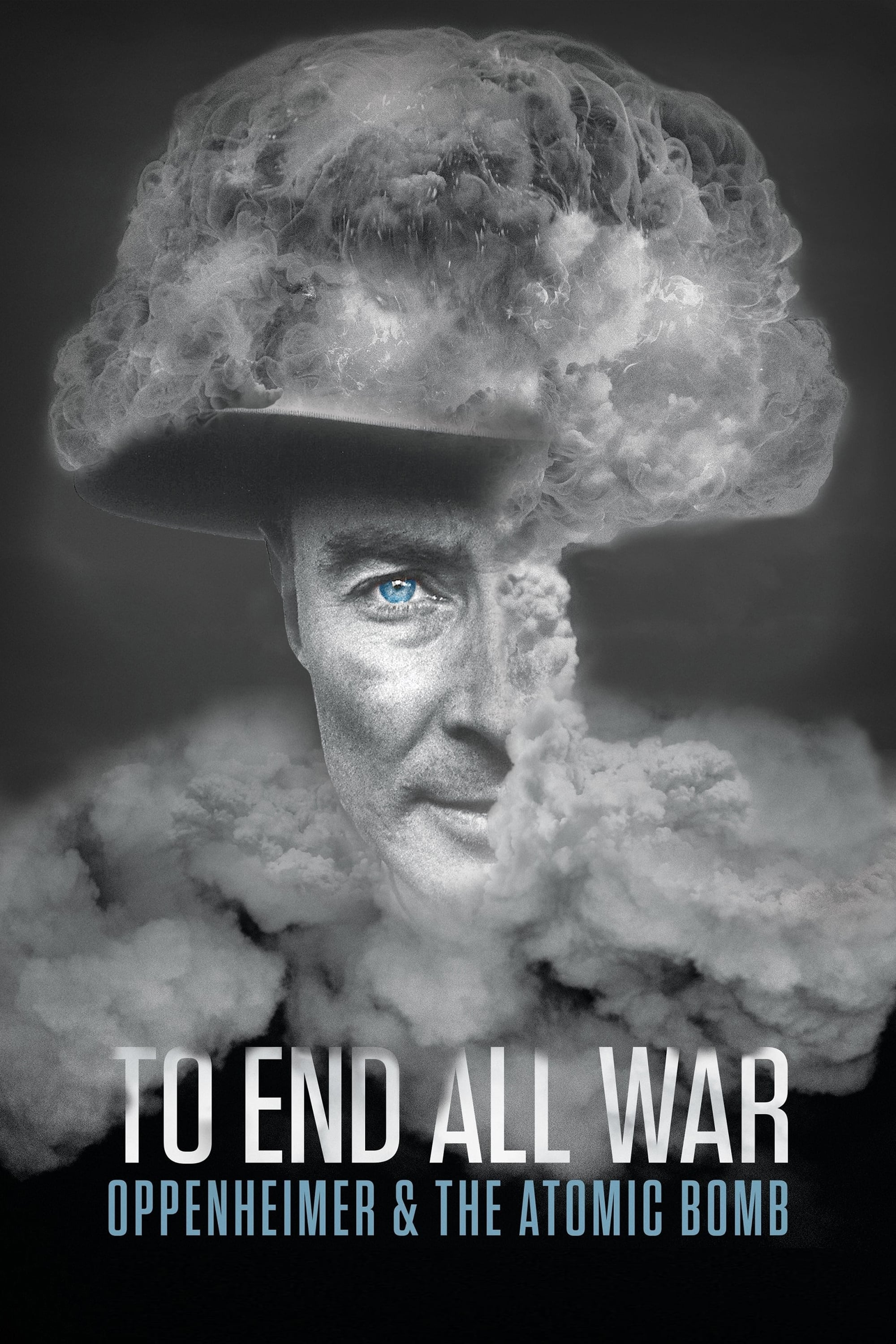
Explore how one man's relentless drive and invention of the atomic bomb changed the nature of war forever, led to the deaths of hundreds of thousands of people and unleashed mass hysteria.
Experience the events of September 11, 2001 through the eyes of President Bush and his closest advisors as they personally detail the crucial hours and key decisions from that historic day.
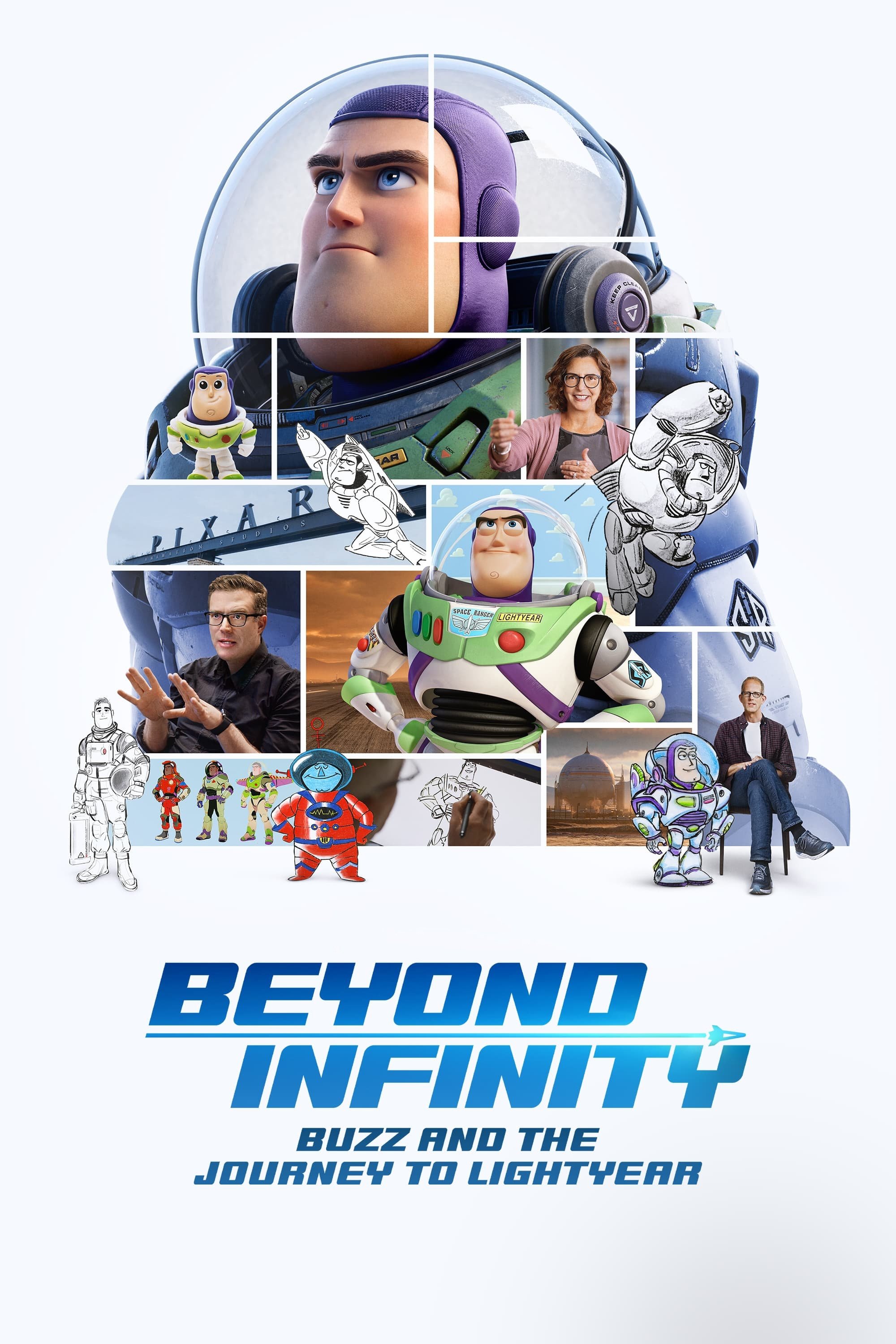
Explore the evolution of Buzz Lightyear from toy to human in the making of Pixar’s Lightyear. Dive into the origin and cultural impact of everyone’s favorite Space Ranger, the art of designing a new “human Buzz,” and the challenges faced by the Lightyear crew along the way.
SEDUCED AND ABANDONED combines acting legend Alec Baldwin with director James Toback as they lead us on a troublesome and often hilarious journey of raising financing for their next feature film. Moving from director to financier to star actor, the two players provide us with a unique look behind the curtain at the world's biggest and most glamourous film festival, shining a light on the bitter-sweet relationship filmmakers have with Cannes and the film business. Featuring insights from directors Martin Scorsese, 'Bernando Bertolucci' and Roman Polanski; actors Ryan Gosling and Jessica Chastain and a host of film distribution luminaries.
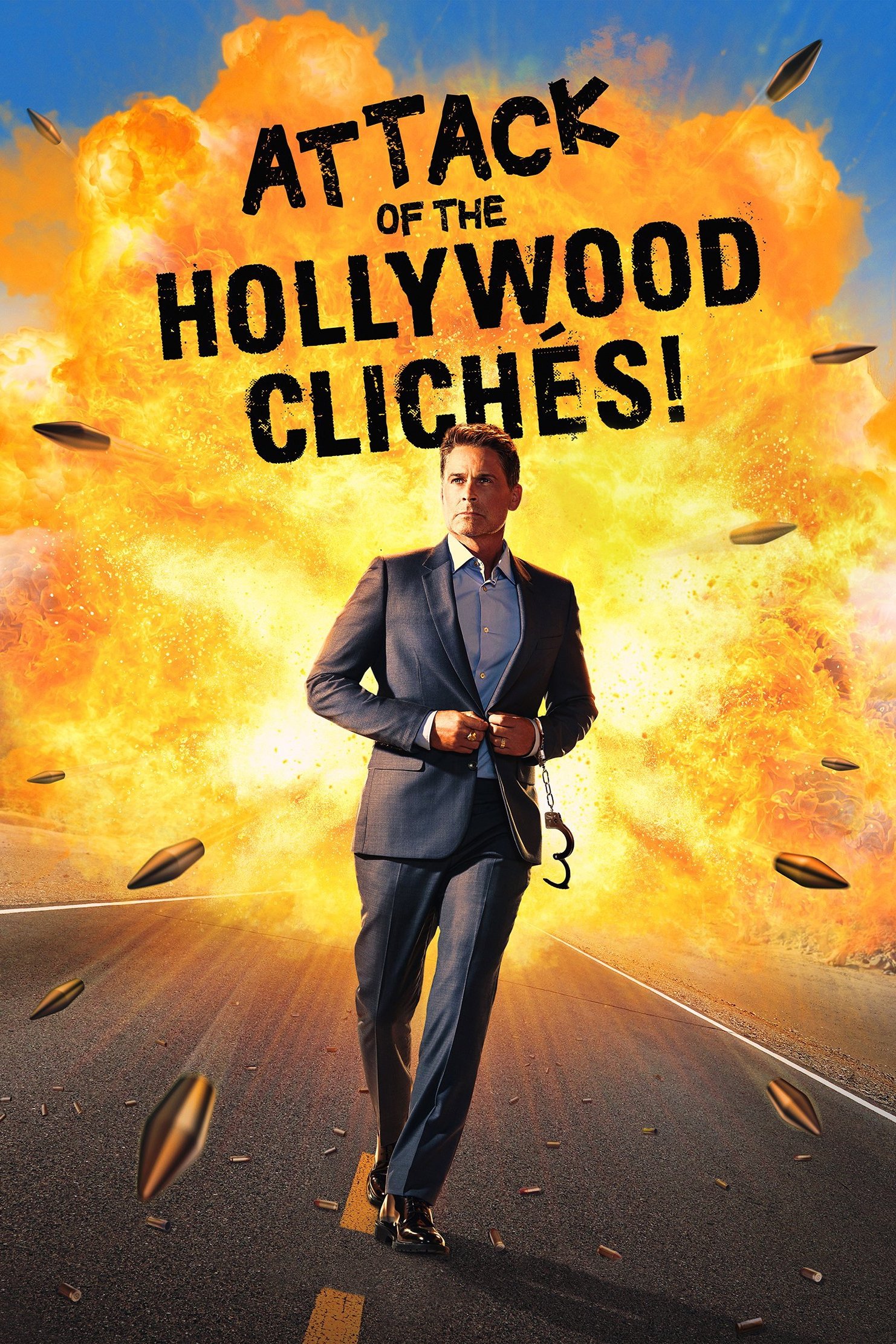
One-man armies, meet-cutes, casual strolls away from huge explosions — stars and industry insiders toast and roast these cinematic chestnuts and more.
Through deeply personal interviews with her siblings and an examination of the photographs, letters, and belongings left behind, Mariska assembles a new portrait of her mother Jayne Mansfield, an extraordinary and complex woman.
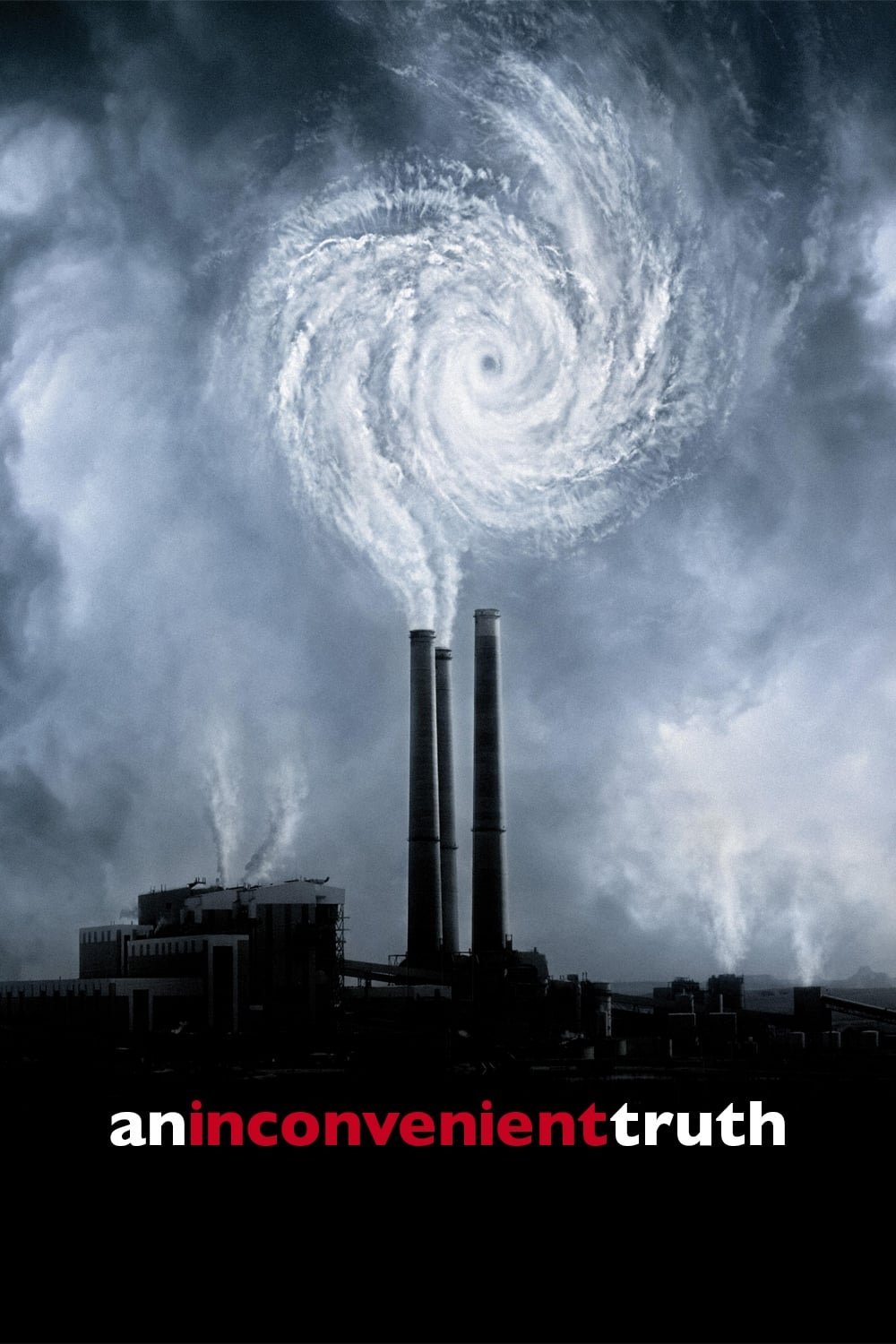
A documentary on Al Gore's campaign to make the issue of global warming a recognized problem worldwide.