Social & External
The people behind it
Jay Du Temple
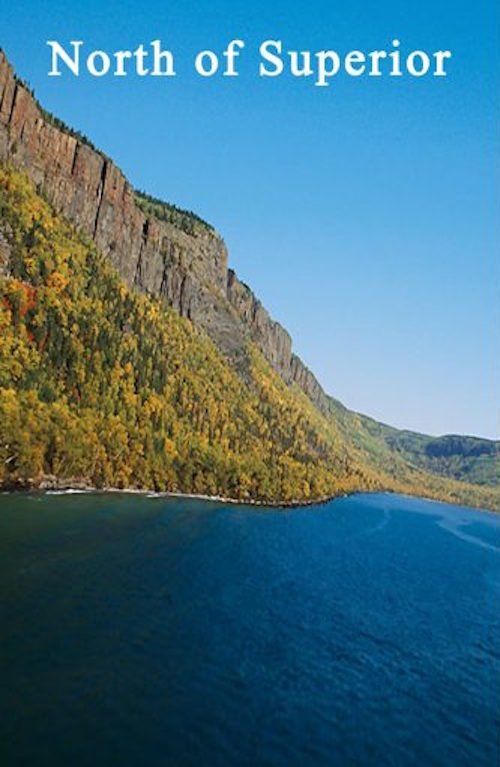
The second IMAX film made, commissioned by the Ontario Government, and produced by MultiScreen Corporation, later to become IMAX corporation. North of Superior is a Northern Ontario travelogue, and was the first short feature to be shown at the newly created Ontario government theme park, Ontario Place, in it's state of the art cinema, Cinesphere, the first permanent IMAX installation.
This short documentary profiles the Canadian military’s organization, logistical, and security operations at the XXI Olympiad held in 1976 in Montréal. The scale of the operation was large: 16,000 troops were mobilized to provide protection for 7,500 athletes, countless VIPs, and the general public on 138 sites located in Montreal, Bromont, and Kingston. This film offers a behind-the-scenes look at the planning and synchronization necessary to mount a successful international event of massive proportions.
Etthén Heldeli: Caribou Eaters travels with Déné First Nations people in Canada’s north, as they search for the species so vital to every aspect of their lives – the barren-ground caribou. The documentary is a celebration of their rich ancient culture, and a visual document lamenting their traditions that could vanish, if the caribou disappear.
When Jennifer Pan calls 911 to report that her parents have been shot, she becomes the primary focus of a captivating criminal case.
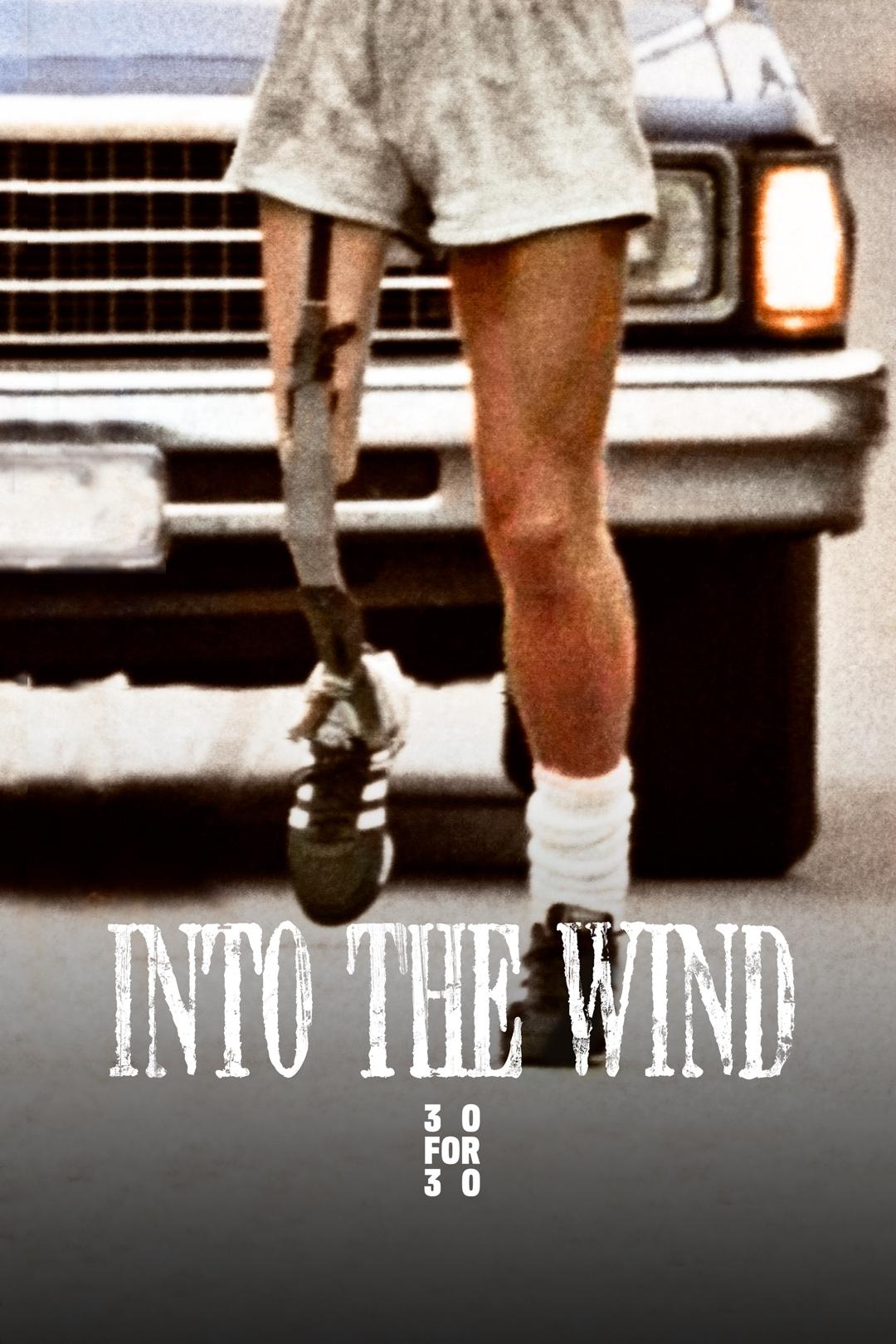
In 1980, Terry Fox continued his fight against bone cancer with the pursuit of a singular, motivating vision: to run across Canada. Three years after having his right leg amputated six inches above the knee after being diagnosed with osteosarcoma, Fox set out to cover more than a marathon’s distance each day until he reached the shores of Victoria, British Columbia. Anonymous at the start of his journey, Fox steadily captured the heart of a nation with his Marathon of Hope. However the 21-year old BC native's goal was not fame, but to spread awareness and raise funds for cancer research. After 143 days and two-thirds of the way across Canada, with the eyes of a country watching, Fox’s journey came to an abrupt end when newly discovered tumors took over his body
On an overcast morning in 1999, William Gibson, father of cyberpunk and author of the cult-classic novel Neuromancer, stepped into a limousine and set off on a road trip around North America. The limo was rigged with digital cameras, a computer, a television, a stereo, and a cell phone. Generated entirely by this four-wheeled media machine, No Maps for These Territories is both an account of Gibson’s life and work and a commentary on the world outside the car windows. Here, the man who coined the word "cyberspace" offers a unique perspective on Western culture at the edge of the new millennium, and in the throes of convulsive, tech-driven change.
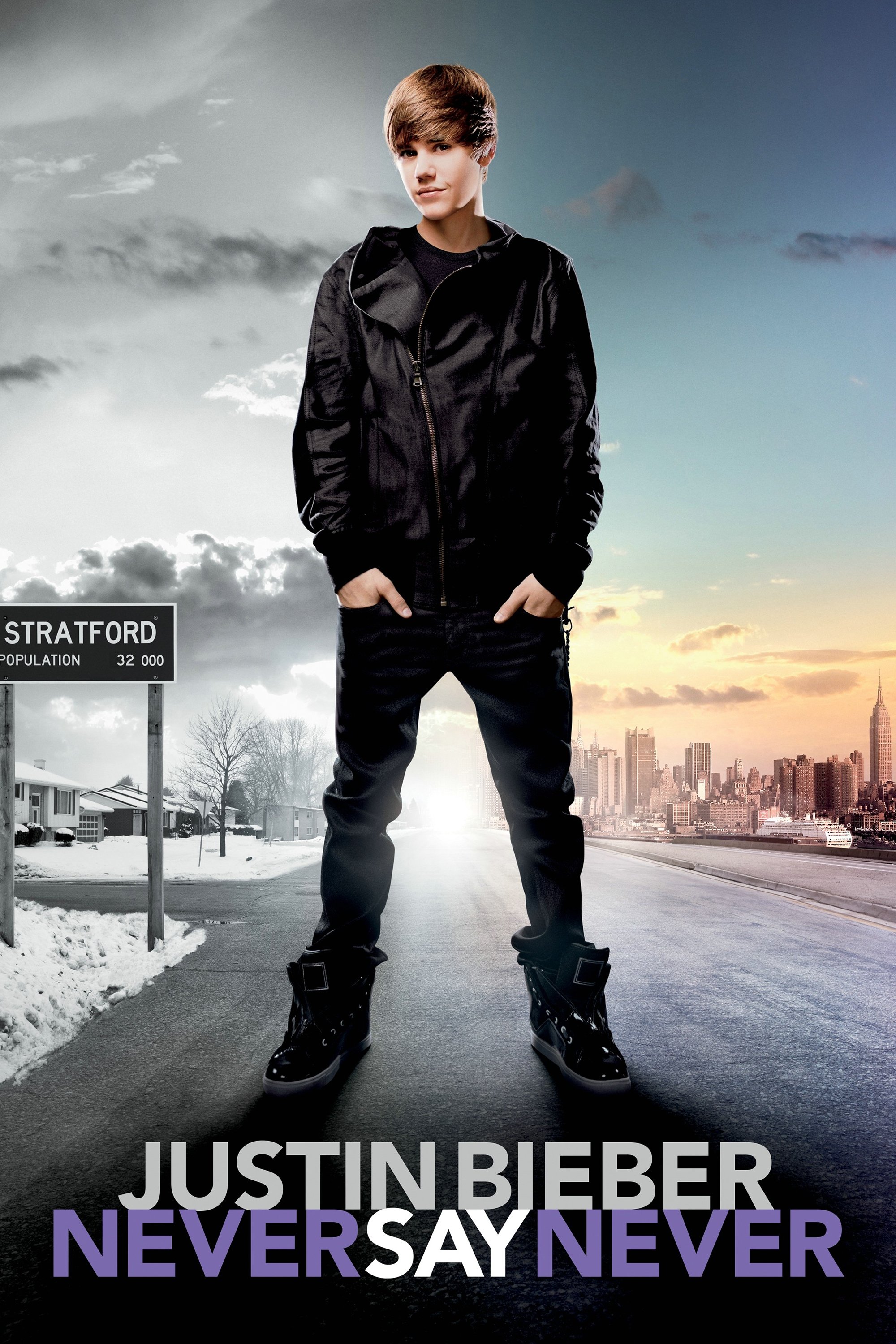
Tells the story of Justin Bieber, the kid from Canada with the hair, the smile and the voice: It chronicles his unprecedented rise to fame, all the way from busking in the streets of Stratford, Canada to putting videos on YouTube to selling out Madison Square Garden in New York as the headline act during the My World Tour from 2010. It features Usher, Scooter Braun, Ludacris, Sean Kingston, Antonio "L.A." Reid, Boyz II Men, Miley Cyrus, Jaden Smith, Justin's family members and parts of his crew and huge fanbase in a mix of interviews and guest performances.
All Mixed Up is a gripping tale of two female climbers from Scotland as they push their limits to see if they have what it takes in the spectacular Canadian Rockies. Tackling some of the steepest and toughest routes in the country, their roller coaster ride of self-questioning and sheer bloody-mindedness dressed up as determination is an inspirational story of success in the hard world of winter mixed climbing.
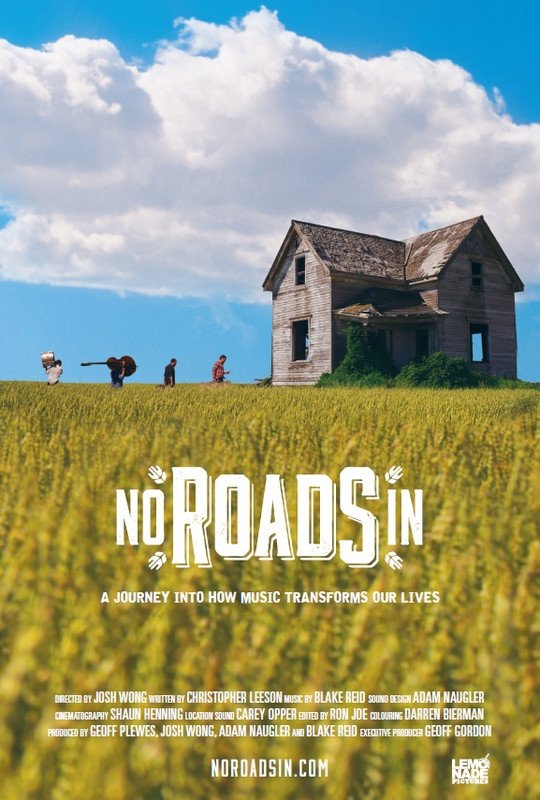
An abandoned homestead, twelve songs and five days to cut an album. A journey into how the power of music transforms our life.
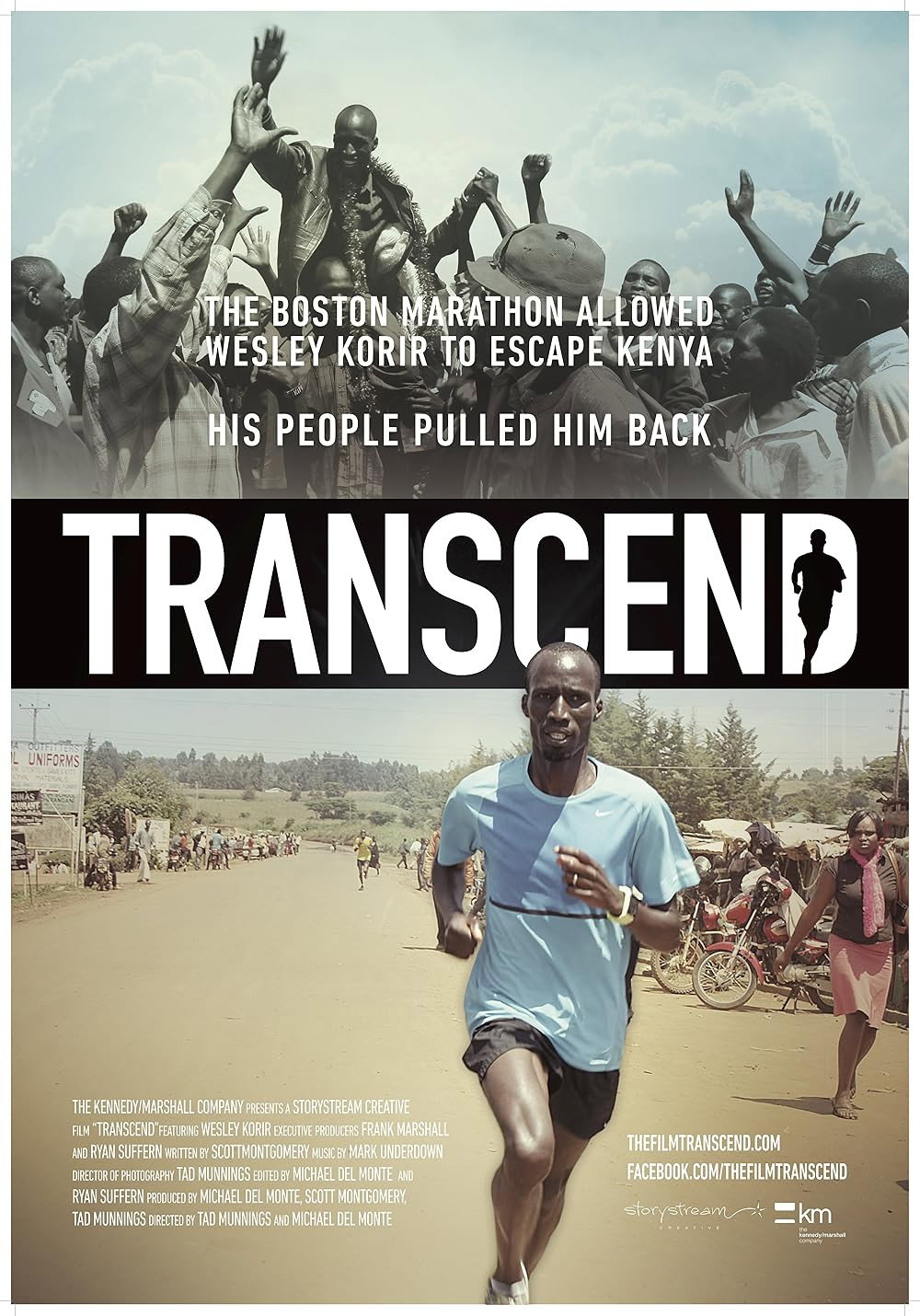
Long-distance running allowed Wesley Korir to escape the grinding poverty of Kenya. But after winning multiple American marathons, including taking running's most cherished prize - the Boston Marathon, he risks it all and returns home to help his fellow Kenyans create better lives for themselves. In what promises to be the most challenging race of his career, Wesley takes on a well-financed, big-party candidate to run for a seat in Kenyan parliament. attempting to balance the frenzy of campaigning with the demands of marathon training.
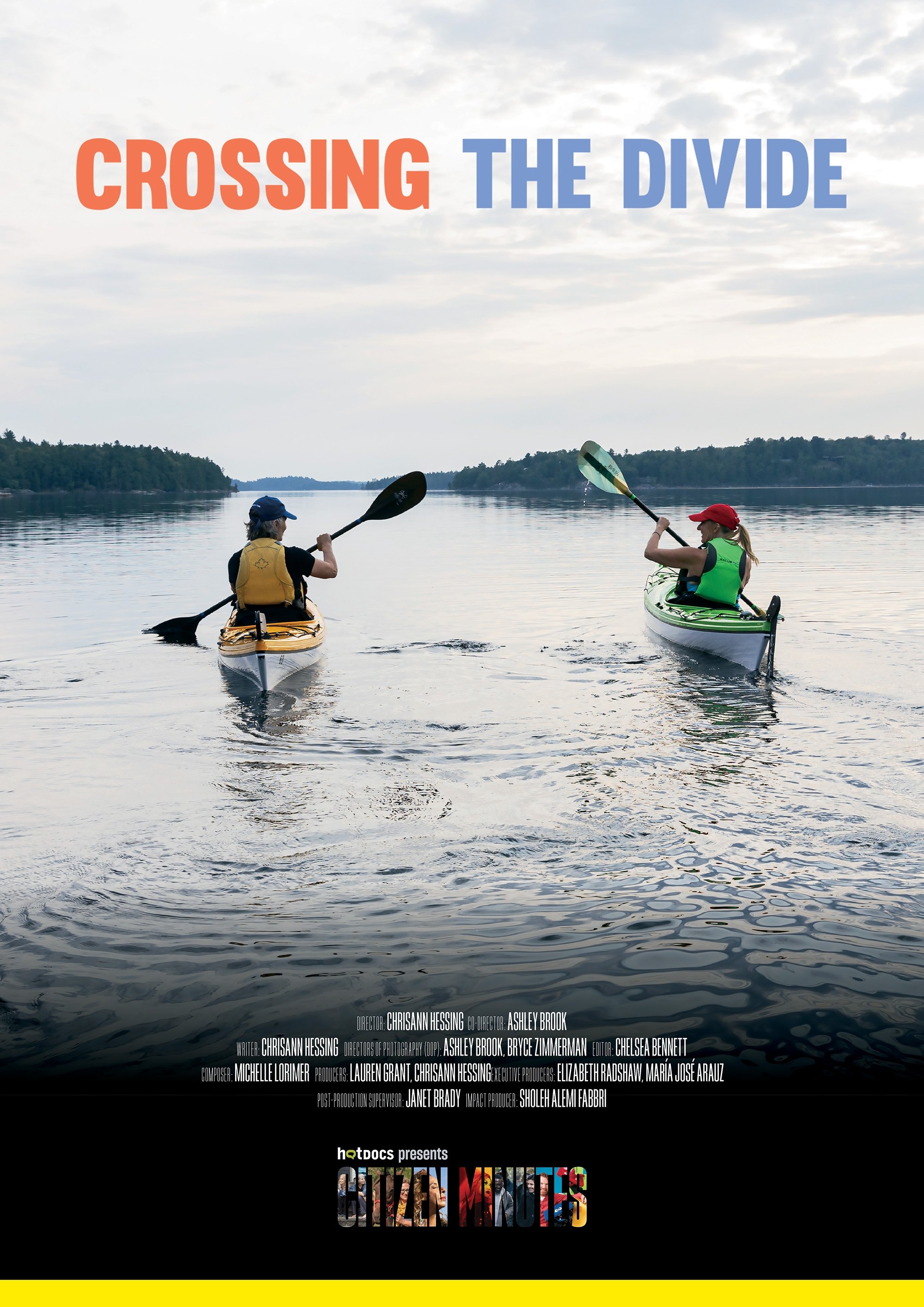
Two Canadians, one Liberal and one Conservative, attend a U.S. convention focused on depolarizing politics, determined to engage in tough conversations for a healthier democracy.
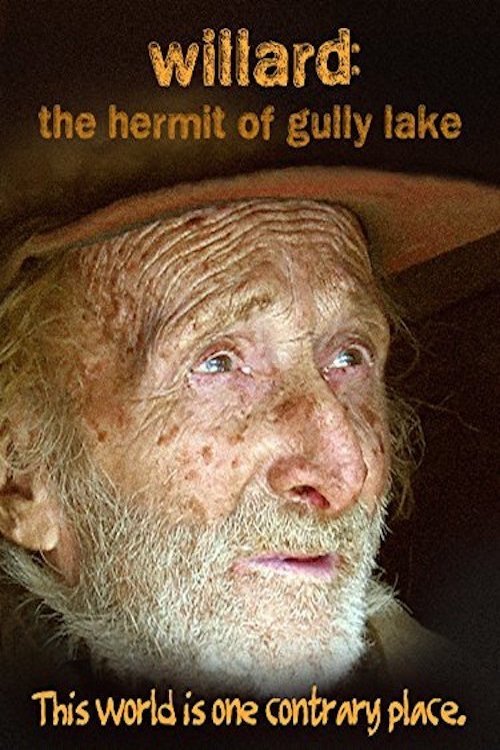
In the 1940's American-born Willard MacDonald jumped his troop train heading to WWII. Fearing authorities he lived as a hermit deep in the northern wilderness of Nova Scotia, Canada for more than 60 years inspiring folklore for generations.
Canada was led to war by a bigoted, ignorant, self-obsessed Minister of Militia, who may well have been clinically insane, but the importance of Canada's contribution in that war owes a great deal to him. The man of course, was Colonel - later made Lieutenant General by his own hand - Sam Hughes. Sam's Army is a compelling portrait of a complex man and the formidable military he built. Sam Hughes was not your standard-issue military leader. Canada's World War I Minister of Militia and Defence concentrated power in his own hands, insisted that the Canadian military use the ill-conceived Ross rifle and liberally promoted his cronies. But there was no denying Hughes was a visionary. He assembled the world's largest-ever volunteer army and bucked superiors to keep his ferocious fighting force together in one Canadian Corps.
A two-hour documentary which recreates for the viewer one of the greatest battles in Canadian military history. The film was made to show that Canadian character at its best, forging an identity for a country that before the First World War had been seen only as a British colony - an identity and a character that became recognized and respected throughout Europe.
Canadian military accomplishments in the last hundred days of World War I, when the German Army was destroyed, surpassed those of any other army. The Canadian success was, in no small measure, due to Arthur Currie, whom a recent British historian describes as "the most successful Allied General and one of the least well known."
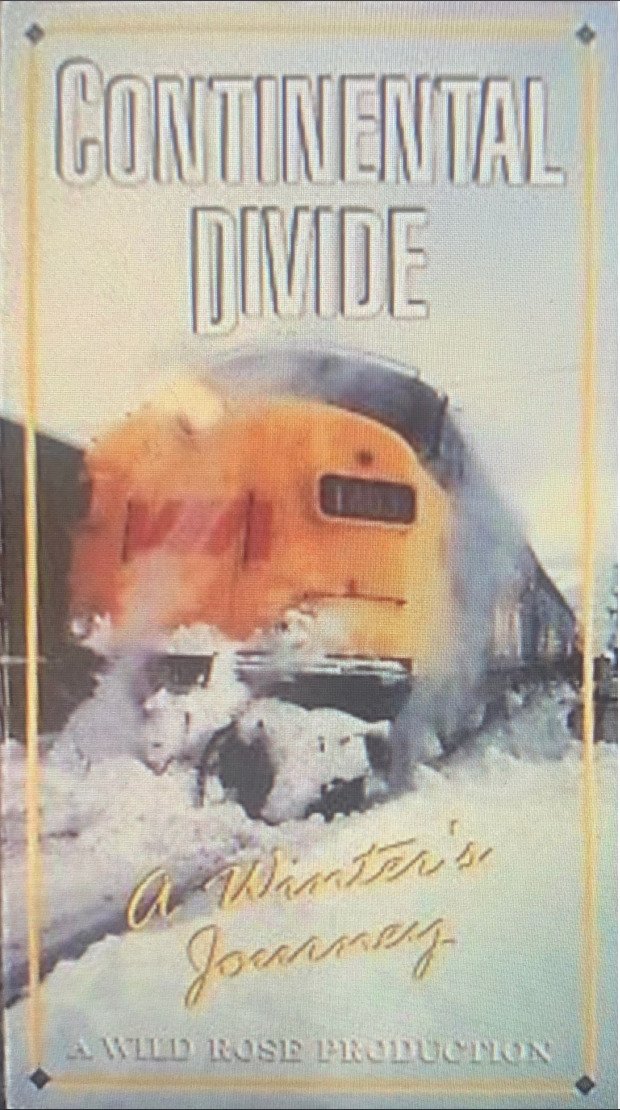
Filmed in 1987, this documentary chronicles the journey of Via Rail's The Canadian as it makes its way across Canada.
As they undergo 12 weeks of intensive training, a group of young civilians is gradually moulded into soldiers. The Basic Training, a prerequisite for joining the Canadian Armed Forces, becomes the gateway to exploring the inner workings of a world governed by its own rules and values.
Life After opens the dialogue surrounding grief and how we experience it. Through conversations with Nicola Winstanley and Carmen Galavan about what grief is and how it affects us, we learn what it really means to live a life after.
Under Dorchester Square in Montreal lies the cemetery where 55,000 people were buried in the 19th century. The square is still at the heart of social conflicts in Quebec, 150 years later.
On the weekend of May 24th, 2025, we welcomed 132 runners from across the globe to the hallowed grounds of Bare Ranch for the inaugural Go One More Ultra. Situated on a 4.2 mile loop that must be completed every hour on the hour until only one runner remains. Creating a story and race that gripped the world.
A string of threatening emails escalates into a revenge plot involving a newly married US marshal and his ex-girlfriend.
After the high-profile killing of Damilola Taylor, Cornelius' family move out of London. But when they discover their new town is run by racists, Cornelius takes a drastic step to survive.
An inside look at one of the most anticipated movie sequels ever with James Cameron and cast.
Alex Gibney explores the charged issue of pedophilia in the Catholic Church, following a trail from the first known protest against clerical sexual abuse in the United States and all way to the Vatican.
In an intimate and joyful story of love in the face of loss, celebrated poets Andrea Gibson and Megan Falley find strength—and unexpected hilarity—in what might be their final year together.
A group of British children aged 7 from widely ranging backgrounds are interviewed about a range of subjects. The filmmakers plan to re-interview them at 7 year intervals to track how their lives and attitudes change as they age.
Al Pacino's deeply-felt rumination on Shakespeare's significance and relevance to the modern world through interviews and an in-depth analysis of "Richard III."
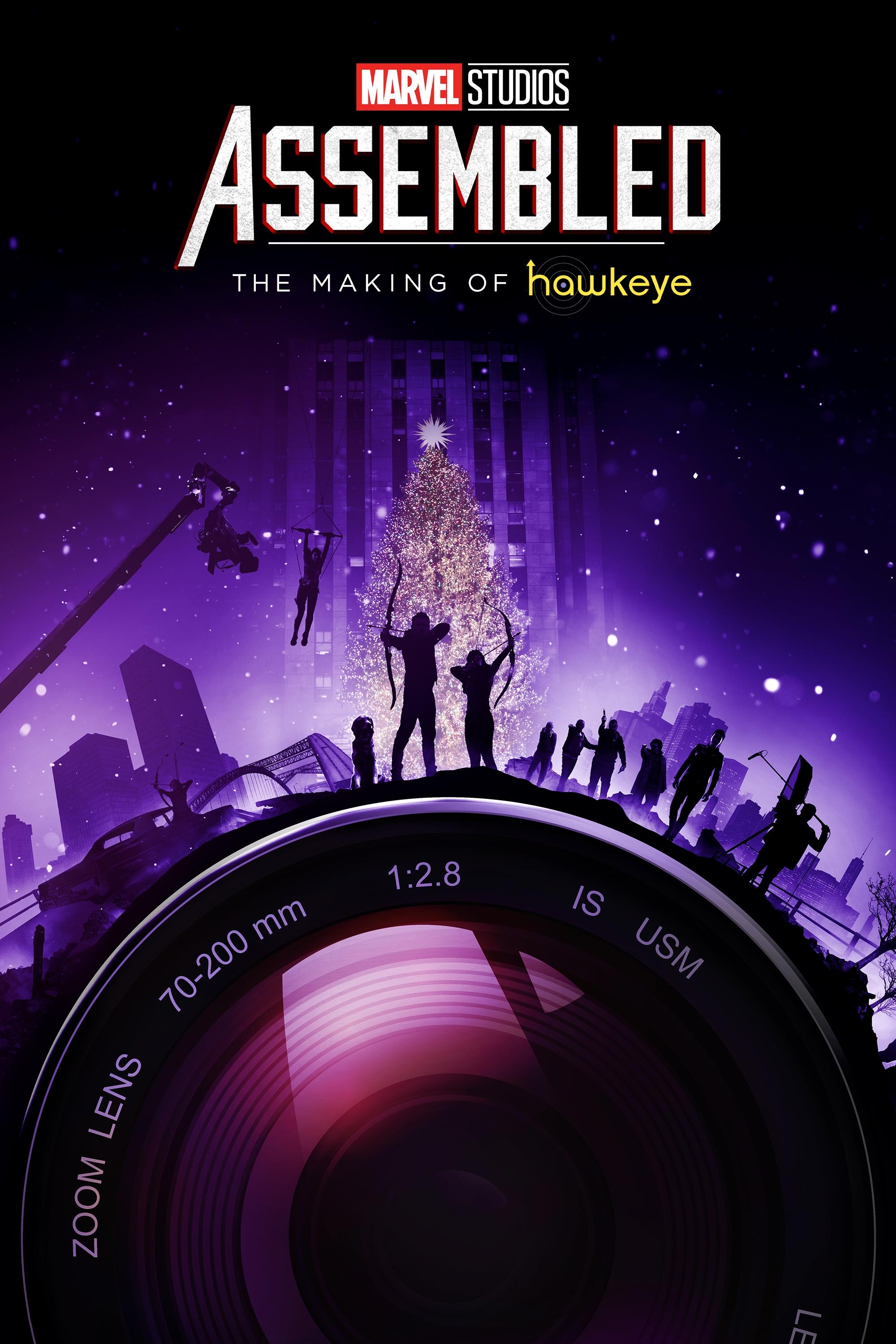
Join the likes of Jeremy Renner, Hailee Steinfeld, Florence Pugh, and Vincent D’Onofrio as they reveal how Marvel Studios’ “Hawkeye” was conceived and created. Witness firsthand what it took to pull off the show’s pulse-pounding action set pieces, and discover how iconic characters from the pages of Marvel Comics such as Kate Bishop were adapted and brought to life for the six-episode series.
Behind-the-scenes documentary about how Lionel Messi succeeded in lifting the World Cup – the only trophy to have eluded him in an incredible career.
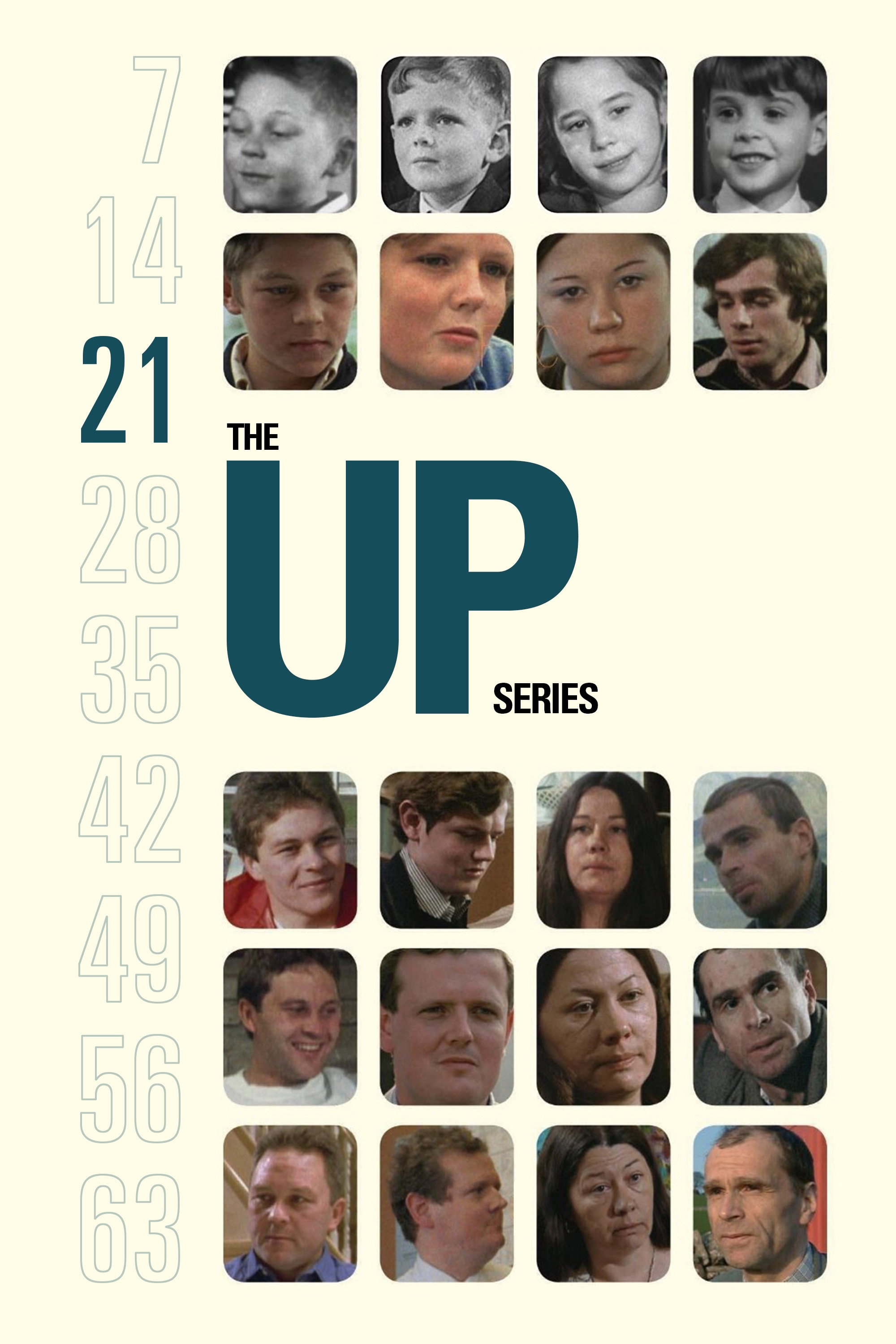
Director Michael Apted revisits the same group of British-born adults after a 7 year wait. The subjects are interviewed as to the changes that have occurred in their lives during the last seven years.
After another 7 year wait, director Michael Apted revisits the same group of British-born children from Seven Up! and 7 Plus Seven. The subjects are interviewed as to the changes that have occurred in their lives during the last seven years.
Through deeply personal interviews with her siblings and an examination of the photographs, letters, and belongings left behind, Mariska assembles a new portrait of her mother Jayne Mansfield, an extraordinary and complex woman.
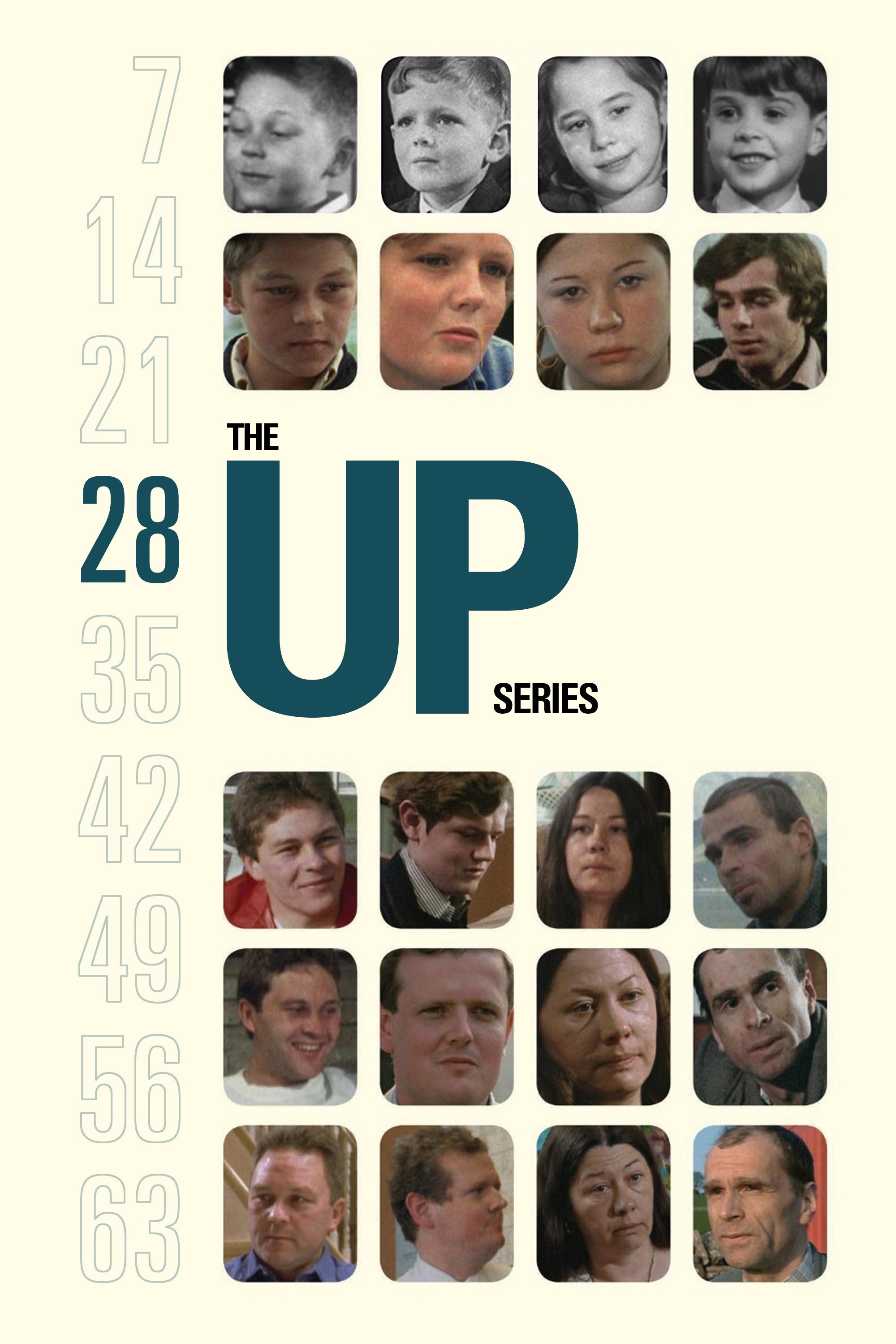
Just two years away from turning 30, participants in Michael Apted's documentary series are facing serious questions of identity and purpose, wondering whether they've found their place in the world.
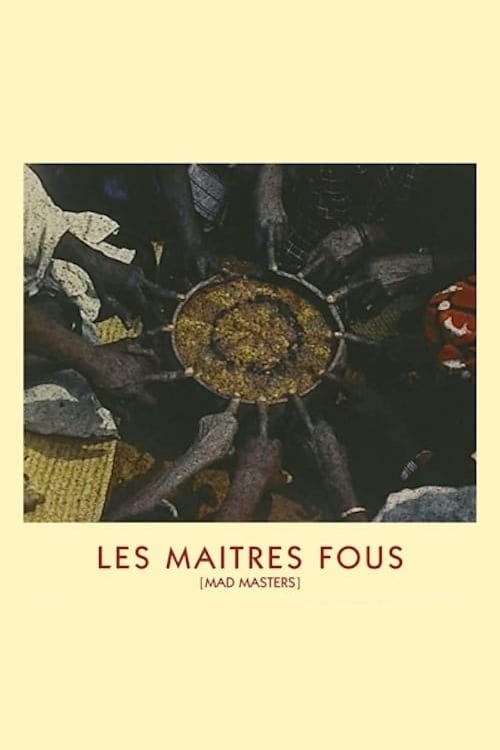
The subject of the film was the Hauka movement. The Hauka movement consisted of mimicry and dancing to become possessed by French Colonial administrators. The participants performed the same elaborate military ceremonies of their colonial occupiers, but in more of a trance than true recreation.
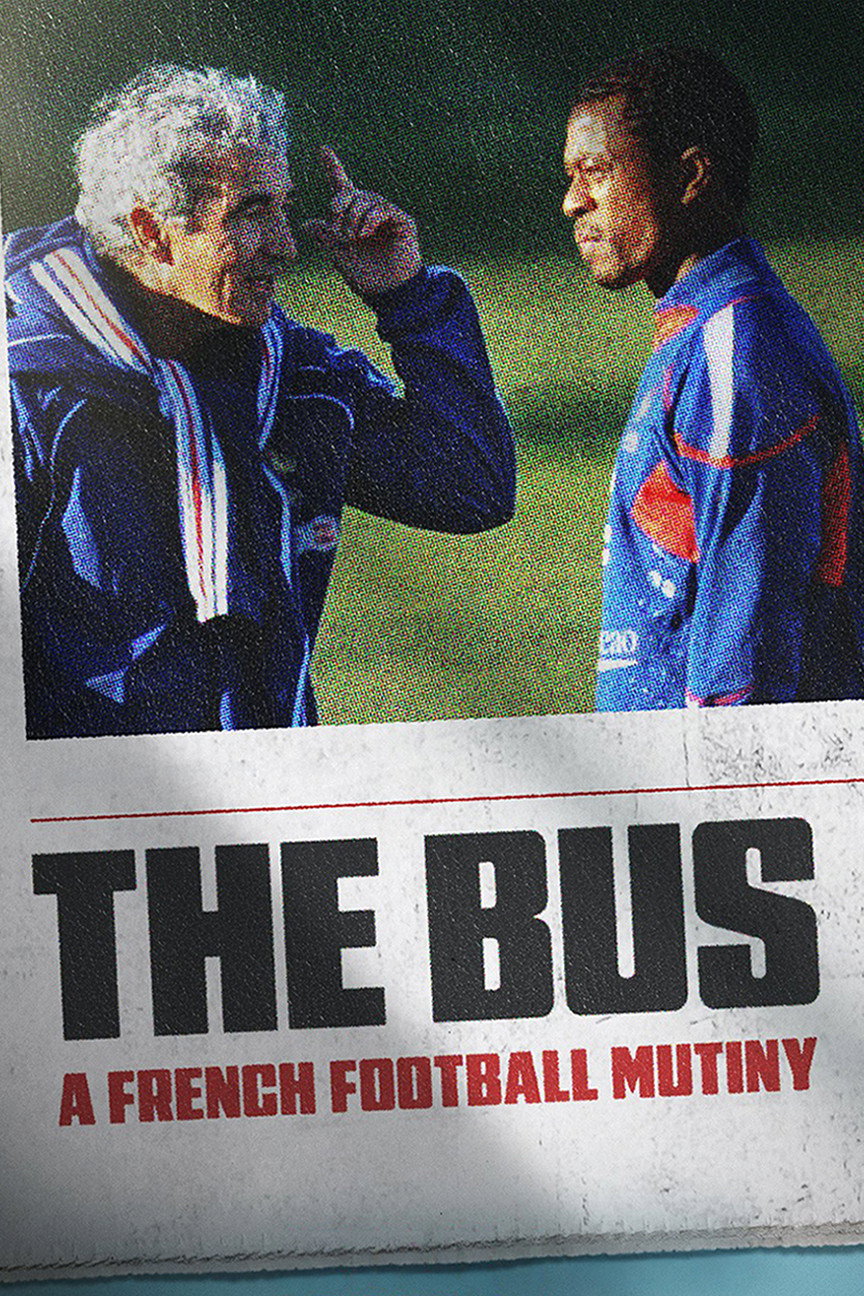
This documentary revisits the French football team's controversial 2010 World Cup and the bus strike that sparked global headlines and national outrage.
Alexander McQueen's rags-to-riches story is a modern-day fairy tale, laced with the gothic. Mirroring the savage beauty, boldness and vivacity of his design, this documentary is an intimate revelation of McQueen's own world, both tortured and inspired, which celebrates a radical and mesmerizing genius of profound influence.
This revealing documentary honors the legendary Sidney Poitier—iconic actor, filmmaker, and civil rights activist. Featuring interviews with Denzel Washington, Spike Lee, Halle Berry, and more.
The Captains is a feature-length documentary film written and directed by William Shatner. The film follows Shatner as he interviews the other actors who have portrayed starship captains in the Star Trek franchise.
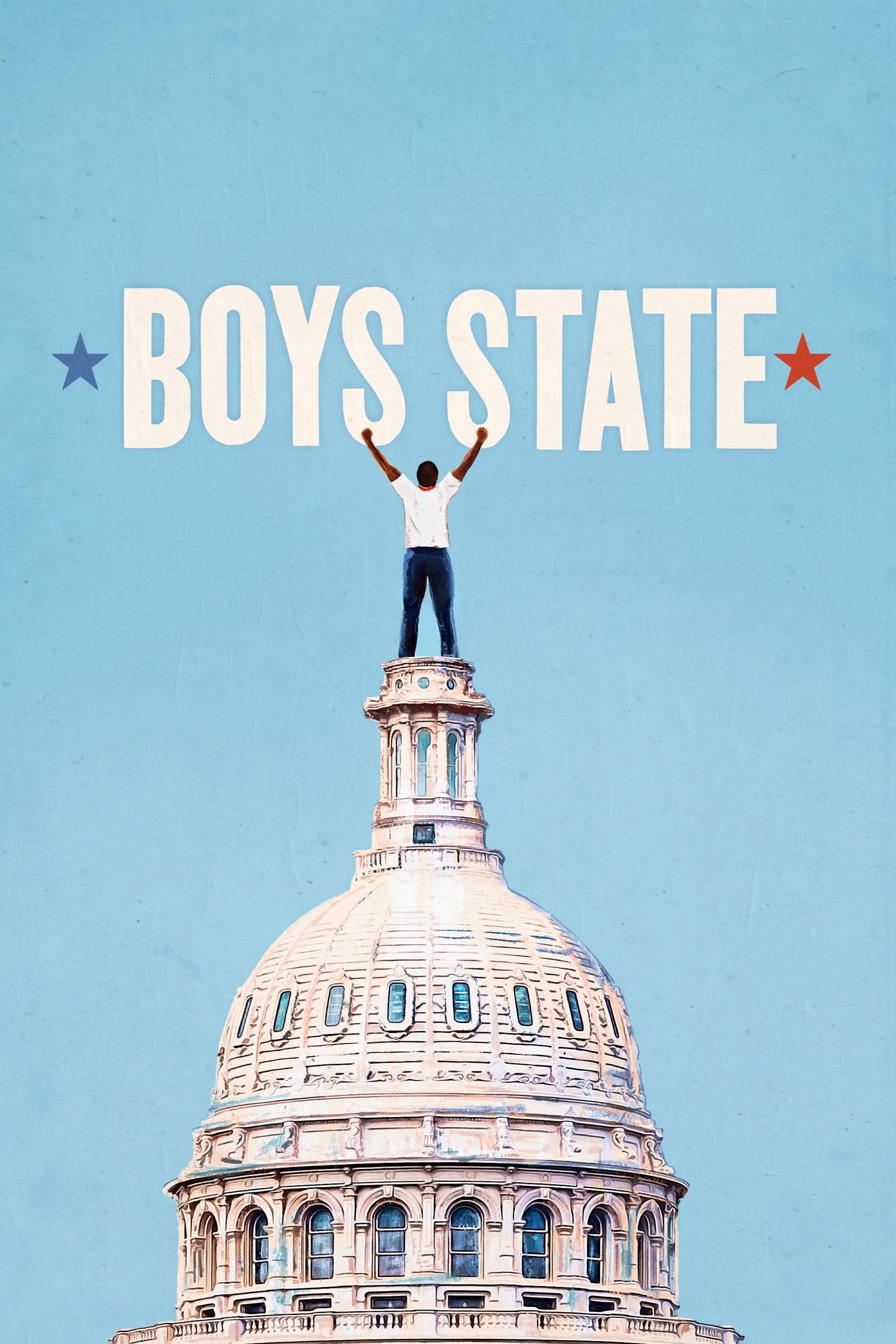
This raucous journey into the heart of democracy captures an unusual rite of passage: 1,100 teenage boys from across Texas coming together to build a representative government from the ground up.
Unravel the case of Utah therapist Jodi Hildebrandt, whose child abuse arrest with parenting YouTuber Ruby Franke exposed a twisted tale of manipulation.