Social & External
The people behind it
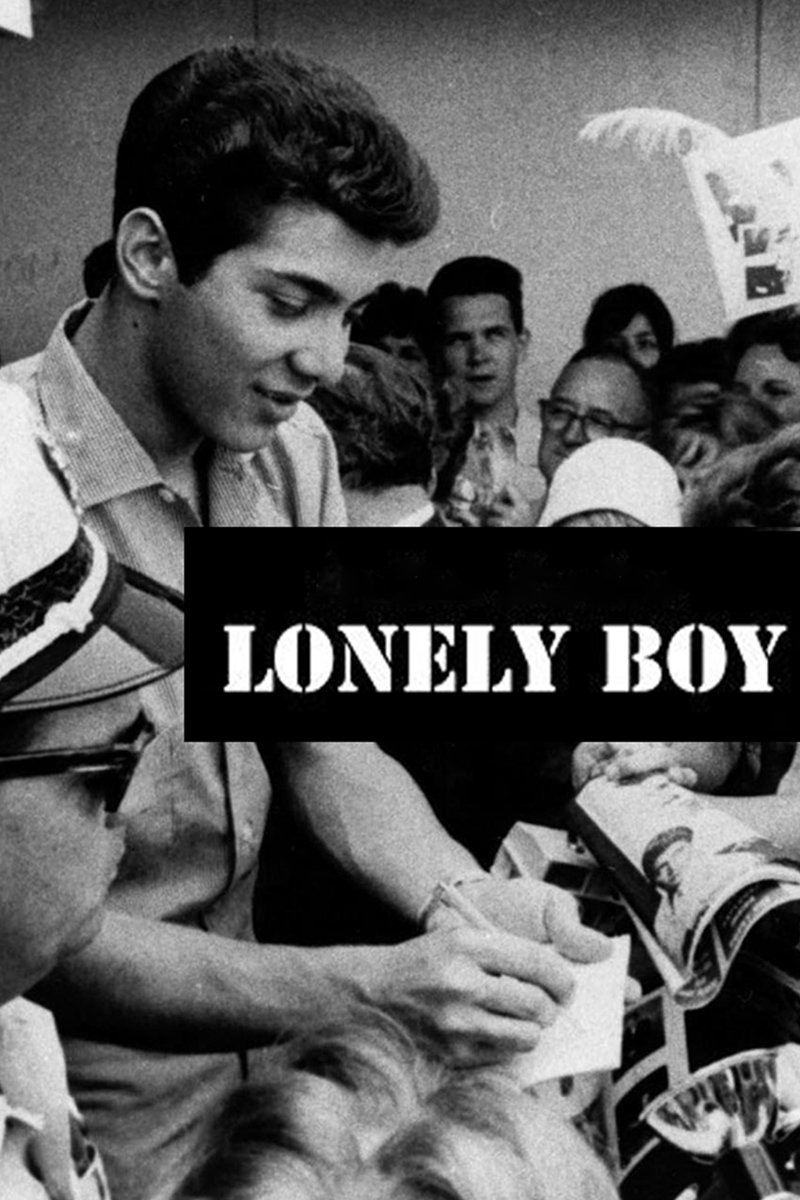
This short film portrays the story of singer Paul Anka, who rose from obscurity to become the idol of millions of adolescent fans around the world. Taking a candid look at both sides of the footlights, this film examines the marketing machine behind a generation of pop singers. Interviews with Anka and his manager reveal their perspective on the industry.
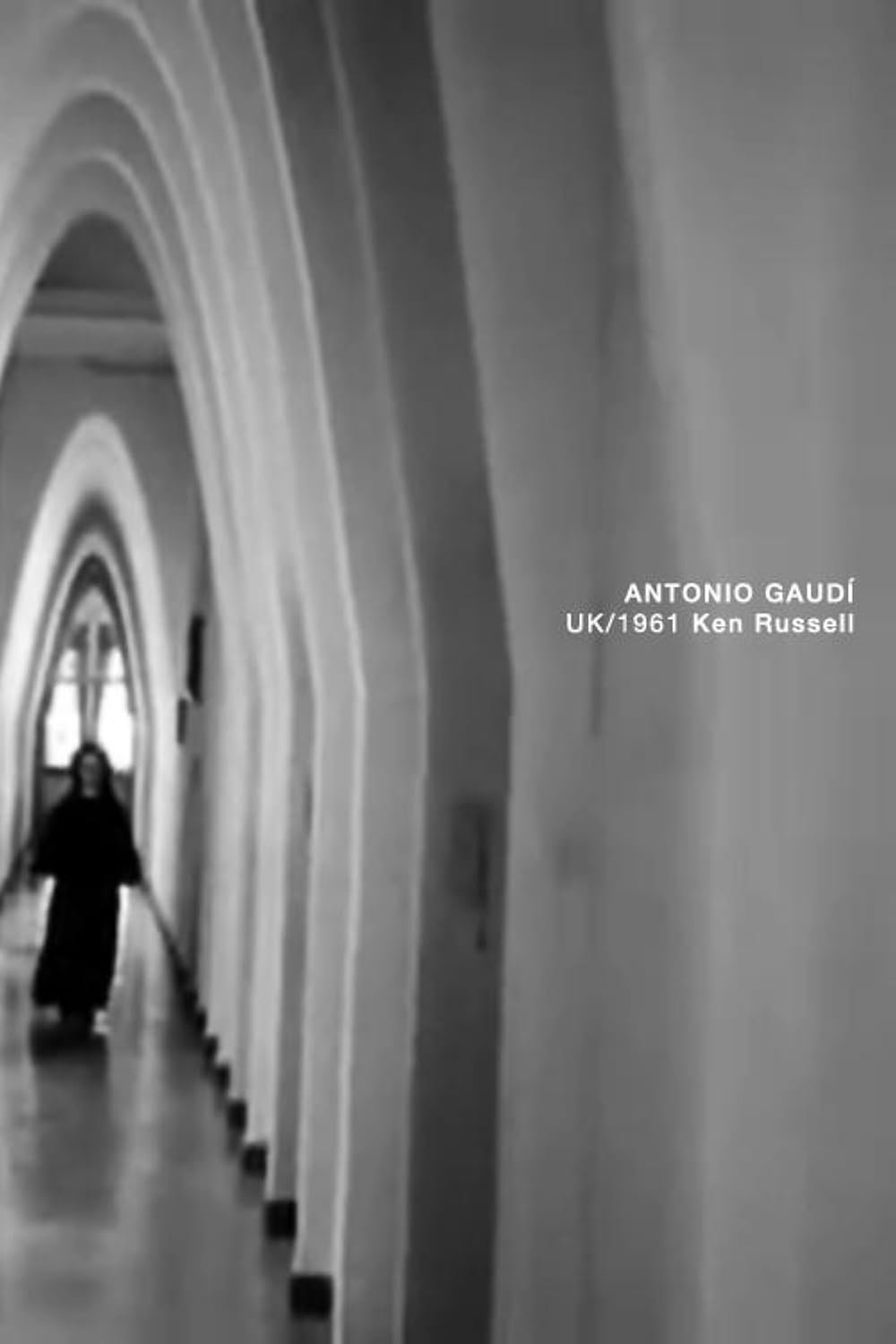
A study of Antoni Gaudí's architecture (especially the Church of the Holy Trinity in Barcelona), his sources of inspiration and his influence on Picasso. (BFI)
A Russian flag bearer in World War II questions his will to fight. With a Russian flag as his weapon, he charges into machine guns. As war engulfs him, he must ask himself why he continues to wave his flag.
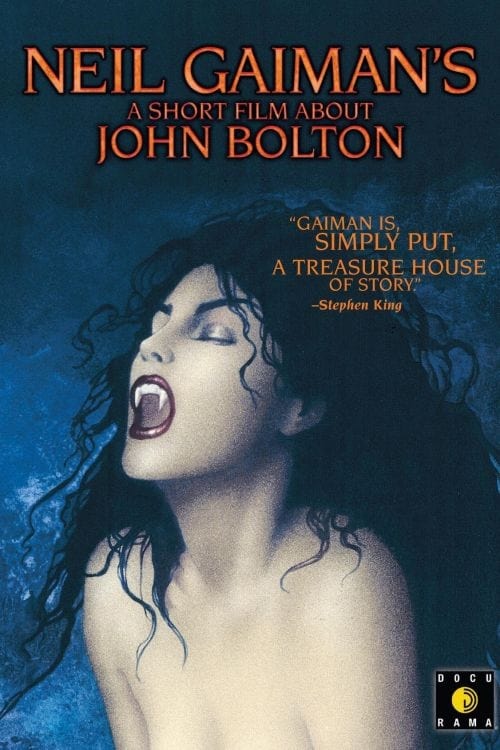
A Short Film About John Bolton is a darkly hip and hilarious film explores the question that torments artists of every medium: "Where do your ideas come from?" Renowned artist John Bolton's paintings of voluptuous she-vampire nudes have earned this quiet eccentric a reputation for having a "damaged imagination." BBC radio personality Jonathan Ross buys his pieces, which leads interviewer extraordinaire Marcus Brigstocke to find out what the appeal is in Bolton's beautiful (but terrifying) artwork. Why does Bolton demand that his gallery "monsterpieces" speak for themselves? What does he do with that ornamental knife that he carries everywhere? Will Marcus ever learn how to operate the camera?
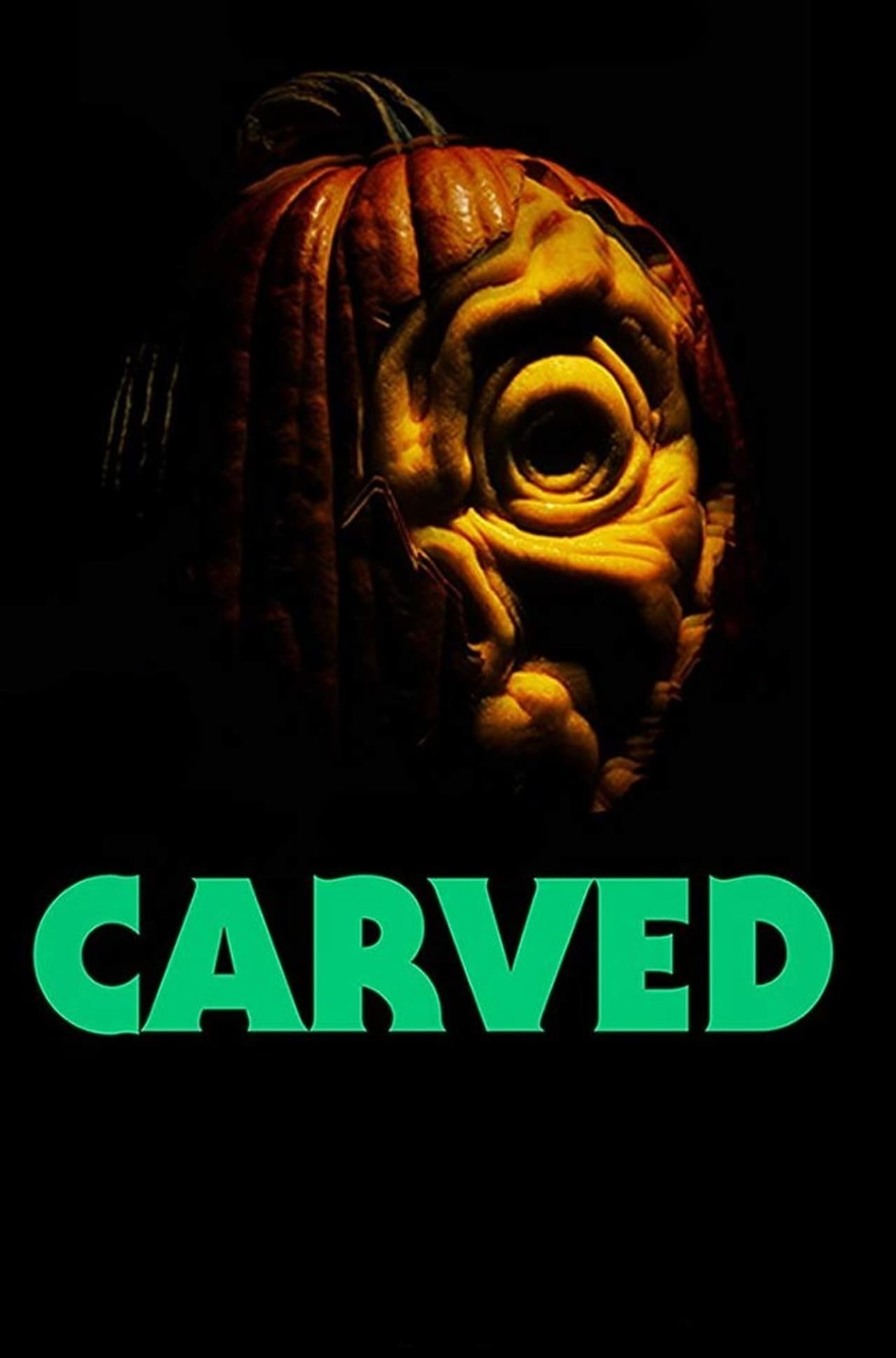
A boy’s choice of an ugly pumpkin results in an unusual Jack-O-Lantern.
Commercial and technical developments on British Rail: new freight loads, air conditioned carriages, an ultrasonic test-train for checking the permanent way, a lecture train, and a new station for motorists - all part of the railway scene in the 1970's.
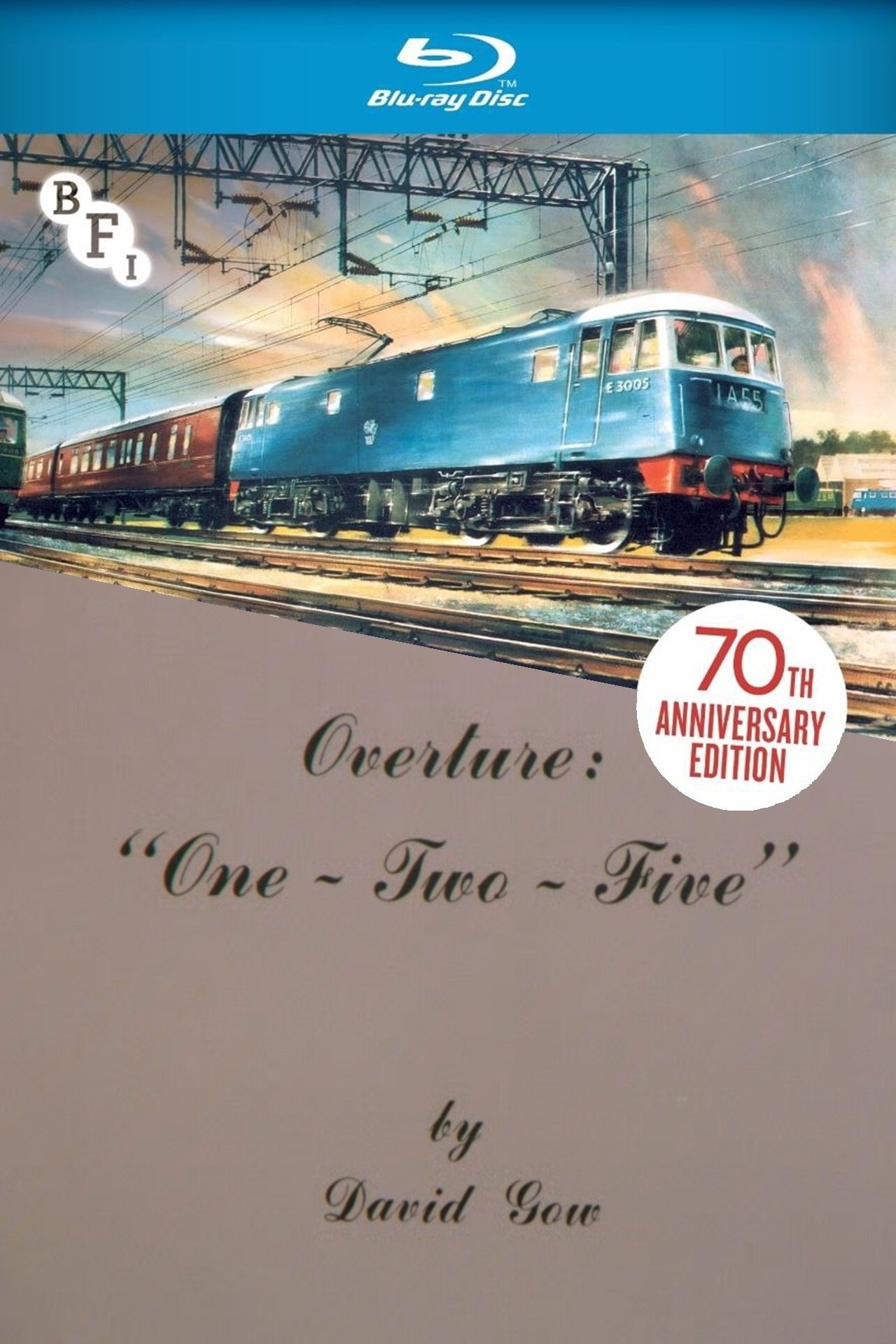
A high speed Inter-City train is the star of this impressionist film in which picture and music are brought together to enhance the mood and rhythm of the subject and hail the arrival of 125mph regular passenger services. With specially composed music by David Gow and no commentary, Overture: One-Two-Five was the last complete production to be shot on 35mm film by British Transport Films. It was produced to mark the introduction of the new Inter-City 125 High Speed Train services between Paddington and Bristol. One of the last big budget productions, it was treated to a coat of Technicolor and a theatrical cinema release. It also marked the beginning of the slow decline of BTF which culminated in its closure. With the abandoning of support features and shorts at cinemas in the late 1970s and early 1980s, most of the unit’s films after 1978 were made primarily for internal use.
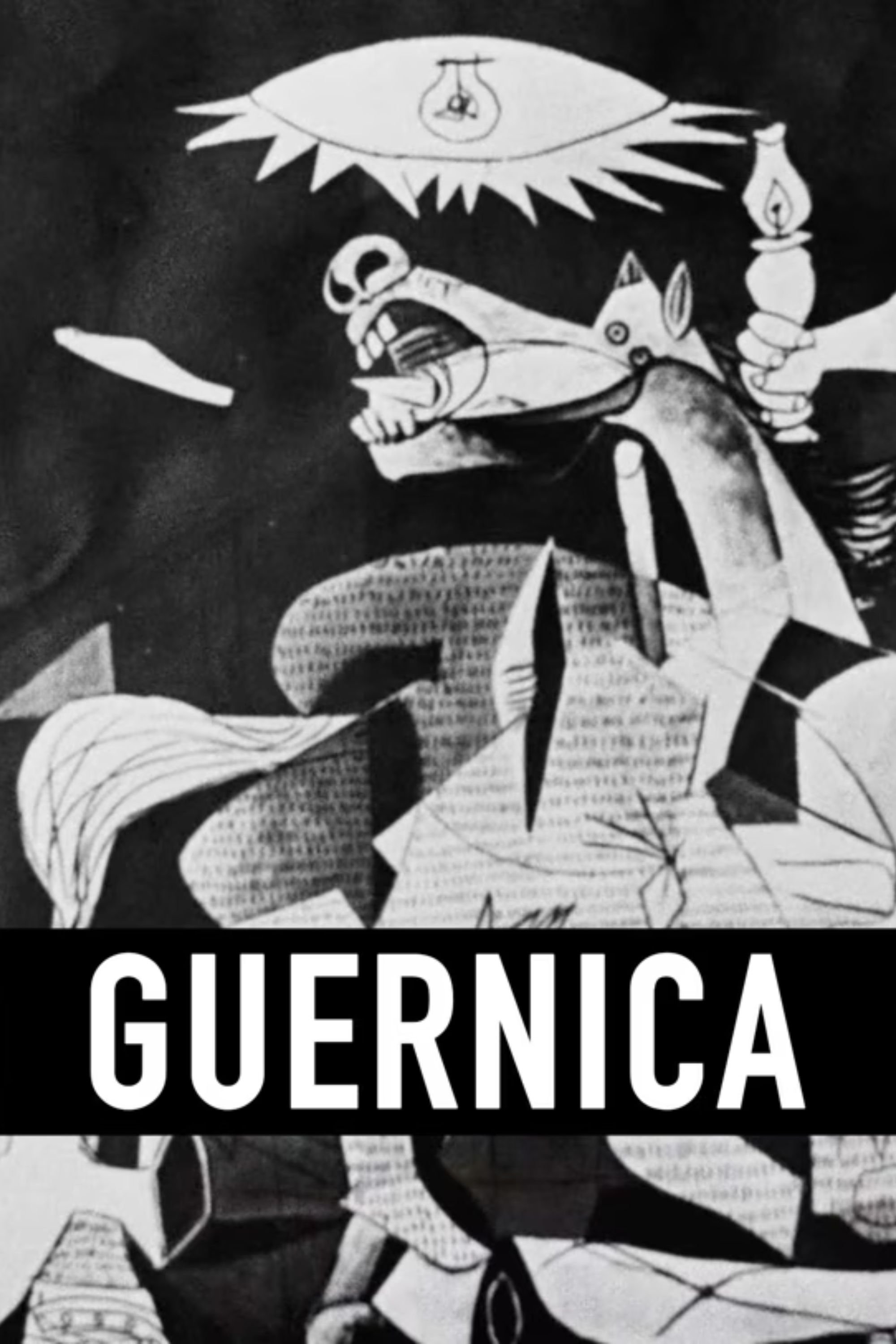
Alain Resnais & Robert Hessen use the famous Picasso mural "Guernica" in combination with newspaper headlines in an anti-war cry against the Spanish Civil War. Narration by Jacques Pruvost highlights the Guernica atrocity of April 1937, followed by a poem by Paul Eluard read by María Casares to a discordant score by Guy Bernard.
Power saws and a heartbeat score this experimental light-and-color shot by Ed Emshwiller.
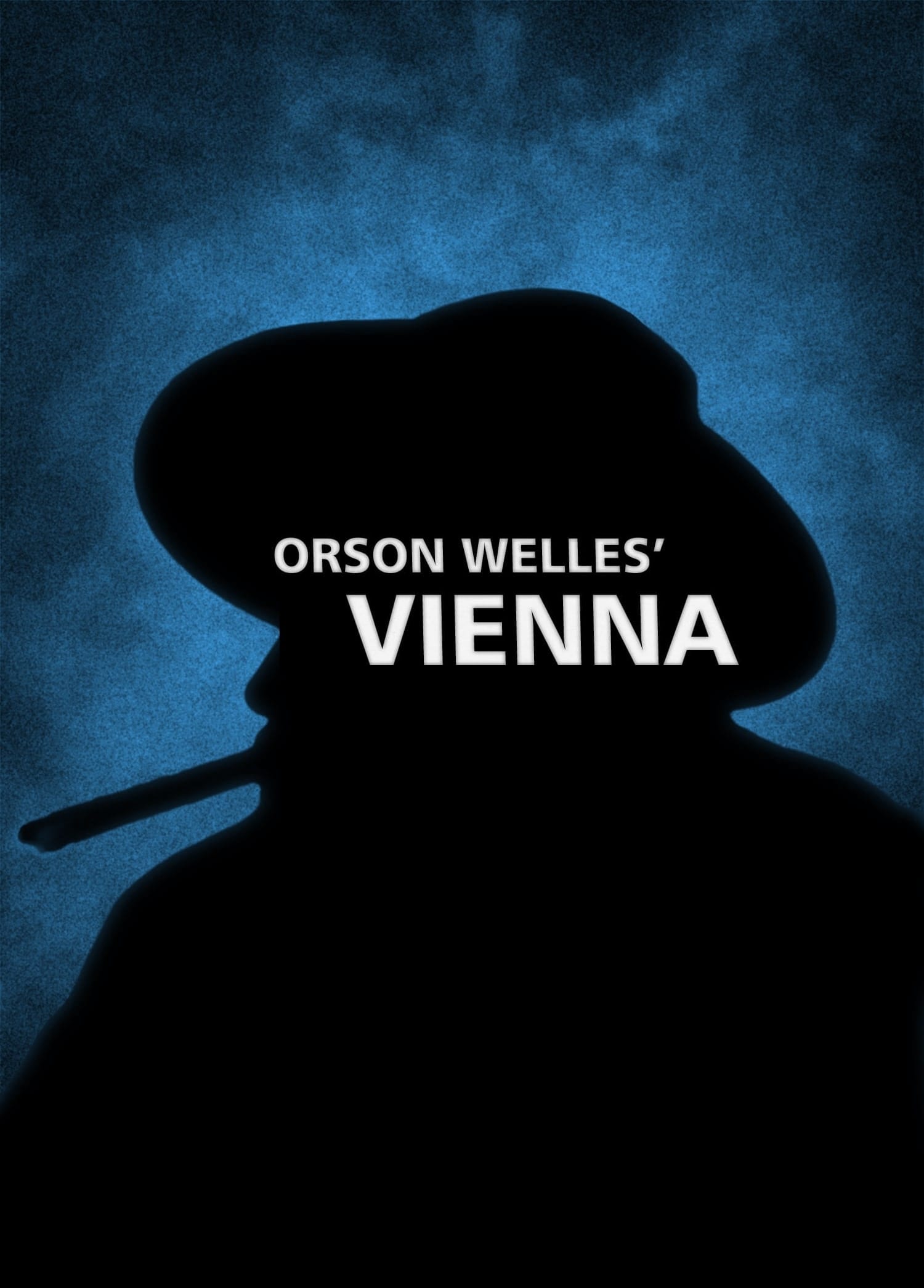
Orson Welles talks fantasy and magic in this short Vienna travelogue.
A room full of memories.
A socially awkward, neurodivergent youth struggles to adapt at a social gathering that quickly takes a turn into the uncanny and surreal.
St. Louis florist Darien Burress launches her small business while preparing to compete at Art in Bloom, the St. Louis Art Museum's annual festival celebrating floral design and the fine arts.
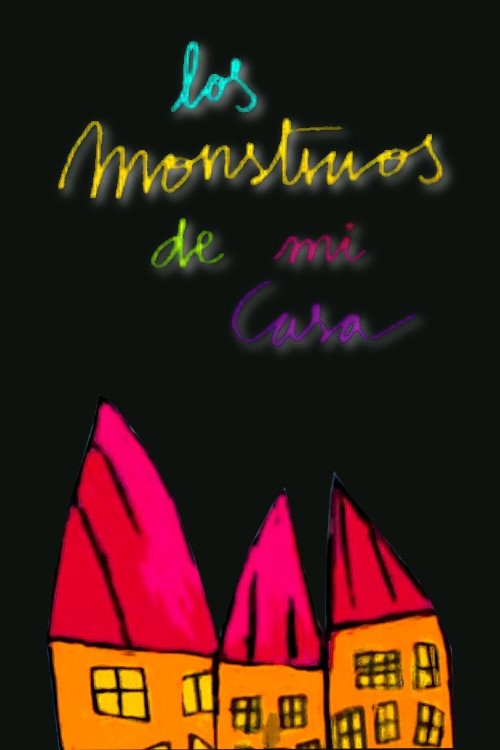
"The Monsters in My Home" focuses on the work Carme Artero, a foster mother from Majorca, Spain, who has devoted her time to setting up a foundation in defense of the rights of children who have suffered from abuse. The documentary features testimonies and the experience of people who care of children living situations of vulnerability, such as sexual or physical abuse or neglect and whose parents have their parental custody taken away by the Law.
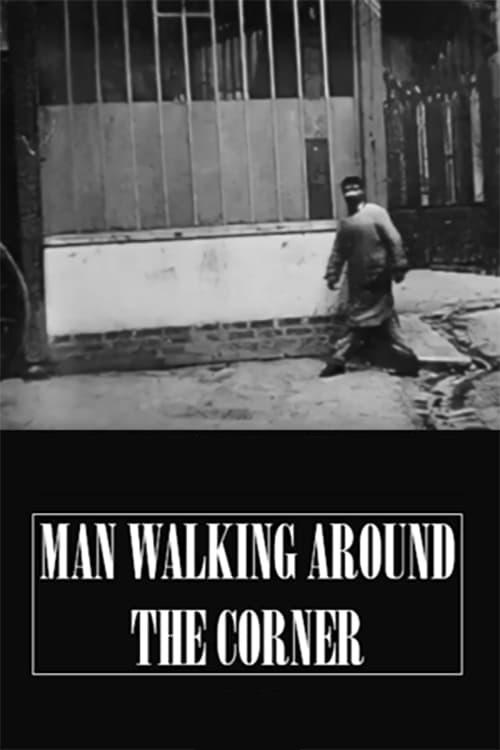
The last remaining production of Le Prince's LPCC Type-16 (16-lens camera) is part of a gelatine film shot in 32 images/second, and pictures a man walking around a corner. Le Prince, who was in Leeds (UK) at that time, sent these images to his wife in New York City in a letter dated 18 August 1887.
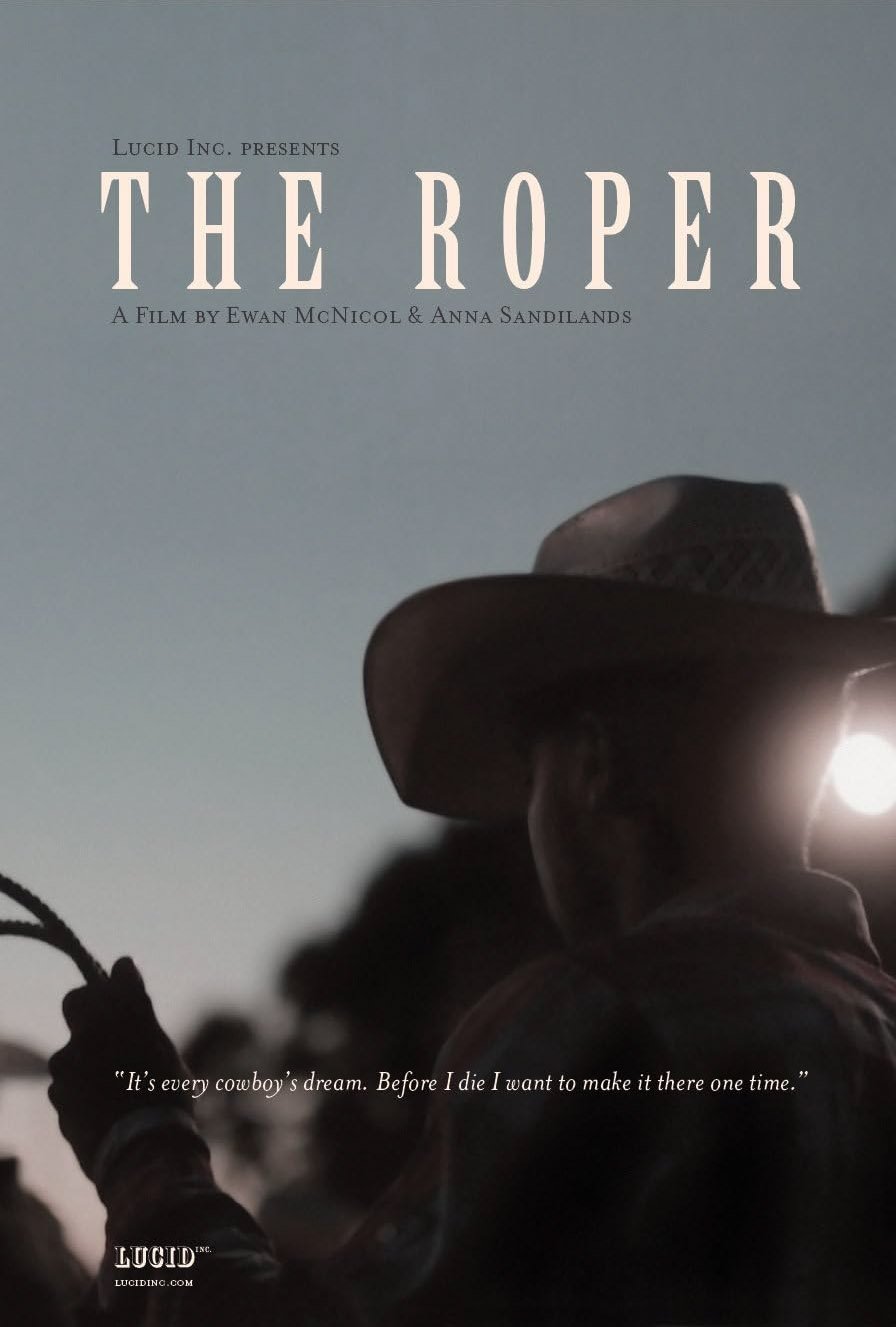
The Roper is the true short story of Kendrick, a young calf roper in Lafayette who dreams of one day making it to the rodeo national championship in Las Vegas.
Delving into our collective nightmares, this horror-documentary investigates the origins of our most terrifying urban legends and the true stories that may have inspired them.
A love letter from a young mother to her daughter, the film tells the story of Waad al-Kateab’s life through five years of the uprising in Aleppo, Syria as she falls in love, gets married and gives birth to Sama, all while cataclysmic conflict rises around her. Her camera captures incredible stories of loss, laughter and survival as Waad wrestles with an impossible choice– whether or not to flee the city to protect her daughter’s life, when leaving means abandoning the struggle for freedom for which she has already sacrificed so much.
“The Soviet Story” is a story of an Allied power, which helped the Nazis to fight Jews and which slaughtered its own people on an industrial scale. Assisted by the West, this power triumphed on May 9th, 1945. Its crimes were made taboo, and the complete story of Europe’s most murderous regime has never been told. Until now...
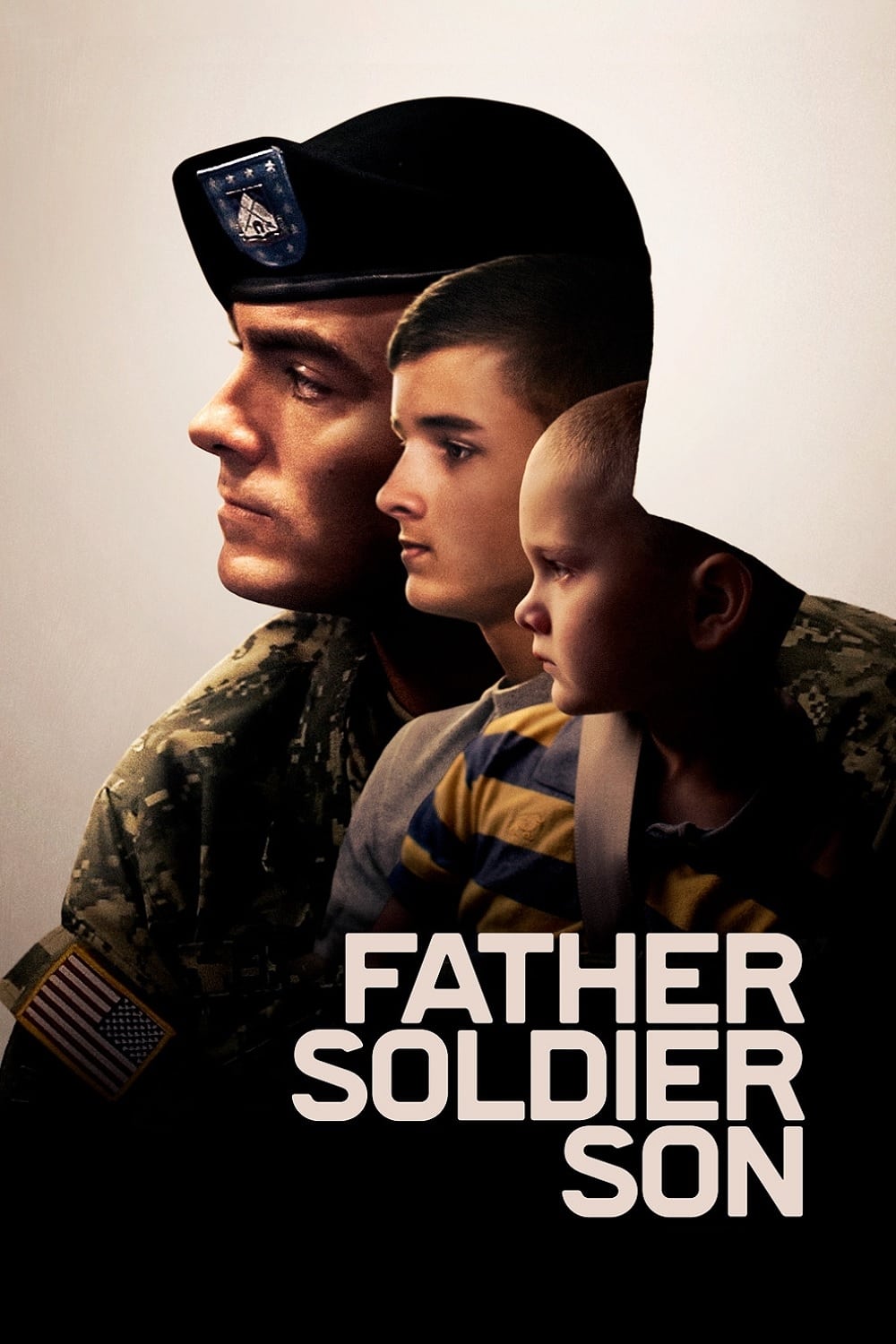
When Sgt. First Class Brian Eisch is critically wounded in Afghanistan, it sets him and his sons on a journey of love, loss, redemption and legacy.
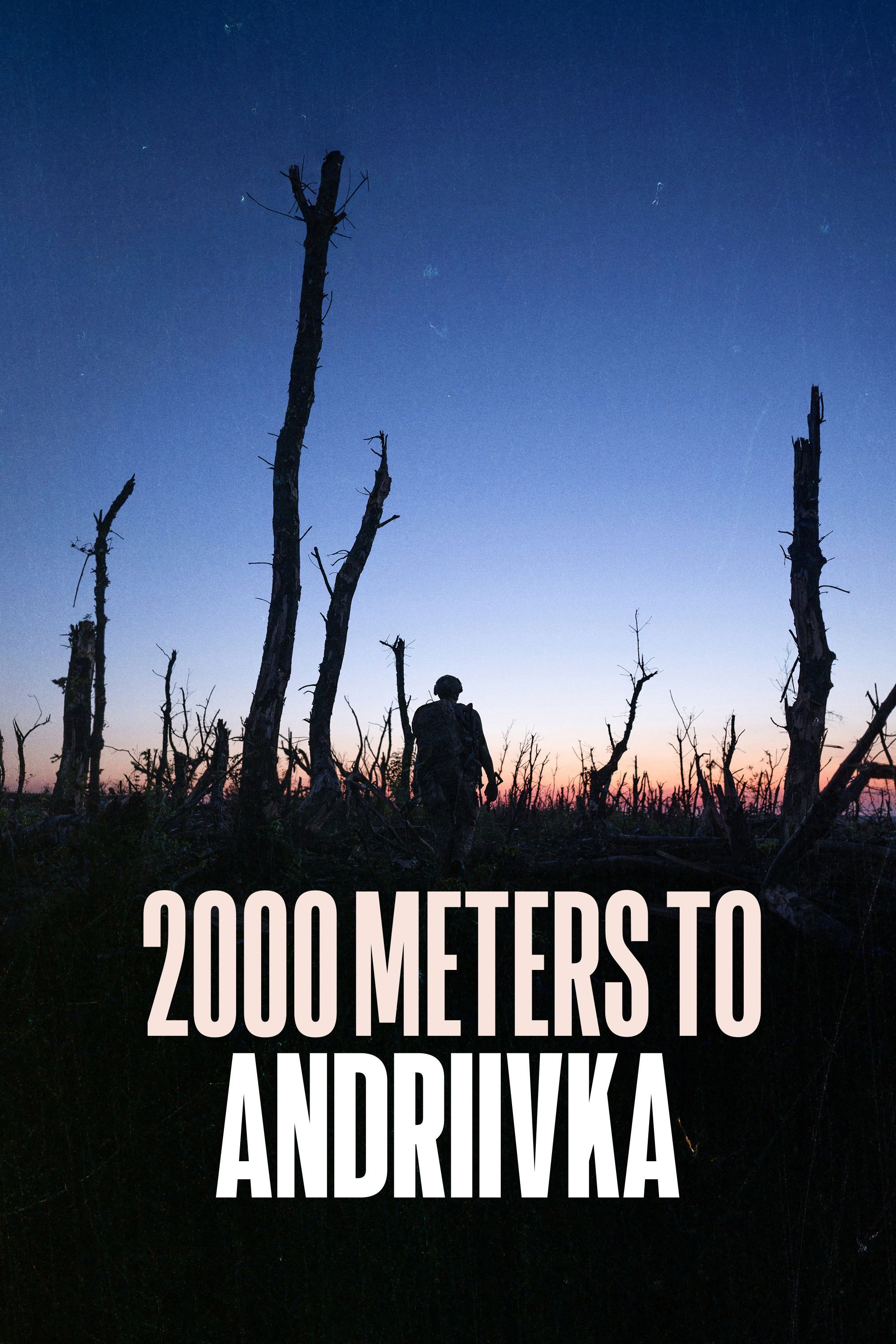
Amid the failing counteroffensive, a journalist follows a Ukrainian platoon on their mission to traverse one mile of heavily fortified forest and liberate a strategic village from Russian occupation. But the farther they advance through their destroyed homeland, the more they realize that this war may never end.
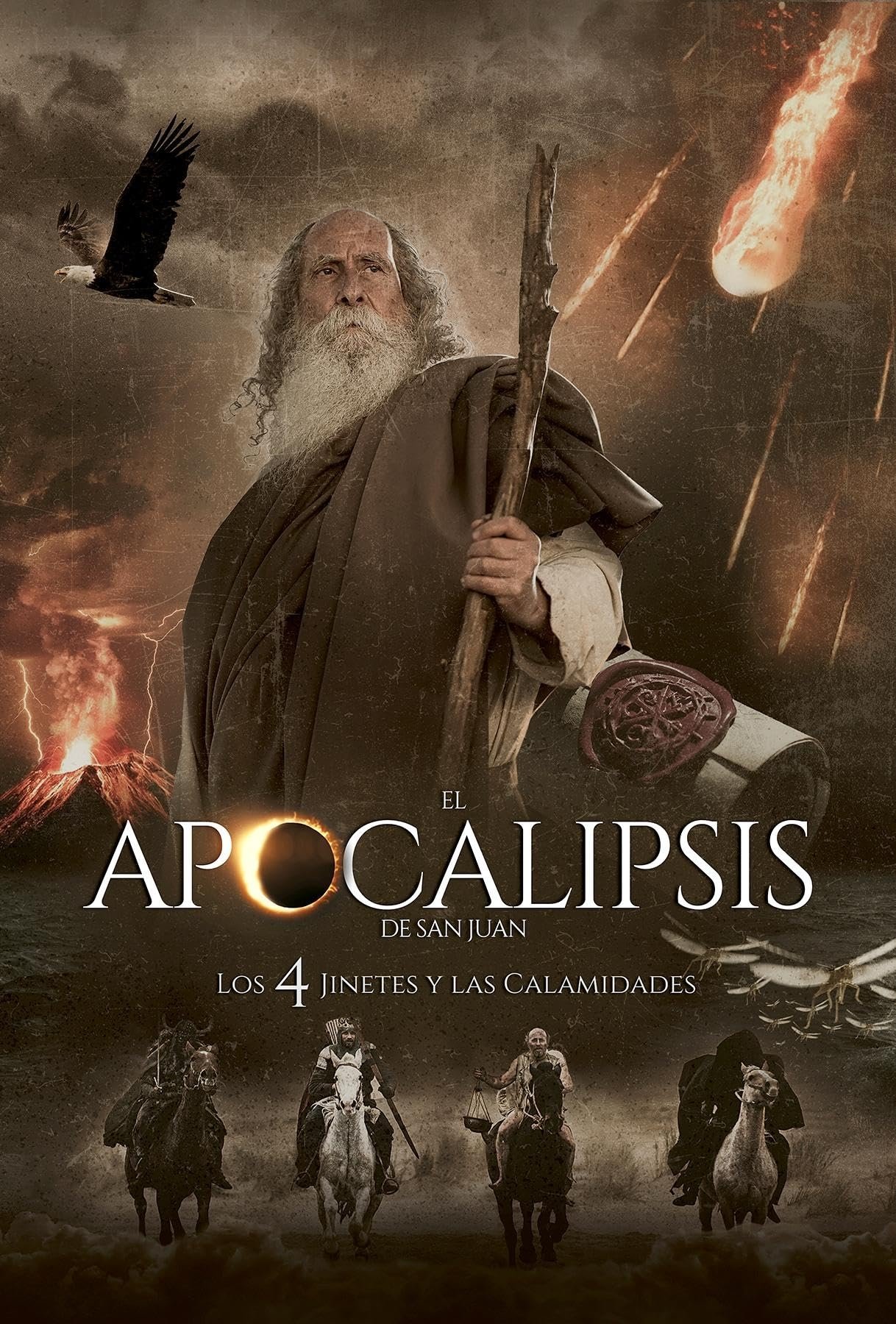
Embark on an epic journey through time and faith with 'The Apocalypse of Saint John.' Join the Apostle John in a stunning visual narrative that unravels the visions of the End Times. Experience each vision like never before, with striking visual effects and epic scenes that immerse you in the apocalyptic narrative.
A filmmaker who grew up alongside Chucky the killer doll seeks out the other families surrounding the Child's Play films as they recount their experiences working on the ongoing franchise and what it means to be a part of the, "Chucky" family.
Documentary about the art of film editing. Clips are shown from many groundbreaking films with innovative editing styles.
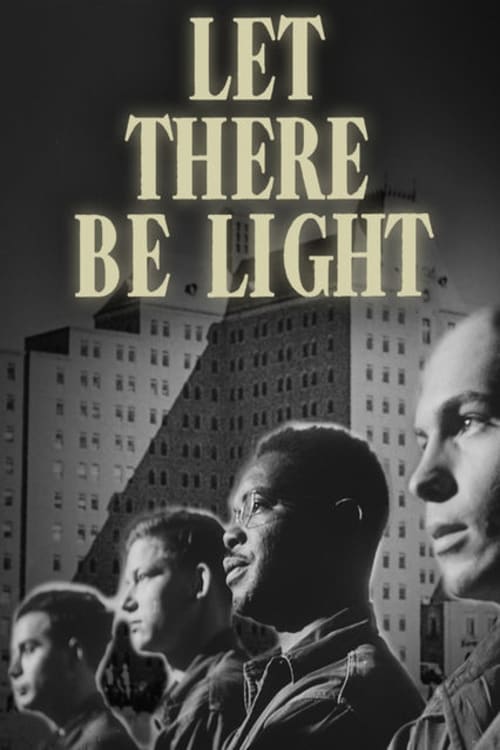
The final entry in a trilogy of films produced for the U.S. government by John Huston. Some returning combat veterans suffer scars that are more psychological than physical. This film follows patients and staff during their treatment. It deals with what would now be called PTSD, but at the time was categorised as psychoneurosis or shell-shock. Government officials deemed this 1946 film counterproductive to postwar efforts; it was not shown publicly until 1981.
Prelude to War was the first film of Frank Capra's Why We Fight propaganda film series, commissioned by the Pentagon and George C. Marshall. It was made to convince American troops of the necessity of combating the Axis Powers during World War II. This film examines the differences between democratic and fascist states.
"Trinity and Beyond" is an unsettling yet visually fascinating documentary presenting the history of nuclear weapons development and testing between 1945-1963. Narrated by William Shatner and featuring an original score performed by the Moscow Symphony Orchestra, this award-winning documentary reveals previously unreleased and classified government footage from several countries.
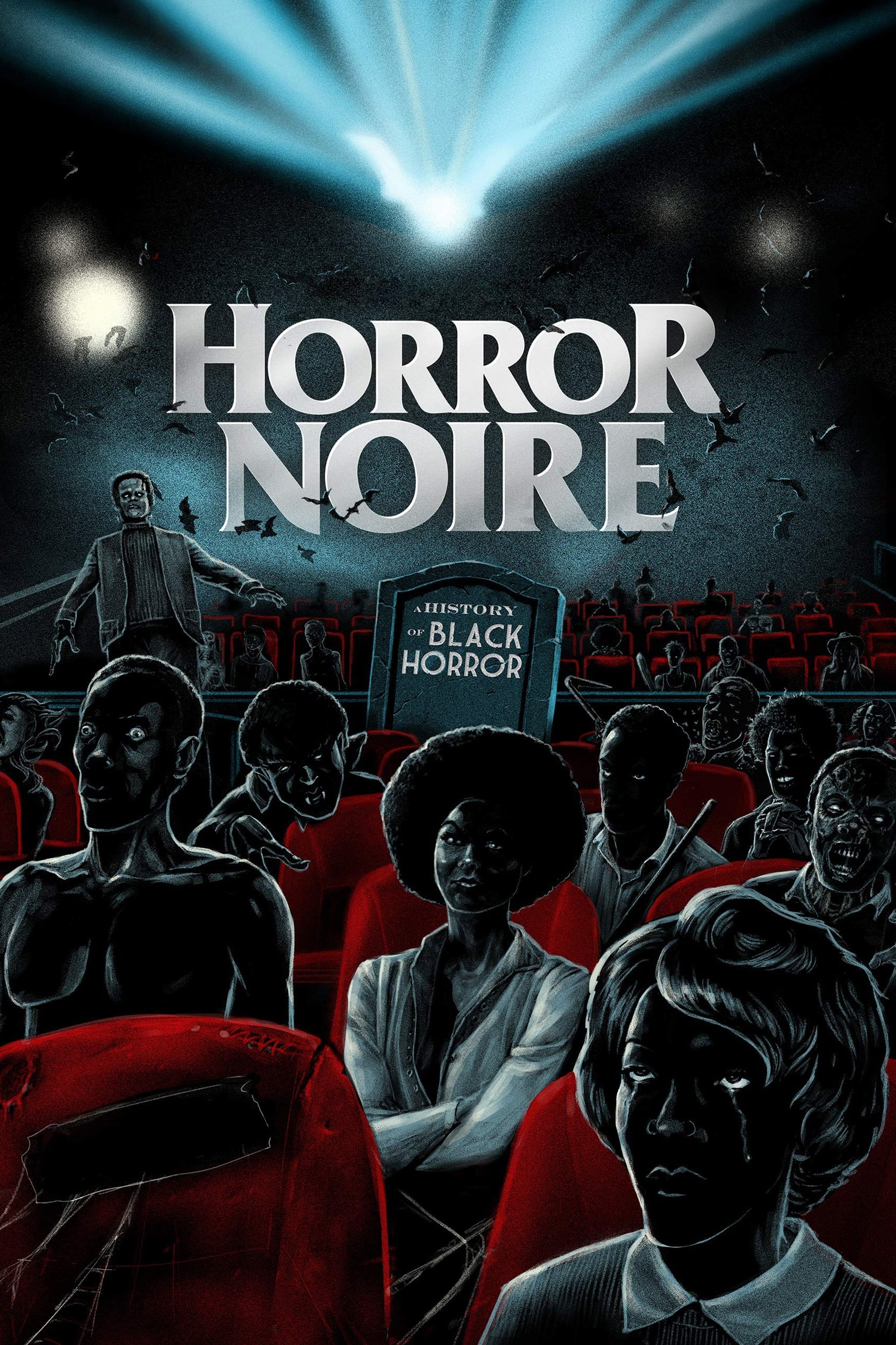
Delving into a century of genre films that by turns utilized, caricatured, exploited, sidelined, and finally embraced them, this is the untold history of black Americans in Hollywood through their connection to the horror genre.
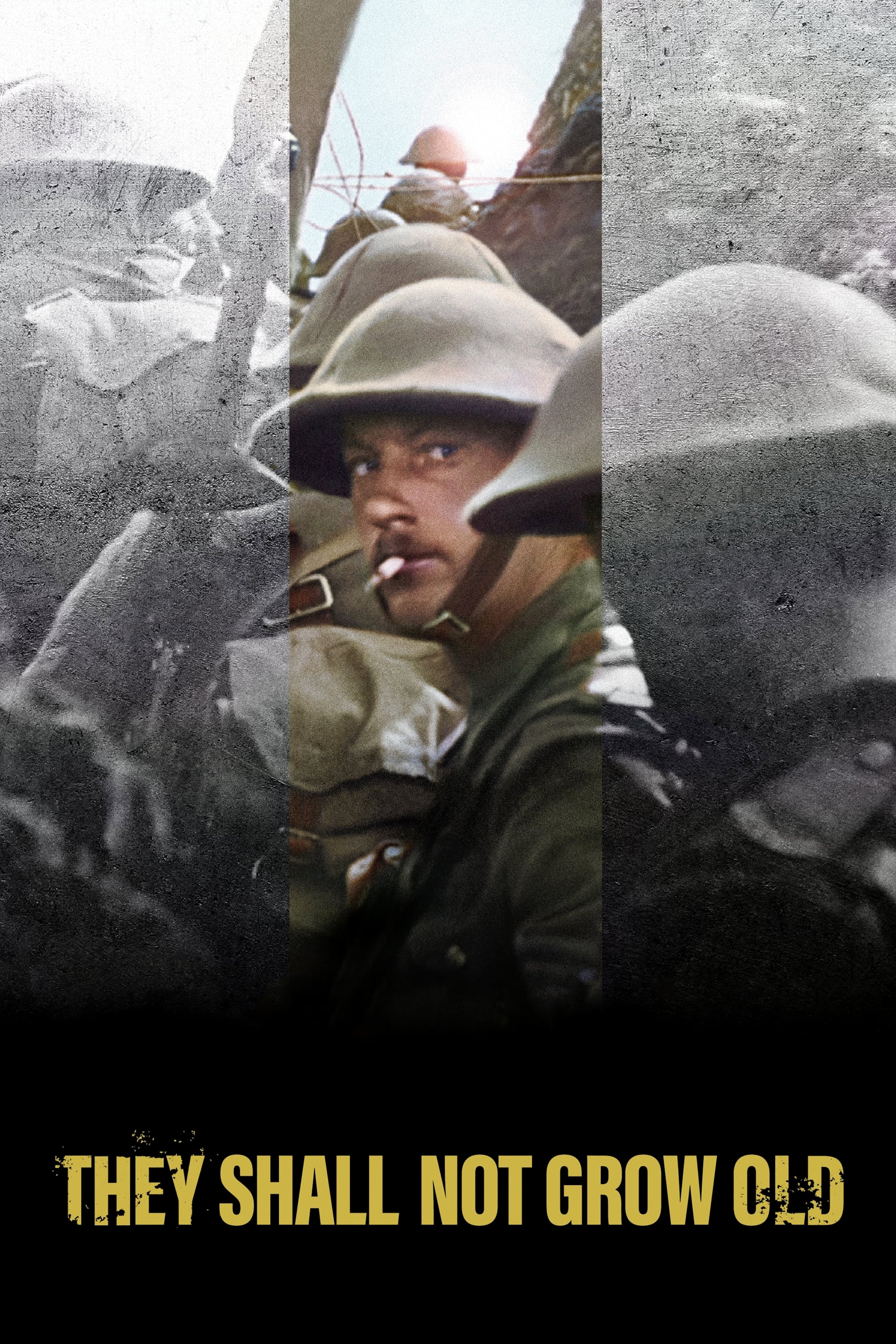
A documentary about World War I with never-before-seen footage to commemorate the centennial of Armistice Day, and the end of the war.
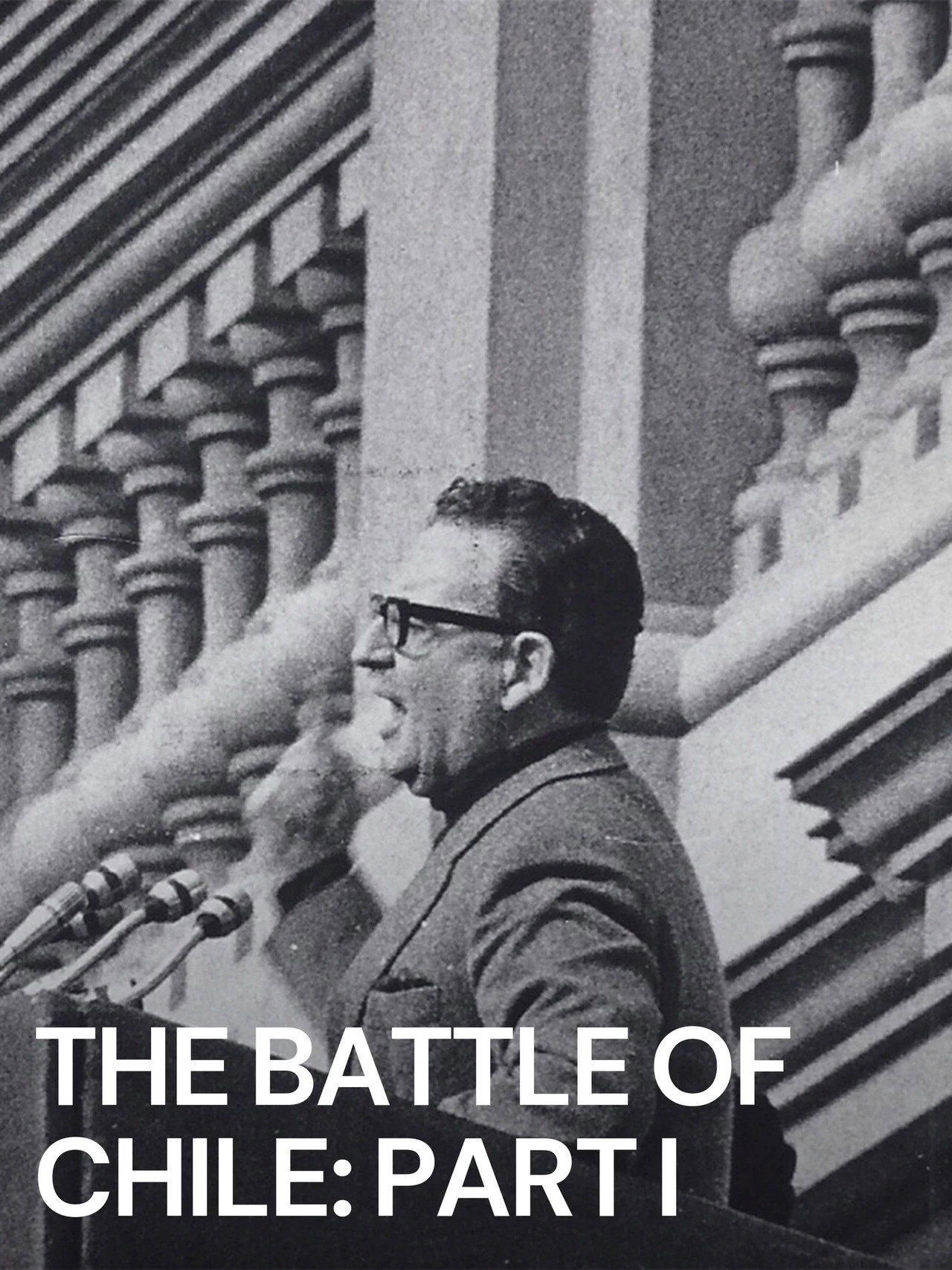
The chronicle of the political tension in Chile in 1973 and of the violent counter revolution against the democratically elected government of Salvador Allende.
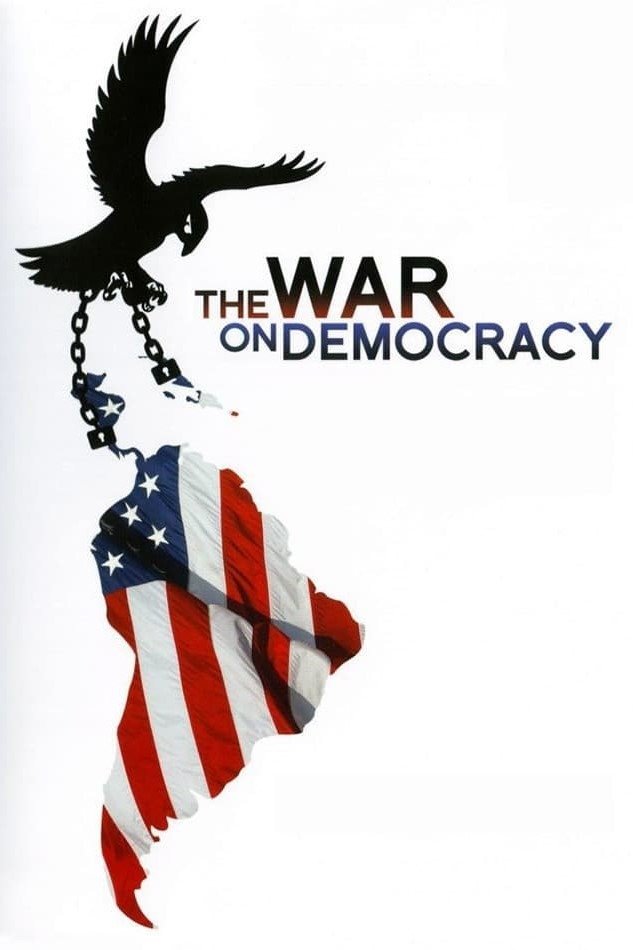
Set both in Latin America and the United States, the film explores the historic and current relationship of Washington with countries such as Venezuela, Bolivia and Chile. Pilger says that the film "...tells a universal story... analysing and revealing, through vivid testimony, the story of great power behind its venerable myths. It allows us to understand the true nature of the so-called "war on terror". According to Pilger, the film’s message is that the greed and power of empire is not invincible and that people power is always the "seed beneath the snow".
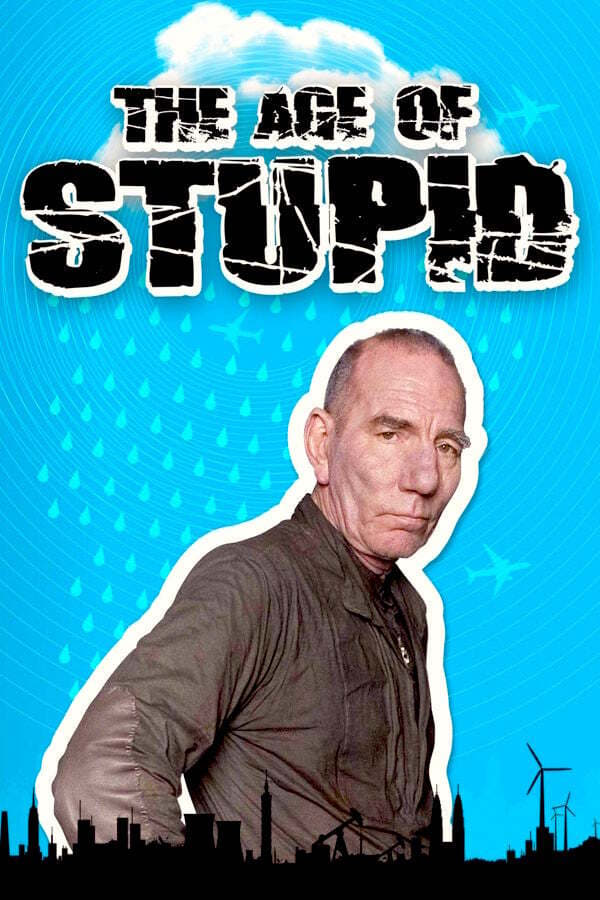
Pete Postlethwaite stars as a man living alone in the devastated future world of 2055, looking at old footage from 2008 and asking: why didn’t we stop climate change when we had the chance?
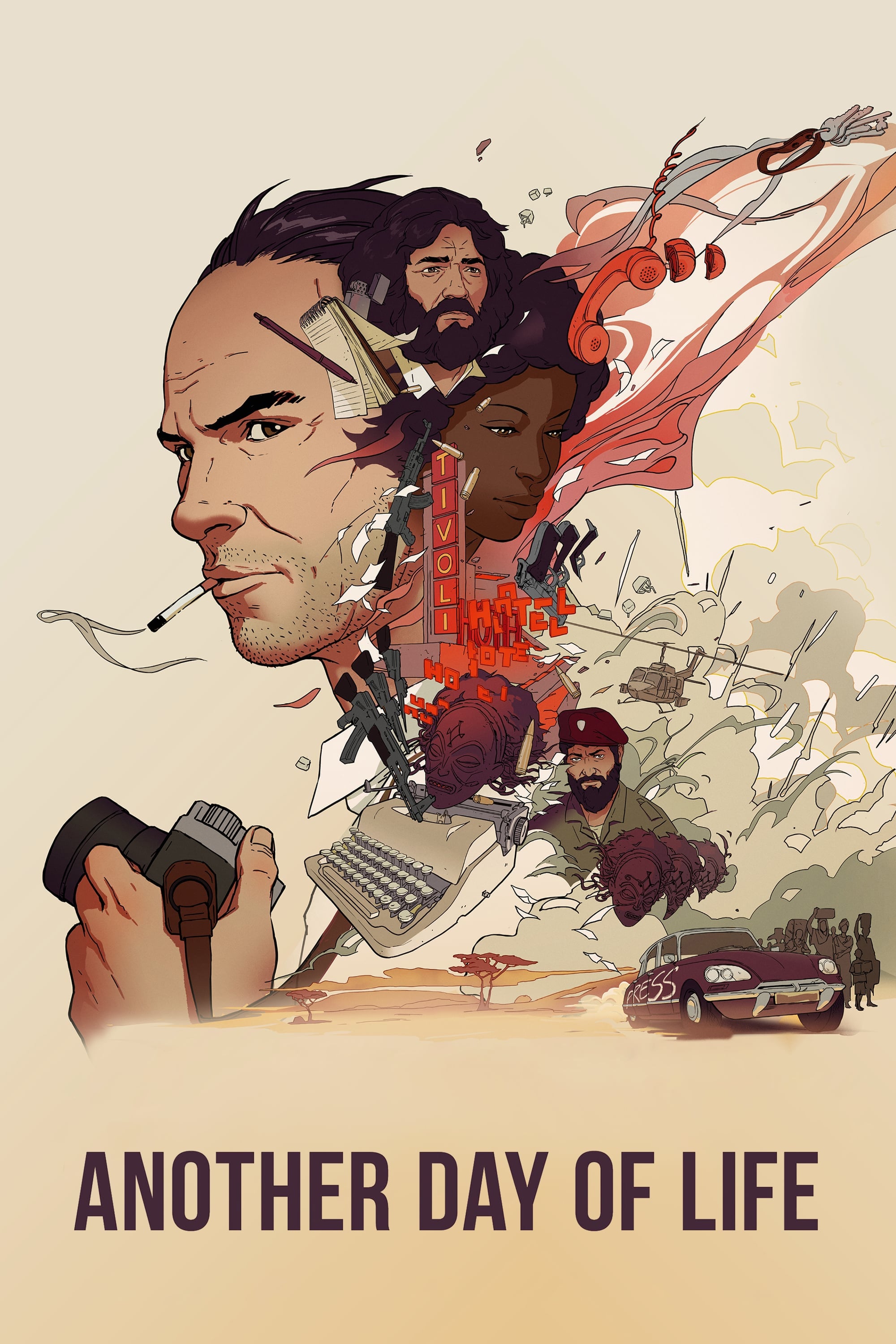
In 1975, Ryszard Kapuściński, a veteran Polish journalist, embarked on a seemingly suicidal road trip into the heart of the Angola's civil war. There, he witnessed once again the dirty reality of war and discovered a sense of helplessness previously unknown to him. Angola changed him forever: it was a reporter who left Poland, but it was a writer who returned…
The history of cinematic sound, told by legendary sound designers and visionary filmmakers.
The definitive zombie culture documentary, brought to the screen by the makers of THE PEOPLE vs. GEORGE LUCAS.
During the chaotic final weeks of the Vietnam War, the North Vietnamese Army closes in on Saigon as the panicked South Vietnamese people desperately attempt to escape. On the ground, American soldiers and diplomats confront a moral quandary: whether to obey White House orders to evacuate only U.S. citizens.