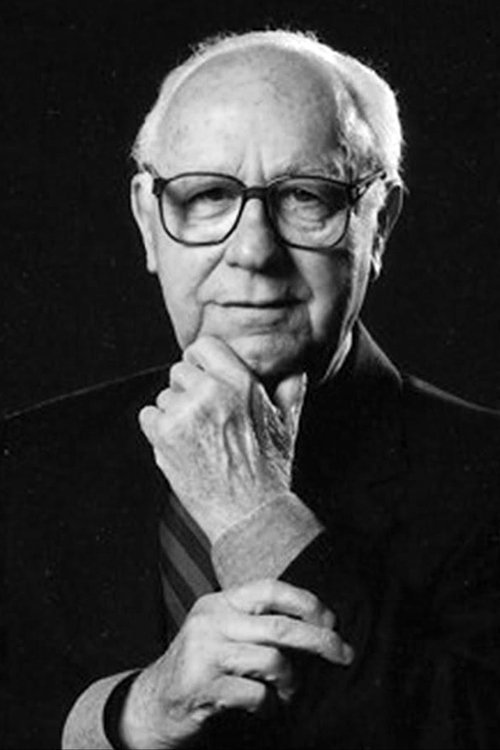
A portrait of the film-composer David Raksin, made for German television. Released in 1994.
Social & External
Self
In 1965, passionate musician Glenn Holland takes a day job as a high school music teacher, convinced it's just a small obstacle on the road to his true calling: writing a historic opus. As the decades roll by with the composition unwritten but generations of students inspired through his teaching, Holland must redefine his life's purpose.
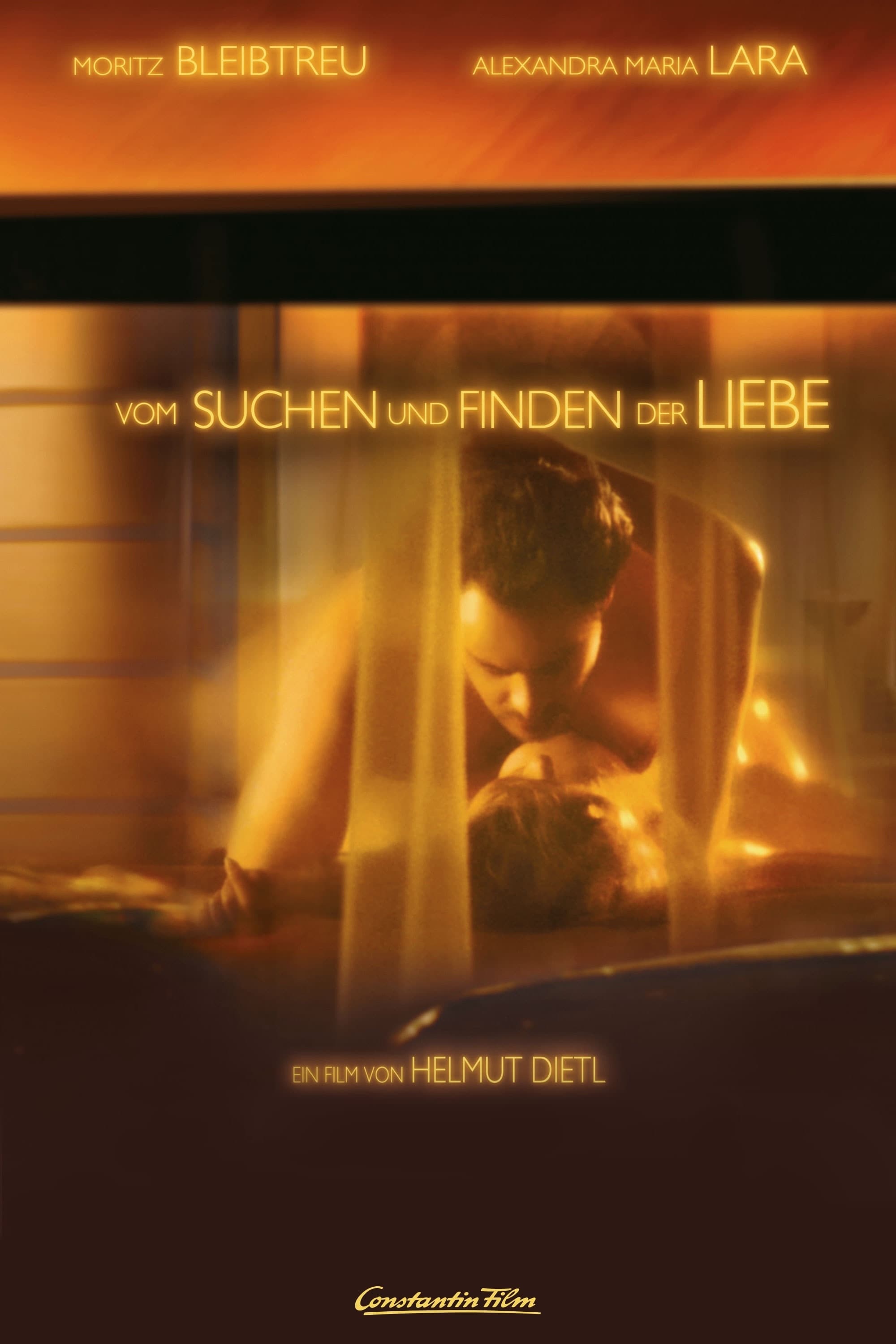
Director helmut Dietls and Patric Susskinds illustrate a legendary story of two lovers who cant keep themselves away from death.
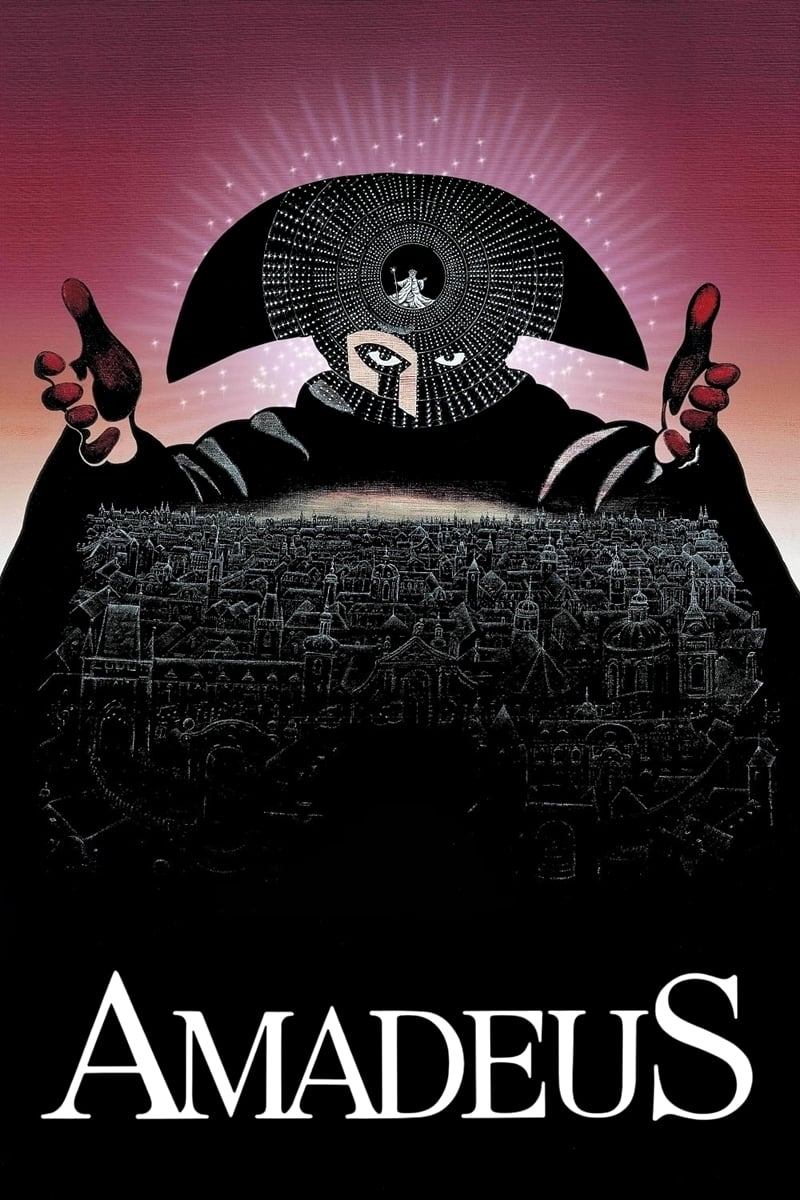
Disciplined Italian composer Antonio Salieri becomes consumed by jealousy and resentment towards the hedonistic and remarkably talented young Salzburger composer Wolfgang Amadeus Mozart.
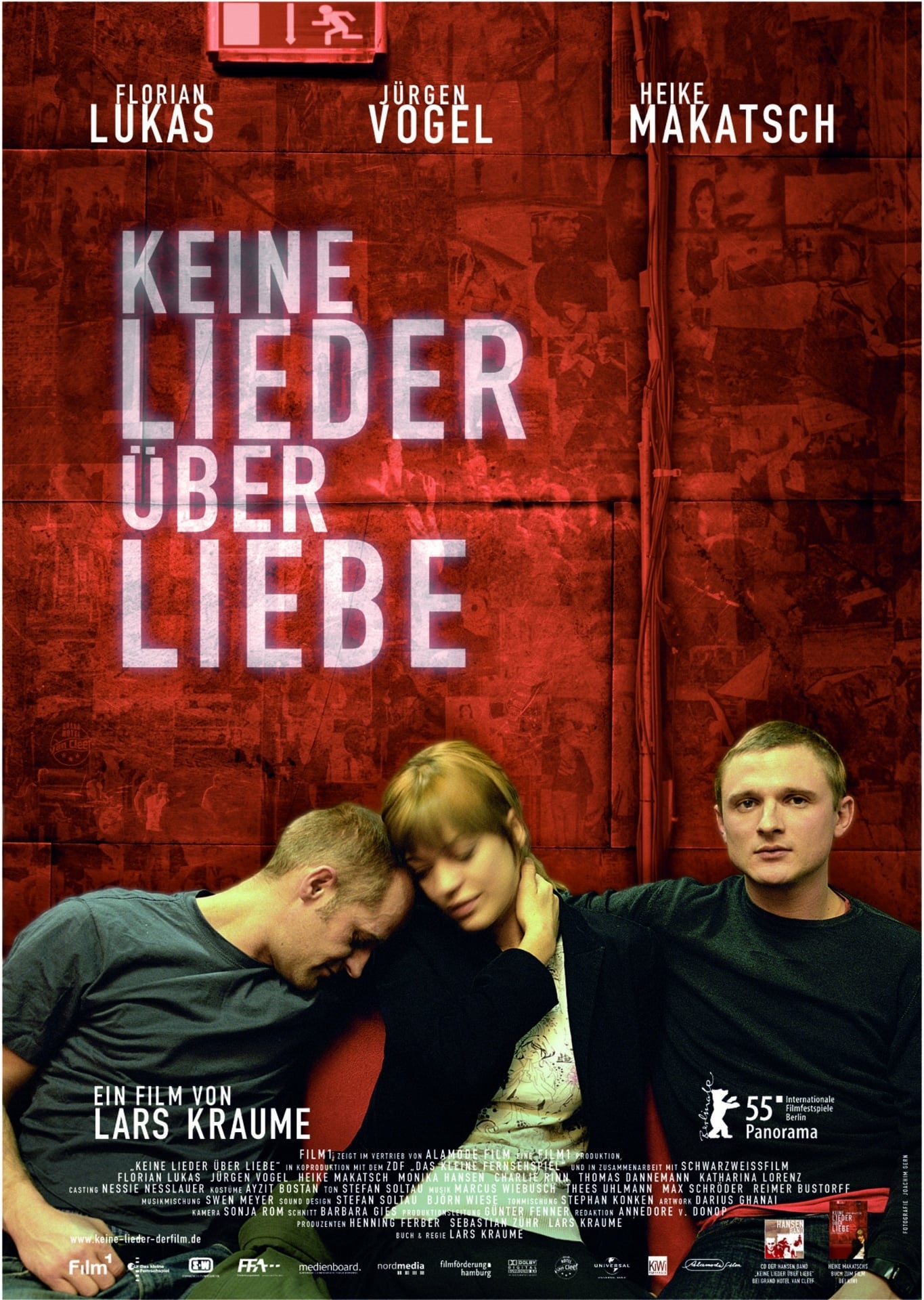
As Tobias, a young director, supposes that his girl-friend Ellen had an affair with his brother Markus, front man of "Hansen", one year ago, he decides to shoot a documentary about the band's next tour. When Ellen joins the project, everybody's emotions boil over, although they are observed all the time.
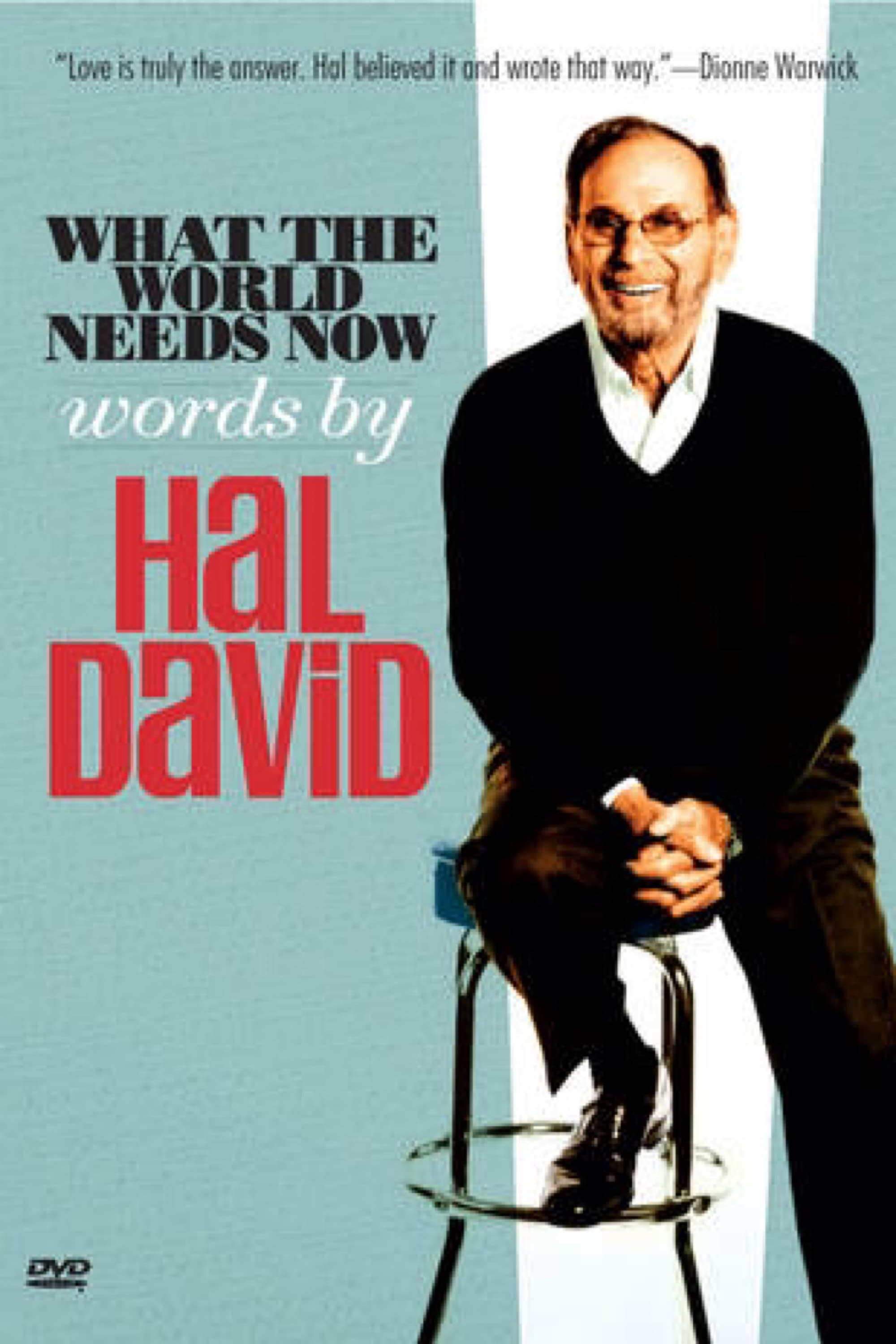
Hosted by Bette Midler, enjoy a musical tribute to the man who wrote some of the most enduring songs in American popular music. Lyricist Hal David and composer Burt Bacharach dominated the pop-music charts in the 1960s and early ’70s, crafting dozens of timeless Top 40 hits.
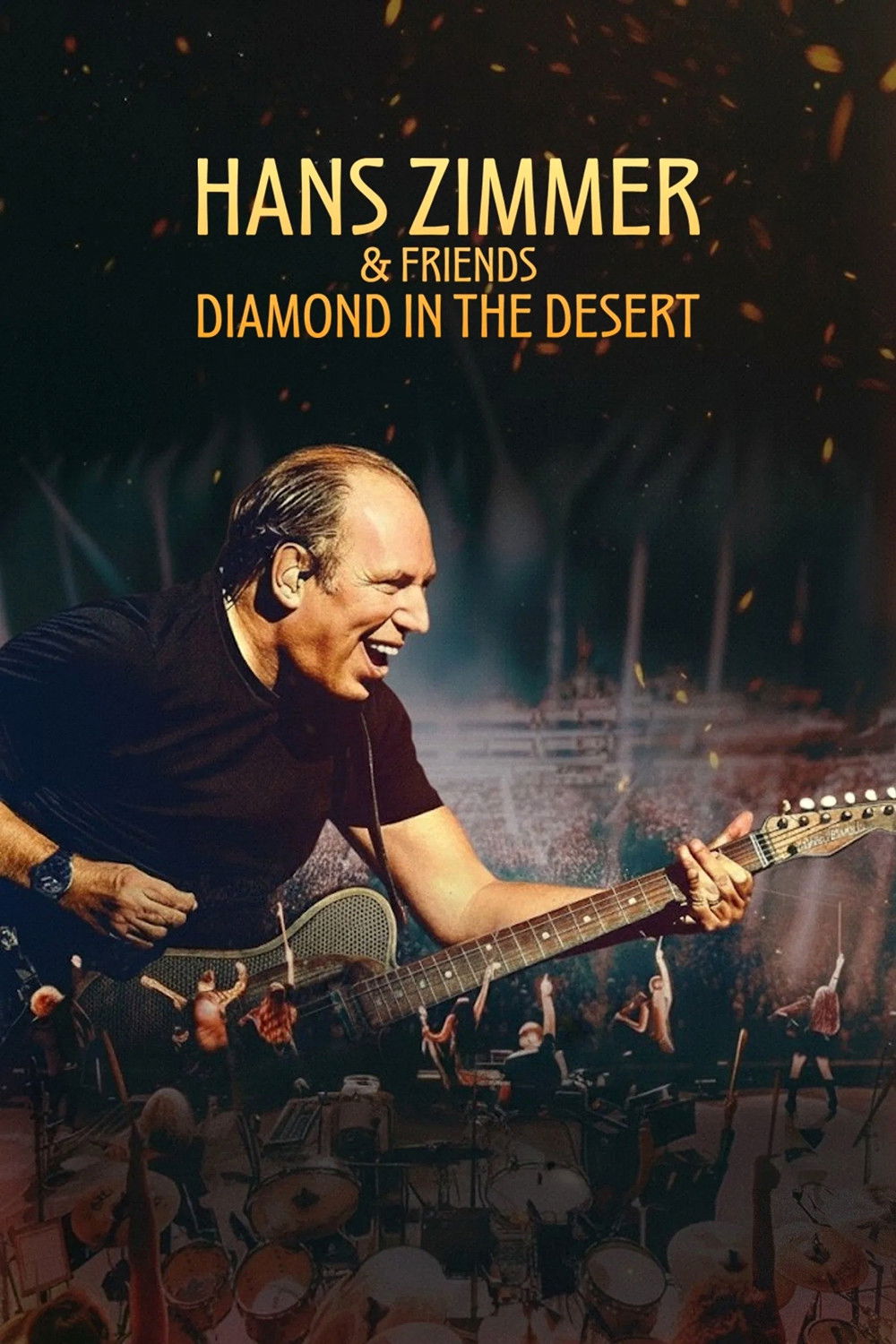
An extraordinary live performance of Hans Zimmer's most beloved and renowned movie soundtracks, including music from Dune, Gladiator, Interstellar, and The Lion King. Featuring conversations with creative collaborators Billie Eilish, Christopher Nolan, Denis Villeneuve, Finneas, Jerry Bruckheimer, Pharrell Williams, Timothée Chalamet, Zendaya, and more.
Lyla and Louis, a singer and a musician, fall in love, but are soon compelled to separate. Lyla is forced to give up her newborn but unknown to her, he grows up to become a musical genius.
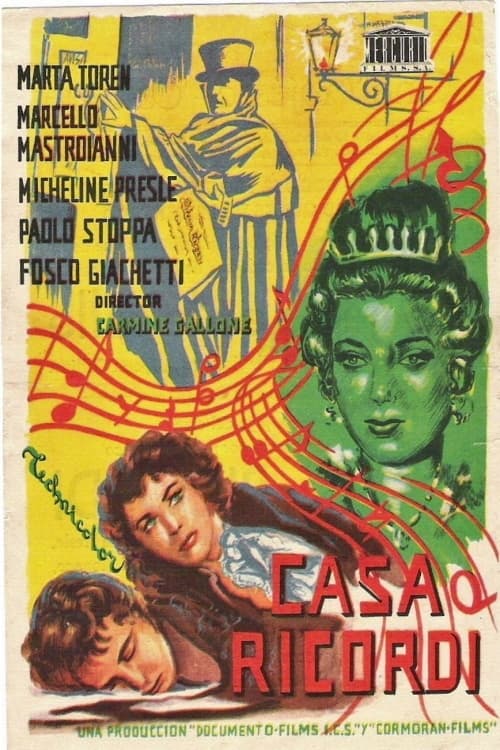
The film covers a hundred years in the lives of the Ricordi family, the Milan publishing house of the title, and the various composers and other historic personalities, whose careers intersected with the growth of the Ricordi house. It beautifully draws the parallel between the great music of the composers, the historic and social upheavals of their times, as well as the "smaller stories" of the successive generations of Ricordi.
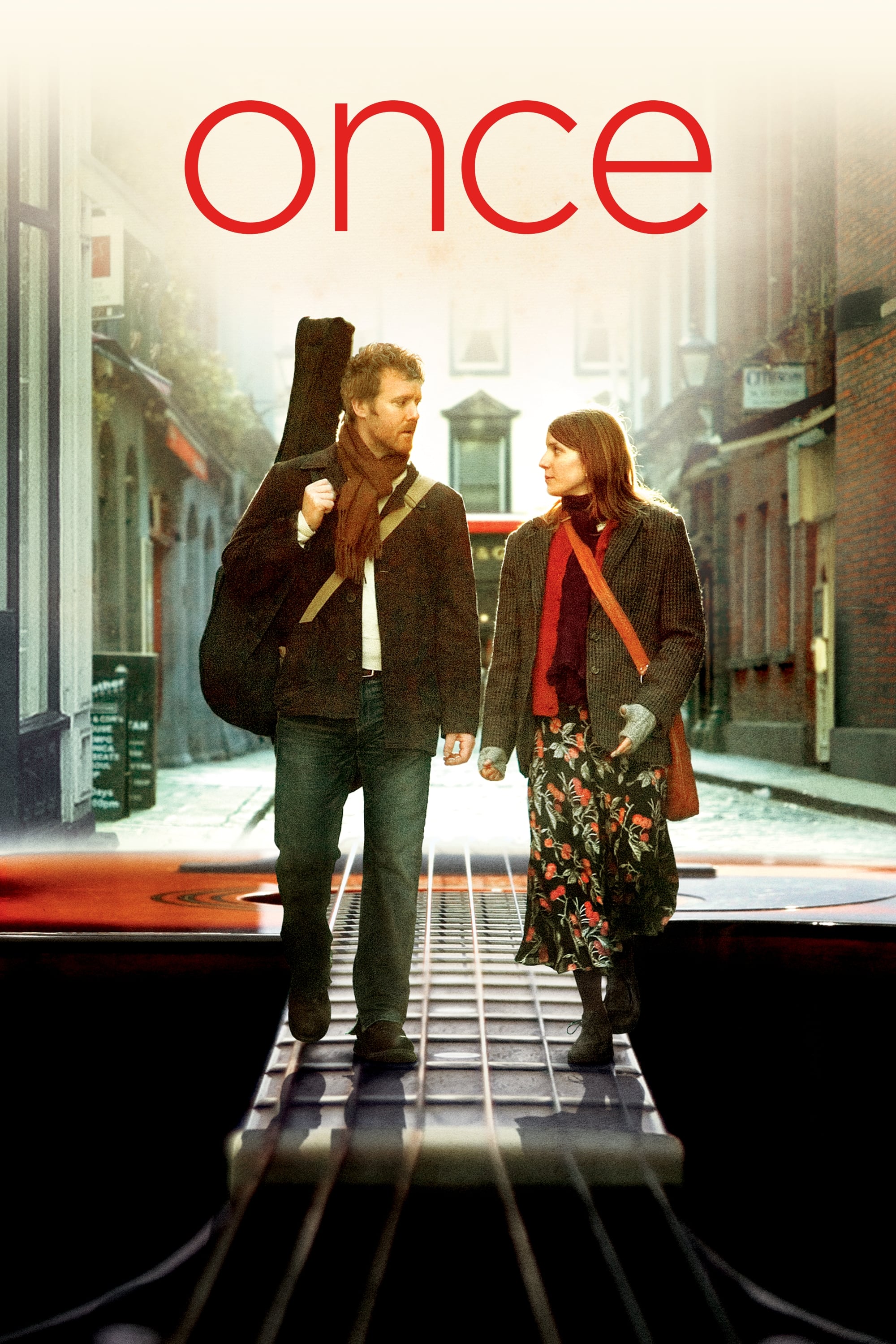
A vacuum repairman moonlights as a street musician and hopes for his big break. One day a Czech immigrant, who earns a living selling flowers, approaches him with the news that she is also an aspiring singer-songwriter. The pair decide to collaborate, and the songs that they compose reflect the story of their blossoming love.
An overview of Cole Porter’s musical contributions to the film Broadway Melody of 1940.
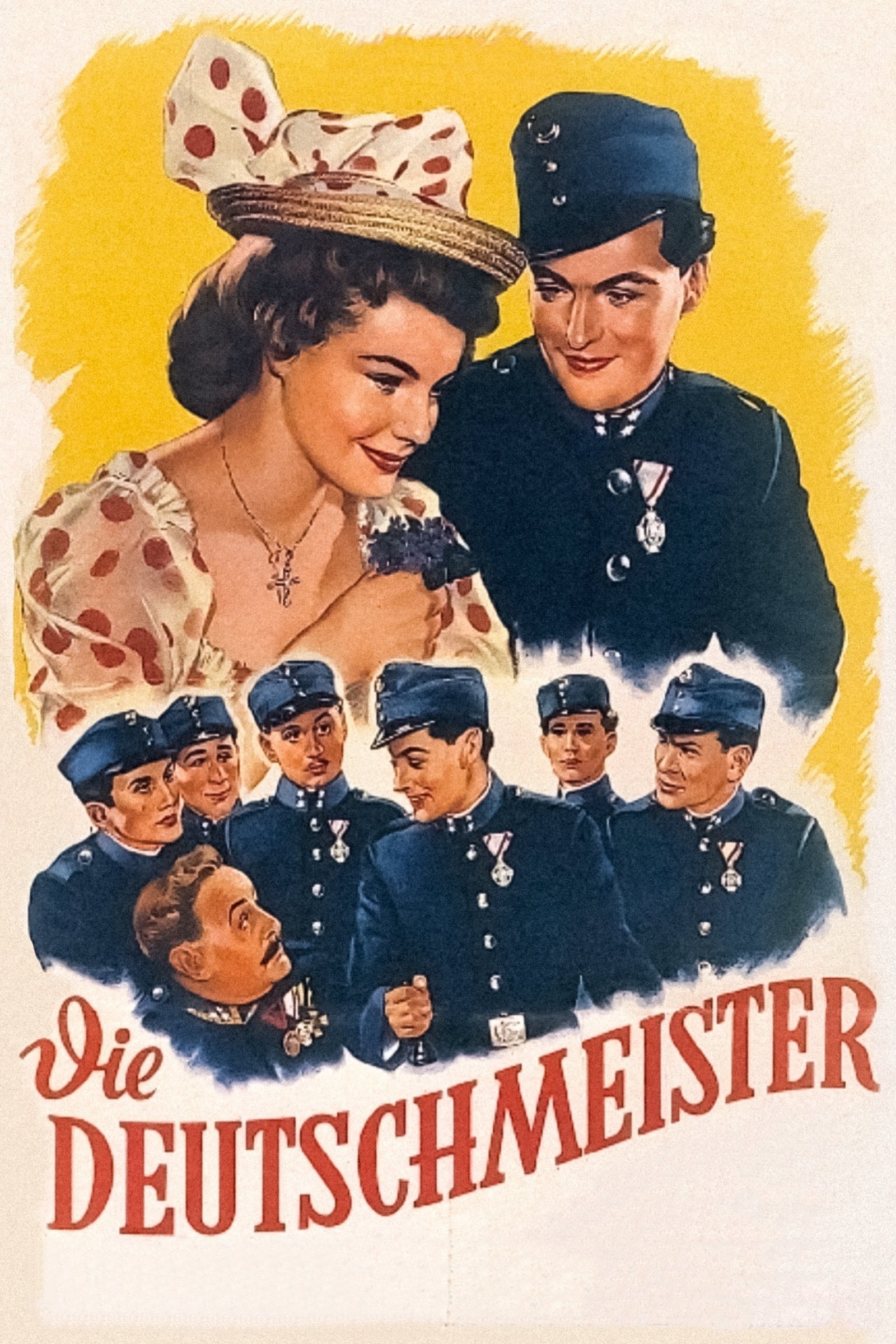
Young Stanzi who is visiting Vienna helps a young corporal and musician to become famous for his marching song "Die Deutschmeister".
Film Music Historian Jeff Bond discusses how the music for 'Silent Running' was created.
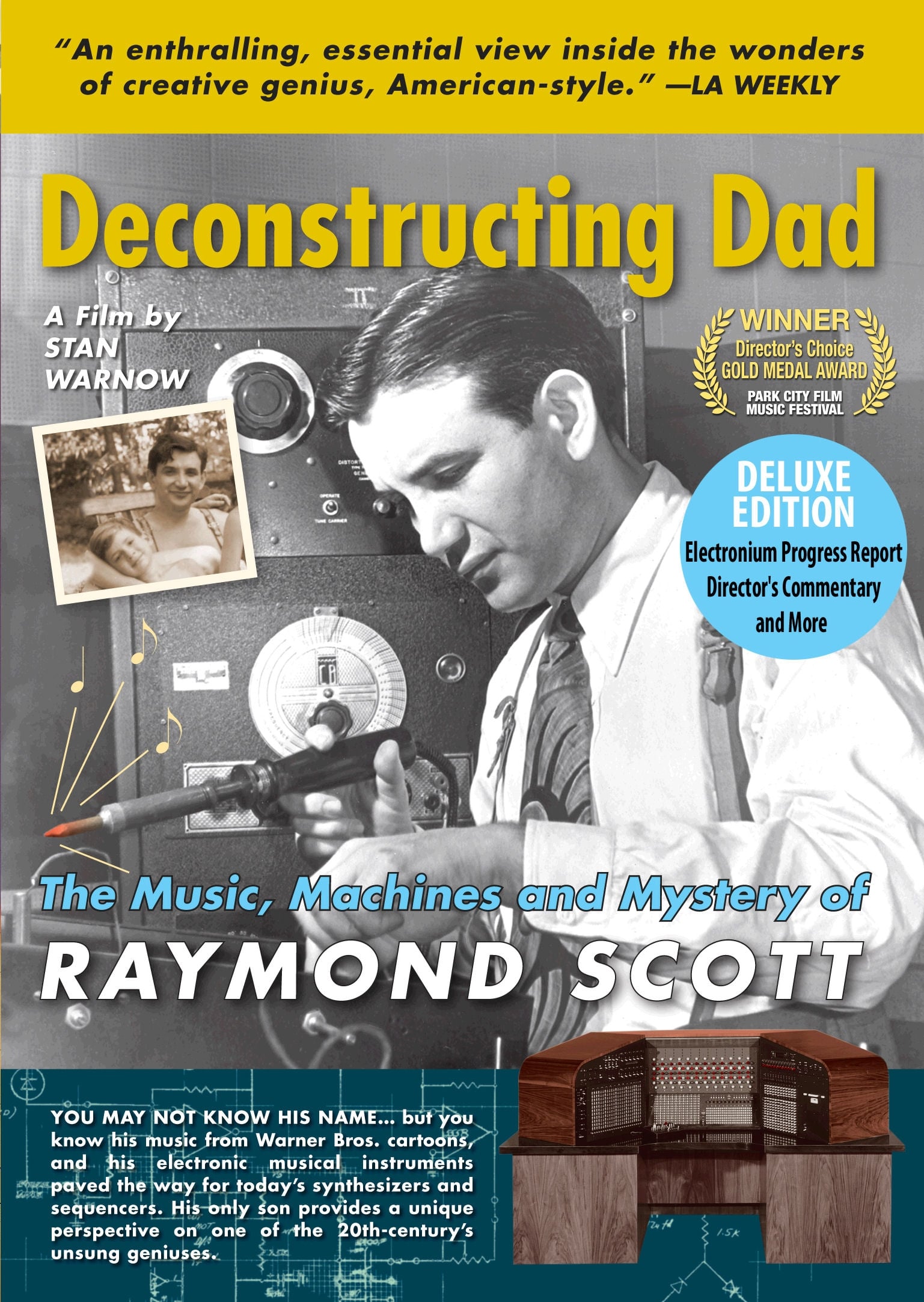
His filmmaker son probes the professional and private lives of his remote but fascinating father: bandleader, composer, inventor, and electronic music pioneer Raymond Scott.
Scenes from the life of composer Zdeněk Fibich accompanied by excerpts from his work in a poetic documentary... The story of the Czech artist is embodied in a single day in the life of his collaborator and lover Anežka Schulzová (Iveta Rálková). Between waking up in the morning and falling asleep at night, she brings fragments of her beloved man's life experiences to life in her memories. It is a drama of emotions that draws her into its trap. Fibich left the safe haven of his family for her love, seeking inspiration in passion and eroticism. This clearly tense human situation is complicated by Anežka's rival and Fibich's wife Betty.
Frank Zappa: New York & Elsewhere is an Austrian released TV documentary directed in 1980 by Rudi Dolezal and Hannes Rossacher, aka DoRo productions, who are most popular for their work with Queen.
Frank Zappa: Phase Two is a 2002 documentary about Frank Zappa. It features a lot of footage from Scheffer's previous film, but new material from Malcolm McNab's private achive.
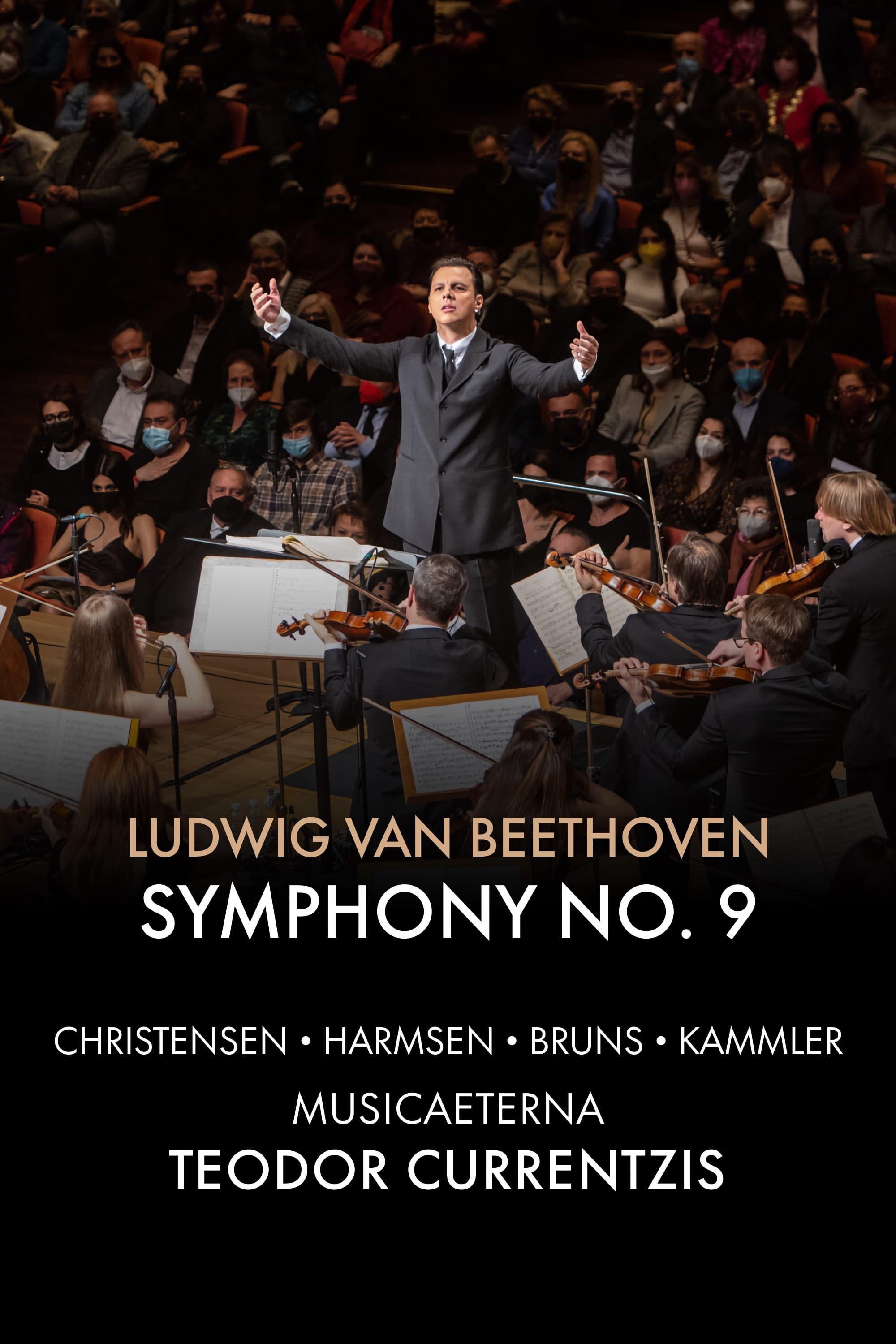
Ludwig van Beethoven headed for Symphony No. 9 literally his entire life. As early as the 1790s, he had an eye on Ode to Joy, perhaps the most well-known poem by Friedrich Schiller, written on the threshold of the French Revolution (1786). In his mature and, in particular, later years, the deaf composer with an acute ‘hearing vision’ increasingly distanced himself from conventional forms and genres and wrote parts beyond the possibilities of instruments of his day. He nurtured the idea of a symphony with a choir for at least several years. The history of the Ninth’s interpretations includes 200 years of staggering revelations and lingering stagnation. Performed by the musicAeterna orchestra, choir, and guest soloists under the baton of Teodor Currentzis, Beethoven’s opus magnum acquires the original poignancy and energy of a recent discovery.
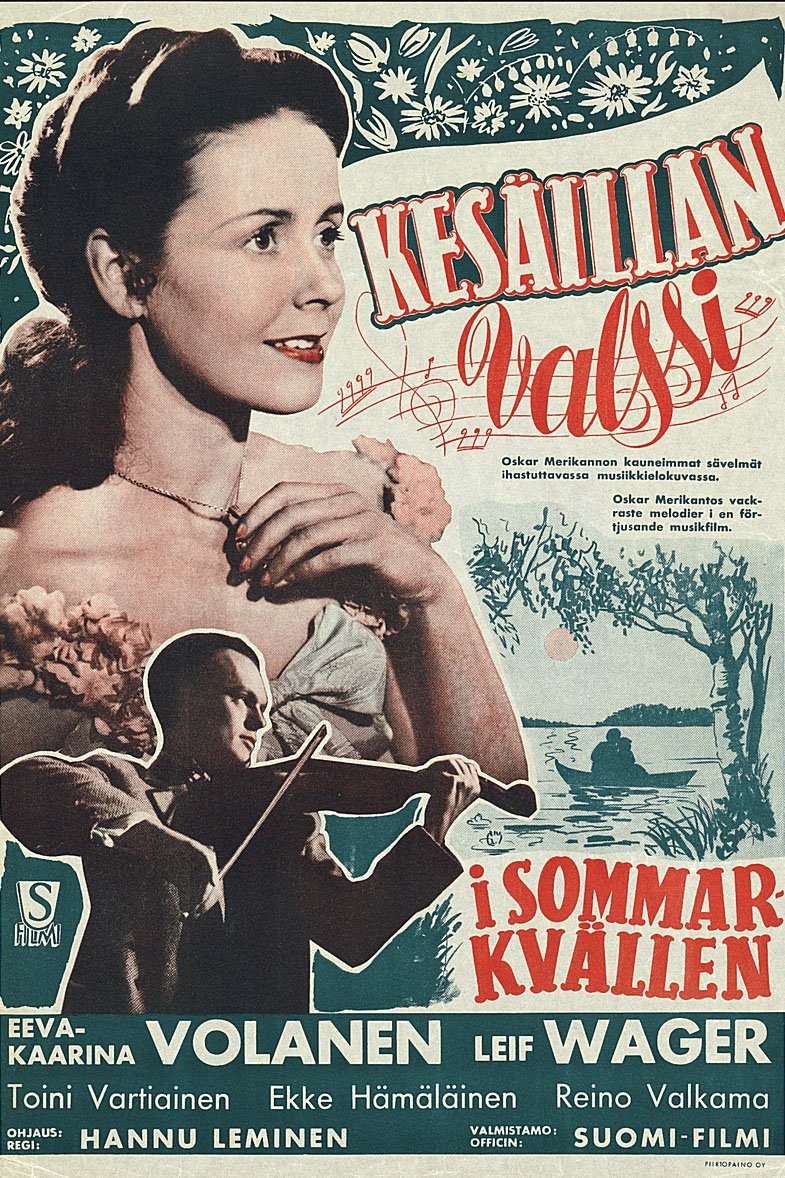
A story built around the music of Oskar Merikanto, tells the love story of the poor musician Lauri Alanko and the daughter of the rich Grahn family Annina. Annina’s family doesn’t approve of the relationship, and the couple’s happiness is also threatened by Lauri’s worsening eye disease.