Social & External
The people behind it
Luca Mingoia
Narrateur
In the mid-1960s, Bretons took direct action against the French state. What were the origins and causes of this fervor, sung by Glenmor, the bard of this angry Brittany, from which young people had to emigrate to find a future?
2035, United States of Europe. Some humans are not sustainable anymore.
The Warrior Queen of Jhansi tells the true story of Lakshmibai, the historic Queen of Jhansi who fiercely led her army against the British East India Company in the mutiny of 1857. From Queen Elizabeth to Queen Victoria, two-and- a half-centuries of East India Company rule will be reversed by its attempt to crush India’s Warrior Queen. Lakshmibai is known as one of the most prominent figures within the independence movement of India. The passion to free her province from colonial rule led this young woman to become one of the greatest generals of the Indian army, and to go down in history for her bravery, strategic acumen, and as a force to reckon with by the East India Company and the British Raj. The Warrior Queen of Jhansi is the story of the woman who lived and fought for the freedom of her people.
Bebo, a teenager from a coastal Puerto Rican town, lives with his brother in a public housing complex. They fish for a living, but growing desperation drives them to illegal dealings that promise easy money. When a job goes wrong and blood is spilled, Bebo flees with Lola, a wealthy girl seeking to escape her troubled reality. As they navigate the labyrinthine mountains, they encounter remnants of a fading way of life, contrasting with the violence that follows them. As hitmen close in, Bebo must confront his choices and decide if redemption is possible, or if the sea will be their final escape. A portrait of the Puerto Rican experience that dives into the complexities of identity, resilience, and colonial legacy, the film had its world premiere at the Tribeca Film Festival, where it was honored with Best Cinematography, Best New Director, and the Jury Award. It was also nominated for the prestigious Spirit Awards, solidifying its place as one of the most celebrated Puerto Rican films.
A wounded Revolutionary War soldier takes shelter with a Pennsylvania trapper and his son. As British troops approach, they face choices about loyalty and survival in the wilderness.
The story of the defense of the mission-turned-fortress by 185 Texans against an overwhelming Mexican army in 1836.
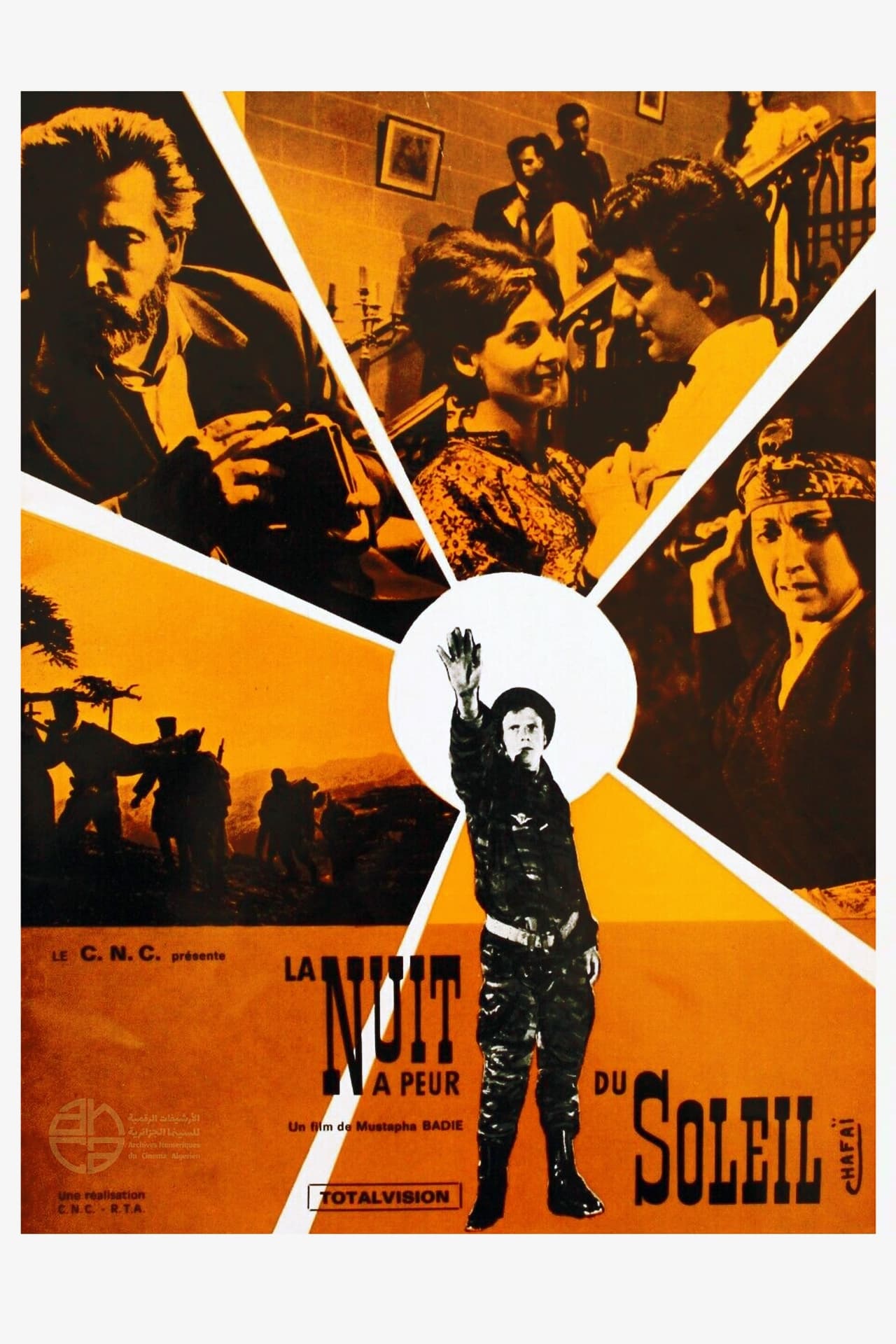
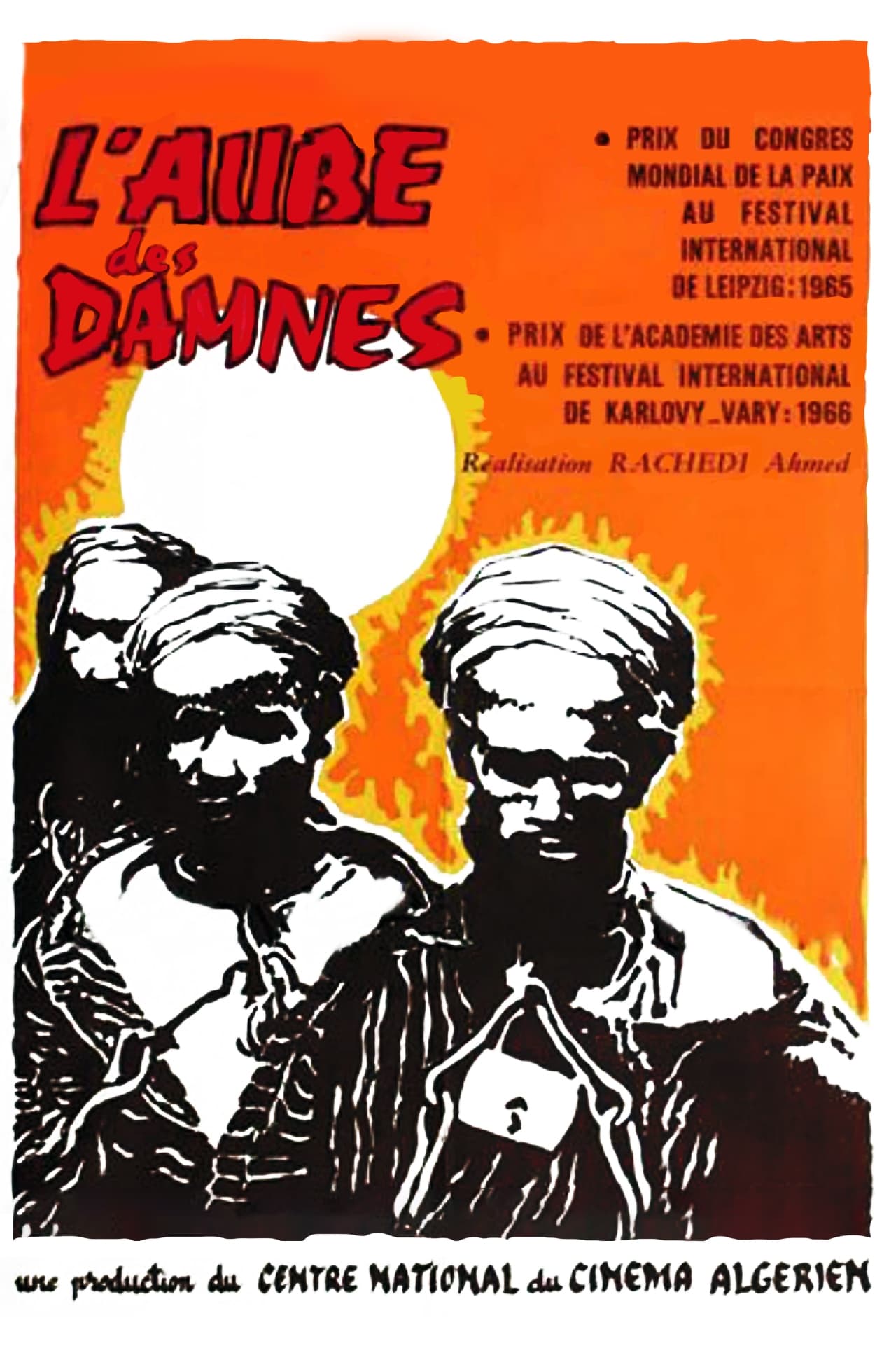
Historical film in four scenes which retrace the returns, the progress and the outcome of the war of liberation in Algeria. The first painting, “The land was thirsty” describes aspects of injustice and colonial oppression. The second “The Paths to the Prison” recounts the sufferings of the people engaged in combat. The last two are the stories of two lives.
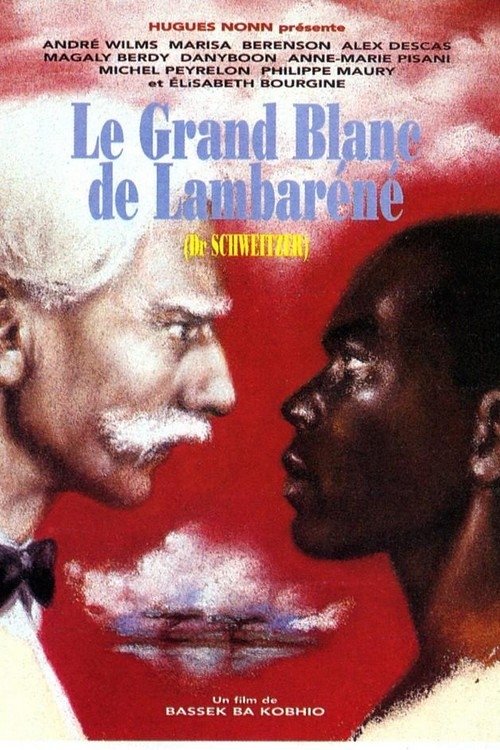
Albert Schweitzer (1875-1965), the mission doctor, theologian and philosopher who founded a hospital in the rainforests of Gabon, achieved sainthood in his lifetime, at least in the popular imagination. The critical assessment of his life and works in recent years, however, has been slightly more ambivalent. Ba Kobhio Bassek is the first director to examine this medical missionary from a purely African point-of-view.
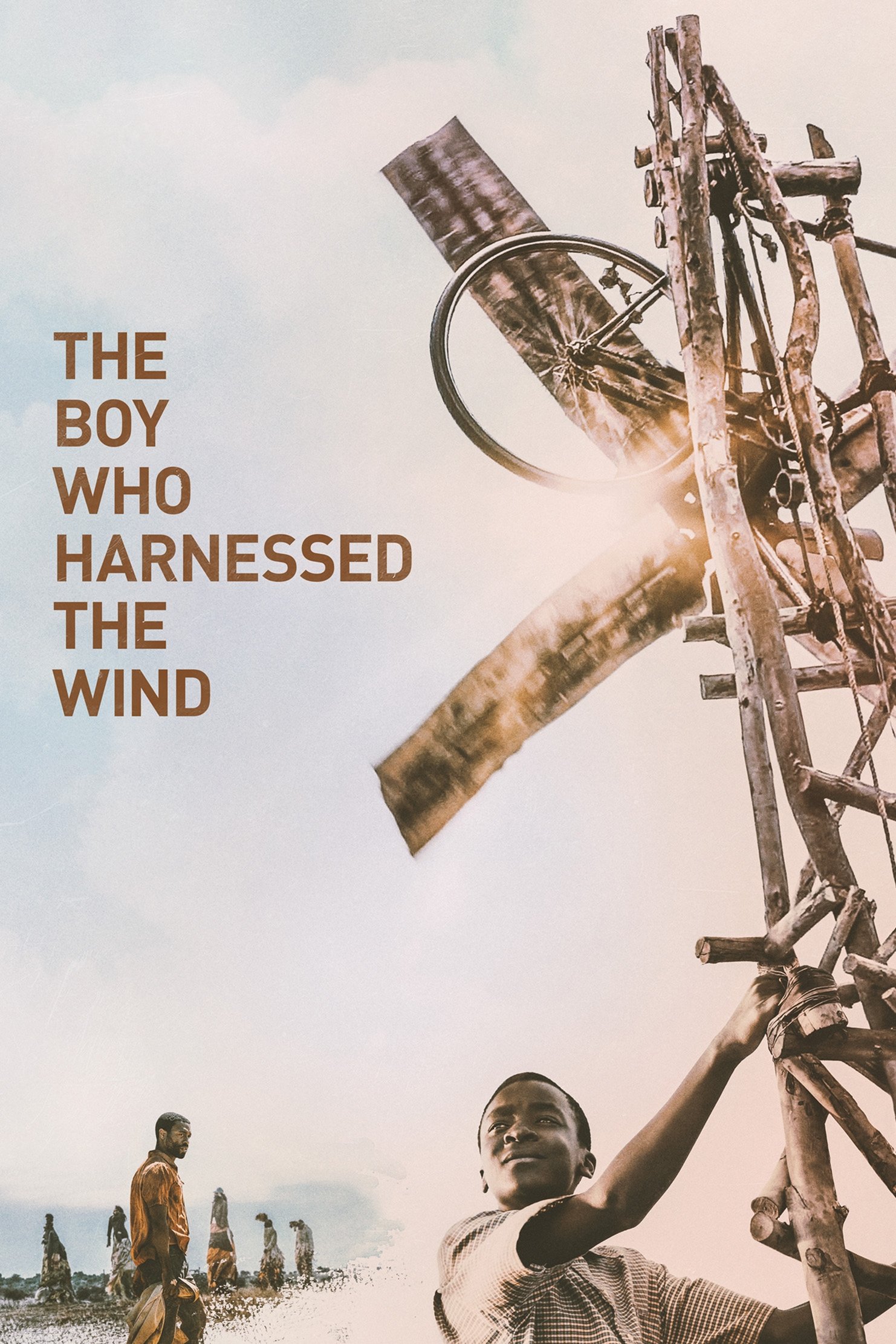
Against all the odds, a thirteen year old boy in Malawi invents an unconventional way to save his family and village from famine.
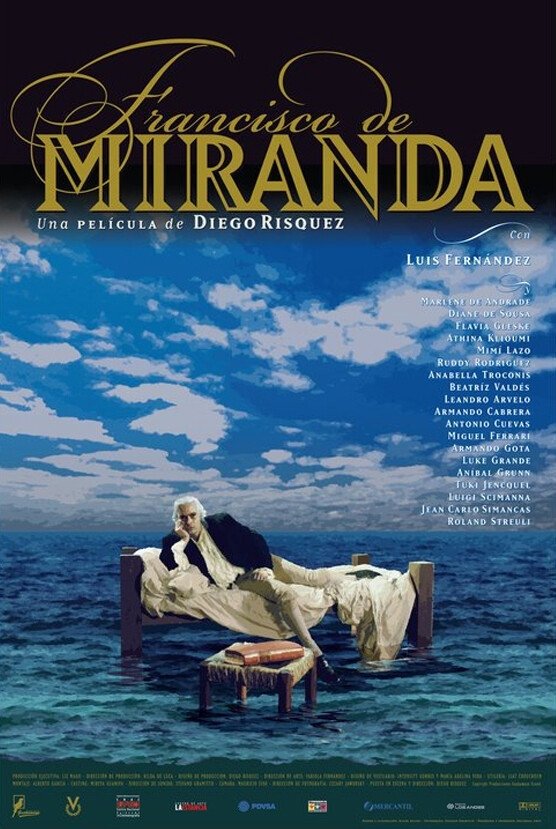
In 1750, in the glare of the Caribbean, the man who created history known as the forerunner of independence in Venezuela. His name is Francisco de Miranda and, to be exact, is the largest globetrotter who has known the Americas, Miranda has a reputation as an inveterate wanderer, an eternal conspirator, a turncoat, a conqueror of nobles and courtiers, a lover of asylums, libraries, prisons and brothels, has written 63 volumes of his autobiography, a friend of princes, military and world-renowned artists, collector of women and unthinkable dreams, restless fugitive, owner of ten different names, and presented by the British press the moment as the future liberator of Spanish America.
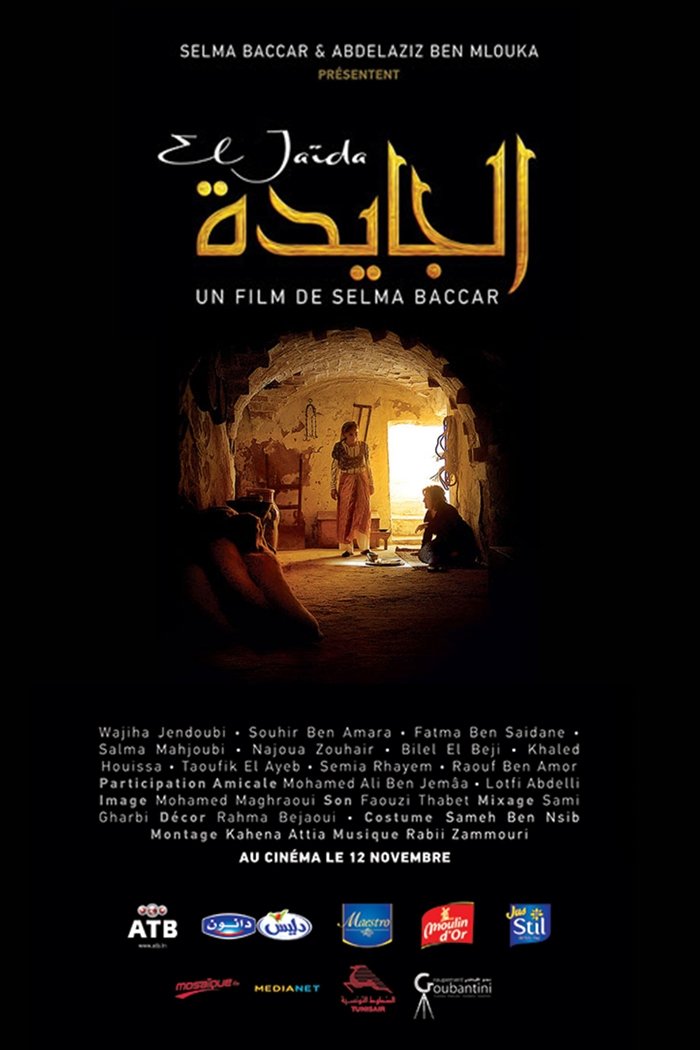
Four women meet at Dar Joued on the eve of Independence. With different ages and social conditions, they are condemned to live together under the authority and injustice of their jailer: "El Jaida". They will share memories of the outside world, joy, emotions and distress of their daily lives.
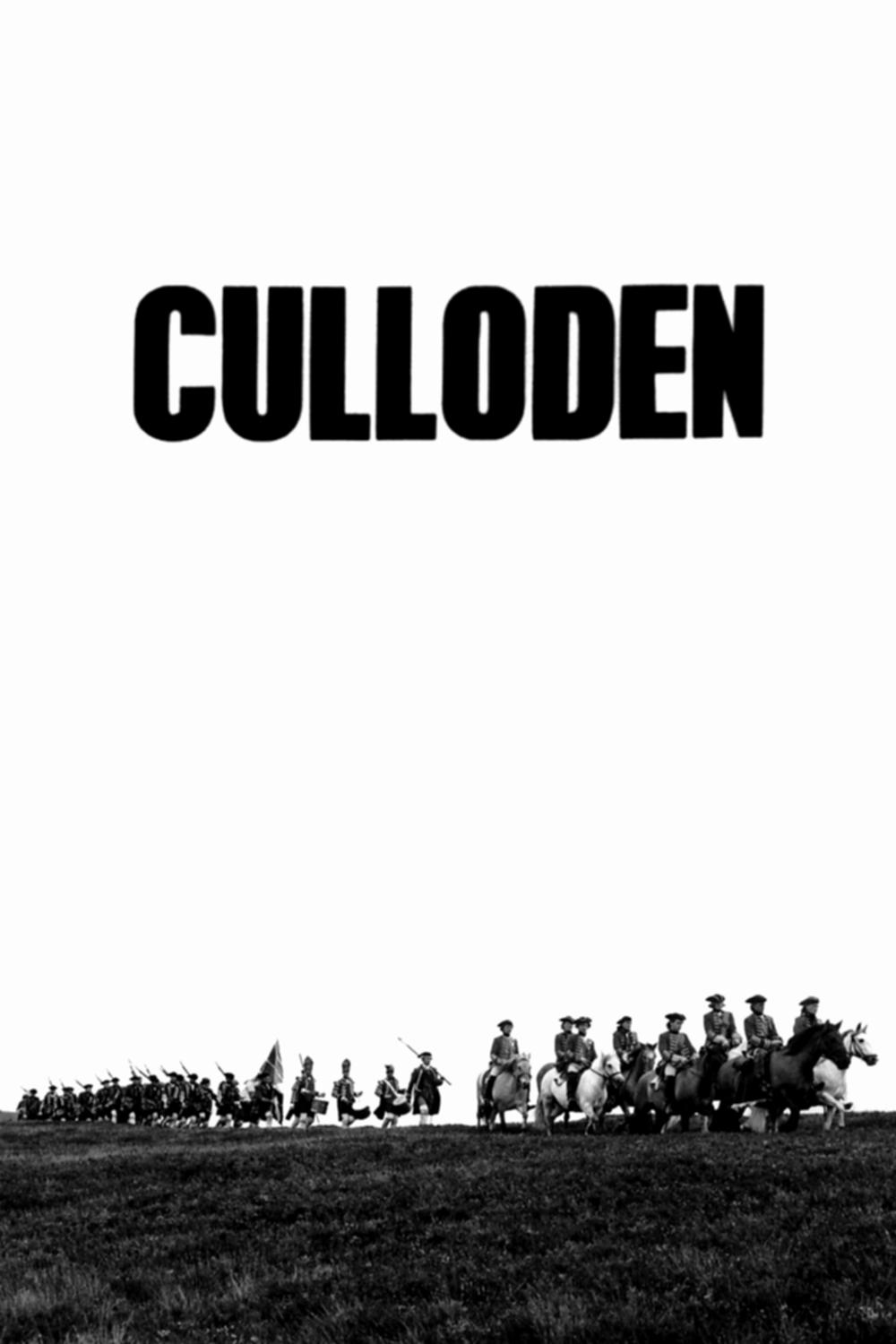
Culloden, Scottish Highlands, April 16th, 1746. It was one of the most mishandled and brutal battles ever fought in Great Britain. Its aftermath was tragic. The men responsible for such a disaster must be exposed. The men, women and children who suffered because of it must be remembered.
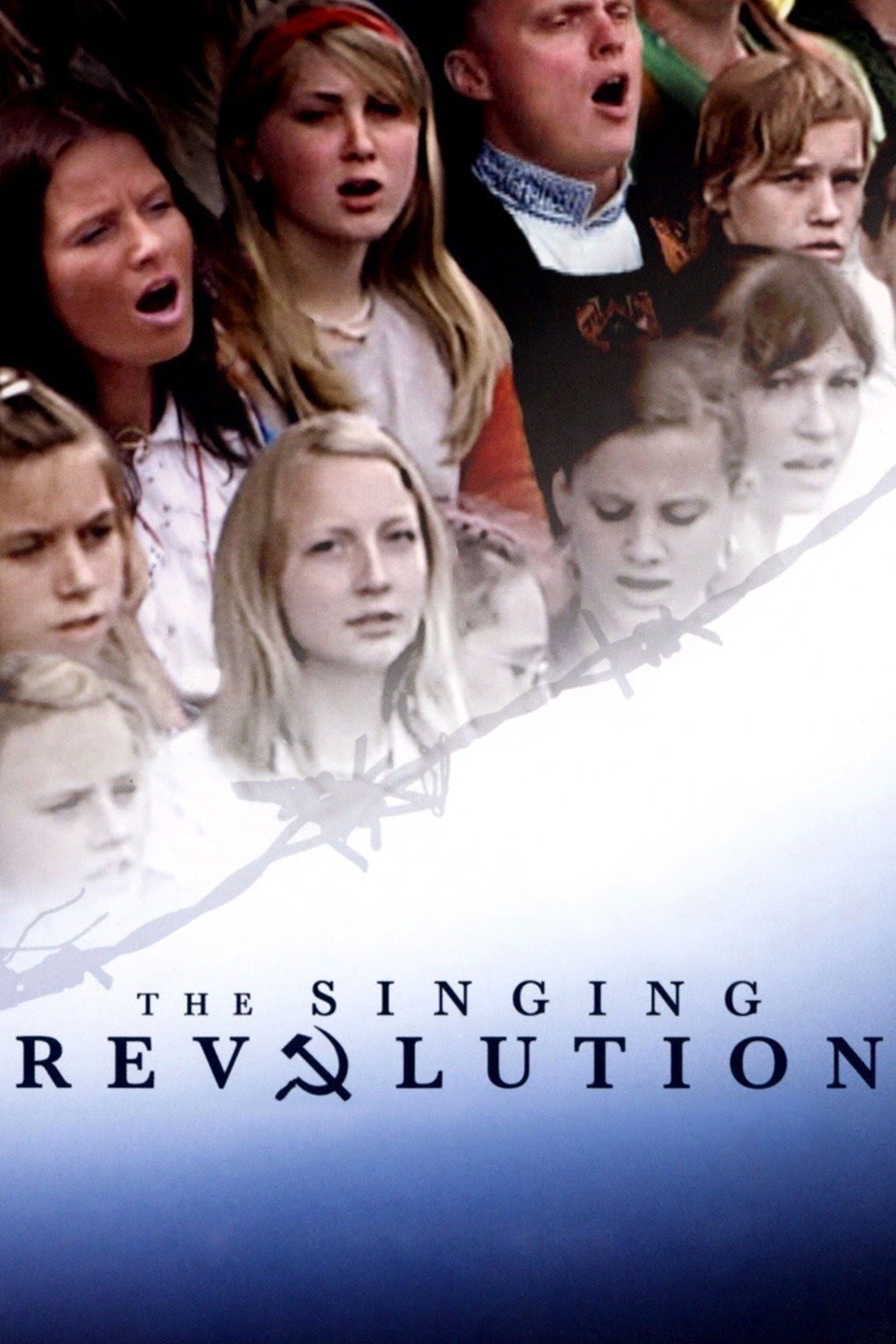
Most people don't think about singing when they think about revolutions. But song was the weapon of choice when, between 1986 and 1991, Estonians sought to free themselves from decades of Soviet occupation. During those years, hundreds of thousands gathered in public to sing forbidden patriotic songs and to rally for independence. "The young people, without any political party, and without any politicians, just came together ... not only tens of thousands but hundreds of thousands ... to gather and to sing and to give this nation a new spirit," remarks Mart Laar, a Singing Revolution leader featured in the film and the first post-Soviet Prime Minister of Estonia. "This was the idea of the Singing Revolution." James Tusty and Maureen Castle Tusty's "The Singing Revolution" tells the moving story of how the Estonian people peacefully regained their freedom--and helped topple an empire along the way.
This excellent feature-length documentary - the story of the imperialist colonization of Africa - is a film about death. Its most shocking sequences derive from the captured French film archives in Algeria containing - unbelievably - masses of French-shot documentary footage of their tortures, massacres and executions of Algerians. The real death of children, passers-by, resistance fighters, one after the other, becomes unbearable. Rather than be blatant propaganda, the film convinces entirely by its visual evidence, constituting an object lesson for revolutionary cinema.
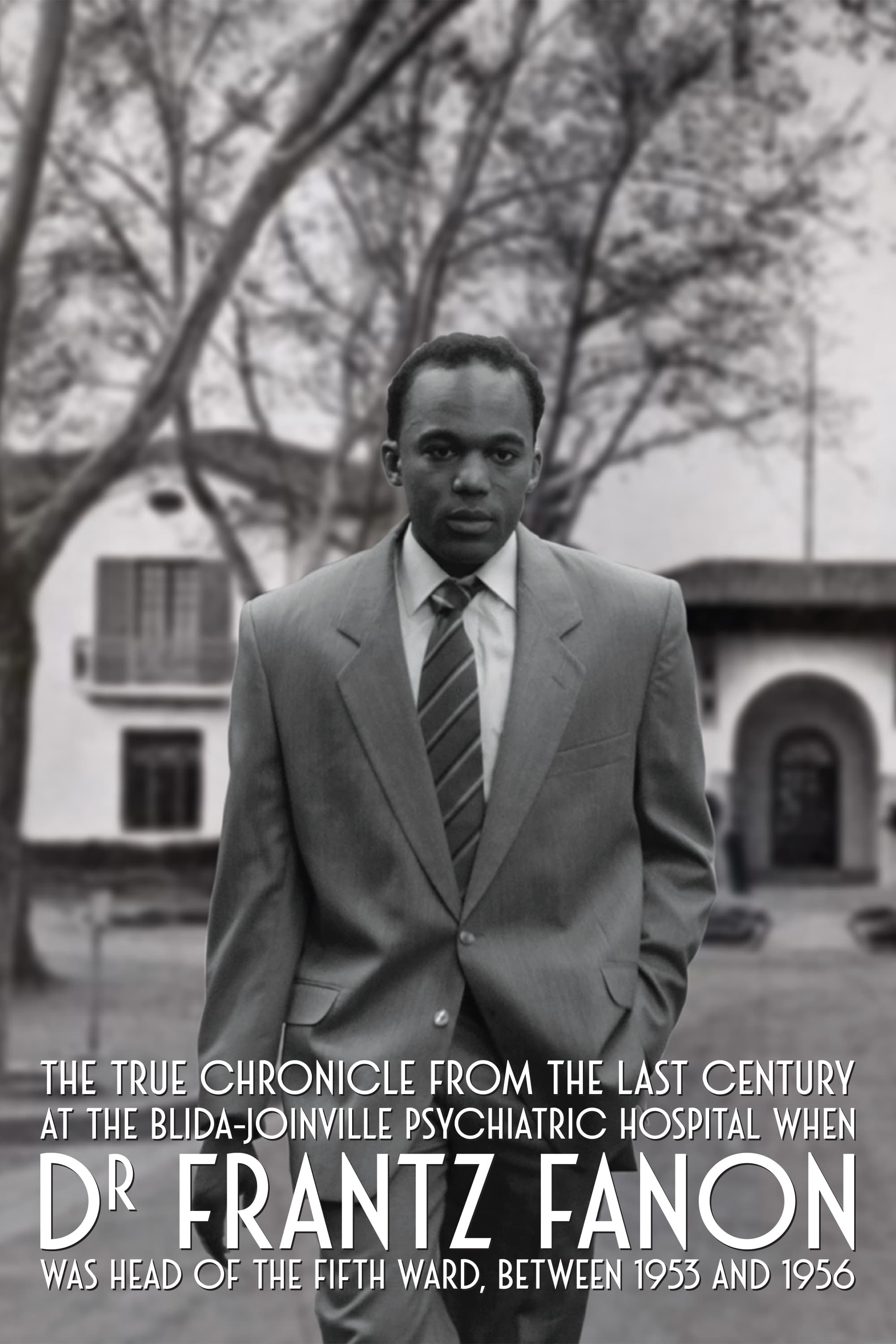
1953, colonized Algeria. Fanon, a young black psychiatrist is appointed head doctor at the Blida-Joinville Hospital. He was putting his theories of ‘Institutional Psychotherapy’ into practice in opposition to the racist theories of the Algies School of Psychiatry, while a war broke out in his own wards.
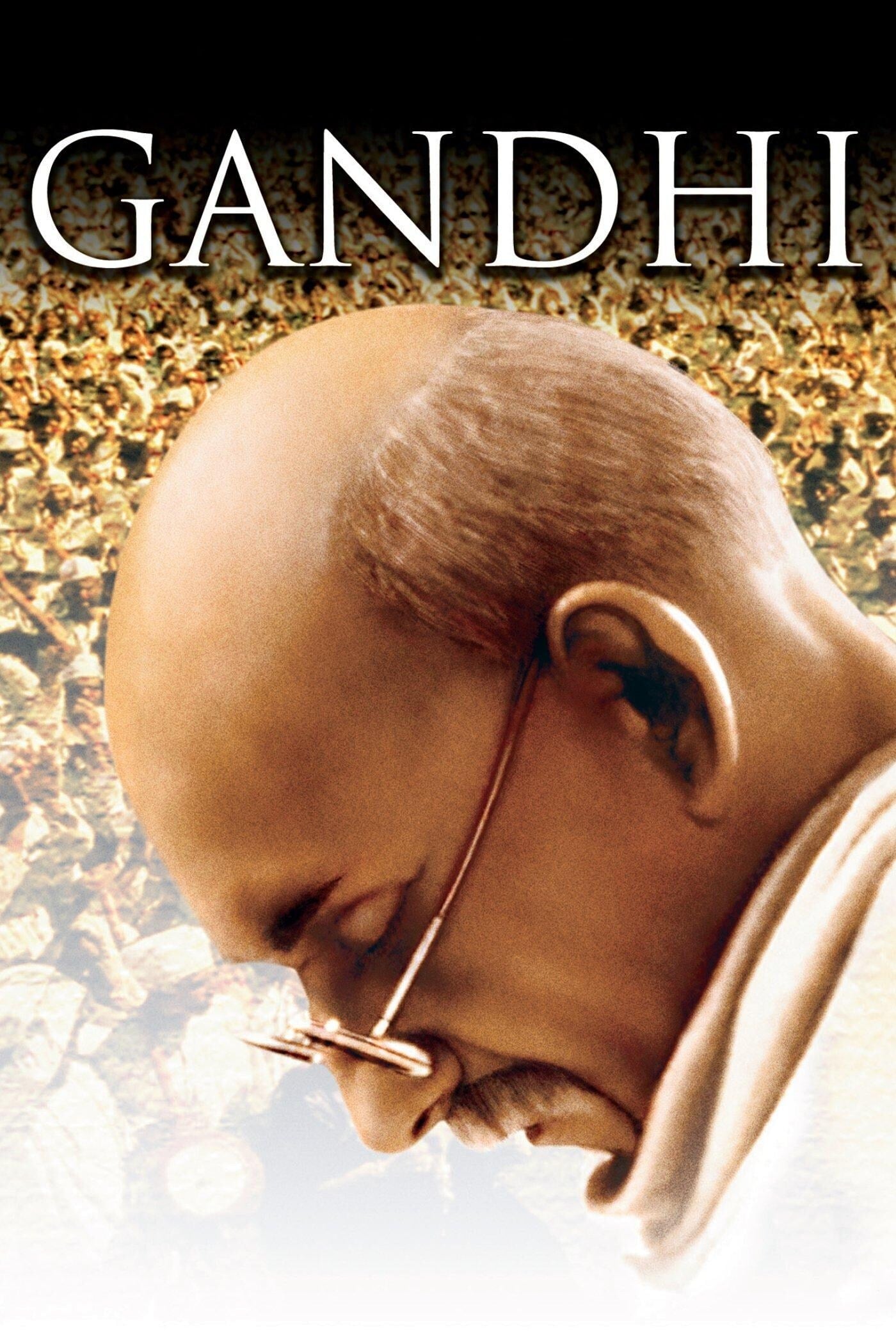
In the early years of the 20th century, Mohandas K. Gandhi, a British-trained lawyer, forsakes all worldly possessions to take up the cause of Indian independence. Faced with armed resistance from the British government, Gandhi adopts a policy of 'passive resistance', endeavouring to win freedom for his people without resorting to bloodshed.
Children of War is a movie based on the true events of the 1971 Genocide. Can we, in search of power, become animals? A genocide; neglected! The first use of rape as a weapon of war; undocumented! The lives of millions; unaccounted! The culprits; unpunished!
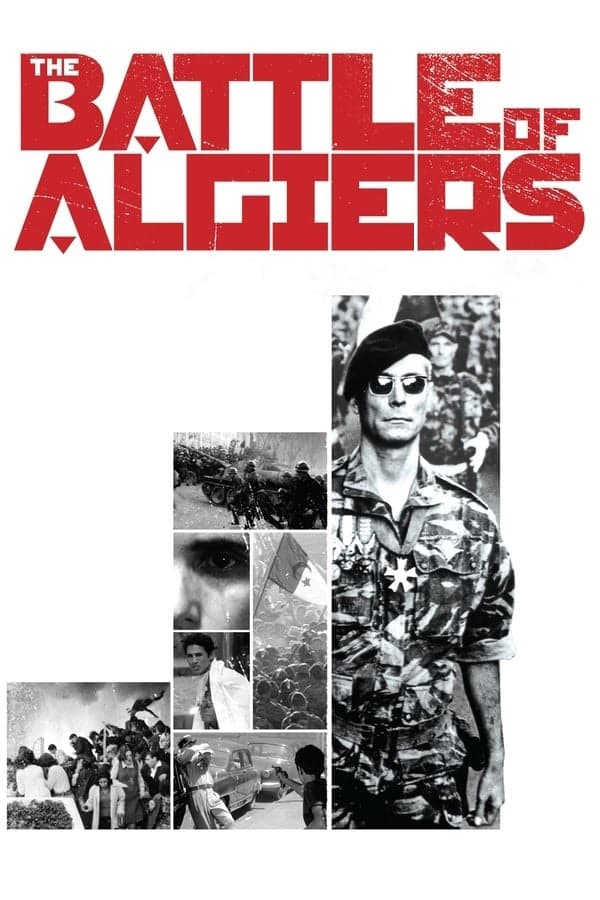
Paratrooper commander Colonel Mathieu, a former French Resistance fighter during World War II, is sent to Algeria to reinforce efforts to squelch the uprisings of the Algerian War. There he faces Ali la Pointe, a former petty criminal who, as the leader of the Algerian Front de Liberation Nationale, directs terror strategies against the colonial French government occupation. As each side resorts to ever-increasing brutality, no violent act is too unthinkable.
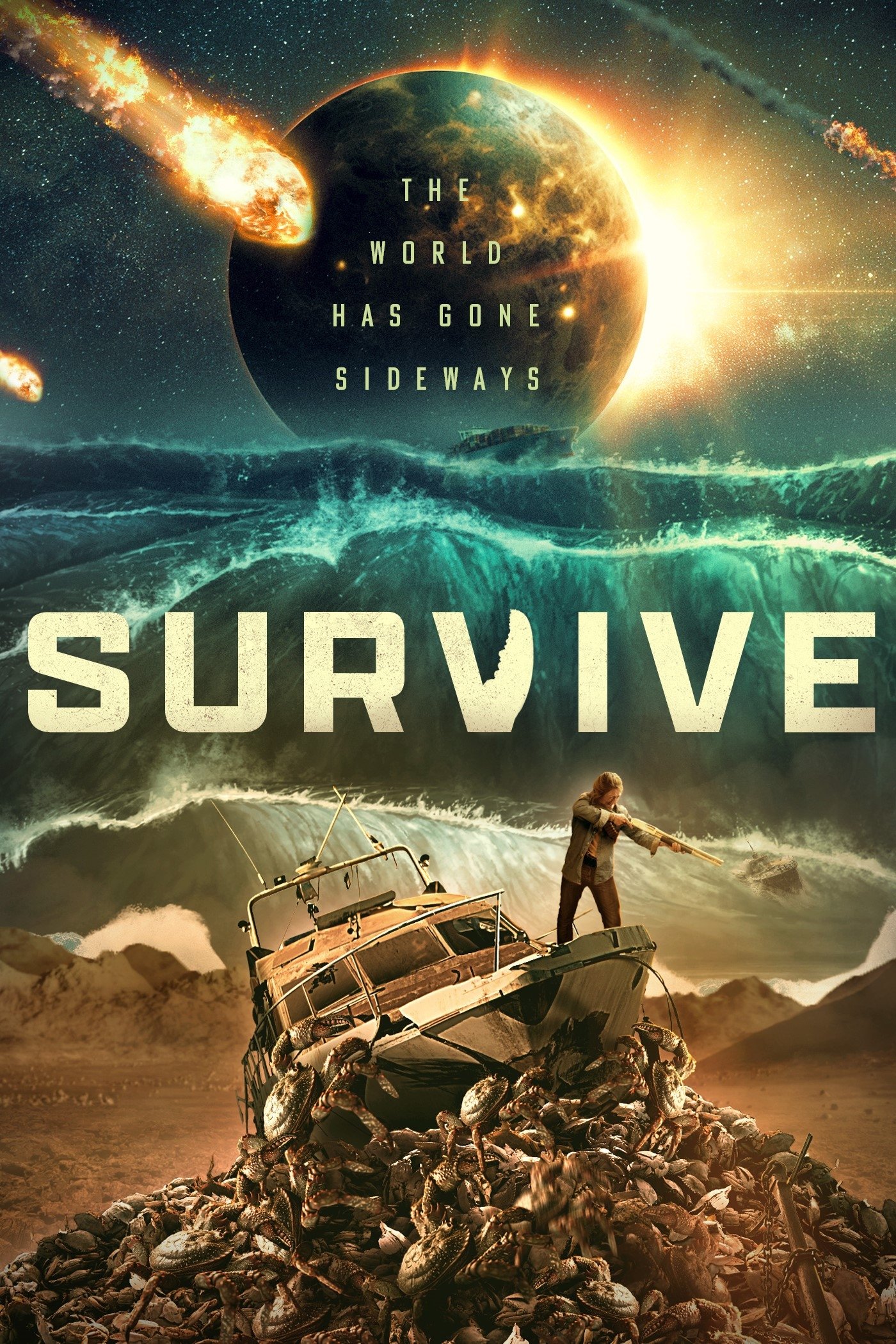
A couple celebrates their son’s birthday in the middle of the ocean on their boat. A violent storm hits and it brings up hungry creatures from the depths and they fight for their survival.
Jenny, a young doctor who feels guilty after a young woman she refused to see winds up dead a few days later, decides to find out who the girl was, after the police can't identify the young woman.
In the highlands of Scotland in the 1700s, Rob Roy tries to lead his small town to a better future, by borrowing money from the local nobility to buy cattle to herd to market. When the money is stolen, Rob is forced into a Robin Hood lifestyle to defend his family and honour.
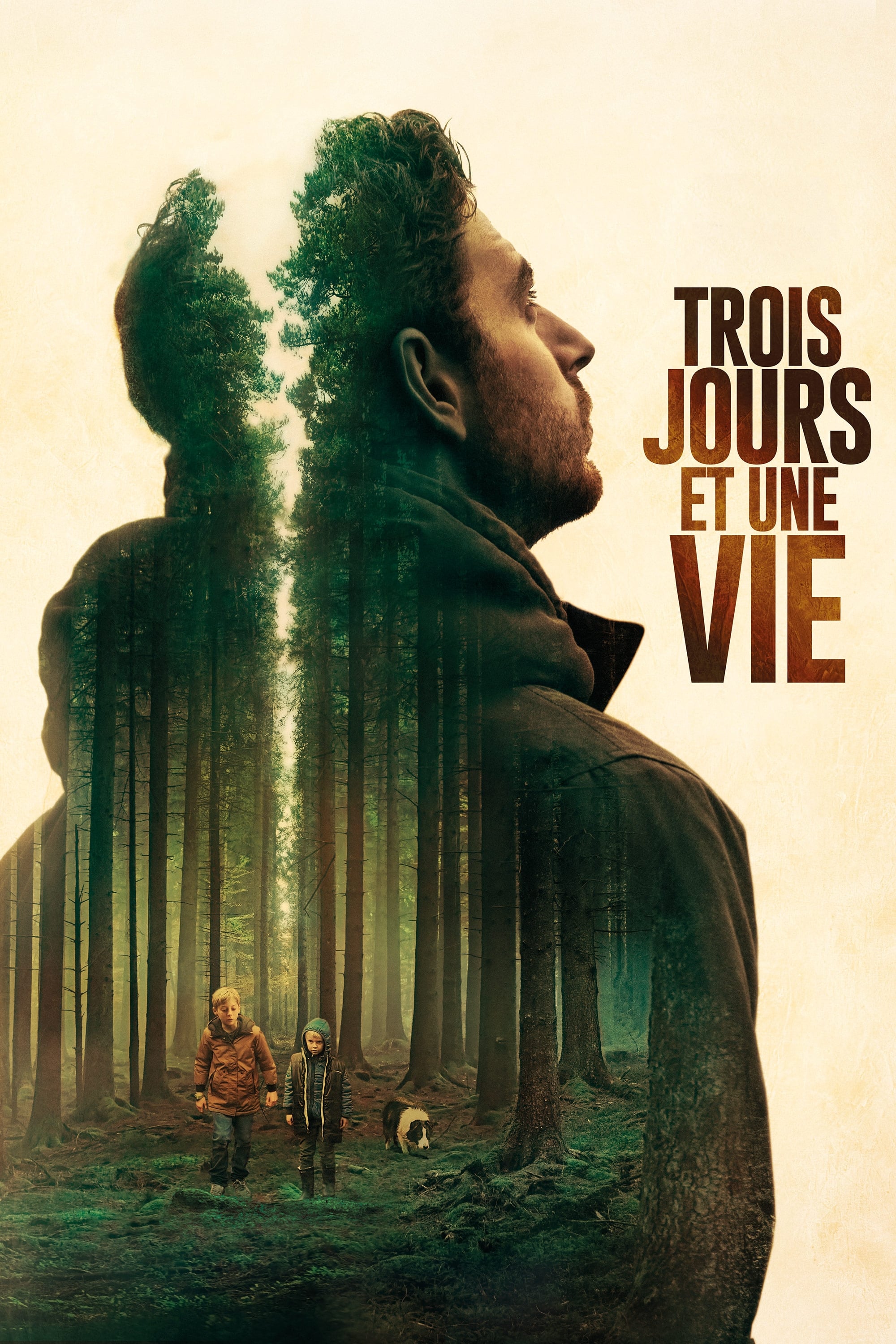
Christmas 1999, in a peaceful little village in the Ardennes. The life of a young boy named Antoine will soon be devastated by three tragic events : the death of a dog, the vanishing of a child, and a big ravaging storm.
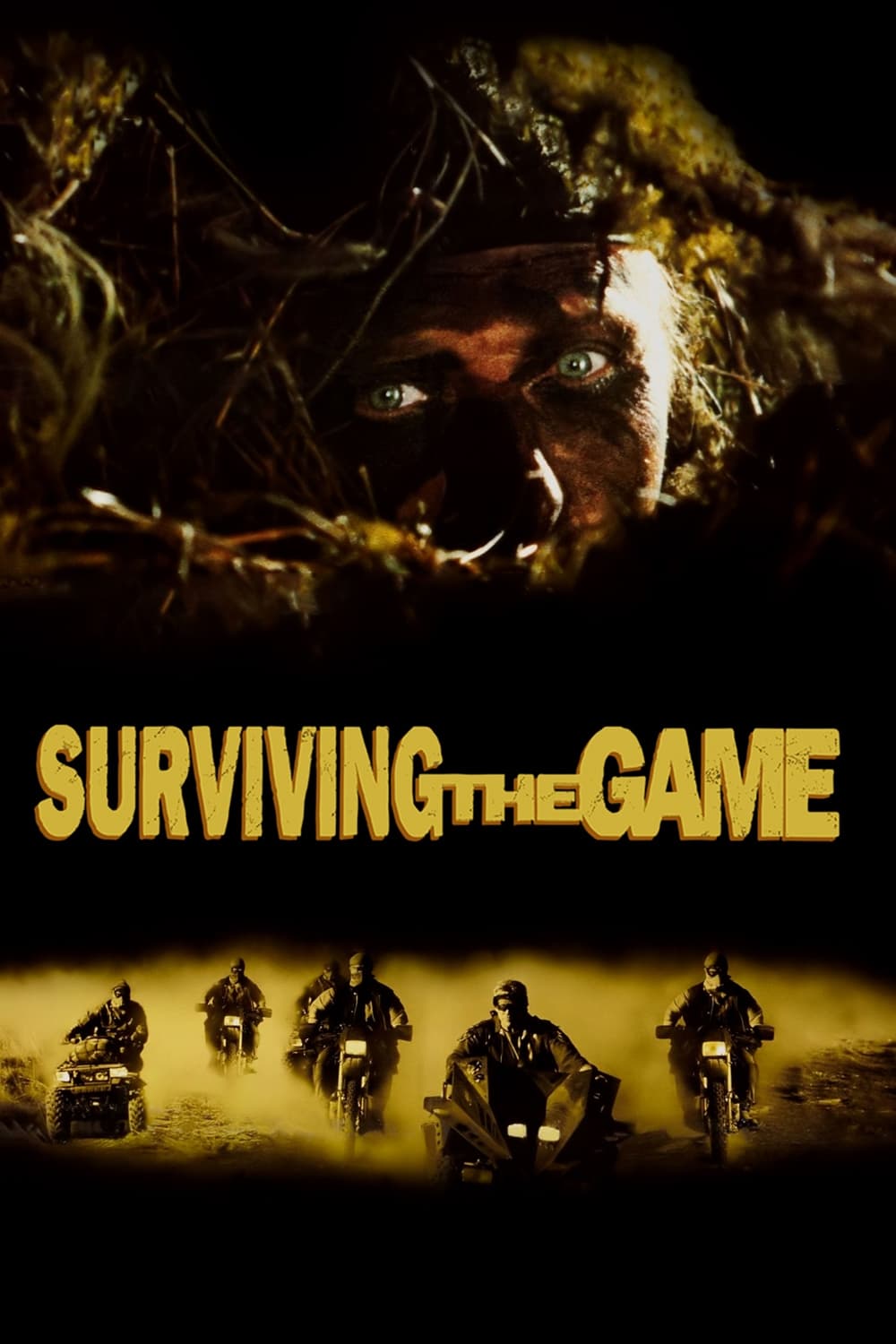
A homeless man is hired as a survival guide for a group of wealthy businessmen on a hunting trip in the mountains, unaware that they are killers who hunt humans for sport, and that he is their new prey.
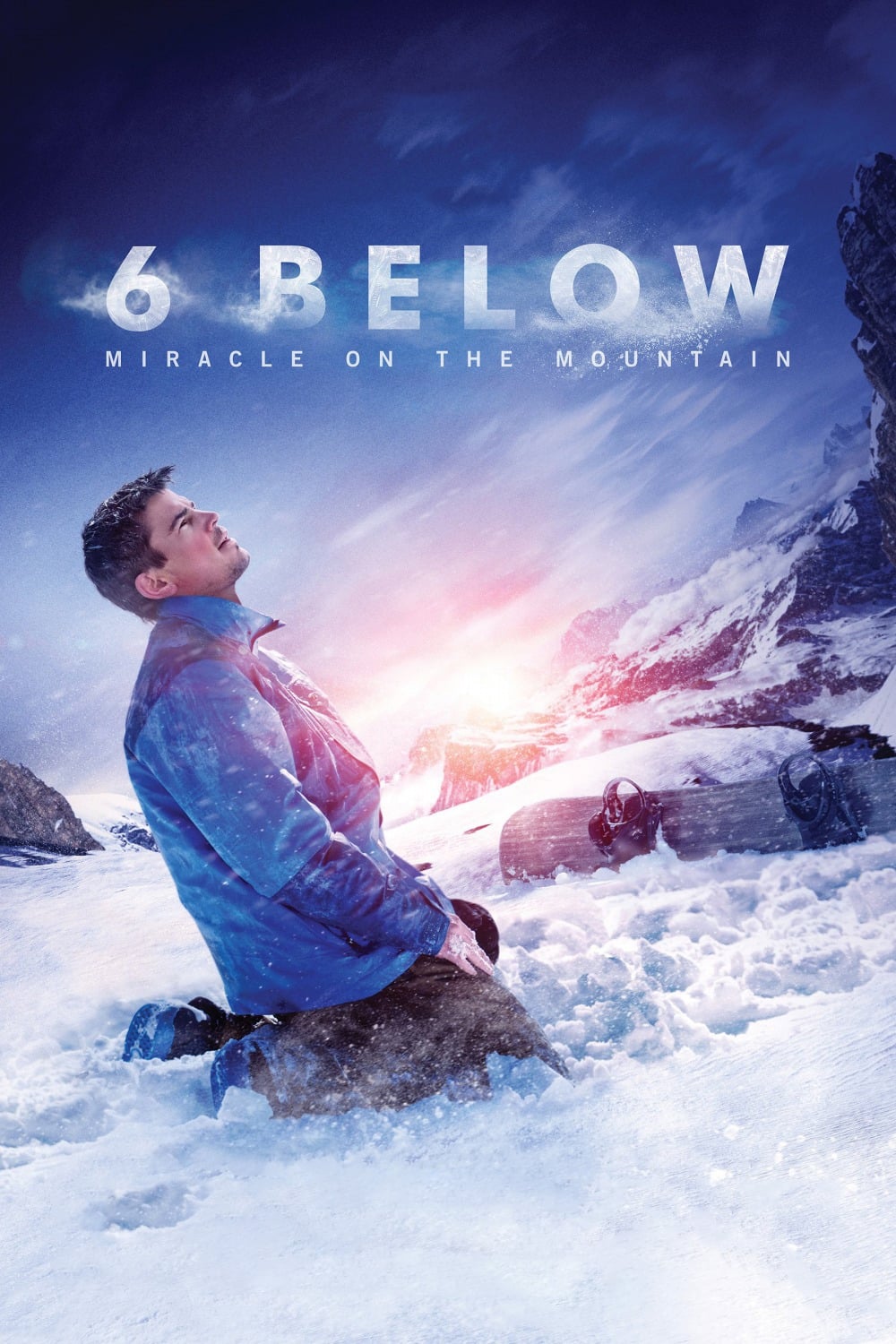
An adrenaline seeking snowboarder gets lost in a massive winter storm in the back country of the High Sierras where he is pushed to the limits of human endurance and forced to battle his own personal demons as he fights for survival....
Antoine and Olga, a French couple, have been living in a small village in Galicia for a long time. They practice eco-responsible agriculture and restore abandoned houses to facilitate repopulation. Everything should be idyllic except for their opposition to a wind turbine project that creates a serious conflict with their neighbors. The tension will rise to the point of irreparability.
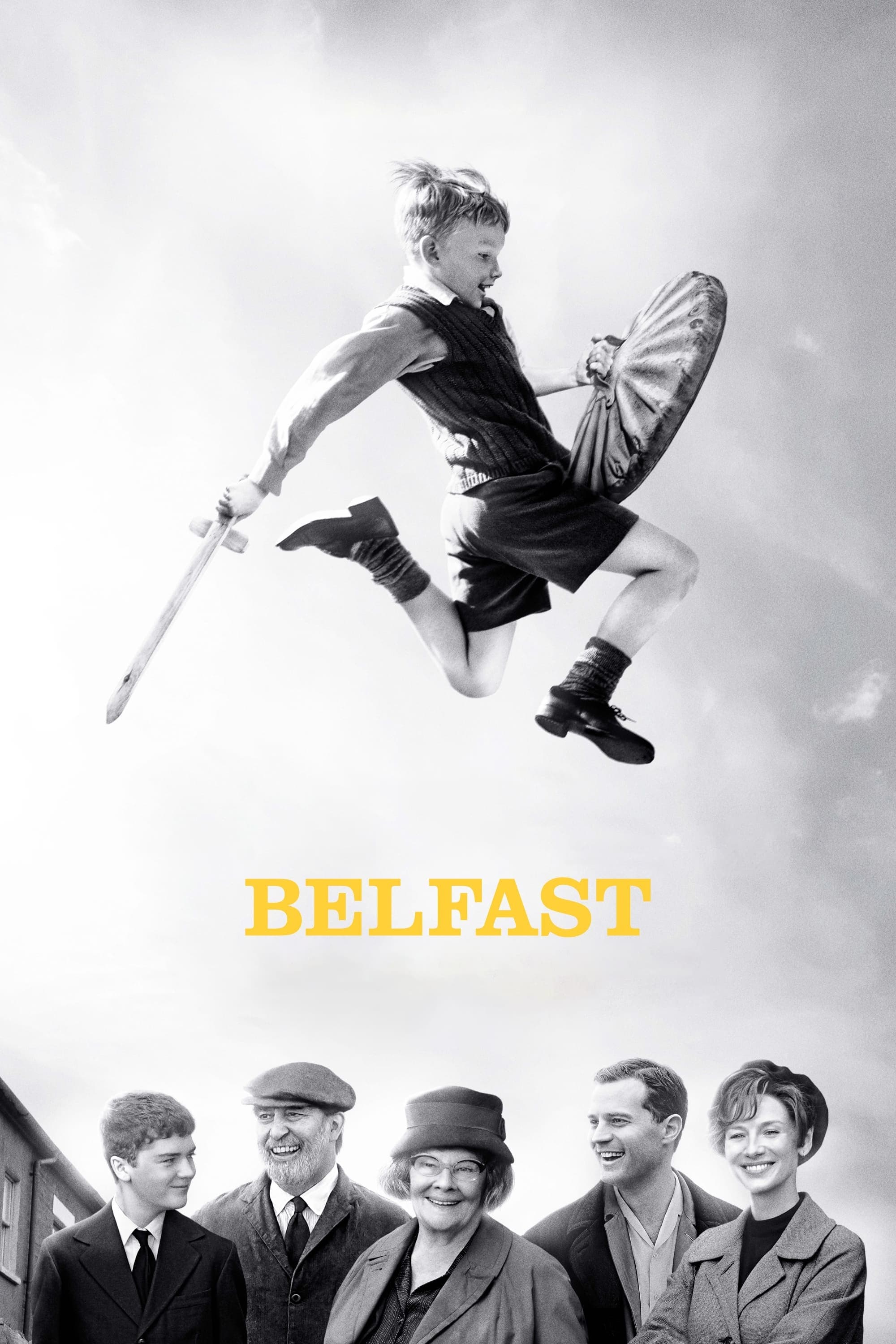
Buddy is a young boy on the cusp of adolescence, whose life is filled with familial love, childhood hijinks, and a blossoming romance. Yet, with his beloved hometown caught up in increasing turmoil, his family faces a momentous choice: hope the conflict will pass or leave everything they know behind for a new life.
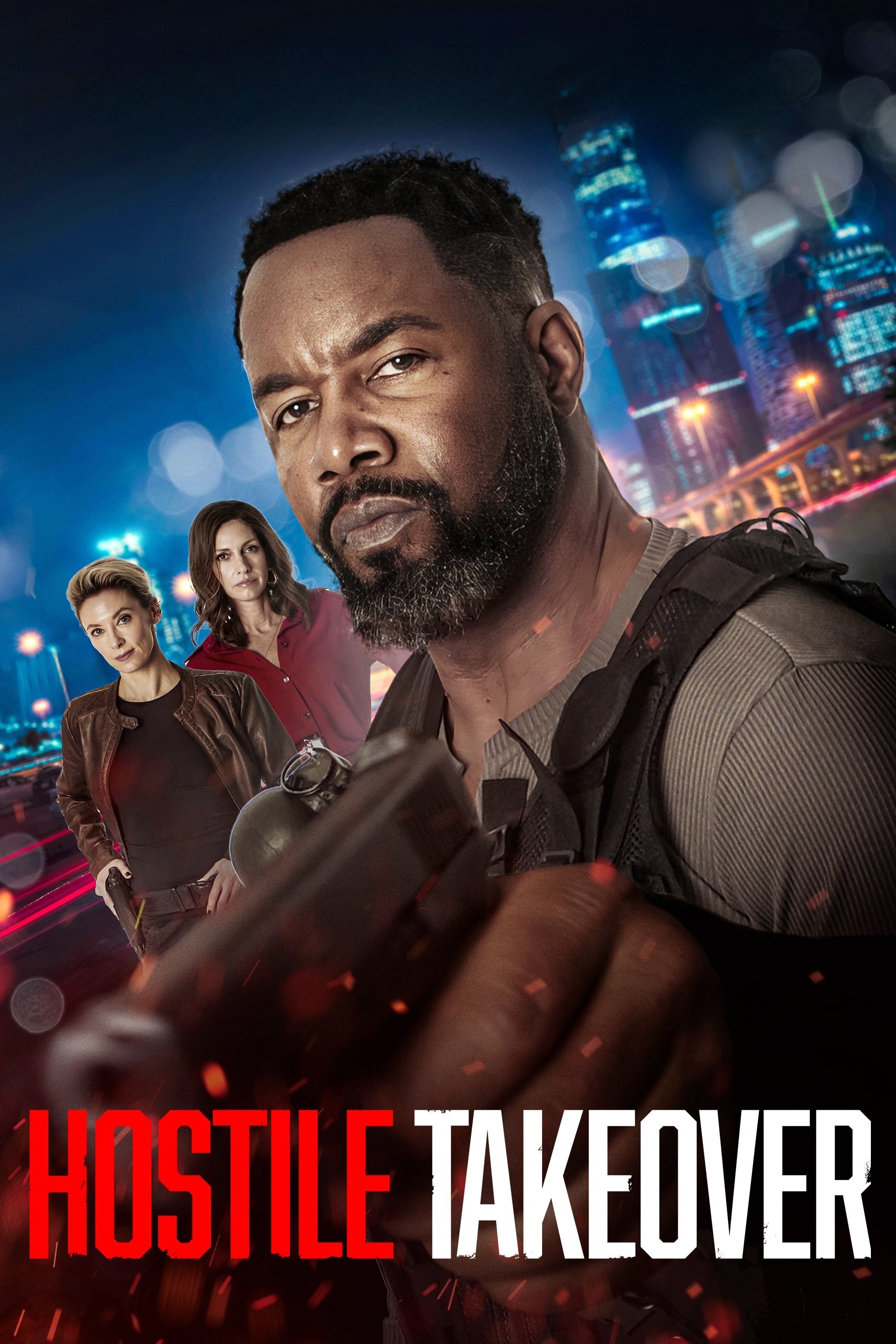
A group of top female agents from American, British, Chinese, Colombian, and German government agencies are drawn together to try and stop an organization from acquiring a deadly weapon to send the world into chaos.
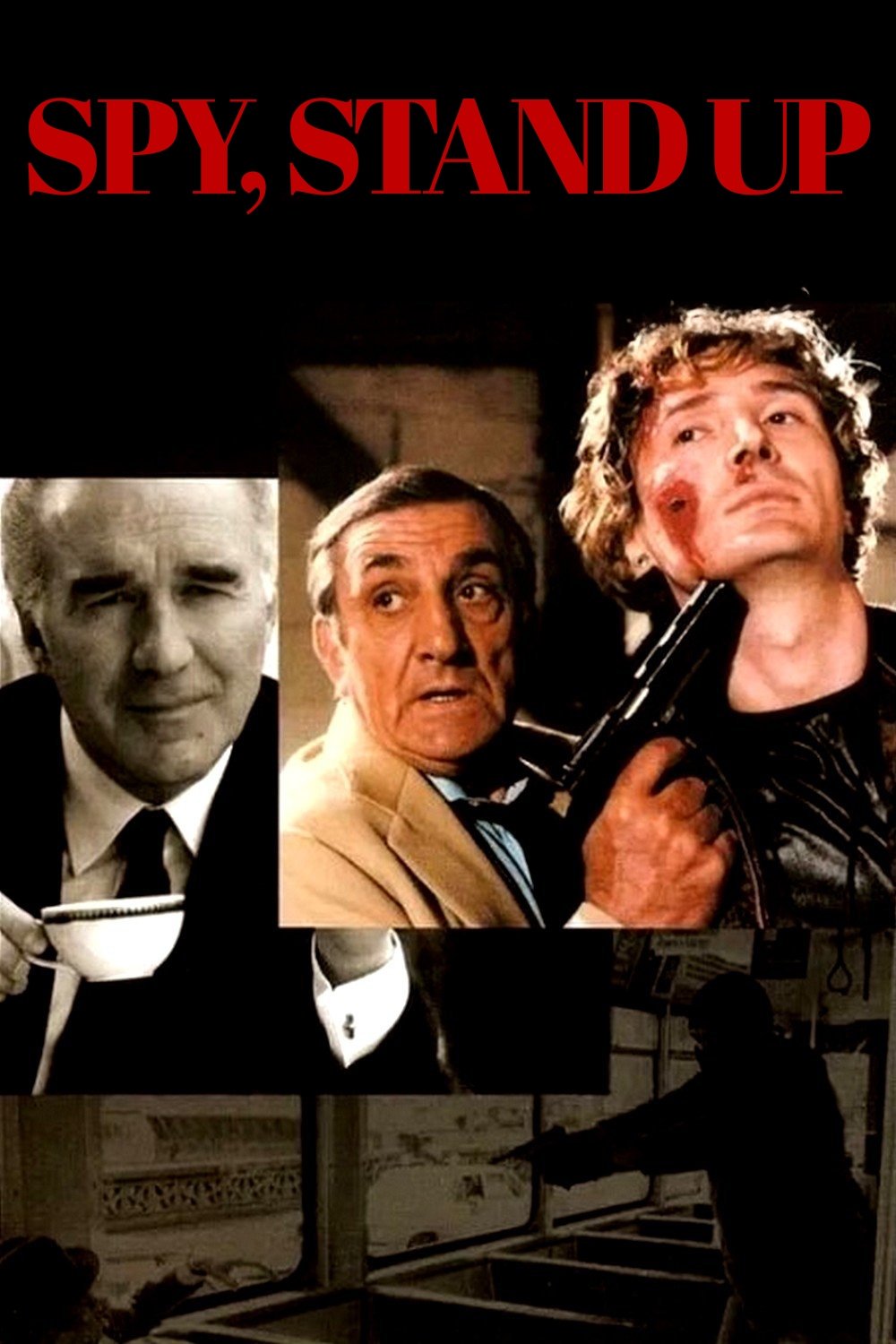
Sebastien Grenier, a former French spy, is working as a financial analyst in Zurich. However, his peaceful existence starts to disintegrate when he is recruited by a top French intelligence operative to discover how one of their own secret agents was found out and executed in broad daylight.
Three friends discover a mysterious machine that takes pictures 24 hours into the future and conspire to use it for personal gain, until disturbing and dangerous images begin to develop.
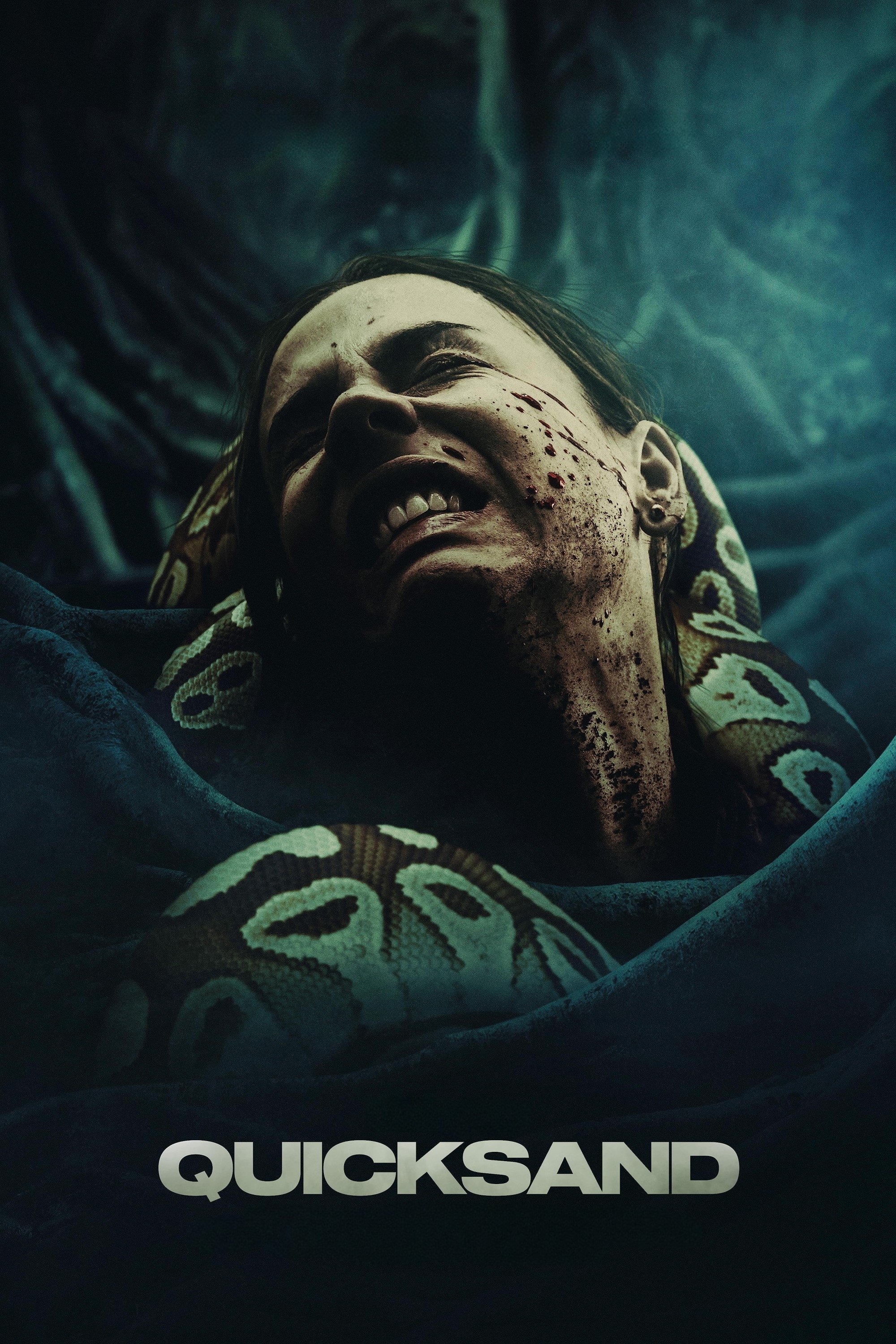
A married couple on the brink of divorce becomes trapped in quicksand while hiking through a Colombian rainforest. It’s a struggle for survival as they battle the elements of the jungle and must work together in order to escape.
Inspired by Chris Marker's iconic 1962 featurette La Jetée; the year is 2073—a not-so-distant dystopian future—and the setting is New San Francisco, the scorched-earth tech-dominant police state where democracy and personal freedom have been well and truly obliterated.
Follows Pete, a professional hitman, as he faces a group of assassins after the boss of a crime syndicate suspects disloyalty due to his attendance at Workaholics Anonymous meetings.
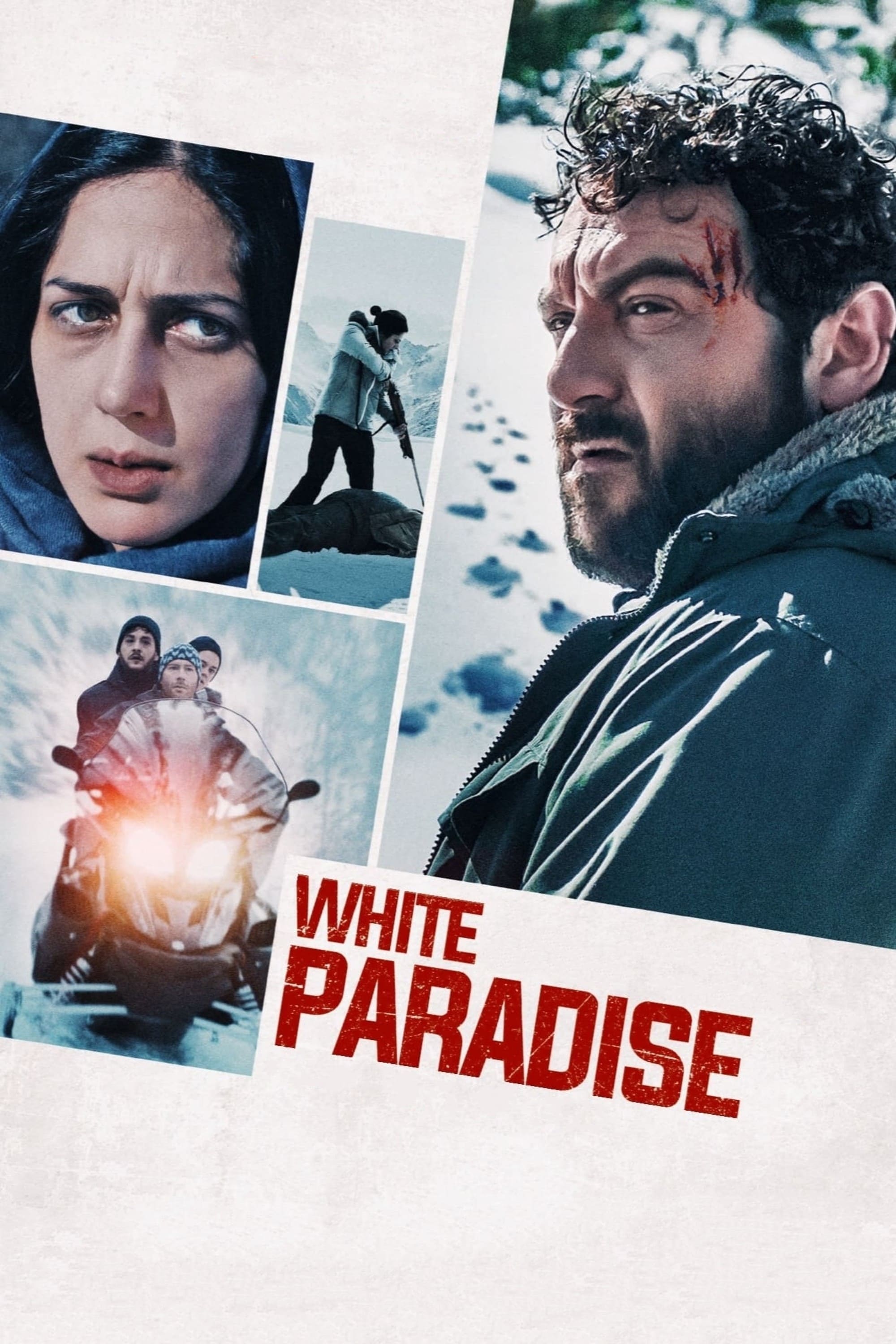
Samuel, a widower, is taking care of his 7-year-old daughter alone. Overwhelmed and stressed out, he decides to isolate in a chalet he was renovating with his wife in the Italian Alps. Indifferent to the anger of locals who help police to hunt down migrants, he comes across a woman who fled Afghanistan. Samuel decides to help her reach the border, thinking it will take them a few hours. But an aggressive group of men comes after them…
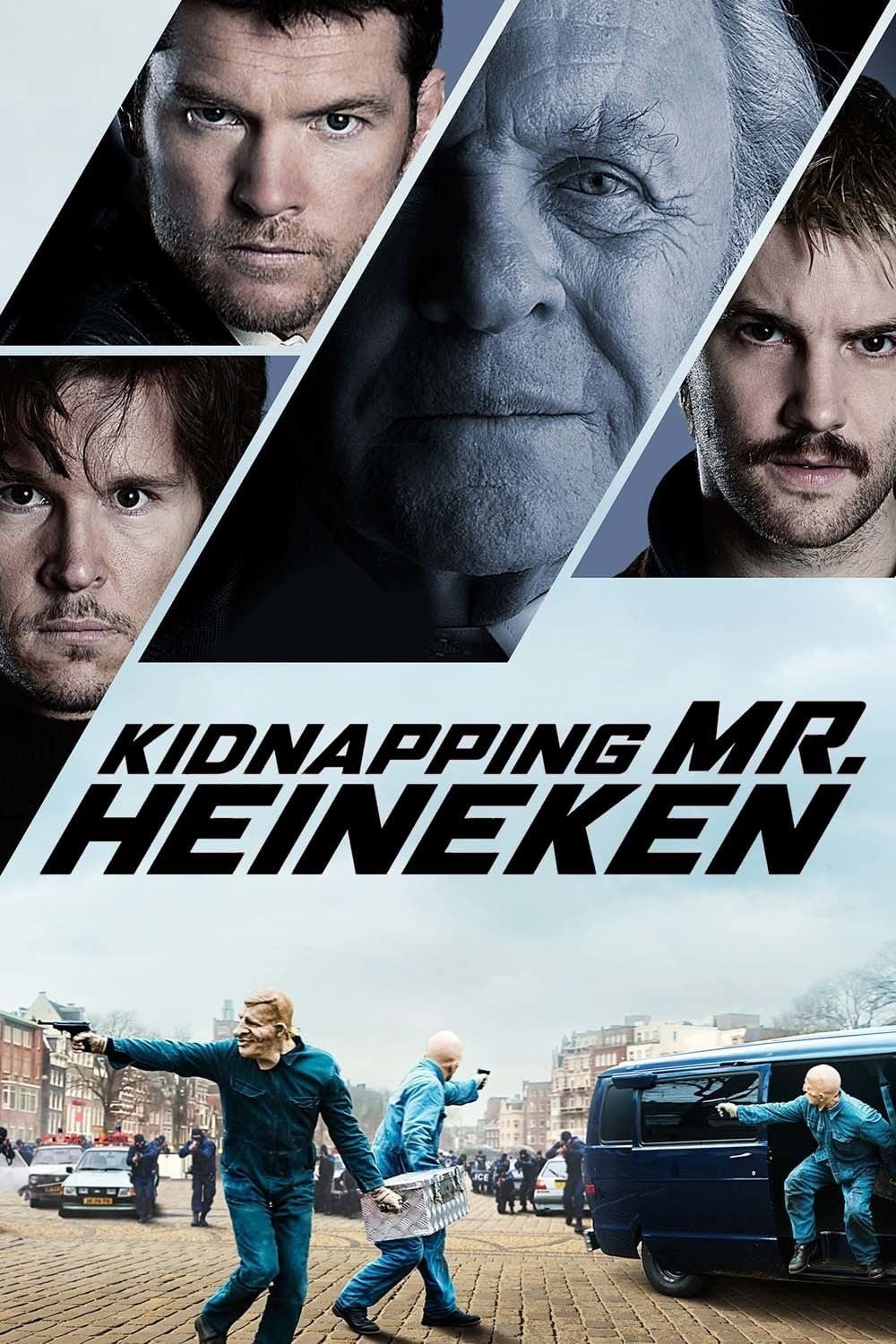
The true story of the kidnapping of Freddy Heineken, the grandson of the founder of the Heineken brewery, and his driver. They were released after a ransom of 35 million Dutch guilders was paid.
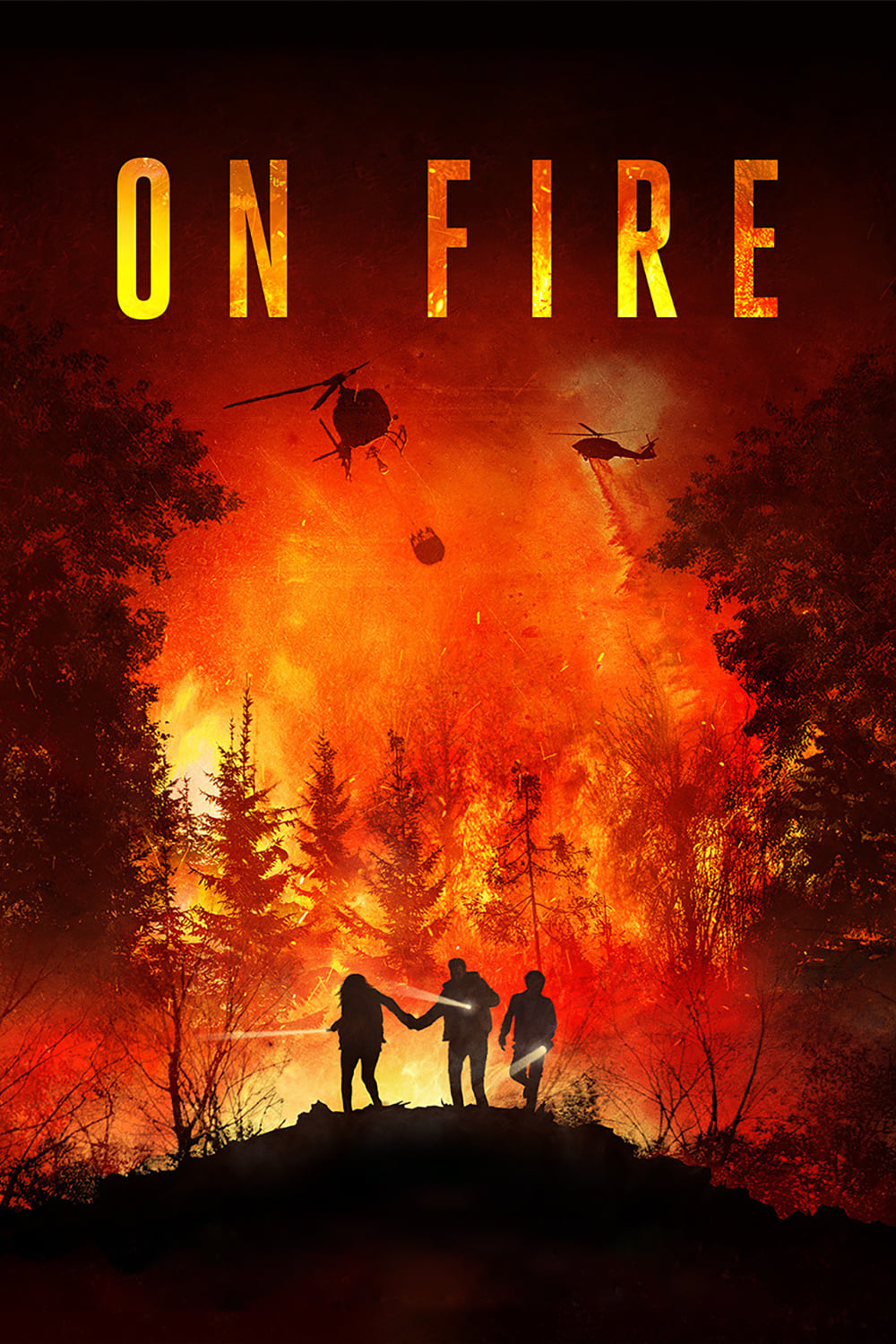
Inspired by true and harrowing events, an ordinary man finds his world suddenly torn apart as devastating wildfires rip through the surrounding countryside. With precious moments ticking by, he must flee with his son and pregnant wife if they have any hope of surviving the rapid forces of mother nature.
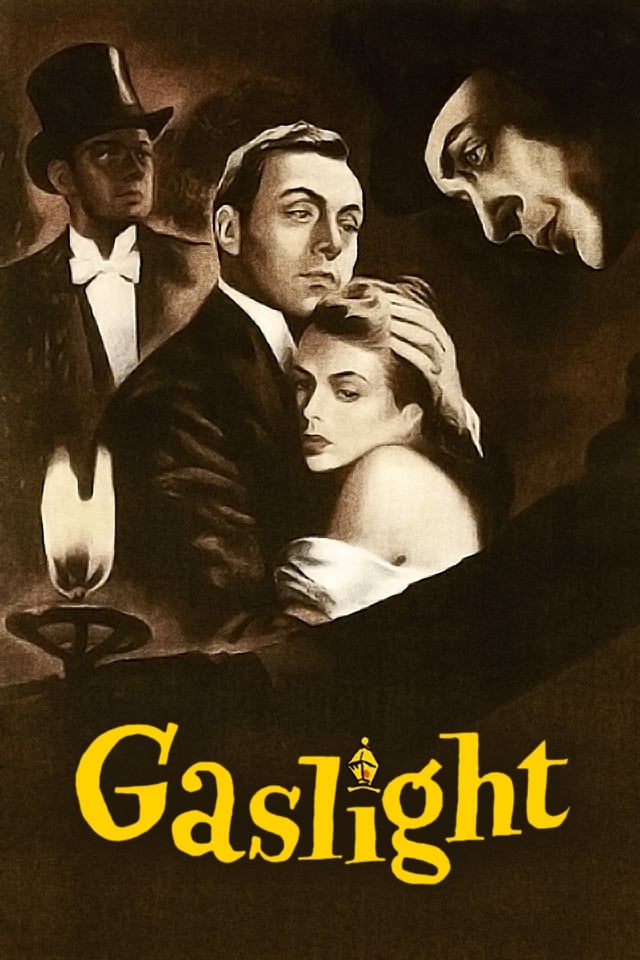
A newlywed fears she's going mad when strange things start happening at the family mansion.
In 1947, Lord Mountbatten assumes the post of last Viceroy, charged with handing India back to its people, living upstairs at the house which was the home of British rulers, whilst 500 Hindu, Muslim and Sikh servants lived downstairs.
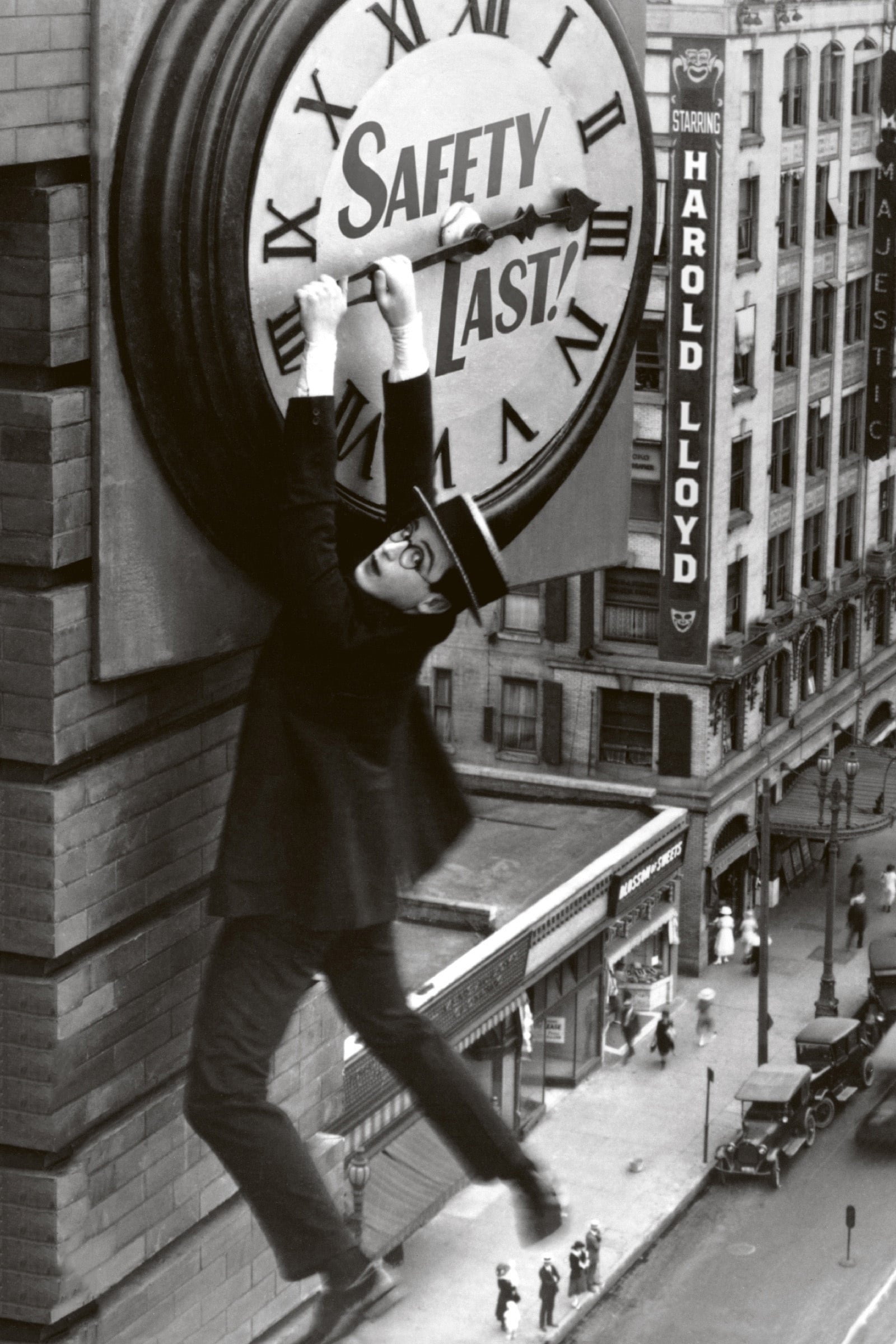
When a store clerk organizes a contest to climb the outside of a tall building, circumstances force him to make the perilous climb himself.