Social & External
narrator
self
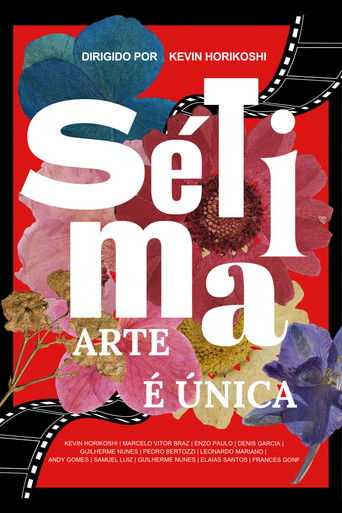
Seventh art is unique addresses people's relationship with a movie theater or film. What feelings do they feel? What changes in you when you go to the movies? It also addresses Jair Bolsonaro's harsh criticism of culture and cinema in Brazil.
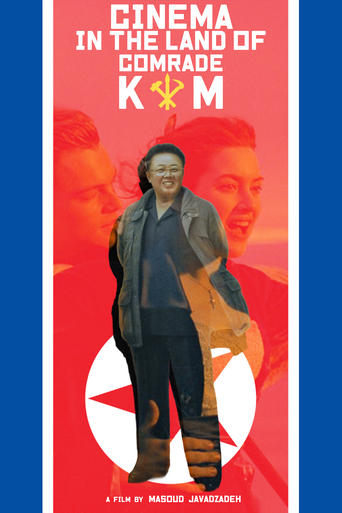
The love of Kim Jong Il, the former dictator of North Korea, for cinema and his adventures, including the kidnapping of a director.
Take a virtual stroll down the streets of Glasgow’s iconic Great Western Road.
From her theater work to the worldwide fame brought by cinema, Sandra Hüller talks about her art and her career, from "Toni Erdmann" to "The Zone of Interest", via "Anatomy of a Fall". A vibrant encounter with an actress in love with the absolute.
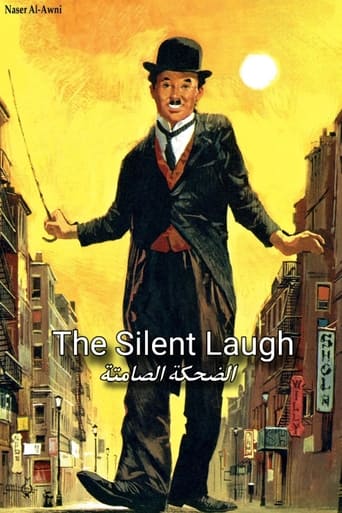
Charlie Chaplin, The Tramp. In this documentary, we will take a look at the life of actor and director Charlie Chaplin, and talk about his films and hidden symbolisms.
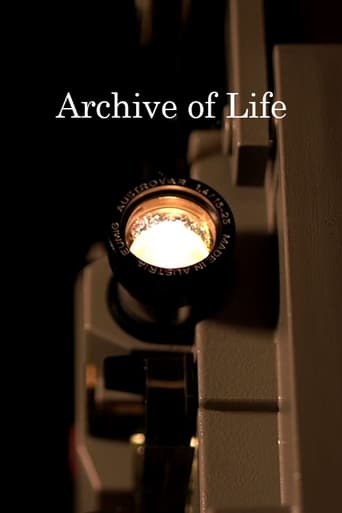
This documentary short-film follows the story of The White Bus Cinema based in Southend-on-Sea. They keep the process of projecting real celluloid film alive by showing films from their archive of over 3,000 films, ranging from Super 8, 16mm, and 35mm prints. The film argues why it's important to continue the shooting and projection process of film in our current age of digital shooting and projection in modern Hollywood, amidst the chaos of studios removing films from their streaming services.
Discover the birth of Cinema in the first installment of the “Tour de Cinema” series.
A film crew crisscrosses England trying to unravel the mystery surrounding a record released 30 years earlier, 'Spirit of Eden', that defined the passage from light to shadow of its makers, the band Talk Talk and its lead singer Mark Hollis. From overwhelming obstacles to unpredictable encounters, their journey soon turns into an organic quest. With silence as a horizon line. And punk as a philosophy, thinking that music is accessible to all and that the human spirit is above the technique.
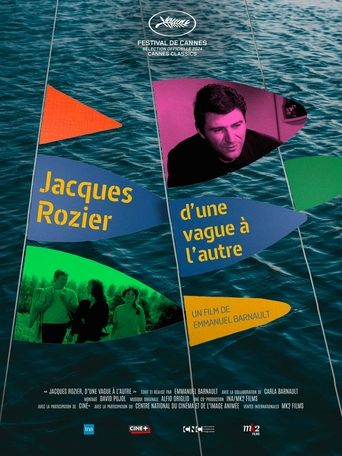
Jacques Rozier or the fierce, independent itinerary of a filmmaker in perpetual disarray, admired by his peers and pampered by the critics.
a documentary and a fiction about reflecting on "pre-cinema".
What if the only way to face life was to escape into cinema? Thirty years after Caro Diario, filmmaker Pablo Maqueda leaves Madrid on a Vespa, chasing the sun of Moretti’s Italy. With eight friends by his side, he embarks on a journey where laughter, memory, and film intertwine. As reels roll and roads unfold, reality gently fades – and what begins as a tribute becomes a meditation on how cinema doesn’t just reftect life, but transforms it.
This documentary was written with passion and love for cinema, and on the other hand, he blamed her. Our fictional character for this documentary talks about her passion for cinema and how it affected her life and recounts the decades that passed on the cinema one after the other.
Meryl Streep conducts us to a trip to New York City as presented in many films during the 20th Century, and how its cultural importance and impact are important to viewers. With a comprehensive gathering of clips from films between 1910's and 1990's, the documentary presents the mandatory classic films that presented the city and its multiple cultural variations, situations and the great stories filmed there. Actors and directors also discuss how they view the city in reality and also through the pictures.
No question seems more relevant in times like these than one: What is love? In the touching and captivating road trip documentary “What is Love?”, the film team embarks on a profound exploration, interviewing people from diverse backgrounds and cultures. They openly share their personal experiences, beliefs, and philosophies about love, revealing the extraordinary power and enigmatic nature of this universal human emotion. As the journey unfolds, viewers are taken on an introspective and unfiltered ride that ultimately challenges their own perceptions and understanding of what it truly means to love and to be loved.
In 1982, Wim Wenders asked 16 of his fellow directors to speak on the future of cinema, resulting in the film Room 666. Now, 40 years later, in Cannes, director Lubna Playoust asks Wim Wenders himself and a new generation of filmmakers (James Gray, Rebecca Zlotowski, Claire Denis, Olivier Assayas, Nadav Lapid, Asghar Farhadi, Alice Rohrwacher and more) the same question: “is cinema a language about to get lost, an art about to die?”