Sisters! follows the work of Southall Black Sisters (SBS). It foregrounds the ongoing activism of the organisation and the daily challenges faced when fighting for social and political change.
Social & External
The people behind it
Pragna Patel
Herself
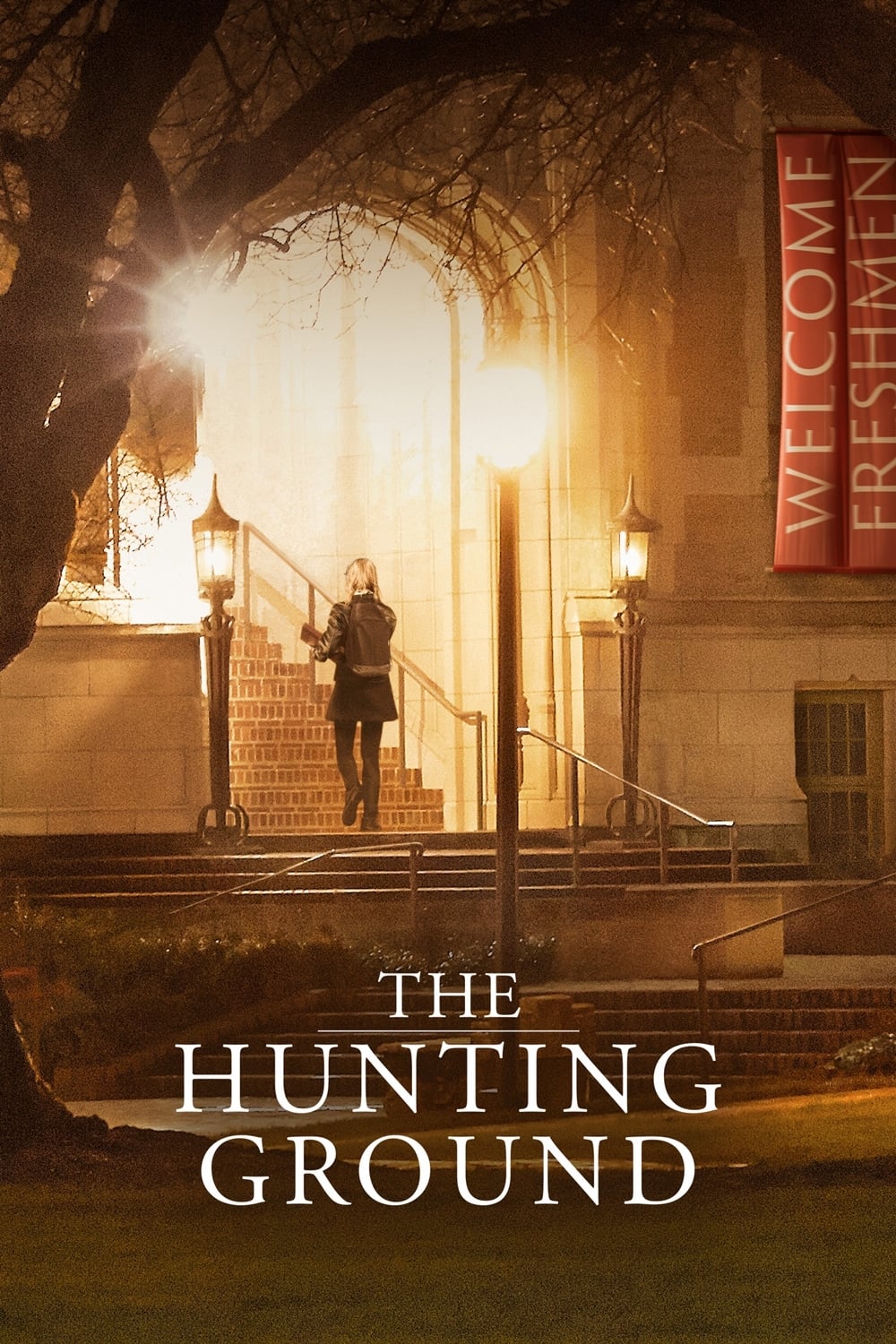
A startling expose of rape crimes on US campuses, their institutional cover-ups, and the devastating toll they take on students and their families. The film follows the lives of several undergraduate assault survivors as they attempt to pursue—despite incredible push back, harassment and traumatic aftermath—both their education and justice.
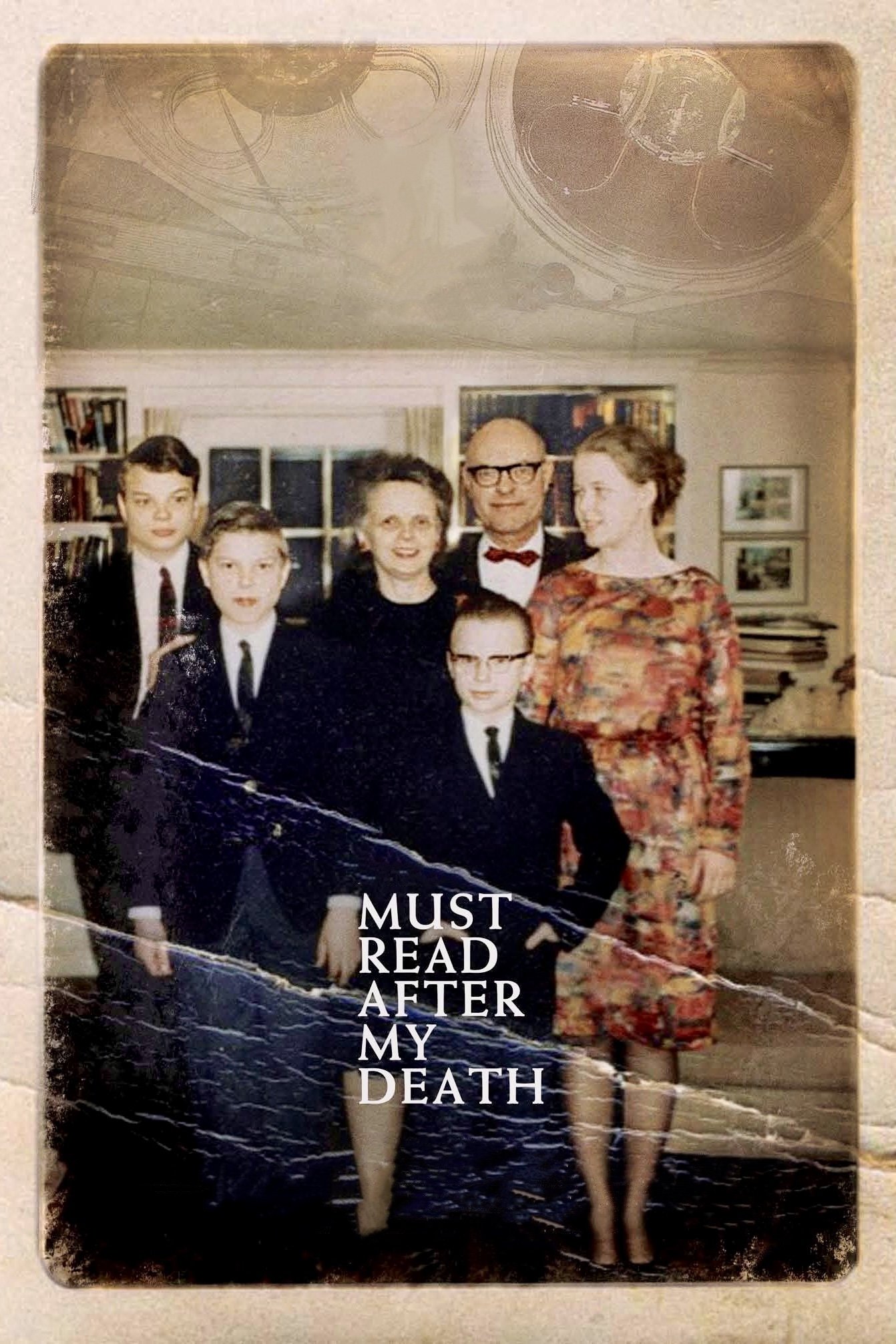
A grandmother dies and leaves behind hours of secret film and audio recordings as well as an envelope with the words “Must read after my death,” which reveal a dark history for her family to discover.
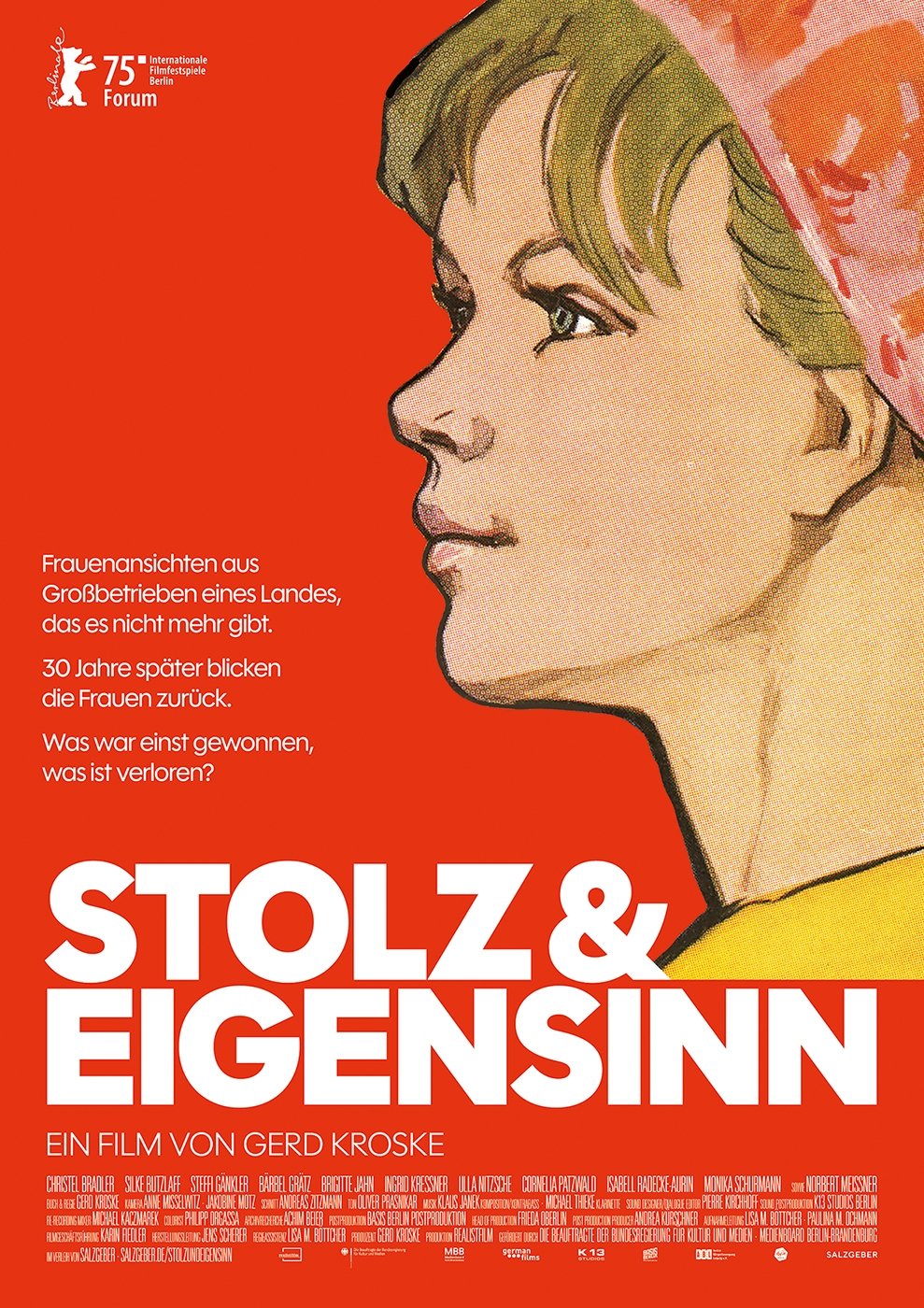
The viewpoints of women from a country that no longer exists preserved on low-band U-matic tape. GDR-FRG. Courageous, self-confident and emancipated: female industry workers talk about gaining autonomy.
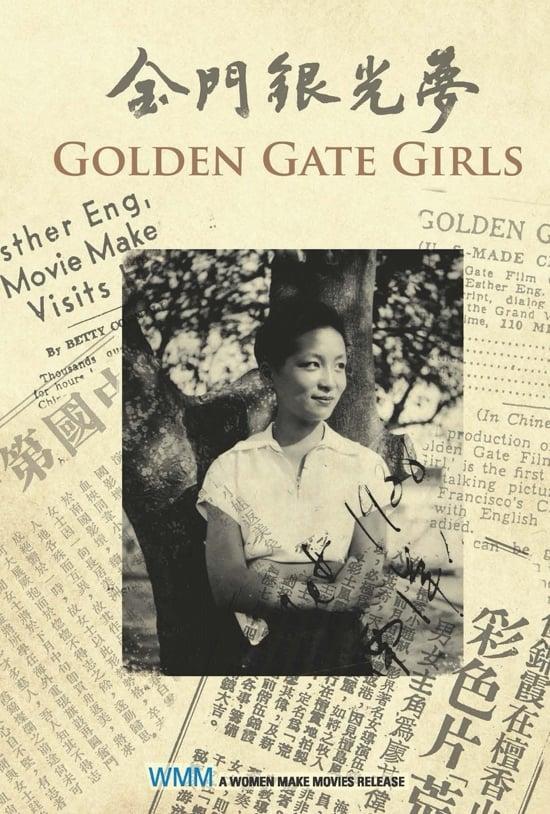
The film traces the life and times of Esther Eng, a San Francisco native known as Hong Kong’s first “directress.” She directed 10 Cantonese talkies.
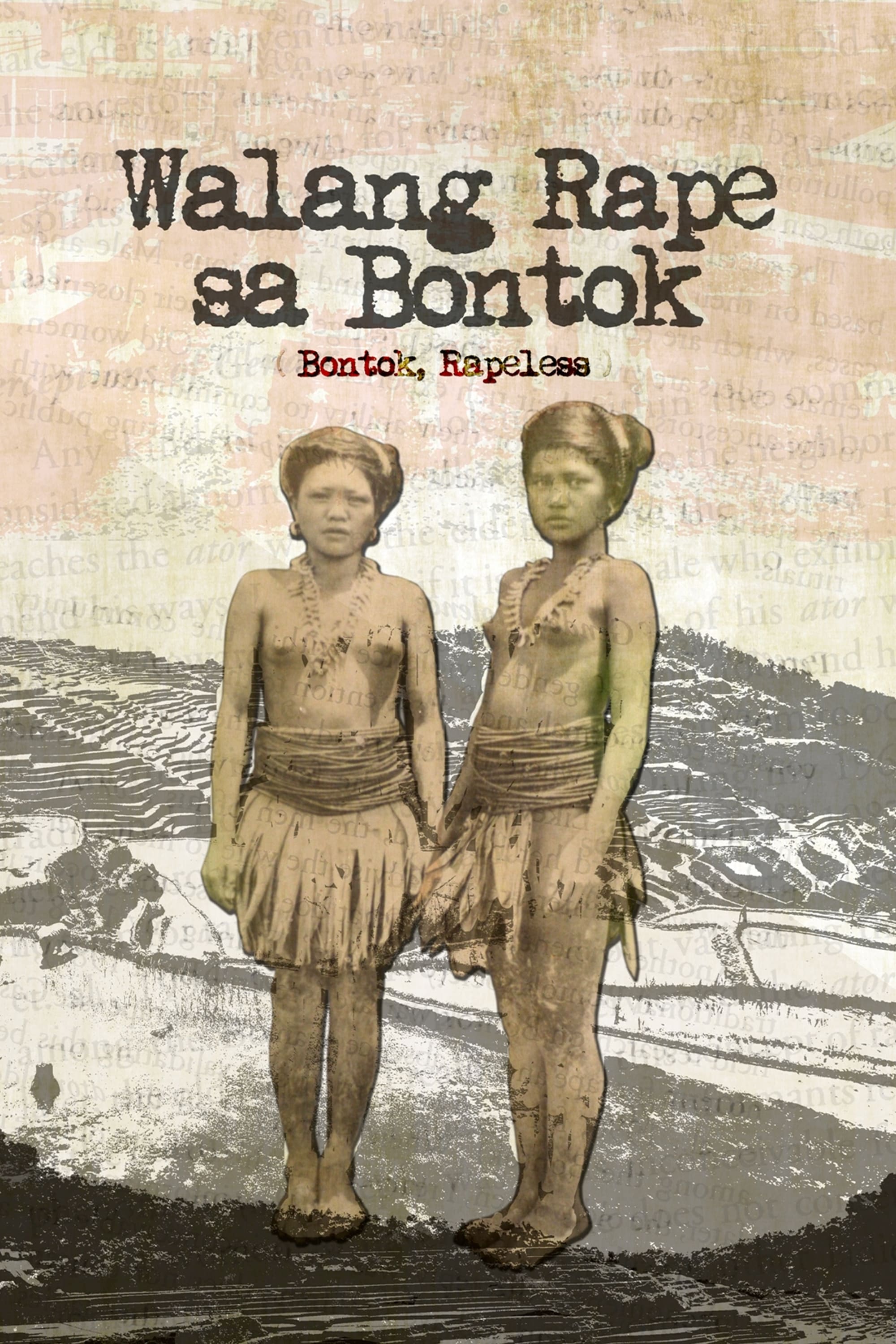
Two Filipina victims of sexual abuse search the truth behind the finding of a renowned anthropologist: that merely a few generations ago, the Bontok Igorot lived in what seems an unthinkable utopia—a rape-less society.
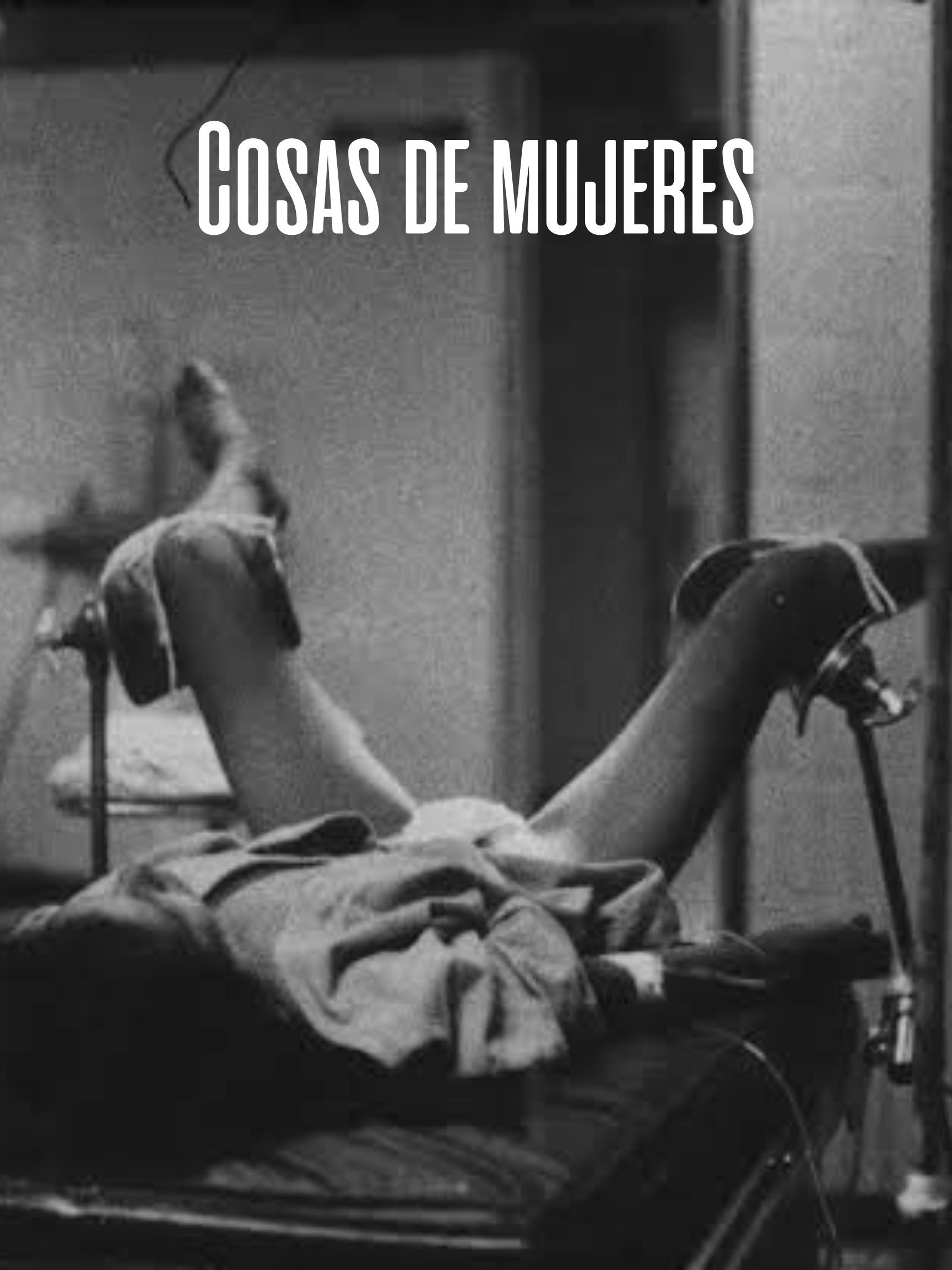
A young sociology student has an unintended pregnancy and is subjected to the terrible humiliation of an incompetent doctor. The girl falls ill from the poorly performed abortion and is taken by a friend to the General Hospital. Film that reports clandestine abortion in Mexico, with interviews with women who have had abortions in that hospital and shocking maternal death statistics from procedures carried out under unsafe conditions.
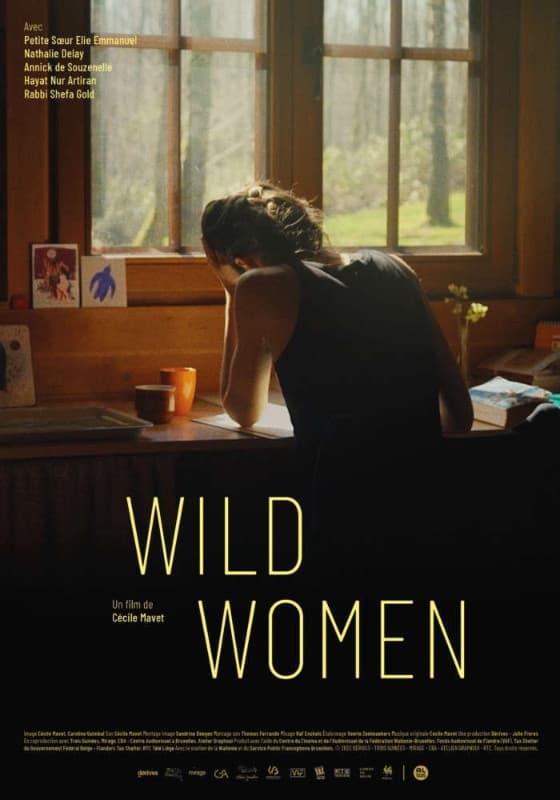
At the beginning of winter, a filmmaker retires for six months to a hermit's cabin in the middle of the forest, cut off from the world and its means of communication. Through the words of four women she has filmed previously, all of whom have dedicated their lives to different forms of spirituality, she embarks on a mysterious inner adventure, on the edge of solitude and nature. A journey that invites us to connect with the world in a different way.
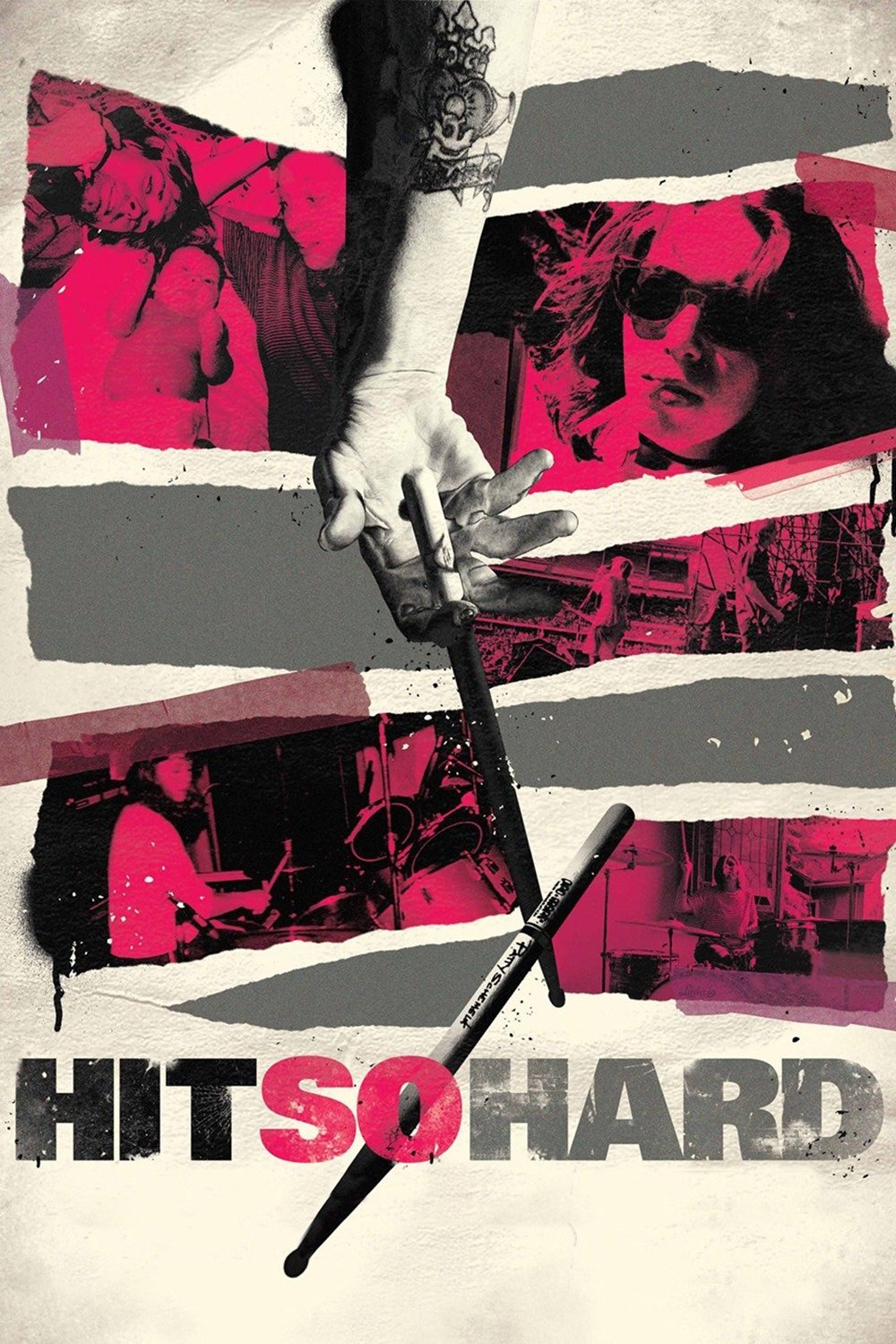
The rise to fame (and the near-fatal fall from it) of Patty Schemel, drummer for Courtney Love's seminal rock band, Hole. Given a Hi-8 video camera just before Hole's infamous Live Through This world tour, Patty captured stunningly intimate footage of the scene that has never been seen... until now. Not just an all-access backstage pass to the music that shaped a generation, Hit So Hard is a harrowing tale of overnight success, the cost of addiction, and ultimately, recovery and redemption.
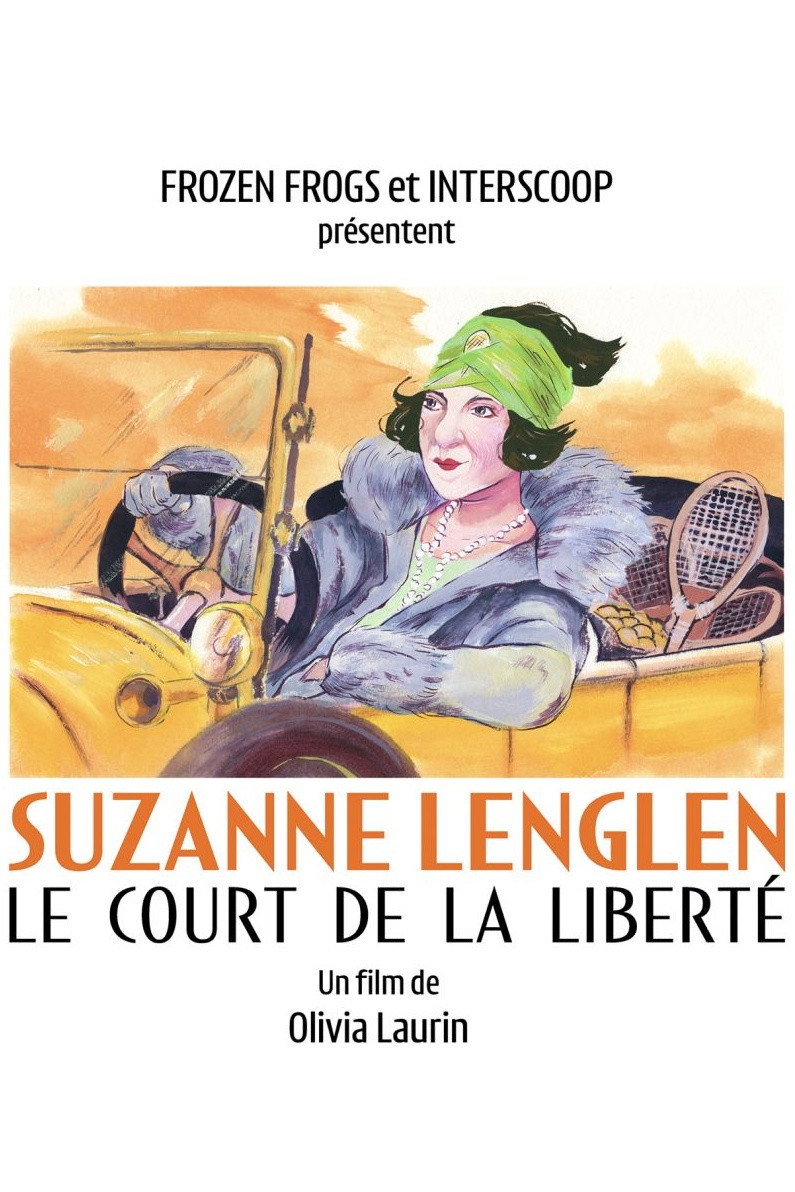
Having won 250 tournaments, including 83 without losing a single game, 3 Olympic medals, 6 Wimbledon titles and only suffered 7 defeats, Suzanne Lenglen (1899-1938) left an indelible mark on world tennis. Away from the court, the French tennis player was also a feminist icon and talented writer.
Documentary about feminist porn director Ovidie.
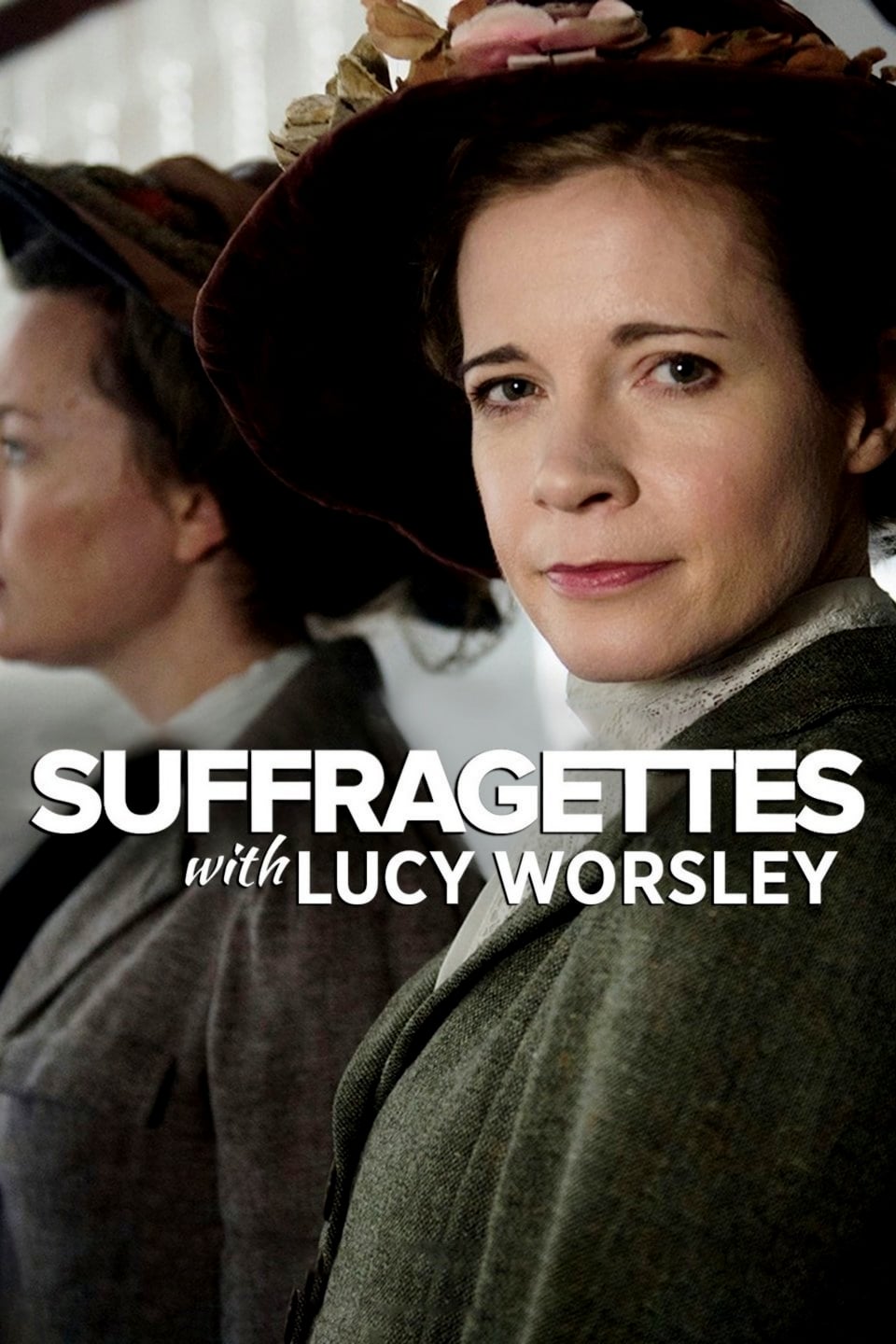
The story of the struggle for the women's vote is much more than just the account of the exploits of Emmeline Pankhurst or the tragic fate of Emily Davidson. Lucy Worsley puts herself at the heart of the drama, alongside a group of astonishing young working class suffragettes who decided to go against every rule and expectation that British Edwardian society (1901-1910) had about them…
A documentary about slutshaming.
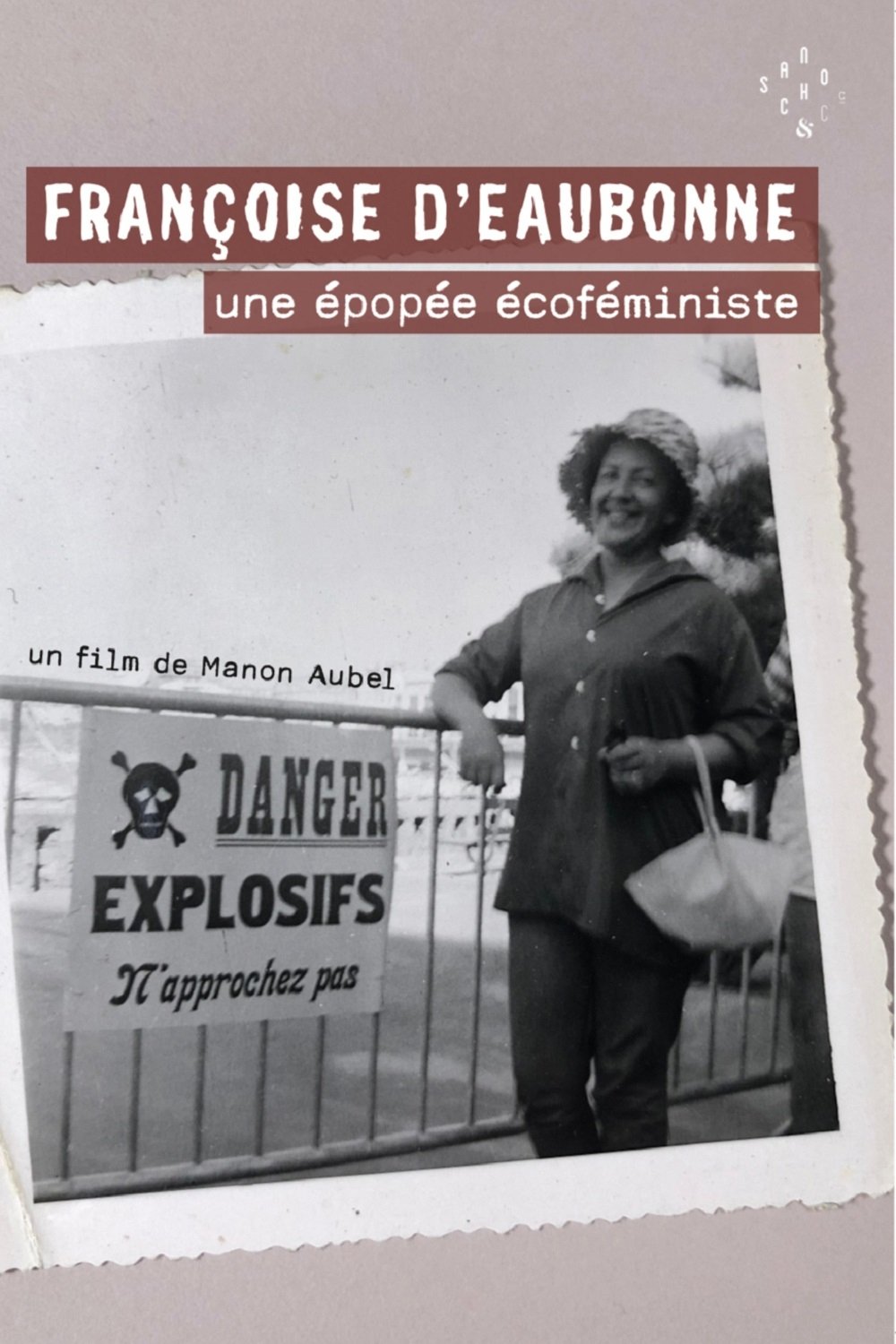
In the 1970s, Françoise d'Eaubonne stood out in the French intellectual landscape. At 50, she has already won several literary prizes and published around forty novels and essays, but is resuming her militant fight with renewed vigor. She is the first to define ecofeminism, denouncing the common oppression of women and the planet as a consequence of patriarchy. She participated in the actions of the MLF (Women's Liberation Movement), in the creation of the FHAR (Homosexual Revolutionary Action Front) and theorized counter-violence, going so far as to sabotage the construction site of the Fessenheim nuclear power plant. This film presents unpublished documents for the first time. Drawing freely from the manuscripts and photographic archives that she bequeathed to the Memory Institute for Contemporary Publishing, her relatives and researchers, historians and publishers comment on the resonance of her feminist and ecological heritage.
Testimonies about the social and feminine marginality of female residents. The need to face problems through collective discussion. Filmed in a camp in Ochagavía.
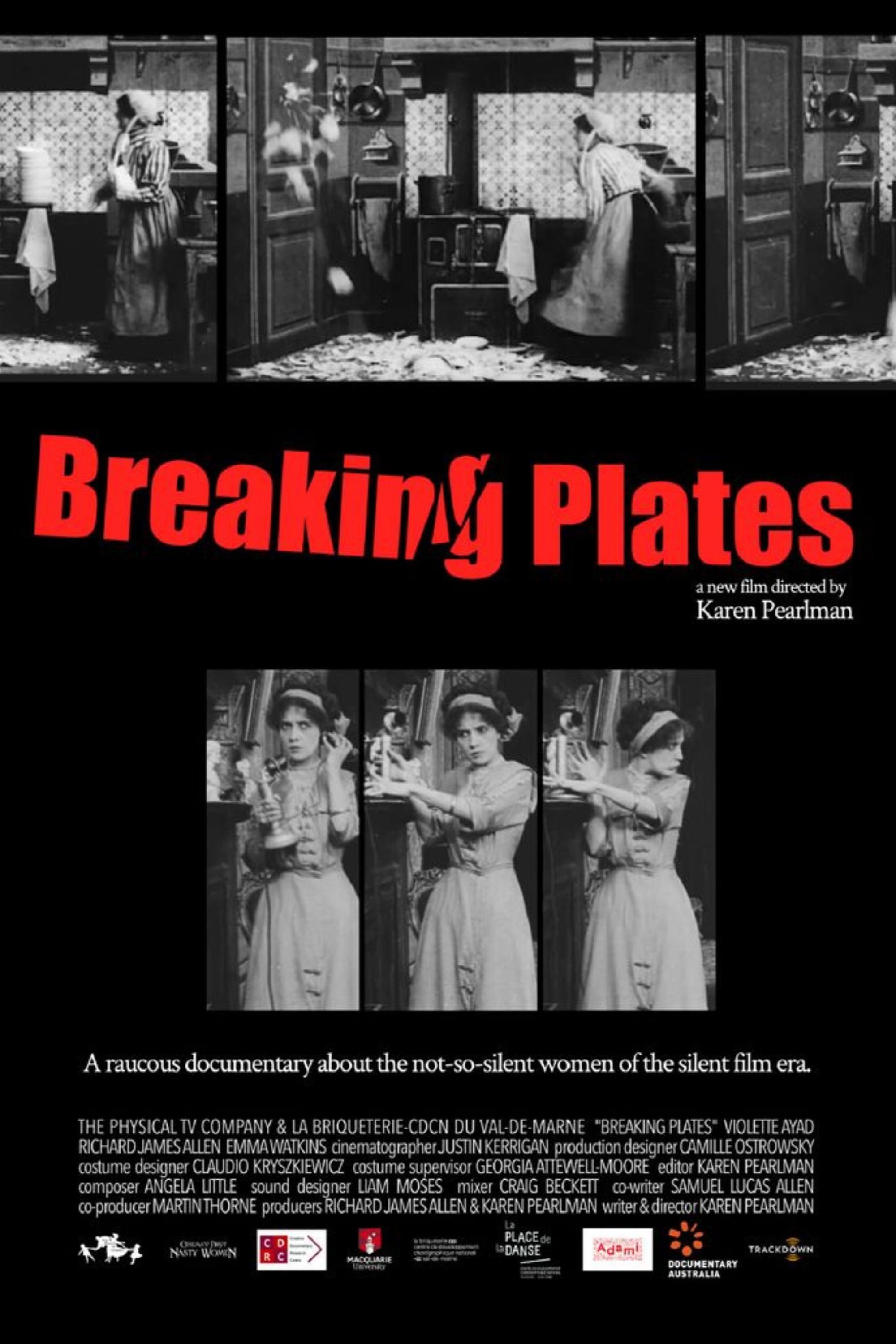
A unique hybrid of documentary, silent film, drama and dance, 'Breaking Plates' puts revolutionary women of the past on the screen with present day filmmakers. Contemporary women talk to characters from 100 years ago, reanimate their antics and emulate their mayhem moves. As early 21st century performers step into the clothes of their early 20th century counterparts, battling their haywire machines, exploding gags, and eruptive bodies, they learn to wield humour as a weapon against the structures that contain them today.
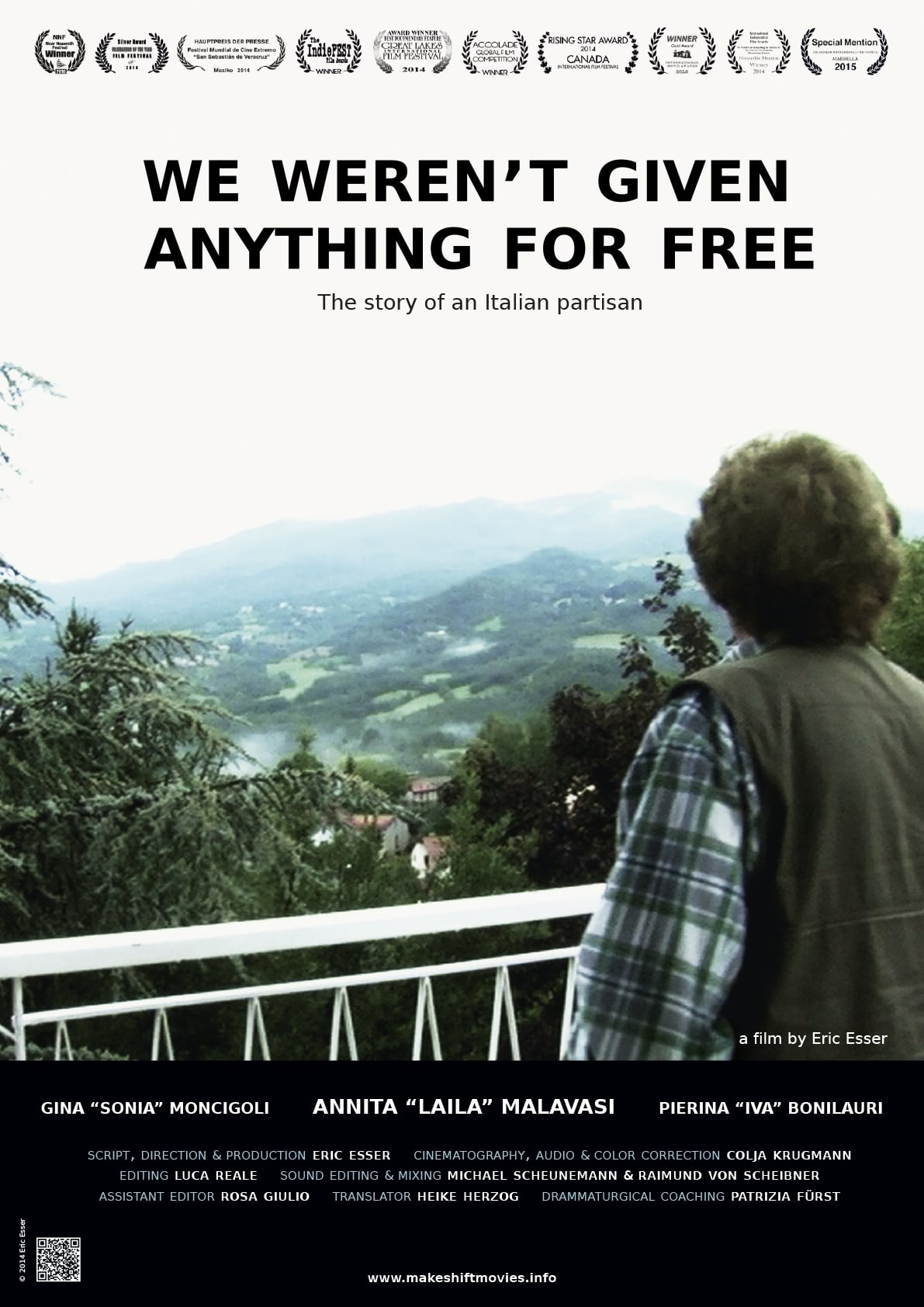
Annita Malavasi was just 22 when the Germans occupied Italy, their former allies, in 1943. As a partisan in the Italian resistance named “Laila”, she moved throughout the Apennines with and between fighting units, delivering information, transporting weapons, and taking part in battles. She spent over a year in the Apennines, fighting against the German occupation. At the same time, she had to assert herself against the men of the mountain villages. By the end of the war, Laila had risen among the ranks to become one of the few female commanders in the Italian resistance. This film chronicles the story of a lifelong struggle for emancipation that began with the battle for Italy’s liberation from fascism. Laila and her two comrades, Gina “Sonia” Moncigoli and Pierina “Iva” Bonilauri talk about their time in the Resistenza and what it meant to them and many other women.
An unflinching look at how women are treated in the USA today examining issues such as workplace harassment, domestic violence, rape and sexual assault. It shows how discriminatory attitudes still prevail and influence society and argues for the need to improve laws that claim to protect women.
After a woman’s silent rage erupts into a fight post-coitus, a women’s group analyzes her refusal to stay passive. Another scene shows a woman’s despair when her lover misses their meeting, prompting the group to reject passive waiting. Together, they combat issues like rape, prostitution, and abortion rights (§218) to reclaim self-determination.
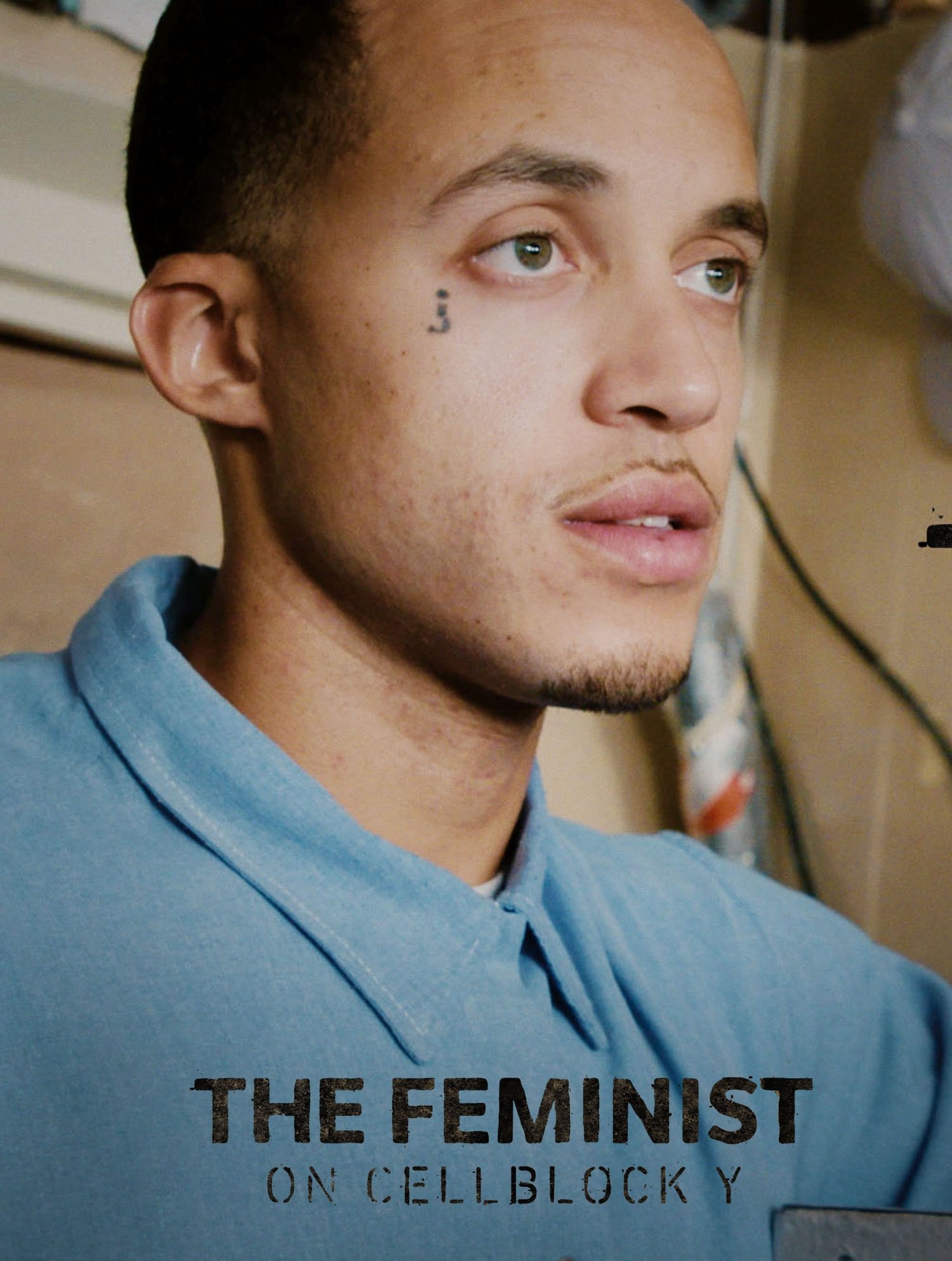
A convicted felon builds a feminist movement from behind bars at an all-male prison in Soledad, California.
In 1977, a book of photographs captured an awakening - women shedding the cultural restrictions of their childhoods and embracing their full humanity. This documentary revisits those photos, those women and those times and takes aim at our culture today that alarmingly shows the need for continued change.
An investigative look and analysis of gender disparity in Hollywood, featuring accounts from well-known actors, executives and artists in the Industry.
Using the book 'Fragments', which collects Marilyn Monroe's poems, notes and letters, and with participation from the Arthur Miller and Truman Capote estates who have contributed more material, each of the actresses will embody the legend at various stages in her life.
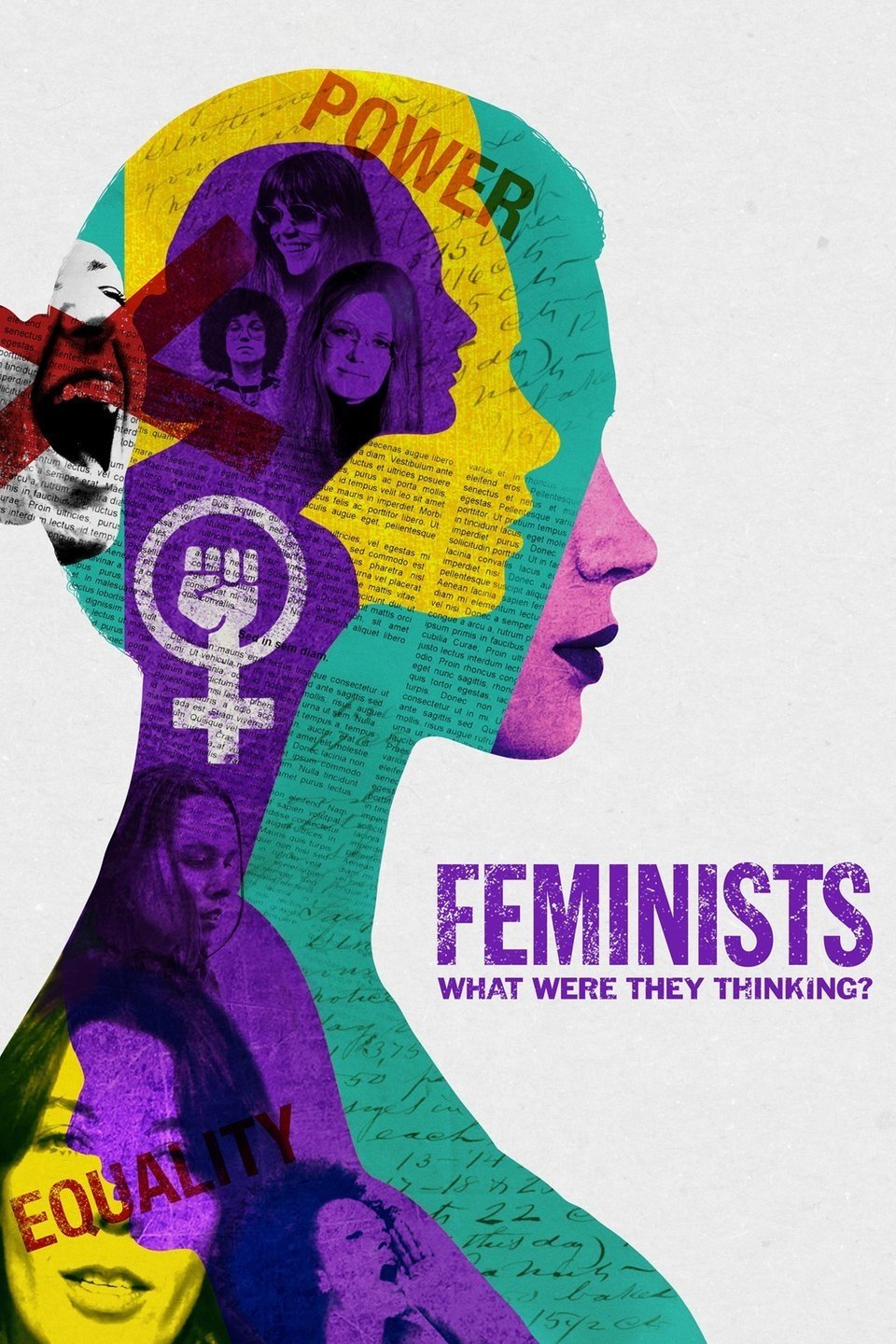
A documentary that resurrects the buried history of the outrageous, often brilliant women who founded the modern women's movement from 1966 to 1971.
A documentary on the expletive's origin, why it offends some people so deeply, and what can be gained from its use.
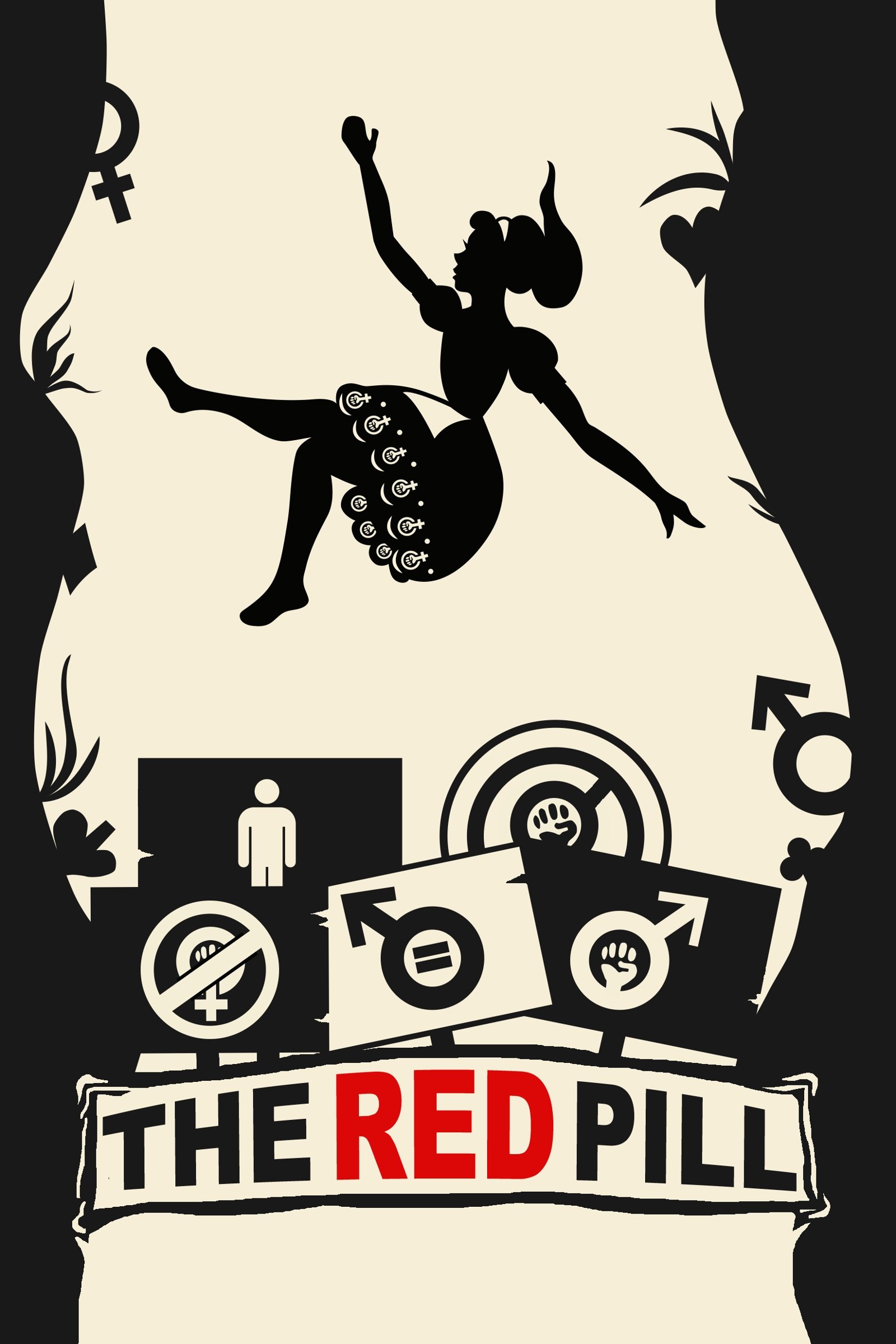
When a feminist filmmaker sets out to document the mysterious and polarizing world of the Men’s Rights Movement, she begins to question her own beliefs. Chronicling Cassie Jaye’s journey exploring an alternate perspective on gender equality, power and privilege.
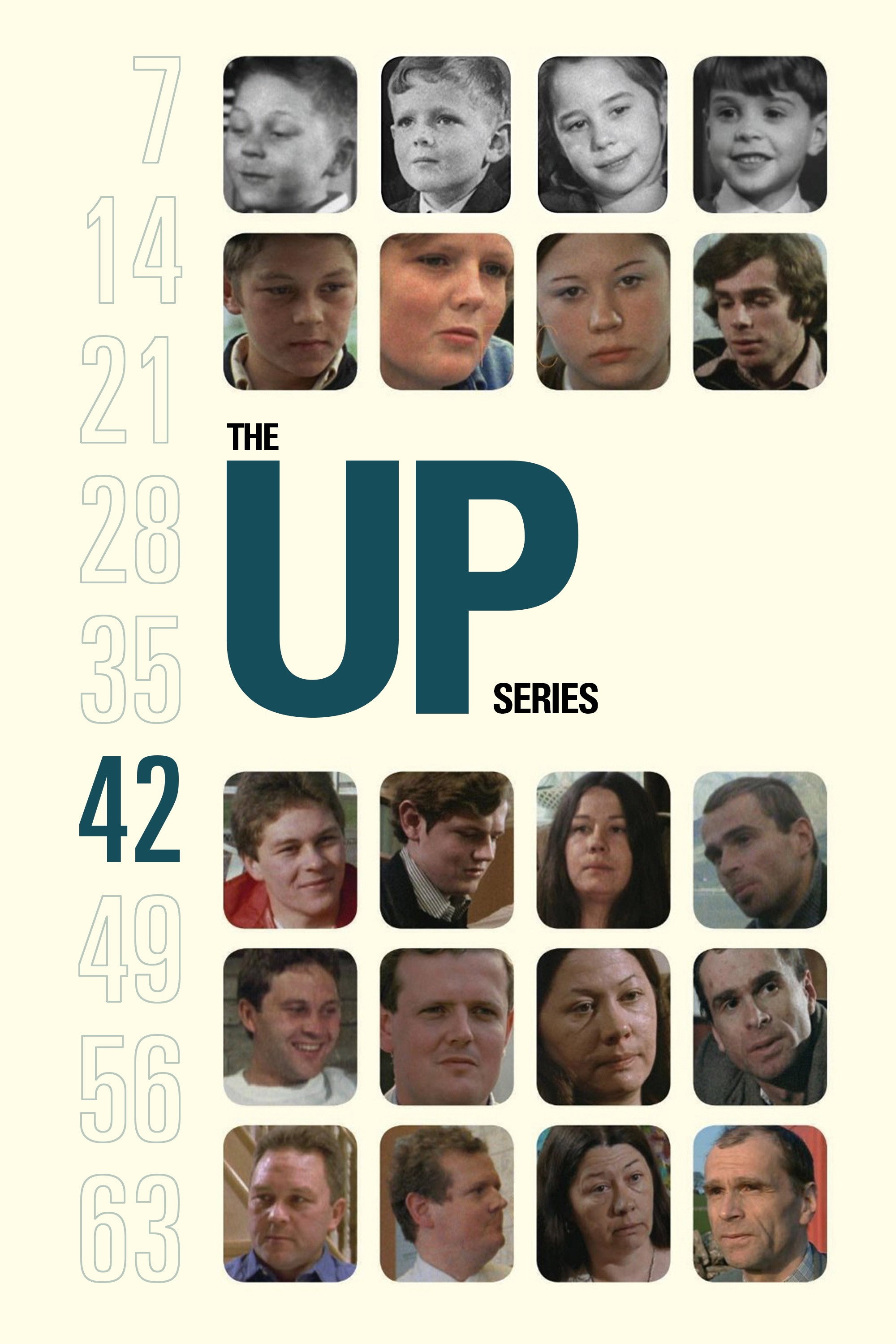
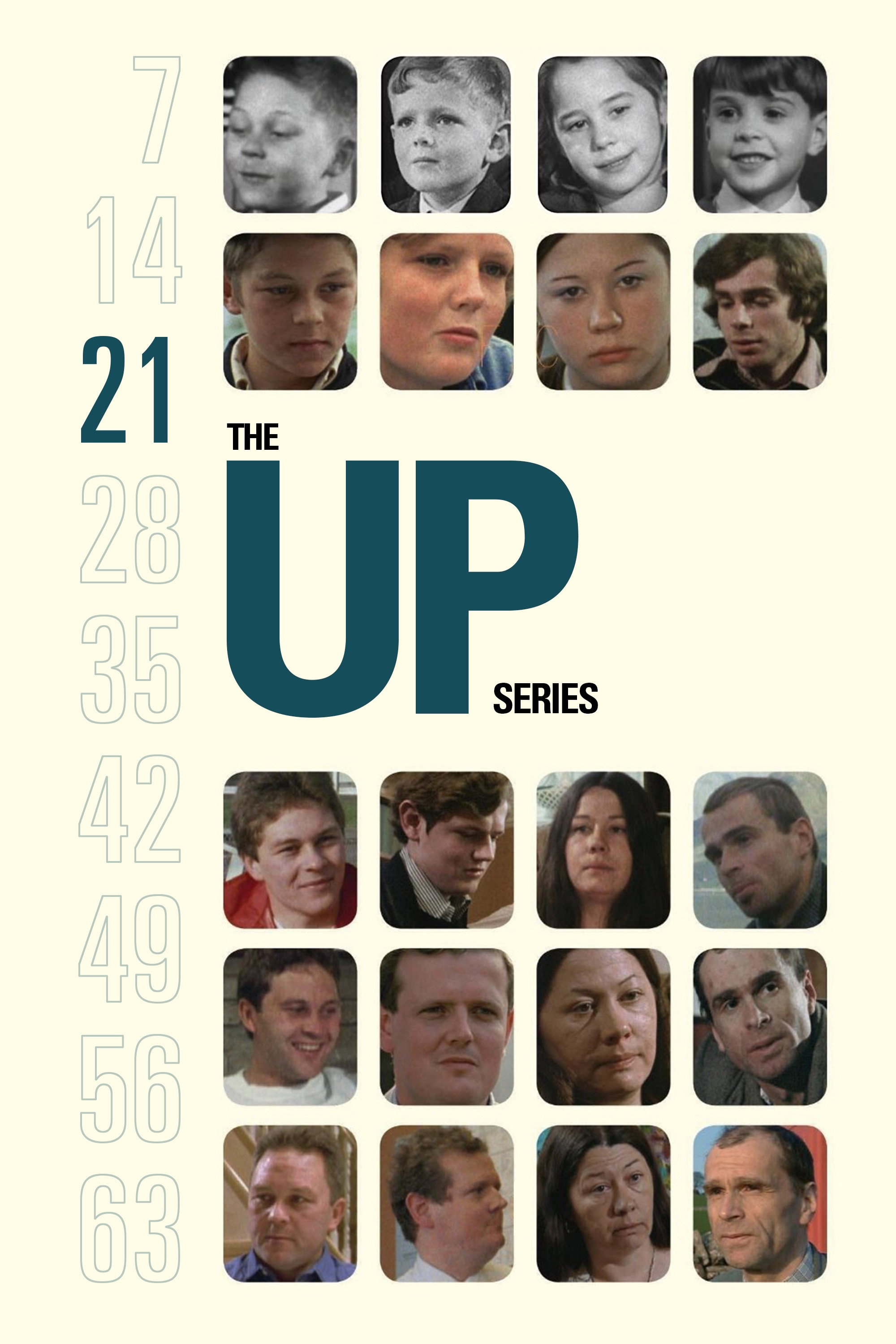
Director Michael Apted revisits the same group of British-born adults after a 7 year wait. The subjects are interviewed as to the changes that have occurred in their lives during the last seven years.
Join the likes of Jeremy Renner, Hailee Steinfeld, Florence Pugh, and Vincent D’Onofrio as they reveal how Marvel Studios’ “Hawkeye” was conceived and created. Witness firsthand what it took to pull off the show’s pulse-pounding action set pieces, and discover how iconic characters from the pages of Marvel Comics such as Kate Bishop were adapted and brought to life for the six-episode series.
This special explores the return of Obi-Wan Kenobi and Anakin Skywalker to the screen, as well as Ewan McGregor and Hayden Christensen to their classic roles. Director Deborah Chow leads the cast and crew as they create new heroes and villains that live alongside new incarnations of beloved Star Wars characters, and an epic story that dramatically bridges the saga films.
Lyrical and powerfully personal essay film that reflects on the deaths of her husband Lou Reed, her mother, her beloved dog, and such diverse subjects as family memories, surveillance, and Buddhist teachings.
A string of threatening emails escalates into a revenge plot involving a newly married US marshal and his ex-girlfriend.
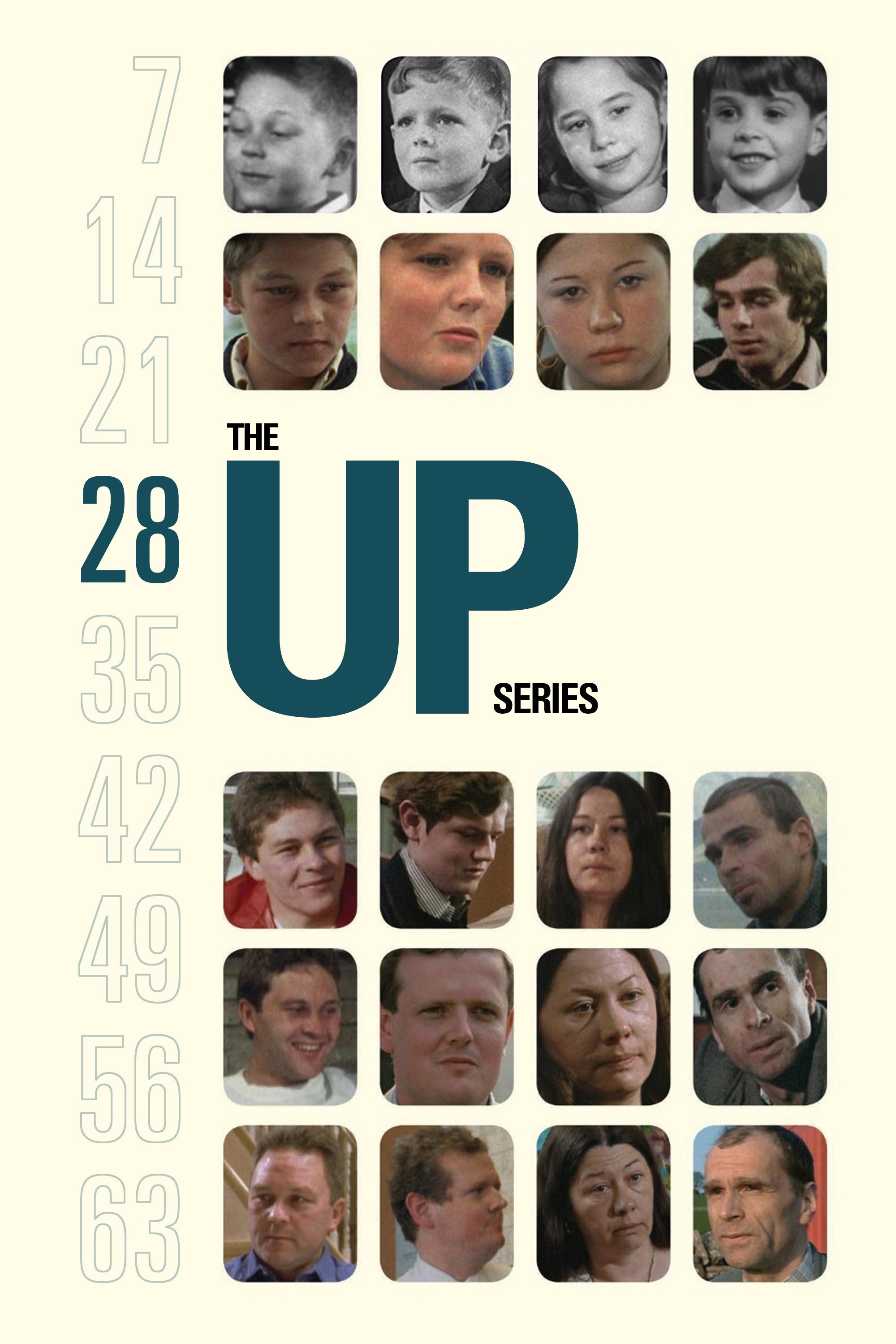
Just two years away from turning 30, participants in Michael Apted's documentary series are facing serious questions of identity and purpose, wondering whether they've found their place in the world.
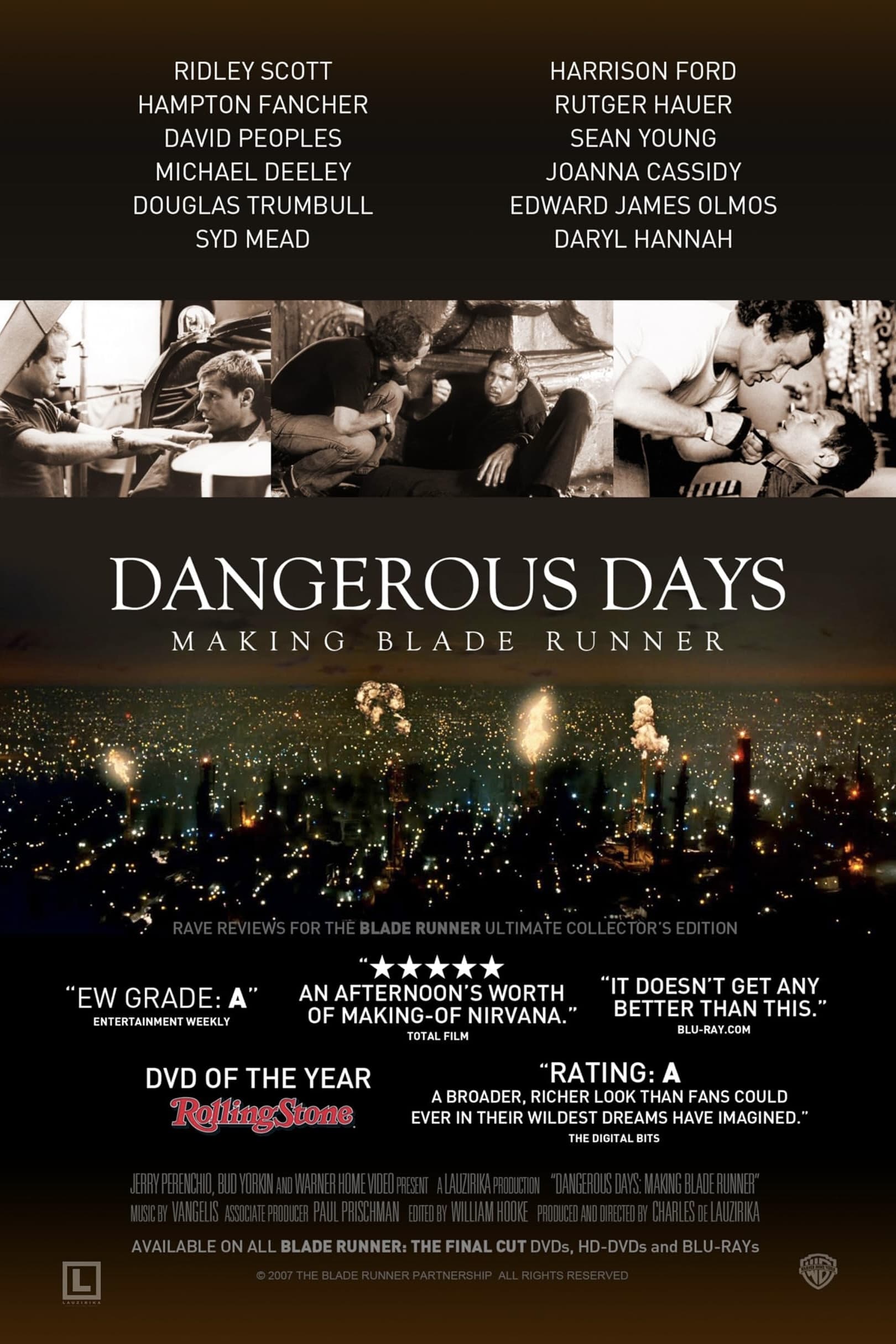
The definitive 3½-hour documentary about the troubled creation and enduring legacy of the science fiction classic 'Blade Runner', culled from 80 interviews and hours of never-before-seen outtakes and lost footage.
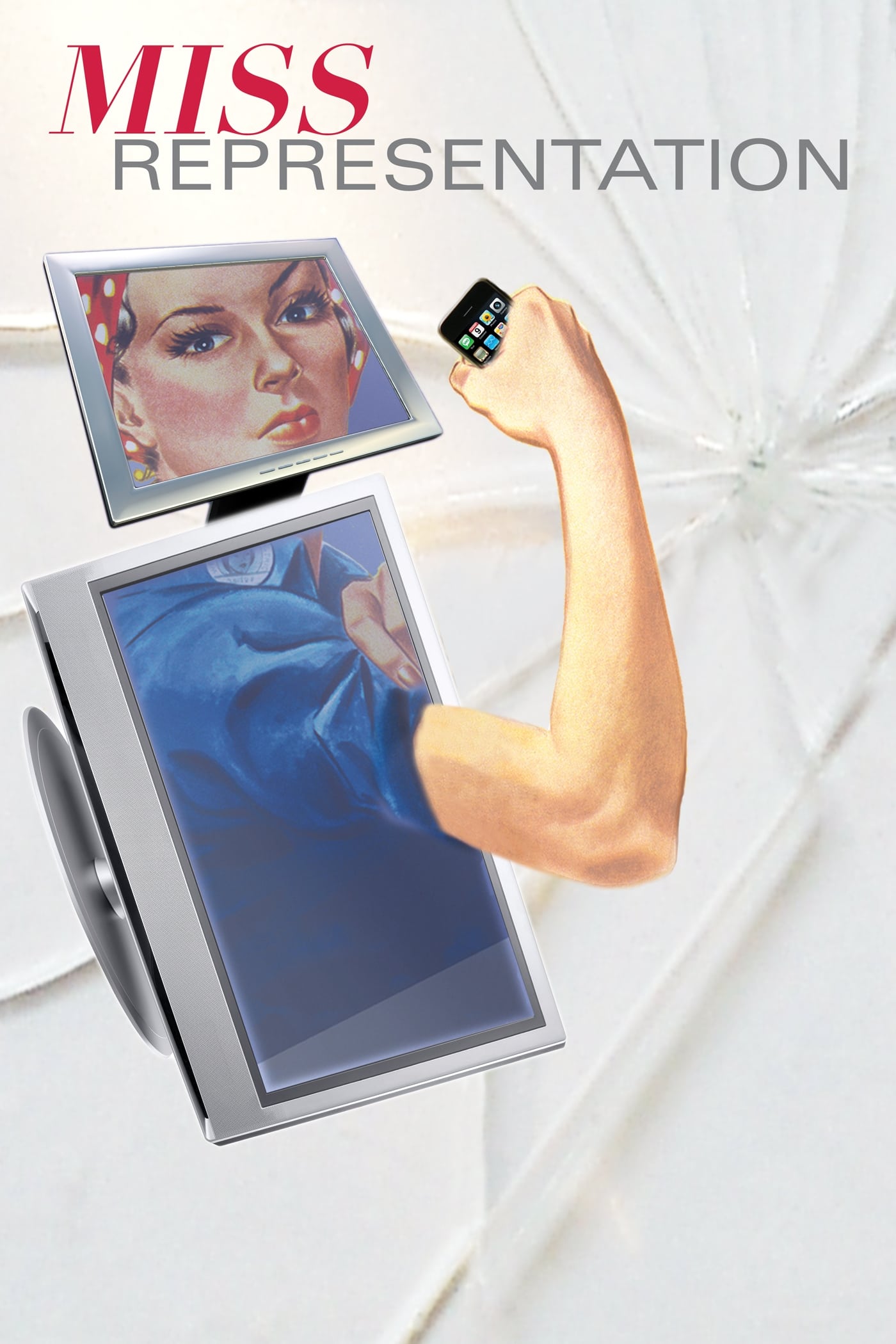
The film MISS REPRESENTATION exposes how American youth are being sold the concept that women and girls’ value lies in their youth, beauty and sexuality. Explores the under-representation of women in positions of power and influence in America, and challenges the media's limited portrayal of what it means to be a powerful woman. It’s time to break that cycle of mistruths.
Brilliant, long in-the-works story of the life and art of the world's greatest comedian and the cinema's first genius, Charlie Chaplin. Produced, written and directed by renowned film critic Richard Schickel.
A documentary directed by Winding Refn's wife, Liv Corfixen, and it follows the Danish-born filmmaker during the making of his 2013 film Only God Forgives.
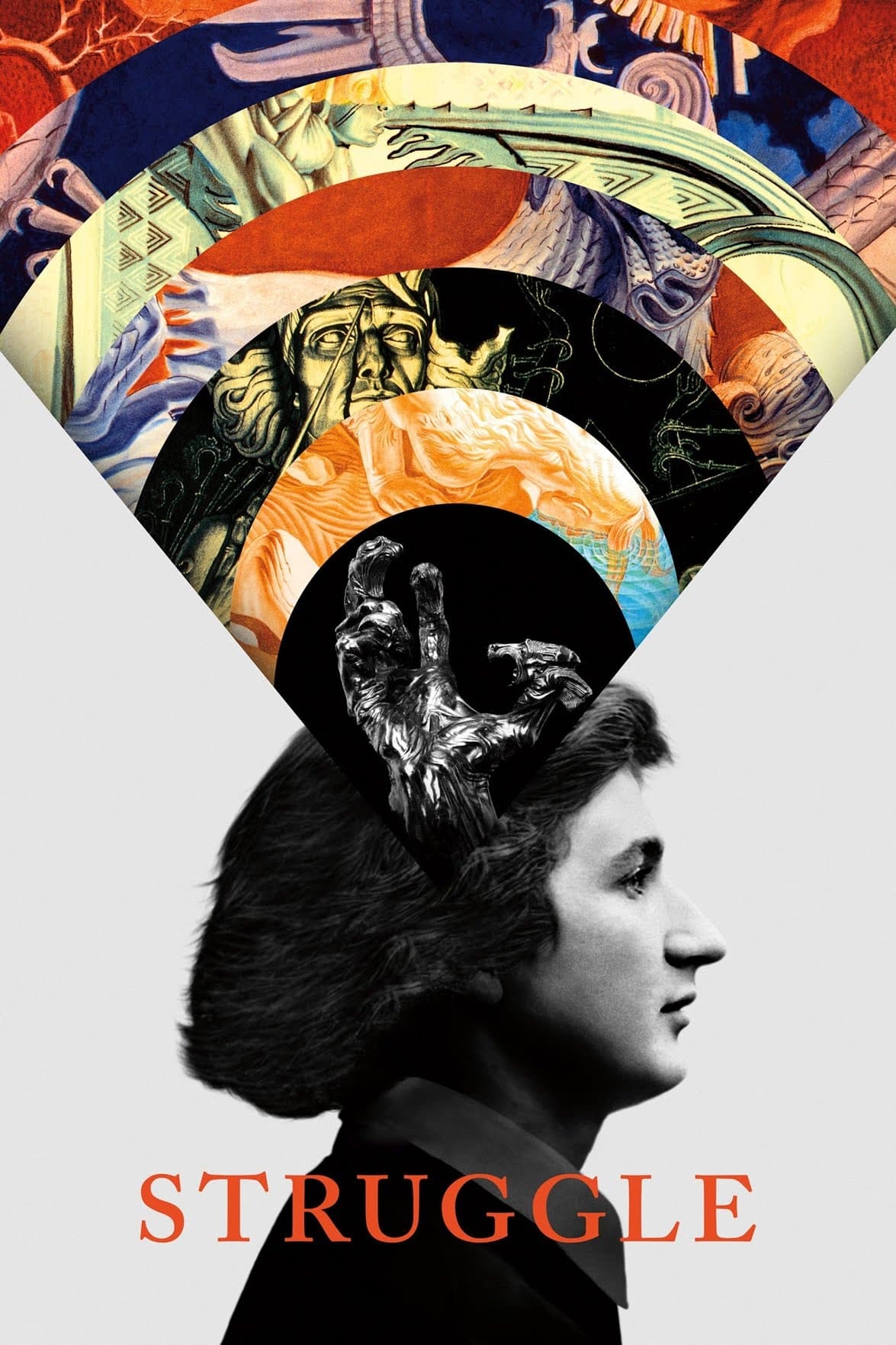
Artists in LA discover the work of forgotten Polish sculptor Stanislav Szukalski, a mad genius whose true story unfolds chapter by astounding chapter.
After another 7 year wait, director Michael Apted revisits the same group of British-born children from Seven Up! and 7 Plus Seven. The subjects are interviewed as to the changes that have occurred in their lives during the last seven years.
This documentary focuses on the actors and their journey over two summers to create the remake to the original IT, by Stephen King. The documentary originally released as bonus material, bundled with IT: Chapter Two.
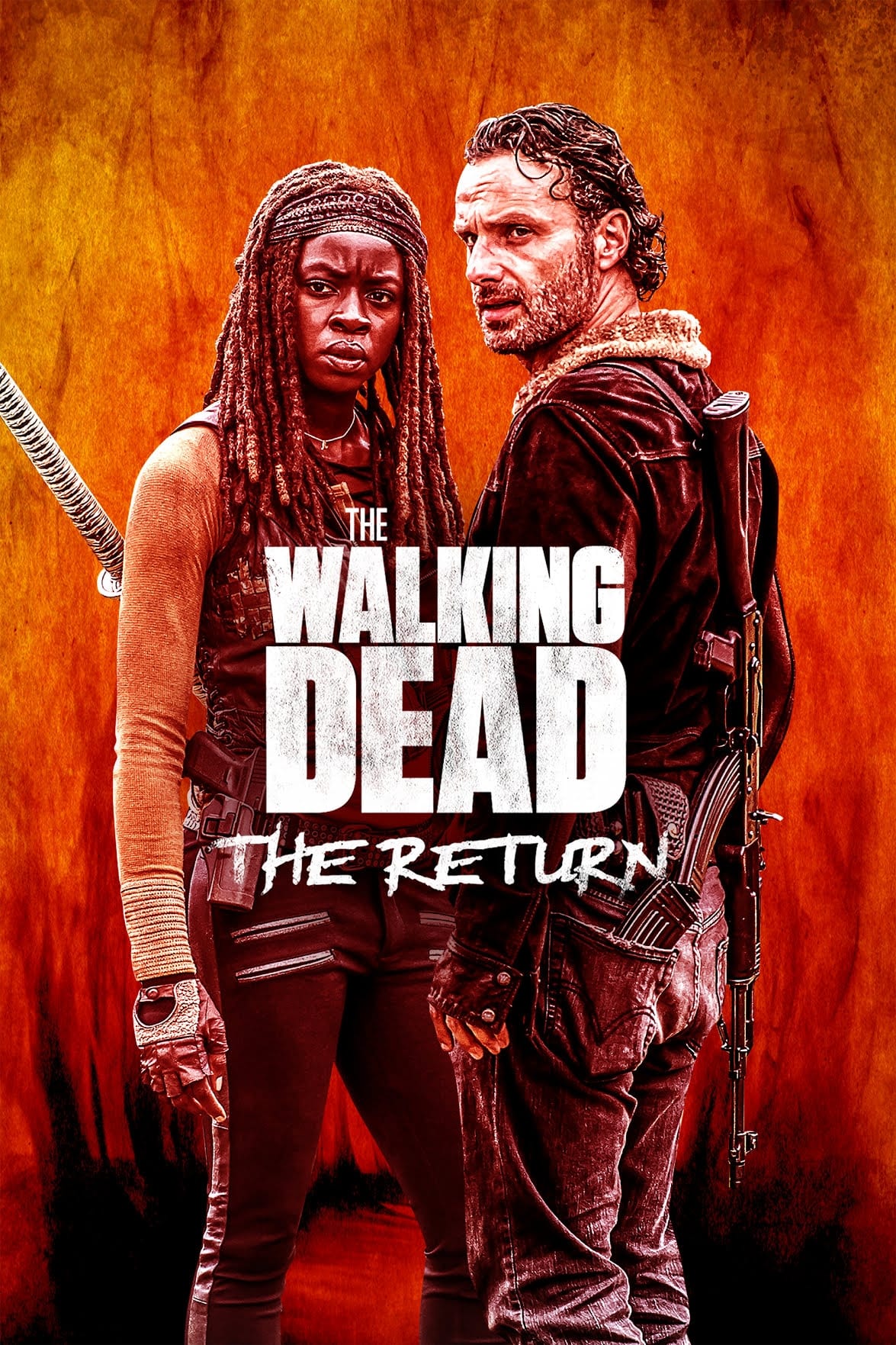
Stars of "The Walking Dead," Andrew Lincoln and Danai Gurira, walk down memory lane and visit iconic locations where pivotal moments between their characters, Rick and Michonne, were filmed.