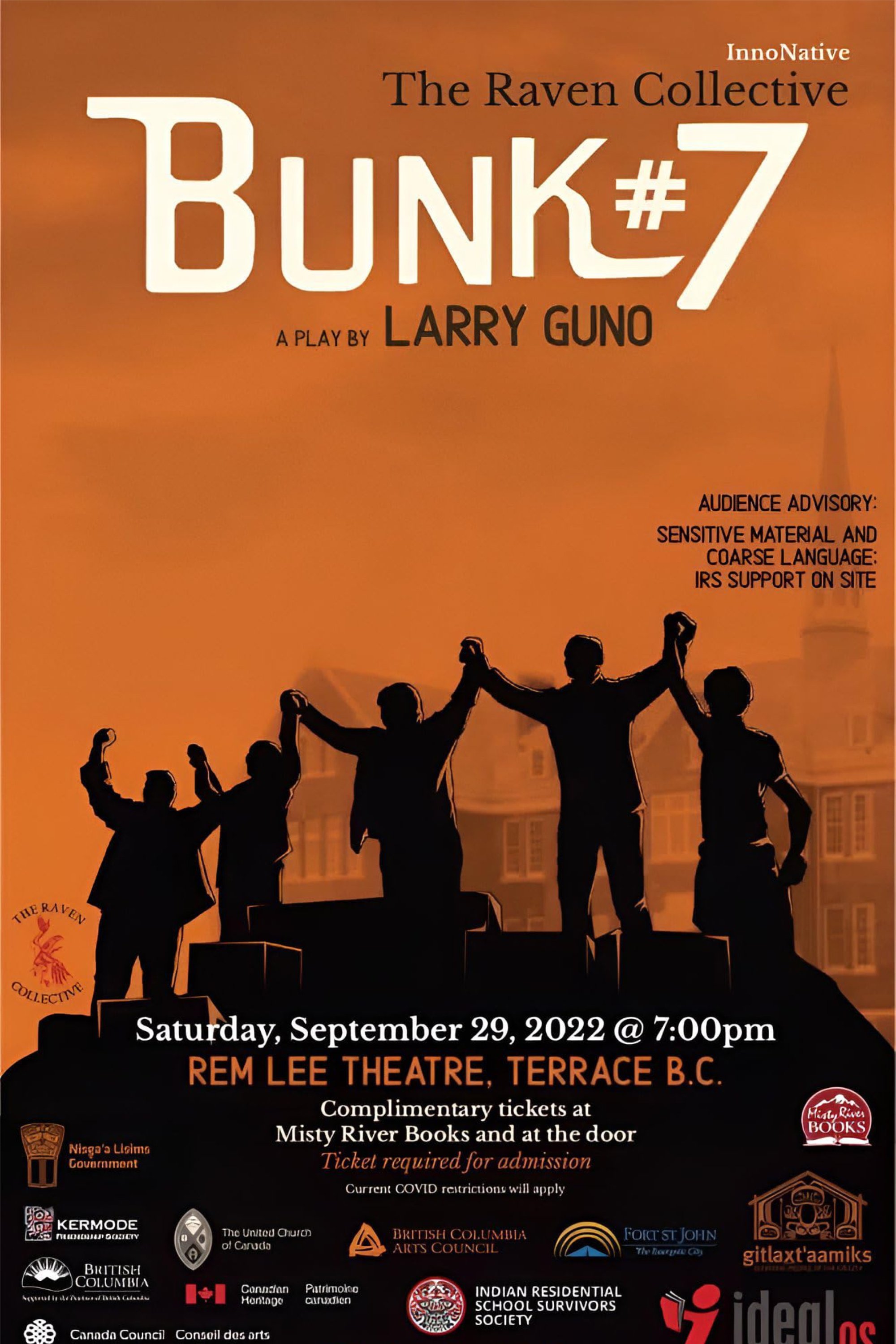
Documentary about the production of Bunk #7.
Social & External
The people behind it
Marianne Brørup Weston
Self
Yvette Nolan
Kiefer Collison
Nick Dangeli
Colin Waddel
Noah Guno
Kym Guno
Sadie O'Donaghey
Annette Sorensen
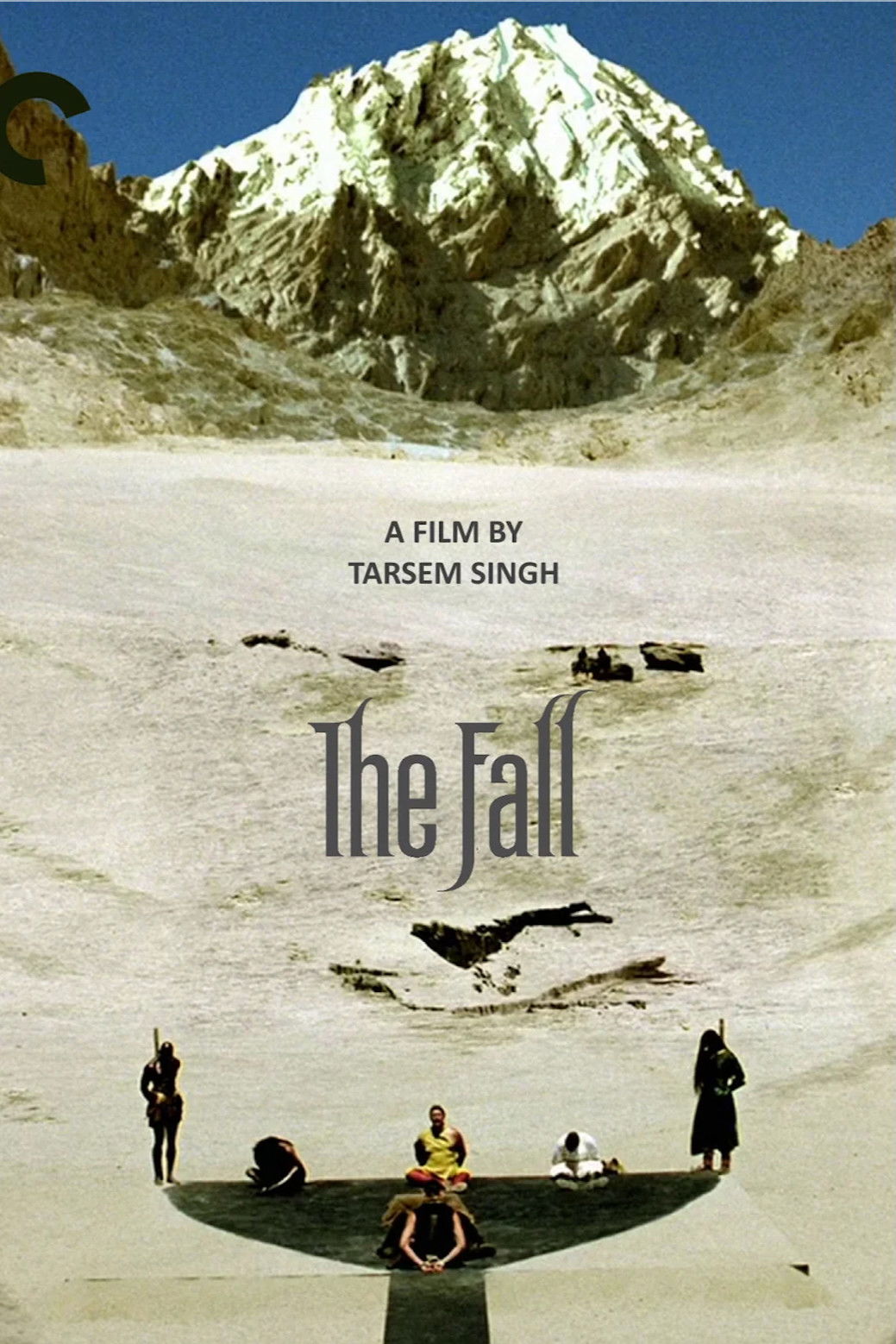
The making of the Tarsem Singh's fantasy-film 'The Fall'. Behind the scenes: Part II.
The making of the Tarsem Singh's fantasy-film 'The Fall'. Behind the scenes: Part I.
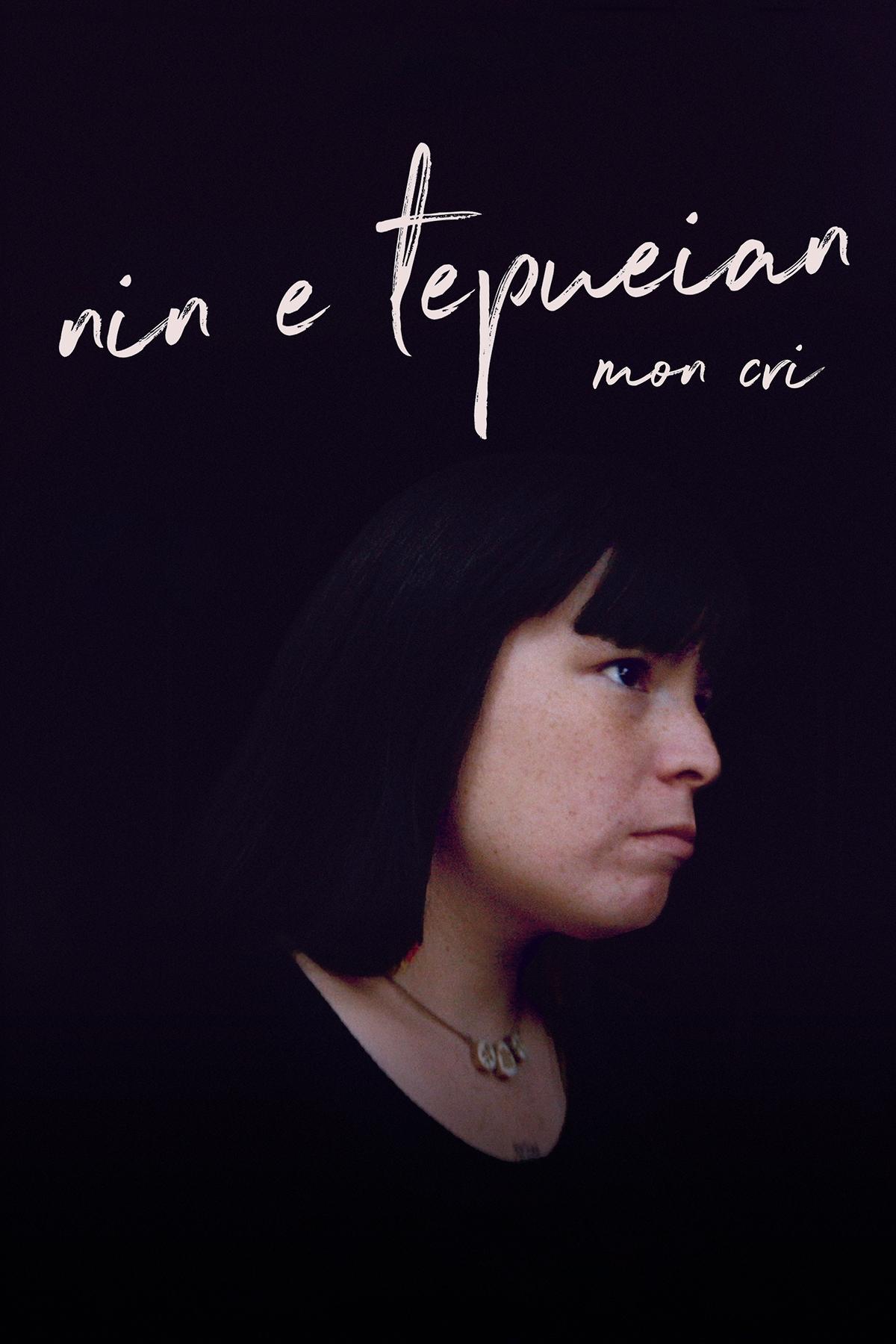
NIN E TEPUEIAN - MY CRY is a documentary tracks the journey of Innu poet, actress and activist, Natasha Kanapé Fontaine, at a pivotal time in her career as a committed artist. Santiago Bertolino's camera follows a young Innu poet over the course of a year. A voice rises, inspiration builds; another star finds its place amongst the constellation of contemporary Indigenous literature. A voice of prominent magnitude illuminates the road towards healing and renewal: Natasha Kanapé Fontaine.
Hysteria explores issues surrounding women's emotions and sexuality, and their social manifestations.
Catch the spark after dark at Disneyland Park. And say farewell to one of the Magic Kingdom's most celebrated traditions - The Main Street Electrical Parade. Where else, but in The Main Street Electrical Parade, could you see an illuminated 40-foot-long fire-breathing dragon? And hear the energy of its legendary melody one last time? It's unforgettable after-dark magic that will glow in your heart long after the last float has disappeared.
This video is about the idea of narcissistic transference, sexual dependency, and the failure to distinguish between the self and the loved one. It is also about using love to create a border between oneself and political and psychological oppression.
GUERRILLA HABEAS tells their inspiring yet maddening tale, as they rescue a few and many others are swept up by the system.
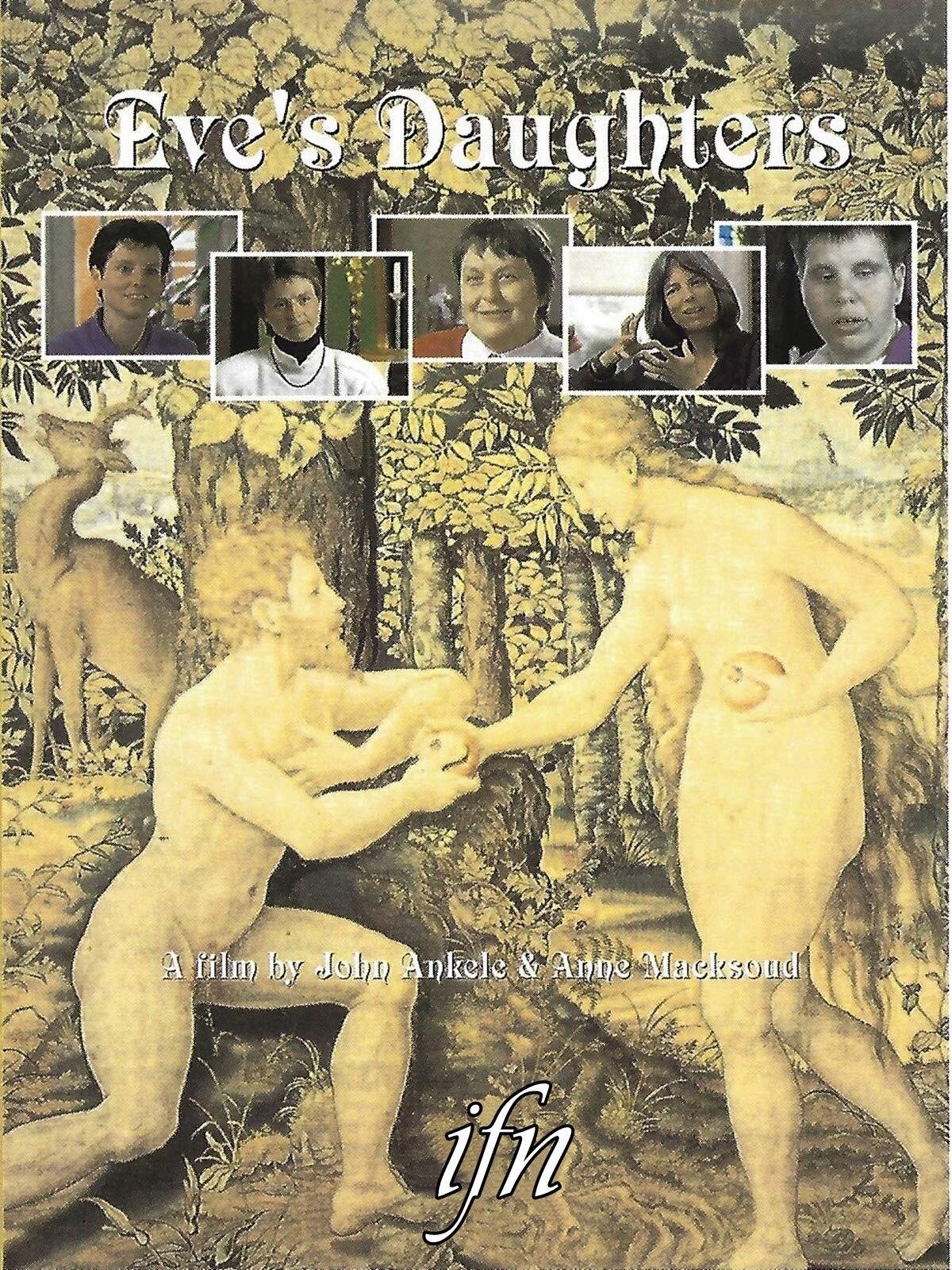
In the official Church view, homosexual women are regarded as nothing less than the embodiment of "an intrinsic moral evil." These daughters of Eve are the subjects of this documentary. In this enlightening film, the viewer shares the pain and heartache of these women as they struggle for knowledge, courage and self-affirmation.
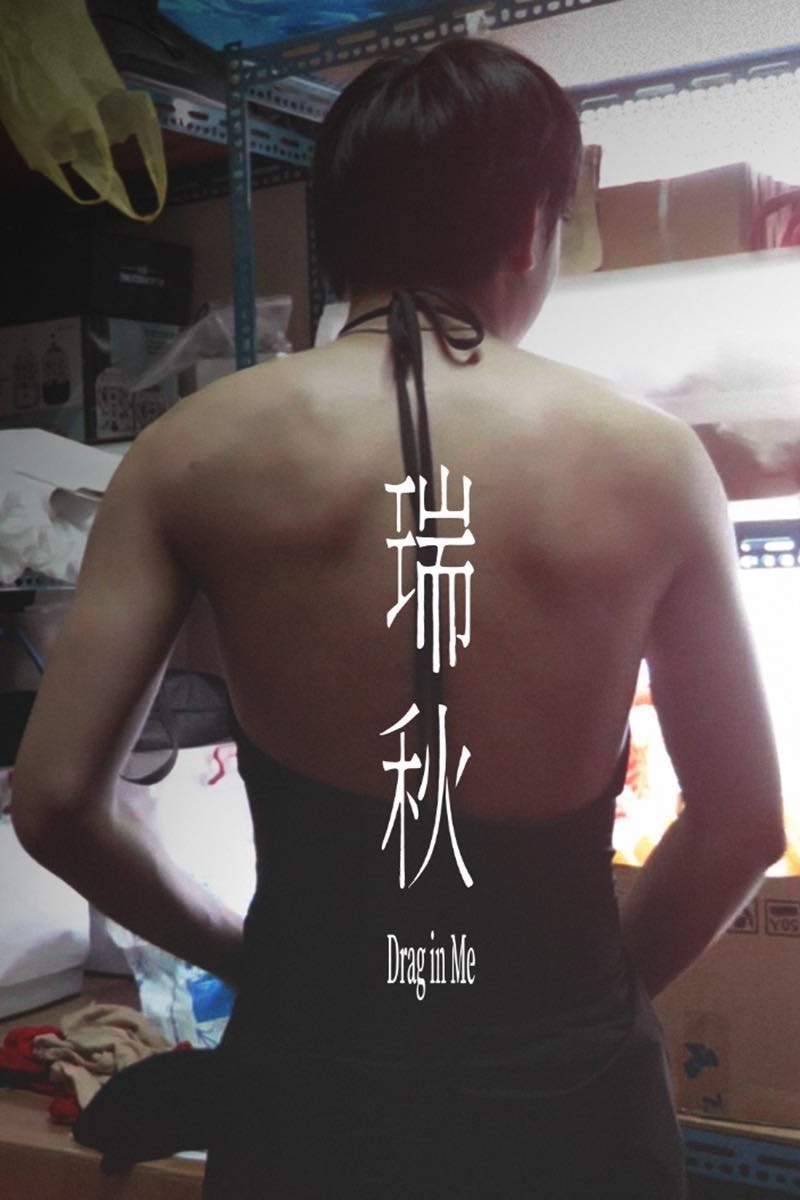
A student, initially serving as a director, filmed his LGBTQ+ teacher but eventually became personally involved in drag. What began as an observer's stance transformed into active participation in drag. Through self-engagement in drag, the director assumed the identity of Rachel and seized an opportunity for a dialogue with self-identity. This experience led to an awareness of the conflicting dialectics between societal frameworks and personal identity. The director embarked on multiple attempts to coexist with and showcase the multifaceted aspects of the transformed, drag persona.
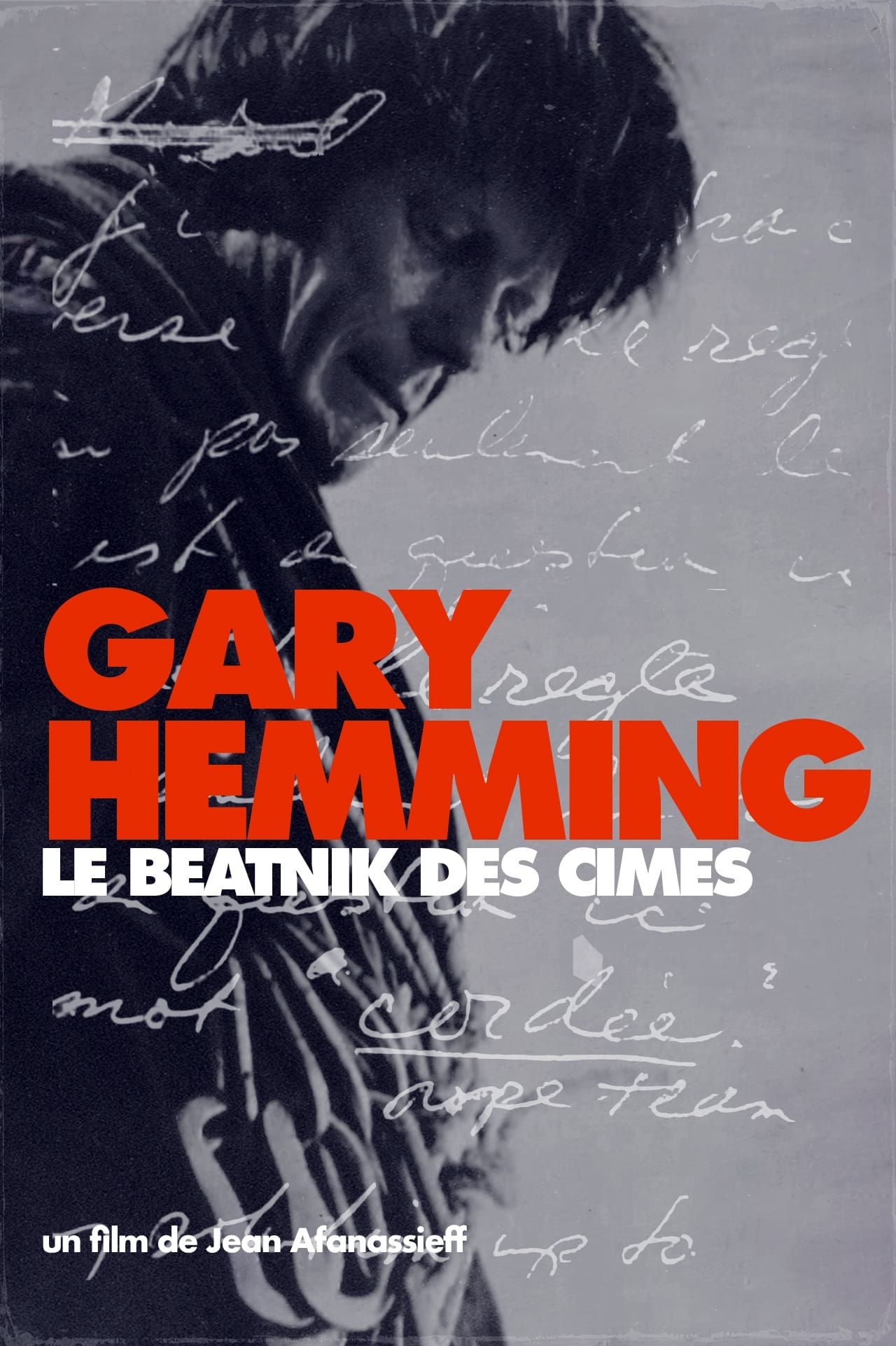
The American mountaineer Gary Hemming marked the era of the 1960s. The story of this "exceptional" character is intimately linked to that of the rescue of the two German mountaineers on the west face of the Drus, in 1966, a rescue which he had took the initiative. While the official emergency services of the EHM try to reach them from above, a pirate rope made up of Gary Hemming, René Desmaison, Lothar Mauch, Gil Bodin, Mike Brurke, François Guillot, the filmmaker Gérard Bauer organizes to join them from below and succeeded after a fierce struggle the rescue. The press seizes the event and elevates Gary Hemming to the rank of national hero. All the newspapers feature this big guy with a cool attitude, mismatched clothes, jovial smile and long blond hair on the front page. From then on, he was nicknamed: "the beatnik of the peaks".
An in-depth documentary on the behind-the-scenes of the 1990 Canuck cult classic The Final Sacrifice.
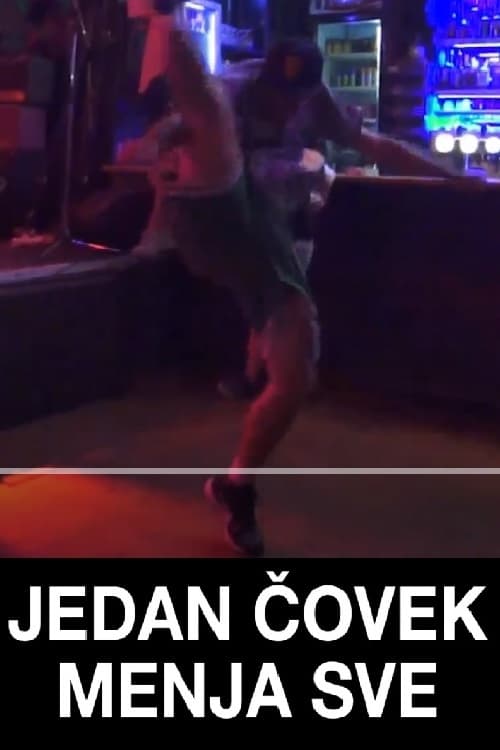
Vladan Vasev aka VaXz, is a lover of basketball and all kinds of team sports from Bosilegrad, who completely single-handedly restored faith in the hardcore music scene in Serbia. When the performers on stage noticed his jumps and the way of dancing specific to hardcore music and inquired about the most loyal member of their audience, they learned an incredible story. In order to attend the concert, VaXz travels from Bosilegrad to Belgrade sometimes up to ten hours, and then returns, sometimes immediately after listening to the gig. In this film, we meet Vladan and what it is that inspires him about hardcore, but through his portrait we also get to know life in a small town like Bosilegrad, as well as the history of hardcore music in Serbia and how bands came together to honor their most loyal fan.
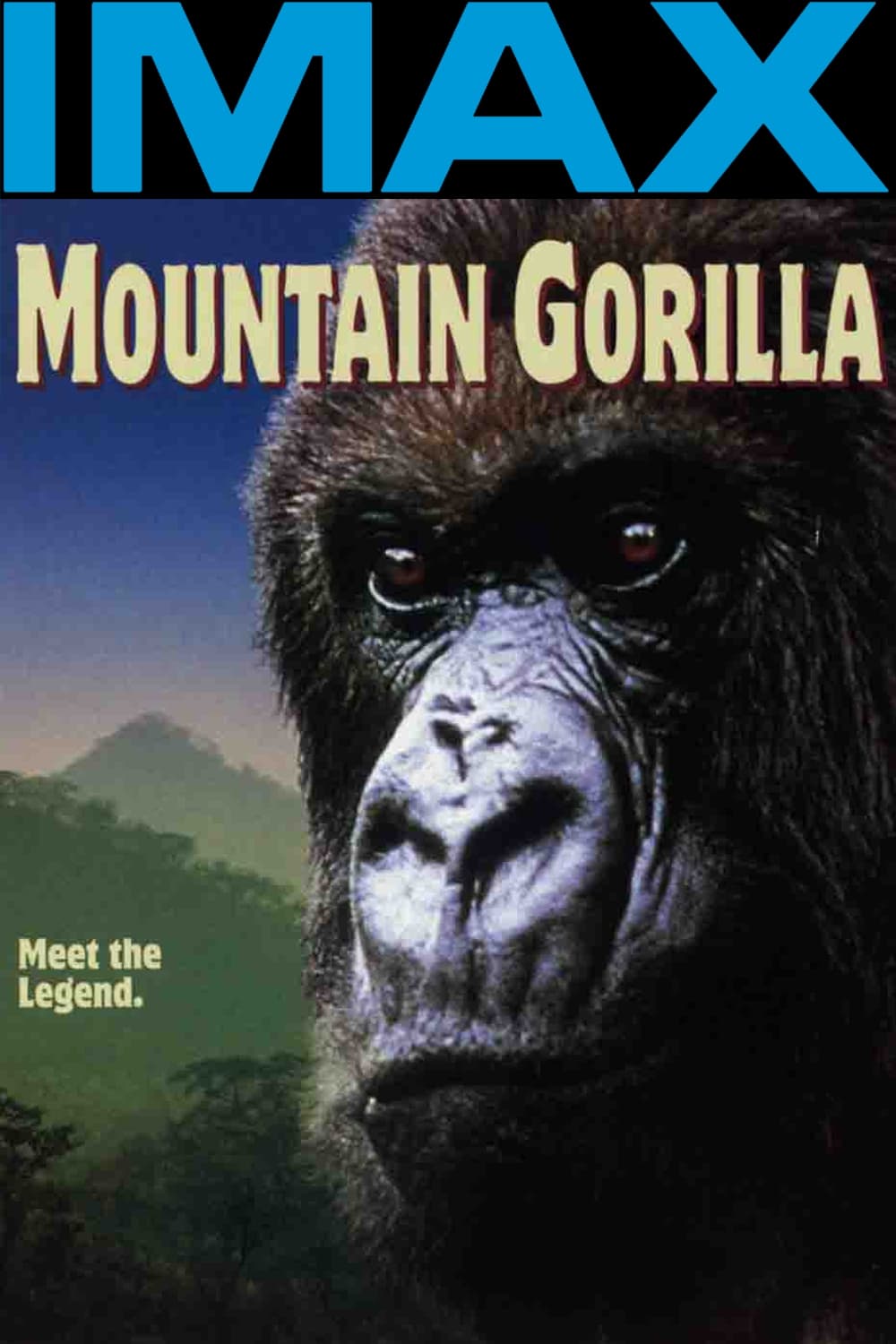
Mountain Gorilla takes us to a remote range of volcanic mountains in Africa, described by those who have been there as ""one of the most beautiful places in the world"", and home to the few hundred remaining mountain gorillas. In spending a day with a gorilla family in the mountain forest, audiences will be captivated by these intelligent and curious animals, as they eat, sleep, play and interact with each other. Although gorillas have been much-maligned in our popular culture, viewers will finally ""meet the legend"" face to face, and learn about their uncertain future.
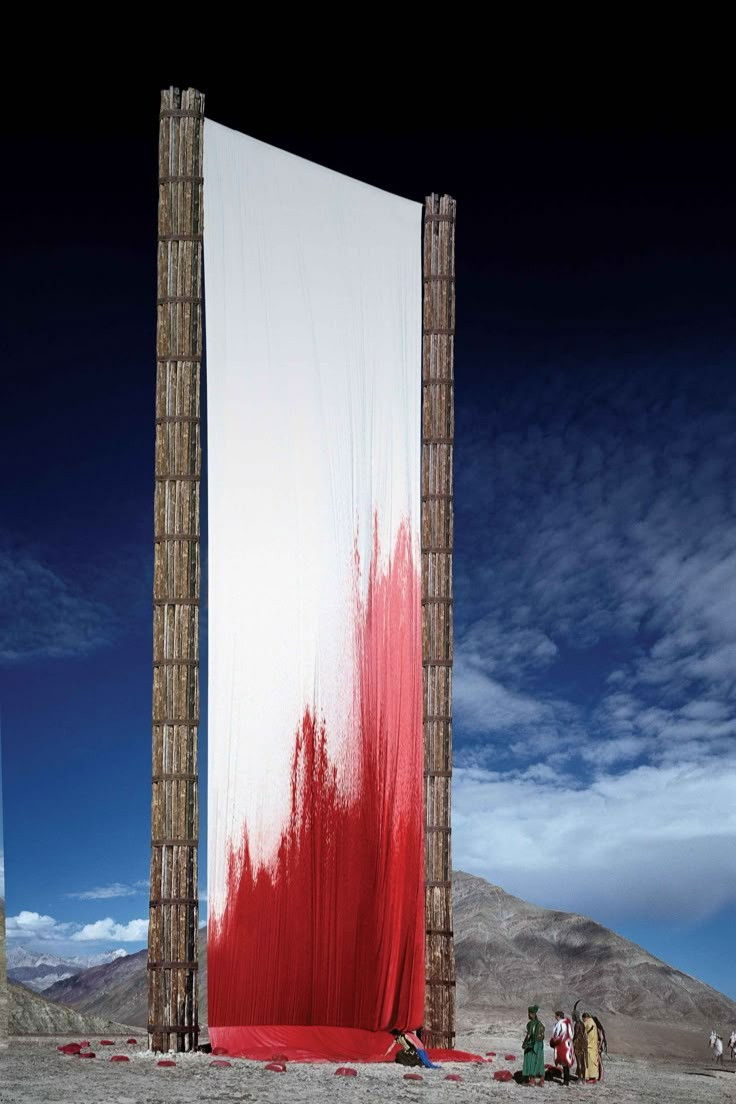
Repainting Cuba takes a critical look at communist Cuba, where both the facades and the aging regime were given a coating of colorful paint in connection with the 50 year anniversary of the revolution. Two young Cubans under house arrest talk about being imprisoned for dealing with foreign tourists in a society where gossip and backstabbing is endemic, and where the heavy varnish can’t conceal the cracks.
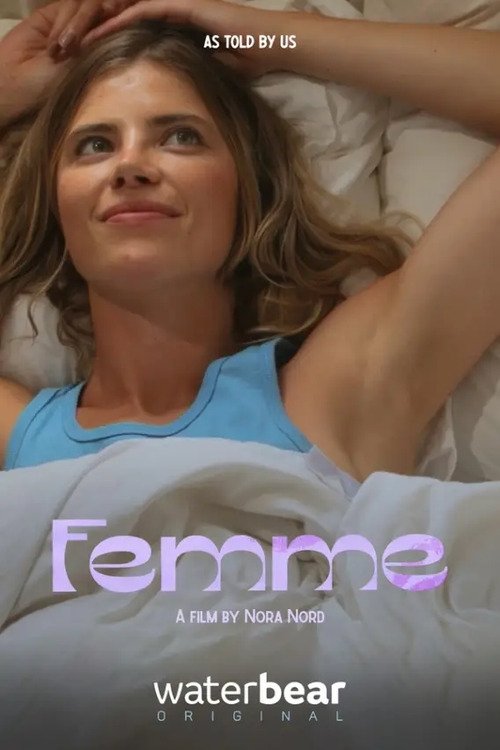
Thea’s life is changed when she receives an unexpected call from her childhood ‘friend’, May. Memories of the past with May shake Thea out of the mundane and into the queer London landscape; although it doesn’t immediately welcome her with open arms. Except in the form of Mimi, a liberated and fellow queer femme, who shows Thea the unconditional love and friendship that queer community is built off. Inspired by a true story, this heartfelt short film celebrates the magic of queer femme friendship and love.
Bryan Konietzko and Michael Dante DiMartino, co-creators of the hit television series, Avatar: The Last Airbender, reflect on the creation of the masterful series.
What is it like to be HIV-positive in Russia? The authors of the film spent several days with the HIV-infected characters Alexandra and Olesem and made a film about how they live. This is a kind of chronicle - the characters in the frame live their lives. Moments of sadness, moments of joy. They live as they know how and as they really live.
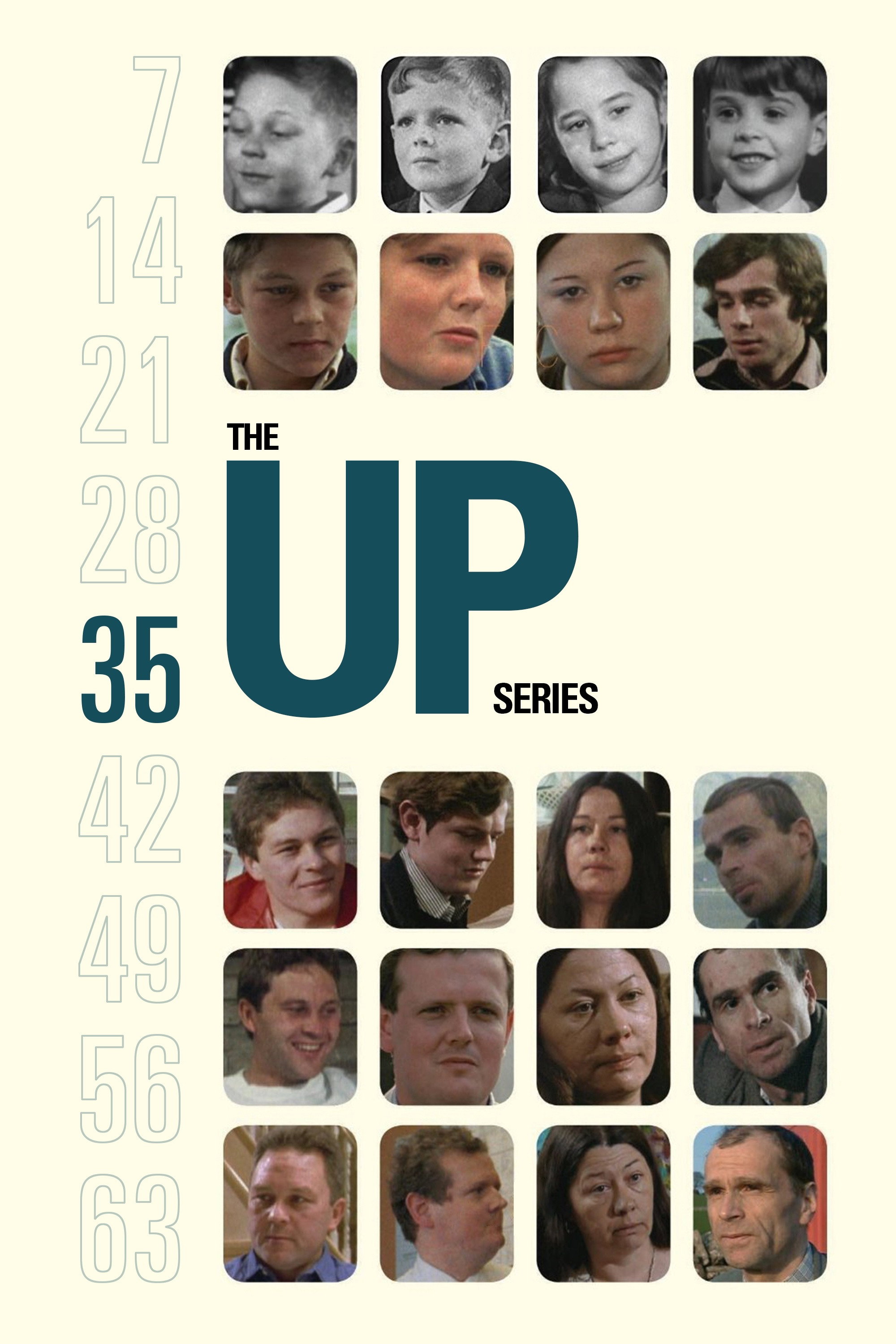
After another 7 year wait, director Michael Apted revisits the same group of British-born children from Seven Up! and 7 Plus Seven. The subjects are interviewed as to the changes that have occurred in their lives during the last seven years.
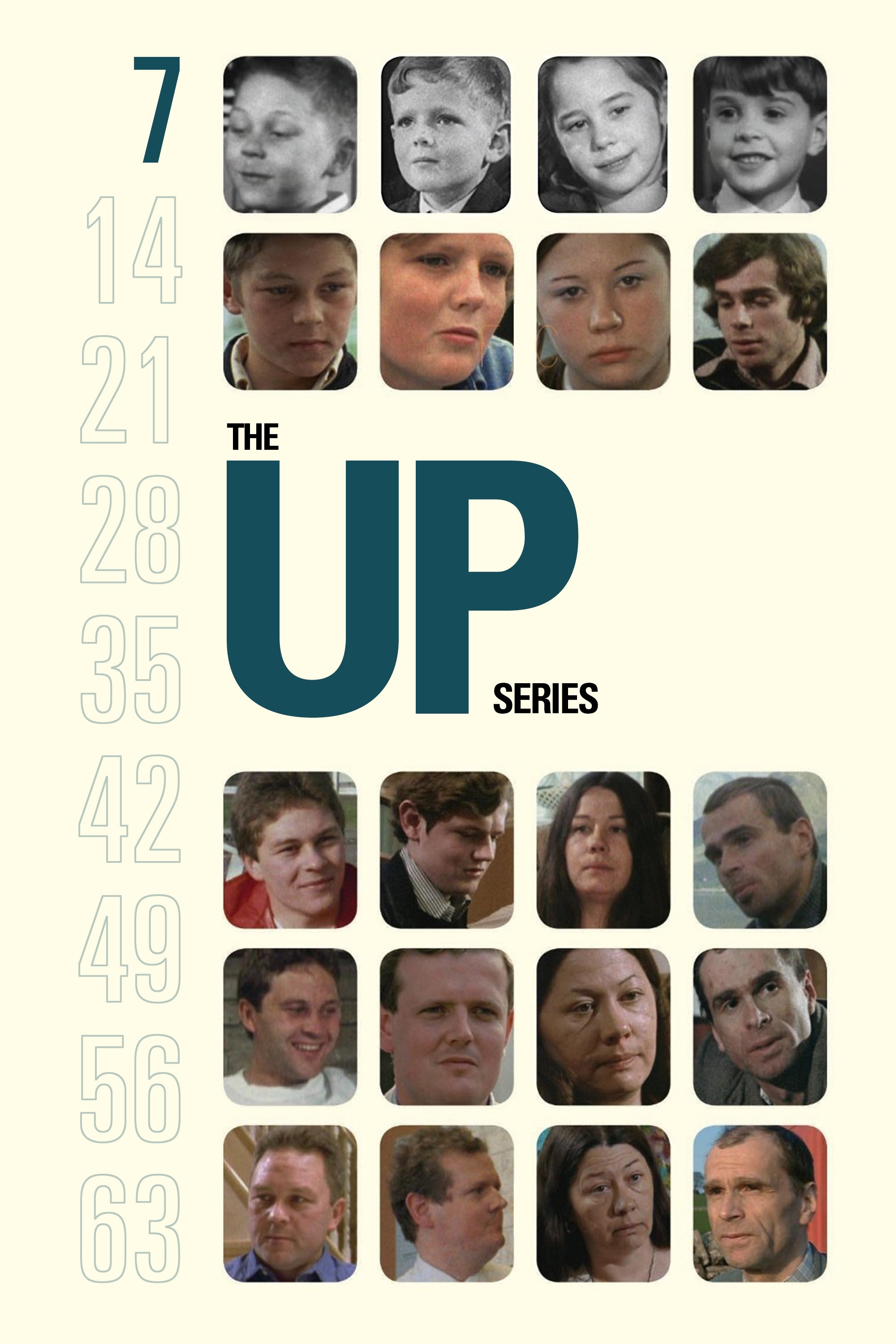
A group of British children aged 7 from widely ranging backgrounds are interviewed about a range of subjects. The filmmakers plan to re-interview them at 7 year intervals to track how their lives and attitudes change as they age.
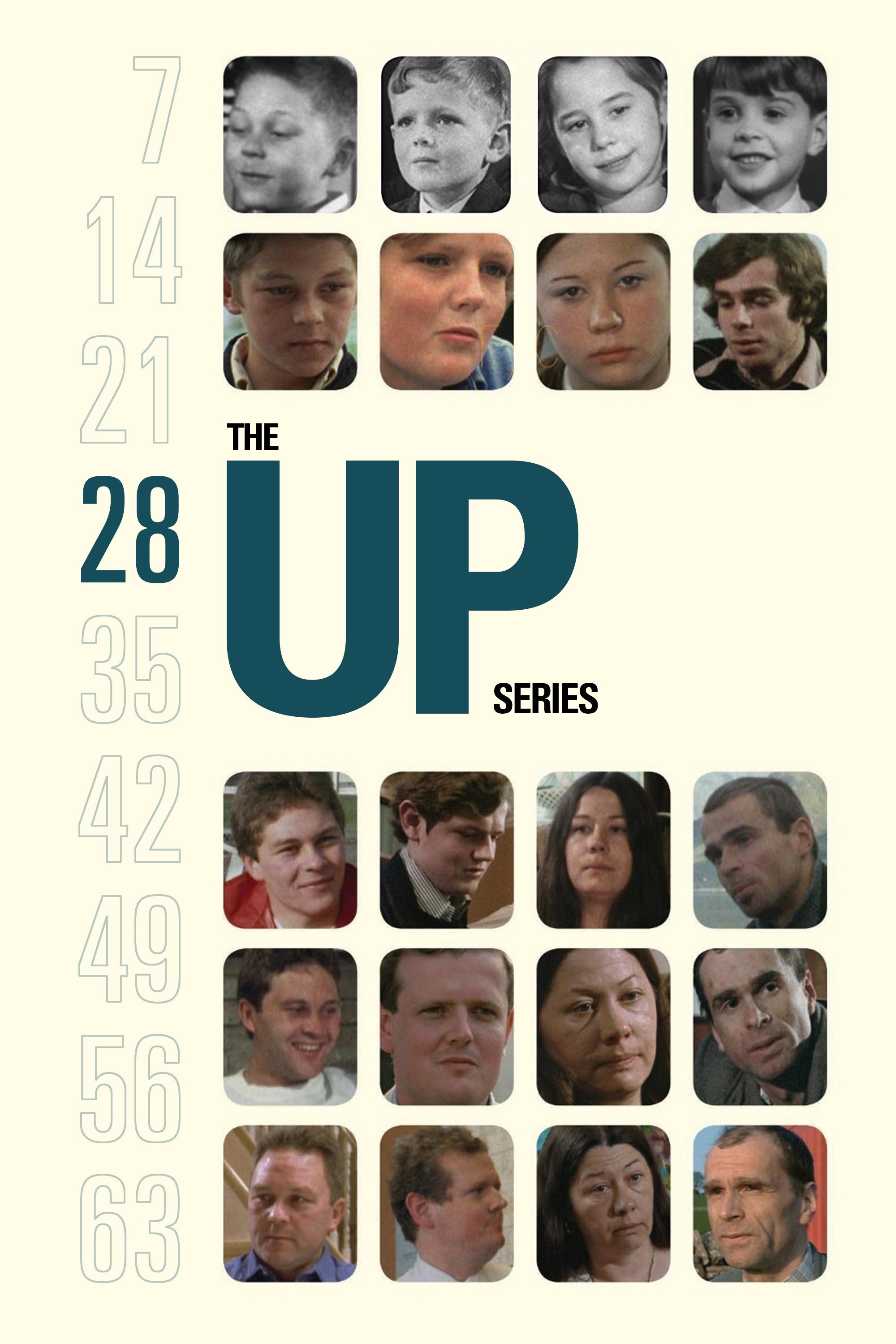
Just two years away from turning 30, participants in Michael Apted's documentary series are facing serious questions of identity and purpose, wondering whether they've found their place in the world.
Alexander McQueen's rags-to-riches story is a modern-day fairy tale, laced with the gothic. Mirroring the savage beauty, boldness and vivacity of his design, this documentary is an intimate revelation of McQueen's own world, both tortured and inspired, which celebrates a radical and mesmerizing genius of profound influence.
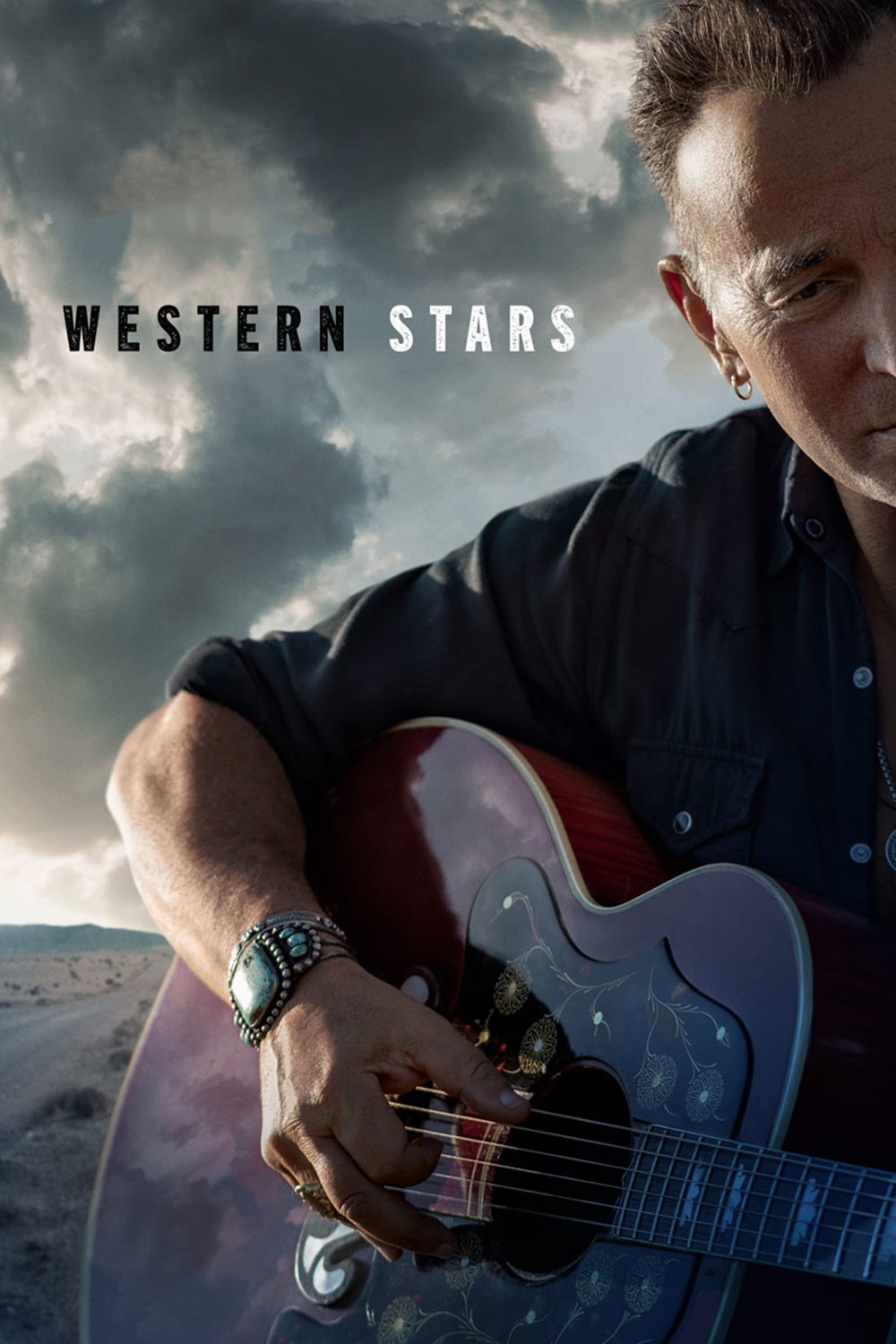
The incomparable Bruce Springsteen performs his critically acclaimed latest album and muses on life, rock, and the American dream, in this intimate and personal concert film co-directed by Thom Zimny and Springsteen himself.
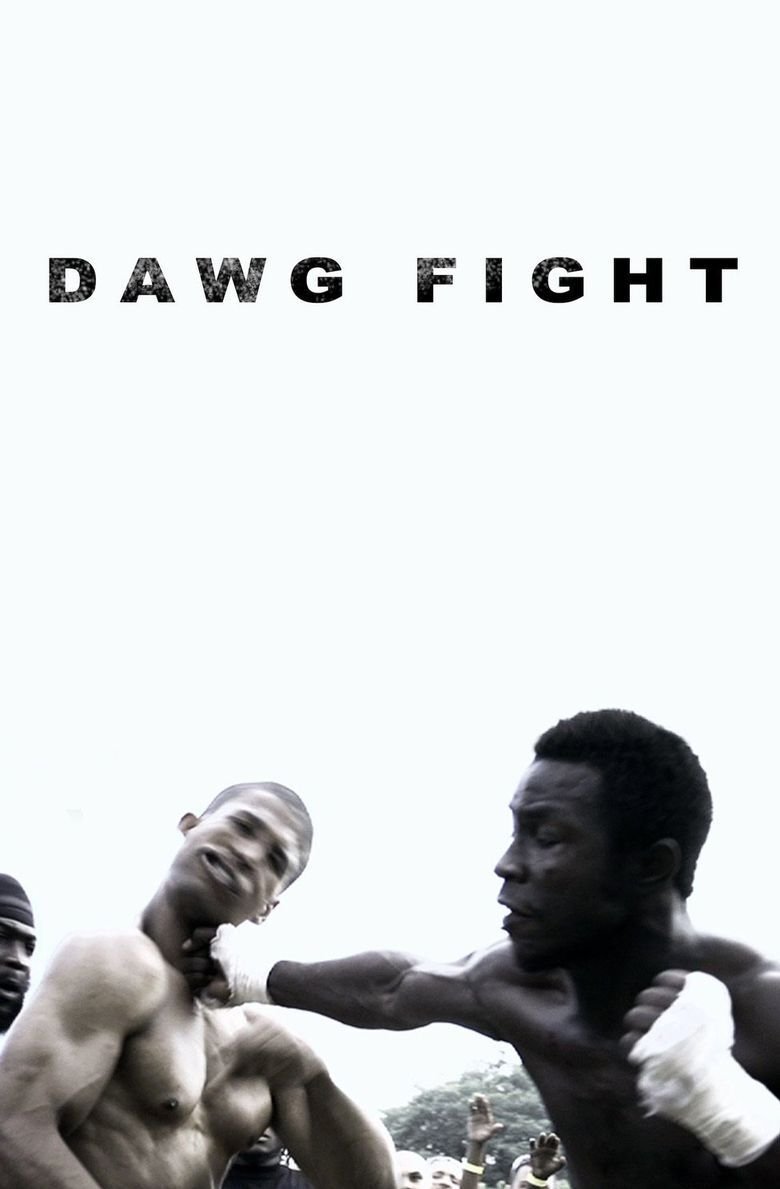
In a crime-plagued neighborhood near Miami, brutal, bare-knuckled backyard fights give young men a chance to earn money -- and self-respect.
An inside look at one of the most anticipated movie sequels ever with James Cameron and cast.
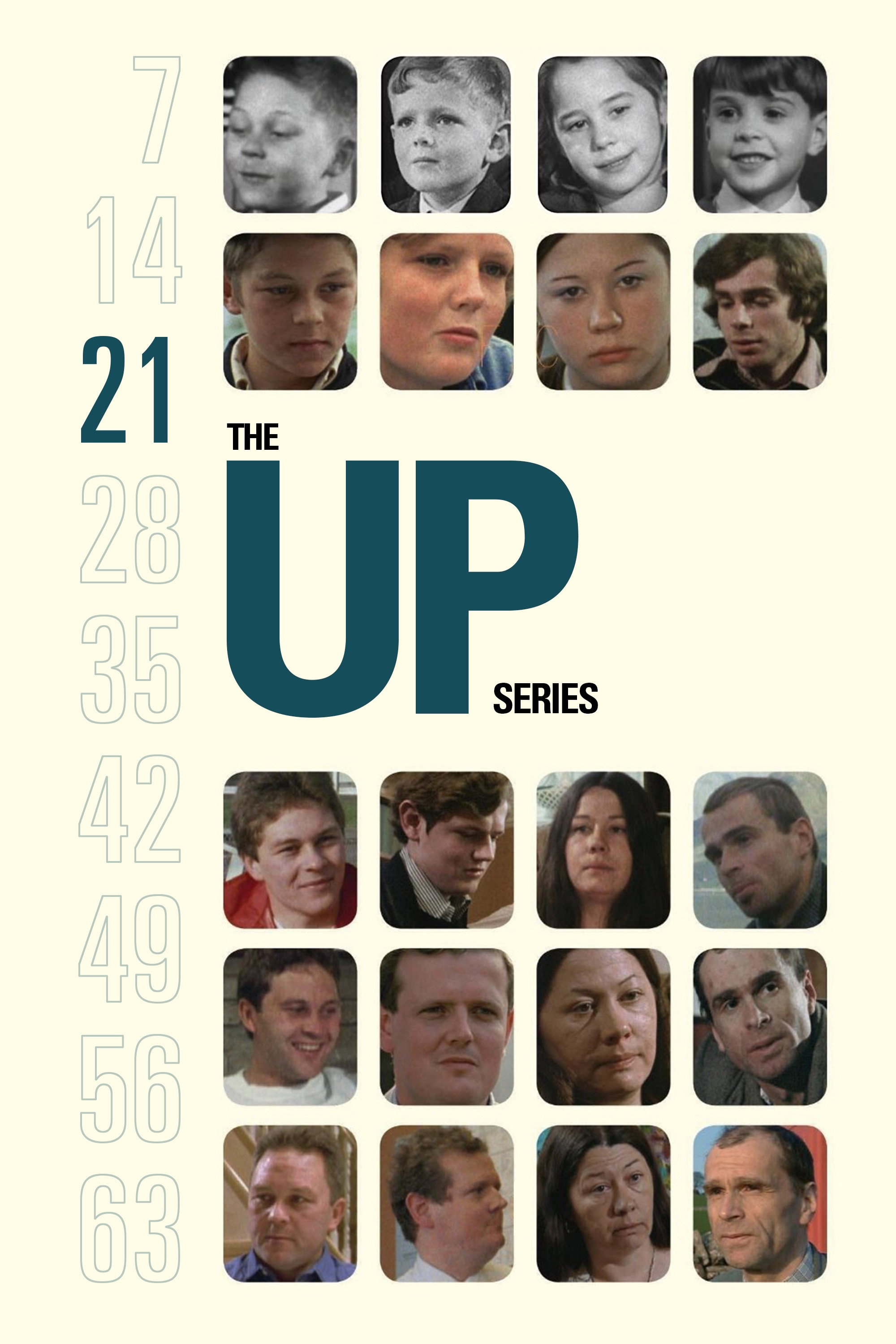
Director Michael Apted revisits the same group of British-born adults after a 7 year wait. The subjects are interviewed as to the changes that have occurred in their lives during the last seven years.
After years in the limelight, Selena Gomez achieves unimaginable stardom. But just as she reaches a new peak, an unexpected turn pulls her into darkness. This uniquely raw and intimate documentary spans her six-year journey into a new light.
Join the likes of Jeremy Renner, Hailee Steinfeld, Florence Pugh, and Vincent D’Onofrio as they reveal how Marvel Studios’ “Hawkeye” was conceived and created. Witness firsthand what it took to pull off the show’s pulse-pounding action set pieces, and discover how iconic characters from the pages of Marvel Comics such as Kate Bishop were adapted and brought to life for the six-episode series.
Captured during Billie Eilish's sold-out world tour, a concert experience from one of the most celebrated and successful artists of her generation, presented in immersive 3D.
A documentary on the expletive's origin, why it offends some people so deeply, and what can be gained from its use.
A string of threatening emails escalates into a revenge plot involving a newly married US marshal and his ex-girlfriend.
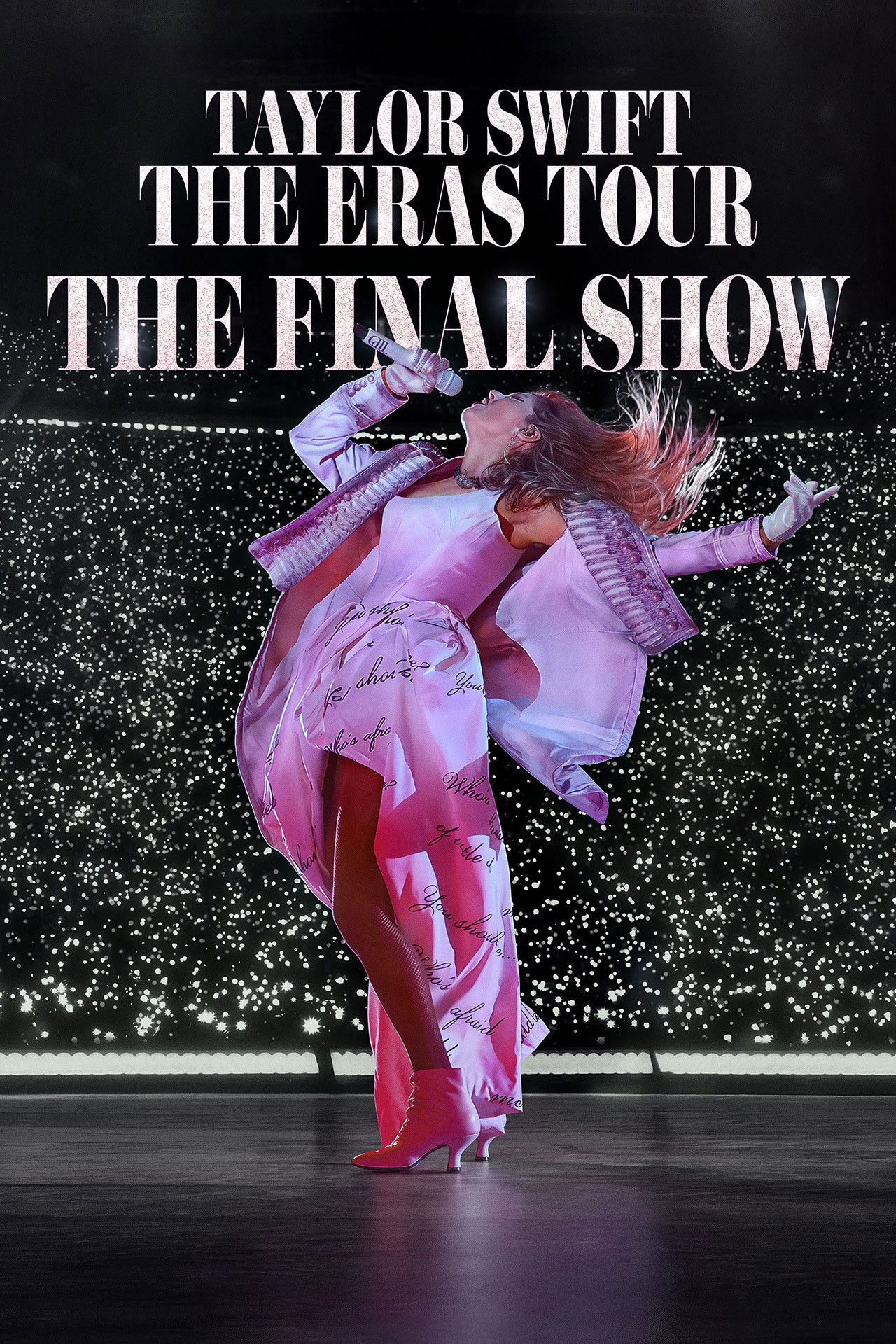
Filmed at the end of Taylor Swift's record-breaking Eras Tour in Vancouver, B.C., this complete, in-depth 45-song concert includes the complete 'The Tortured Poets Department' set and special mashups.
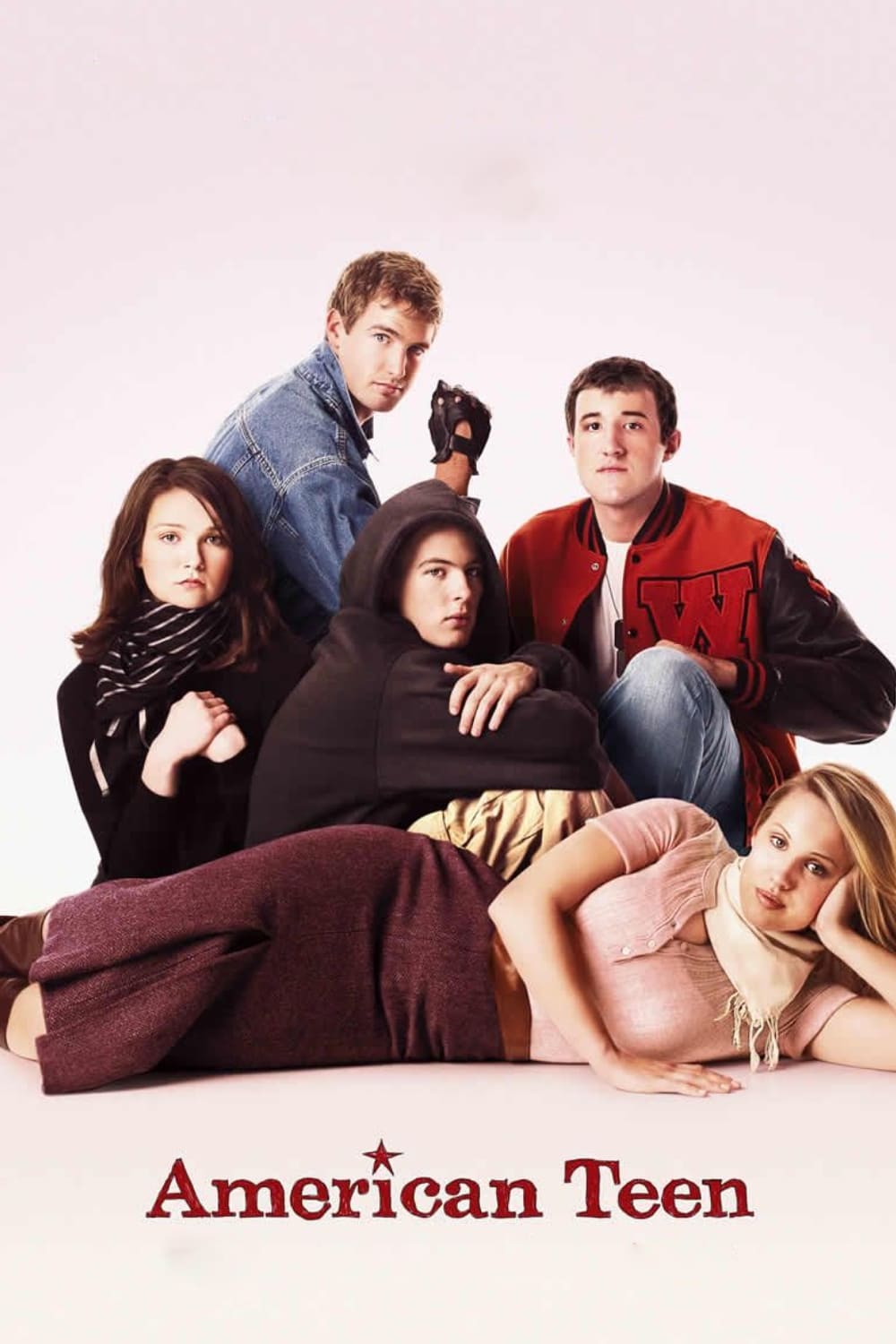
A documentary on seniors at a high school in a small Indiana town and their various cliques.
Daniel Craig candidly reflects on his 15 year adventure as James Bond. Including never-before-seen archival footage from Casino Royale to the upcoming 25th film No Time To Die, Craig shares his personal memories in conversation with 007 producers, Michael G Wilson and Barbara Broccoli.
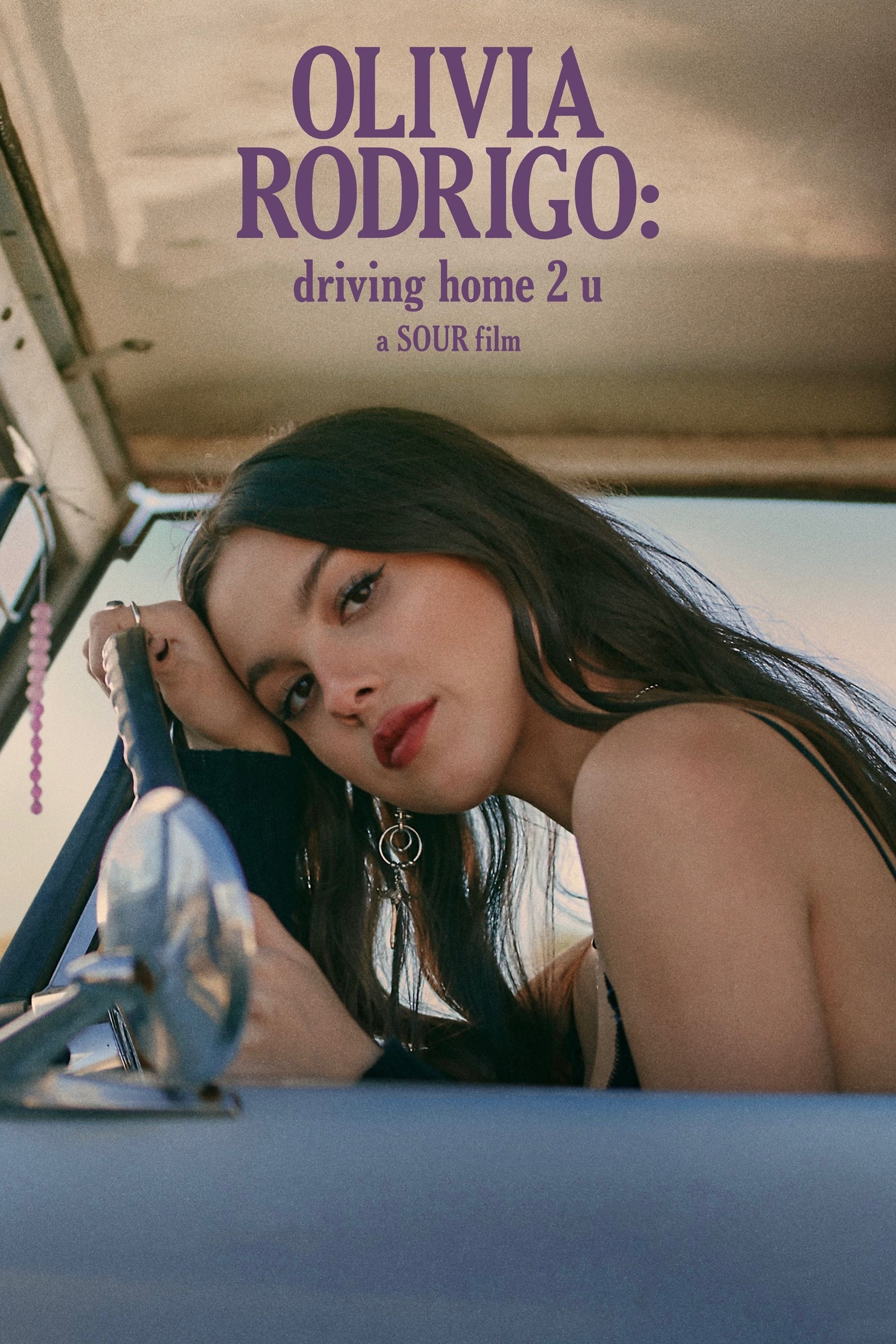
Grammy® winner singer-songwriter Olivia Rodrigo takes a familiar road trip from Salt Lake City, where she began writing her debut album “SOUR,” to Los Angeles. Along the way, Rodrigo recounts the memories of writing and creating her record-breaking debut album and shares her feelings as a young woman navigating a specific time in her life. Through new live arrangements of her songs, intimate interviews and never-before-seen footage from the making of the album, audiences will follow Olivia along on a cinematic journey exploring the story of “SOUR.”
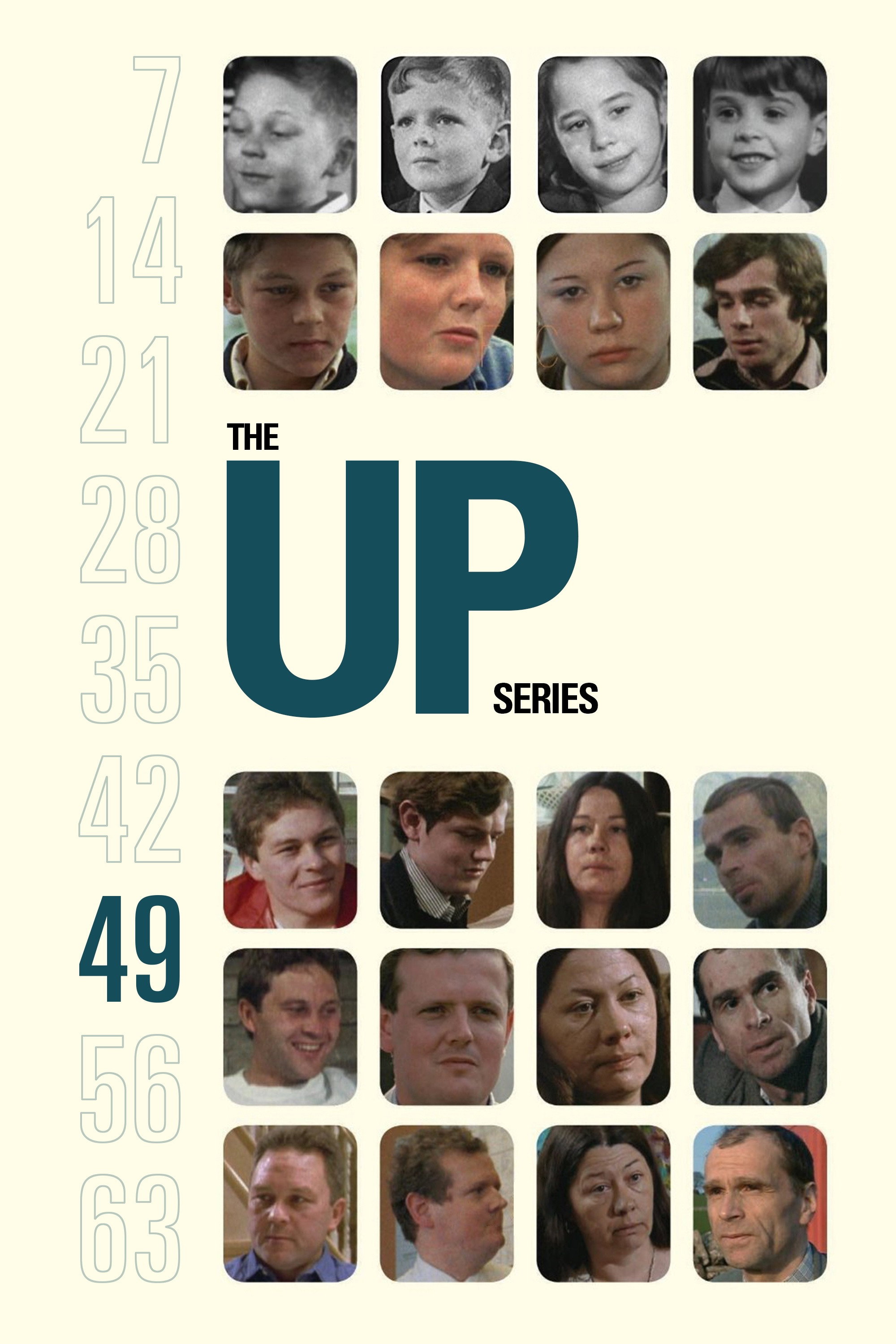
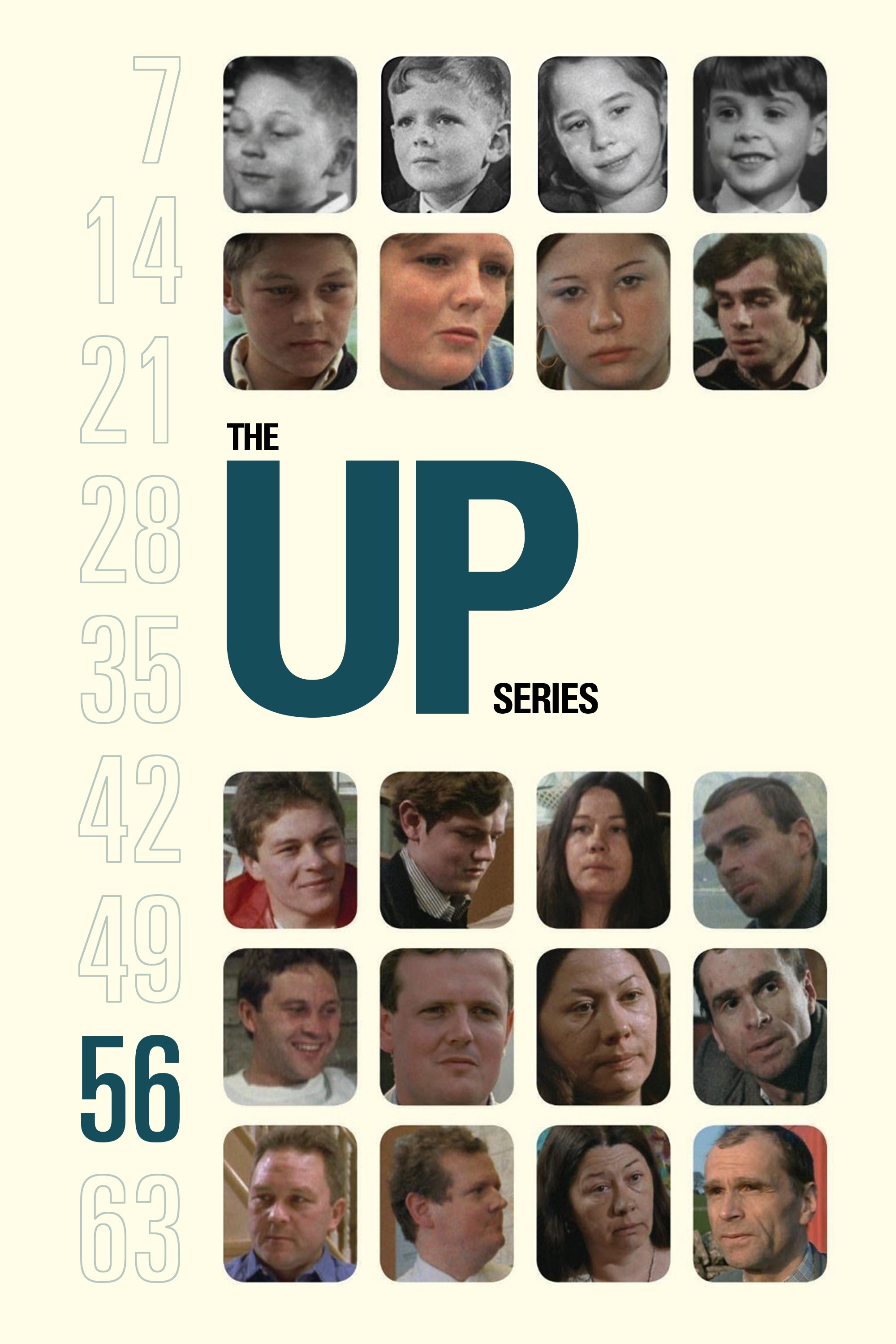
49 Up is the seventh film in a series of landmark documentaries that began 42 years ago when UK-based Granada's World in Action team, inspired by the Jesuit maxim "Give me the child until he is seven and I will give you the man," interviewed a diverse group of seven-year-old children from all over England, asking them about their lives and their dreams for the future. Michael Apted, a researcher for the original film, has returned to interview the "children" every seven years since, at ages 14, 21, 28, 35, 42 and now again at age 49.In this latest chapter, more life-changing decisions are revealed, more shocking announcements made and more of the original group take part than ever before, speaking out on a variety of subjects including love, marriage, career, class and prejudice.
When a cross-section of seven-year-olds were interviewed for 7 Up in 1964 it was immediately evident that their social backgrounds influenced their attitudes towards life. While the upper class children were confident and self-assured, those from middle and working class backgrounds were resigned to a challenging life of hard work. This premise was put to the test every seven years when the same group were interviewed about the progression of their lives. 49 years in the making, the changes that occurred to the original 14 make for fascinating television and are in many ways the stories of all our lives. From success and disappointment, marriage and childbirth, to poverty and illness, nearly every facet of life has been captured on film. Now, at the age of 56, the group are once more brought together and, with the benefit of hindsight, assess whether their lives have been ruled by circumstance or self-determination.