A surrealistic look at the future if man does not learn to control pollution.
Social & External
A look at the state of the global environment including visionary and practical solutions for restoring the planet's ecosystems. Featuring ongoing dialogues of experts from all over the world, including former Soviet Prime Minister Mikhail Gorbachev, renowned scientist Stephen Hawking, former head of the CIA R. James Woolse
Climate change has reached the indigenous Nenets people in the north of Siberia. The nomads' herds of reindeer move on thin ice. The warming in the Russian Arctic is becoming dramatically visible. Huge craters open in the thawing permafrost and expose dangerous viruses and bacteria. Forest floors dry out and the taiga catches on fire. The pack ice off the coast is melting and depriving polar bears of their habitat so that they approach human settlements in their desperation. The changes in the nature of the Arctic Circle combine with the measurements of researchers and observations of the indigenous people to form a disturbing overall picture: In the Russian Arctic, Pandora's box has been opened! The film team had the chance to shoot in regions that were been restricted areas for decades. The documentary shows in impressive and depressing images already existing effects, phenomena and ominous interlinkages of global warming.
The river Yamuna, known to the locals as 'Jamna', the lifeline of Delhi, is going through a major crisis due to pollution, mismanagement and sheer ignorance. A documentary crew tries to make sense of the situation by talking to different stakeholders and Shyam - a boatman who relies on the river for his livelihood.
The documentary Merikotkan paluu (Return of the white-tailed eagle), tells the tale of the past and the present of the white-tailed eagle. The second protagonist of the film is the human - the animal that can be blamed for the eagles’ distress but also credited for its rescue.
In June 2010, French actress Marion Cotillard spent a week in the heart of the tropical forests of the Democratic Republic of Congo with members of Greenpeace France and Greenpeace Africa. She delivers in video a strong testimony on the looting of Congolese forests which benefits a few industrial groups, often European.
Jim Geiger, a retired forest ranger and amateur mountaineer, attempts to become the oldest American and first great grandfather to summit Mt. Everest, aged 68. His transformation from a weekend hiker to attempting one of the most extreme and physically demanding feats known to man is driven by a desire to prove that age is just a number. What ensued, however, forever changed Jim's life.
Could Australia's past help secure its future? 65,000 years in the making, Burnt Country is about fighting fire, with fire. Exploring the profound knowledge and wisdom of First Nations, this film is an invitation to connect to country and community.
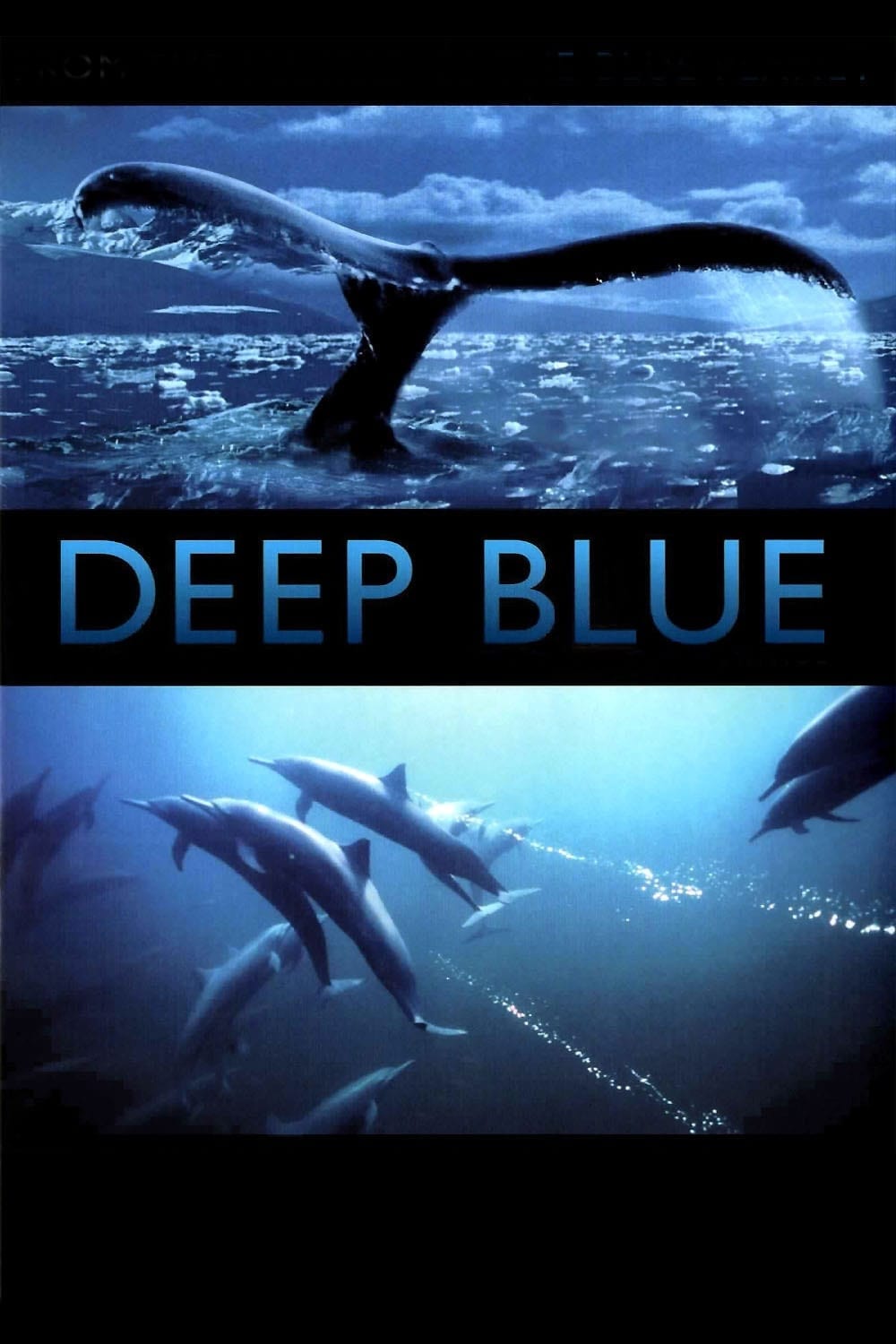
Passionate about ocean life, a filmmaker sets out to document the harm that humans do to marine species — and uncovers an alarming global conspiracy.
A documentary on Al Gore's campaign to make the issue of global warming a recognized problem worldwide.
A documentary about returning the swift fox, the smallest of Canada's native foxes, into its original habitat.
Young people from different countries talk about their thoughts and worries in regards to climate change, and how it will effect their future.
Filmmaker Judith Helfand's searing investigation into the politics of “disaster” – by way of the deadly 1995 Chicago heat wave, in which 739 residents perished (mostly Black and living in the city’s poorest neighborhoods).
Ben Fogle spends a week living inside the Chernobyl Exclusion Zone, gaining privileged access to the doomed Control Room 4 where the disaster first began to unfold.
Director James Nguyen will release his short documentary film, CLIMATE FIX which suggests how carbon removal technology can be used to fix climate change-global warming.
This film tries to blow the whistle on what it calls the biggest swindle in modern history: 'Man Made Global Warming'. Watch this film and make up your own mind.
Disobedience tells the David vs. Goliath tale of front line leaders battling for a livable world. Filmed in the Philippines, Turkey, Germany, Canada, Cambodia and the United States, it weaves together these riveting stories with insights from the most renowned voices on social justice and climate. Disobedience is personal, passionate and powerful - the stakes could not be higher, nor the mission more critical.
In a world tussling with climate change, an innovative start-up named All.g emerged with a mission to take action against it. One seaweed at a time, they pivot seaweed farming from traditional shores to uncharted territories of carbon credit markets. This documentary will dive deep into the seas of innovation, entrepreneurship, and sustainability, and will uncover the hidden potential of seaweed not only as a carbon warrior but as a catalyst for transforming livelihoods within seaweed farming communities.
In the first half of the 19th century, the French ornithologist Jean-Jacques Audubon travelled to America to depict birdlife along the Mississippi River. Audubon was also a gifted painter. His life’s work in the form of the classic book ‘Birds of America’ is an invaluable documentation of both extinct species and an entire world of imagination. During the same period, early industrialisation and the expulsion of indigenous peoples was in full swing. The gorgeous film traces Audubon’s path around the South today. The displaced people’s descendants welcome us and retell history, while the deserted vistas of heavy industry stretch across the horizon. The magnificent, broad images in Jacques Loeuille’s atmospheric, modern adventure reminds us at the same time how little - and yet how much - is left of the nature that Audubon travelled around in. His paintings of the colourful birdlife of the South still belong to the most beautiful things you can imagine.
Takes us to locations all around the US and shows us the heavy toll that modern technology is having on humans and the earth. The visual tone poem contains neither dialogue nor a vocalized narration: its tone is set by the juxtaposition of images and the exceptional music by Philip Glass.
David Attenborough and scientist Johan Rockström examine Earth's biodiversity collapse and how this crisis can still be averted.
A decade after An Inconvenient Truth brought climate change into the heart of popular culture comes the riveting and rousing follow-up that shows just how close we are to a real energy revolution. Vice President Al Gore continues his tireless fight, traveling around the world training an army of climate champions and influencing international climate policy. Cameras follow him behind the scenes—in moments private and public, funny and poignant—as he pursues the empowering notion that while the stakes have never been higher, the perils of climate change can be overcome with human ingenuity and passion.
A documentary focused on plastic pollution in the world's oceans.
A visual montage portrait of our contemporary world dominated by globalized technology and violence.
David Attenborough takes viewers on a breathtaking journey showing there is nowhere more vital for our survival, more full of life, wonder, or surprise, than the ocean. Through spectacular sequences featuring coral reefs, kelp forests and the open ocean, Attenborough shares why a healthy ocean keeps the entire planet stable and flourishing.
An exploration of technologically developing nations and the effect the transition to Western-style modernization has had on them.
Never-before-seen footage shows how our living in lockdown opened the door for nature to bounce back and thrive. Across the seas, skies, and lands, Earth found its rhythm when we came to a stop.
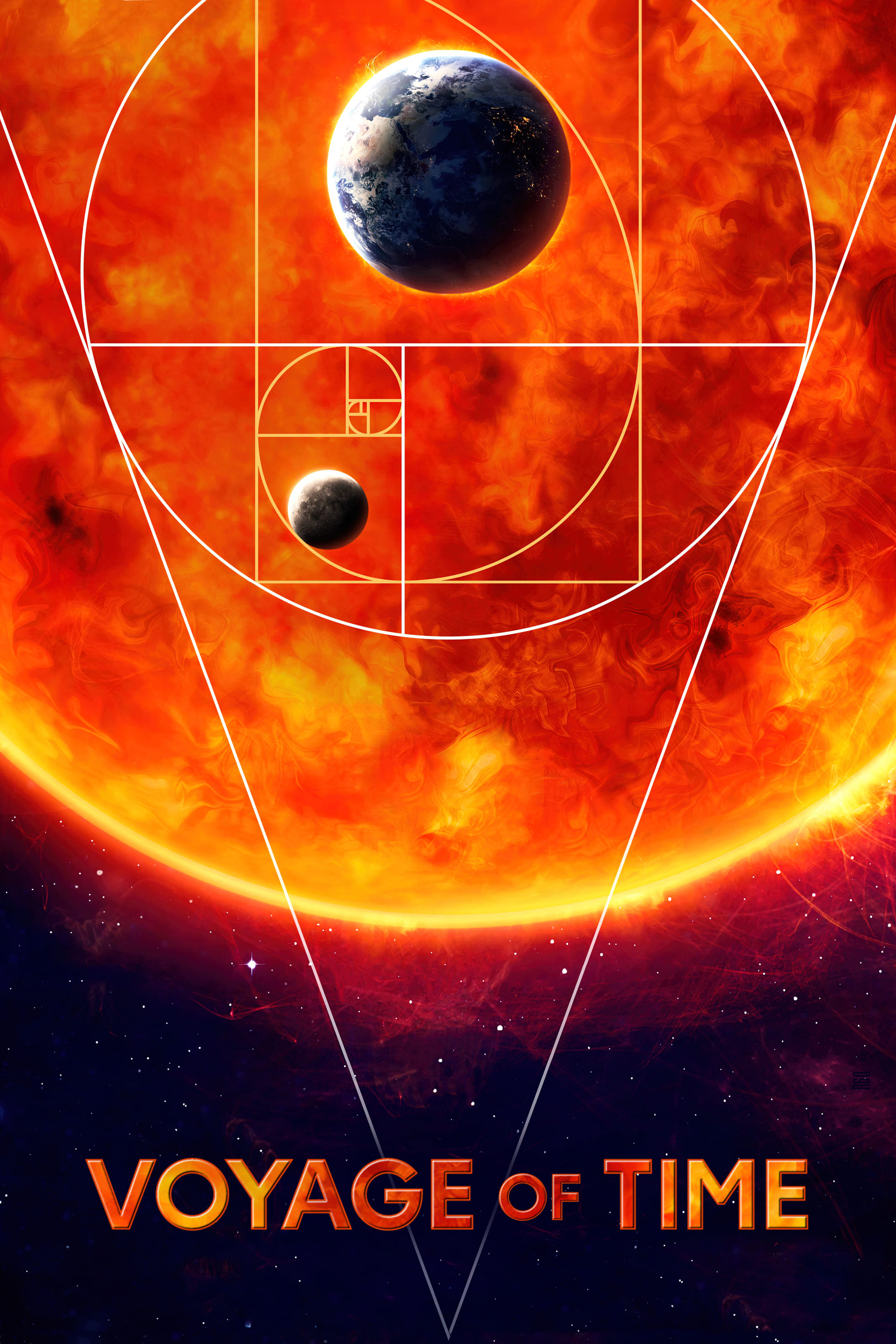
A celebration of the universe, displaying the whole of time, from its start to its final collapse. This film examines all that occurred to prepare the world that stands before us now: science and spirit, birth and death, the grand cosmos and the minute life systems of our planet.
Sheds light on an alternative approach to farming called “regenerative agriculture” that could balance our climate, replenish our vast water supplies, and feed the world.
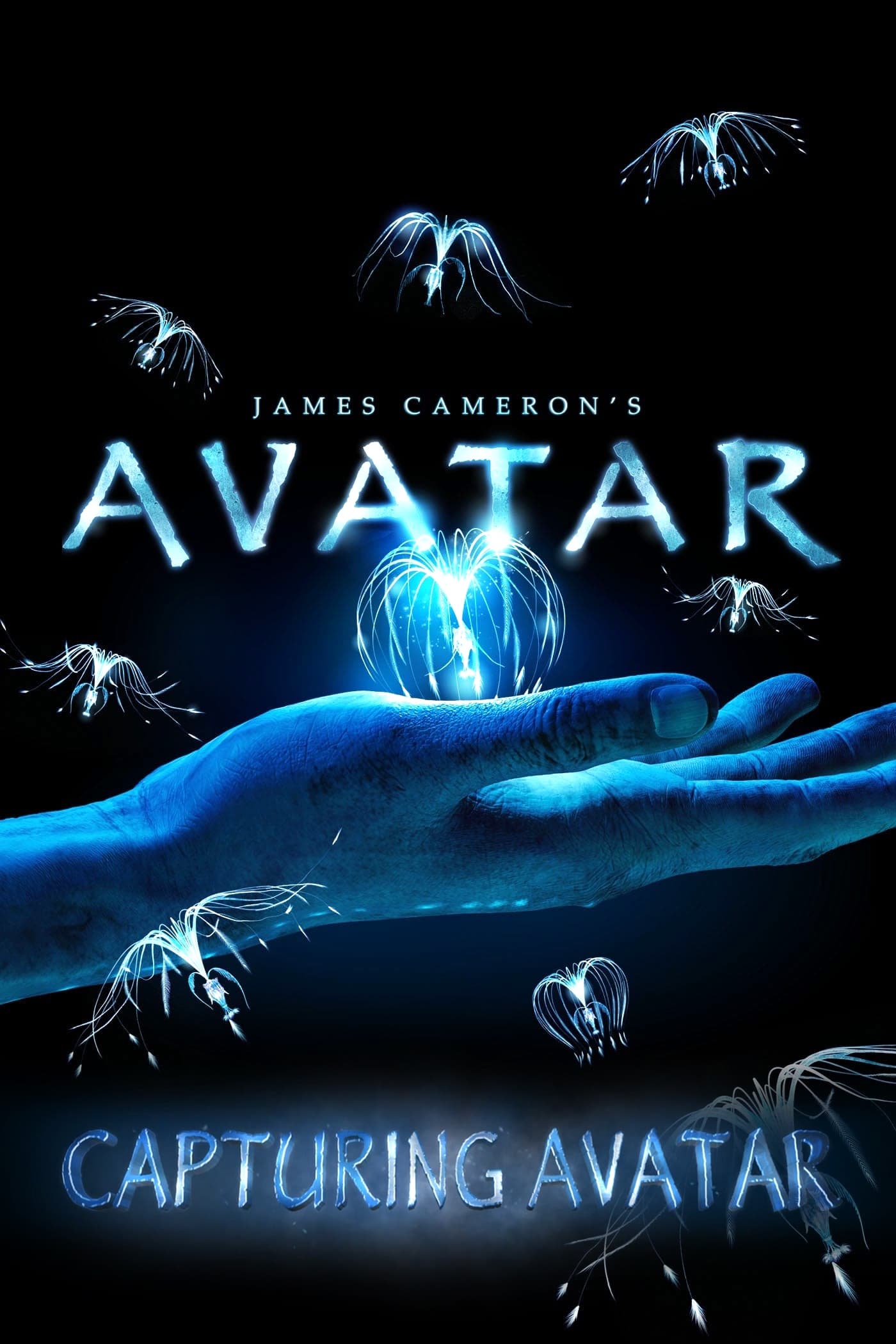
Capturing Avatar is a feature length behind-the-scenes documentary about the making of Avatar. It uses footage from the film's development, as well as stock footage from as far back as the production of Titanic in 1995. Also included are numerous interviews with cast, artists, and other crew members. The documentary was released as a bonus feature on the extended collector's edition of Avatar.
Years spent recording footage of creatures from every corner of the globe is bound to produce a bit of drama. Here's a behind-the-scenes look.
Join director Clint Eastwood and his creative team, along with Bradley Cooper and Sienna Miller, as they overcome enormous creative and logistic obstacles to make a film that brings the truth of Navy SEAL Chris Kyle's story to the screen.
In the mountains of Sichuan, China, a researcher forms a bond with Qian Qian, a panda who is about to experience nature for the first time.
One Life captures unprecedented and beautiful sequences of animal behaviour guaranteed to bring you closer to nature than ever before, as well as a second disc packed full of never before seen extras including an exclusive making of featurette narrated by Daniel Craig.
Described as being a film about determination, danger and the ocean’s greatest depths, James Cameron's "Deepsea Challenge 3D" tells the story of Cameron’s journey to fulfill his boyhood dream of becoming an explorer. The movie offers a unique insight into Cameron's world as he makes that dream reality – and makes history – by becoming the first person to travel solo to the deepest point on the planet.
The Captains is a feature-length documentary film written and directed by William Shatner. The film follows Shatner as he interviews the other actors who have portrayed starship captains in the Star Trek franchise.
A documentary that explores the downloading revolution; the kids that created it, the bands and the businesses that were affected by it, and its impact on the world at large.
In 2013, the world's media reported on a shocking mountain-high brawl as European climbers fled a mob of angry Sherpas. Director Jennifer Peedom and her team set out to uncover the cause of this altercation, intending to film the 2014 climbing season from the Sherpa's point-of-view. Instead, they captured Everest's greatest tragedy, when a huge block of ice crashed down onto the climbing route...