Social & External
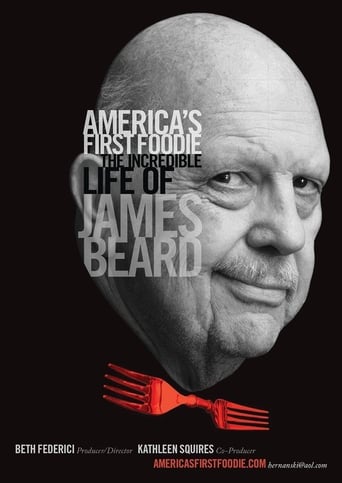
Food in the 21st century has become much more than “meat and potatoes” and canned soup casseroles.” Chefs have gained celebrity status; recipes and exotic ingredients, once impossible to find, are now just a mouse click away; and the country's major cities are better known for their gastronomy than their art galleries. This food movement can be traced back to one man: James Beard. His name graces the highest culinary honor in the American food world today—the James Beard Foundation Awards. And while chefs all around the country aspire to win a James Beard Award, often referred to as the “culinary Oscars,” many of those same chefs know very little about the man behind the medal. Respected restaurateur Drew Nieporent summed it up when he said, “Everybody knows the name James Beard. They may not know who he is, but they know the name.”
Cartoneras is a documentary that grapples with Latin America’s urban realities, and the cardboard publishing movement that has emerged from these in the 21st century. Reflecting on the different contexts that propelled this form of community publishing, like Argentina’s 2001 economic crisis, the independent art scene, and the movements which formed around waste-pickers, the film’s narrative is developed through conversations with important actors from the cartonera world.
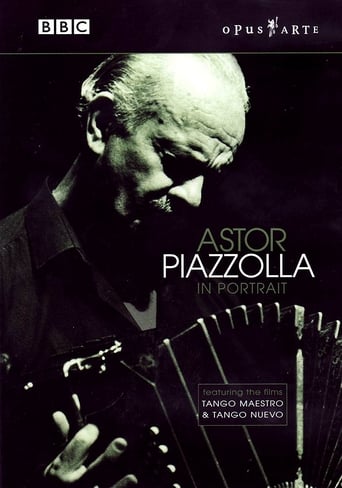
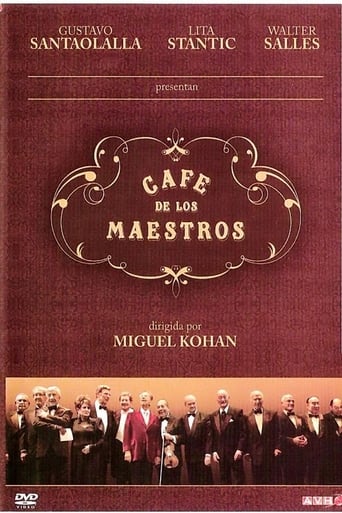
Coffee Masters is a documentary by Miguel Kohan, produced by Lita Stantic, Gustavo Santaolalla and Walter Salles. It tells the story of great tango of the old guard who, summoned by a rock musician, proposing a record to demonstrate its validity. This adventure, full of memories, humor and poignant moments, culminating with a presentation of the Masters at the Teatro Colon.
This documentary follows Ishihara Hitoshi, a Japanese kaiseki chef whose highly acclaimed restaurant in Kyoto has three Michelin stars. This is one year in the life of a chef who pursues perfection but always insists he’s not yet there.
What does it mean to belong to a place, a country? In a south Tel Aviv elementary school, that question is addressed head-on by a fourth-grade class and their teacher. The children are asylum seekers whose families mostly do not have a legal status in Israel, yet learn, sing and play in Hebrew all the while examining their identity and sense of belonging.
A group of friends gathers to celebrate the end of 2023 and the beginning of 2024. Captured through a cellphone camera, the film showcases their various interactions while highlighting the artistic and cultural influences that shape their lives.
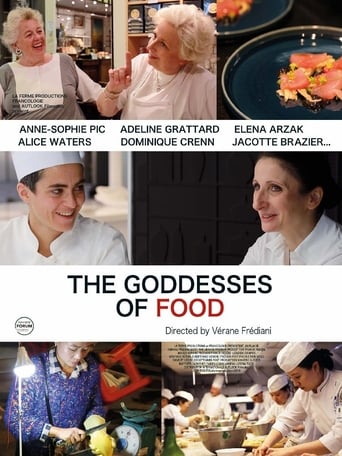
From 3 stars chefs to female cooks, sommelières, entrepreneuses all around the world, meet innovative women who want to change the world through gastronomy.
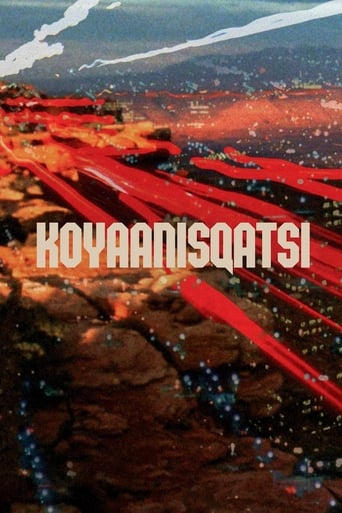
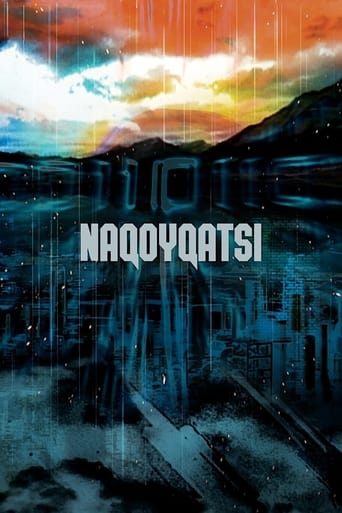
Takes us to locations all around the US and shows us the heavy toll that modern technology is having on humans and the earth. The visual tone poem contains neither dialogue nor a vocalized narration: its tone is set by the juxtaposition of images and the exceptional music by Philip Glass.
The life of the last female singer of the golden age of tango, who died at 102 years of age. Nelly Omar stood out as one of the consecrated interpreters of tango and national folklore.
Musical documentary about the love story between tango lyricist José María Contursi and a village girl named Gricel. After a passionate and forbidden romance, Contursi and Gricel separate and propose to forget each other, but they discover that forgetting is impossible.
Affectionately known as claquos or calendos, Camembert is one of France's favorite cheeses. Almost 500 million Camemberts are sold in France every year. While this historic monument to French gastronomy retains its artisanal image, the reality is very different. From AOP to made-in-Normandy to 100% Norman milk, confusion reigns from market stalls to supermarket shelves. The "real" Camembert de Normandie, with its PDO label, accounts for less than 5% of sales. Investigate one of the jewels in the crown of French cheeseboards.
Paris, summer 1960. Anthropologist and filmmaker Jean Rouch and sociologist and film critic Edgar Morin wander through the crowded streets asking passersby how they cope with life's misfortunes.
Newsreels, songs and films by Gardel, real scenes with events and historical figures from Argentina and the world, images of the accident that took his life in Medellín and the funeral in Buenos Aires.
Well before many chefs of his generation, Michel Troisgros hit on culinary practice and culture which today lie at the heart of world gastronomy. Refusing to bend to fashion, his cuisine is unrestrained and personal, bright and cheerful, making the world-renowned Maison Troisgros resolutely modern even four decades after its inception. This tasty yet minimalist cuisine is echoed in Paul Lacoste's meticulous direction, where the handsome lighting and smart photography make the film a pure delicacy.
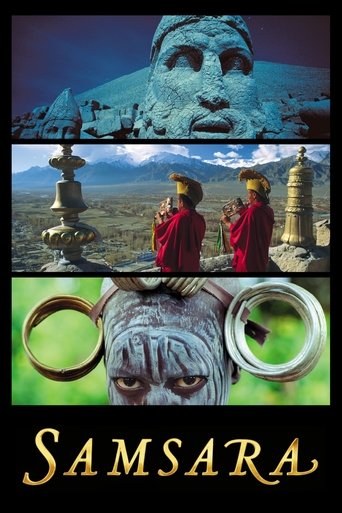
Tibetan Buddhist search for the meaning of death in an unforgiving Himalayan landscape and stir compassion by uncovering human truths
A documentary about Medellín's historic and continued connection to tango and its most iconic figure.
“Olive” is a short documentary that follows Olive Hagemeier, an energetic woman, on her daily routine of salvaging, repackaging and redistributing food, and occasional other types of “waste”, across Atlanta, GA. Presented in a quiet observational style, this film is both a character study of a committed and enigmatic volunteer, as well as an ethnographic work that places the audience in the heart of a decentralized, volunteer-run mutual aid network in a “post-COVID” American city.