Short educational film of our solar system
Social & External
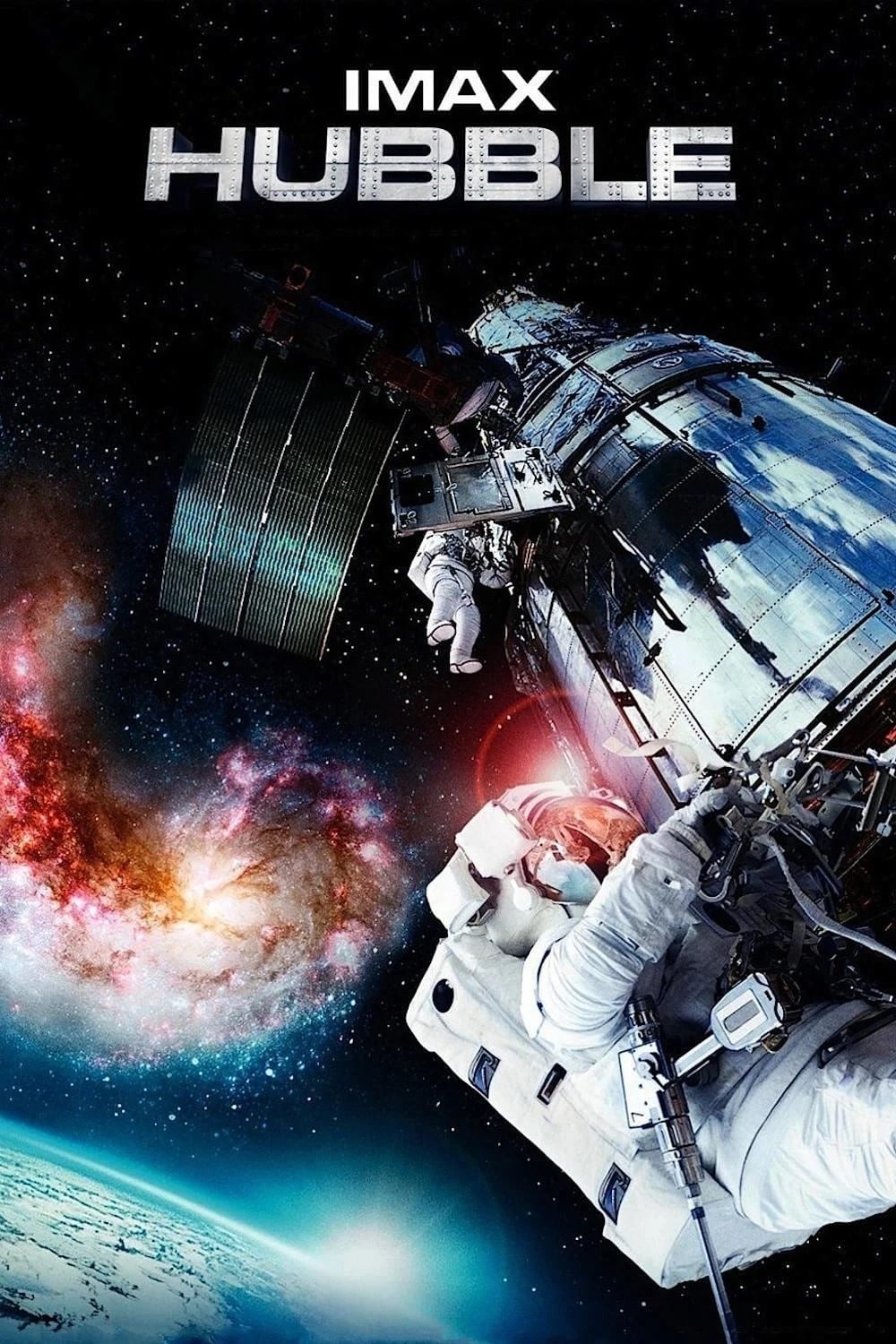
Travel alongside the astronauts as they deploy and repair the Hubble Space Telescope, soar above Venus and Mars, and find proof of new planets and the possibility of other life forming around distant stars.
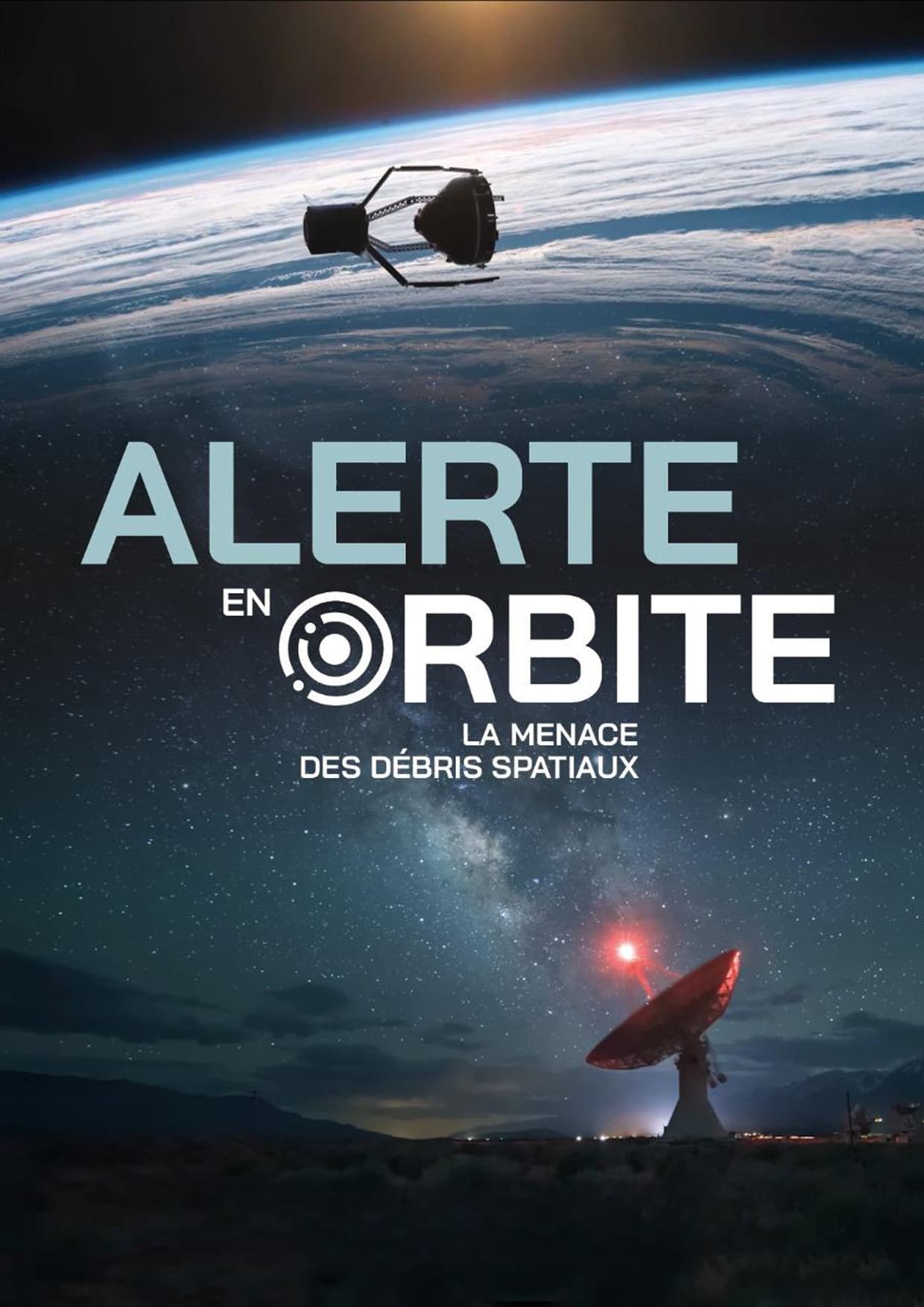
It was November 12, 2014, at 5:03pm. Humanity had just accomplished a feat that will forever mark its history. Philae, the miniature laboratory integrated into the Rosetta probe, landed softly on comet 67P Chourioumov-Guérassimenko, better known as Tchouri. The culmination of a project decided twenty-one years earlier, in 1993, by the European Space Agency - the first to display the immense ambition of landing on one of these bodies made of ice and dust, archives of the solar system's infancy. To achieve this, it took years of preparation, a decade-long flight, six billion kilometers flown, thousands of scientists and engineers involved... Astrophysicist Anny-Chantal Levasseur-Regourd sums it all up: "From this mission, we hope - and can reasonably expect - to understand the origin of the solar system and how life appeared on Earth.
Clever machines are needed in the potato field and Cheeky Midge gets a closer look.
A documentary that introduces FIT Hives, a student-run organization whose mission is to educate the FIT community about the importance of bees to the environment, the use of bee-derived resources in the industries related to the majors at FIT and its goal to put a beehive on the roof. FIT Hives is a recipient of an FIT Innovation Grant which also supported the making of this documentary.
In the year 1957 the cold war expands to space. The Soviet-Union sends Sputnik as the first manmade object into earth-orbit. 3 years later Yuri Gagarin enters space as the first man in space. The so called "Space Race" seems to be decided. But in 1961 President Kennedy promised to send American Astronauts to the Moon. The Apollo Project was born. A space ship had to be built that is strong enough to escape earth's gravitation, land on the moon and bring the crew safely back to earth. Motion Designer Christian worked with his brother and Composer Wolfgang for 18 months on this shortfilm. The foundation were thousands original NASA photographies, taken from the Astronauts during the Apollo Missions, which were released in September 2015. It is an animated collage using different techniques to bring the stills to life.
The 1977 discovery of RNA splicing by Dr. Phillip A. Sharp, Kentucky farm boy turned Nobel-prize winning scientist, set the stage for a revolution in molecular biology, enabling research into a new class of medicines predicated on recombinant DNA techniques ranging from the development of synthetic insulin and human growth hormone to the COVID-19 vaccine.
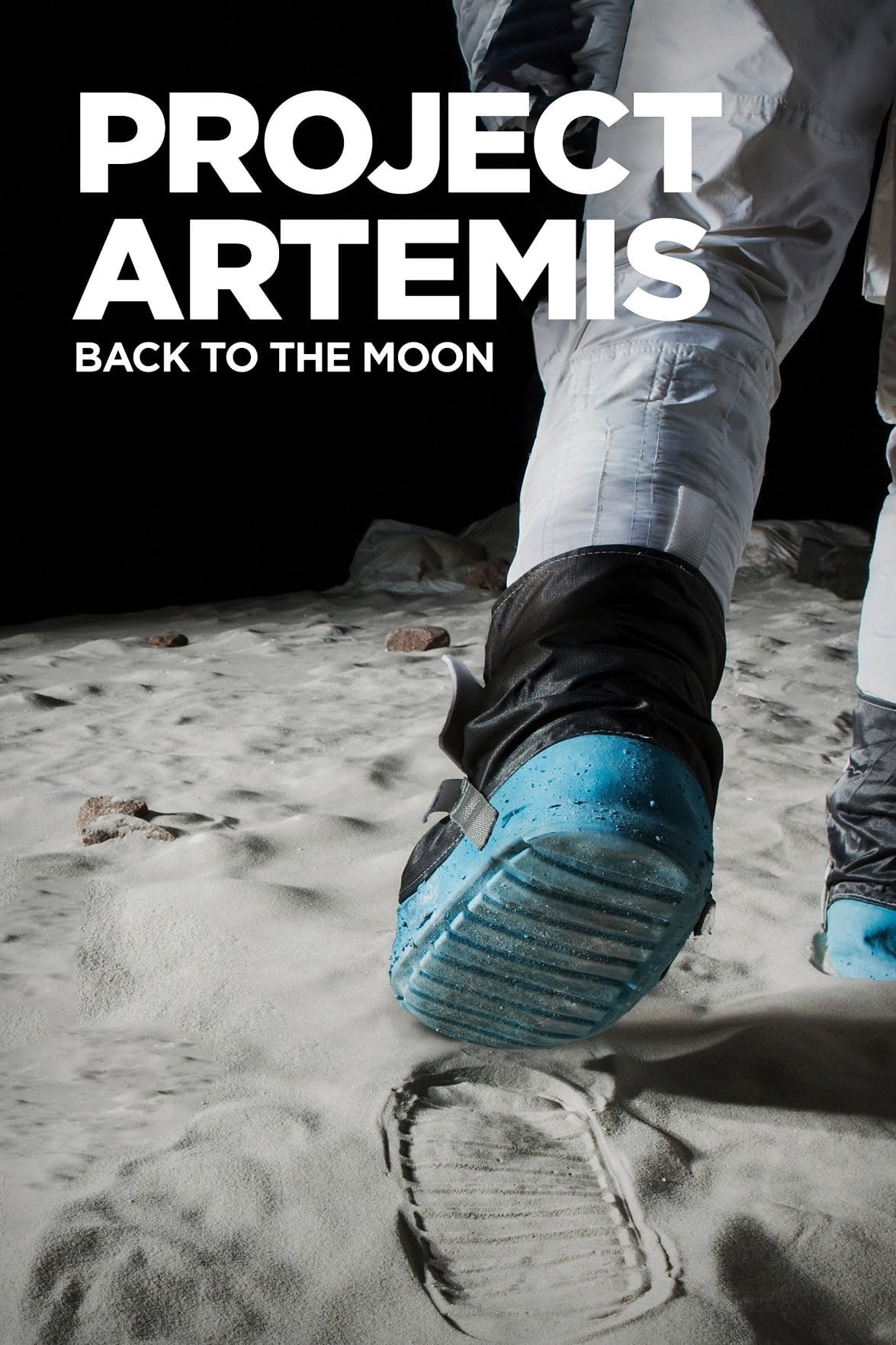
The 1960s was an extraordinary time for the United States. Unburdened by post-war reparations, Americans were preoccupied with other developments like NASA, the game-changing space programme that put Neil Armstrong on the moon. Yet it was astronauts like Eugene Cernan who paved the uneven, perilous path to lunar exploration. A test pilot who lived to court danger, he was recruited along with 14 other men in a secretive process that saw them become the closest of friends and adversaries. In this intensely competitive environment, Cernan was one of only three men who was sent twice to the moon, with his second trip also being NASA’s final lunar mission. As he looks back at what he loved and lost during the eight years in Houston, an incomparably eventful life emerges into view. Director Mark Craig crafts a quietly epic biography that combines the rare insight of the surviving former astronauts with archival footage and otherworldly moonscapes.

In this Coronet instructional film, we learn how to manage and self regulate our emotions when it comes to dealing with short comings and disappointments.
A class trip to the museum requires some new rules.
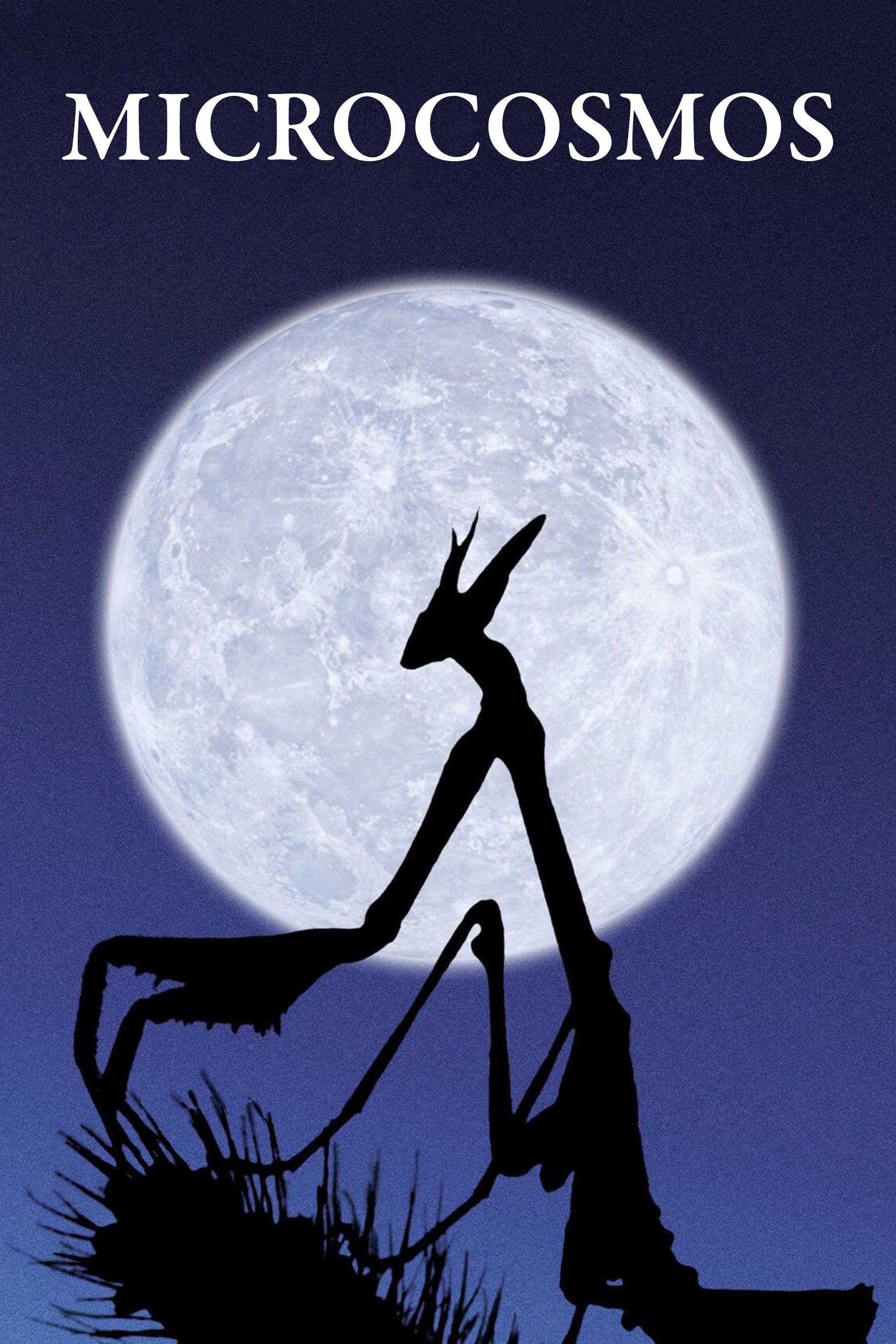
A documentary of insect life in meadows and ponds, using incredible close-ups, slow motion, and time-lapse photography. It includes bees collecting nectar, ladybugs eating mites, snails mating, spiders wrapping their catch, a scarab beetle relentlessly pushing its ball of dung uphill, endless lines of caterpillars, an underwater spider creating an air bubble to live in, and a mosquito hatching.
A short film portrays the events of a depressed man's day, culminating, presumably, in his suicide, though the ending is ambiguous. Afterwards, a roundtable of mental hygiene professionals and social workers examine the film, while discussing the phenomenon of suicide more broadly.
An educational film about power sources that’s rendered as a lyrical meditation on heat and vapor, The Four Elements is a poetic and avant-garde documentary Curtis Harrington made for the United States Information Agency.
Narrated by Sir Michael Redgrave, this film shows the colleges and student life of Cambridge in 1963. From British Pathé TV's Arts Collection.
Portrait of Hermann Heinzel.
An educational short film about correct speaking methods.
Before the internet. Before social media. Before breaking news. The victims of Thalidomide had to rely on something even more extraordinary to fight their corner: Investigative journalism. This is the story of how Harold Evans fought and won the battle of his and many other lives.
Explore the sun’s powerful storms, its impact on Earth, and groundbreaking research shaping our understanding of solar activity and its effects on our planet.
From the territories of the Arctic to the farthest reaches of the universe, Worlds of Ice shows us the astonishing omnipresence of ice.
An educational document that clearly shows how the new collective method of building in the so-called "threes" can achieve an increase in labor productivity and, as a result, help to eliminate the general lack of apartments.
The wonders of the universe have long propelled our insatiable desire to learn more about who we are and where we came from. With the advancing age of science and technology, we're able to explore our world and the cosmos like never before. We are exploring the unknown at the farthest reaches in space unlocking new wonders and mysteries that are both shocking and amazing. From colling planets, to disappearing comets, to unexplained activity on the surface of planets in our solar system, the next evolution of mankind is well underway.