A nature documentary about a wonder created by the Ice Age: the Finnish bogs and their living creatures, and the creatures of the Finnish mythological spirit world that call the bog home.
Social & External
Tale of the Sleeping Giants is a movie filmed entirely in Lapland in the most mythical wilderness: the mountains, lakes and rivers of Lapland. It is a journey into the rich mythology of ancient Scandinavians and Lapps told in the form of a nature movie.
Tale of a Lake is a film about the thousands of lakes that Finland is known for. It takes the viewers on an unprecedented adventure, ranging from the crystal clear springs all the way to the basins of the big lakes. It opens a whole new world of underwater nature for the viewers, and tells about the many old tales and beliefs in the land of thousands of lakes. The story of the film is told through tales that are based around the myths, legends and old beliefs that are part of the Finnish mythology.
Set today against the backdrop of a charming, mysterious and mystical city in which we follow the fate of its inhabitants: a young politician who receives a corrupt offer; girls looking for love; a lawyer standing at a crossroads specializing in divorce matters; a small thief who wants to steal a reliquary with the Blood of the Lord; marriages that cannot wait for a child; women after a pass and a man unable to free themselves from the clutches of gambling.
Iron Danger is an action film inspired by the finnish folklore epic Kalevala.
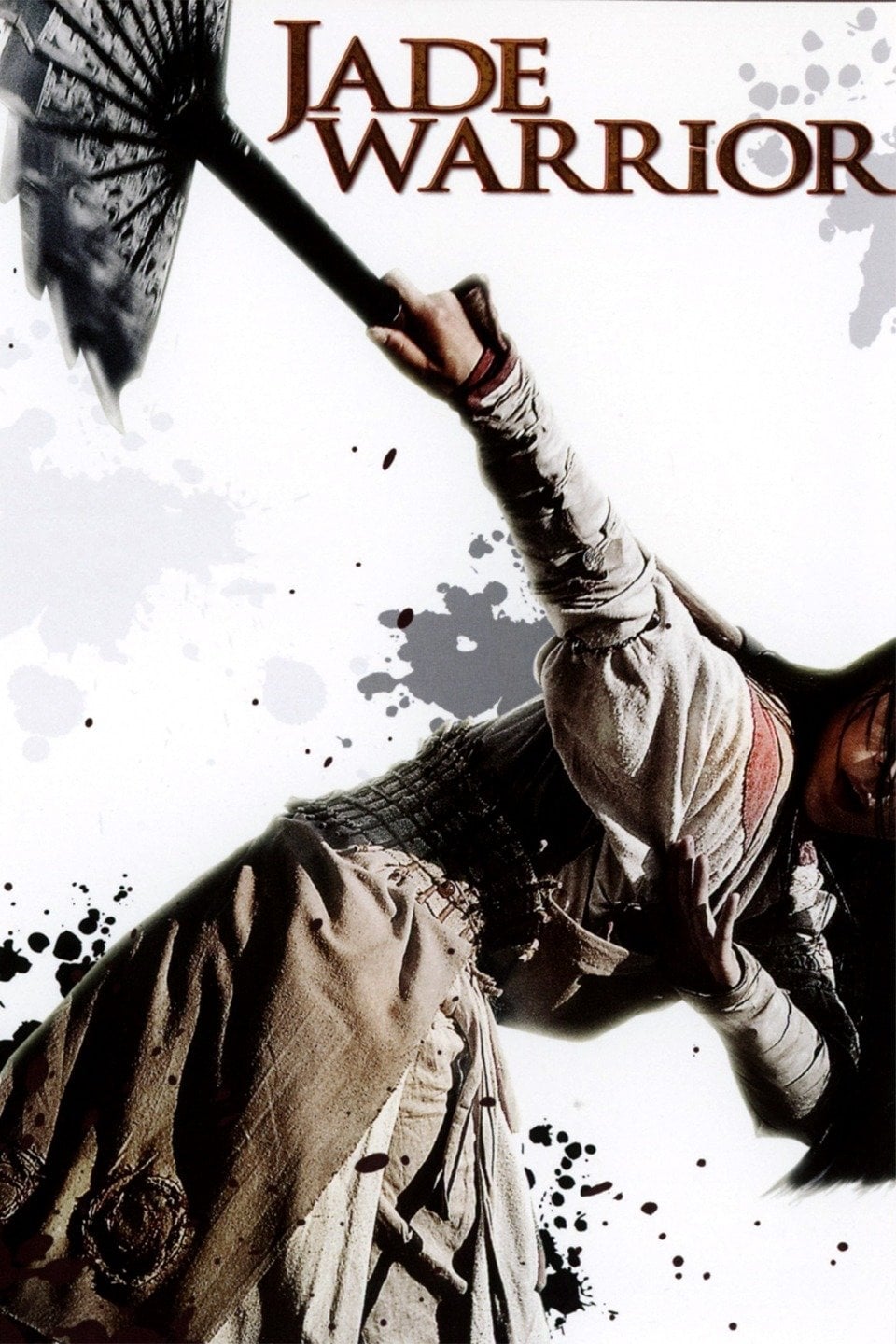
Thousands of years ago in ancient China, a man fights against his destiny. He wants another chance to be reunited with his loved one and he gets that chance, in a far away place and a far away time, in modern Finland.
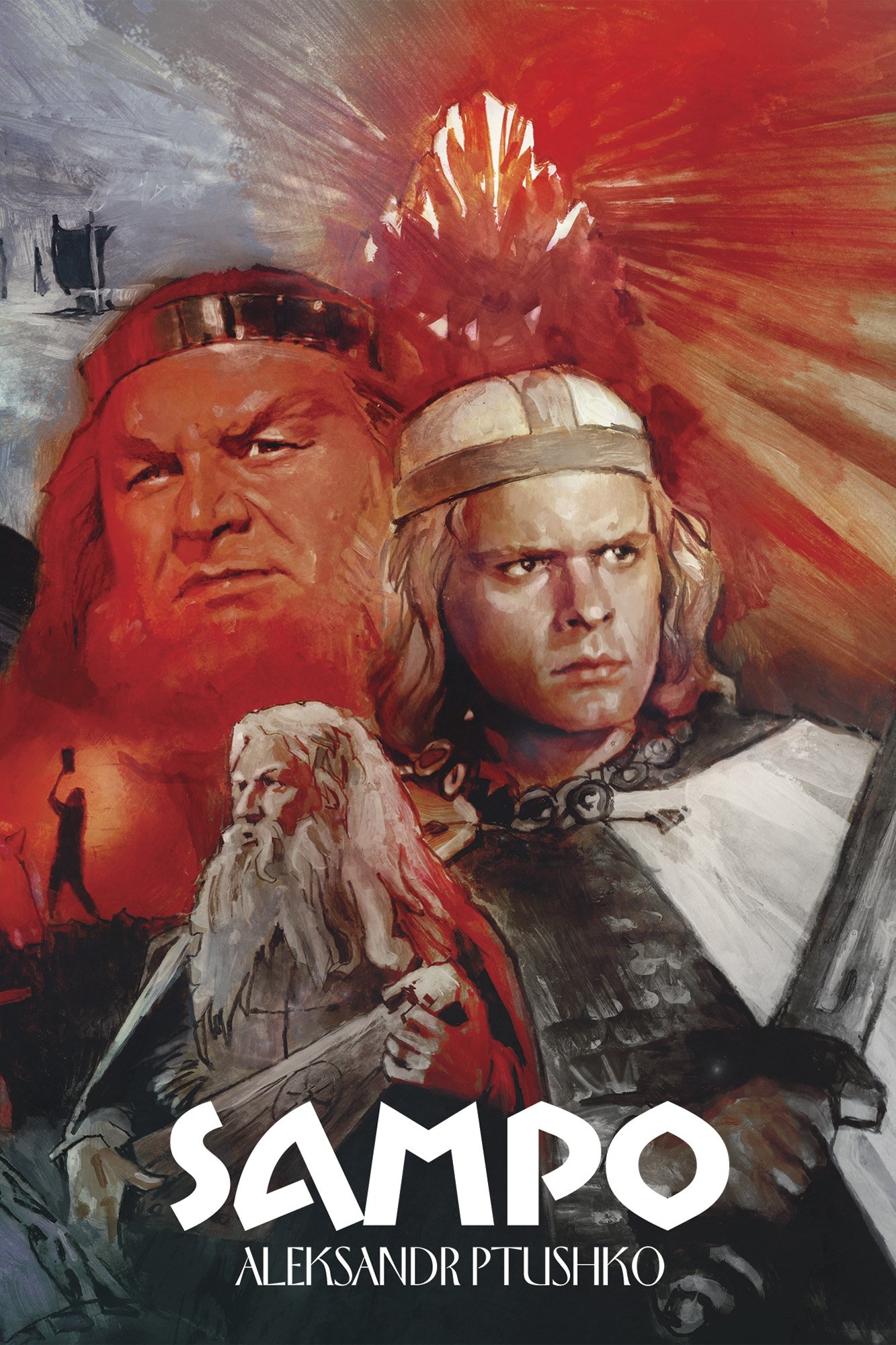
Based on Finnish mythology; Lemminkäinen woos the fair Annikki and battles the evil witch Louhi. Louhi kidnaps Annikki to compel her brother to build for her a Sampo, a magical device that creates salt, grain, and gold. When Lemminkäinen fails to recover the Sampo, Louhi steals the sun, plunging the world into frozen darkness.
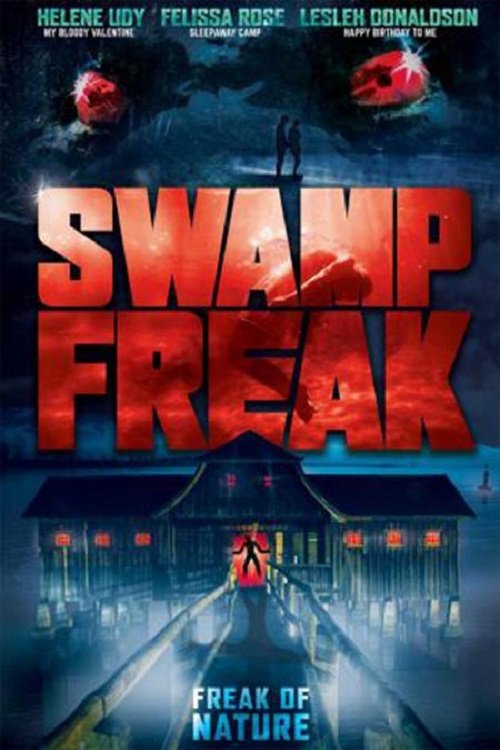
Six college students go into the wetlands to find their missing professor after he takes off in search of the mythical and deadly monster known as the 'Swamp Freak.'
When an ex-soldier who discovers gold in the Lapland wilderness tries to take the loot into the city, German soldiers led by a brutal SS officer battle him.
The war amongst men had an influence on the beings of the forest. Now the beings demand revenge. Balance between men and the forest has been broken.
Two soldiers, Daniel and Jerome, flee a war we don’t see and we know nothing about. Jerome is badly injured, he will die, he says it, he knows it, he is afraid. Then Jerome confesses to Daniel his last will: he does not want to die a virgin, he wants to die loved…
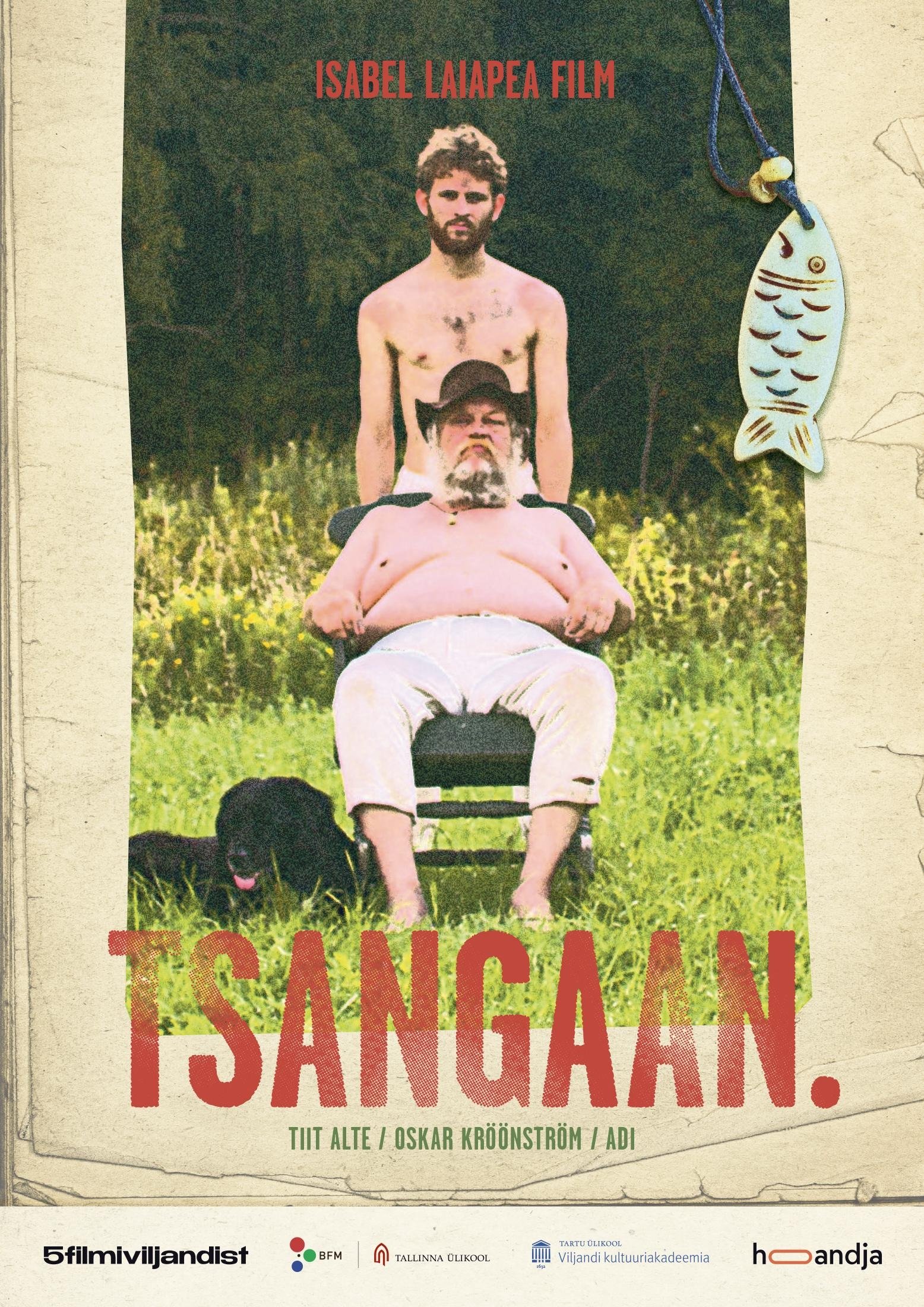
The Tsangaan people have lived ‘in the middle of nowhere’ since ancient times. Now, only one person remains to represent the entire nation. Word of the last Tsangaan reaches a young man in Tartu, who decides to venture into the unknown wilderness to find the final guardian of the vanishing people. Although at first, the young man feels like an outsider in the mystical world of the Tsangaan, he gradually discovers many layers within himself that connect him to this new environment. With each passing day, he grows closer to the last Tsangaan, leaving more and more of his previous life and identity behind. Reborn, the young man’s journey leads him to a place where he becomes the last person to have ever encountered a Tsangaan.
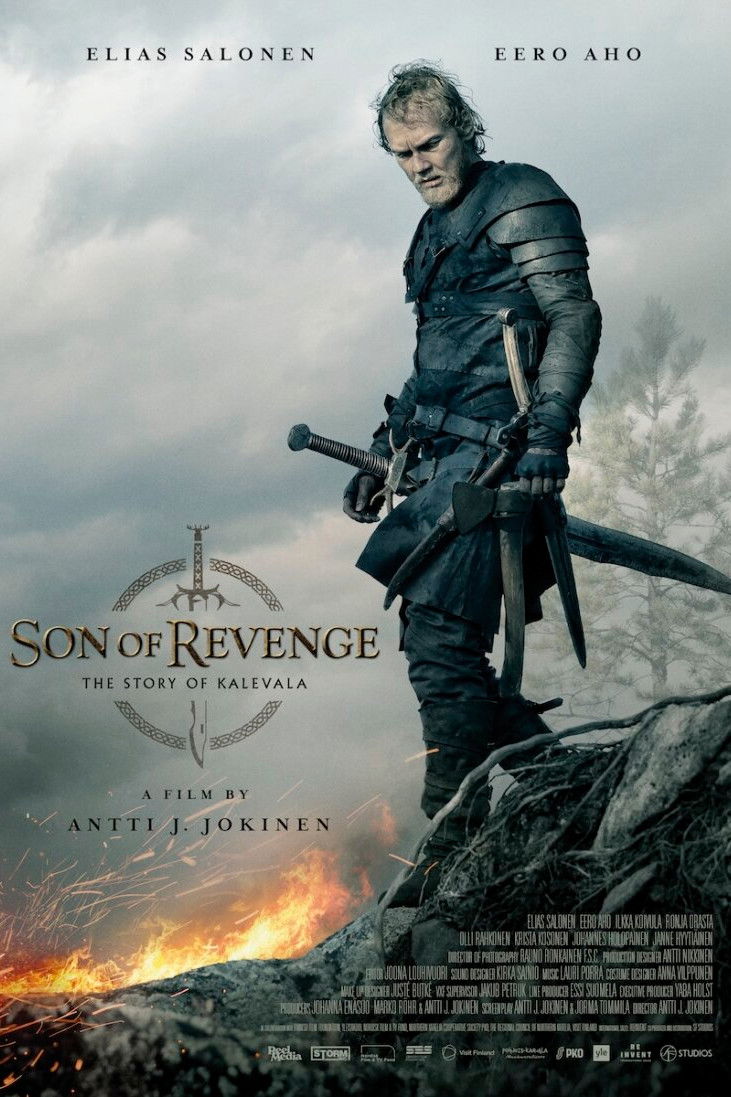
Karelia in the 12th century. The feud between Kalervo and Untamo leads to the massacre of an entire village. The only survivor is Kalervo's son Kullervo, whom Untamo decides to raise as his own. As he grows up, Kullervo's brute strength and rebellious nature make him dangerous, and the villagers want to get rid of him for good. Kullervo spends his entire life searching for a purpose for his existence and skills. When the events of the past are revealed to him, his fate is clear. The path of revenge leads Kullervo to confront Untamo and force him to account for his sins.
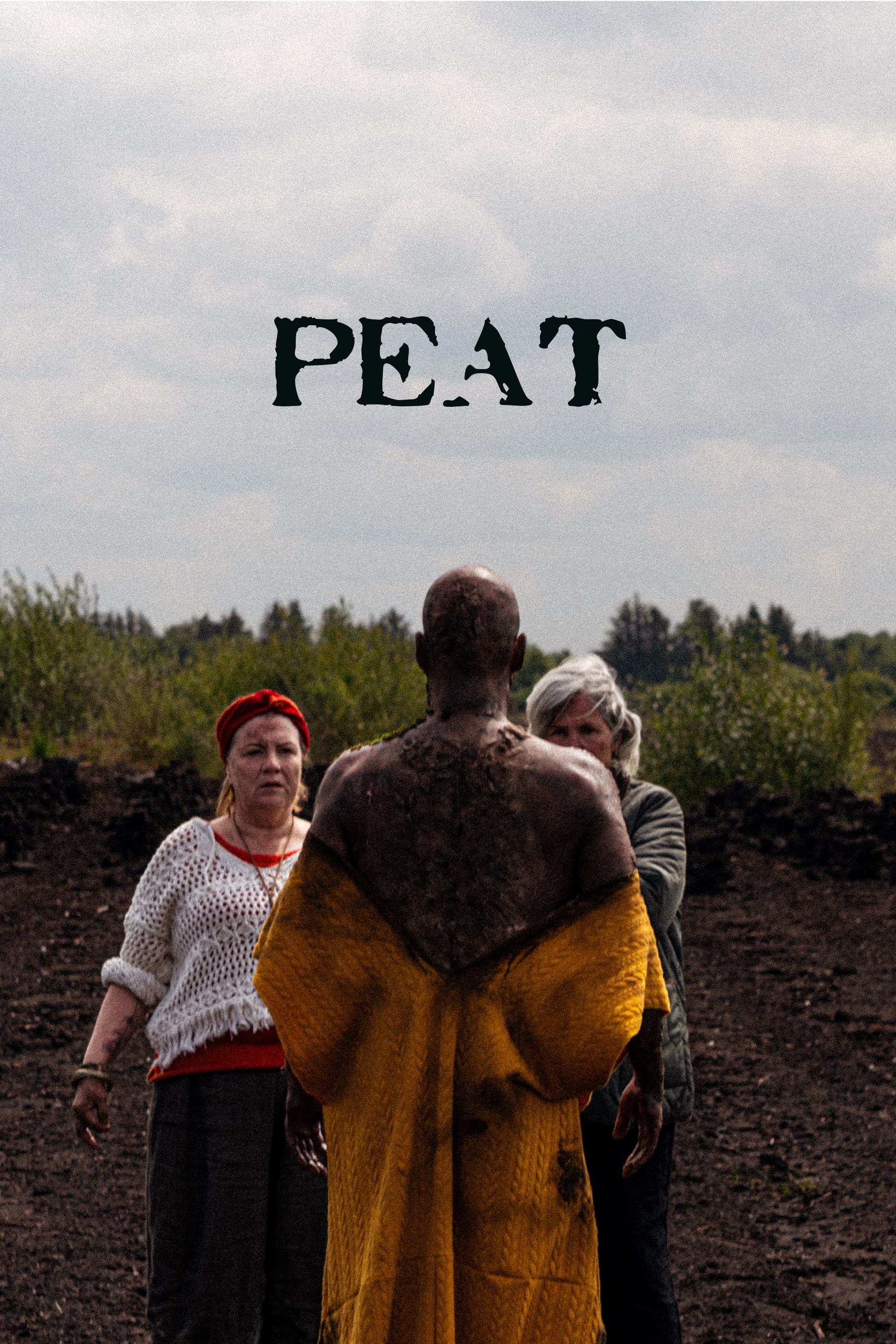
Anne Byrne, recently widowed, lives with her useless adult son. She’s left juggling housework and the bog, until her witchy neighbour suggests building a Golem. When Anne develops feelings for it, her man-child son tries to destroy it.
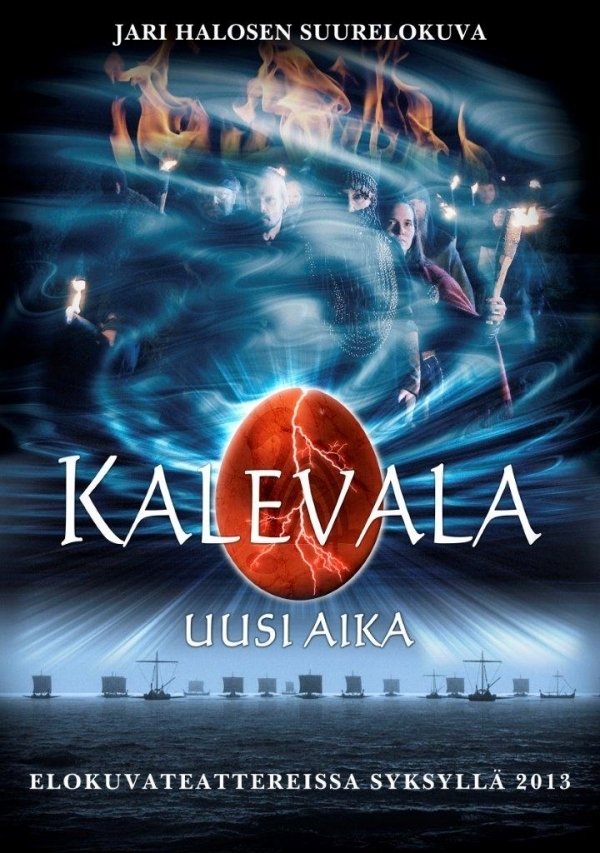
In the land Kalevala, Väinämöinen and his troops defend the miraculous machine called Sampo against the invasion of Louhi, the queen of Pohjola, and the Vikings. In present-day Finland, an international corporation led by chairman Kurt Dudler is about to launch a virtual service that directly affects the human mind, which the new CEO Sampo Väinölä opposes. When Sampo's father, Väinö, makes his son aware of the ancient powers, he realises he is involved in an ancient battle between Kalevala and Pohjola.
A fictitious biography of Aira Samulin, the goddess of dance and importer of all the international dance crazes to Finland for some fifty years. The life story of this extravagant ever-teen, well beyond the usual retirement age, is told inside a fictitious plot about a Master of Ceremonies trying to persuade Aira to stage a show at his cabaret restaurant. Besides Aira Samulin, many other Finnish celebrities appear among the eccentric lineup auditioning for the show, playing more or less their fictionalised selves.

Serial killer Aileen Wuornos writes down her darkest secrets for her best friend while on Florida's death row; now, for the first time, those secrets are revealed in detail.

In 2009, a man and two accomplices try to evict members of the Indigenous community of Chuschagasta in northern Argentina. Claiming ownership of the land and armed with guns, they kill the community’s leader, Javier Chocobar. The murder is caught on video. It takes nine years of protests before court proceedings are finally opened in 2018. During all this time, the killers remain free. The film combines the voices and photographs of the community with courtroom footage to explore the long history of colonialism and land dispossession that led to this crime.
The diagnosis of mantle cell lymphoma not only ruined Albert Farkas' summer day when he received it. He narrates scenes from everyday life with the diagnosis. Josephine Ahnelt's short documentary shows Farkas' self-assertion through his humor, with which he defies the initial low point.