Social & External
An experimental short film that traces the emotional landscape of life after heartbreak. Through intimate narration and cinematography, the film reflects on time, healing, and the rediscovery of self. A quiet yet cinematic portrait of learning to love the stranger within, and rediscovering the beauty of simply being alive.
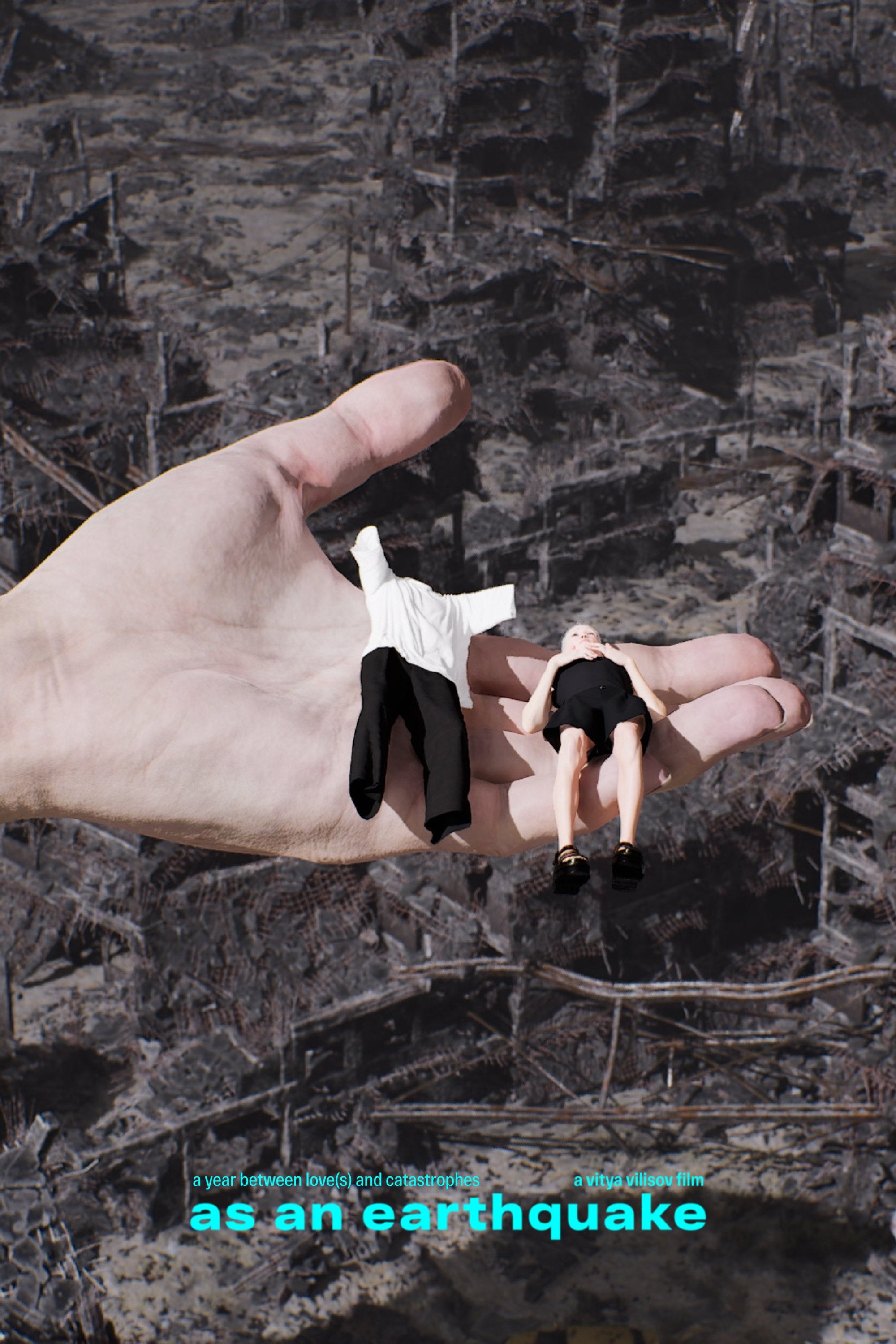
On February 6, 2023, an earthquake on the border of Turkey and Syria claims more than 55,000 lives. On this day, I am in an oncology center, 6 days since having my tumor removed, and in the afternoon my partner ends our relationships. Blending memory and theory, this autofiction documentary unfolds the relationships between love(s) and catastrophes.
An experimental odyssey through altered realities and reconstructed archives, where wandering voices of the past, present, and future unravel the elusive nature of time and memory.
An experimental home documentary where you step inside the director's lens. A journey through his childhood via his own early recordings, exploring the origins of his craft and how that child’s gaze is still there, captured in time.
"Bagong Buhay" is a short experimental film that dispels the common belief that packing up and moving to a new place will magically improve one's quality of life. The film challenges this presumption by portraying two contrasting ways of life through objects and locations, encouraging viewers to think critically about the complexities of what makes a better life. In the Philippines, it's believed that relocating to a new area will bring about positive changes in one's existence. True satisfaction is a complex and multifaceted notion, and "Bagong Buhay" encourages us to ponder that relocating to a new place is not a surefire way to attain it.
The film explores a young man's intimate relationship with the Internet. While the absence of a father figure has left him searching for answers, he finds an unexpected mentor in Google. From learning everyday tasks like shaving to discovering deeper knowledge, the algorithm becomes much more than a simple search engine, blurring the boundaries between real and virtual.
Here, where even monsters are political, the topography has its own memory. It has the mythological blues. Meanwhile, old gods are upset with us, and I am upset with my father.
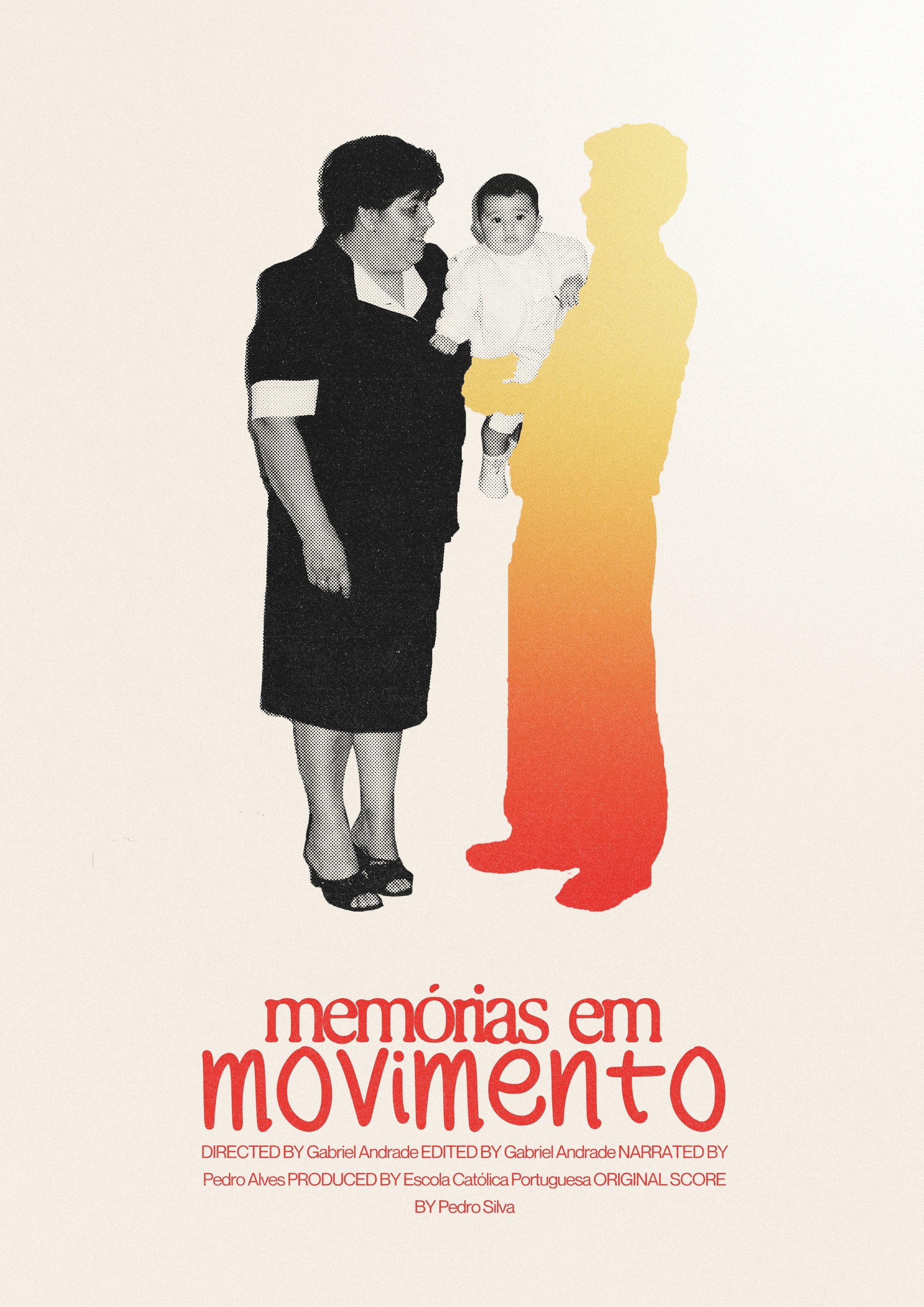
On April 1st, 2022, my grandfather passed away and i felt lost. I think my path changed when, some days after he passed away, i was offered a small VHS camera. "Moving Memories" is a visual journey that makes the viewer reflect on our momentary presence on earth and questions the nature of memory. Throughout this journey, we get to the conclusion that memories are more than just static photographs in our minds, they're alive and in constant movement, changing while we evolve as individuals. These memories have influence and help us to move on.
Part ethnographic film and part experimental film, கோயில் (The Temple) is a hybrid piece of cinematography that questions the act of observing.
Shot on three cameras over the life cycle of one snowfall, Decaying Vessel is an expression of transness and the feeling of being stuck in a body bound by time.
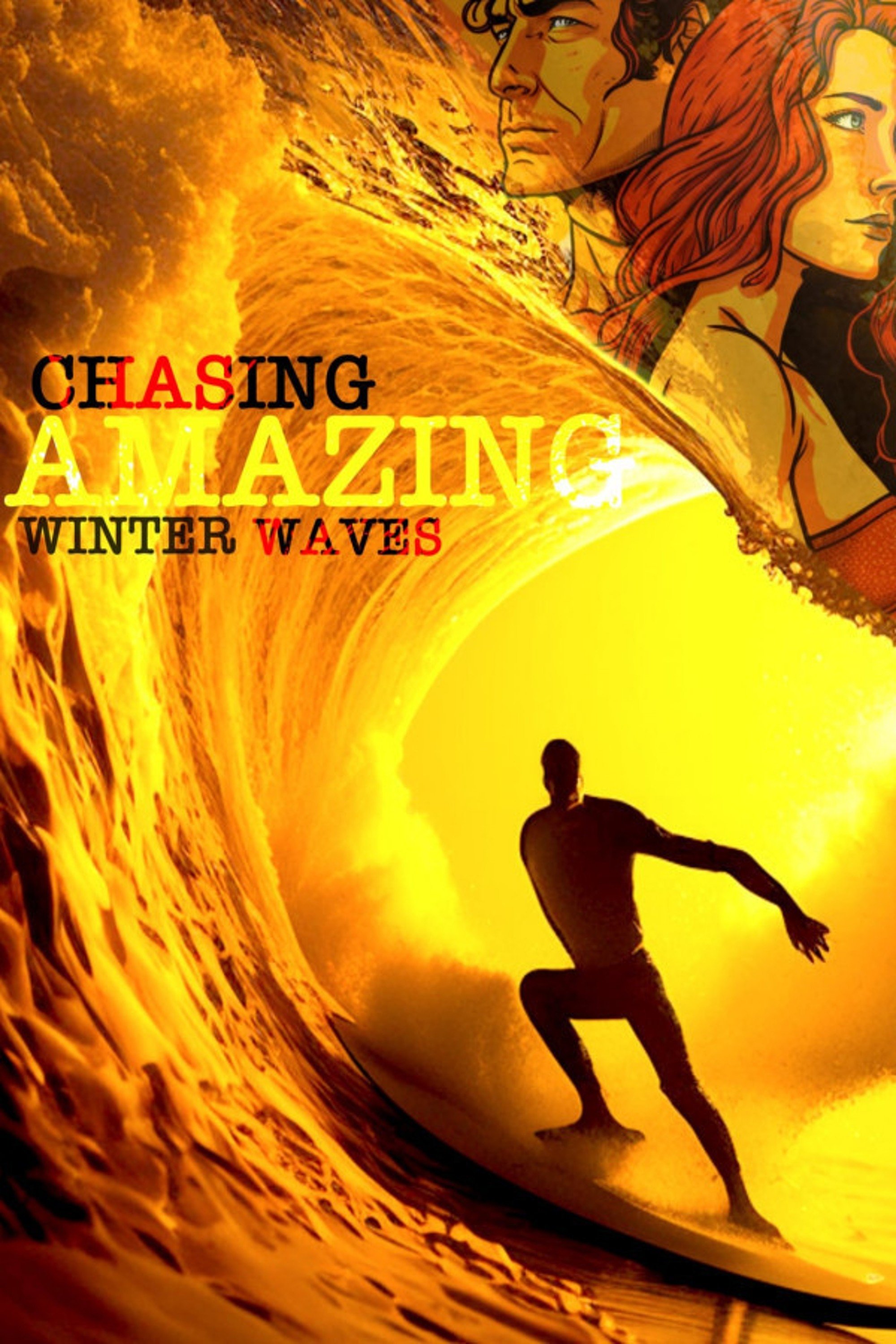
Chasing Amazing Winter Waves has the best footage in surfing history of a beachbreak in California. Bobby Martinez going bezerk! EXCLUSIVE!!! This film is a visual exploration of California's iconic surf spots. The joy of riding the perfect wave, inviting viewers on an unforgettable journey through the winter waves of California's coast.
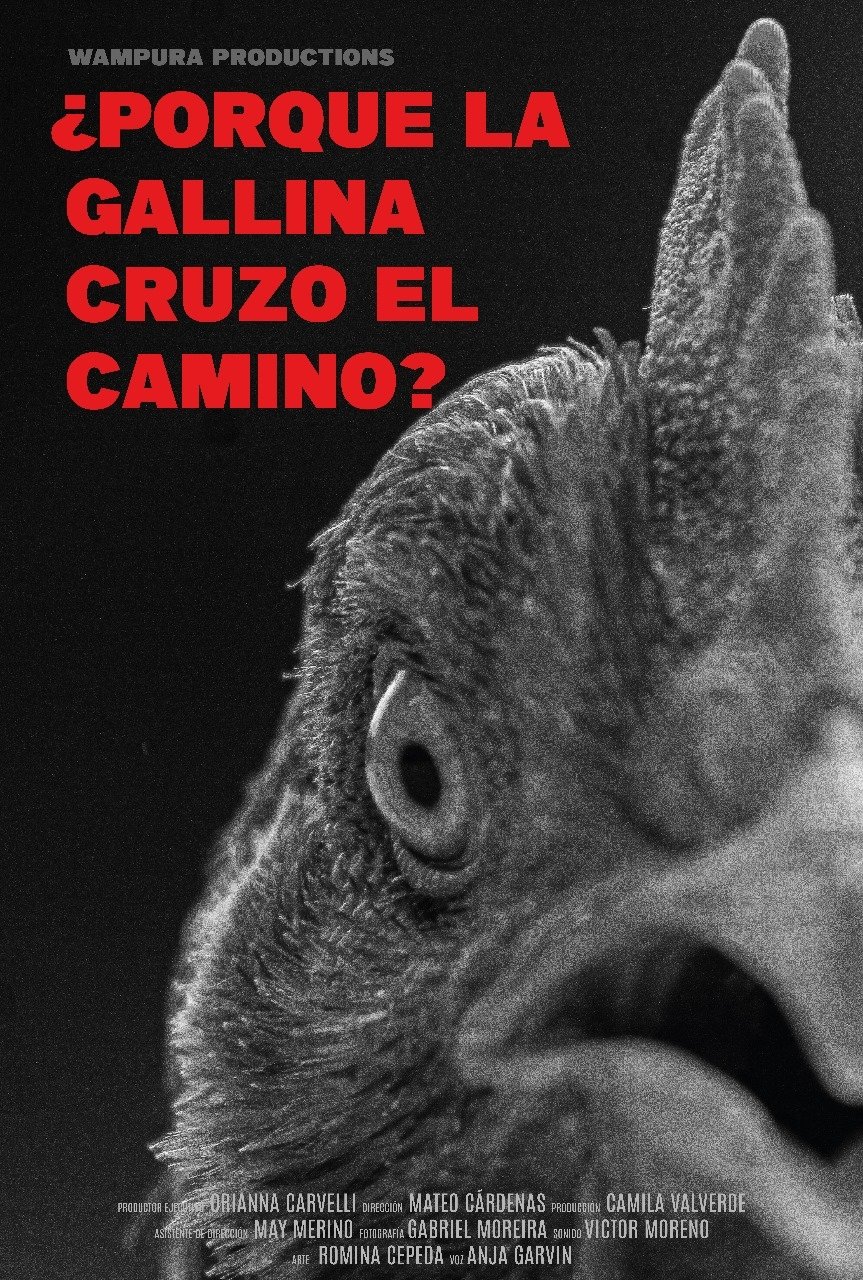
A hen questions the meaning of her life on a farm.
A dare from Swedishllama (UrolithicOak)
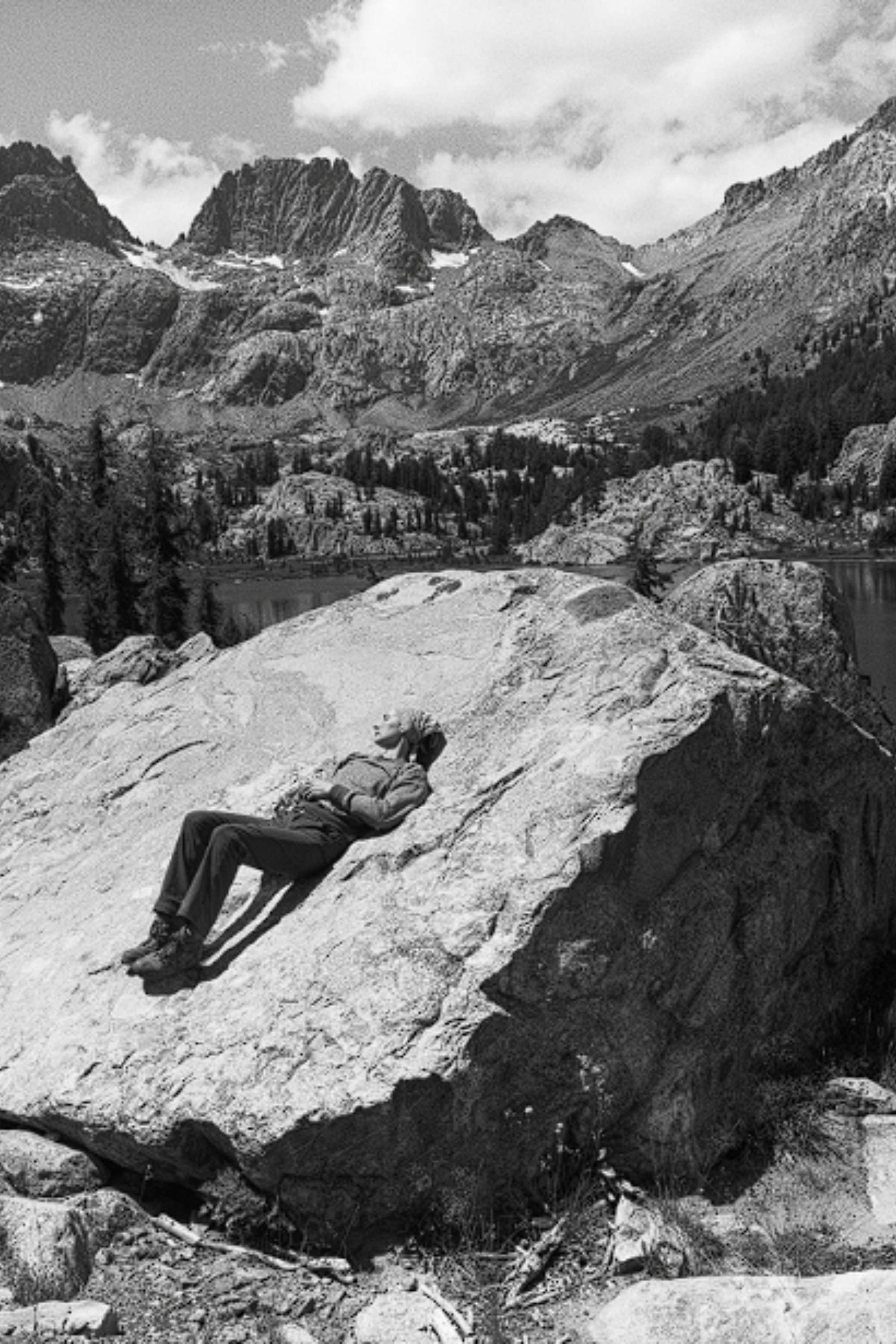
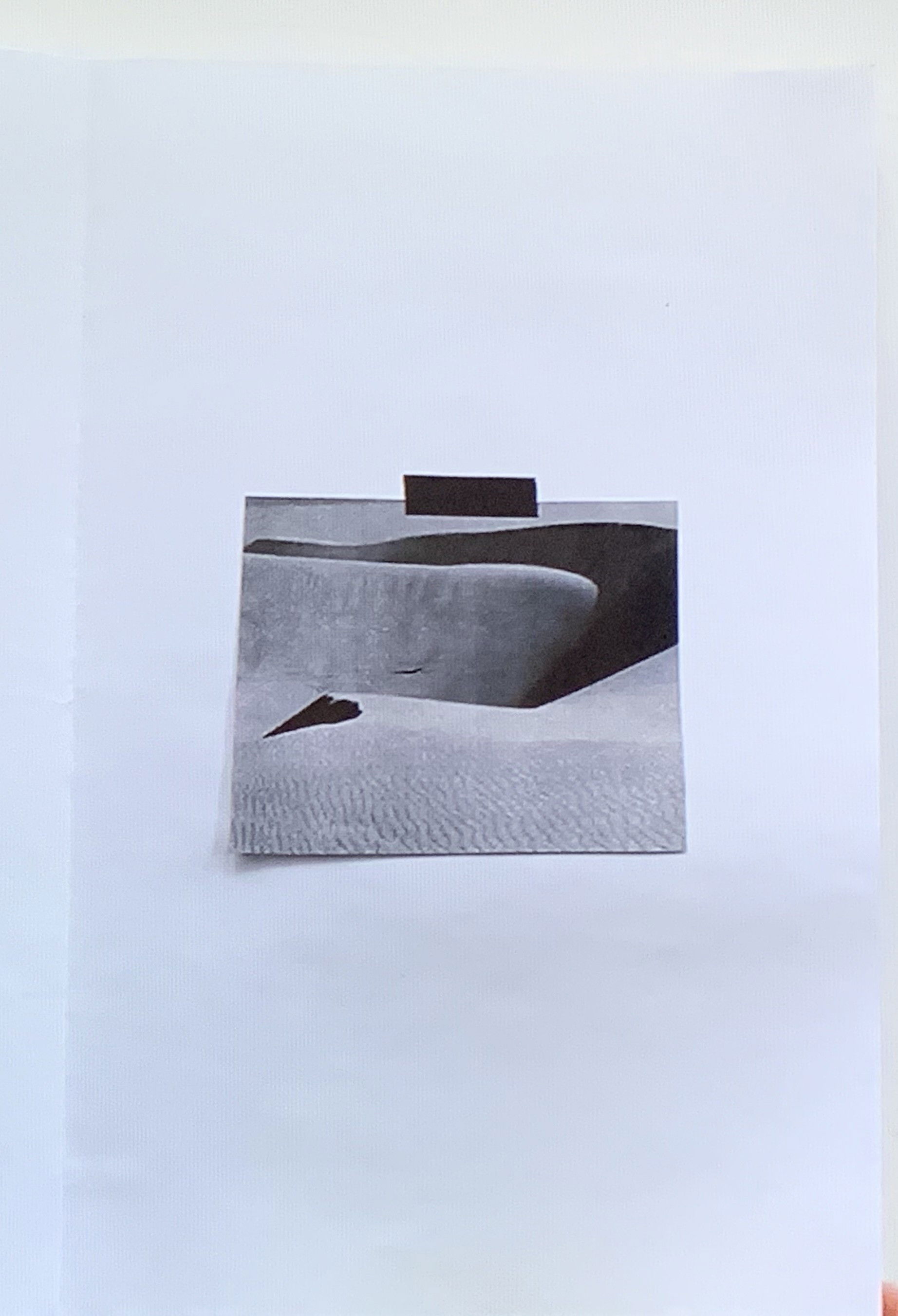
In Pictures for Charis, American photographer Kelli Connell reconsiders the relationship between writer Charis (pronounced CARE-iss) Wilson and photographer Edward Weston through a close examination of Wilson’s prose and Weston’s iconic photographs of the Western landscape and the female nude. Connell weaves together the stories of Wilson and Weston with that of her own relationship with her partner at the time, Betsy Odom, enriching our understanding of the couple from her contemporary queer and feminist perspective. Using Weston and Wilson publications as a guide, Connell and Odom created portrait and landscape photographs at sites where Wilson and Weston lived, made art, and spent time together. - Cleveland Museum of Art
Kelli Connell spent a decade investigating and editing Edward Weston's photographs, Chris Wilson's writings, and her own photographs and writings to create the exhibition: Kelli Connell: Pictures for Charis and its accompanying book. - Cleveland Museum of Art
Six sequences about Fascism and its segments throughout history.
A funeral. A cremation. An attempt to articulation. To (fail to) purge. Flipping the image on the burning, destruction and violence decades ago, the filmmaker documents a funeral and cremation she held for the ethnic hate still spoken to her 20 years later. Can memories be erased? What can we choose to forget? What continues to haunt us?
A string of threatening emails escalates into a revenge plot involving a newly married US marshal and his ex-girlfriend.
In an intimate and joyful story of love in the face of loss, celebrated poets Andrea Gibson and Megan Falley find strength—and unexpected hilarity—in what might be their final year together.
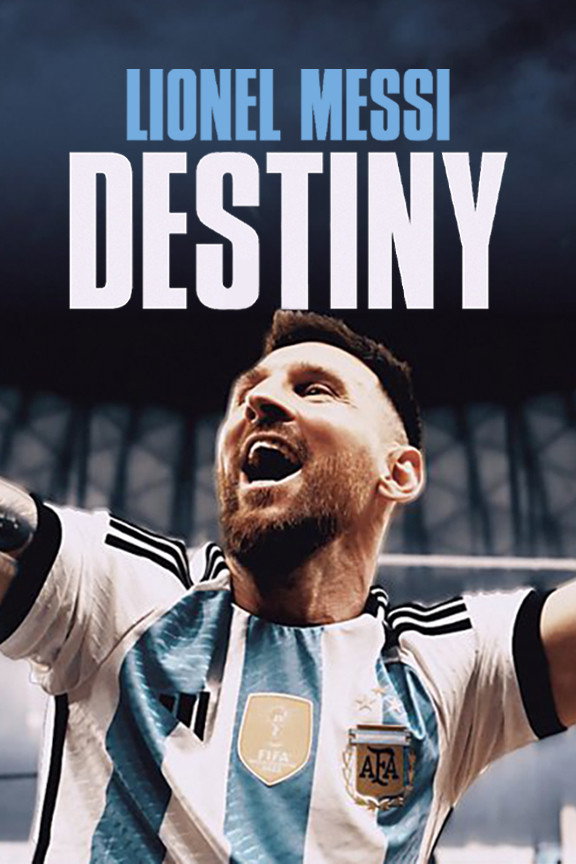
Behind-the-scenes documentary about how Lionel Messi succeeded in lifting the World Cup – the only trophy to have eluded him in an incredible career.
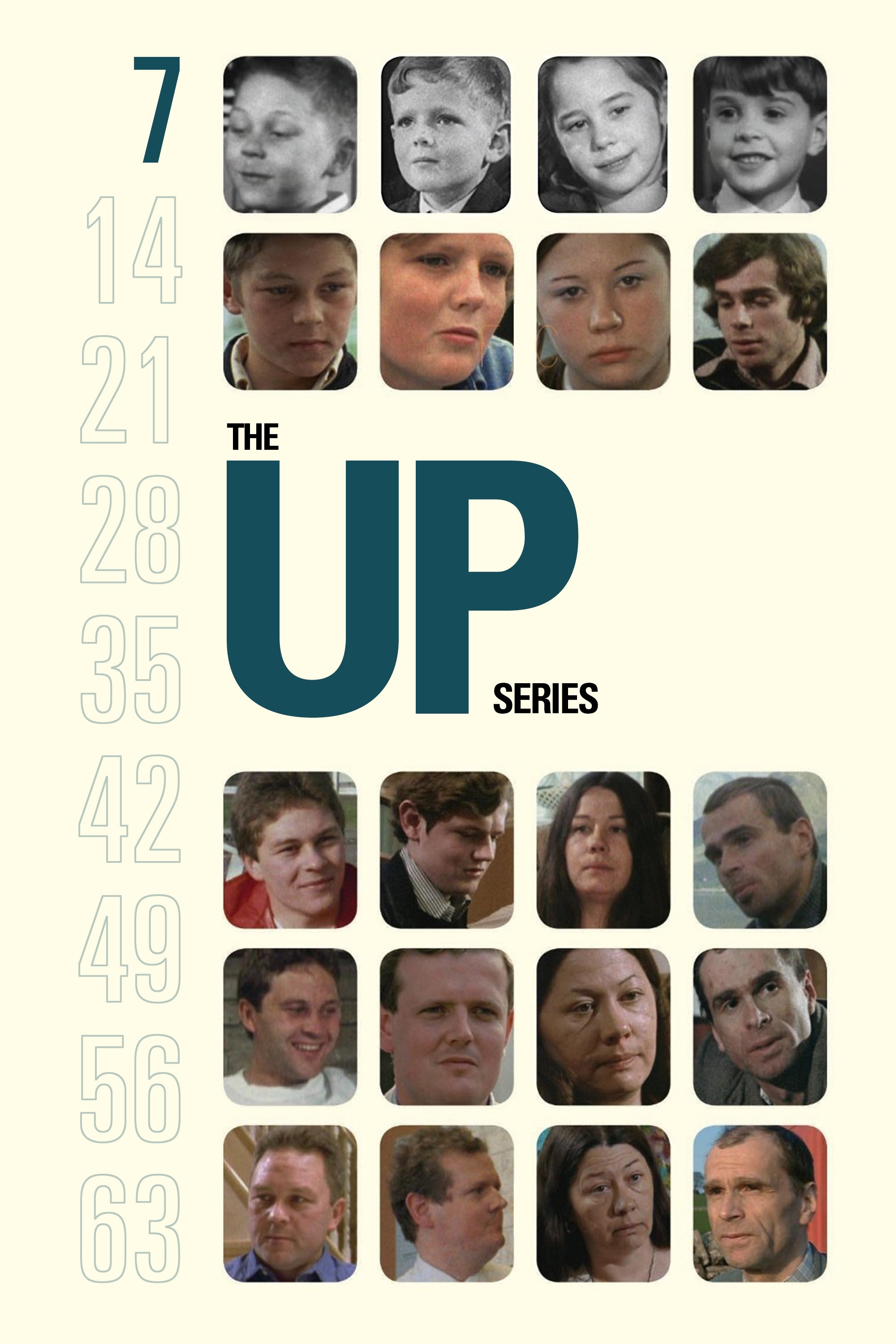
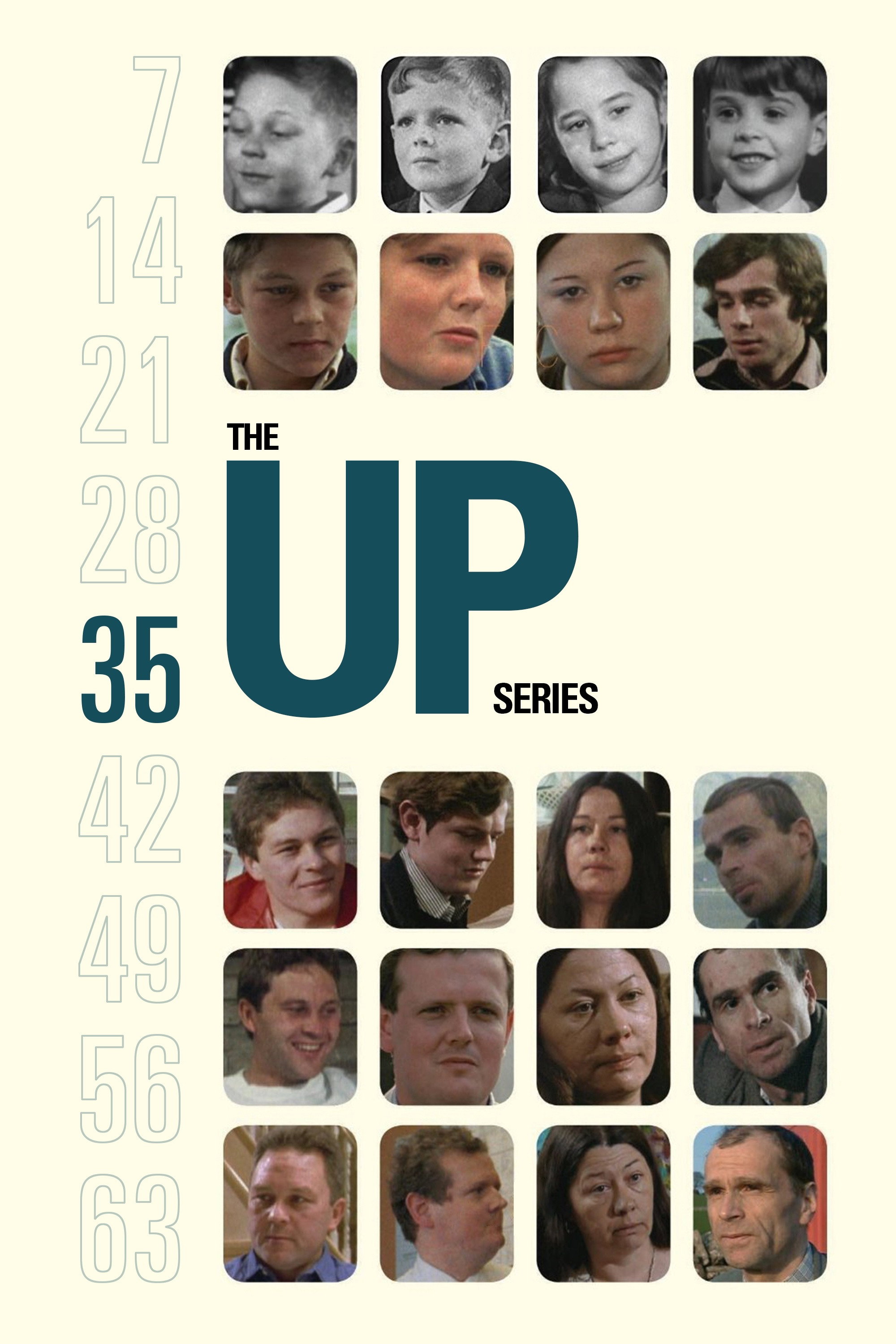
A group of British children aged 7 from widely ranging backgrounds are interviewed about a range of subjects. The filmmakers plan to re-interview them at 7 year intervals to track how their lives and attitudes change as they age.
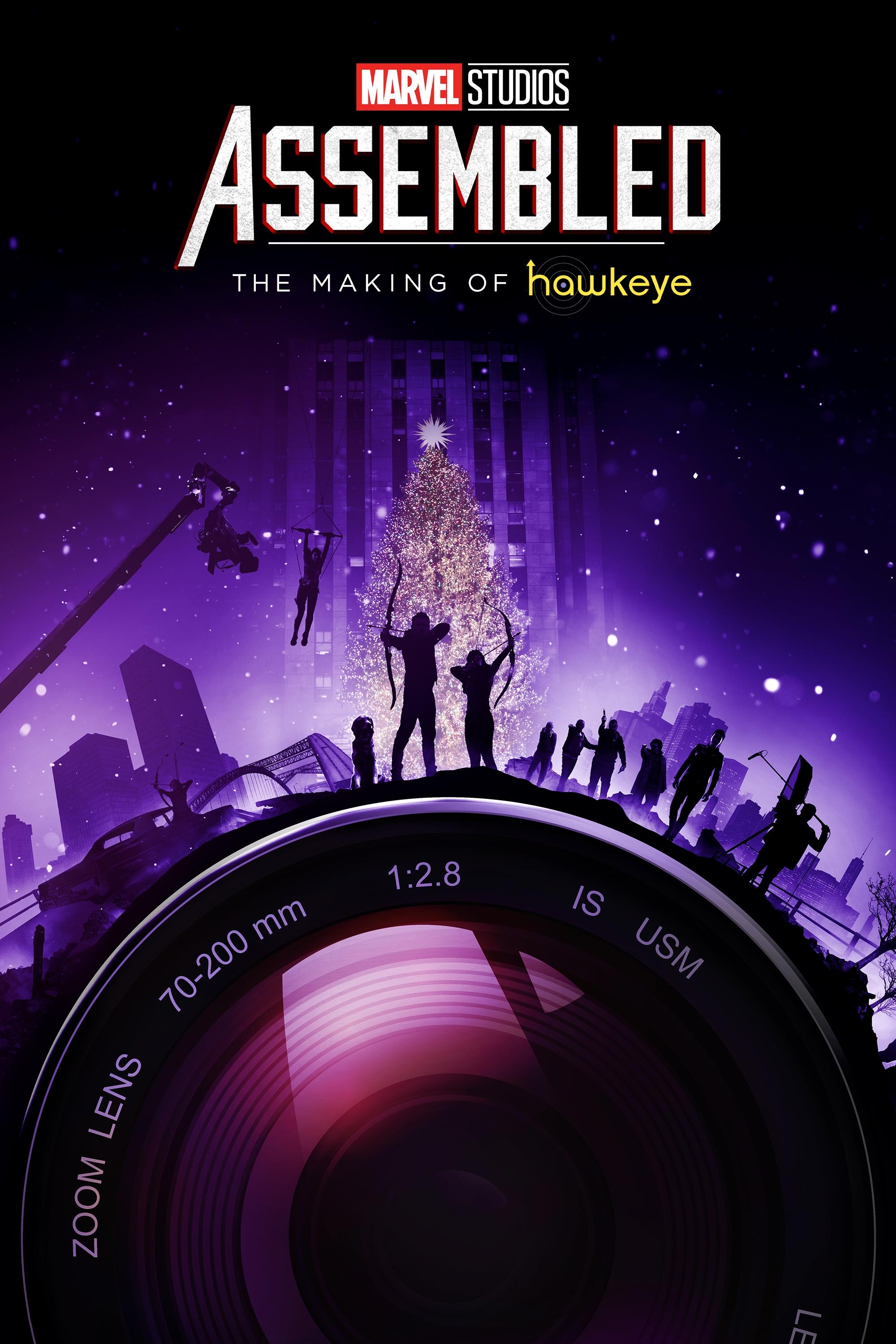
Join the likes of Jeremy Renner, Hailee Steinfeld, Florence Pugh, and Vincent D’Onofrio as they reveal how Marvel Studios’ “Hawkeye” was conceived and created. Witness firsthand what it took to pull off the show’s pulse-pounding action set pieces, and discover how iconic characters from the pages of Marvel Comics such as Kate Bishop were adapted and brought to life for the six-episode series.
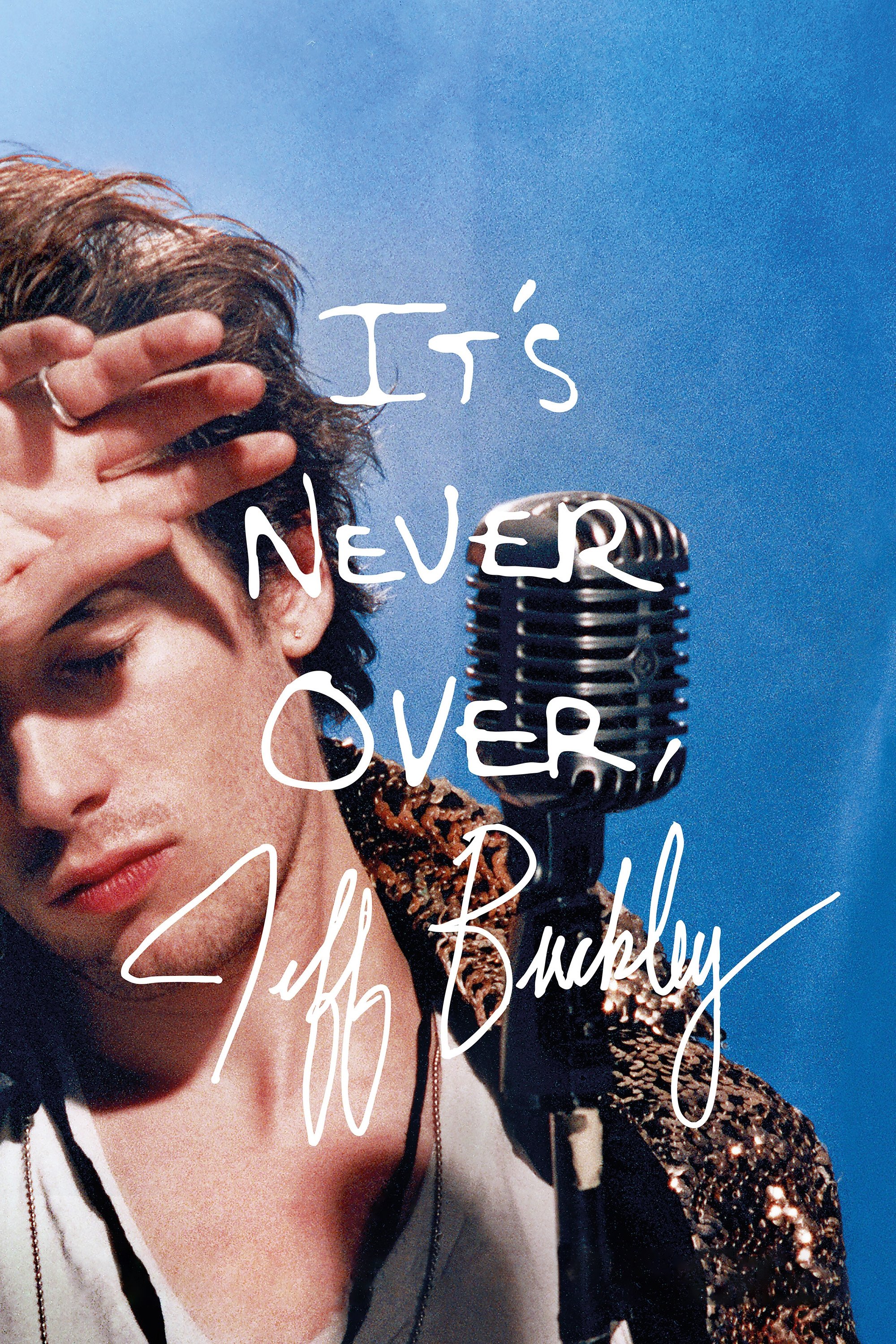
Rising musician Jeff Buckley had only released one album when he died suddenly in 1997. Now, never-before-seen footage, exclusive voice messages, and accounts from those closest to him offer a portrait of the captivating singer.
A documentary on the expletive's origin, why it offends some people so deeply, and what can be gained from its use.
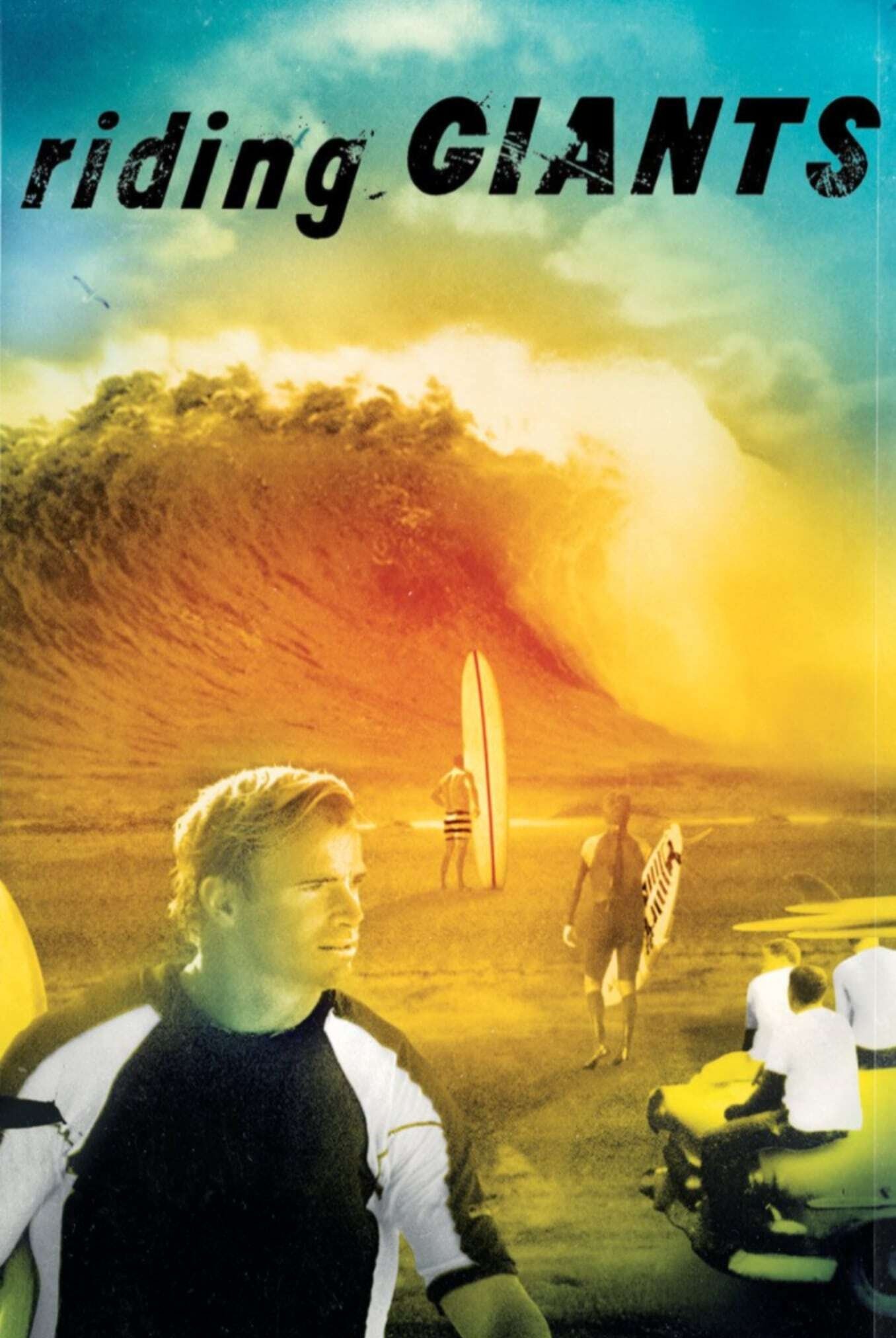
Riding Giants is story about big wave surfers who have become heroes and legends in their sport. Directed by the skateboard guru Stacy Peralta.
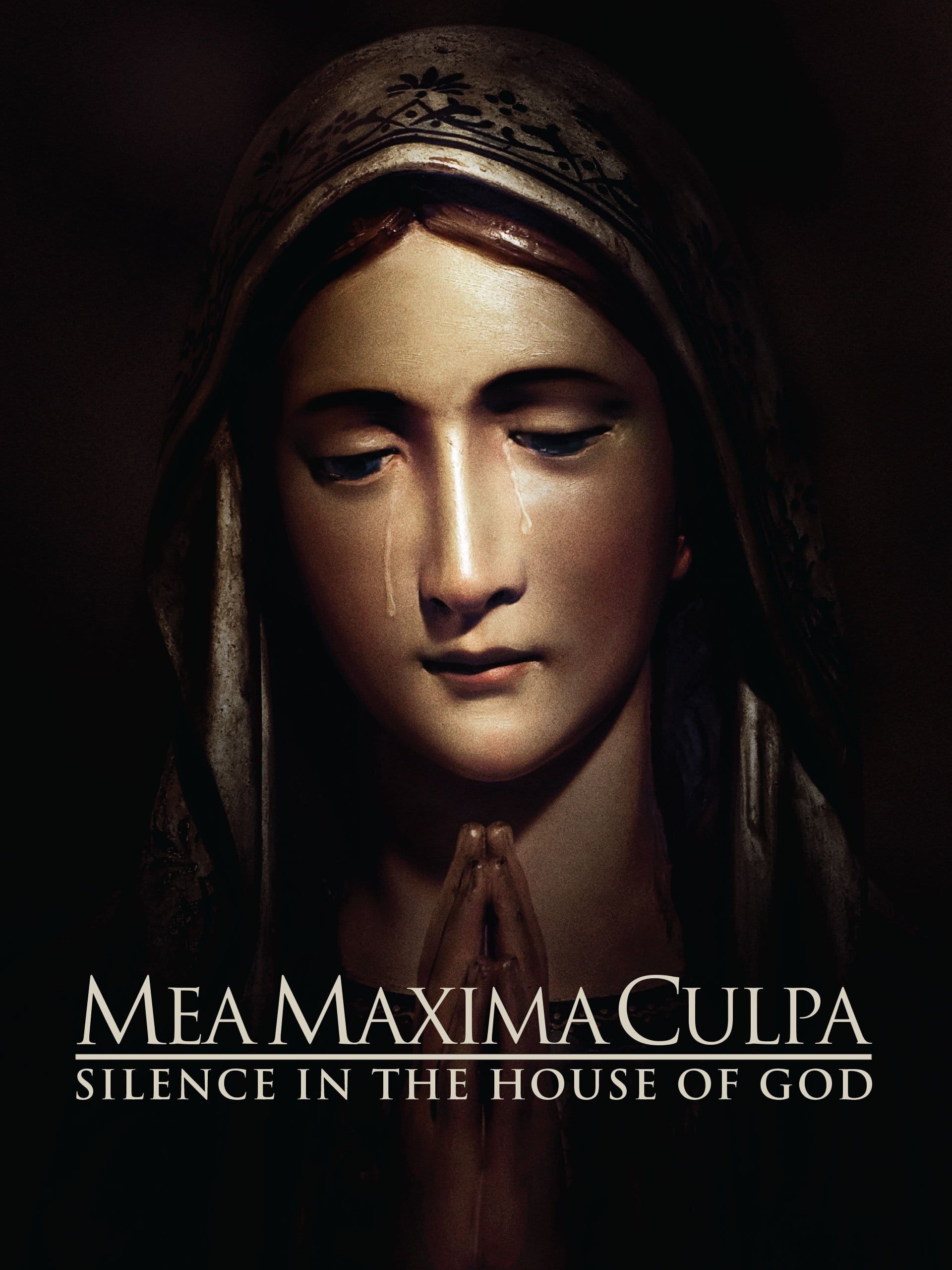
Alex Gibney explores the charged issue of pedophilia in the Catholic Church, following a trail from the first known protest against clerical sexual abuse in the United States and all way to the Vatican.
Over 35 years after Bob Lazar's revelations, this documentary exposes secrets of a facility the government still denies. Featuring Lazar's testimony, recreations, and new evidence, it reopens a case that continues to spark global curiosity
This revealing documentary honors the legendary Sidney Poitier—iconic actor, filmmaker, and civil rights activist. Featuring interviews with Denzel Washington, Spike Lee, Halle Berry, and more.
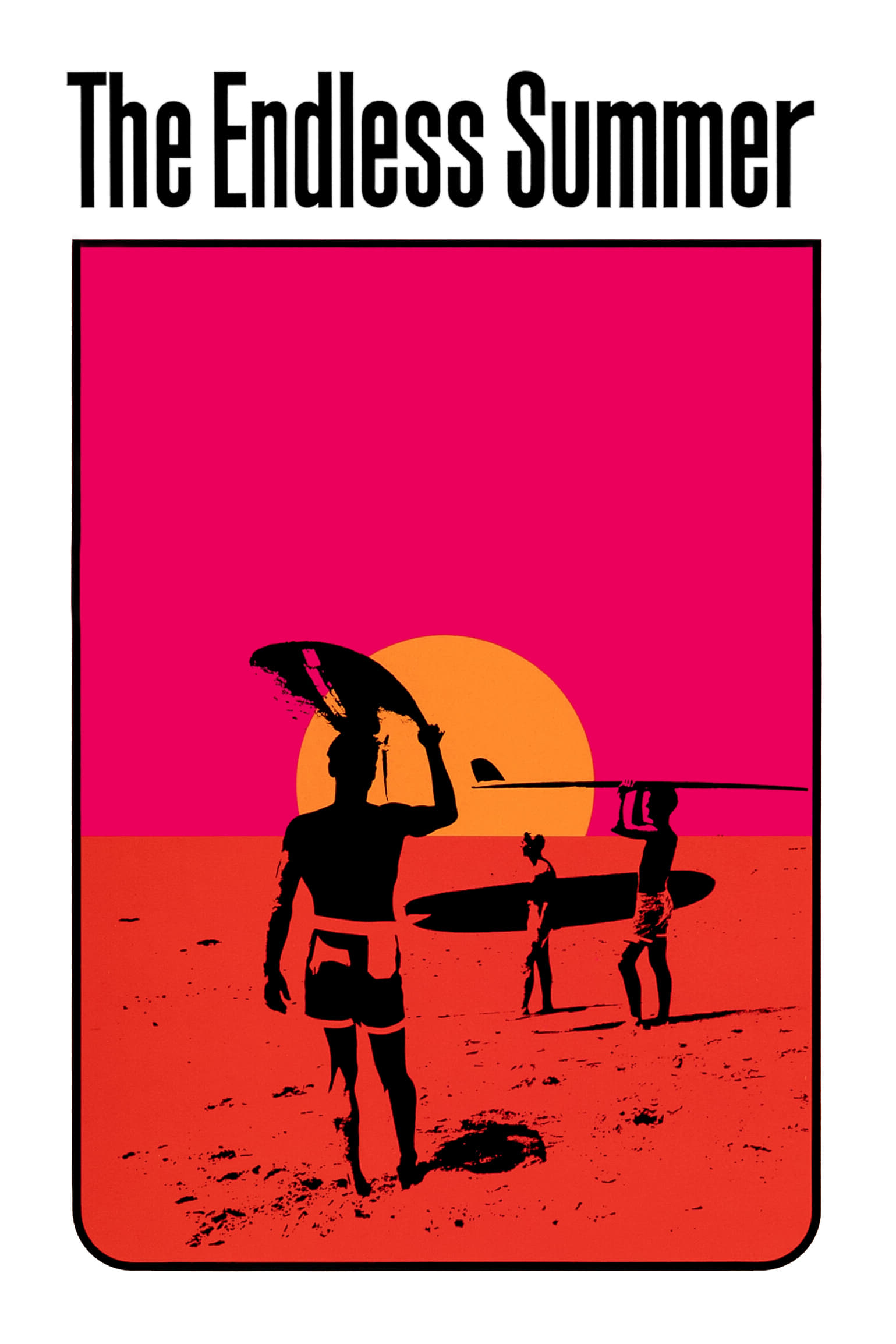
Bruce Brown's The Endless Summer is one of the first and most influential surf movies of all time. The film documents American surfers Mike Hynson and Robert August as they travel the world during California’s winter (which, back in 1965 was off-season for surfing) in search of the perfect wave and ultimately, an endless summer.
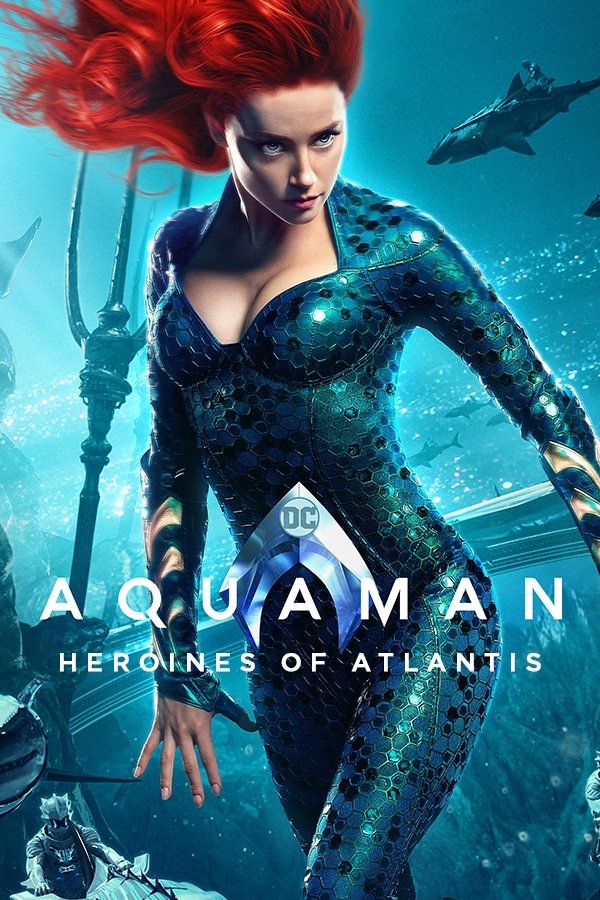
Amber Heard and Nicole Kidman discuss their characters Mera and Atlanna.
A documentary about the life and films of director John Ford.
Those who knew iconic funnyman John Candy best share his story, in their own words, through never-before-seen archival footage, imagery, and interviews.
An inside look at one of the most anticipated movie sequels ever with James Cameron and cast.
Director Michael Apted revisits the same group of British-born adults after a 7 year wait. The subjects are interviewed as to the changes that have occurred in their lives during the last seven years.
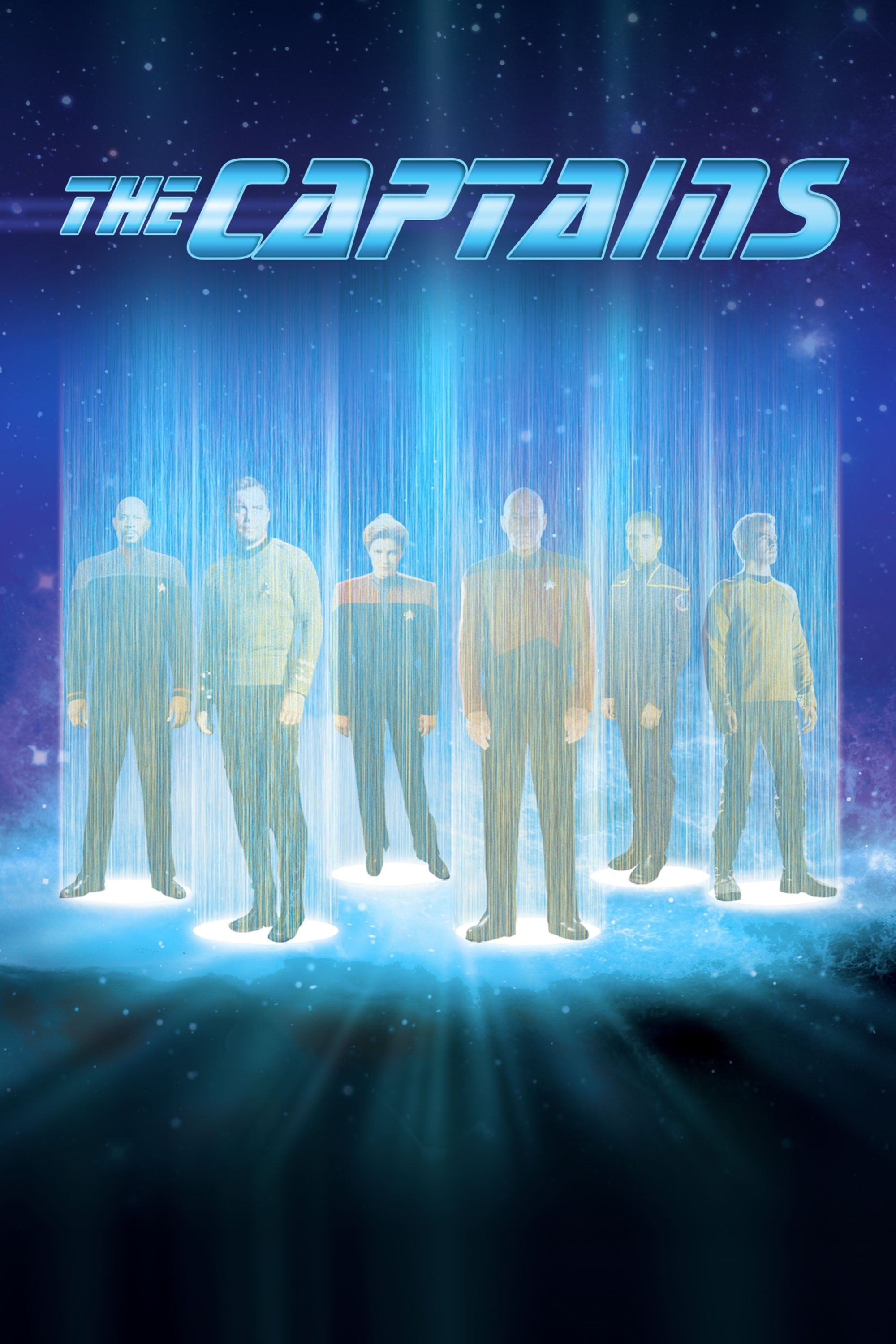
The Captains is a feature-length documentary film written and directed by William Shatner. The film follows Shatner as he interviews the other actors who have portrayed starship captains in the Star Trek franchise.
A visual montage portrait of our contemporary world dominated by globalized technology and violence.
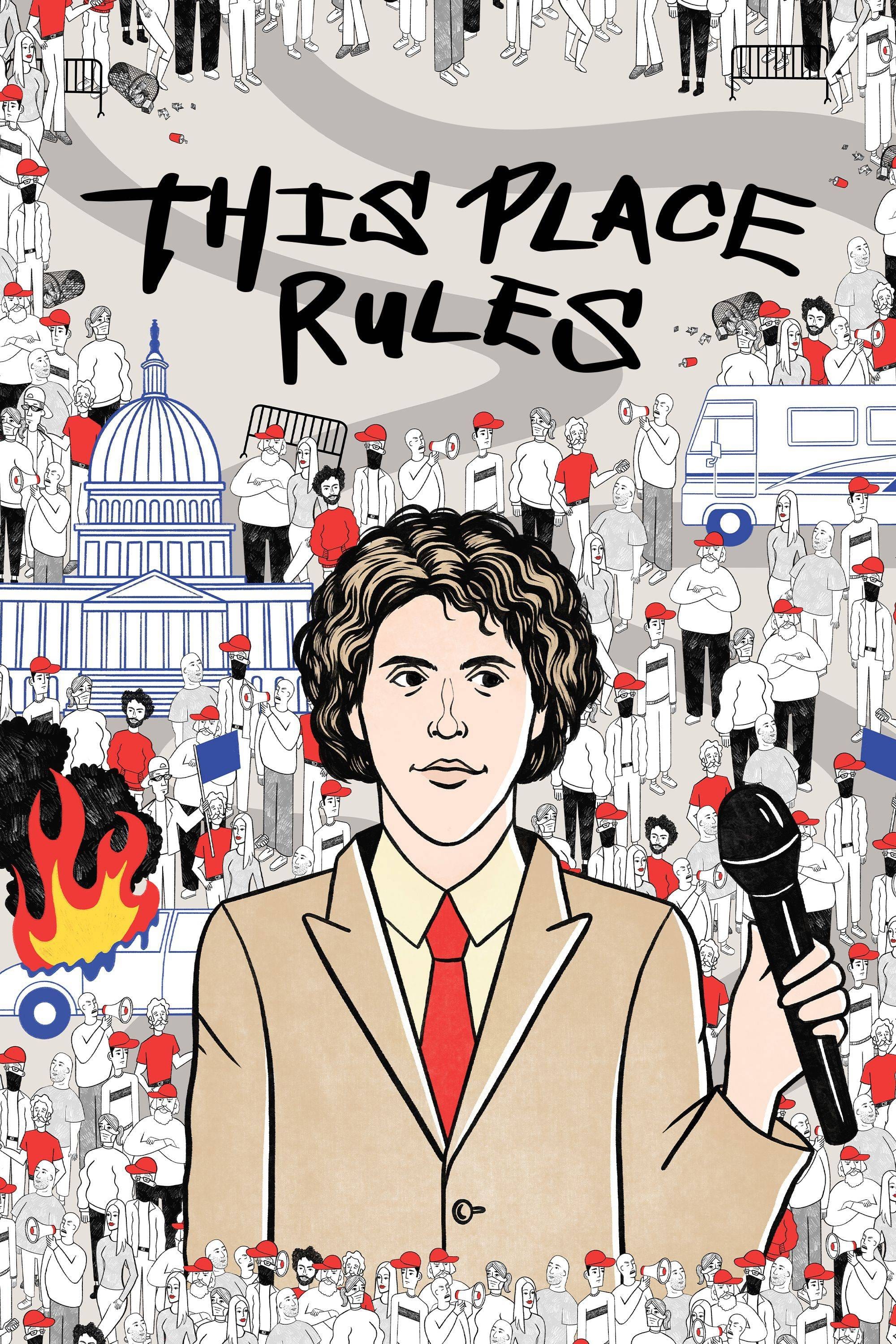
Acclaimed for his unfiltered reporting and deadpan humor, Andrew Callaghan brings his gonzo style reporting to the undercurrents that led to the January 6 Capitol Riot. As one of the best-known and hardest working journalists of his generation, the 25-year-old ventures on a wild RV journey through America to take the pulse of a divided nation.