Social & External
The people behind it
Beatriz Anjos
Mulher
chronicles the life of Josh Keogh, a 15-year-old whose family was shattered when his father died of liver cancer only six weeks after being diagnosed. Filmed over the course of a year, the documentary begins only a few months after James Keogh's death and candidly captures the emotions the grieving son hid from his family and friends.
The story of Nisar Ahmed Khan, told through his children and the people he served, a spiritual guide whose followers still visit his tomb on his birth and death anniversaries. And alongside how his family spends a few days at the village keeping his traditions alive.
Most of us think of death as something clear-cut, and that medical science has it neatly figured out. This feature documentary explodes such assumptions through its exploration of a phenomenon that blurs life and death to an unprecedented degree. In what Tibetan Buddhists call tukdam, advanced meditators die in a consciously controlled manner. Though dead according to our biomedical standards, they often stay sitting upright in meditation; remarkably, their bodies remain fresh and lifelike, without signs of decay for days, sometimes weeks after clinical death. Following ground-breaking scientific research into tukdam and taking us into intimate death stories of Tibetan meditators, the film juxtaposes scientific and Tibetan perspectives as it tries to unravel the mystery of tukdam.
A documentary about a funeral director and her views on life and death.
Liubov, a Russian lady who lives in Mexico City. During the routine of her day, Liubov will recall the experiences she had with death, from childhood to adulthood.
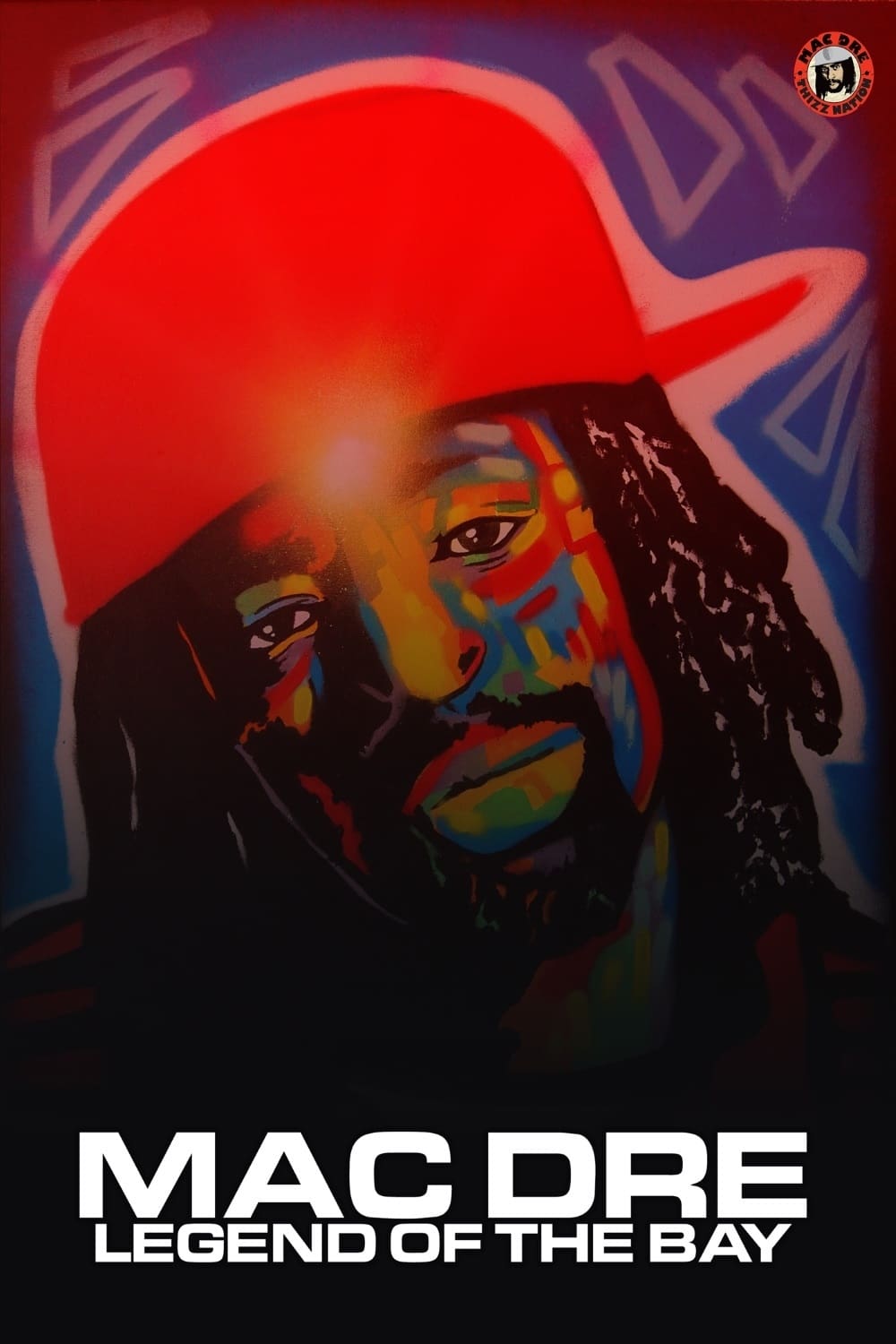
Bay Area rapper Mac Dre began his career at 18 and quickly became an influential force in early west coast hip-hop. In 1992 he was convicted of conspiracy to commit bank robbery when his lyrics were used against him in court. He left prison with a new lease on life, founded an independent record company, and then was murdered just when he began to emerge as a star. For the first time ever, his mother Wanda reveals the true experiences of a hip-hop legend.
Hollywood is a hot spot for celebrities, and tour guide Scott Michaels (E!'s "20 Most Horrifying Hollywood Murders," FindADeath.com) knows their, well, haunts. DEARLY DEPARTED is an all-access tour of the "backlots" of L.A. - locations where the most infamous murders, suicides and bizarre crimes involving A-listers have taken place. The Viper Room, the site where "The Black Dahlia" was discovered, and dozens more legendary spots are explored in this funny and equally shocking ride into L.A.'s seedy underground.
While everyone wants to die "at home" without suffering and surrounded by loved ones, in reality almost everyone dies in hospital. What healthcare provisions enable people to die at home? Are we all equal in terms of the support we receive, regardless of where we live? Young caregivers in a home hospitalization unit drive day and night along the Alabaster Coast. From house to house, from dying person to dying person. Accompanying a dying person at home also means accompanying their loved ones, immersing oneself for a few days or weeks in the intimacy of a family history. Thanks to them, the end of life returns to the home, to the family, and is rehumanized.
Ed Sheeran breaks down the writing and recording process behind his new album Play and performs re-imagined classics alongside brand new songs in a special, intimate gig for Amazon Music Songline. Featuring in-depth interviews with key collaborators and songs never played live before, this is the full story of the latest chart-topping record from one of the most celebrated songwriters of our time.
A family in rural area of West Java, Indonesia enjoys their time with 'Ngadu Bagong', a sundanese traditional game where dogs put to fight against a wild boar in a single event. Ngadu Bagong has always been some sort of animal abuse but it's been in the tradition for a long time. Ade Rohmat has been in the game for a long time; a hobby that he now passes on to his daughter, Ilma Nurjanah. The potentially controversial Ngadu Bagong has always brought intense emotion, prestige, and fortune upon its practicioners.
Examining one of the most baffling unexplained deaths of recent years. In August 2010, Gareth Williams, a GCHQ employee on a 3-year secondment to MI6, was found dead inside a padlocked duffle bag in the bath of his London flat.
A big hearted community celebrates life by fronting up to death. Set against the stunning backdrop of the industrial seaside town of Port Kembla, a feisty and resilient community group have determined to take back the responsibility that most of us leave to someone else — to care for their own dead. Scattered throughout are stories that cut to the core revealing why this small band have decided to take on a practice that for most is taboo. As their plans for community-based funerals gather momentum one of their own is diagnosed with a life-threatening illness. Tender is at once a heartbreakingly beautiful and beautifully funny glimpse of an extraordinary community taking on one of the most essential challenges of human life … its end.
The film examines the death of the anarchist Giuseppe Pinelli, who fell from the fourth floor of the police headquarters in Milan December 15, 1969, after being stopped following the Piazza Fontana bombing.
A short film that navigates the filmmaker's intimate journey with death and other fears. Through the filmmaker’s inner monologue, the film explores the universal struggle with mortality.
'if you only had one year left of your life, what would you do?' This question asks Swiss author Franz Hohler. His answer: 'Make death your adviser to live life to the fullest.' He is one of several carefully chosen Swiss citizens who give us an insight into their personal views on life and death. Besides these colorful, oftentimes funny quotes we meet Tom, a 50-year old male that has been diagnosed with incurable brain tumor. Contrary to what one would expect, Tom takes his sickness not as a burden but as a chance and lives his life happier than ever before. This to the surprise of his family and friends and above all - himself. The film encourages people to live life more consciously.
Musician and performance artist Laurie Anderson reflects on the deaths of her husband Lou Reed, her mother and her beloved dog.
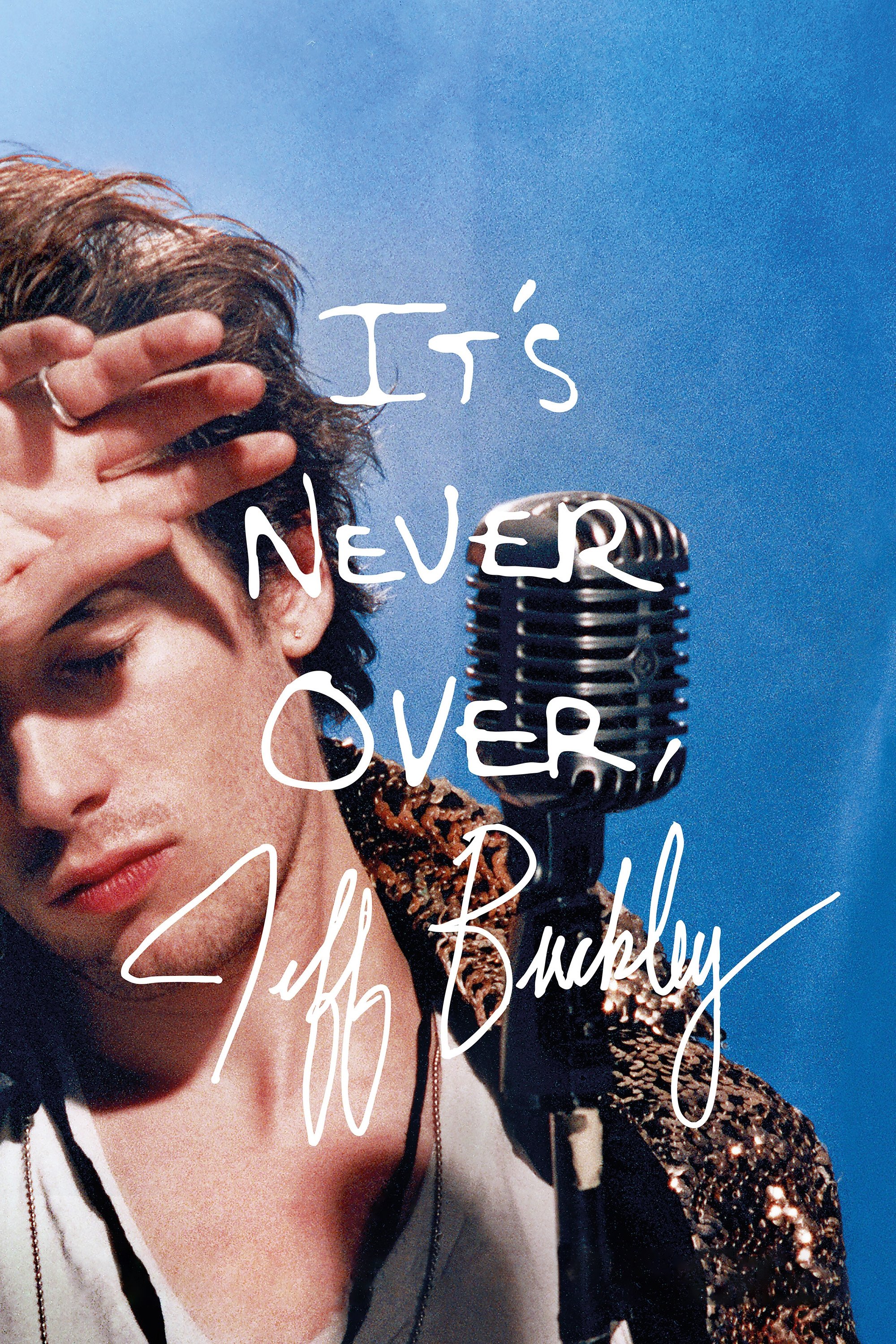
Rising musician Jeff Buckley had only released one album when he died suddenly in 1997. Now, never-before-seen footage, exclusive voice messages, and accounts from those closest to him offer a portrait of the captivating singer.
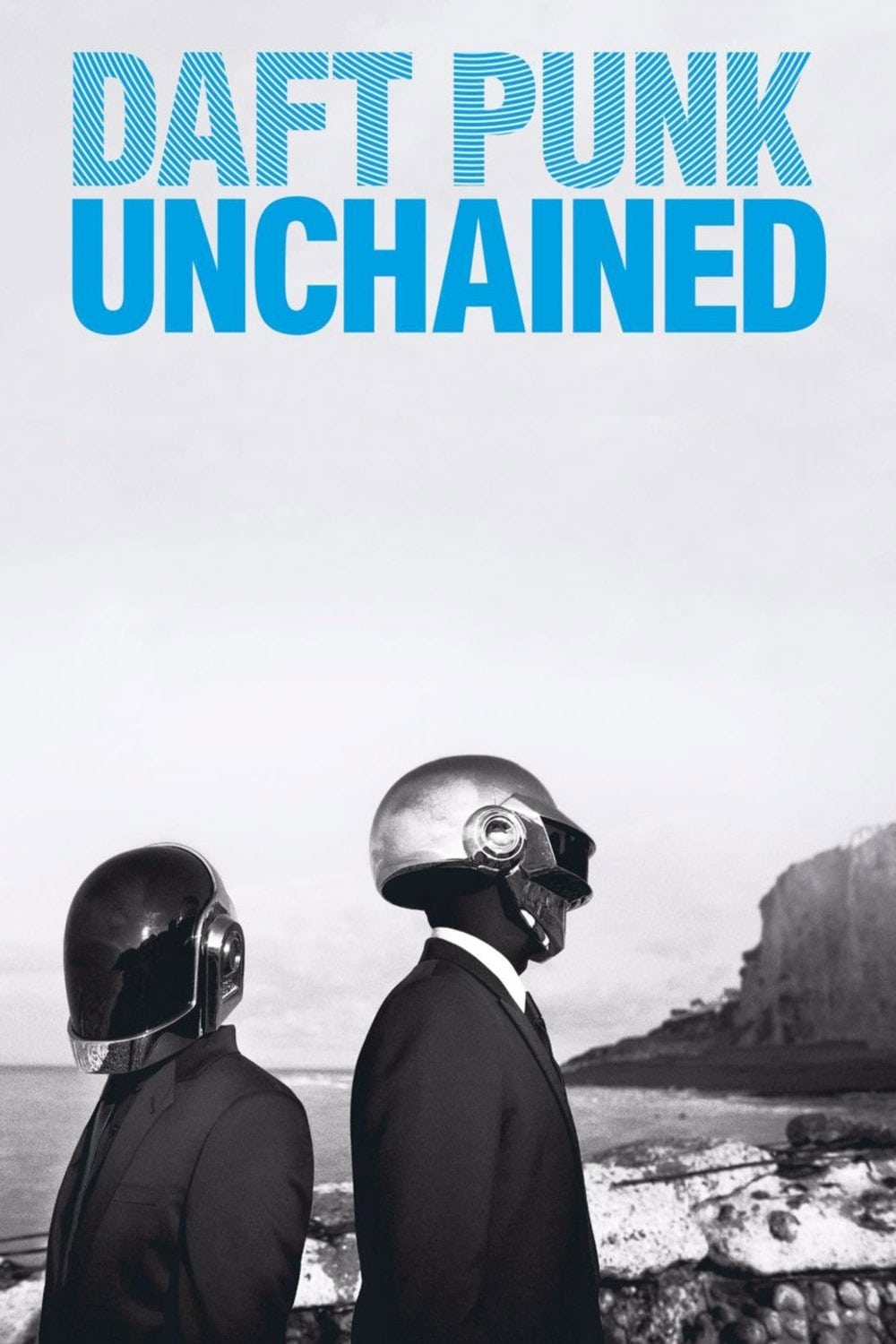
Daft Punk Unchained is the first film about the pop culture phenomenon that is Daft Punk, the duo with 12 million albums sold worldwide and seven Grammy Awards. Throughout their career Thomas Bangalter and Guy-Manuel de Homem-Christo have always resisted compromise and the established codes of show business. They have remained determined to maintain control of every link in the chain of their creative process. In the era of globalisation and social networks, they rarely speak in public and neither do they show their faces on TV. This documentary explores this unprecedented cultural revolution revealing a duo of artists on a permanent quest for creativity, independence and freedom.
This revealing documentary honors the legendary Sidney Poitier—iconic actor, filmmaker, and civil rights activist. Featuring interviews with Denzel Washington, Spike Lee, Halle Berry, and more.
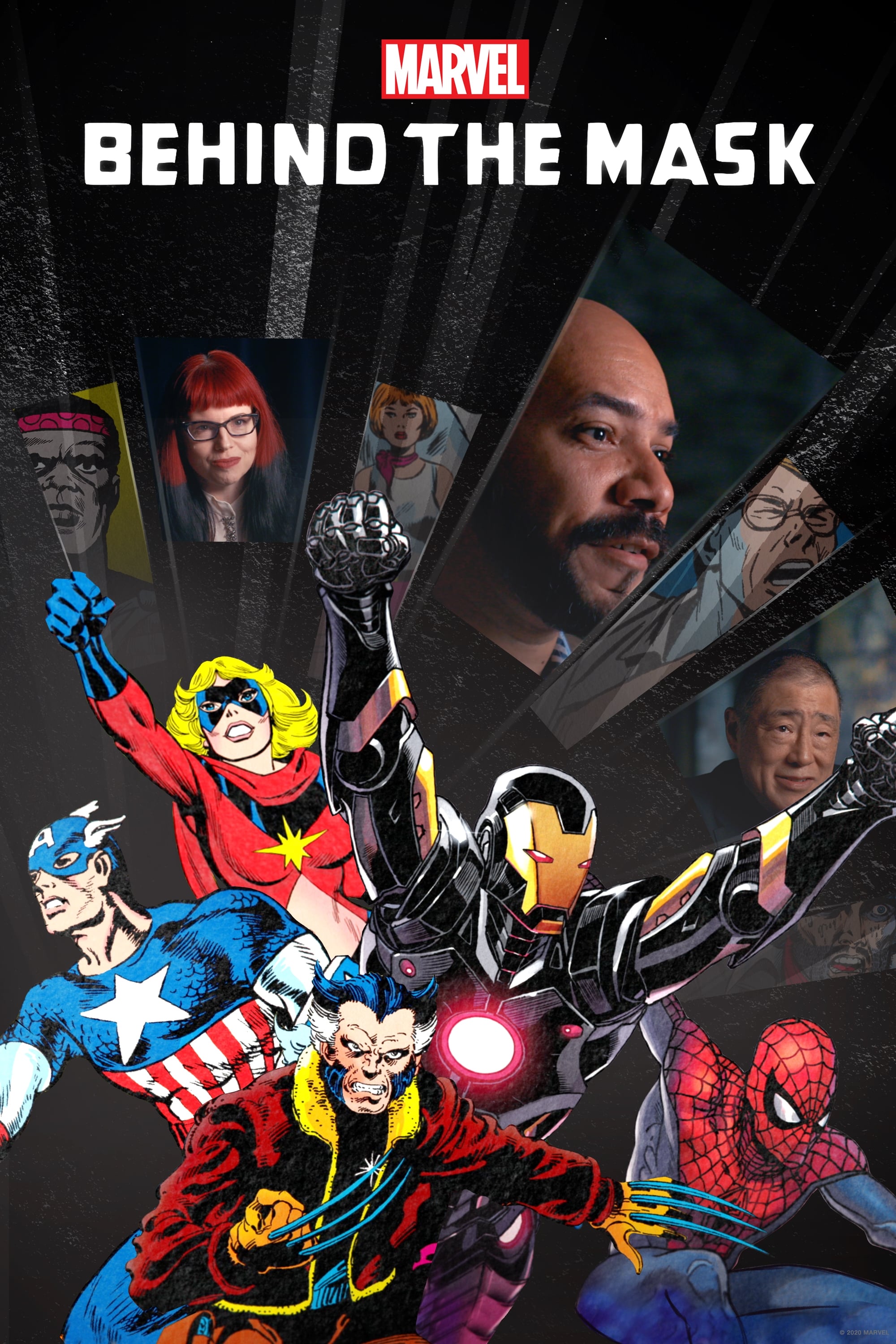
A documentary special that explores the power of identity behind the iconic superheroes we know and love today. These legendary Marvel creations and stories have not only reflected the world outside our window – they have become a reflection of our own identities and who we truly are.
Those who knew iconic funnyman John Candy best share his story, in their own words, through never-before-seen archival footage, imagery, and interviews.
Daniel Craig candidly reflects on his 15 year adventure as James Bond. Including never-before-seen archival footage from Casino Royale to the upcoming 25th film No Time To Die, Craig shares his personal memories in conversation with 007 producers, Michael G Wilson and Barbara Broccoli.
A raw and emotionally revealing look at one of the most iconic artists of our time during a transformational period in her life as she learns to embrace her role not only as a songwriter and performer, but as a woman harnessing the full power of her voice.
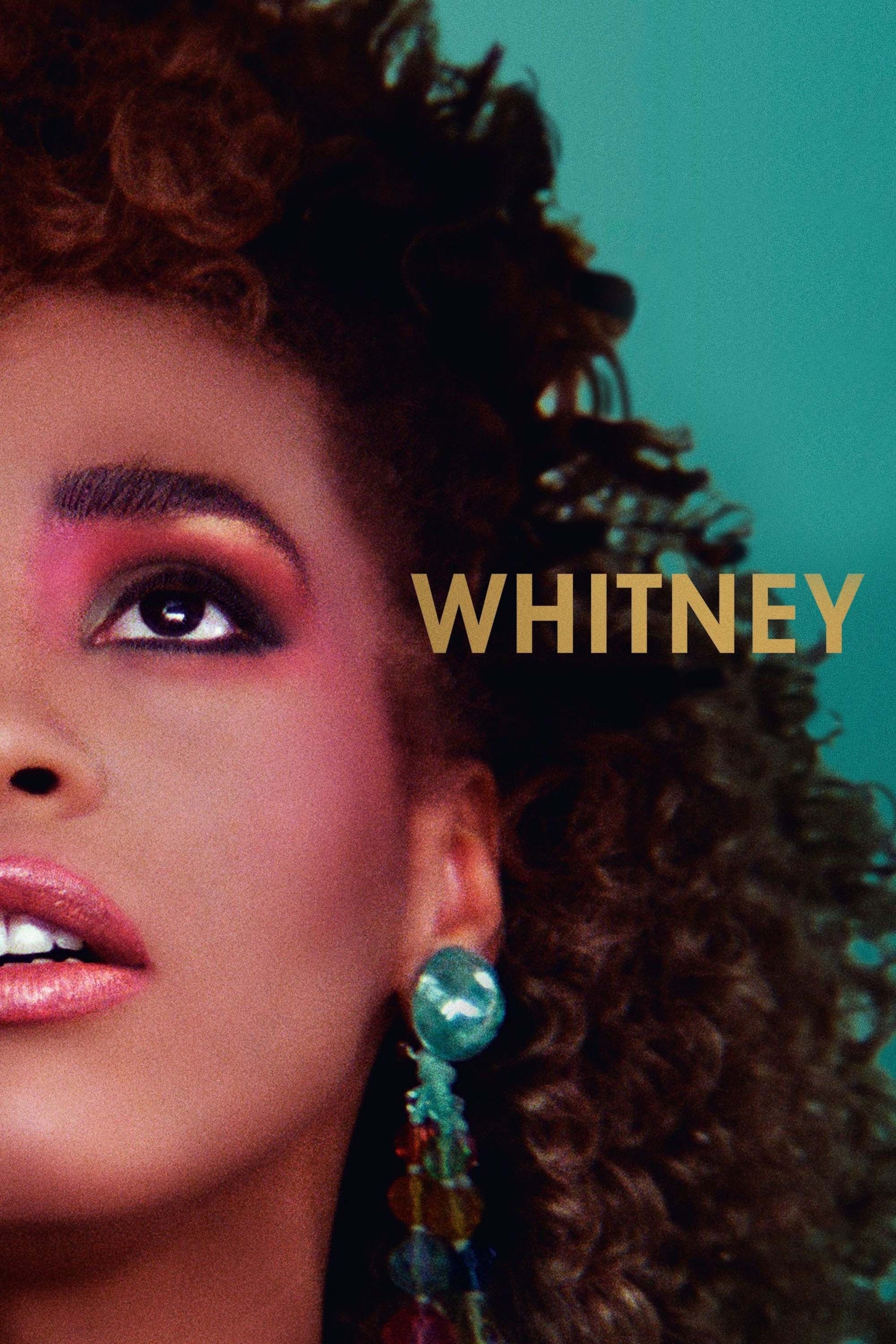
Examines the life and career of singer Whitney Houston. Features never-before-seen archival footage, exclusive recordings, rare performances and interviews with the people who knew her best.
An inside look at one of the most anticipated movie sequels ever with James Cameron and cast.
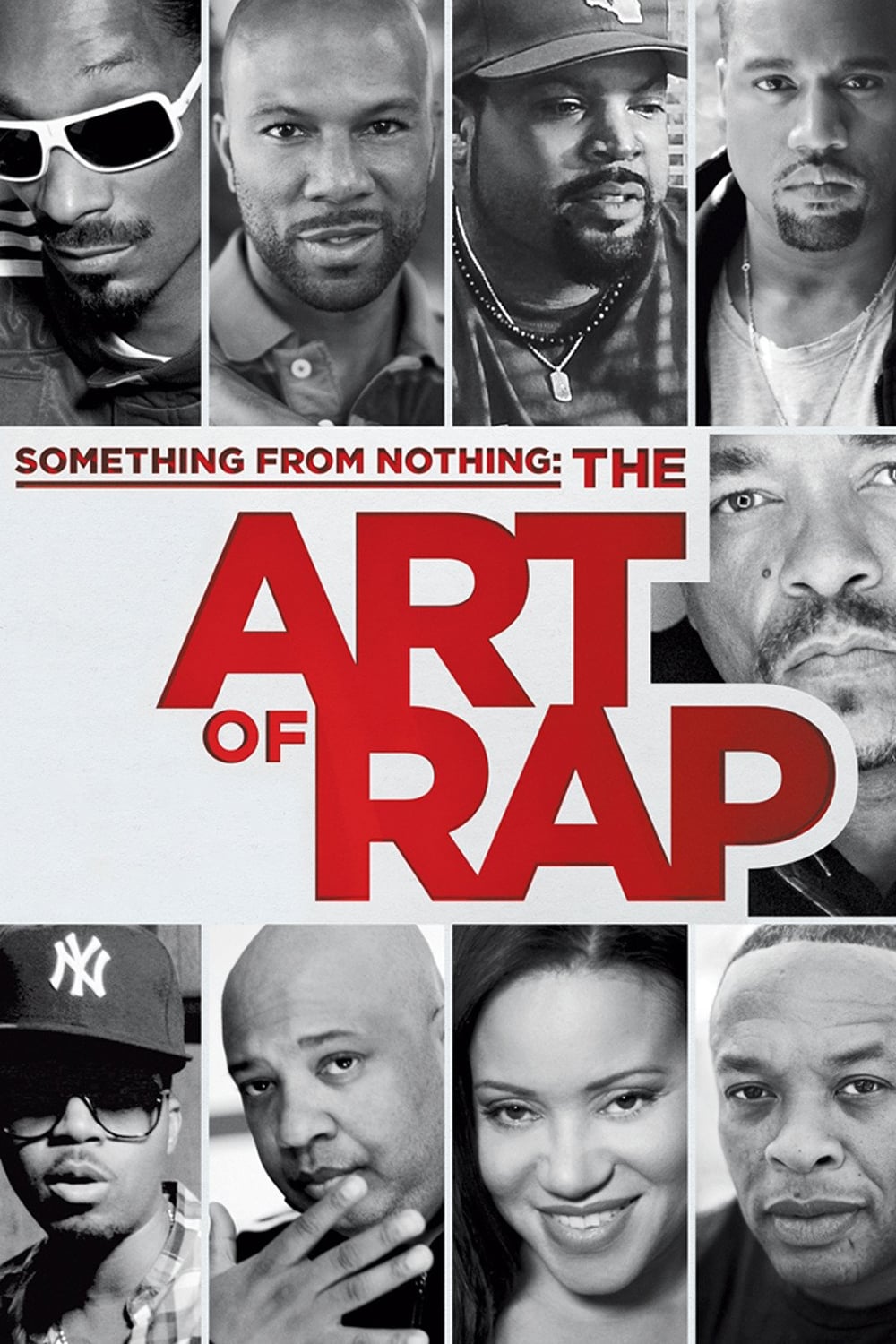
SOMETHING FROM NOTHING: THE ART OF RAP is a feature length performance documentary about the runaway juggernaut that is Rap music. At the wheel of this unstoppable beast is the film's director and interviewer Ice-T. Taking us on a deeply personal journey Ice-T uncovers how this music of the street has grown to dominate the world. Along the way Ice-T meets a whole spectrum of Hip-Hop talent, from founders, to new faces, to the global superstars like Eminem, Dr Dre, Snoop Dogg and Kanye West. He exposes the roots and history of Rap and then, through meeting many of its most famous protagonists, studies the living mechanism of the music to reveal 'The Art Of Rap'. This extraordinary film features unique performances from the entire cast, without resorting to archive material, to build a fresh and surprising take on the phenomenon that is Rap.
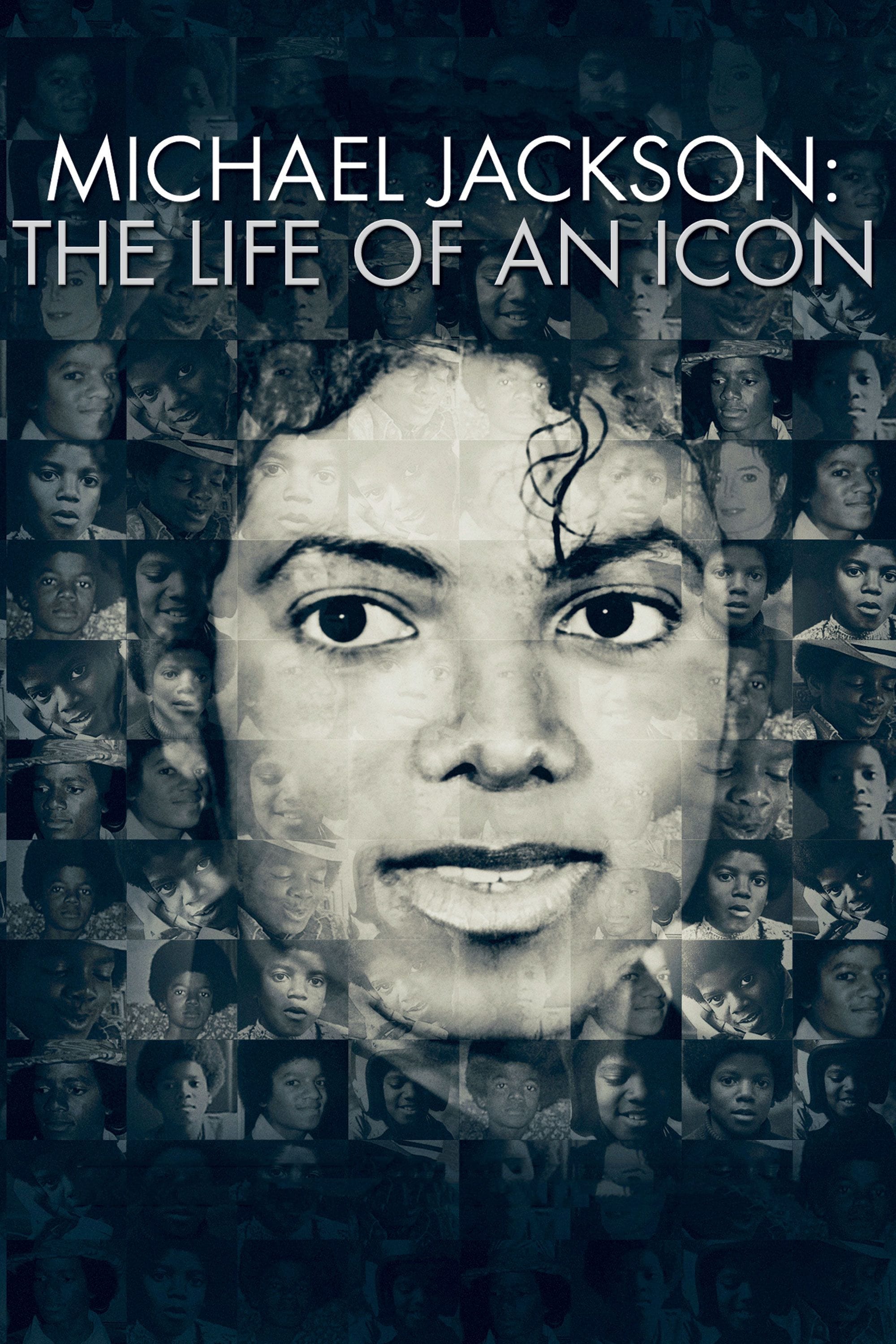
See Michael Jackson, one of the most recognizable and popular entertainers of all time, like never before in the feature-length tribute Michael Jackson: The Life of an Icon. Known to millions of fans worldwide for his record-breaking albums, groundbreaking music videos, mesmerizing dance moves and humanitarian efforts, his true story has never really been told...until now. This unprecedented look into the King of Pop's fascinating life includes all-new interviews with his mother Katherine Jackson as well as siblings Tito and Rebbie Jackson, his nephew Jaafar Jackson and niece Tahkyah brings plenty Jackson and Friends ends and music legends such as Smokey Robinson, Dionne Warwick and his 3 children and many more.
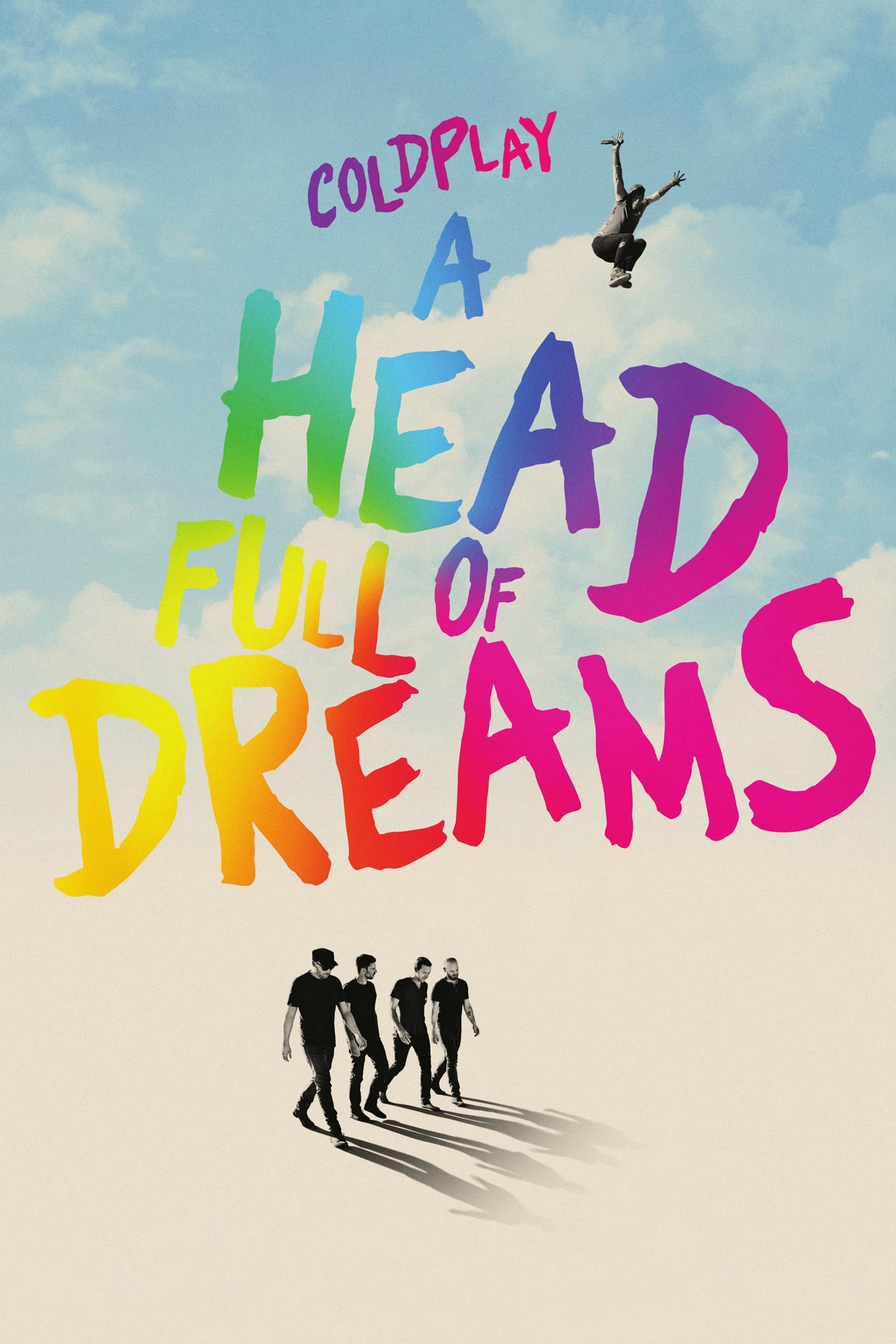
An in-depth and intimate portrait of Coldplay's spectacular rise from the backrooms of Camden pubs to selling out stadiums across the planet. At the heart of the story is the band's unshakeable brotherhood which has endured through many highs and lows.
A deliciously scandalous portrait of unsung Hollywood legend Scotty Bowers, whose bestselling memoir chronicled his decades spent as sexual procurer to the stars.
A documentary chronicling Queen and Lambert's incredible journey since they first shared the stage together on "American Idol" in 2009.
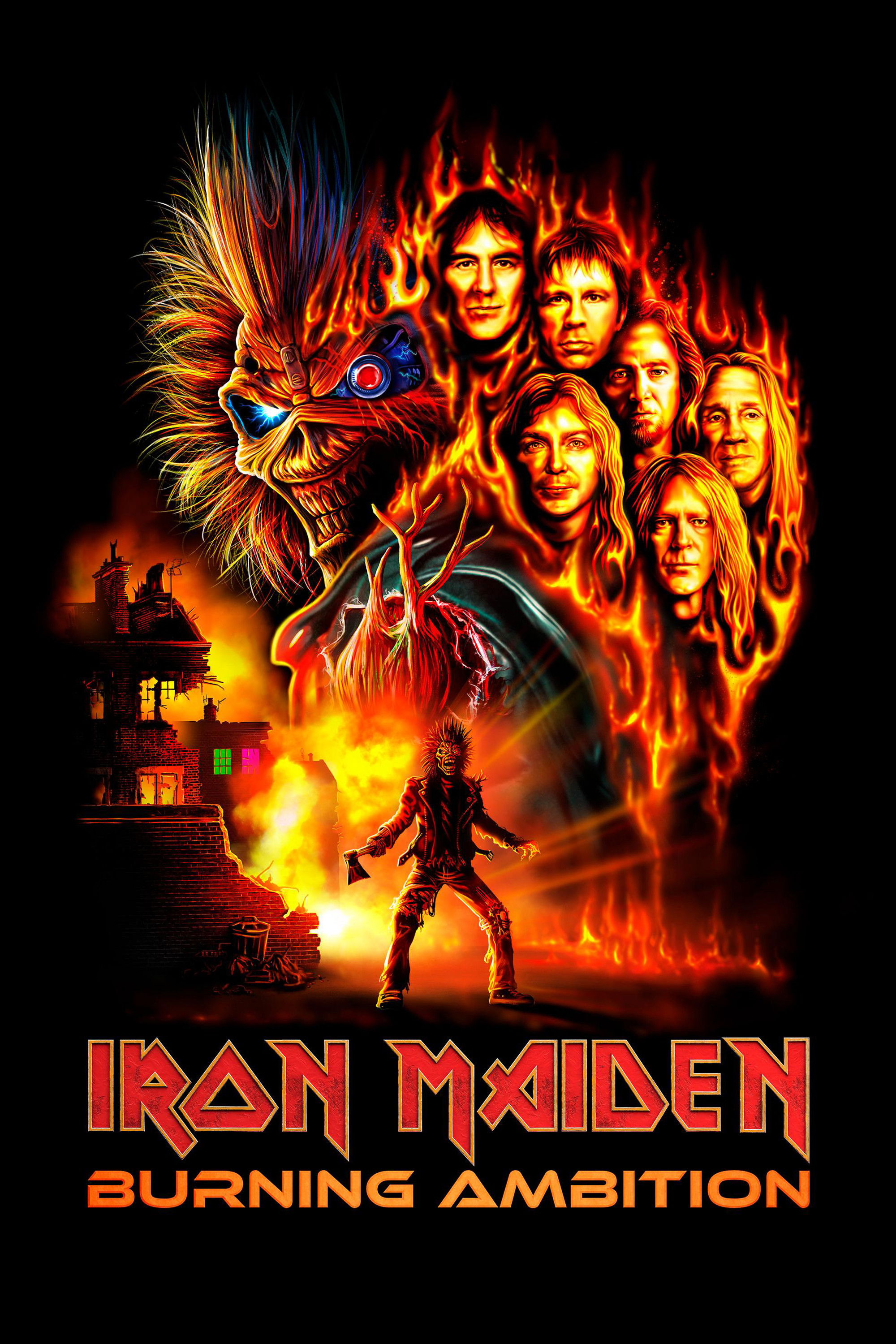
With unprecedented access to the official archives and intimate recollections from the band, both current and past, Iron Maiden: Burning Ambition invites fans to experience one of the most iconic journeys in music history. Spanning five decades, this electrifying documentary charts the band’s rise from the pubs of East London to the world’s biggest stadiums. Featuring exclusive interviews with band members and contributors such as Javier Bardem, Lars Ulrich and Chuck D, as well as all-new animated sequences of the band's legendary mascot, Eddie, the film offers a rare and intimate look at Iron Maiden’s uncompromising vision and unwavering connection with their truly global army of fans.
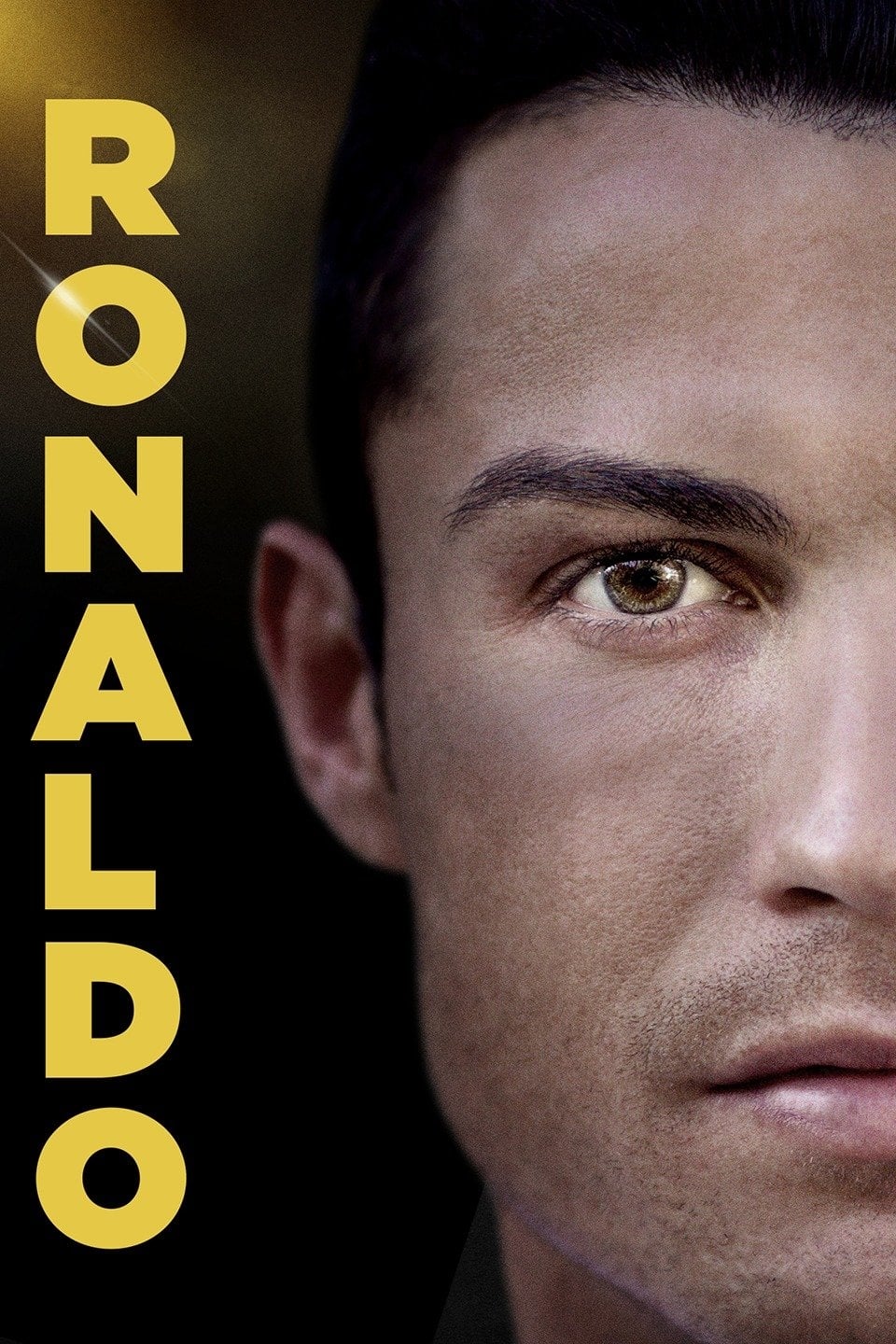
Filmed over 14 months with unprecedented access into the inner circle of the man and the sport, this is the first official and fully authorised film of one of the most celebrated figures in football. For the first time ever, the world gets vividly candid and un-paralleled, behind-closed-doors access to the footballer, father, family-man and friend in this moving & fascinating documentary. Through in-depth conversations, state of the art football footage and never before seen archival footage, the film gives an astonishing insight into the sporting and personal life of triple Ballon D'Or winner Cristiano Ronaldo at the peak of his career. From the makers of ‘Senna’ and ‘Amy’, Ronaldo takes audiences on an intimate and revealing journey of what it’s like to live as an iconic athlete in the eye of the storm.
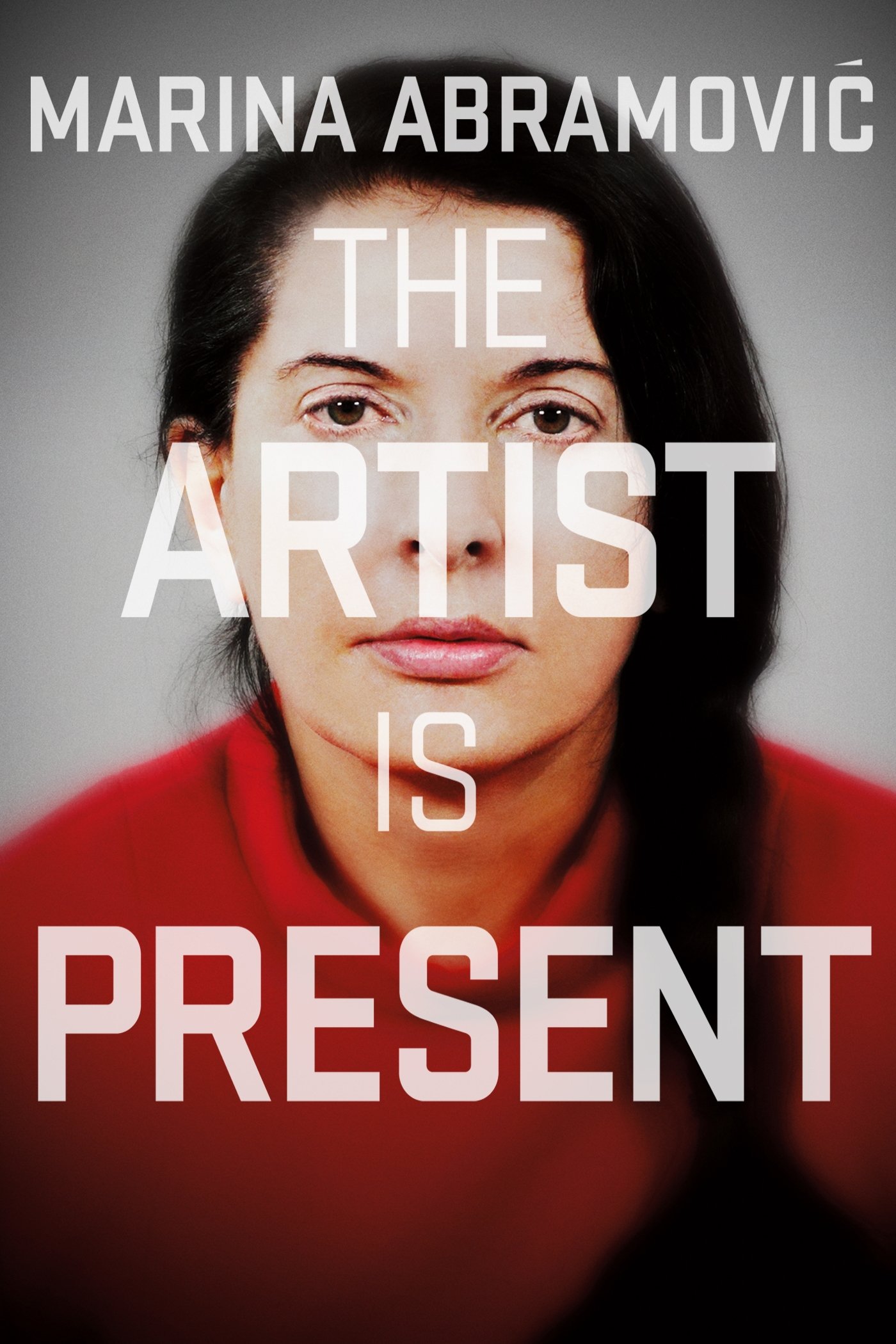
Performance artist Marina Abramovic prepares for a major retrospective of her work at the Museum of Modern Art in New York.
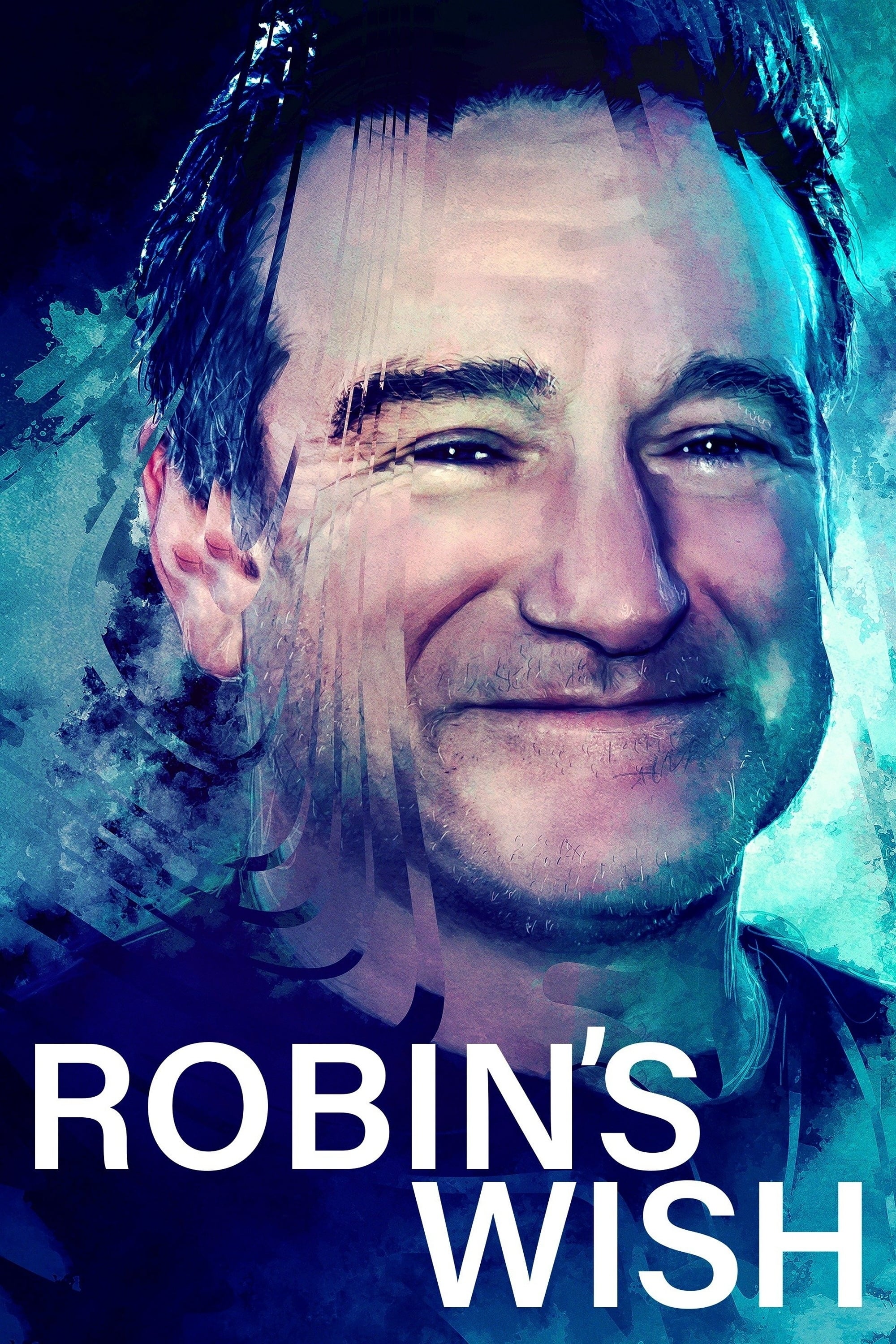
The final word in the story of what really happened to Robin Williams at the end of his life, focusing on his fight against a deadly neurodegenerative disorder known as Lewy body dementia.
A detailing of the rise to prominence and global sporting superstardom of six supremely talented young Manchester United football players (David Beckham, Nicky Butt, Ryan Giggs, Paul Scholes, Phil and Gary Neville). The film covers the period 1992-1999, culminating in Manchester United's European Cup triumph.