Social & External
The people behind it
Samian
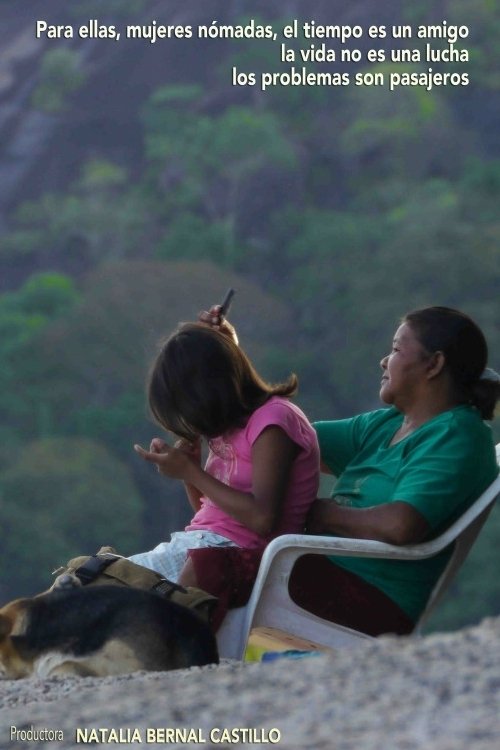
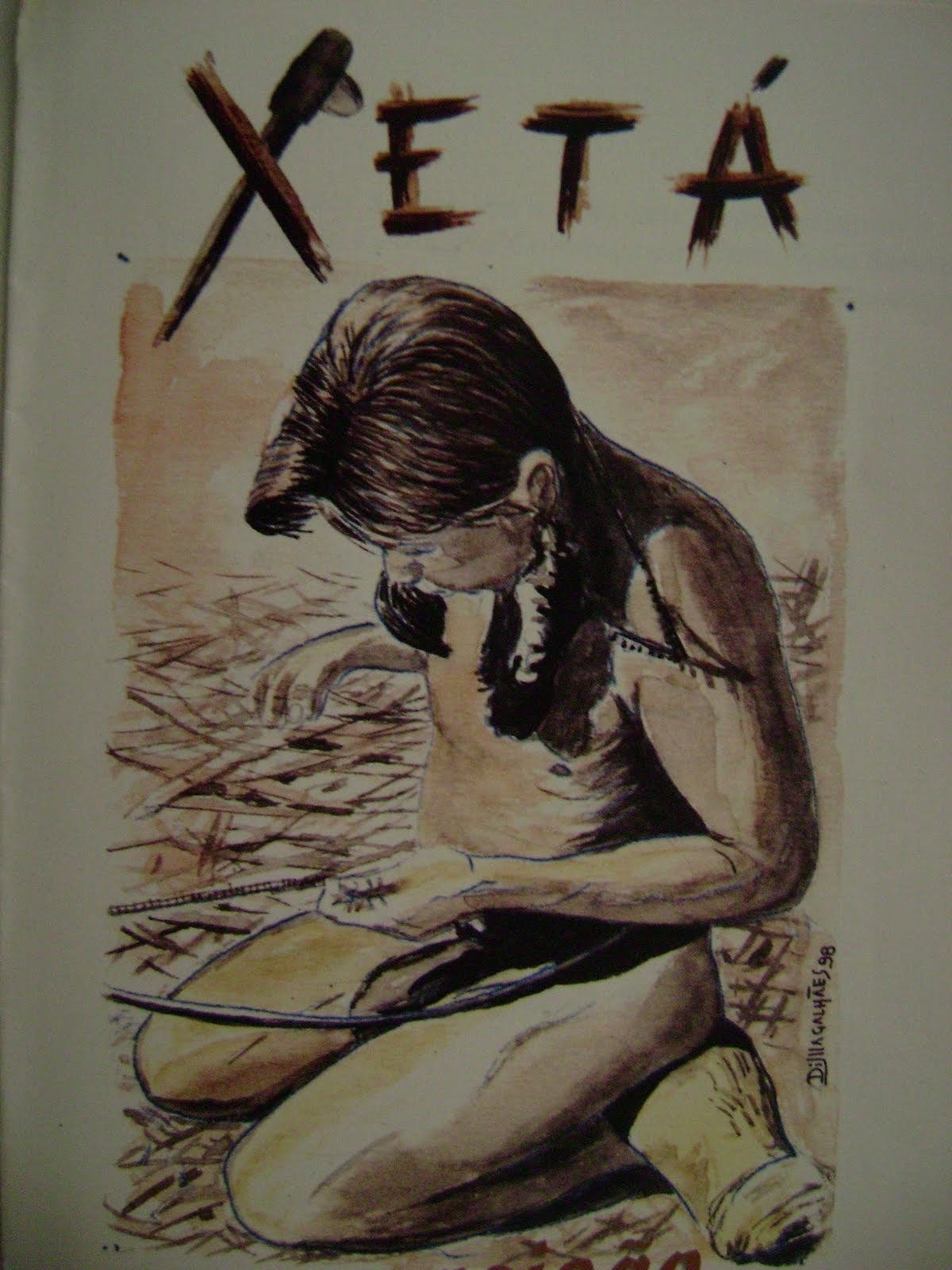
María is an Amorúa girl; an indigenous group that traveled the savannas of Orinoquía as nomads. She lives with her grandmother Matilde, her sister diana and her cousins in Puerto Carreño, in the Colombia-Venezuela border. The amorúa are considered wild and are not literate. Matilde wants her granddaughters to learn to write and read to live better in this town of "rational whites" as they call us. The director follows María's life for 8 years from her childhood to her adolescence and invites her to travel the places her grandma did as a nomad.
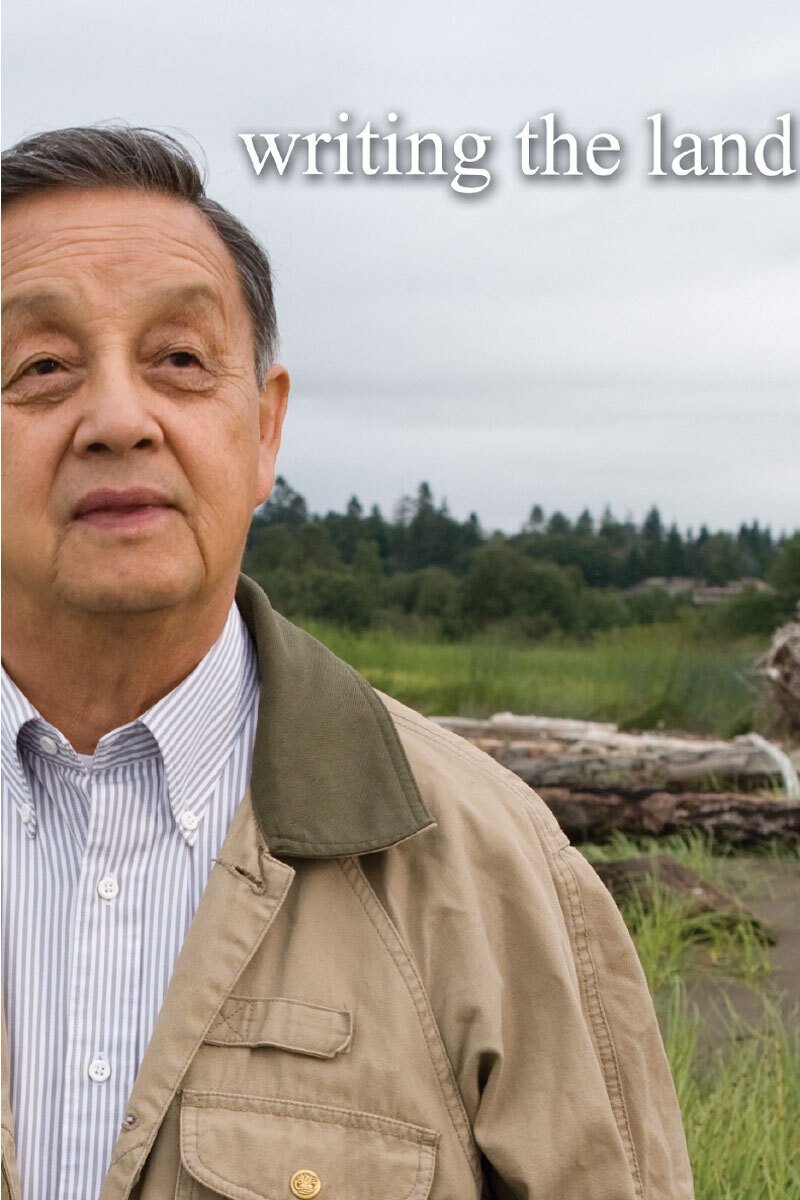
In this short documentary, a Musqueam elder rediscovers his Native language and traditions in the city of Vancouver, in the vicinity of which the Musqueam people have lived for thousands of years. Writing the Land captures the ever-changing nature of a modern city - the glass and steel towers cut against the sky, grass, trees and a sudden flash of birds in flight and the enduring power of language to shape perception and create memory.
Follow filmmaker Elle-Máijá Tailfeathers as she creates an intimate portrait of her community and the impacts of the substance use and overdose epidemic. Witness the change brought by community members with substance-use disorder, first responders and medical professionals as they strive for harm reduction in the Kainai First Nation.
Living with Giants delves into the imaginative world of Paulusie Kasudluak, a young Inuk facing responsibilities as he transitions into adulthood. The film portrays his thoughts, his dreams, and his beliefs, and allows for an intimate immersion into his life. Paulusie is a caring son to his ailing father and a good boyfriend. But what begins as the story of an innocent teenager quickly becomes the struggle of a young man coping with the guilt of having made a huge mistake. Tragically, Paulusie takes the most dramatic decision and takes his own life. Living with Giants remains a poetic journey of resilience that echoes issues that are far greater than Paulusie's personal story.
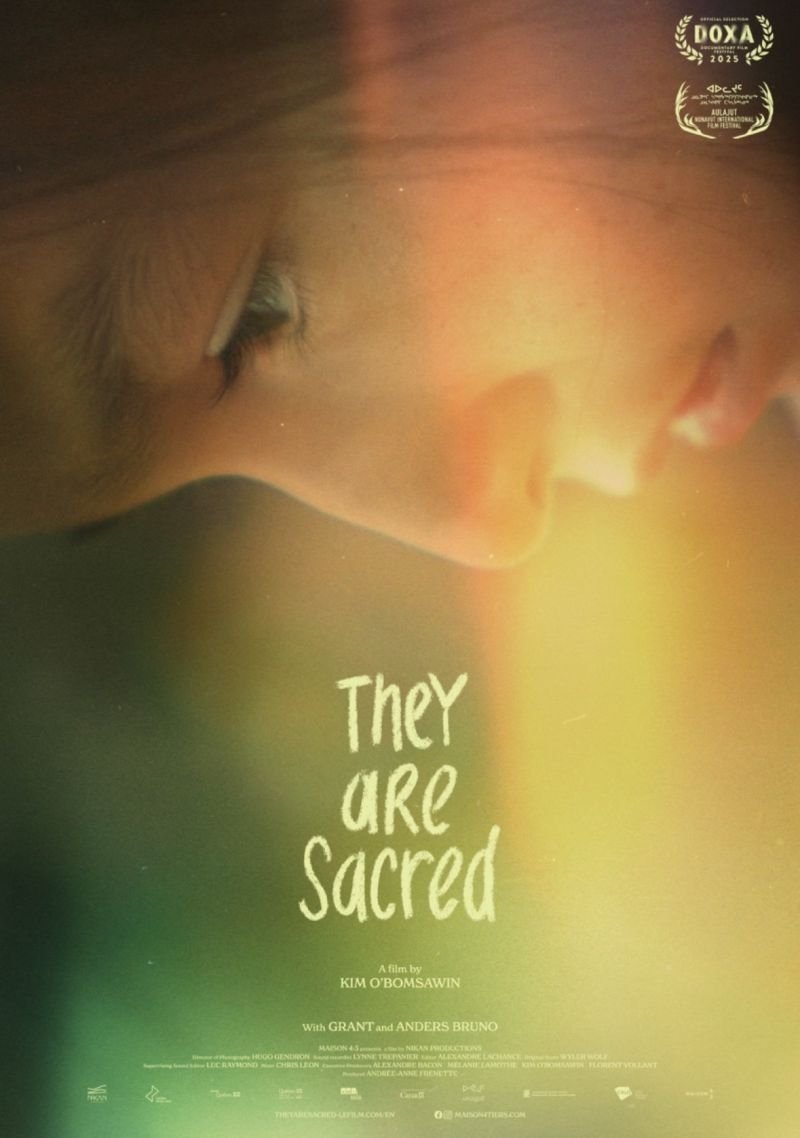
Following young Anders and his father, Dr. Grant Bruno, of the Samson Cree Nation, this documentary gives viewers unique access to the world of an autistic child, and to follow his father’s journey to bring back traditional First Peoples perspectives in our contemporary world.
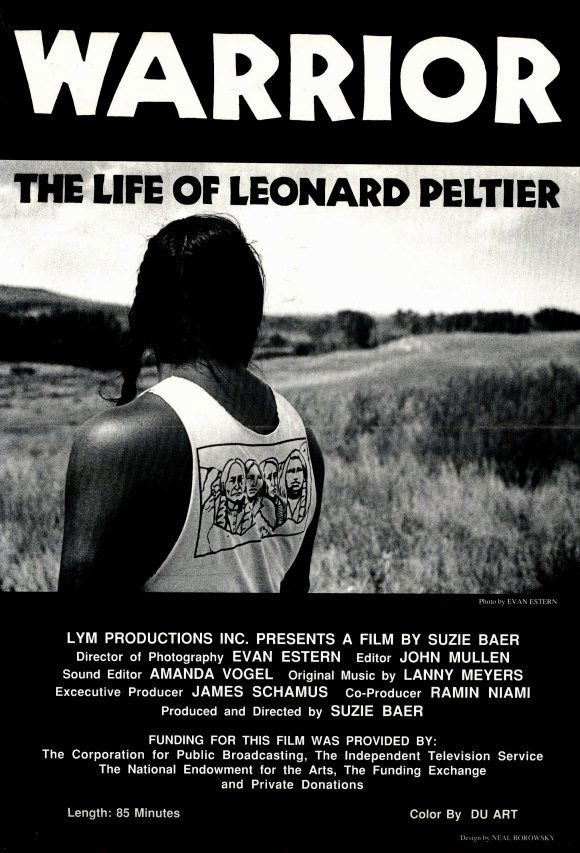
An intimate exploration of the circumstances surrounding the incarceration of Native American activist Leonard Peltier, convicted of murder in 1977, with commentary from those involved, including Peltier himself.
'Falas da Terra' sheds light on the plurality and the struggle of the indigenous people for the right to exist, in a historical rescue of valuing their cultures.
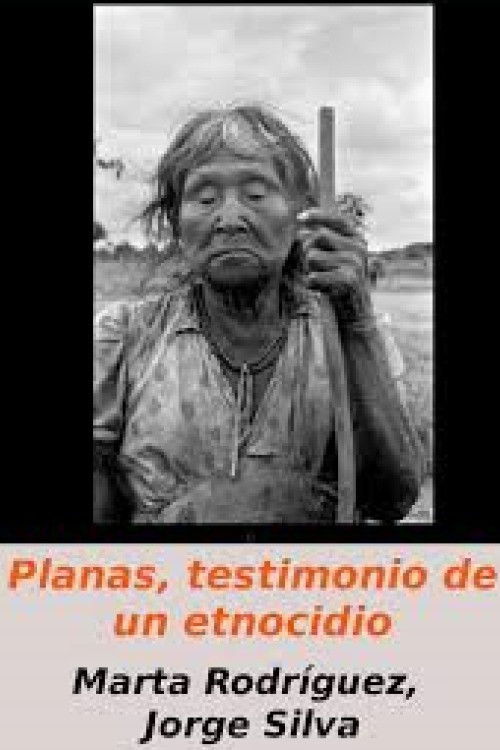
A documentary on the massacre of Planas in the Colombian east plains in 1970. An Indigenous community formed a cooperative to defend their rights from settlers and colonists, but the government organized a military operation to protect the latter and foreign companies.
Sixty snowmobilers, indigenous and non-indigenous, join forces to take part in a huge snowmobiling expedition: a 3500 km journey to be completed in 16 days. The goal: to cross a large swath of Quebec to work towards reconciliation between peoples. In this choral film, which is as much a physical ordeal as a spiritual and psychological one, the participants take on the mission of raising public awareness of the issues dear to their communities. Through the challenges posed by the weather and the long daily journeys that put the group to the test, a powerful bond is forged between the participants, who face enormous adversity. A journey on the land of ancestors that reveals the strength of togetherness.
As a sea nomad, Hook grew up with the ocean as his universe. Now he must make a courageous voyage to salvage the remains of his dying culture
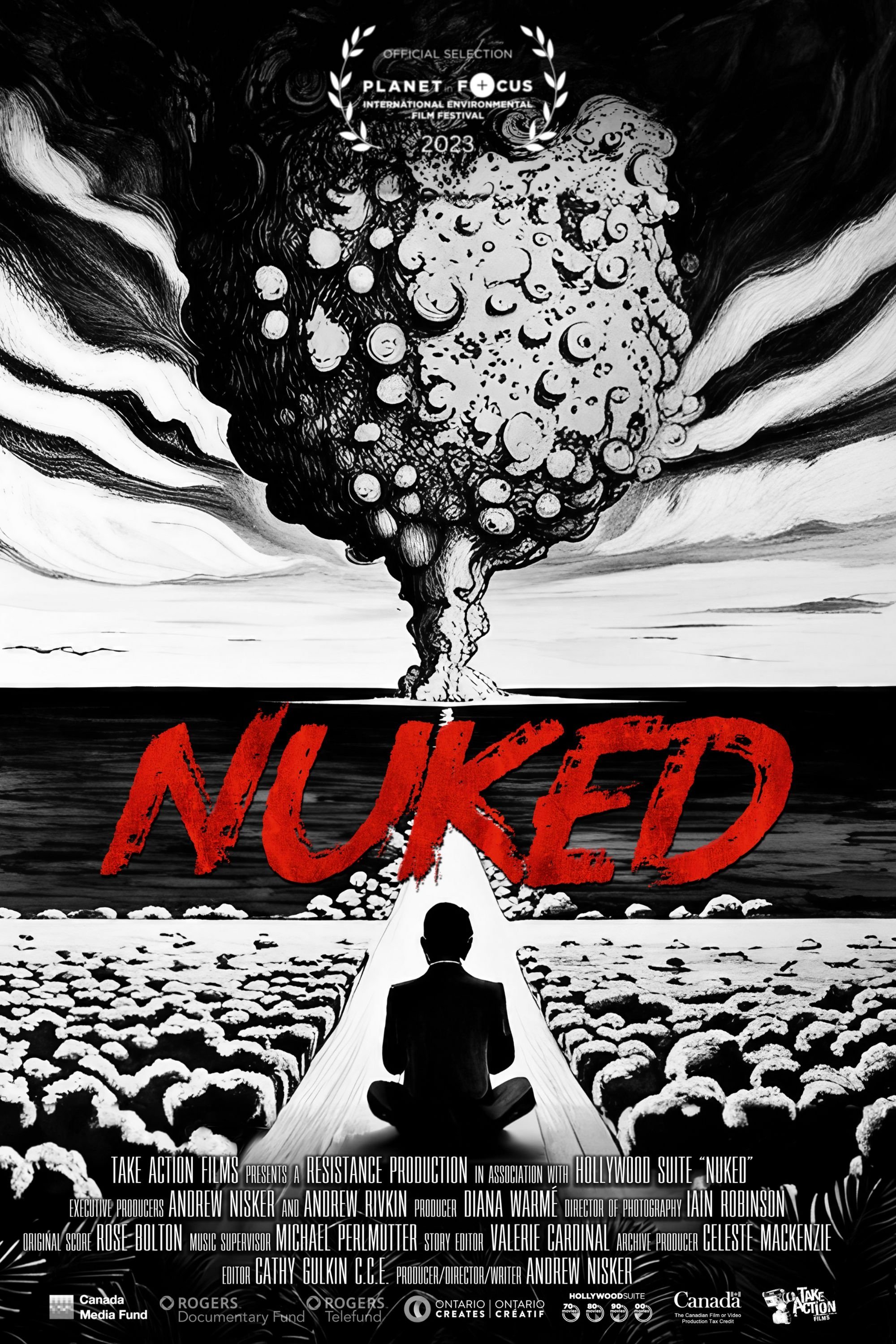
The US detonated 67 nuclear weapons over the Bikini Atoll in the Marshall Islands during the Cold War, the consequences of which still reverberate down four generations to today. "NUKED," is a timely new feature documentary focussing on the human victims of the nuclear arms race, tracing the displaced Bikinian's ongoing struggle for justice and survival even as climate change poses a new existential threat. Using carefully restored archival footage to resurrect contemporaneous islanders’ voices and juxtaposing these with the full, awesome fury of the nuclear detonations, NUKED starkly contrasts the official record with the lived experience of the Bikinians themselves, serving as an important counterpoint to this summer’s Oppenheimer.
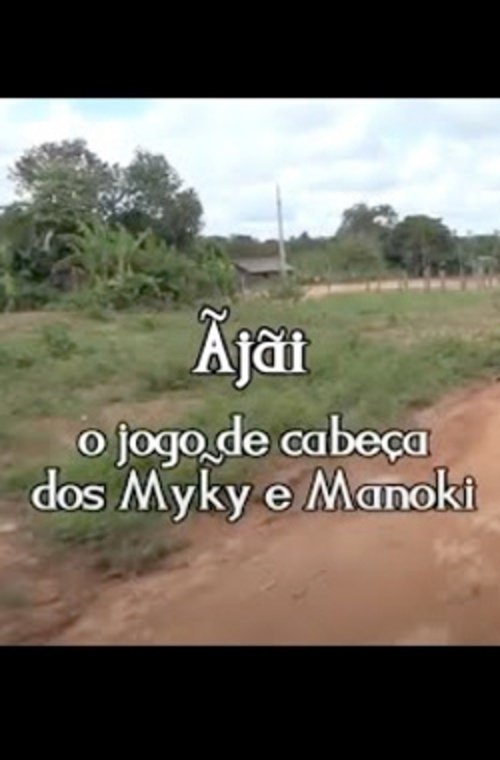
Ãjãí is a fun game in which only the players' heads can touch the ball. This practice, shared by few indigenous peoples in the world, is present among the Myky and Manoki populations of Mato Grosso, who speak a language of an isolated linguistic family. of the villages. But to organize this great party, your young bosses will face some challenges ahead.
Documentary about the life of the indigenous people in the Andes and in the slums of Lima, and of their religiosity.
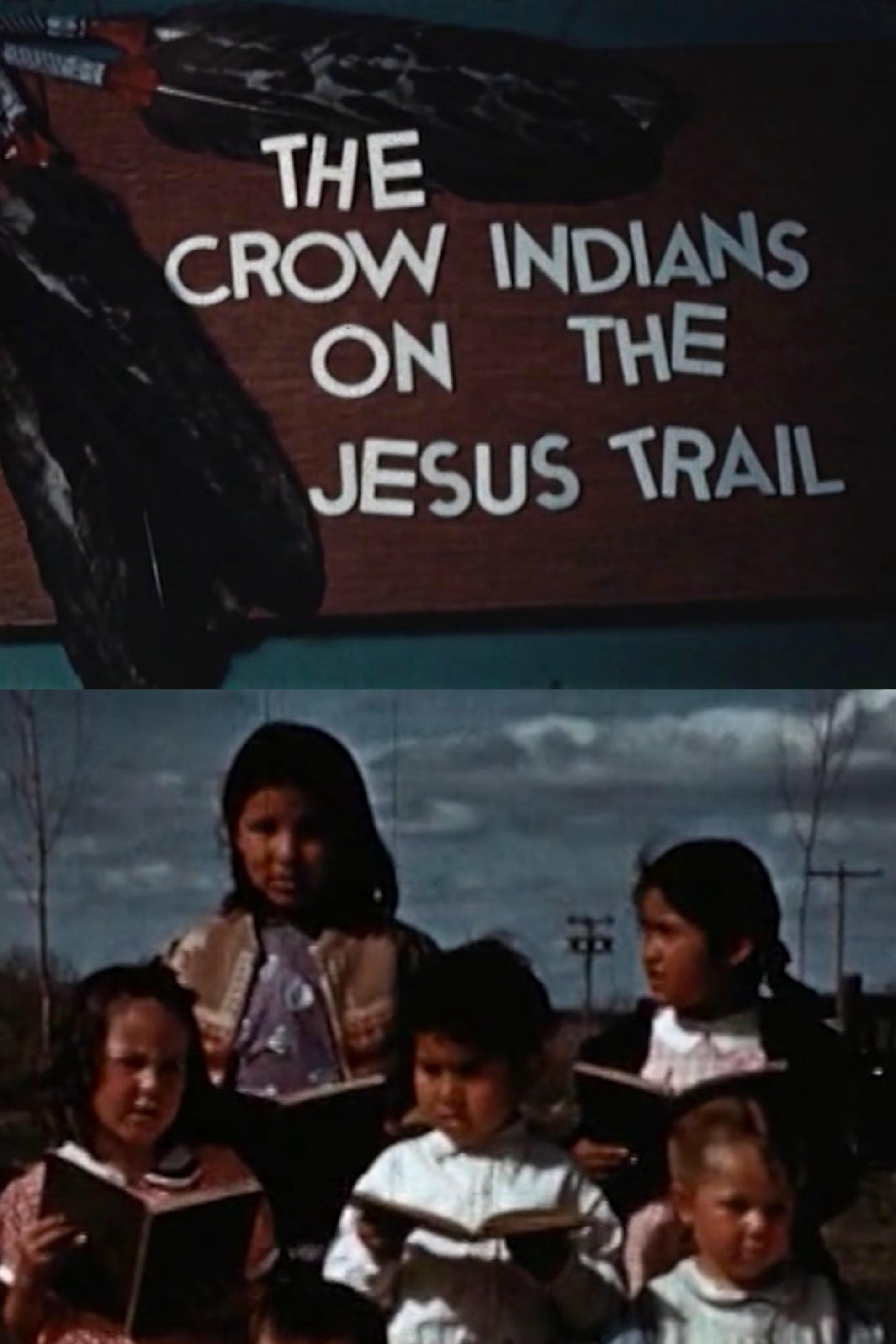
Profile of the Crow Indian Mission in Lodge Grass, Montana.
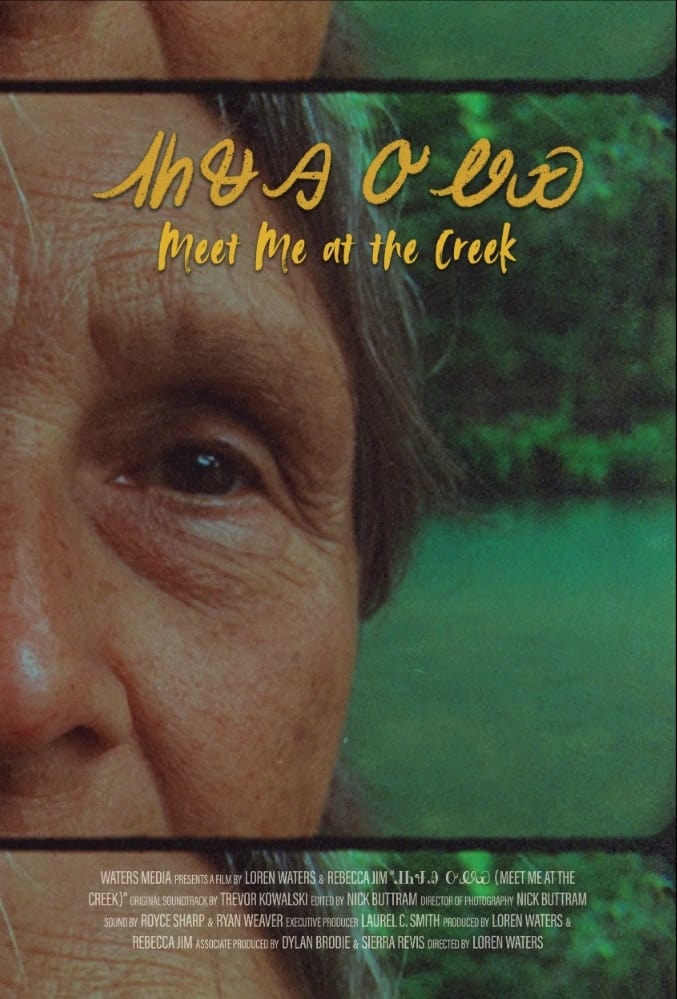
Waters’ LIFT project, ᏗᏂᏠᎯ ᎤᏪᏯ (Meet Me at the Creek), is the fourth of a quartet of films, and focuses on interconnectedness and Cherokee values through the lifelong fight of Rebecca Jim, a Cherokee Nation citizen and waterkeeper warrior, as she leads the effort to restore Tar Creek in Miami, Oklahoma.
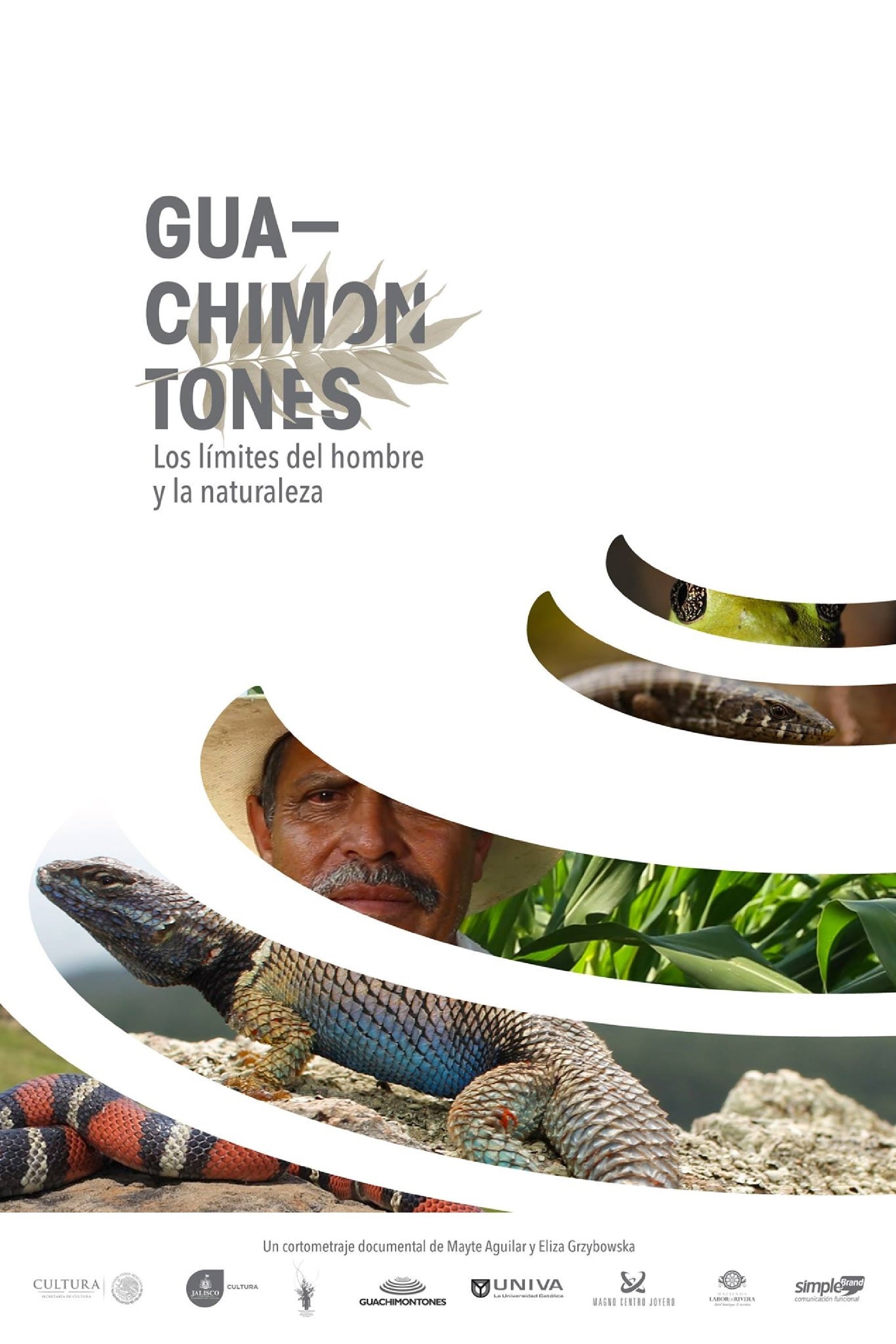
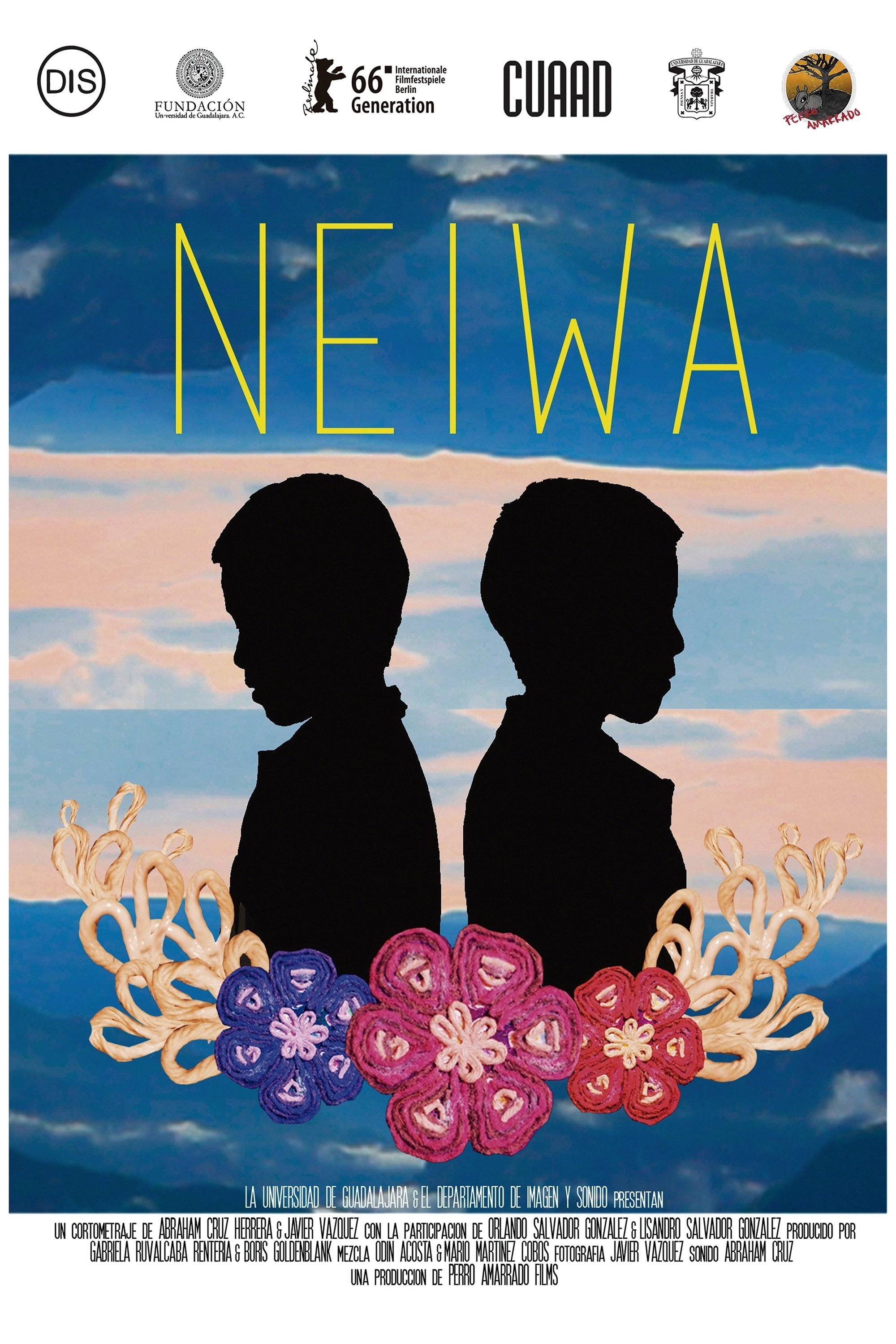
Fate has foreseen two different paths for the inseparable twin brothers Orlando and Lisandro. One will take up the traditional path of the Huichol Shaman, while the other dreams of attending medical school.
Blind from birth, Dr G Yunupingu found his identity through song and the haunting voice that has already become legend. His debut album introduced Australia to the Songlines and culture of his Elcho Island community, but now Dr G Yunupingu finds himself increasingly torn between city and country, present and past, self and the community to which he owes so much.
A documentary about how a dominant cultural and demographic institution both sustains their traditional activities and adapts to the digital revolution.
A string of threatening emails escalates into a revenge plot involving a newly married US marshal and his ex-girlfriend.
A visual montage portrait of our contemporary world dominated by globalized technology and violence.
An inside look at one of the most anticipated movie sequels ever with James Cameron and cast.
The Making-of James Cameron's Avatar. It shows interesting parts of the work on the set.
Brilliant, long in-the-works story of the life and art of the world's greatest comedian and the cinema's first genius, Charlie Chaplin. Produced, written and directed by renowned film critic Richard Schickel.
A documentary about the making of season five of the acclaimed AMC series Breaking Bad.
Alexander McQueen's rags-to-riches story is a modern-day fairy tale, laced with the gothic. Mirroring the savage beauty, boldness and vivacity of his design, this documentary is an intimate revelation of McQueen's own world, both tortured and inspired, which celebrates a radical and mesmerizing genius of profound influence.
Ranjit, a farmer in India, takes on the fight of his life when he demands justice for his 13-year-old daughter, the victim of a brutal gang rape. His decision to support his daughter is virtually unheard of, and his journey unprecedented.
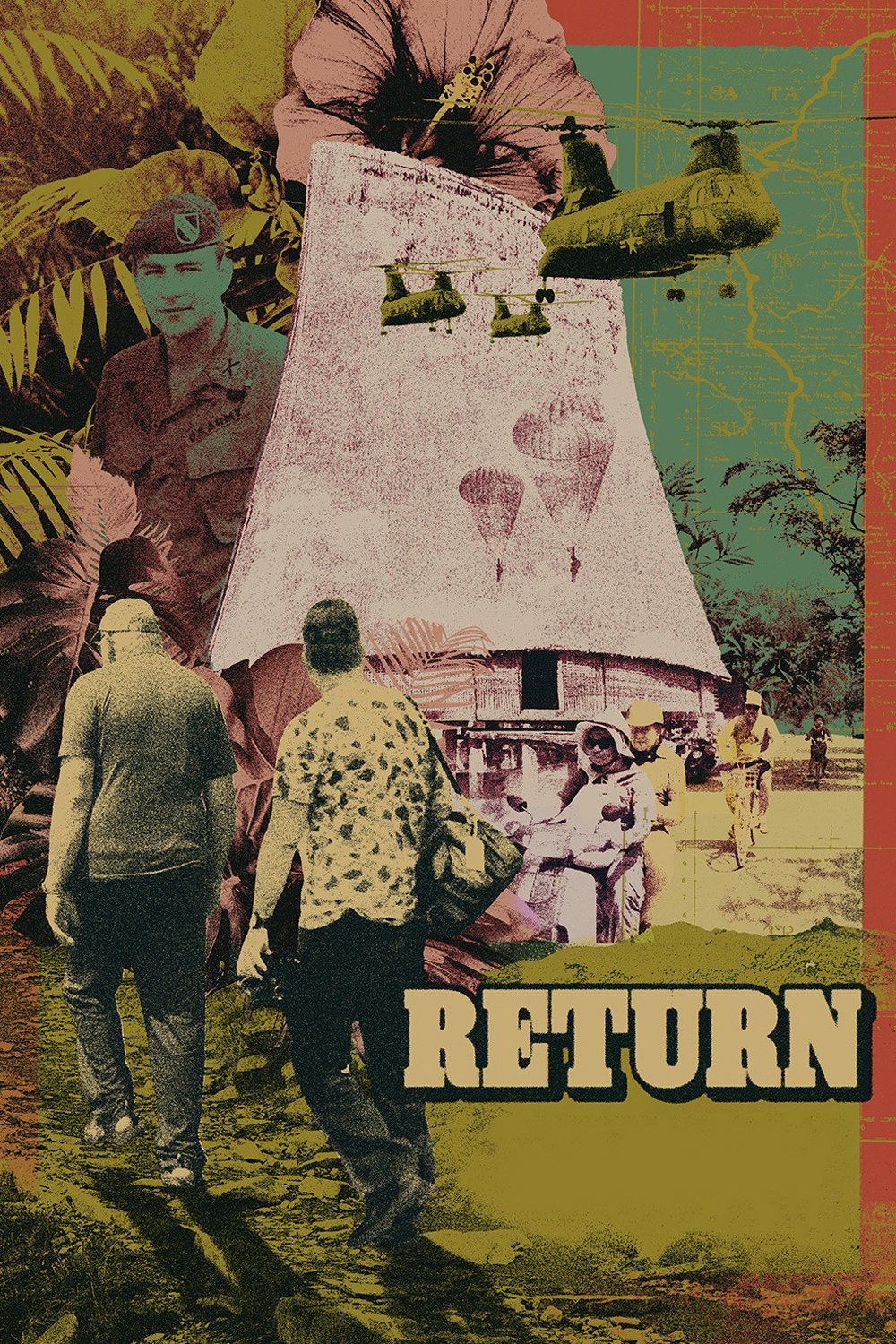
RETURN tells the story of a retired Green Beret who embarks on a healing journey from Montana to Vietnam. There he retraces his steps, shares his wartime experiences with his son, treats his Post-Traumatic Stress Disorder, and seeks out the mountain tribespeople he once lived with and fought alongside as a Special Forces officer.
The life and career of an actor, artist, and icon. His own journey through his own camera.
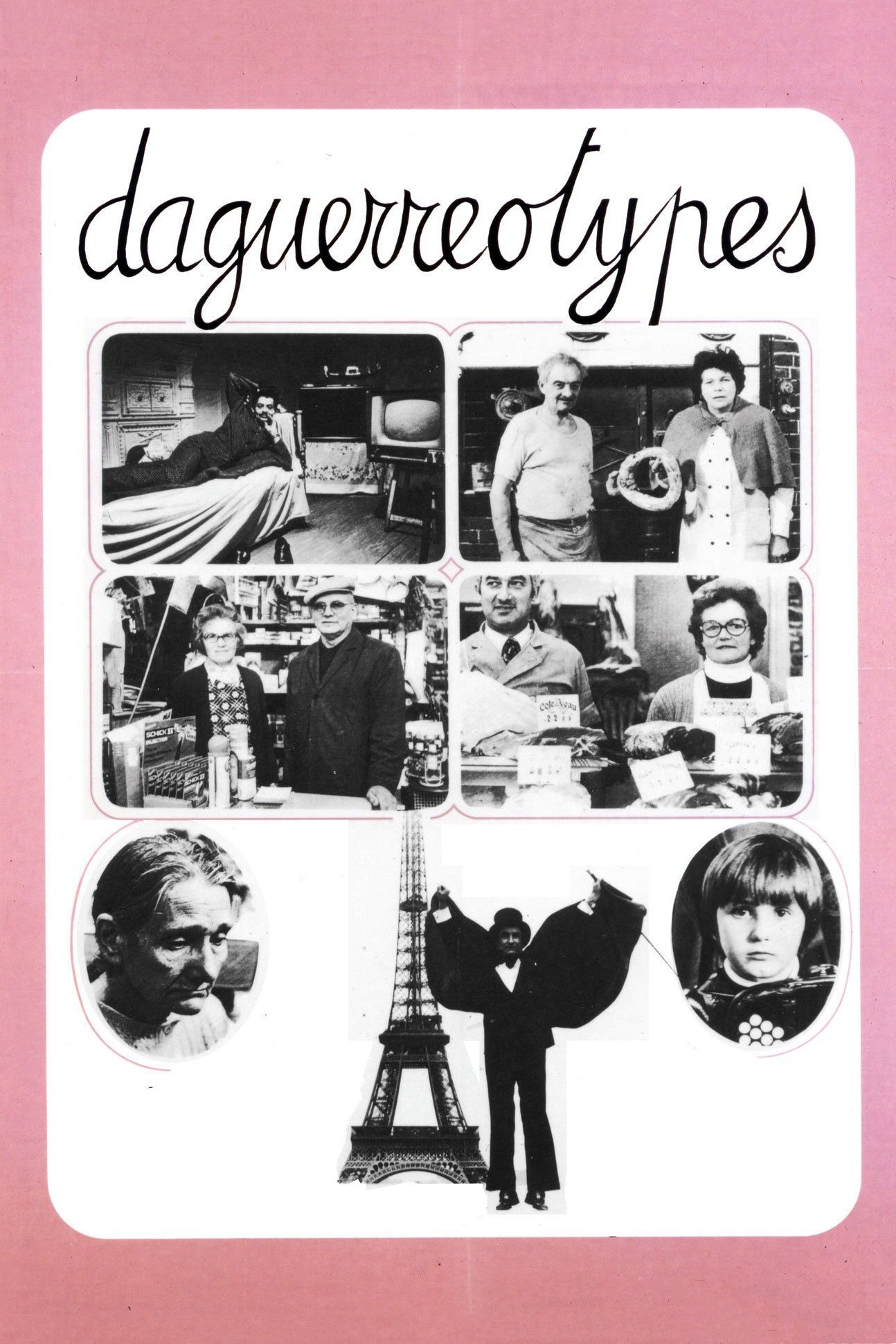
An intimate portrait of the small shops and shopkeepers of the Rue Daguerre in Paris, a picturesque street that has been the filmmaker’s home for more than 50 years.
SEDUCED AND ABANDONED combines acting legend Alec Baldwin with director James Toback as they lead us on a troublesome and often hilarious journey of raising financing for their next feature film. Moving from director to financier to star actor, the two players provide us with a unique look behind the curtain at the world's biggest and most glamourous film festival, shining a light on the bitter-sweet relationship filmmakers have with Cannes and the film business. Featuring insights from directors Martin Scorsese, 'Bernando Bertolucci' and Roman Polanski; actors Ryan Gosling and Jessica Chastain and a host of film distribution luminaries.
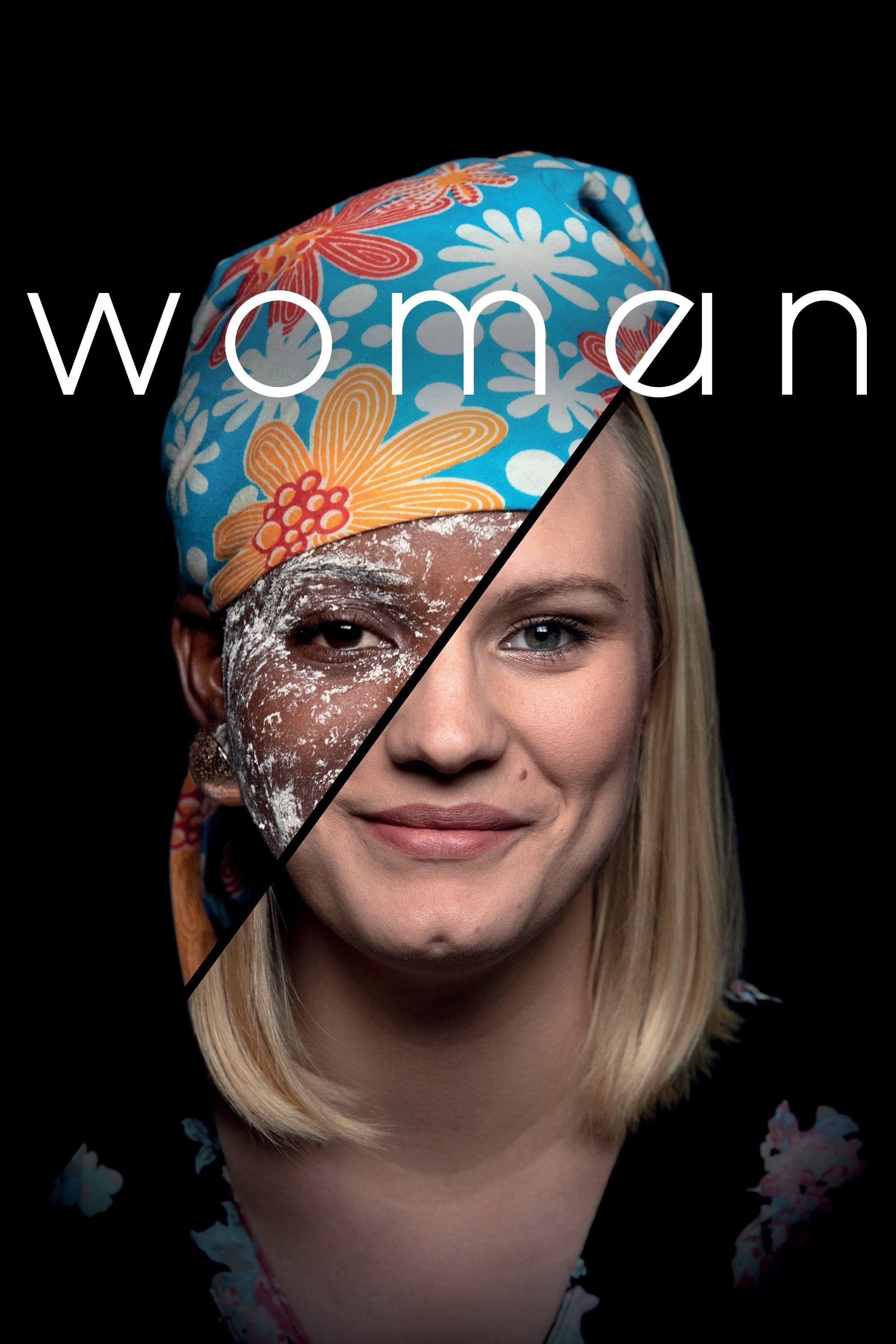
The film is based on interviews with 2,000 women from 50 countries, and covers the status of women all over the world. The topics covered include forced marriages, sexual assault, female genital mutilation, acid attacks, motherhood, sexuality, menstruation, education and the professional success of women.
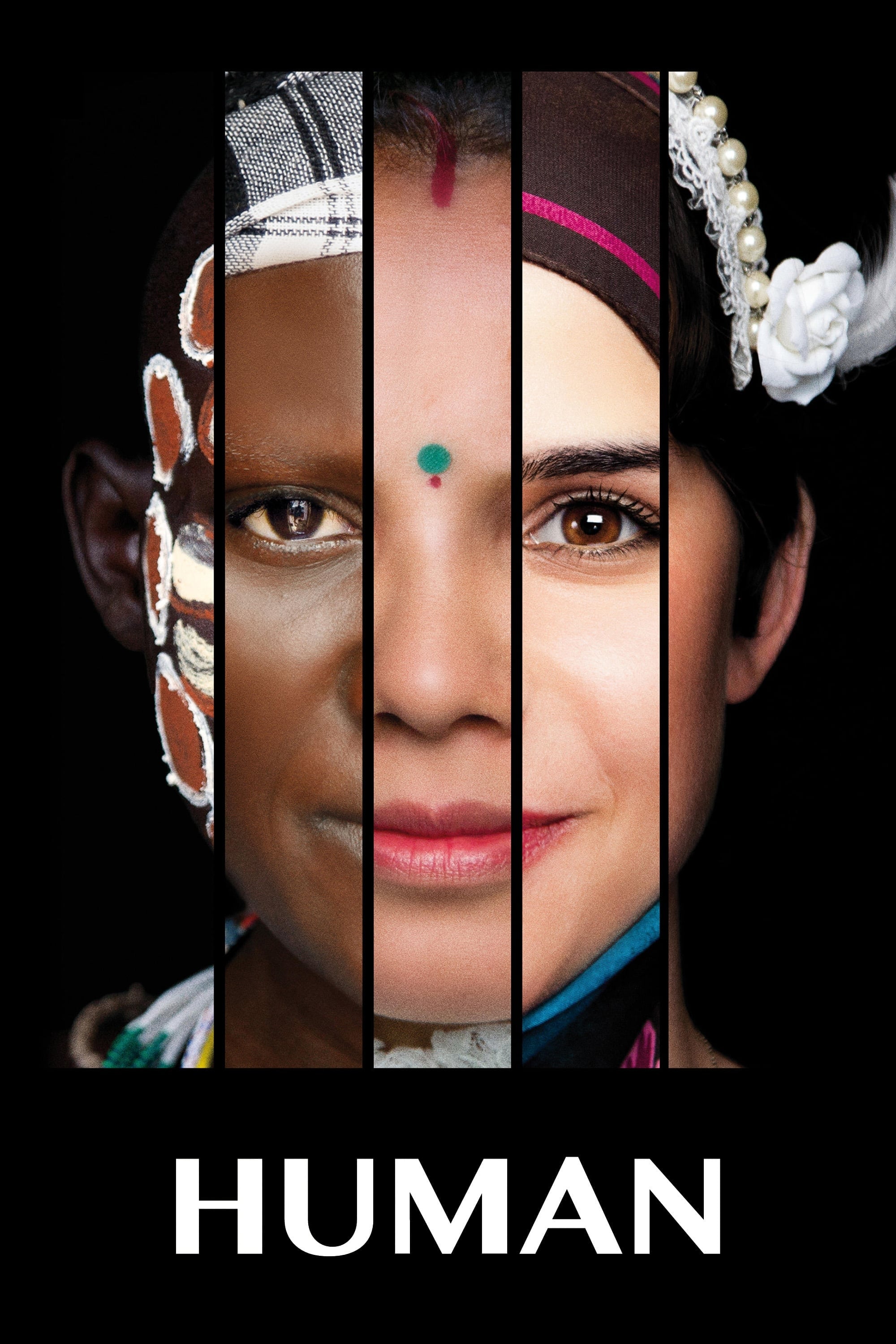
A collection of stories about and images of our world, offering an immersion to the core of what it means to be human. Through these stories full of love and happiness, as well as hatred and violence, it brings us face to face with the Other, making us reflect on our lives. From stories of everyday experiences to accounts of the most unbelievable lives, these poignant encounters share a rare sincerity and underline who we are – our darker side, but also what is most noble in us, and what is universal. Our Earth is shown at its most sublime through never-before-seen aerial images accompanied by soaring music, resulting in an ode to the beauty of the world, providing a moment to draw breath and for introspection. This film is a politically engaged work which allows us to embrace the human condition and to reflect on the meaning of our existence.
This revealing documentary honors the legendary Sidney Poitier—iconic actor, filmmaker, and civil rights activist. Featuring interviews with Denzel Washington, Spike Lee, Halle Berry, and more.
Those who knew iconic funnyman John Candy best share his story, in their own words, through never-before-seen archival footage, imagery, and interviews.
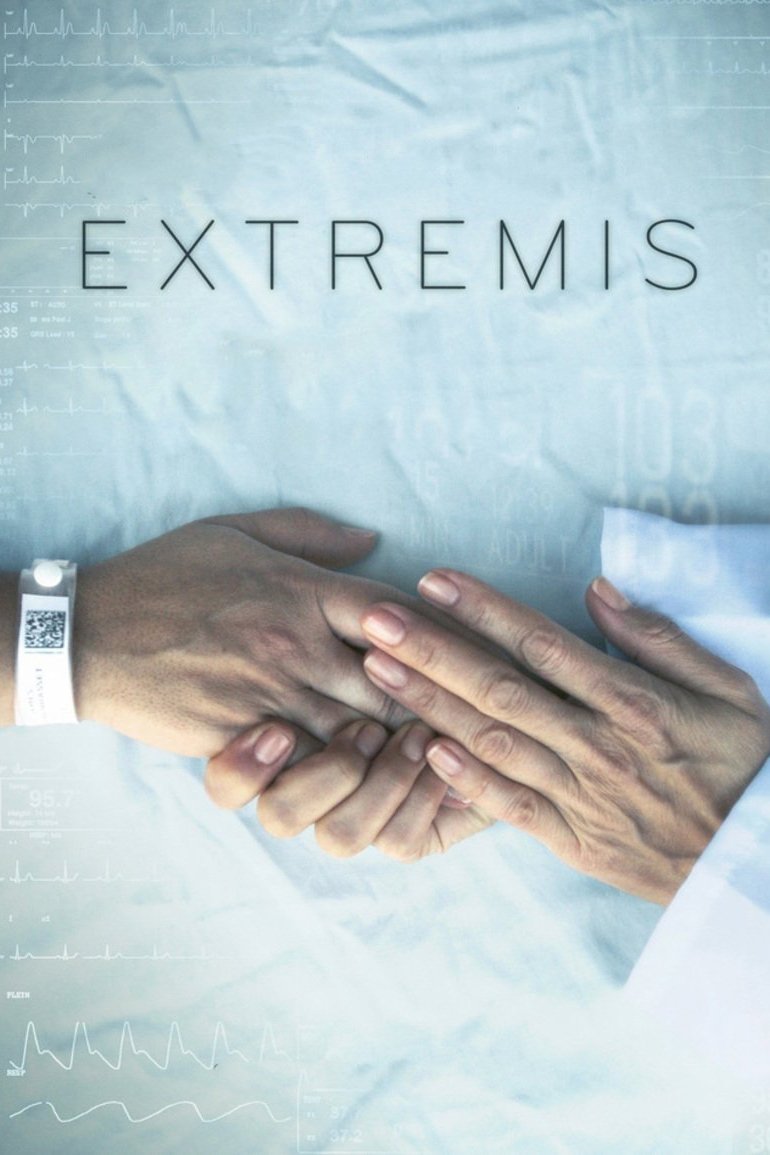
A purely observational non-fiction film that takes viewers into the ethically murky world of end-of-life decision making in a public hospital.
A documentary on the expletive's origin, why it offends some people so deeply, and what can be gained from its use.
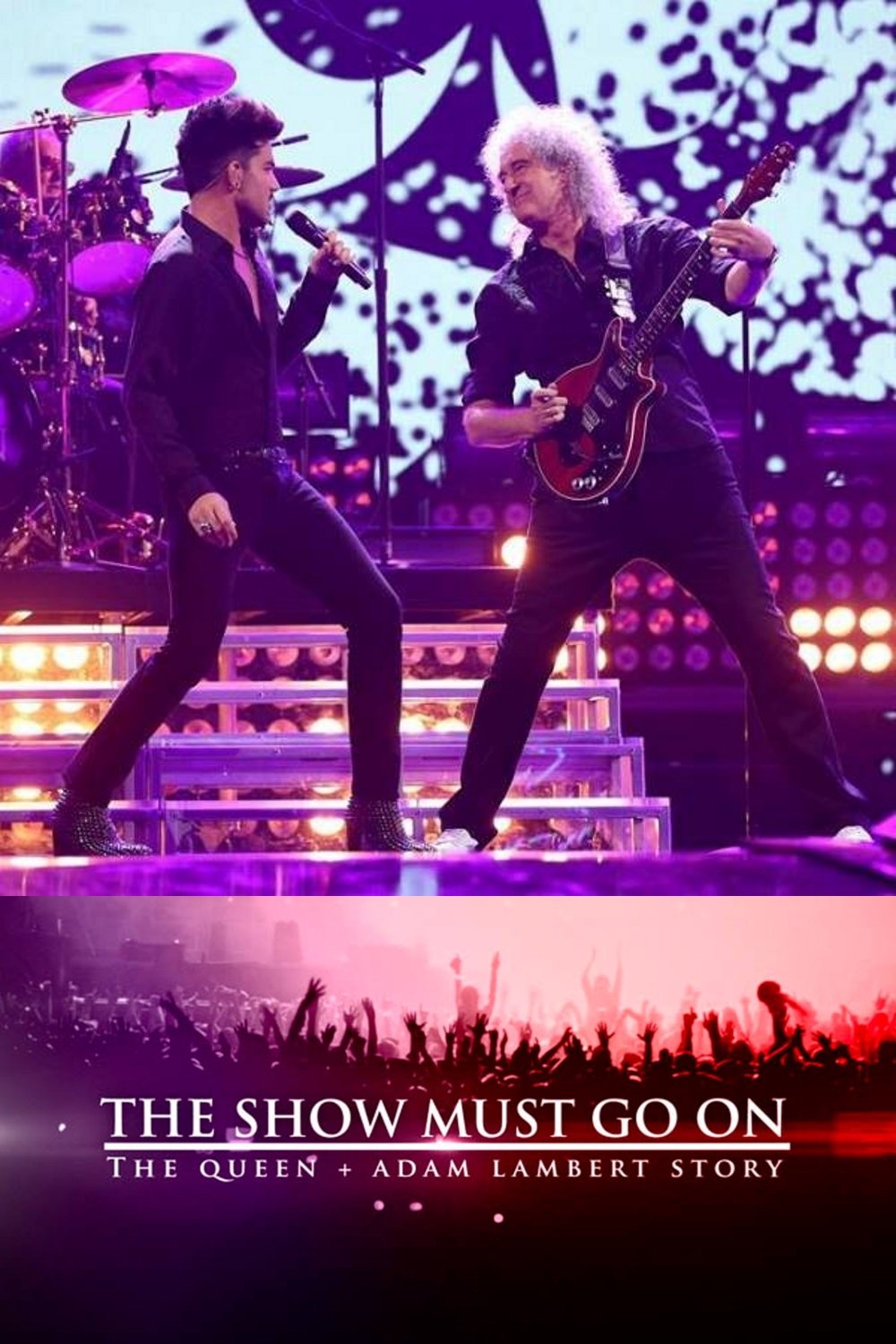
A documentary chronicling Queen and Lambert's incredible journey since they first shared the stage together on "American Idol" in 2009.