"Animation"
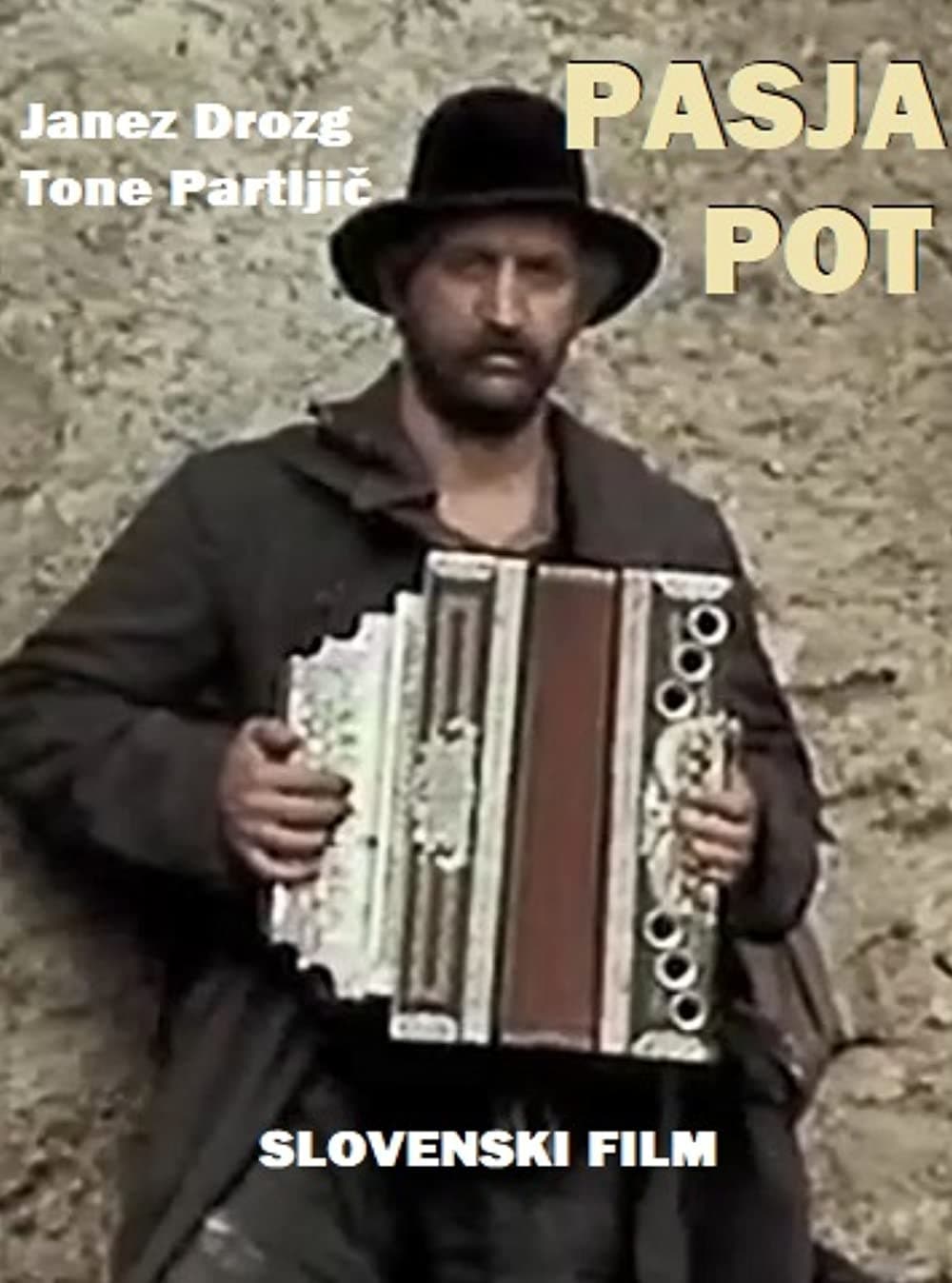
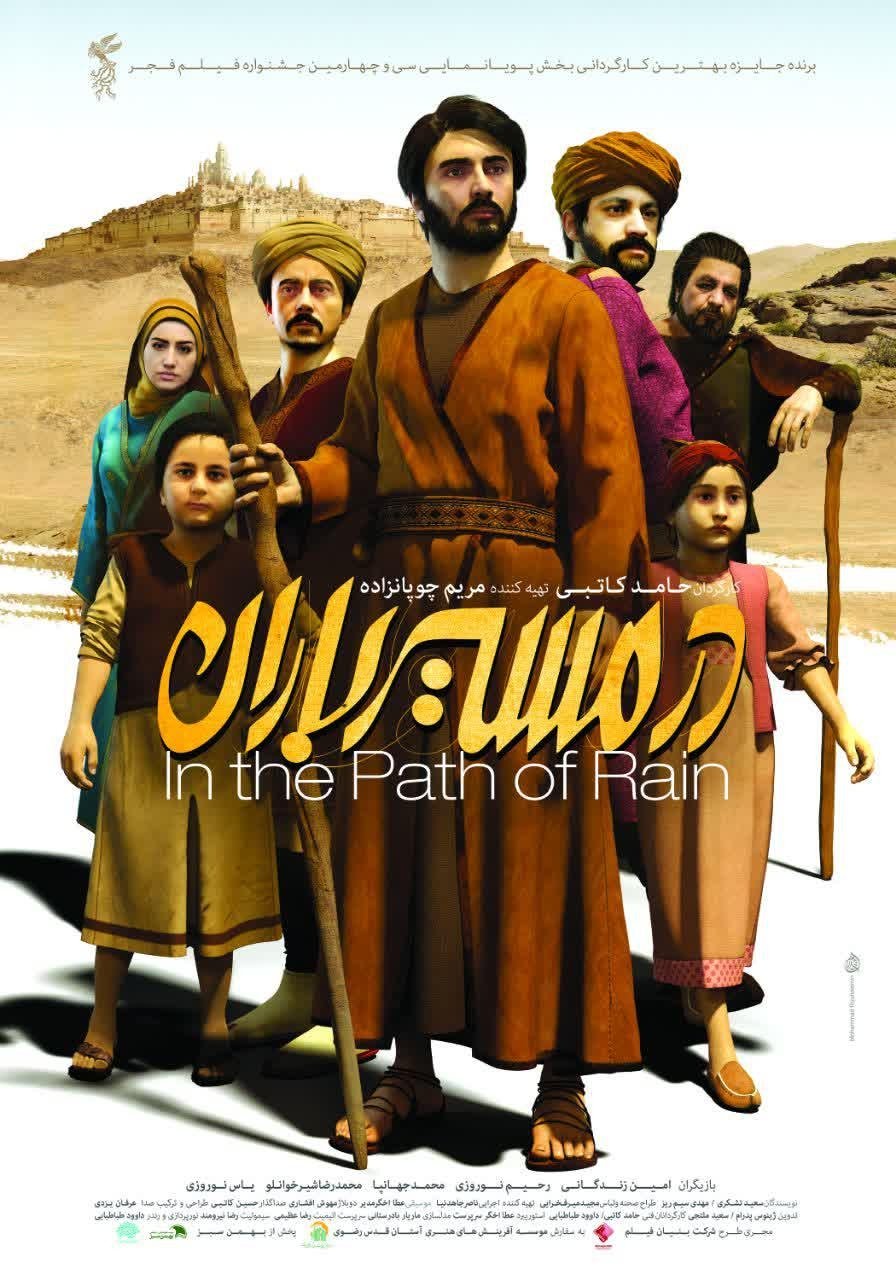
"On the Path of Rain" tells the story of the hard days of a man named "Ryan" whose drought has cut his strength and made life difficult for him and his family.
Social & External
Unknown Role
A TV adaptation of the story “Twins” by Prezihov Voranc.
Reclaiming what was once stolen from him, a man journeys back to the place of his childhood nearly 80 years after his world came crashing down.
Set in Kamakura and Busan. The Shibuyas who live in Kamakura lost their grandmother and parents in an accident. On the 23rd anniversary of the death, Tsuko suddenly reveals her plan of moving to Busan to Yoko and Ushio, so the three siblings find themselves at the crossroads of their lives.
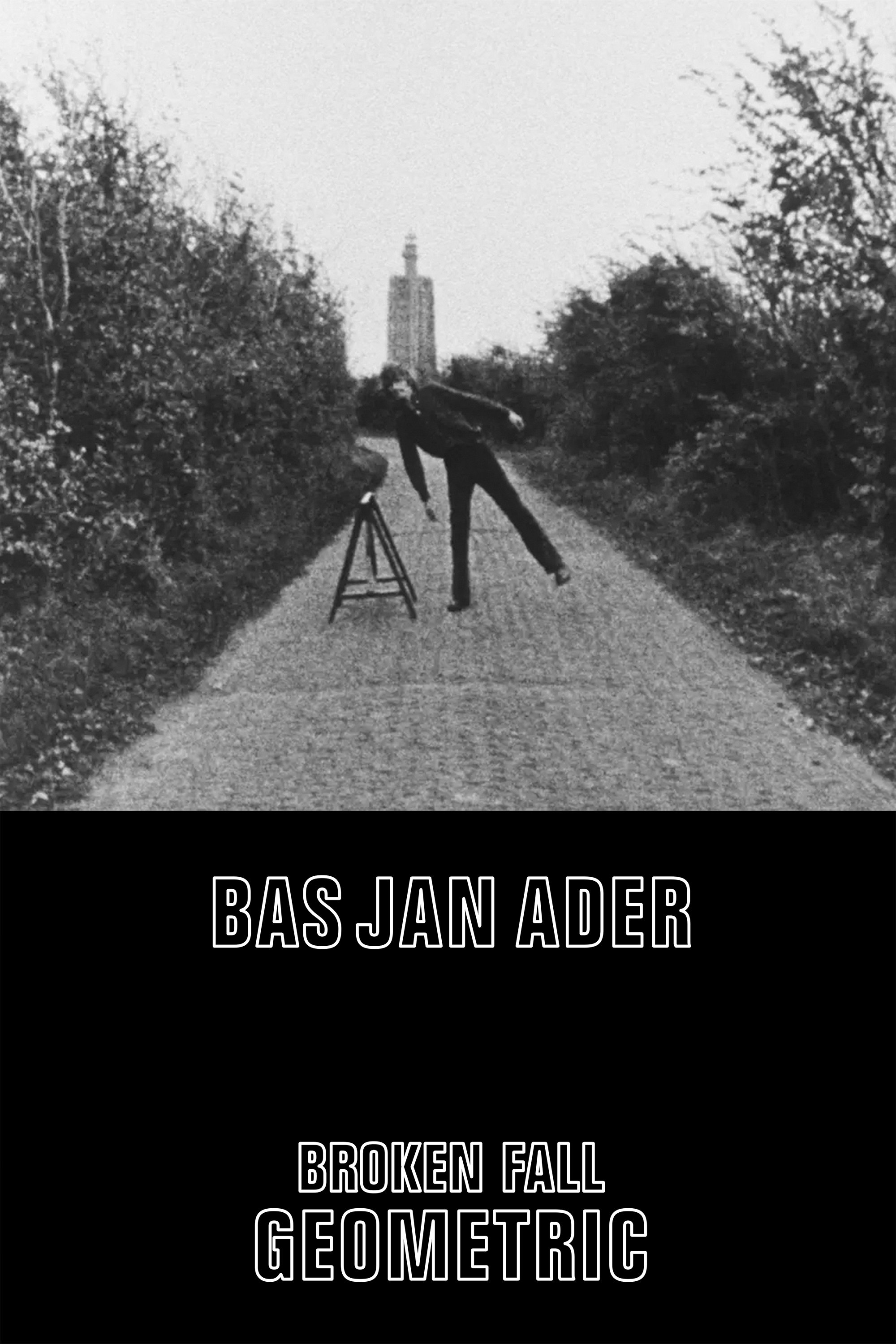
One of a series of ‘falls’ by Bas Jan Ader that he recorded on film, this work was filmed in West Kapelle, Holland in 1970.
During a robbery with his brothers, Jules questions his aspirations and his future. He doesn't recognize himself in his brothers' lives. He concludes that he must break free from their influence to regain his freedom.
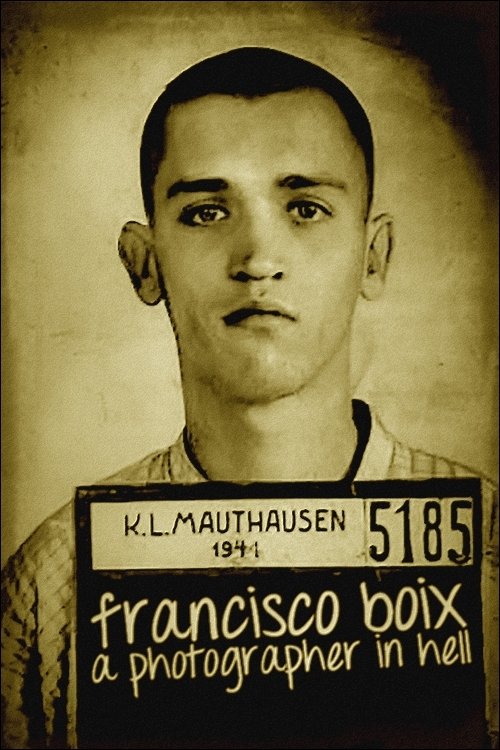
In 1939, just finished the Spanish Civil War, Spanish republican photographer Francesc Boix escapes from Spain; but is captured by the Nazis in 1940 and imprisoned in the Mauthausen concentration camp, in Austria, a year later. There, he works as a prisoner in the SS Photographic Service, hiding, between 1943 and 1945, around 20,000 negatives that later will be presented as evidence during several trials conducted against Nazi war criminals after World War II.
The story of Stalin and the Soviet people.
In the 13th century a scheming thief finds his wits challenged by a hunter and his daughter.
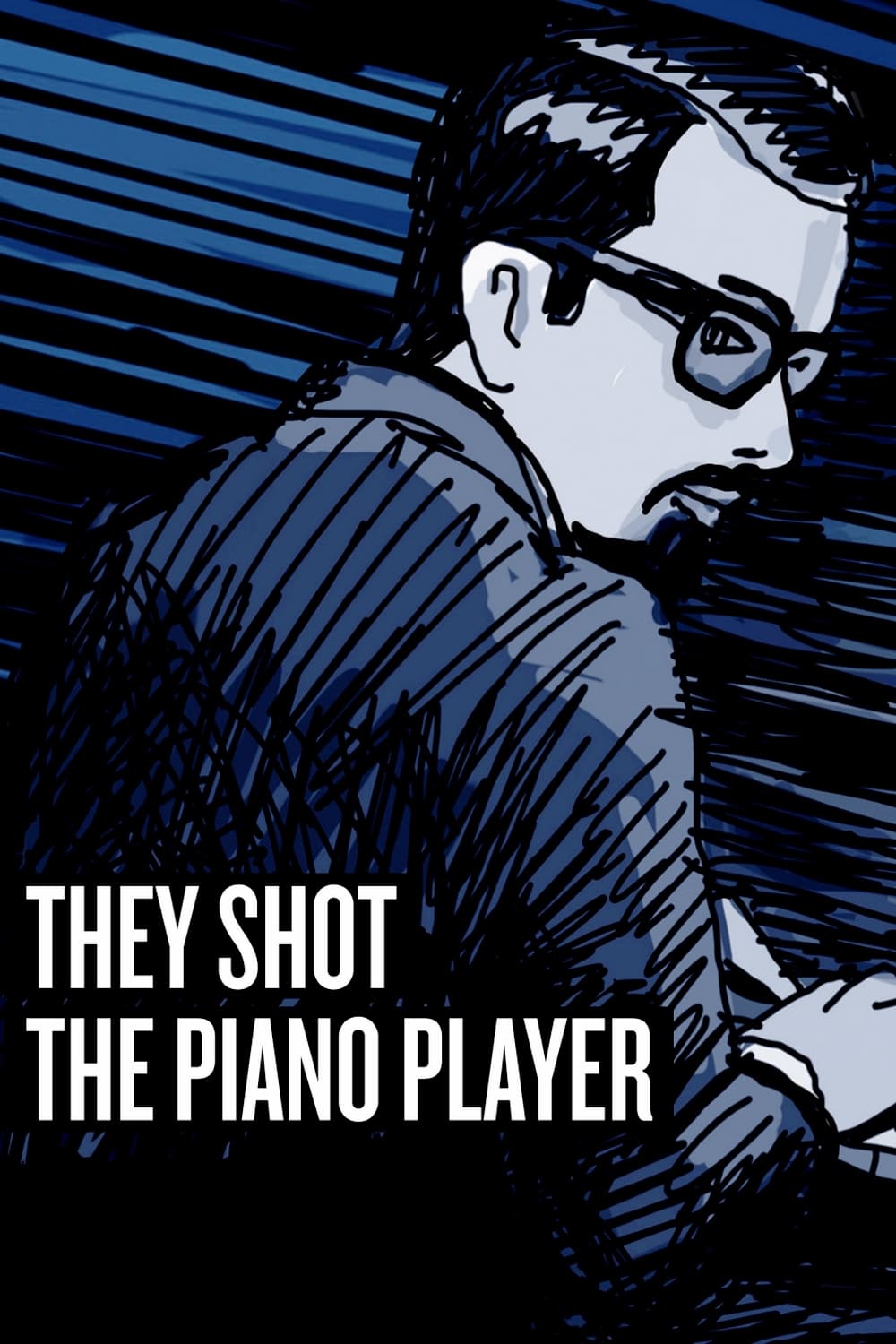
New York, 2010. Jeff Harris, a music journalist, sets out to uncover the truth about Francisco Tenório Júnior, a young Brazilian samba-jazz pianist who disappeared in Buenos Aires on March 18, 1976.
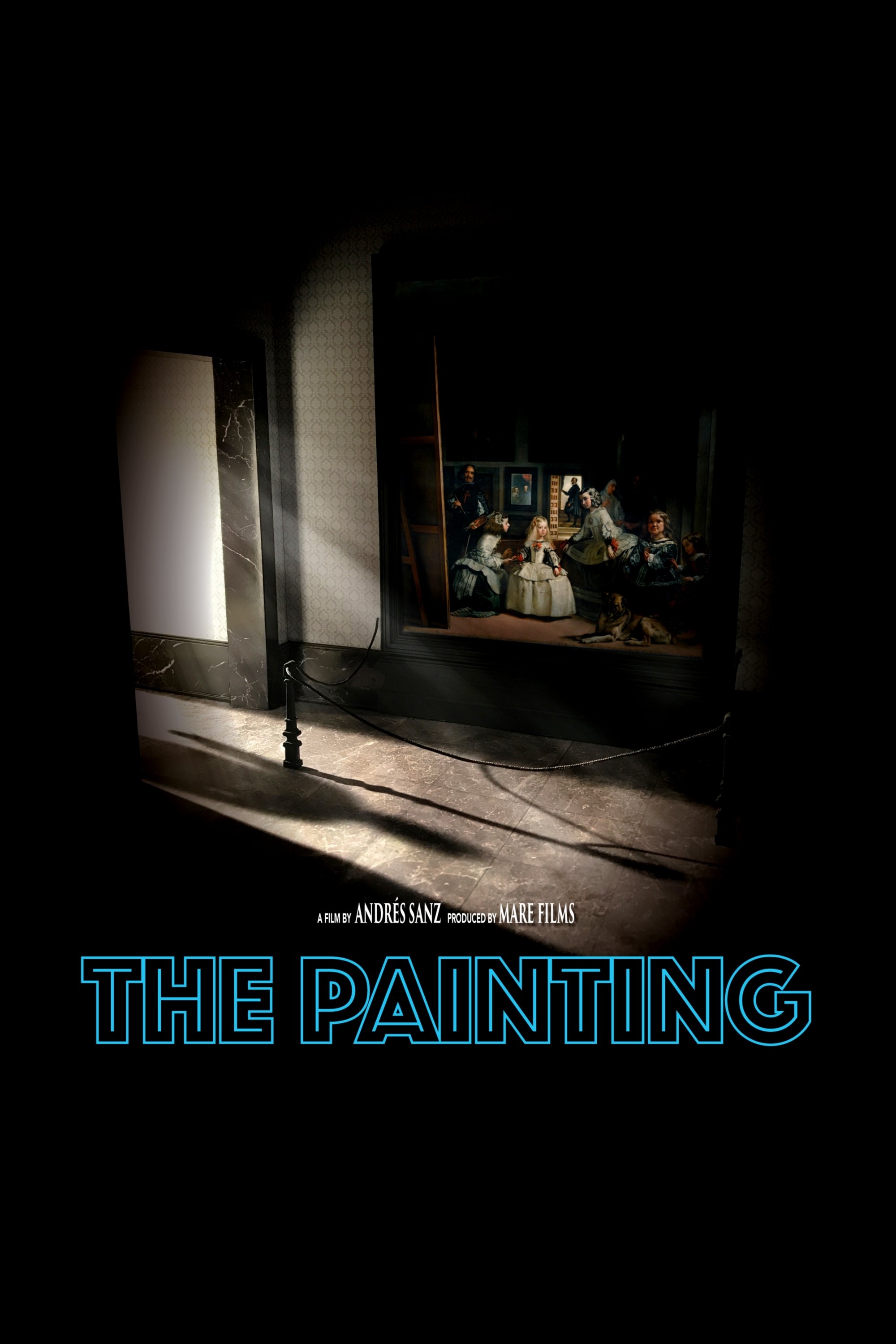
For three and a half centuries, from the same day that Diego Velázquez (1599-1660) applied his last brushstroke to the canvas, the enigma of “Las meninas, o La familia de Felipe IV” (1656) has not been deciphered. The secret story of a painting unveiled as if it was the resolution of a perfect crime.
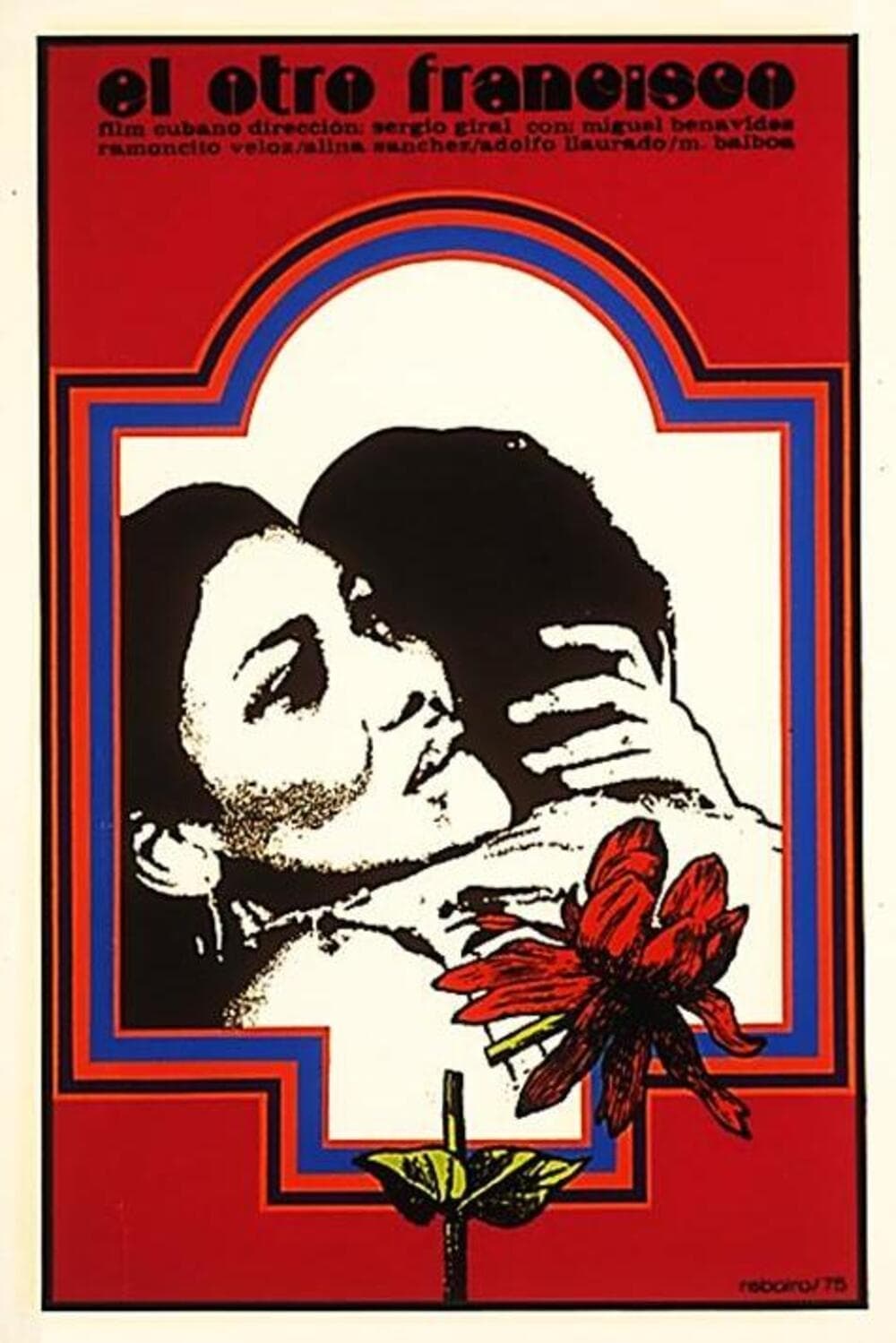
Based on the novel Francisco by Anselmo Suárez y Romero, "The Other Francisco" is a socio-economic analysis of slavery and class struggle through the retelling of the original novel. The film contrasts the romantic conceptions of plantation life found in Suárez Romero's novel with a realistic expose of the actual historical conditions of slavery throughout the Americas. It offers a critical analysis of the novel, showing how the author's social background led to his use of particular dramatic structures to convey his liberal, humanitarian viewpoint.
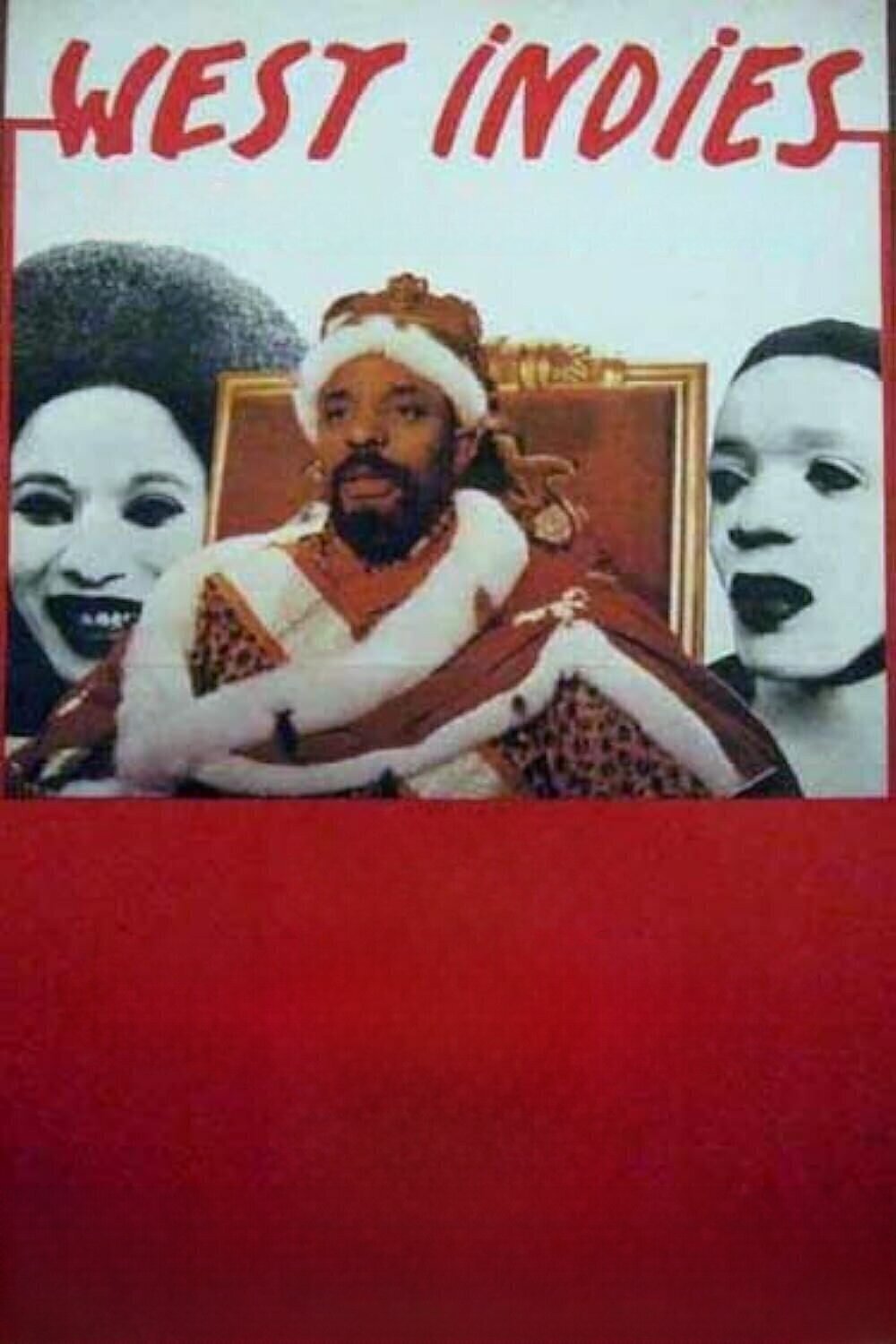
Aboard a giant slave ship in an abandoned Citroën factory, the history of the West Indies is traced through several centuries of French oppression. The ship becomes a stage for the people to tell stories via song and dance—from their enslavement to their displacement in Metropolitan France.
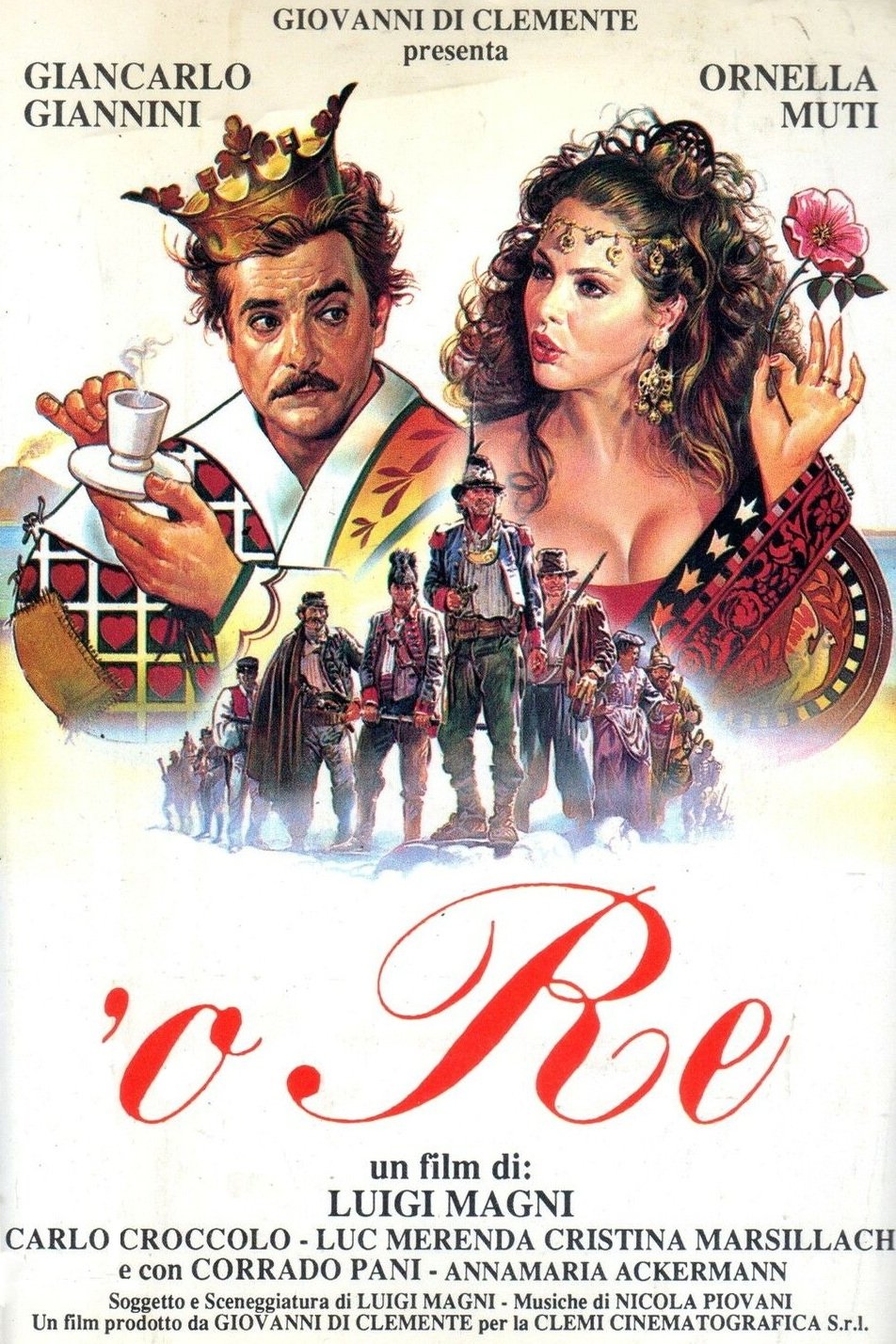
One of the key factors in Italian unification was the overthrow in 1860 of Francesco, the King of Naples and the two Sicilies, who went into elegant but impoverished exile in Rome with his Queen, Maria Sofia. This seriocomic drama follows the deposed royals as they adapt to their new lives. The former king has recognized the political finality of his deposition, but his queen has taken to traveling in men's clothing all over Italy trying to foment an uprising to restore them to the throne. She is also frantic to have a baby, an heir, but the king has become celibate as a kind of homage to his beloved mother; he spends all his time lobbying the Vatican to get her declared a saint.
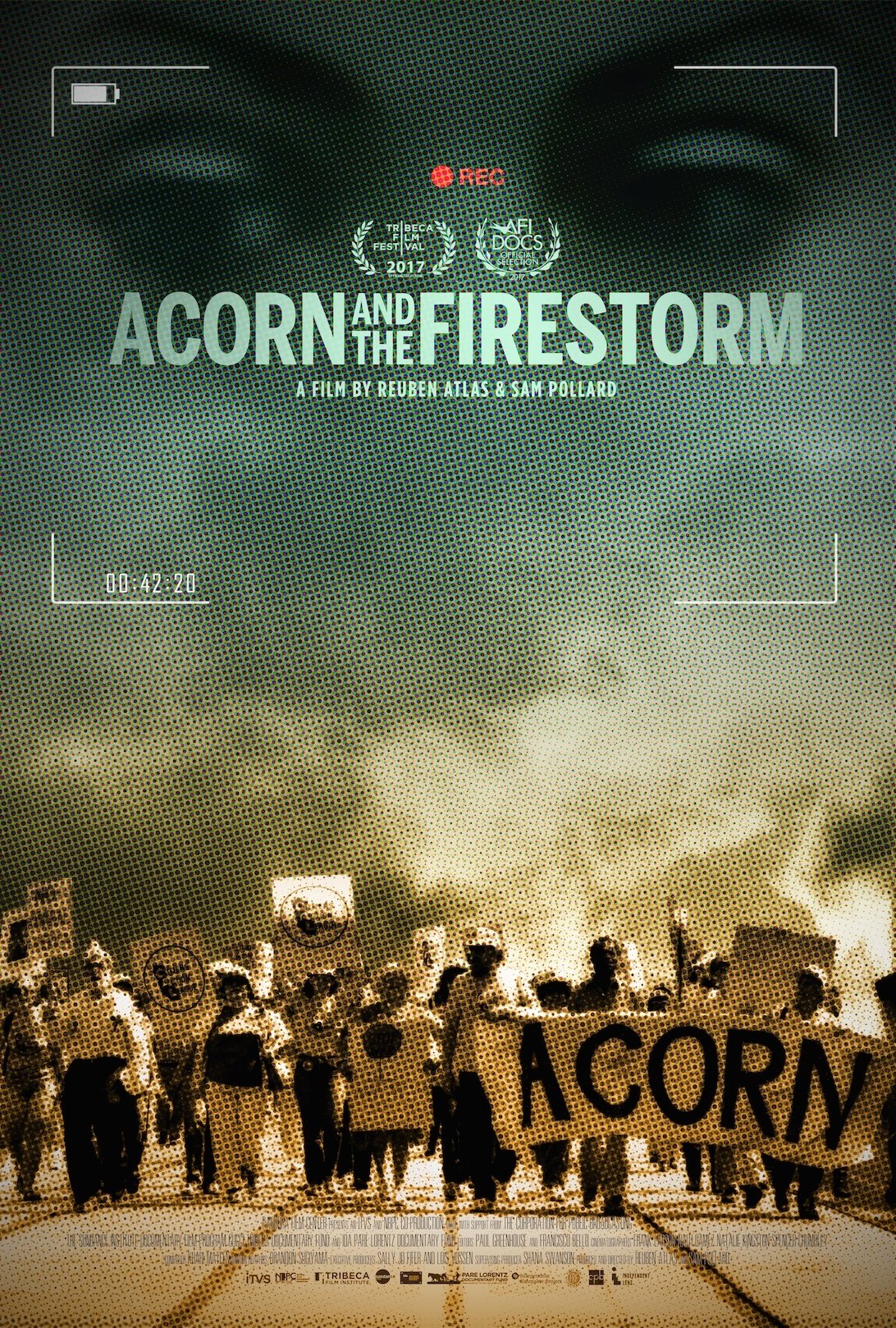
For 40 years, the community-organizing group ACORN advocated for America’s poorest communities, while its detractors accused it of promoting the worst of liberal policies. Riding high on the momentum of Barack Obama’s presidential victory in 2008, ACORN was at its political zenith when a hidden-camera video sparked a national scandal and brought it crashing down. The story involves voter fraud, a fake prostitute, and the rise of Breitbart.com.
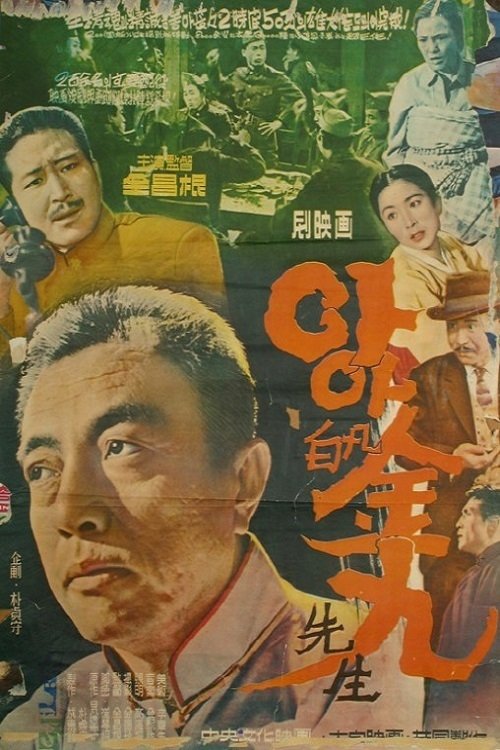
Kim Chang-su, who participated in the Donghak Movement, escapes to Manchuria after being chased by the Japanese army, finally making his way home. Angered by the assassination of Empress Myeong-seong, he murders a Japanese lieutenant and is sent to jail. He escapes from prison turns his focus on the democratic movement by teaching civilians and organizing Sinminheo (a democratic organization), even changing his name to 'Kim Gu.' After he is imprisoned again, he gets out on parole and goes to China, where he participates in establishing a provisional government from which he can direct the anti-Japanese struggle. Kim Gu goes on to play a part in Yun Bong-gil's deeds in Shanghai, the events at Hongkou Park, the encounter with Jiang Jish, and the establishment of the Korean National Army, and leads the struggle for Korea's independence with warm fraternal love and clear national spirit. When Korea is liberated in August 15, 1945, he returns back to his native land.
The lives of two French sisters are torn apart by the onset of World War II.
Tsui Hark stars as Chinese artist and Buddhist monk Li Shutong, a.k.a. Master Hong Yi. Li travels to Japan to study Western artistic practices, and revolutionizes the teaching of art in China upon his return. Set during the turbulent era of the Russo-Japanese War circa 1905.
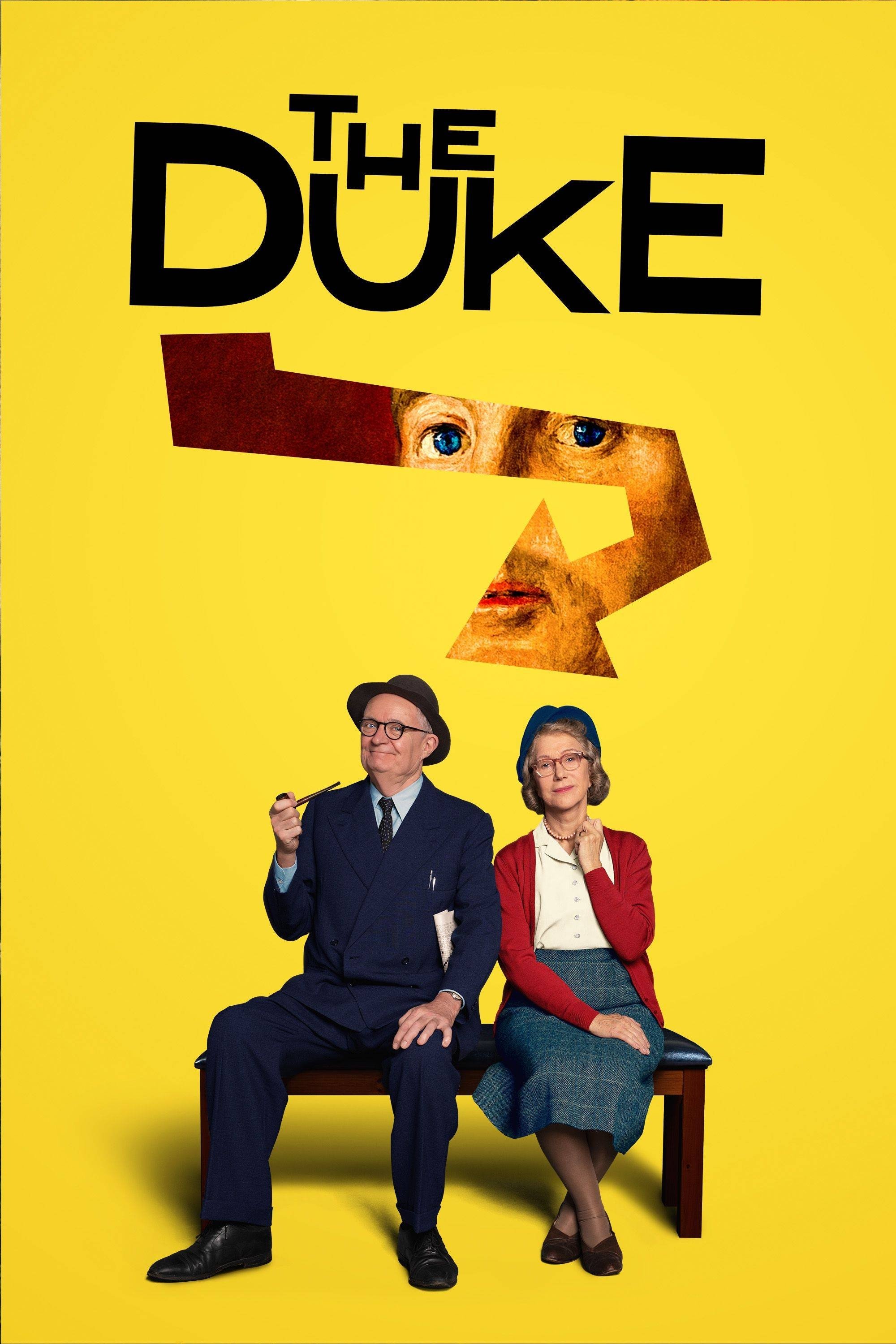
In 1961, a 60-year-old taxi driver stole Goya’s portrait of the Duke of Wellington from the National Gallery in London. It was the first (and remains the only) theft in the Gallery’s history. What happened next became the stuff of legend.