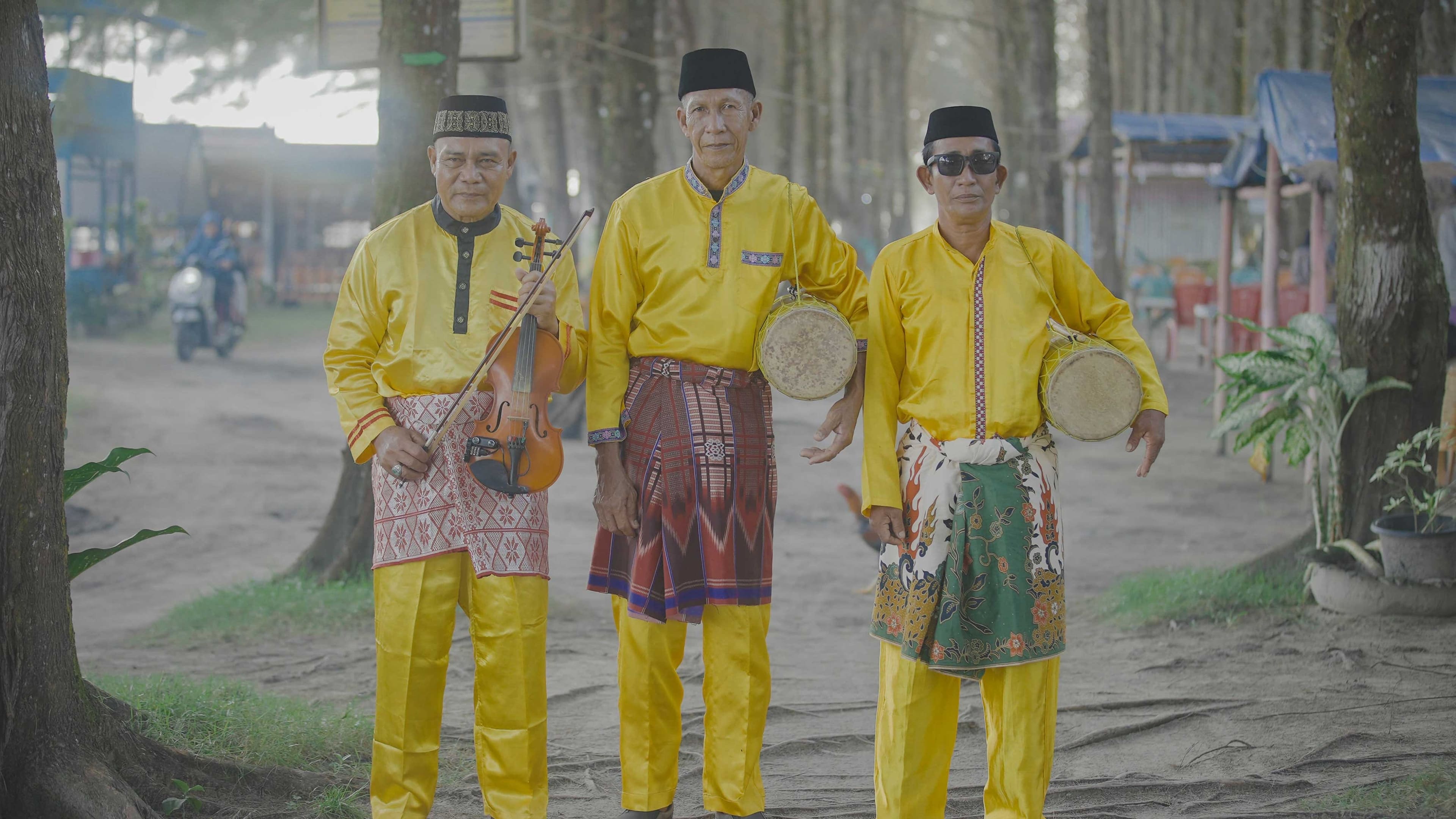
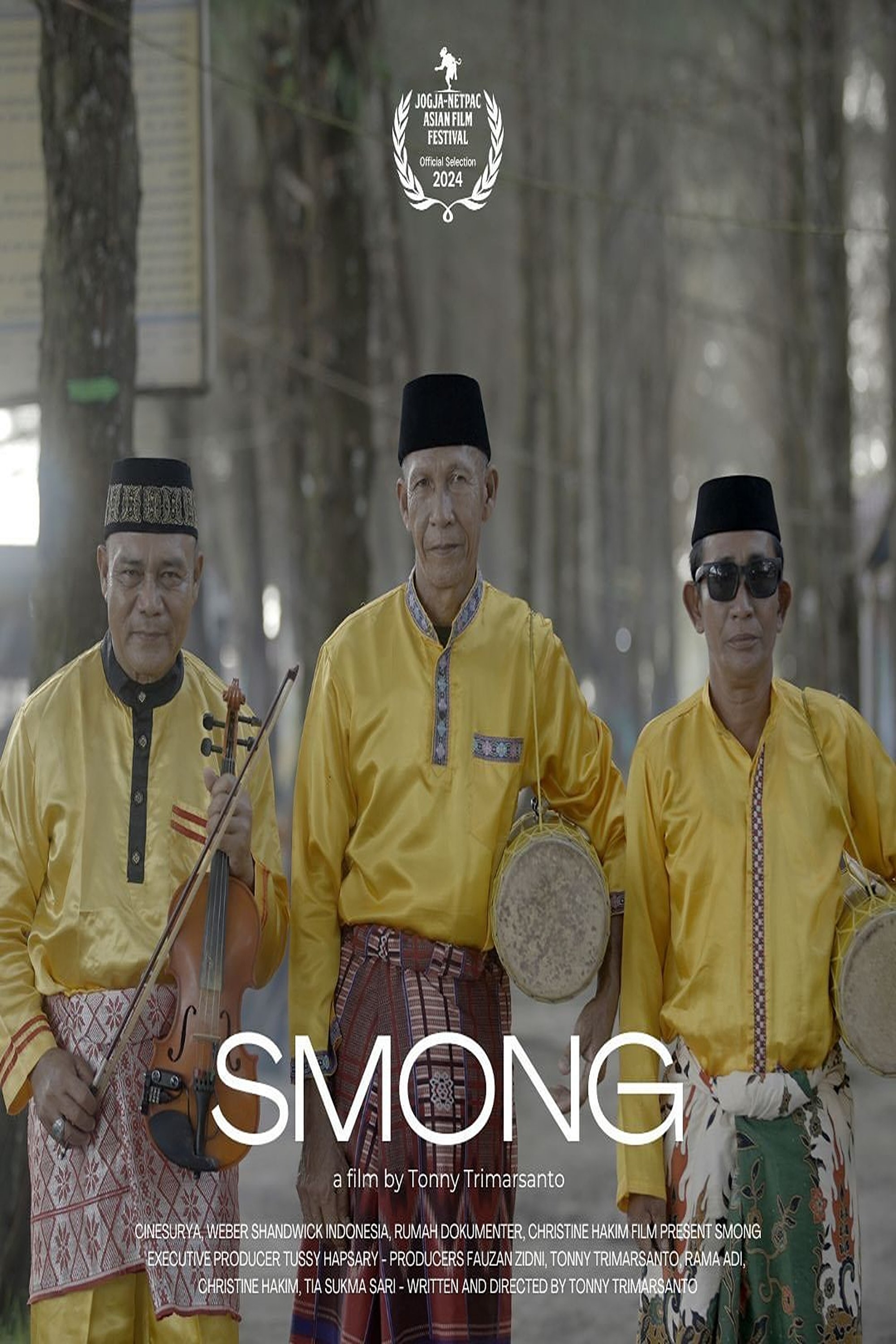
This documentary film will follow Juman and Zahrina’s journey in the process of healing from the trauma of the Aceh Tsunami, 20 years ago.
Social & External
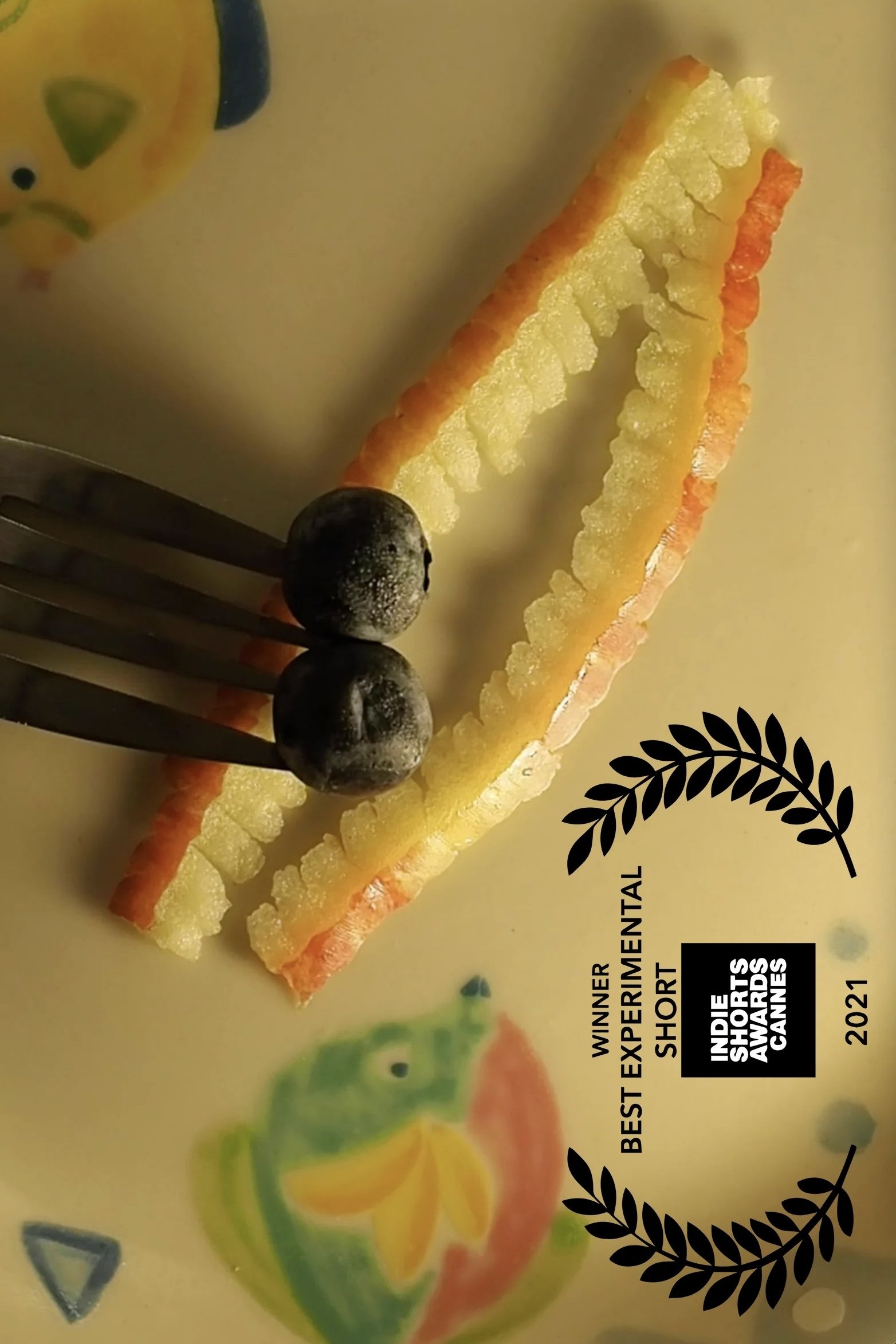
A generational trauma through the lens of an Asian American teenager through food and poetry.
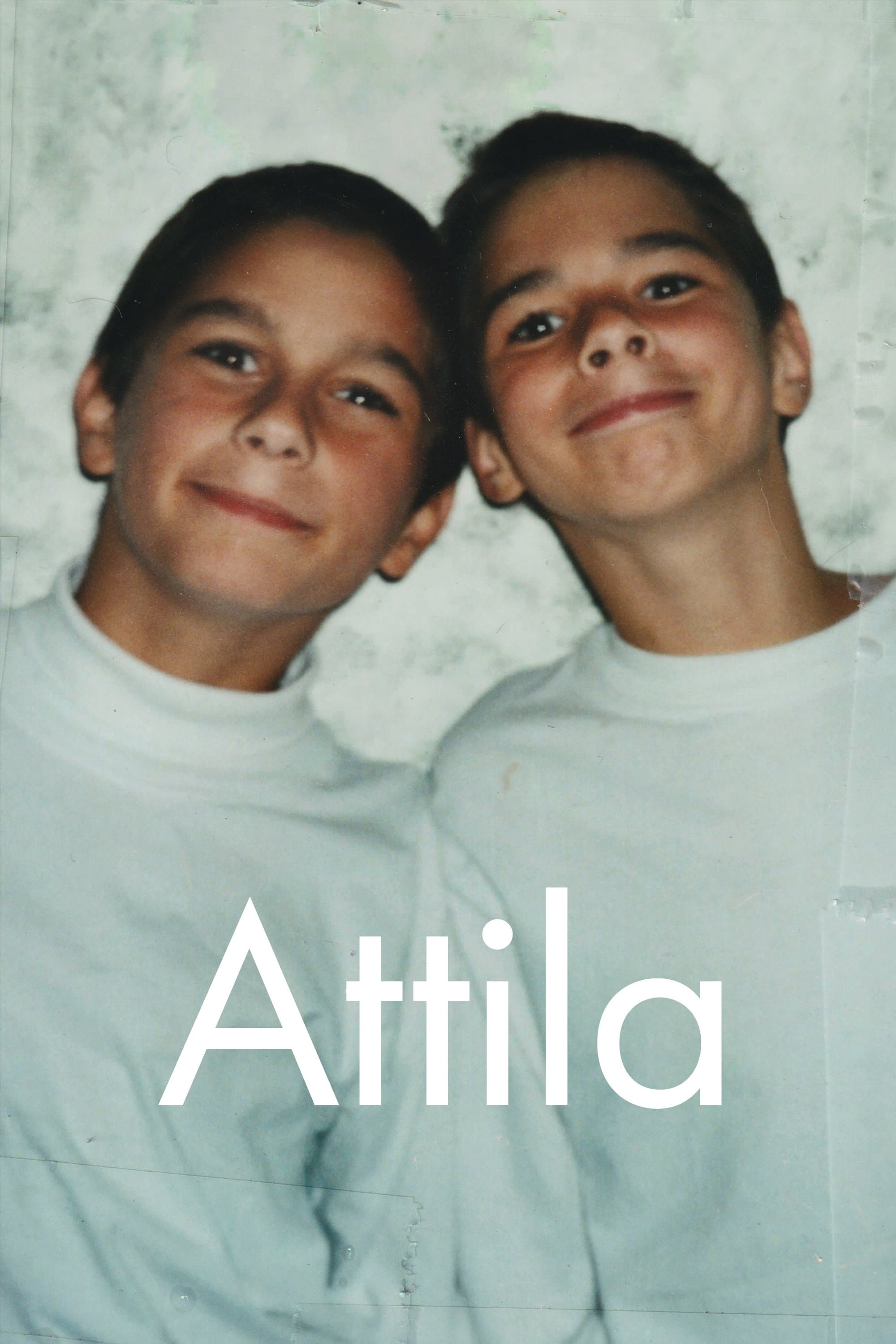
Filmmaker Stephen Hosier takes a journey with Richard Csanyi, his childhood friend, as he investigates the life and death of his twin brother Attila, who was found dead on a rooftop in 2020.
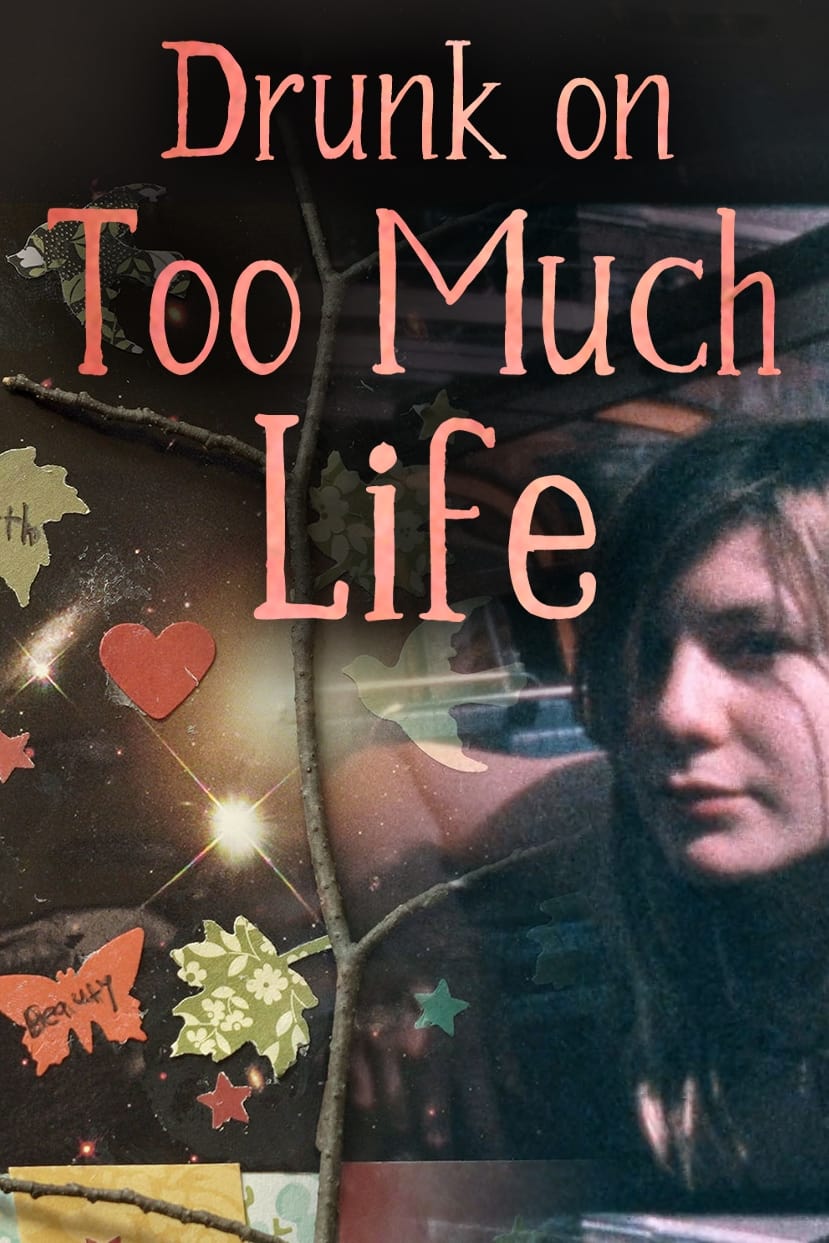
A collage film documenting dissociation, sexual assault, and all the times I didn't have words for myself.
An eighteen-step scavenger hunt for people loneliest in their own homes. This animated video collage serves as a survival guide and an ode to the imaginations that protect us. Statement from Daniel Lobb, the Director: Our performance is first and foremost a resource for people who are isolated in unsupportive homes. It presents self-preservation strategies to those who rely on media and imagination to withstand in potentially abusive environments. The composition is based on the writer, Lexie Bean, growing up as queer, trans, and a survivor of incest in Michigan and Ohio, which we’ve all processed through our respective art forms. These iterations of inspiration and reformation ultimately led us to a video collage and sound-score that seek to buoy the main text: an ode to imagination, a scavenger hunt, a survival guide. Our hope is to bolster the viewer’s capacity for imaginative resilience.
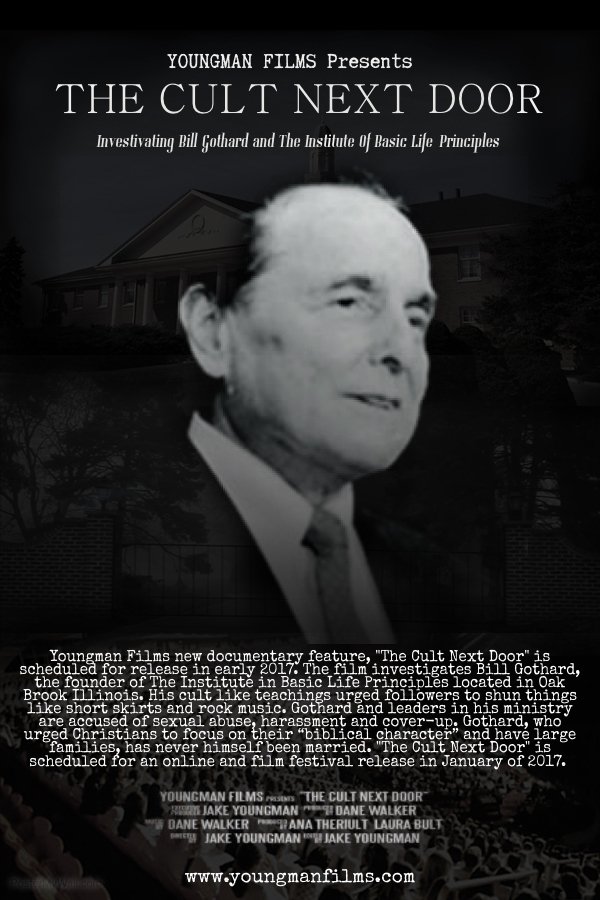
A short documentary featuring a brief overview of Bill Gothard's ministries, and some of the consequences for his followers.
Since the renewed Intifada began in 2000, there have been over 75 Palestinian suicide bombings. This is the story of 0ne-the bombing of bus 32 in Jerusalem in June 2002. The film connects the stories of a group of ordinary Israelis-Jews and Arabs. Each of them holds a clue to someone who died that day.
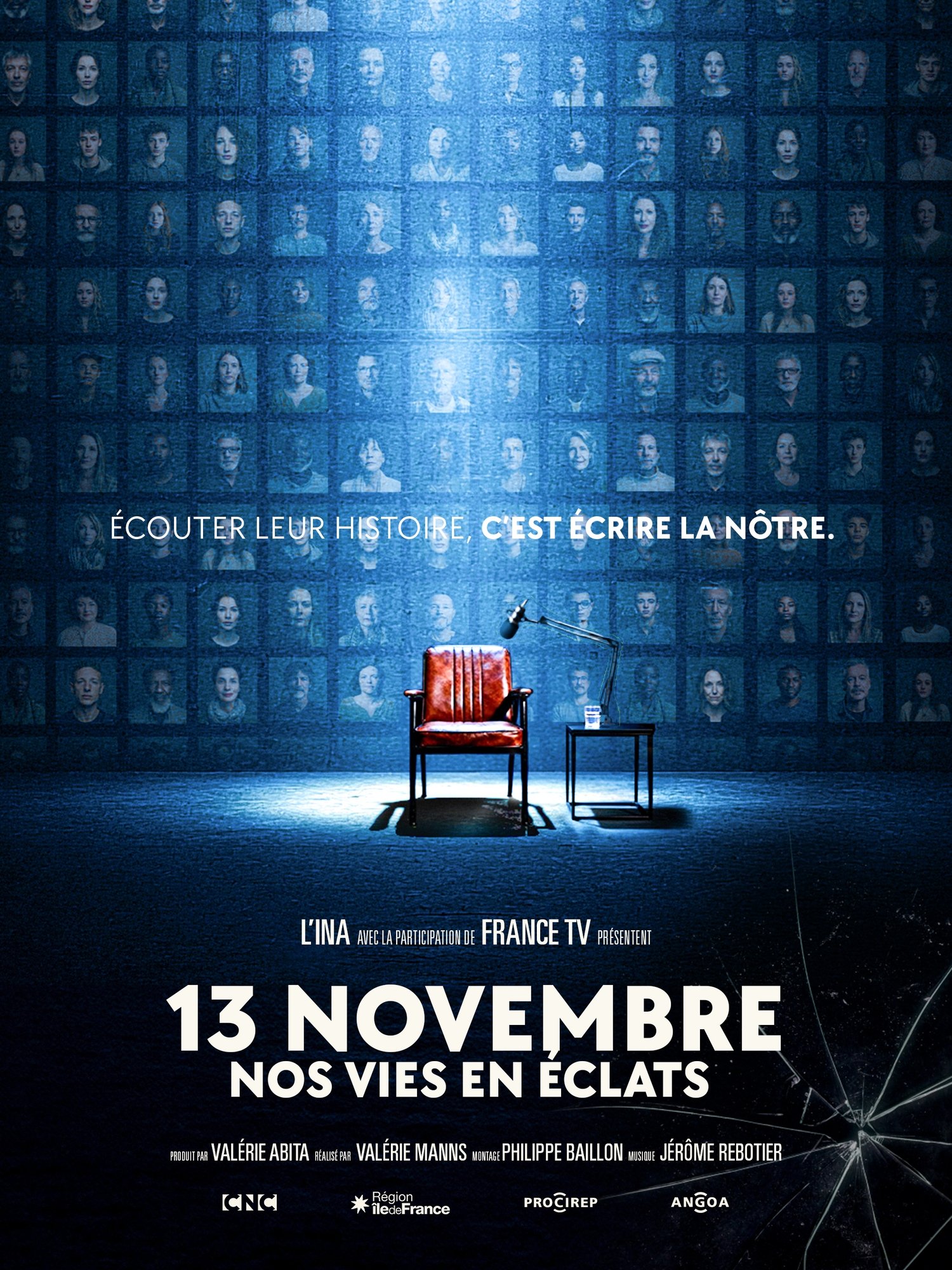
On November 13, 2015, the attacks in Paris and Saint-Denis, carried out by three Islamist commandos and claimed by ISIS, were the deadliest in France since the end of World War II. In the months that followed, the November 13 Program was launched by the CNRS and Inserm to study the construction of individual and collective memory around an event that profoundly marked French society. Today, the testimonies of 27 volunteers—among some 1,000 people—who participated in the study form a mosaic of experiences that shows how trauma extends beyond the immediate circle to permeate the national collective memory.
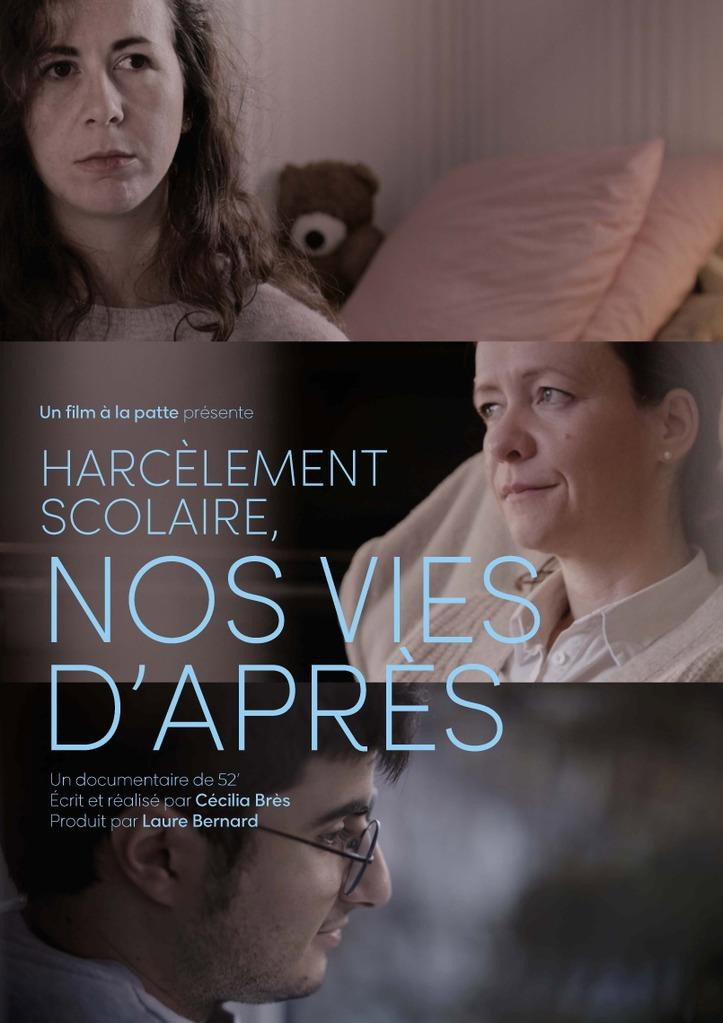
What if we changed viewpoints? "Bullying, our lives after" highlights the suffering of adults who were once bullied pupils. Ten, twenty or thirty years later, trauma is still present. Following Nathalie, Laurine and Samuel, this movie shows the long-term implications of bullying, pointing out a real failure of the educational institution and a major public health issue.
A traumatic injury and disability, the filmmaker is also the subject, trying to find his way out of a coma like state. Searching for answers, he begins to interview strangers also experiencing extreme life circumstances.
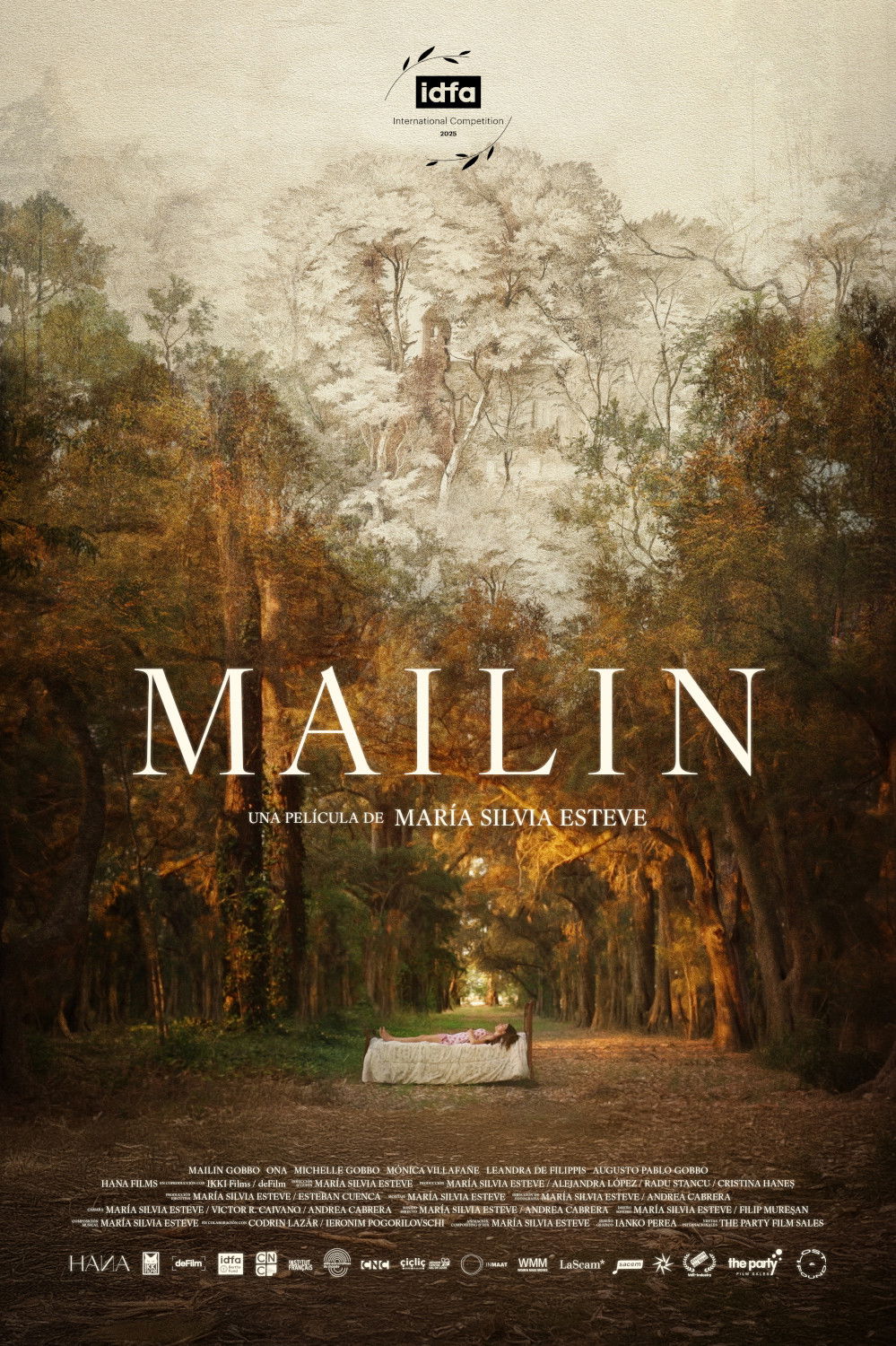
While telling her daughter a bedtime story, Mailin pieces her memories back together. What could have been a fairy tale turns out to be the story of a young girl who suffered abuse from a priest for 15 years. It’s a long journey towards healing and justice, but also the chance to offer her daughter the childhood she never had.
The filmmakers' 21-year-old daughter journeys from locked-down psych wards and diagnostic labels toward expansive worlds of creativity, connection, and greater meaning. Featuring insights from trauma experts and others, the film challenges the widespread idea that mental illness should be understood purely in biological terms, revealing the myriad ways that madness has meaning beyond brain chemistry.
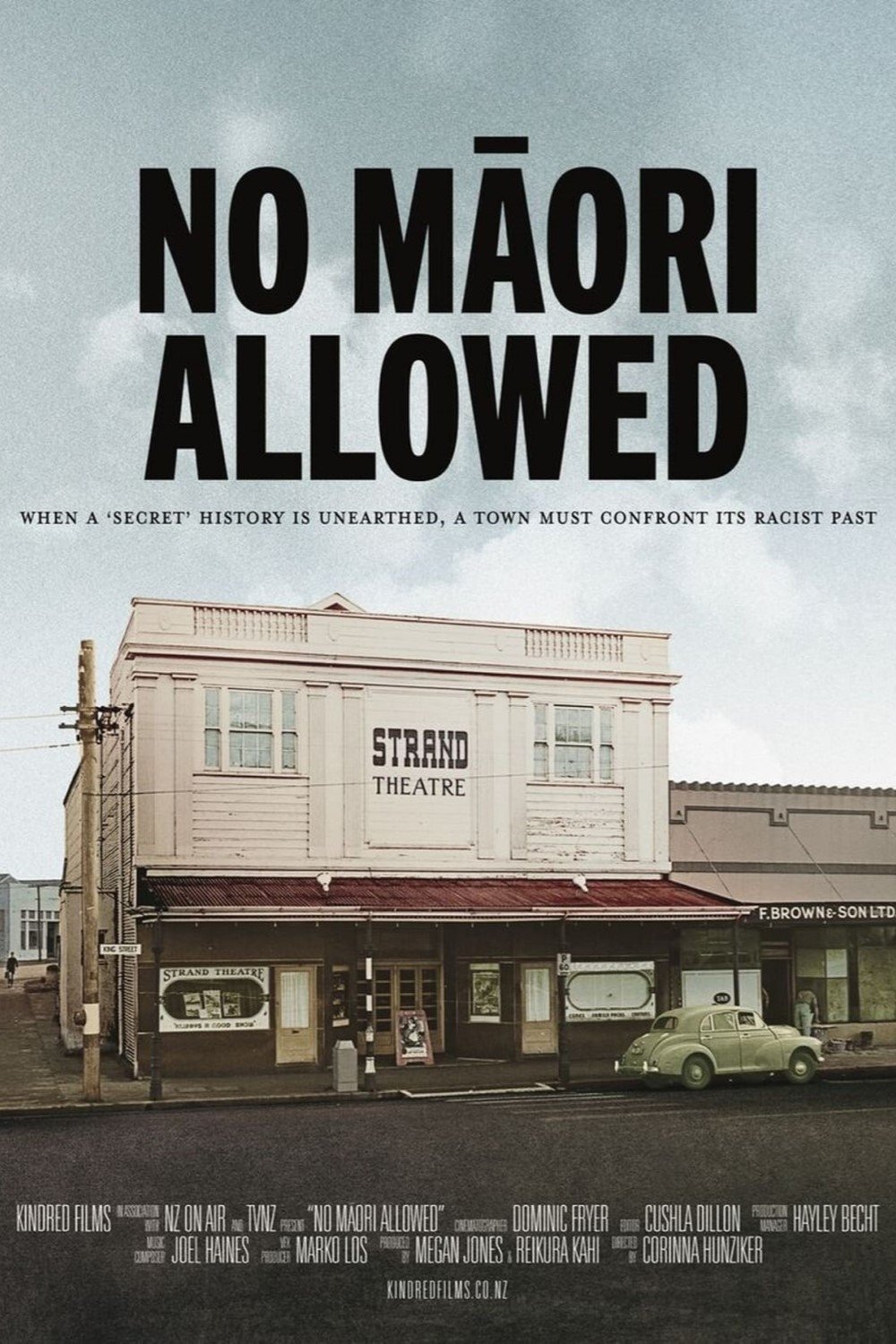
When an academic unearths a forgotten history, residents of the small township of Pukekohe, including kaumātua who have never told their personal stories before, confront its deep and dark racist past.
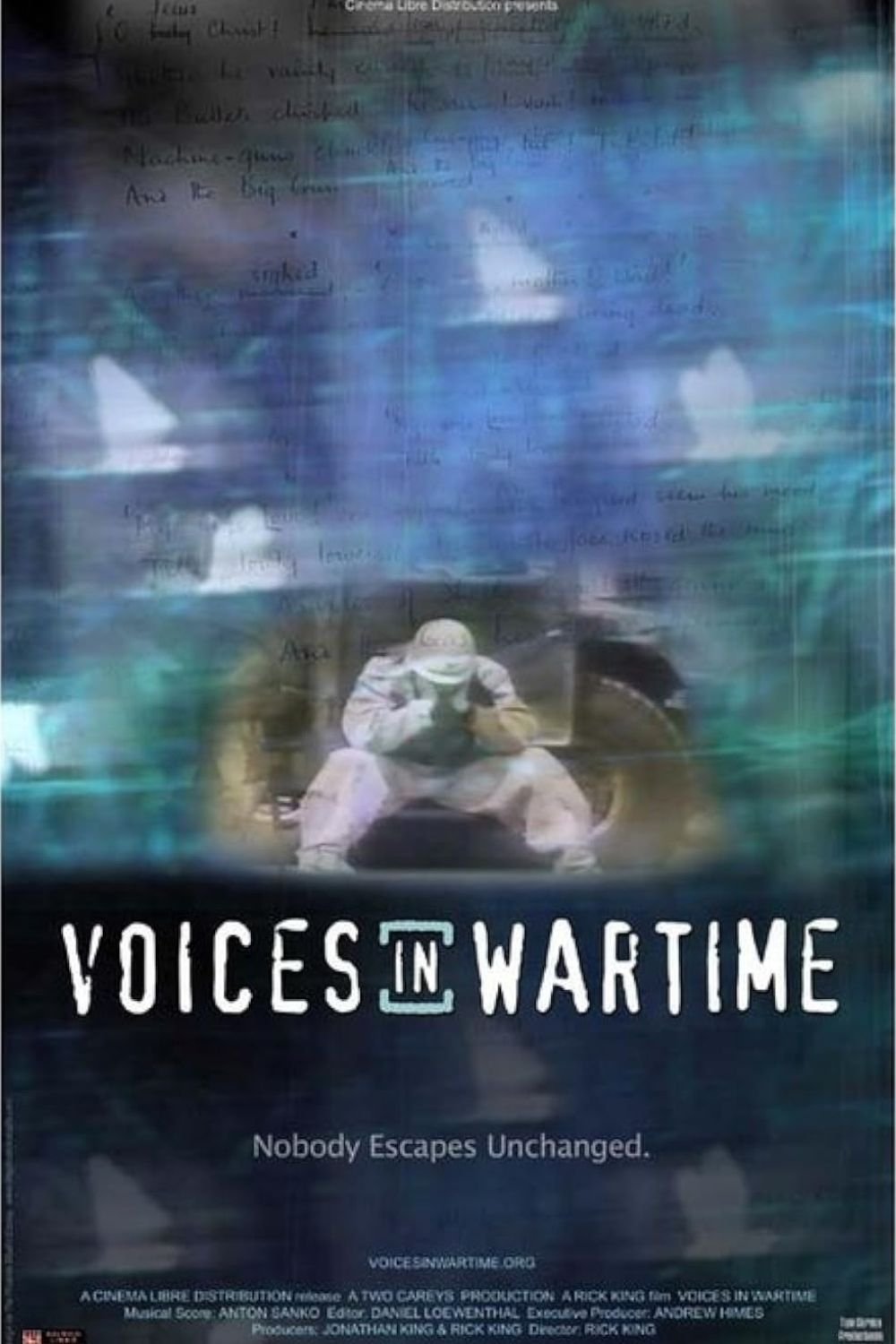
Voices in Wartime is a 2004 documentary that explores the human experience of war through poetry. Combining interviews with soldiers, journalists, and historians, it reveals how war affects individuals and societies across time and place. The film features poets from around the world – from Homer and Wilfred Owen to Shoda Shinoe and modern writers in Iraq and Nigeria – showing how poetry expresses the pain, trauma, and truth of conflict. By linking verse with real-life accounts, Voices in Wartime highlights how poetry helps us understand the emotional and moral impact of war.
The film discusses the emotional aftermath of disasters, emphasizing the importance of expressing feelings and seeking help. It highlights personal experiences of individuals affected by hurricanes and earthquakes, focusing on their feelings of guilt, anxiety, and the need for support. The discussion underscores that sharing experiences can alleviate emotional pain and that professional help should be sought for those struggling to cope with trauma.
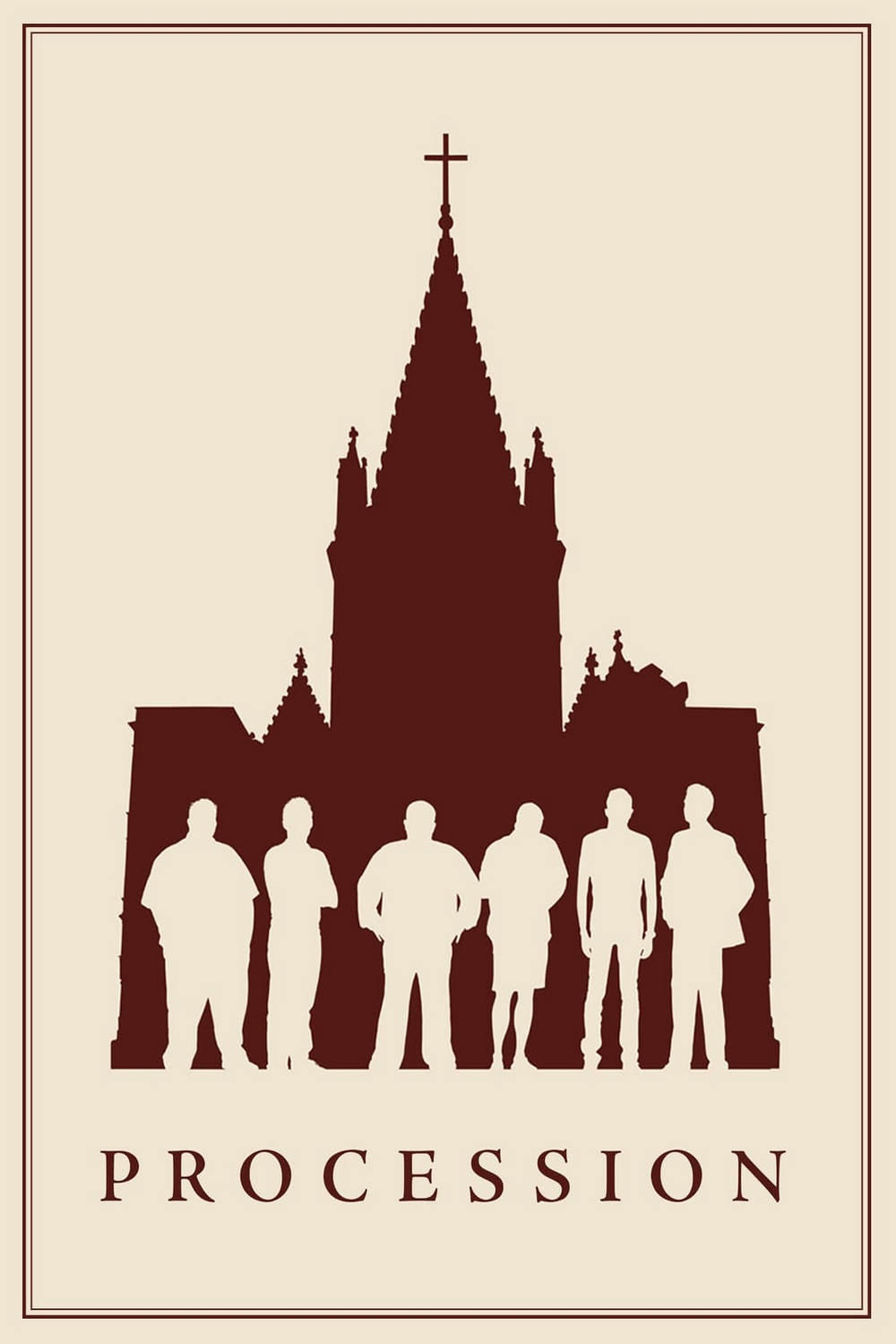
Six men who were sexually abused by Catholic clergy as boys become a makeshift family and find empowerment by creating films inspired by their trauma.
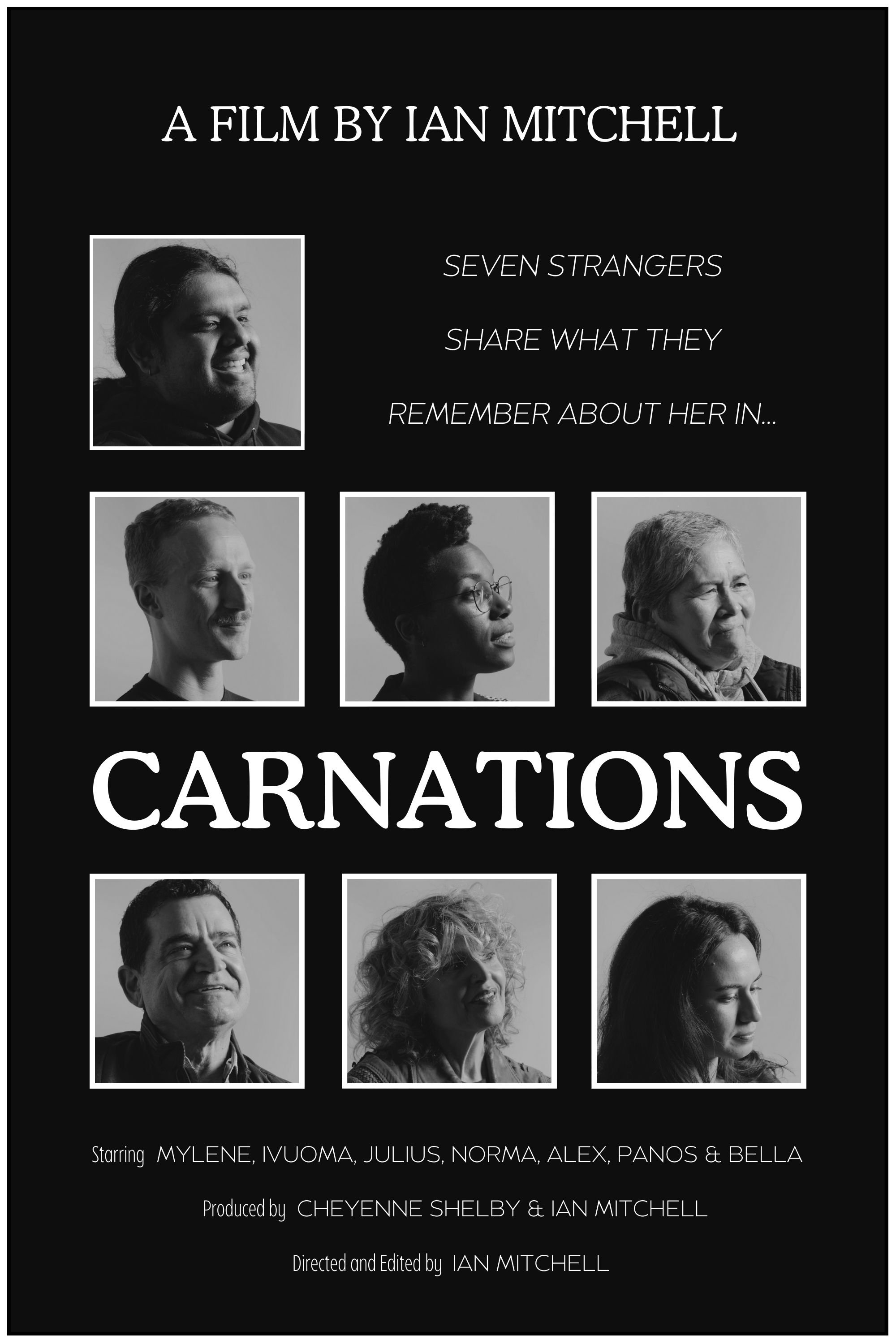
Seven strangers are interviewed to talk about the relationship they have with their mother.
Nat's life forever changed when he received an email that someone had been urinating in the hallway of his dorm...
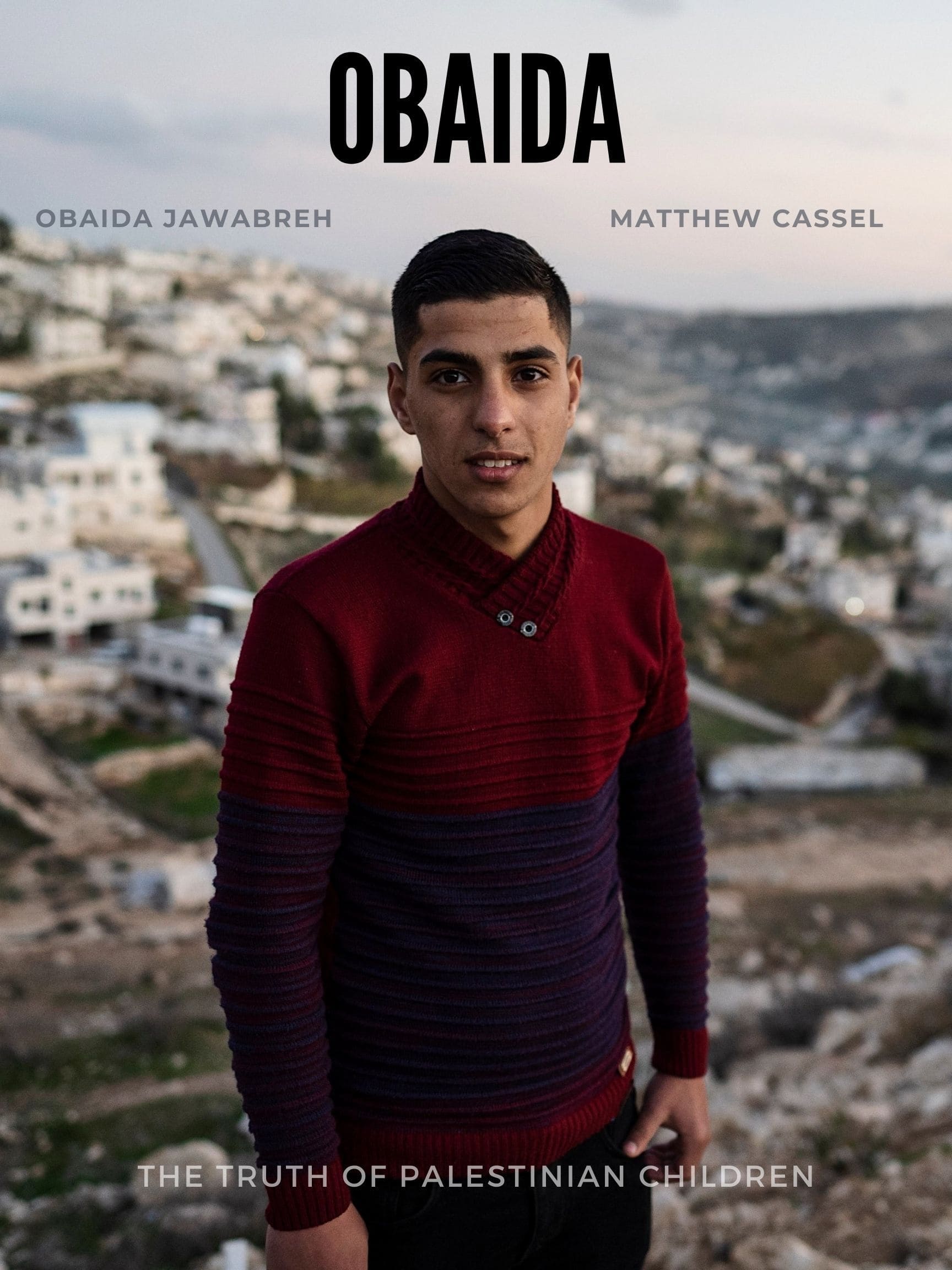
OBAIDA, a short film by Matthew Cassel, explores a Palestinian child’s experience of Israeli military arrest. Each year, some 700 Palestinian children undergo military detention in a system where ill-treatment is widespread and institutionalized. For these young detainees, few rights are guaranteed, even on paper. After release, the experience of detention continues to shape and mark former child prisoners’ path forward.
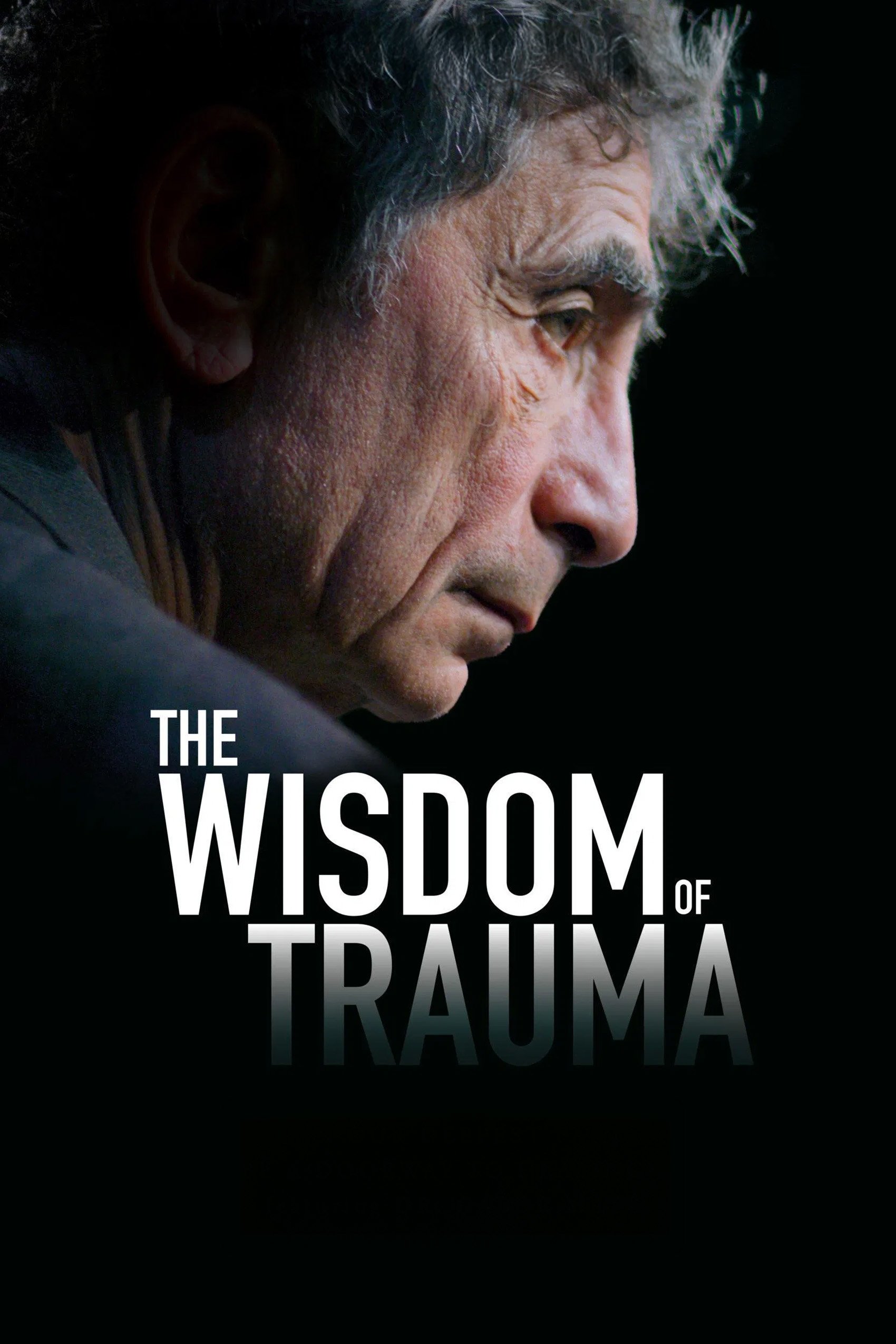
One in five Americans are diagnosed with mental illness every year. Suicide is the second most common cause of death in the US for youth aged 15-24, and kills over 800,000 people globally per year. Drug overdose kills 81,000 in the US annually. The autoimmune disorder epidemic affects 24 million people in the US alone. What is going on? The interconnected epidemics of anxiety, chronic illness and substance abuse are, according to Dr. Gabor Maté, normal - but not in the way you might think.
JB Smoove and Martin Starr host a celebration of 20 years of "Spider-Man" movies, from the Sam Raimi trilogy to Marc Webb's movies and the trio from Jon Watts.
A look at the origins, history and conspiracies behind the "Majestic 12", a clandestine group of military and corporate figureheads charged with reverse-engineering extraterrestrial technology.
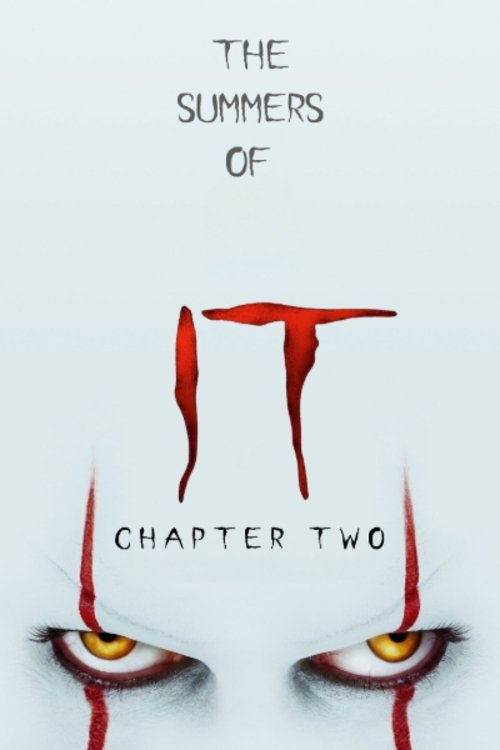
This documentary focuses on the actors and their journey over two summers to create the remake to the original IT, by Stephen King. The documentary originally released as bonus material, bundled with IT: Chapter Two.
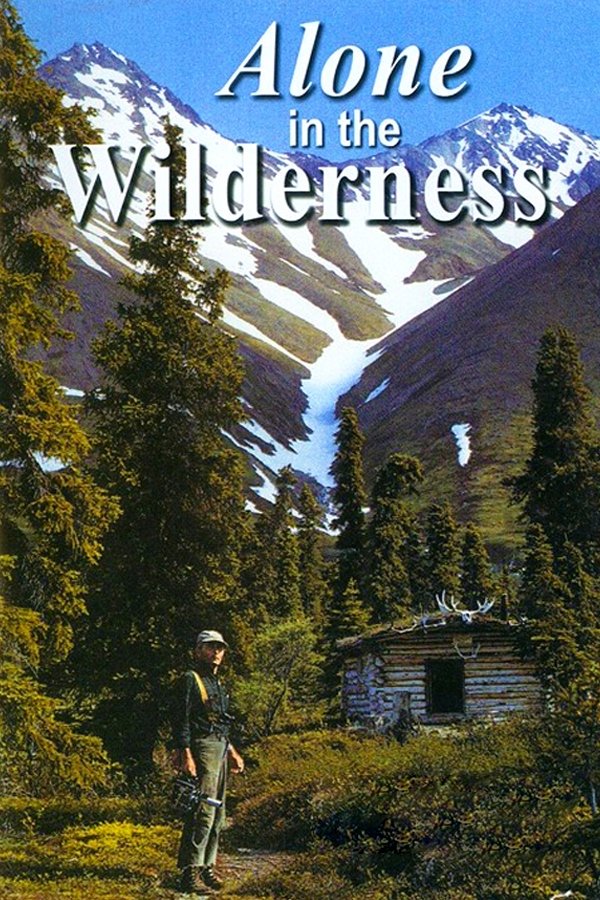
Dick Proenneke retired at age 50 in 1967 and decided to build his own cabin in the wilderness at the base of the Aleutian Peninsula, in what is now Lake Clark National Park. Using color footage he shot himself, Proenneke traces how he came to this remote area, selected a homestead site and built his log cabin completely by himself. The documentary covers his first year in-country, showing his day-to-day activities and the passing of the seasons as he sought to scratch out a living alone in the wilderness.
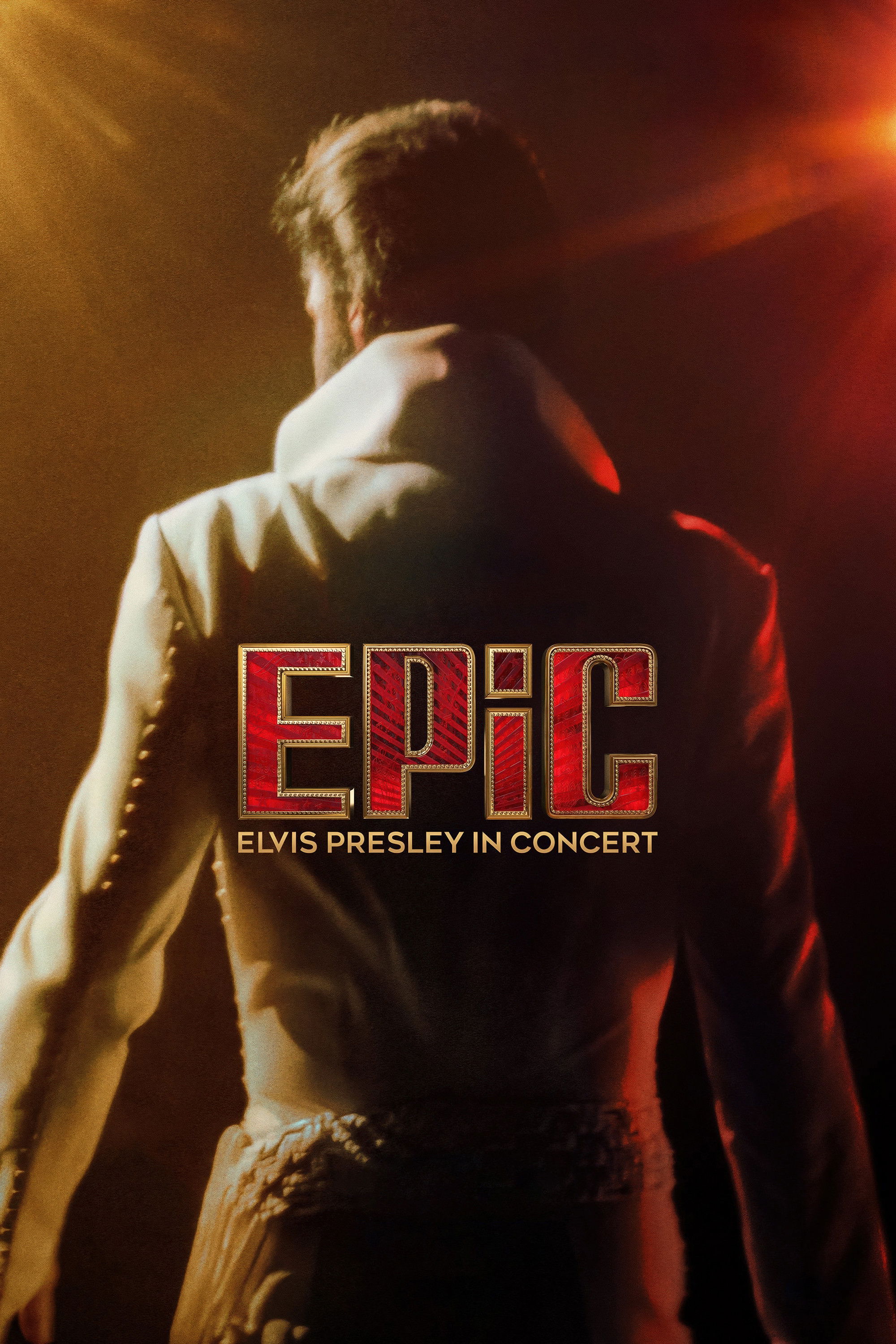
Long-lost footage from Elvis Presley's legendary Las Vegas residency in the 1970s woven together with rare 16mm footage from Elvis on Tour, and 8mm from the Graceland archive, plus recordings of Elvis telling "his side of the story" rediscovered during Baz Luhrmann's research for his 2022 film, Elvis.
The life and career of an actor, artist, and icon. His own journey through his own camera.
The life of Mr. Spock, as well as that of Leonard Nimoy, the actor who played him for almost fifty years, written and directed by his son: Adam.
The making of Matrix Revolutions, The (2003) is briefly touched on here in this documentary. Interviews with various cast and crew members inform us how they were affected by the deaths of Gloria Foster and Aaliyah, and also delve into the making of the visual effects that takes up a lot of screen time. Written by Rhyl Donnelly
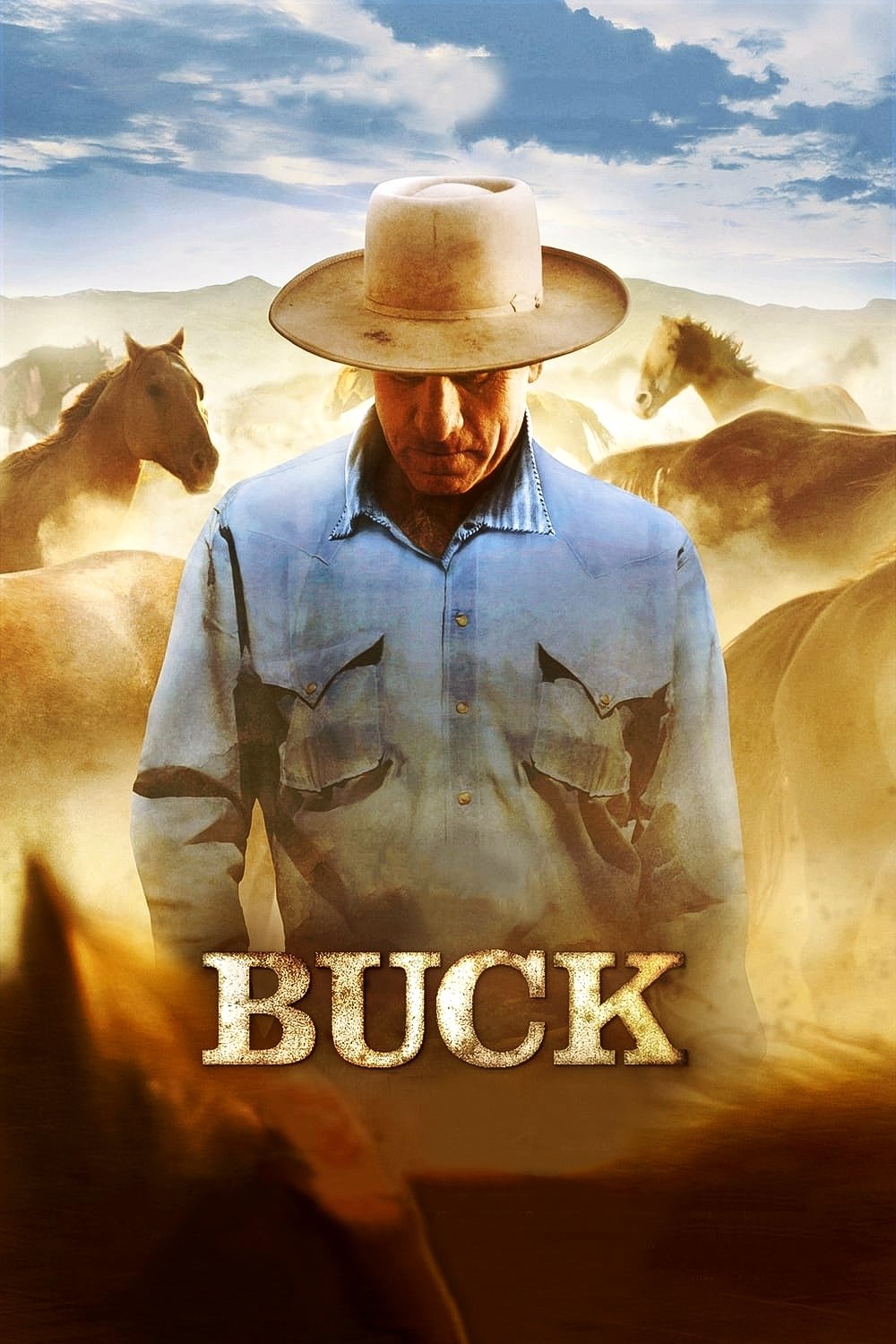
An examination of the life of acclaimed 'horse whisperer' Buck Brannaman, who recovered from years of child abuse to become a well-known expert in the interactions between horses and people.
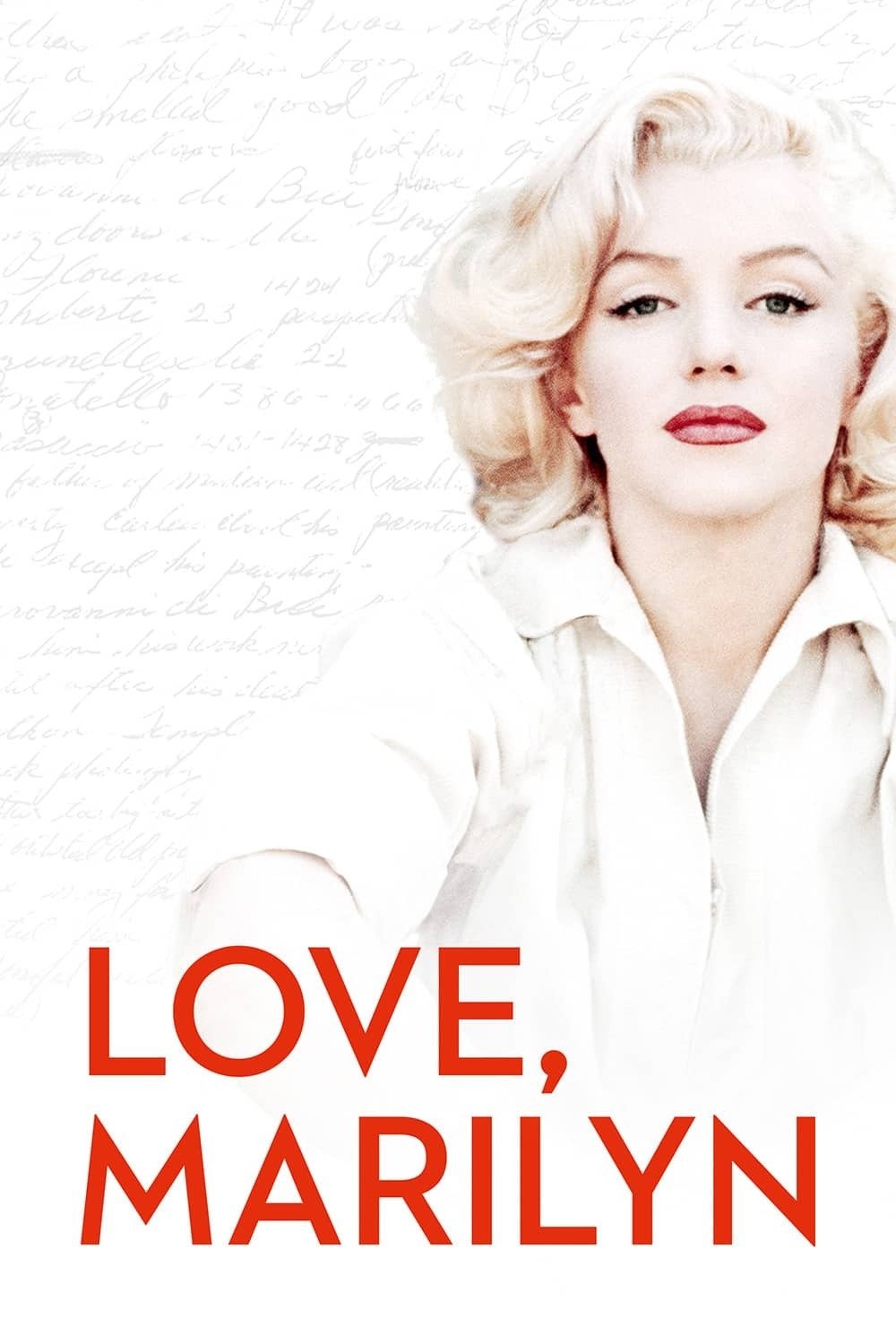
Using the book 'Fragments', which collects Marilyn Monroe's poems, notes and letters, and with participation from the Arthur Miller and Truman Capote estates who have contributed more material, each of the actresses will embody the legend at various stages in her life.
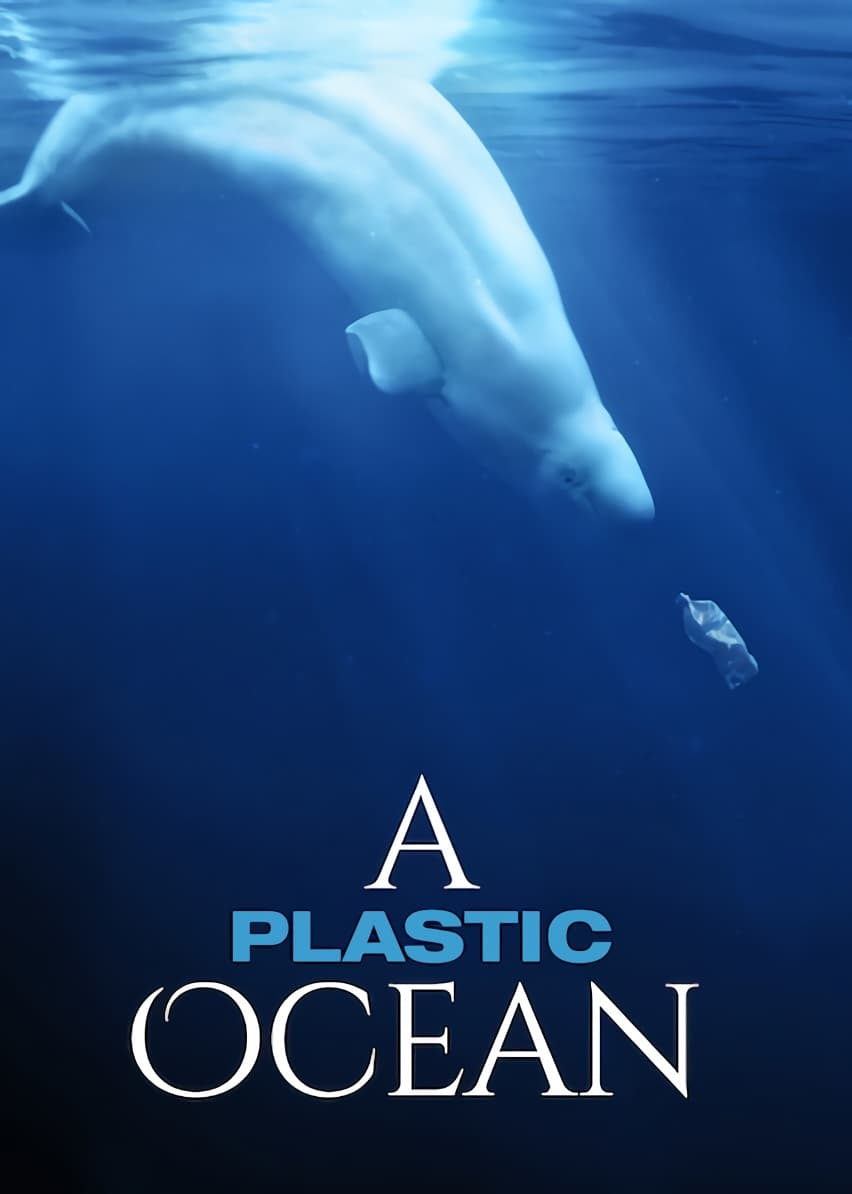
A documentary focused on plastic pollution in the world's oceans.
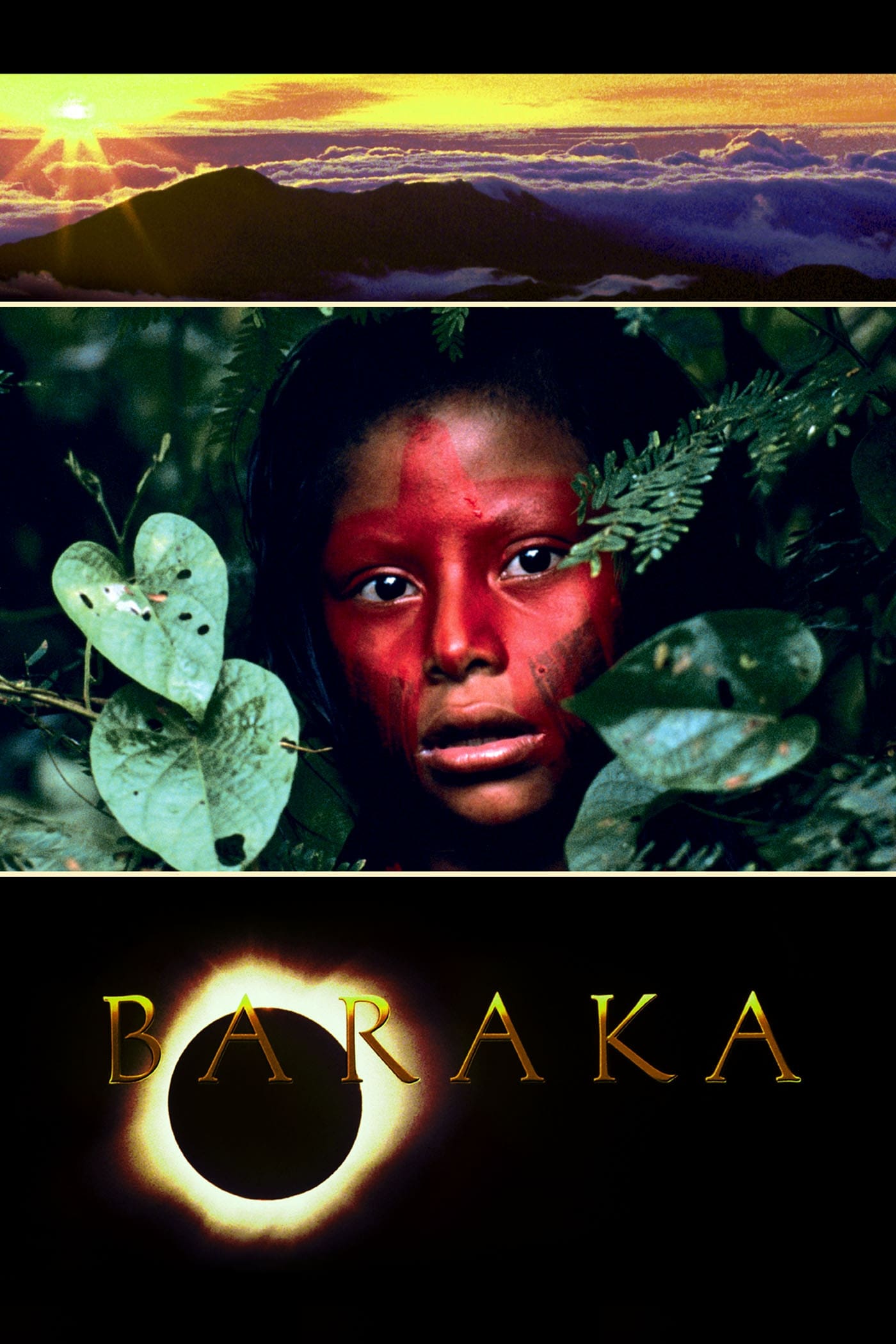
A paralysingly beautiful documentary with a global vision—an odyssey through landscape and time—that attempts to capture the essence of life.
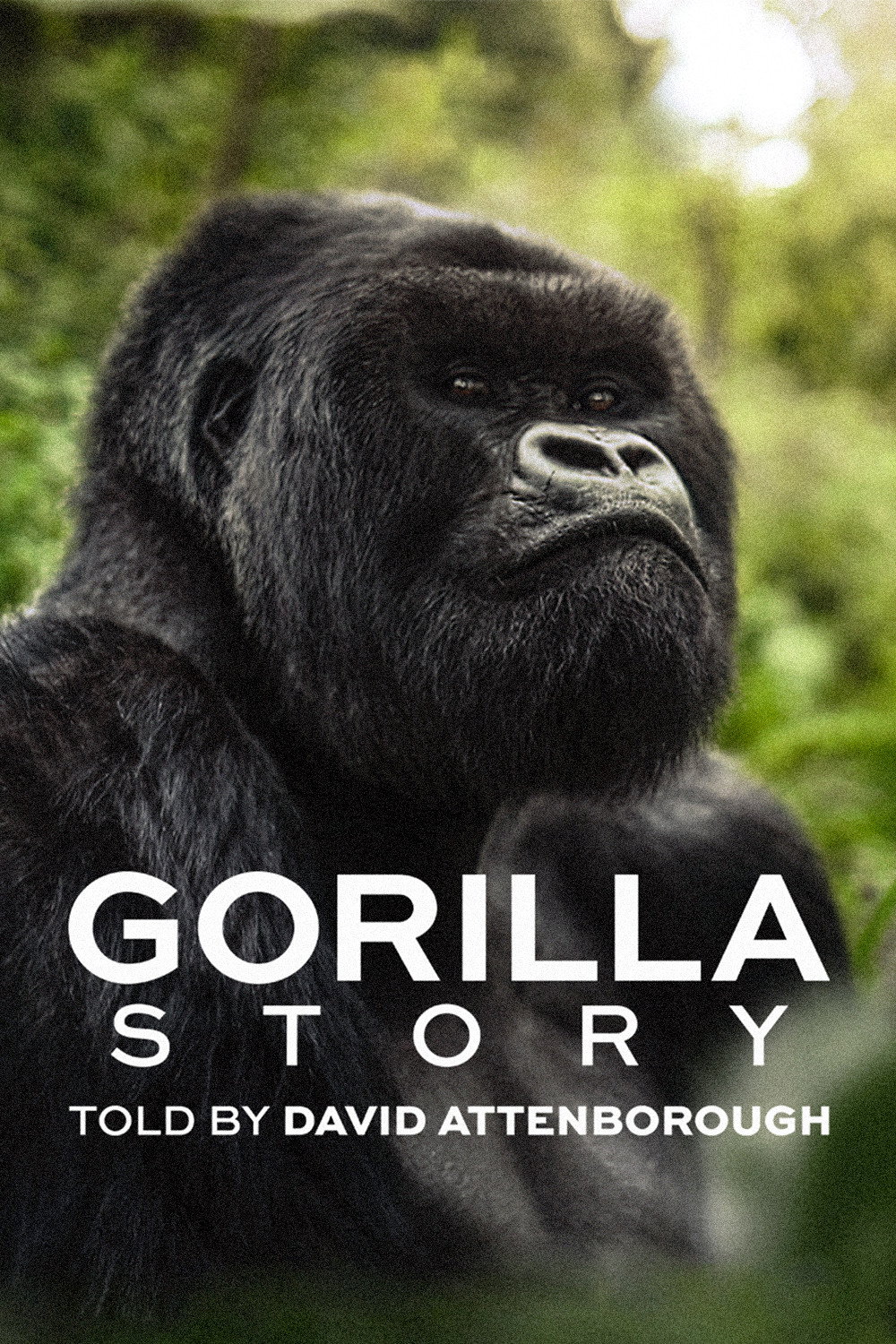
Veteran naturalist Sir David Attenborough tells the story of a remarkable group of gorillas, from his first encounter in the '70s to the present day.
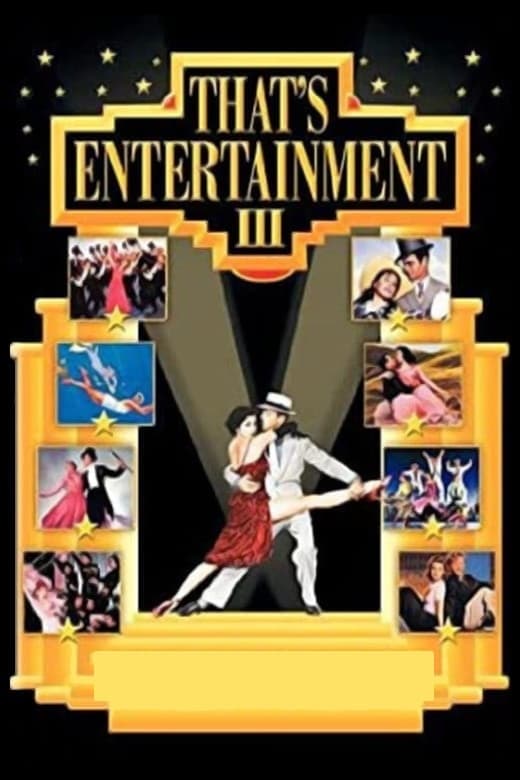
Some of MGM'S musical stars review the studios history of musicals. From The Hollywood Revue of 1929 to Brigadoon, from the first musical talkies to Gene Kelly in Singin' in the Rain.
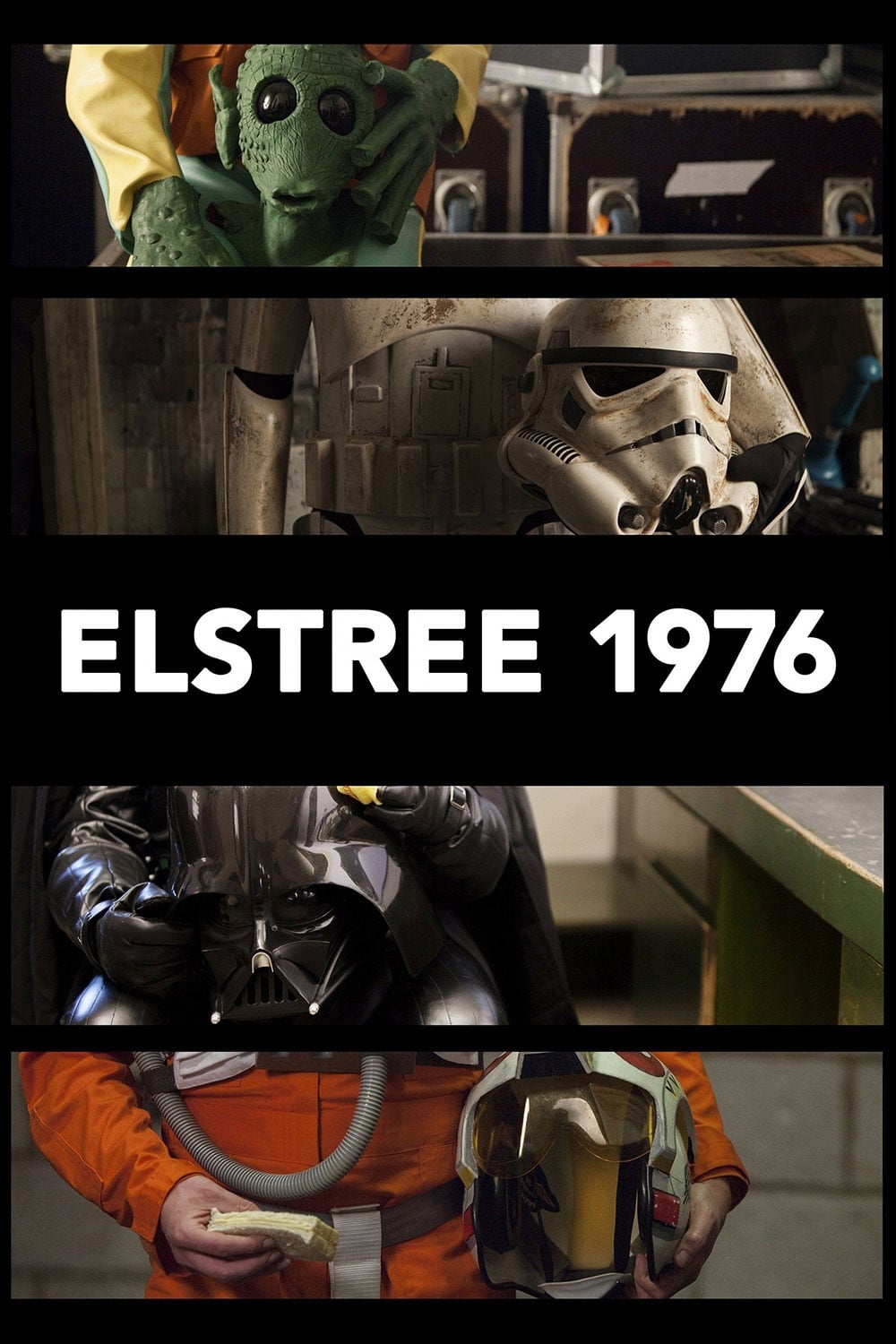
A documentary about ten very different lives connected by having appeared onscreen wearing masks or helmets in Star Wars.
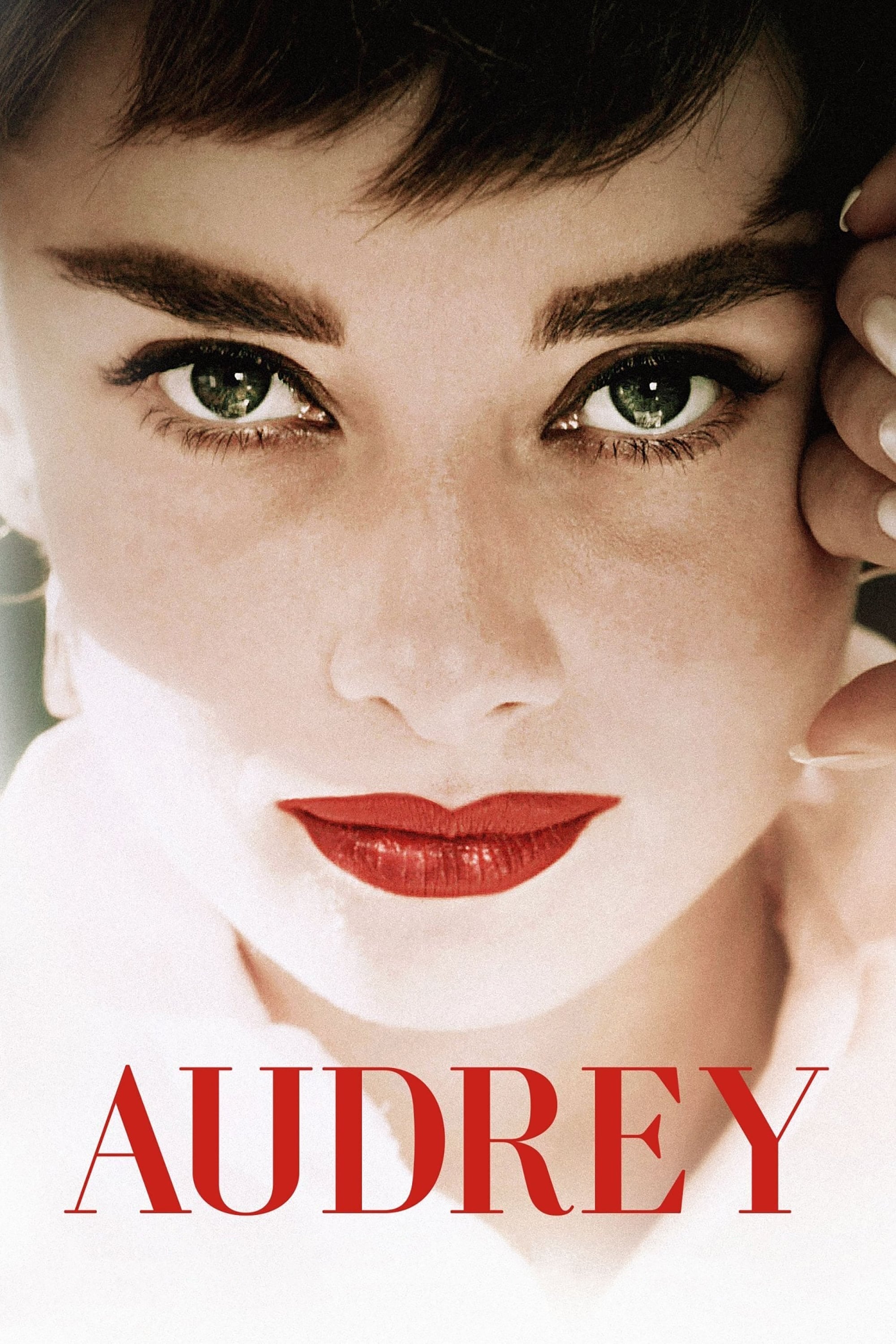
An unprecedented and intimate look at the life, work and enduring legacy of British actress Audrey Hepburn (1929-1993).
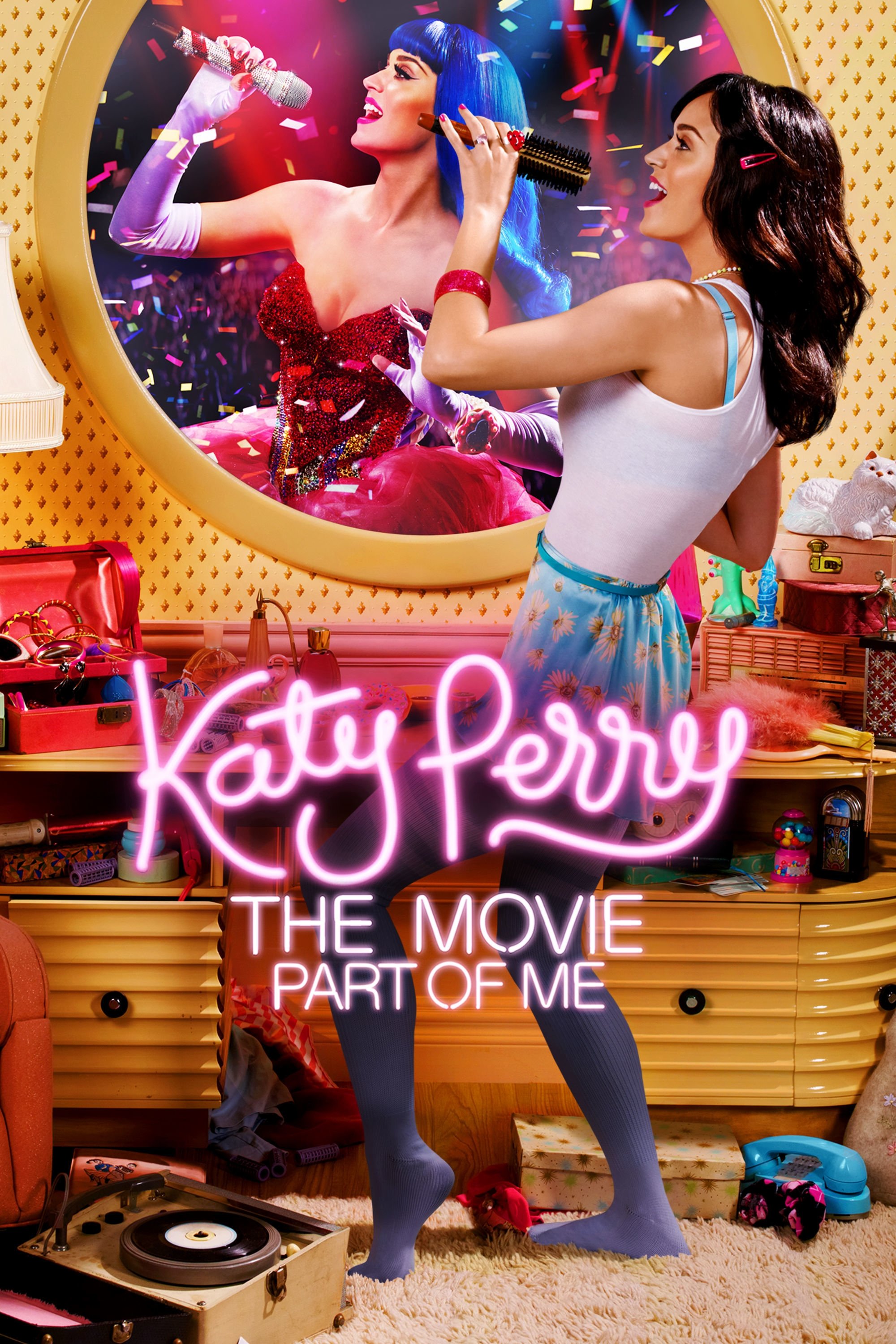
Giving fans unprecedented access to the real life of the music sensation, Katy Perry: Part of Me exposes the hard work, dedication and phenomenal talent of a girl who remained true to herself and her vision in order to achieve her dreams. Featuring rare behind-the-scenes interviews, personal moments between Katy and her friends, and all-access footage of rehearsals, choreography, Katy’s signature style and more, Katy Perry: Part of Me reveals the singer’s unwavering belief that if you can be yourself, then you can be anything.
A glimpse into the raw and simple power of nature through encounters with farm animals: the eponymous Gunda, a mother pig; two cows, and a one-legged chicken.
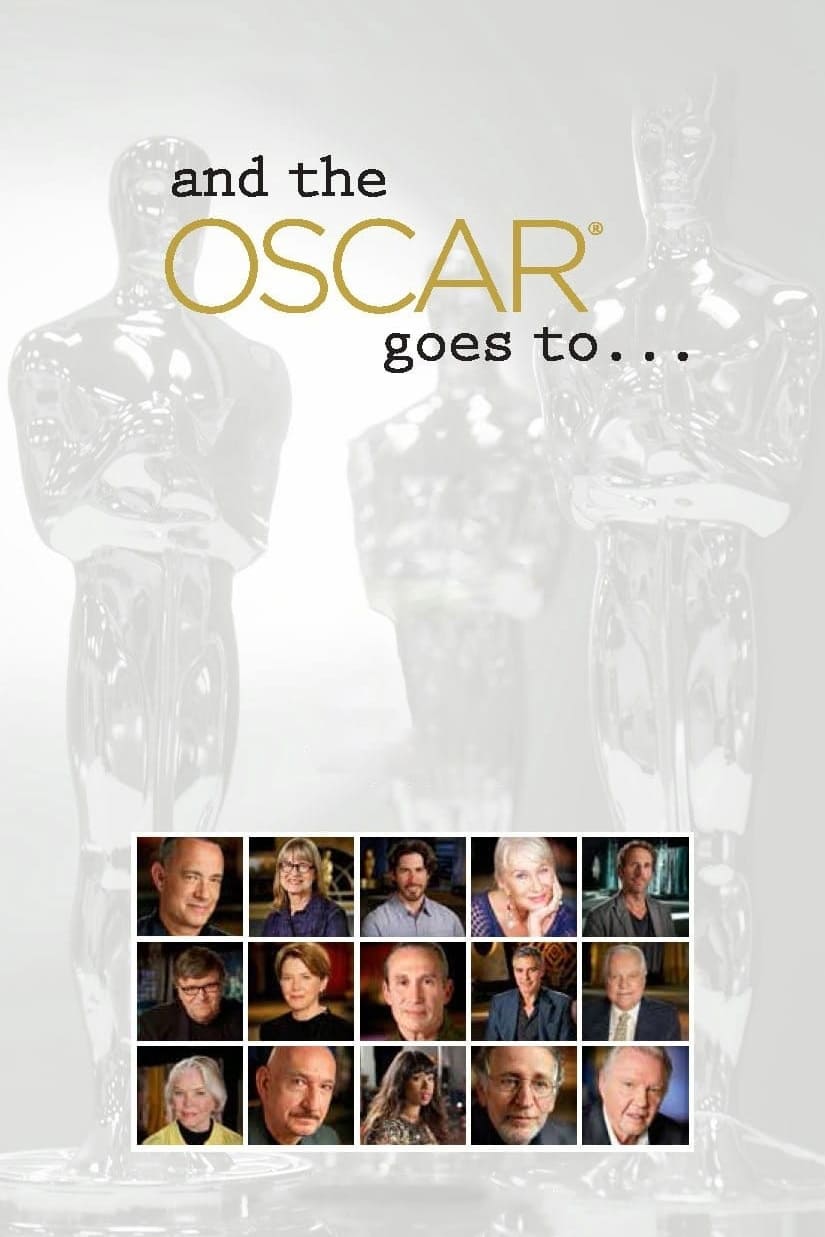
The story of the gold-plated statuette that became the film industry's most coveted prize, AND THE OSCAR GOES TO... traces the history of the Academy itself, which began in 1927 when Louis B. Mayer, then head of MGM, led other prominent members of the industry in forming this professional honorary organization. Two years later the Academy began bestowing awards, which were nicknamed "Oscar," and quickly came to represent the pinnacle of cinematic achievement.
Through deeply personal interviews with her siblings and an examination of the photographs, letters, and belongings left behind, Mariska assembles a new portrait of her mother Jayne Mansfield, an extraordinary and complex woman.