Social & External
Pablo
Oe Pucón
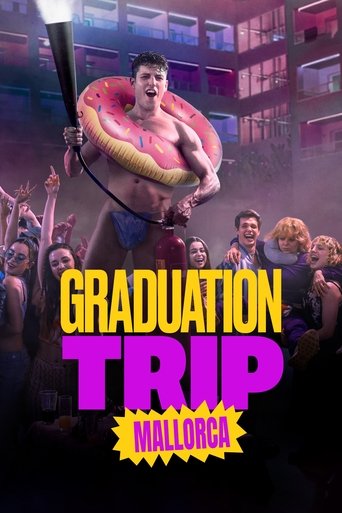
2021. After spending a year in confinement, a group of high school students and their two teachers begin an end-of-year trip to Mallorca. This great plan is the last opportunity they have to all be together, make up for lost time, be able to have fun like they have never had before and say goodbye to this crazy stage of their lives. However, a new coronavirus outbreak disrupts all their plans and forces them to stay locked in their hotel rooms. More than 50 students, 2 teachers, a hotel and many, many minibars... What could go wrong?
It all begins at a party in Santiago, Chile, when a seemingly innocent gesture -- the offer of a ride home -- ends in a passionate night of lovemaking and intense conversation for young singles Bruno and Daniela. Shacked up at a flea-bitten motel for a one-night stand, the pair lingers deep into the night, alternating between powerful physical encounters and an ever-deepening emotional connection.
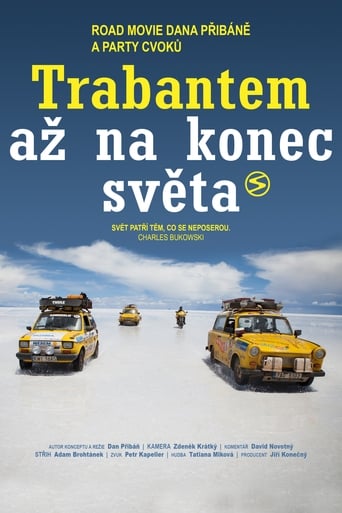
The third installment in Dan Přibáň's series of travel documentaries describes the author's journey with his friends across South America in vehicles that are often notorious but cult in their own way. The charming dynamics of the group on screen are further enhanced by the high-quality craftsmanship.
1988 marked the year in which the debut album of the Chilean band De Kiruza - Oficial was released, where the single "Algo está pasando" stood out, the first Chilean rap recording.
Sonar Rock City: Seattle is a journey through the city that caught our attention back in 1992 thanks to the grunge movement which today no longer exists. Still today the creative spirit runs through its veins with a new music scene that captures what Seattle is in its core.
Examines the career and literary output of Pablo Neruda, who makes his home at Isla Negra on the coast of Chile. Includes views of Mr. Neruda reading many of his poems in the locales which inspired them.
A documentary on the rise and fall of Project Cybersyn, an attempt at a computer-managed centralized economy undertaken in Chile during the presidency of Salvador Allende.
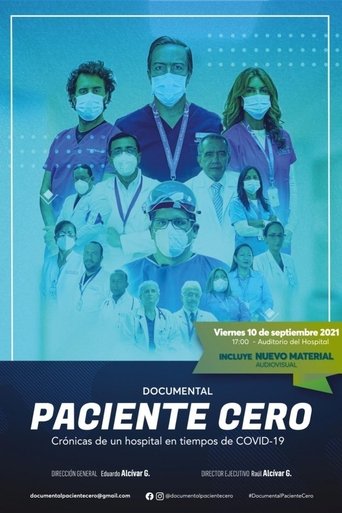
While the whole world has stopped during the coronavirus pandemic, the residents of the Kolochava Transcarpathian mountain village are living their normal lives. Only ambulance workers know what is really going on.
It follows Chilean writer Antonio Skármeta as he celebrates the end of the autocrats. Cheerful farewell rituals accompany others facing political persecution on their way to fly home.
Bruno Muel's documentary on the coup in Chile in 1973. Muel, who was part of the famed Medvedkine group, along with Chris Marker and Jean-Luc Godard, among others, captured one of the most powerful portraits of the early days of Dictatorship. Profound solidarity with the socialist cause, Muel and his team showed great courage to mix the official registration of images with those triumphant, clandestine, of the nascent opposition.
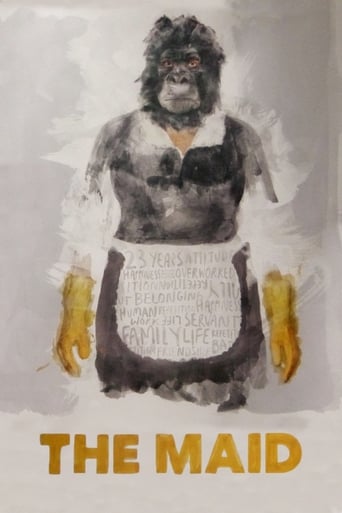
Raquel has been the live-in housekeeper for a kind, reasonably wealthy family for half her life, and the joyless repetition of the job has begun to take its toll. Increasingly dependent on painkillers, Raquel resorts to pranks and childish avoidance to antagonize the family’s college-age daughter and a procession of new servants, all in the hopes of protecting her precarious power within the home. Her antics successfully push everyone away, until new maid Lucy actually pushes back.
Documentary tells the story of the Chilean football club Colo-Colo, exploring its profound impact on popular culture and the everyday lives of its fans. Throughout the film, it shows how the club has transcended sport to become a symbol of resistance, pride, and class struggle in Chile.
The story of the Yugoslavian football team who became youth world champions in Chile, 1987.
The real estate industry has destabilized the natural surroundings of the city of Concón, on the Chilean coast, forcing the inhabitants and landscapes of the region to find new ways to adapt and survive. “Nidal” depicts the cohabitating of species and the accelerated transformation of the landscapes due to human occupation.
Explores the little-known history and humanity of the unsung Filipino nurses risking their lives on the front lines of a pandemic, thousands of miles from home.
Alain Cluny is Balthazar, a bumbling middle-aged intellectual who spouts off from time to time about leftist causes, usually to his current girlfriend. Then Edwarda (Bernadette Lafont), who is active in the political underground, comes into his life. From that point on, he begins to act on his beliefs. Edwarda's underground political action group stages a little drama to test Balthazar's commitment and reliability, putting him through an interrogation by what appear to him to be French secret police. Having passed this test, he is given a real assignment. This film is a comedy with elements of satire, and it explores the humor to be found in left-wing pretentiousness of all kinds. - Rovi
A comedy during confinement? Probably so. A portrait of a little girl and her family during confinement? Apparently so. An absurd, Beckettian musical shot during confinement? Exactly, yes.