Social & External
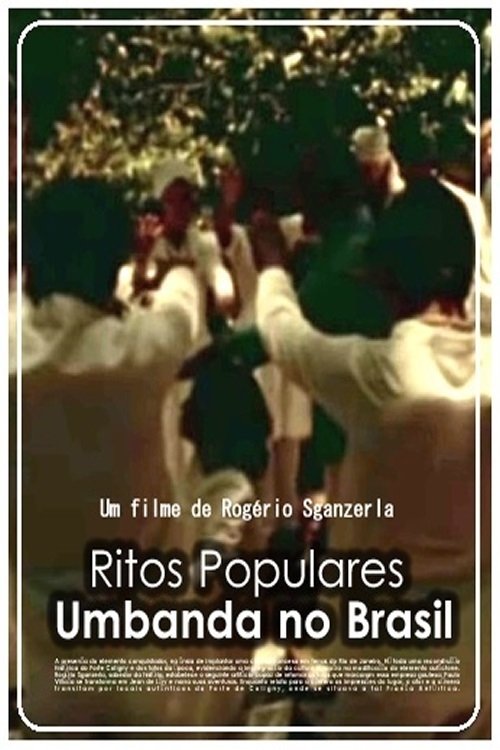
A documentary based on the book Umbanda no Brasil by the scholar Mata e Silva, who is interviewed by the director. The book studies the Brazilian religion known as spiritism, a syncretism of African beliefs and magical rites, Indian beliefs and images, and Catholic symbols.
Quite a few years have passed since November 1989. Czechoslovakia has been divided up and, in the Czech Republic, Václav Klaus’s right-wing government is in power. Karel Vachek follows on from his film New Hyperion, thus continuing his series of comprehensive film documentaries in which he maps out Czech society and its real and imagined elites in his own unique way.
Clarissa is a driven, straight-talking single Black mother and social warrior in Oakland, California. Becoming unhoused with an infant inspired her to champion childcare and preschool as a human right. Funny and irreverent, Clarissa's infectious energy pulls us along as she presses forward, with fortitude gained through effort and loss. But juggling this work with raising a young son pushes Clarissa into a personal healthcare crisis far too common among stressed, working mothers, especially women of color. Clarissa's Battle follows her journey as a community leader, political candidate and time-stretched mother as she fights for the health and dignity of children and their parents nationwide. This isn't just Clarissa's battle - it's our battle, too.
The San Francisco Foundation Community Leadership Awards presents Bishop Yvette A. Flunder, founder and director of Ark of Refuge, with the Robert C. Kirkwood Award for courageously addressing the issues of HIV/AIDS prevention, response, and care within the African American faith community. As a pastor, scholar, teacher, and activist, she has united gospel and social ministries to create unique programs that improve the quality of life of some of the most marginalized in our community.
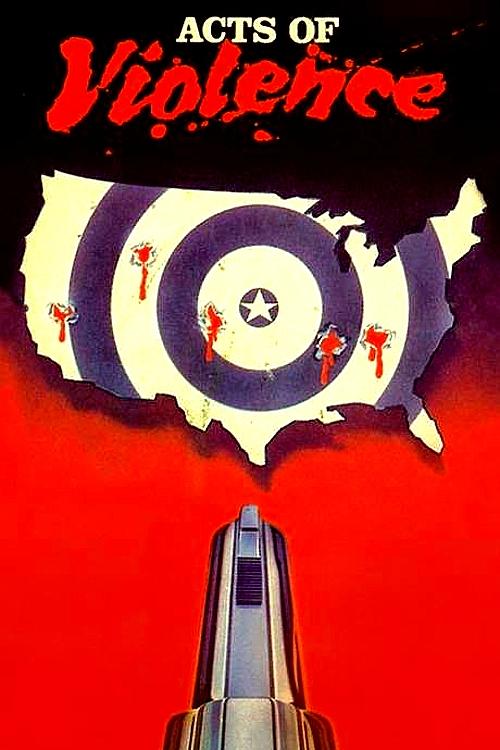
A riveting expose about the personalities of murderers and their motives. This 72 minute film covers the McDonalds' restaurant massacre, President Reagan's assassination attempt, serial murderer Henry Lee Lucas and others.
King of the Jews is a film about anti-Semitism and transcendence. Utilizing Hollywood movies, 1950's educational films, personal home movies and religious films, the filmmaker depicts his childhood fear of Jesus Christ. These childhood recollections are a point of departure for larger issues such as the roots of Christian anti-Semitism.
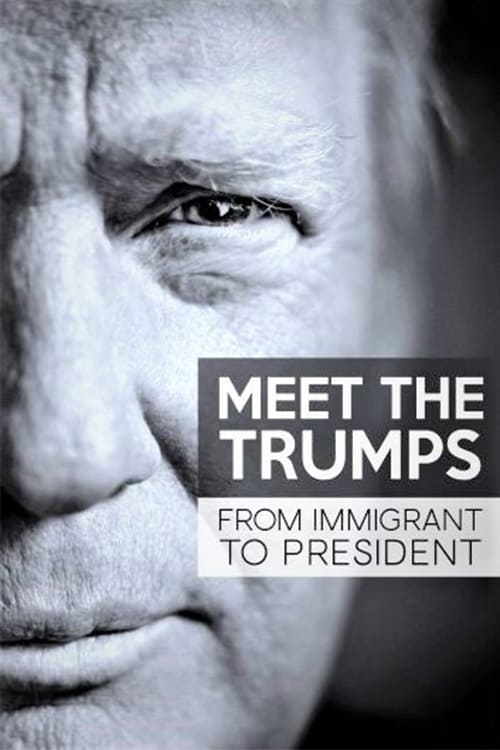
The remarkable true story of Donald Trump's family history - one of the most extraordinary immigration success stories ever told - and what it reveals about the United States' 45th President
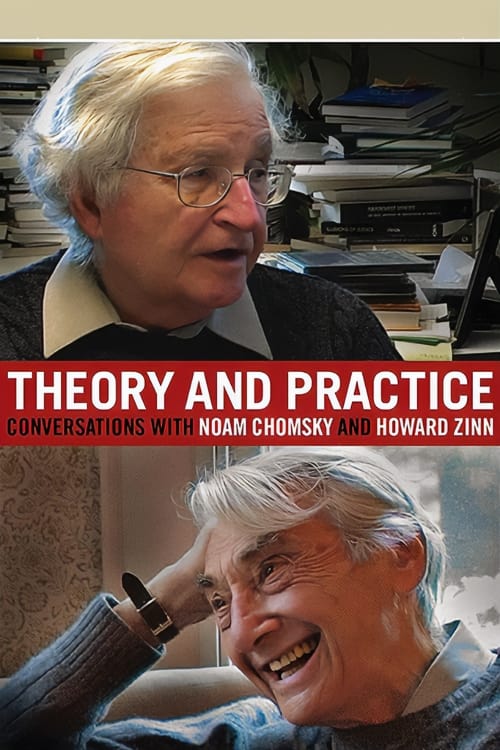
This timely, bold set of one-on-one interviews presents two of the most venerable figures from the American Left—renowned historian Howard Zinn and linguist and philosopher Noam Chomsky—each reflecting upon his own life and political beliefs. At the age of 88, Howard Zinn reflects upon the Civil Rights and anti–Vietnam War movements, political empires, history, art, activism, and his political stance. Setting forth his personal views, Noam Chomsky explains the evolution of his libertarian socialist ideals, his vision for a future postcapitalist society, the Enlightenment, the state and empire, and the future of the planet.
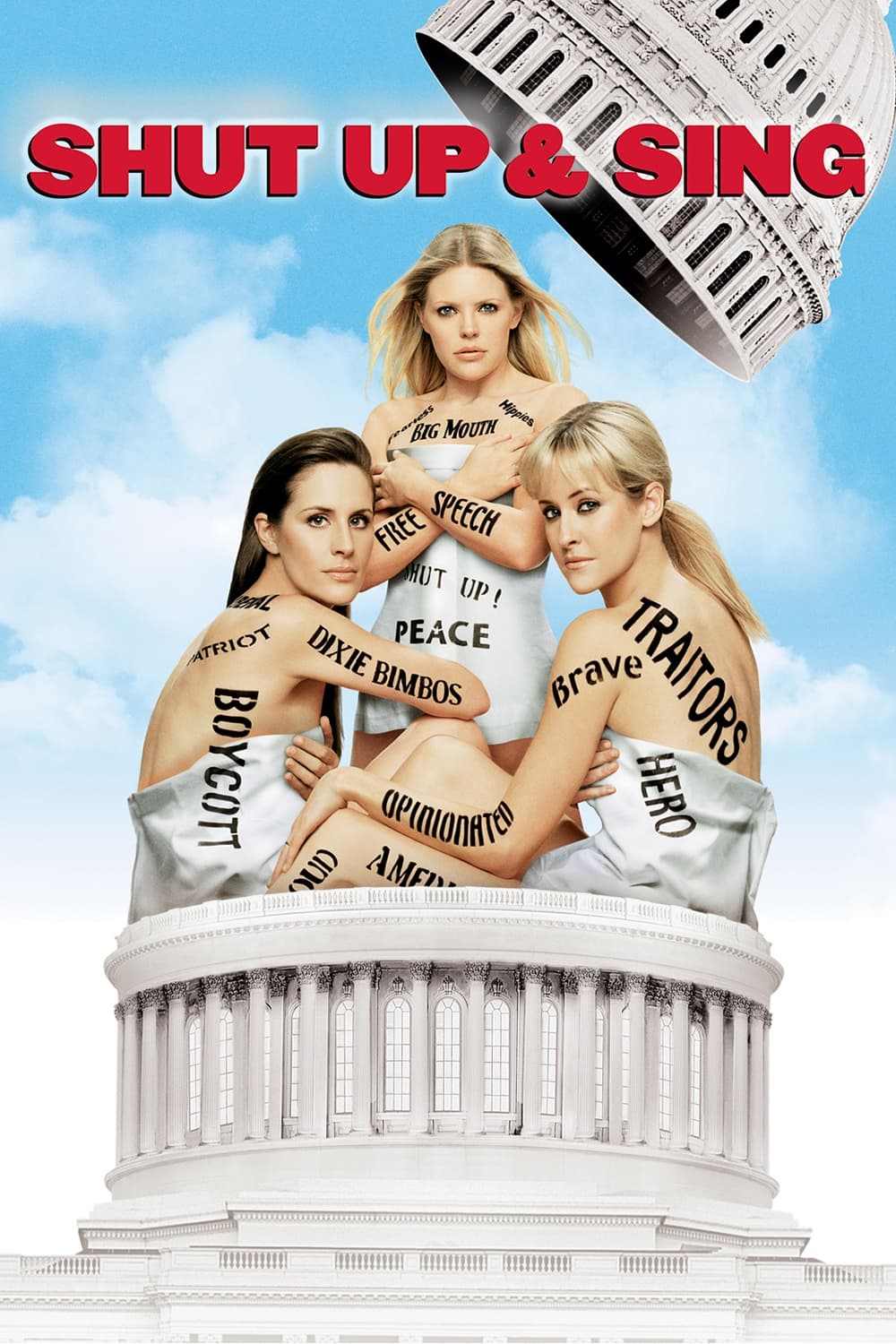
Shut Up and Sing is a documentary about the country band from Texas called the Dixie Chicks and how one tiny comment against President Bush dropped their number one hit off the charts and caused fans to hate them, destroy their CD’s, and protest at their concerts. A film about freedom of speech gone out of control and the three girls lives that were forever changed by a small anti-Bush comment
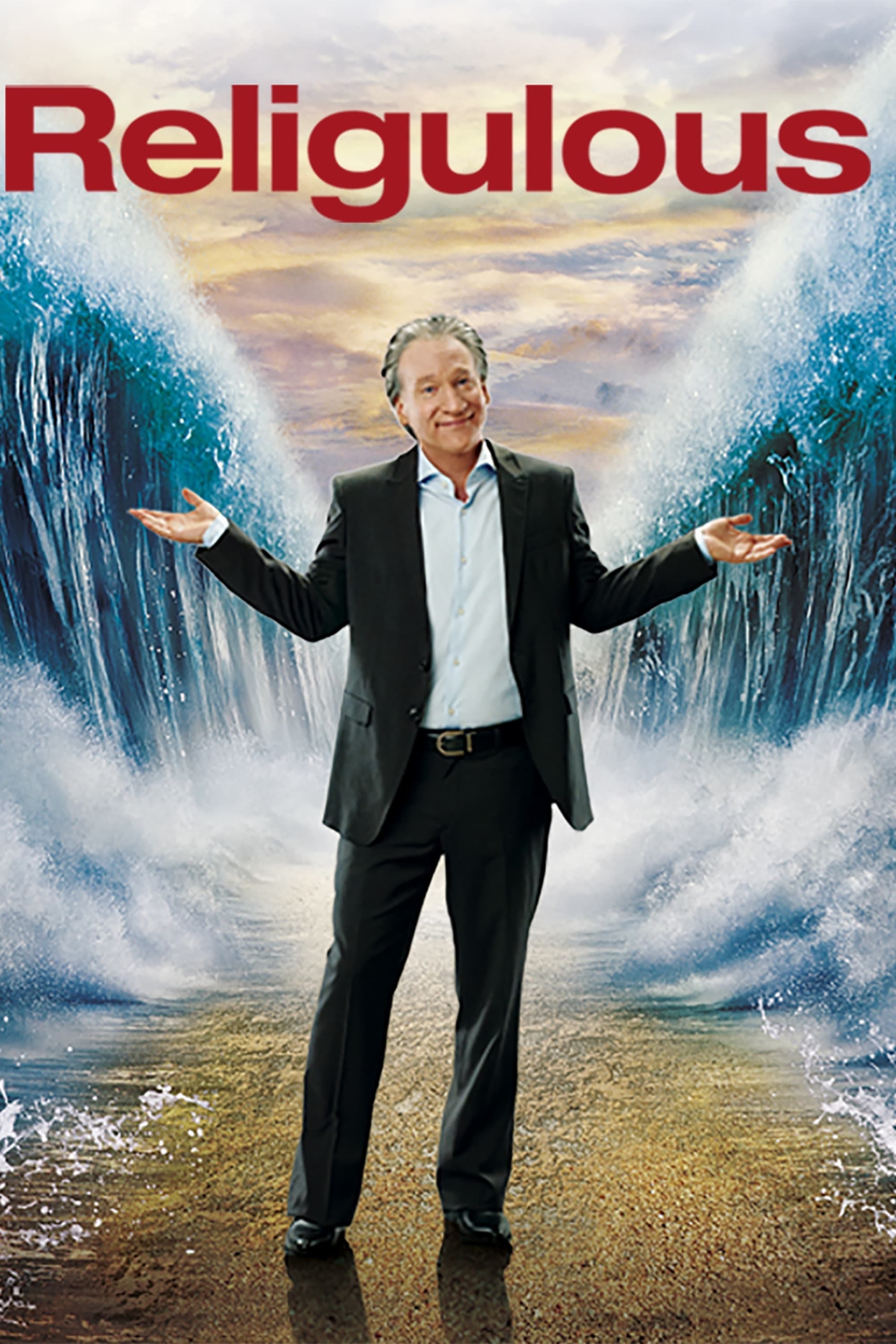
Commentator-comic Bill Maher plays devil's advocate with religion as he talks to believers about their faith. Traveling around the world, Maher examines the tenets of Christianity, Judaism and Islam and raises questions about homosexuality, proof of Christ's existence, Jewish Sabbath laws, violent Muslim extremists.
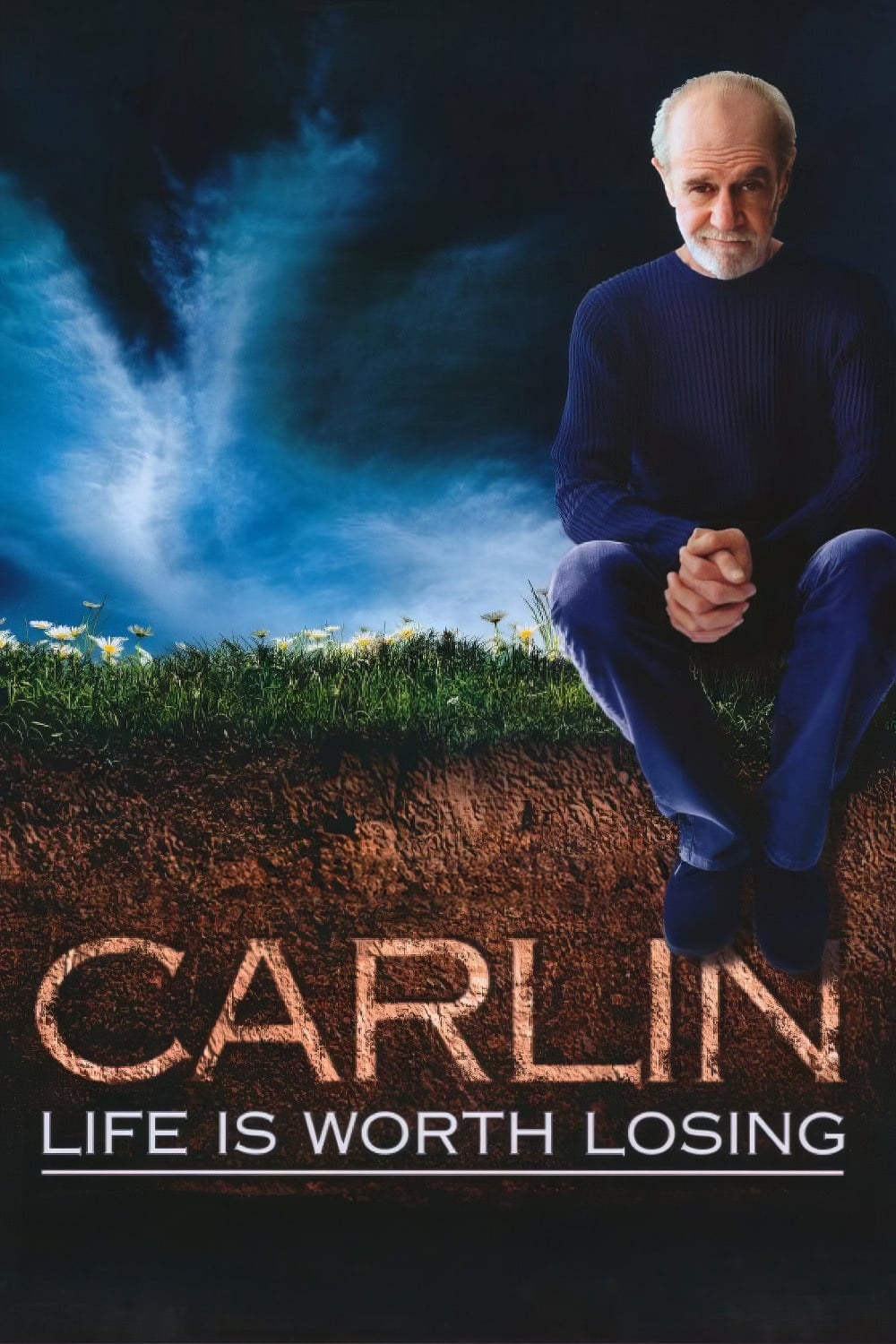
Carlin returns to the stage in his 13th live comedy stand-up special, performed at the Beacon Theatre in New York City for HBO®. His spot-on observations on the deterioration of human behavior include Americans’ obsession with their two favorite addictions - shopping and eating; his creative idea for The All-Suicide Channel, a new reality TV network; and the glorious rebirth of the planet to its original pristine condition - once the fires and floods destroy life as we know it.
In Fear, documentary filmmaker Michiel van Erp creates a collage of inhabitants of the city of Amsterdam who struggle with various anxiety disorders. Today, more patients with anxiety disorders seek professional help than those who suffer from depression, making anxiety the number one mental illness in the Netherlands. This film will show how a small number of those patients attempt to overcome their fears, in order to get on with their lives in the crowded cosmopolitan city that Amsterdam is today.
This is a documentary about an honest search for the truth about the Federal Reserve Bank and the legality of the Internal Revenue System. Through extensive interviews with recognised experts and authority, the director shows an astonishing revelation of how the Federal Government and the Bankers have fooled the American public by taking thier wages and putting it in the pockets of the super-rich.
Following the 2002 HBO documentary "Journeys with George," Pelosi's irreverent account of George W. Bush on the campaign trail, she set out on the road again with a handful of distinguished men competing to see who could eat the most pies, raise the most money and get the most votes to become the Democratic Party nominee.
AMERICAN JESUS is an exploration of Christianity in every faction of American Life, from the breadline to the yoga studio, from the humble churches of snake handlers to the mega churches in the ex-urbs. Christian cowboys, bikers and musicians, comedians, surfers and cage-fighters, they are all doing it for Christ. Aram Garriga travels from his native Barcelona to the politically divided United States to chronicle the sometimes bizarre relationship between faith, materialism, politics and personal passions in this uniquely American tableaux. Populated by an array of religious and secular characters offering candid, often illuminating testimonials, AMERICAN JESUS is a vivid mosaic of personalities and conflicting points of view that emerges as a portrait of an America yearning for solace and meaning in the modern world.
A documentary film about men, women, and children fleeing northward from the existential threats in their home countries of Honduras, El Salvador, and Guatemala. They embark on a perilous journey with an uncertain outcome. Shortly after crossing the southern Mexican border, they find shelter with people who want to help them survive the ordeal of the at least 1,700-kilometer journey to the US.
Wissam Charaf traces the recent history and identity of Lebanon through its political campaigns, PR imagery and pop videos.
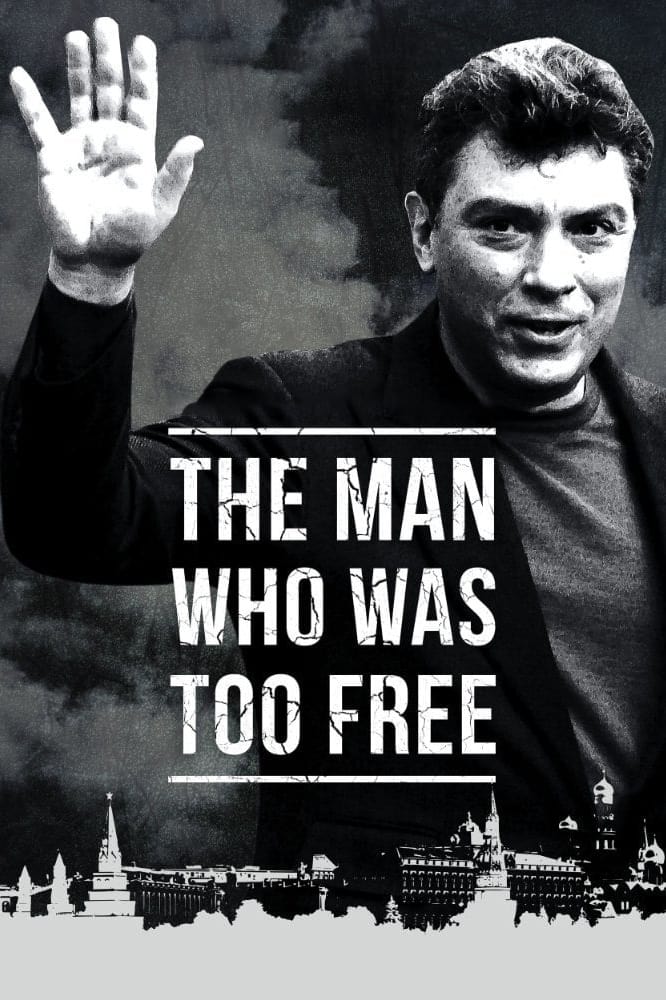
A documentary about Boris Nemtsov, a prominent figure of Russian political opposition and an outspoken critic of Vladimir Putin. Nemtsov was murdered in Moscow in February of 2015.
Recently released top secret files from the early 2000's expose the lies told to the American people by senior US government in this PBS documentary, which outlines the real creators of ISIS.
Review the partisanship that gridlocked Washington and charged the 2016 presidential campaign.
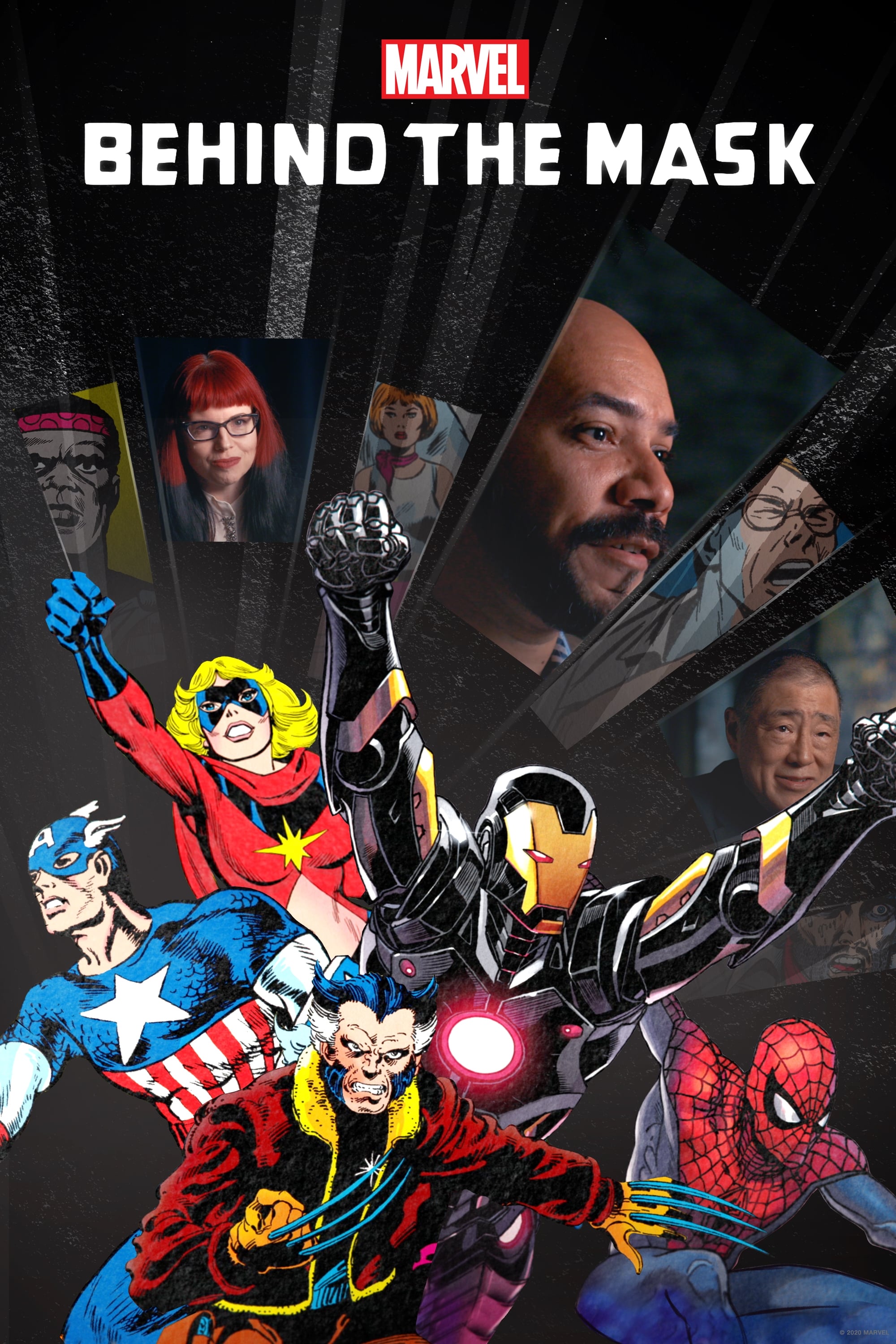
A documentary special that explores the power of identity behind the iconic superheroes we know and love today. These legendary Marvel creations and stories have not only reflected the world outside our window – they have become a reflection of our own identities and who we truly are.
A documentary on the expletive's origin, why it offends some people so deeply, and what can be gained from its use.
An agoraphobic psychologist and a female detective must work together to take down a serial killer who copies serial killers from the past.
We live in a world where the powerful deceive us. We know they lie. They know we know they lie. They do not care. We say we care, but we do nothing, and nothing ever changes. It is normal. Welcome to the post-truth world. How we got to where we are now…
After being denied access to the Church of Scientology's headquarters, documentarian Louis Theroux teams up with ex-Scientology official Marty Rathbun to stage re-enactments of alleged abuses within the organization. Theroux soon discovers that the church is watching his every move.
Those who knew iconic funnyman John Candy best share his story, in their own words, through never-before-seen archival footage, imagery, and interviews.
Al Pacino's deeply-felt rumination on Shakespeare's significance and relevance to the modern world through interviews and an in-depth analysis of "Richard III."
Alex Gibney explores the charged issue of pedophilia in the Catholic Church, following a trail from the first known protest against clerical sexual abuse in the United States and all way to the Vatican.
The story of The Satanic Temple, a controversial movement that combines religion and activism with the apparent purpose of questioning the basic foundations of US society.
Faced with the challenging behaviour of their kids, more and more parents in America are turning to psychoactive medication to help them cope, even though the drugs, and sometimes the diagnoses, remain controversial. Louis travels to one of America's leading children's psychiatric treatment centres, in Pittsburgh, Pennsylvania, to get to know the diagnosed children and hoping to understand what drives parents to put their kids on drugs.
Vice detective Bob Hightower finds his ex-wife murdered and daughter kidnapped by a cult. Frustrated by the botched official investigations, he quits the force and infiltrates the cult to hunt down the leader with the help of the cult’s only female victim escapee, Case Hardin.
The life and career of one of comedy's most inimitable modern voices, Mr. Gilbert Gottfried.
In a hypercompetitive world, drugs like Adderall offer students, athletes, coders and others a way to do more -- faster and better. But at what cost?
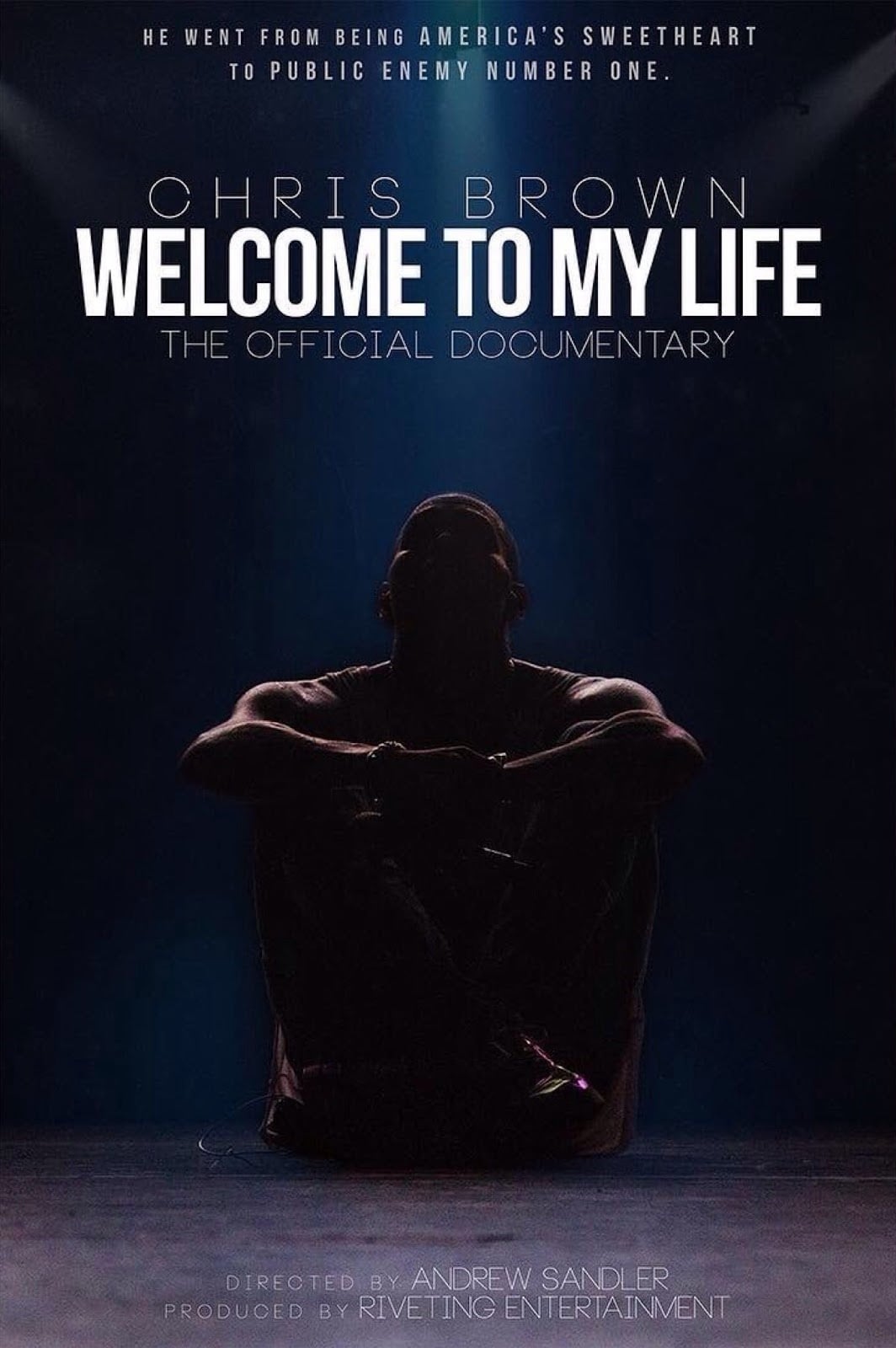
This compelling Documentary moves beyond the spotlight and past the attention-grabbing headlines to give pop superstar Chris Brown a chance to tell his own story. New interviews with the international phenomenon reveal long-awaited answers about his passion for making music, his tumultuous and much publicized relationships, and the pitfalls of coming of age in the public eye. Also included is new concert footage, behind-the-scenes access, and special interviews from Usher, Jennifer Lopez, DJ Khaled, Mike Tyson, Jamie Foxx and others.
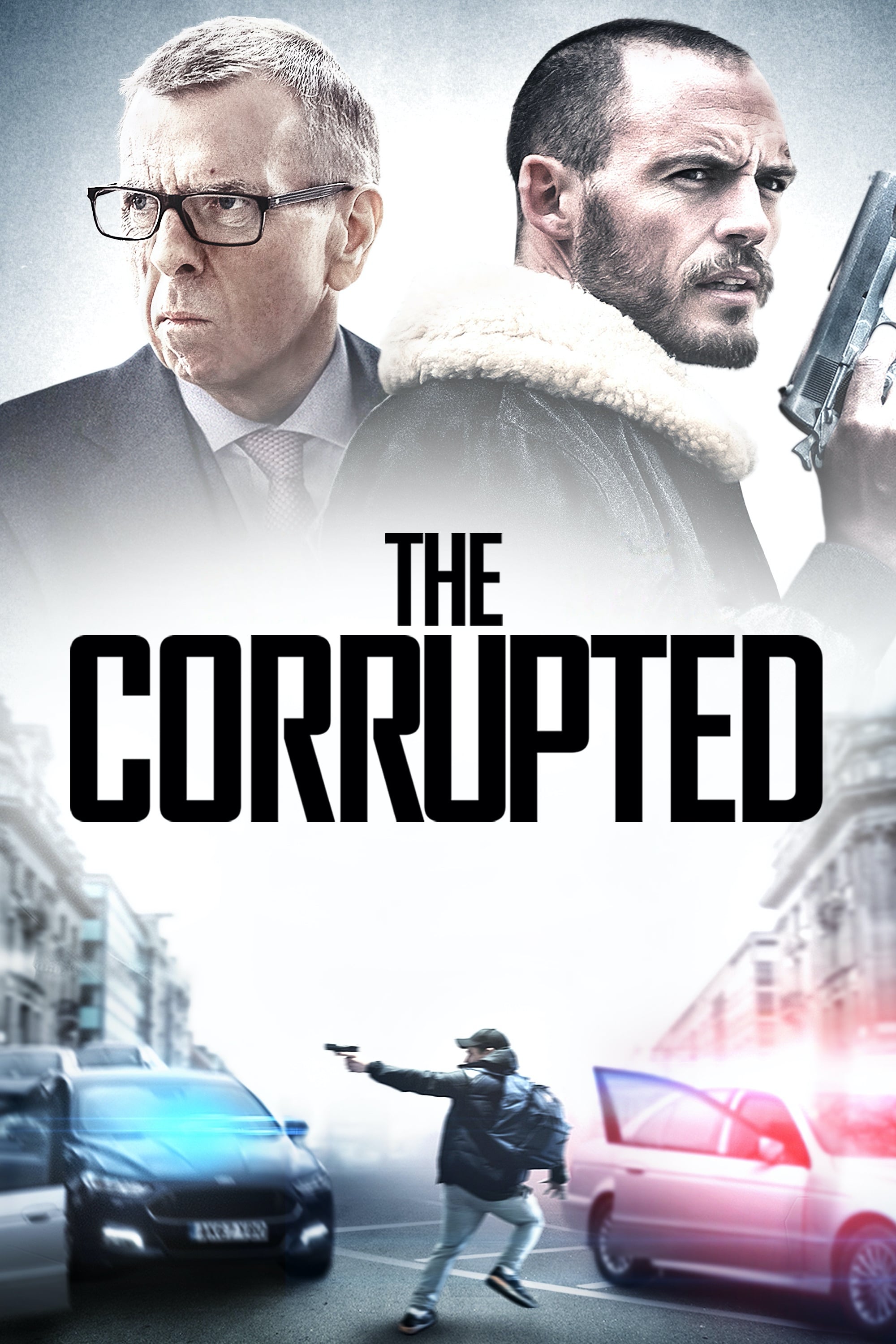
Set ahead of the 2012 London Olympics, the film follows Liam, an ex-con trying to win back the love and trust of his family. He has lost everything at the hands of a local crime syndicate run by Clifford Cullen, who has high-level connections in politics, finance and the police force. Liam's drive for redemption sees him caught up in a web of conspiracy, crime, and corruption.
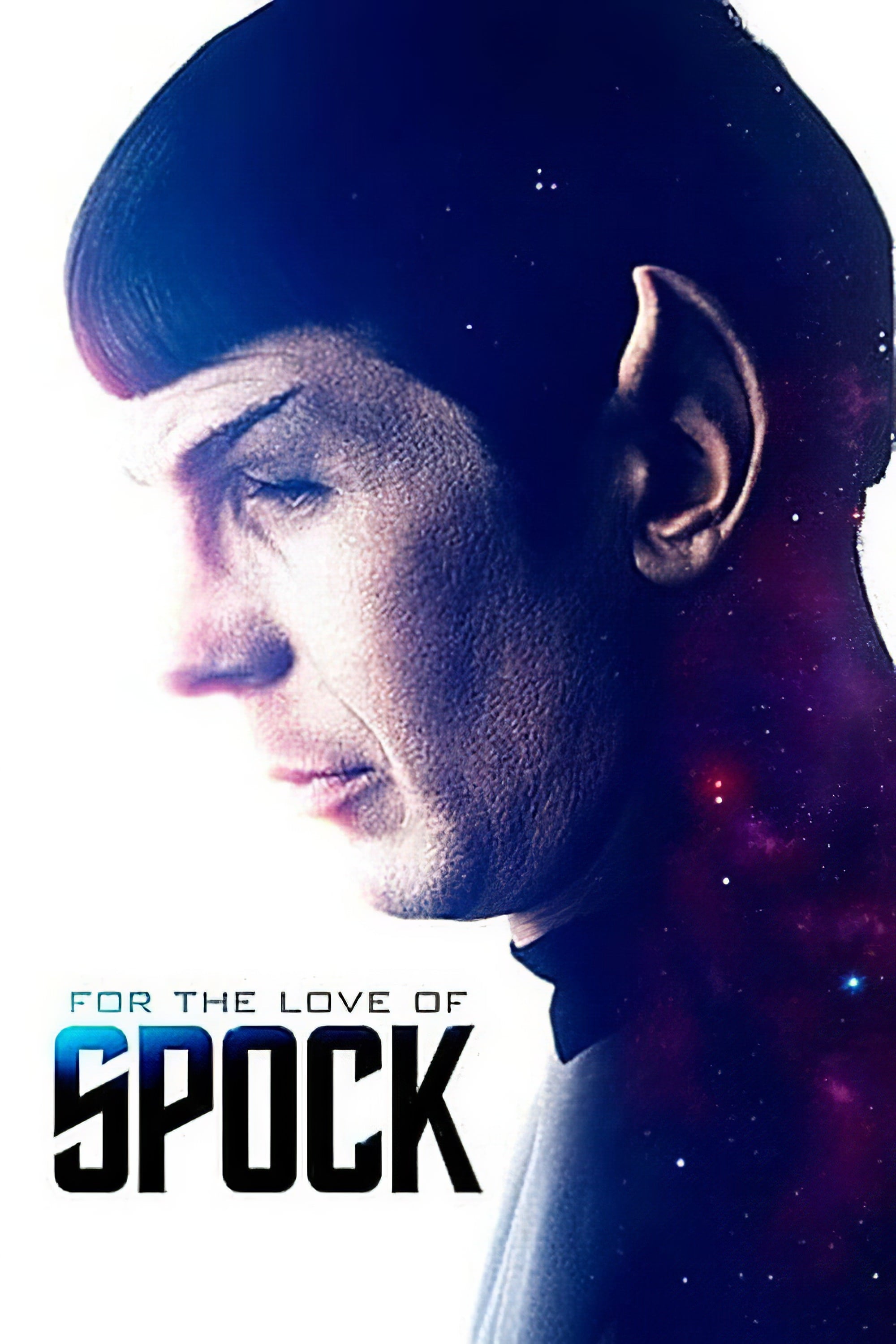
The life of Mr. Spock, as well as that of Leonard Nimoy, the actor who played him for almost fifty years, written and directed by his son: Adam.
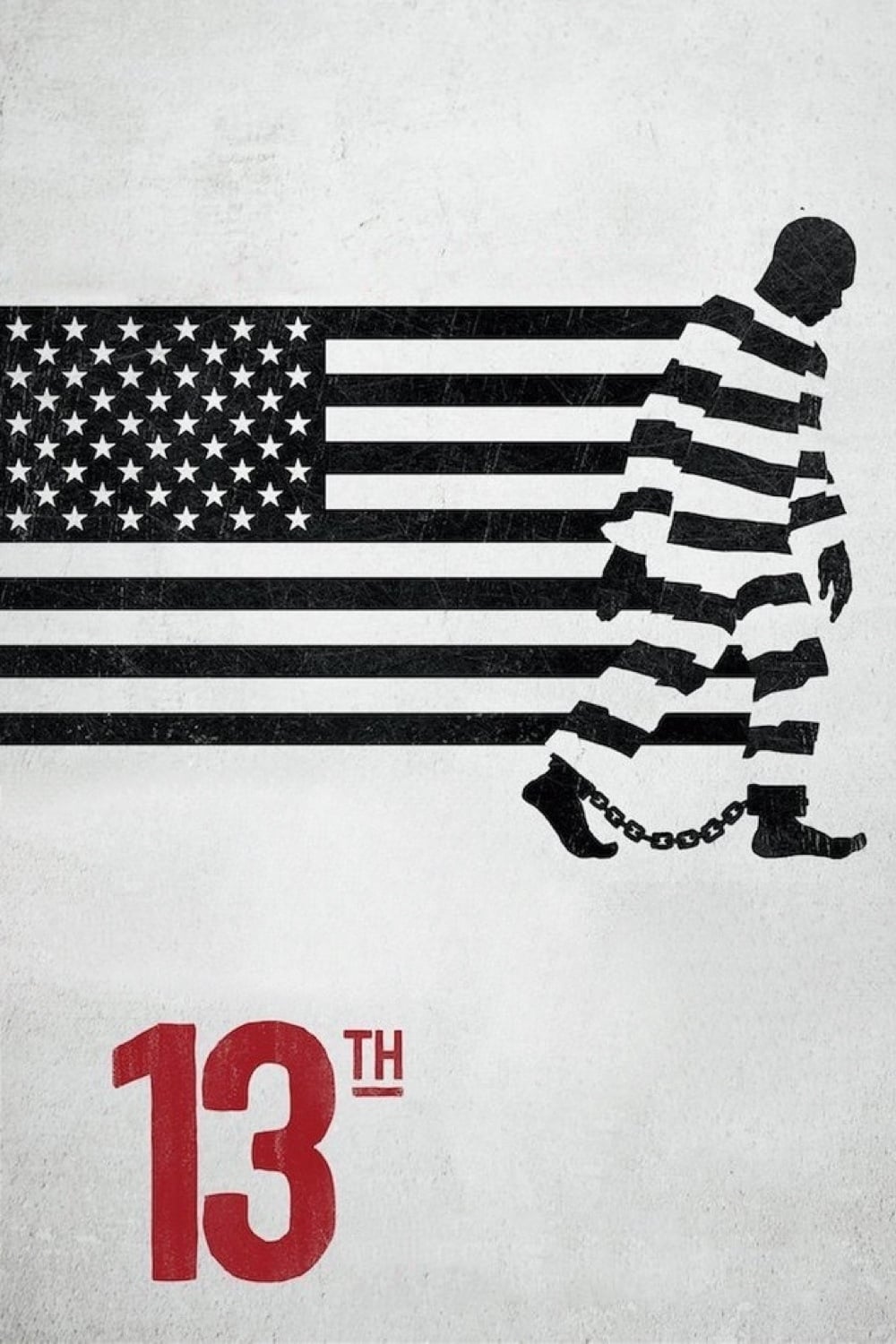
An in-depth look at the prison system in the United States and how it reveals the nation's history of racial inequality.
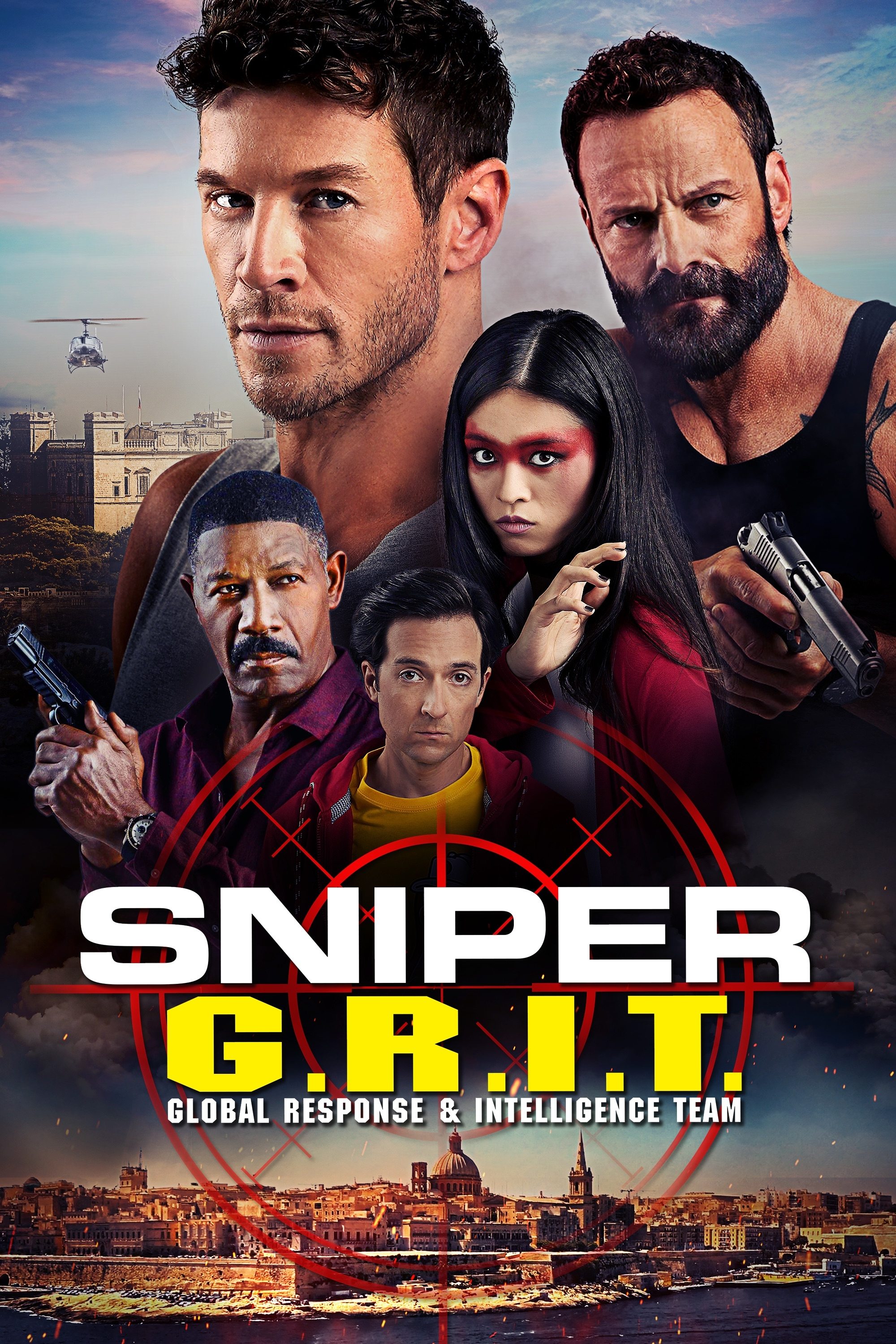
When an international terrorist cult threatens global political stability and kidnaps a fellow agent, Ace Sniper Brandon Beckett and the newly-formed Global Response & Intelligence Team – or G.R.I.T. – led by Colonel Stone must travel across the world to Malta, infiltrate the cult, and take out its leader to free Lady Death and stop the global threat.
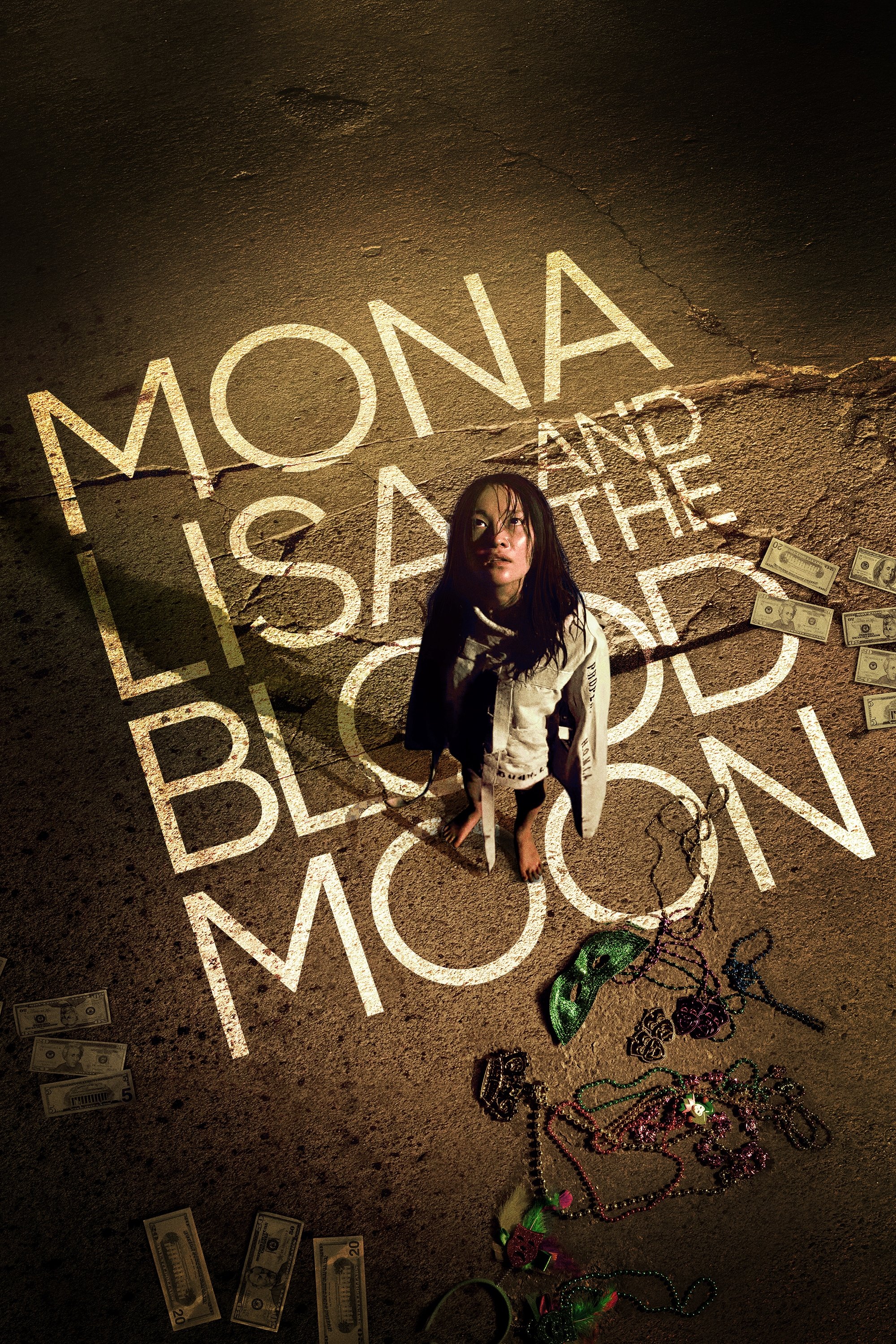
A young woman with psychokinetic powers breaks out of a Louisiana asylum and makes her way to New Orleans, where she falls into the city’s netherworld of misfits and miscreants.
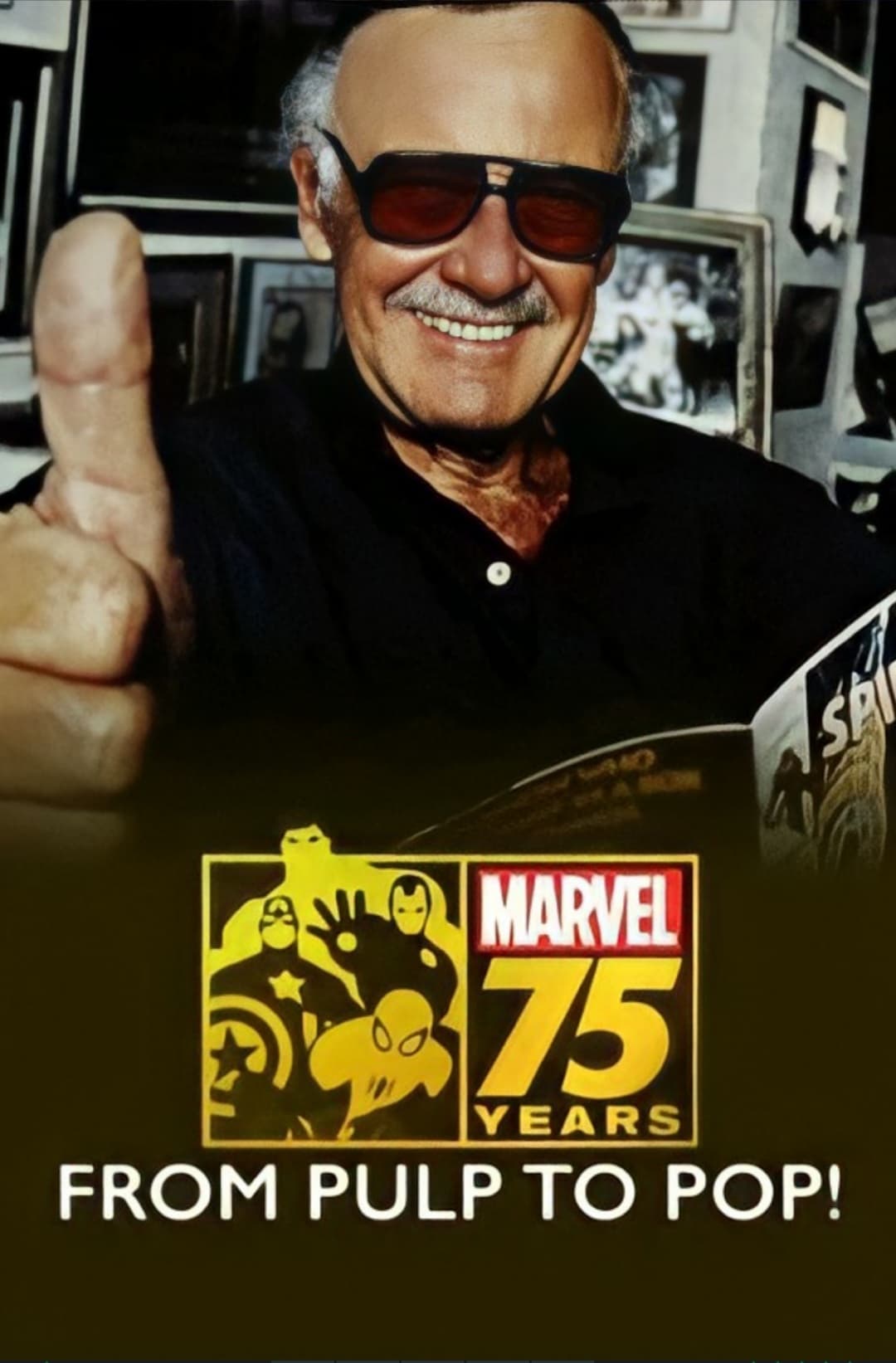
In celebration of the publisher's 75th anniversary, the hour-long special will take a detailed look at the company's journey from fledgling comics publisher to multi-media juggernaut. Hosted by Emily VanCamp (S.H.I.E.L.D. Agent Sharon Carter), the documentary-style feature will include interviews with comic book icons, pop culture authorities, and Hollywood stars. The special also promises an "extraordinary peek into Marvel's future!" Might Marvel release the first official footage from next year's Avengers: Age of Ultron or Ant-Man? If they do, you'll know about it here.