Social & External
The people behind it
Joan Celma
George Orwell (voice)
Mónica Coronado
Self
Joan Gaspart
Nazario
Lluís Permanyer
Self - Host
Ventura Pons
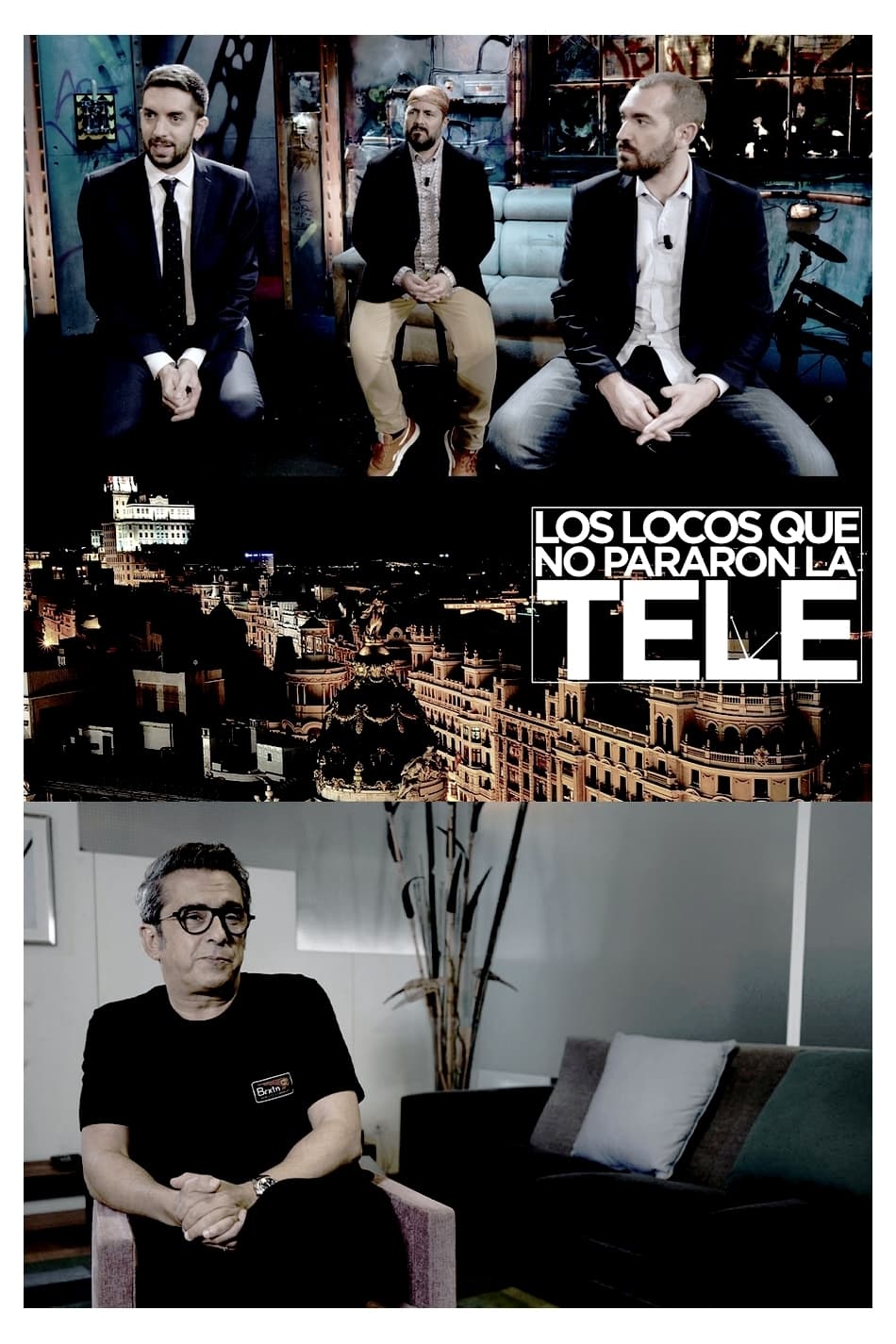
The famous Spanish comedian Andreu Buenafuente, CEO of the production company El Terrat and prestigious TV host, tells how he and his numerous collaborators, both on set and behind the cameras, managed to carry on with their work despite the chaos and the several logistical and human problems caused by the global pandemic that began in early 2020.
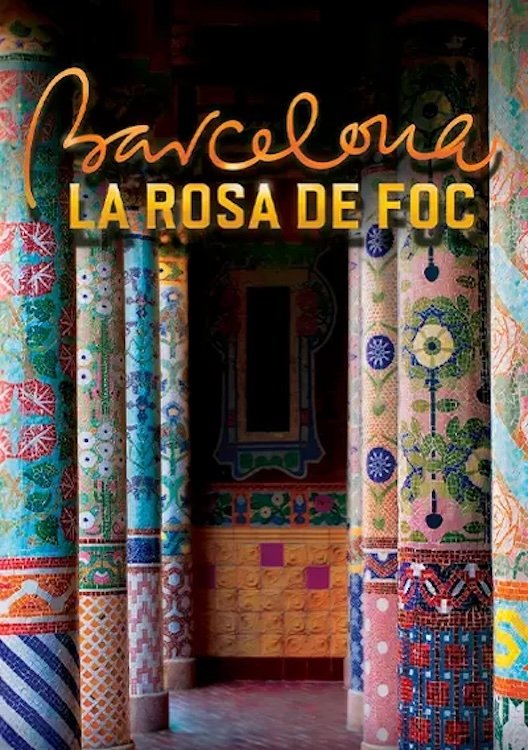
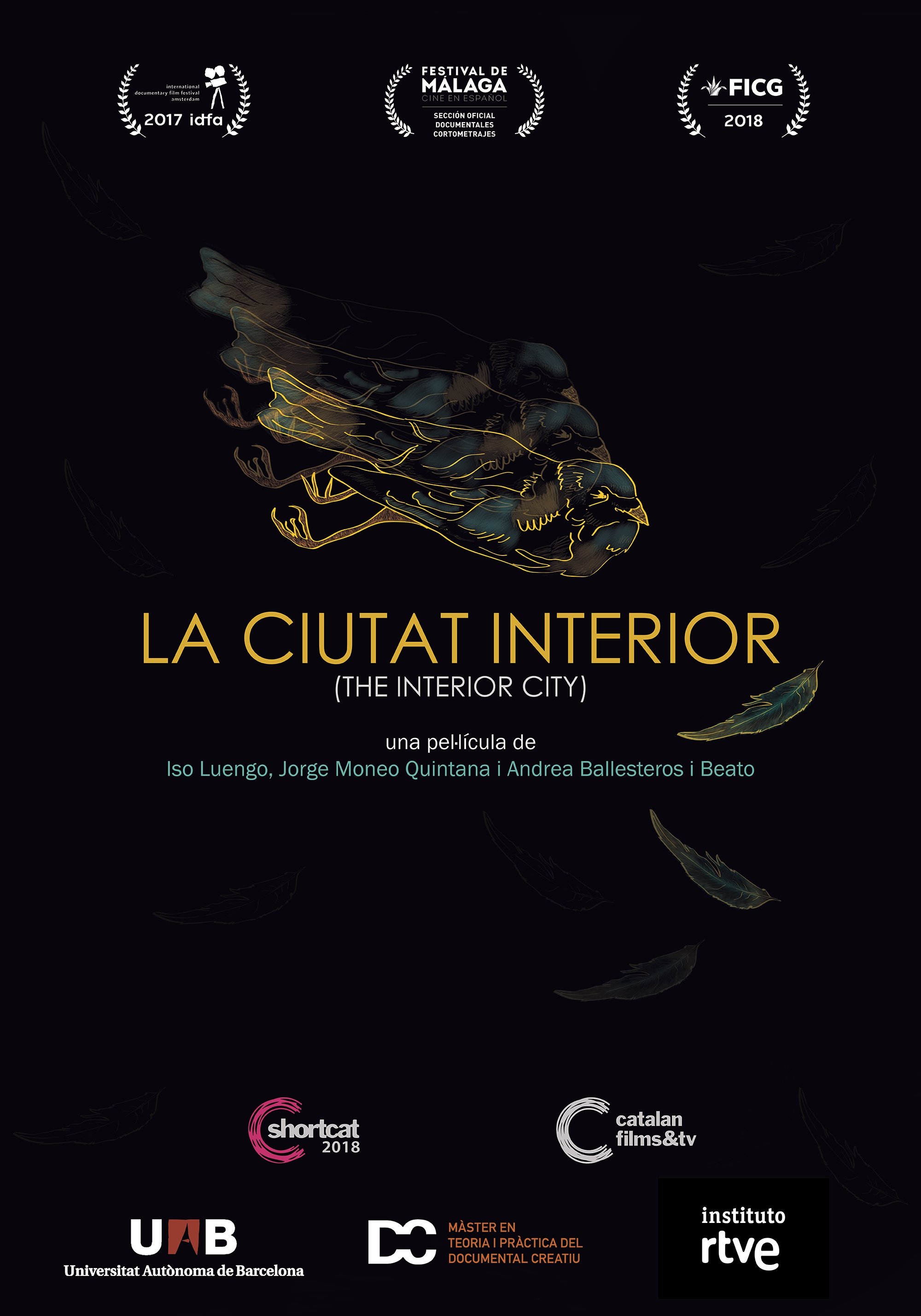
The many faces of Barcelona are portrayed in this documentary, shot in a false sequence shot that goes across the streets, squares, markets and bars of a city that is presented as both conventional and law-breaking, exquisit and shameless, elegant and dispossessed.
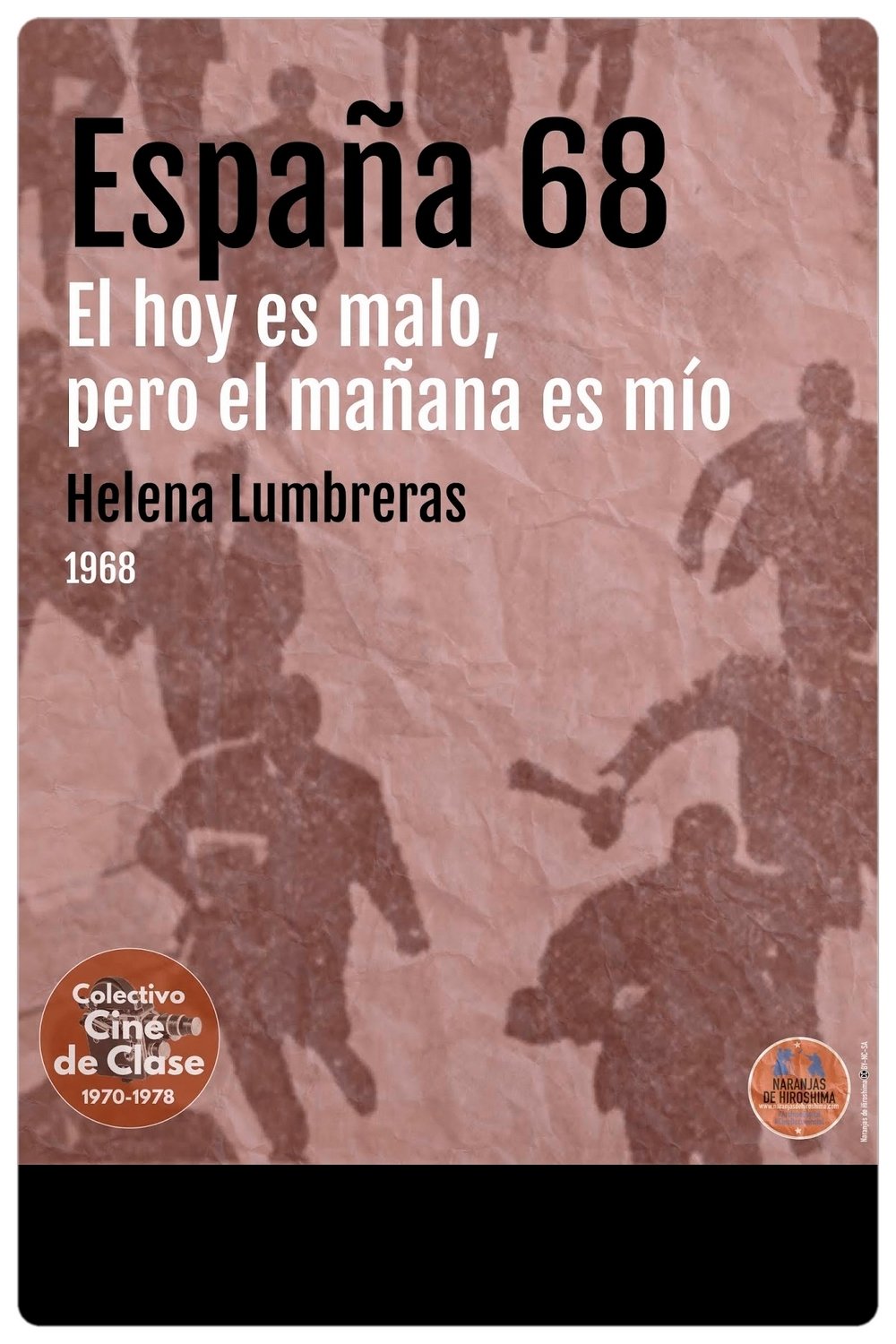
Spain, 1968. An analysis of the political and social situation of the country, suffocated by the boot of General Franco's tyrannical regime. (Filmed clandestinely in Madrid and Barcelona during the spring of 1968.)
Maria, the last member of a good provincial family of long tradition, wants to live the atmosphere of these musical groups that proliferate all over the world. He meets Ricardo, a former partner in the advertising world, who has self-marginalized because he got to the point where he felt disgusted by this false world. Maria tries to leave him, but has just integrated into this chaotic environment.
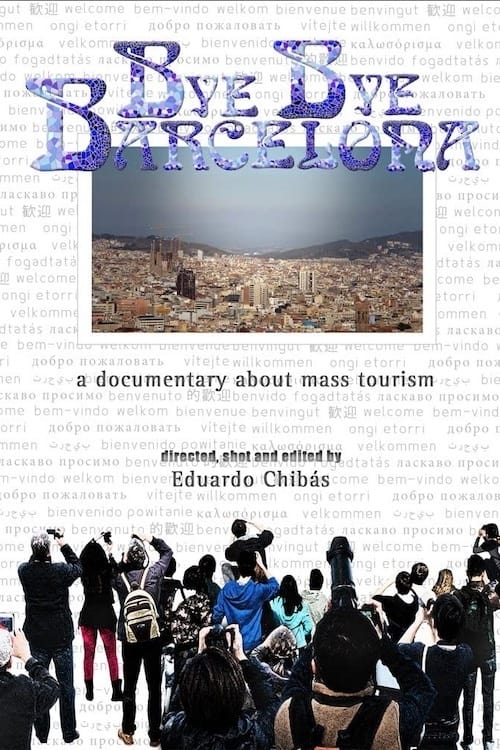
Bye Bye Barcelona is a documentary about a city and its relation to tourism , on the difficult coexistence between Barcelona the city and Barcelona the tourist destination
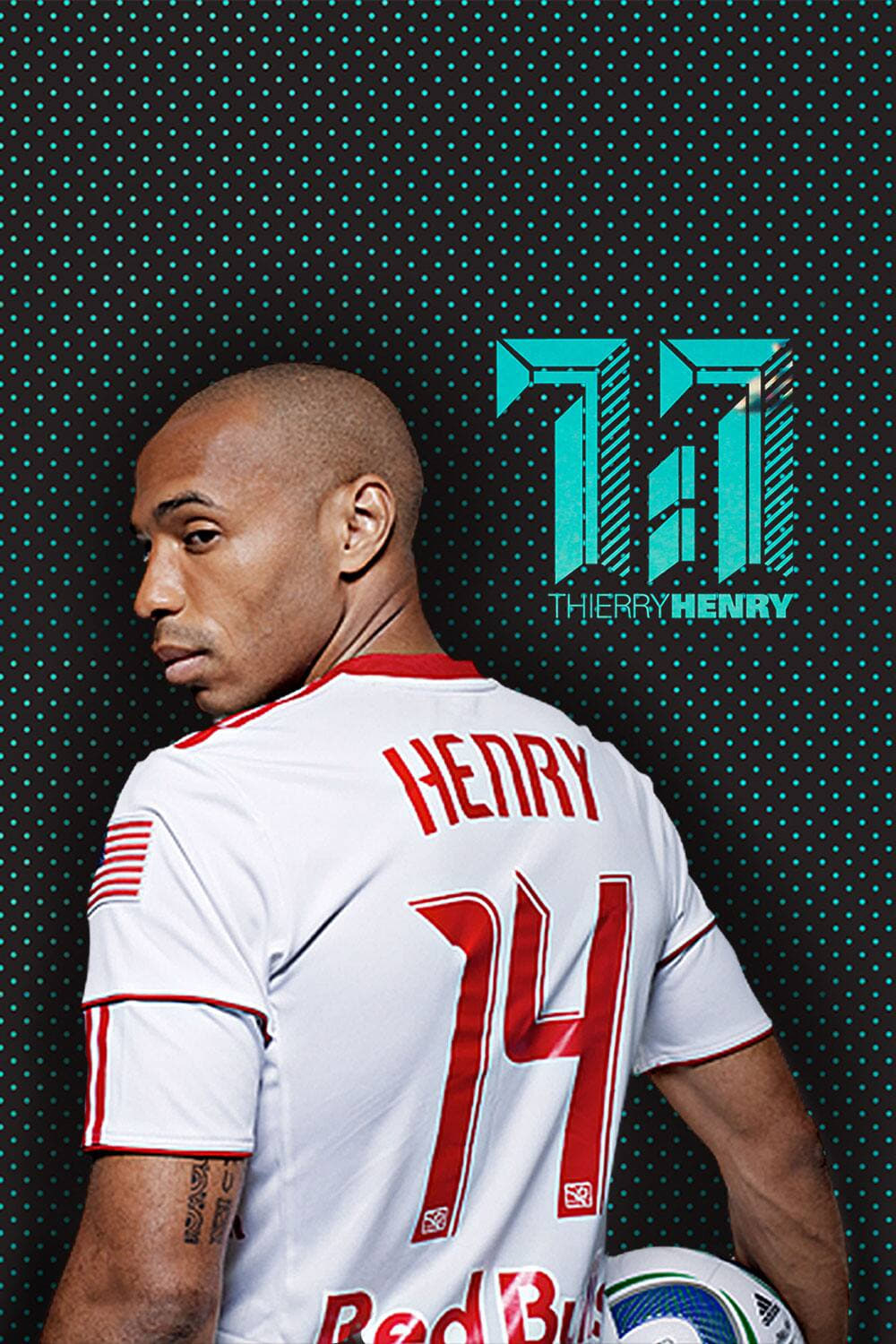
Global soccer hero Thierry Henry stars in this up-close sports documentary that covers his 2010 move from Barcelona to the New York Red Bulls.
A humorous observation in Barcelona’s immigrant neighbourhood El Raval. Four barber shops, four places of remembrance, strange time and space capsules inhabited by people who left their home to find a better one, while the Spaniards are about to leave their own country themselves.
The history of Bruguera, the most important comic publisher in Spain between the 1940s and the 1980s. How the characters created by great writers and pencilers became Spanish archetypes and how their strips persist nowadays as a portrait of Spain and its people. The daily life of the creators and the founding family, the Brugueras. The world in which hundreds of vivid colorful paper beings lived and still live, in the memory of millions, in the smile of everyone.
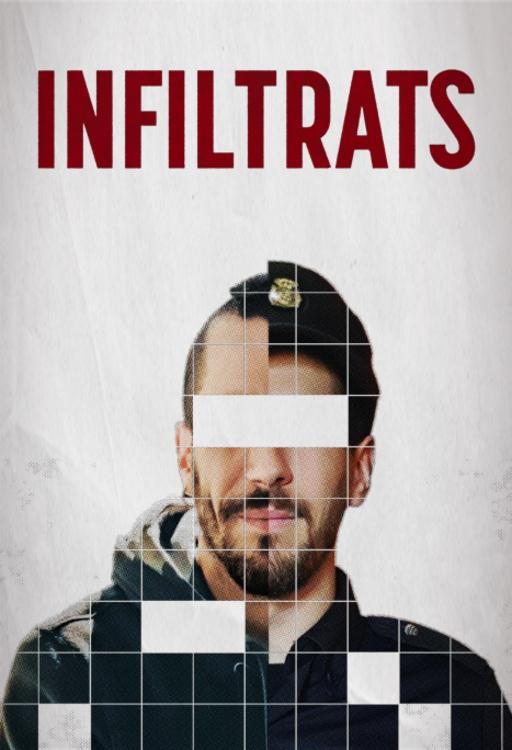
At the beginning of 2020 and for more than two years, at least four agents of the National Police Corps infiltrated various social movements in the Catalan Countries. They are part of the 33rd promotion of the Ávila Police School and act under the orders of the General Information Police Station. The documentary exposes the modus operandi and patterns of the police officers and reveals some of the mistakes that were key to discovering them.
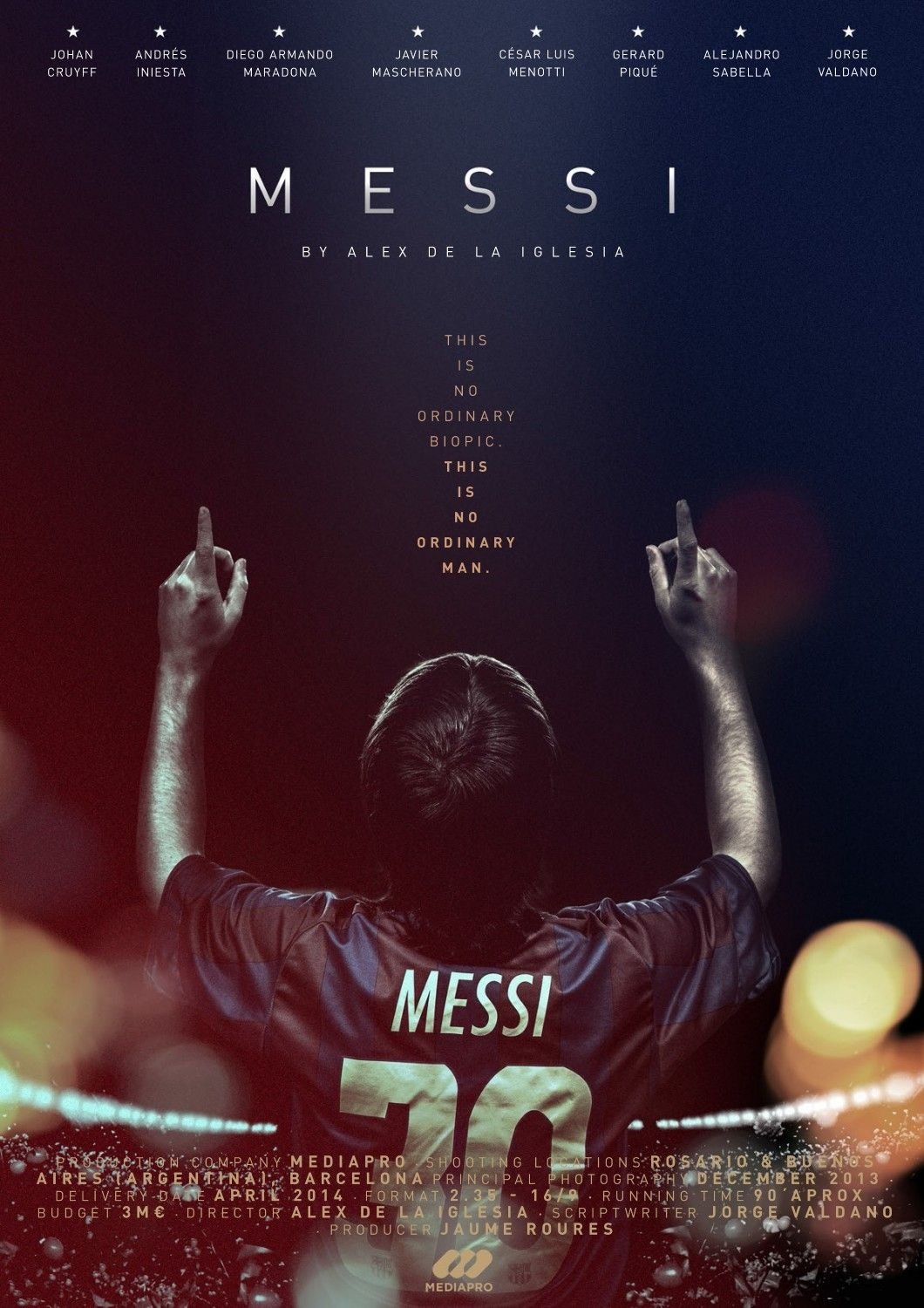
His teachers, coaches, childhood friends and Barça teammates, together with journalists, writers and prominent figures from the history of football, come together in a restaurant to analyze and pick apart Messi's personality both on and off the field, and to look back at some of the most significant moments in his life. Viewed from Álex de la Iglesia's unique perspective, Messi recreates the player's childhood and teenage years, from his very first steps, with a football always at his feet, through to the decision to leave Rosario for Barcelona, the separation from his family, and the role played in his career by individuals such as Ronaldinho, Rijkaard, Rexach and Guardiola.
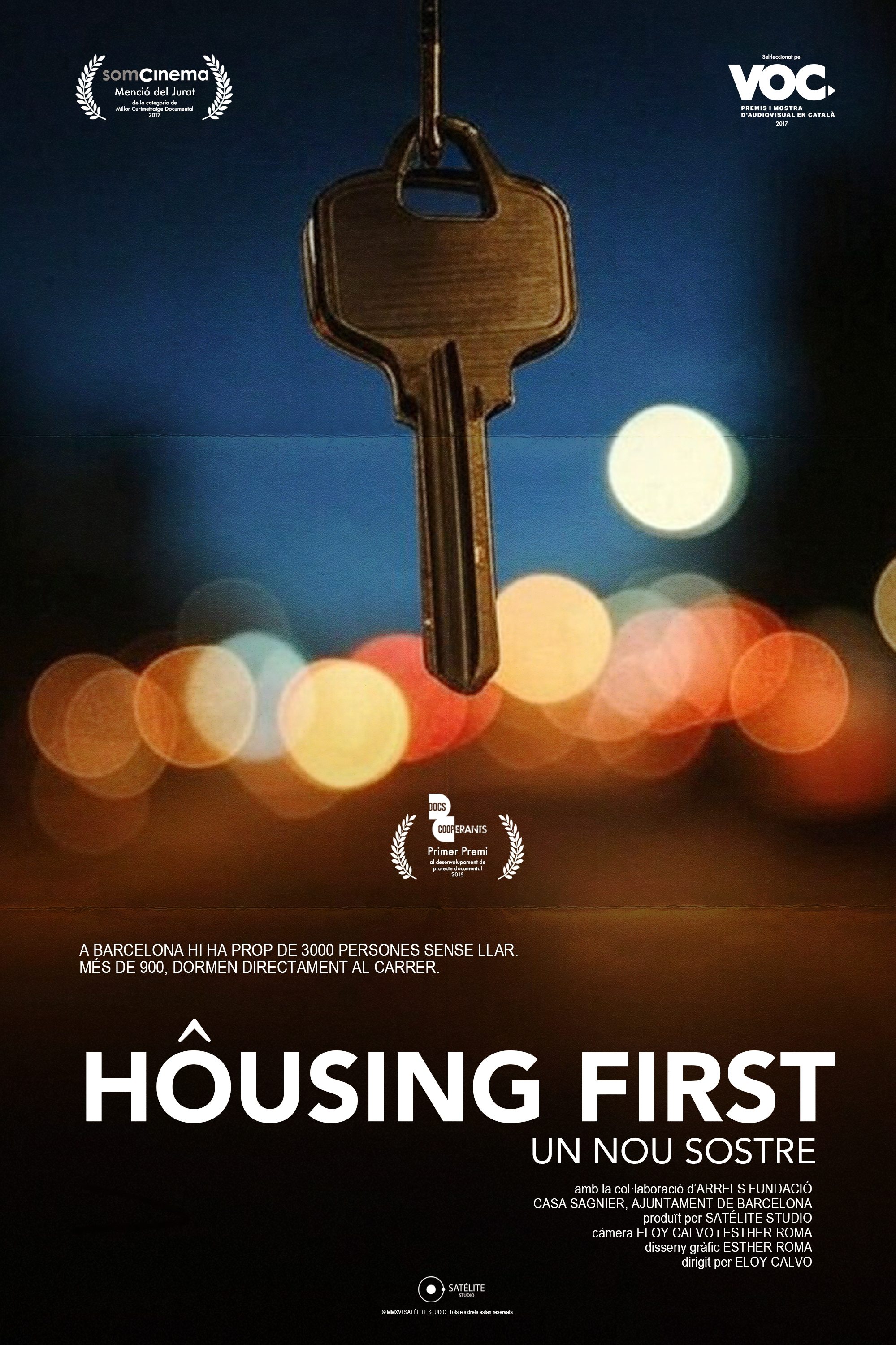
Arrels Fundació's experience with housing first in the city of Barcelona, a policy that offers permanent housing to homeless people. The documentary features both professionals and volunteers from Arrels, as well as people like Lluís, Pedro, or Manuel, who already have their own homes.
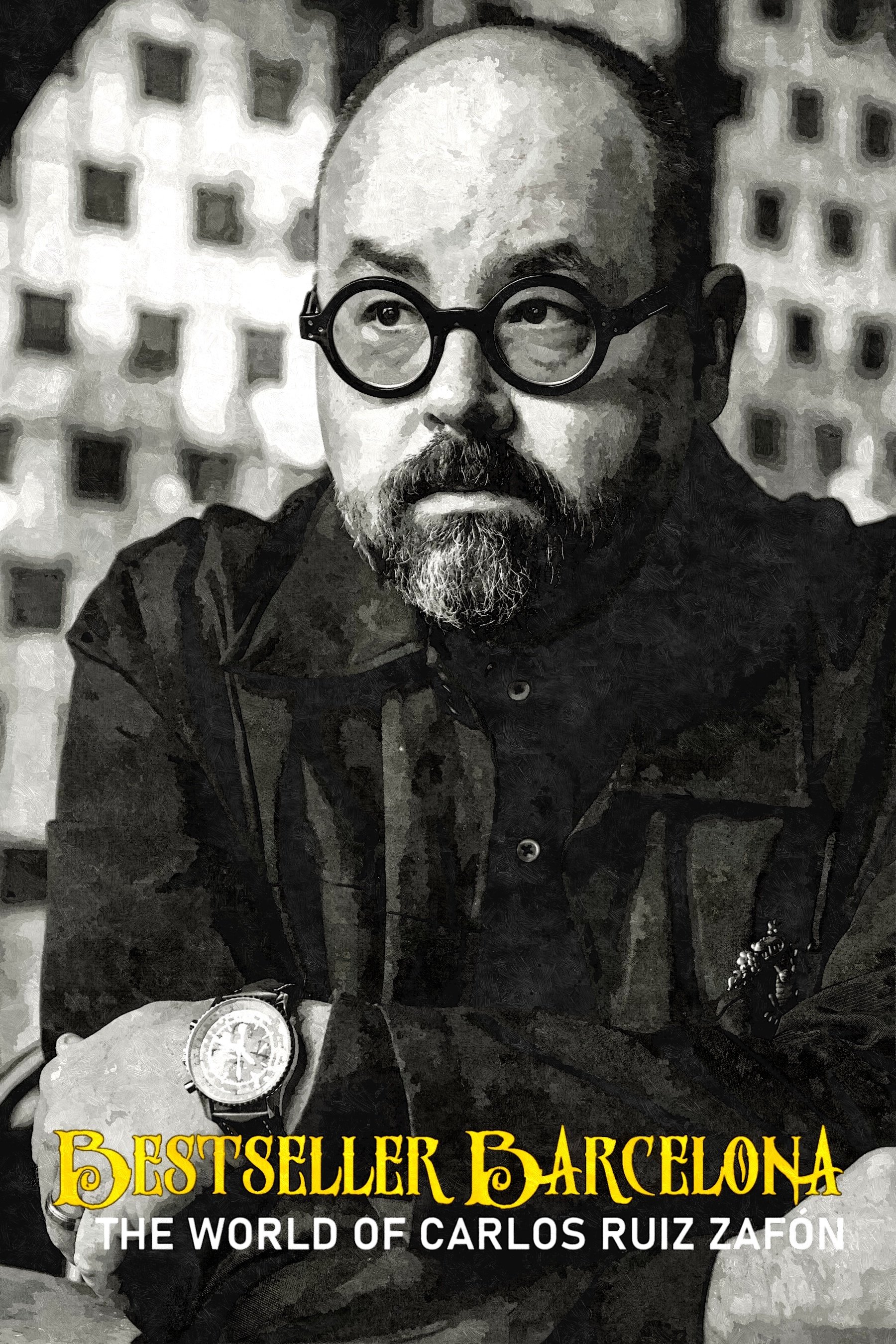
A journey through the fantastic and mysterious Barcelona that the Spanish writer Carlos Ruiz Zafón (1964-2020) loved so much, the city of myth and legend, the city that was before it became one of the main European tourist destinations.
Can the workplace be a space for lucubration, meditation or affection? Doormen and porters work in transit areas while remaining vigilant and solicitous. Confined during their working day in these spaces, they will share their confessions with us.
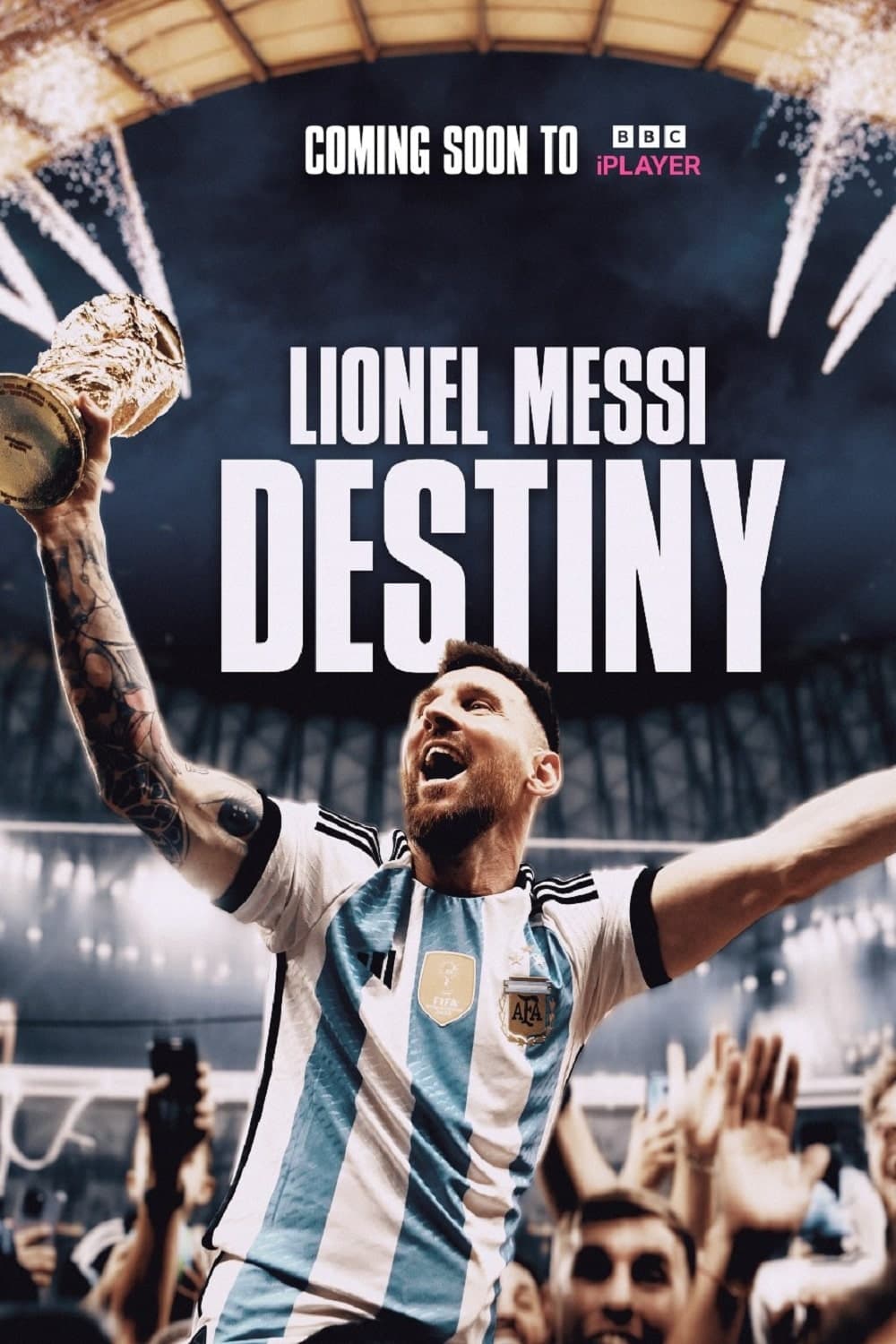
Behind-the-scenes documentary about how Lionel Messi succeeded in lifting the World Cup – the only trophy to have eluded him in an incredible career.
Amber Heard and Nicole Kidman discuss their characters Mera and Atlanna.
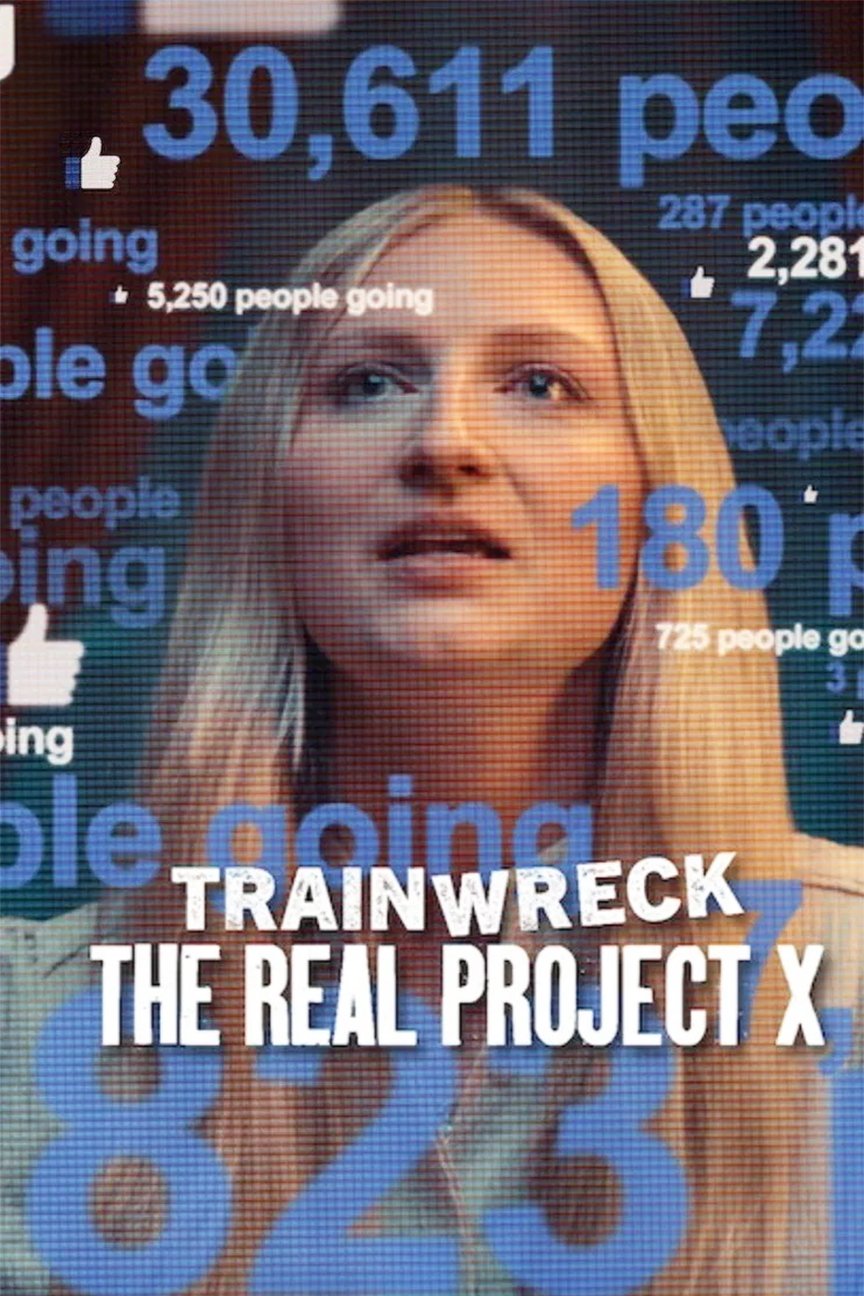
A night of drunken chaos rocks a quiet Dutch town in this shocking documentary about a teen's birthday invite that accidentally went viral on Facebook.
An inside look at one of the most anticipated movie sequels ever with James Cameron and cast.
Al Pacino's deeply-felt rumination on Shakespeare's significance and relevance to the modern world through interviews and an in-depth analysis of "Richard III."
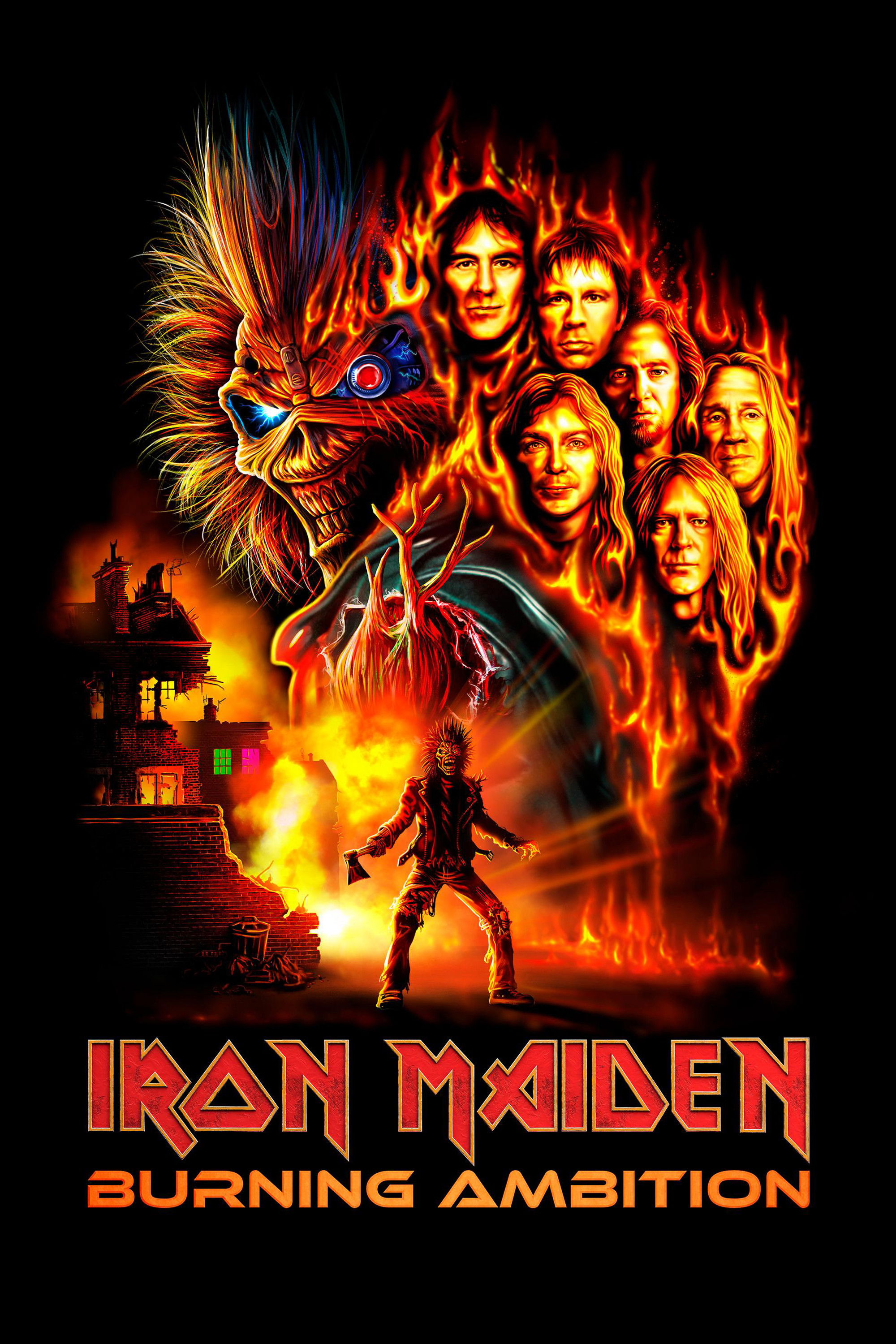
With unprecedented access to the official archives and intimate recollections from the band, both current and past, Iron Maiden: Burning Ambition invites fans to experience one of the most iconic journeys in music history. Spanning five decades, this electrifying documentary charts the band’s rise from the pubs of East London to the world’s biggest stadiums. Featuring exclusive interviews with band members and contributors such as Javier Bardem, Lars Ulrich and Chuck D, as well as all-new animated sequences of the band's legendary mascot, Eddie, the film offers a rare and intimate look at Iron Maiden’s uncompromising vision and unwavering connection with their truly global army of fans.
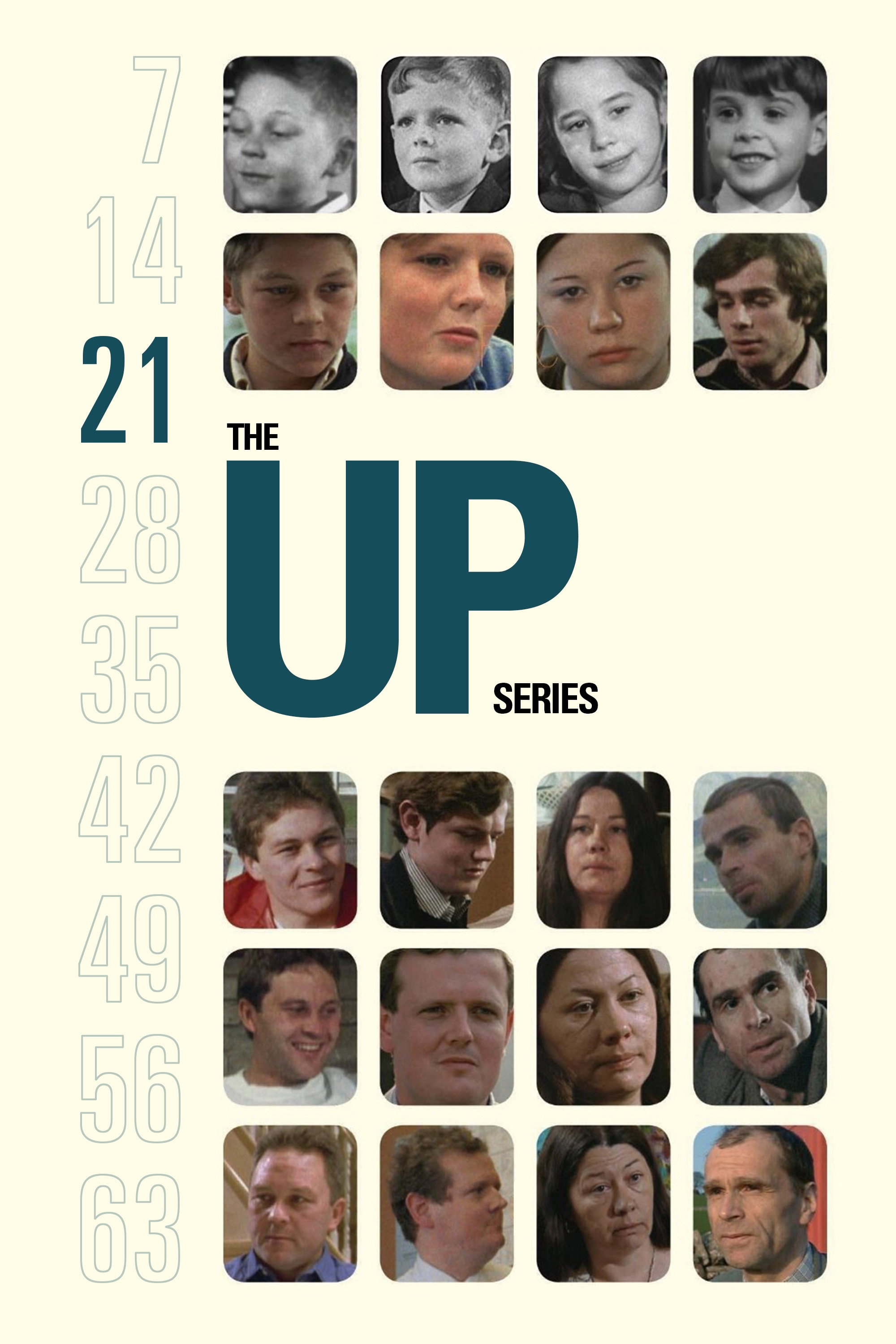
After another 7 year wait, director Michael Apted revisits the same group of British-born children from Seven Up! and 7 Plus Seven. The subjects are interviewed as to the changes that have occurred in their lives during the last seven years.
Those who knew iconic funnyman John Candy best share his story, in their own words, through never-before-seen archival footage, imagery, and interviews.
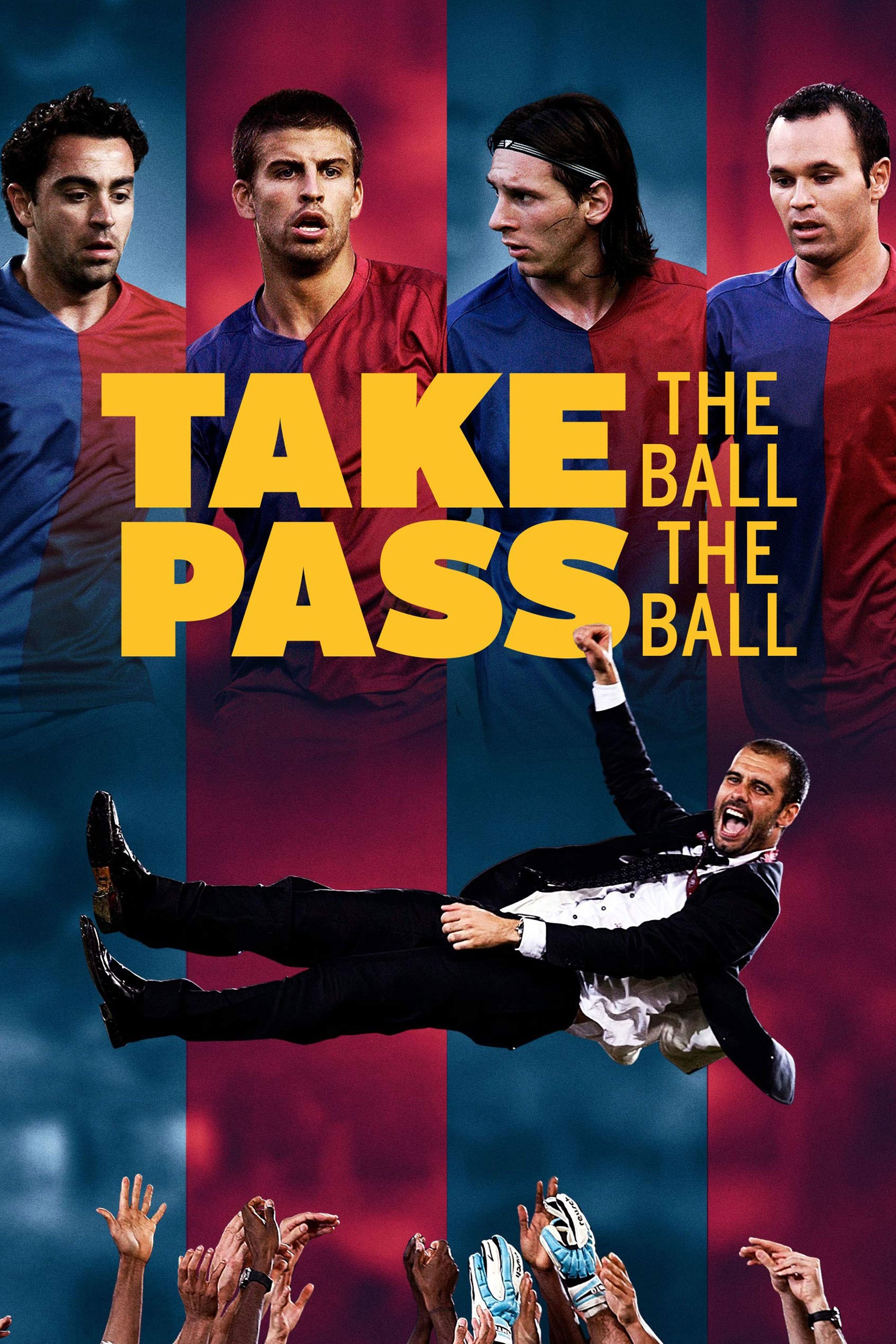
Take the Ball, Pass the Ball is the definitive story of the greatest football team ever assembled. For four explosive years, Pep Guardiola's Barça produced the greatest football in history, seducing fans around the world. In this exclusive, first-hand account of events between 2008 and 2012, the players themselves reveal the tension of the bitter Guardiola-Mourinho rivalry, the emotion of Abidal's fight back from cancer to lift the European Cup and how Messi, the best footballer the world's ever seen, was almost rejected by Barça as a 13-year-old.
SEDUCED AND ABANDONED combines acting legend Alec Baldwin with director James Toback as they lead us on a troublesome and often hilarious journey of raising financing for their next feature film. Moving from director to financier to star actor, the two players provide us with a unique look behind the curtain at the world's biggest and most glamourous film festival, shining a light on the bitter-sweet relationship filmmakers have with Cannes and the film business. Featuring insights from directors Martin Scorsese, 'Bernando Bertolucci' and Roman Polanski; actors Ryan Gosling and Jessica Chastain and a host of film distribution luminaries.
Vulgar, taunting texts blow up the phones of a teen and her boyfriend. Who's sending them — and why? This twisty documentary reveals the shocking answer.
Director Michael Apted revisits the same group of British-born adults after a 7 year wait. The subjects are interviewed as to the changes that have occurred in their lives during the last seven years.
Through deeply personal interviews with her siblings and an examination of the photographs, letters, and belongings left behind, Mariska assembles a new portrait of her mother Jayne Mansfield, an extraordinary and complex woman.
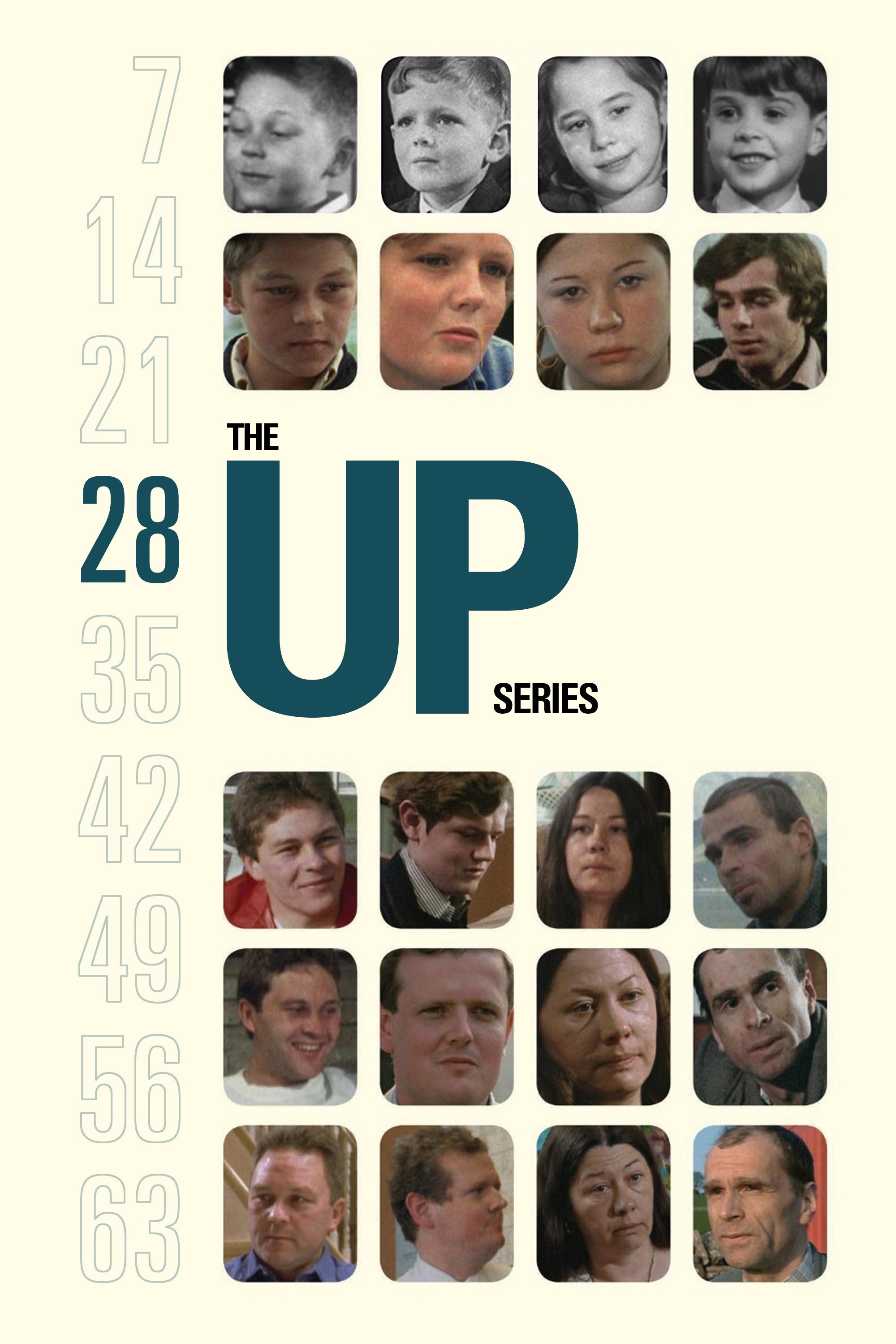
Just two years away from turning 30, participants in Michael Apted's documentary series are facing serious questions of identity and purpose, wondering whether they've found their place in the world.
Daniel Craig candidly reflects on his 15 year adventure as James Bond. Including never-before-seen archival footage from Casino Royale to the upcoming 25th film No Time To Die, Craig shares his personal memories in conversation with 007 producers, Michael G Wilson and Barbara Broccoli.
A documentary about the life and films of director John Ford.
This revealing documentary honors the legendary Sidney Poitier—iconic actor, filmmaker, and civil rights activist. Featuring interviews with Denzel Washington, Spike Lee, Halle Berry, and more.
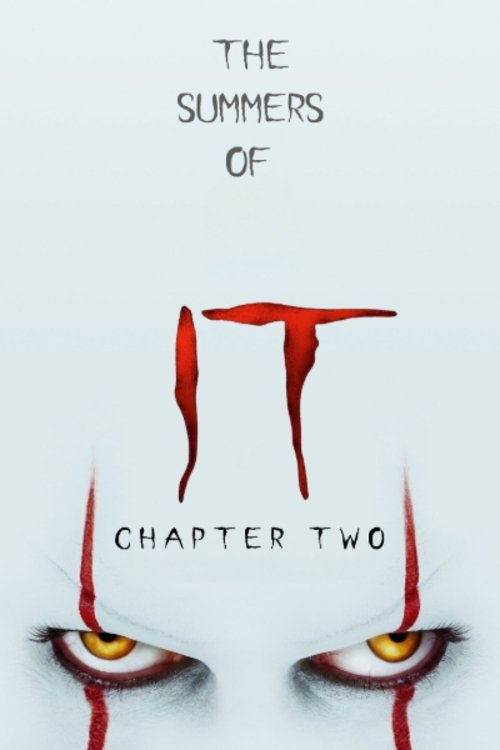
This documentary focuses on the actors and their journey over two summers to create the remake to the original IT, by Stephen King. The documentary originally released as bonus material, bundled with IT: Chapter Two.
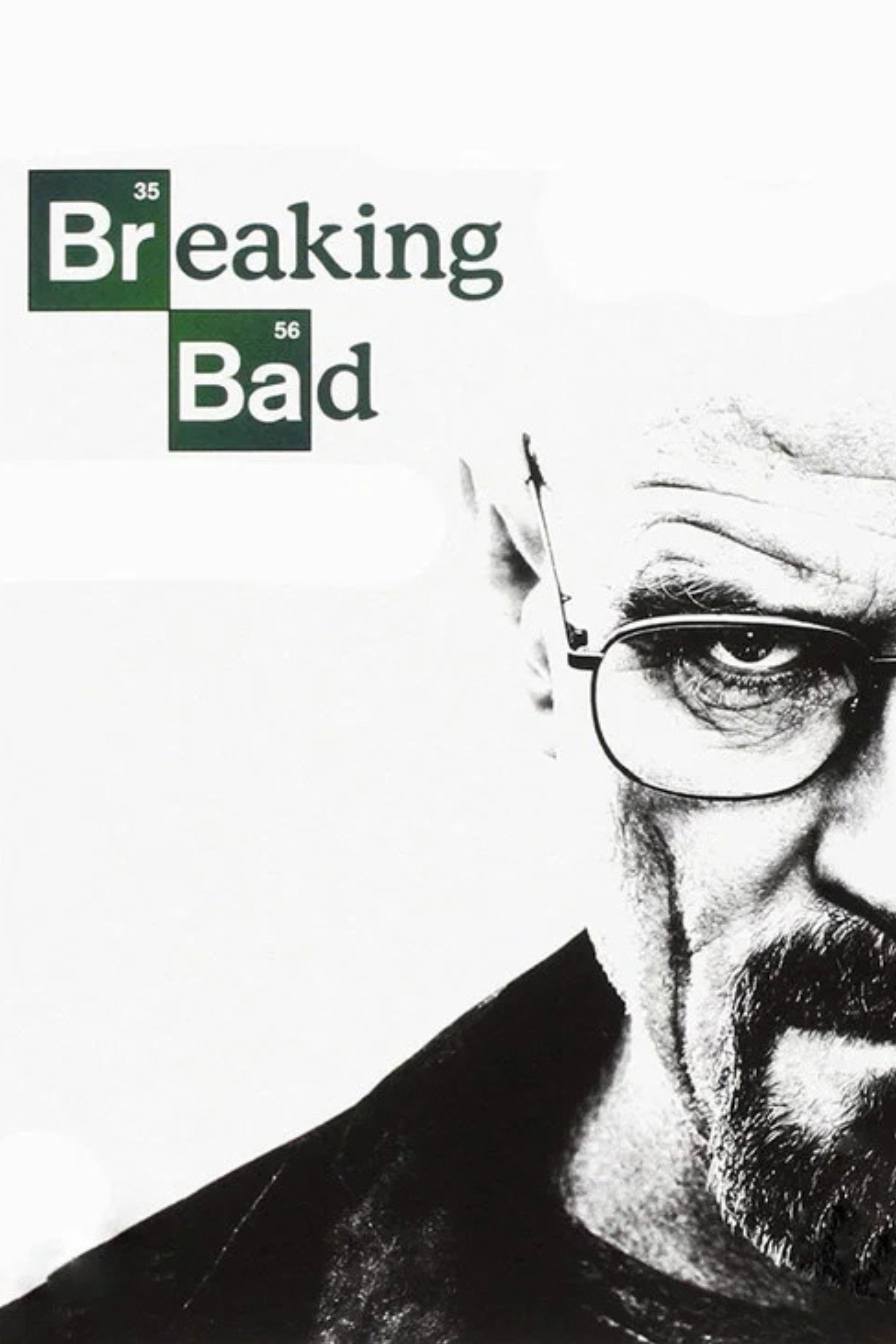
A documentary about the making of season five of the acclaimed AMC series Breaking Bad.
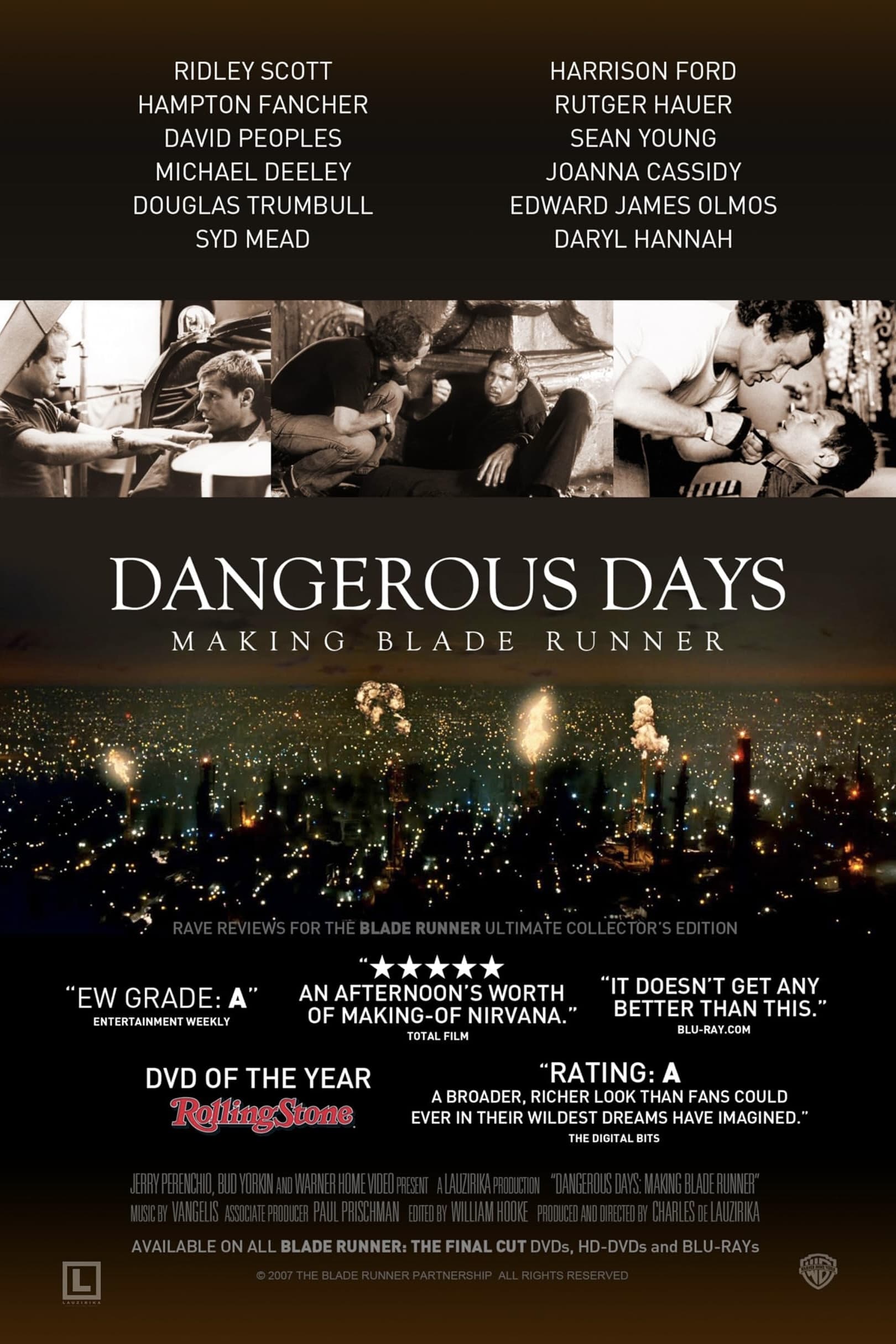
The definitive 3½-hour documentary about the troubled creation and enduring legacy of the science fiction classic 'Blade Runner', culled from 80 interviews and hours of never-before-seen outtakes and lost footage.