Social & External
The people behind it
An experimental and iconoclastic journey through the Spanish Holy Week in the late sixties.
Documentary about the excavation of Ancient Sardis.
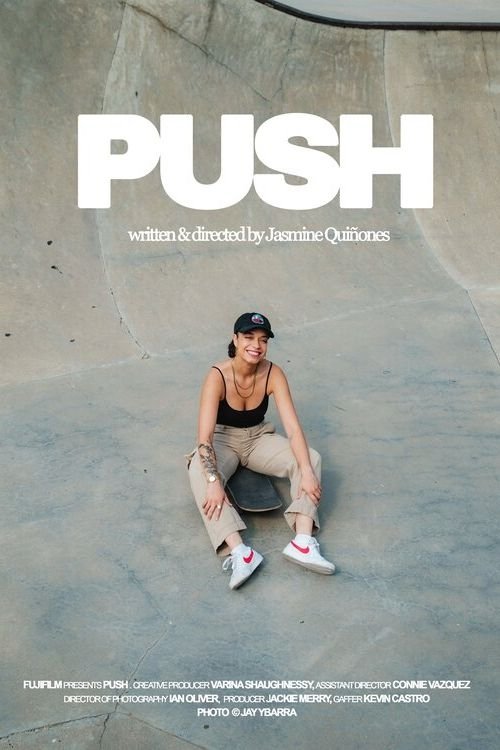
“Push,” is a story of self-discovery, found in the simple joys of skateboarding. This film explores ideas of identity and quickly becomes an anthem for the inner strength that can be found in finding a community.
Documentary about the life of the indigenous people in the Andes and in the slums of Lima, and of their religiosity.
Documentary about the history of male impersonation.
The first film made by Markopoulos after moving to Europe, Bliss was shot over the course of two days using only available light to create a lyrical study of the interior of the Church of St. John on the island of Hydra.
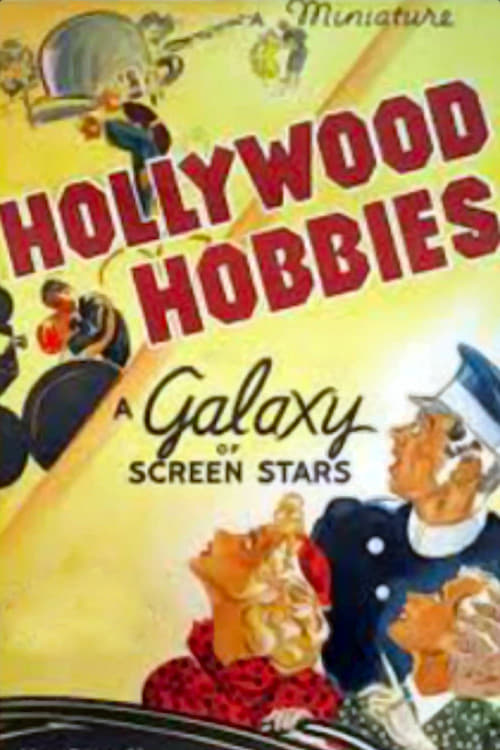
In this short film, two starstruck movie fans hire a tour guide and see a plethora of Hollywood stars.
The Junk King (Vince Hannemann) gives valuable insight regarding his art and the Cathedral of Junk in Austin, TX.
An accurate depiction of the basic tenets of northern Mahayana Buddhism, cast into living or "experiential" form, consistent with powerful mantras heard on the soundtrack of the film. Tarthang Tulku, a Tibetan Lama, was the advisor.
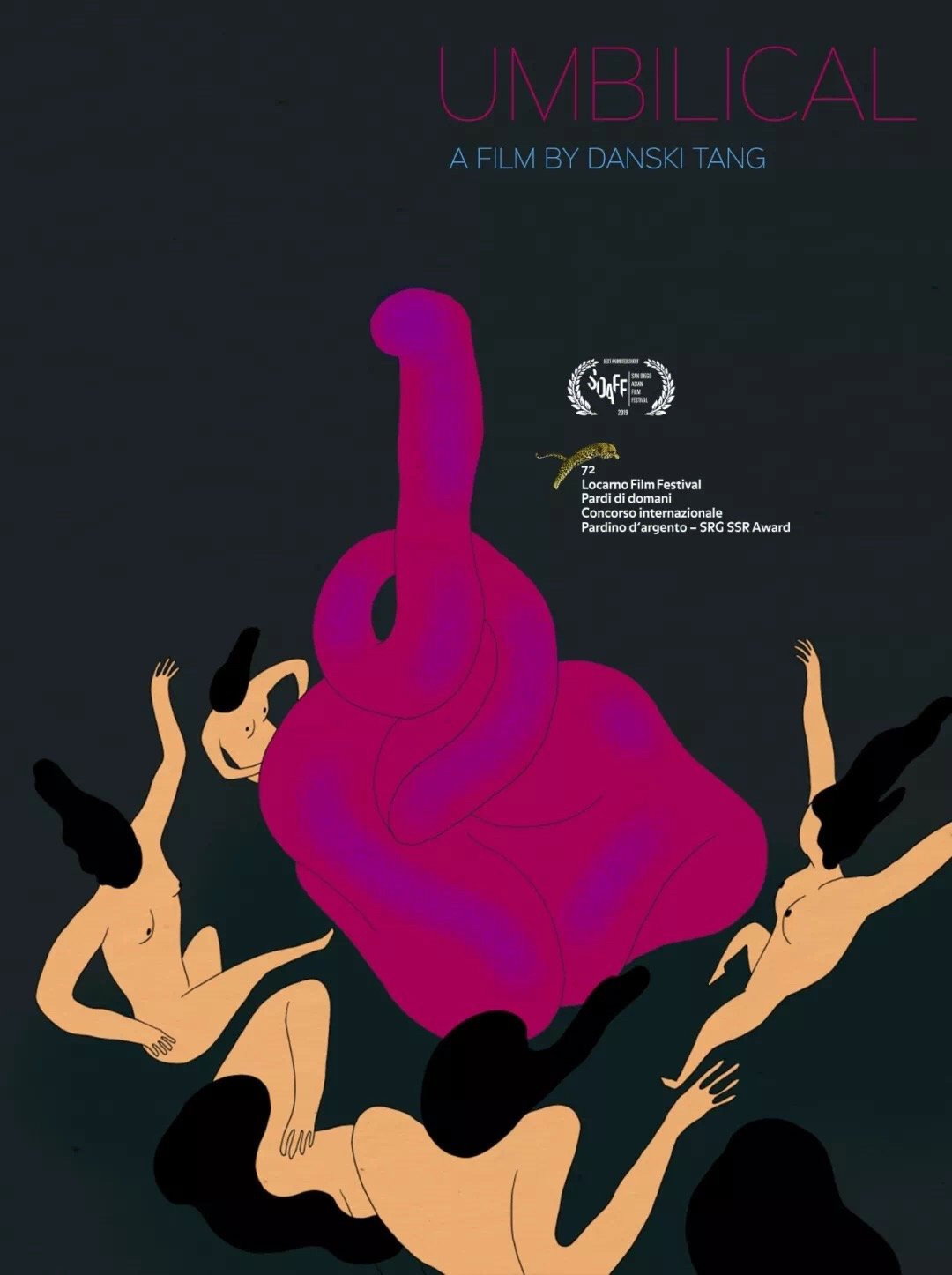
An animated documentary exploring how a mother's abusive relationship shaped the director's own experiences in boarding school.
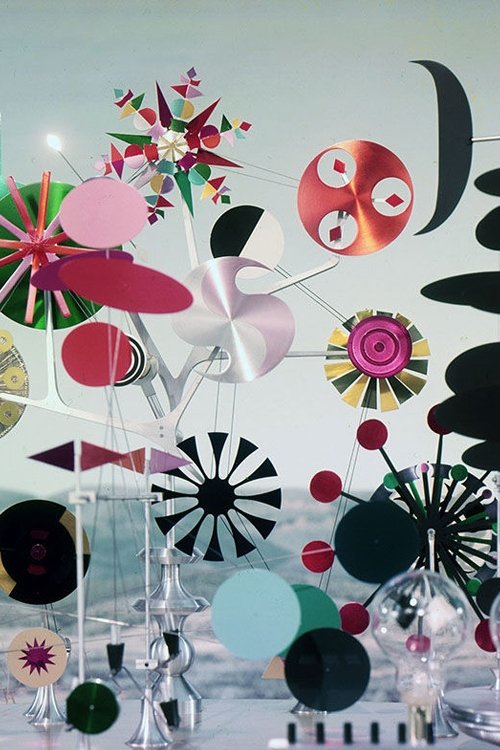
In 1957, Charles and Ray designed the Solar Do-Nothing Machine for Alcoa, the Aluminum Company of America. True to the Eameses’ belief that toys are not as innocent as they appear, the machine was one of the first uses of solar power to produce electricity. In the 1990s, Eames Demetrios discovered unedited footage of the wonderful machine. He cut it together to produce a new film that shares a bit of its flavor for future generations to enjoy.
A young girl is cured of her epilepsy just as summer vacation is about to begin. During her last days with her classmates, she’ll come to experience life in a new way. Arranged as a series of elliptical tableaux, this haunting narrative from Luise Donschen (Casanova Gene) captures a simultaneous sense of discovery and disorientation as it proceeds from the confines of the classroom to a wider world of adolescent anxieties.
Volcanoes erupt from the depths of the boiling earth to the surface of the celluloid film, to create a new abstract cinematographic language.
As her 80th birthday is approaching, Vera Klement, an oil painter in Chicago, adamantly starts yet another new figure painting: a portrait of an artist under oppression, an homage to Russian composer, Dmitri Shostakovitch.
A discussion with her family brings a daughter an occasion to ponder the past. Presence and absence lead to an immersion into memories, and ultimately, to the future.
'Coffea arábiga' was sponsored as a propaganda documentary to show how to sow coffee around Havana. In fact, Guillén Landrián made a film critical of Castro, exhibited but banned as soon as the coffee plan collapsed.
The history of Chinese migration to Mexico, from its birth at the start of the twentieth century, through the Mexican revolution, the anti-Chinese movement, and up to the current state of Chinese migrants in the country. A documentary about xenophobia in Mexico and the search for identity of a group of people caught between two cultures.
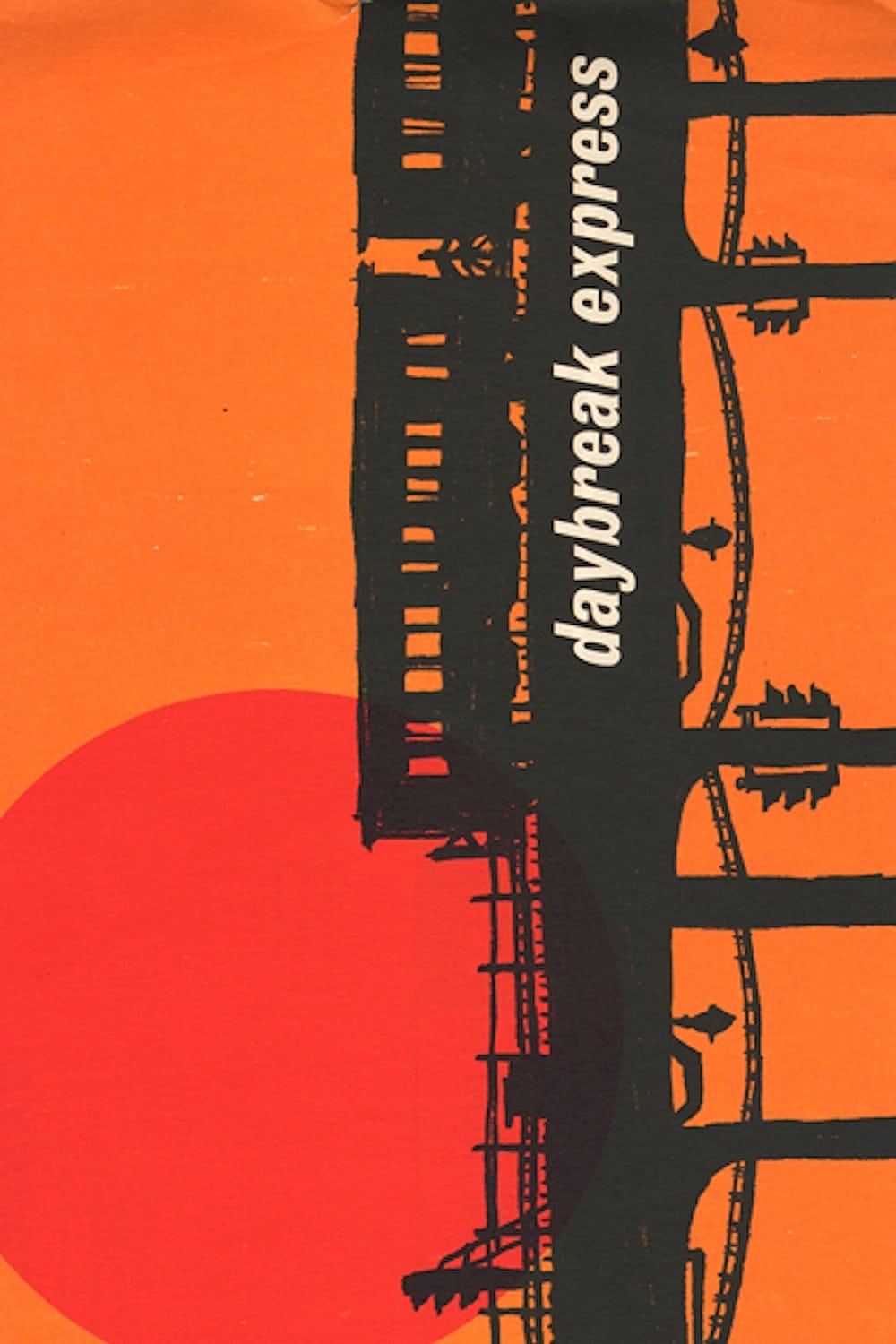
Set to a classic Duke Ellington recording "Daybreak Express", this is a five-minute short of the soon-to-be-demolished Third Avenue elevated subway station in New York City.
A 20-minute documentary film about the Kyrgyz people living by the Narym River.
Daniel Craig candidly reflects on his 15 year adventure as James Bond. Including never-before-seen archival footage from Casino Royale to the upcoming 25th film No Time To Die, Craig shares his personal memories in conversation with 007 producers, Michael G Wilson and Barbara Broccoli.
Alexander McQueen's rags-to-riches story is a modern-day fairy tale, laced with the gothic. Mirroring the savage beauty, boldness and vivacity of his design, this documentary is an intimate revelation of McQueen's own world, both tortured and inspired, which celebrates a radical and mesmerizing genius of profound influence.
A visual montage portrait of our contemporary world dominated by globalized technology and violence.
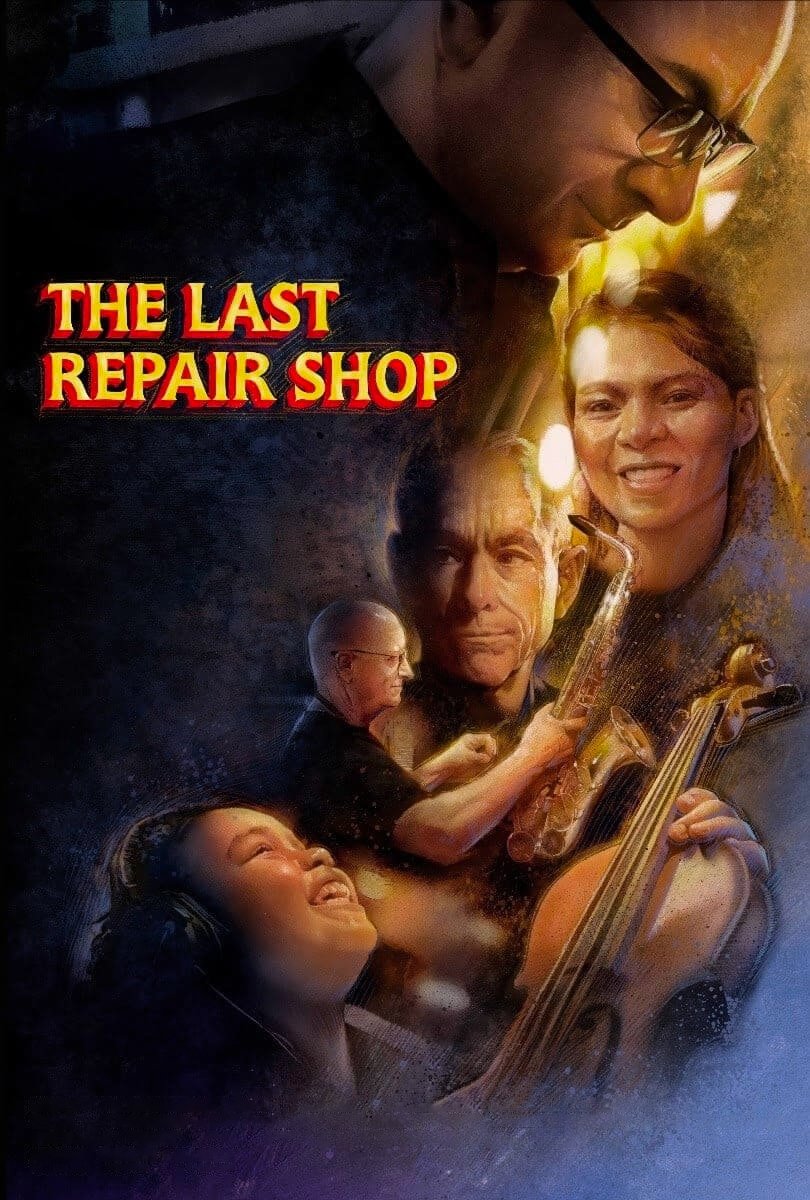
In a warehouse in the heart of Los Angeles, a dwindling handful of devoted craftspeople maintain more than 80,000 student musical instruments, the largest remaining workshop in America of its kind. Meet four unforgettable characters whose broken-and-repaired lives have been dedicated to bringing so much more than music to the schoolchildren of this city.
SEDUCED AND ABANDONED combines acting legend Alec Baldwin with director James Toback as they lead us on a troublesome and often hilarious journey of raising financing for their next feature film. Moving from director to financier to star actor, the two players provide us with a unique look behind the curtain at the world's biggest and most glamourous film festival, shining a light on the bitter-sweet relationship filmmakers have with Cannes and the film business. Featuring insights from directors Martin Scorsese, 'Bernando Bertolucci' and Roman Polanski; actors Ryan Gosling and Jessica Chastain and a host of film distribution luminaries.
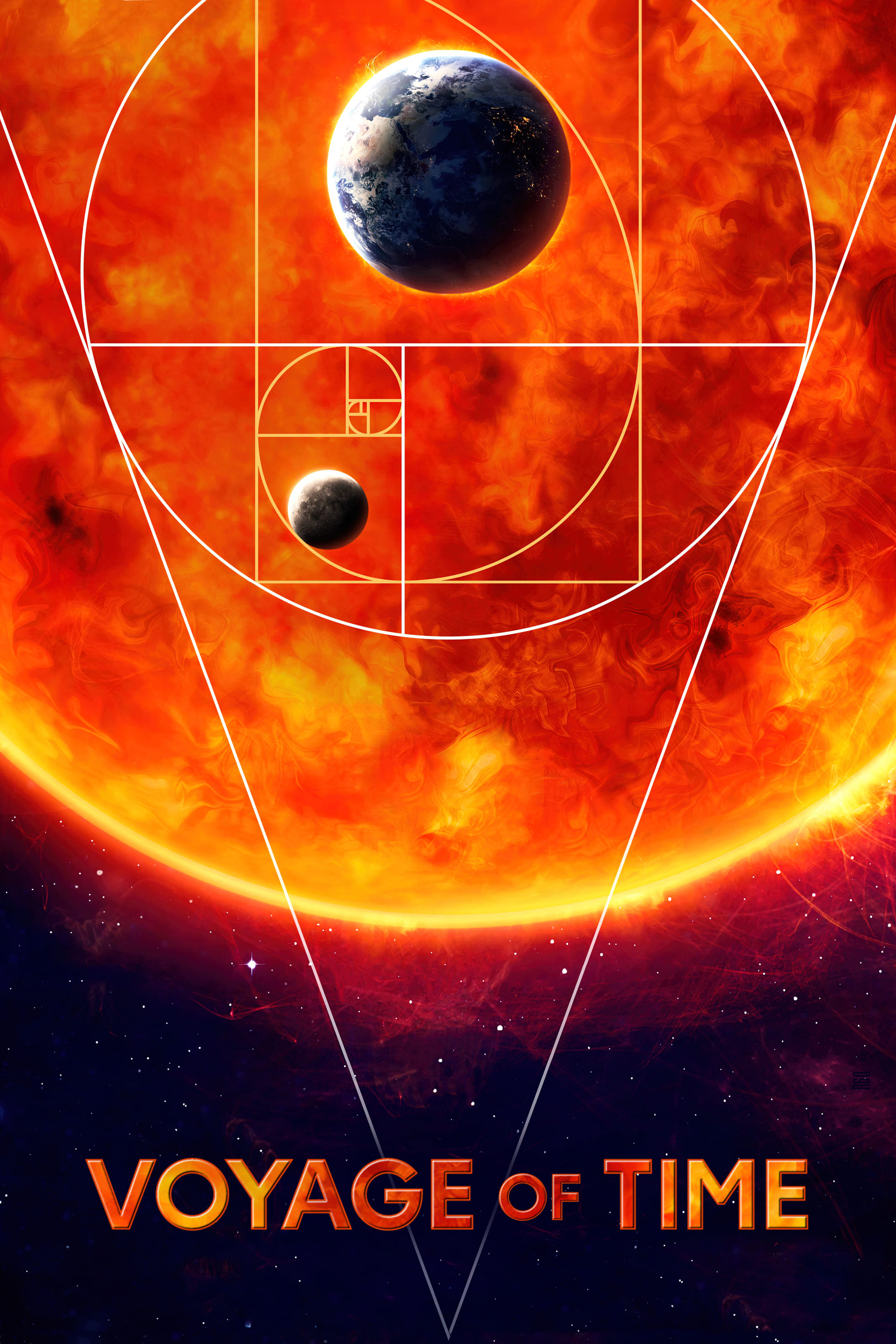
A celebration of the universe, displaying the whole of time, from its start to its final collapse. This film examines all that occurred to prepare the world that stands before us now: science and spirit, birth and death, the grand cosmos and the minute life systems of our planet.
A feature length documentary about the all-women team at the helm of Pixar's original feature, Turning Red. With unprecedented behind-the-scenes access to Director Domee Shi and her core leadership crew, this story shines a light on the powerful professional and personal journeys that brought this incredibly comical, utterly relatable, and deeply heartfelt story to the screen.
JB Smoove and Martin Starr host a celebration of 20 years of "Spider-Man" movies, from the Sam Raimi trilogy to Marc Webb's movies and the trio from Jon Watts.
An inside look at one of the most anticipated movie sequels ever with James Cameron and cast.
A documentary on the modeling industry's 'supply chain' between Siberia, Japan, and the U.S., told through the experiences of the scouts, agencies, and a 13-year-old model.
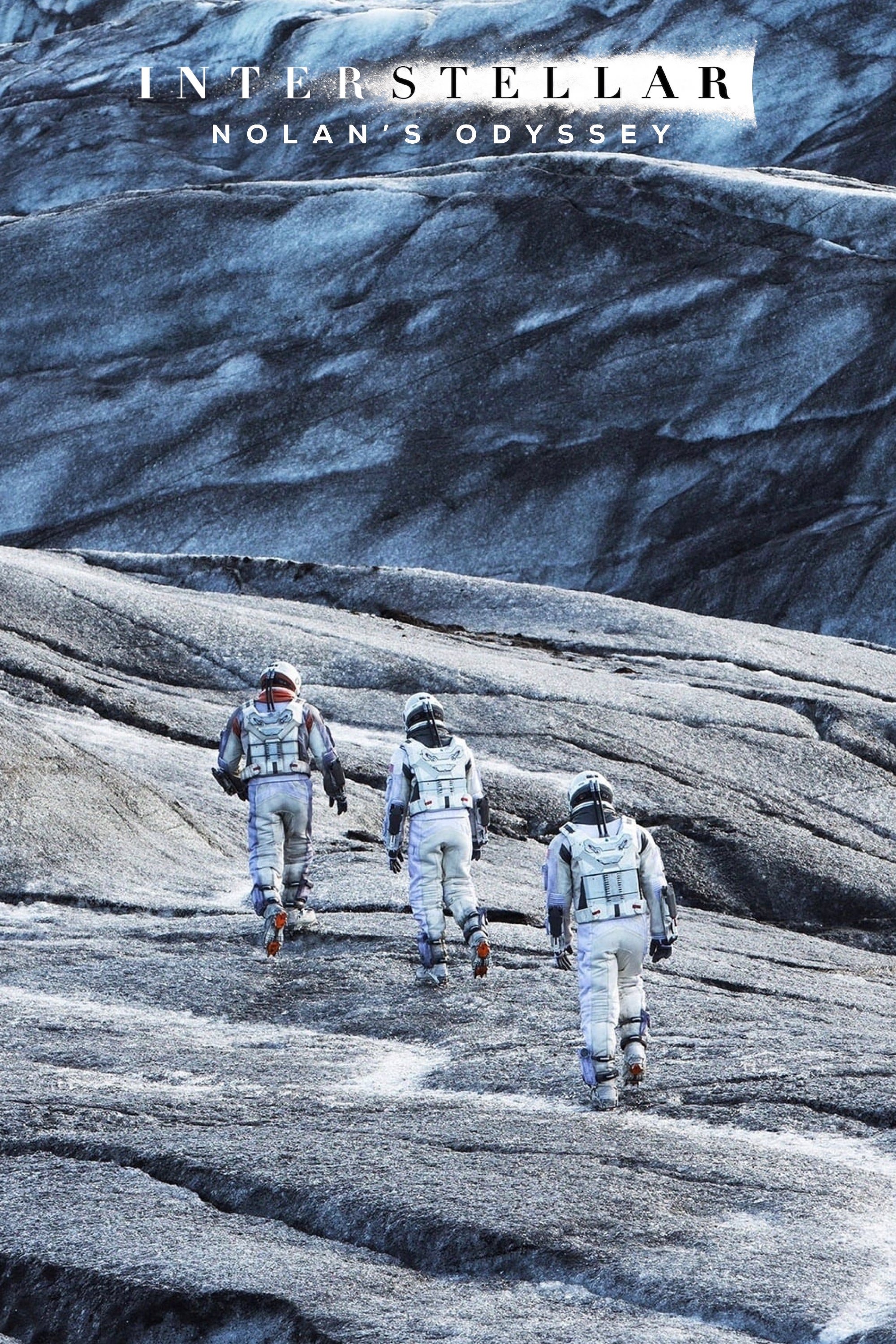
A look behind the lens of Christopher Nolan's space epic.
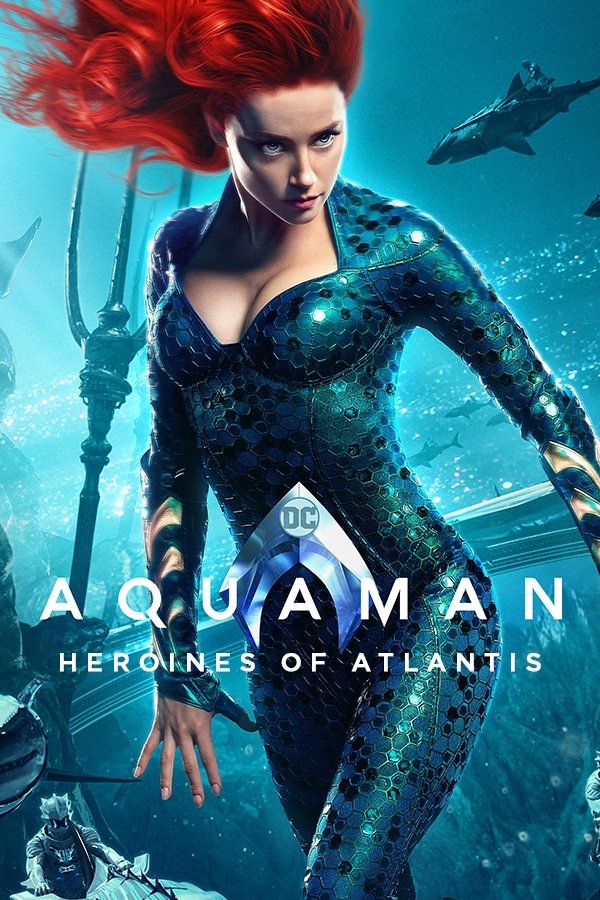
Amber Heard and Nicole Kidman discuss their characters Mera and Atlanna.
In an intimate and joyful story of love in the face of loss, celebrated poets Andrea Gibson and Megan Falley find strength—and unexpected hilarity—in what might be their final year together.
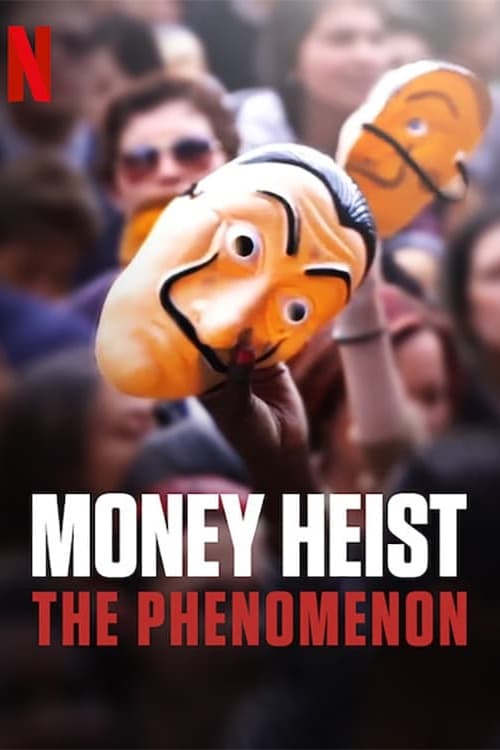
A documentary on why 'Money Heist' sparked a wave of enthusiasm around the world for a lovable group of thieves and their professor.
A compilation of over 30 years of private home movie footage shot by Lithuanian-American avant-garde director Jonas Mekas, assembled by Mekas "purely by chance", without concern for chronological order.
Featuring interviews with filmmakers and industry legends, discover the origins and evolution of The Joker, and learn why The Clown Prince of Crime is universally hailed as the greatest comic-book supervillain of all time.
A purely observational non-fiction film that takes viewers into the ethically murky world of end-of-life decision making in a public hospital.
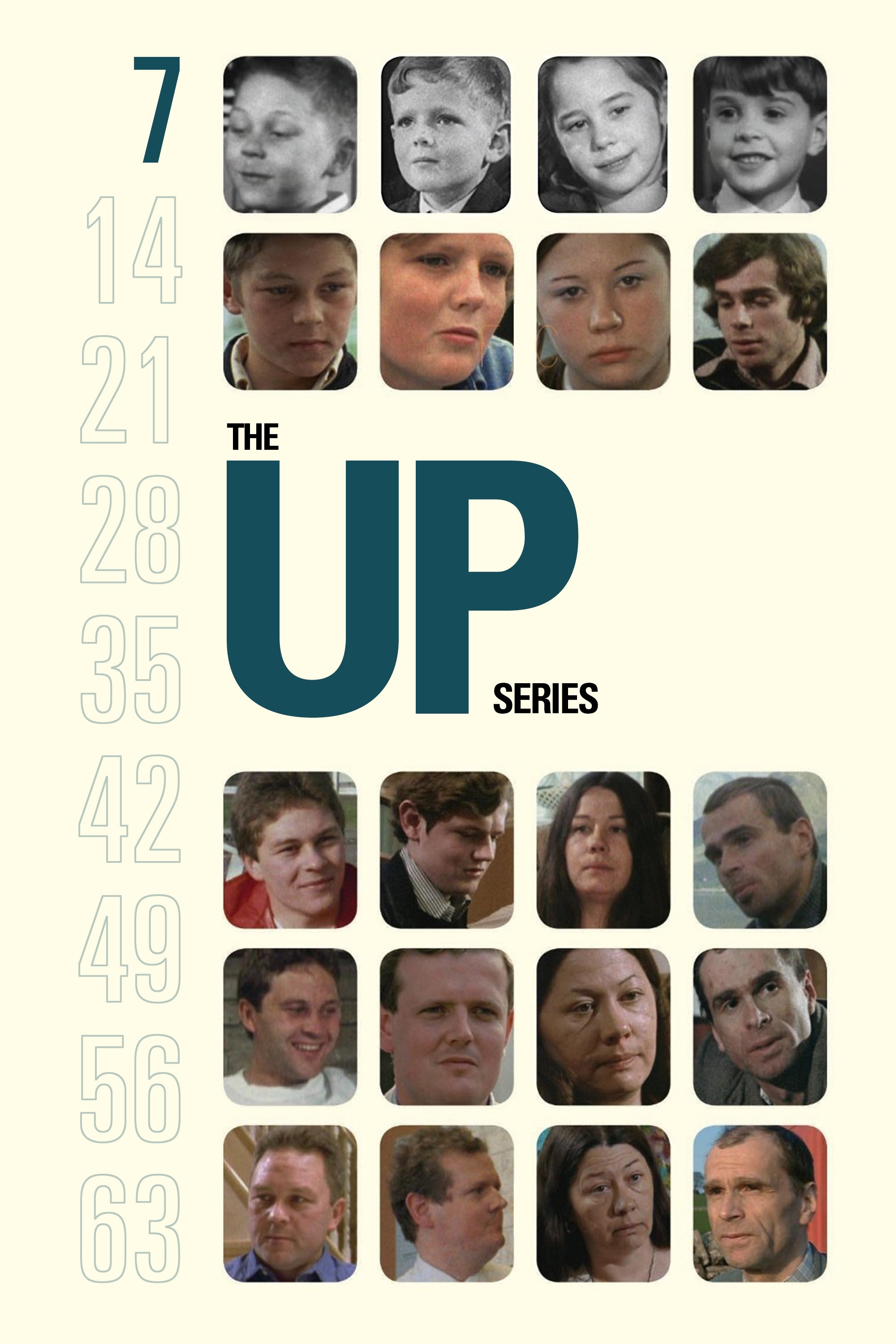
A group of British children aged 7 from widely ranging backgrounds are interviewed about a range of subjects. The filmmakers plan to re-interview them at 7 year intervals to track how their lives and attitudes change as they age.
A documentary about how a dominant cultural and demographic institution both sustains their traditional activities and adapts to the digital revolution.
Through deeply personal interviews with her siblings and an examination of the photographs, letters, and belongings left behind, Mariska assembles a new portrait of her mother Jayne Mansfield, an extraordinary and complex woman.