Bored Hatamoto film #3
Social & External
The people behind it
Utaemon Ichikawa
Michiko Oe
Kokuten Kōdō
Kanemi Ida
Ryuzo Takei
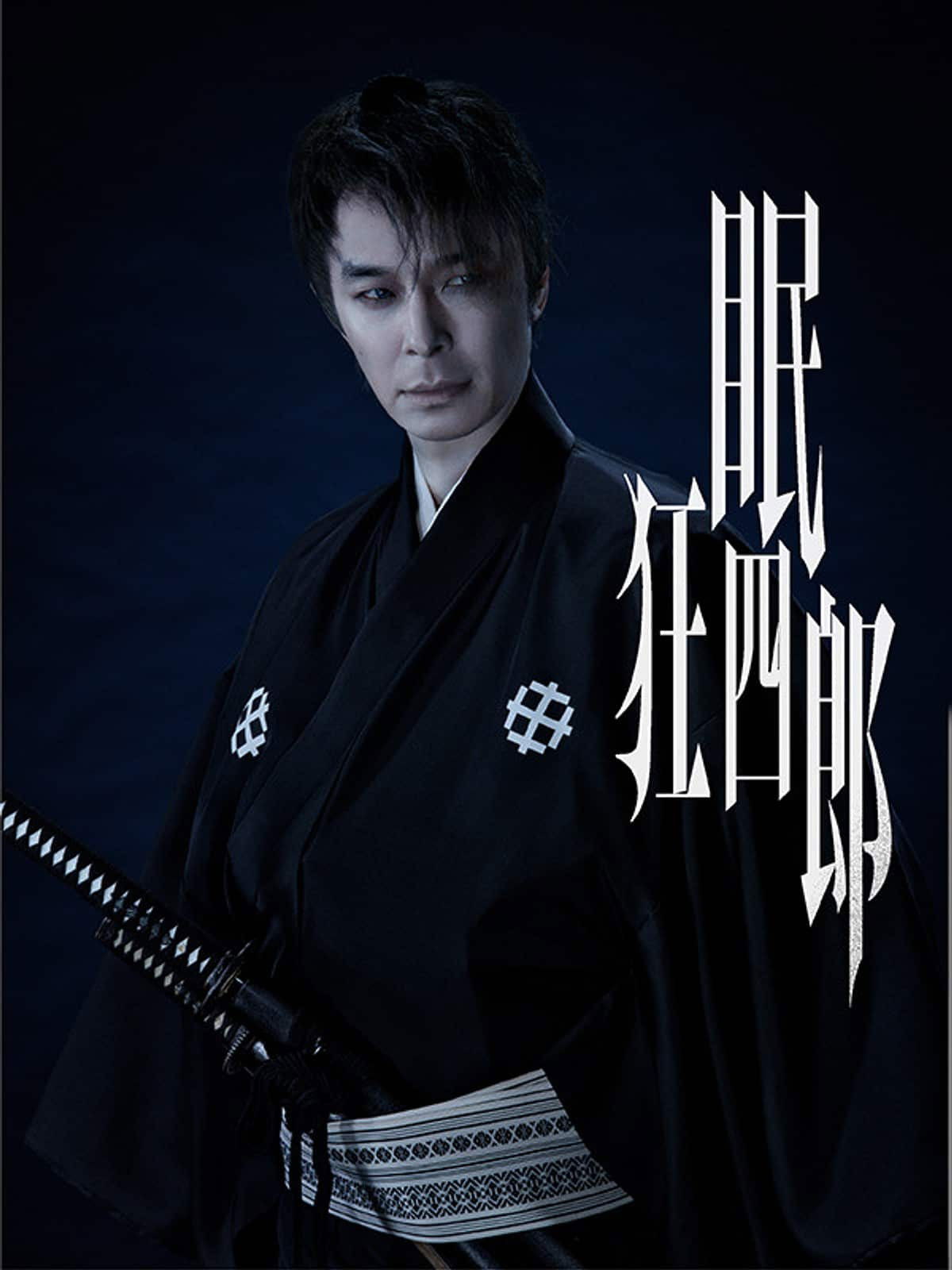
Blue-eyed ronin Nemuri Kyōshirō is ordered to eliminate assassins targeting a senior official. A rosary links the plot to hidden Christians, drawing him into rival power struggles—and multiple factions trying to kill him.
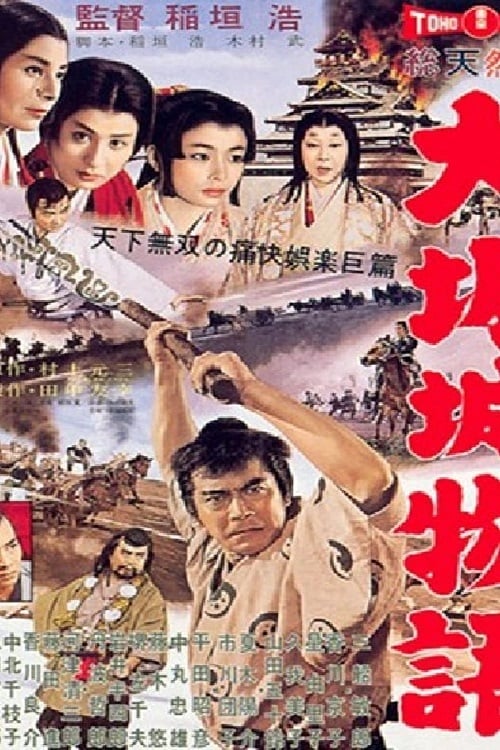
During the raging war between the Toyotomi and Tokugawa clans, the swordsman Mohei (whose family has been completely decimated) is recruited by Toyotomi to overcome the seat of power, Osaka Castle. Mohei's daredevil skills will be put to severe tests.
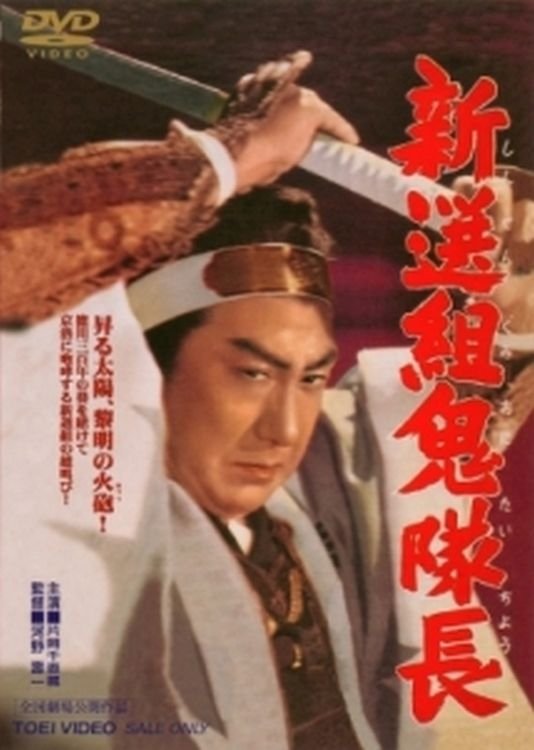
Kondo Isami, the “Devil” commander of the Shinsengumi was one of Japan’s greatest national heroes and a peerless swordsman who devoted his life to protecting the shogun and fighting on the side of the Tokugawa. This tells the story of the Shinsengumi starting at the moment of their greatest triumph through the final battles as the Tokugawa shogunate was brought down.
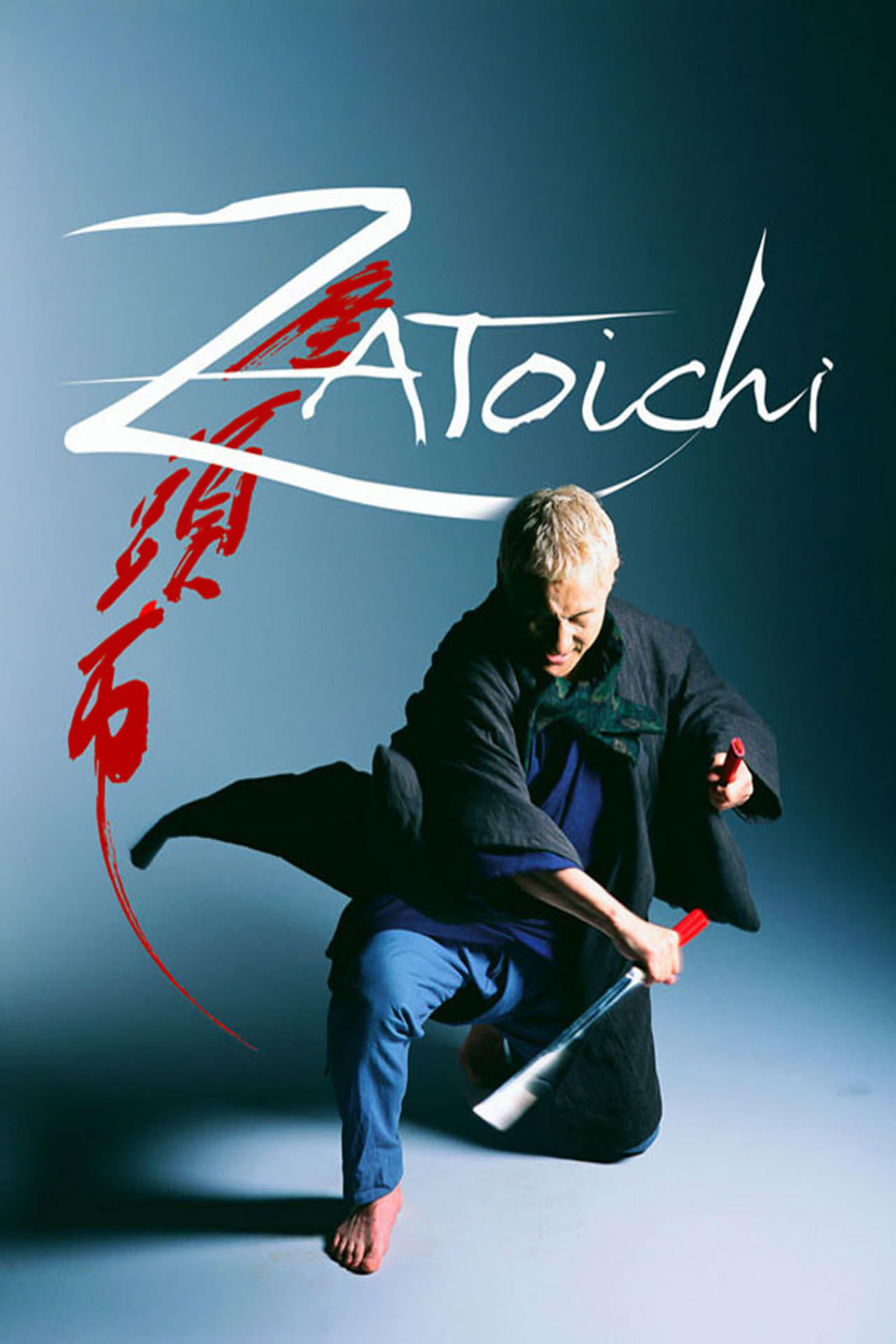
Blind traveler Zatoichi is a master swordsman and a masseur with a fondness for gambling on dice games. When he arrives in a village torn apart by warring gangs, he sets out to protect the townspeople.
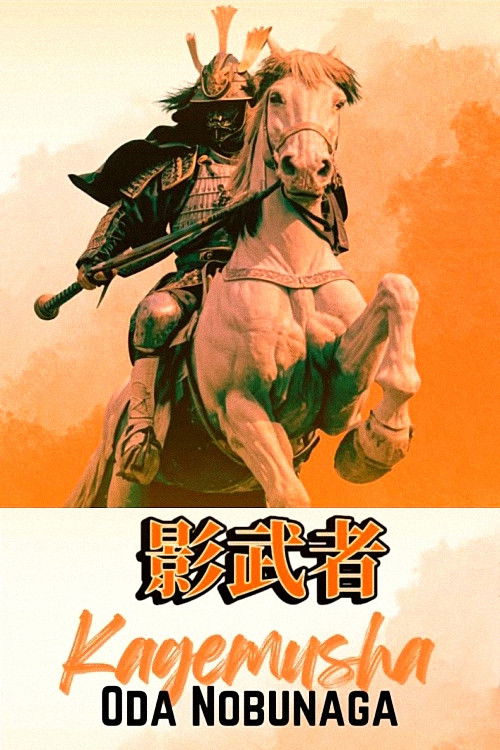
In Tensho 9, as Oda Nobunaga nears the unification of Japan, he assigns trusted generals to conquer remaining regions. Meanwhile, a peasant farmer named Sahei, resembling Nobunaga, is chosen by Hideyoshi and Sen no Rikyu to act as Nobunaga’s shadow. Furious at the idea of a double, Nobunaga confronts Sahei, who courageously performs the "Atsumori" dance, impressing Nobunaga enough to accept him as his Kagemusha. Sahei’s first test as the shadow warrior comes at a memorial service for the Oda family.
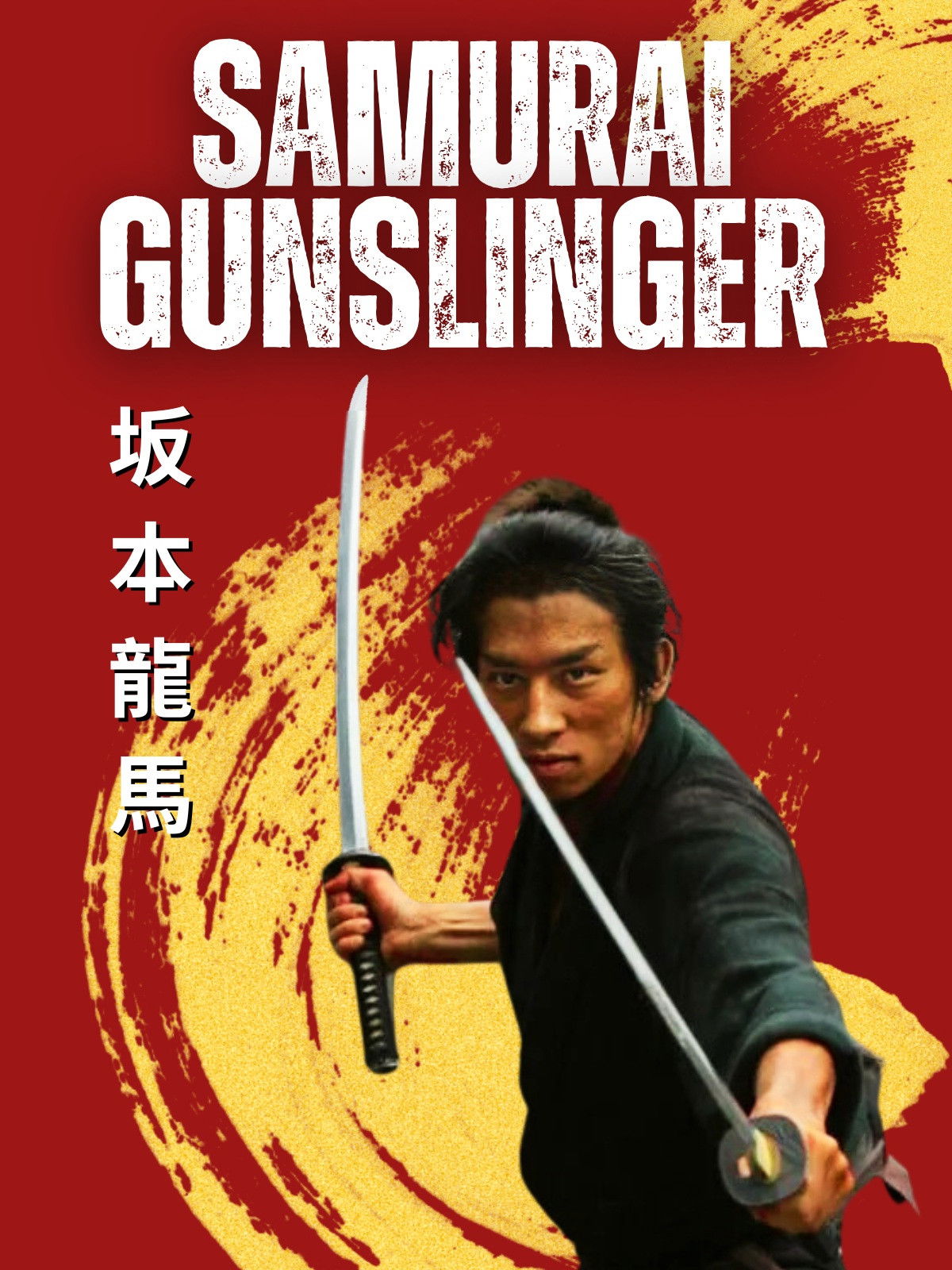
After more than 200 years of Isolation, Japan is ready for a modern samurai who isn't afraid to use guns and embrace the outside world.
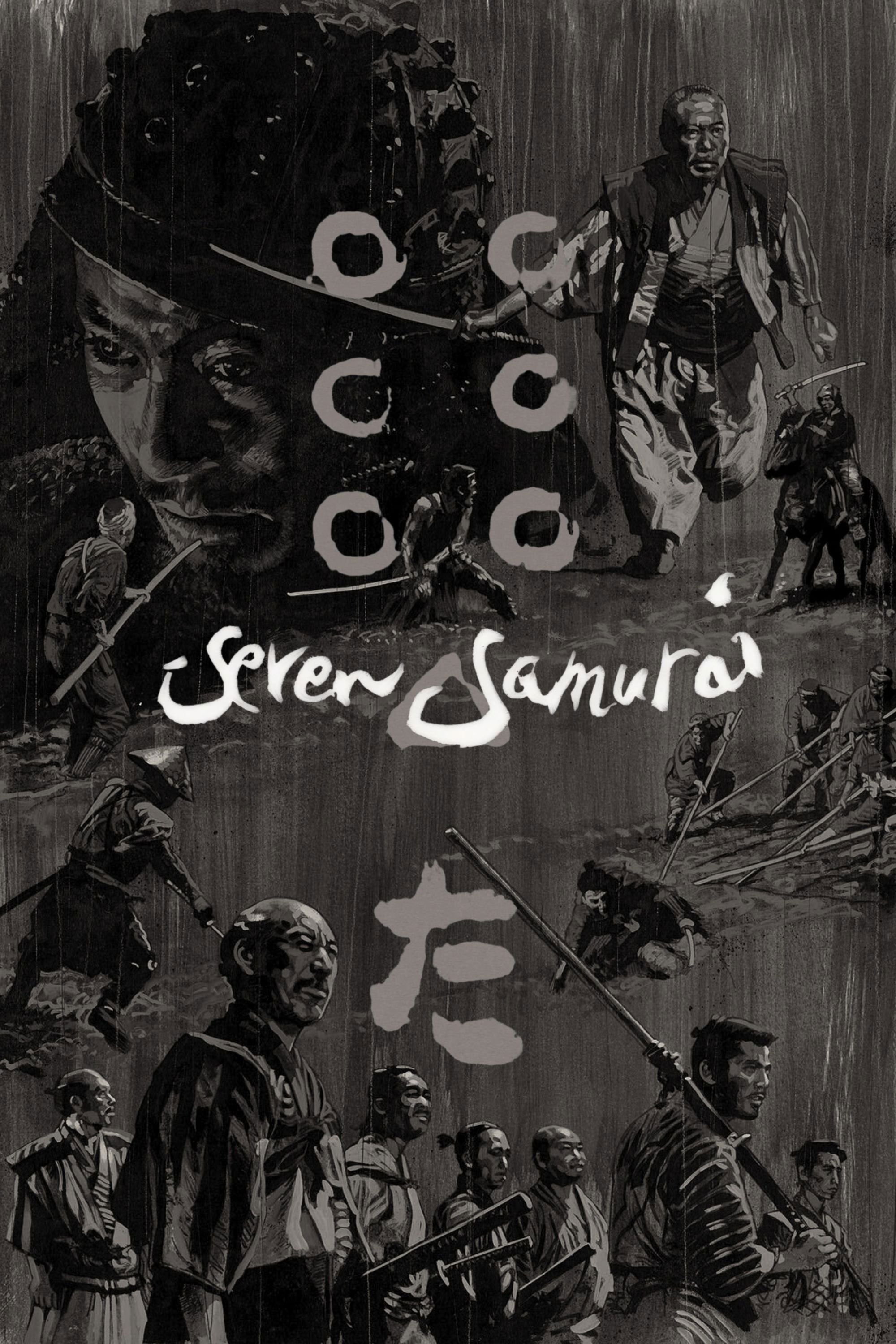
A samurai answers a village's request for protection after he falls on hard times. The town needs protection from bandits, so the samurai gathers six others to help him teach the people how to defend themselves, and the villagers provide the soldiers with food.
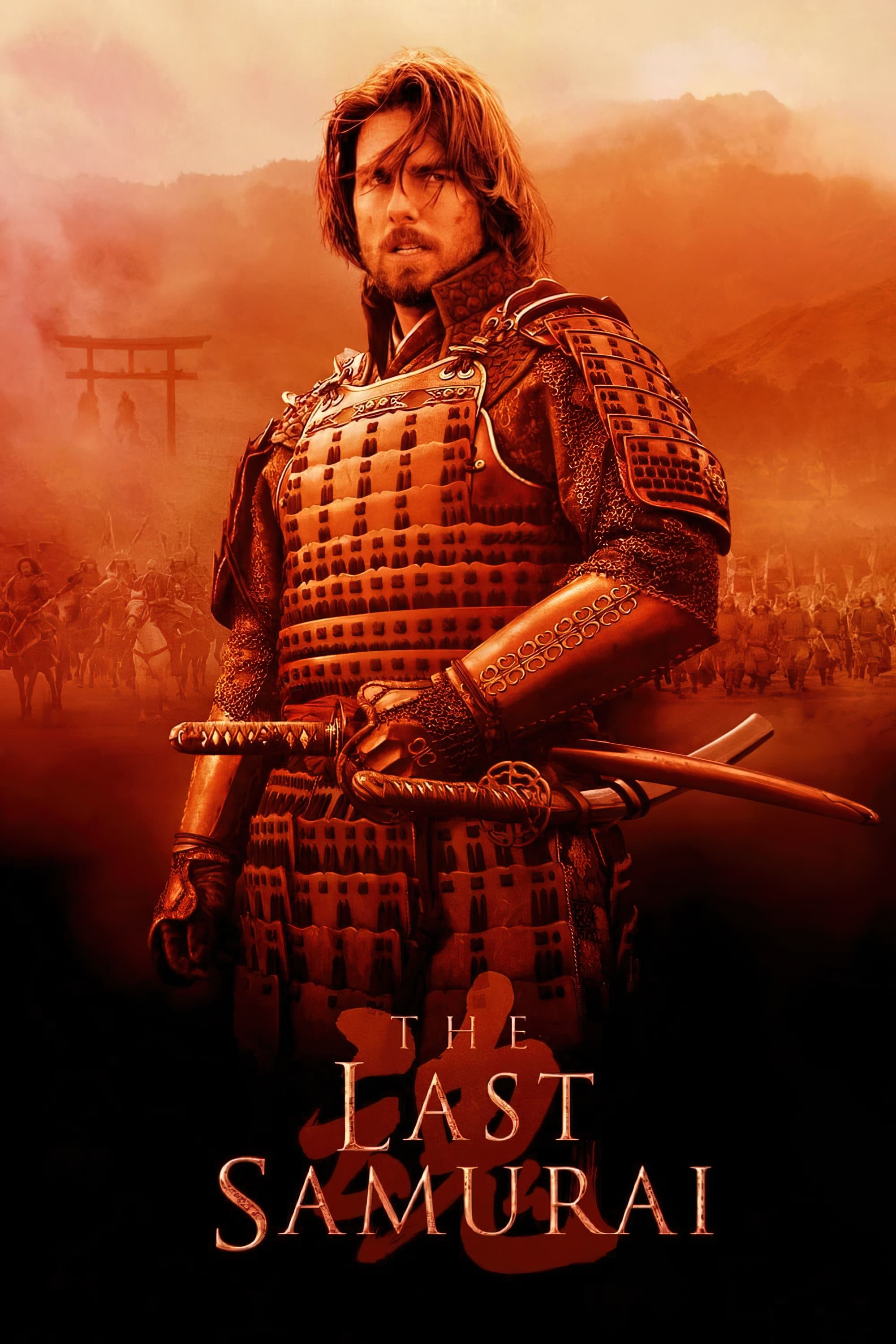
Nathan Algren is an American hired to instruct the Japanese army in the ways of modern warfare, which finds him learning to respect the samurai and the honorable principles that rule them. Pressed to destroy the samurai's way of life in the name of modernization and open trade, Algren decides to become an ultimate warrior himself and to fight for their right to exist.
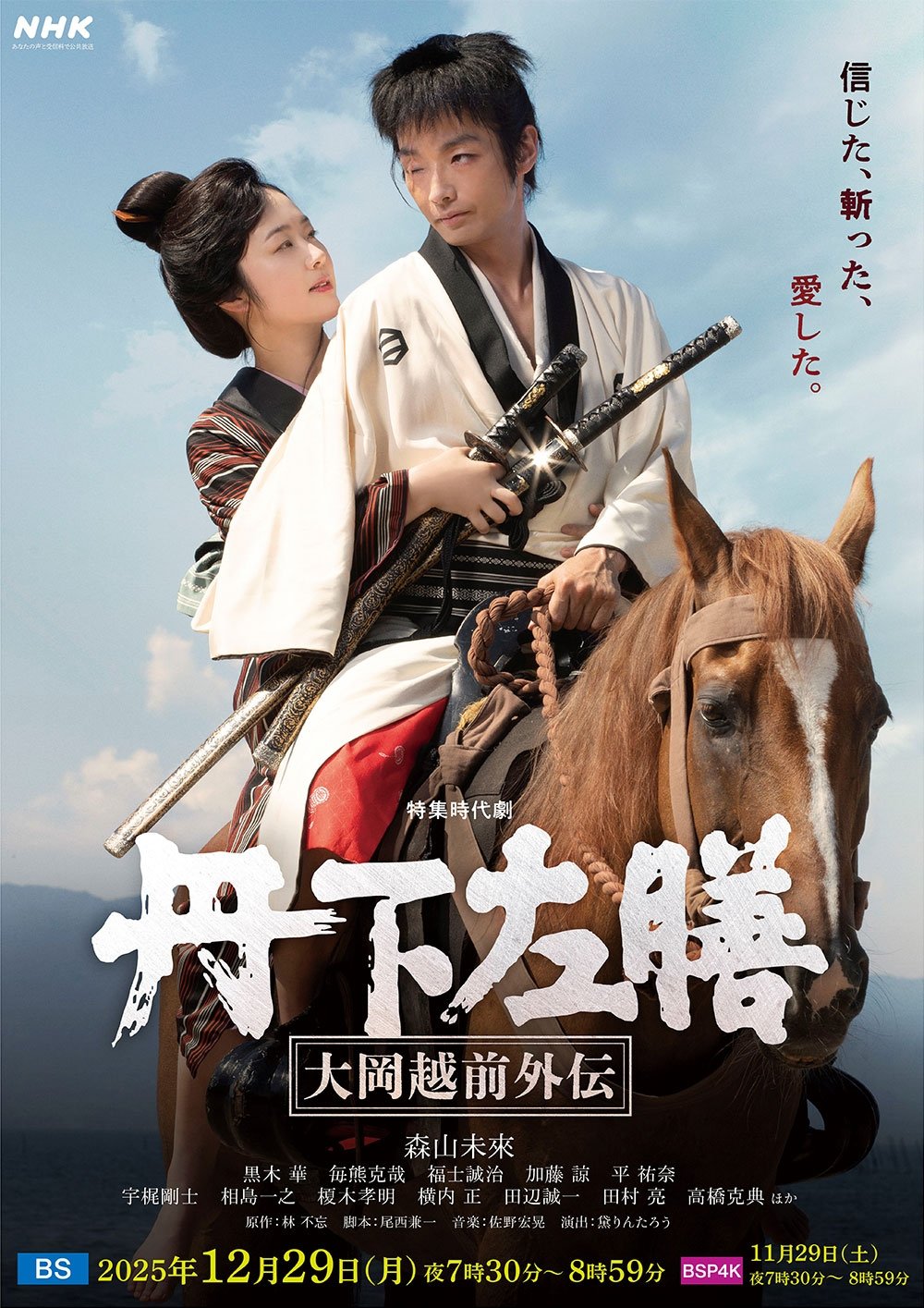
The one-eyed swordsman Tange Samanosuke receives a secret order from his lord, Daizen no suke: to steal the cursed twin blades, Kenunmaru and Konryumaru. He risks his life to seize Kenunmaru, losing his right arm in the process. Saved by the fugitive Ofuji, he is reborn as the one-eyed, one-armed warrior-Tange Sazen. Soon, the turmoil reaches Town Magistrate Ooka Tadasuke.
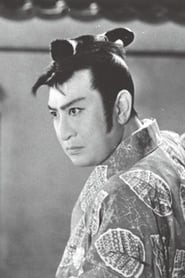
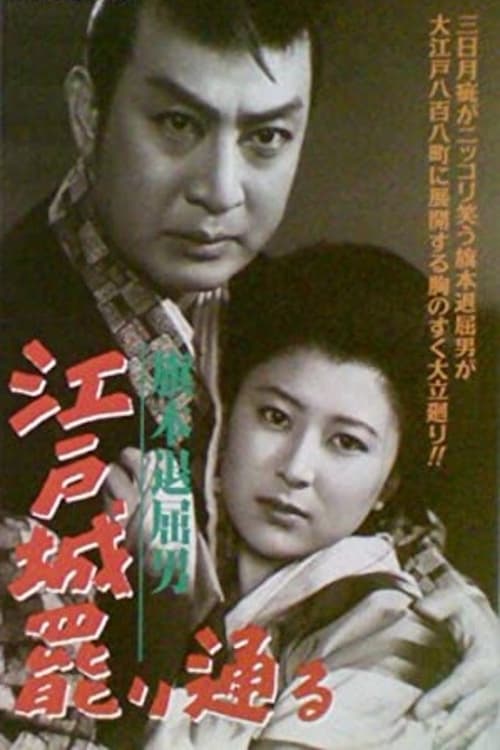
Around the Genroku era, there was a man named Saotome Shusui-no-Suke, nephew to the senior councilor Matsudaira Sakon Shogen. He was commonly known as the Bored Samurai of the Hatamoto rank. Just as he was engulfed in boredom, Tokugawa Jo-Kaibo, claiming to be the Shogun's illegitimate child, made a grand entrance into Edo. At the behest of Sakon Shogen, Shusui-no-Suke was tasked to investigate Jo-Kaibo's background and had his young page Kyoya disguise as a woman to infiltrate Jo-Kaibo's gun mansion.
Tough contract killers and secret organizations operating worldwide in a murderous battle for a relic that hides much more than just a simple instrument. The merciless hunt for the guitar of the "King of Rock'n Roll" leaves a trail of violence and death in its wake.
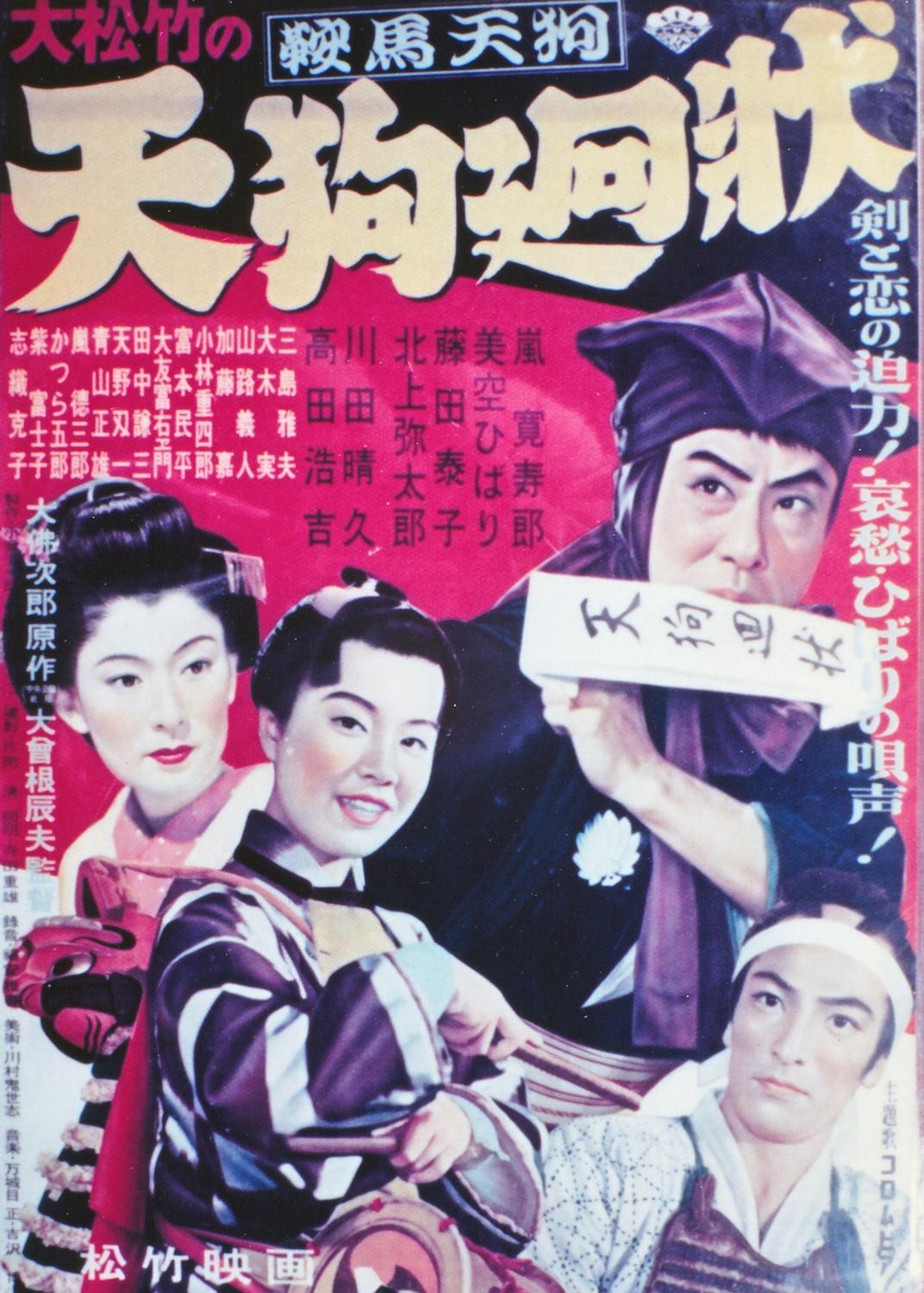
Masked avenger Kurama Tengu and his young sidekick try to stop a mysterious adversary from assassinating a group of young warriors who want to bring down the Shogunate...
During the 1700s in Japan, a young samurai warrior learns about love and the secret of killings vampires.
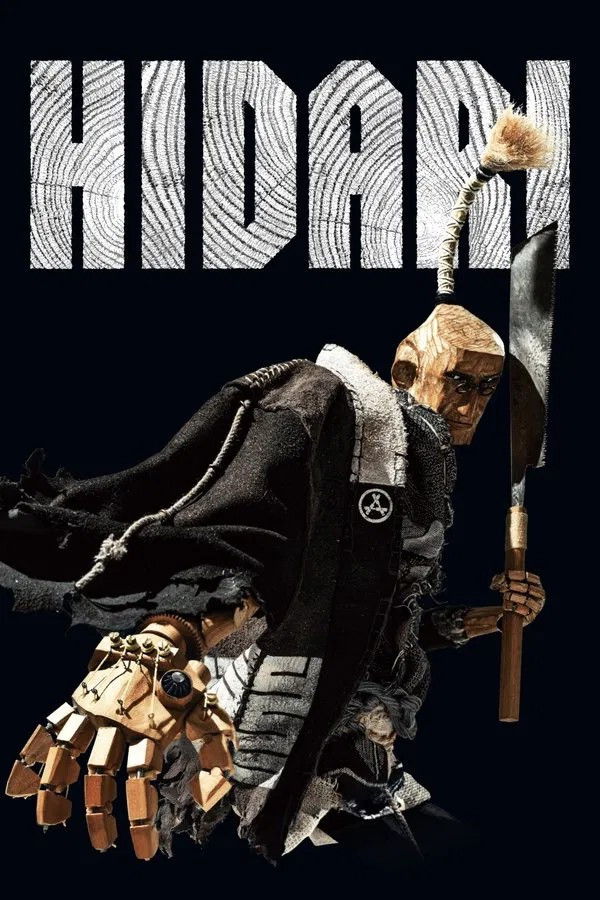
Betrayed by those desperate to bury the secrets of Edo Castle’s reconstruction, Jingoro loses everything. His father figure, fiancée, and even his right arm. On the brink of despair, the legendary craftsman transforms his grief into an unyielding drive for vengeance. Armed with his extraordinary carpentry skills and a series of lethal mechanical prosthetic arms, Jingoro carves his own path to justice. With his loyal companion, the Sleeping Cat, he faces his enemies in a gripping tale of revenge and self-discovery.
A samurai comes to the aid of his uncle in a duel.
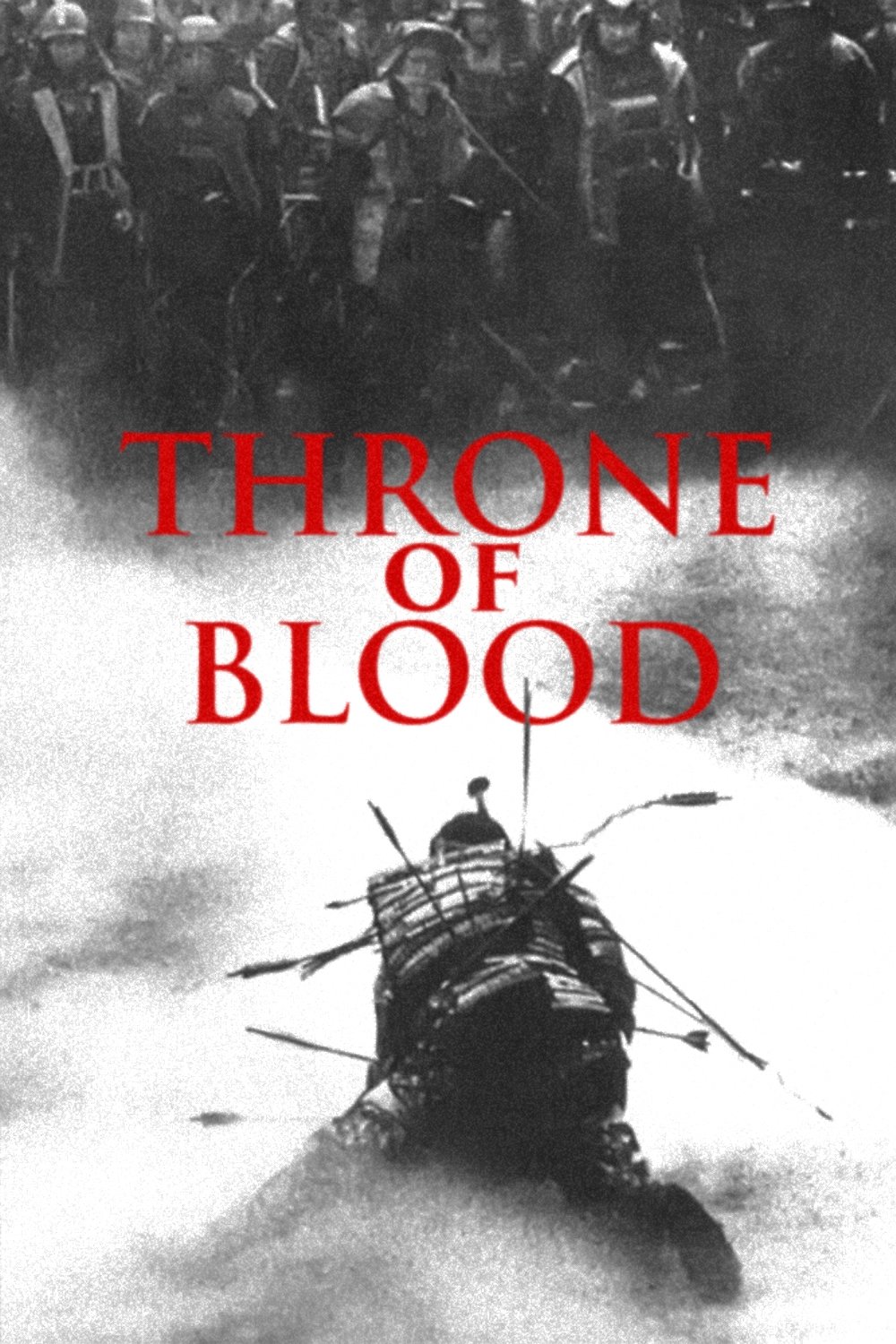
Returning to their lord's castle, samurai warriors Washizu and Miki are waylaid by a spirit who predicts their futures. When the first part of the spirit's prophecy comes true, Washizu's scheming wife, Asaji, presses him to speed up the rest of the spirit's prophecy by murdering his lord and usurping his place. Director Akira Kurosawa's resetting of William Shakespeare's "Macbeth" in feudal Japan is one of his most acclaimed films.
When the 'Lowly Ronin' helps an orphaned teenage girl avoid being turned into a prostitute, she then claims he is her father and they start a farm as father and daughter until fate steps in and he must draw his sword.
Yagyu Jubei, the finest swordsman in the land, is called upon to bare his blade to help Iemitsu keep his post. Meanwhile a fishmonger named Isshin Tasuke who bears an amazing resemblance to Shogun Iemitsu may be called upon to put his life on the line by acting as the Shogun's double. At the same time, the tragic story of Banzuiin Chobei and Mizuno Jurozaemon is unfolding.
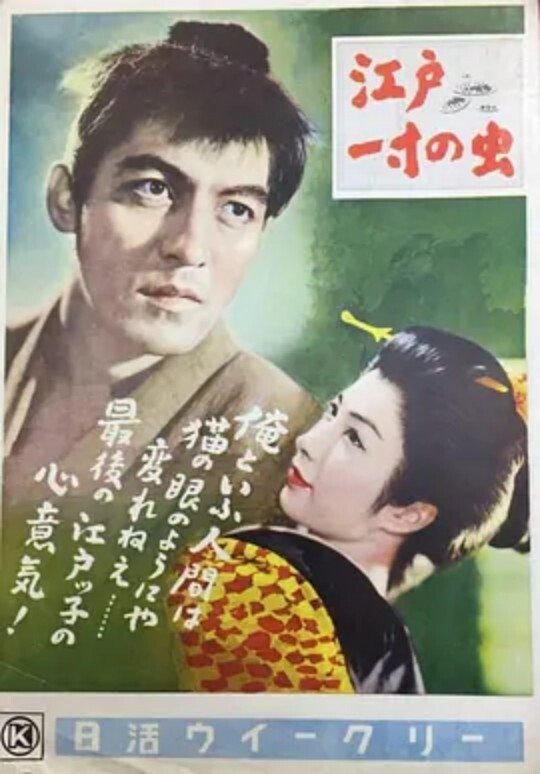
This historical film depicts the life of a man who was at the mercy of the waves during transition from the end of the Edo period to the Meiji Restoration, and therefore, shows audience the dynamic change from Edo to Meiji. Before the war, the director, Eisuke Takizawa, together with the writers, formed a scenario writer group "Narutaki-gumi and they shot many historical masterpieces.
A warrior-in-training and his bumbling friends go in pursuit of a stolen sword.
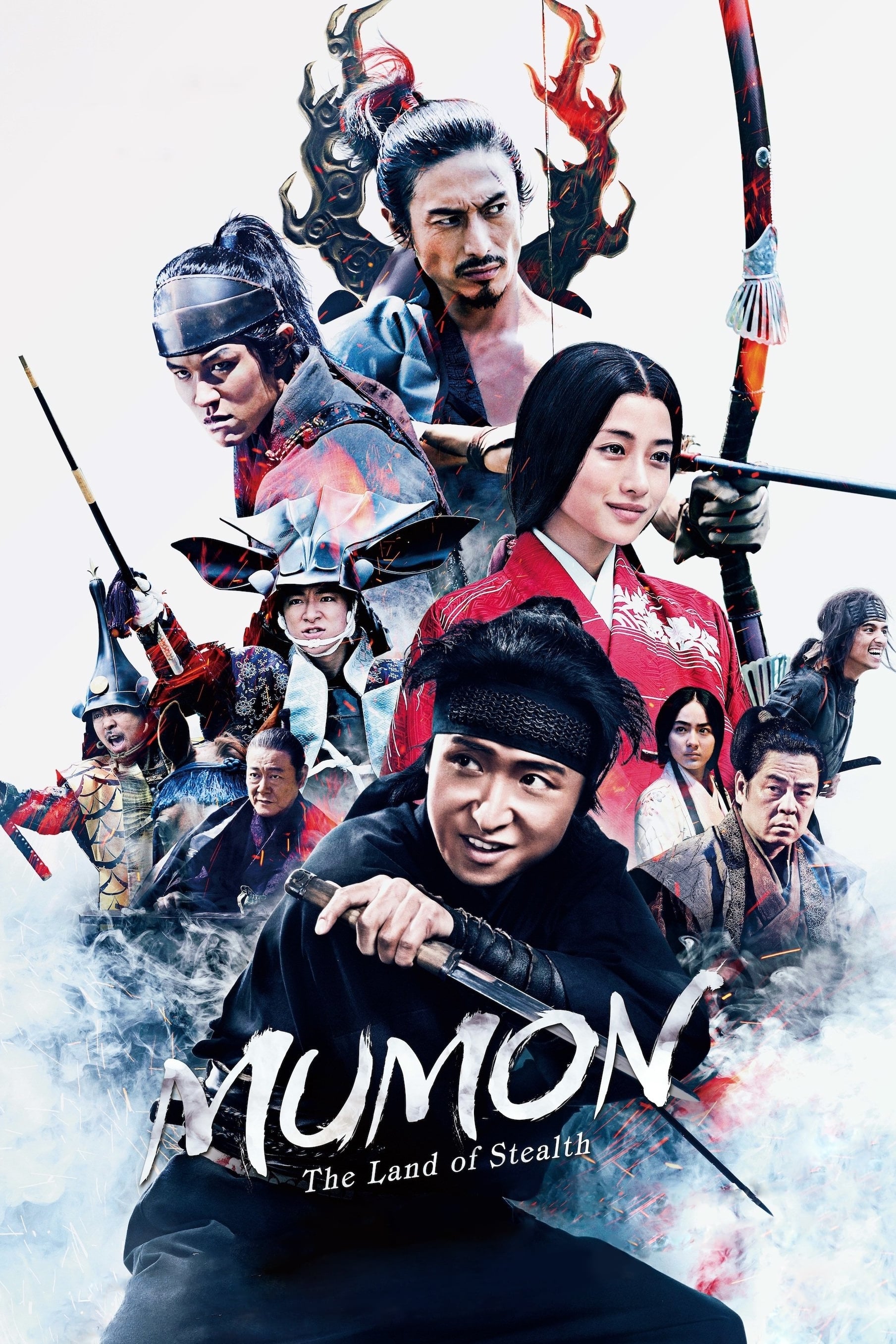
Raised suckling poison arrows among the sparring Iga ninja factions, Mumon is a carefree 16th-century mercenary. When the ninja council makes a power play to defeat the young Nobukatsu Oda struggling to step into his father’s warlord shoes as they expand rule across the country, Mumon jumps into the fray to satisfy his new bride Okuni’s demand that he make good on his promises of wealth. Yet Mumon soon finds what is worth fighting for beyond money or nation.
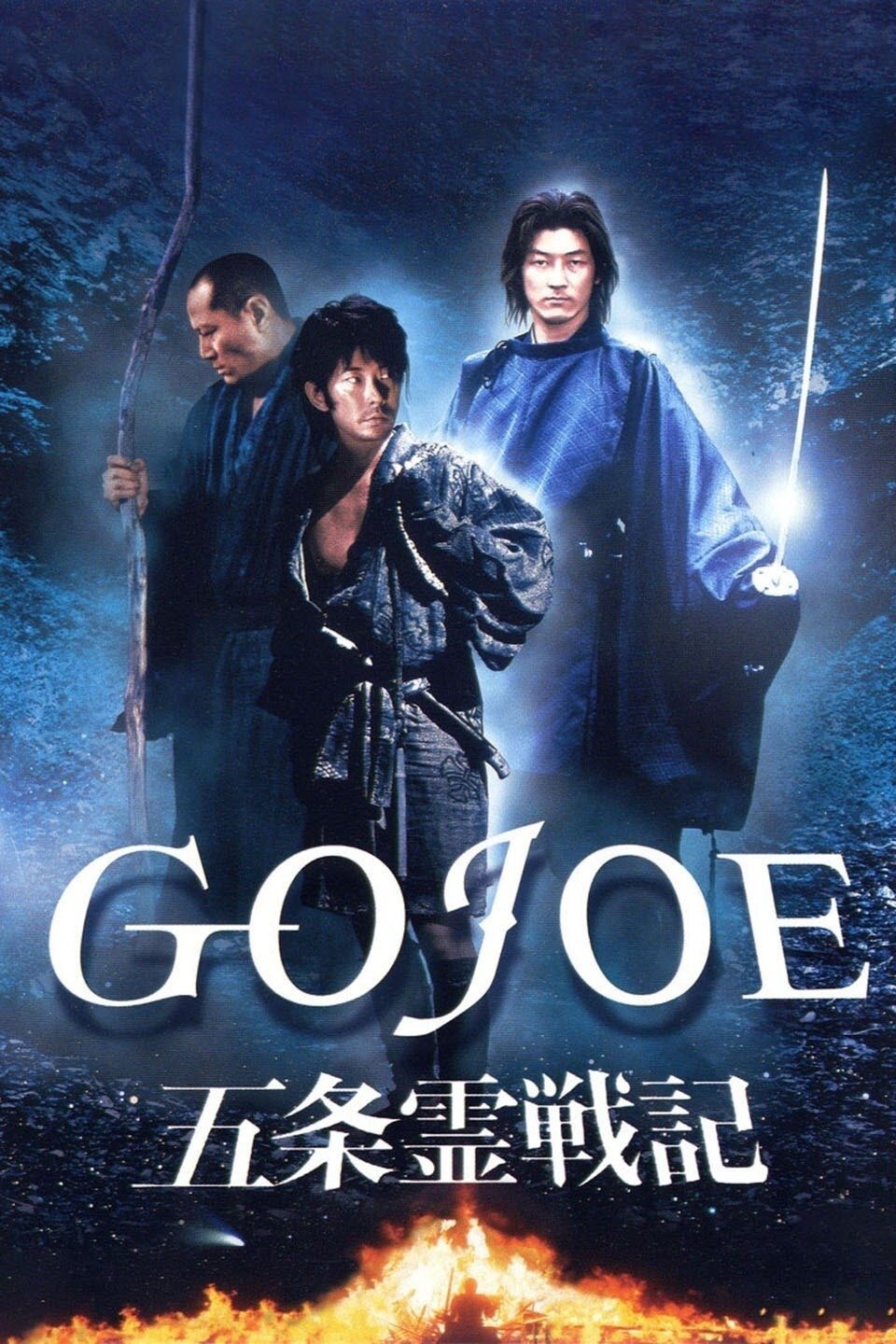
Benkei, a master fighter and killer, vows never to take another life after his conversion to Buddhism. His faith in pacifism, however, is shaken and ultimately broken by the attacks from a trio of fighters known only as the demons. Taking up his sword once more, he sets out to end their murderous terror.
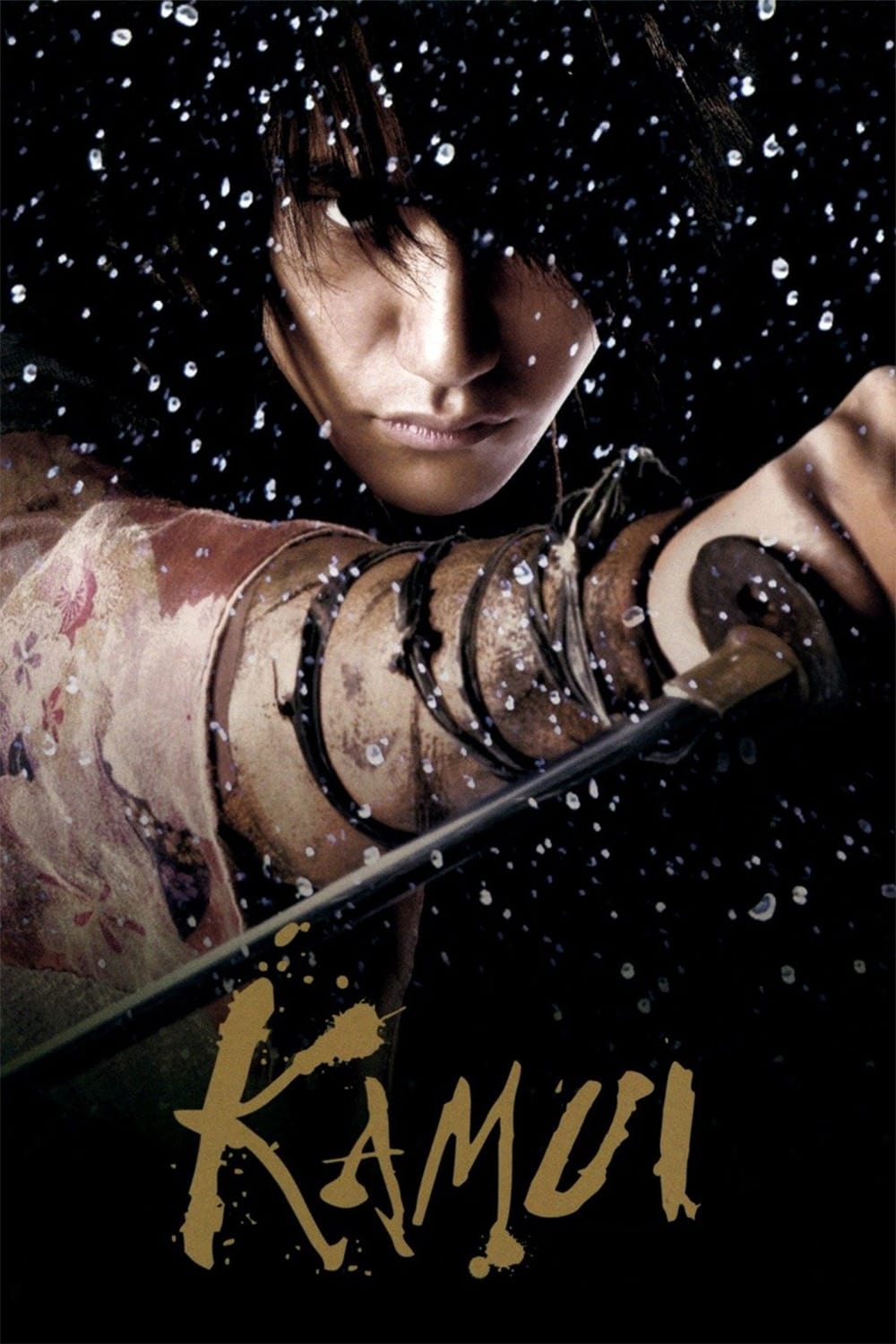
A rebellious ninja in 17th century Japan takes refuge with a fisherman and his family.
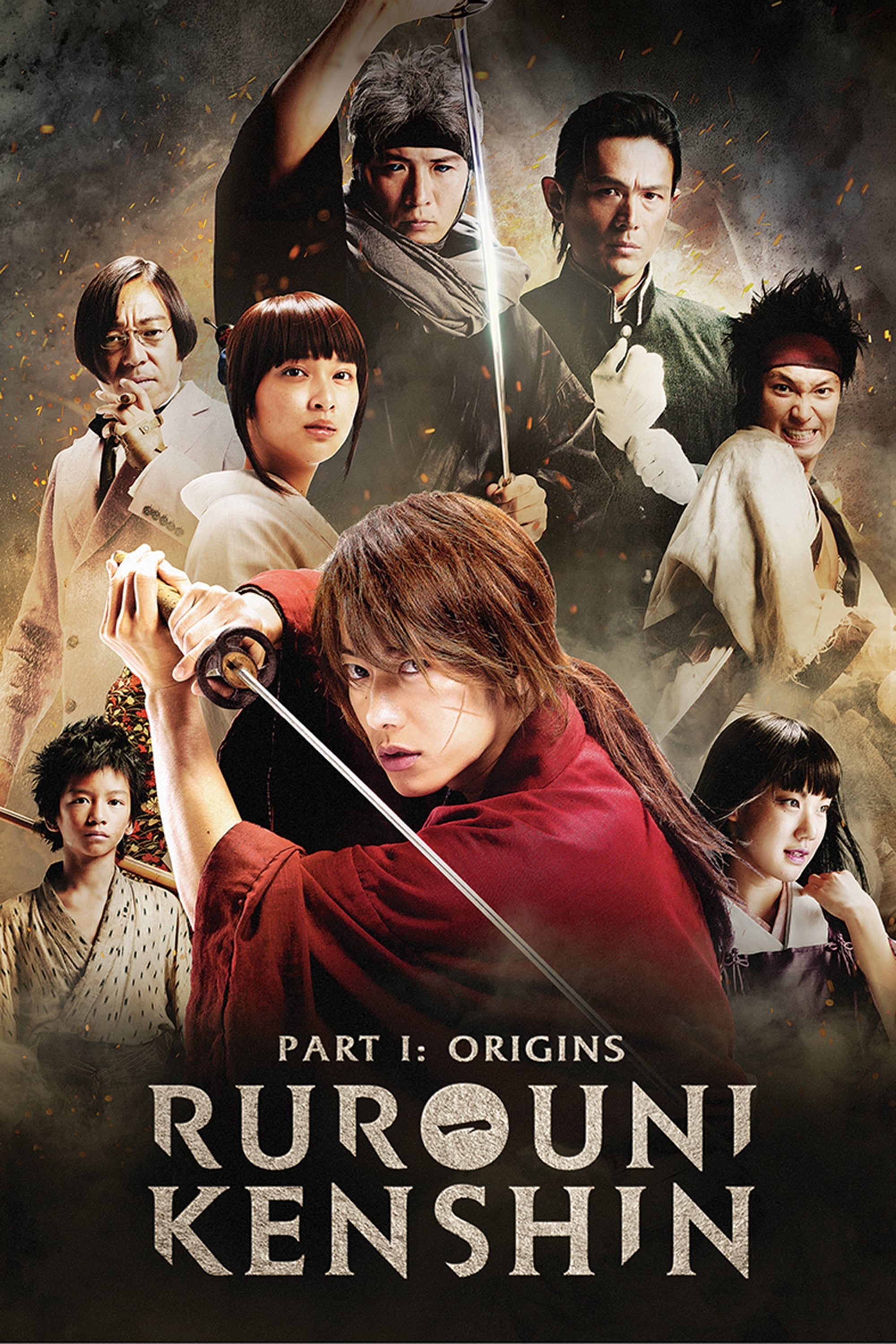
In 1868, after the Bakumatsu war ends, the ex-assassin Kenshin Himura traverses Japan with an inverted sword, to defend the needy without killing.
Older, wiser but still a wandering loner, the blind, peace-loving masseur Ichi seeks a peaceful life in a rural village. When he's caught in the middle of a power struggle between two rival Yakuza clans, his reputation as a deadly defender of the innocent is put to the ultimate test in a series of sword-slashing showdowns.
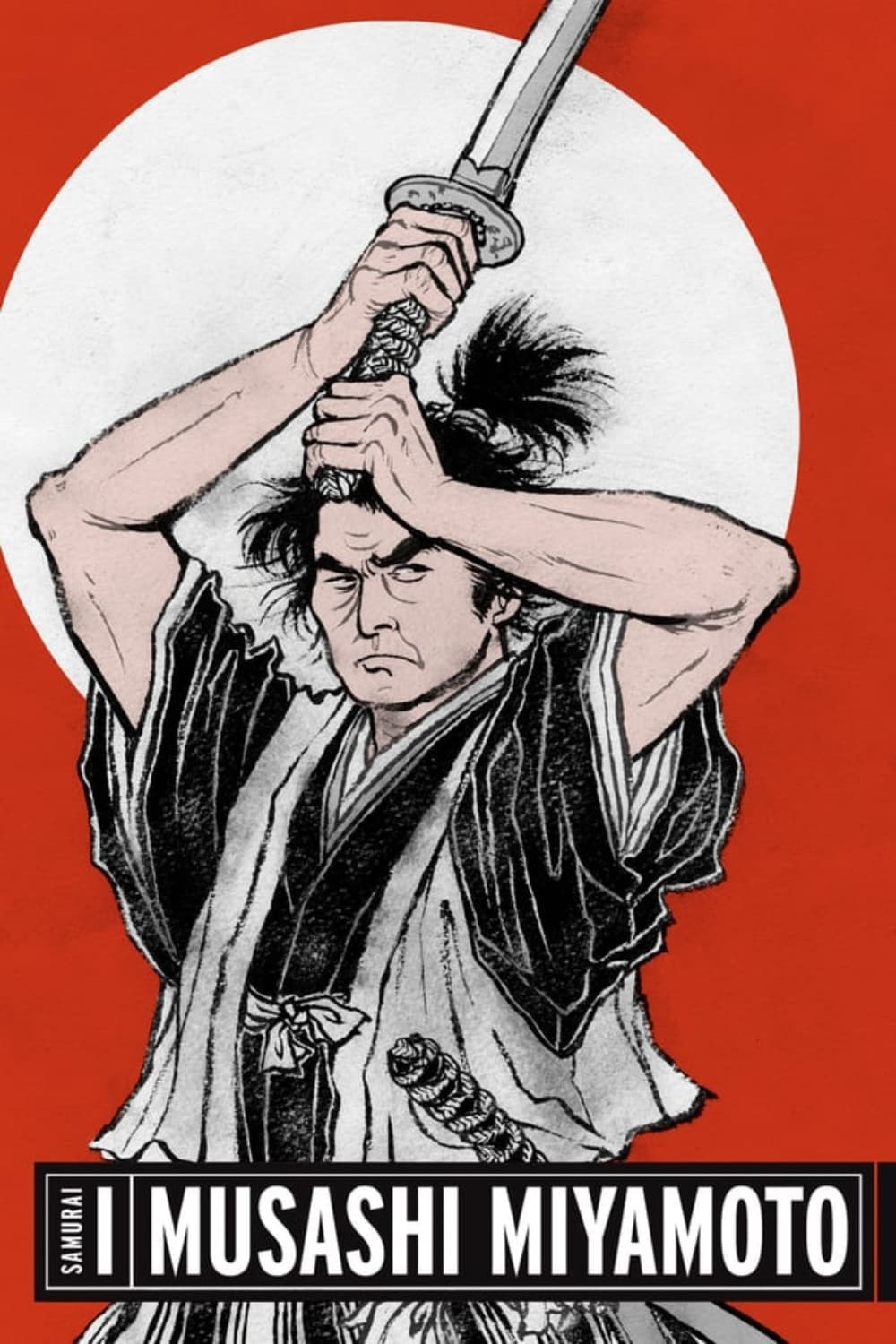
Struggling to elevate himself from his low caste in 17th century Japan, Miyamoto trains to become a mighty samurai warrior.
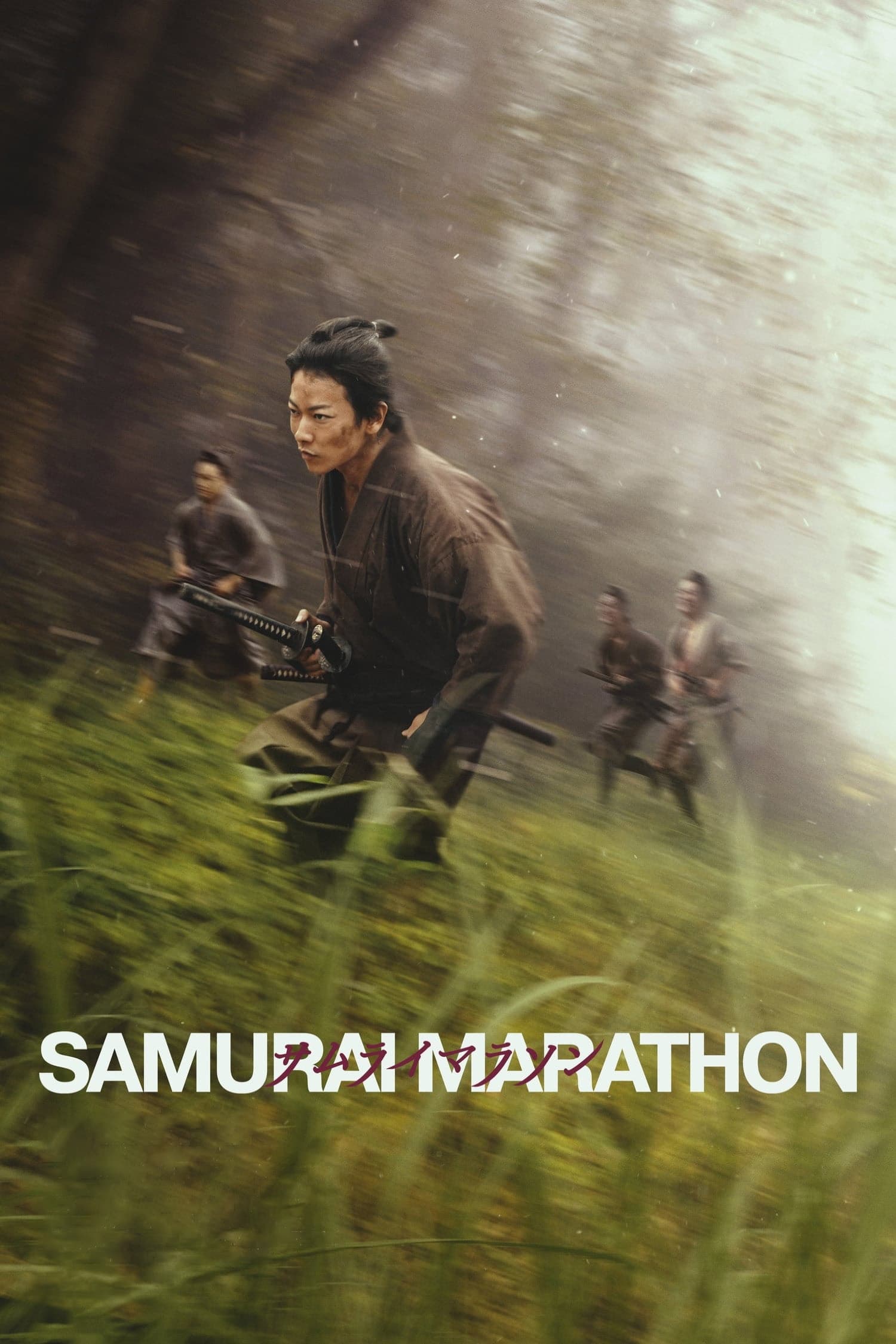
When feudal lord Itakura Katsuakira decides to prepare his samurai troops for the onslaught of modernization by having them compete in a marathon, his independent-minded daughter Yuki secretly joins the race.
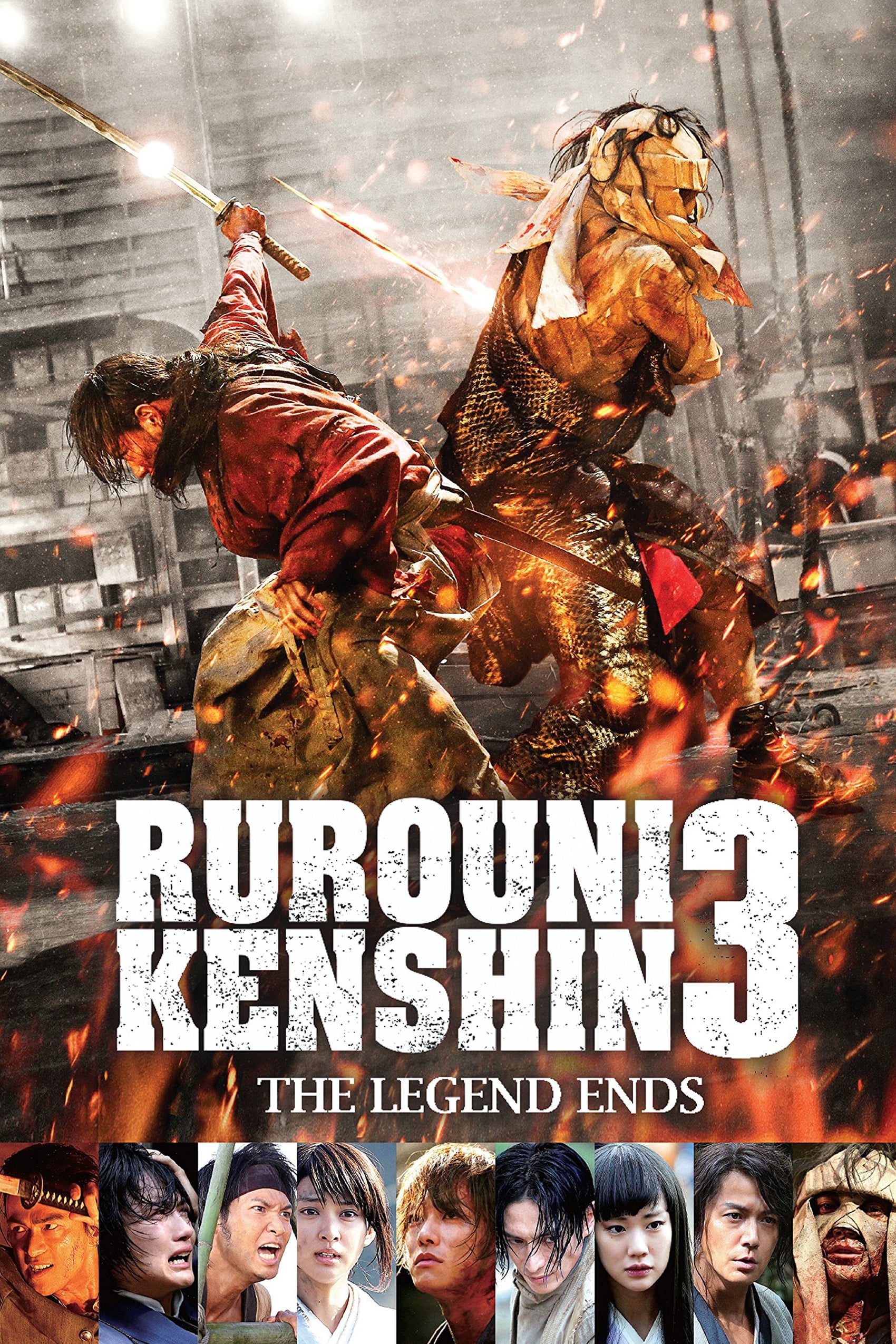
Shishio sets sail in his ironclad ship to bring down the government. In order to stop him, Kenshin trains with his old master to learn his final technique.
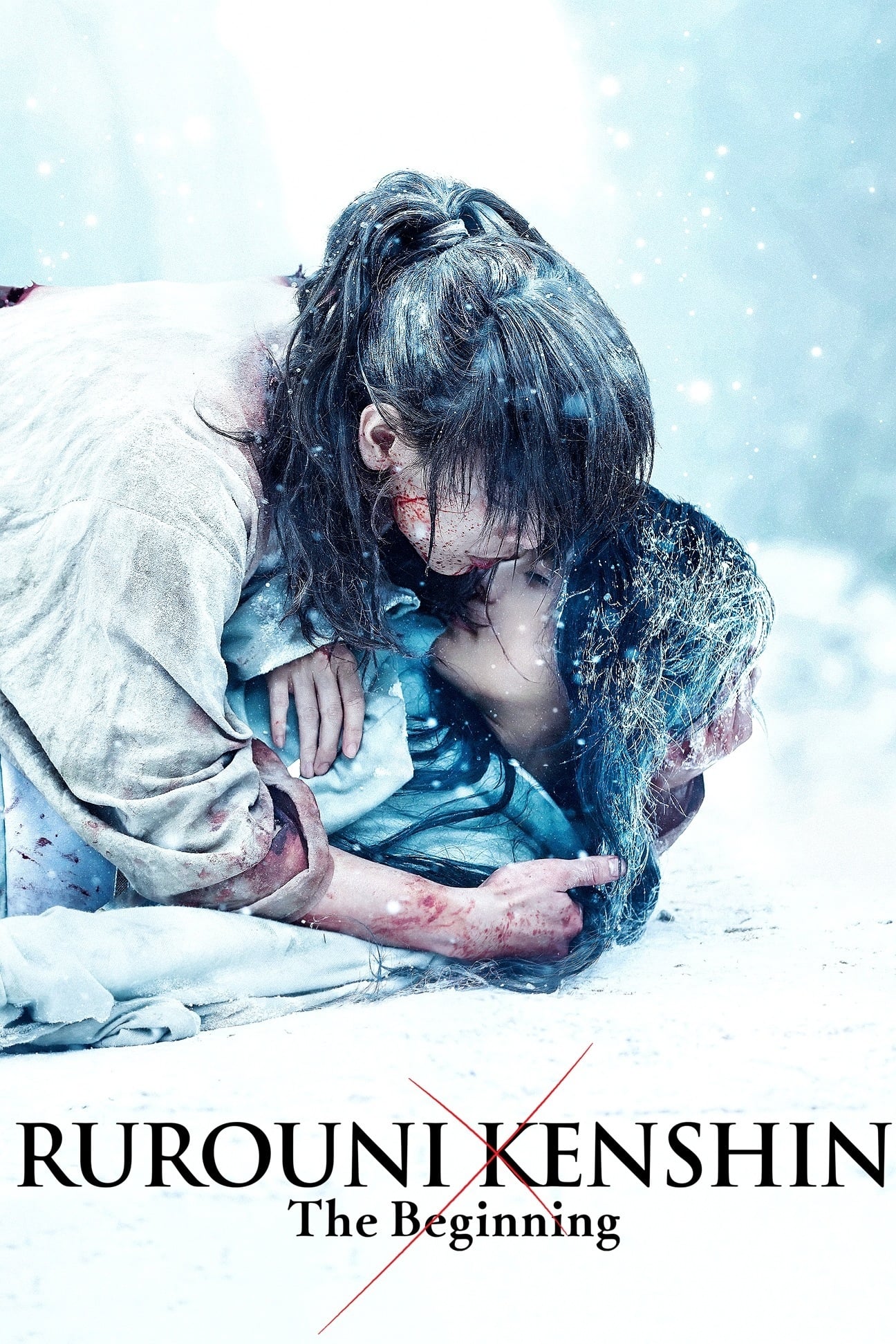
Before he was a protector, Kenshin was a fearsome assassin known as Battosai. But when he meets gentle Tomoe Yukishiro, a beautiful young woman who carries a huge burden in her heart, his life will change forever.
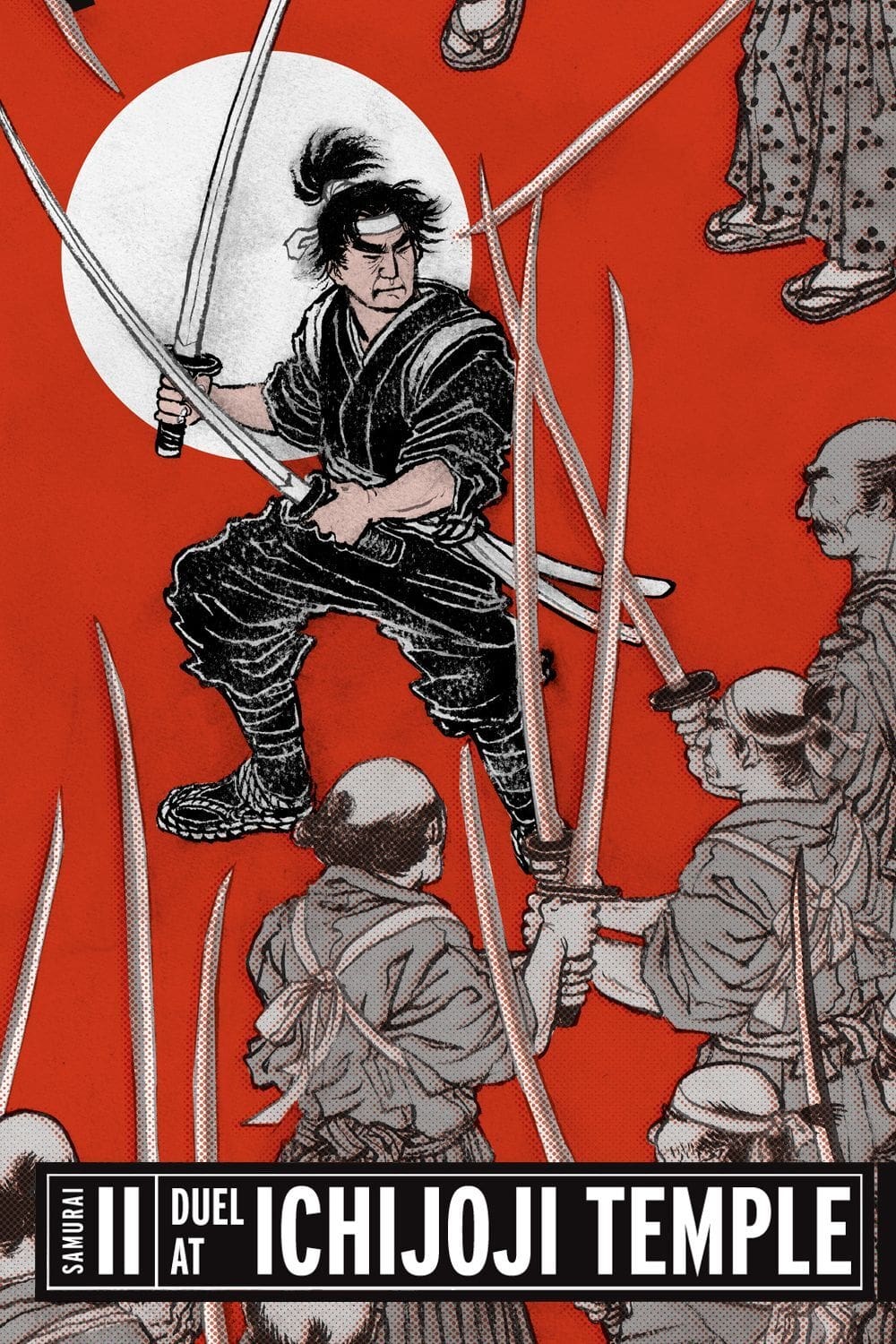
After years on the road establishing his reputation as Japan's greatest fencer, Takezo returns to Kyoto. Otsu waits for him, yet he has come not for her but to challenge the leader of the region's finest school of fencing. To prove his valor and skill, he walks deliberately into ambushes set up by the school's followers.
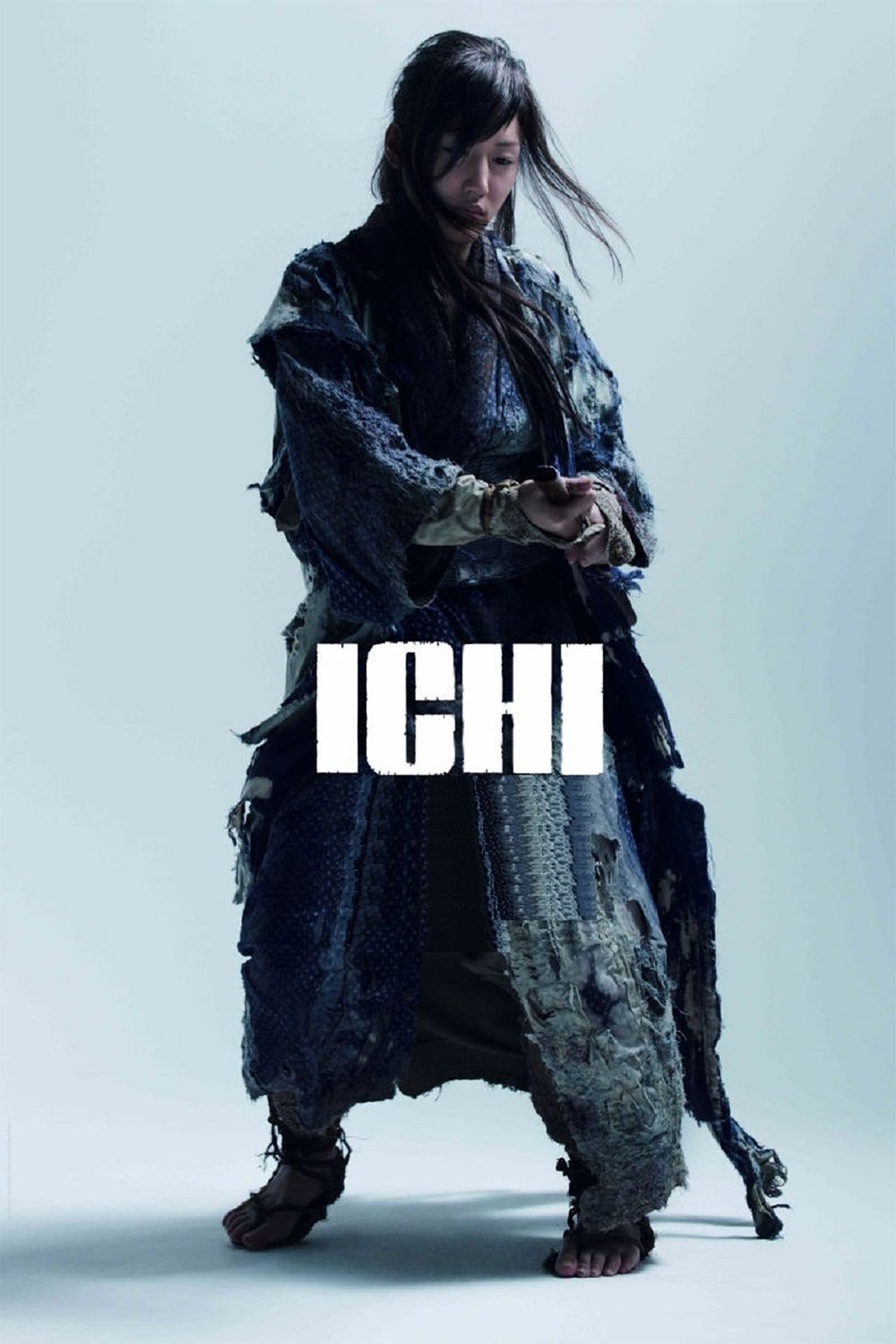
Ichi is a blind entertainer that travels the countryside with her traditional Japanese guitar and walking stick. She’s in search for the kind man that brought her up as a child, but because of her beauty she encounters problems every step of the way. Fortunately for Ichi, she is also a gifted swordswoman and carries a lethal blade within her walking stick.
In 1879, Kenshin and his allies face their strongest enemy yet: his former brother-in-law Enishi Yukishiro and his minions, who've vowed their revenge.
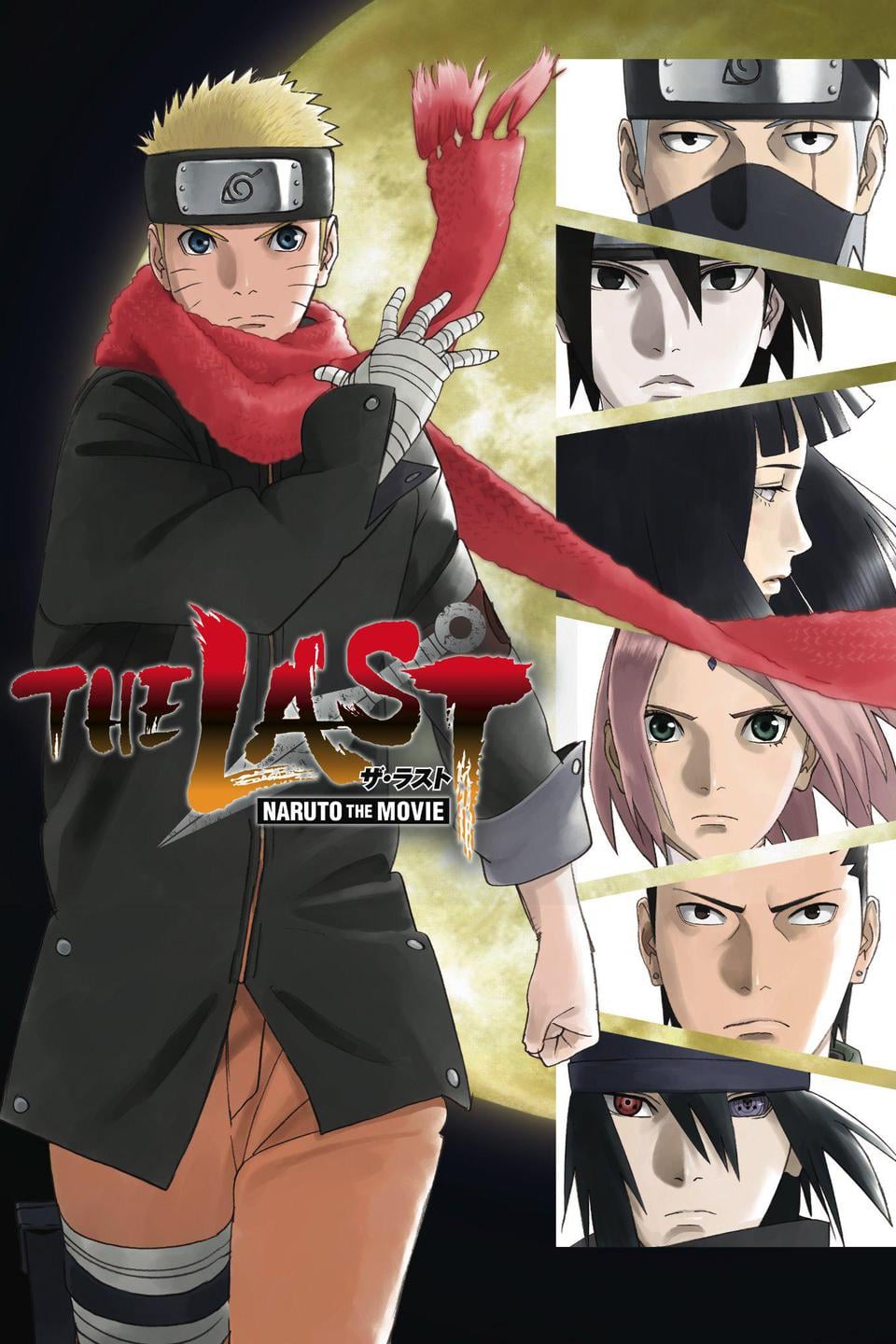
Two years after the events of the Fourth Great Ninja War, the moon that Hagoromo Otsutsuki created long ago to seal away the Gedo Statue begins to descend towards the world, threatening to become a meteor that would destroy everything on impact. Amidst this crisis, a direct descendant of Kaguya Otsutsuki named Toneri Otsutsuki attempts to kidnap Hinata Hyuga but ends up abducting her younger sister Hanabi. Naruto and his allies now mount a rescue mission before finding themselves embroiled in a final battle to decide the fate of everything.
After his capture for attempted assassination of the Raikage, leader of Kumogakure, as well as killing Jōnin from Kirigakure and Iwagakure, Naruto is imprisoned in Hōzukijou: A criminal containment facility known as the Blood Prison. Mui, the castle master, uses the ultimate imprisonment technique to steal power from the prisoners, which is when Naruto notices his life has been targeted. Thus begins the battle to uncover the truth behind the mysterious murders and prove Naruto's innocence.
Ichi is staying at an inn when a woman dies. Her dying wish is that Ichi take her son to his father, an artist living in a nearby town. After arriving in the town, Ichi finds out that the father has been forced by a local boss to create illegal pornography to pay off his gambling debts. Ichi makes it his mission to save the man and reunite the family, even though it brings him into conflict with a samurai he sort of befriended on his way to the town.
Kakunoshin, renowned for his skills with a sword and in the game of go, embodies the samurai code. Falsely accused of a theft, he is forced to become a lowly ronin. Years later, when a case of missing gold pulls him into a new web of intrigue, Kakunoshin uncovers the truth behind his downfall. With the real culprit exposed, the go board flips, and a hellstorm of righteous vengeance follows.
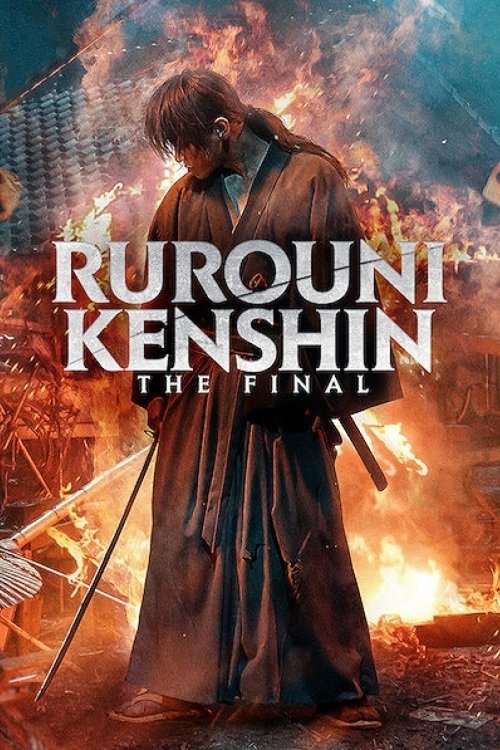
The war against the Tokugawa Shogunate ended years ago. But there are some who are not happy with the outcome. Shigure Takimi watched his friends and family get slashed down in the name of freedom and prosperity. Now he and a band of desparate rebels have sworn to settle one final score. Only one man stands in their way: Rurouni Kenshin. Will the former assassin take up his sword to fight again? When Shigure discovers Kenshin's true identity and his fight becomes a personal vendetta, the young hero will have no choice.
Set in the year 2000, when the level of Labor accidents begin to escalate around Tokyo Bay, police detectives Kusumi and Hata are assigned to investigate. What they discover leads to a series of government cover-ups, conspiracy concerning a new biological weapon entitled WXIII-Wasted Thirteen and a tragic, personal connection to Hata. The only hope to stop this threat is to cooperate with the military and lead WXIII into a showdown with the Labors of Special Vehicle Division 2.
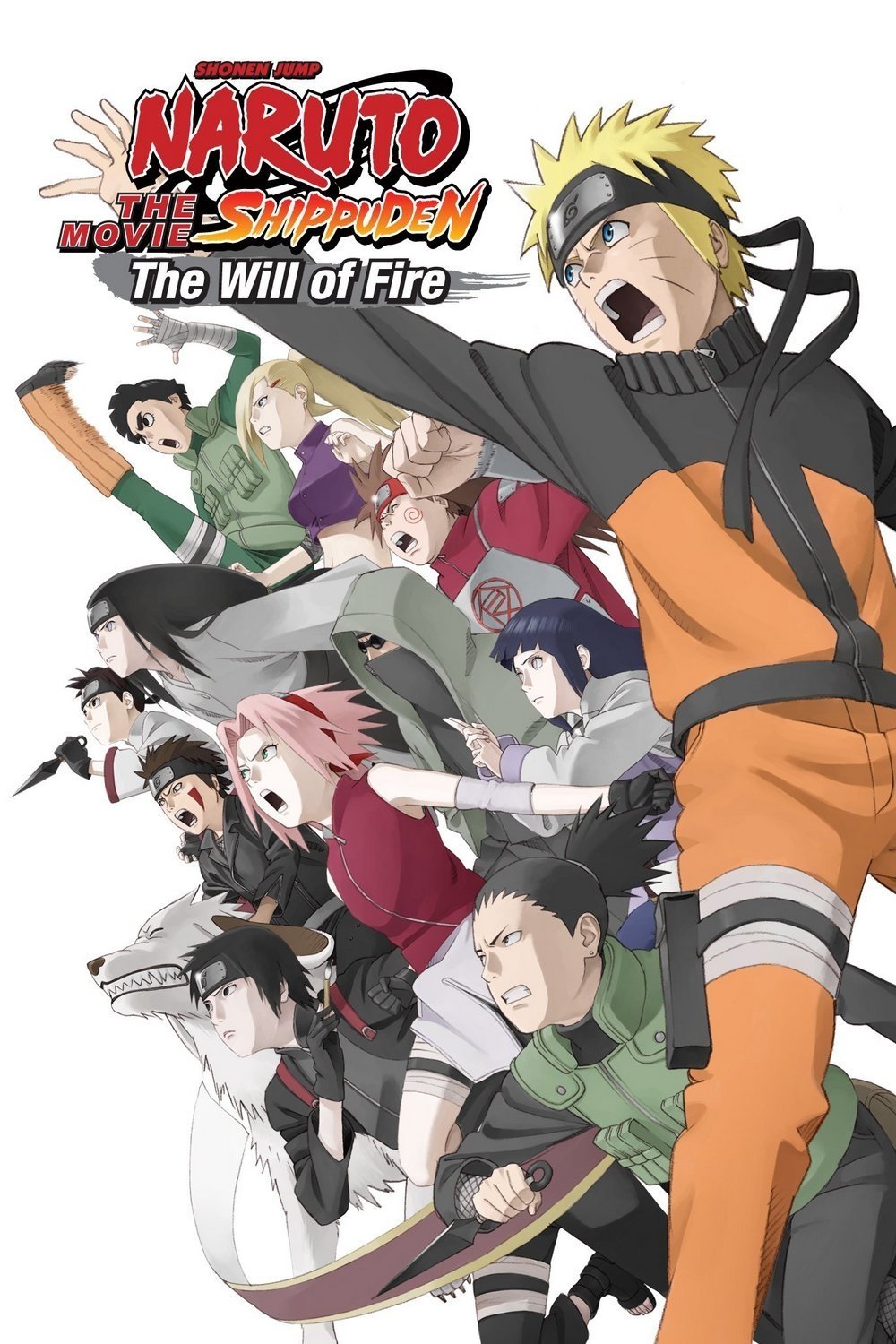
Ninjas with bloodline limits begin disappearing in all the countries and blame points toward the fire nation. By Tsunade's order, Kakashi is sacrificed to prevent an all out war. After inheriting charms left by Kakashi, Naruto fights through friends and foes to prevent his death while changing the minds of those who've inherited the will of fire.