Scene from a Trilby-themed stage play. Lost.
Social & External
Documentary about the "Kampfgemeinschaft für Rote Sporteinheit", a communist workers' sports association in the final phase of the Weimar Republic.
Lucien Bull was a pioneer in chronophotography. Chronophotography is defined as "a set of photographs of a moving object, taken for the purpose of recording and exhibiting successive phases of motion."
The documentary tells the story of Uschi, a farmer living free and recluded in the bavarian alps. Shot in epic black and white pictures, Still follows Uschi's life over a ten year period. From an untroubled summer of making cheese through pregnancy and the uncertain future of the parental farm, Matti Bauer portrays Uschi's struggle to keep alive the dream of a way of life that has become rather untypical in this day and age.
A day in the city of Berlin, which experienced an industrial boom in the 1920s, and still provides an insight into the living and working conditions at that time. Germany had just recovered a little from the worst consequences of the First World War, the great economic crisis was still a few years away and Hitler was not yet an issue at the time.
LONDON SYMPHONY is a brand new silent film - a city symphony - which offers a poetic journey through the city of London. It is an artistic snapshot of the city as it stands today, and a celebration of its culture and diversity.
A meditation on the human quest to transcend physicality, constructed from decaying archival footage and set to an original symphonic score.
A cameraman wanders around with a camera slung over his shoulder, documenting urban life with dazzling inventiveness.
This short documentary film captures the natural movement of the moon mixed with an experimental musical track that accompanies the rhythm of the "walk" on the stage that the protagonist occupies, the sky.
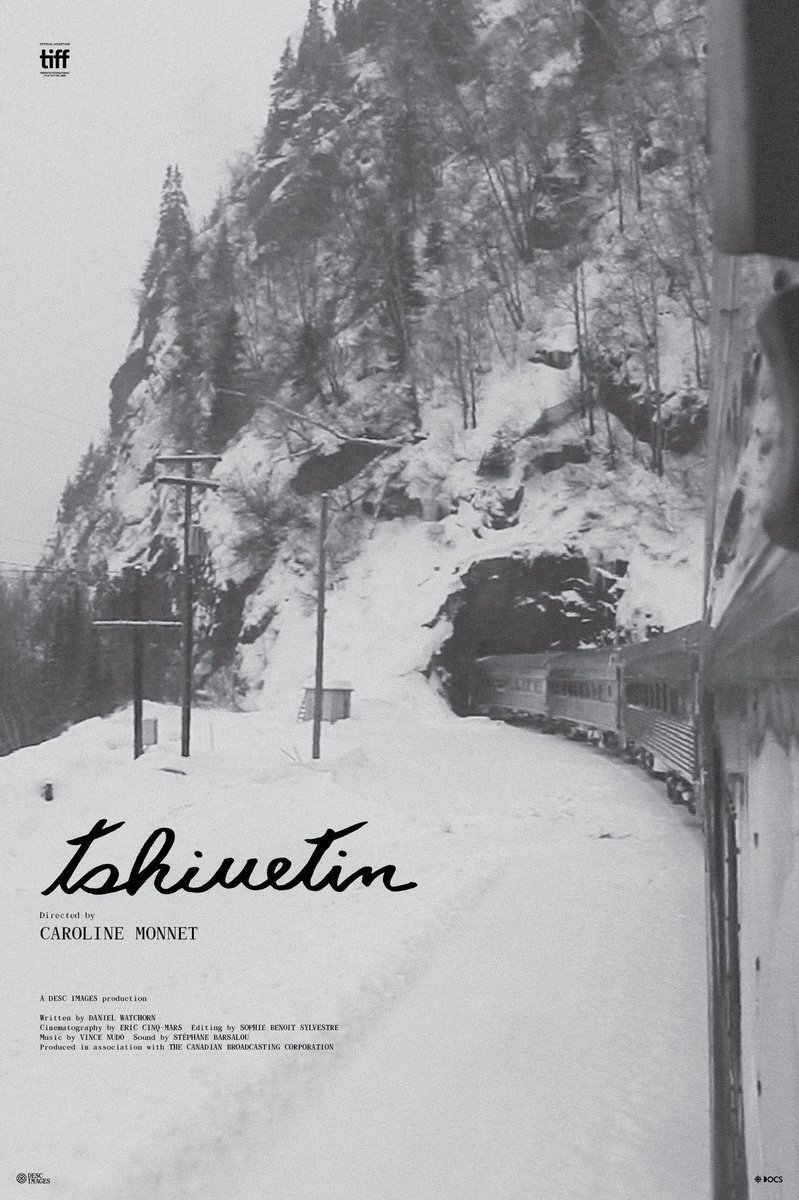
Take a breathtaking train a ride through Nothern Quebec and Labrador on Canada’s first First Nations-owned railway. Come for the celebration of the power of independence, the crucial importance of aboriginal owned businesses and stay for the beauty of the northern landscape.
It has been over one hundred years since M. K. Čiurlionis left his lasting imprint on Lithuanian culture. He was a composer, painter, genius, and madman who created an entirely new space, new context, and new universe.
To popularize the idea of automobile travel, Ford Motor Company produced Ford Educational Weekly, a film magazine distributed free to theaters. One 1916 series featured "Visits to American Cities." In this episode, Los Angeles is featured at the very beginning of the boom created by oil, movies and aircraft. On the occasion of its centennial in 1953, Ford donated its film to the National Archives and Records Service; this copy derives from a fine grain master printed from the Archive's preservation negative. Music by Frederick Hodges.
An appreciative, uncritical look at silent film comedies and thrillers from early in the century through the 1920s.
The social democrats of the sixties and seventies worked on their grand plan to build a highway network in Germany that every German citizen could reach within five minutes of their home. The little film hangs around between and on the streets of this network - where the country discos, pedestrian zones, shopping centers, hospitals and roads home are behind noise barriers.
Finland’s first nature documentary. The filmmakers’ expedition leads them all the way to the Åland Islands and the Karelian Isthmus.
Finnish filmmaker and artist Sami van Ingen is a great-grandson of documentary pioneer Robert Flaherty, and seemingly the sole member of the family with a hands-on interest in continuing the directing legacy. Among the materials he found in the estate of Robert and Frances Flaherty’s daughter Monica were the film reels and video tapes detailing several years of work on realising her lifelong dream project: a sound version of her parents’ 1926 docu-fiction axiom, Moana: A Romance of the Golden Age.
Short documentary about eels
The film shows the various stages of the Stahlhelm's integration into the NSDAP and the Third Reich.