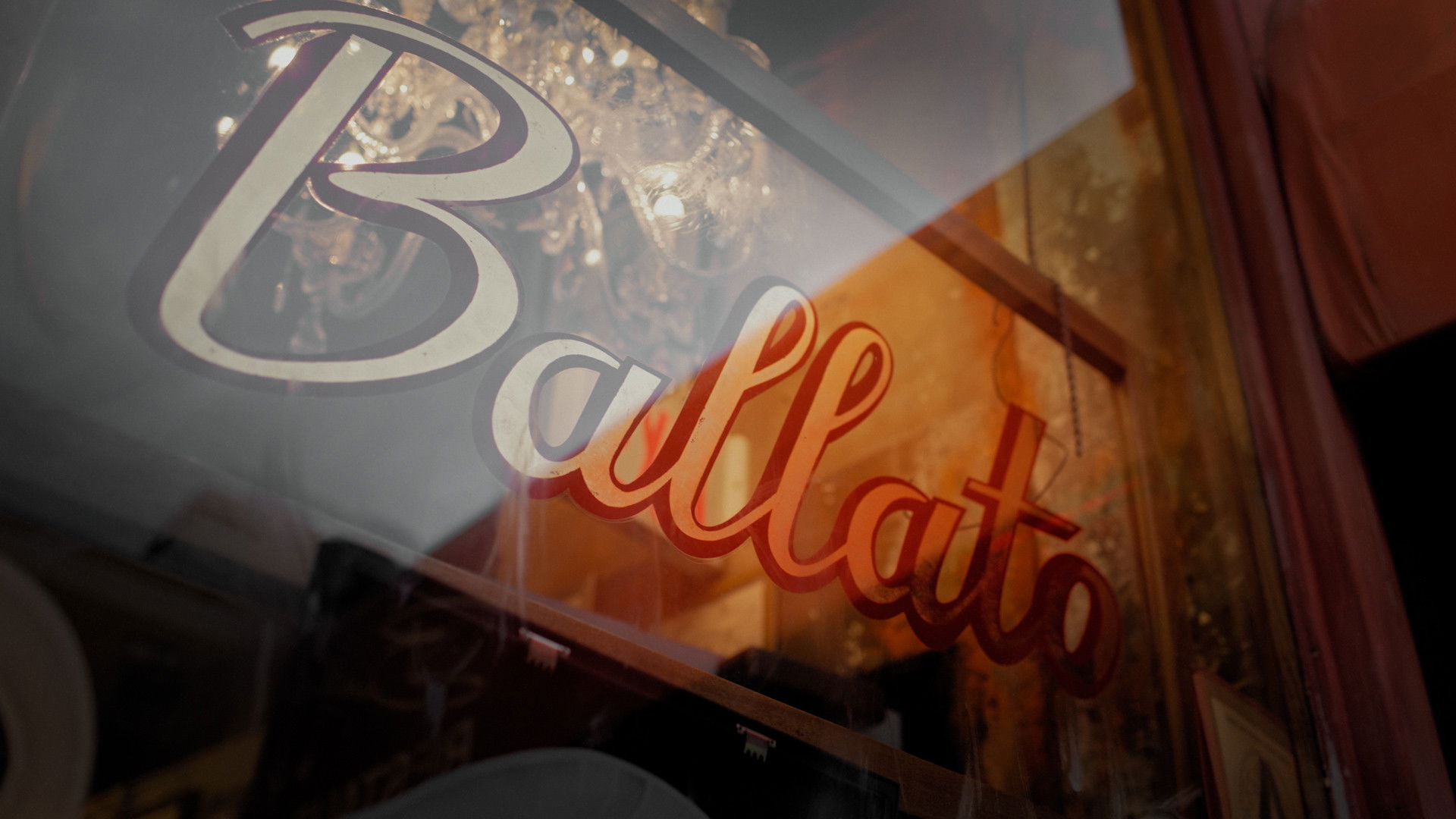
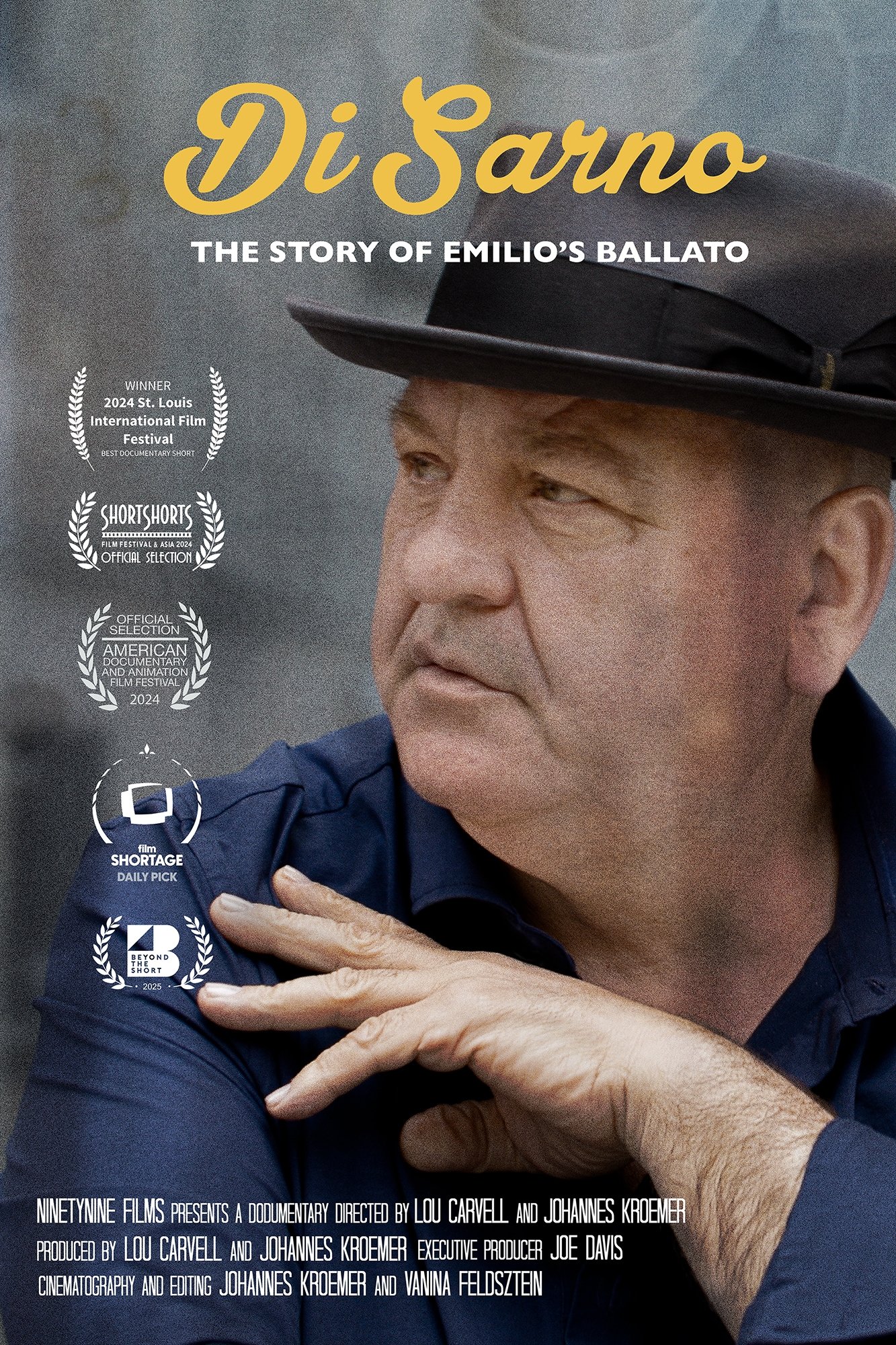
If you walk down Manhattan’s Houston Street, you probably won’t notice this restaurant — unless you wonder what all the people are standing in line for. It’s famous, yet most people have never heard about it.
Social & External
Unknown Role
A film essay contrasting the modern metropolis with its "golden age" from 1830-1930, with the participation of some of New York's leading political and cultural figures. Made at a time when the city was experiencing unprecedented real estate development on the one hand and unforeseen displacement of population and deterioration on the other. Empire City is the story of two New Yorks. The film explores the precarious coexistence of the service-based midtown Manhattan corporate headquarters with the peripheral New York of undereducated minorities living in increasing alienation.
Max Gimblett: Original Mind documents the life and process of eccentric, creative genius Max Gimblett. One of New Zealand’s most successful and internationally prominent living painters, Gimblett has been working in America since 1962. The filmmakers spent a week in Gimblett’s Soho loft where he and his devoted studio assistants generously revealed the techniques and philosophy behind his beautiful art.
In the community gardens of New York
New York cab and black car drivers are facing economic and emotional hardship in a city dominated by ride-share apps. As these long standing industries are decimated by economic and political forces, drivers are forced to cope or fight back.
"This film explores how freedom of speech — including dissent — is afforded to all Americans, and shows freedom of expression in art, music, dance, architecture, and science. The film also emphasizes the importance of the individual’s contribution to the whole of society and demonstrates how a productive and creative society is formed by the open and respectful exchange of ideas. The film was written, produced, and directed by William Greaves" (National Archives).
A documentary about Pat the Cat and other roller disco skaters who want to make it big doing what they do.
From the sweaty basement bars of 70s New York to the glittering peak of the global charts, how disco conquered the world - its origins, its triumphs, its fall and its legacy.
Hailed as the “godfather of Brooklyn pizza,” for forty five years Domenico DeMarco, Italian émigré and father of seven, has been slinging pizzas in his legendary corner shop, Di Fara. Employing five of his children, Dom works tirelessly from morning until night hand crafting each and every pizza himself while his kids take orders and manage the mob of devoted pizza aficionados. The Best Thing I Ever Done is a portrait of DeMarco and his beloved pizzeria, an exploration of his rise to fame and an ode to pizzaioli who take their time to 'make it right.'
Set against the backdrop of 9/11, this documentary tells the story of how a new generation kickstarted a musical rebirth for New York City that reverberated around the world.
Some of the world's best jazz, R & B, hip-hop, rap, gospel and Latin musicians perform classic and modern songs in this 2004 benefit show celebrating the 70th year of Harlem's famed Apollo Theater. Performers include Natalie Cole, Ashanti, Brian McKnight, Yolanda Adams with the Abyssinian Baptist Choir, James Ingram, Herbie Hancock, Branford Marsalis, Doug E. Fresh, Slick Rick, Patti LaBelle, Angie Stone and Arturo Sandoval.
Michael Bublé takes the New York City stage to celebrate the 10th anniversary of his chart-topping album, "Christmas," featuring music, comedy and special guests.
Stonewall veterans (including prominent trans activist Sylvia Rivera) and HIV-positive New Yorkers take up residency on the Hudson River piers as cranes raze vacant buildings for a new skyline.
This documentary offers an intimate look at the life and legacy of American abstract expressionist Franz Kline. Through personal memories and reflections from those who knew him—such as fellow artist Willem de Kooning, de Kooning’s wife Elaine, and other contemporaries—the film paints a vivid portrait of Kline’s personality, artistic spirit, and lasting influence. Known for his powerful black and white compositions and bold brushwork, Kline is remembered not only for his art, but also for his wit, warmth, and passionate approach to painting. The episode explores both his creative process and the deep friendships that shaped his career.
This documentary interviews young people on war, religion, music, sex, and other topics. Part of NBC's Experiment in Television.
The story behind Blondie's album Parallel Lines, which sold 16 million copies and captured the spirit of 1970s New York at a time of poverty, crime and an exploding artistic life.
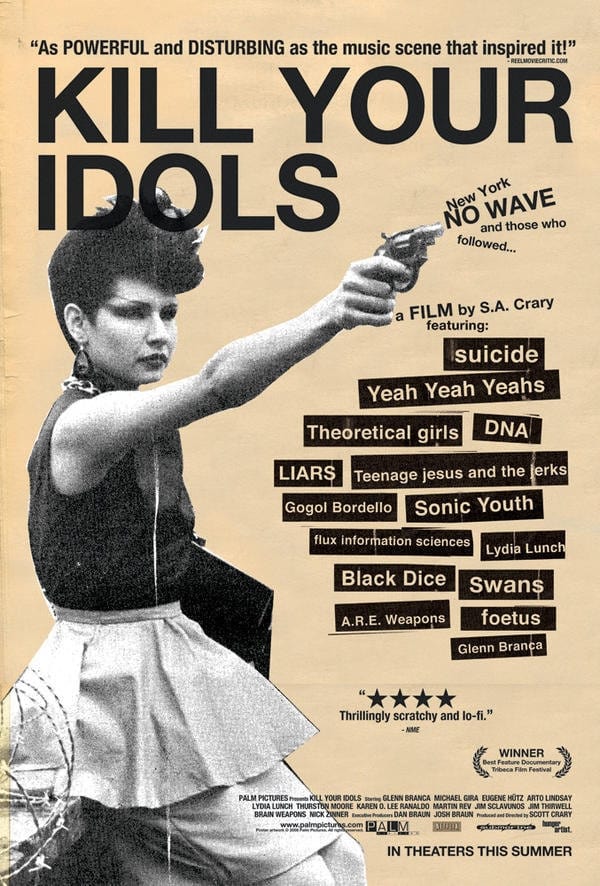
Don't Bring A Dog shows a part of the New York underground music scene - rooted in the early eighties - existing apart from MTV and billboard charts. Music, interviews, sounds and pictures of the city blend into a collage. Don't Bring A Dog works like a time capsule of people and music in NY at a particular moment
In this special documentary that inspired a two-season television series, scientists and other experts speculate about what the Earth, animal life, and plant life might be like if, suddenly, humanity no longer existed, as well as the effect humanity's disappearance might have on the artificial aspects of civilization.
A box found in an abandoned storage unit unearths a time capsule of correspondences from a forgotten era: the underground drag scene in 1950s New York City. Firsthand accounts and newly discovered footage help cast a long overdue spotlight on the unsung pioneers of drag.
Empire Skate chronicles the colorful rise and enduring influence of New York skateboarding culture in the 1990s, through the global phenomenon of Supreme and intimate portraits of the skaters who breathed life into that world. From the highs of breakout film success and the creation of a brand and movement to the lows of fractured families and the loss of close friends, it is a style-and-substance trip through a unique moment when multiple trends converged on one city to create something timeless.
Shot over the course of 18 months in New York City's Lower East Side, METHADONIA sheds light on the inherent flaws of legal methadone treatments for heroin addiction by profiling eight addicts, in various stages of recovery and relapse, who attend the New York Center for Addiction Treatment Services (NYCATS).