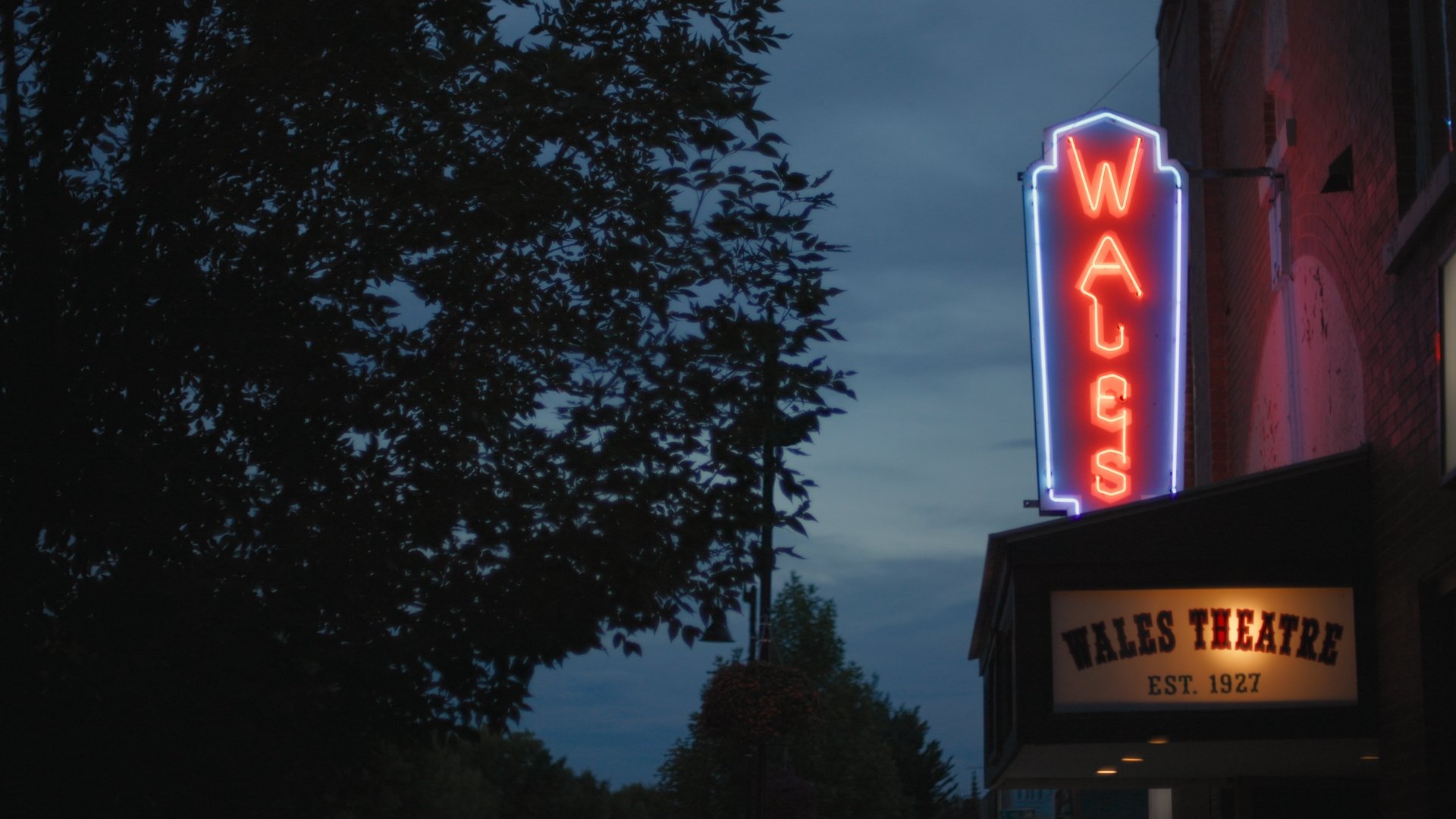

At struggling independent movie theatres across Alberta, passionate business owners are reviving, re-inventing and sometimes letting go of these once-vital community spaces.

Social & External
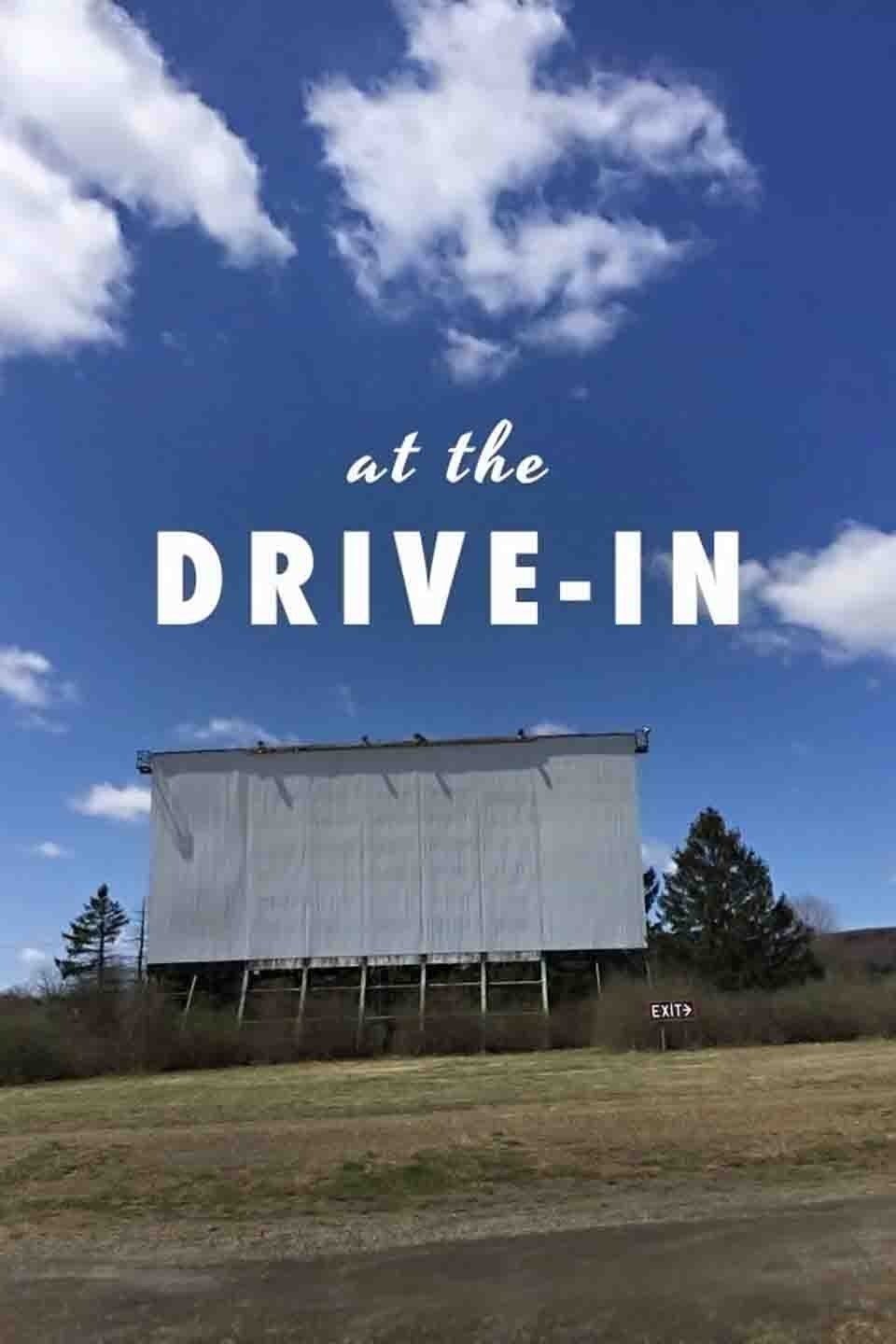
Unable to purchase a $50,000 digital projector, a group of film fanatics in rural Pennsylvania fight to keep a dying drive-in theater alive by screening only vintage 35mm film prints and working entirely for free.
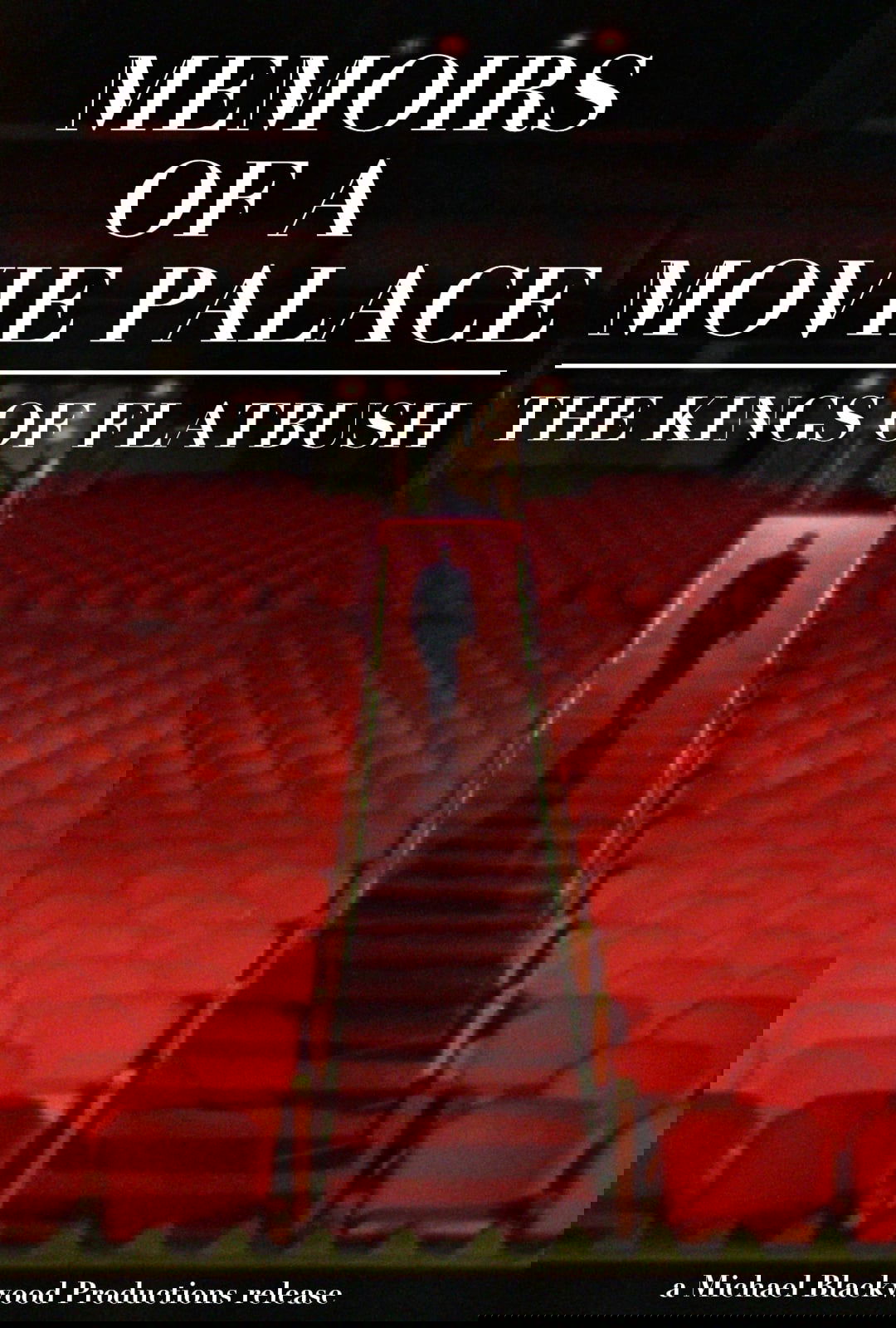
When Brooklyn's Kings Theater -- one of five "Wonder Theaters" in the New York area -- closed its doors in 1977, the neighborhood mourned. In a series of interviews, local aficionados of the palace as well as its projectionist, its organist, and former employees, reminisce about the Kings and its charmed days gone by.
A filmmaker celebrates his inspiration for movies by recreating what it was like for his 9-year old self in 1972 when he journeyed downtown to spend a magical Saturday afternoon at the movies.
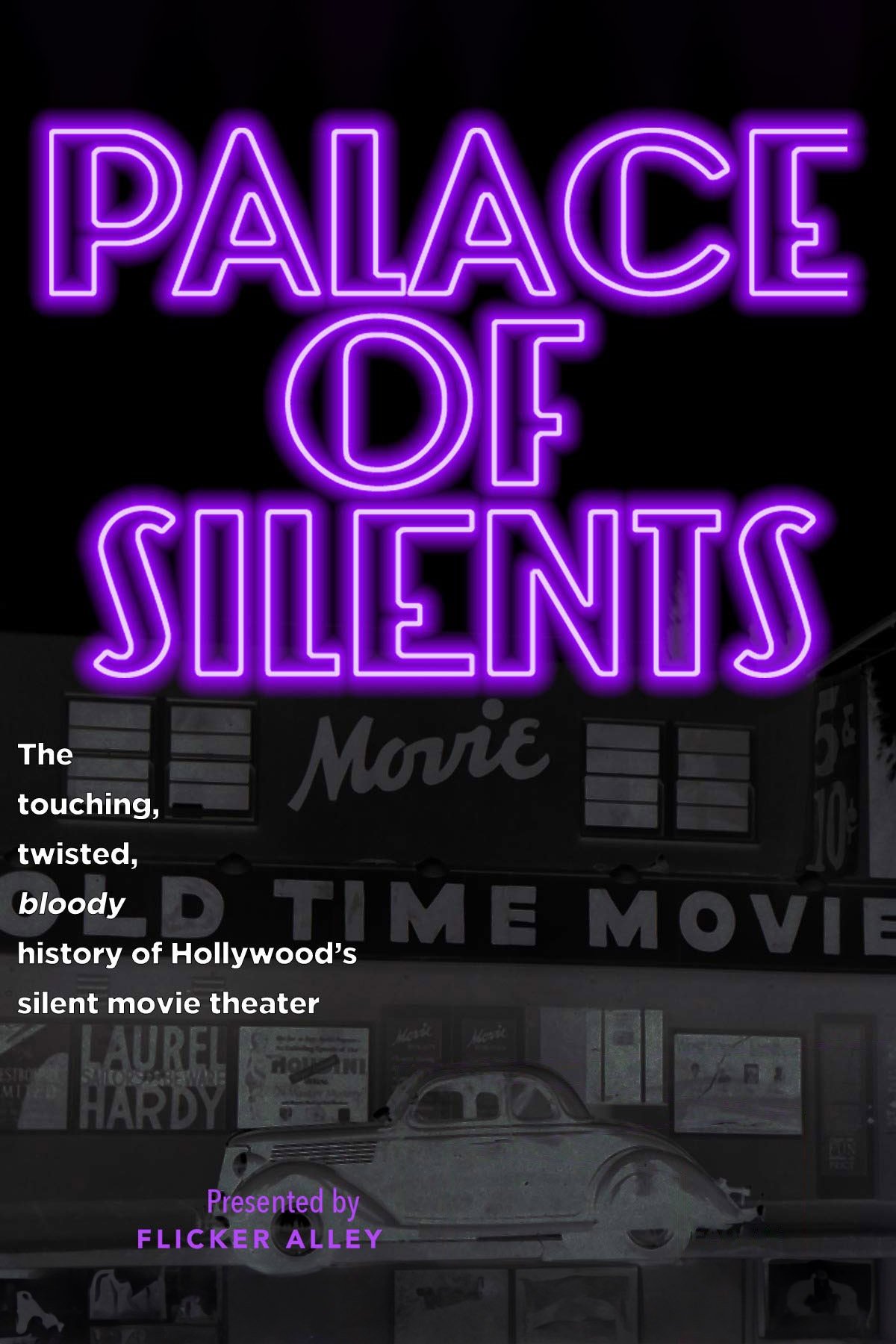
Built in 1942 by a maverick film preservationist, this small Los Angeles theater championed silent film at the very moment when the Hollywood studios across town were busily destroying their nitrate inventories. With hard chairs, phonograph-record accompaniments, and mostly original vintage prints, the dingy mom-and-pop operation was nonetheless a palace to the fanatical few who became its loyal audience.
In the heart of the Finnish forest, the long-closed foundry of the little town of Karkkila has come back to life thanks to director Aki Kaurismäki and his creation of the town's first cinema. The peace and calm of the little town of Karkkila, nestled deep in the Finnish forest, is interrupted by unexpected sounds. In the abandoned foundry, noisy building work is taking place. Inside the building, Aki Kaurismäki is both builder and site manager of what is soon to become the Kino Laika cinema. The creation of the cinema is the talk of the town. In the factory still in activity, in a 1960s Cadillac, in a bikers' club, in the local pub, in the woods or in Aki Kaurismäki's former editing room, people start talking about cinema again.
From the first movie nickelodeon on Canal Street in New Orleans at the turn of the century to the mega-plex theatres in the suburbs of the city, this film traces their history. With interviews from the people that were working in silent movie theatres to the visionaries that knew that "if you built them they will come", this is fascinating look at a history in a city that is a joy in everyone's memory.
Downtown Recife’s classic movie palaces from the 20th century are mostly gone. That city area is now an archaeological site of sorts that reveals aspects of life in society which have been lost. And that’s just part of the story.
In the excitement of the roaring 20s, a new kind of movie palace was constructed by the Bay. More than 90 years later, Tampa Theatre has become known as one of the most haunted buildings in the city, This Documentary uncovers the rich history and explores the unexplained events with a Team of Historians, Ghost Hunters and Staff.
In the silent film era, movies were never really silent. In the background of films that made figures like Charlie Chaplin and Buster Keaton into cultural icons, were the musical giants whose compositions defined the very films that captivated a generation of movie-goers. Arthur Kleiner converses with the still-living legends from that bygone golden age of cinema.
ONLY IN THEATERS, a film by actor/director Raphael Sbarge, is an intimate and moving journey taken with the Laemmle family, spanning nearly three years of challenges, losses, and personal triumphs. Laemmle Theatres, the beloved 84-year-old arthouse cinema chain 3rd generation family business in Los Angeles, is facing seismic change and financial pressure. Yet the family behind this multigenerational business – whose sole mission has been to support the art of film – is determined to survive.
In 1982, Wim Wenders asked 16 of his fellow directors to speak on the future of cinema, resulting in the film Room 666. Now, 40 years later, in Cannes, director Lubna Playoust asks Wim Wenders himself and a new generation of filmmakers (James Gray, Rebecca Zlotowski, Claire Denis, Olivier Assayas, Nadav Lapid, Asghar Farhadi, Alice Rohrwacher and more) the same question: “is cinema a language about to get lost, an art about to die?”
Jeff Towne revisited four years after the release of the original film.
Spring 2021. A cinephile invites you on an intimate trip through the last surviving cinema houses in Latvia. This documentary essay, shot on super 8mm, opens the locked doors to picture houses during a Covid-19 lockdown, perhaps the most difficult time in the history of physical cinema space.
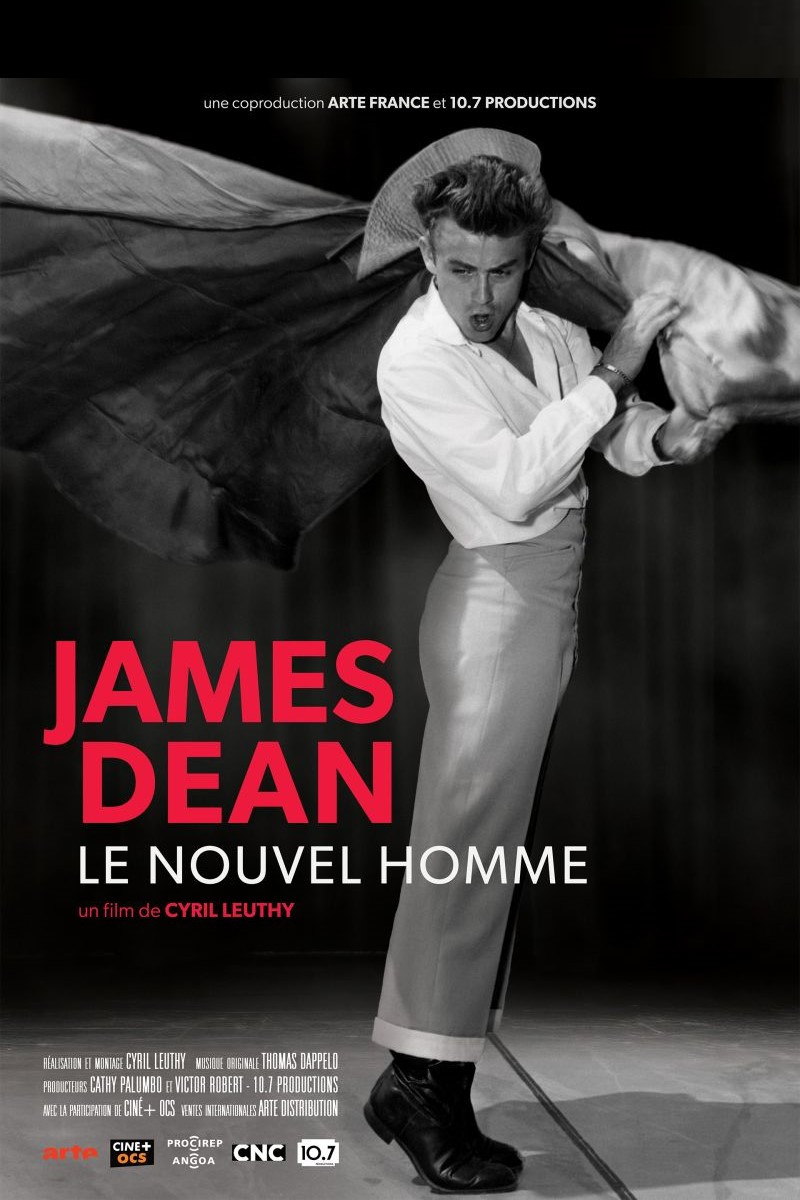
The antithesis of the virile heroes of his era, James Dean shook up the representation of adolescence and masculinity in three films shot in 1955, the same year he died in a car accident at the age of 24—exactly seventy years ago: Rebel Without a Cause, East of Eden, and Giant. This meteoric rise made him an instant icon, frozen in eternal, rebellious youth, which still resonates strongly today.
A nostalgic, informative history of drive-in movie theaters, featuring extensive archival photographs and interviews with Leonard Maltin, John Bloom, Samuel Z. Arkoff, Barry Corbin and many others... Drive-In Movie Memories is a film celebration of America's greatest icon of youth, freedom and the automobile. What began as an auto parts owner's business venture to make some easy money accidentally became a magical place where romance, fun and a sense of community flourished. This film chronicles the drive-in's birth and development, its phenomenal popularity with audiences of all ages, its tragic decline, and its inevitable comeback as a classic form of Americana.
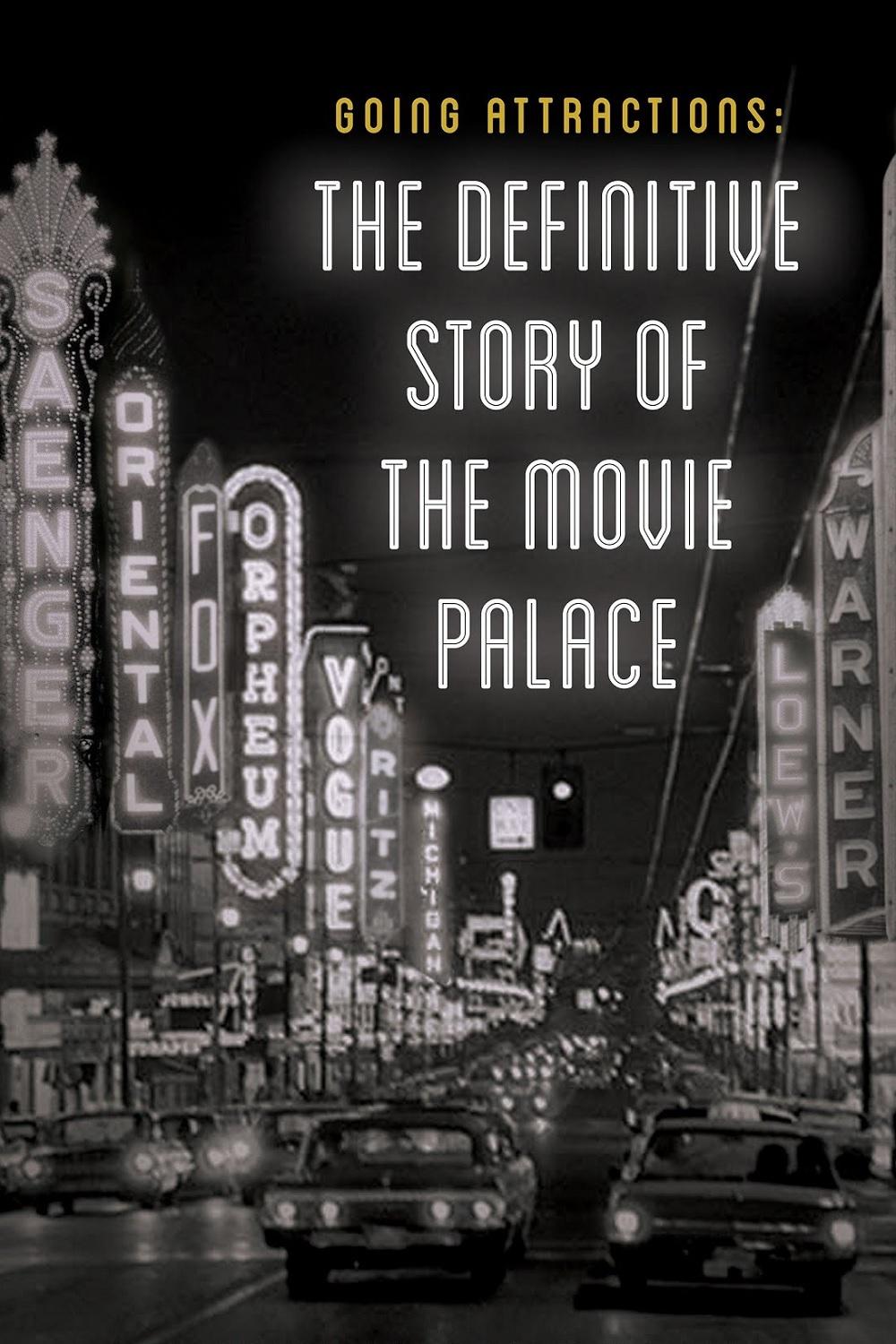
Celebrating the splendor and grandeur of the great cinemas of the United States, built when movies were the acme of entertainment and the stories were larger than life, as were the venues designed to show them. The film also tracks the eventual decline of the palaces, through to today’s current preservation efforts. A tribute to America’s great art form and the great monuments created for audiences to enjoy them in.
This feature-length big screen documentary tells the riotous inside story of the infamous sex, drugs and rock 'n' roll repertory cinema which inspired a generation during Britain's turbulent Thatcher years.
An affectionate and entertaining look at our nation's obsession with cinema from the early days of silent cinema, through the golden age of the picture palace, to the modern multiplexes and beyond. A celebration of Norfolk-area cinemas past and present that introduces some colourful characters who kept audiences coming back for more, this film also asks: Is this the final reel in the story of cinema or just another chapter in its continuing development?