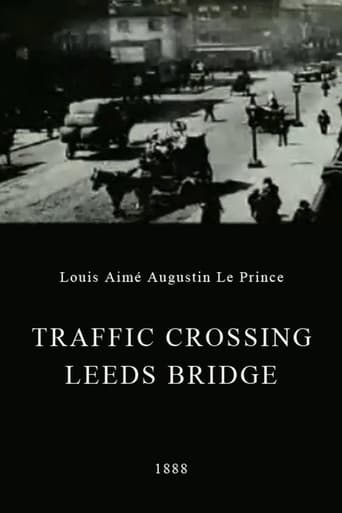
An actuality film of traffic and pedestrian movement at the end of a bridge. In the distance on the other side of the bridge, the tops of some large buildings are visible, including a domed building. The location is unconfirmed.
Social & External
Sir John Franklin set off from England in 1845 with two ships and 129 men to be the first to navigate the Northwest Passage, a new trade route over the top of the world, when Franklin’s ships vanished without a trace. Now, a team of explorers attempts to solve the mystery by retracing Franklin’s route in search of his long-lost tomb.
Two toddlers sit for the camera in their best clothing. One is determined to take toys and objects from the other until the other toddler starts to cry. The BFI notes this is a copy of a film originally made by the Lumière brothers.
A film by Louis Aimé Augustin Le Prince, shot in late October 1888, showing pedestrians and carriages crossing Leeds Bridge.
An account of the last two centuries of the Anthropocene, the Age of Man. How human beings have progressed so much in such a short time through war and the selfish interests of a few, belligerent politicians and captains of industry, damaging the welfare of the majority of mankind, impoverishing the weakest, greedily devouring the limited resources of the Earth.
A group of children are encouraged to play in a park by two men. Some play a skipping game. One of the other children refuses and eventually runs away. Another child is fascinated by the camera and stares at it throughout, even when encouraged by one of the men to play. IN the background, traffic passes and pedestrians stroll past behind a railing on an upper level. The children wear sunhats, indicating the weather is very sunny.
An examination of the intimate life of America's most consequential president, Abraham Lincoln. As told by preeminent Lincoln scholars and never before seen photographs and letters, Lincoln's romantic relationships with men is detailed. The lens is widened into the history of human sexual fluidity and focuses on the profound differences between sexual mores of the 19th century and those we hold today.
A stationary camera, looking diagonally across a racetrack toward the infield, records the horses as they race past. Once they are out of view and the race is over, police officers run onto the infield. The crowd moves around.
A group of Welsh settlers decided to emigrate to Argentine Patagonia in 1865. Among them, a woman named Catherine Roberts, her husband, and their three children. Aboard the ship Mimosa they arrived at the current Puerto Madryn, Chubut, on July 28, 1865. Catherine died on August 21 and was buried near the coast, but her traces were lost until 1995 when some bones were discovered by chance. Argentine scientists Silvia Dahinten, Julieta Gómez Otero and Fernando Coronato have been working for twenty years to determine if the remains found are those of Catherine. In 2015, the arrival in Puerto Madryn of a Welsh descendant of Catherine, and new scientific advances, allow us to confirm that the bones found in 1995 are those of Catherine.
Bas Jan Ader rides his bike into a canal in Amsterdam.
An actuality and reportage film. This film captures Lord Frederick Roberts (British Army rank Field Marshal) departing England for South Africa on 23rd December 1899, where he commanded British forces for a year in the Second Boer War. The ship in this film is the RMS Dunottar Castle. Going with Roberts is his chief of staff, Lord Kitchener, whose future role as Secretary Of State for War during World War One awaits him. This film was produced and distributed by the Warwick Trading Company, a London based company at its peak at this time, involved in the majority of British films.The Warwick Trading Company specialised in travel, reportage and actuality films and had substantial catalogues. Charles Urban had taken over as managing director in 1897 and was in that role when this film was produced. According to the BFI programme entry, the company had a large amount of resources already in South Africa. This meant they could capture historic moments as part of its Boer War coverage.
Germans colonized the land of Namibia, in southern Africa, during a brief period of time, from 1840 to the end of the World War I. The story of the so-called German South West Africa (1884-1915) is hideous; a hidden and silenced account of looting and genocide.
A depiction in the hanging of Edward Heinson, an assumed criminal assault convict in Jacksonville, Florida.
In 1892, Ellis Island, in New York Bay, became the main gateway to the United States for immigrants arriving increasingly from Europe. The story of immigration to the United States from 1892 to 1954, an enthralling polyphonic narrative that embraces both small and great history.
Three sisters dance the Mikado in this very early film from the Edison company.
A tiny fragment of an actuality film of Tom Merry (William Mechem), a 'lightning sketch' caricaturist performing his act for the camera and producing a large profile caricature of Kaiser Wilhelm II. The loss of the rest of the film has bequeathed us 6 seconds that are of Mechem standing next to the completed portrait and sadly, that is all there is. An early film made by Birt Acres for R.W. Paul. (see release information for further detail).
Watched by crowds, Sir Redvers Buller, Lady Buller, the Mayor of Southampton and others walk along the gangway leading to the ship towards the camera. Sir Redvers pauses to be introduced to one of the ship's officers before embarking. According to BFI programme notes, the filmmaker William K.L. Dickson can be seen bottom left, attempting to introduce himself to General Buller as he passes. Film companies were in competition to film reportage of the Boer War and Dickson was one of those filmmakers keen to do so.
Spectators on the quayside at Southampton wave farewell as the crowded troopship Roslin Castle moves away to the right of the picture. Large numbers of troops on board wave back to loved ones and the crowd including thr 2nd Battaliion West Yorkshires. Date: 20th October 1899.
An often humorous documentary about the building of the Öresund bridge, connecting Copenhagen in Denmark to Malmö in Sweden. We meet the people who work on production of the bridge, as well as opponents to the idea of such a bridge.
In 1858 Charles Darwin struggles to publish one of the most controversial scientific theories ever conceived, while he and his wife Emma confront family tragedy.
In the film Crowned, we follow the extraordinary story of Magdalena Gornik, who lived in the 19th century with mystical phenomena and faced opposition, yet persistently followed her mission of converting hearts and drawing near to God through suffering.
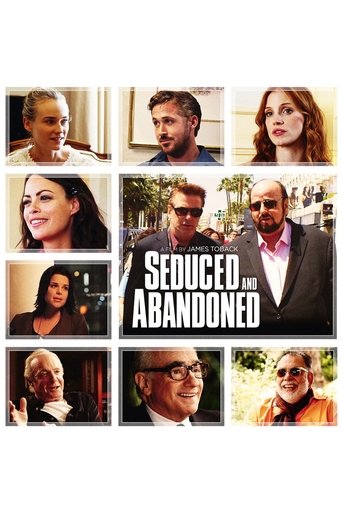
SEDUCED AND ABANDONED combines acting legend Alec Baldwin with director James Toback as they lead us on a troublesome and often hilarious journey of raising financing for their next feature film. Moving from director to financier to star actor, the two players provide us with a unique look behind the curtain at the world's biggest and most glamourous film festival, shining a light on the bitter-sweet relationship filmmakers have with Cannes and the film business. Featuring insights from directors Martin Scorsese, 'Bernando Bertolucci' and Roman Polanski; actors Ryan Gosling and Jessica Chastain and a host of film distribution luminaries.
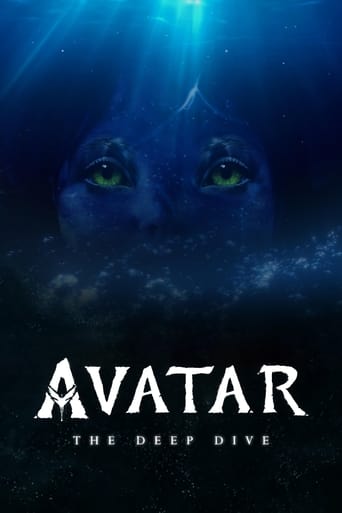
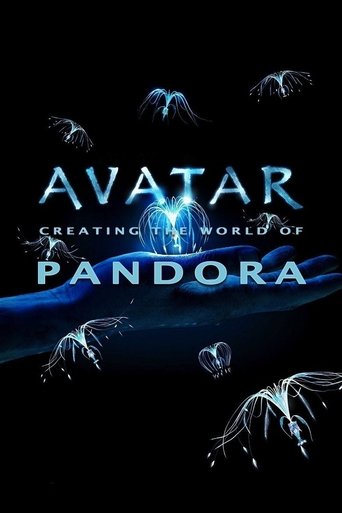
The Making-of James Cameron's Avatar. It shows interesting parts of the work on the set.
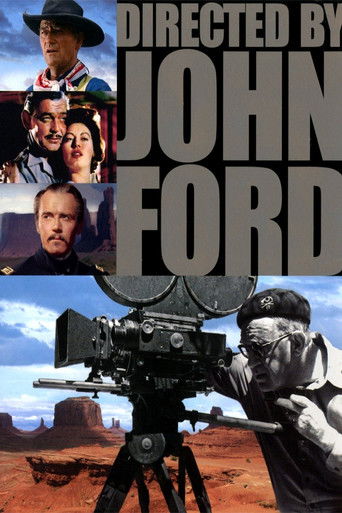
A documentary about the life and films of director John Ford.
As a visually radical memoir, CAMERAPERSON draws on the remarkable footage that filmmaker Kirsten Johnson has shot and reframes it in ways that illuminate moments and situations that have personally affected her. What emerges is an elegant meditation on the relationship between truth and the camera frame, as Johnson transforms scenes that have been presented on Festival screens as one kind of truth into another kind of story—one about personal journey, craft, and direct human connection.
A portrait of the day-to-day operations of the National Gallery of London, that reveals the role of the employees and the experiences of the Gallery's visitors. The film portrays the role of the curators and conservators; the education, scientific, and conservation departments; and the audience of all kinds of people who come to experience it.
A visual montage portrait of our contemporary world dominated by globalized technology and violence.
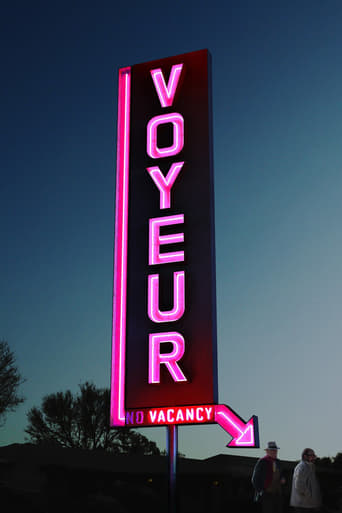
Legendary journalist Gay Talese unmasks a motel owner who spied on his guests for decades. But his bombshell story soon becomes a scandal of its own.
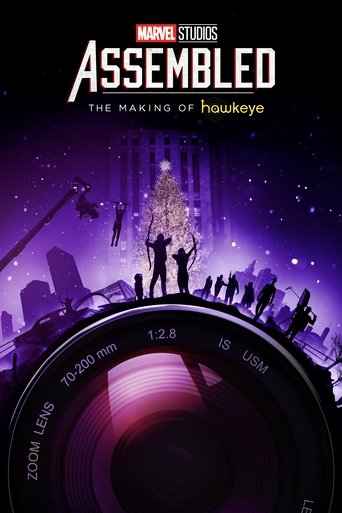
Join the likes of Jeremy Renner, Hailee Steinfeld, Florence Pugh, and Vincent D’Onofrio as they reveal how Marvel Studios’ “Hawkeye” was conceived and created. Witness firsthand what it took to pull off the show’s pulse-pounding action set pieces, and discover how iconic characters from the pages of Marvel Comics such as Kate Bishop were adapted and brought to life for the six-episode series.
Cameramen and women discuss the craft and art of cinematography and of the "DP" (the director of photography), illustrating their points with clips from 100 films, from Birth of a Nation to Do the Right Thing. Themes: the DP tells people where to look; changes in movies (the arrival of sound, color, and wide screens) required creative responses from DPs; and, these artisans constantly invent new equipment and try new things, with wonderful results. The narration takes us through the identifiable studio styles of the 30s, the emergence of noir, the New York look, and the impact of Europeans. Citizen Kane, The Conformist, and Gordon Willis get special attention.
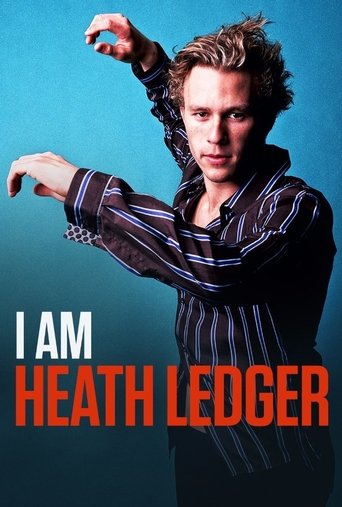
The life and career of an actor, artist, and icon. His own journey through his own camera.
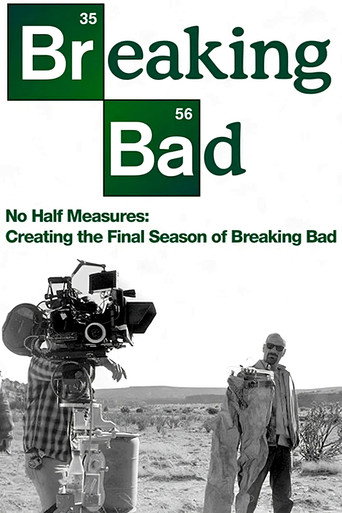
A documentary about the making of season five of the acclaimed AMC series Breaking Bad.
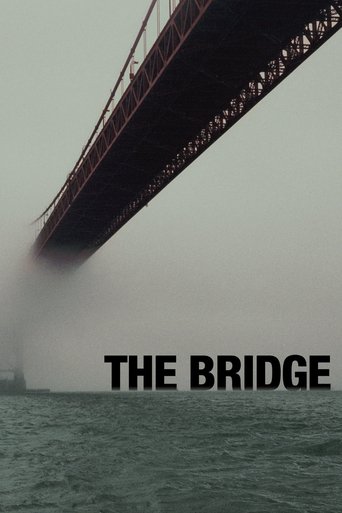
The Bridge is a controversial documentary that shows people jumping to their death from the Golden Gate Bridge in San Francisco - the world's most popular suicide destination. Interviews with the victims' loved ones describe their lives and mental health.
Martin Scorsese's documentary intertwines footage from The Band's incredible farewell tour with probing backstage interviews and featured performances by Eric Clapton, Bob Dylan, Joni Mitchell, Van Morrison, and other rock legends.
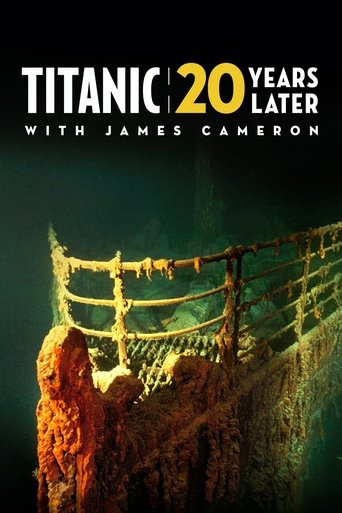
An inside look at one of the most anticipated movie sequels ever with James Cameron and cast.
A documentary examining the decade of the 1970s as a turning point in American cinema. Some of today's best filmmakers interview the influential directors of that time.
The egocentric documentary-maker Chris Waitt traces his romantic ineptitude and sexual impotence through awkward interviews with irate ex-girlfriends and stunts involving S&M parlours, Harley Street doctors and Viagra overdoses. The results are often hilarious, sometimes moving and speak directly to the hapless paramour in all of us.
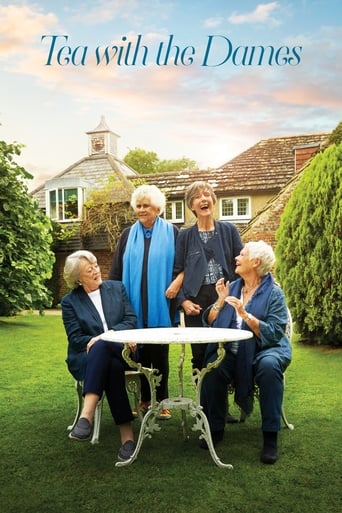
BBC Arena's documentary on the Dames of British Theatre and film featuring Maggie Smith, Eileen Atkins, Judi Dench and Joan Plowright on screen together for the first time as they reminisce over a long summer weekend in a house Joan once shared with Sir Laurence Olivier.
As his life comes to its end, famous Hollywood director Orson Welles puts it all on the line at the chance for renewed success with the film The Other Side of the Wind.
A purely observational non-fiction film that takes viewers into the ethically murky world of end-of-life decision making in a public hospital.
Filmmakers discuss the legacy of Alfred Hitchcock and the book “Hitchcock/Truffaut” (“Le cinéma selon Hitchcock”), written by François Truffaut and published in 1966.