A visual allusion of the cleansing of the temple to numerous crimes. The film draws an arc from the Crusades to the Holocaust and the Vietnam War.
Social & External
The people behind it
Boys play a rough game of leap frog.
Photographer Helmut Newton talks about his work.
The life of the French seer and some of his selected quatrains are reviewed.
This short documentary examines the complex range of issues affecting urban transport in developing countries. After examining cost and available technology, as well as the different needs of the industrialized middle class and the urban poor, the film proposes some surprising solutions.
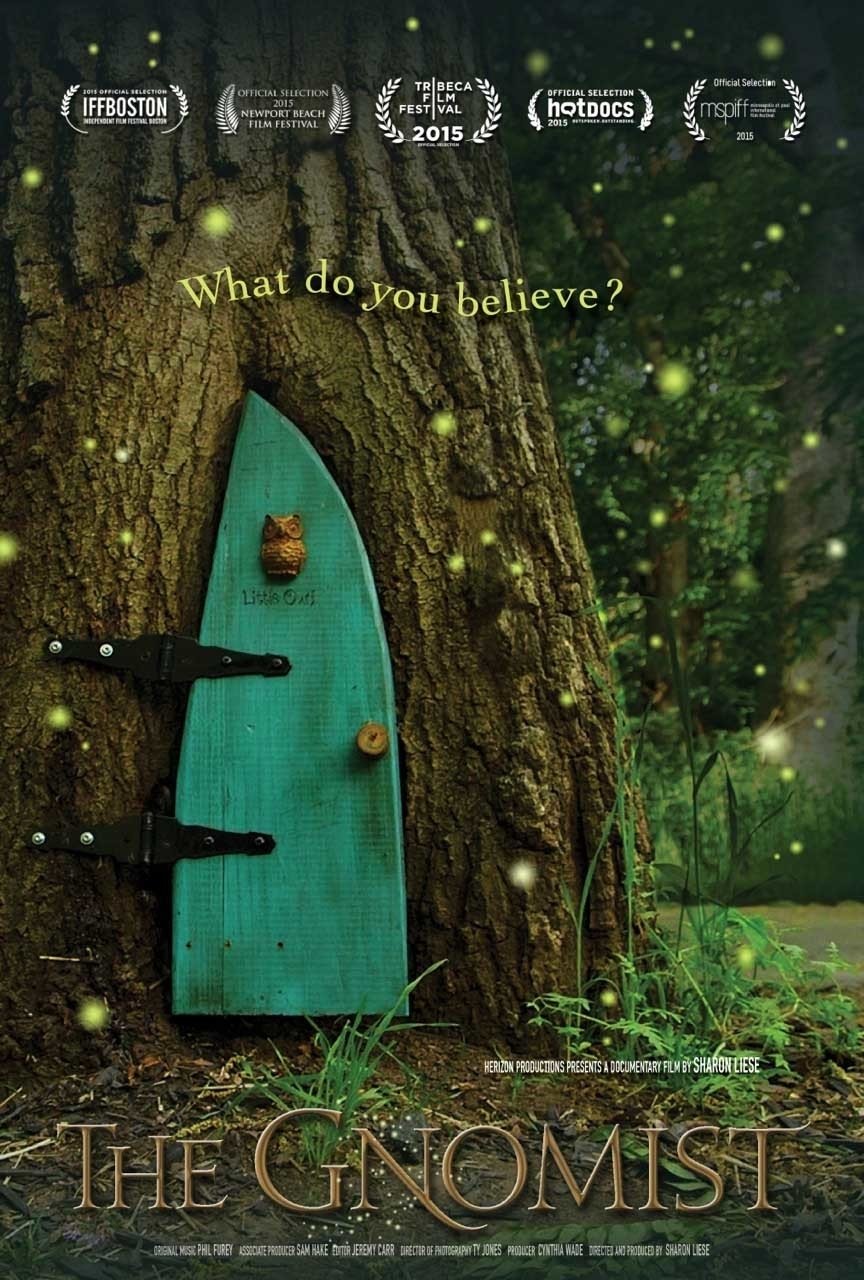
Deep in the forest of Overland Park, Kansas little gnomes made a home. But how did they get there? Experience the feel-good story of paying it forward, one tiny magical house at a time.
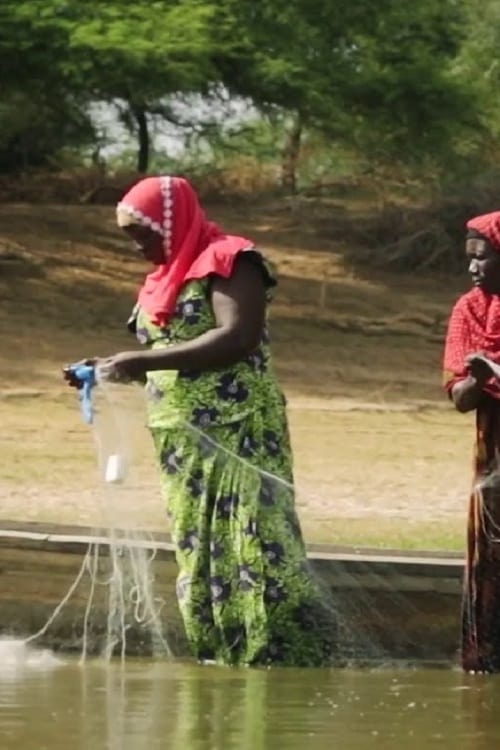
Kellou, in her forties, lives in Bol, the capital of Sahel’s province. She’s a fisher, profession transmitted from mother to daughter. She learned it from her mother. But since a few years, Lake Tchad has been shrinking, and fish has become rare. Kellou’s job is threatened. One day, after an un- successful catch, her 12 year old daughter Mouna gives her an idea: pick up plastic bags invading the lake and make ropes out of it to sell them on the market. By this simple gesture, Kellou gets to, in her own way, fight against plastic pollution and adapt to the new conditions brought about by climate change.
General Electric sponsors this explanation of atomic energy, detailing some of its uses besides the bomb. Using animation and an off-screen narrator, the film describes the atom, elements and isotopes, the discovery of transmutation, experiments in artificial transmutation, and the reasons for the power of nuclear fission. The film argues that now, besides war, the atomic age holds promise for energy, farming, medicine, and research. The promise of the atomic age will depend on human wisdom.
Documentary on the food shortage in India.
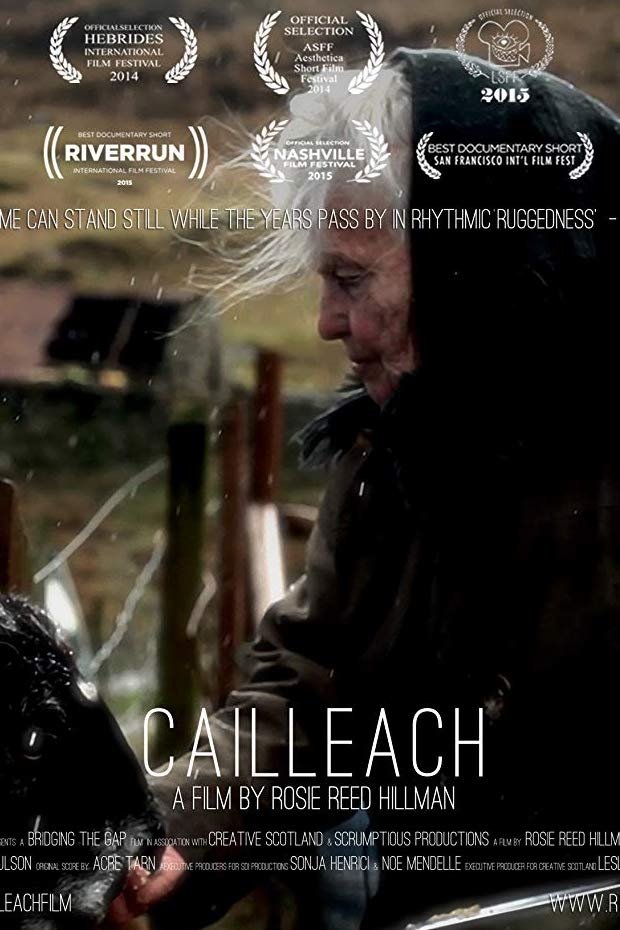
Morag is 86. She lives alone at the end of a track looking out to sea on her croft on the Isle of Harris, Outer Hebrides, with her three cats and twelve sheep. Morag was born in this house and has lived here her whole life, following five generations of the family who came before her. Cailleach is a portrait of Morag and her simple and peaceful life as she contemplates her next chapter, shares her unique sense of independence and the connection she has to her wild island home.
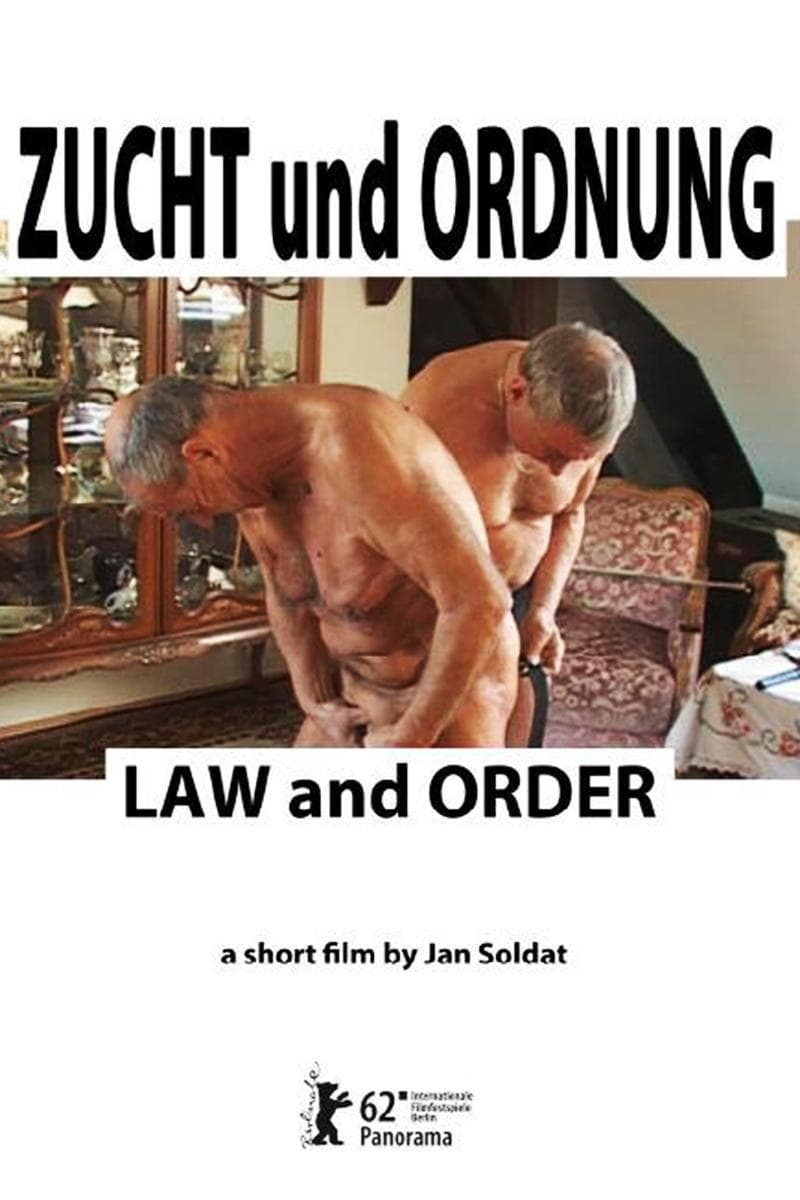
This is Real German Education: two naked elderly men in elegant surroundings talk about their relationship and the good old days, and chat in a refreshingly candid manner about their fetishes, sadomasochistic predilections and bondage.
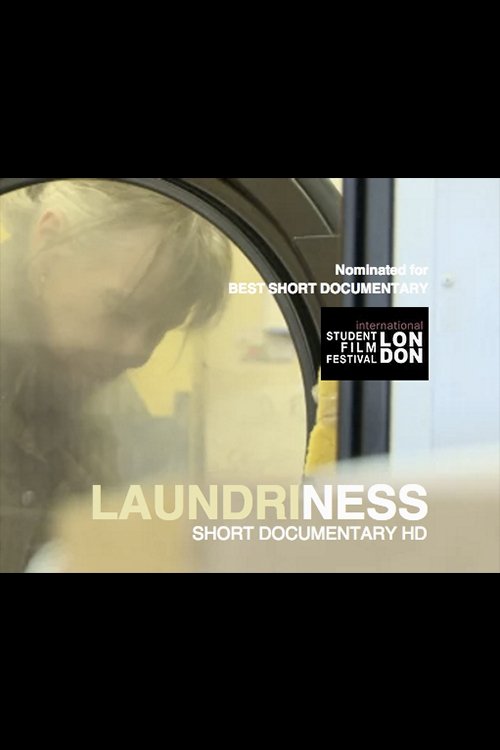
Serif, the manager of a launderette in London’s Bethnal Green, dedicates her time to her regulars. Serving cups of tea and listening to their stories, Serif enriches their lives by helping the local elderly community. Laundriness is a simple and sensitive observational documentary about the meaning of life, fate, hope and regrets.
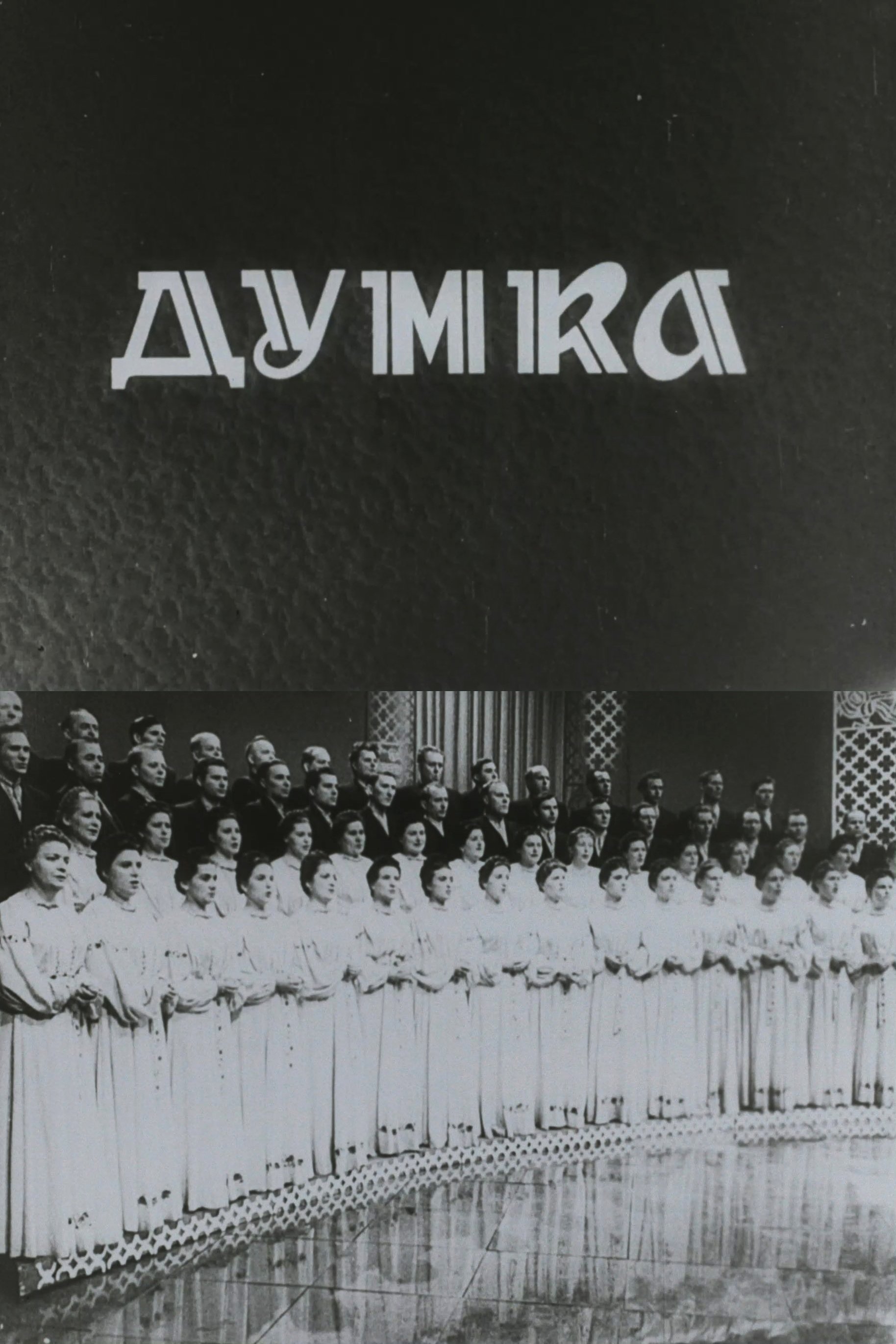
Documentary showcasing popular and folk songs performed by the Ukrainian State Choir.
Subotika, a little-known island on the other side of the globe. An enchanting country with extraordinary sights, grand visions and a couple of minor problems.
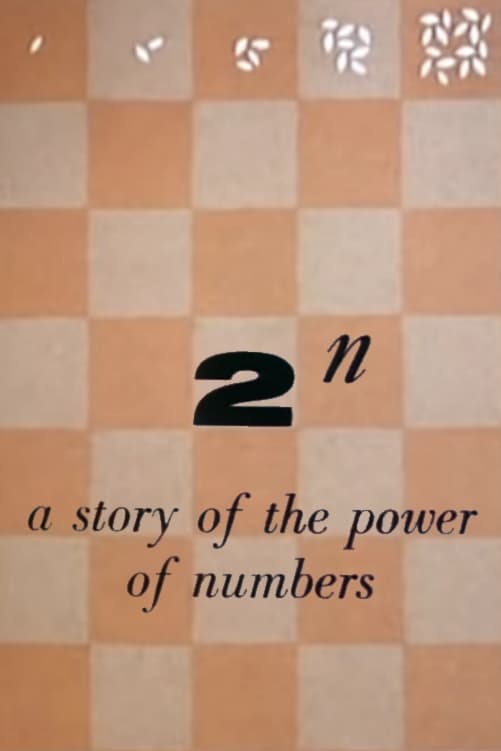
2ⁿ is a story about the exponential growth of numbers raised to powers. Part of the Mathematica Peep Shows, one of five films made to accompany the Mathematica: A World of Numbers and Beyond exhibition at the California Museum of Science and Industry and the Museum of Science and Industry in Chicago.
Mona's Candle Light was discovered among reels of film that Geoff Alexander, of the Bay Area-based Academic Film Archive of North America, bought at a flea market in an unmarked box. There are no credits, so it is impossible to determine who shot it and for what purpose. The film is 1950s footage, probably amateur, of a well know lesbian club (which had opened in the 1930s), Mona's Candle Light, and it is an invaluable document of that underground scene. (archive.org)
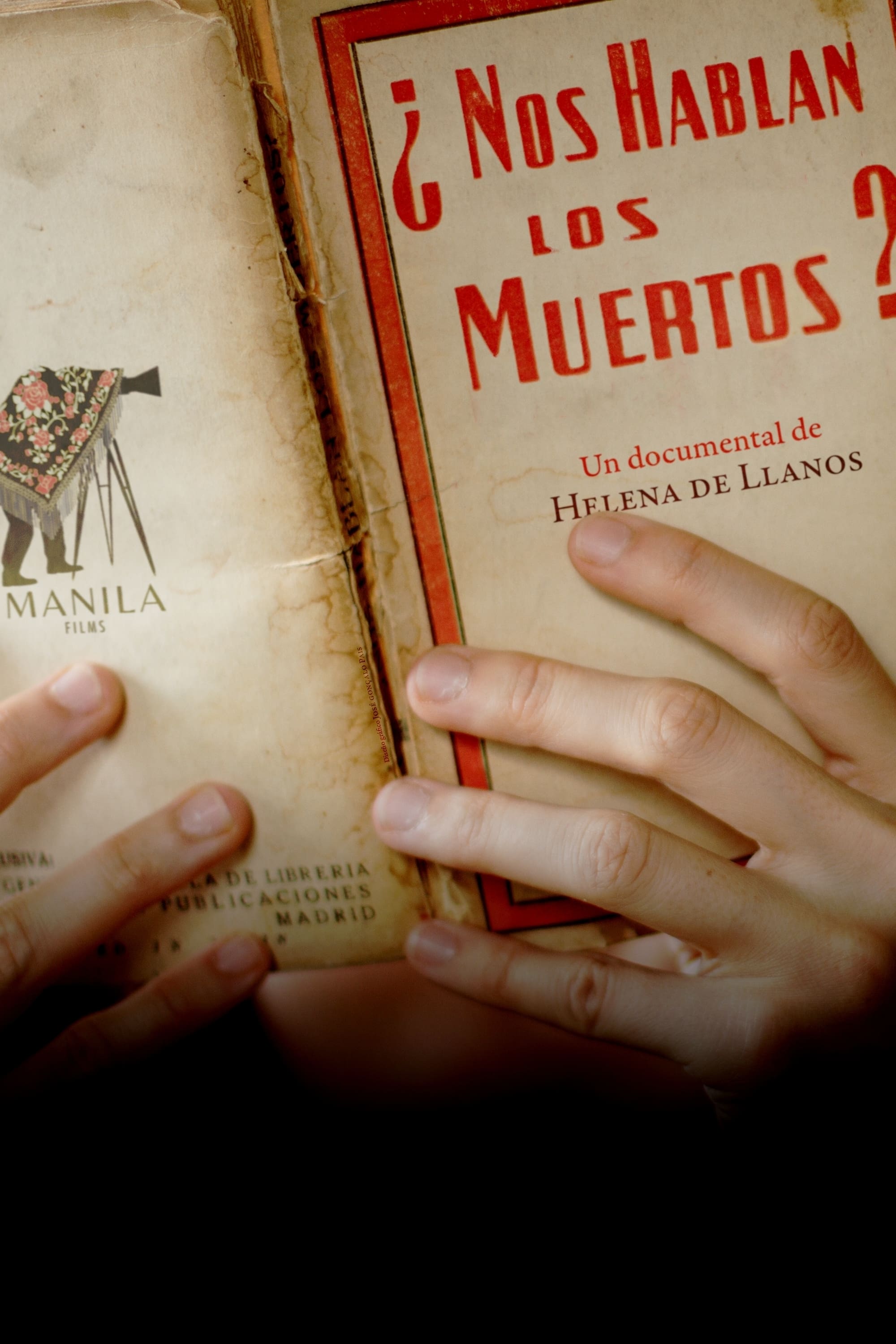
Filmmaker Helena de Llanos, who lives in the chaotic house, full of memories and treasures, where her grandfather, Fernando Fernán Gómez (1921-2007), legendary writer, actor and director; and his wife, the actress and writer Emma Cohen (1946-2016), shared their lives, analyzes the relationship that the living have with the dead through the places and objects they have left behind.
Daniel Craig candidly reflects on his 15 year adventure as James Bond. Including never-before-seen archival footage from Casino Royale to the upcoming 25th film No Time To Die, Craig shares his personal memories in conversation with 007 producers, Michael G Wilson and Barbara Broccoli.
A visual montage portrait of our contemporary world dominated by globalized technology and violence.
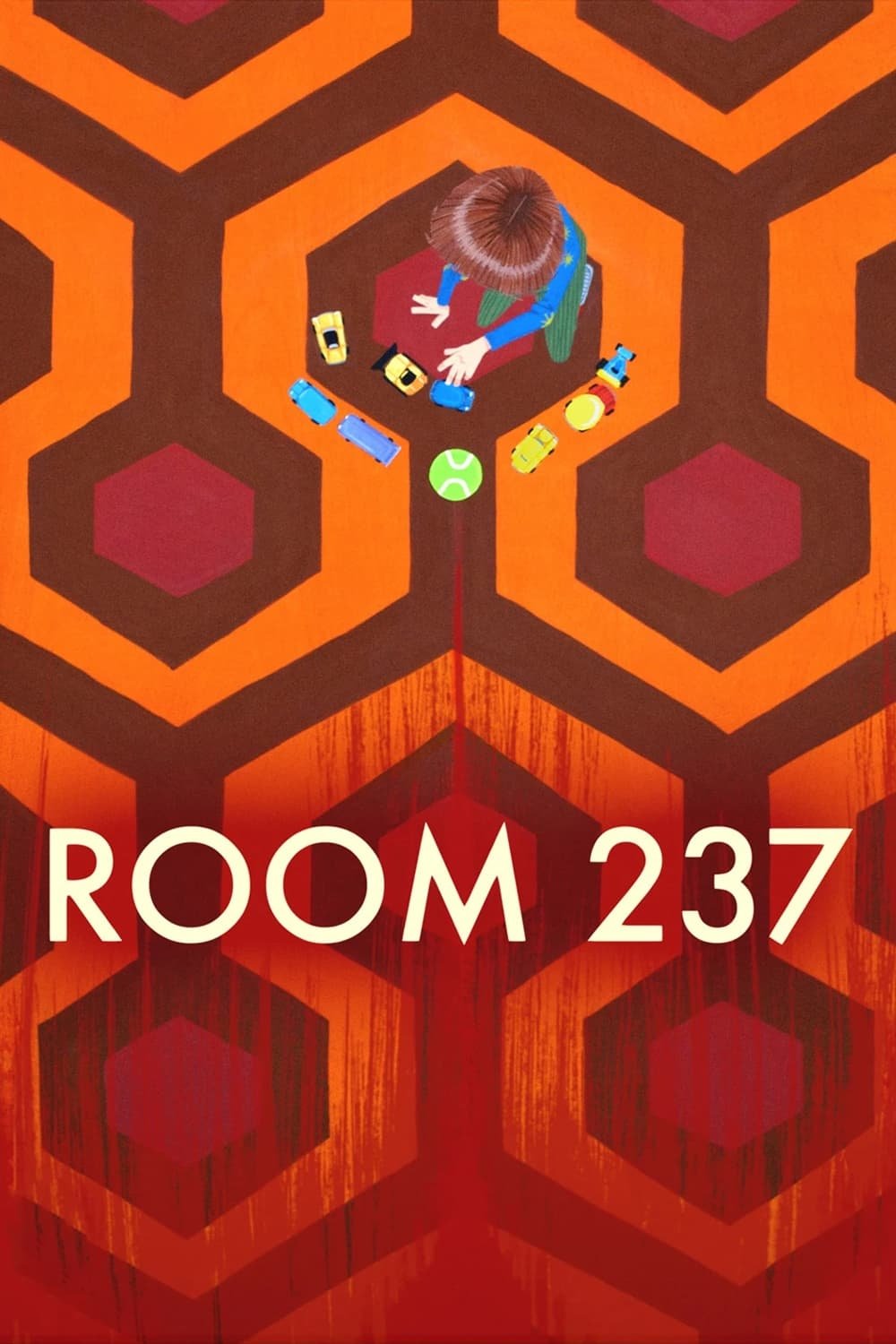
A subjective documentary that explores various theories about hidden meanings in Stanley Kubrick's classic film The Shining. Five very different points of view are illuminated through voice over, film clips, animation and dramatic reenactments.
A celebration of the universe, displaying the whole of time, from its start to its final collapse. This film examines all that occurred to prepare the world that stands before us now: science and spirit, birth and death, the grand cosmos and the minute life systems of our planet.
A string of threatening emails escalates into a revenge plot involving a newly married US marshal and his ex-girlfriend.
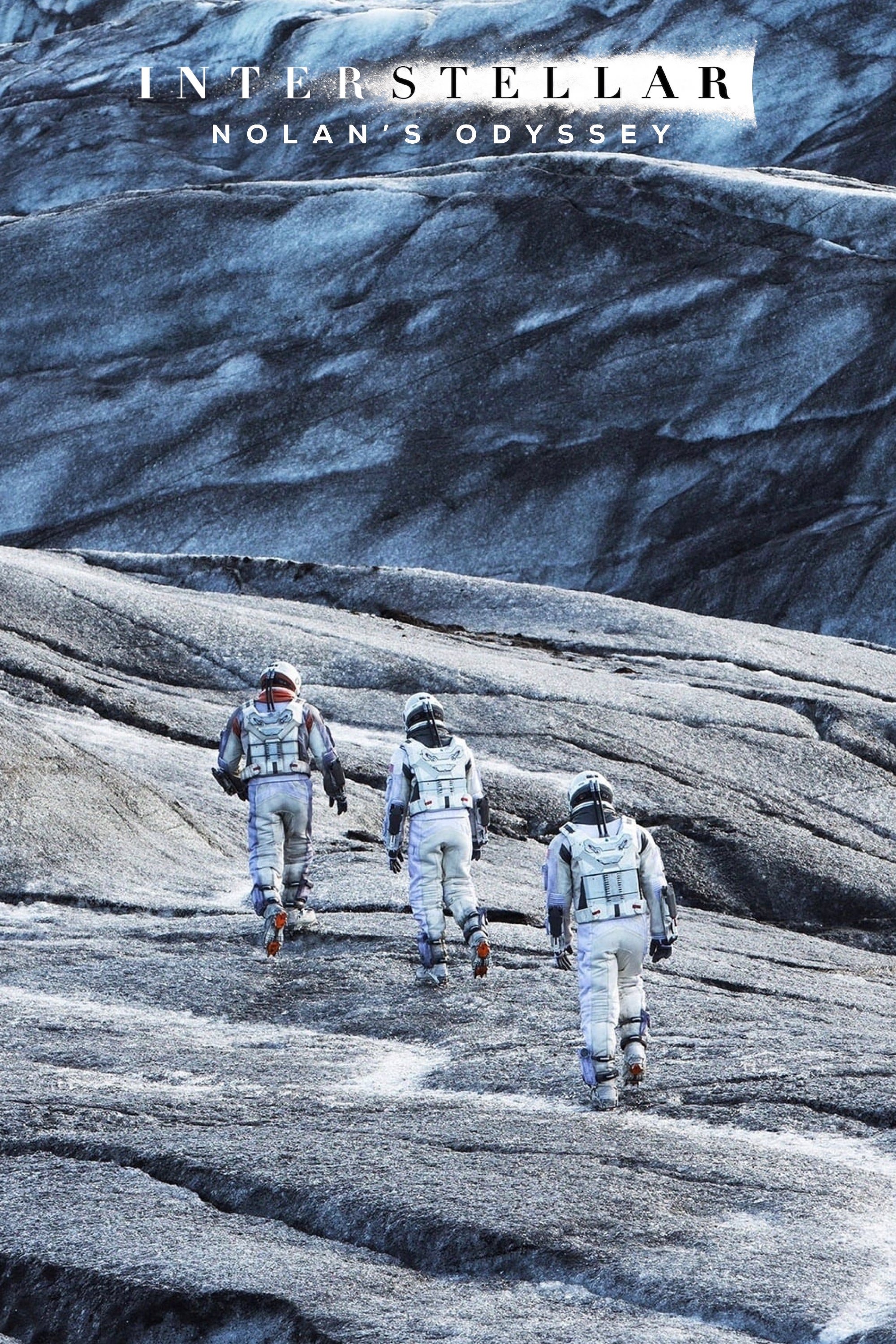
A look behind the lens of Christopher Nolan's space epic.
SEDUCED AND ABANDONED combines acting legend Alec Baldwin with director James Toback as they lead us on a troublesome and often hilarious journey of raising financing for their next feature film. Moving from director to financier to star actor, the two players provide us with a unique look behind the curtain at the world's biggest and most glamourous film festival, shining a light on the bitter-sweet relationship filmmakers have with Cannes and the film business. Featuring insights from directors Martin Scorsese, 'Bernando Bertolucci' and Roman Polanski; actors Ryan Gosling and Jessica Chastain and a host of film distribution luminaries.
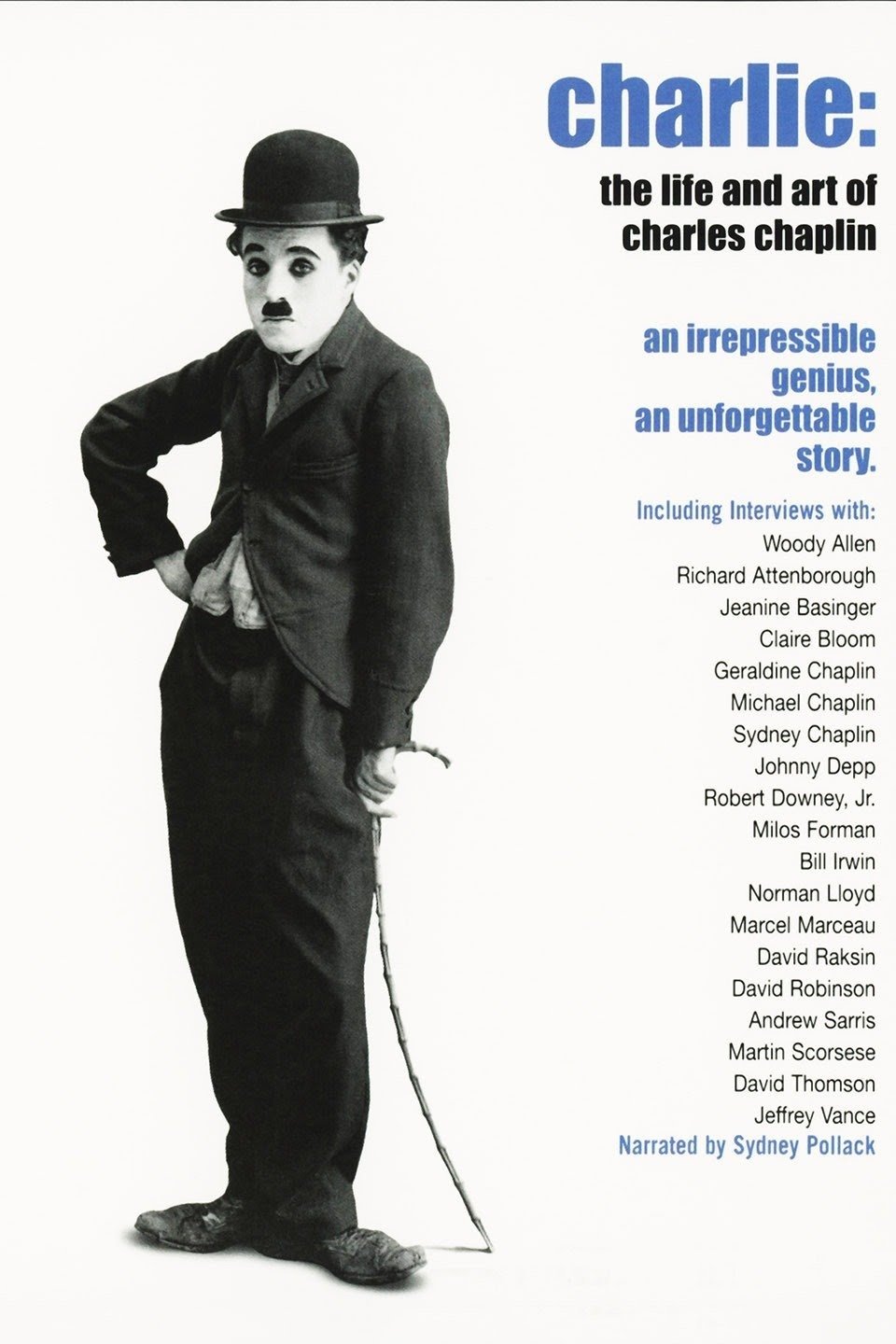
Brilliant, long in-the-works story of the life and art of the world's greatest comedian and the cinema's first genius, Charlie Chaplin. Produced, written and directed by renowned film critic Richard Schickel.
Shot under extreme conditions and inspired by Mayan creation theory, the film contemplates the illusion of reality and the possibility of capturing for the camera something which is not there. It is about the mirages of nature—and the nature of mirage.
An inside look at one of the most anticipated movie sequels ever with James Cameron and cast.
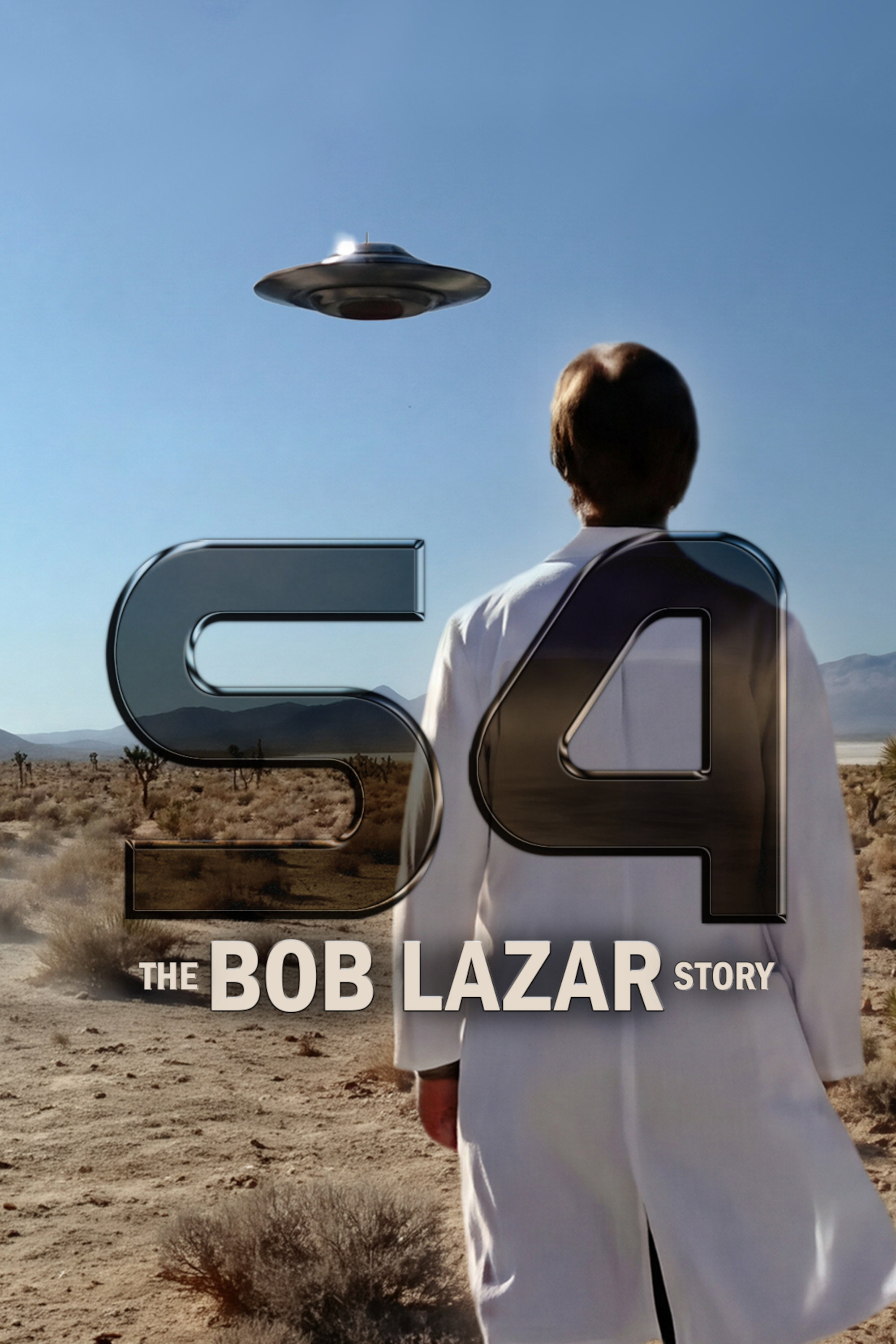
Over 35 years after Bob Lazar's revelations, this documentary exposes secrets of a facility the government still denies. Featuring Lazar's testimony, recreations, and new evidence, it reopens a case that continues to spark global curiosity
Alexander McQueen's rags-to-riches story is a modern-day fairy tale, laced with the gothic. Mirroring the savage beauty, boldness and vivacity of his design, this documentary is an intimate revelation of McQueen's own world, both tortured and inspired, which celebrates a radical and mesmerizing genius of profound influence.
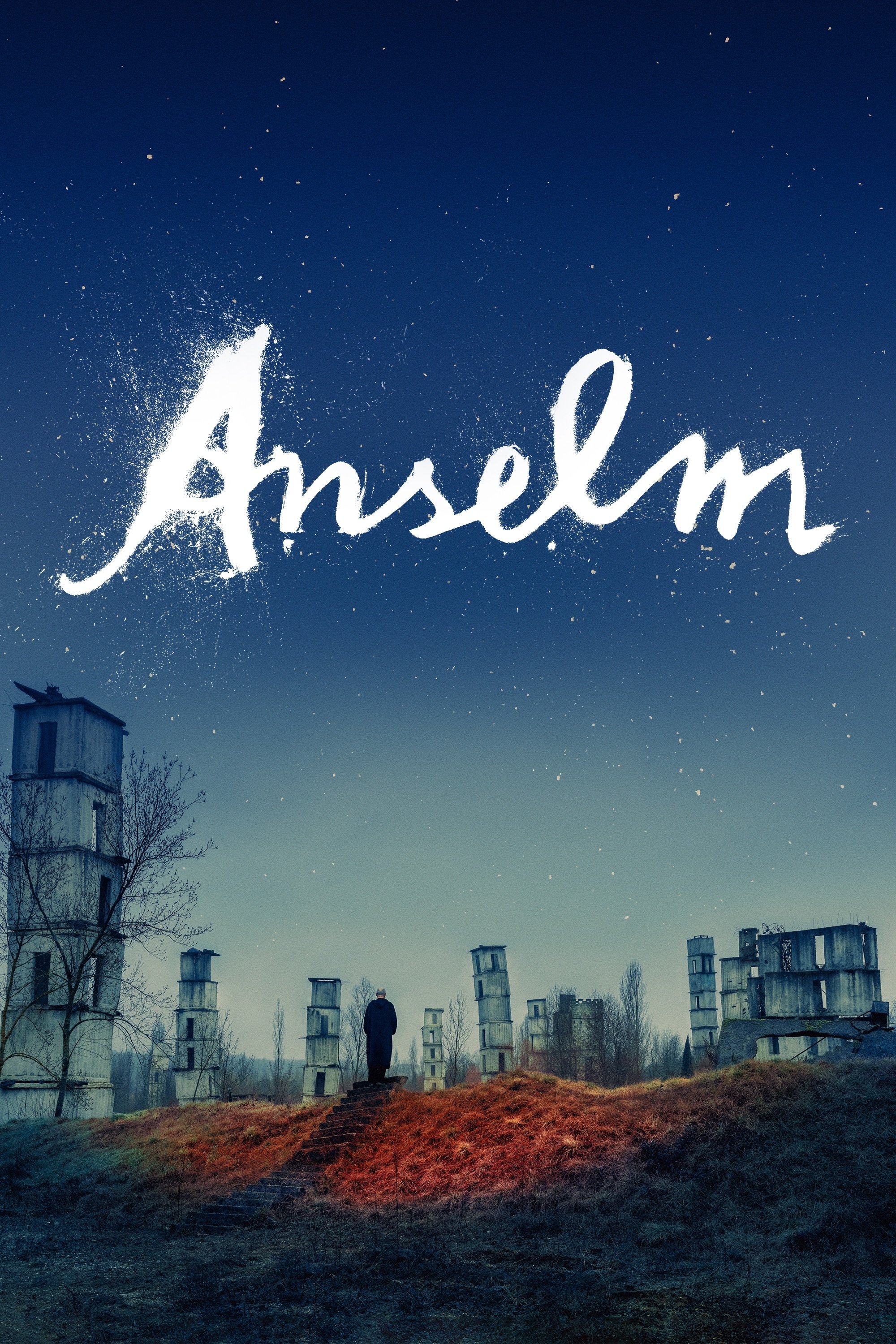
This unique cinematic experience dives deep into an artist’s work and reveals his life path, inspiration, and creative process. It explores his fascination with myth and history. Past and present are interwoven to diffuse the line between film and painting, allowing the audience to be completely immersed in the remarkable world of one of the greatest contemporary artists, Anselm Kiefer. Wim Wenders shot this unique portrait over the course of two years in stunning 3D.
A documentary on kids who attend a summer camp hoping to become the next Billy Graham.
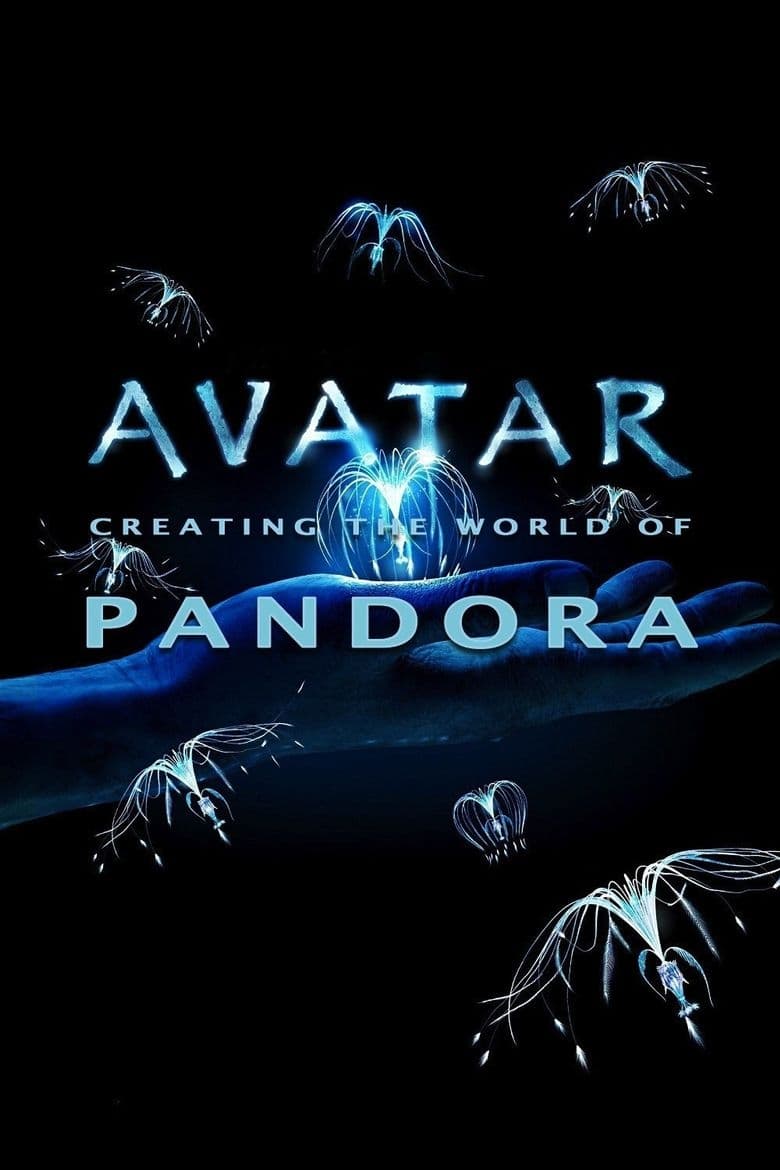
The Making-of James Cameron's Avatar. It shows interesting parts of the work on the set.
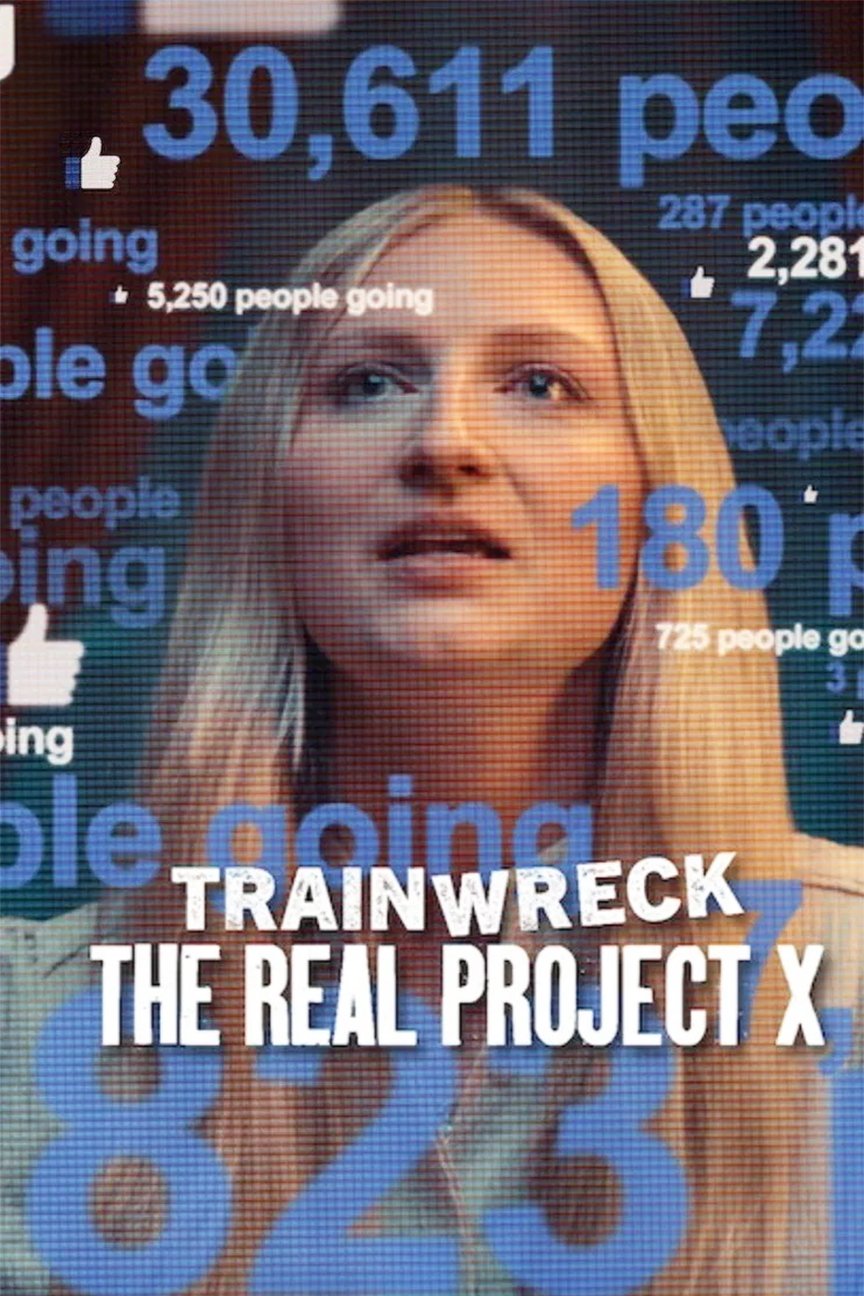
A night of drunken chaos rocks a quiet Dutch town in this shocking documentary about a teen's birthday invite that accidentally went viral on Facebook.
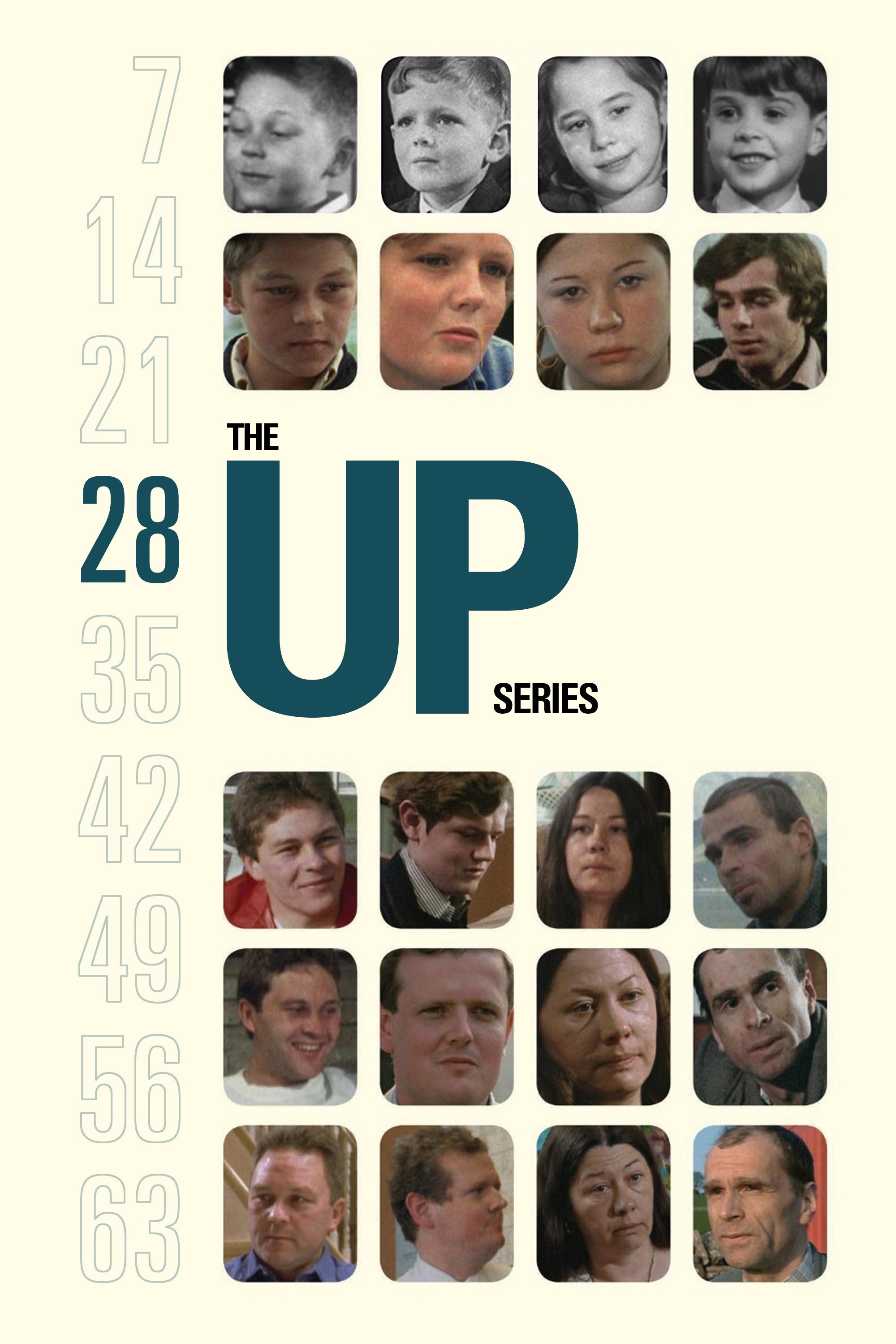
Just two years away from turning 30, participants in Michael Apted's documentary series are facing serious questions of identity and purpose, wondering whether they've found their place in the world.
Lyrical and powerfully personal essay film that reflects on the deaths of her husband Lou Reed, her mother, her beloved dog, and such diverse subjects as family memories, surveillance, and Buddhist teachings.
A documentary on the expletive's origin, why it offends some people so deeply, and what can be gained from its use.
The life and career of an actor, artist, and icon. His own journey through his own camera.