Social & External
The people behind it
Alfred Tews
Zombie
Holger Tepe
Self
Johanna Schlockwerder
Oliver Duda
This DVD contains a filmed rehearsal of Frank Zappa and the Mothers of Invention at the legendary Beat Club in Bremen, Germany, on 6th October 1968. The music is largely one long improvisatory continuous performance rather than a run-through of their greatest hits, but is punctuated by Zappa directing the band to play the opening themes of some of his more well-known pieces.
This James A. FitzPatrick Traveltalks short visits the West German cities of Hamburg, Bremen, Munich, and Heidelberg. Included are scenes of World War II destruction that lingered at the time.
"Don't throw away your old films!" This is how Radio Bremen and the State Film Archive turned to the people of Bremen and Bremerhaven. True treasures were unearthed.
The lives of six German-Turkish immigrants are drawn together by circumstance: An old man and a prostitute forging a partnership, a young scholar reconciling his past, two young women falling in love, and a mother putting the shattered pieces of her life back together.
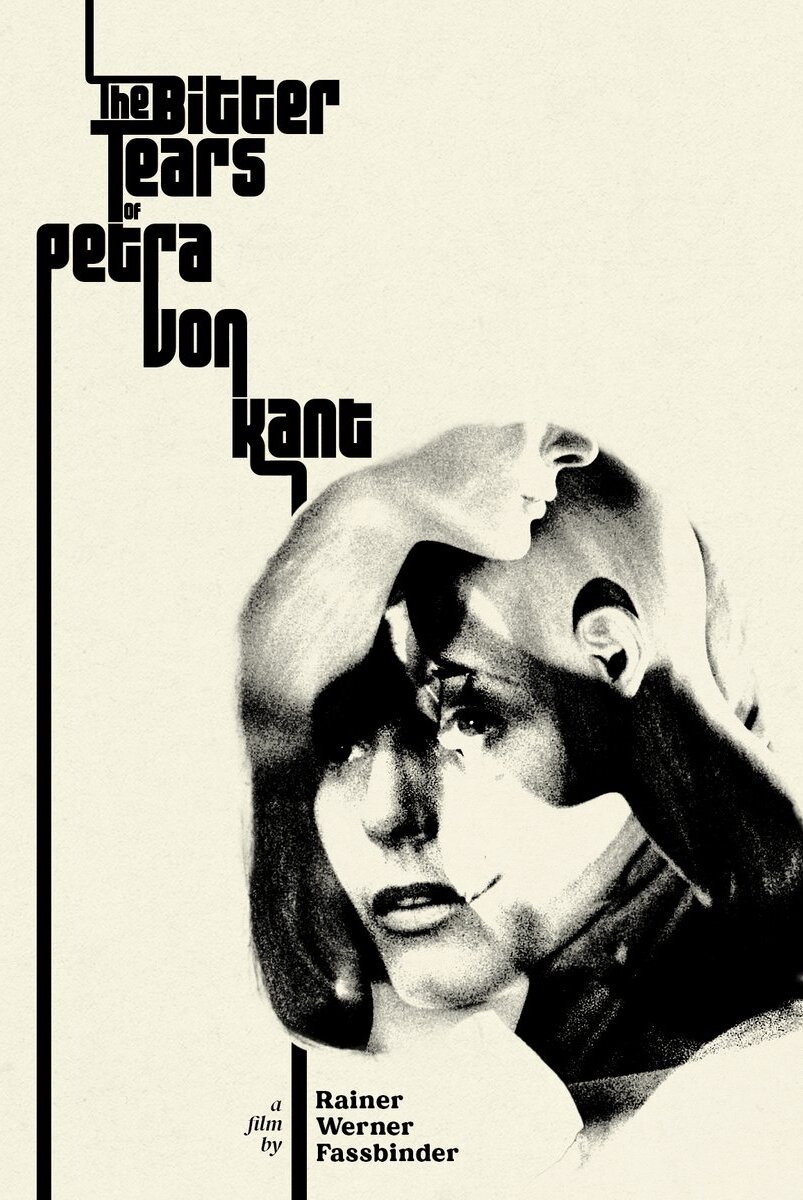
Petra von Kant is a successful fashion designer -- arrogant, caustic, and self-satisfied. She mistreats Marlene (her secretary, maid, and co-designer). Enter Karin, a 23-year-old beauty who wants to be a model. Petra falls in love with Karin and invites her to move in.
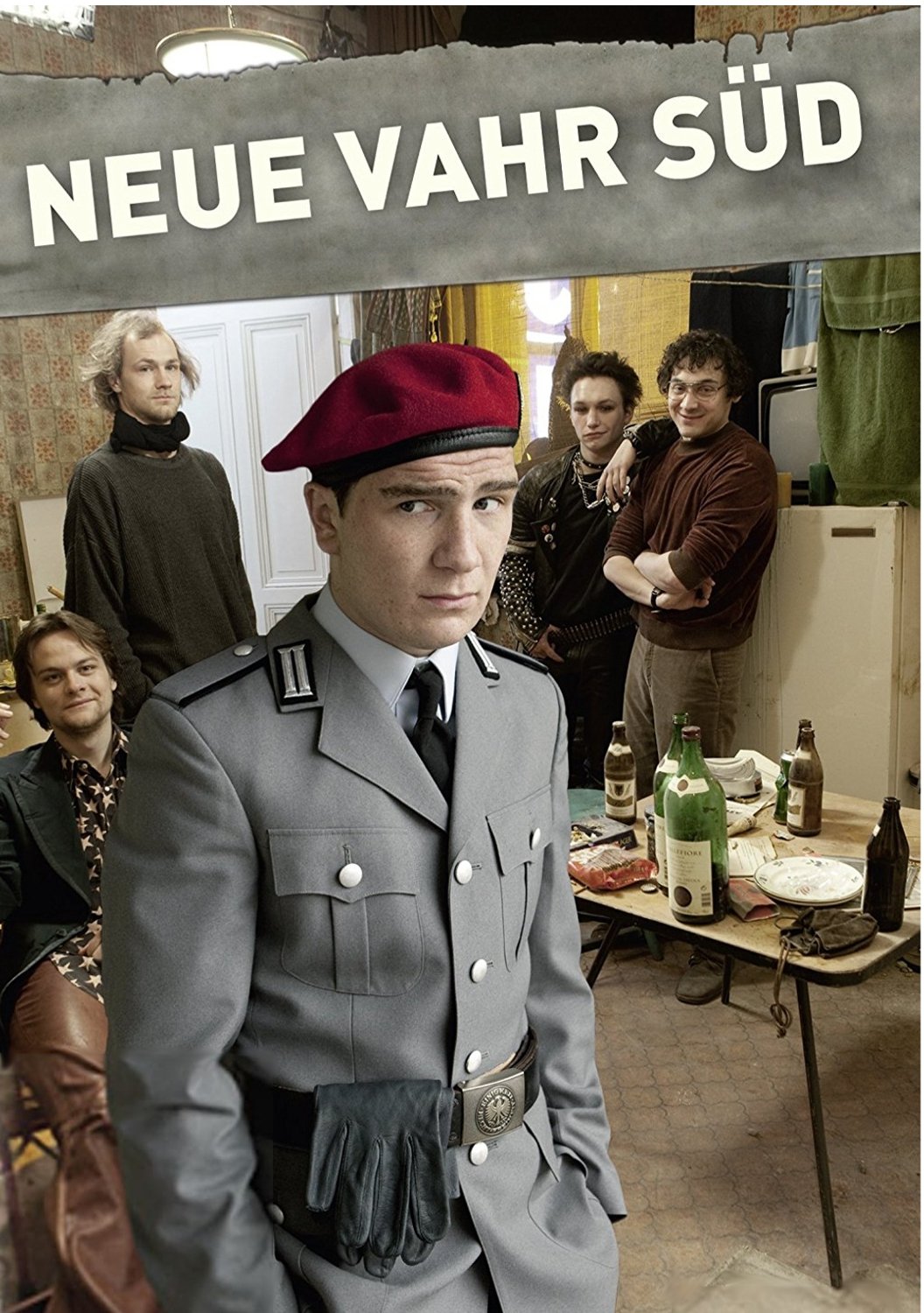
Frank Lehmann, 20, still lives with his parents in the dreary high-rise housing project "Neue Vahr" in Bremen. It's the year 1980 and Frank gets drafted to the army even though his friends assure him that "he's not really the guy for it". When he gets back home, after his first week at the army, his Dad has turned his room into a TV repair shop, so Frank has to move out. Luckily his old friend Martin is starting a commune with two other Punks in Bremens leftist borough "Viertel". Frank, without further ado rents the unlivable walk-through room. From now on Frank is a traveler between the Worlds. Each week he goes from the Army, with all the unconditional rules and regulations to the commune where his friends are preaching the world revolution. Frank is trying to avoid to stick out, but fails miserably, in both worlds.
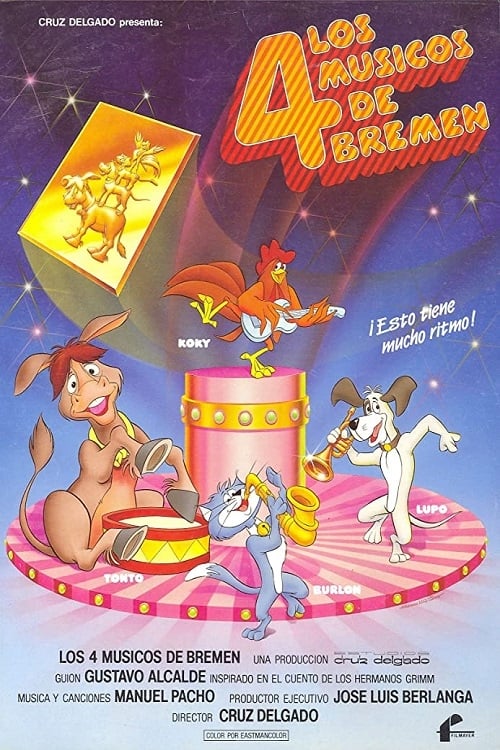
Four aging animals, a dog, a cat, a donkey and a rooster escape from their former homes because they weren't as productive and useful for their owners as they used to be. To avoid death, they all move out on a musical journey to Bremen to find a better life.
Maja Witt and Klaus Burck have been a well-rehearsed team for years, ensuring law and order as police officers in Bremen. At least that's what they try to do. Time and again, however, they are shown their limits. Criminals are set free again, and they themselves get no respect at all. When the arrogant teenager Ahmed Issa spits at Klaus during a mission, this finally goes too far: the two fight back and start to take the law into their own hands, using any means necessary. But the other side is not standing idly by...
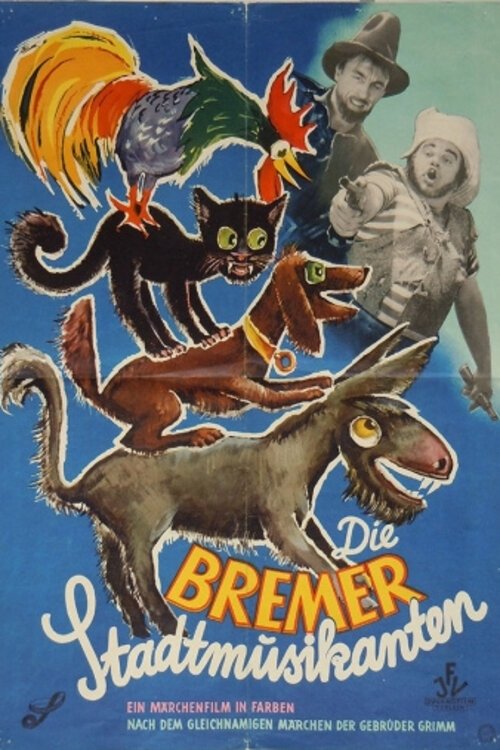
Four farm animals, a donkey, a dog, a cat and a rooster, leave their home to become musicians in Bremen. Based on the tale of the Brothers Grimm.
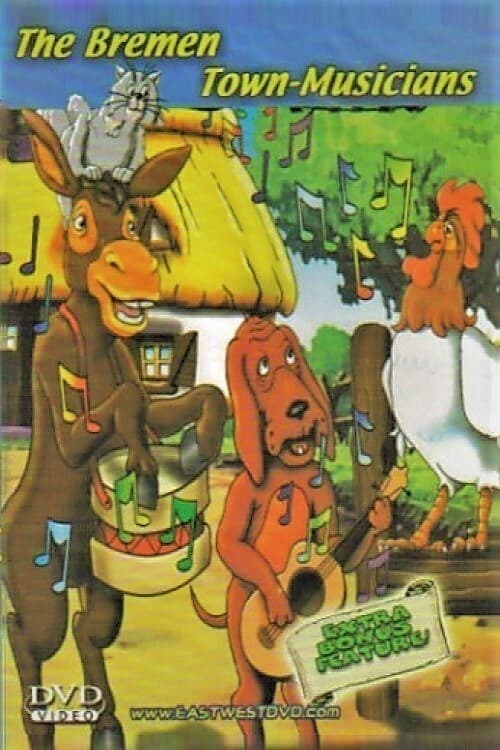
"Is this all there is to life?" thought the donkey, who was working as a tourist attraction for in the "Animal-Adventure-Park ", after his boss kicked him out. And because people again and again told him that his voice sounded lovely, he decided to make a career as a musician and go to Bremen. On his way, he met a dog, whose fate was to spend the rest of his life in the animal asylum, because his old master had died. The dog was a great drummer, so the donkey asked him to come along with him. On their way they met a cock and a cat, who were also living in a desperate situation. Since they too were good musicians, it was only logical that they completed the band. And what nobody ever believed came true. After many adventures, they were finally on stage. Where? Of course in Bremen.
An old donkey resolves to break away from the unbearable hardships of working for a fat miller. By and by, he recruits three more unsatisfied animals and convinces them to accompany him on his way to Bremen where they want to become musicians.
A powerful profile of women prisoners in New York dealing with HIV/AIDS.
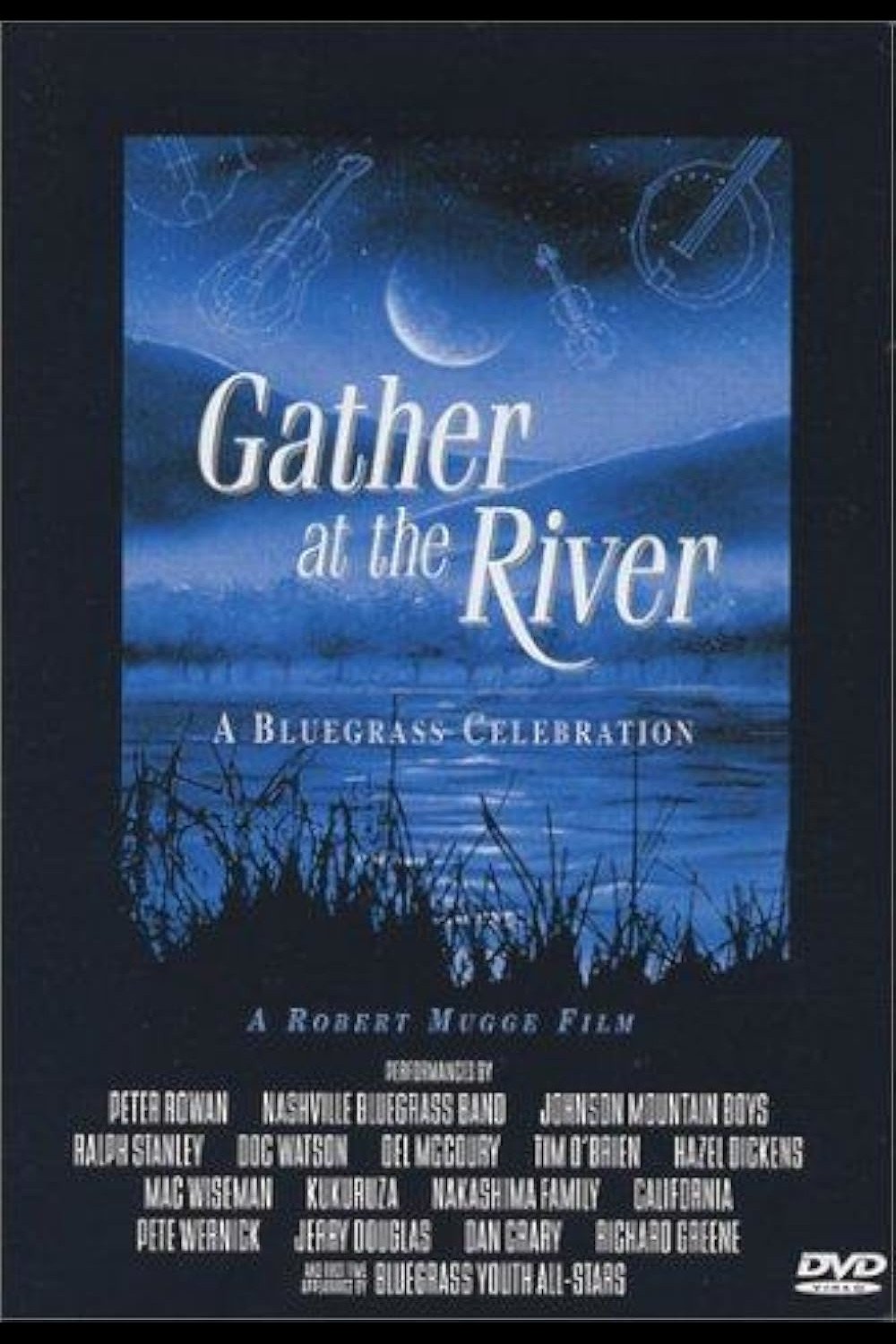
GATHER AT THE RIVER points Mugge's cameras (and his sharply recorded sound) at the ongoing evolution of bluegrass, the 'high lonesome' music that is celebrated each year at the World of Bluegrass Festival in Owensboro, Ky. The 1993 event constitutes the entirety of Mugge's film, a generous feast of performance by the finest bluegrass musicians, punctuated by authoritative commentary about the past, present and future of bluegrass music… Pure magic.
Documentary following the band Wednesday and their lives in Asheville, North Carolina.
The idea for Gaza in Context emerged during the summer of 2014 when Israel launched its most devastating offensive on the besieged Palestinian population of the Gaza Strip to date. Despite the immense destruction wrought upon a captive population Israel successfully claimed victimhood in western media as it launched 6,000 airstrikes and 50,000 artillery shells in an air and ground offensive that lasted for 51-days. The course of the media cycle made evident the need for an assertive framework to explain Israel’s systematic wars. Specifically, to counter its defensive claims and situate its aggression within a broader settler-colonial project in Palestine.
What does it mean to follow one’s calling into an abbey and a brewery? Inspired by the growth of the American craft beer movement, a group of Catholic monks in Spencer, Massachusetts produces America’s first “Trappist-certified” beer, a historically European tradition that offers an opportunity for the community to preserve their unique way of life. “Ora et labora” is Latin for “work and prayer,” and is the motto of the Christian monastic life.
Speech, public square, election. Somewhere in France during the presidential campaign.
An inside look at one of the most anticipated movie sequels ever with James Cameron and cast.
Those who knew iconic funnyman John Candy best share his story, in their own words, through never-before-seen archival footage, imagery, and interviews.
A comedic, brutally honest documentary following self-destructive TV writer Dan Harmon as he takes his live podcast on a national tour.
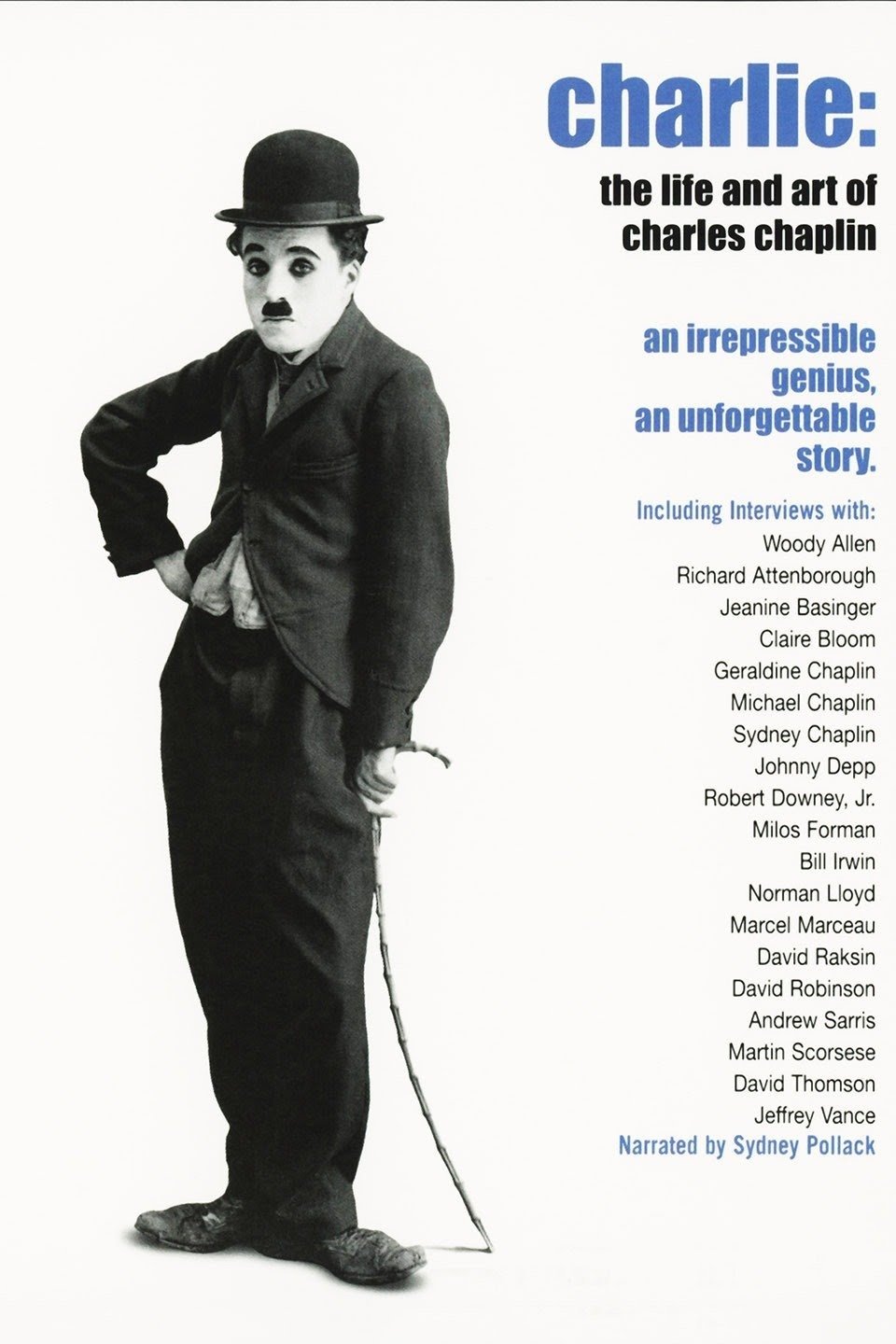
Brilliant, long in-the-works story of the life and art of the world's greatest comedian and the cinema's first genius, Charlie Chaplin. Produced, written and directed by renowned film critic Richard Schickel.
Over 35 years after Bob Lazar's revelations, this documentary exposes secrets of a facility the government still denies. Featuring Lazar's testimony, recreations, and new evidence, it reopens a case that continues to spark global curiosity
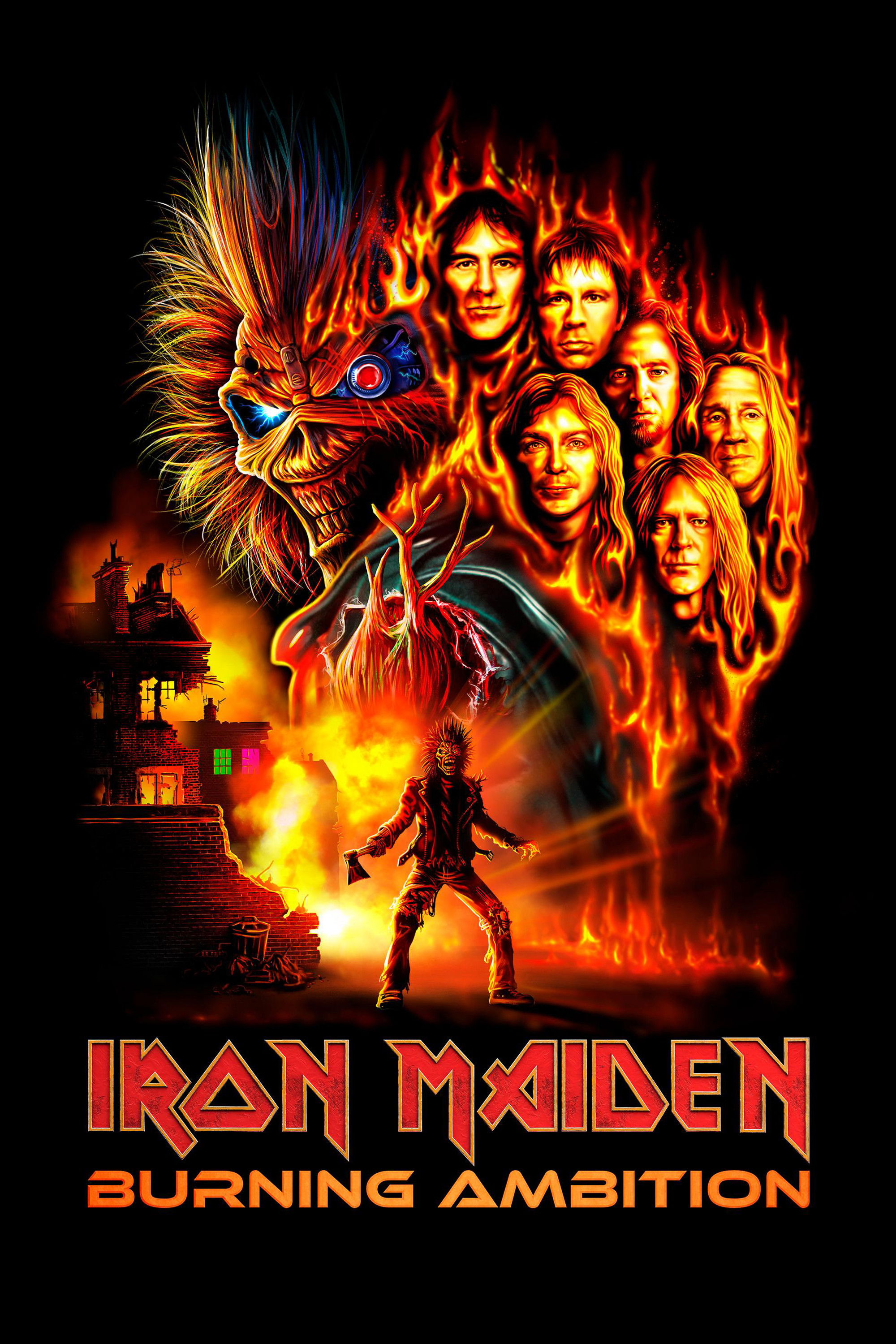
With unprecedented access to the official archives and intimate recollections from the band, both current and past, Iron Maiden: Burning Ambition invites fans to experience one of the most iconic journeys in music history. Spanning five decades, this electrifying documentary charts the band’s rise from the pubs of East London to the world’s biggest stadiums. Featuring exclusive interviews with band members and contributors such as Javier Bardem, Lars Ulrich and Chuck D, as well as all-new animated sequences of the band's legendary mascot, Eddie, the film offers a rare and intimate look at Iron Maiden’s uncompromising vision and unwavering connection with their truly global army of fans.
In the Realms of the Unreal is a documentary about the reclusive Chicago-based artist Henry Darger. Henry Darger was so reclusive that when he died his neighbors were surprised to find a 15,145-page manuscript along with hundreds of paintings depicting The Story of the Vivian Girls, in What is Known as the Realms of the Unreal, of the Glodeco-Angelinnian War Storm, Cased by the Child Slave Rebellion.
A documentary about the life and films of director John Ford.
A night of drunken chaos rocks a quiet Dutch town in this shocking documentary about a teen's birthday invite that accidentally went viral on Facebook.
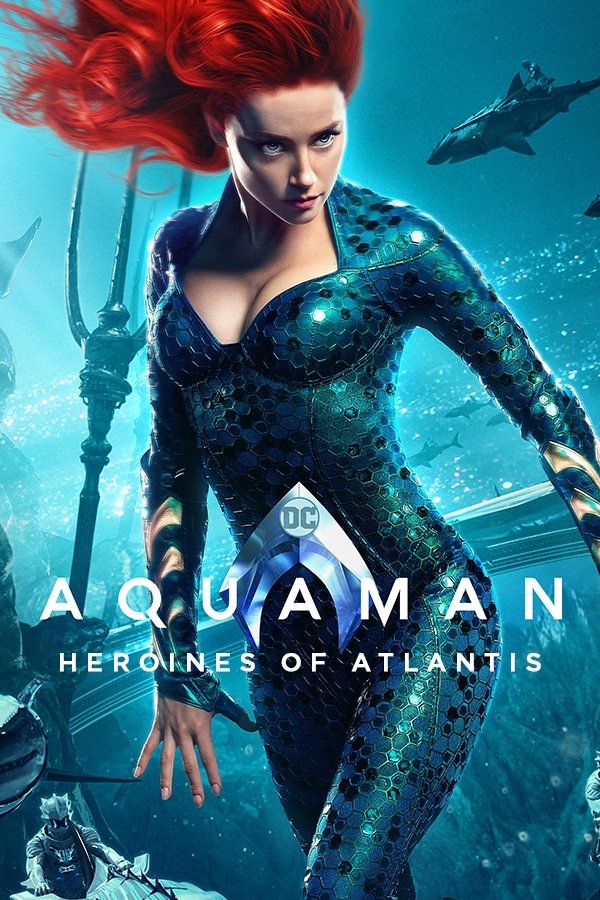
Amber Heard and Nicole Kidman discuss their characters Mera and Atlanna.
Through deeply personal interviews with her siblings and an examination of the photographs, letters, and belongings left behind, Mariska assembles a new portrait of her mother Jayne Mansfield, an extraordinary and complex woman.
A purely observational non-fiction film that takes viewers into the ethically murky world of end-of-life decision making in a public hospital.
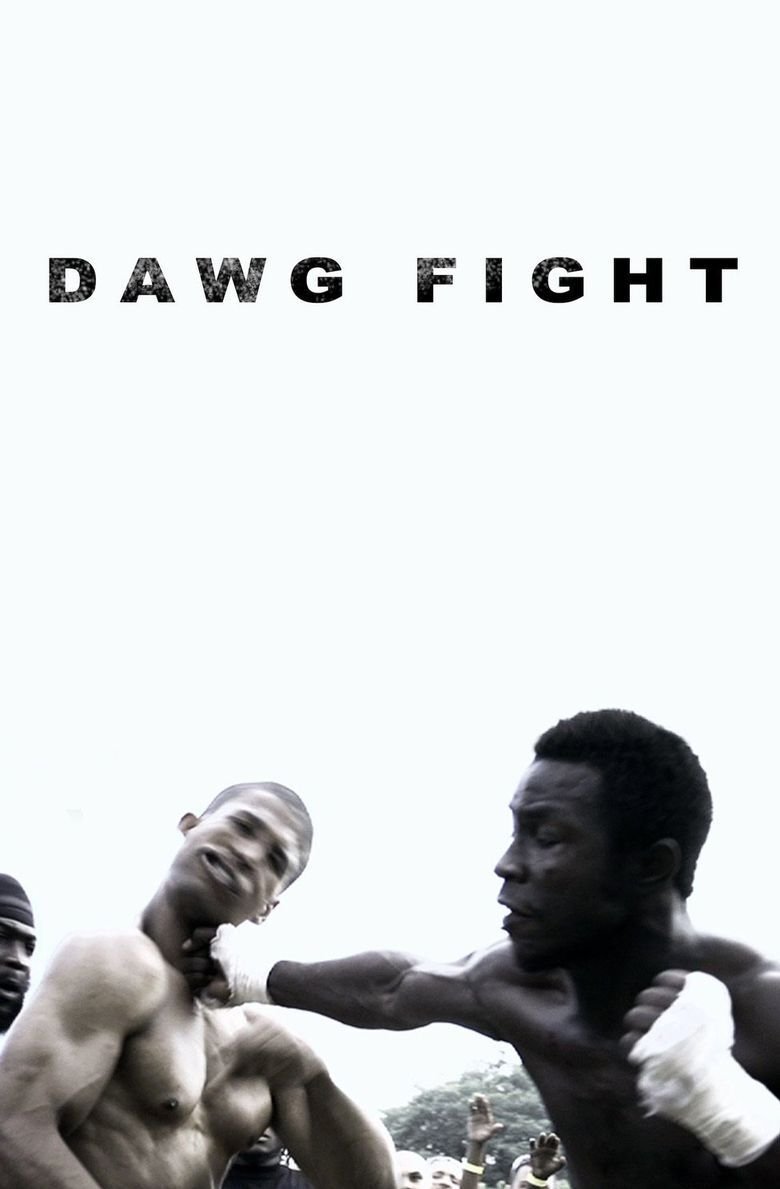
In a crime-plagued neighborhood near Miami, brutal, bare-knuckled backyard fights give young men a chance to earn money -- and self-respect.
Behind-the-scenes documentary about how Lionel Messi succeeded in lifting the World Cup – the only trophy to have eluded him in an incredible career.
Daniel Craig candidly reflects on his 15 year adventure as James Bond. Including never-before-seen archival footage from Casino Royale to the upcoming 25th film No Time To Die, Craig shares his personal memories in conversation with 007 producers, Michael G Wilson and Barbara Broccoli.
Using the book 'Fragments', which collects Marilyn Monroe's poems, notes and letters, and with participation from the Arthur Miller and Truman Capote estates who have contributed more material, each of the actresses will embody the legend at various stages in her life.
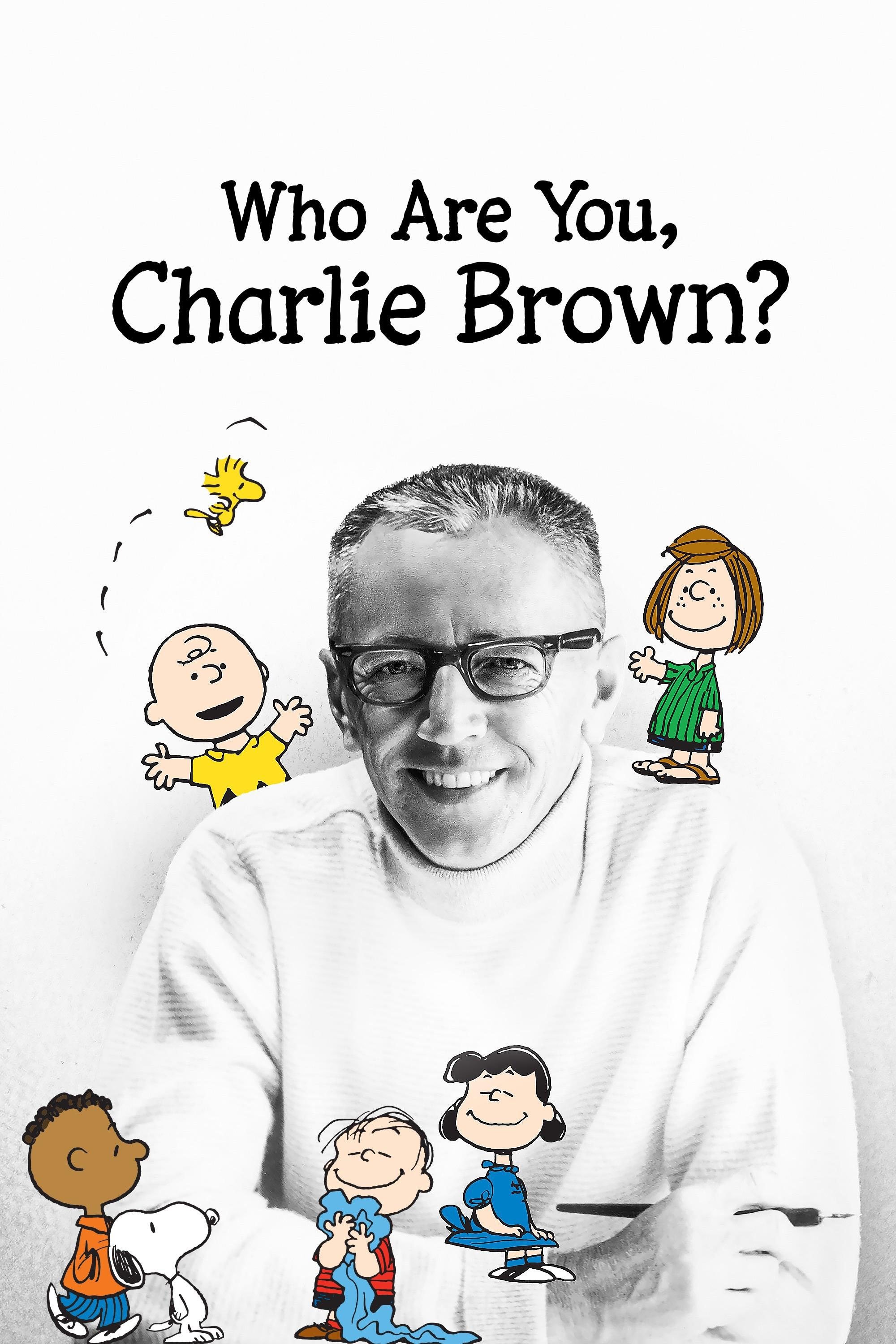
Lupita Nyong'o narrates a documentary about Peanuts and its creator, Charles M. Schulz. Famous fans—including Drew Barrymore, Kevin Smith, and Al Roker—share its influence on them, and a new animated story finds Charlie Brown on a quest.
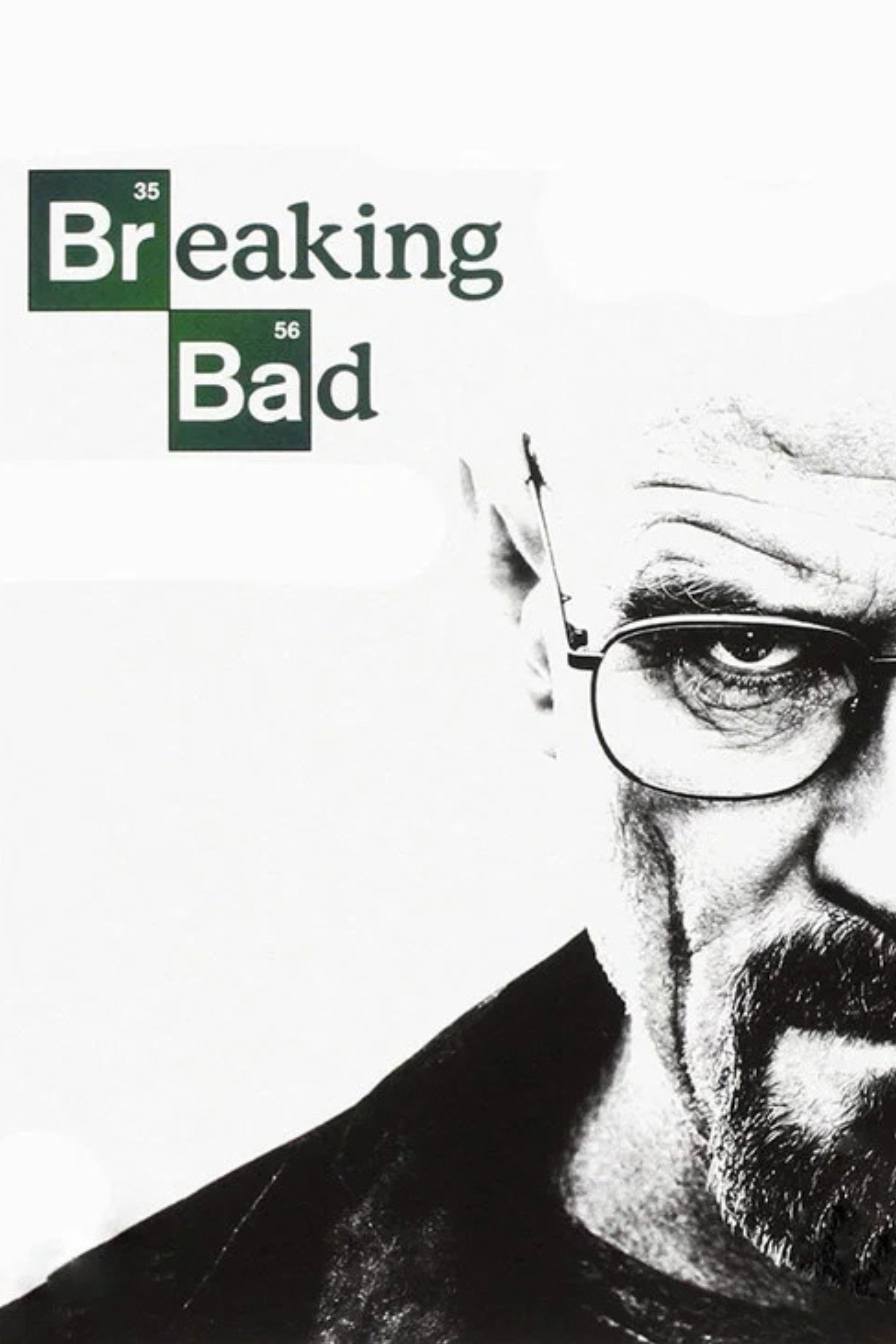
A documentary about the making of season five of the acclaimed AMC series Breaking Bad.
This revealing documentary honors the legendary Sidney Poitier—iconic actor, filmmaker, and civil rights activist. Featuring interviews with Denzel Washington, Spike Lee, Halle Berry, and more.
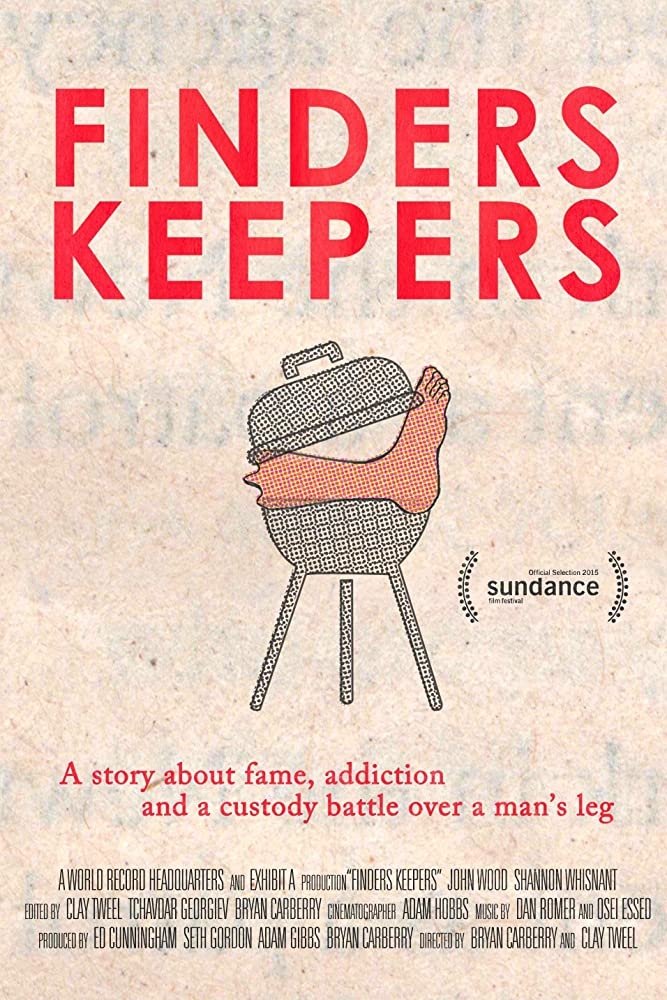
In this documentary, recovering addict and amputee John Wood finds himself in a stranger-than-fiction battle to reclaim his mummified leg from Southern entrepreneur Shannon Whisnant, who found it in a grill he bought at an auction and believes it therefore to be his rightful property.