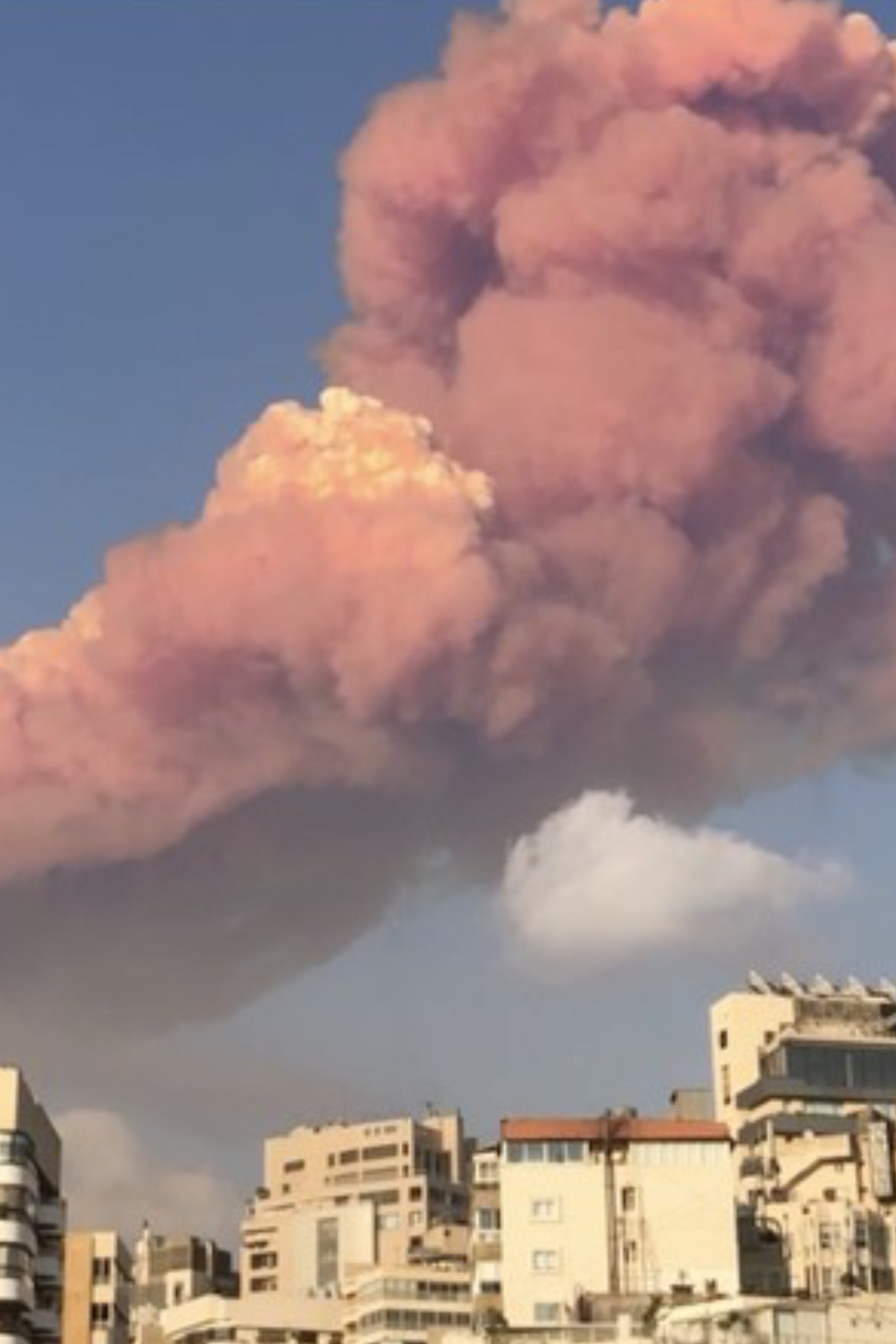
Lebanon, 2019-2023: a chronicle of the uprising, its fading and its end. From collective hope to intimate pain, can cinema resist the irreversible?
Social & External
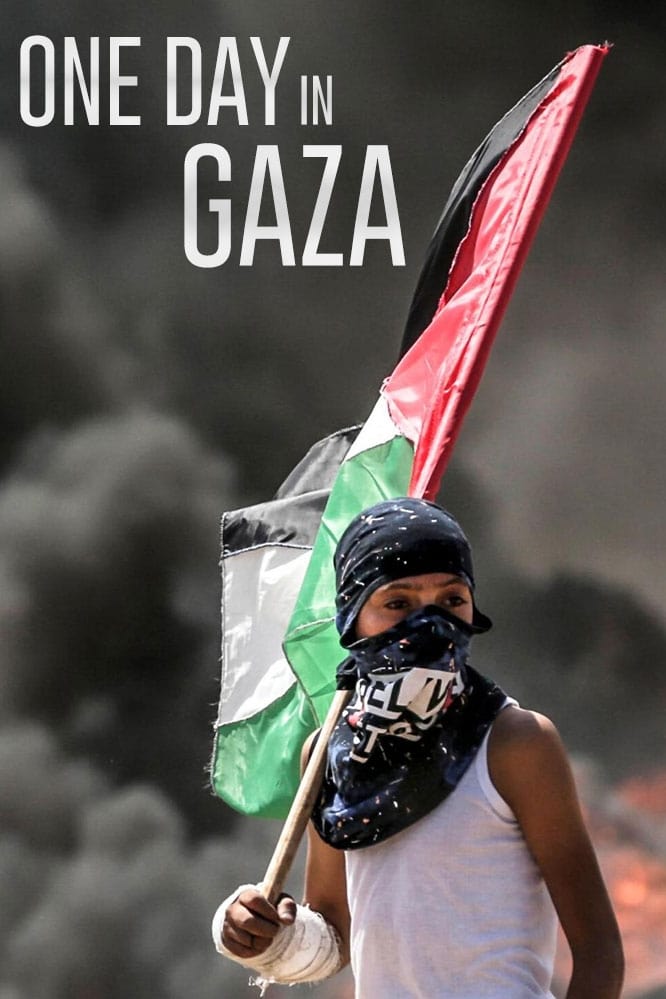
How mass protests on the Israel-Gaza border led to one of the deadliest days in a generation. One year later, a moment-by-moment investigation, drawing on exclusive interviews in Gaza and Israel and videos of the protests and bloodshed.
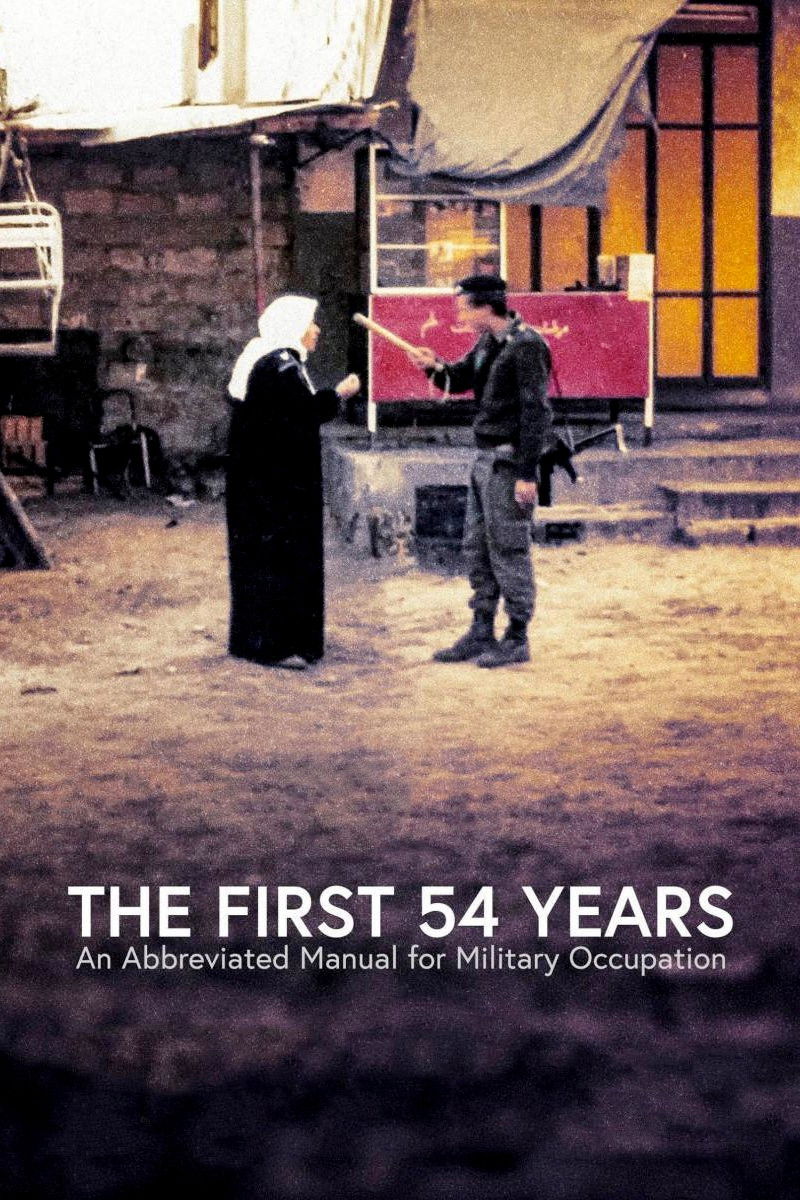
An exhaustive explanation of how the military occupation of an invaded territory occurs and its consequences, using as a paradigmatic example the recent history of Israel and the Palestinian territories, the West Bank and the Gaza Strip, from 1967, when the Six-Day War took place, to the present day; an account by filmmaker Avi Mograbi enriched by the testimonies of Israeli army veterans.
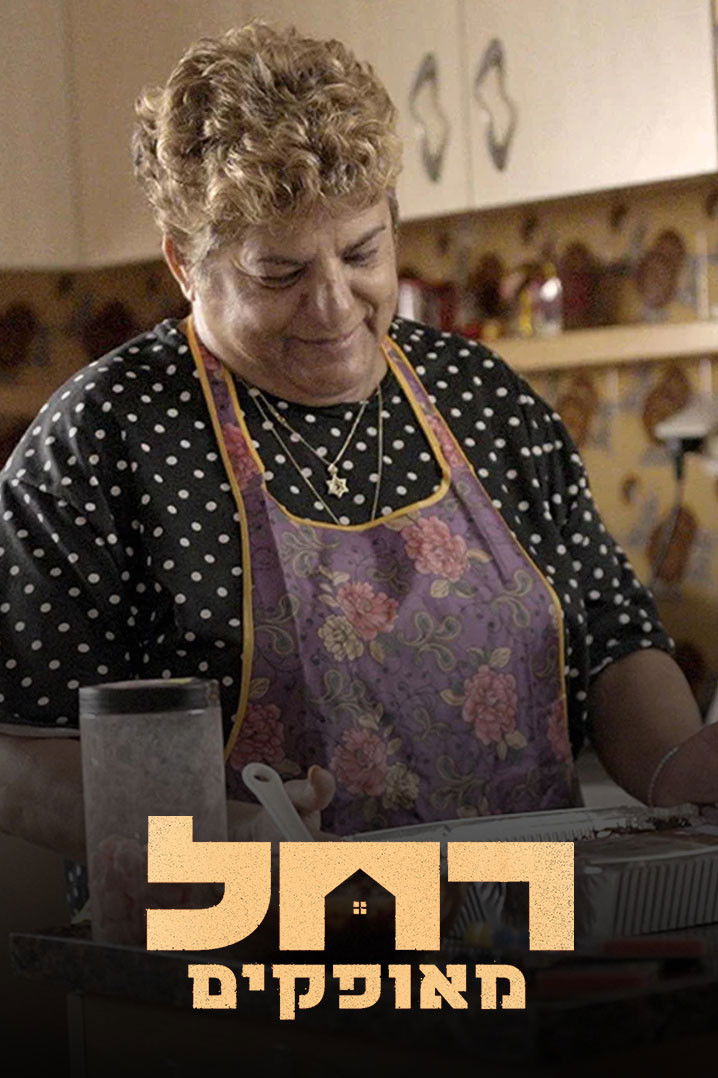
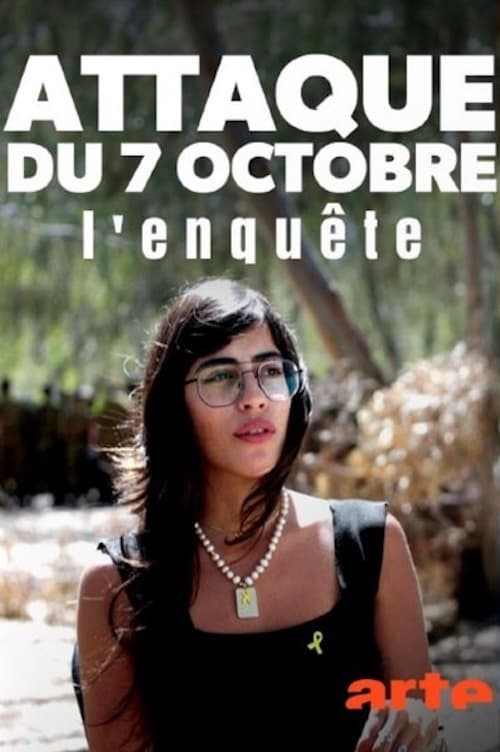
On the morning of the October 7 attack, Rachel and David Edri were held hostage in their home in Ofakim by a terrorist squad. For 20 hours the couple survived alone with the terrorists until they were rescued by the security forces. During the hours, Rachel offered the terrorists food and drinks, talked with them and took care of one of the wounded.
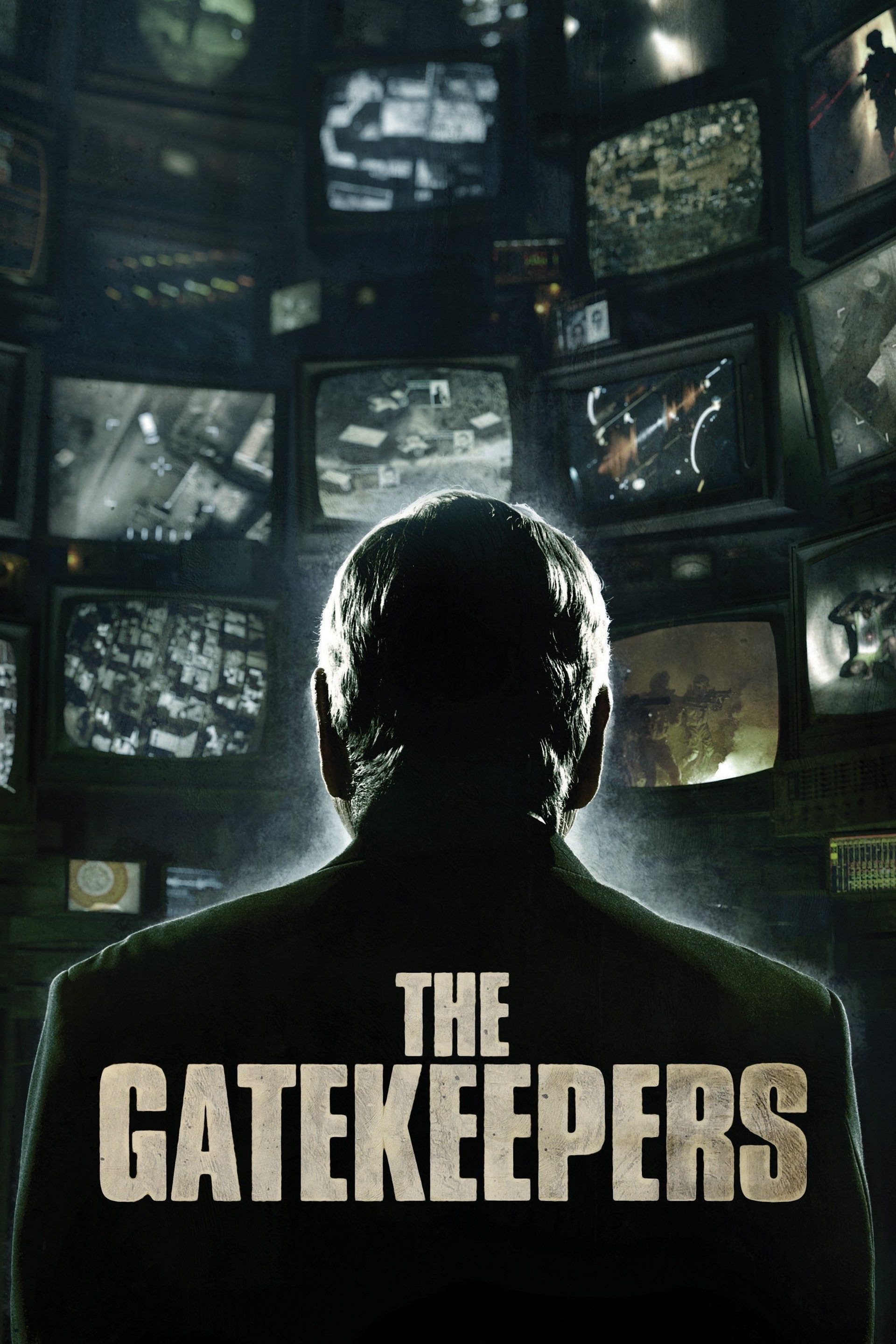
In an unprecedented and candid series of interviews, six former heads of the Shin Bet — Israel's intelligence and security agency — speak about their role in Israel's decades-long counterterrorism campaign, discussing their controversial methods and whether the ends ultimately justify the means.
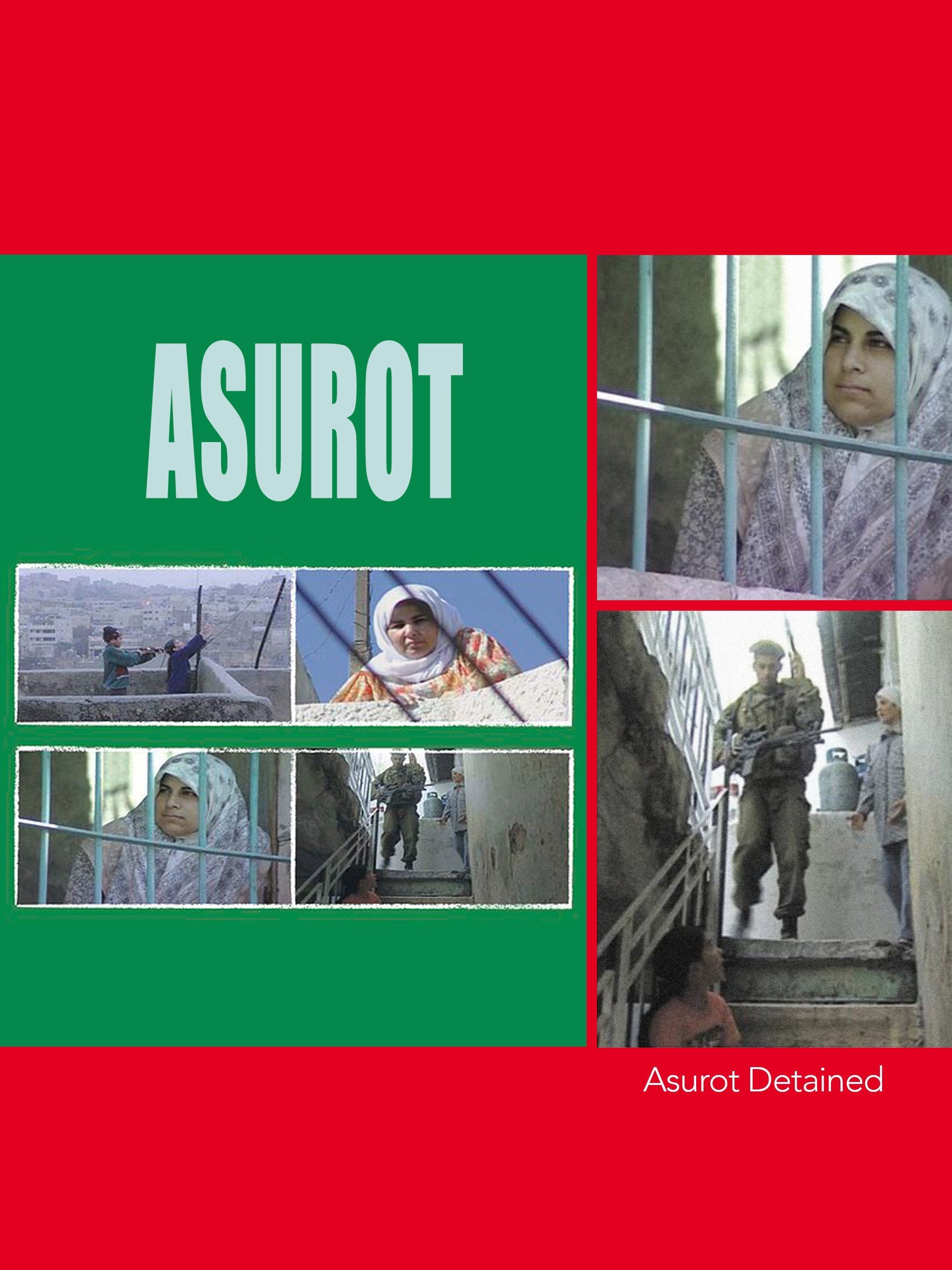
Najwa, Nawal, and Siham, three Palestinian widows, live with their 11 children in a house on Shuhada Street in Hebron. Their house lies on the border; the façade is under Israeli occupation, the Palestinian Authority controls the back. At the entrance to the house is a military post; on the roof the Israeli army has placed a watch point over Palestinian Hebron. The three women, trapped in the middle and constantly surrounded by Israeli soldiers, carry on their difficult lives in a perverse situation: the occupation becomes a routine, the absurd becomes a given. This is the story of an occupation that extends to the staircase and the roof of the house, where it encounters poverty, loneliness, pain, but also the small joys of everyday life. This is an internal prison, the external one is the ongoing occupation.
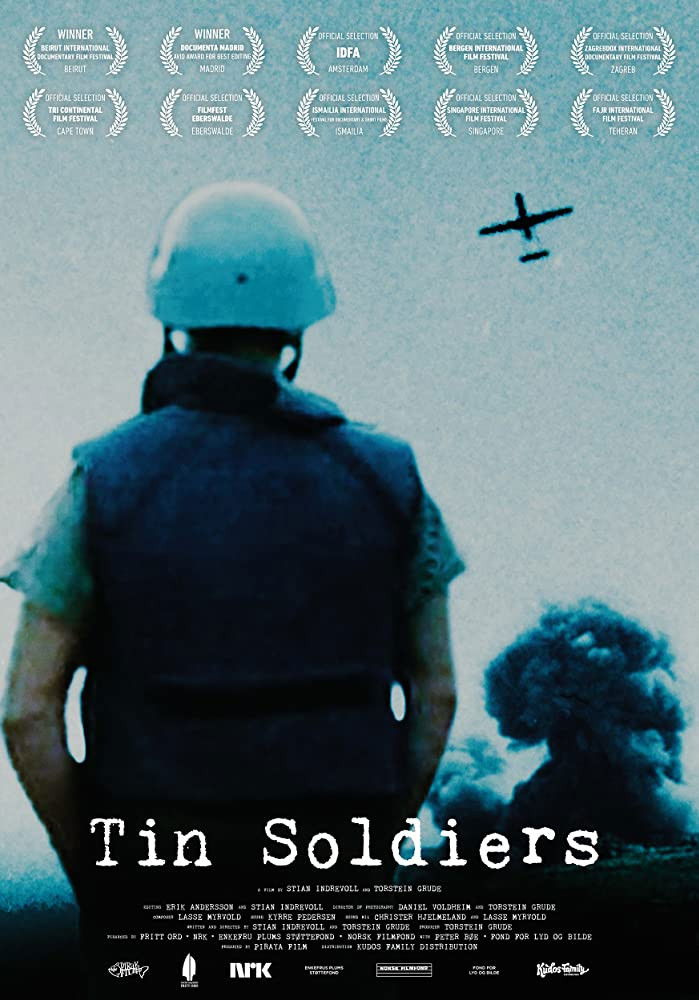
A group of young UN soldiers in Lebanon enters service with pro-Israeli views and a naive outlook on war. They go through a radical change of heart as they witness and film the Qana massacre. They secure video evidence indicating that Israel deliberately bombed a UN camp killing 106 refugees.
Unpublished testimonies from freed hostages, survivors, and members of first responders regarding the attacks perpetrated on Israeli territory on October 7, 2023, by the terrorist gang Hamas reveal the repugnant extent of the crimes committed by the so-called Palestinian freedom fighters.
October 7, 2023: Hamas terrorists attack Israel, murder and take hostages. Israel reacts with severity. The goal: the destruction of Hamas. But with the war in Gaza, Israel is awakening the great trauma of the Palestinians: the expulsion of 1948. How can the lack of empathy on both sides be explained?
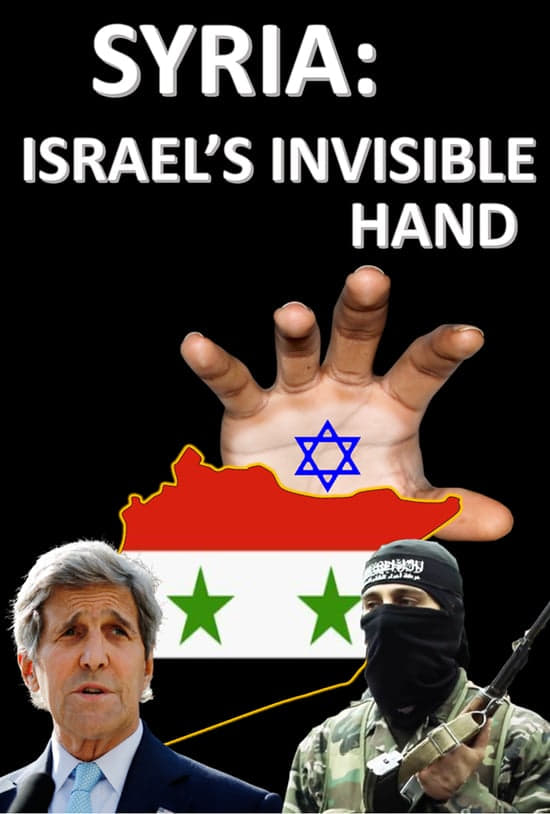
A horrible six year conflict befell Syria with a multitude of factions fighting for territories backed by a score of foreign players. The script for war as with Iraq in 2003 originated with Zionist partisans with Israeli interests in mind. From Oded Yinon to the Israeli "Clean Break" papers, the Zionist regime made it very clear what their intentions were in Iraq and Syria. American mass media had a uniform message that "Assad must go" for years until the Trump administration took power. In Iraq, after the US made it clear that they did not back Kurdish secession and would not give them air support, the Iraqi forces chased out the Peshmerga in a mere 36hrs. The world must know that the US was dragged into these conflicts via Israeli pressure and deceptions.
This documentary, filmed after October 7, places recent events in context and retraces the extraordinary history of this region to shed light on the present, interviewing actors and witnesses to this conflict: Islamists, Jewish nationalists, imams, rabbis, intellectuals, urban planners, soldiers, etc.
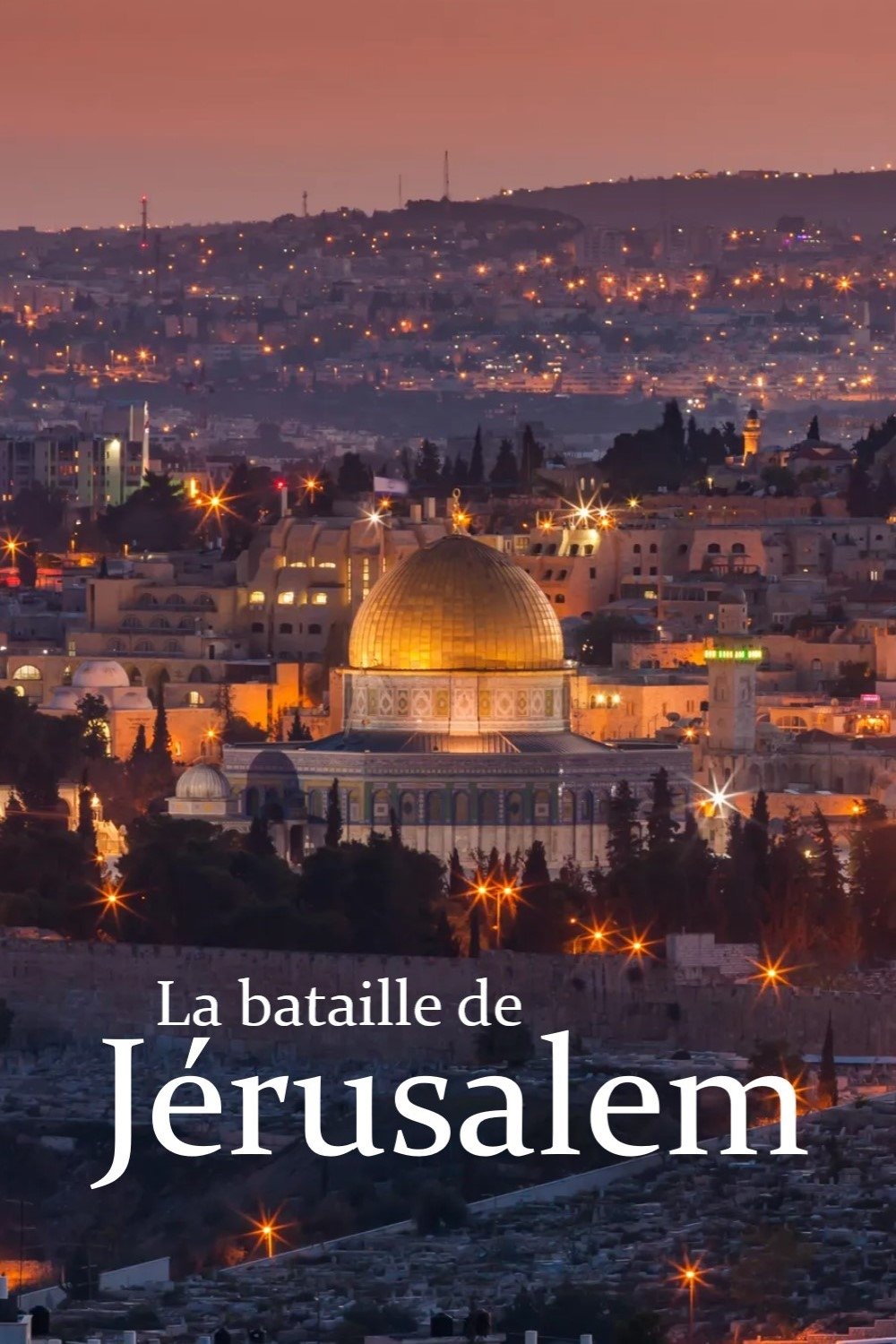
To examine the deteriorating relations between Palestine and Israel following the Hamas attack on October 7, the director walks into the heart of Jerusalem, a city that has been a holy site for Judaism, Islam, and Christianity for centuries, where tension and hatred have become a daily reality. Even though Jews and Muslims live in the same building, they do not communicate with each other and occasionally attack one another. However, the residents, from their respective positions and perspectives, ponder solutions for coexistence and peace between Muslims and Jews.
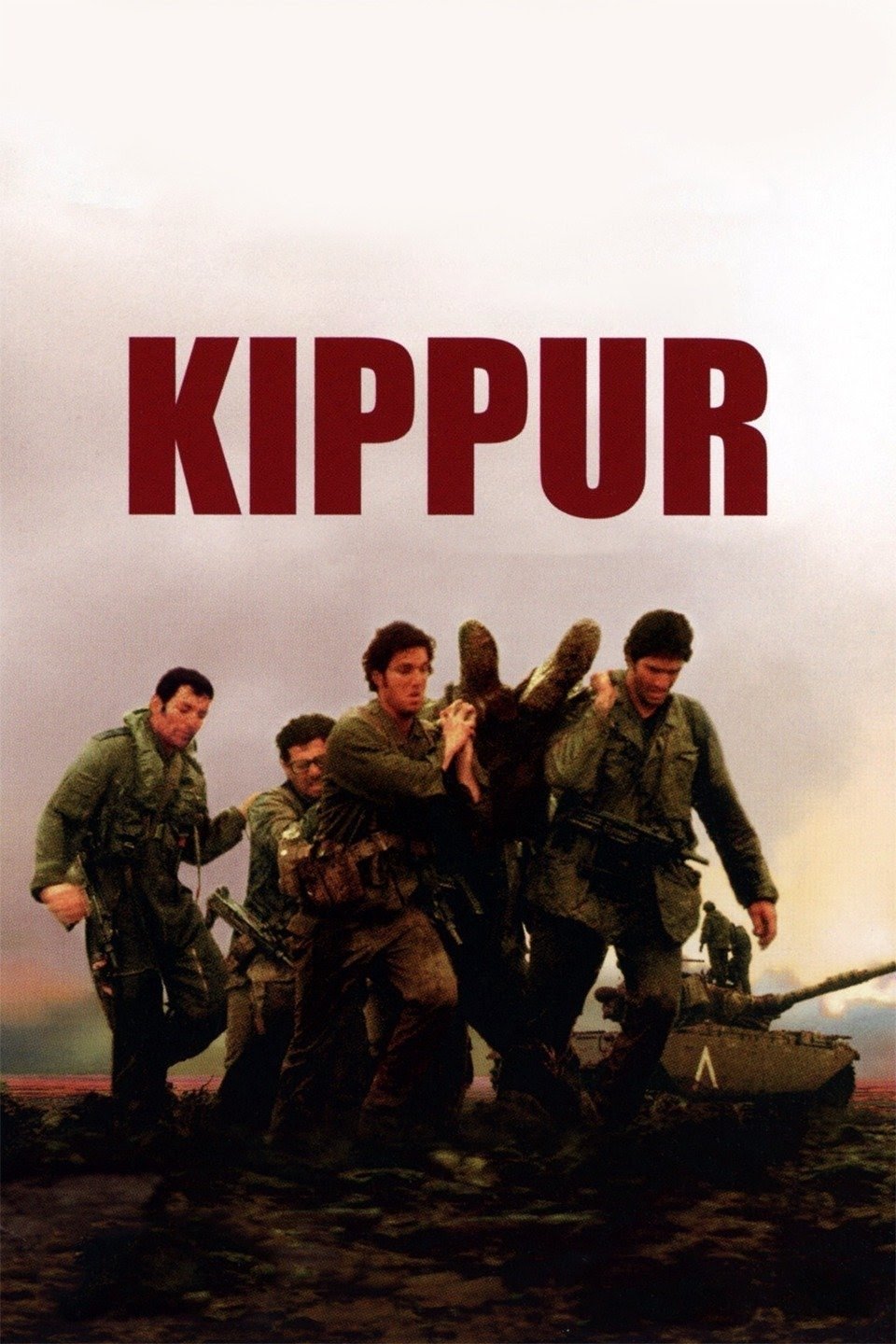
The film takes place in 1973 during the Yom Kippur War in which Egypt and Syria launched attacks in Sinai and the Golan Heights. The story is told from the perspective of Israeli soldiers. We are led by Weinraub and his friend Ruso on a day that begins with quiet city streets, but ends with death, destruction and devastation of both body and mind. Various scenes are awash in the surreal, as Weinraub's head hangs out over a rescue helicopter's open door, watching with tranquil desperation as the earth passes beneath, the overpowering whir of the blades creating a hypnotic state. It is not a traditional blood, guts and glory film. There are no men in battle, only the rescue crew trying to pick up the broken pieces.
Na'ama is seventeen. She lives in a sleepy suburbia. She is bored. With detached parents and a rebellious older sister, her life at home is a mess. It all changes when a new girl appears at school. She's introduced to a world of drugs, lesbians and sex. She's thrilled. Her life, at last, becomes exciting. Is it going to last? "Barash" is a coming of age story, planted in the heart of Israeli society, about a young woman who struggles to find her self-identity in an environment that has different ideas about sex, drugs and love.
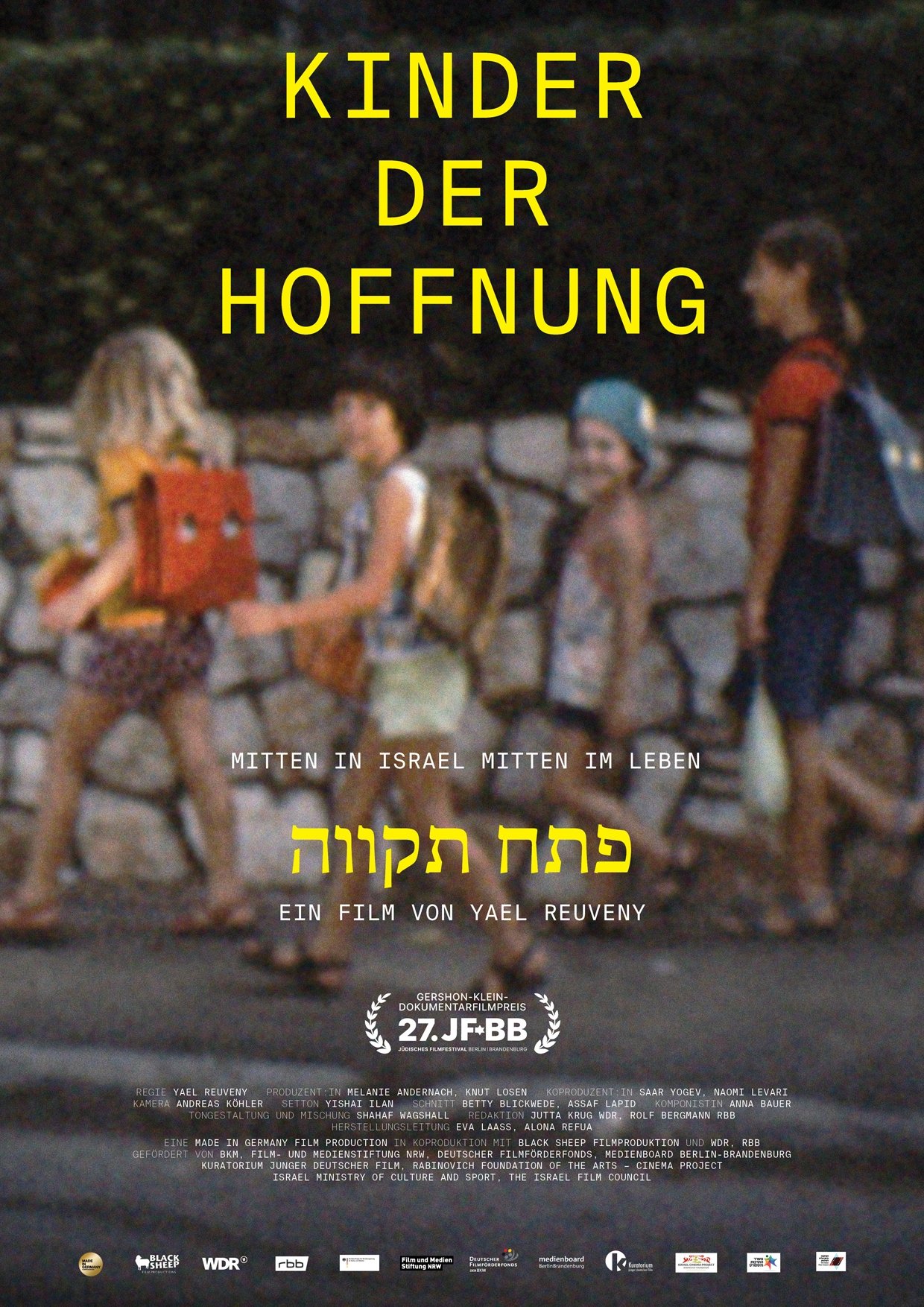
An Israeli director currently living in Berlin returns to Israel to meet some of her friends from primary school. She learns what has been happening in their lives since their paths parted while we get a glimpse of different Israelis.
It is late 2004, and 34-year-old Englishman Alistair Appleton is about to fly from London to the Brazilian coast, where he will drink ayahuasca for the first time. With wit, insight, and sensitivity, Alistair shares this experience with us, and chats with some fellow participants before and after the ayahuasca ceremonies. For the past few years, Alistair had been working as a television presenter. In 2000, he started making trips to the Centre for World Peace and Health in Scotland to learn how to meditate. When clinical psychologist Silvia Polivoy opened an ayahuasca healing center in Bahia in 2004, Alistair faced his fears and seized the opportunity to attend.
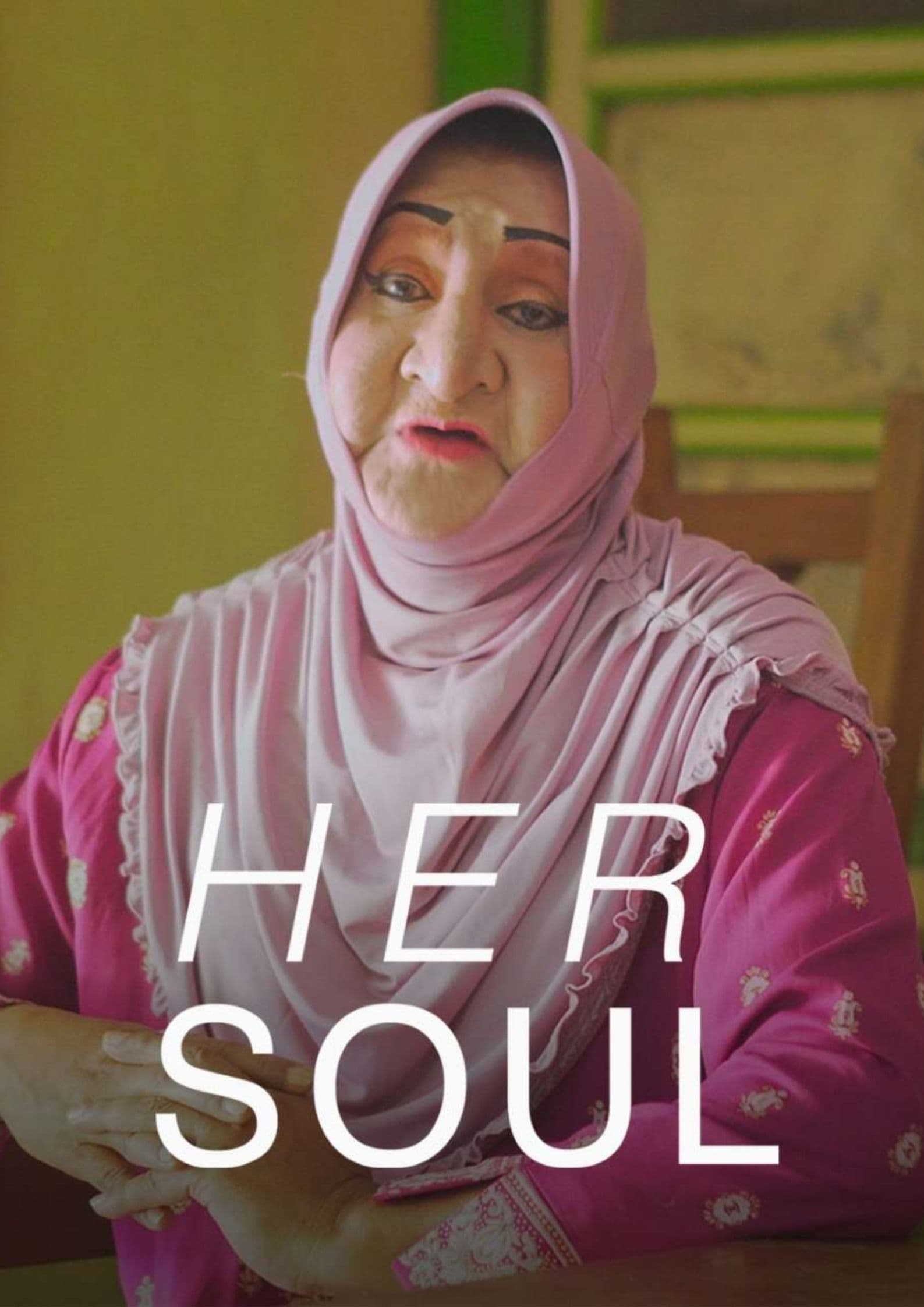
Shinta Ratri, a 57-year-old Muslim trans woman, recounts her life experiences—childhood memories, struggles of growing up, marriage—and her journey as the founder of the Islamic Boarding School of Al-Fatah in Yogyakarta, Indonesia.
Filmmakers Joe Swanberg and Spencer Parsons discuss the Midwestern roots and work ethic of Lewis' output and how The Gore Gore Girls represents the shift into transgressive '70s cinema that would dominate the American horror landscape.
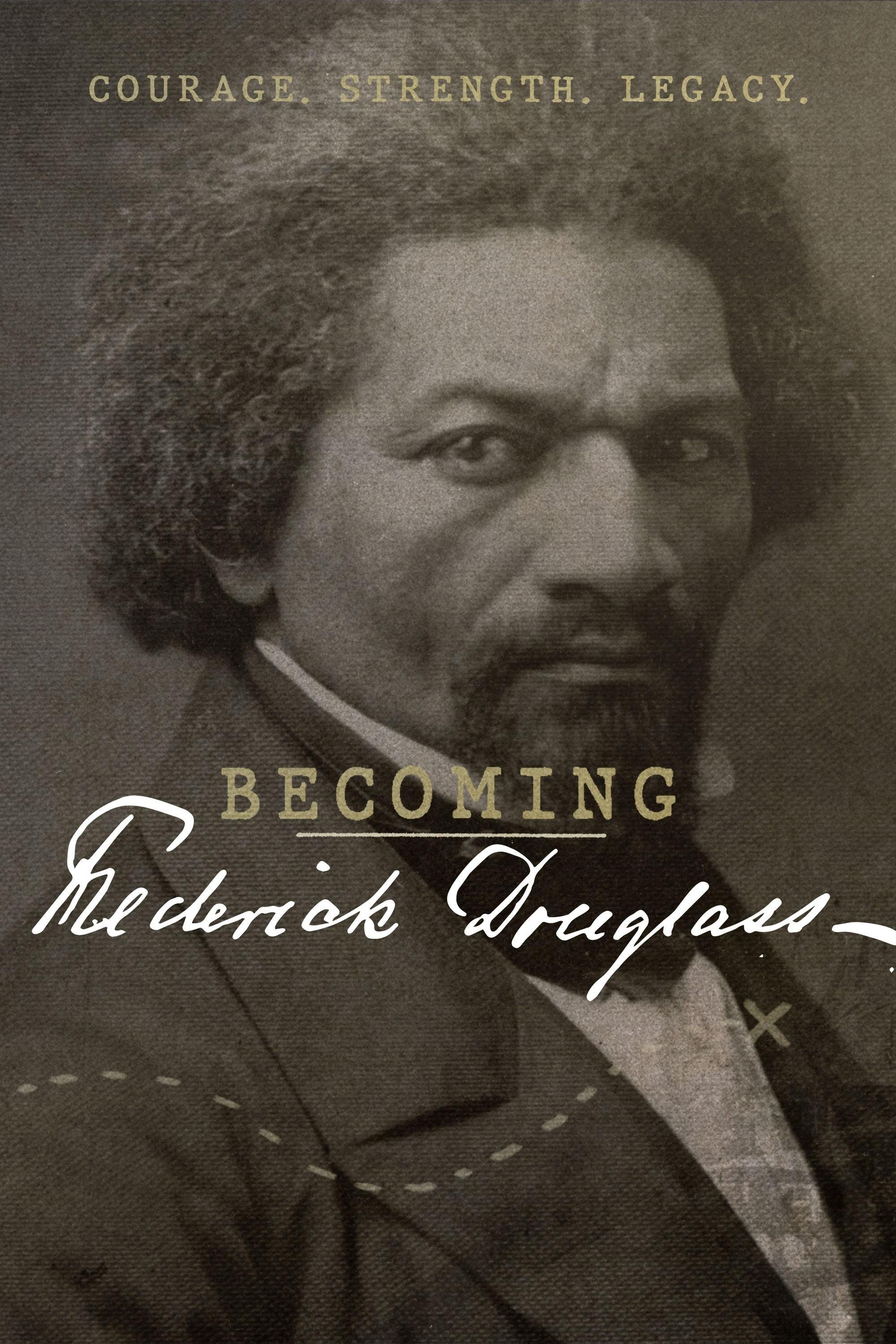
In Becoming Frederick Douglass, acclaimed director Stanley Nelson and co-director Nicole London bring to life the story of an American icon. Using Douglass's own powerful, profound speeches and writing, the story retraces his journey from a man born and raised in slavery to one of the most prominent elder statesmen and inspiring voices for freedom in American history. With additional context and insight provided by historians, scholars and Douglass's descendants, the filmmakers recount the brutality and trauma of his childhood while illuminating his strength of character, defiance against the bonds of slavery and the influences that guided his lifelong quest for freedom. The most celebrated Black man of his era, Douglass's legacy and achievements continue to resonate today. His life and work still inspires activists, educators and citizens in the fight for freedom, equality and a more just American society.
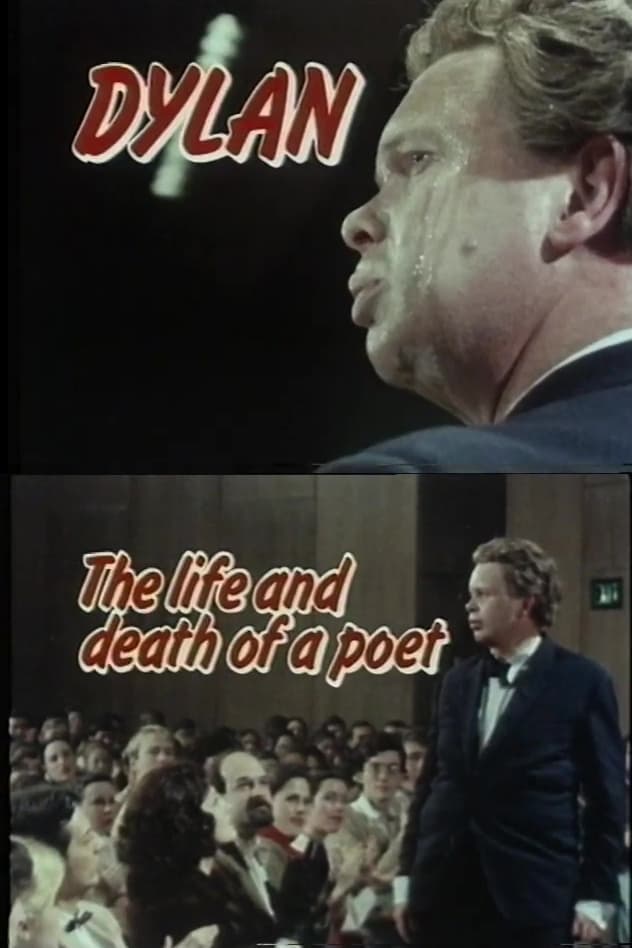
A drama documentary of the life and death of the poet Dylan Thomas, who died in New York 25 years ago at age 39. Alcohol and a doctor's injection of morphine were the immediate causes. Ever since his childhood in Wales his life was a spectacular attempt - comic at times, serious below the surface, tragic at the finish - to survive on his own bizarre terms as the poet to end all poets. By the 1950s, that first postwar decade of uneasiness and change, Dylan Thomas was a legend to his admirers but a burnt-out case to himself. As he tours America to read poetry to rapt audiences, his past crowds in on him, the fractured memories of a man at the end of his tether.
A look at the origins, history and conspiracies behind the "Majestic 12", a clandestine group of military and corporate figureheads charged with reverse-engineering extraterrestrial technology.
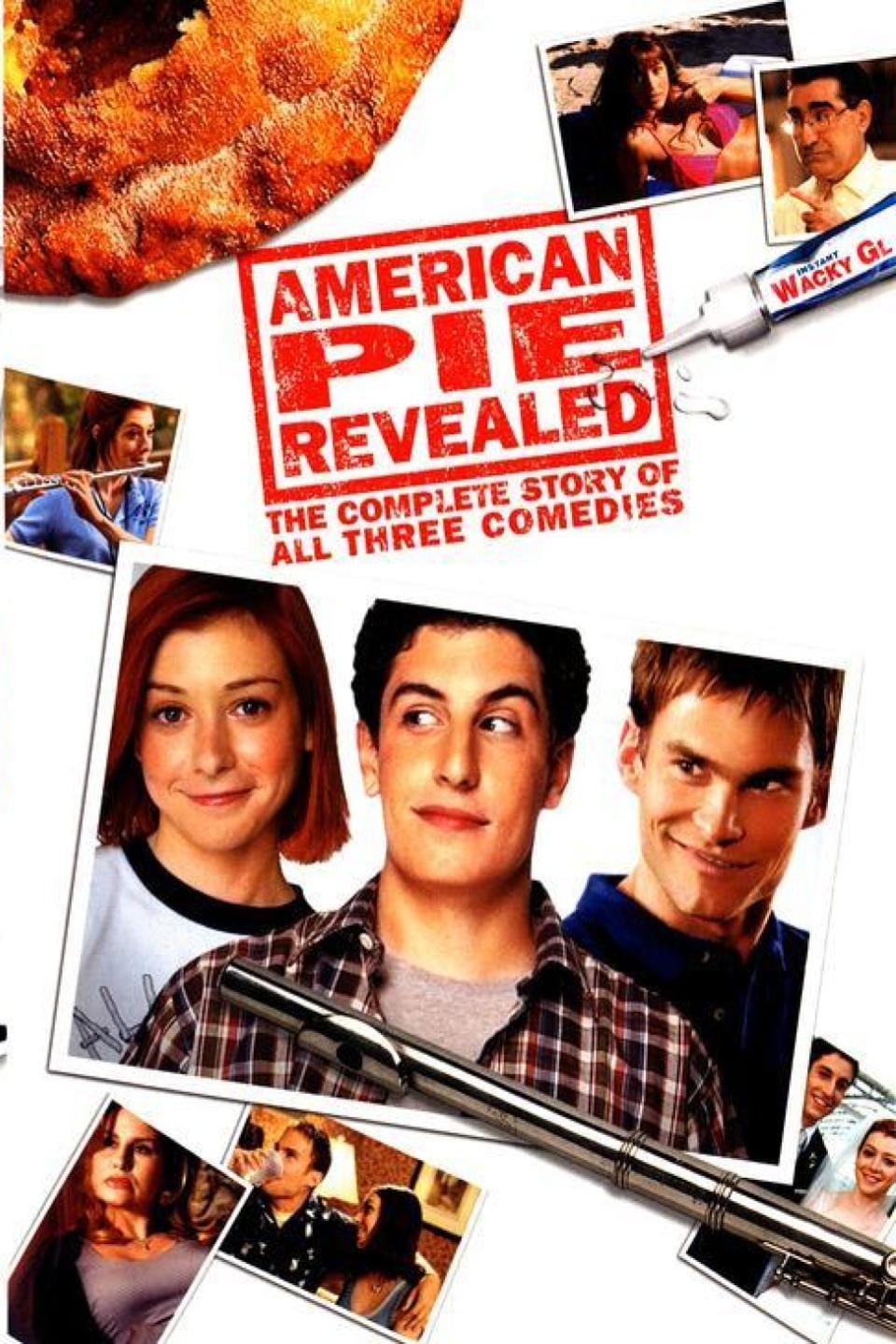
Documentary about the making of American Pie (1999), American Pie 2 (2001) and American Wedding (2003).
A documentary about how a dominant cultural and demographic institution both sustains their traditional activities and adapts to the digital revolution.
In this genre-bending tale, Errol Morris explores the mysterious death of a U.S. scientist entangled in a secret Cold War program known as MK-Ultra.
A portrait of the day-to-day operations of the National Gallery of London, that reveals the role of the employees and the experiences of the Gallery's visitors. The film portrays the role of the curators and conservators; the education, scientific, and conservation departments; and the audience of all kinds of people who come to experience it.
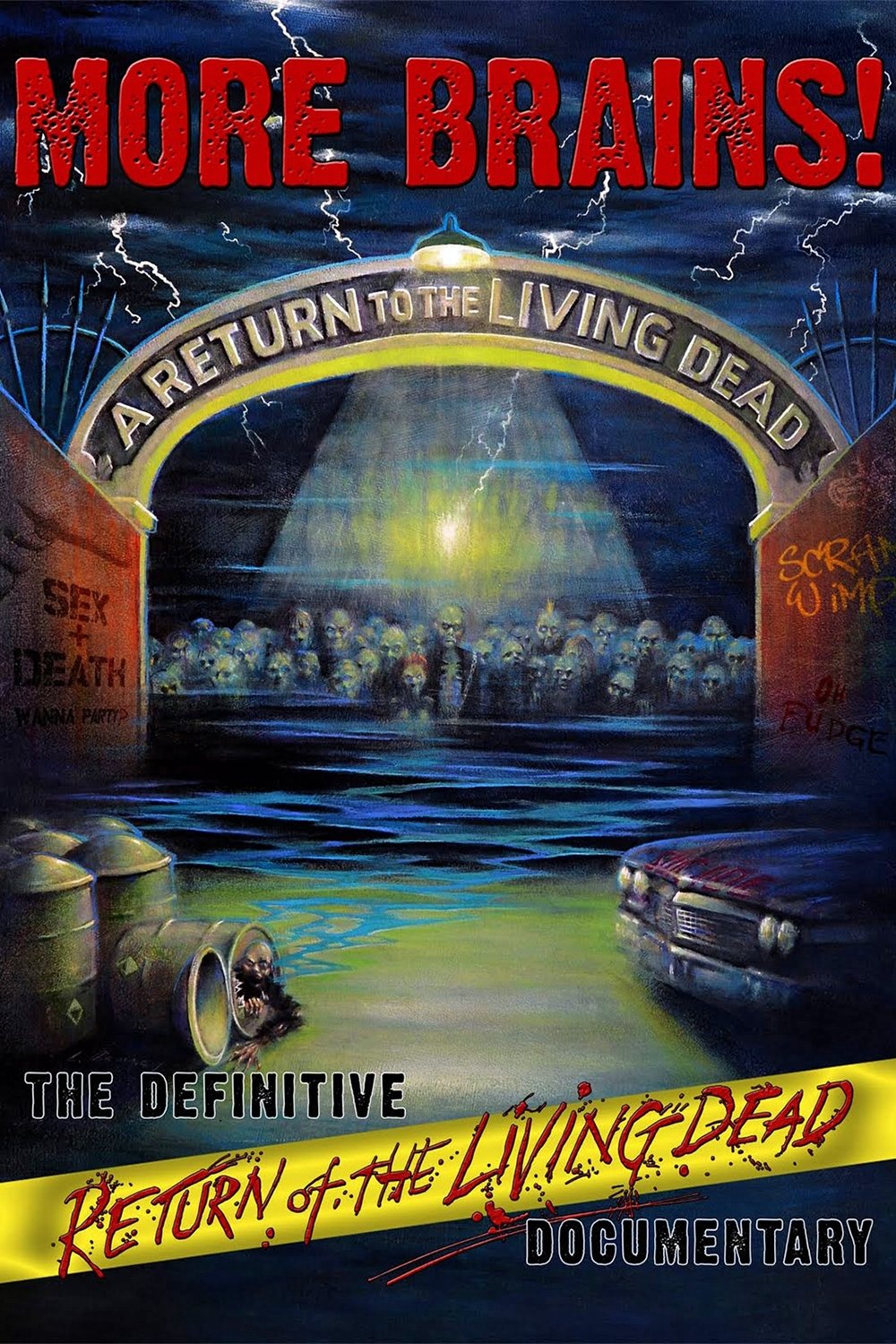
Retrospective documentary about the making of the horror cult classic "The Return of the Living Dead."
An unflinching look at the how the battle over abortion rights has played out in the United States over the last 15 years.
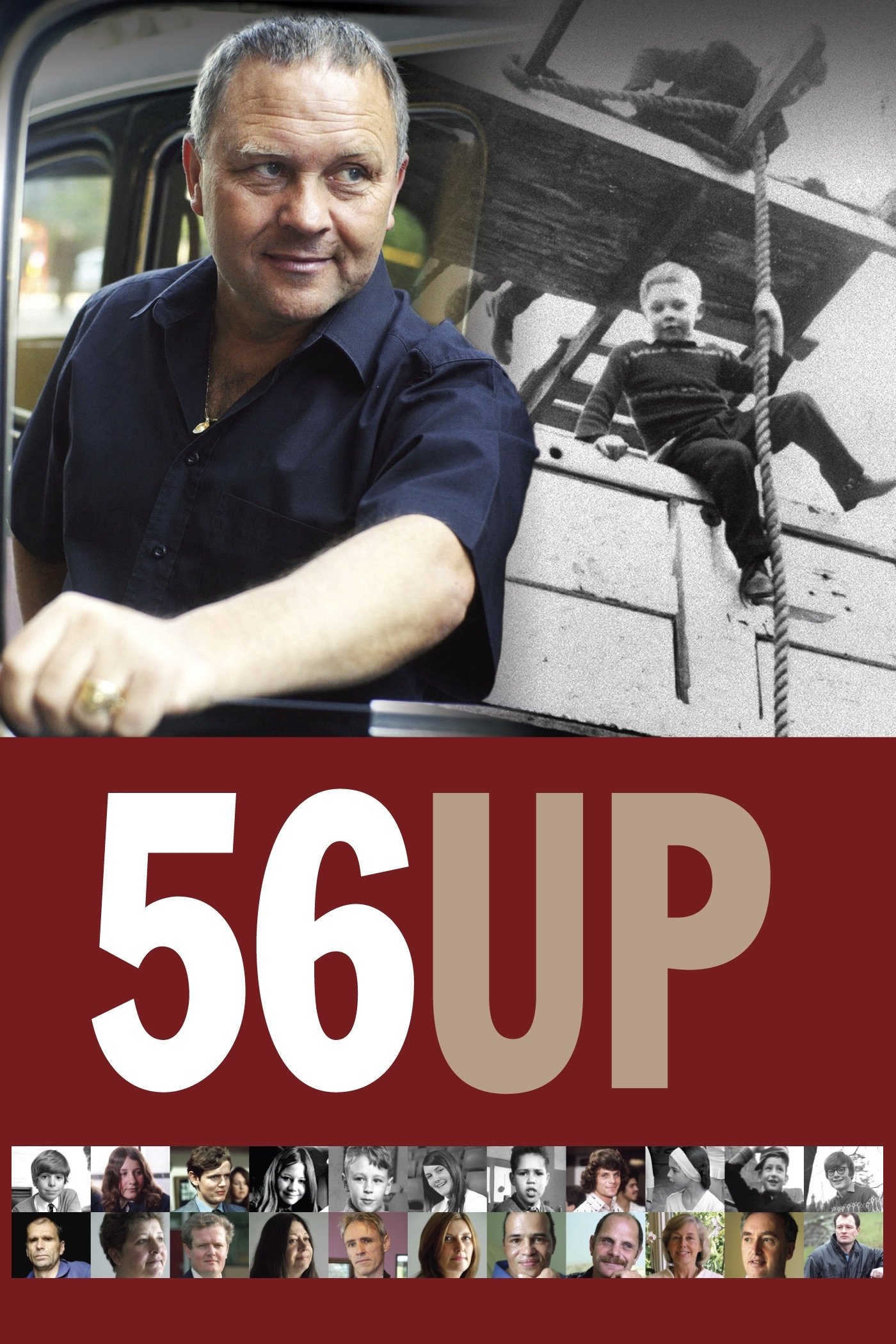
When a cross-section of seven-year-olds were interviewed for 7 Up in 1964 it was immediately evident that their social backgrounds influenced their attitudes towards life. While the upper class children were confident and self-assured, those from middle and working class backgrounds were resigned to a challenging life of hard work. This premise was put to the test every seven years when the same group were interviewed about the progression of their lives. 49 years in the making, the changes that occurred to the original 14 make for fascinating television and are in many ways the stories of all our lives. From success and disappointment, marriage and childbirth, to poverty and illness, nearly every facet of life has been captured on film. Now, at the age of 56, the group are once more brought together and, with the benefit of hindsight, assess whether their lives have been ruled by circumstance or self-determination.
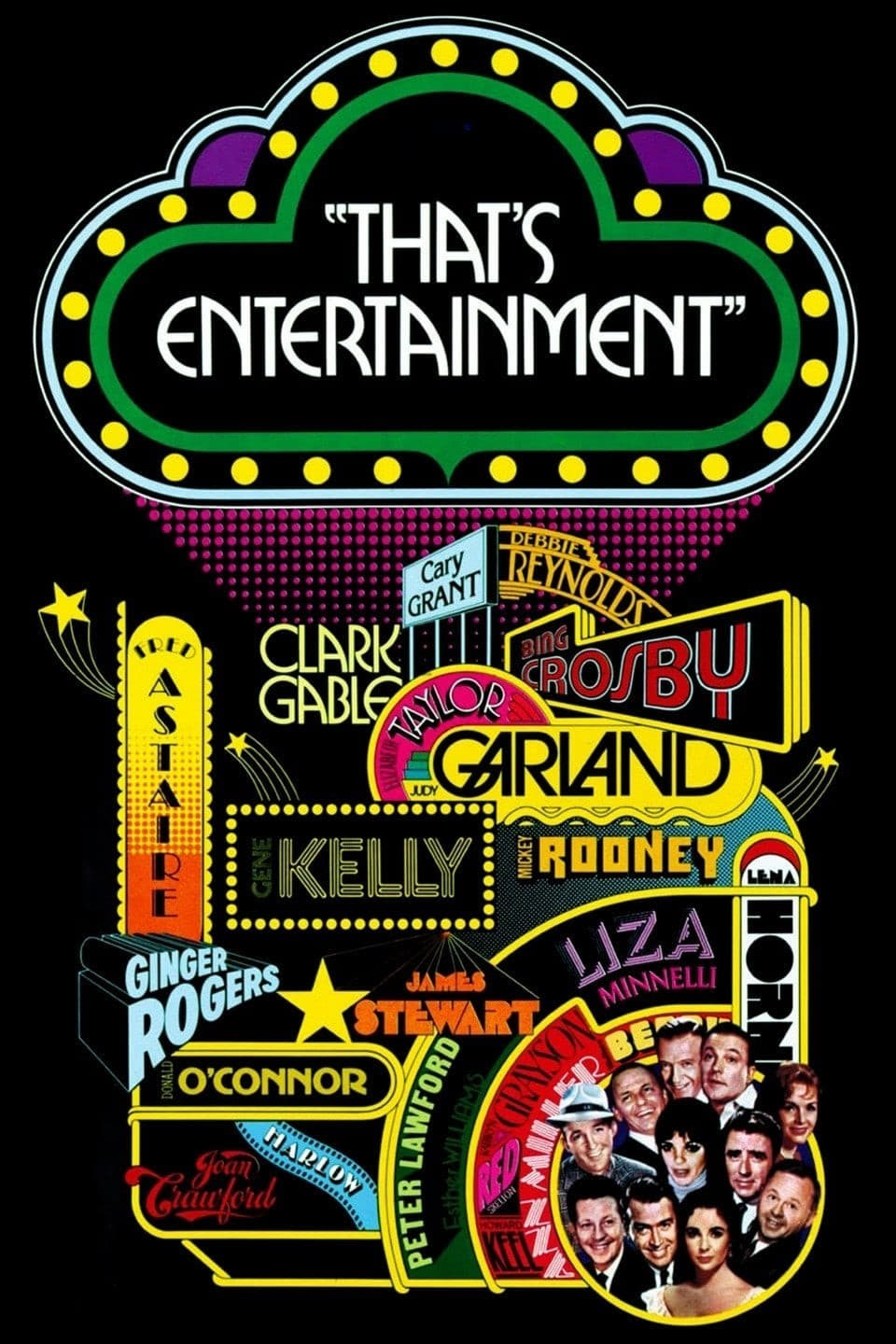
Various MGM stars from yesterday present their favorite musical moments from the studio's 50 year history.
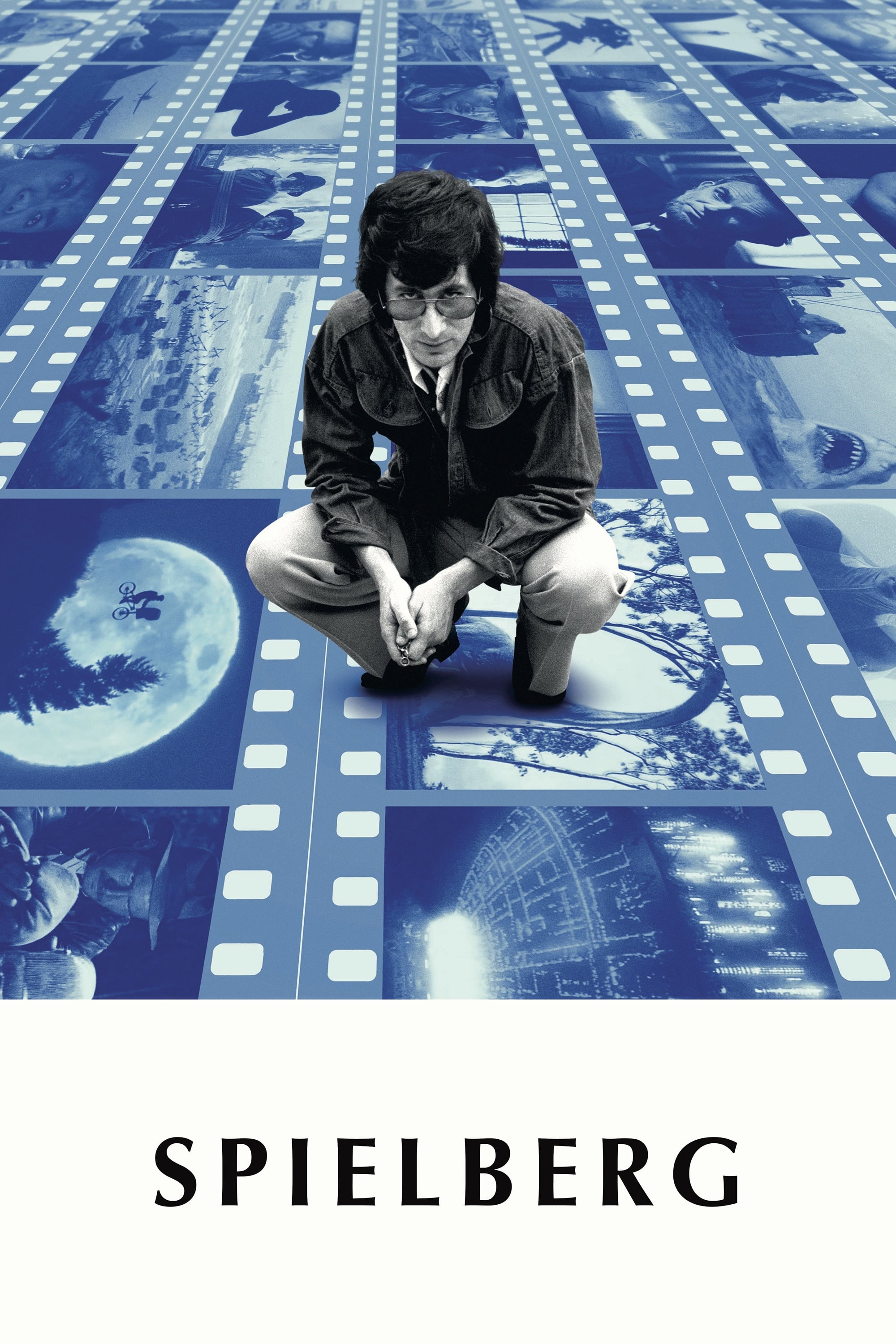
A documentary on the life and career of one of the most influential film directors of all time, Steven Spielberg.
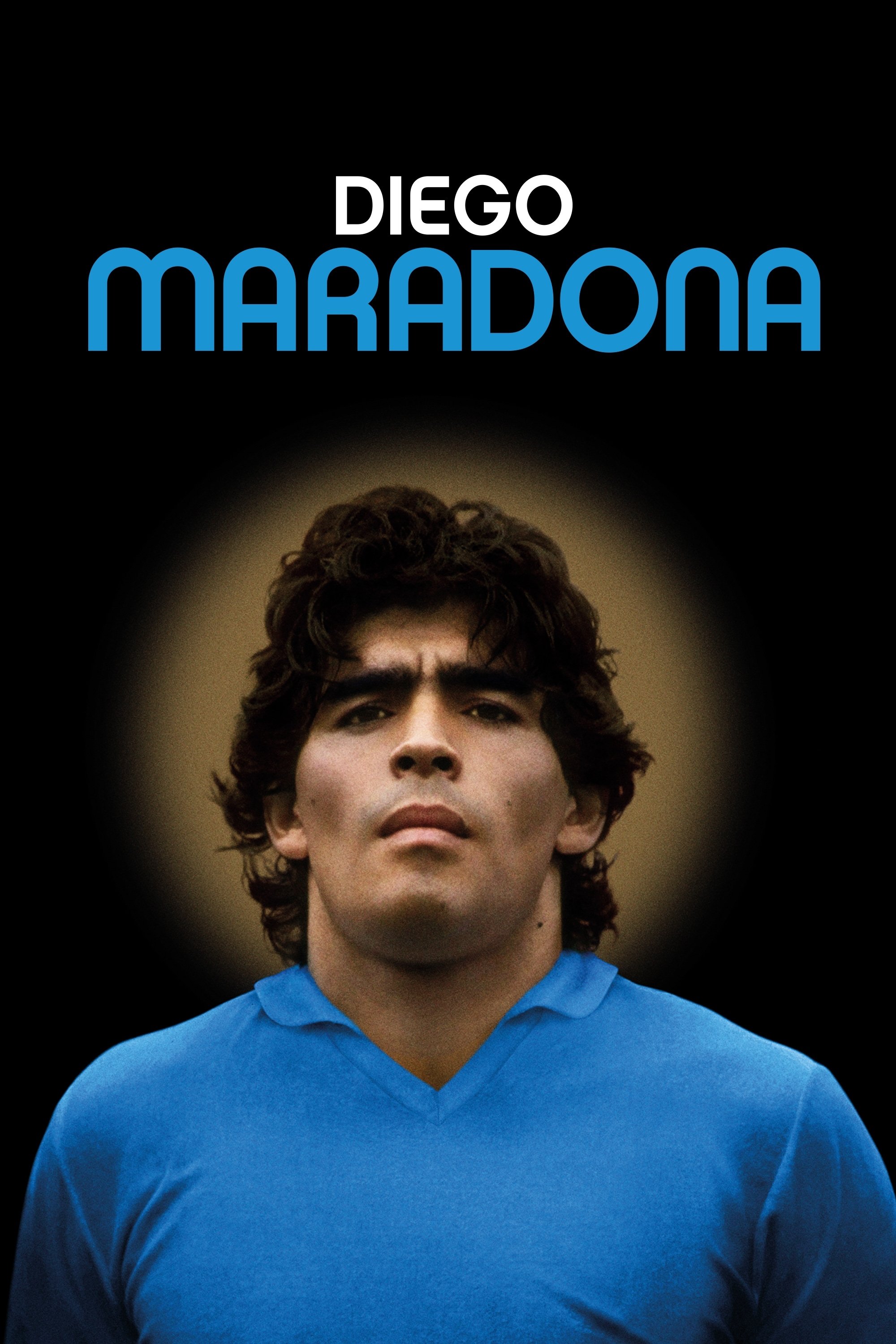
Constructed from over 500 hours of never-before-seen footage, this documentary centers on the personal life and career of the controversial football player Diego Maradona who played for SSC Napoli and Argentina in the 1980s.
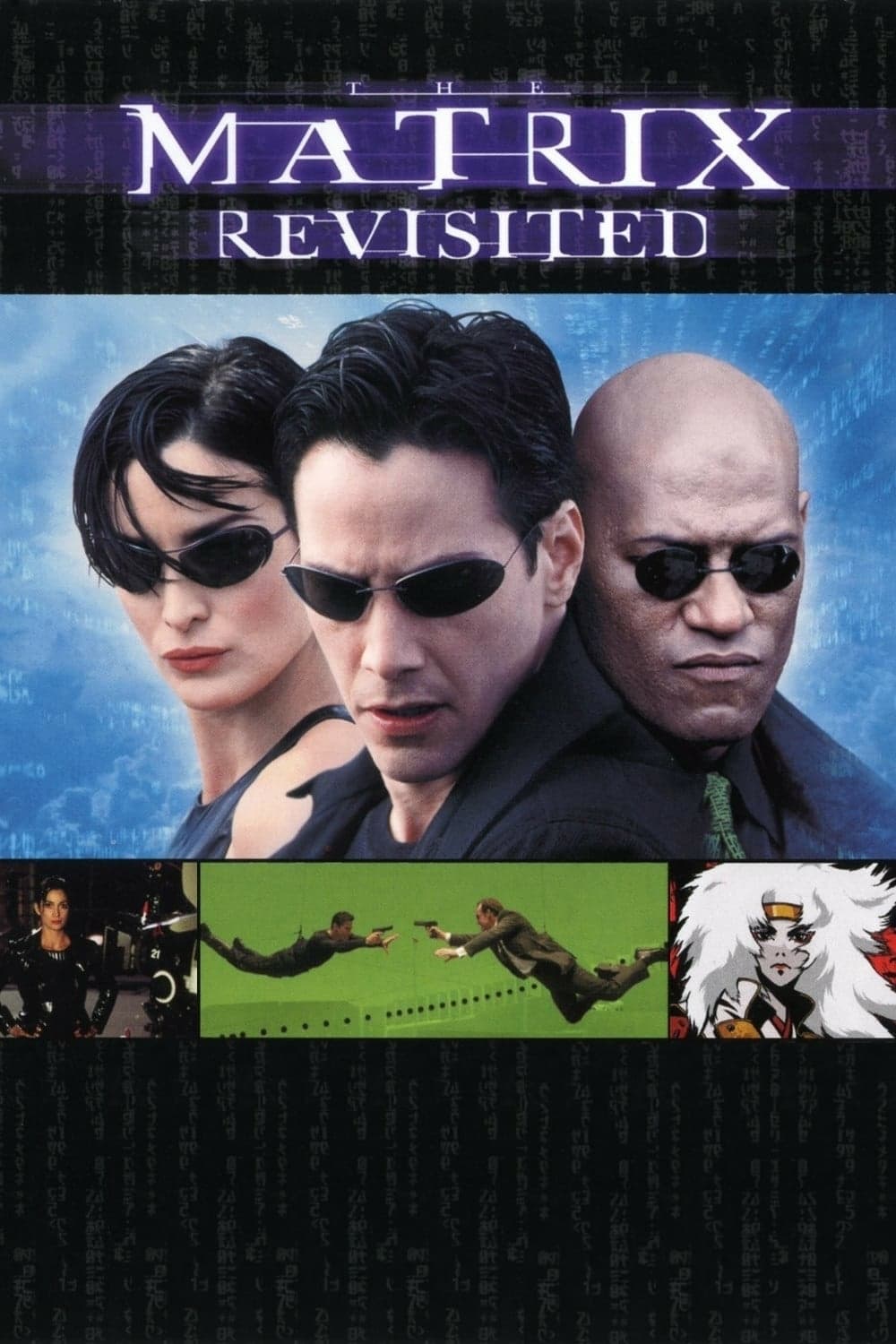
The film goes behind the scenes of the 1999 sci-fi movie The Matrix.
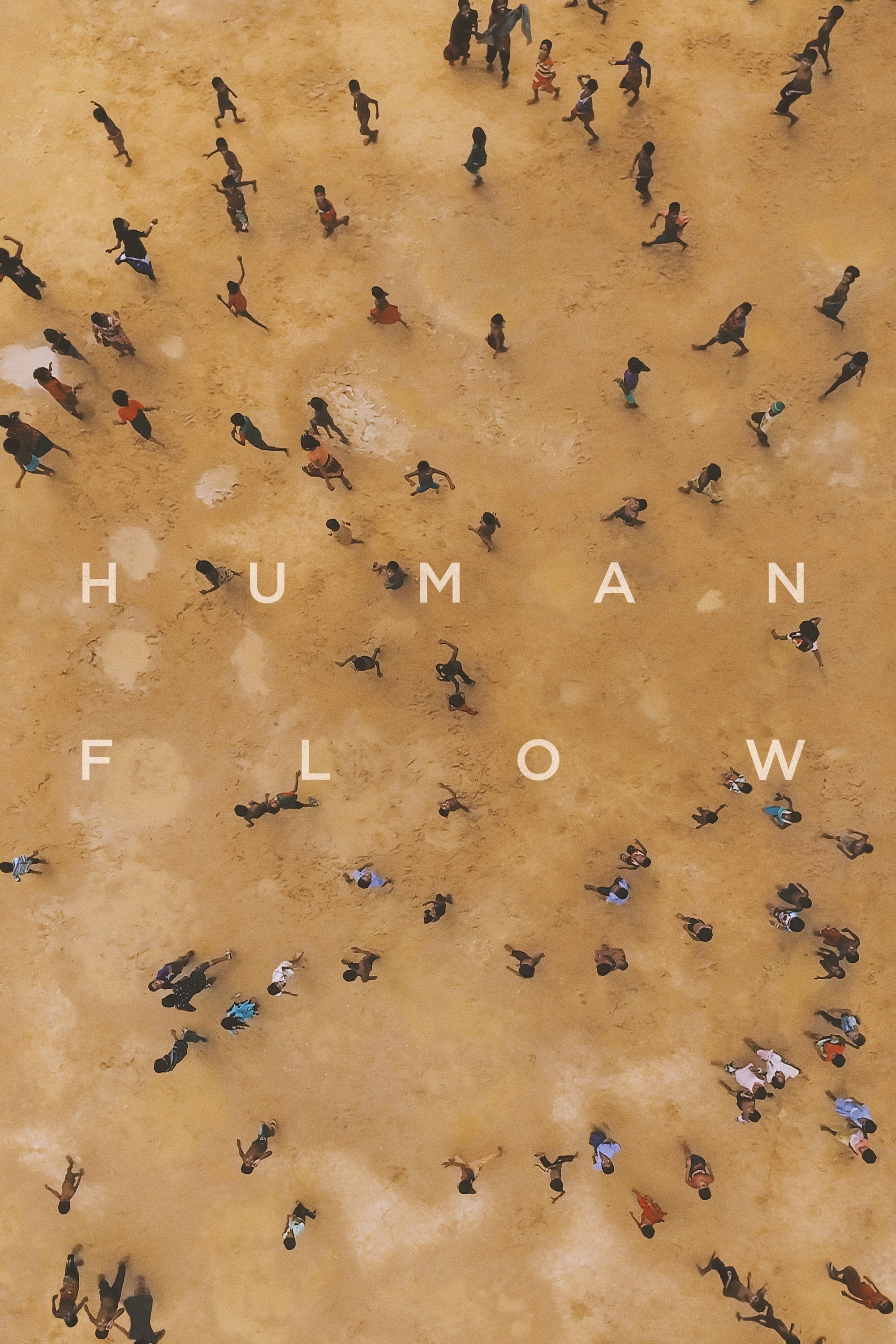
More than 65 million people around the world have been forced from their homes to escape famine, climate change and war, the greatest displacement since World War II. Filmmaker Ai Weiwei examines the staggering scale of the refugee crisis and its profoundly personal human impact. Over the course of one year in 23 countries, Weiwei follows a chain of urgent human stories that stretch across the globe, including Afghanistan, France, Greece, Germany and Iraq.
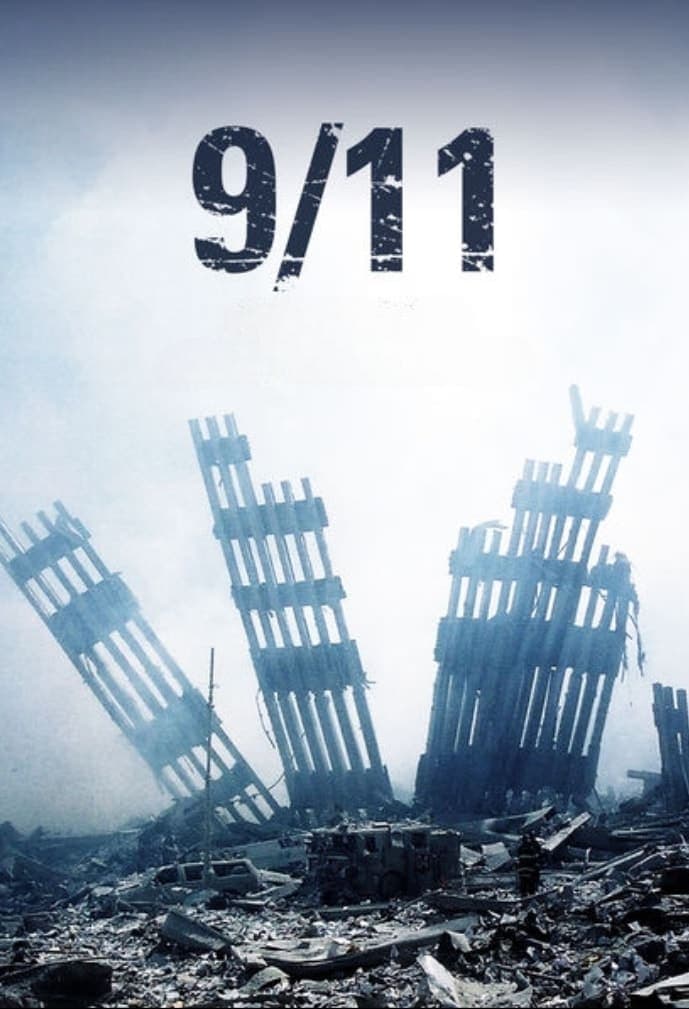
An on-the-scene documentary following the events of September 11, 2001 from an insider's view, through the lens of two French filmmakers who simply set out to make a movie about a rookie NYC fireman and ended up filming the tragic event that changed our lives forever.
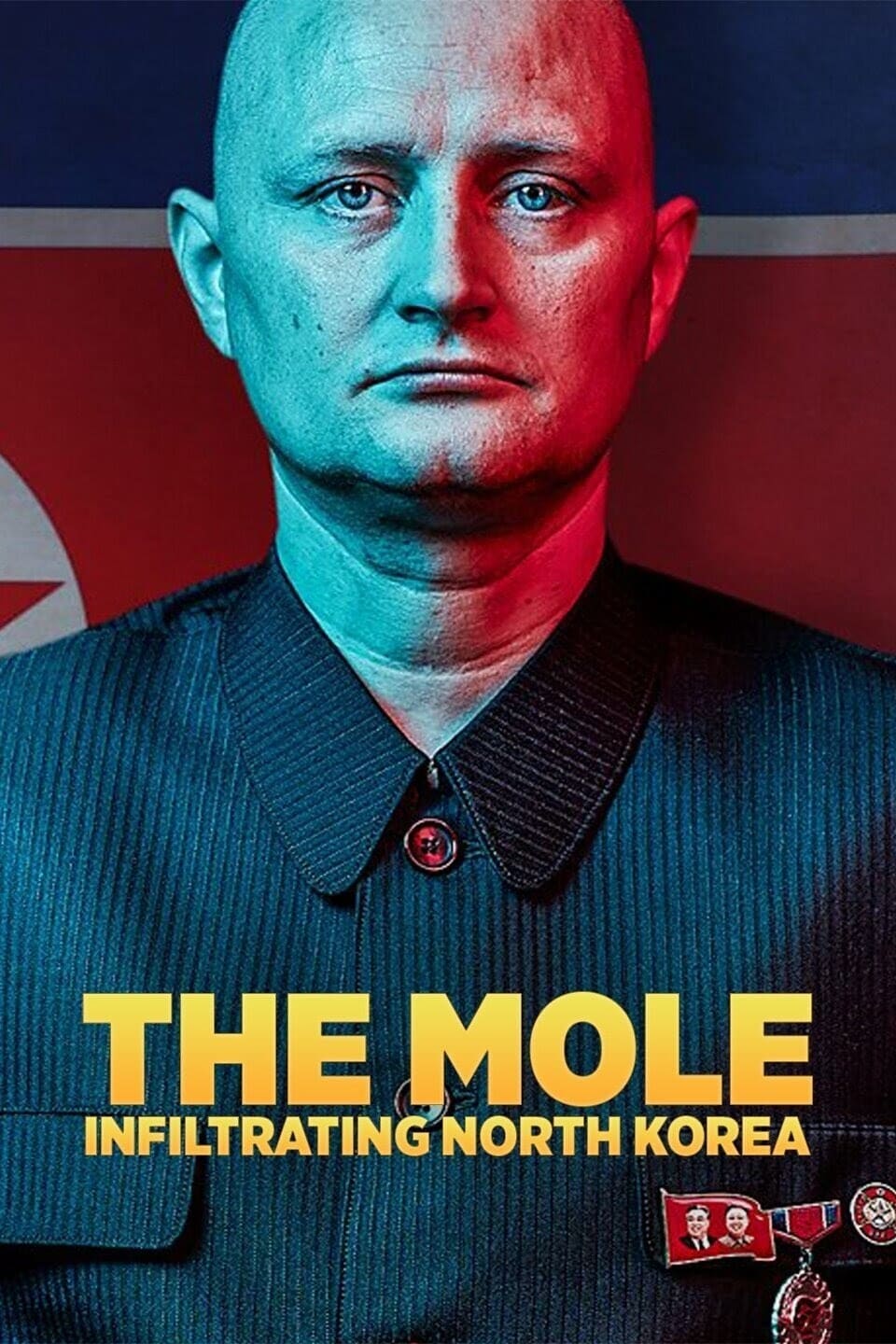
A real-life undercover thriller about two ordinary men who embark on an outrageously dangerous ten-year mission to penetrate the world's most secretive and brutal dictatorship: North Korea.
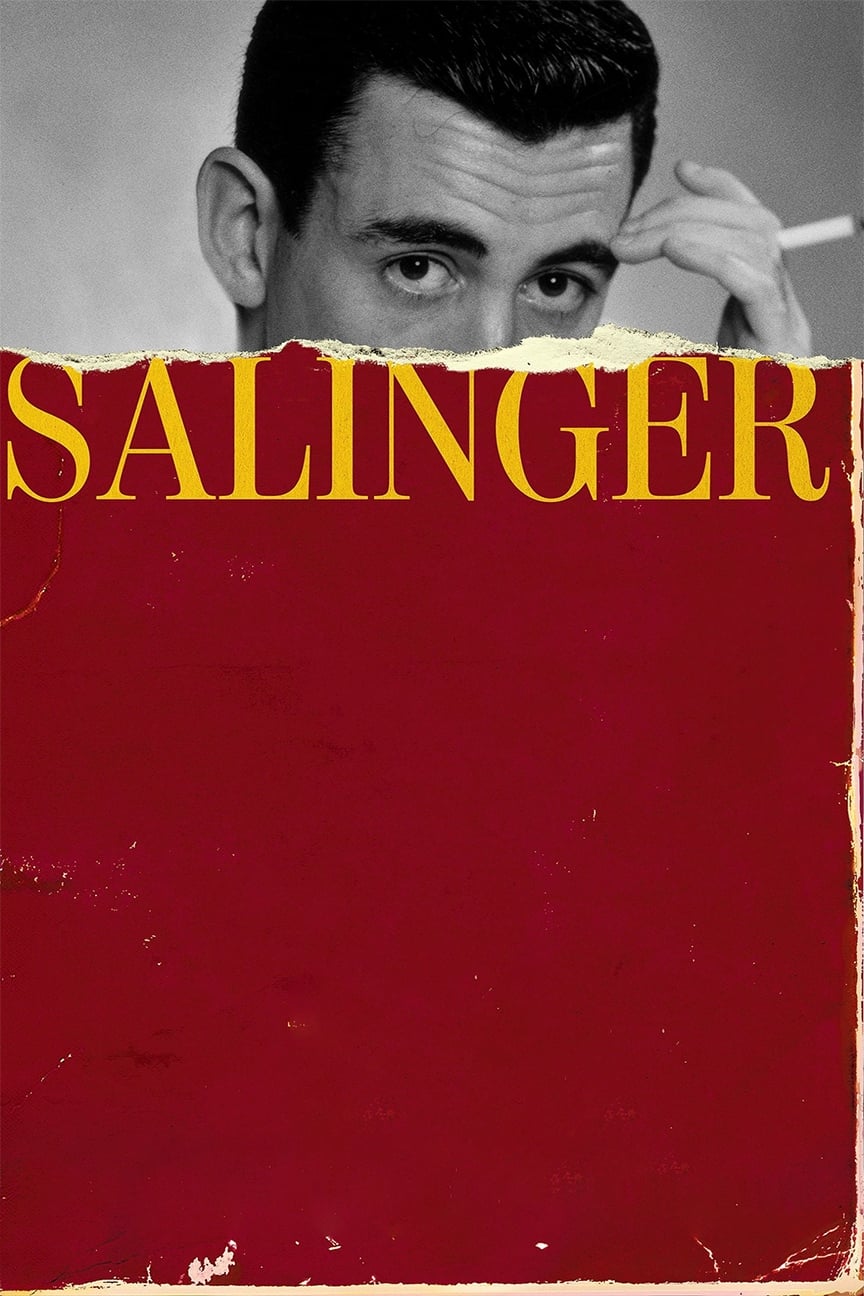
An in-depth investigation into the private world of the American writer J. D. Salinger (1919-2010), who lived most of his life behind the impenetrable wall of a self-imposed seclusion: how his dramatic experiences during World War II influenced his life and work, his relationships with very young women, his obsessive writing methods, his many literary secrets.
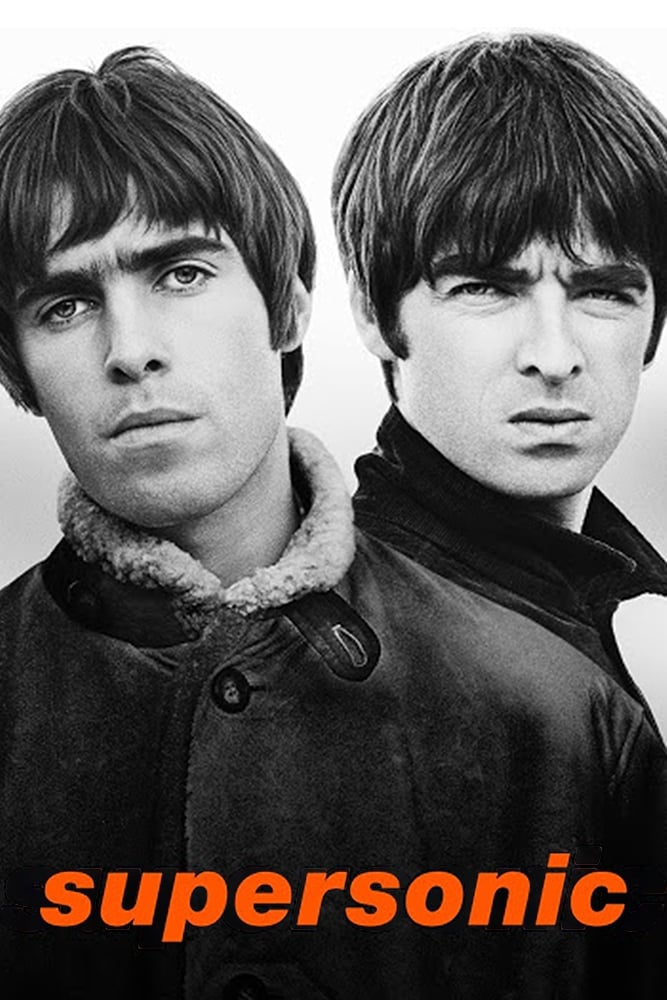
Supersonic charts the meteoric rise of Oasis from the council estates of Manchester to some of the biggest concerts of all time in just three short years. This palpable, raw and moving film shines a light on one of the most genre and generation-defining British bands that has ever existed and features candid new interviews with Noel and Liam Gallagher, their mother, and members of the band and road crew.
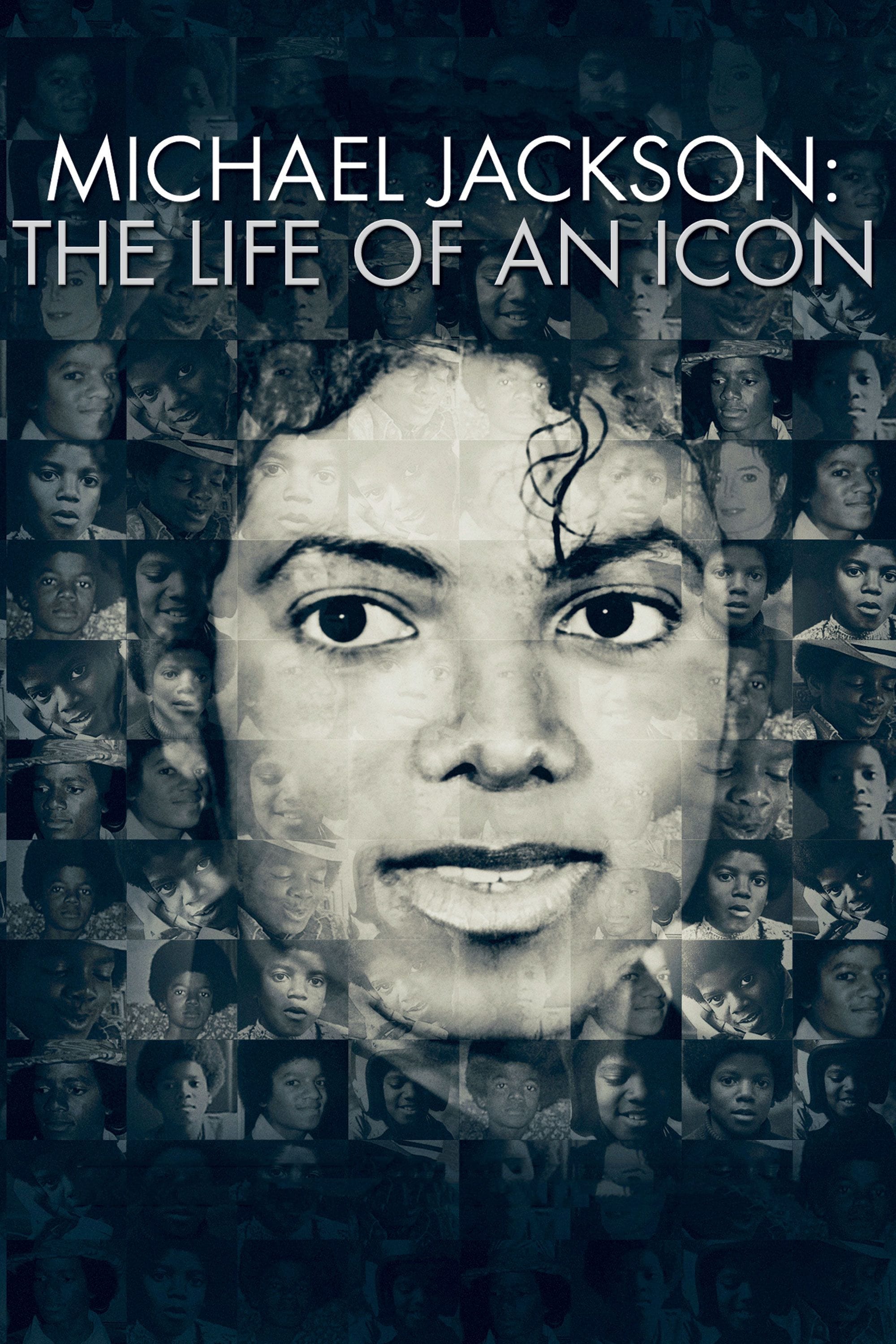
See Michael Jackson, one of the most recognizable and popular entertainers of all time, like never before in the feature-length tribute Michael Jackson: The Life of an Icon. Known to millions of fans worldwide for his record-breaking albums, groundbreaking music videos, mesmerizing dance moves and humanitarian efforts, his true story has never really been told...until now. This unprecedented look into the King of Pop's fascinating life includes all-new interviews with his mother Katherine Jackson as well as siblings Tito and Rebbie Jackson, family, friends and music legends such as Smokey Robinson, Dionne Warwick and many more.
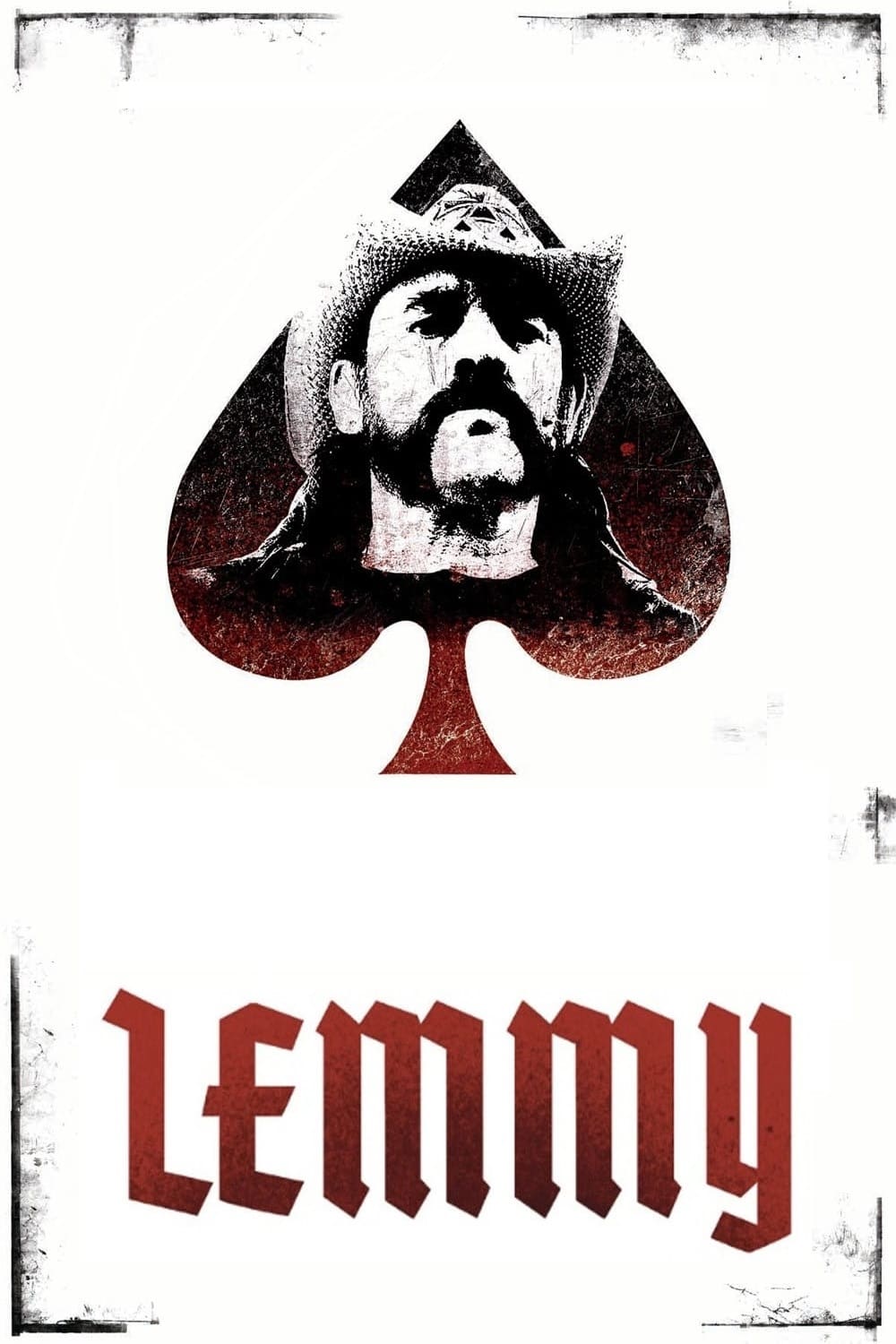
Over four decades, Motorhead frontman Lemmy Kilmister has registered an immeasurable impact on music history. Nearly 65, he remains the living embodiment of the rock and roll lifestyle, and this feature-length documentary tells his story, one of a hard-living rock icon who continues to enjoy the life of a man half his age.
Live Aid was held on 13 July 1985, simultaneously in Wembley Stadium in London, England, and the John F. Kennedy Stadium in Philadelphia, United States. It was one of the largest scale satellite link-ups and television broadcasts of all time: watched live by an estimated global audience of 1.9 billion, across 150 nations. "It's twelve noon in London, seven AM in Philadelphia, and around the world it's time for Live Aid...!"