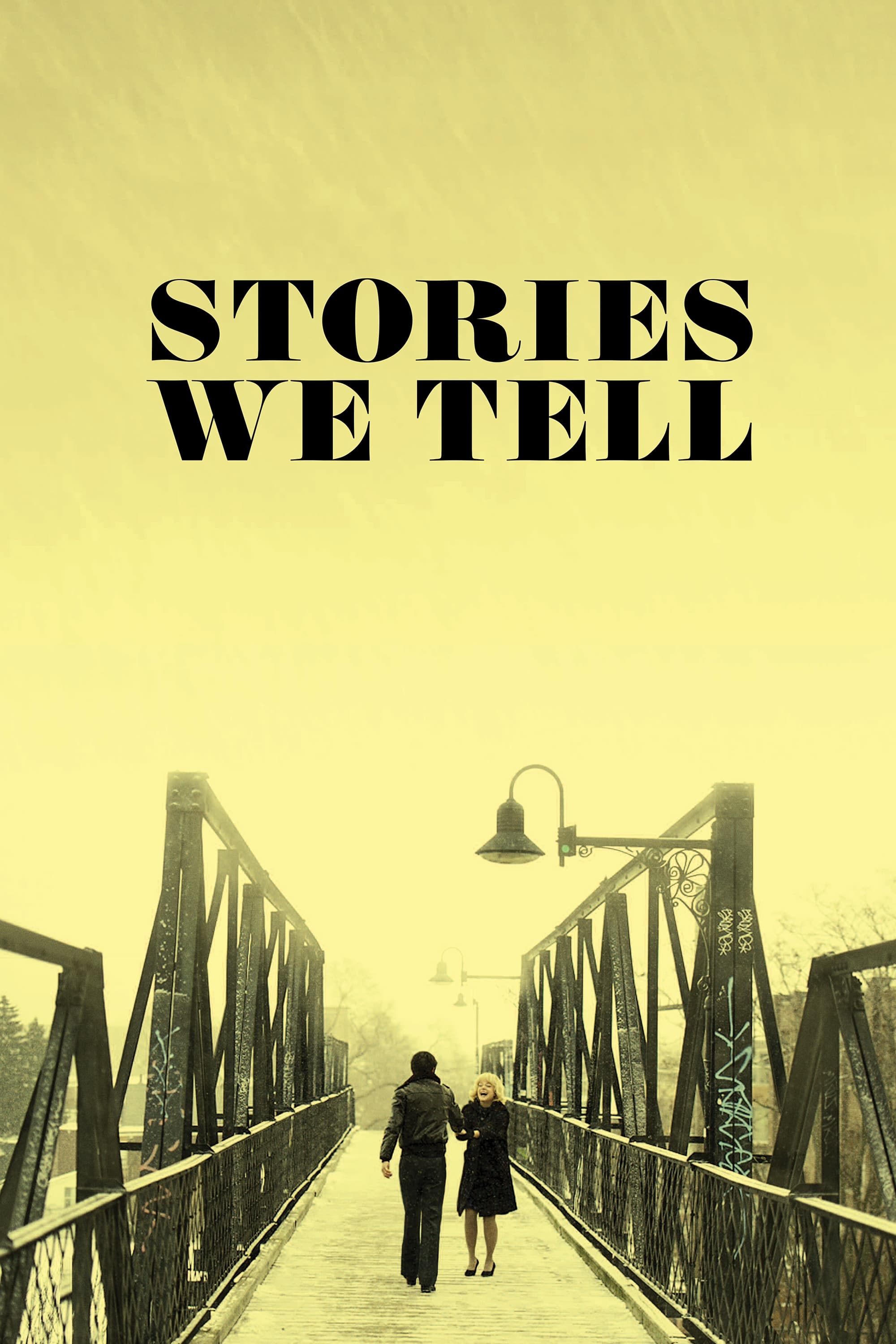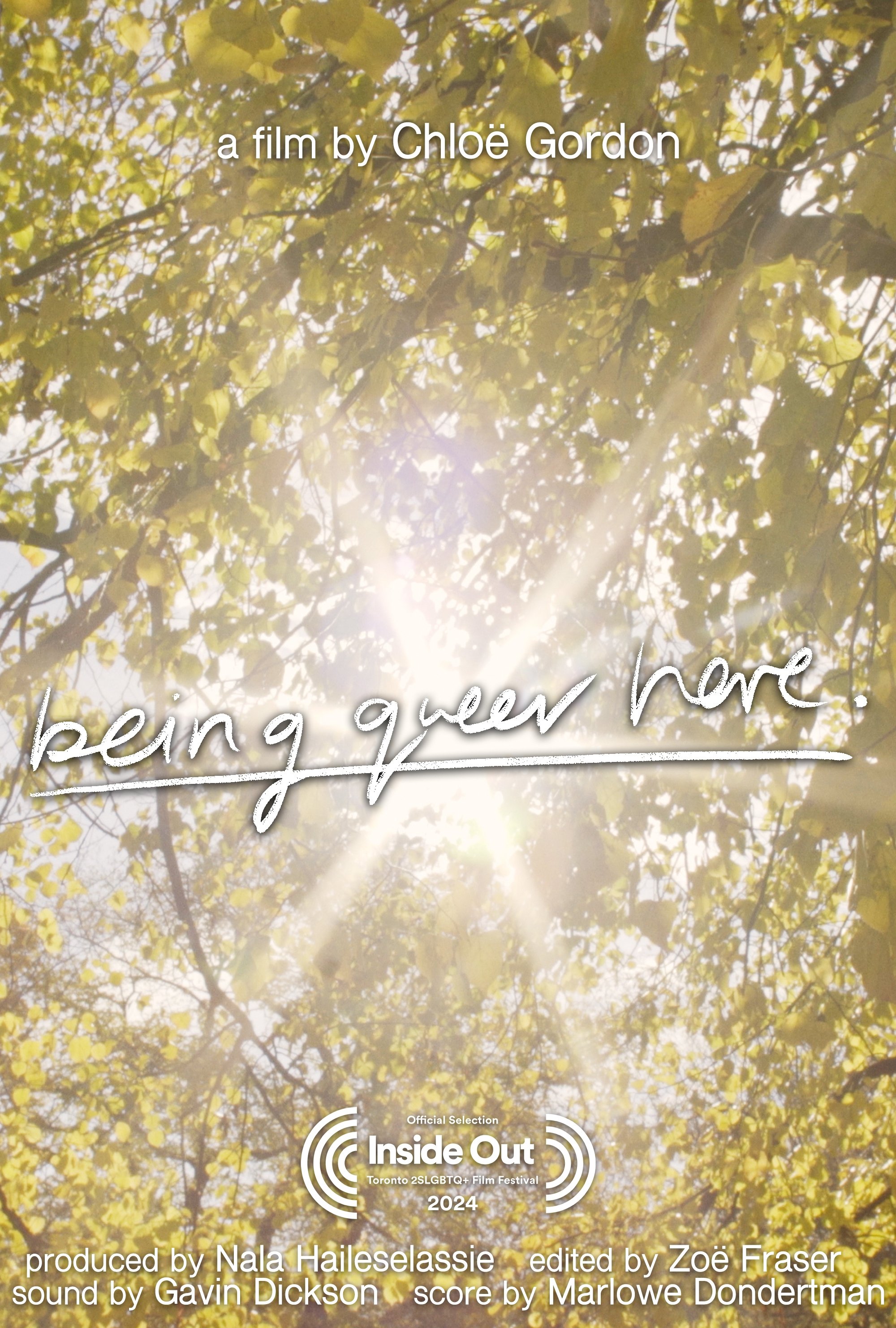
A portrait of Toronto, as defined by the spaces its queer residents inhabit and the memories they’ve created there.
Social & External
The people behind it
Stephen Brown
Himself
David Fry
Shully Sappire
Themself
Christine Vu
Herself
The 1920s saw a revolution in technology, the advent of the recording industry, that created the first class of African-American women to sing their way to fame and fortune. Blues divas such as Bessie Smith, Ma Rainey, and Alberta Hunter created and promoted a working-class vision of blues life that provided an alternative to the Victorian gentility of middle-class manners. In their lives and music, blues women presented themselves as strong, independent women who lived hard lives and were unapologetic about their unconventional choices in clothes, recreational activities, and bed partners. Blues singers disseminated a Black feminism that celebrated emotional resilience and sexual pleasure, no matter the source.

A young and ambitious team of chefs face the life-changing challenges of competing in the world's most prestigious culinary competition.
Adrianna, a young DJ artist and activist in the queer community, has learned to evolve in a world that is sometimes too stifling for her. By creating her own family and learning trades in which she can use all her creativity, Adrianna is spreading her wings.
An examination of Chicago's lost lesbian bars, why they've disappeared, and what comes next.
Engaging themes of love and betrayal, hope, belonging and place, Glad You’re Here documents my nineteen--year journey through building a family life, seeing it suffer the damage of mental illness, grief and separation, and then rebuilding with empathy. A story about an extreme moment of crisis has turned into a documentary that deals not just with the subjective but with the important issue of spousal abuse.
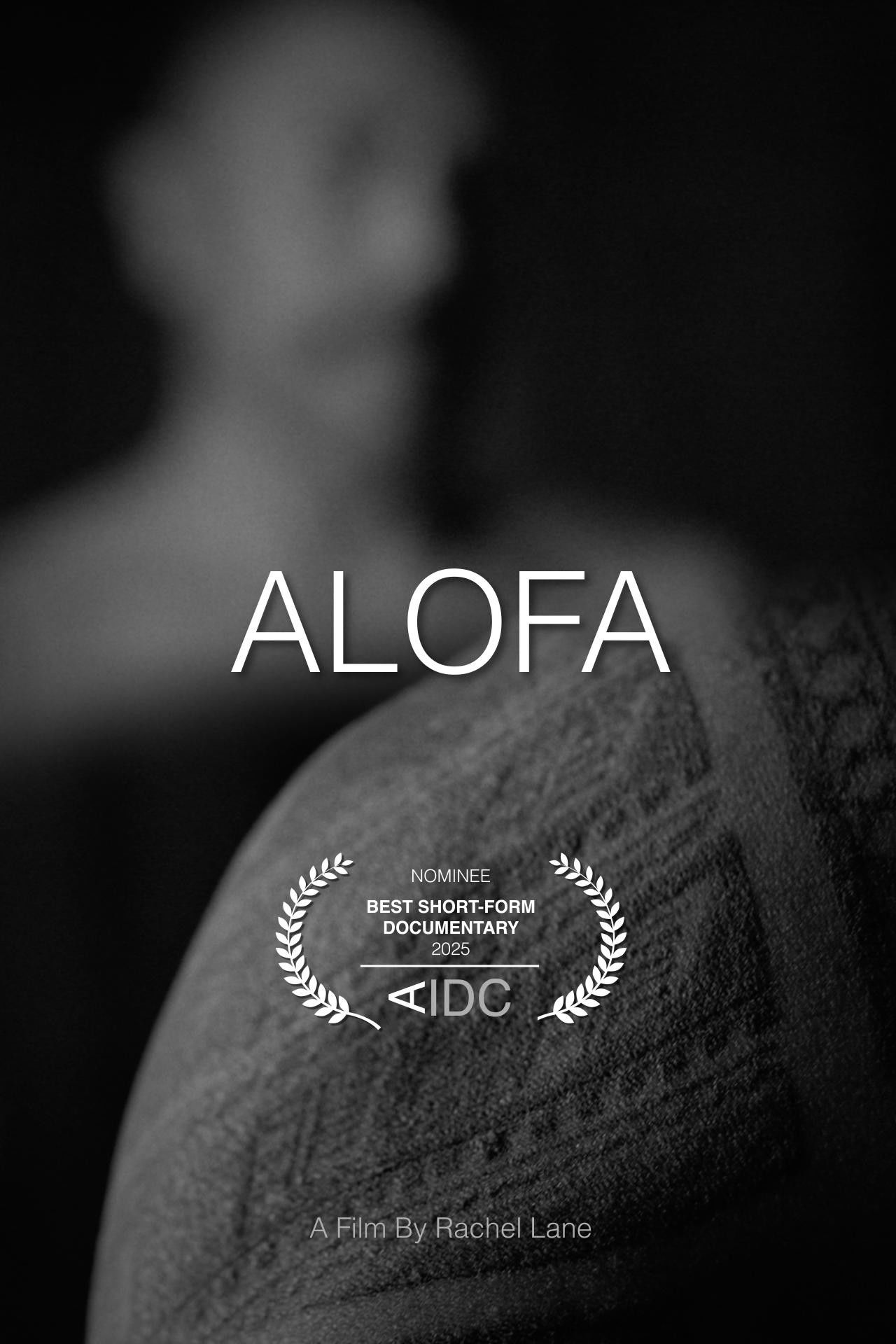
'Alofa’ meaning ‘To Love’ in Samoan, explores the the trials and tribulations of Samoan ex pastor Andre Afamasaga, who fought to reconcile his faith, culture and sexual identity.
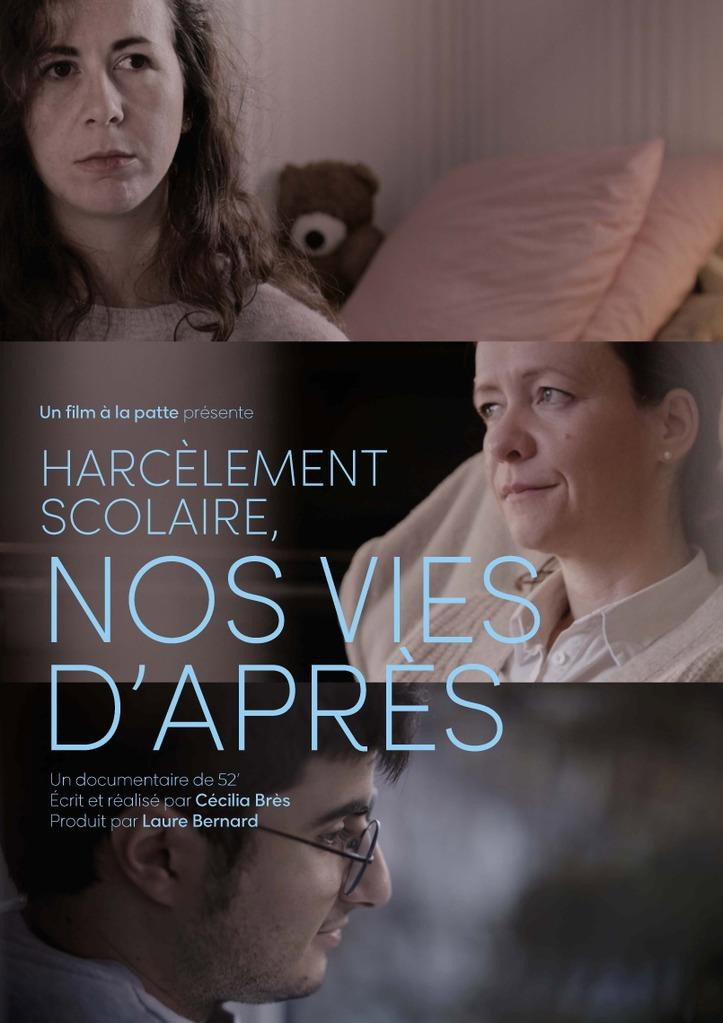
What if we changed viewpoints? "Bullying, our lives after" highlights the suffering of adults who were once bullied pupils. Ten, twenty or thirty years later, trauma is still present. Following Nathalie, Laurine and Samuel, this movie shows the long-term implications of bullying, pointing out a real failure of the educational institution and a major public health issue.
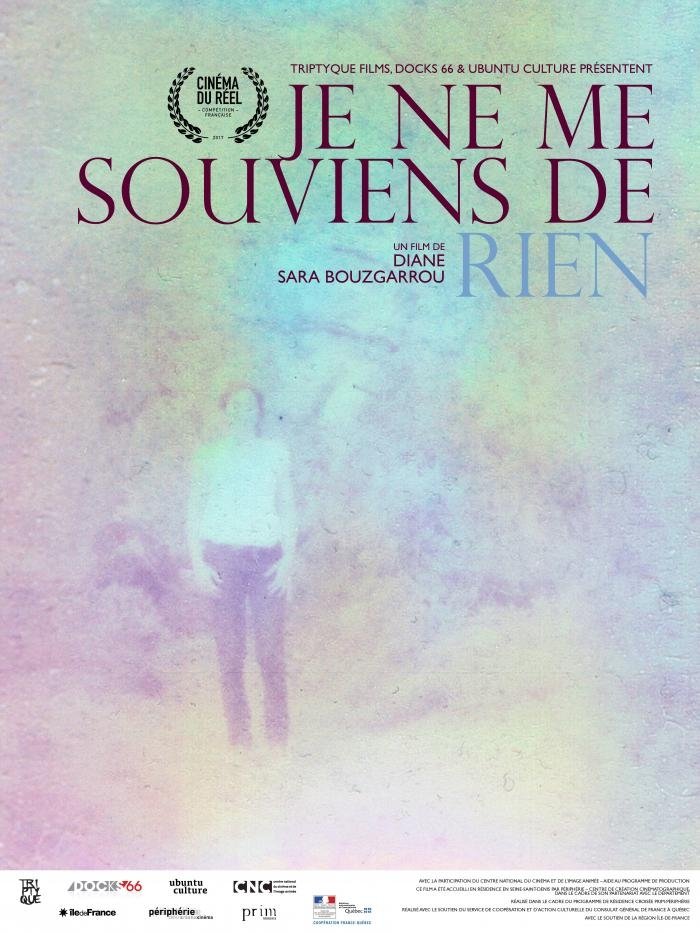
January 2011 : the revolution bursts in Tunisia, my father’s country. The Tunisian people scream in a rage and I, here in Paris, can feel their revolt vibrating in my heart.
Presents a geographic overview of the Rocky Mountain region. Discusses the significant role that this region of natural resources has played in the development of the continent
Lisa is a middle-class white woman from Toronto, Canada. She's also addicted to crack cocaine. To maintain her habit, she works as a prostitute while living in a hotel room. She's tried to get clean, but knows too well how easy it is to relapse. Meanwhile, she participates in Toronto's needle exchange program to reduce her risk.
In the summer of 2008, Enzo travels to Berlin to work on a creative documentary and find a former lover.
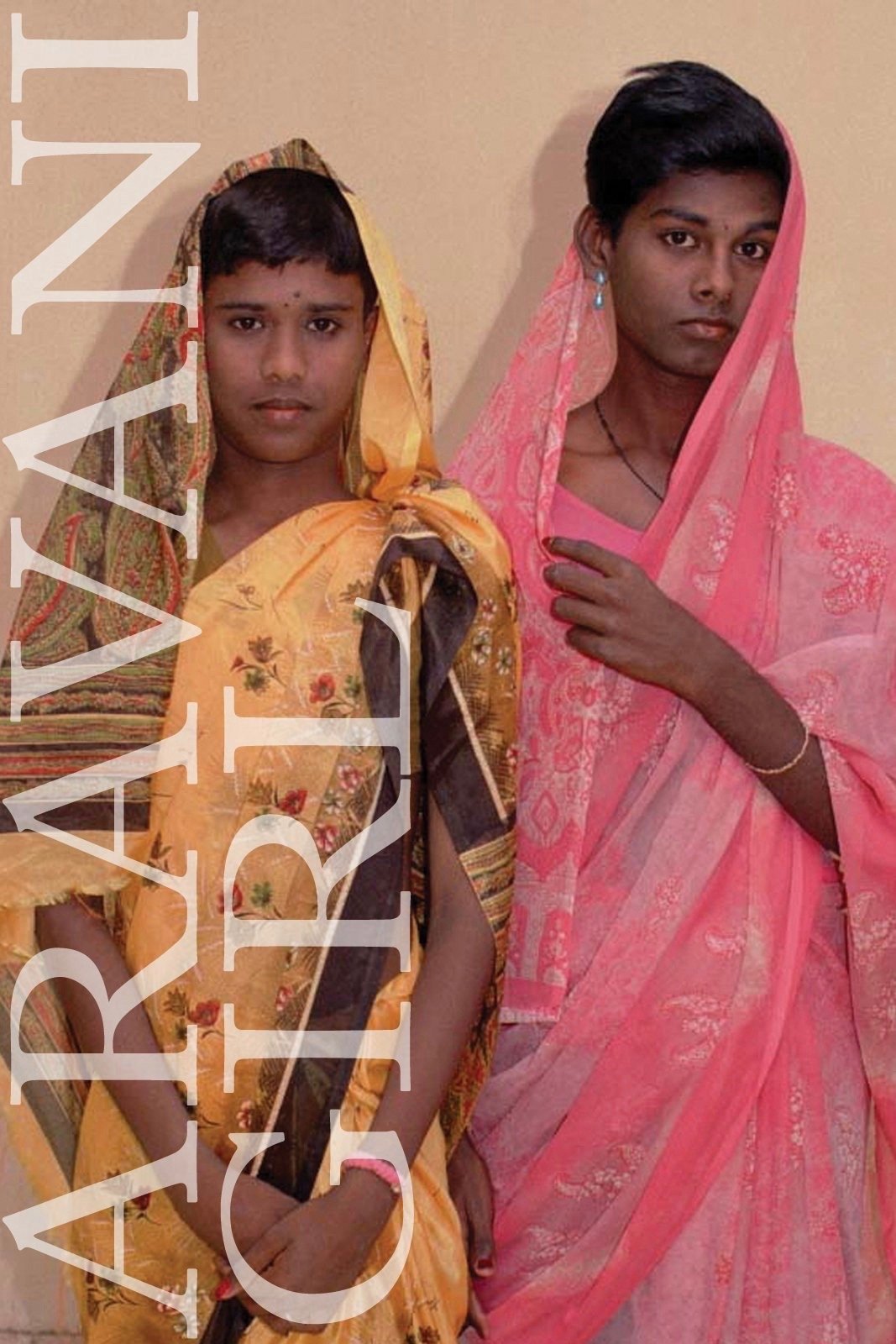
Sixteen year olds Palani and Karthik want to become "ladyboys." They're bullied in school and beaten by their families. Their parents would like to see them grow up as normal boys, but they're falling deeper and deeper into the world of the "Aravanis." Loved as dance performers but hated as homosexuals, their stories emblazon the inner conflicts of India's gender culture today.
A documentary that brings together voices of clergy and laypeople who question the Church and society about the meaning of faith today—touching on the body, emotions, sexuality, and relationships—finding in the city the concrete, everyday place where faith is embodied. The documentary explores the beauty of contrast through life testimonies that foster listening and dialogue, opening a space where people feel welcomed and can be reborn. A collective reflection on the incarnate love of the Gospel, the beauty of relationships, and the complexity of a Church that wants—or should want—to truly be a home for everyone.
This film addresses issues related to black gay men, inside and outside the LGBTQ+ movement. Hypersexualization of black bodies, loneliness, racism and homophobia are examples of the topics covered. Thus, we seek to discuss, at different times, the experiences of these subjects and their characteristics.
Decolonising the Curatorial Process is a forty-minute documentary which explores decolonial strategies in an academic and curatorial context. The film features academics, activists and practitioners, and contains case studies of institutions that are deploying critical, self-reflective forms of curatorial practice. The Museum of London Docklands exhibition on slavery and the sugar industry is examined as an example of how an institution can decolonise the curatorial process, utilise the work of artists in a museum context, and critically examine East London's imperial history. The Pitt Rivers museum in Oxford, who are working with Maasai activists from Kenya and Tanzania on a project centred on repatriating the museum's collection of sacred Maasai artefacts, also features in the film.
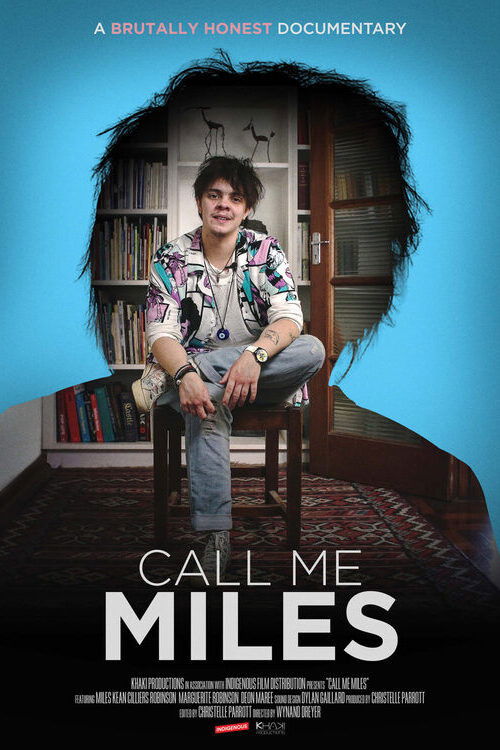
The brutal and often poignant story of a boy trapped in the body of a girl. It takes us on the journey of a typical Afrikaans child who faces self-hate, societal rejection, doubt and ultimately healing. A story about a transgender child fighting to find their place in the world.
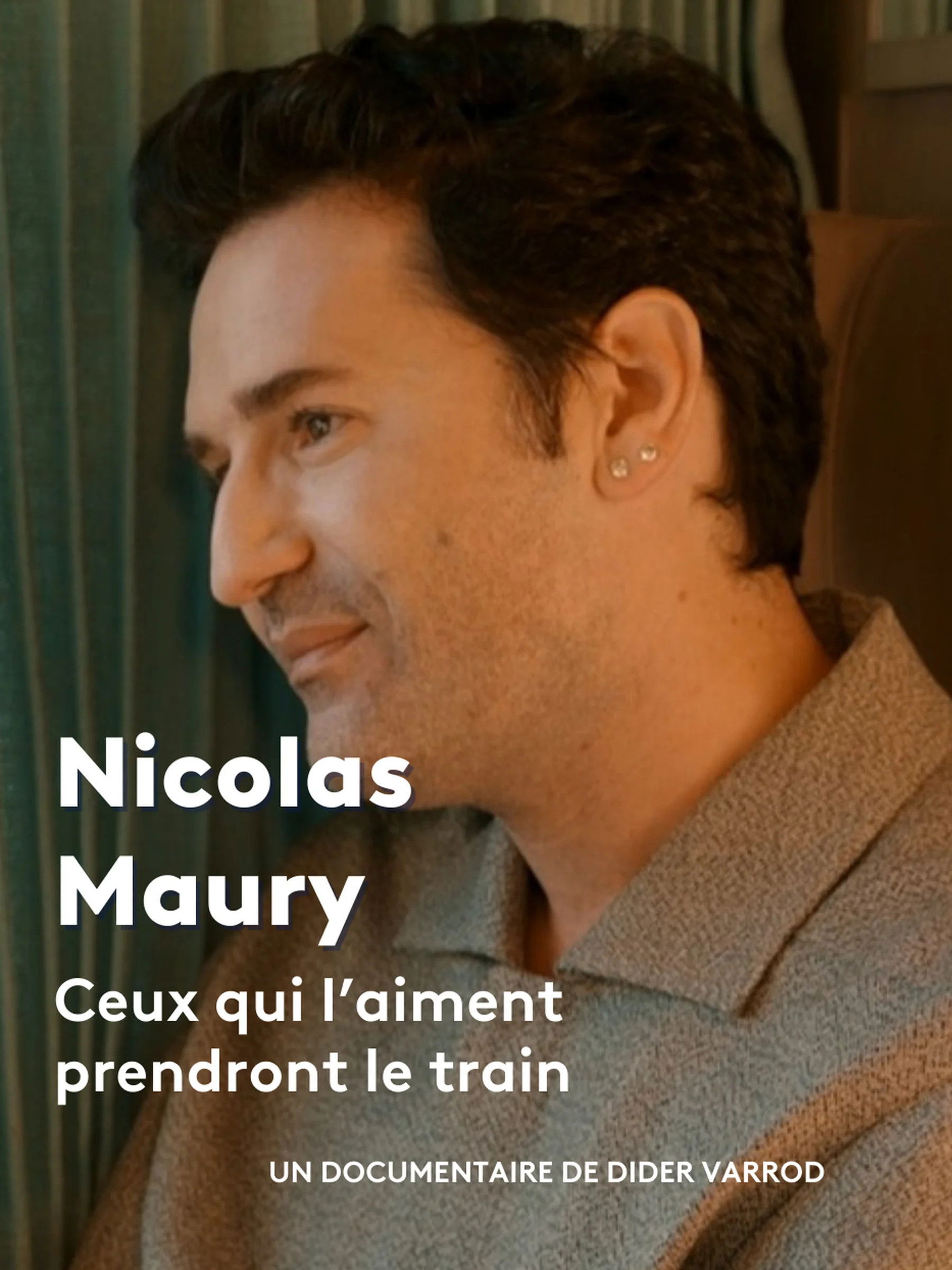
Between the nostalgia of resurfacing roots and the desire to venture into song to experience a rebirth, Nicolas Maury reveals himself unguarded before Didier Varrod, with a deeply moving sincerity. Nicolas Maury released his first album, La porcelaine de Limoges, in January 2023—a new experience for this unique, demanding, and multifaceted actor. It is an opportunity to paint an intimate portrait of him through an extended interview on a train between Paris and Limoges. In this specific setting, which was also that of his first (silent) film role with Patrice Chéreau in Those Who Love Me Can Take the Train, Nicolas discovers archives and hears from close acquaintances who speak about him. A documentary film, like a kind of initiation rite, it moves back and forth between memories of France and childhood, and his condition as a man and artist today, taking on a new identity through music.
"TDS, derrière l'écran des travailleuses du sexe" is a deep dive into the lives of Betty, Anaïs, Noochka, Manon, and Barty. They have all ventured into the world of selling sexual content online. What pushes someone to take the step of signing up on these platforms? What are their motivations? What are the consequences on their personal lives? Why do some choose to stick with it for years, while others decide to stop for good?
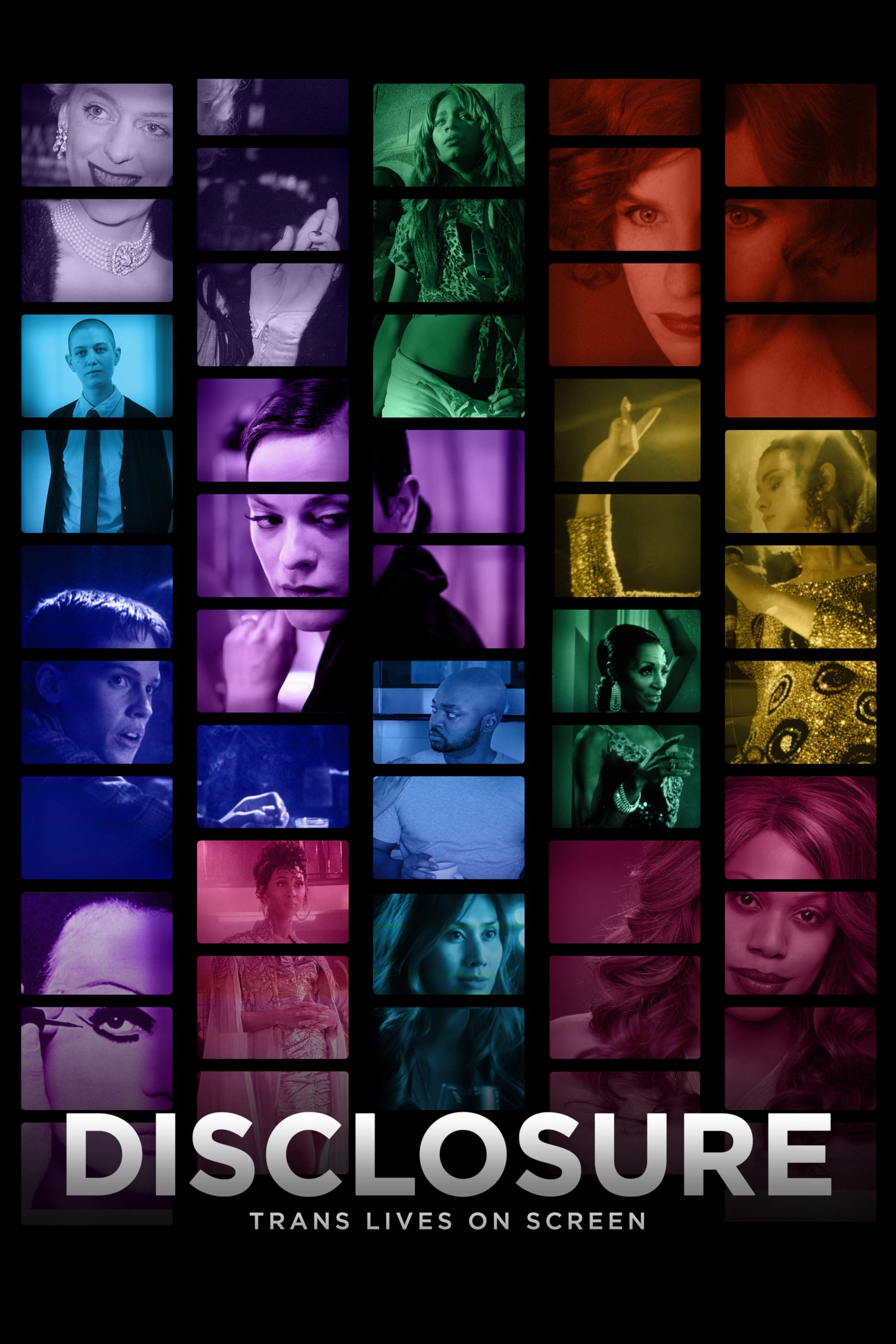
An investigation of how Hollywood's fabled stories have deeply influenced how Americans feel about transgender people, and how transgender people have been taught to feel about themselves.
Canadian actress and filmmaker Sarah Polley investigates certain secrets related to her mother, interviewing a group of family members and friends whose reliability varies depending on their implication in the events, which are remembered in different ways; so a trail of questions remains to be answered, because memory is always changing and the discovery of truth often depends on who is telling the tale.
This searing investigative work shadows a group of activists risking unimaginable peril to confront the ongoing anti-LGBTQ program raging in the repressive and closed Russian republic. Unfettered access and a remarkable approach to protecting anonymity exposes this under-reported atrocity–and an extraordinary group of people confronting evil.
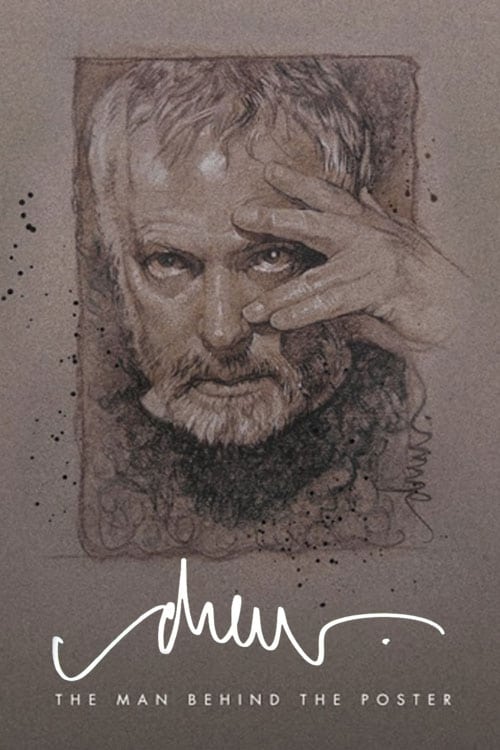
A documentary on legendary movie-poster artist Drew Struzan.
Through deeply personal interviews with her siblings and an examination of the photographs, letters, and belongings left behind, Mariska assembles a new portrait of her mother Jayne Mansfield, an extraordinary and complex woman.
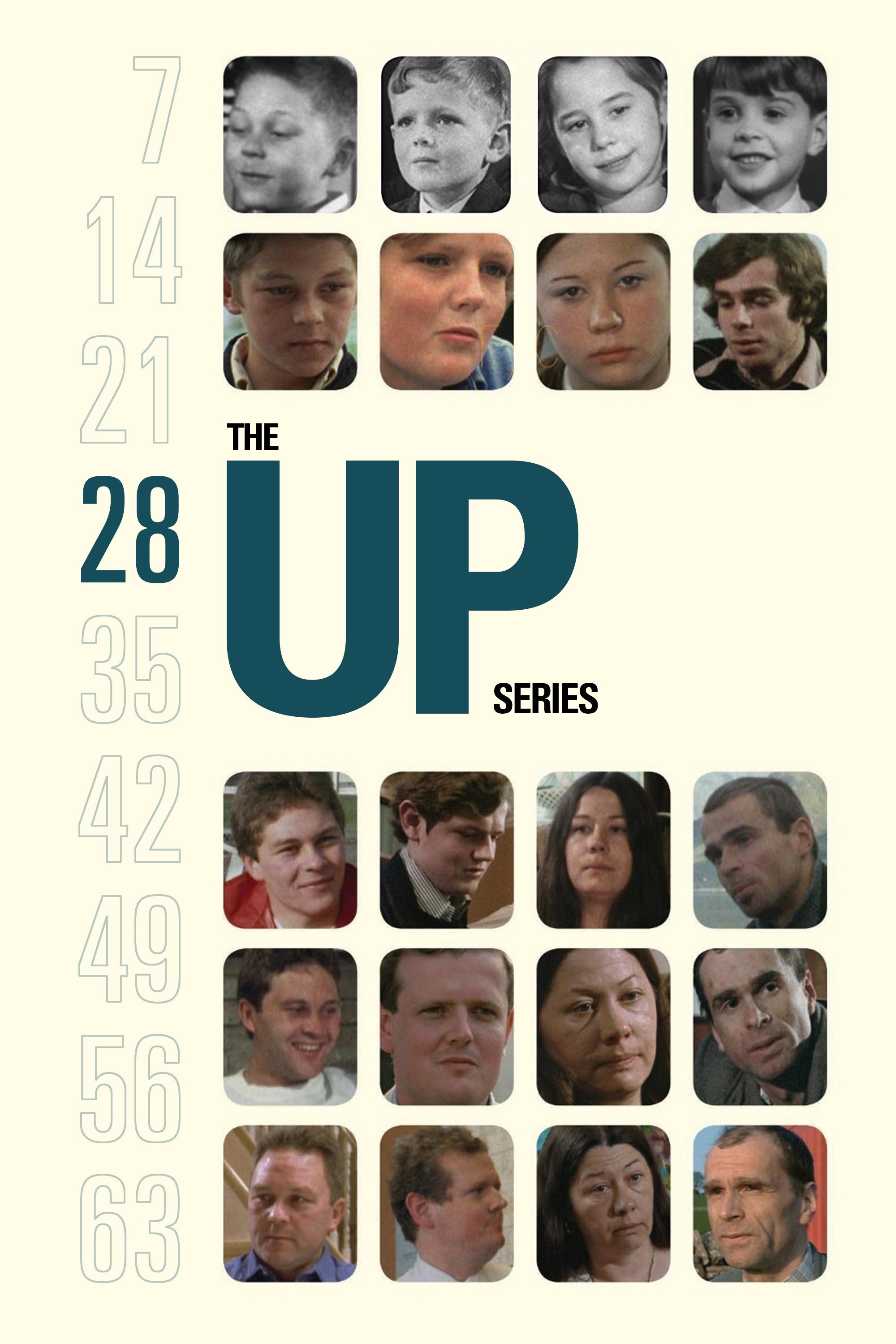
Just two years away from turning 30, participants in Michael Apted's documentary series are facing serious questions of identity and purpose, wondering whether they've found their place in the world.
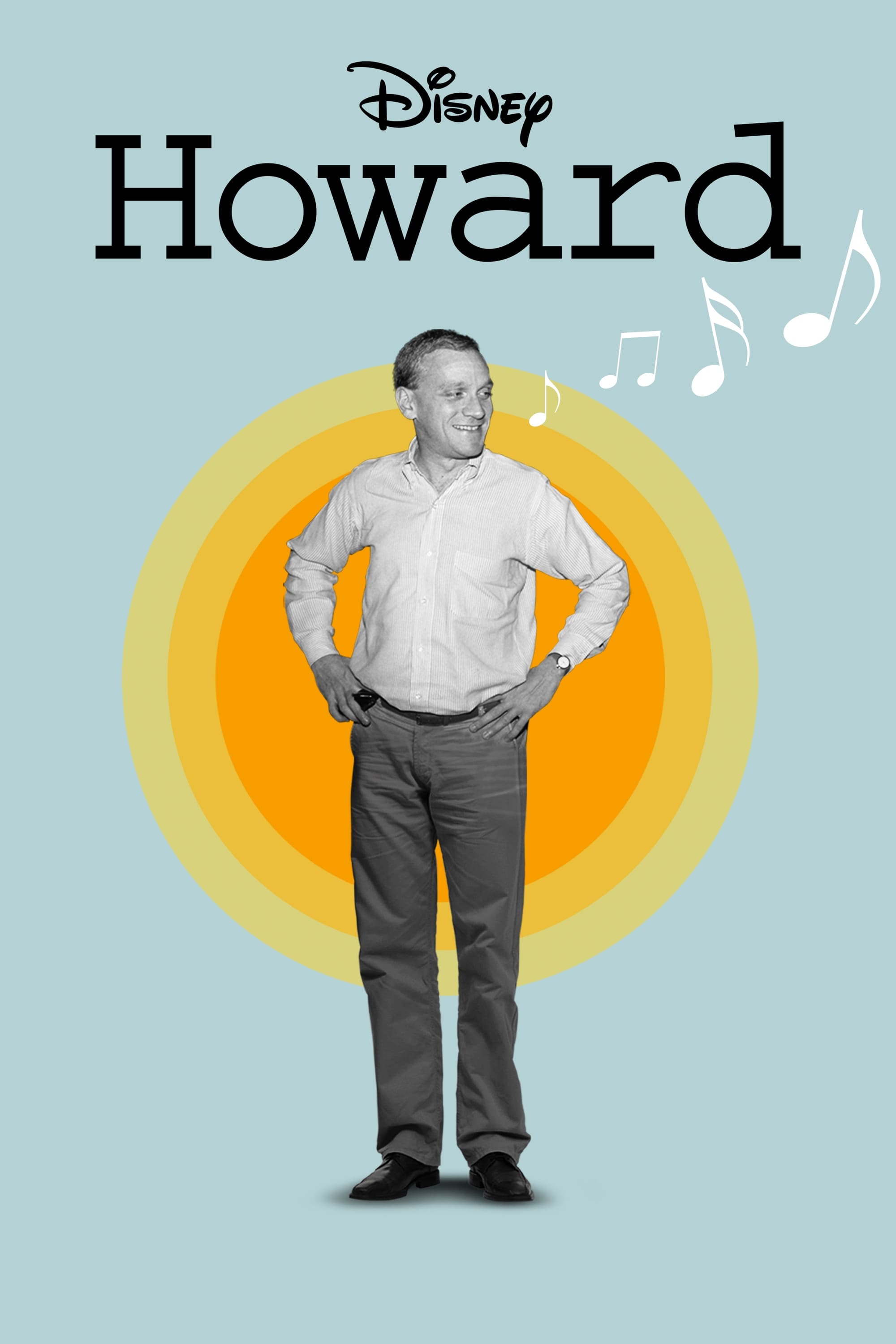
Though legendary lyricist Howard Ashman died far too young, his impact on Broadway, movies, and the culture at large were incalculable. Told entirely through rare archival footage and interviews with Ashman’s family, friends, associates, and longtime partner Bill Lauch, Howard is an intimate tribute to a once-in-a-generation talent and a rousing celebration of musical storytelling itself.
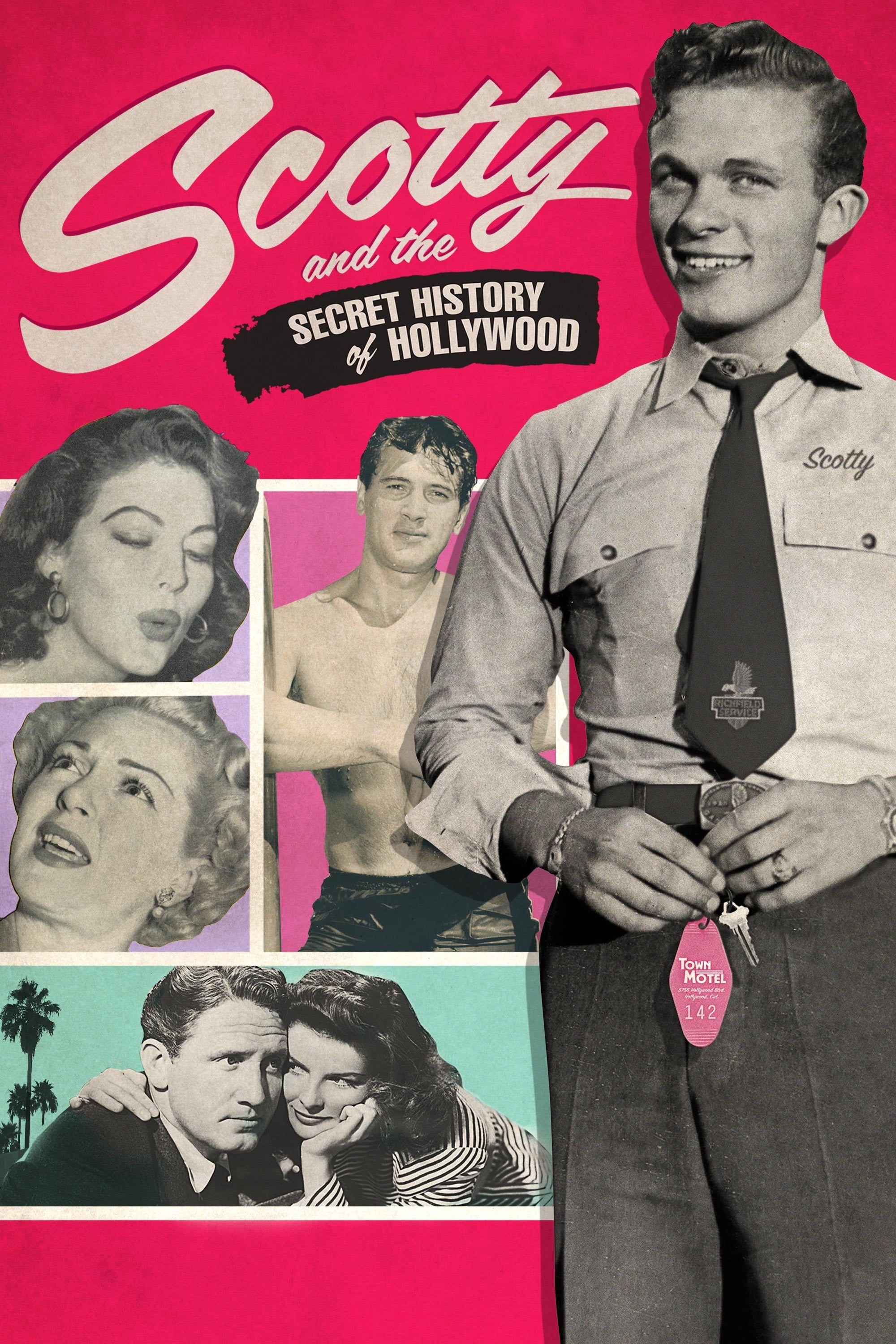
A deliciously scandalous portrait of unsung Hollywood legend Scotty Bowers, whose bestselling memoir chronicled his decades spent as sexual procurer to the stars.
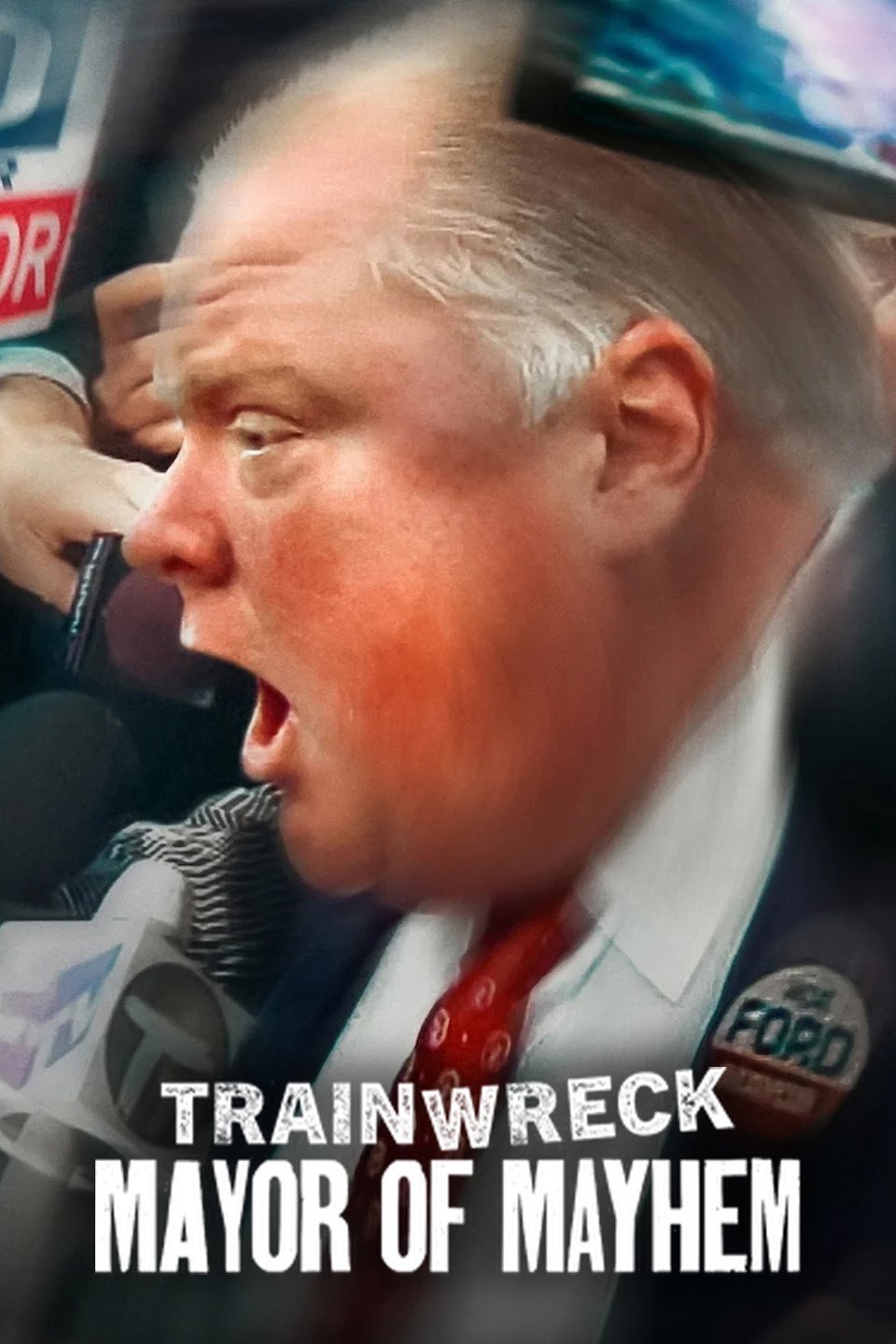
Rob Ford scandalized Canadian politics as the brash yet beloved mayor of Toronto — until an infamous video of him smoking crack sparked his downfall.
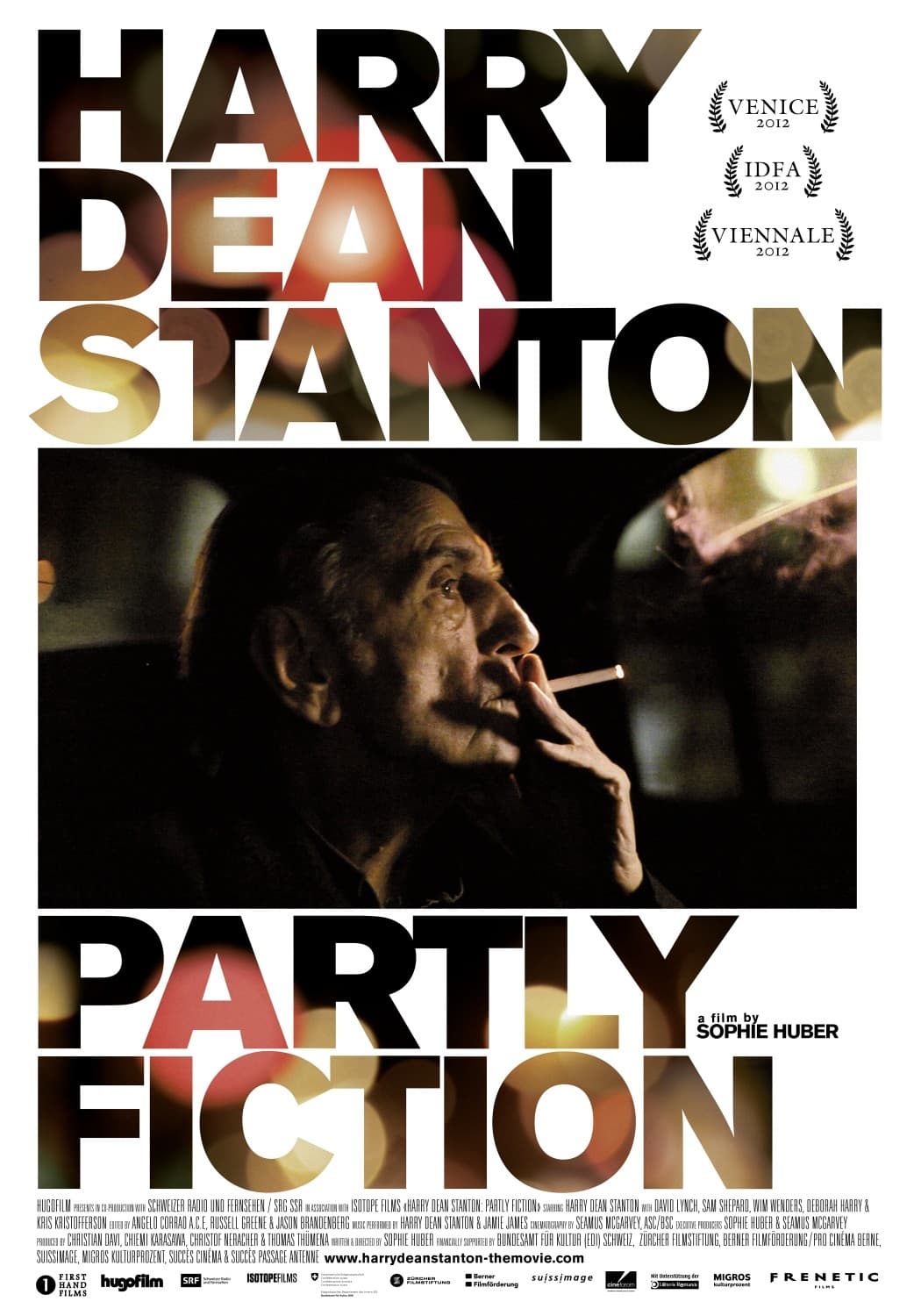
An impressionistic portrait of the iconic actor Harry Dean Stanton comprised of intimate moments, film clips from some of his 250 films and his renditions of American folk songs.
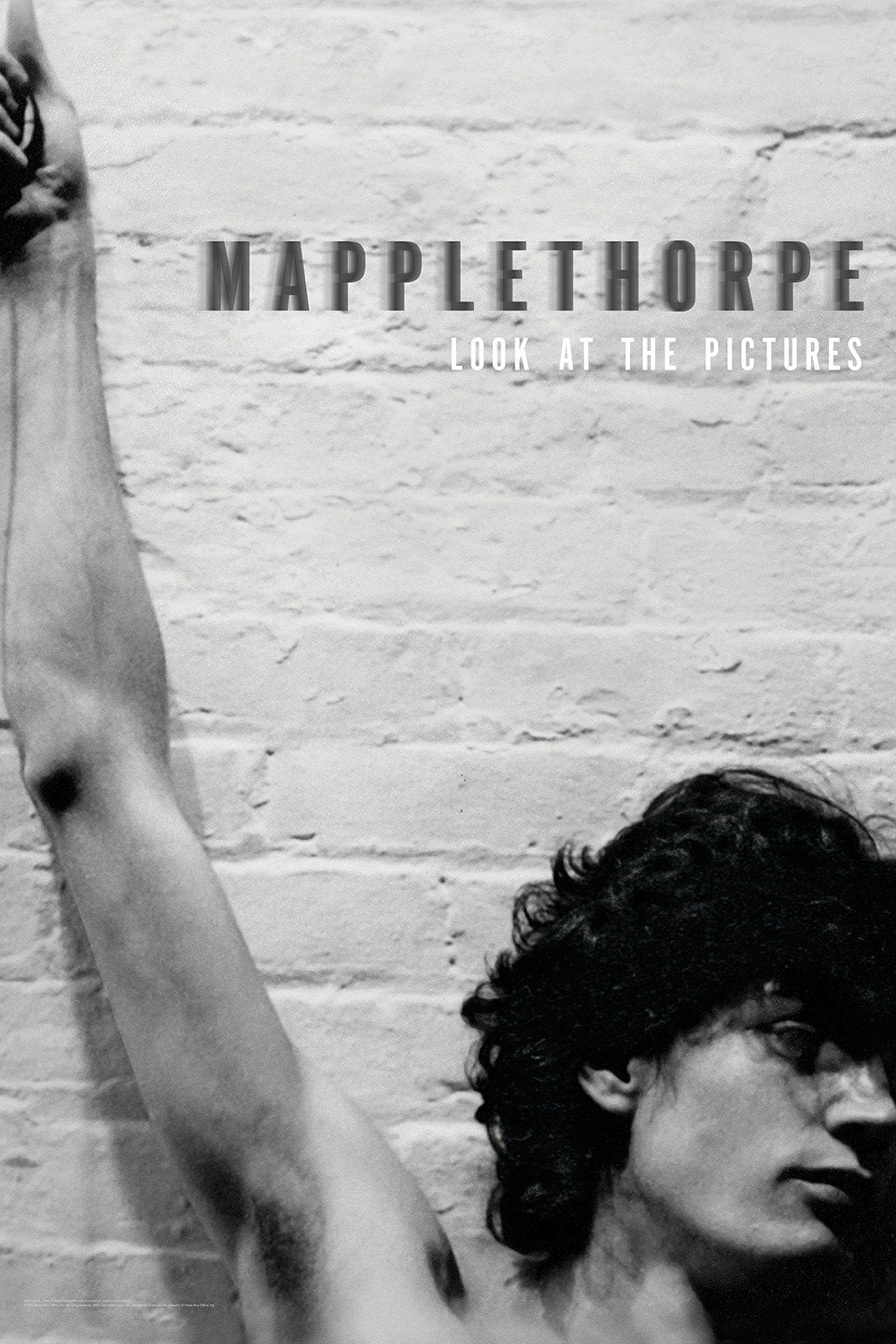
Nude men in rubber suits, close-ups of erections, objects shoved in the most intimate of places—these are photographs taken by Robert Mapplethorpe, known by many as the most controversial photographer of the twentieth century. Openly gay, Mapplethorpe took images of male sex, nudity, and fetish to extremes that resulted in his work still being labelled by some as pornography masquerading as art. But less talked about are the more serene, yet striking portraits of flowers, sculptures, and perfectly framed human forms that are equally pioneering and powerful.
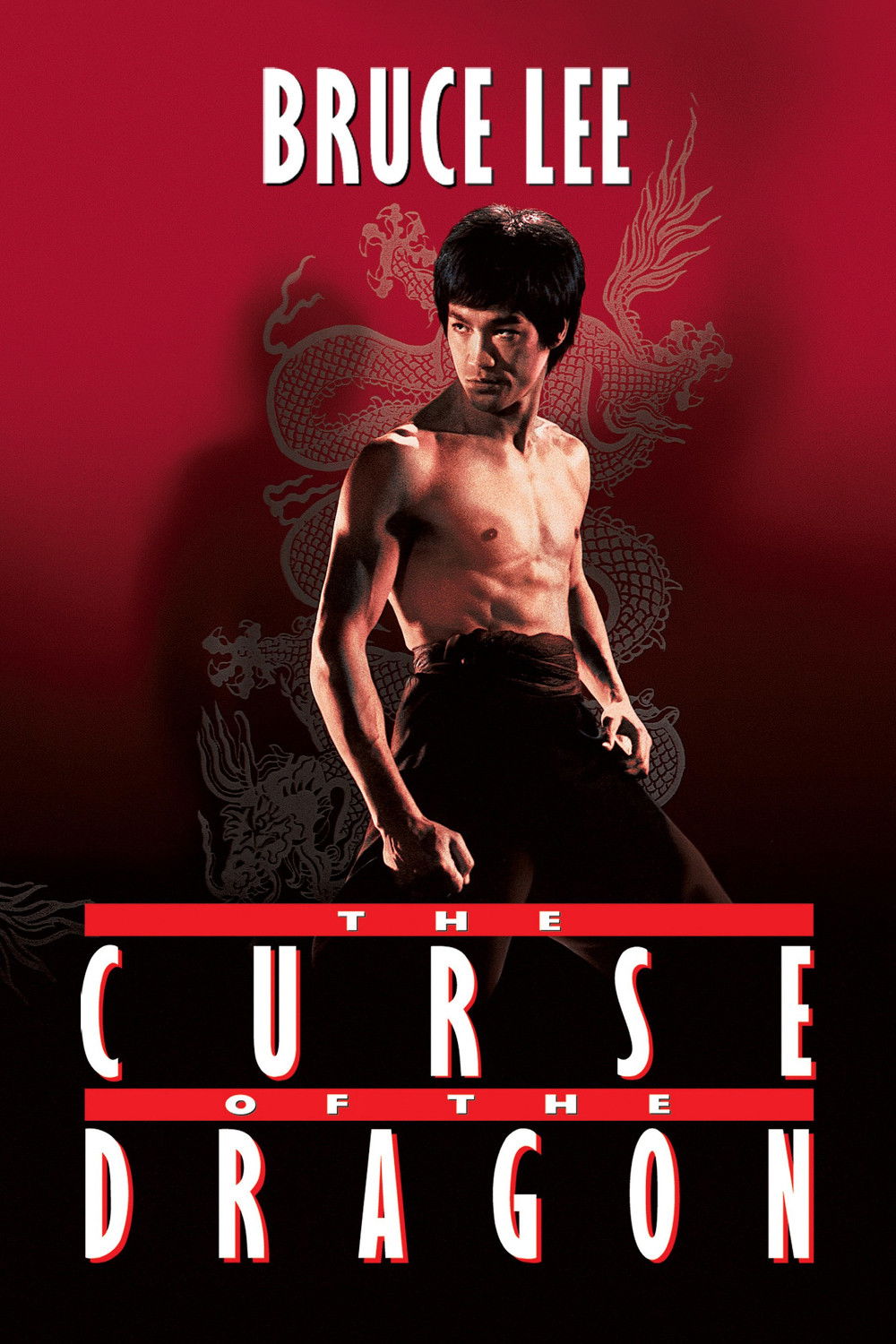
A 1993 documentary film about Bruce Lee. The film includes interviews from some of his fellow students and opponents who worked alongside him in his movies.
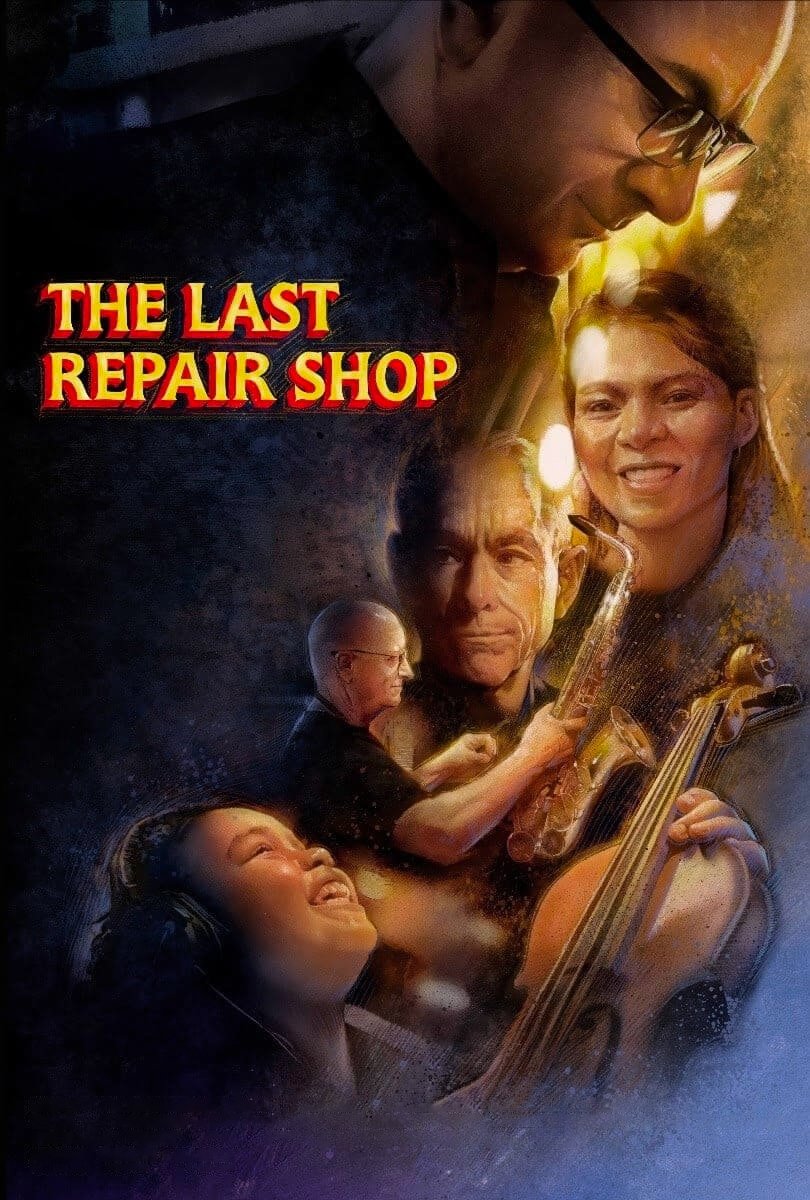
In a warehouse in the heart of Los Angeles, a dwindling handful of devoted craftspeople maintain more than 80,000 student musical instruments, the largest remaining workshop in America of its kind. Meet four unforgettable characters whose broken-and-repaired lives have been dedicated to bringing so much more than music to the schoolchildren of this city.
From a prolific career in film and television, Anton Yelchin left an indelible legacy as an actor. Through his journals and other writings, his photography, the original music he wrote, and interviews with his family, friends, and colleagues, this film looks not just at Anton's impressive career, but at a broader portrait of the man.
The life and career of an actor, artist, and icon. His own journey through his own camera.
In an intimate and joyful story of love in the face of loss, celebrated poets Andrea Gibson and Megan Falley find strength—and unexpected hilarity—in what might be their final year together.
A documentary about how a dominant cultural and demographic institution both sustains their traditional activities and adapts to the digital revolution.
The life of internationally renowned artist and activist Nan Goldin is told through her slideshows, intimate interviews, ground-breaking photography, and rare footage of her personal fight to hold the Sackler family accountable for the overdose crisis.
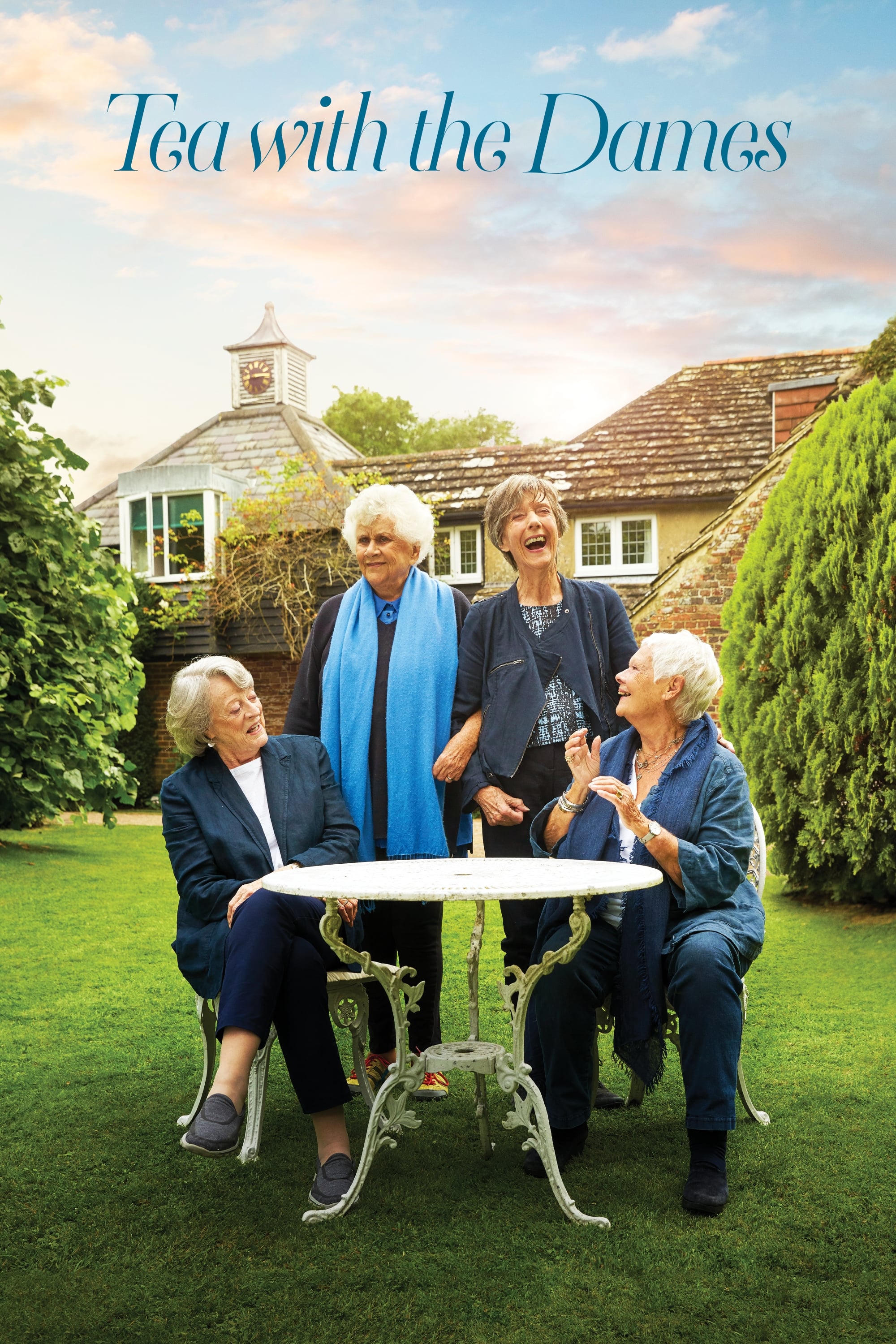
BBC Arena's documentary on the Dames of British Theatre and film featuring Maggie Smith, Eileen Atkins, Judi Dench and Joan Plowright on screen together for the first time as they reminisce over a long summer weekend in a house Joan once shared with Sir Laurence Olivier.
A visual montage portrait of our contemporary world dominated by globalized technology and violence.