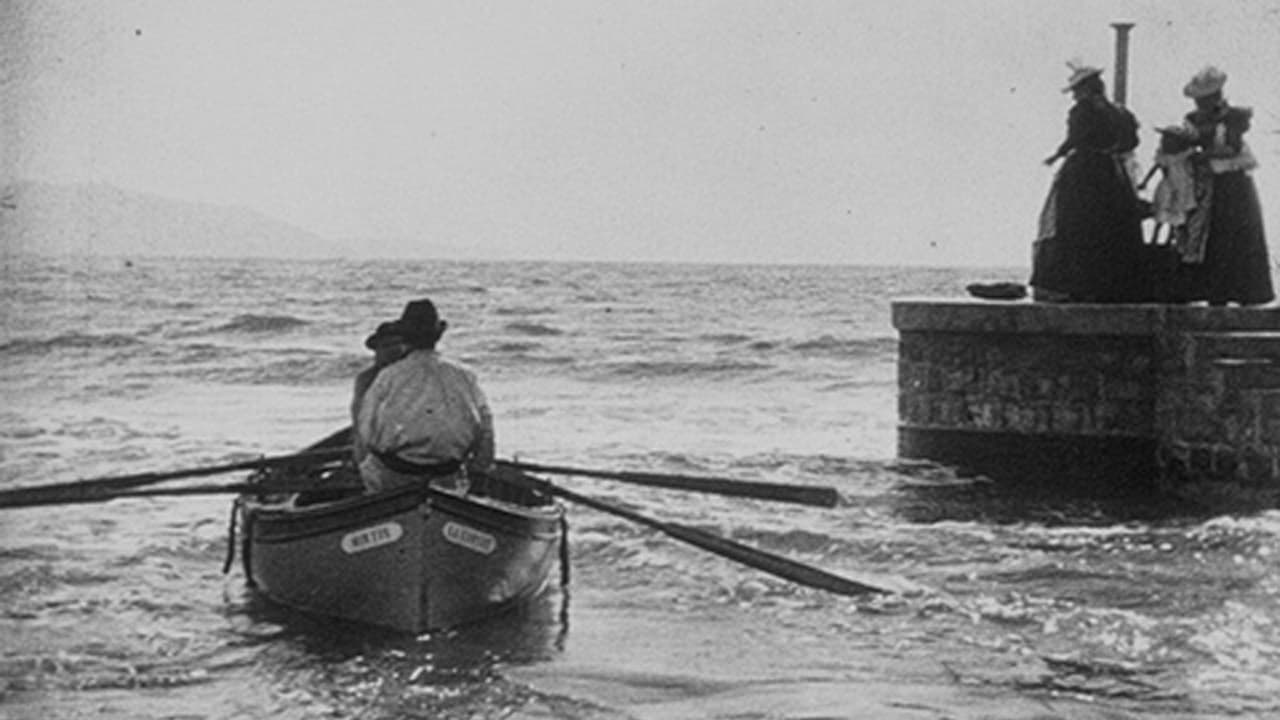
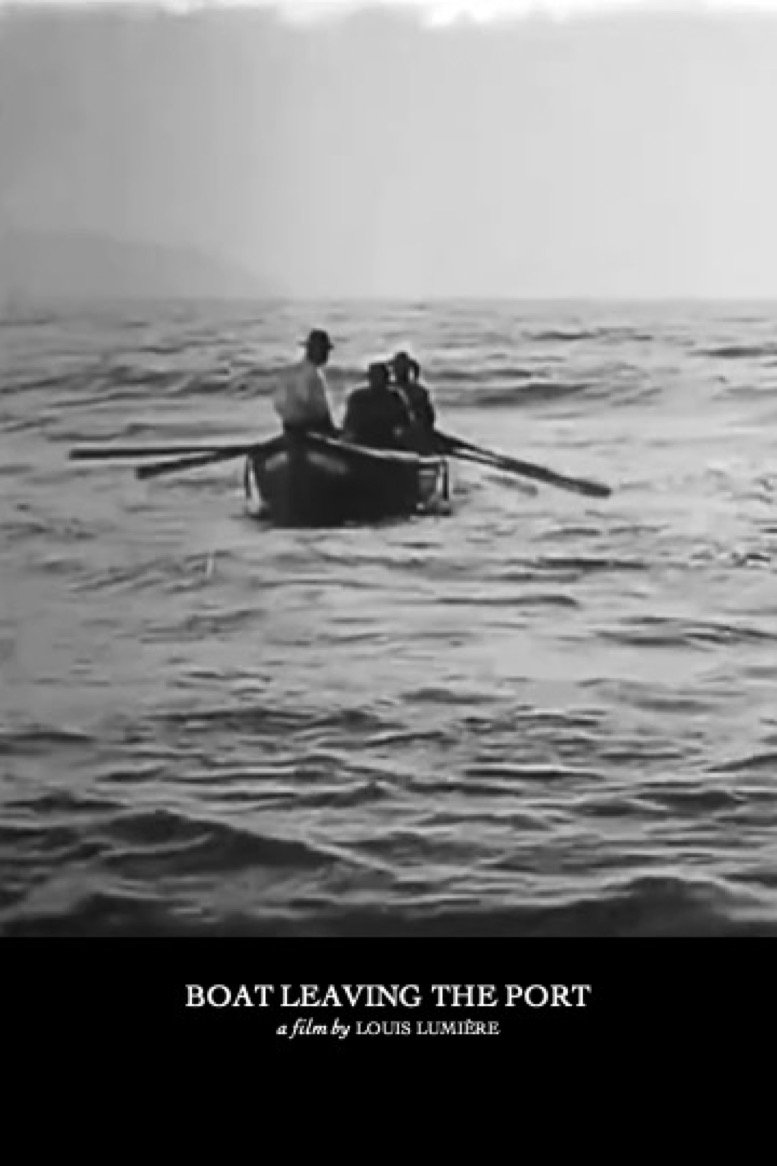
In very bad weather and a stormy sea, a small boat manned by two men is trying to leave the harbor of La Ciotat, while several people are watching them from the nearby pier.
Social & External
Herself
A day in the city of Berlin, which experienced an industrial boom in the 1920s, and still provides an insight into the living and working conditions at that time. Germany had just recovered a little from the worst consequences of the First World War, the great economic crisis was still a few years away and Hitler was not yet an issue at the time.
Oscar Krug is looked upon with suspicion by his neighbors because of his German name. When the US is drawn into the war with Germany, he enlists and travels the seas with his wife, Alice Morse. During a submarine attack Alice is snatched from Krug's side by a German officer. Krug now lives to have his revenge, and when the opportunity presents itself, he will have it.
Charles Abbott is implicated in the death of his friend Escobar, brother to the woman he loves.
Francis, a young man, recalls in his memory the horrible experiences he and his fiancée Jane recently went through. Francis and his friend Alan visit The Cabinet of Dr. Caligari, an exhibit where the mysterious doctor shows the somnambulist Cesare, and awakens him for some moments from his death-like sleep.

Warsaw's Central Railway Station. 'Someone has fallen asleep, someone's waiting for somebody else. Maybe they'll come, maybe they won't. The film is about people looking for something.
The world appears black on black until it separates from itself, looks at itself, includes itself, and sees colour.
The film tells the story of a man and woman who don't know each other. After being matched by a matchmaker, after going through a series of red tape, they were sent to the bridal chamber and began a difficult life as a couple. Despite the primitive shooting methods and lack of training of the actors, the film has a very important place in the history of Chinese film.
The timid youngest son of the most important family in town must use his wits to win the respect of his strong father and the love of a beautiful new woman in town.
In 1926, Buster Keaton was at the peak of his glory and wealth. By 1933, he had reached rock bottom. How, in the space of a few years, did this uncontested genius of silent films, go from the status of being a widely-worshipped star to an alcoholic and solitary fallen idol? With a spotlight on the 7 years during which his life changed, using extracts of Keaton’s films as magnifying mirrors, the documentary recounts the dramatic life of this creative genius and the Hollywood studios.
A 1920 film directed by Roy William Neill.
Nina, mid 20’s, is a visual artist whose art depicts the feminine beauty of all women but struggles with self-identity as a multicultural millennial woman. While flipping through social media her frustration leads her to brood over old photos of complex stages in her life. She’s inspired to create a portrait that represents her personal voyage to self confidence and finally see her beautiful self.
Two eighth graders doing an assembly on cleanliness and neatness seek underclassmen. A look into Don and Mildred's hygienic endeavors.
A tramp cares for a boy after he's abandoned as a newborn by his mother. Later the mother has a change of heart and aches to be reunited with her son.
A nervous and unsettling young boy takes a mysterious old suitcase across London... to a twisted and surreal conclusion.
A young woman struggles to recover from an ex-lover's attack. Escaping through books and imagination, she wanders around her favorite park to seek solace.
Sheep bound through a narrow opening, followed by a panoramic vista of the flock running through a meadow.
"Meat Joy is an erotic rite — excessive, indulgent, a celebration of flesh as material: raw fish, chicken, sausages, wet paint, transparent plastic, ropes, brushes, paper scrap. Its propulsion is towards the ecstatic — shifting and turning among tenderness, wildness, precision, abandon; qualities that could at any moment be sensual, comic, joyous, repellent. Physical equivalences are enacted as a psychic imagistic stream, in which the layered elements mesh and gain intensity by the energy complement of the audience. The original performances became notorious and introduced a vision of the 'sacred erotic.' This video was converted from original film footage of three 1964 performances of Meat Joy at its first staged performance at the Festival de la Libre Expression, Paris, Dennison Hall, London, and Judson Church, New York City."
During a game of hide and seek, a new bride hides in a chest and remains undiscovered until a strange visitation thirty years later.
The earliest surviving motion-picture film, and believed to be one of the very first moving images ever created, was shot by Louis Aimé Augustin Le Prince using the LPCCP Type-1 MkII single-lens camera. It was taken on paper-based photographic film in the garden of Oakwood Grange, the Whitley family house in Roundhay, Leeds, West Riding of Yorkshire (UK), on 14 October 1888. The film shows Adolphe Le Prince (Le Prince’s son), Mrs. Sarah Whitley (Le Prince’s mother-in-law), Joseph Whitley, and Miss Harriet Hartley walking around in circles, laughing to themselves, and staying within the area framed by the camera. Roundhay Garden Scene is often associated with a recording speed of around 12 frames per second and runs for about 2 to 3 seconds.
A film by Louis Aimé Augustin Le Prince, shot in late October 1888, showing pedestrians and carriages crossing Leeds Bridge.
The film is a panorama shot-scene lasting just under a minute. The panorama film, as coined by Lumière, is a moving-camera shot--usually accomplished by placing the camera on a moving transport, such as a boat or train.
Angelic and demonic serpentine dance from dawn of cinema. Hand-colored frame by frame. Lumière no. 765 or 765.1 (colorized, different dancer?).
SEDUCED AND ABANDONED combines acting legend Alec Baldwin with director James Toback as they lead us on a troublesome and often hilarious journey of raising financing for their next feature film. Moving from director to financier to star actor, the two players provide us with a unique look behind the curtain at the world's biggest and most glamourous film festival, shining a light on the bitter-sweet relationship filmmakers have with Cannes and the film business. Featuring insights from directors Martin Scorsese, 'Bernando Bertolucci' and Roman Polanski; actors Ryan Gosling and Jessica Chastain and a host of film distribution luminaries.
JB Smoove and Martin Starr host a celebration of 20 years of "Spider-Man" movies, from the Sam Raimi trilogy to Marc Webb's movies and the trio from Jon Watts.
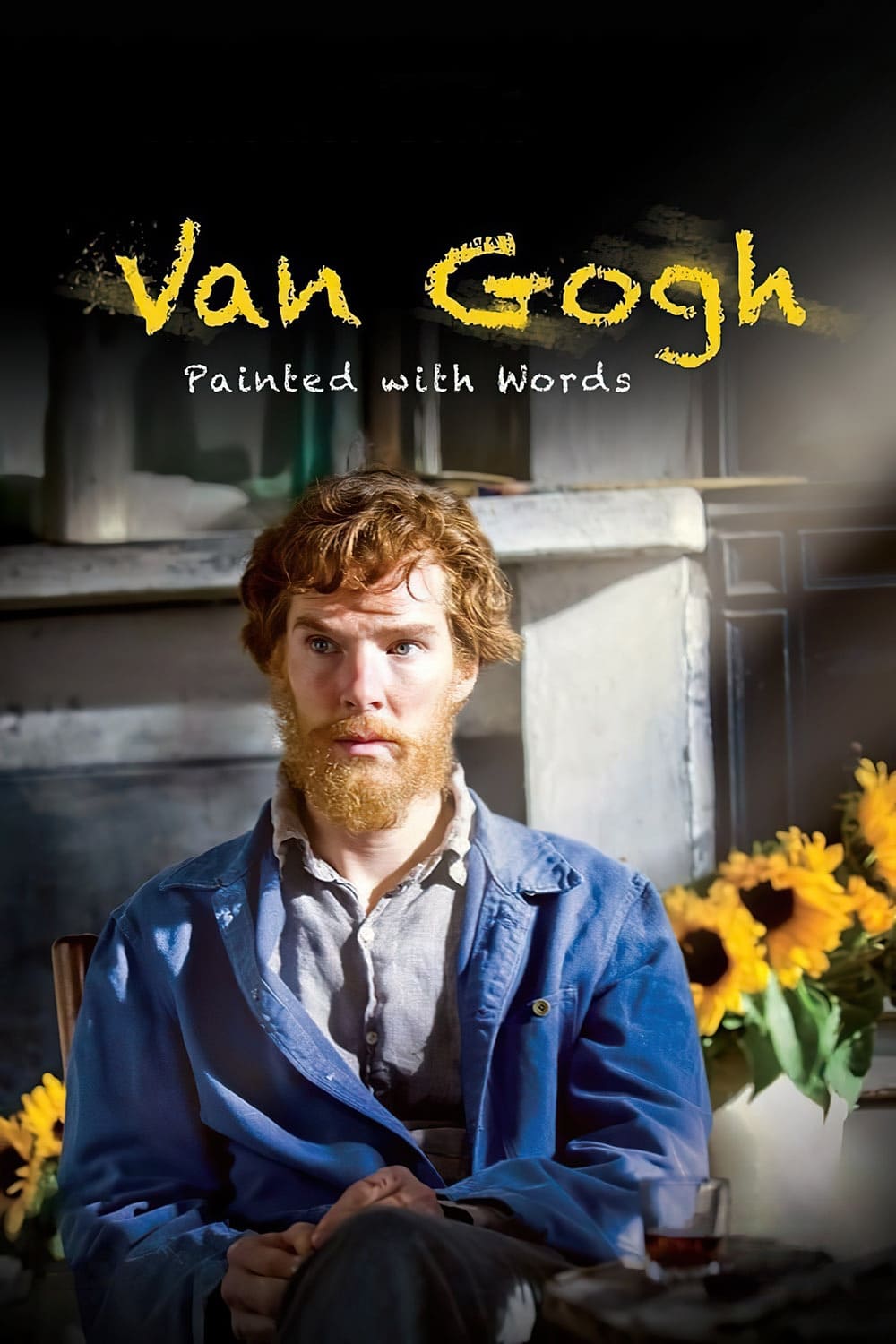
A drama-documentary presented by Alan Yentob, with Benedict Cumberbatch in the lead role. Every word spoken by the actors in this film is sourced from the letters that Van Gogh sent to his younger brother Theo, and of those around him. What emerges is a complex portrait of a sophisticated, civilised and yet tormented man.
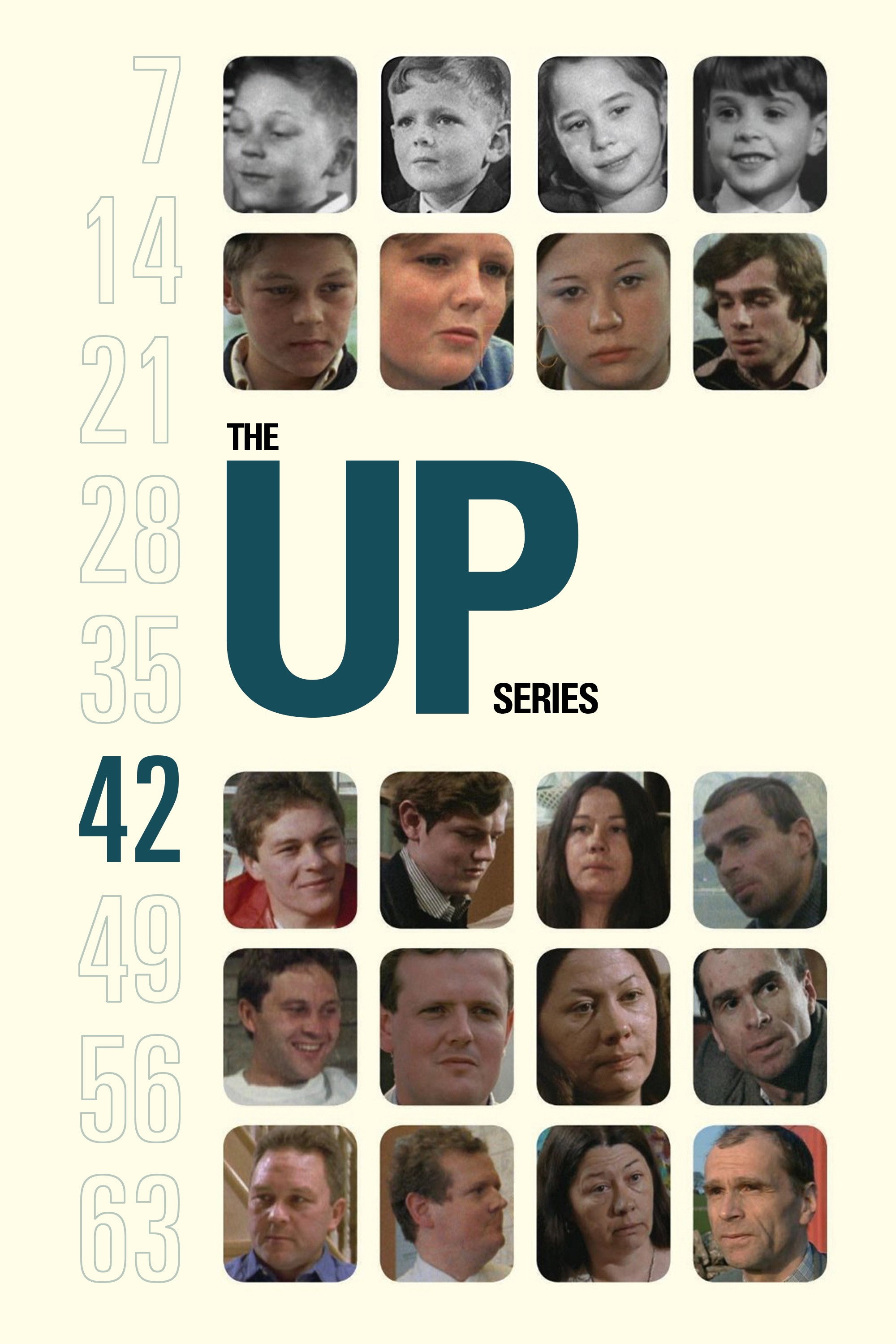
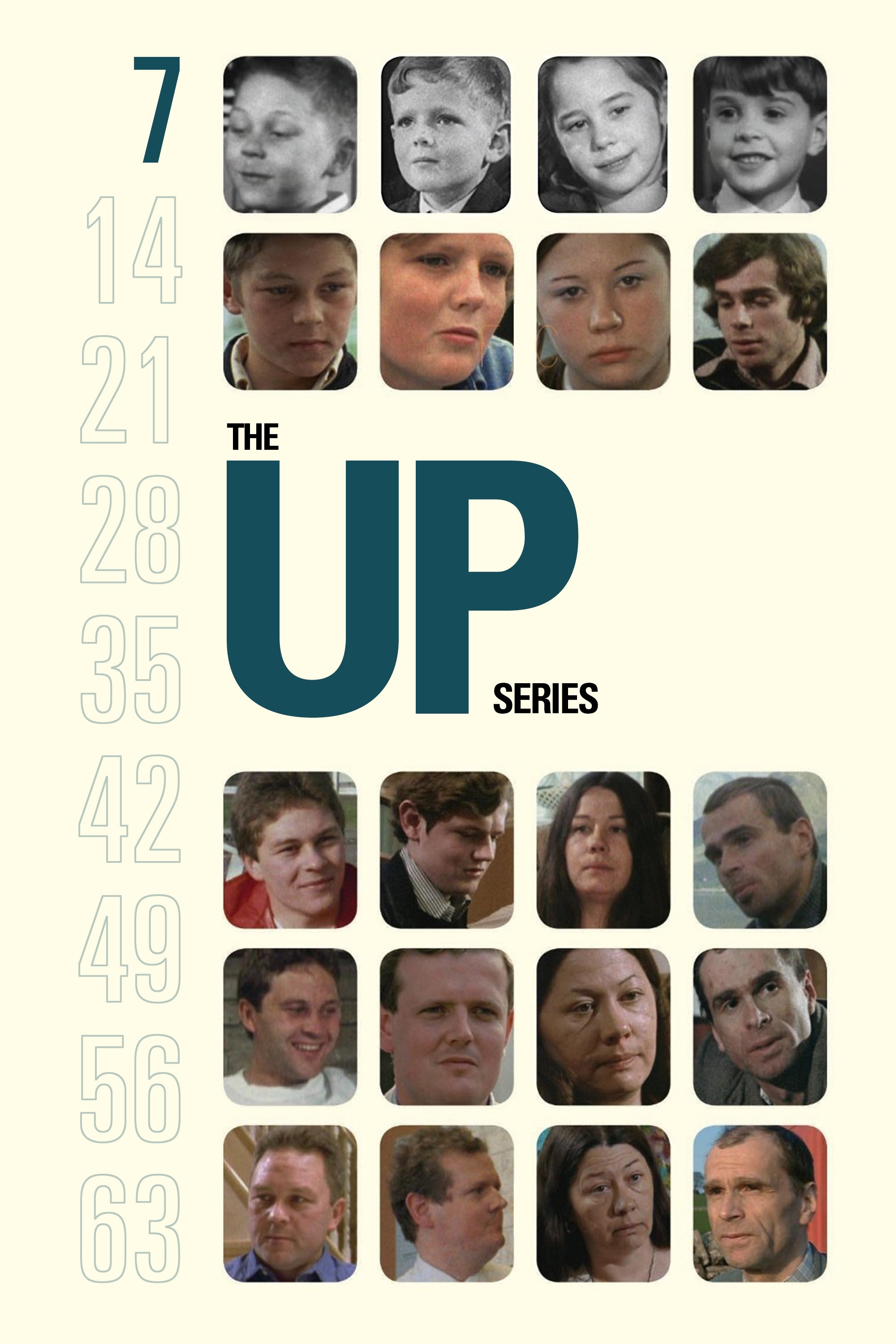
Director Michael Apted revisits the same group of British-born adults after a 7 year wait. The subjects are interviewed as to the changes that have occurred in their lives during the last seven years.
Amber Heard and Nicole Kidman discuss their characters Mera and Atlanna.
Ten Minutes Older is a 2002 film project consisting of two compilation feature films entitled The Trumpet and The Cello. The project was conceived by the producer Nicolas McClintock as a reflection on the theme of time at the turn of the Millennium. Fifteen celebrated film-makers were invited to create their own vision of what time means in ten minutes of film.
The odyssey of Senegalese friends who attempt a life-threatening boat crossing.
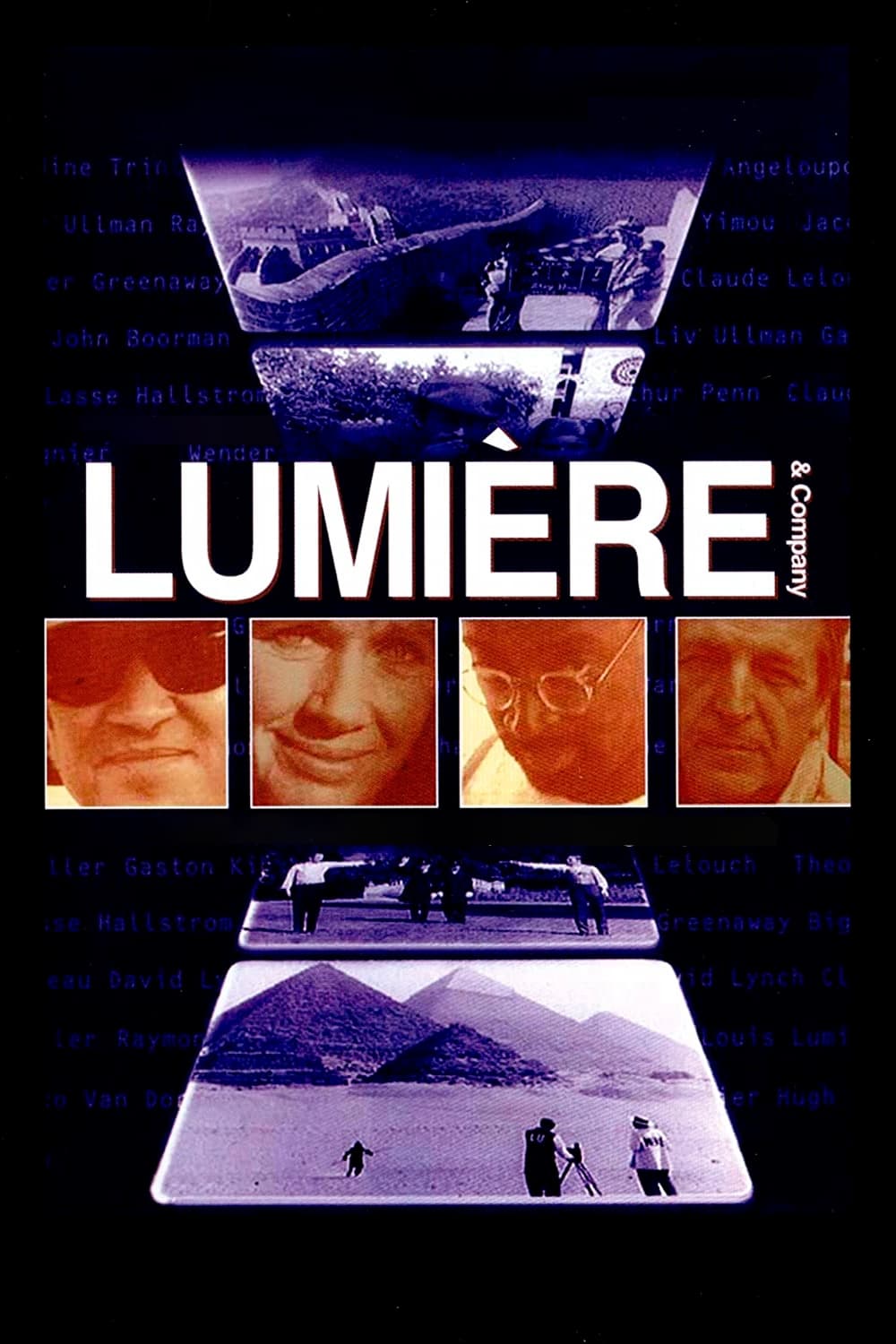
40 international directors were asked to make a short film using the original Cinematographe invented by the Lumière Brothers, working under conditions similar to those of 1895. There were three rules: (1) The film could be no longer than 52 seconds, (2) no synchronized sound was permitted, and (3) no more than three takes.
King of the slack wire. His daring feats of balancing as he performs his thrilling feats in midair show that he is perfectly at home.
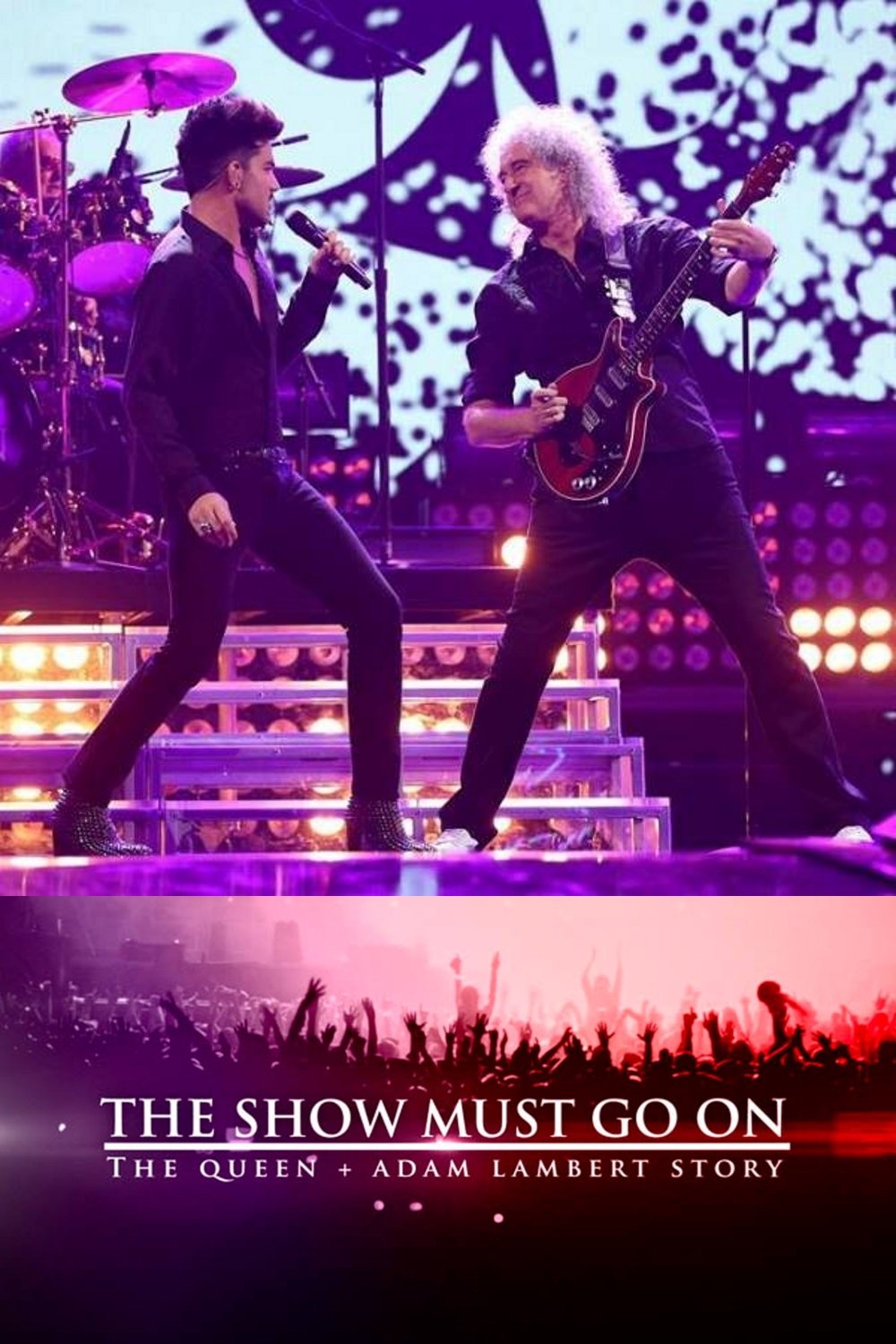
A documentary chronicling Queen and Lambert's incredible journey since they first shared the stage together on "American Idol" in 2009.
Daniel Craig candidly reflects on his 15 year adventure as James Bond. Including never-before-seen archival footage from Casino Royale to the upcoming 25th film No Time To Die, Craig shares his personal memories in conversation with 007 producers, Michael G Wilson and Barbara Broccoli.
Filmed in 1896 by Alexandre Promio for the Lumière company, this short actuality presents one of the earliest traveling shots in cinema. With the camera mounted on a gondola, the film glides along Venice’s Grand Canal, capturing passing gondolas, bustling waterfront activity, and the city’s iconic architecture from a moving perspective. This simple yet groundbreaking technique introduced audiences to a new way of experiencing motion on screen.
A compilation of over 30 years of private home movie footage shot by Lithuanian-American avant-garde director Jonas Mekas, assembled by Mekas "purely by chance", without concern for chronological order.
A documentary on the expletive's origin, why it offends some people so deeply, and what can be gained from its use.
In 1997, Louis Theroux made a documentary about the world of male porn performers in Los Angeles. 15 years later, he returns to find a business struggling with the deluge of free porn on the internet. Louis revisits some of the original programme's contributors as well as meeting the latest crop of porn performers dreaming of porn stardom.
When Allied forces liberated the Nazi concentration camps in 1944-45, their terrible discoveries were recorded by army and newsreel cameramen, revealing for the first time the full horror of what had happened. Making use of British, Soviet and American footage, the Ministry of Information’s Sidney Bernstein (later founder of Granada Television) aimed to create a documentary that would provide lasting, undeniable evidence of the Nazis’ unspeakable crimes. He commissioned a wealth of British talent, including editor Stewart McAllister, writer and future cabinet minister Richard Crossman – and, as treatment advisor, his friend Alfred Hitchcock. Yet, despite initial support from the British and US Governments, the film was shelved, and only now, 70 years on, has it been restored and completed by Imperial War Museums under its original title "German Concentration Camps Factual Survey".
Al Pacino's deeply-felt rumination on Shakespeare's significance and relevance to the modern world through interviews and an in-depth analysis of "Richard III."
A love letter from a young mother to her daughter, the film tells the story of Waad al-Kateab’s life through five years of the uprising in Aleppo, Syria as she falls in love, gets married and gives birth to Sama, all while cataclysmic conflict rises around her. Her camera captures incredible stories of loss, laughter and survival as Waad wrestles with an impossible choice– whether or not to flee the city to protect her daughter’s life, when leaving means abandoning the struggle for freedom for which she has already sacrificed so much.