Ed Gerlock, Romeo Mariano, and DJ De Guzman shares their experience in documenting a range of events in the decades of media censorship.
Social & External
Ed Gerlock
Romeo Mariano
DonnJessie De Guzman
Checkpoint Zoo documents a daring rescue led by a heroic team of zookeepers and volunteers, who risked their lives to save thousands of animals trapped in a zoo behind enemy lines in the Russian Invasion of Ukraine.
On May 1st, unions all over Japan celebrate May Day, the international day for workers. Workers gather together at parks and hold demonstrations and parades. May Day has its origins in a strike that occurred in the United States on May 1, 1886, a strike that called for an eight-hour workday. Prokino recorded the May Day every year from 1927 to 1932. Among these films, this work is the only one that has survived. However, only its first part has survived. The original film depicts the march to the Ueno Park where the rally was dismissed. Iwasaki Akira coordinated the entire Tokyo Prokino organization as it photographed the 1931 May Day celebrations. They shot in both 16mm and 35mm (other 35mm productions were planned, but this is the only one that achieved completion). A 16mm print was circulated around the countryside by mobile projection units, and a 35mm print was shown at Soviet film nights in Tokyo and Osaka.
The documentary about the history and struggle for Press Freedom of Mosquito Press during the dark days of Marcos dictatorship.
In Russia, criticizing the war in Ukraine or Vladimir Putin’s regime has become a crime. Thousands of ordinary citizens are being arrested, tried, and imprisoned. They are called “Politzek”: political prisoners. Filmed clandestinely over the course of more than a year, Politzek gives a platform to those who, despite the fear, continue to speak out against Putin’s repressive Russia. Through the intersecting stories of a teenager sentenced to five years in prison for criticizing the government on social media, a young artist jailed for placing anti-war stickers, a human rights activist, and two theater directors facing Kafkaesque trials, the film unveils the machinery of state repression in Russia. With rare footage, broken yet unyielding voices, this is a story of silenced resistance.
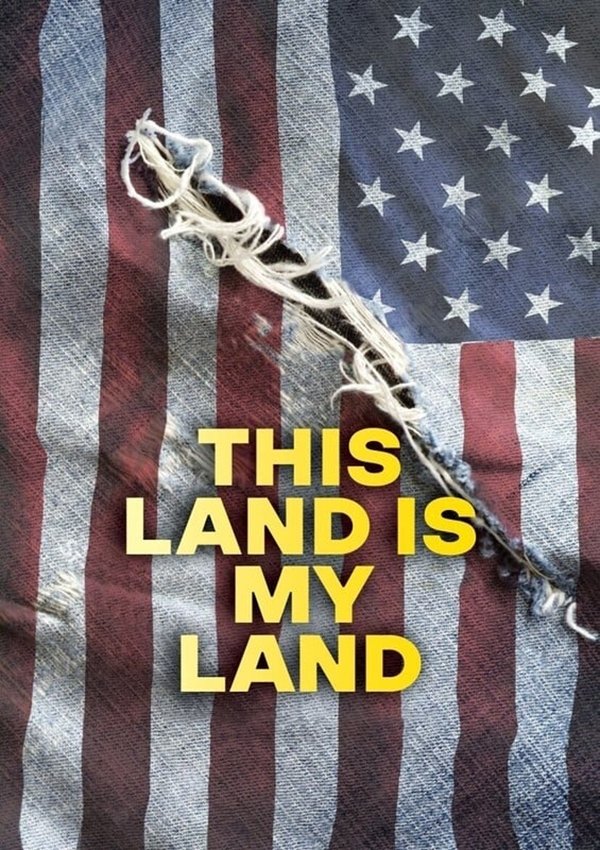
Examines the implications of Christian Nationalism, how it distorts not only our constitutional republic, but Christianity itself, and asks the question: What happens when a faith built on love, sacrifice, and forgiveness grows political tentacles, conflating power, money, and belief into hyper-nationalism?
In the vastness of the Iranian desert, young artists strive for freedom, community, and the preservation of their cultural heritage in the ancient caravanserai of Deyr-e Gachin, while facing the harsh conditions of their surroundings.
Focuses on one of the most talked about and important issues of our time – how to find yourself and your truth. It follows model and transgender activist Munroe Bergdorf’s journey and provides hope for those facing similar challenges.
As Puerto Rico falls deeper and deeper into an unprecedented crisis this is Vietnam’s story, a community or barrio located on the coast of Guaynabo fighting an illegal expropriation at the hands of a career politician. Their experience echoes the island’s current struggle with; an unparalleled migration, a notion of progress fueled by corruption, crippling economic debt, displaced poor and middle class families whose land is being purchased by millionaires, and the slow to non-existent reconstruction of infrastructure after Hurricane Maria.
During April 1994, on quiet road in Kigali a group of neighbors in Rwanda were filmed. This was the opening days of the Rwandan Genocide, and even though almost one million people were slaughtered, remarkably there is only one known segment of footage showing any actual killing. This movie is about the extraordinary journey of that evidence as the original photographer returns to Rwanda, revisiting the people and events that he by chance caught on film. As the footage returns to the community, friends and family relive the tragic events as they work with the photographer to identify the victims, and then eventually the killers.
A bipartisan group of U.S. defense, intelligence, and elected policymakers spanning five presidential administrations participate in an unscripted role-play exercise in which they confront a political coup backed by rogue members of the U.S. military, in the wake of a contested presidential election.
Produced by the Army Pictorial Service, Signal Corps, with the cooperation of the Army Air Forces and the United States Navy, and released by Warner Bros. for the War Activities Committee shortly after the surrender of Japan. Follow General Douglas MacArthur and his men from their exile from the Philippines in early 1942, through the signing of the instrument of surrender on the USS Missouri on September 1, 1945. Preserved by the Academy Film Archive in 2013.
Visionary, radical, spiritual seeker, renowned poet, founding member of a major literary movement, champion of human rights, Buddhist, political activist and teacher. Extensive archival footage, interviews, and home movies cover Allen Ginsberg's life, activism, and influence on American culture through the Beat era, the 1960s, and beyond.
In 2008, Natasha, a newly rich woman, decides to open an independent TV station in Russia and builds an open-minded team of outcasts. By 2020, Natasha has lost everything to Russia's war between Propaganda and Truth.
Jesus 'Chuy' Aceves and a dozen living members of his extended family suffer from the very rare condition of congenital hypertrichosis, meaning they were born with excessive hair on their faces and bodies. Due to their appearance, they suffer from discrimination in all areas of their lives: the children are made fun of at school and abandoned by their 'non-hairy' parents, and the adults cannot find work unless they choose to exhibit themselves as freaks in circuses. This moving and visually arresting documentary is a portrait of Chuy and his family members. It examines their day-to-day lives and their struggle to find love, acceptance and employment.
The most crude and atrocious institutional violence of the Spanish State hides behind a true dark figure, an abyss into which this documentary peers through 30 firsthand accounts.
"CATANAS POINT - A Surf Documentary" portrays the reality of the sport of surfing in Angola and compares it with what surfing was like in Brazil from the 1980s to the present day.
In 2021, the border area between Poland and Belarus became a forbidden zone, three kilometers wide, where refugees found themselves brutally trapped. They had become the stakes in a political game: Belarus supposedly guaranteed free passage to the EU, but in Poland the refugees met with pushbacks, forcing them back across the border. Once in Belarus again, they were driven back towards Poland—a horrific stalemate in an inhospitable landscape of treacherous marshes.
Passionate about ocean life, a filmmaker sets out to document the harm that humans do to marine species — and uncovers an alarming global conspiracy.
The world knows the image of the good Canadian. But what if there was a dark secret behind a national identity? THE GOOD CANADIAN exposes the truth behind the idea of a True North strong and free. In this unflinching and eye-opening documentary, directors Leena Minifie and David Paperny move us through the corridors of systemic inequity, from the Indian Act to residential schools, to modern-day family separation. Fusing shocking footage with detailed interviews with experts, advocates, whistleblowers and politicians, THE GOOD CANADIAN challenges national myth-making, while offering Canadians the chance to forge a new identity from the truth.
A documentary on the expletive's origin, why it offends some people so deeply, and what can be gained from its use.
An experimental documentary that explores Saudi Arabia's relationship with the U.S. and the role this has played in the war in Afghanistan.
A visual montage portrait of our contemporary world dominated by globalized technology and violence.
A compilation of over 30 years of private home movie footage shot by Lithuanian-American avant-garde director Jonas Mekas, assembled by Mekas "purely by chance", without concern for chronological order.
Unravel the case of Utah therapist Jodi Hildebrandt, whose child abuse arrest with parenting YouTuber Ruby Franke exposed a twisted tale of manipulation.
A love letter from a young mother to her daughter, the film tells the story of Waad al-Kateab’s life through five years of the uprising in Aleppo, Syria as she falls in love, gets married and gives birth to Sama, all while cataclysmic conflict rises around her. Her camera captures incredible stories of loss, laughter and survival as Waad wrestles with an impossible choice– whether or not to flee the city to protect her daughter’s life, when leaving means abandoning the struggle for freedom for which she has already sacrificed so much.
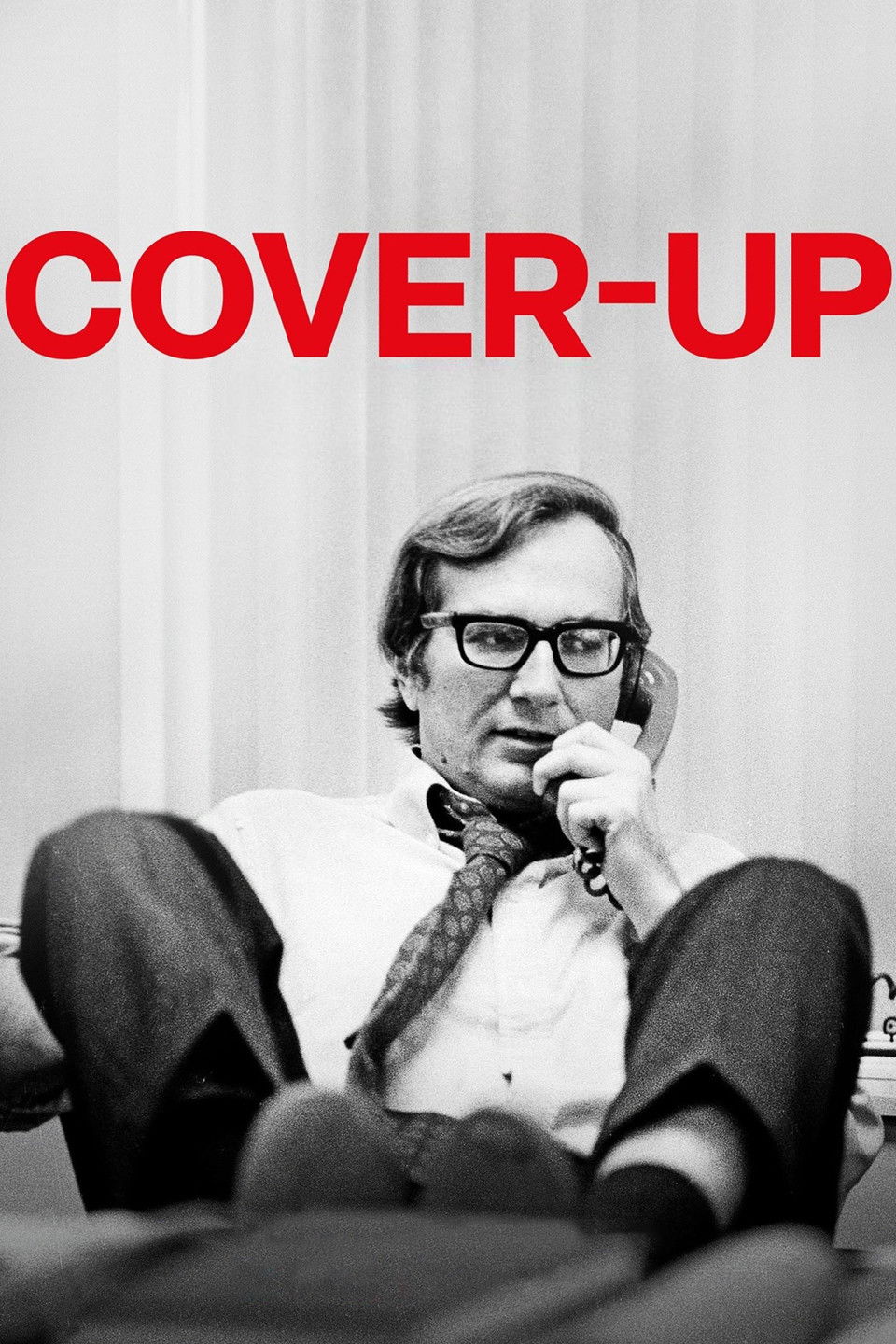
He's devoted his career to uncovering stories the powerful want buried. From My Lai to Abu Ghraib, dig into the life's work of journalist Seymour Hersh.
In June 2013, Laura Poitras and reporter Glenn Greenwald flew to Hong Kong for the first of many meetings with Edward Snowden. She brought her camera with her.
Director Michael Apted revisits the same group of British-born adults after a 7 year wait. The subjects are interviewed as to the changes that have occurred in their lives during the last seven years.
A chronicle of the production problems — including bad weather, actors' health, war near the filming locations, and more — which plagued the filming of Apocalypse Now, increasing costs and nearly destroying the life and career of Francis Ford Coppola.
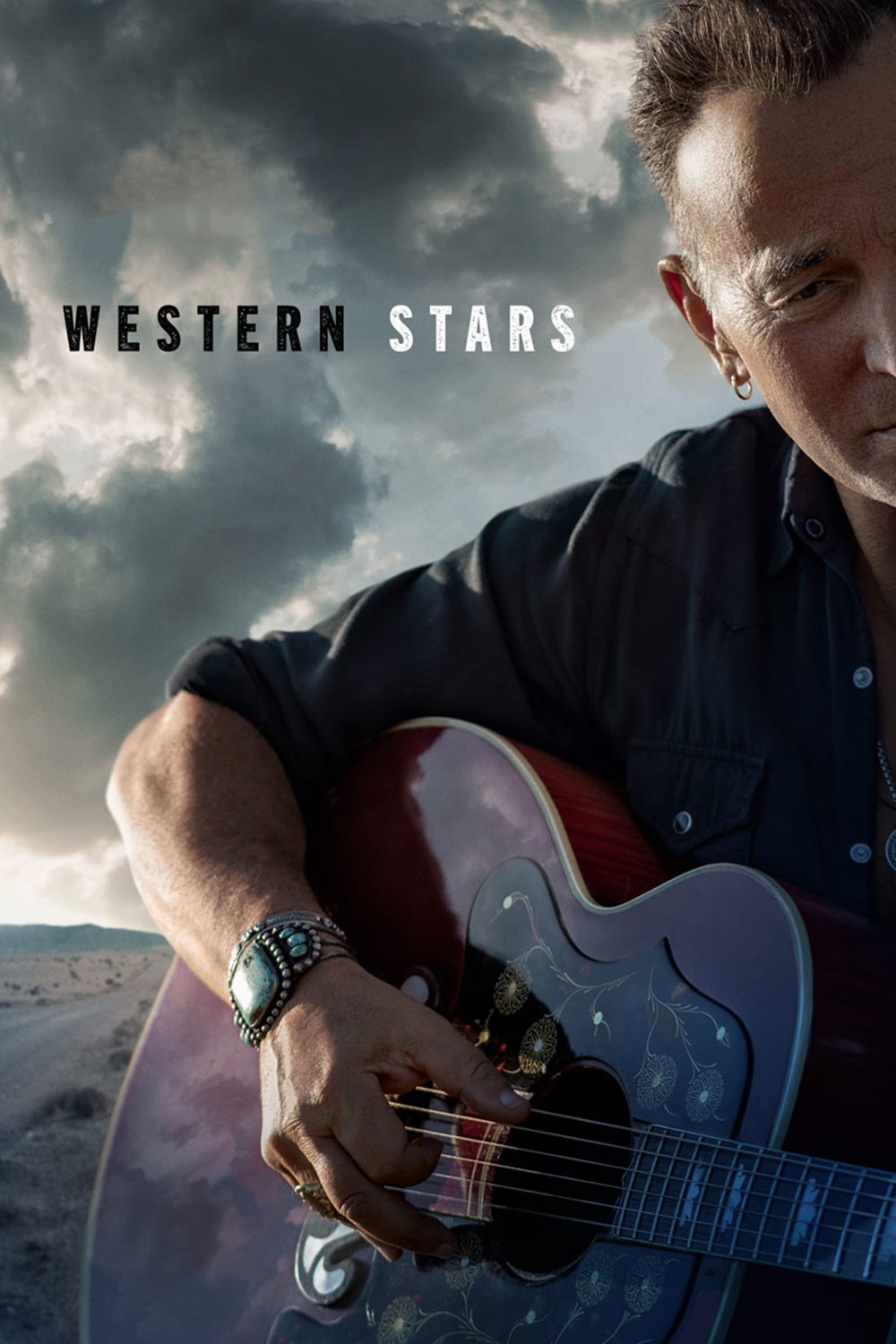
The incomparable Bruce Springsteen performs his critically acclaimed latest album and muses on life, rock, and the American dream, in this intimate and personal concert film co-directed by Thom Zimny and Springsteen himself.
With unprecedented access, this documentary follows the extraordinary journey of “Raqqa is Being Slaughtered Silently”—a group of anonymous citizen journalists who banded together after their homeland was overtaken by ISIS—as they risk their lives to stand up against one of the greatest evils in the world today.
A documentary capturing the creation of the album Junun inside Rajasthan’s 15th-century Mehrangarh Fort. Paul Thomas Anderson follows Jonny Greenwood, Shye Ben Tzur, Nigel Godrich, and the Rajasthan Express as they record a cross-cultural fusion of Indian, Israeli, and Western music.
Documentary filmmaker Amy Berg investigates the life of 30-year pedophile Father Oliver O'Grady and exposes the corruption inside the Catholic Church that allowed him to abuse countless children. Victims' stories and a disturbing interview with O'Grady offer a view into the troubled mind of the spiritual leader who moved from parish to parish gaining trust ... all the while betraying so many.
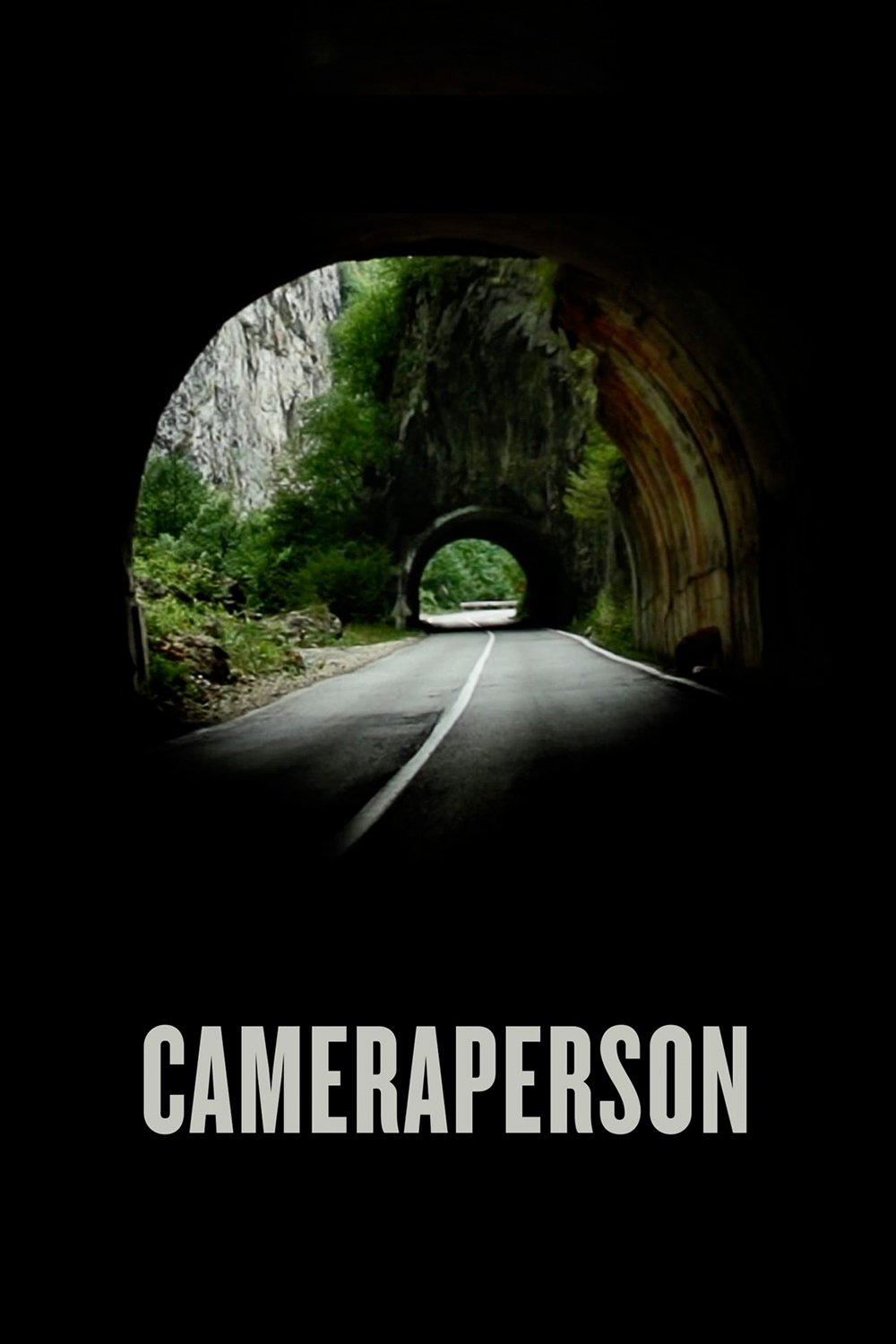
As a visually radical memoir, CAMERAPERSON draws on the remarkable footage that filmmaker Kirsten Johnson has shot and reframes it in ways that illuminate moments and situations that have personally affected her. What emerges is an elegant meditation on the relationship between truth and the camera frame, as Johnson transforms scenes that have been presented on Festival screens as one kind of truth into another kind of story—one about personal journey, craft, and direct human connection.
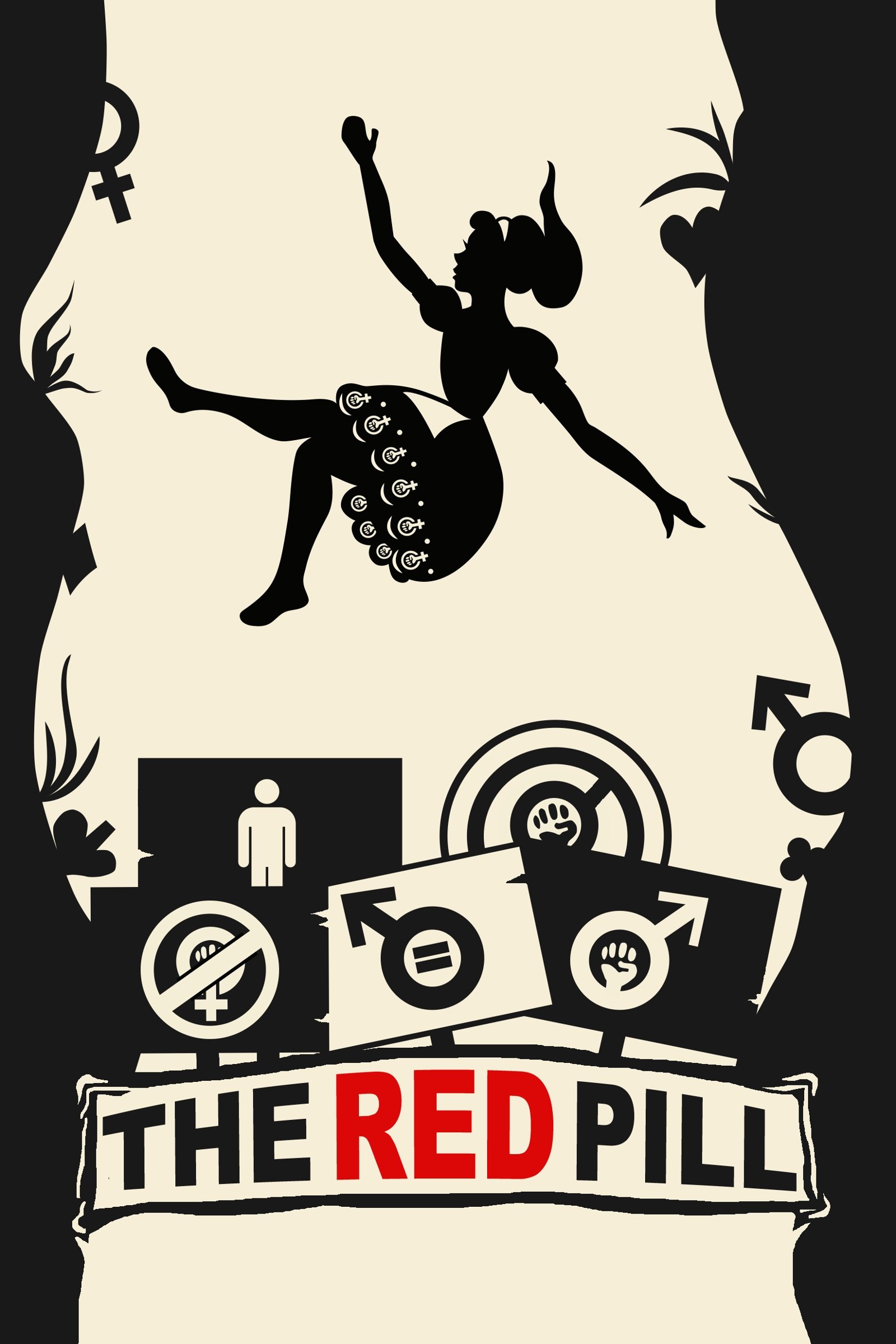
When a feminist filmmaker sets out to document the mysterious and polarizing world of the Men’s Rights Movement, she begins to question her own beliefs. Chronicling Cassie Jaye’s journey exploring an alternate perspective on gender equality, power and privilege.
Through deeply personal interviews with her siblings and an examination of the photographs, letters, and belongings left behind, Mariska assembles a new portrait of her mother Jayne Mansfield, an extraordinary and complex woman.
Fox Rich, indomitable matriarch and modern-day abolitionist, strives to keep her family together while fighting for the release of her incarcerated husband. An intimate, epic, and unconventional love story, filmed over two decades.
When Allied forces liberated the Nazi concentration camps in 1944-45, their terrible discoveries were recorded by army and newsreel cameramen, revealing for the first time the full horror of what had happened. Making use of British, Soviet and American footage, the Ministry of Information’s Sidney Bernstein (later founder of Granada Television) aimed to create a documentary that would provide lasting, undeniable evidence of the Nazis’ unspeakable crimes. He commissioned a wealth of British talent, including editor Stewart McAllister, writer and future cabinet minister Richard Crossman – and, as treatment advisor, his friend Alfred Hitchcock. Yet, despite initial support from the British and US Governments, the film was shelved, and only now, 70 years on, has it been restored and completed by Imperial War Museums under its original title "German Concentration Camps Factual Survey".
Witness the never-before-seen footage and true story behind the John Wick phenomenon – from independent film to billion-dollar franchise.