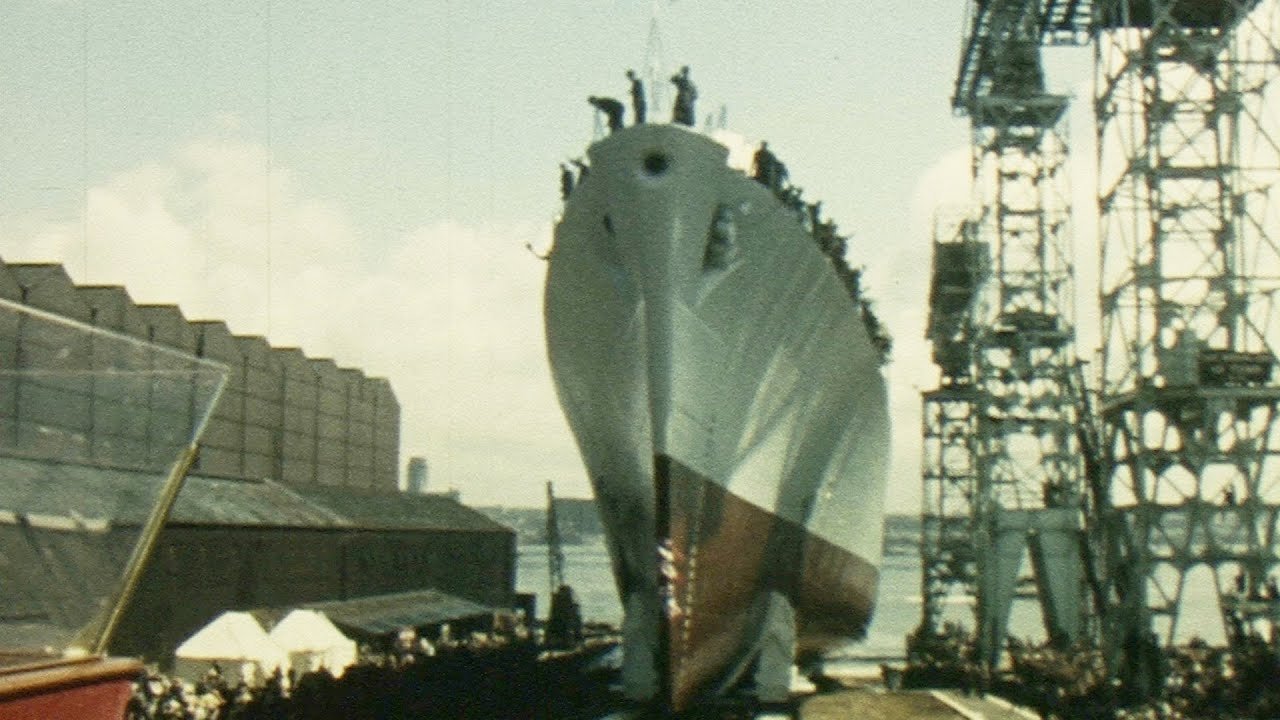
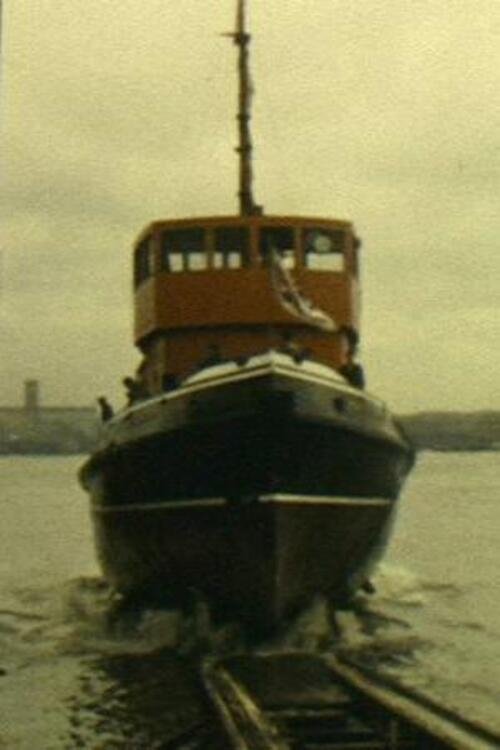
A bright outlook in Birkenhead for a thriving British enterprise.
Social & External
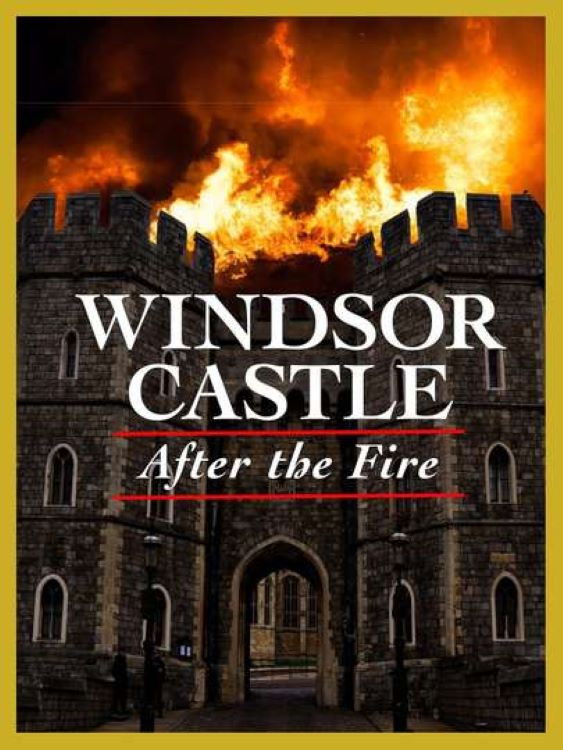
Windsor Castle is a wonderful living example of the power and tradition of the Royal Family. For nearly 1,000 years it has stood as a symbol of the monarchy's strength, it is the largest working castle in the world and is still a cared for home of the Royal Family. But on one fateful day all that was threatened. On the morning of November 20th, 1992, fire broke out in the castle.It was a threat that nearly destroyed a building that centuries of warfare and change had not even dented. The blaze raced through state apartments, the Royal Chapel, St George's Hall, bedrooms and corridors, wiping out almost everything in its path. This is the story of that fire, as told by those who witnessed it and by those for whom Windsor Castle is a home. But it is also the amazing story of the astonishing effort that was made to restore the castle to its former glory and prove that there was life for Windsor Castle after the fire.
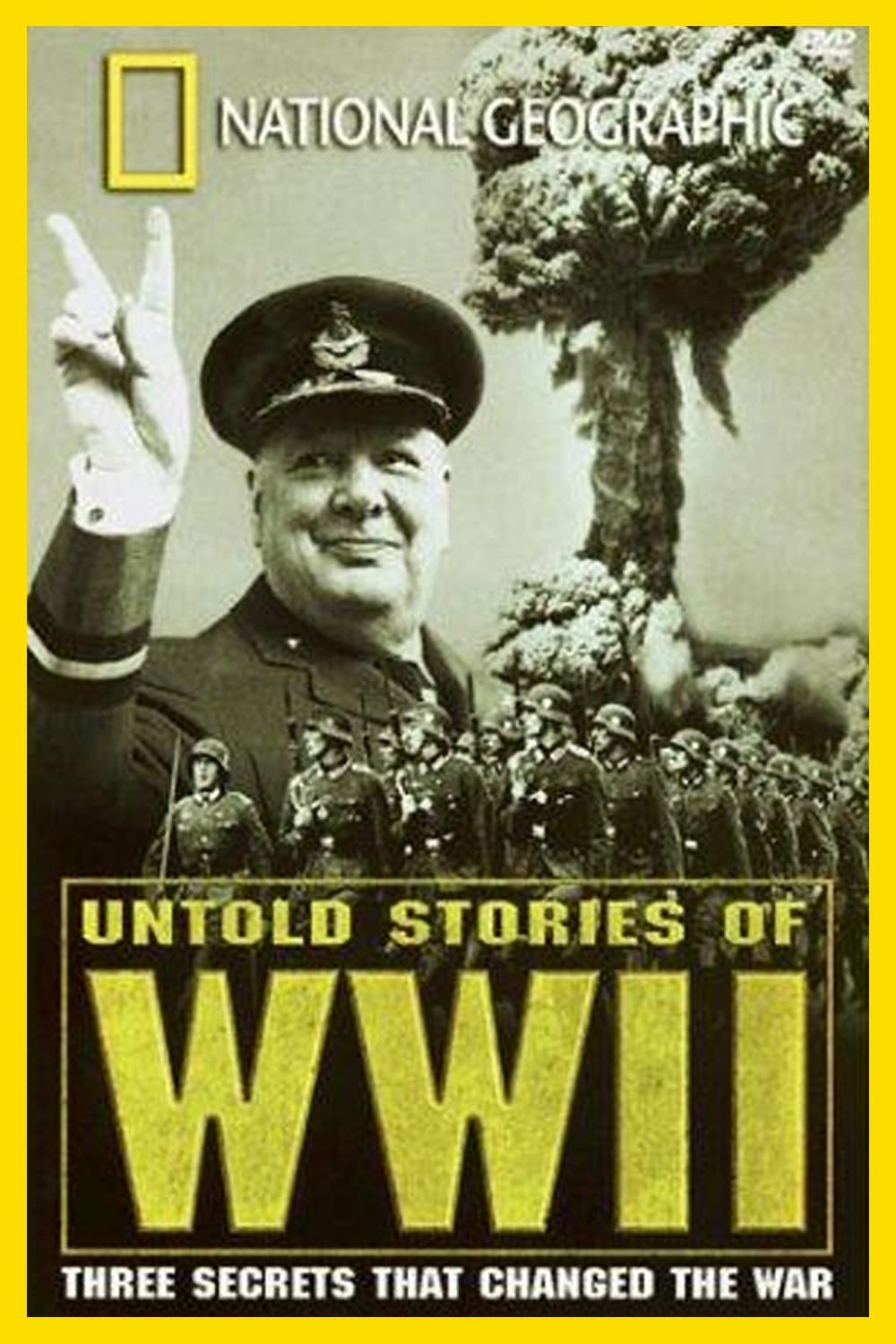
Showcases 3 major events during World War 2 involving both the Europeans & Pacific conflicts. The Raids to destroy Nazi Germany's heavy water production based in Norway, plus the final desperate act to deny them what had already been stockpiled. The Japanese midget submarines role and participation in the attack on Pearl Harbor, December 7, 1941. What they achieved plus what was their ultimate fate. The attacks on United States warships in the Pacific late in World War 2 by the Japanese Kamikaze and Okha Squadrons. The Kamikaze attacks were in whatever planes the Japanese forces were able to gather. The Okha attacks were made in specially built flying bombs that were towed by larger and usually slower aircraft that were not suitable for fighter work.
12,000 feet down, life is erupting. Alvin, a deep-sea mechanized probe, makes a voyage some 12,000 feet underwater to explore the Azores, a constantly-erupting volcanic rift between Europe and North America.
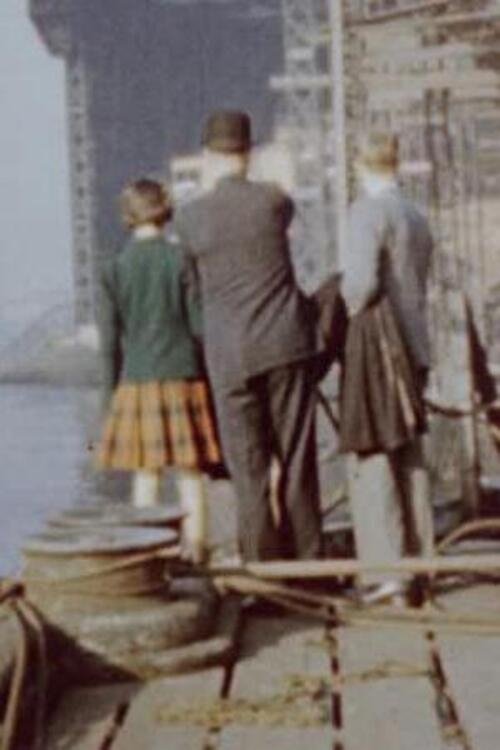
Prince George, who later became the Duke of Kent, takes in some dramatic scenes in a local steelworks, opens a trunk road, and visits the War Memorial Hospital to open a new nurses' home - where his presence is eagerly awaited by giggling nurses.
This World War II documentary rests on an unusual thesis: it argues that, in the wake of Pearl Harbor, the actions precipitated by the U.S.A.F. that truly helped turn the tide were perpetrated not by the widely-ballyhooed U.S.N. aviators or aircraft carriers, but by the American submarines - silent warriors beneath the deceptively placid ocean surface. The subs, after all, were responsible for gravely wounding Japan's industry, all but destroying the Japanese merchant fleet, and therefore preventing reinforcement of Japanese military garrisons. In relaying this story, the program draws on a series of interviews with military veterans, and endless archival footage of naval battles that chronologically tells the gripping story of the Pacific Front of the war.
Sixty-years after setting sail on the PT 658, a group of World War II veterans reminisce about their extraordinary experiences on the boat while attempting to restore it to it's original condition in a documentary that has a little something for war buffs and amateur historians alike.
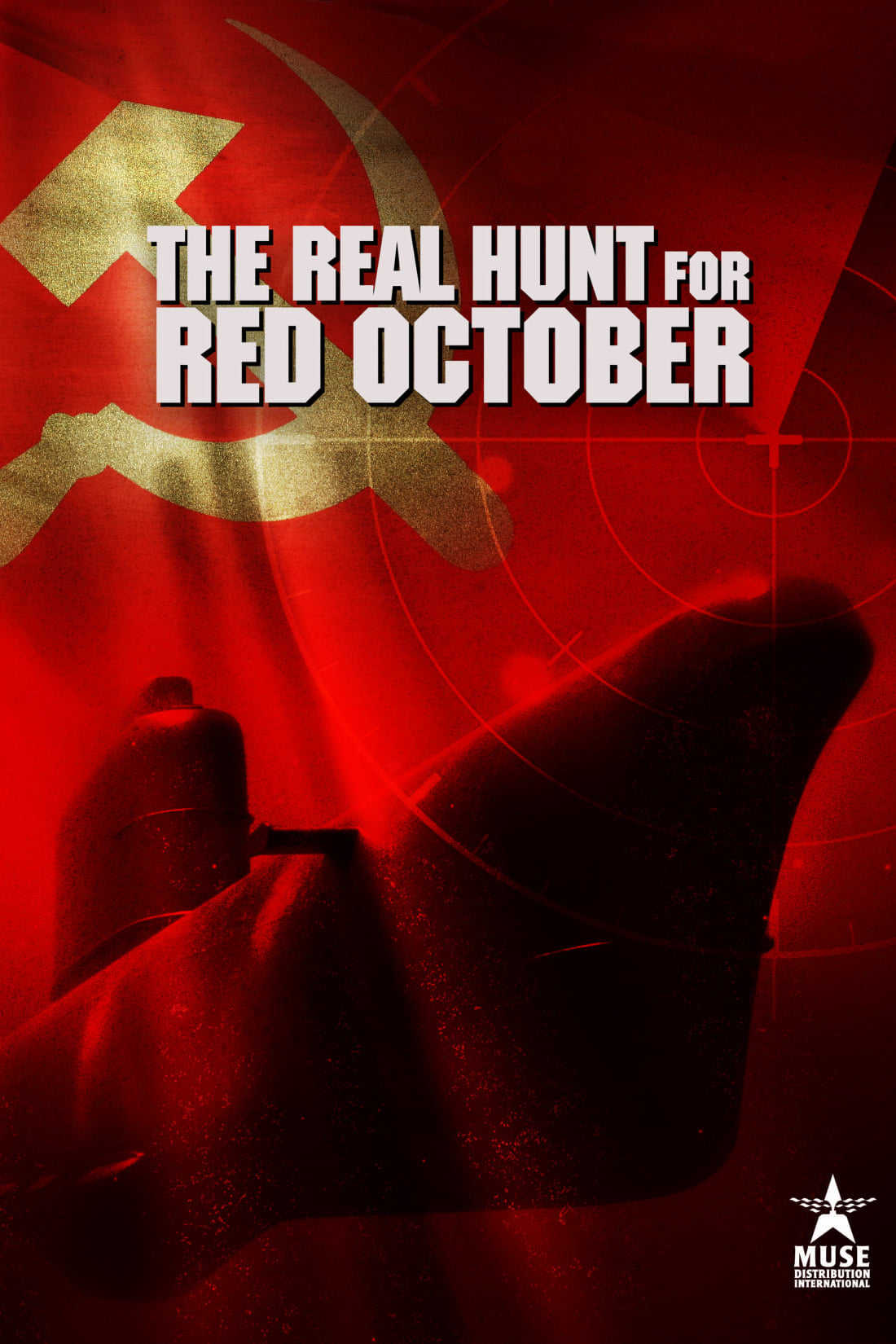
Robert Llewellyn examines the enduring appeal of submarine movies, finding a beached Cold War Russian nuclear sub on the Medway and WWII German U-boat pens on the French coast.
25 Years is an impressionistic survey of the years from the Queen's accession to the throne in 1952 through to her Silver Jubilee in 1977. Combining archive and contemporary footage - including that of the royal visit to Canada and the US in 1976, the bicentenary year of American independence - the film explores the monarchy through a quarter-century which saw the conquest of Everest, the development of television as a mass medium, the first supersonic flight and space exploration. Through good times and bad, and tumultuous changes for better or for worse, one factor remained constant: the monarchy, in the person of Queen Elizabeth II, provided a continuity and stability which this film celebrates in her Silver Jubilee year.
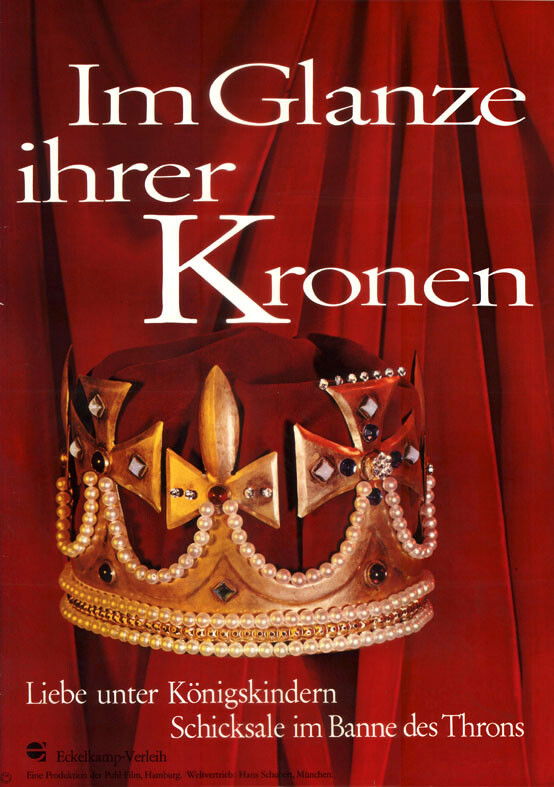
Wallis Simpson is one of the most reviled women of the 20th century. It was to marry this twice-divorced American that King Edward VIII of England renounced the throne in 1936, after less than a year on the throne. Born in Pennsylvania in 1896, Wallis, orphaned of her father, grew up in precarious conditions, and very early on relied on marriage to advance socially. But her matrimonial choices were far from always happy. From 1935 onwards, her affair with Crown Prince Edward opened the doors to "a shimmering new world", but it also made her the target of numerous rumors and public animosity.
Extraordinary pictures of an accident with a royal audience at Middlesbroughs magnificent Transporter Bridge.
The King's first visit to Ireland's second city - where he unveils Belfast's iconic Queen Victoria statue.
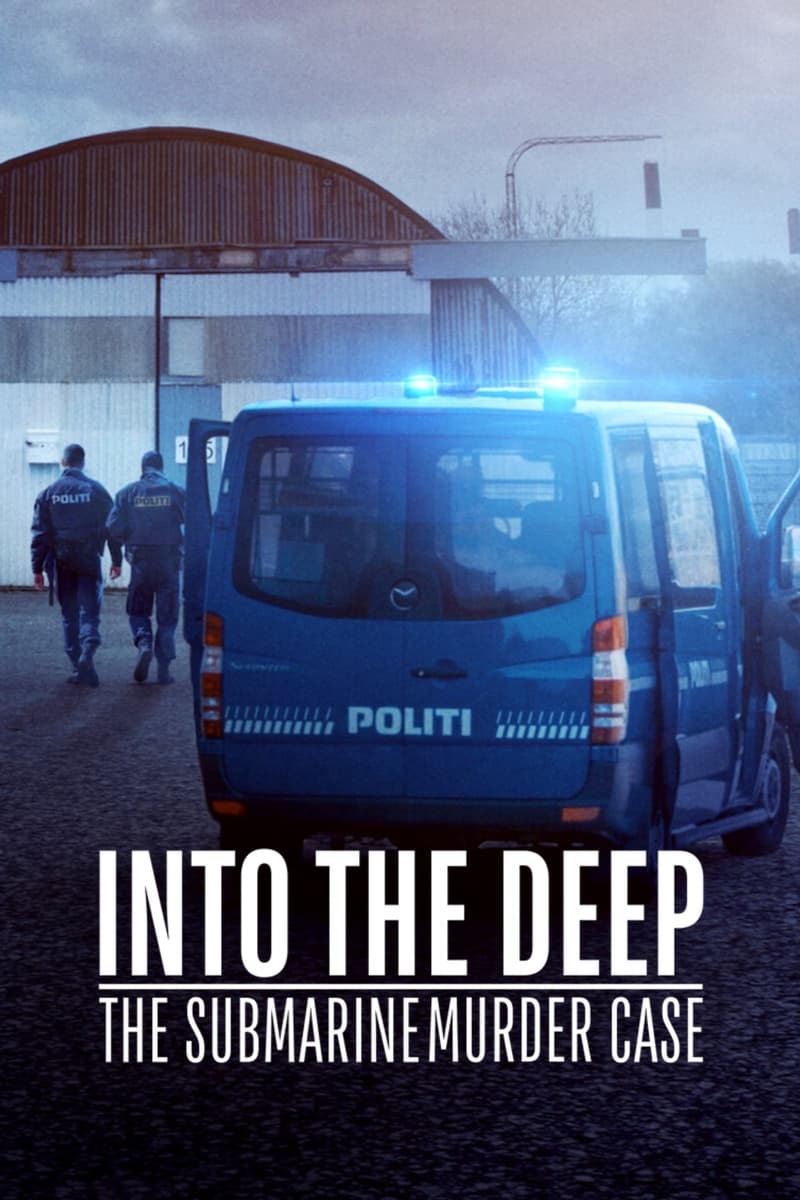
In 2016, a young Austrialian filmmaker began documenting amateur inventor Peter Madsen. One year in, Madsen brutally murdered Kim Wall aboard his homemade submarine. An unprecedented revelation of a killer and the journey his young helpers take as they reckon with their own complicity and prepare to testify.
The documentary covers the entire maritime sector, its significance and contribution in the development in a country. Evergreen Media traveled from Karachi to Gadani, to Ormara to Gawadar ports, life of Creeks area, Fisheries, Shipyards, boarded the national flag carriers and landed at naval combat ships. The voyage unfolds the simple and straightforward steps to the prosperity of several nations. The marine sector plays a vital role in the economy of a country though it is seldom visible in everyday life and thus continues to be undervalued. Maritime activities are essential to trade and prosperity. They underpin our quality of life by facilitating the safe, reliable and low cost movement of foodstuffs, consumer goods and raw materials.
During the Cuban Missile Crisis of 1962, Soviet Navy officer Vasily Arkhipov refused to launch a nuclear strike and saved the world from nuclear war and total destruction.
Lucy Worsley tells the story of the royal photograph, showing how the royal family worked with generations of photographers to create images that reinvented the British monarchy.
14 September 1943: The legendary submarine Y1 “Katsonis” was sunk north of the island of Skiathos by the German submarine chaser UJ 2101. Through the book of XO Elias Tsoukalas who escaped capture and had to swim for nine hours to reach shore, secret documents, and crew members’ diaries, the documentary unfolds the human stories woven around the submarine. Seventy-five years later, with the support of the Hellenic Navy, we search for the submarine sunk at 253 metres depth and film the wreck for the very first time.
This is the story of how a prince became a king, a revealing portrait of our new monarch across the seven decades he spent as heir to the throne. It’s a journey from cradle to crown told almost solely in his own words, from film and television recordings to private home movies and featuring a wealth of material, some of which has never been seen before. As well as drawing on home movies from the Royal Collection, the film-makers were given exclusive access to sequences featuring the prince, shot for the landmark 1969 film Royal Family, including private unseen moments.